



Dark blonde highlights for pale skin with soft layers live in a narrow sweet spot: lighter than brunette, softer than bright blonde, and far less fussy than the kind of stripy color that can make fair skin look flat. When the tone sits in beige, mushroom, ash, honey, or taupe territory, the face keeps its color. The hair gets movement. The whole thing reads polished without shouting.
Placement matters as much as shade. Soft layers break up the light so the highlights move when you turn your head instead of sitting there like painted stripes. On fine hair, that movement keeps the ends from disappearing into one blunt line. On thick hair, it stops the color from turning into a solid wall.
Pale skin changes the game a little. Too much yellow can make a pink complexion look sallow. Too much ash can go chalky if your skin already runs cool and clear. The best versions of this look stay right in the middle, where the blonde feels sun-softened, not bleached.
Why These Looks Work So Well
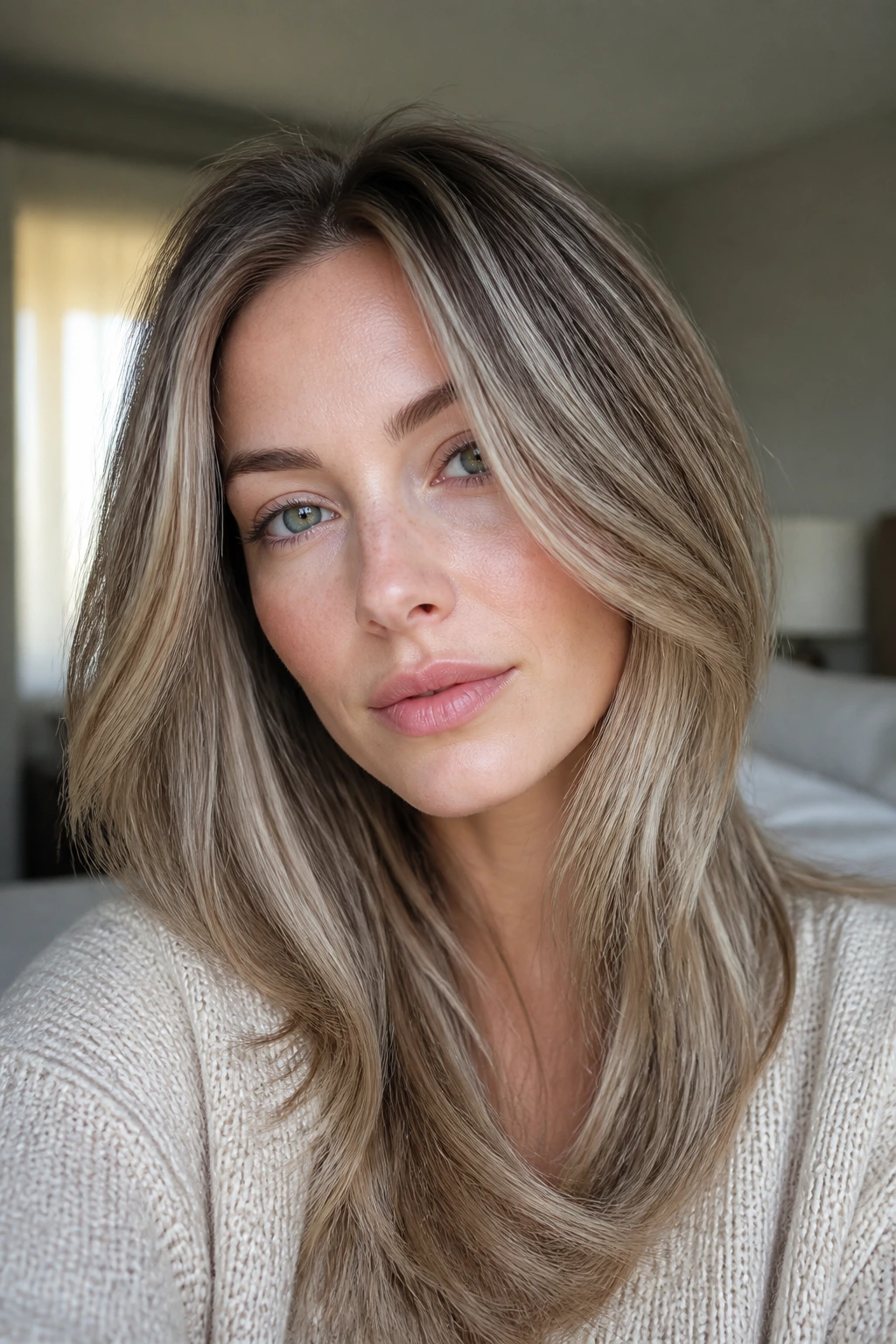
- Tone control: Dark blonde sits close enough to brunette to keep pale skin from getting washed out, while still lifting the face with light-catching ribbons.
- Soft layers: The cut gives the color motion, which keeps even beige or mushroom tones from looking heavy at the ends.
- Easy grow-out: Root-shadowed highlights can go 8 to 12 weeks before they start looking harsh, which is a mercy if you hate obvious regrowth.
- Face framing: A few lighter pieces around the cheekbone or jaw can change how the whole haircut reads, especially on pale skin with a softer jawline.
- Flexible tone family: Ash, taupe, honey, biscuit, and champagne all live in this range, so you can match the color to your undertone instead of forcing one blonde onto everyone.
Why Soft Layers Matter More Than the Highlight Photo
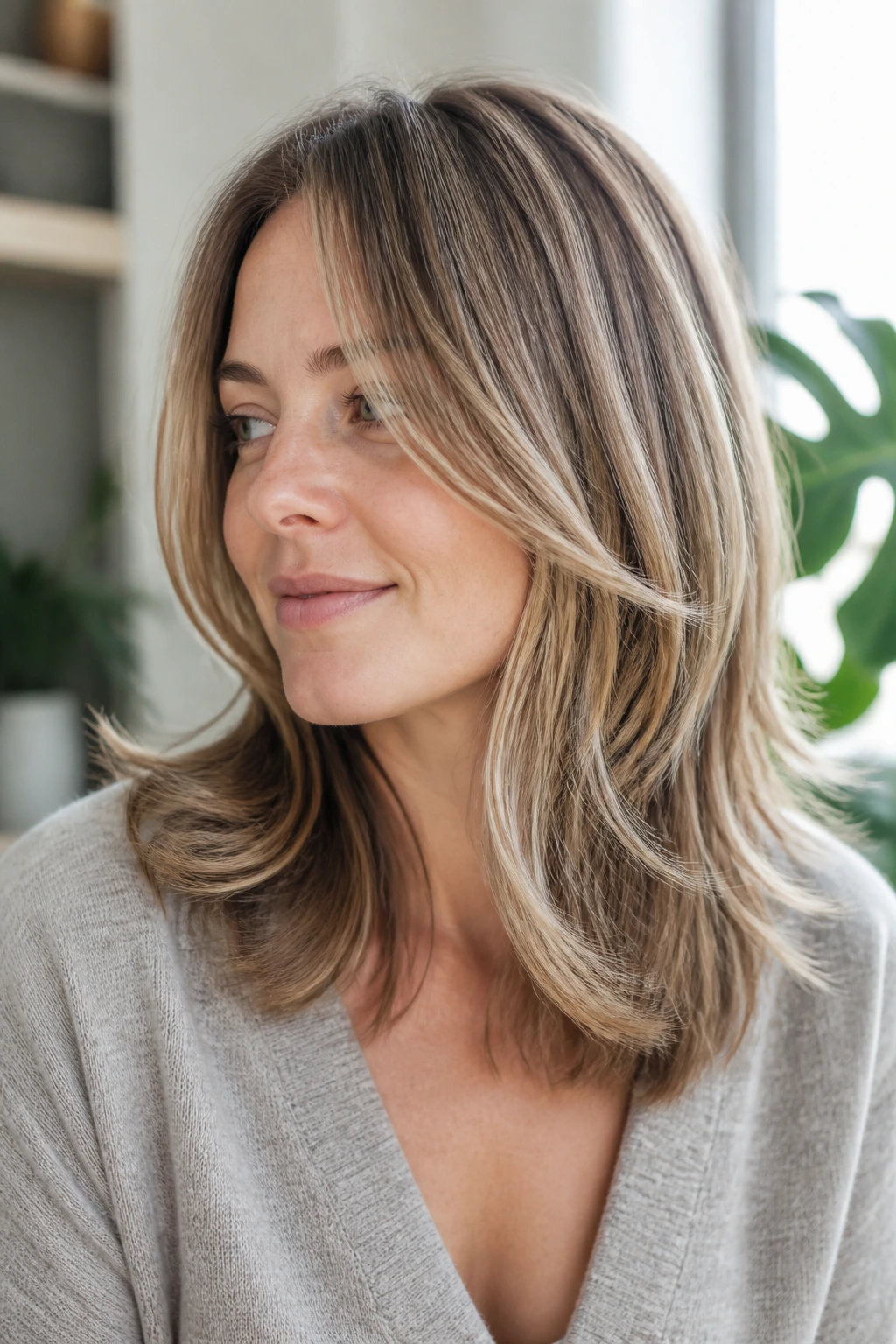
A lot of people bring in a reference photo and ask for the color, when what they’re actually reacting to is the movement. Soft layers are the part that keeps dark blonde highlights from going sleepy.
The light catches the raised pieces first. That means a shoulder-length cut with feathered ends will show beige ribbons differently from a one-length lob, even if the foil pattern is similar. Same color. Different read.
If your hair is fine, soft layers can be kept long and airy so the ends still feel full. If your hair is dense, the layers need to remove bulk without creating holes, because holes make highlights look choppy. The sweet spot is a cut that bends, not a cut that spikes.
1. Ash-Beige Ribbon Highlights
If your skin goes pink in cool daylight, this is the shade I’d hand you first. Ash-beige ribbons around a level 6 or 7 base keep the blonde from veering gold, and the soft layers let the color slide through the haircut instead of sitting in hard bands.
Why It Flatters Pale Skin
Ash-beige has enough warmth to avoid the gray, dusty look that can happen with very cool blondes. It still stays muted, which matters if your skin is fair and reactive. The face looks calmer, not brighter in a harsh way.
Ask for thin ribbons through the top and a softer veil through the sides. On soft layers, this gives you movement at the cheekbones and around the collarbone without losing the depth at the root.
- Best undertone match: Cool or pink-leaning pale skin
- Best base level: Level 6 to 7
- Best finish: Neutral-beige gloss, not icy toner
- Best styling move: Loose waves that open the ribbons
One thing to avoid: a bright yellow toner. It fights the ash and turns the whole look syrupy.
2. Mushroom Blonde Balayage
Mushroom blonde is the one people call “plain” until they see it in motion. Then it makes sense. The tone sits in that smoky beige-taupe middle ground that flatters pale skin without leaning too gold or too silver.
On soft layers, mushroom balayage looks expensive because the darker lowlight haze stays visible between the lighter pieces. That spacing is what saves it. If the hair is cut blunt and the balayage is too uniform, the shade can go dull. Give it movement, though, and it turns into soft smoke.
This is a strong pick if you have neutral skin that looks good in both silver and gold jewelry. It also works on medium-density hair where a little depth is needed to keep the color from floating away from the face.
3. Honey-Threaded Face Frame
Can pale skin wear warmth without looking orange? Absolutely, if the honey stays disciplined. Keep the honey mostly in the front pieces and the outer layer, then soften the rest with dark blonde through the mid-lengths.
That front brightness matters. Around soft layers, honey threading creates a gentle halo effect, especially if the shortest pieces hit the cheekbone and the longer pieces brush the jaw. The warm tone makes fair skin look alive, not pale in a tired way.
How to Wear It
Ask for face-framing foils that are one shade lighter than the rest of the head, not three. That keeps the look from turning stripey. If your skin runs peachy or freckles in daylight, this is one of the easiest dark blonde highlight ideas to wear.
A center part keeps it clean. A soft off-center part gives the honey a little more swing.
4. Rooted Bronde Melt
This is the answer for anyone who wants color that looks grown-in on purpose. The root stays deeper, the mids slide into dark blonde, and the ends get just enough lift to catch light without looking bleached.
Rooted bronde is useful on pale skin because the darker root stops the face from going flat. You get contrast near the scalp, then a soft fade through the layers. It’s especially good if your natural color sits around level 5 or 6 and you do not want to babysit it every three weeks.
A good bronde melt should not look muddy. The blend needs a clean tonal shift: root, mid-tone, highlight. If the colorist collapses all three into one beige blur, the haircut loses shape. Soft layers help prevent that by letting each zone show up in motion.
5. Smoky Babylights
Babylights are tiny for a reason. On pale skin, they give you brightness without a chunky foil line that can read loud in a room with bad lighting. Smoky babylights keep the lift subtle and the tone muted.
This look works best when the highlights are scattered densely through the top and front, then softened with lowlights underneath. Soft layers help the color move, which matters because babylights can disappear if the cut is too blunt. You want little flashes, not a solid blonde cap.
If your hair is fine, this is one of the safest ways to add depth without making the ends look thin. If your hair is thick, it keeps the surface lively without needing a full head of lightening.
6. Champagne Ends on a Lob
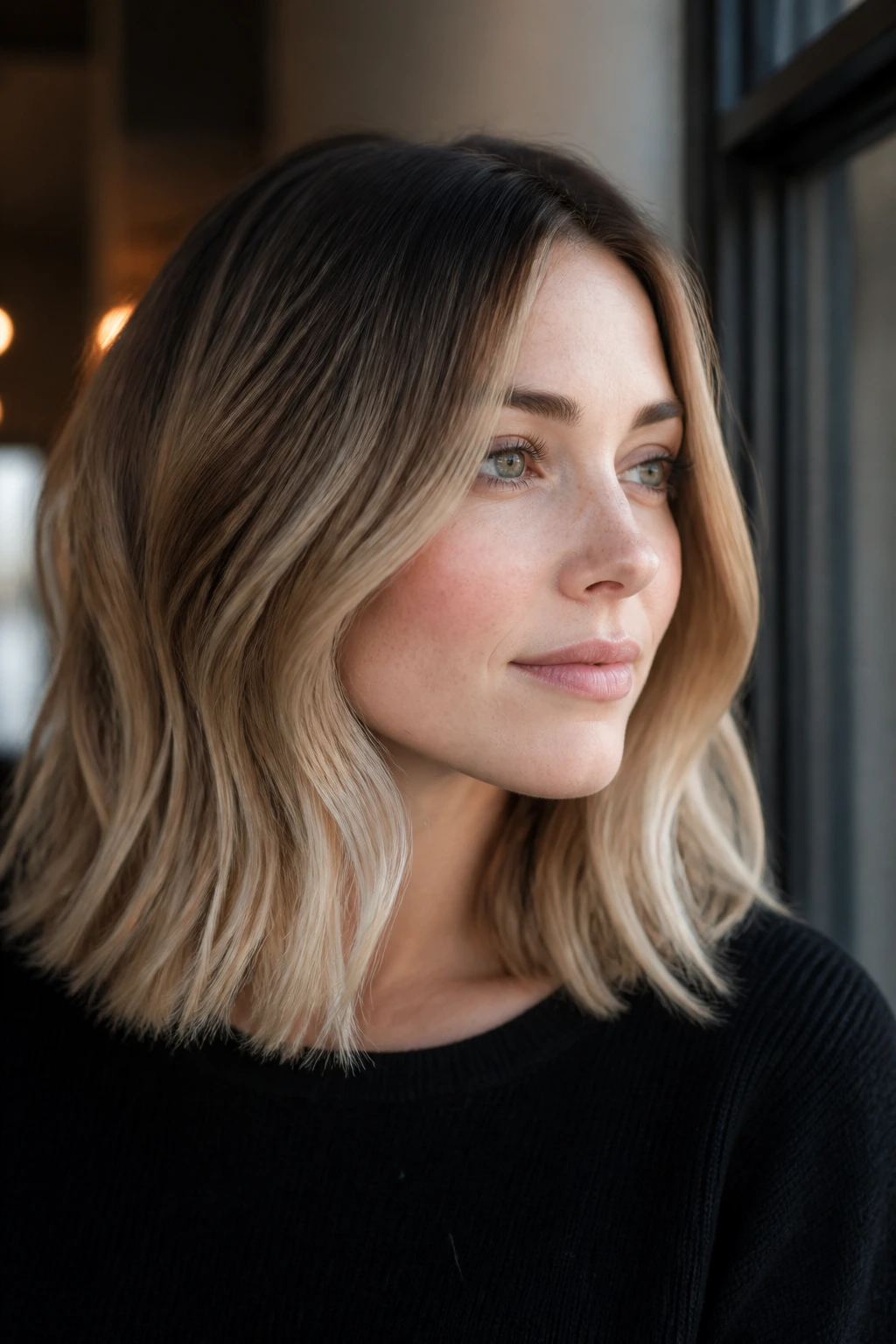
A lob with champagne ends is all about the finish. The root stays a darker dark blonde or light brown, and the lower half picks up a pale champagne gloss that catches the light without crossing into platinum.
Unlike full blonde, champagne ends keep the haircut grounded. That matters on pale skin because the contrast stays soft instead of stark. Add a few beveled layers around the face and the ends flick out with a little shine instead of hanging there in one heavy line.
This is a good choice if you like a more polished look. Straightened, it reads crisp. Waved, it turns airy. Either way, the shade is doing the work of brightening the face while the lob keeps everything neat.
7. Sandy Beige Contour
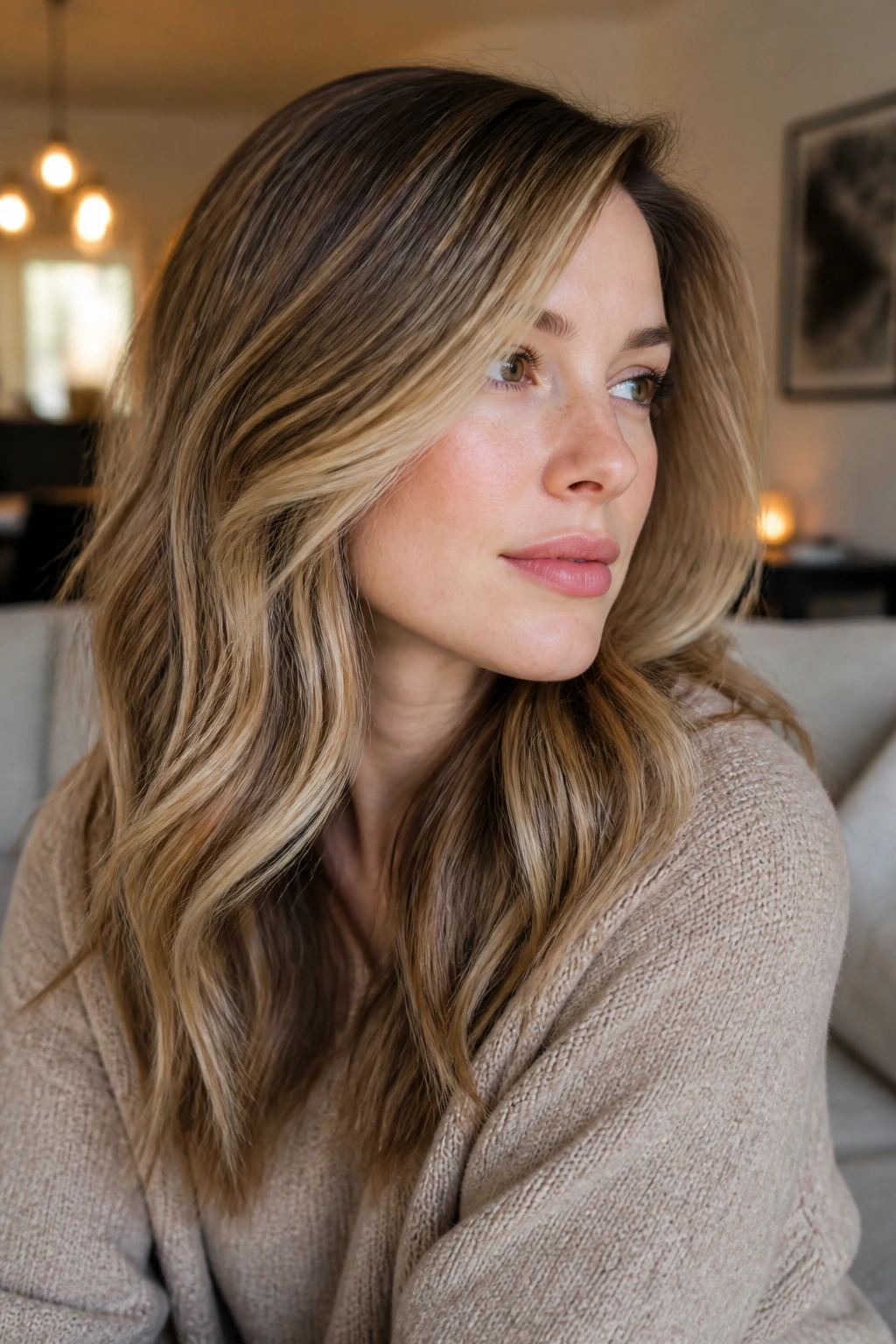
Color can contour the face, and sandy beige is one of the easiest shades to use that way. Keep the brightest pieces near the cheekbone, then let the color fall back to a slightly deeper beige through the lengths.
That placement is especially kind to pale skin because it creates shape without making the forehead or jaw look too stark. Soft layers help the contouring effect feel natural, since the lighter pieces follow the haircut instead of floating in isolated streaks.
Picture this look on medium-length hair with a side-swept part. The front opens the face. The ends stay soft. The whole style feels like it was arranged, not overdone. That’s the whole point.
8. Cool Taupe Slices
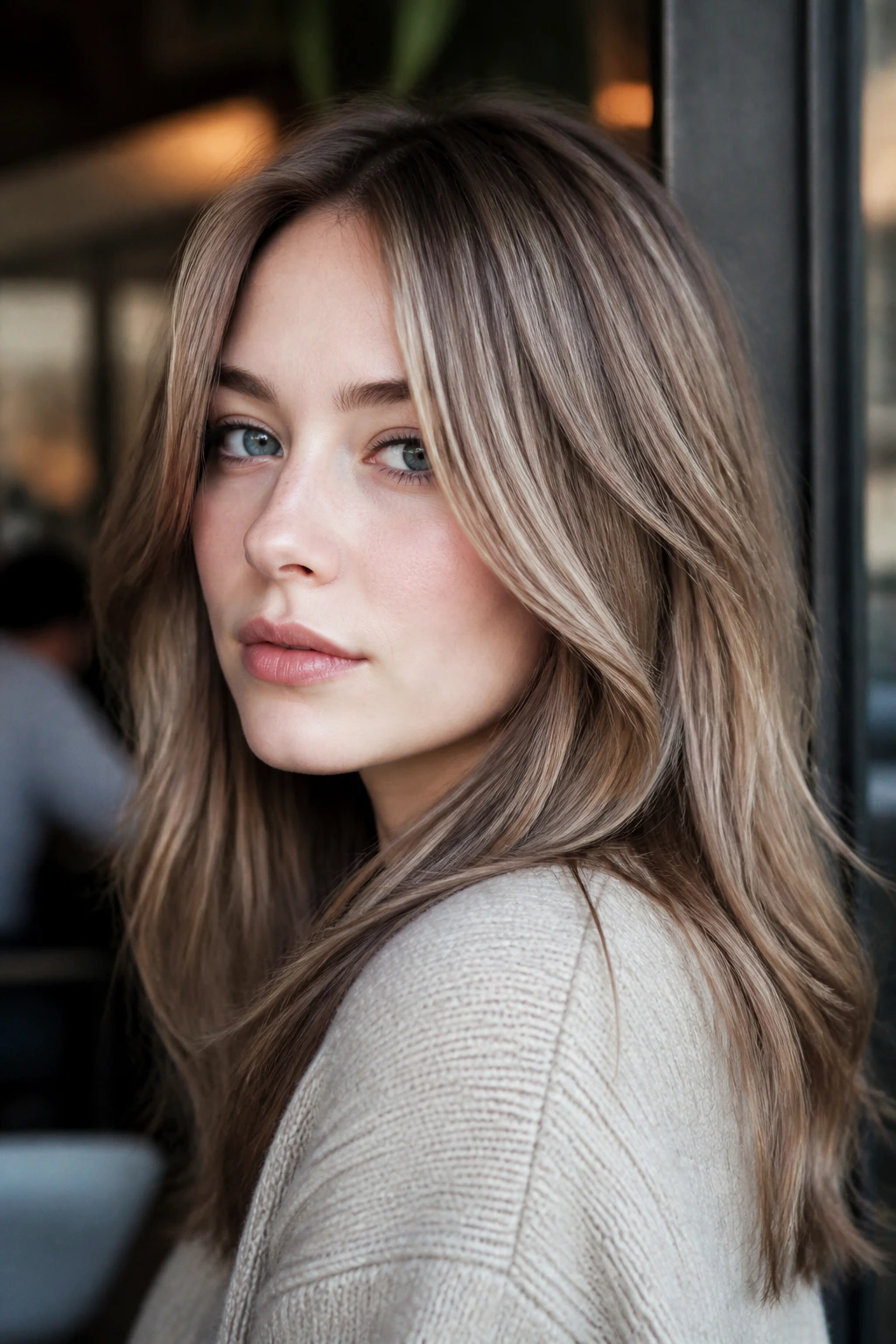
If your skin is very fair and leans cool, taupe slices can look sharper than gold or honey. The tone has enough beige to stay wearable, but the smoky edge keeps it from turning yellow next to pale skin.
Slices work better than ribbons here. You want deliberate placement through the top and sides so the contrast shows up through soft layers. On straight hair, the effect is cleaner. On wavy hair, the pieces break up into a softer, lived-in finish.
This is one of the more editorial options in the group. It suits people who like a defined highlight pattern and don’t mind that the color says a little more. Not loud. Just more pointed.
9. Caramel Veil on Long Layers
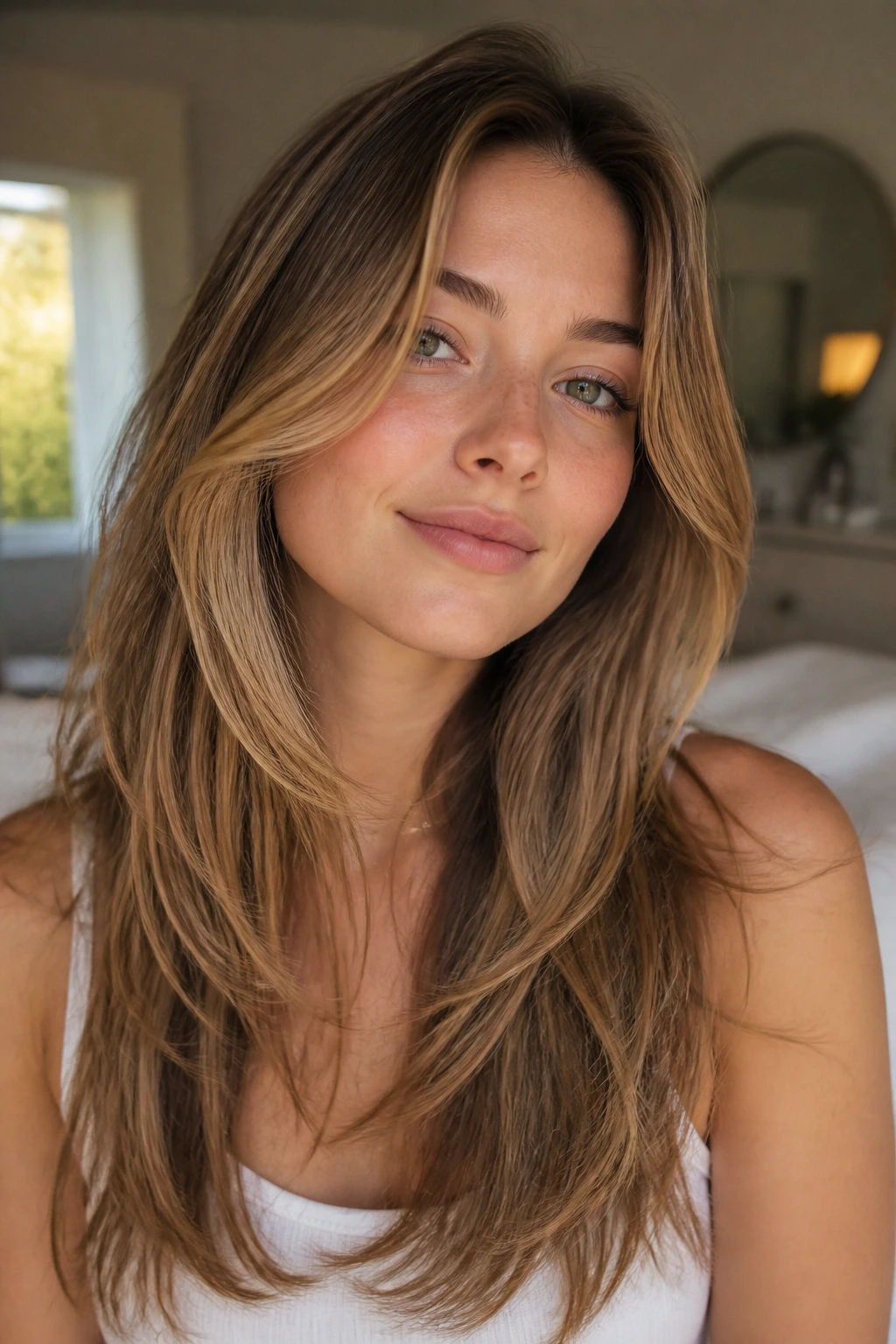
Long layers can swallow color if the tones are too pale. Caramel veil highlights fix that by sitting one step warmer and a touch deeper, so the motion of the haircut still shows up.
For pale skin with a warm or neutral cast, this is a smart move. The caramel is soft enough to avoid copper territory, but it keeps the overall look from feeling washed out. Ask for color concentrated through the mid-lengths and lightly feathered at the front so the layers keep moving.
This look gets even better when it’s brushed out. The softer the wave, the more the caramel looks like it belongs inside the hair rather than sitting on top of it.
10. Pearl-Toned Curtain Bang Brightening
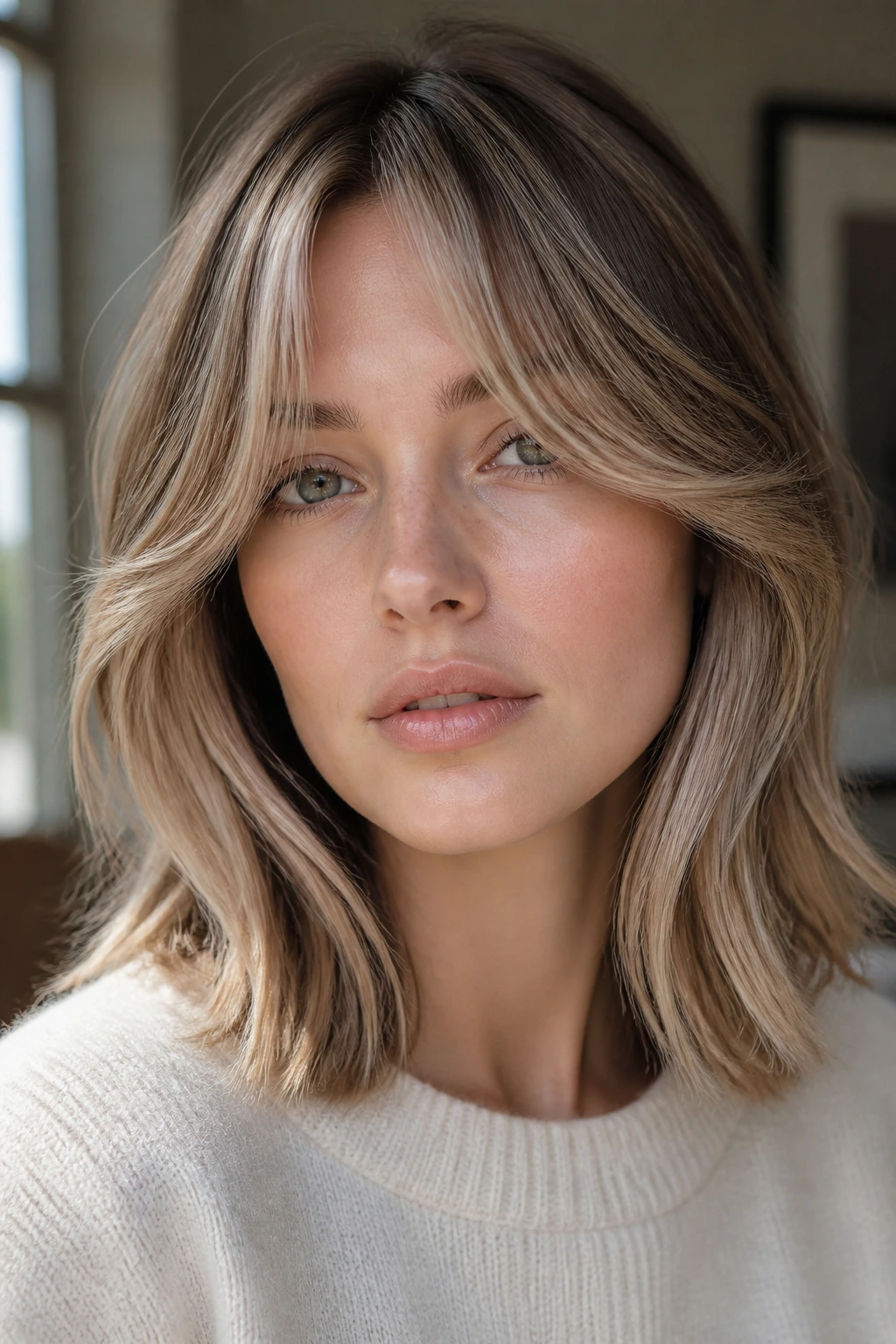
Curtain bangs can either blend into the haircut or take over the whole front of the face. Pearl-toned highlights keep them in the first camp. The pale, cool-beige shine makes the fringe separate just enough to show the shape.
On pale skin, pearl tones work when the rest of the hair stays a level deeper. That slight contrast lets the bang area lift the face without making the forehead look blocky. Soft layers through the sides help the fringe fall into the rest of the cut.
This is especially nice on shoulder-length hair that needs a little movement near the eyes. It makes the haircut look light around the face and fuller through the ends, which is a neat trick if you like softness but not fluff.
11. Wheat Blonde Feathering
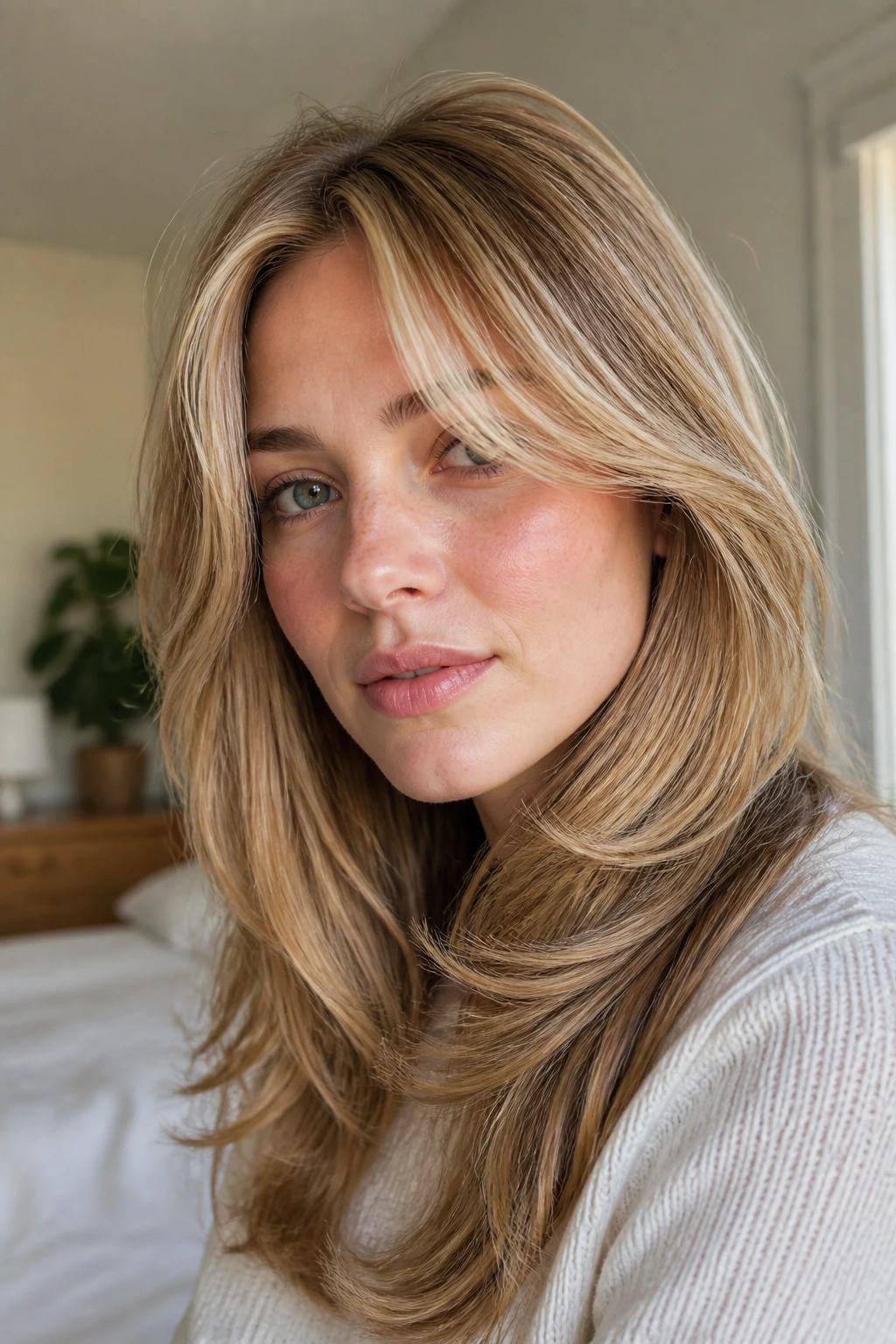
Wheat blonde has a gentle warmth that sits between beige and gold. Feathering it through thick, layered hair keeps the overall look from turning heavy or dull at the bottom.
This works well on pale skin that can take a little warmth but not a loud yellow tone. The key is softness. You want the wheat shade to show in narrow, brushed-out threads, not broad panels. That way the haircut keeps its shape and the blonde does not take over the room.
What to Ask For
- Narrow feathered highlights through the top
- Slightly deeper lowlights under the crown
- A beige-gold gloss, not a bright yellow toner
- Soft layers that remove bulk without slicing too short
One sentence says it all: this is the color for hair that needs air.
12. Shadow-Root Highlight Bob
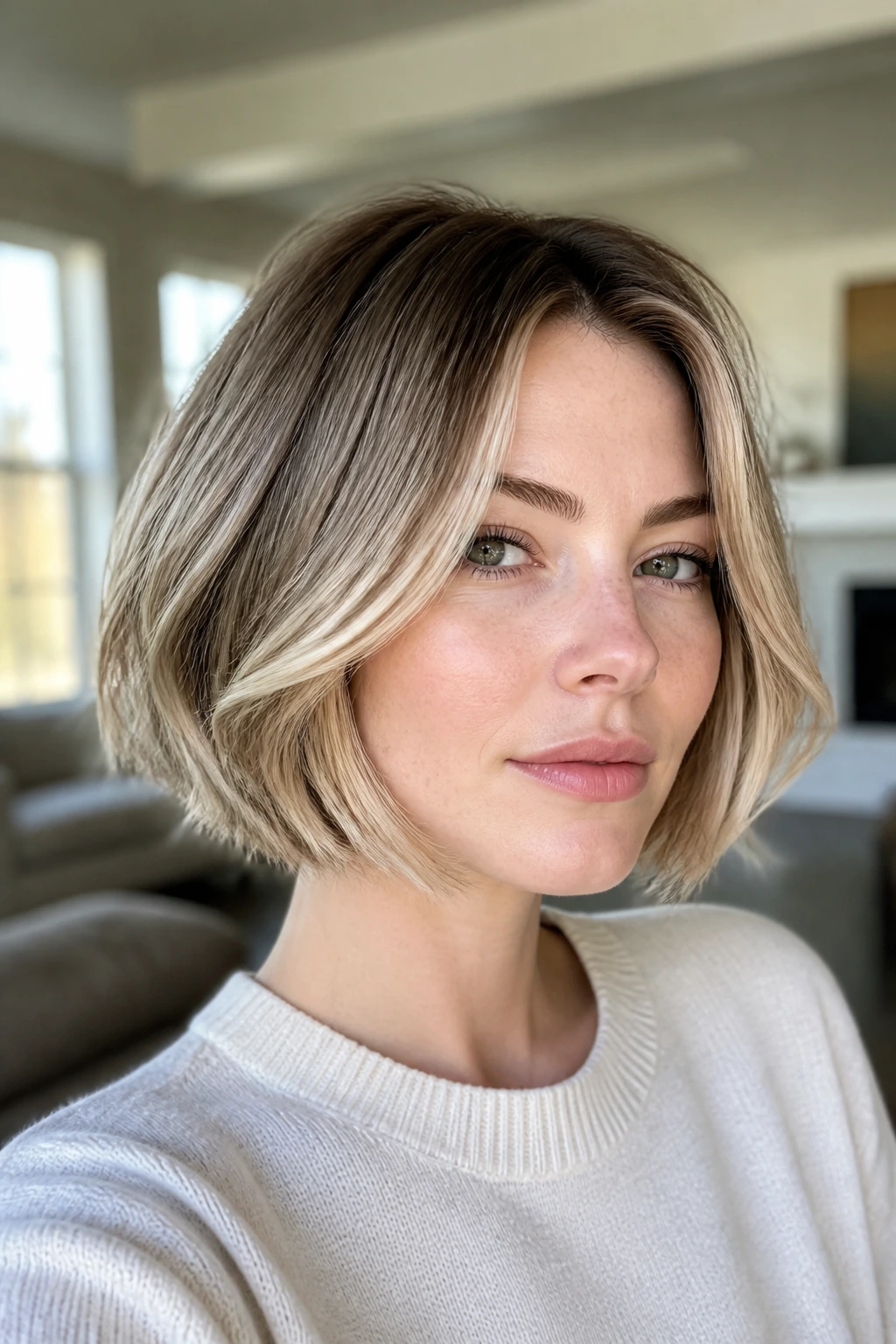
A bob with a shadow root is usually the better choice than a bob with highlights pushed all the way to the scalp. The deeper root gives the cut a clean frame, and the lighter dark blonde pieces wake up the ends.
Pale skin benefits from that balance. A bob can go helmet-like fast if the color is too uniform. Shadowing the base and adding soft layers at the perimeter keeps the shape from feeling square. The result is a smooth lift around the face and a little depth at the nape.
This is one of my favorite options for anyone who likes a tidy cut but still wants movement. The bob stays sharp. The color stays soft. That combination is doing more work than people give it credit for.
13. Biscuit Blonde Waves
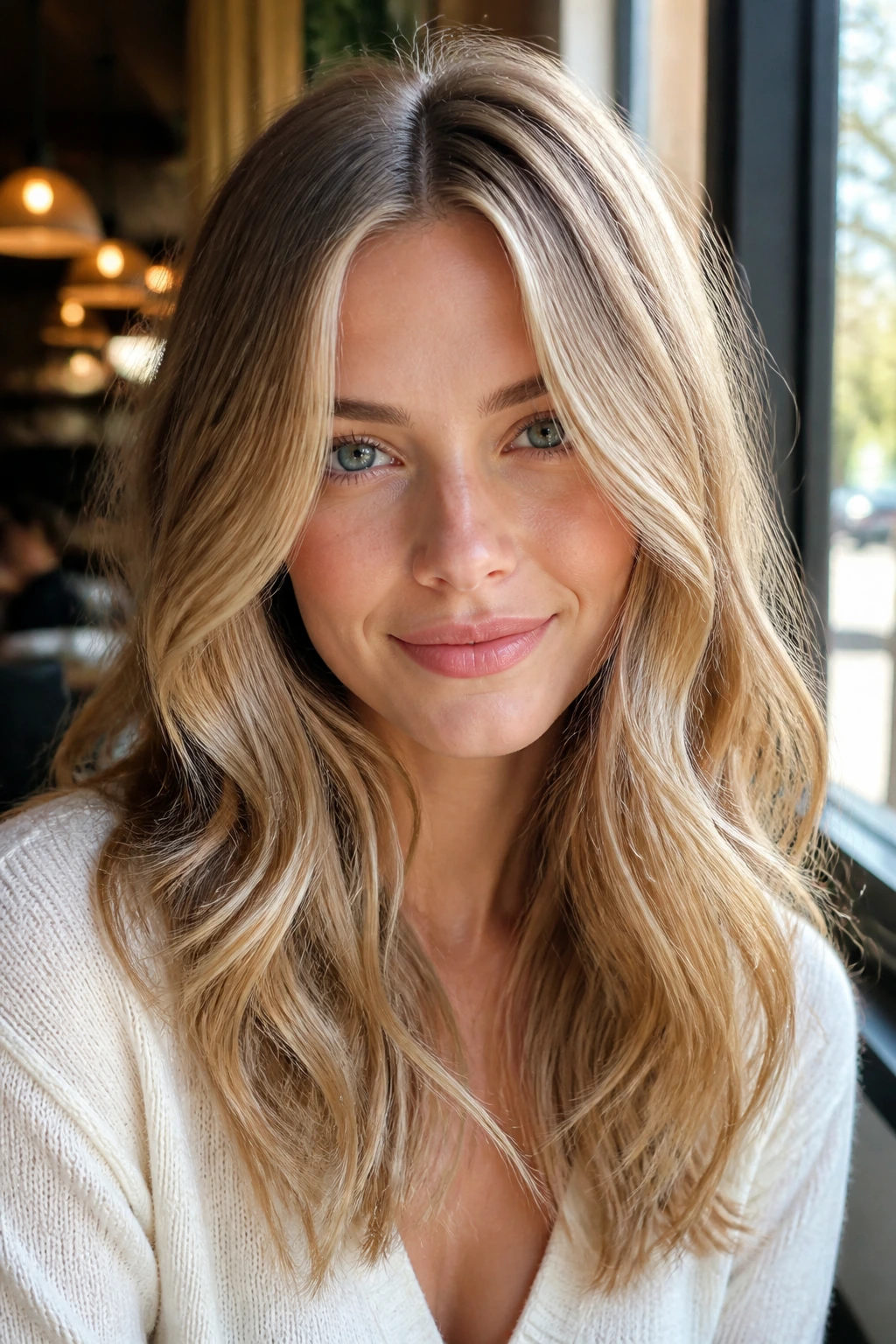
Biscuit blonde is a soft, slightly warm beige that sits nicely on pale skin with neutral undertones. It’s calmer than honey, richer than ash, and less icy than pearl.
What makes it work is the way it lives inside a wave pattern. Soft layers let the biscuit tone flash on the bend of the wave and fade into the shadow underneath, which keeps the whole head from reading flat. If the highlights are too thick, the biscuit shade starts to look busy. Keep them airy.
This is a good one if you want blonde that still feels grounded. It pairs well with a middle part, brushed-out curls, and a cut that falls somewhere between collarbone and chest length. Clean, not fussy.
14. Taupe Money Piece
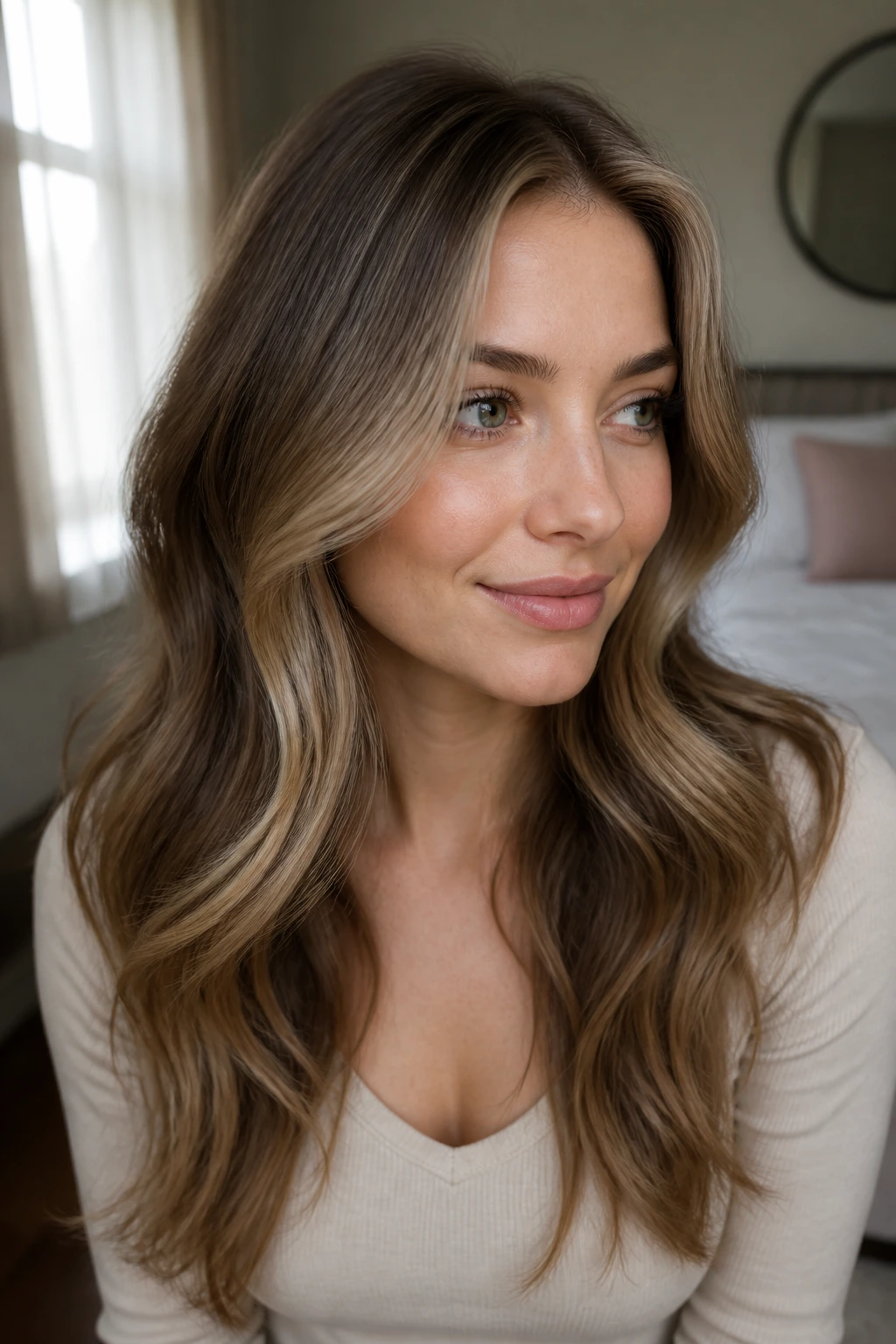
A money piece can go wrong fast on pale skin if it turns too bright or too yellow. Taupe keeps it under control. You still get the front brightness that lifts the face, but the tone stays smoky and wearable.
The best way to do this with soft layers is to keep the money piece narrow near the part and a touch wider at the cheekbone. That gives the hairline some light without turning the front into a highlighter stripe. A deeper base underneath makes the taupe pop even more.
If you like contrast, this is one of the more noticeable options in the list. If you want it quieter, ask for the front pieces to be blended into the first layer rather than dropped in as a separate block.
15. Toasted Almond Balayage
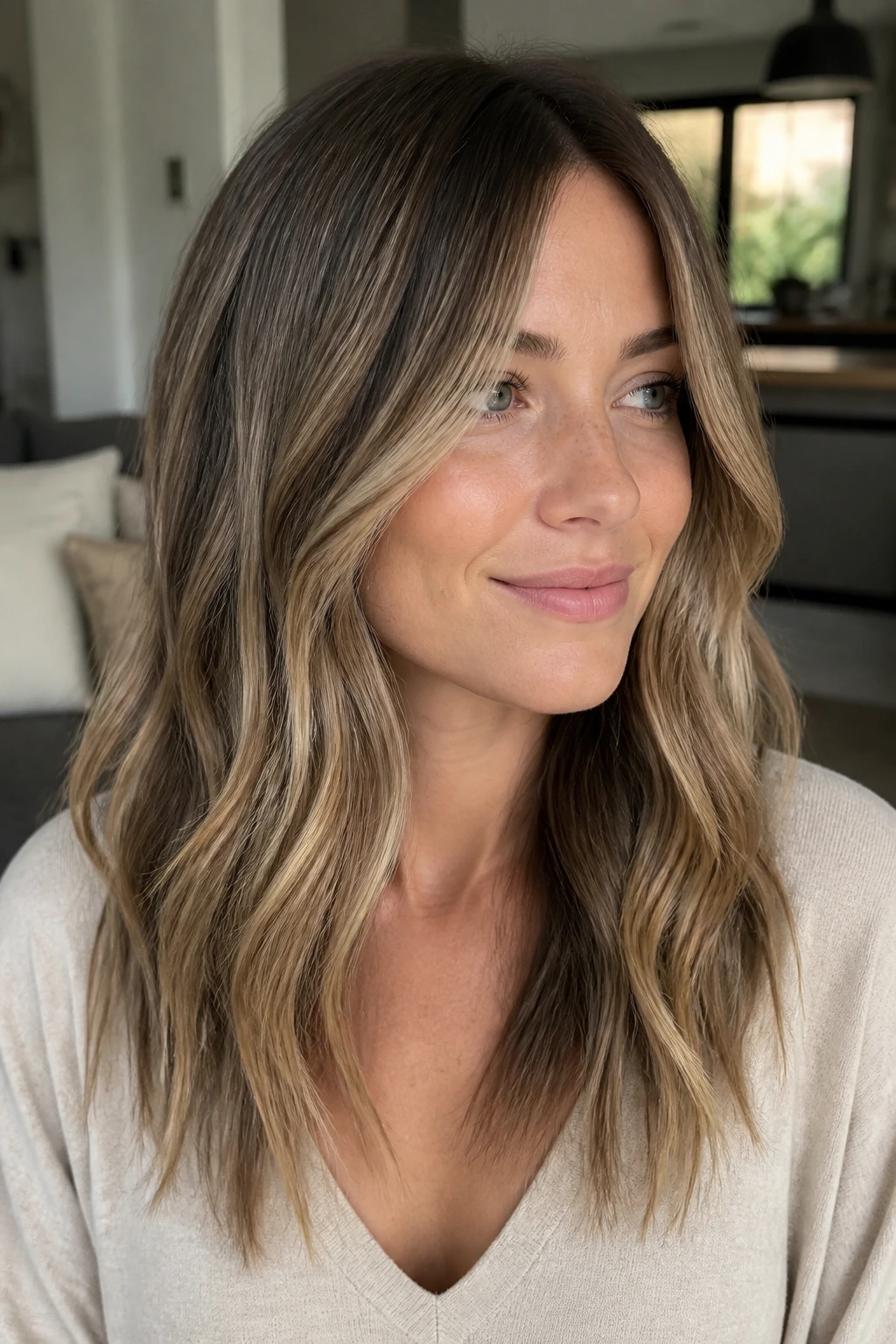
Toasted almond is a useful middle shade when you want more depth than beige but less warmth than caramel. On pale skin, it can keep the face from looking over-bright in the wrong light.
This balayage version is especially good on soft layers because the color falls in a natural gradient from darker root to lighter mid-lengths. The layers catch the movement, and the almond tone gives the ends enough richness that they do not vanish. It’s a nice option for people with medium hair density who need shape and shine at the same time.
Think of it as a quiet brunette-to-blonde bridge. Not dramatic. Just clean, dimensional, and easy to live with.
16. Silvery Beige Ribboning
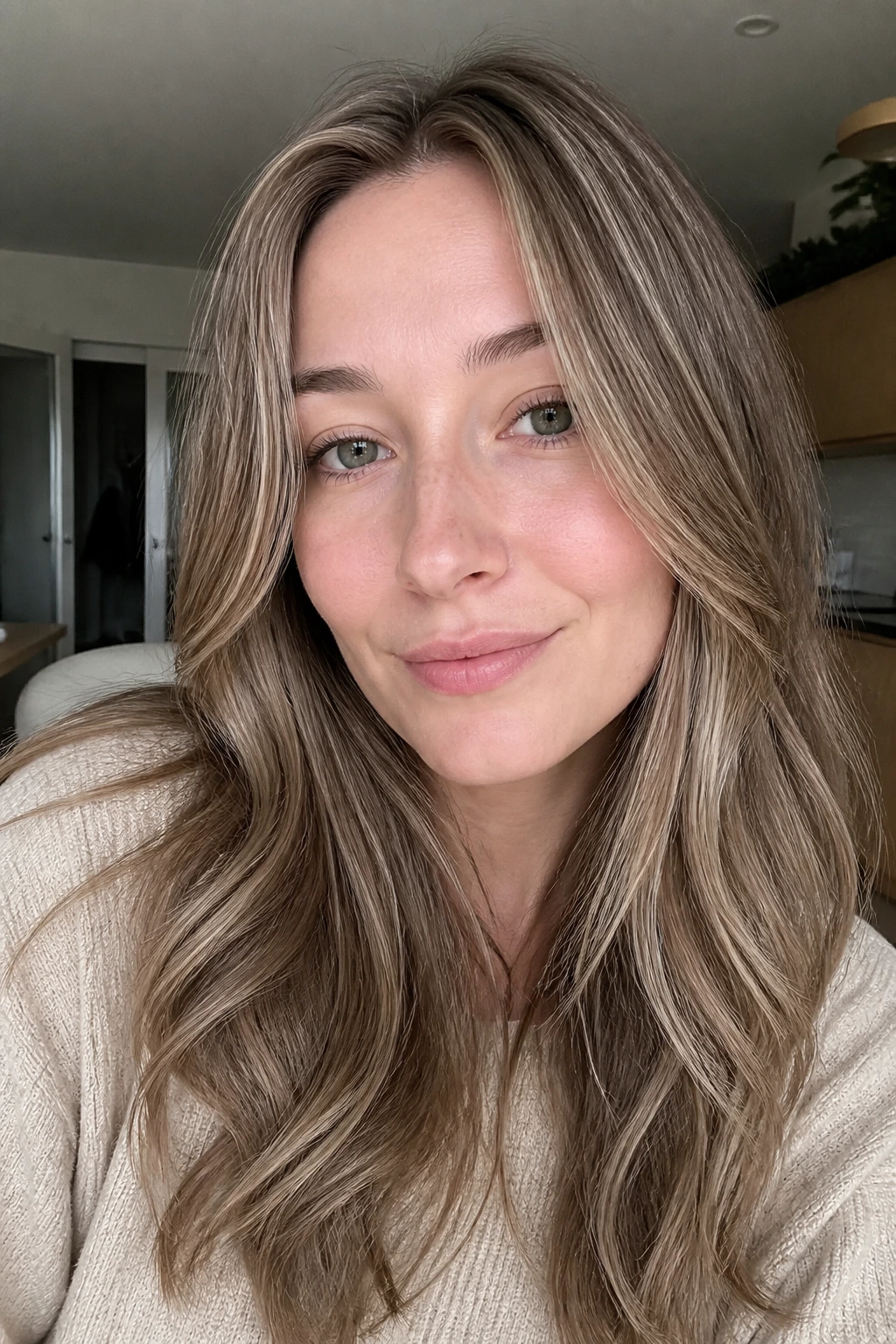
Silvery beige is for cool skin that can handle a little brightness without tipping into white-blonde territory. The shade feels cleaner than taupe and less golden than biscuit.
Ribboning matters here. Thin, light-catching pieces through soft layers keep the color from looking frosty or patched. You want movement from the cut and a sheen from the tone, not a rigid block of silver-beige.
This style usually looks best when the roots stay deeper and the highlight spacing is more open through the crown. It gives the pale skin some edge without draining color from the face. If you like crisp clothes, silver jewelry, and a more pared-back look, this shade family lands nicely.
17. Dimensional Mid-Length Shag
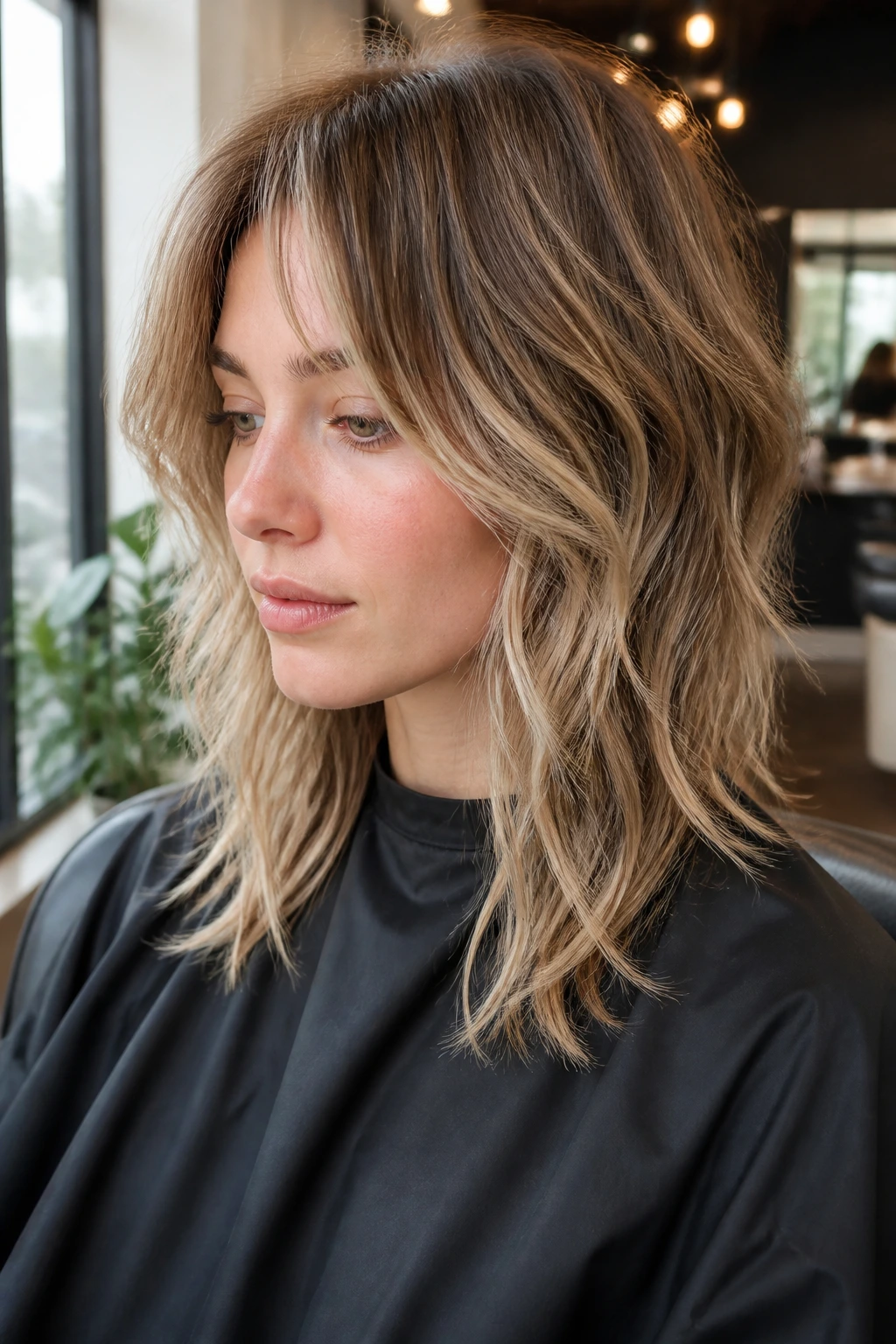
A shag can go flat if the color is too even. Dimensional dark blonde highlights fix that by lighting up the choppy movement at the ends and around the face.
Mid-length shags need contrast. Soft layers already do some of the visual work, so the highlights should be placed where the hair bends and flips, not just on the surface. Ask for beige and mushroom tones mixed together. That combo keeps pale skin from looking too washed out and gives the cut a lived-in edge.
The shag is one of the few cuts that can handle slightly messier color placement and still look intentional. In fact, that looseness is part of the charm.
18. Creamy Invisible Roots
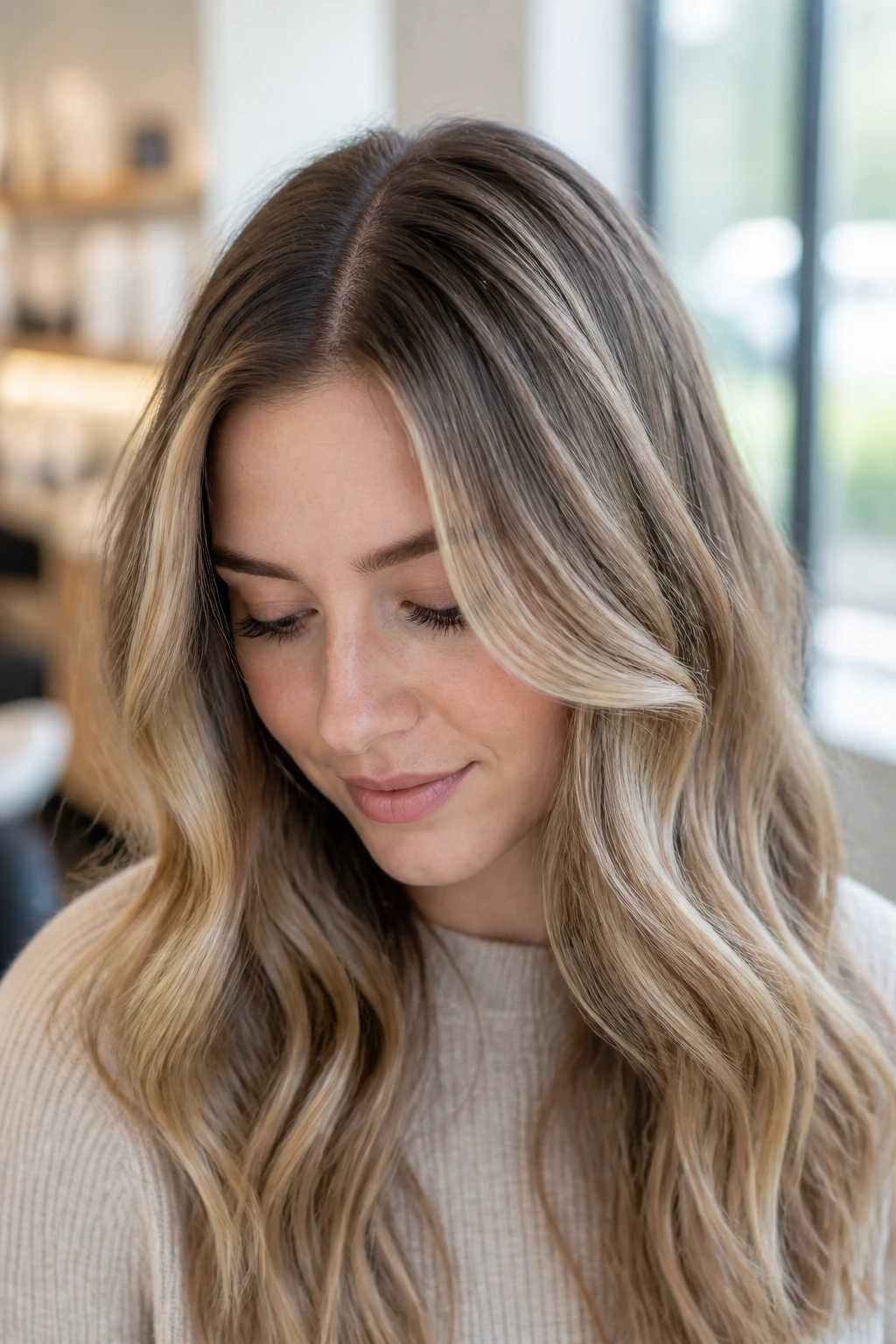
This is the look for anyone who wants blonde but hates the obvious grow-out line. Creamy highlights start soft at the root and melt into a pale beige length that stays believable next to fair skin.
The “invisible” part comes from blending, not from lightness. A subtle root shadow, a few foils through the crown, and soft layers around the face keep the color from forming a hard line. The result is quiet, expensive-looking depth rather than a loud blonde patch.
It suits conservative workplaces, minimalist wardrobes, and anyone who wants color that survives a missed appointment. That might sound dull on paper. On hair, it looks smart.
19. Golden Oat Glow
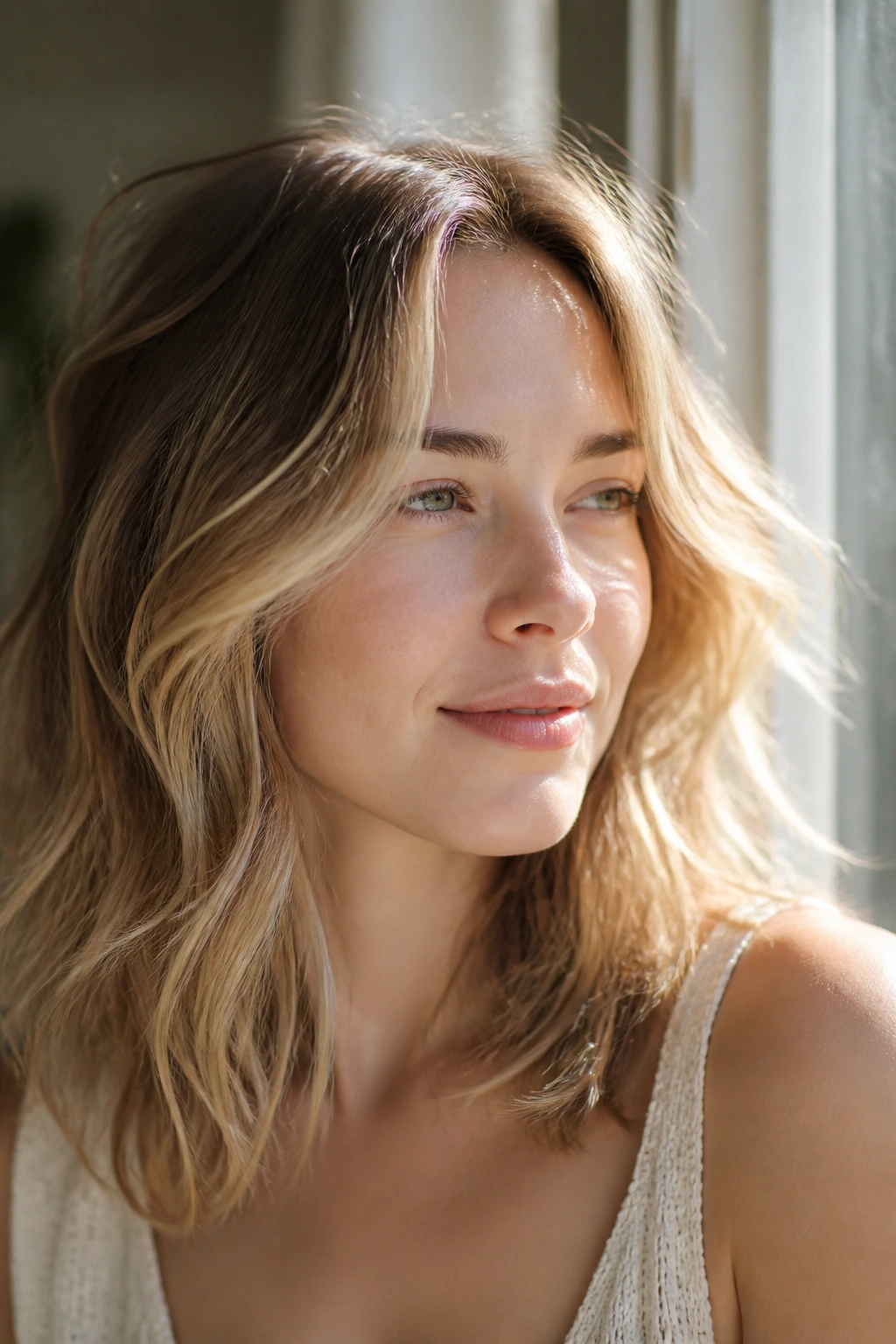
Golden oat is warmer than ash and softer than honey, which is why it works so well on pale skin that can take warmth but not brass. The tone feels soft, like the color has been dusted down a little.
Soft layers are the reason this style stays light. The oat tone shows up at the bend of the layers, especially around the temples and the mid-lengths, so the haircut moves even when the styling is simple. It works best on hair that has a little body and likes to hold a wave.
If your skin has freckles, peach tones, or a beige base, this is a strong option. The color reads sunlit without looking blunt.
20. Soft Copper-Beige Blend
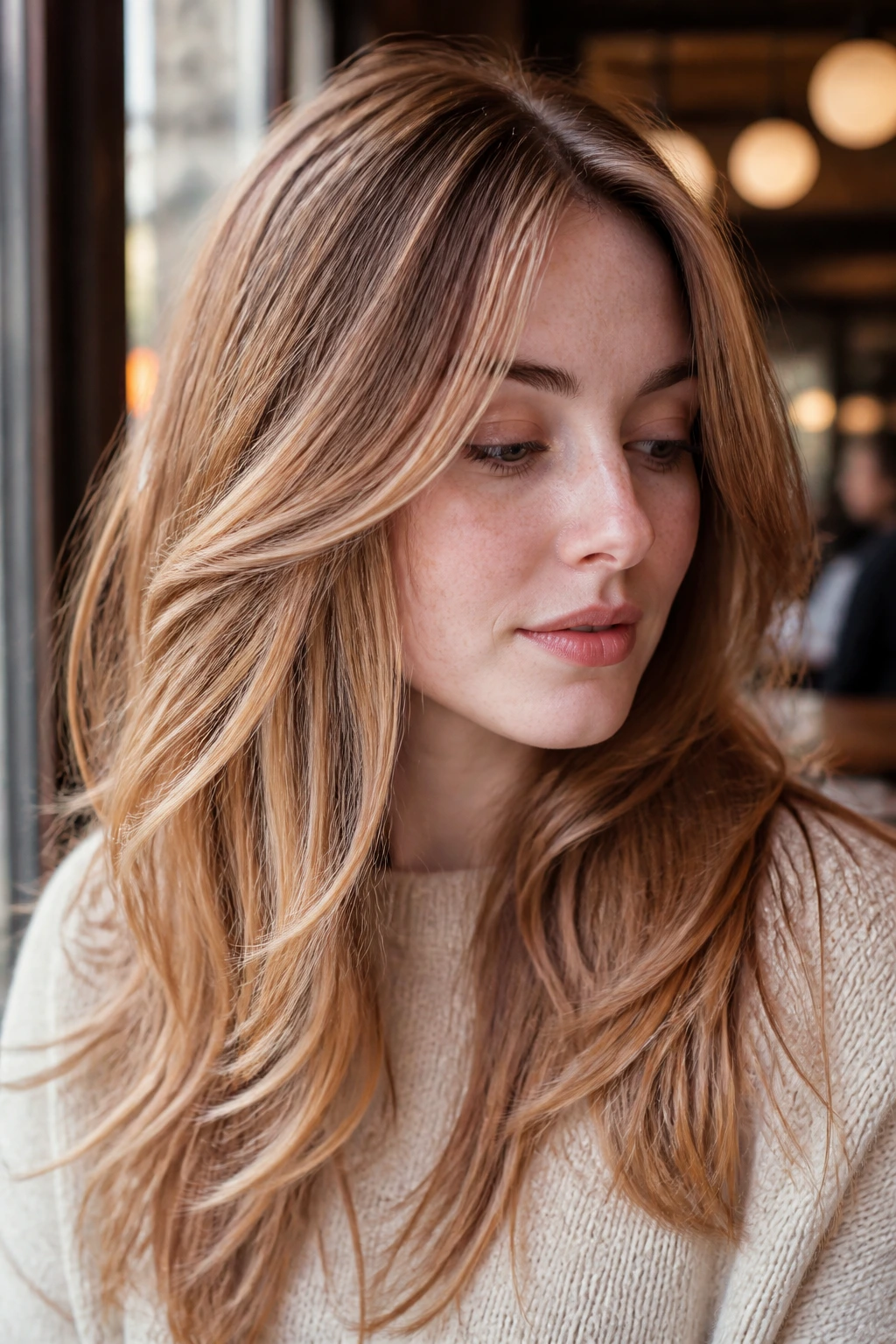
Copper scares people because they picture orange. Soft copper-beige is not that. It’s a muted warmth with enough beige to keep it civilized, and on pale skin it can bring life back to the face fast.
The trick is restraint. Copper should live in the lowlights and in a few warm ribbons, while the rest of the blonde stays beige. Soft layers stop the color from looking patchy, because the warmer pieces can hide inside the movement instead of sitting on the surface.
This is a strong choice if your complexion looks washed out beside cool tones. It gives the hair a tiny bit of heat, which can make the skin look less drained. That’s the whole game.
21. Windblown Layered Blonde
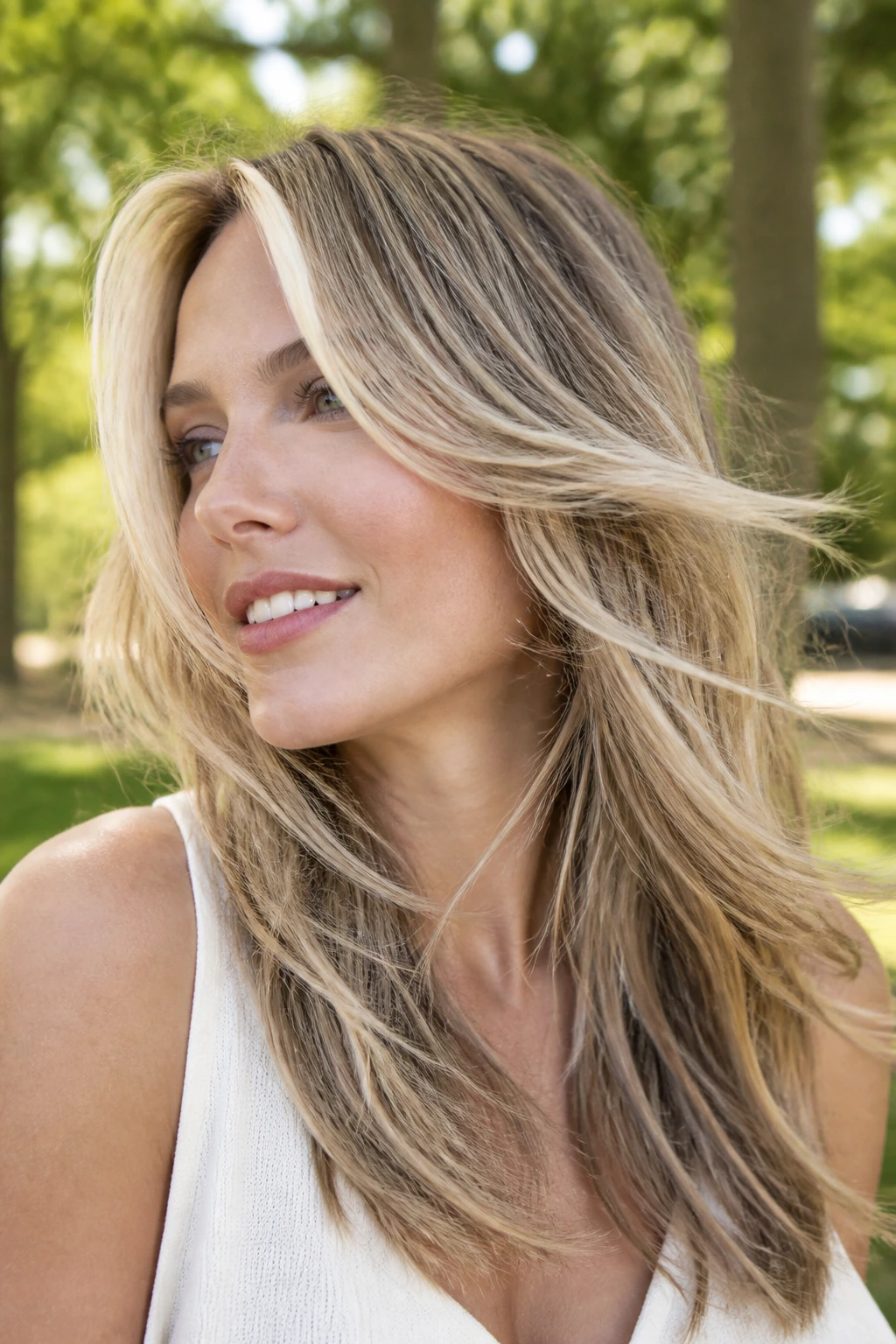
Some highlights look best when everything is brushed smooth. This one likes a bit of lift. Windblown layered blonde uses soft dark blonde ribbons through the layers so the cut looks airy when it moves.
The tone sits in beige and sandy territory, which keeps pale skin from getting overpowered. Ask for a lighter face frame, then let the rest of the highlight pattern scatter through the interior. That makes the hair look fuller from the side, which is useful if your layers are doing most of the shape work.
It’s a good fit for people who wear their hair loosely styled and do not want anything too polished. The shade needs a little movement to show off. Give it that, and it pays you back.
22. Urban Mushroom Blend
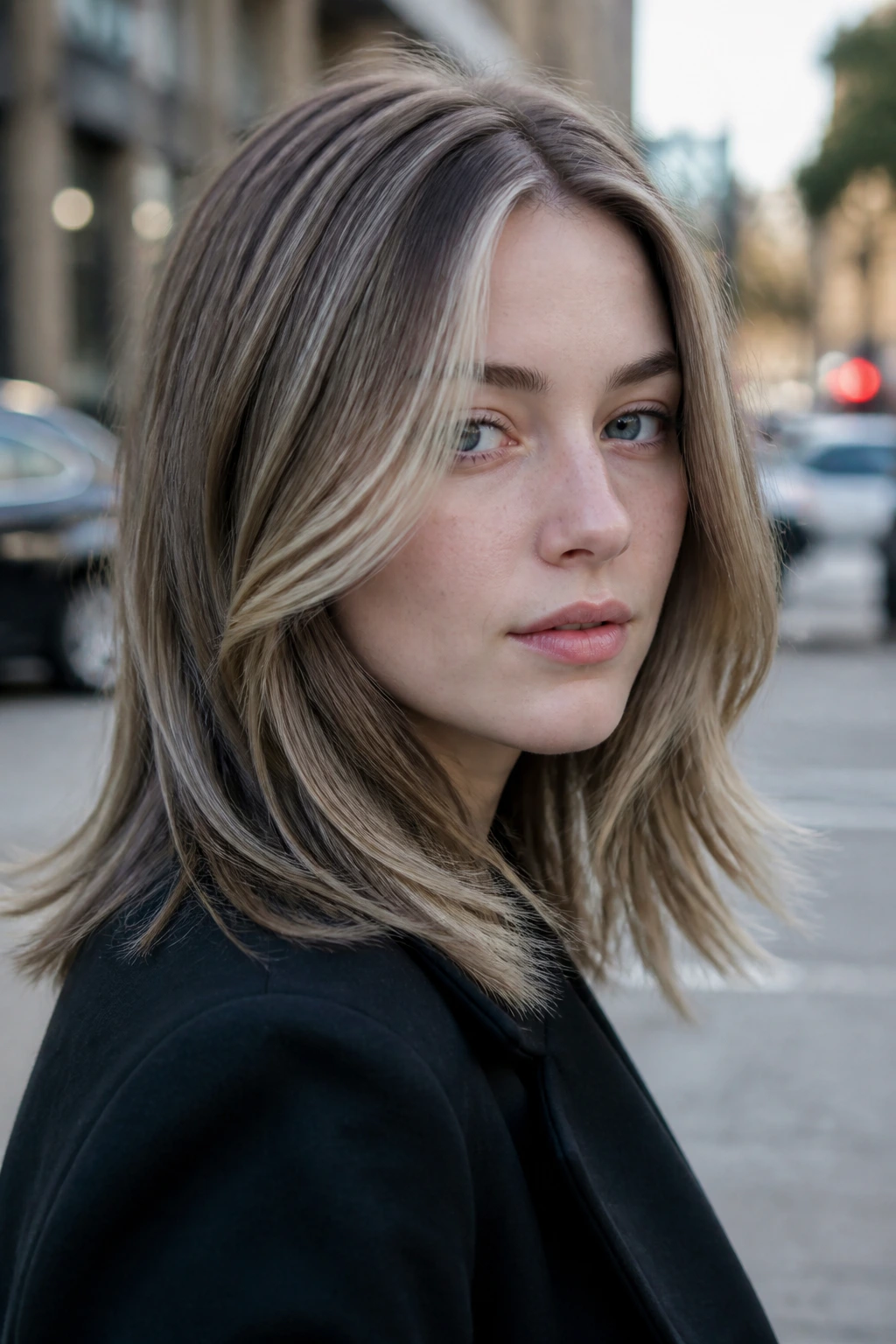
Urban mushroom is the cooler, sharper cousin of mushroom blonde. It has a little more edge, a little less sweetness, and a lot of usefulness on pale skin that runs neutral or cool.
This version works because the soft layers keep the color from feeling flat or helmet-like. The darker lowlights stay visible under the lighter beige pieces, and that contrast gives the haircut structure. It is a good option if you want your hair to look styled even on days when you barely touch it.
I like this shade on shoulder-length cuts with a center part. It gives clean lines, but the movement keeps it from feeling severe.
23. Champagne Ribbon on a Pixie-Lob
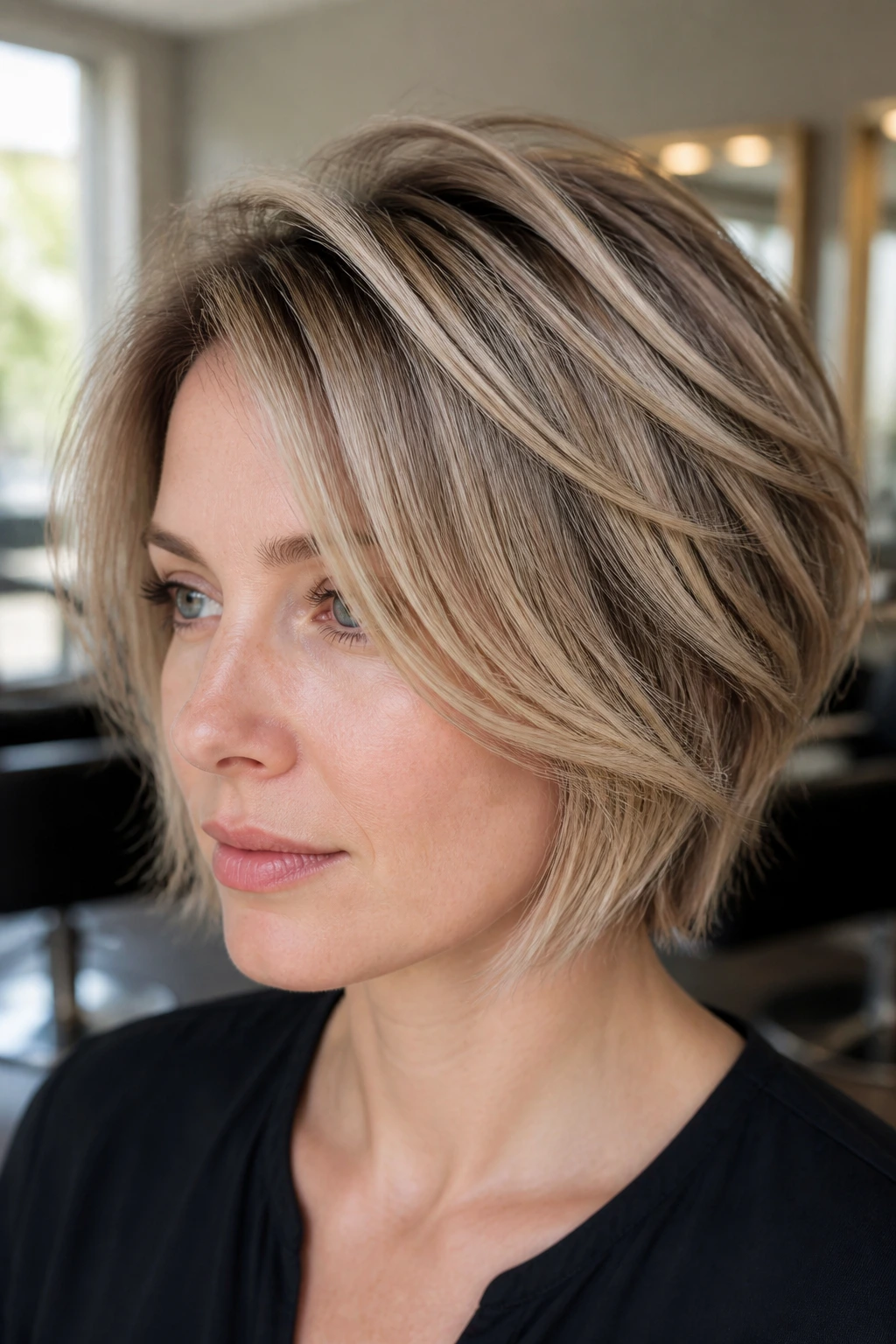
A pixie-lob sits in that awkward middle zone where too much blonde can look busy and too little can look like you forgot the colorist. Champagne ribbons solve that by adding lift without clutter.
The ribbons should be narrow and placed mostly around the top and front. Soft layers at the crown let the champagne pieces move, while the deeper base underneath keeps pale skin from going washed out. This one is especially good if you like a cut that can be tucked behind the ear one day and waved the next.
It’s polished, but not stiff. That matters more than people think with shorter lengths.
24. Neutral Beige Halfway Highlights
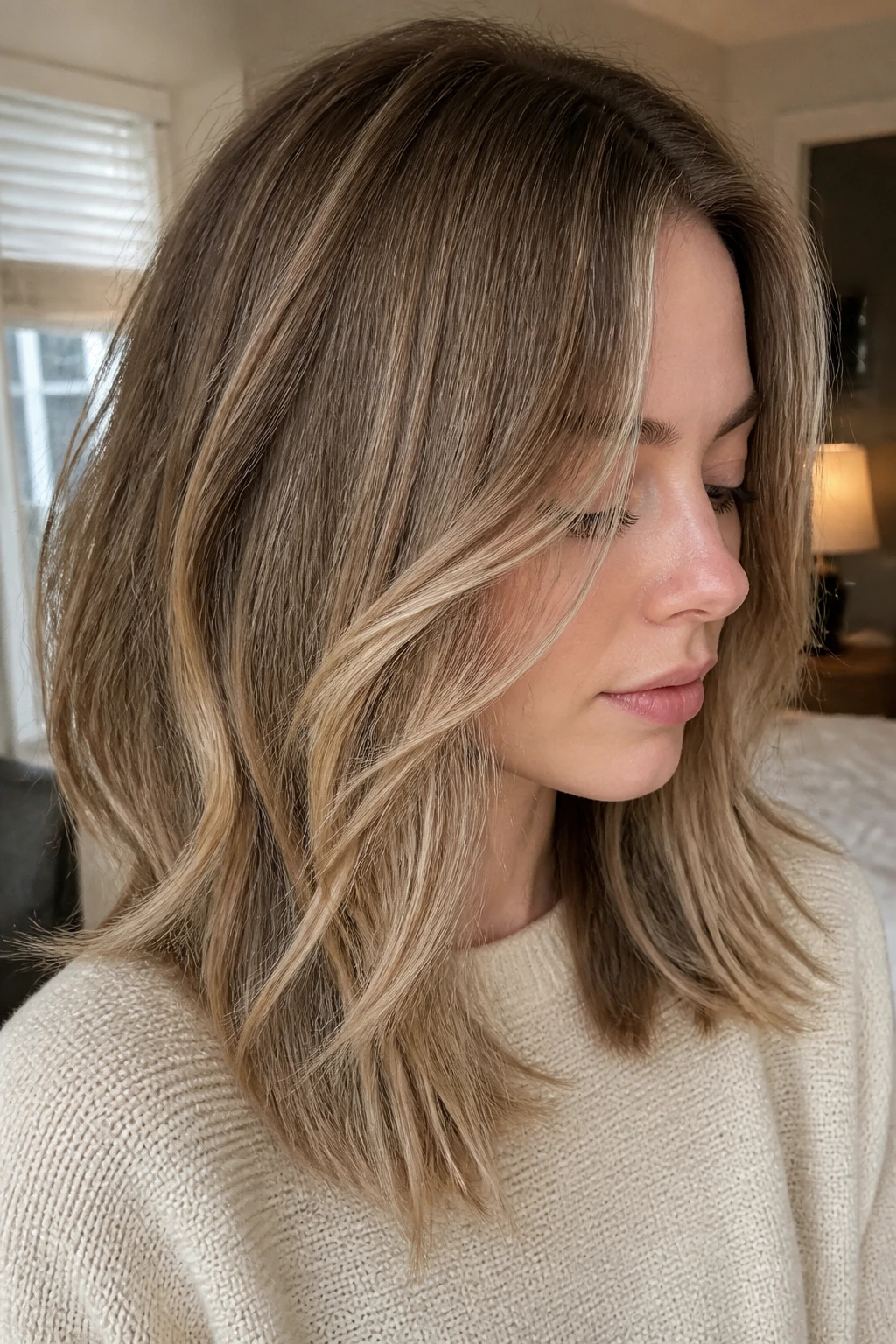
Not every highlight needs to start at the root. Halfway highlights begin lower on the shaft, which leaves the top deeper and lets the beige show up where the layers bend.
On pale skin, this keeps the face from looking over-bright near the scalp. The neutral beige tone gives the hair a soft sheen, and the longer untouched root zone makes the whole style more forgiving. If you want low upkeep without giving up dimension, this is a smart lane.
Soft layers make the placement look intentional because the lighter pieces catch on the mid-lengths and ends. The haircut does the blending for you, which is a nice change from overworked color.
25. Lived-In Sandy Soft Layered Blonde
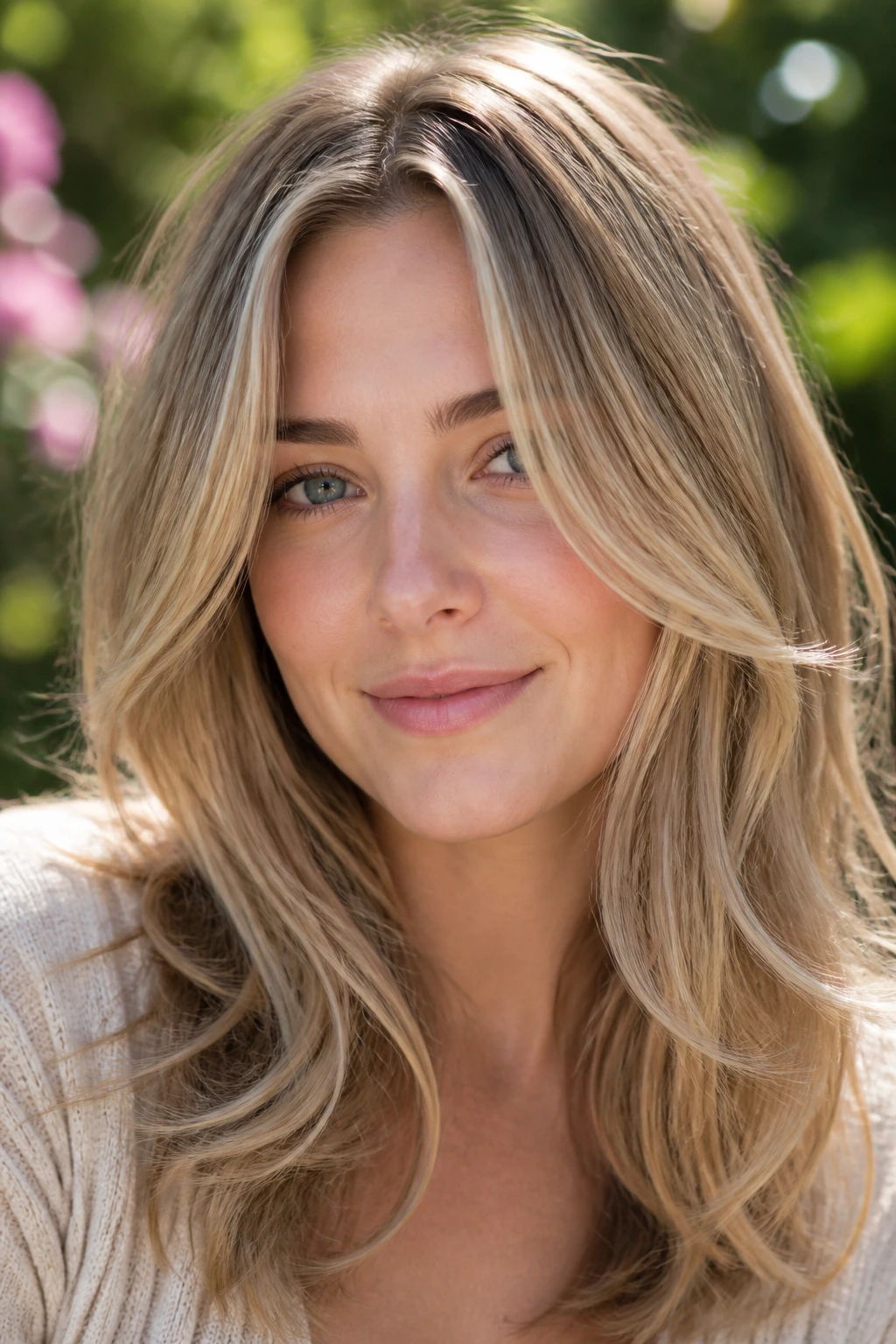
This is the one I’d call the reference look for the whole topic. Sandy dark blonde, soft layers, gentle root shadow, and enough brightness around the face to wake up pale skin without pushing it into pale-blonde territory.
The appeal is simple: it moves well, grows out well, and does not need a perfect blowout to make sense. Ask for a sandy-beige tone, then keep the front a touch lighter and the interior a touch deeper. That mix gives the haircut shape from every angle.
It works on long hair, medium cuts, and anything with feathery ends. If you want one dark blonde highlight direction that stays easy to live with, this is the safest bet.
Why Soft Layers Change the Whole Read
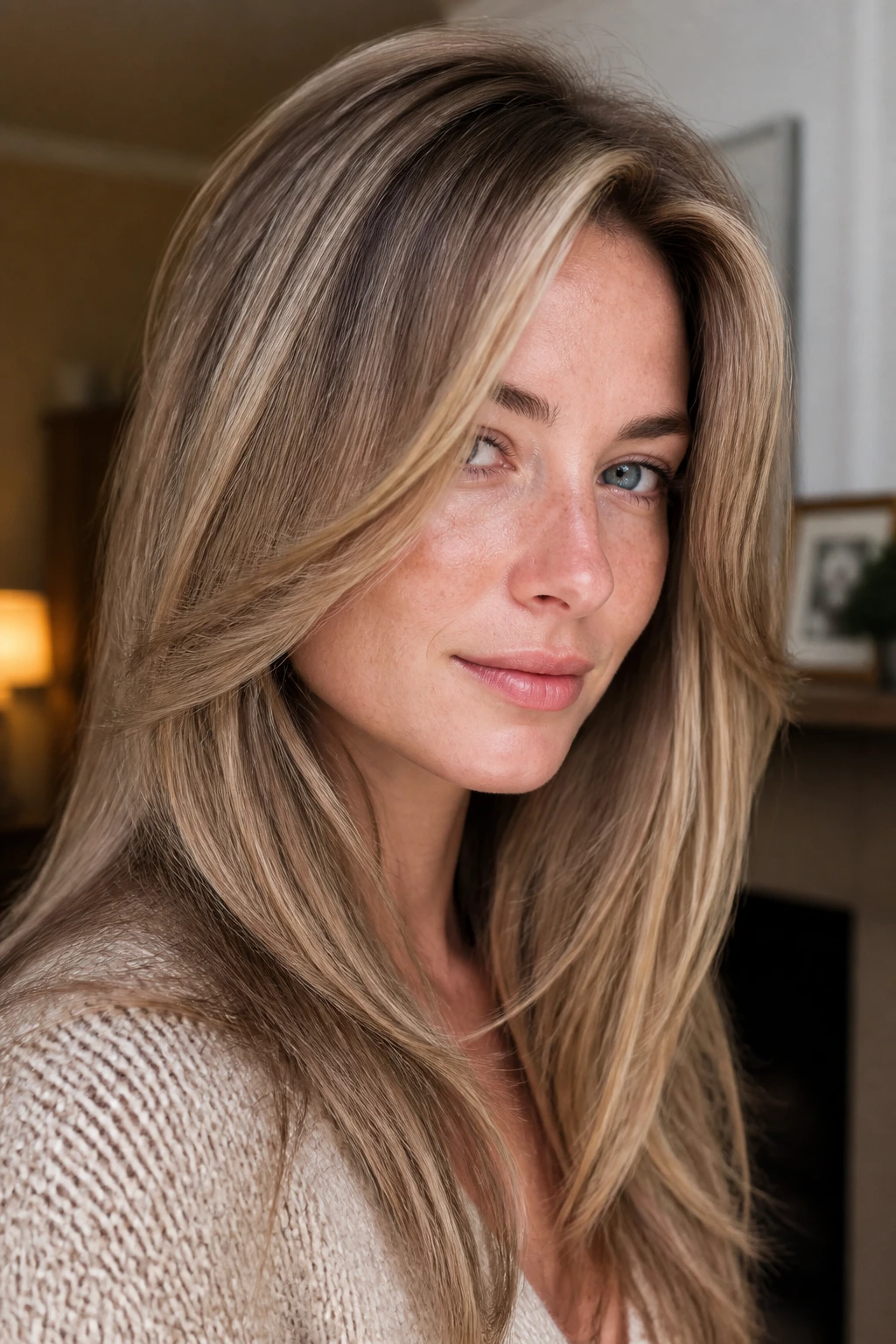
Soft layers are the difference between hair that looks colored and hair that looks shaped. On pale skin, that matters more than people expect. A flat one-length cut can make even a good highlight look pasted on. Soft layers give the eye somewhere to go.
They also help with balance. If the brightest pieces sit only at the top, the face can look over-lit. If they live only at the ends, the hair can feel dragged down. Soft layers distribute the light through the haircut, so the blonde feels woven in rather than sitting on top.
There’s a small but important detail here: soft layers should be feathered, not chopped. Choppy layers can break up highlight ribbons in a rough way. Soft ones keep the edges blurred, which is exactly what makes dark blonde highlights on pale skin feel calm instead of busy.
The Tools and Products That Keep the Shade Clean
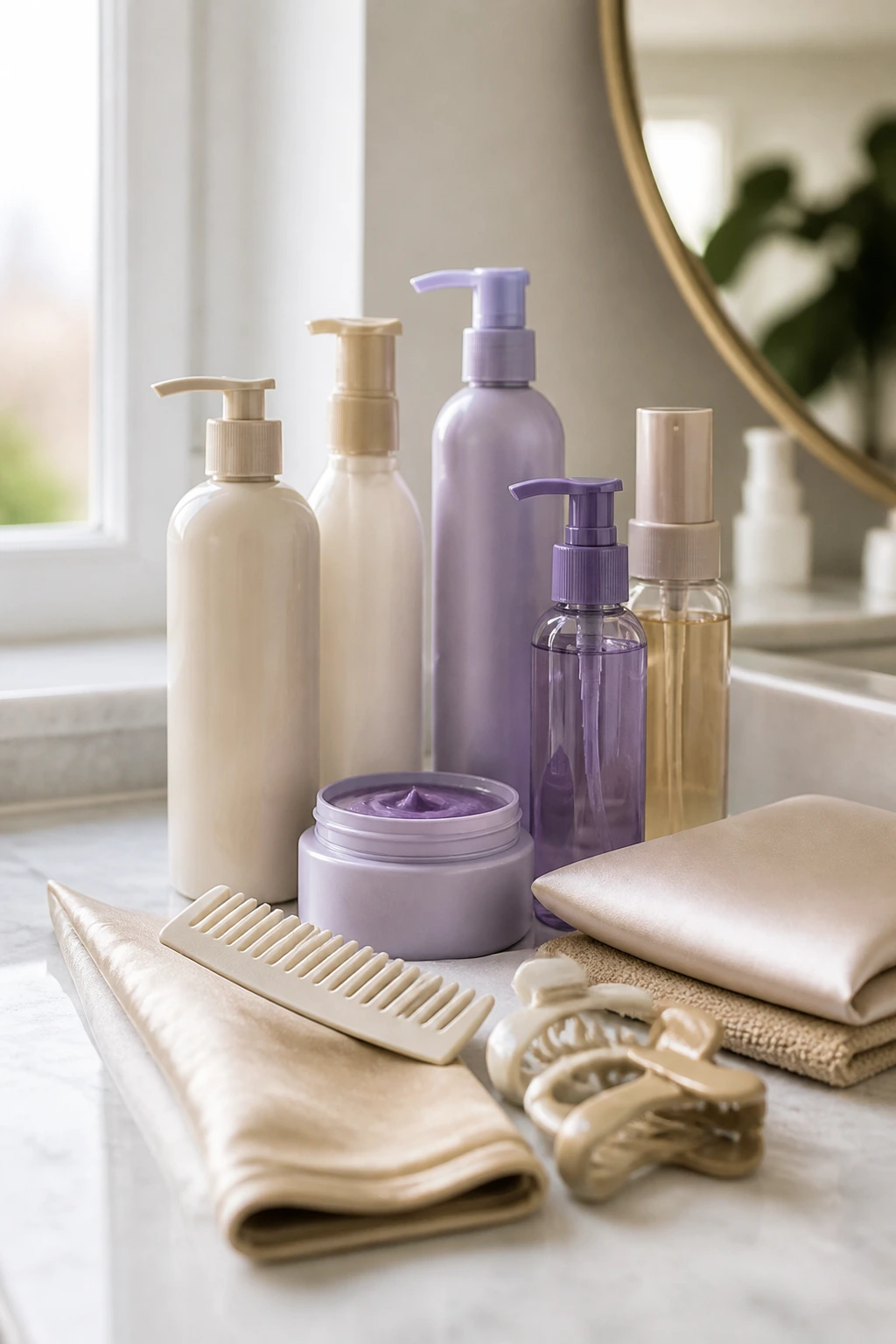
You do not need a huge shelf of products. You need a small, sensible set that protects tone and keeps the layers from collapsing.
- Color-safe shampoo: Choose a sulfate-free formula if your hair gets dry fast; it slows tone fade and keeps the beige from looking tired.
- Purple or blue shampoo: Use it sparingly, usually once every 1 to 2 weeks, and only if brass starts creeping in. Too much will dull the warmth out of dark blonde.
- Beige or neutral gloss mask: This is the fastest way to refresh mushroom, taupe, or ash-beige tones between salon visits.
- Heat protectant: Soft layers show best when the ends move, not frizz. A heat protectant keeps the hair from roughing up after blow-drying or curling.
- Wide-tooth comb: Wet highlighted hair snaps if you yank through it with a brush. Start with a comb, especially after washing.
- Microfiber towel: Less friction, less puff, less breakage around the face frame.
- Sectioning clips: They make it easier to style the color in layers instead of flattening everything at once.
- Silk pillowcase or bonnet: The difference is subtle after one night, obvious after a few weeks.
How to Choose the Right Dark Blonde Tone for Pale Skin
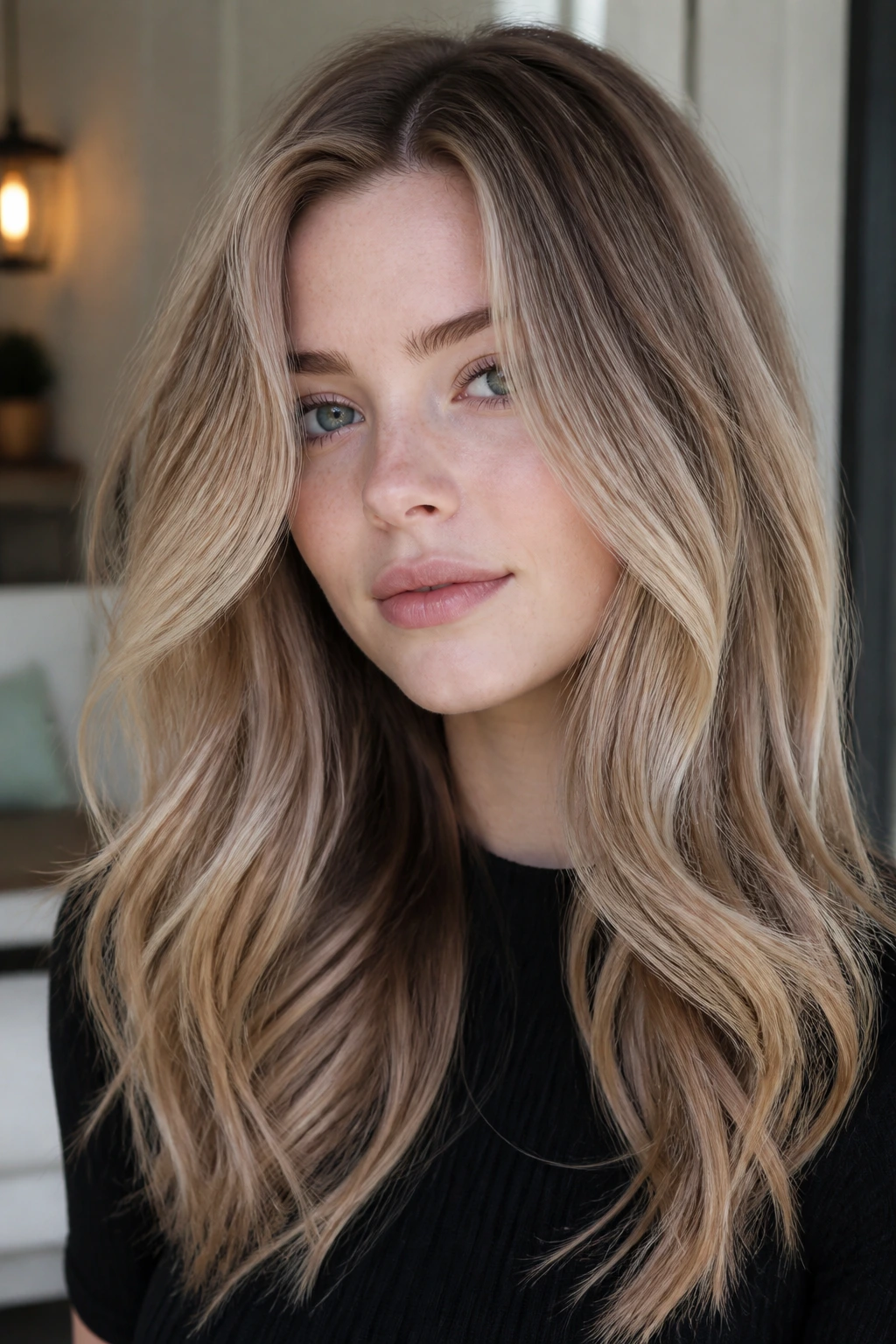
Pale skin is not one thing, which is where a lot of color plans go sideways. Pink-leaning skin usually prefers ash-beige, mushroom, or pearl tones because they keep the face from looking flushed. Neutral skin can wear taupe, biscuit, and sandy beige without much drama. Warm or peach skin often wakes up nicely with honey, oat, or softened caramel.
If you freckle easily or turn red in daylight, ask for the front pieces to stay a little cooler than the mids. That tiny adjustment keeps the color from getting too warm near the face. If your skin is cool but tends to look gray, skip the harsh ash and ask for beige with a whisper of gold instead.
Bring photos with the same base depth as your own hair. That matters. A level 7 blonde on a level 5 brunette will not behave like the same photo on a level 6 or 7 base, and the tone can shift once it’s on your head. Good color starts with honest comparison.
How to Wear and Style These Highlights
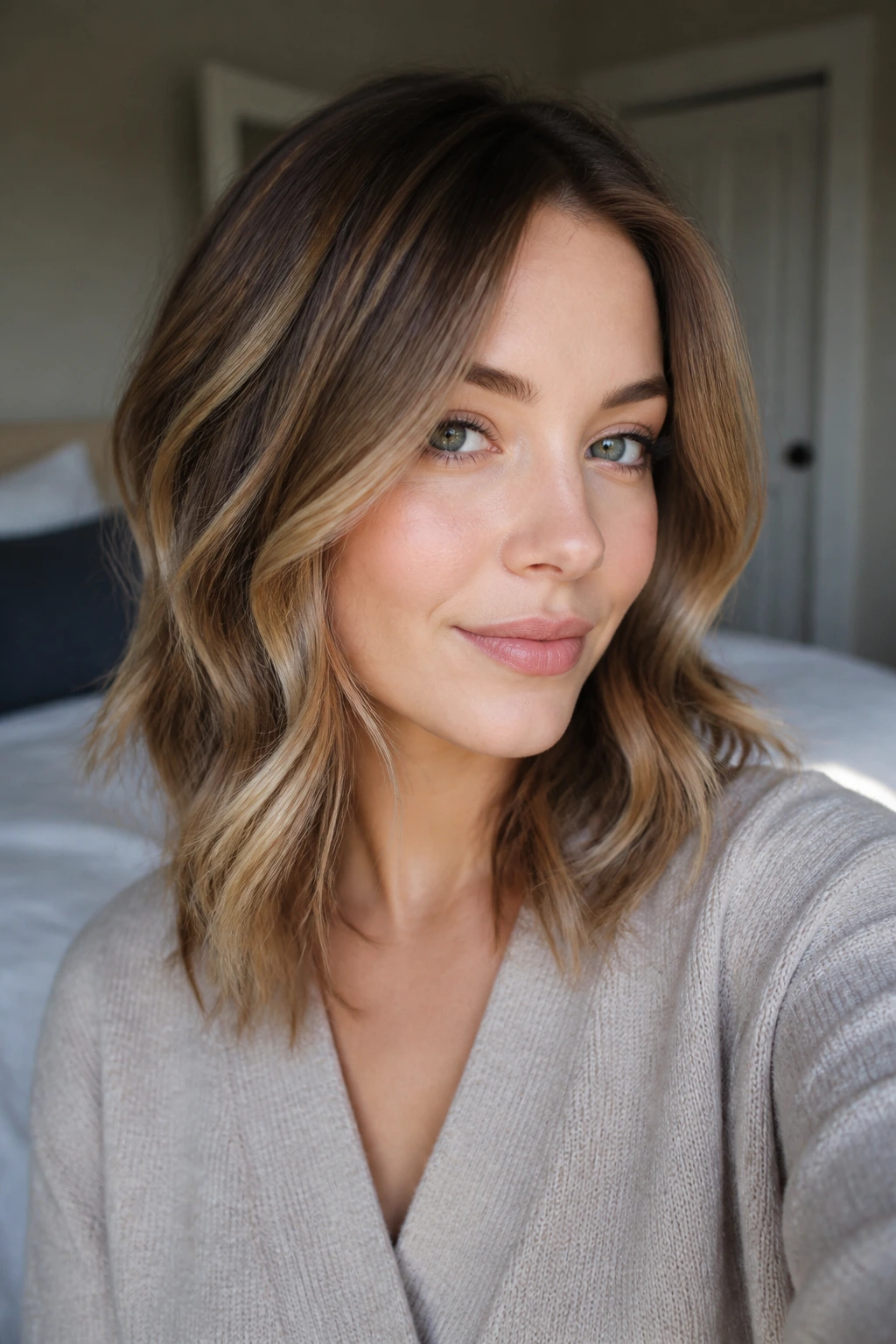
Soft layers and dark blonde highlights are happiest when the styling has a little movement. A loose wave from mid-length to ends shows ribbon placement much better than a tight curl that hides everything in a coil. If you wear your hair straight, bend just the last two inches with a flat iron so the layers do not collapse into a sheet.
The part changes the mood fast. A center part reads cleaner and shows off balance. A soft side part gives the face frame more lift, which can be useful if the highlights sit around the cheekbone. Neither is wrong. They just tell a different story.
For makeup, think muted rather than loud: taupe brows, soft rose blush, beige-nude lips, and a touch of satin on the skin. Heavy bronzer can fight some of the cooler tones. Clothing matters too. Cream, charcoal, denim blue, soft olive, and dusty rose tend to sit well next to this color family.
Little Upgrades That Make the Finish Better
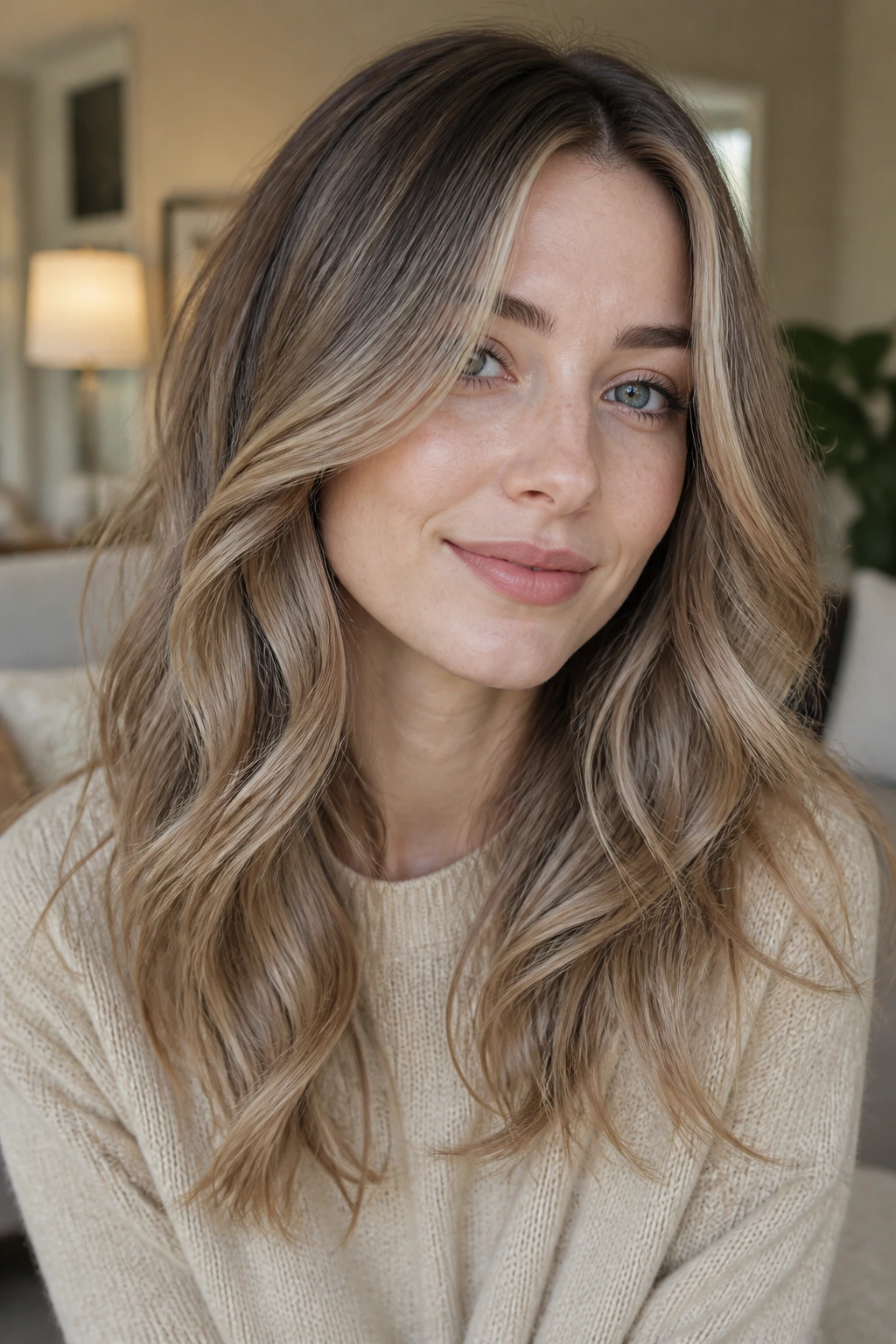
Gloss Boost: A neutral-beige gloss at the bowl can smooth out the tone between salon visits without turning the hair flat. If the blonde feels too bright, this is the first fix I’d reach for.
Texture Trick: A light mousse at the roots and a small amount of texture spray through the ends help the layers show. Too much oil makes the highlights disappear into the hair.
Customization: Fine hair usually needs more babylights and fewer chunky pieces. Thick hair can carry ribbon highlights, lowlights, and a stronger money piece without looking busy.
Make-It-Yours: If you want low maintenance, ask for a deeper root shadow. If you want more lift around the face, push the brightness into the first layer only. If you want warmth, keep it sandy or oat instead of honey-syrup gold.
Keeping the Tone Fresh Between Salon Visits
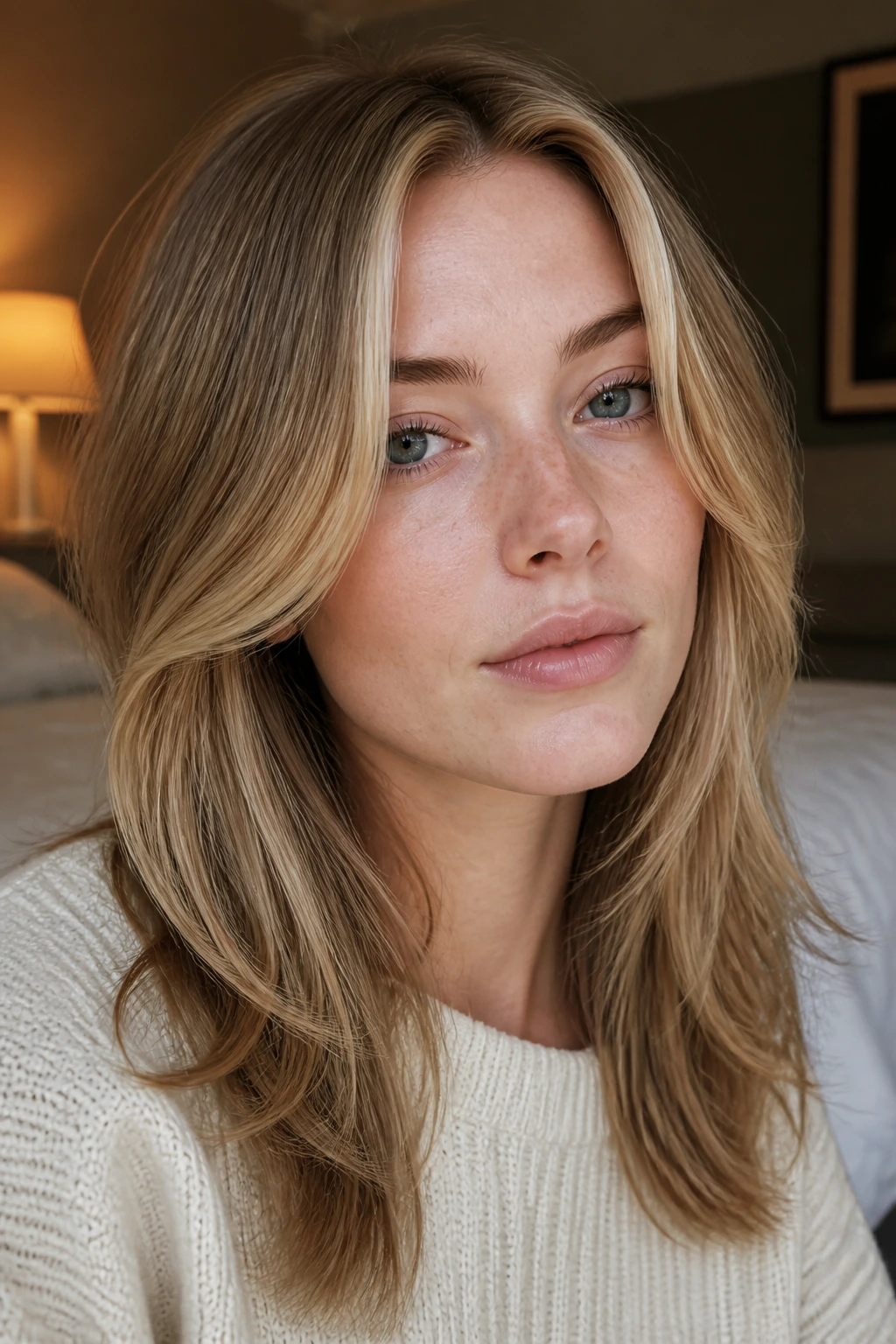
Dark blonde highlights hold up better than platinum, but they still need a little care. If your color was toned at the bowl, wait about 48 hours before the first shampoo unless your colorist tells you otherwise. After that, washing 2 or 3 times a week usually keeps the shade calmer and the layers less frizzy.
Use purple shampoo only when brass starts to show, not as a daily habit. Once every 1 to 2 weeks is enough for most people, and some hair needs even less. If the tone starts to look dull rather than yellow, switch to a beige gloss mask instead of more violet pigment.
Root touch-ups for balayage can often stretch 8 to 12 weeks. Babylights around the face may need refreshing a little sooner if you like a crisp front. Trims matter too. Soft layers lose their shape if you let the ends get too ragged, so a trim every 8 to 10 weeks keeps the movement from collapsing.
If your hair gets porous, be extra careful with chlorine and hard water. Saturate the hair with clean water before swimming, rinse right after, and use a chelating shampoo when buildup starts to make the blonde look muddy.
Variations and Adaptations to Try
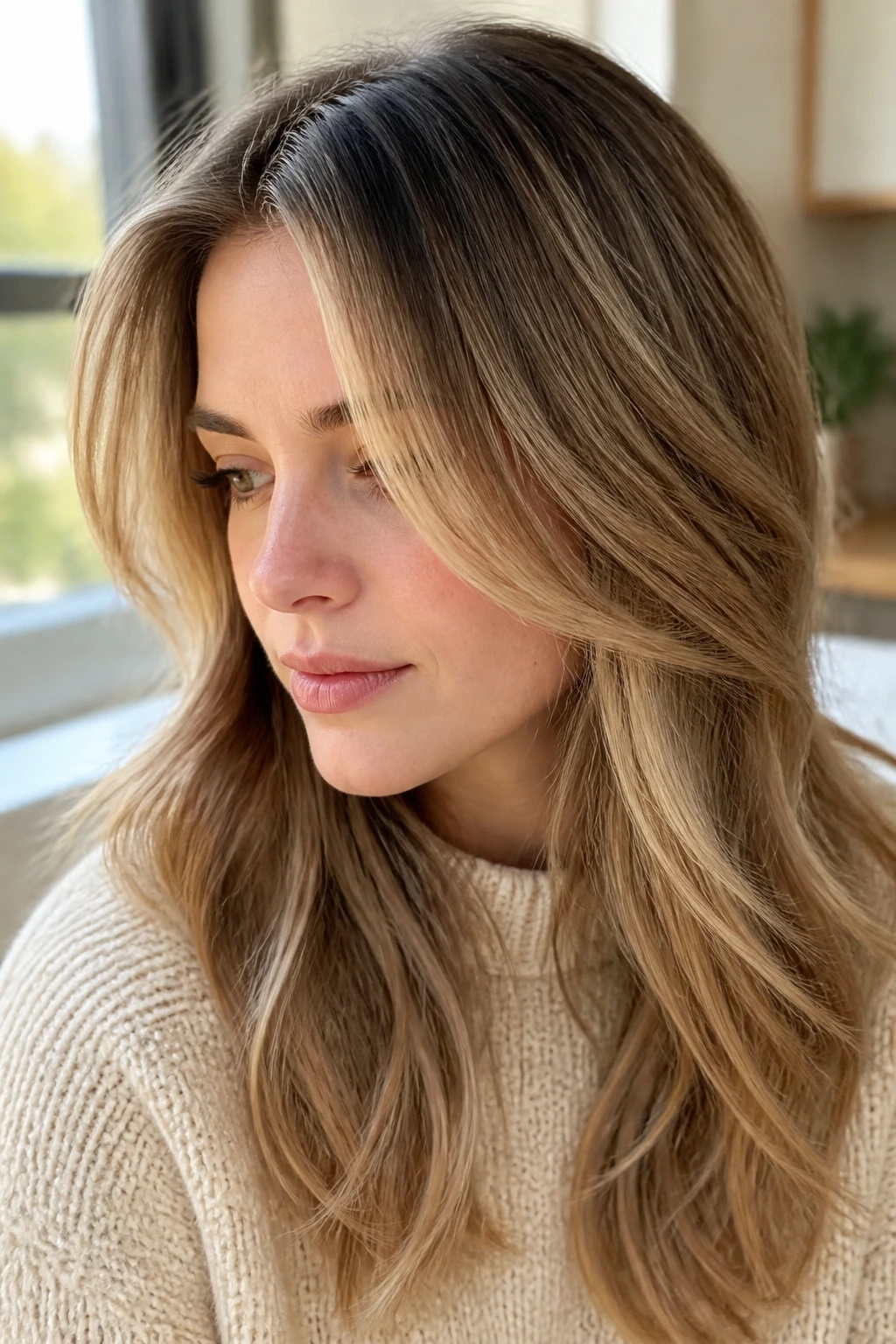
Cool Beige for Pink Undertones: Keep the base ash-beige and ask for thin, diffused highlights around the face. This is the safest lane if your skin flushes easily.
Honey-Oat Softness: Use honey only in the front and keep the rest of the head in oat or biscuit beige. It softens pale skin without tipping into orange.
Brunette-First Bronde: Leave more depth at the root and under the layers, then thread dark blonde through the surface. This gives dimension without a big blonde commitment.
Curly-Layer Lift: On curls, place the highlights where the curl clumps naturally break apart. The lighter pieces show better and the soft layers keep the shape from getting bulky.
Fine-Hair Babylight Map: If your hair is thin, use many tiny highlights instead of a few strong pieces. It creates the look of fullness without exposing the scalp too much.
Common Mistakes to Avoid
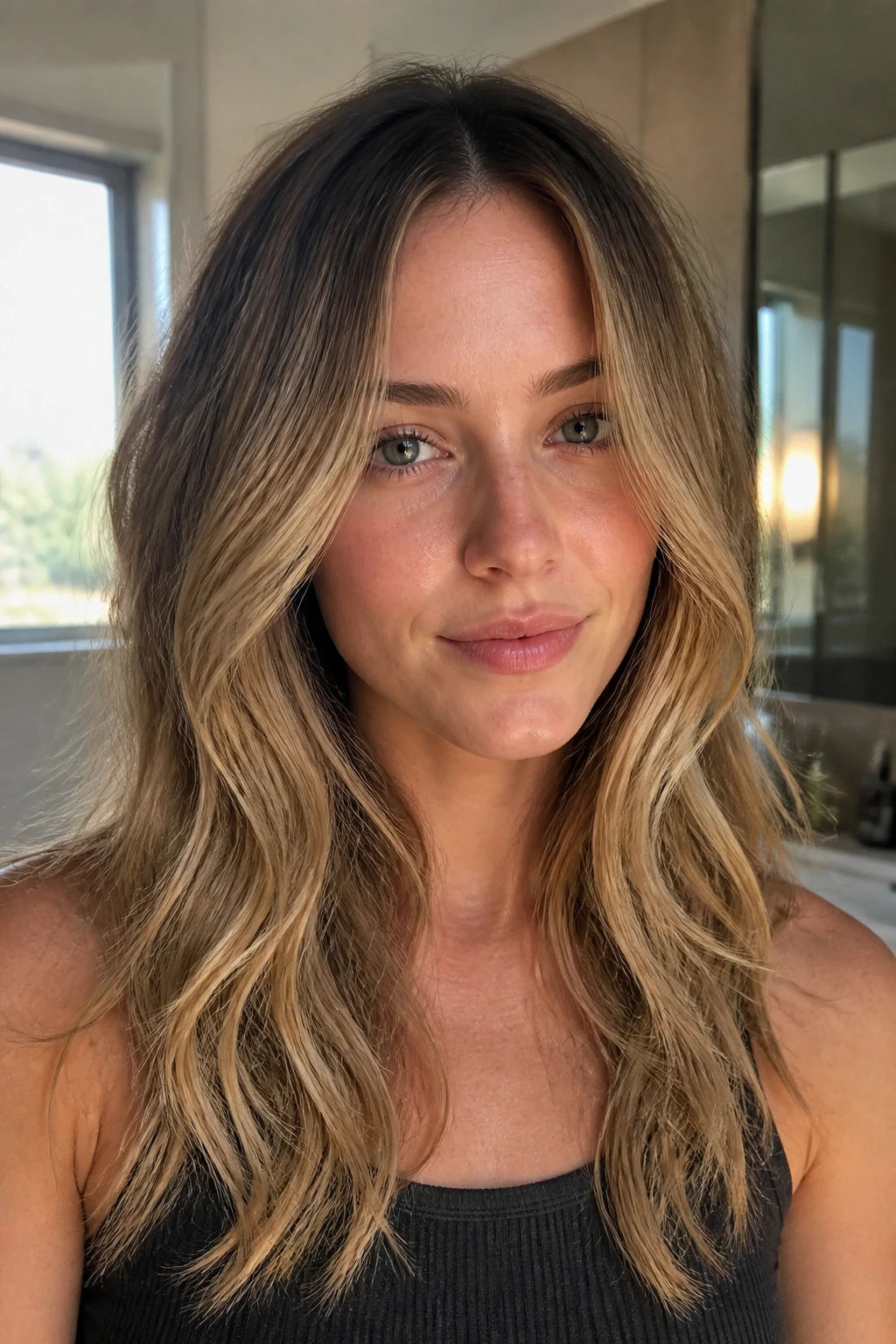
The first mistake is picking a blonde that fights your undertone. Pale skin with pink or cool undertones can get washed out by bright gold. Pale skin with warmth can look gray under an overly smoky toner. The fix is simple: identify your undertone before you choose the shade family.
The second mistake is putting too much brightness right at the hairline. A wide, pale money piece can make the face look striped, especially on soft layers. Narrower face-framing pieces with a softer root blend usually look better.
The third mistake is overusing purple shampoo. Hair that gets hit with violet pigment every wash can turn dull, dusty, or faintly lavender. Save it for when brass actually shows.
The fourth mistake is skipping the haircut. Highlights on blunt, heavy ends often look pasted on. Soft layers give the color space to move, which is half the appeal here.
The fifth mistake is asking for too much contrast too fast. Pale skin usually looks better with gradual lightening, not a hard leap from dark base to pale blonde. Root shadow and mid-tone beige are your friends.
Frequently Asked Questions
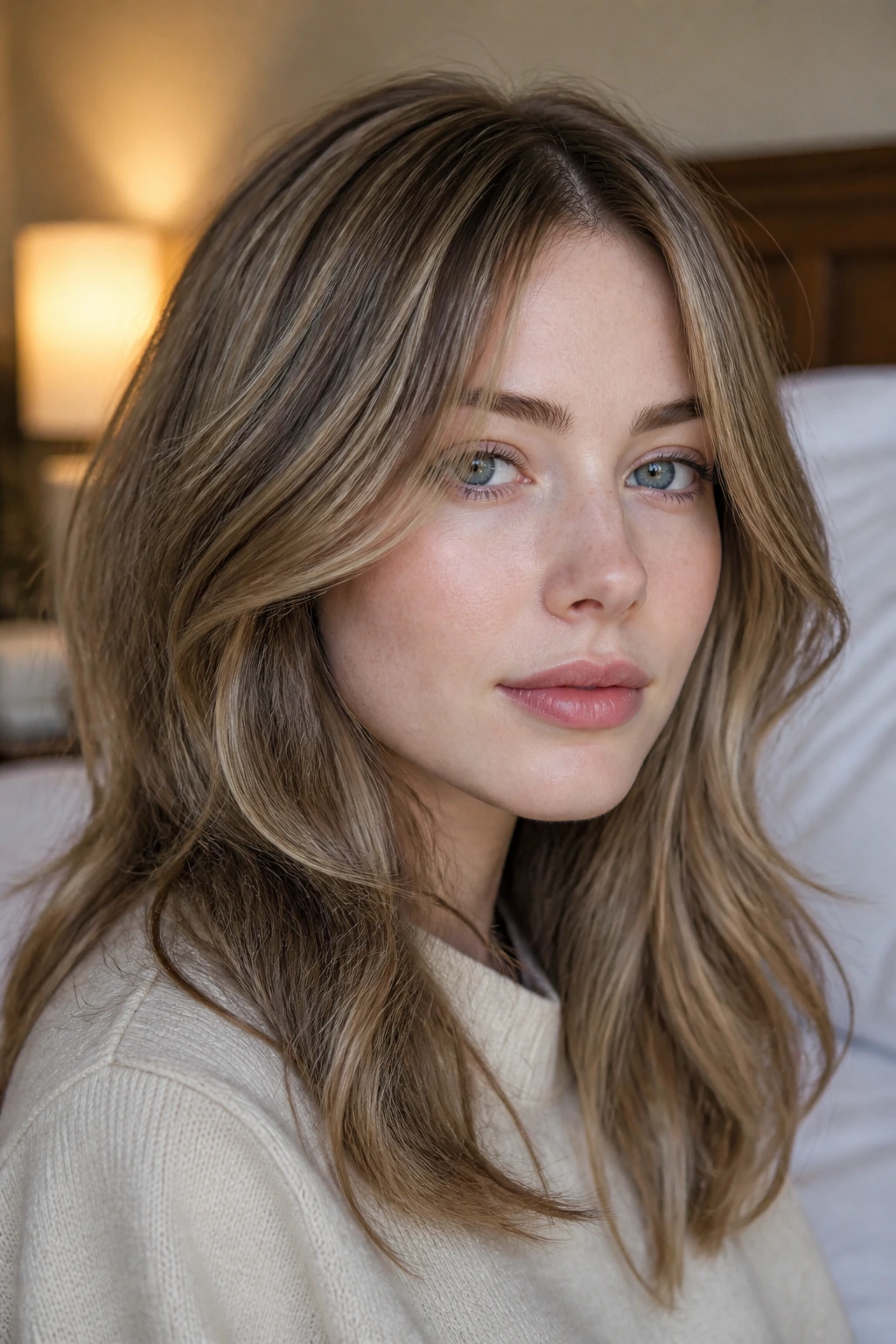
Which dark blonde tone flatters pale skin the most?
Ash-beige and mushroom blonde are the safest starting points for cool or pink undertones. Neutral or warm skin can also wear biscuit, sandy beige, or softened honey if the tones stay muted.
Will dark blonde highlights make pale skin look washed out?
They can, if the blonde is too bright or too yellow. The fix is a deeper root, softer placement, and a tone that sits closer to beige than gold.
Are soft layers necessary for this look?
Not mandatory, but they help a lot. Soft layers keep the highlight ribbons visible in motion and stop the ends from looking flat or blocky.
Can I get this look on fine hair?
Yes, and fine hair often benefits from it. Ask for babylights or narrow ribbons so the color creates the look of fullness without exposing too much scalp.
How often should I refresh the tone?
Most people do well with a gloss or toner refresh every 4 to 6 weeks. If the color is mostly balayage, the placement can last longer than the toner.
What if my highlights turn brassy?
Use a purple shampoo sparingly, then book a gloss if the brass stays stubborn. If the yellow is strong, a salon toner is usually better than trying to scrub it out at home.
Is balayage better than foils for pale skin?
Balayage gives a softer grow-out and usually feels gentler on pale skin because the contrast is blurred. Foils are better if you want more brightness or a more defined ribbon pattern.
Can I keep my natural depth at the root?
You should, if you want the color to look believable and low-maintenance. A shadow root often makes dark blonde highlights look richer on fair skin.
A Soft Shade That Still Has Shape
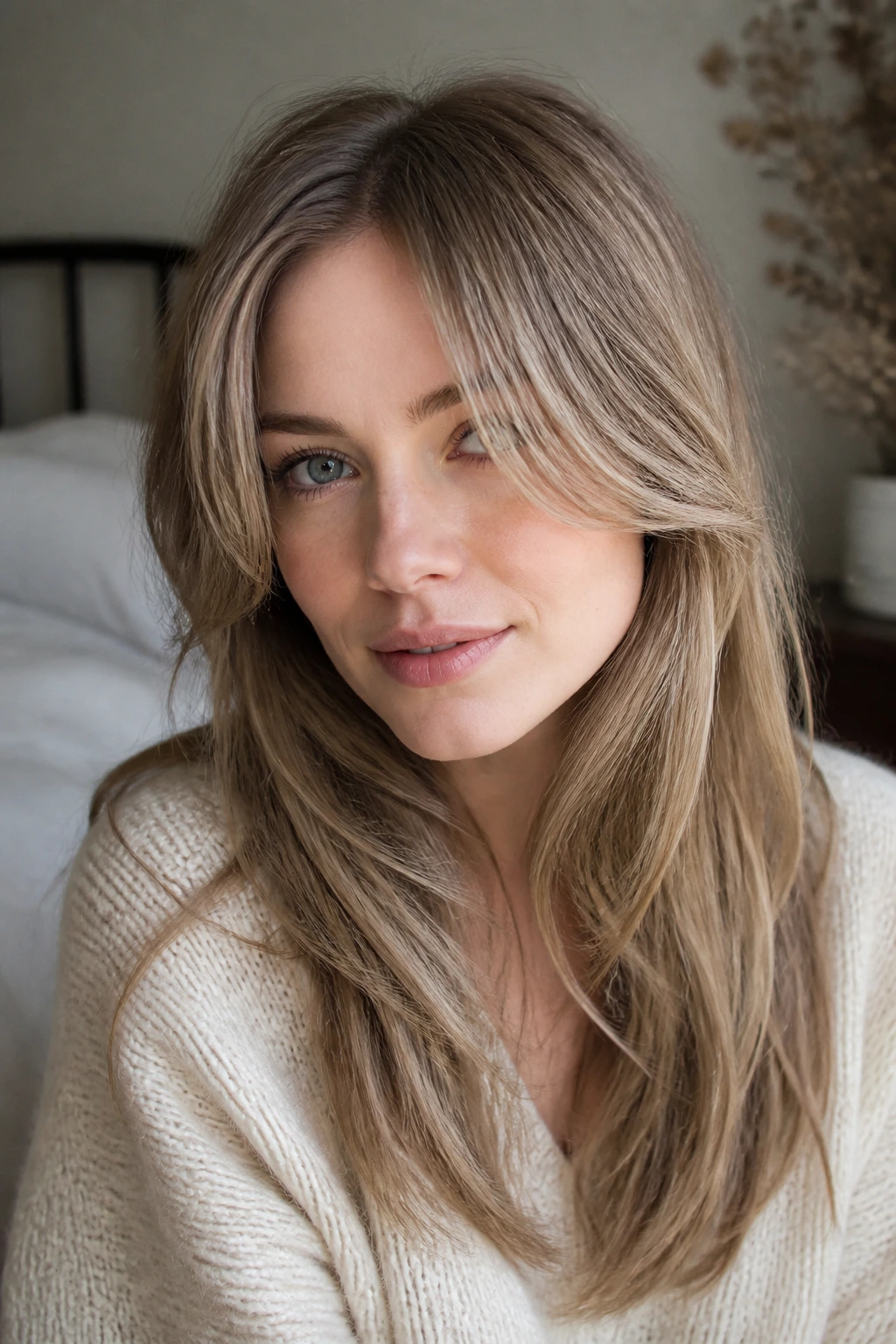
The nicest thing about this color family is that it does not need to shout to do its job. Dark blonde highlights on pale skin can be quiet, airy, and a little smoky, and soft layers make the whole thing move instead of sit there.
That’s the trick worth remembering. Tone matters, but placement and cut matter just as much. Get those three pieces lined up, and the hair starts doing that useful, flattering thing where it looks lighter, fuller, and more intentional without looking overworked.
If you’re choosing between a few versions, start with the one that keeps the root soft and the face frame gentle. The rest can be adjusted at the bowl, and that flexibility is exactly what makes this look worth wearing.