



A curly bob can look crisp in the morning and puffy by dinner if the shape is wrong. That’s the part too many haircut roundups skip. For women over 50, the difference matters even more, because curls often change texture, density, and spring in ways a blunt cut simply can’t forgive.
The sweet spot is a choppy bob. The broken-up ends stop the hair from turning into one heavy block, and the shorter shape keeps curl pattern visible instead of dragging it down. You get movement at the jaw, lift where the crown needs it, and enough softness around the face to avoid that stiff, helmet-like finish that nobody asked for.
What I love about choppy bobs for women over 50 with curly hair is how honest they are. They don’t pretend the hair is going to behave like a poker-straight blowout. They work with shrinkage, with silver strands, with cowlicks, with the little changes that show up after years of wearing your hair the same way. Some are neat. Some are shaggy. Some flirt with a lob. All of them rely on shape, not force.
Why These Choppy Bobs Earn Their Place
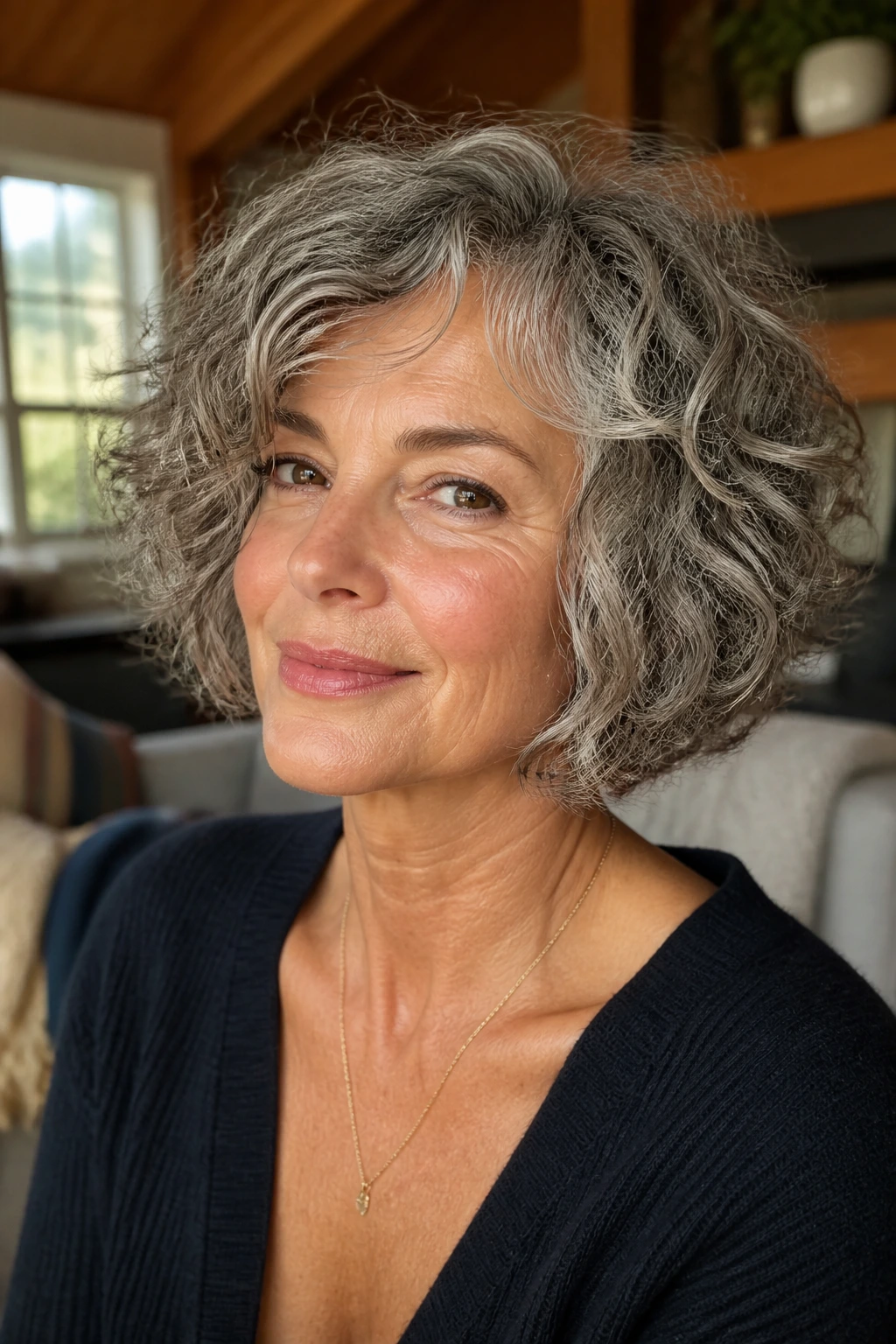
- They stop the triangle effect: Choppy ends keep curls from puffing out at the sides while the top stays flat.
- They handle shrinkage better: A curl cut with internal texture still looks intentional after it dries and springs up.
- They make gray hair look sharper: Silver strands pick up light, and a textured perimeter keeps them from reading as one solid sheet.
- They give you options: You can wear one side tucked, diffuse for lift, or let the curls air-dry and still keep the outline.
- They’re easier to personalize: A tiny shift in parting, fringe, or length changes the whole mood of the cut.
1. Chin-Length Curly Choppy Bob
A chin-length bob sits in that useful little zone where curls can swing without swallowing your neck. It’s short enough to feel fresh, but not so short that every curl snaps up into a puffball.
Why It Holds Its Shape
When the curls land right at the jaw, the eye reads the line of the cut before it notices every individual ringlet. That’s handy when hair has lost a bit of density near the temples. Ask for a choppy perimeter and a few soft internal layers, not a carved-up cloud.
- Best for: Oval, heart, and square faces.
- Styling note: A diffuser on low heat keeps the chin line clean.
- Salon cue: Ask for the front to skim the jaw, not sit above it.
One quick tip: If your curls shrink hard, have the stylist cut it dry or nearly dry.
2. Stacked Curly Bob with a Lifted Crown
This one has attitude in the back, and I mean that in a good way. A stacked shape gives the crown a little architectural support, so the hair doesn’t settle into a sad, flat cap by lunchtime.
The cut works especially well if your curls are denser underneath than they are on top. The graduation removes weight where it matters and leaves the top with room to rise. If you’ve ever seen a bob that looks full from behind and tidy around the ears, that’s the trick.
A stacked curly bob can look polished with almost no effort. The back does the heavy lifting.
3. Side-Part Choppy Bob with Temple Volume
Why does a side part change so much? Because it shifts where the bulk sits. That small move gives the front a lift at the temple and keeps the top from lying too close to the scalp.
This is one of my favorite choppy bobs for women over 50 with curly hair because it softens the face without hiding it. The side part opens one eye line, lifts the brow area, and gives the curls a place to fall naturally instead of forcing symmetry that the hair may not want.
How to Wear It
If your face feels a little long, keep the front pieces around cheekbone length. If your curls are looser, use a light mousse at the roots and scrunch before diffusing. The cut should look deliberate, not fussy.
4. French Bob with Soft, Piecey Ends
Picture a bob that stops right around the cheekbone, with ends that separate instead of hanging in one heavy sheet. That’s the French-bob mood, and with curls it gets even better when the edges are choppy rather than blunt.
The reason this cut works is simple: it leaves room for texture to do the talking. A little fringe can sit above or near the brows, and the perimeter stays airy instead of boxy. On gray or salt-and-pepper curls, that piecey outline keeps the whole look from feeling heavy.
Ask for softness around the hairline. Not a dense curtain. Just enough texture to keep the face open.
5. Angled Curly Bob That Sits Longer in Front
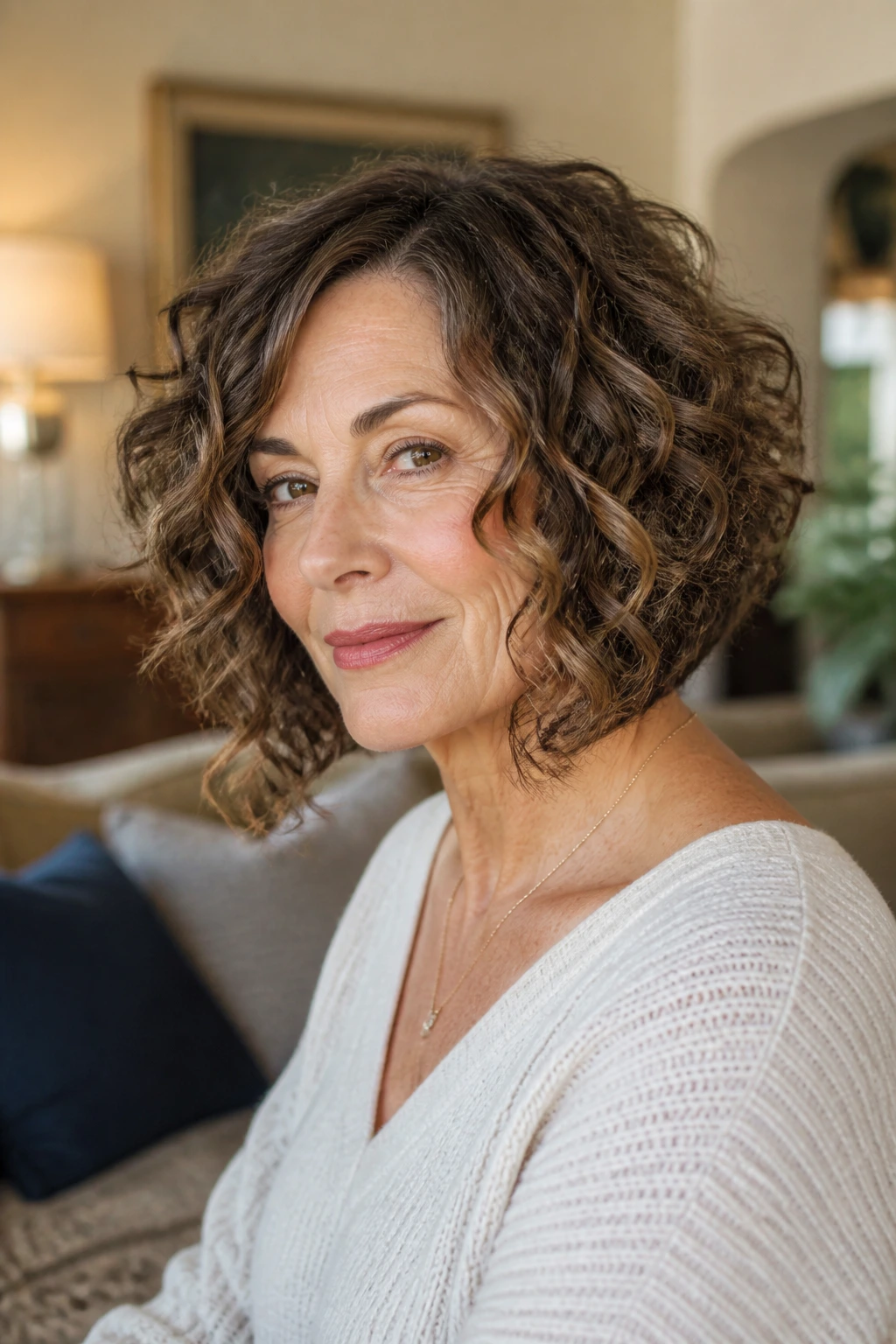
A slight angle gives you two things at once: lift in the back and length in the front. That longer front piece can skim the jaw or even brush the upper neck, which is useful if you want structure without losing the safety net of a little extra length.
This cut is especially helpful when curls tighten more at the back than they do near the face. The angle keeps the shape from turning square, which is a problem I see all the time with one-length curly bobs. You want a line that feels intentional, not accidental.
It’s a strong choice if you wear statement earrings. The longer front frames them instead of fighting them.
6. Collarbone Curly Lob with Choppy Internal Layers
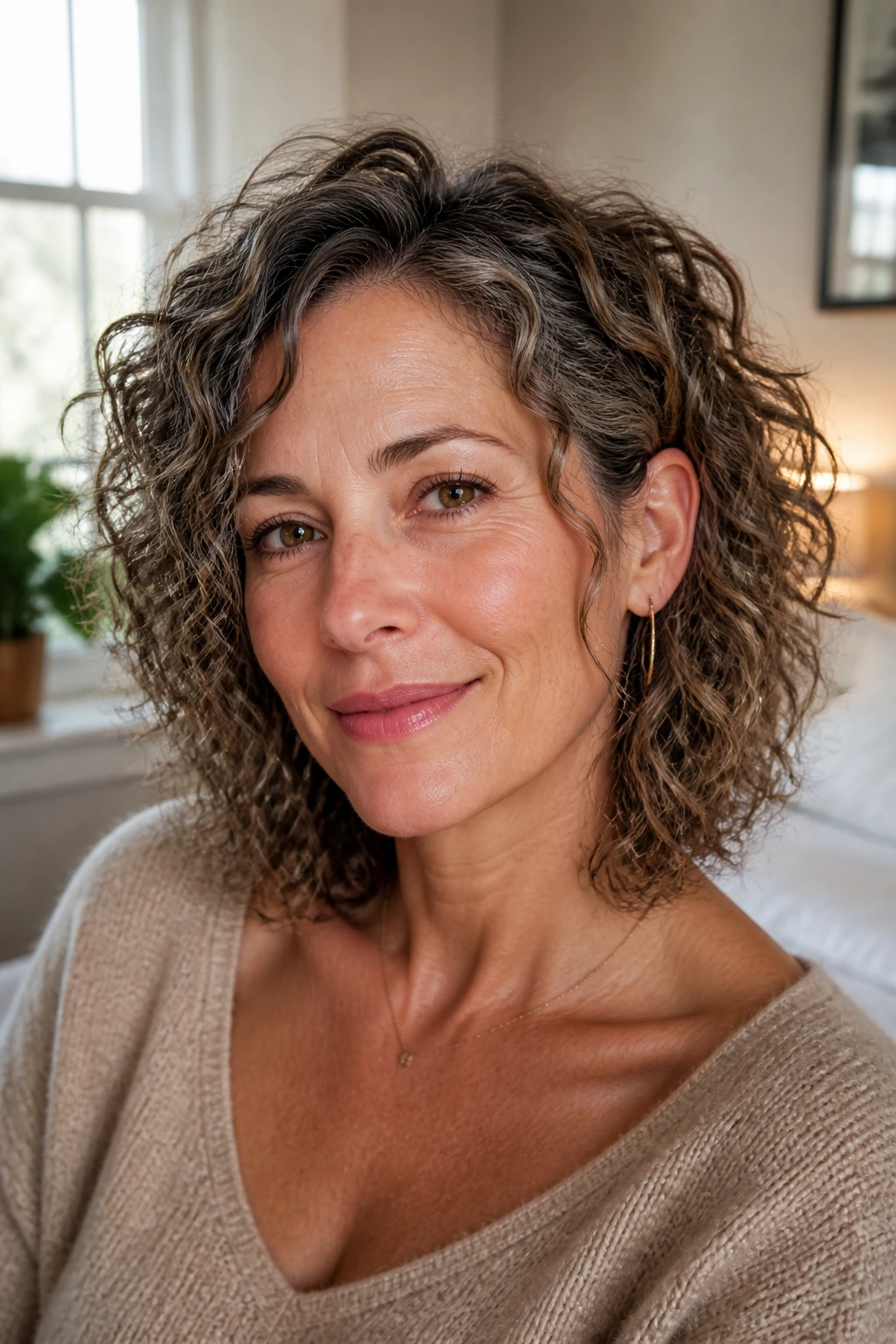
Not ready to go short-short? Fine. Keep the length at the collarbone and put the energy inside the cut instead of at the edge. A lob with choppy internal layers gives the curls room to move while still letting you pull it back on days when life asks for a clip.
That extra length is useful for women who want shape but don’t want to lose the option of tucking sections behind the ear or pinning the sides back. The internal layers stop the ends from looking like a single curtain, which is what makes a lob feel modern instead of drapey.
This version is a quiet workhorse. It doesn’t shout, but it always looks like a haircut.
7. Razor-Cut Bob for Loose Ringlets
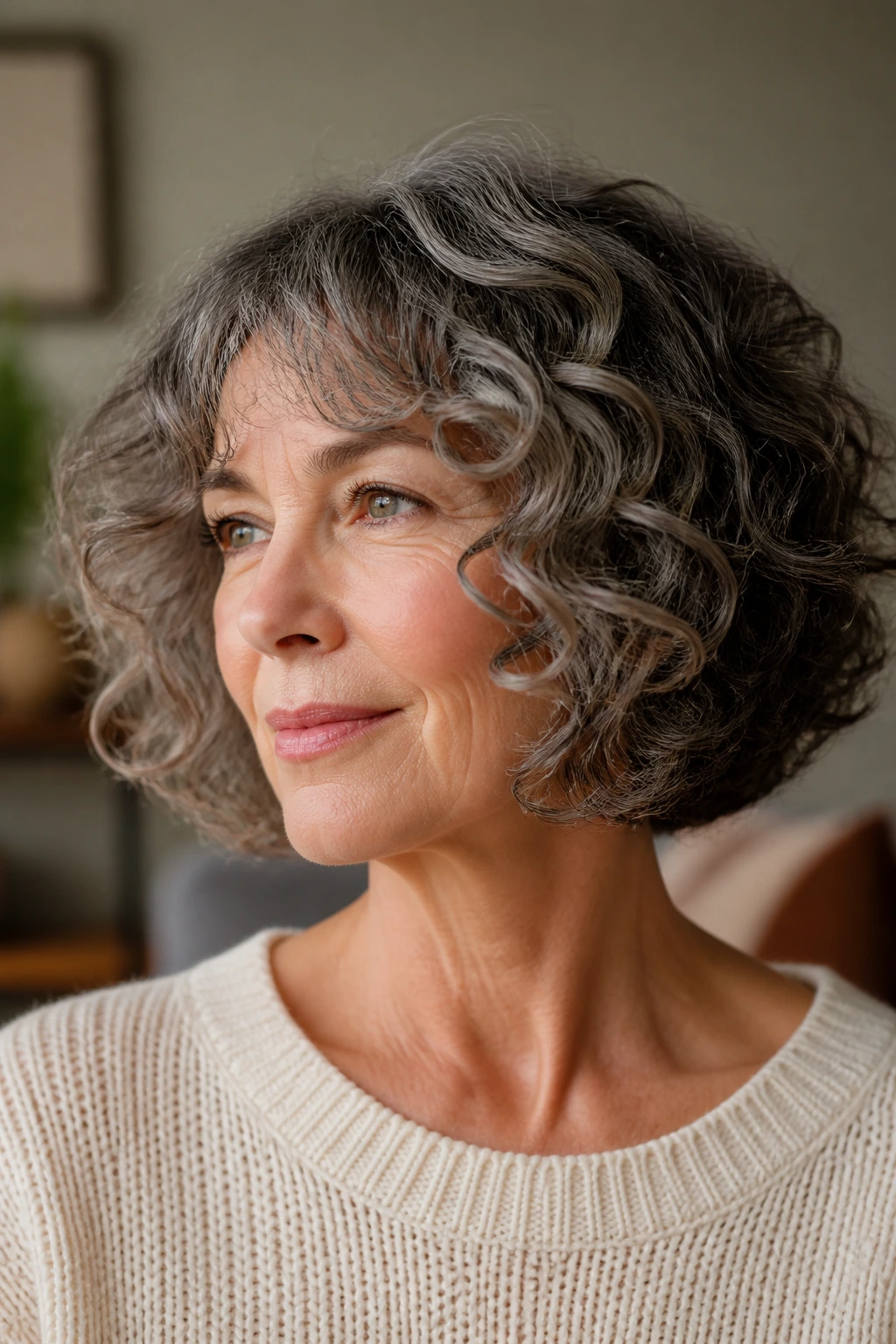
A razor can be a gift or a mistake, depending on the curls. On loose ringlets, though, it can make the ends look feathered and light instead of chopped square. That’s the point here: more separation, less helmet.
Best for
- Ringlets that clump easily.
- Hair that feels bulky at the ends.
- Anyone who wants a softer edge around the jaw.
Watch the texture
If your ends are fragile or over-processed, a razor can fray them. Ask for a careful point-cut instead if your hair is dry at the tips. The whole shape should read airy, not shredded.
8. Curly Bob with Curtain Bangs
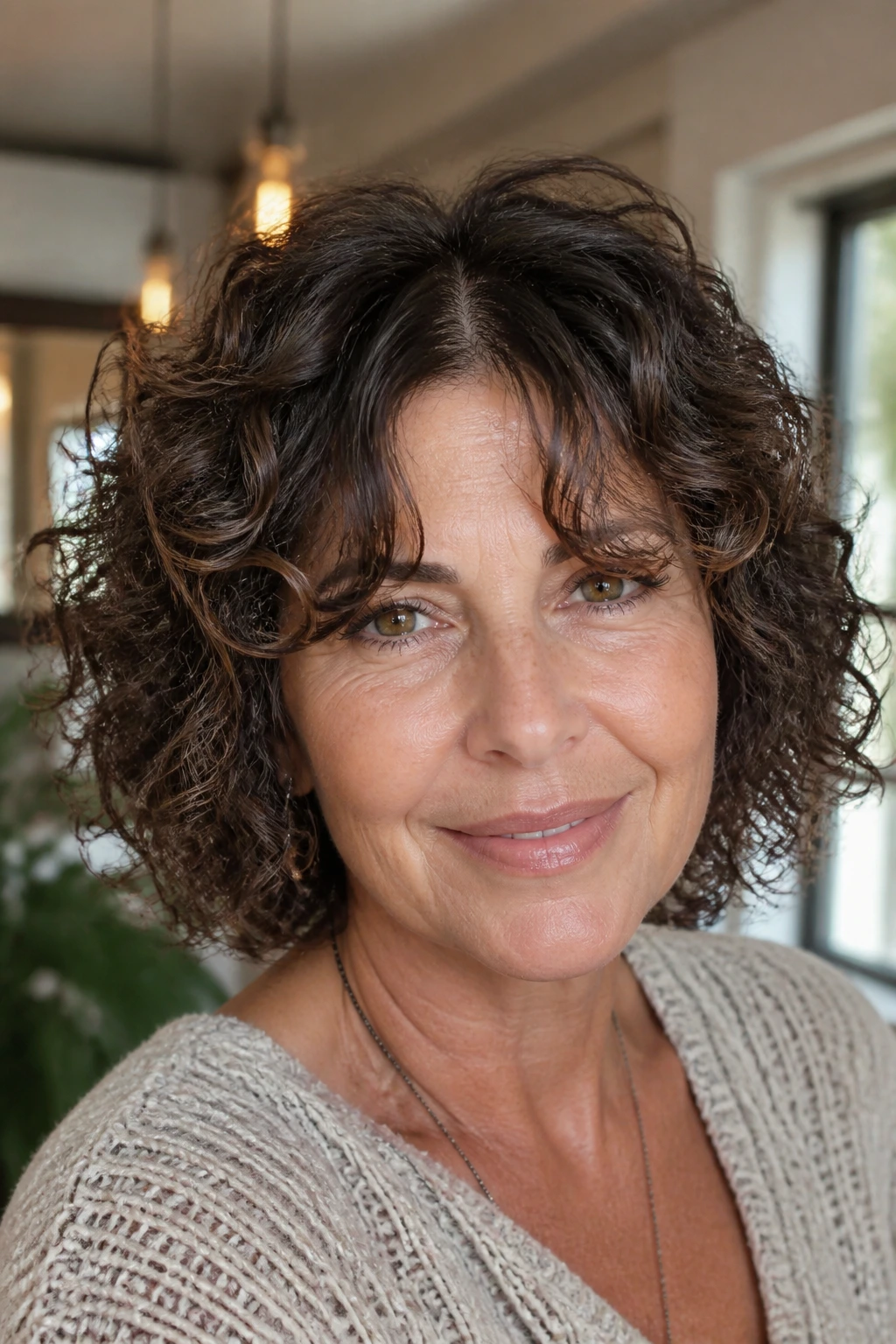
Curtain bangs on curls can be gorgeous, but only when the stylist respects shrinkage. The fringe needs enough length to split and fall rather than bounce straight up like little springs with opinions.
The appeal is obvious: curtain bangs soften the forehead, bring attention to the eyes, and blend into the sides of the bob without a harsh line. On women over 50, they can also hide a cowlick at the hairline, which is worth its weight in gold on humid mornings.
Keep the fringe light. Heavy curtain bangs on curls turn into a hot mess fast.
9. Salt-and-Pepper Choppy Bob

Gray and silver curls don’t need softening as much as they need shape. A choppy bob gives salt-and-pepper hair the broken-up movement that keeps all that sheen from looking like one flat mass.
I like this cut because the texture of the silver strands often shows up more clearly than dye-treated hair. The light catches the bends, the darker strands create contrast, and the choppy ends keep it from looking too precise. That mix is what gives the cut depth.
If your gray hair has gone a little wiry, a light cream on the ends and a strong shape at the perimeter make a huge difference.
10. Deep Side-Part Wavy-Curly Bob

A deep side part gives this bob a little drama without making it fussy. It also helps when one side of your curl pattern lies flatter than the other, which happens more often than people admit.
The cut feels especially good on medium-density hair. The part shifts lift toward the top, and the choppy ends keep the sides from ballooning outward. If you want a bob that looks done without needing a round brush, this one pulls its weight.
You can tuck the heavier side behind the ear and let the other side fall forward. Small move. Big payoff.
11. Tapered Bob with a Neat Nape
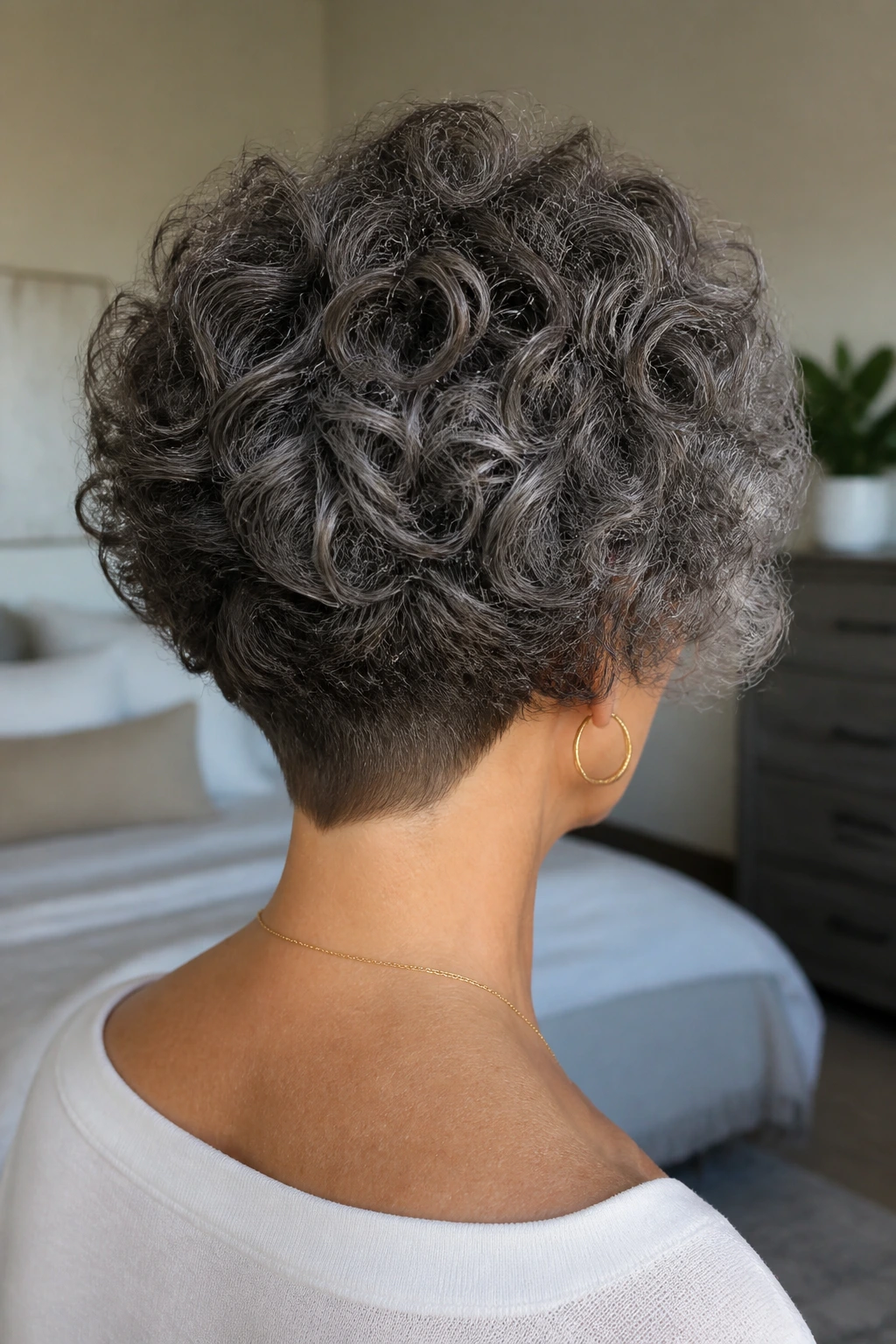
A tapered nape keeps the back clean, which matters when curls at the neckline have a habit of puffing out or sticking to the skin. The shape gets tighter as it moves down, so the bob feels controlled but never severe.
This is a nice option if you like your hair to look neat from behind. It also keeps the neck cooler and gives the top curls a little height by contrast. I’d pick this for someone who wants a bob that behaves well in profile.
It’s not the fluffiest version in the group. That’s the point.
12. Rounded Curly Bob That Hugs the Jawline
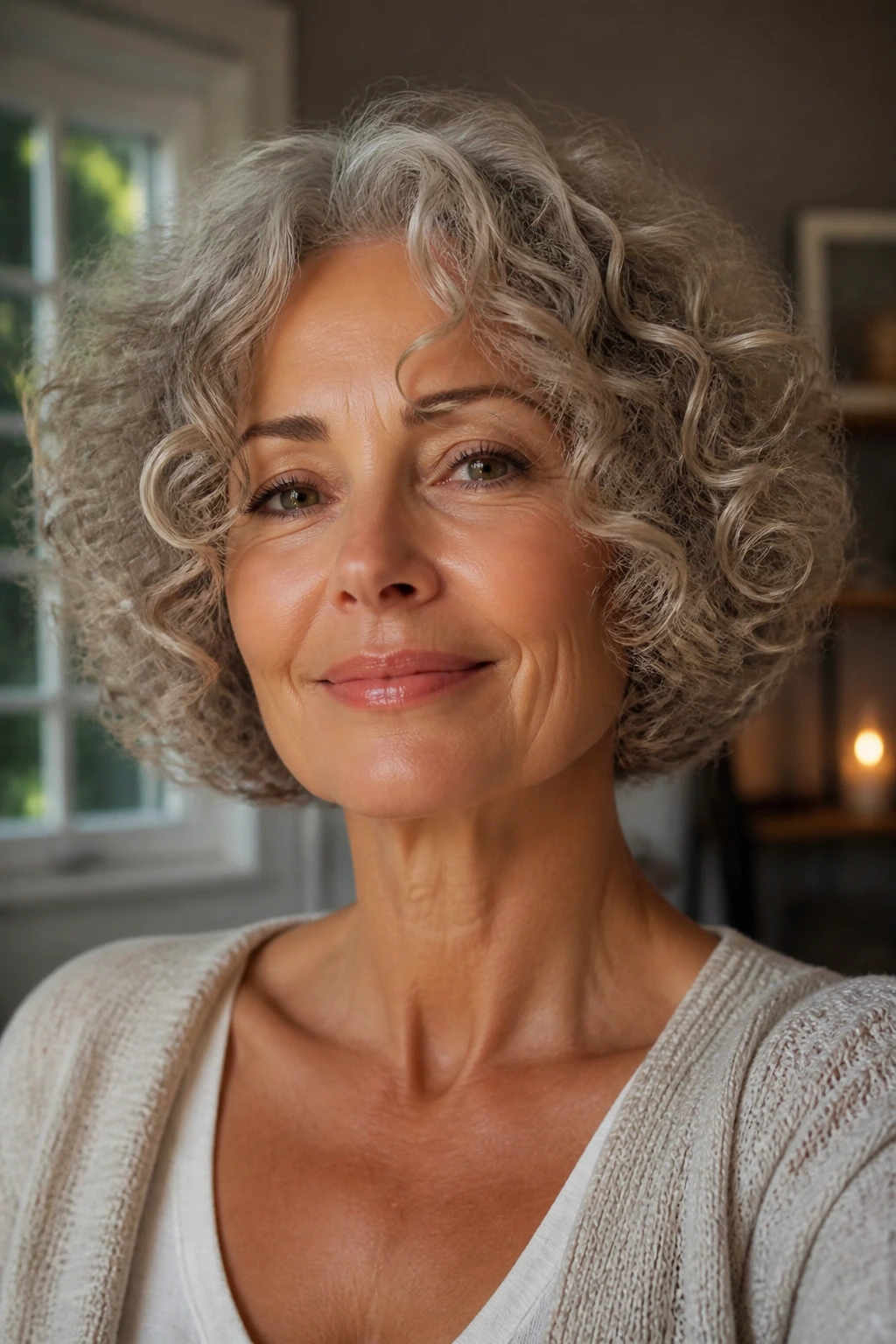
A rounded bob can be beautiful on curls when it’s cut to follow the face instead of expanding away from it. The curve should hug the jaw and arc gently toward the back, not puff into a hard dome.
This shape is useful if you want softness around the lower face. It can balance a strong jaw, smooth out a square face, or simply make the curls feel a little more controlled. The trick is keeping enough internal texture that the roundness doesn’t become bulk.
Rounded does not mean heavy. If the ends are too blunt, the look goes stale fast.
13. Asymmetrical Bob with One Longer Side

A small asymmetry can wake up curly hair in a hurry. One side sits a touch longer, the other side opens the face, and the whole thing feels more modern without crossing into costume territory.
What Makes It Different
The asymmetry gives the curls a built-in direction. That helps if one side naturally expands more than the other. It also takes some pressure off perfect symmetry, which curly hair often refuses to hold anyway.
Best For
- Faces that feel a little too round for a straight bob line.
- Hair with one stubborn side.
- Women who want shape without a full pixie-bob commitment.
One styling note: Keep the longer side soft, not razor-sharp, or the imbalance gets loud.
14. Shaggy Bob with Micro Layers

A shaggy bob sounds casual because it is casual, but there’s a reason it keeps showing up on curly heads. Micro layers let the curls stack in smaller groups, which cuts bulk without wrecking the outline.
This is a strong choice if your hair is thick, springy, and eager to swell. The tiny layers keep the cut from sitting too wide at the sides and give the top a little lift. It’s a bob that moves when you move.
The downside? Overdo the layers and you get frizz city. Keep the cutting disciplined. Tiny layers, not a hacked-up mess.
15. Collarbone Bob with Face-Framing Pieces
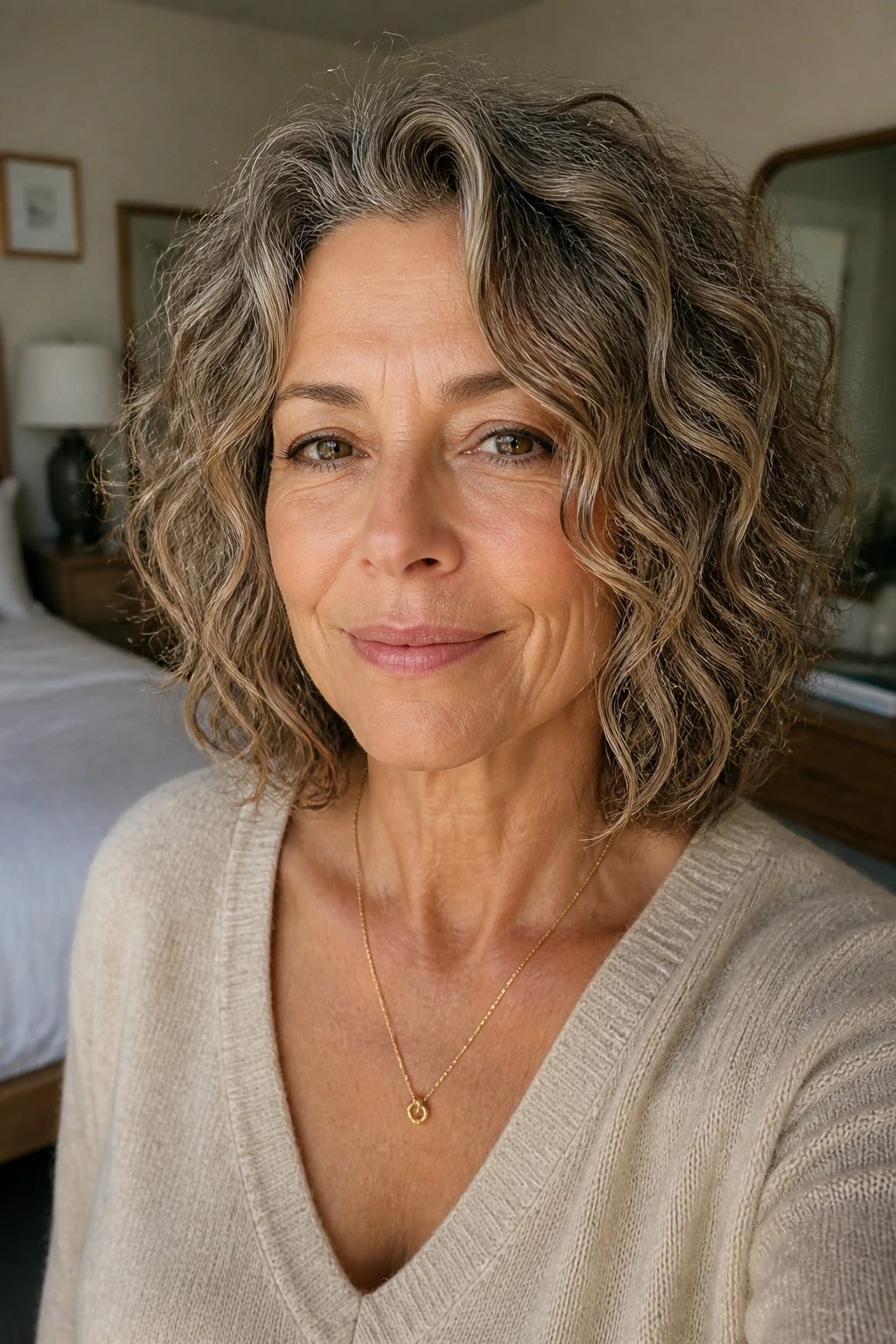
Why settle for a pure bob when a collarbone length can do the same job with more flexibility? The face-framing pieces make this cut feel light around the cheeks while the longer length gives you room to twist, clip, or air-dry without panic.
This is the one I’d point to for someone easing out of longer hair. It keeps the transition gentle. The front pieces can start at the cheekbone or chin, then drift into the longer body of the cut so the whole thing feels connected.
The result is soft, not limp. That matters.
16. Inverted Bob for Dense Curls
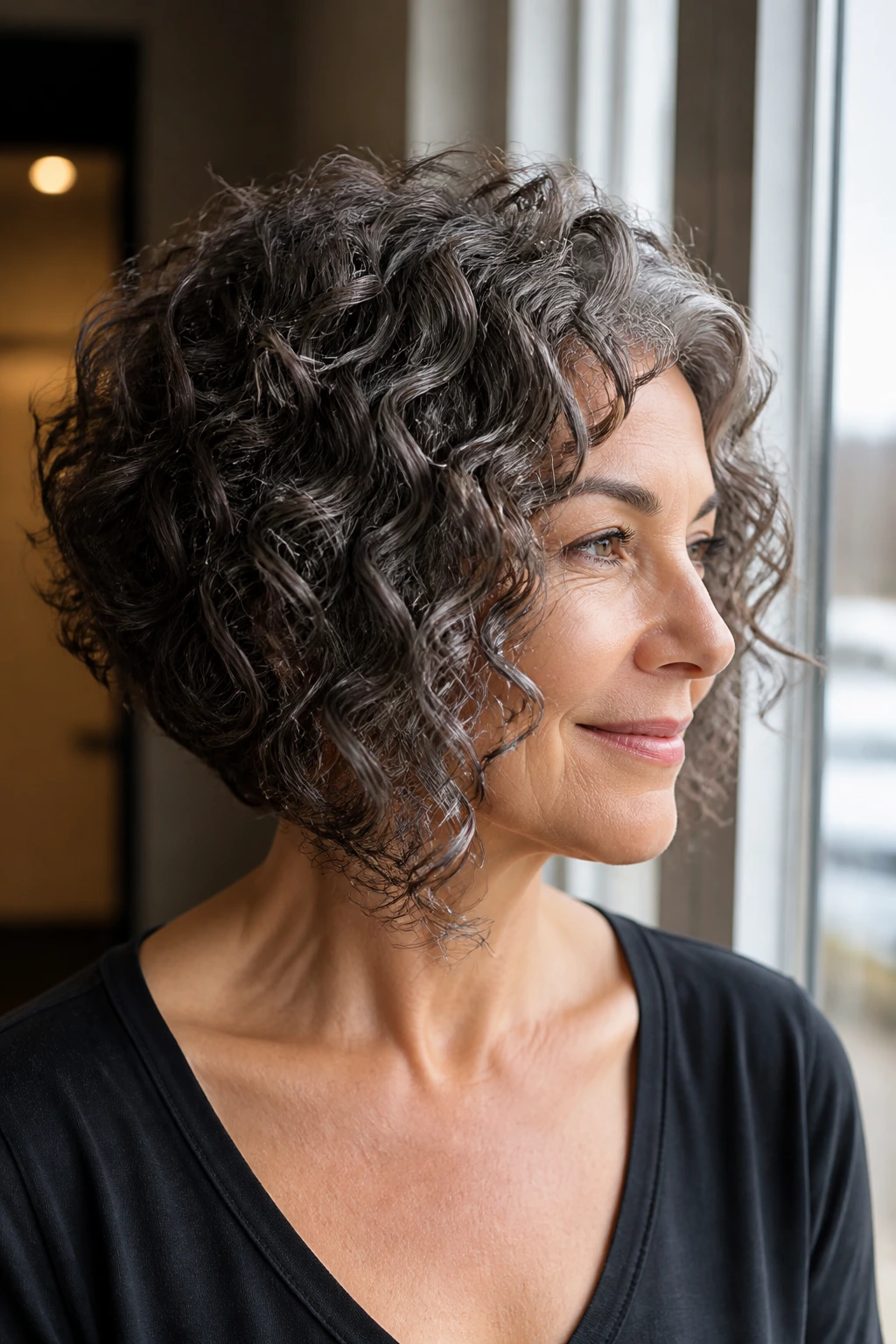
Dense curls can swallow a haircut if the shape stays too square. An inverted bob fixes that by stacking the back and leaving the front longer, so the cut has built-in motion and the sides don’t puff outward like a bell.
Why It Works
The back gets lift from the shorter layers, which keeps the weight from dropping straight down. The longer front narrows the shape visually, especially if your curls expand once they dry. That balance is the whole game here.
Ask your stylist for
- Shorter graduation at the nape.
- Length that grazes the jaw or just below it in front.
- Enough internal texture to stop the side panels from ballooning.
This cut has backbone. You can feel it.
17. Blunt-Edge Bob with Choppy Interior
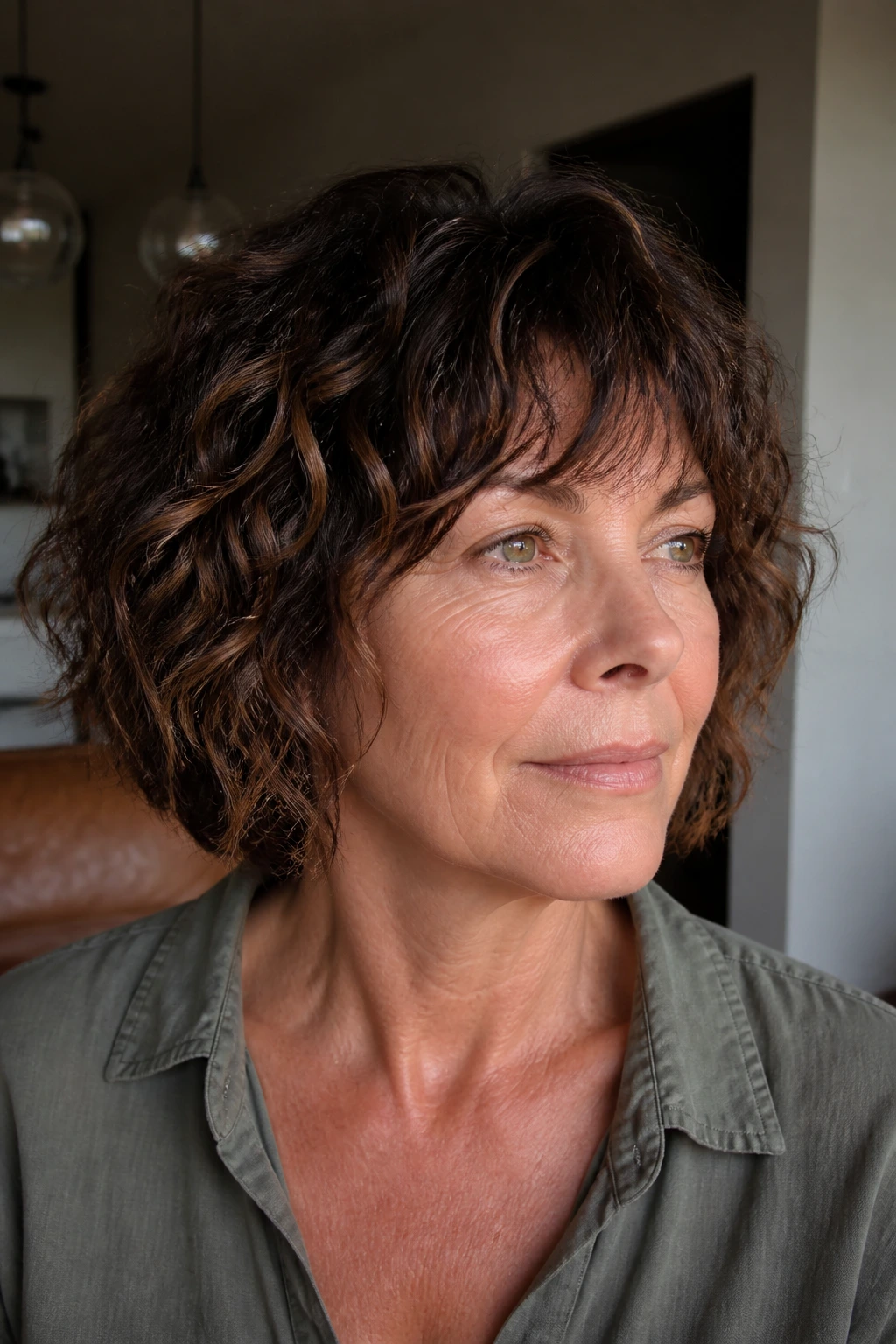
A blunt perimeter can actually look richer on curly hair when the inside has enough texture to keep the weight from turning into a block. I like this combination on finer curls because it gives the illusion of density at the edge while the choppy interior creates movement.
It’s a smart compromise. The eye sees a strong line, but the curls don’t sit stiffly. That matters if your hair has gotten a touch thinner at the crown and you want the ends to look full instead of wispy.
Do not over-layer the outside line. Keep the drama inside.
18. Tousled Bob with Wispy Fringe
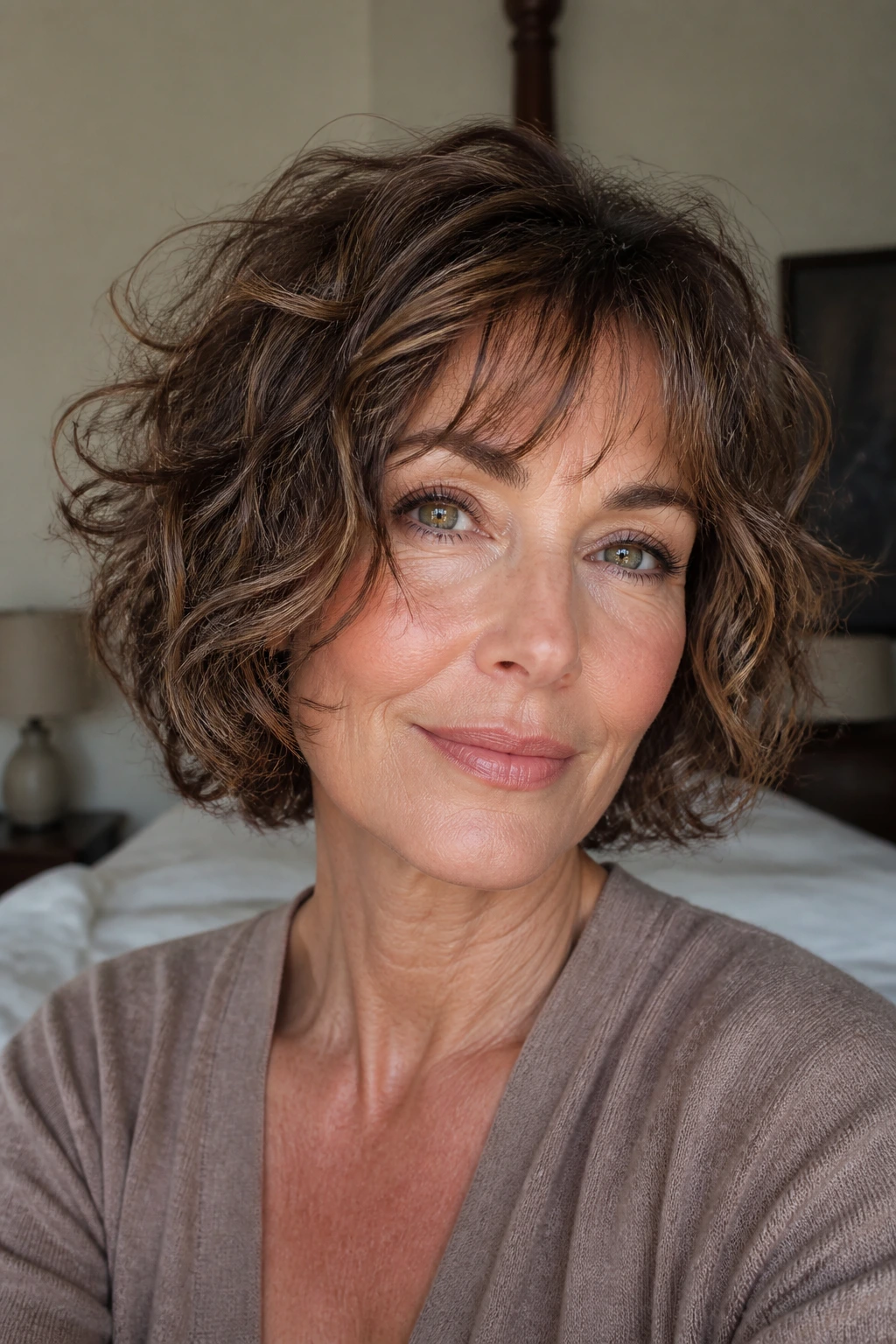
A tousled bob is what happens when the hair is allowed to look a little lived-in instead of perfectly set. The wispy fringe softens the forehead and keeps the bob from feeling too square across the top.
This cut suits people who like motion more than polish. It’s nice with air-drying, especially if your curls or waves separate naturally into little ribbons. The fringe should sit light on the face, not dense and heavy.
If your curls are loose, this one has a lot of charm. If they’re tight, the wispy fringe needs careful trimming or it will spring up faster than you expect.
19. Jaw-Length Bob with Tucked-Behind-Ear Sides

A jaw-length bob is practical in a way people don’t talk about enough. It clears the collar, flatters the lower face, and gives you a place to tuck the sides when you want to show off earrings or just get hair off your cheek.
The choppy detail matters here because a jaw-length cut can turn boxy fast. Broken ends keep it from locking into a rigid shape. I especially like this on women who wear glasses; the shorter side opens the frame, literally.
A useful detail
If one side of your hair always flips out, keep that side a touch longer and let the tuck happen on the opposite side.
20. Curly Bob with Long Side Bangs
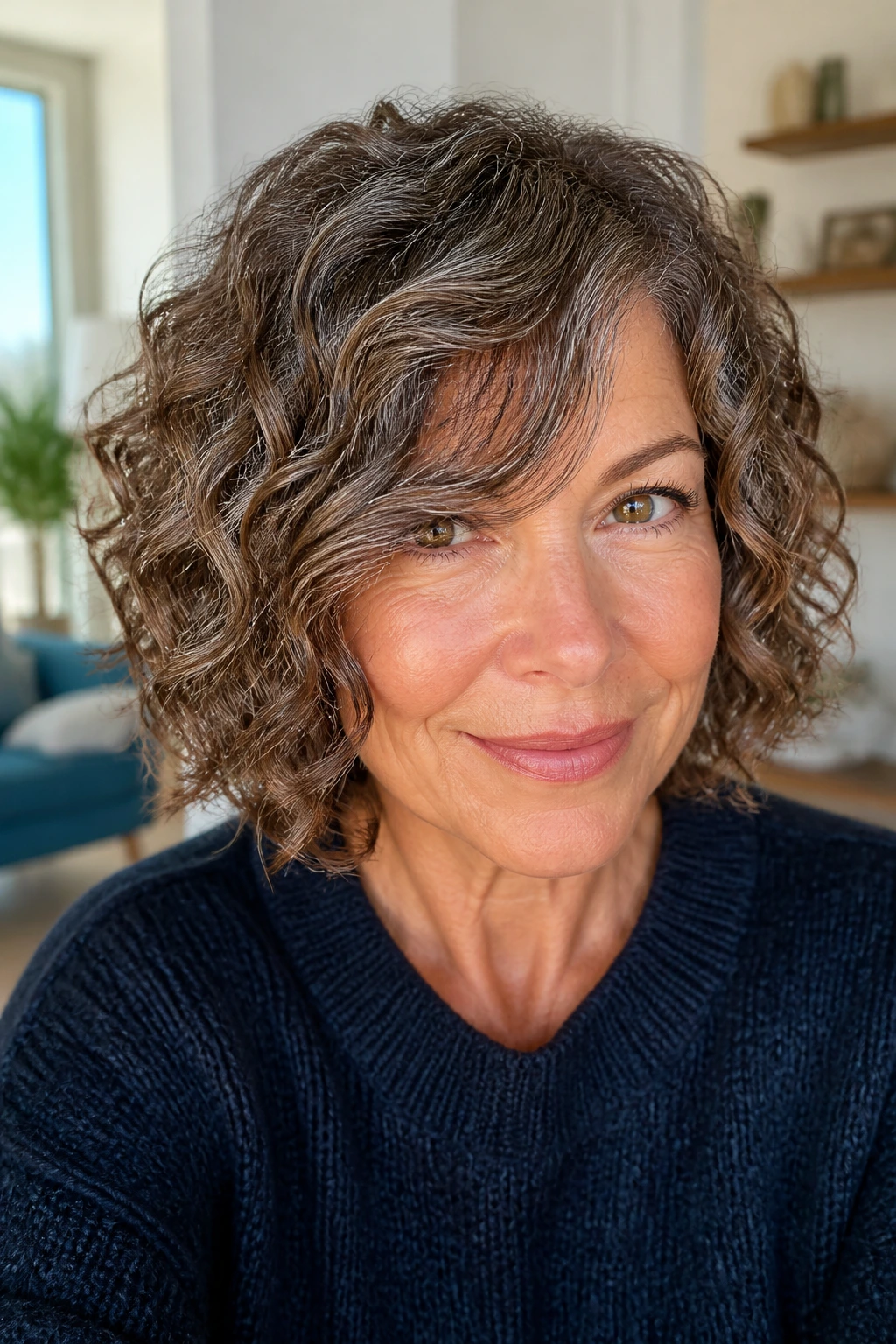
Long side bangs are a good way to keep the forehead soft without committing to a full fringe. They sweep across the face, then blend into the side of the bob so the cut stays fluid.
This version works when you want a little movement near the eyes. It can also pull attention upward, which is useful if the jawline feels more prominent than you want. The bangs should be cut long enough to obey the curl pattern, not fight it.
If you ever get annoyed by bangs that need babysitting, this is the safer version. It can be pinned back, tucked, or worn forward depending on the day.
21. Layered Bob for Fine, Springy Curls
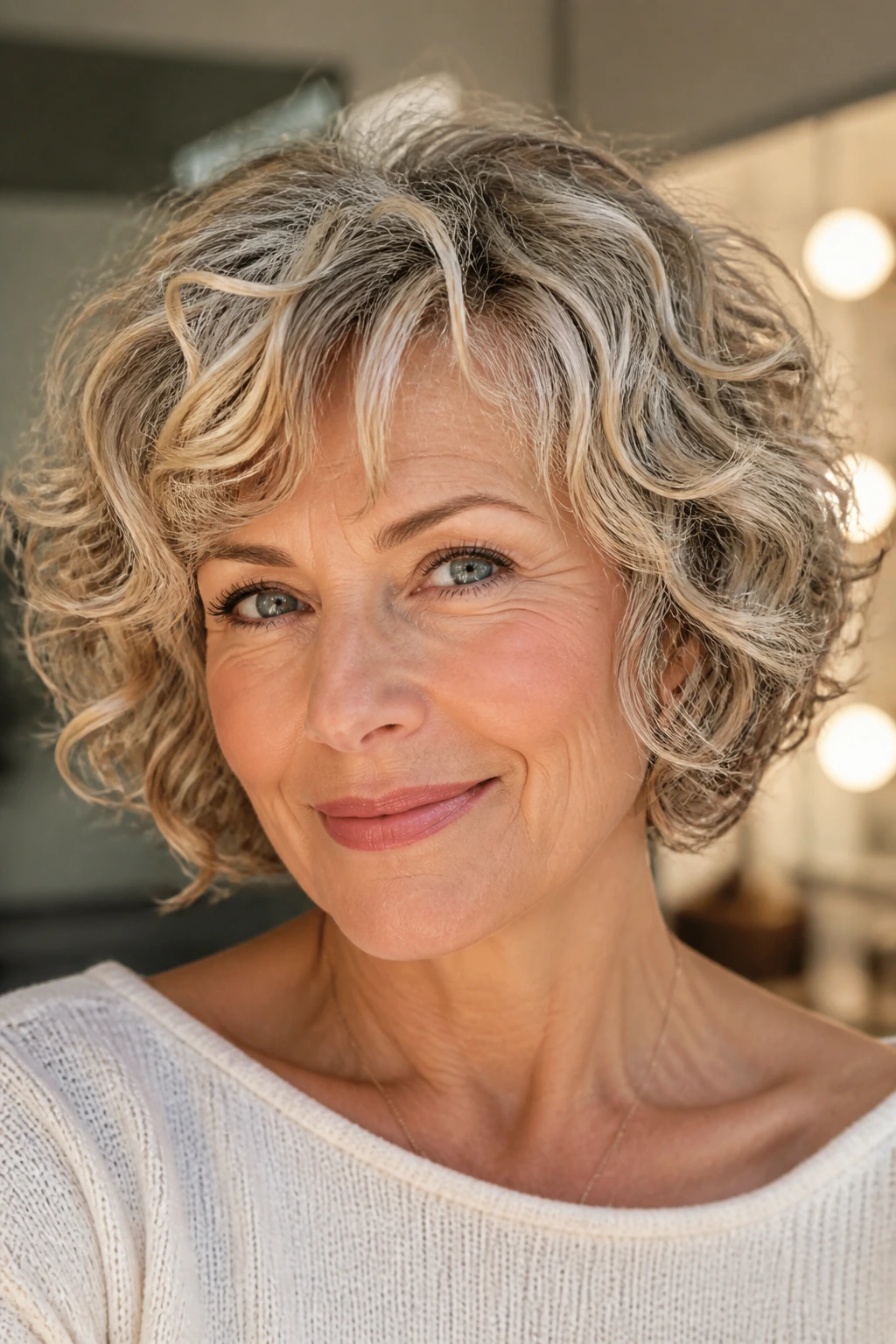
Does fine curly hair need layers? Yes, but not the kind that strip it bare. Fine curls need support, shape, and room to bounce, which is where a well-cut layered bob earns its keep.
The layers should be subtle and placed with care so the top doesn’t go see-through. I’d rather see a few well-chosen internal layers than a dozen slices that leave the crown looking tired. This cut can make fine curls look fuller simply because it allows the curl pattern to stack on itself.
How to wear it
Use a lightweight mousse or foam, diffuse until about 80 percent dry, then leave the rest alone. Touching it too much is where the frizz starts.
22. Defined Bob for Coarser Curl Patterns
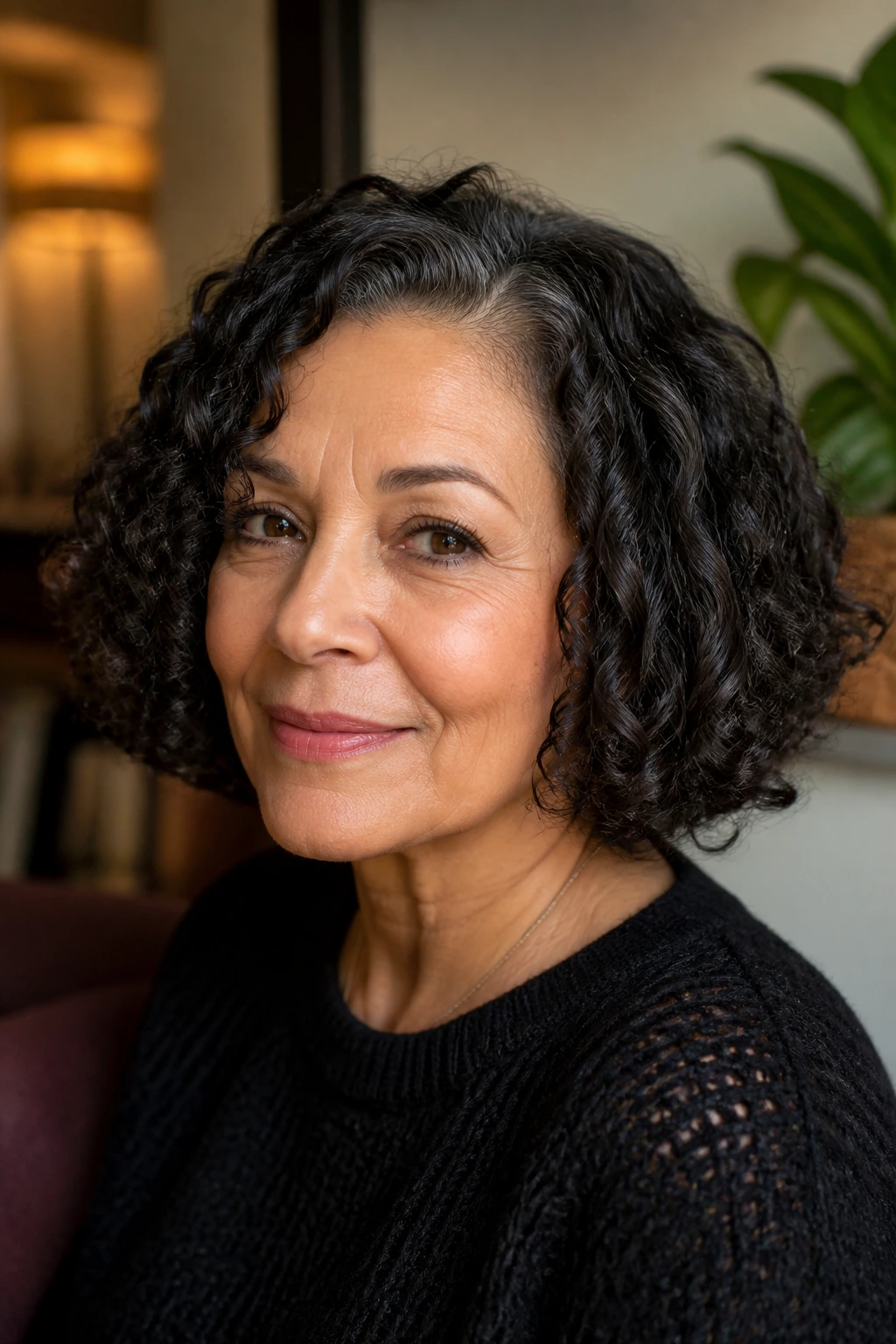
Coarser curls need moisture and shape, not a pile of aggressive layers. A defined bob keeps the outline strong while allowing enough texture for the curls to separate cleanly.
The best versions of this cut are not fluffy. They’re controlled, but not stiff. Think of each curl as its own piece instead of a mass that needs taming. A good leave-in and a stronger gel can help here, especially if the curls tend to puff in humidity.
This cut is honest. If you like structure and shine more than wild texture, it’s a strong pick.
23. Airy Bob with a Soft Underlayer
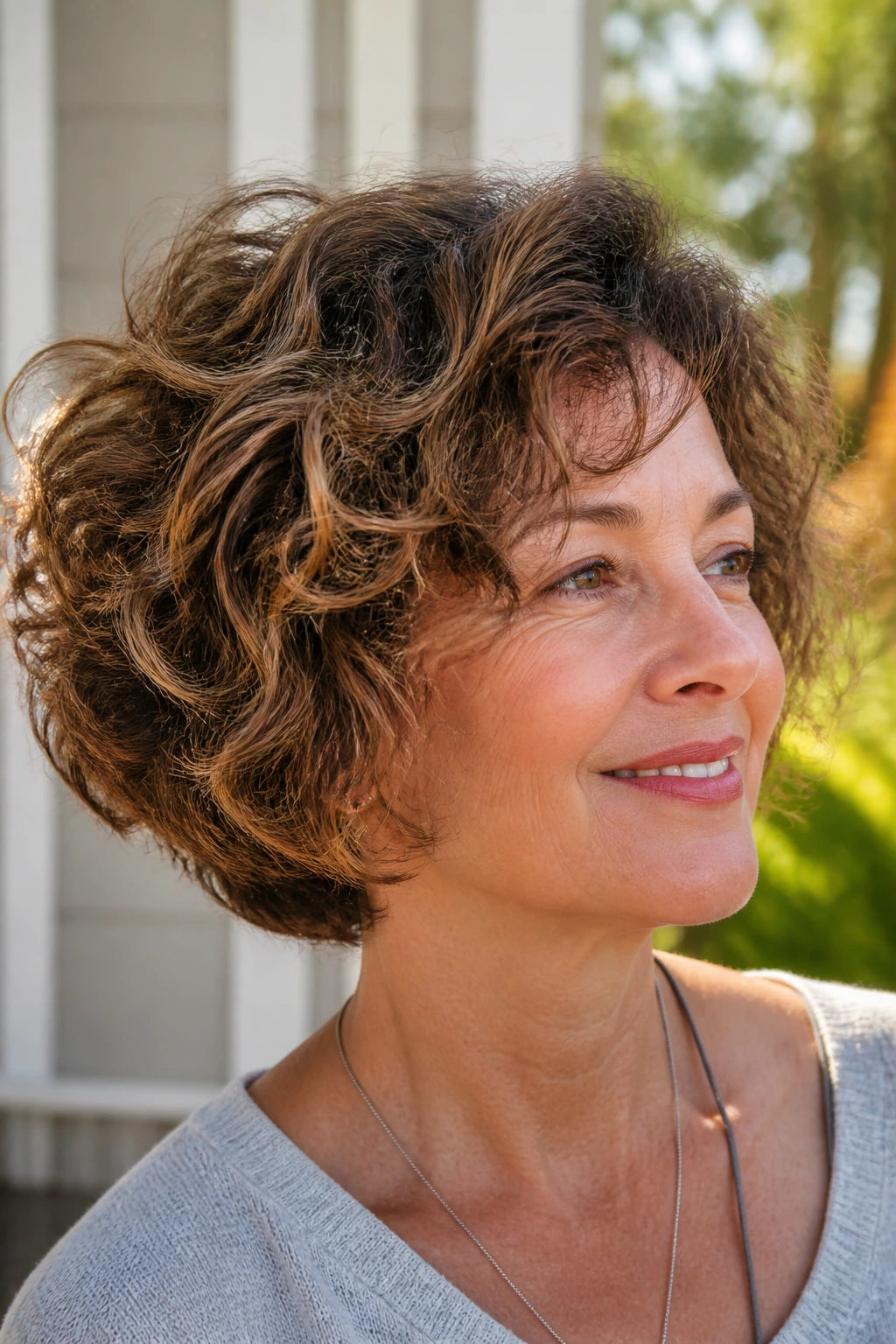
An airy bob depends on removing bulk underneath while keeping the top surface soft. That gives the curls room to fall without building a shelf at the bottom, which is a common problem with thick hair.
I like this shape on hair that feels too heavy at the nape but still has pretty curl pattern on the outside. The underlayer takes out the extra weight, and the top pieces stay light enough to move. It’s a nice answer when you want the hair to feel easier on the neck without chopping off every bit of length.
It should look easy, not empty. There’s a difference.
24. Chin-Skimming Bob with Dimensional Highlights
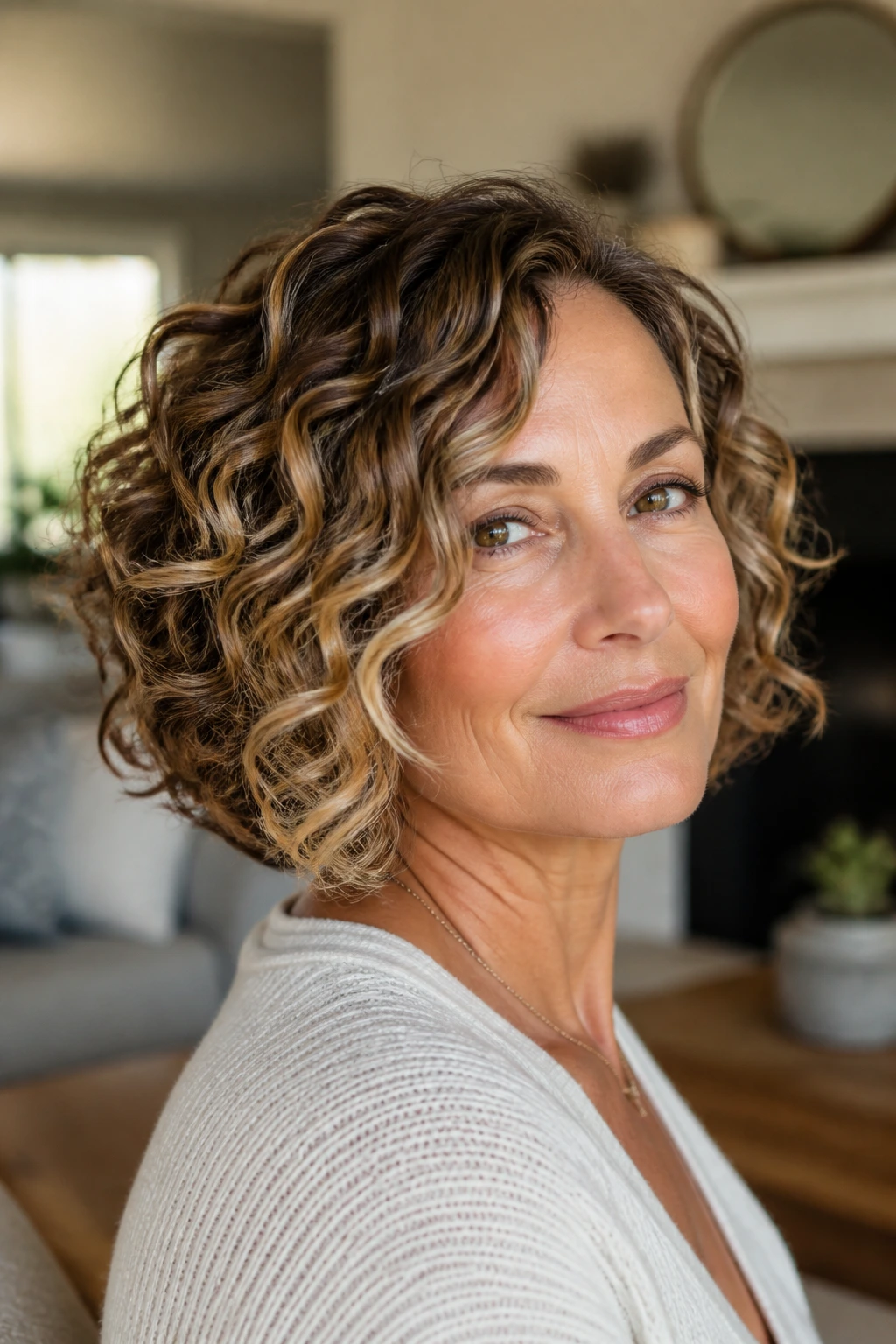
Highlights change a curly bob more than people expect. A few lighter ribbons around the chin and cheekbone can make the layers read more clearly, especially on darker or salt-and-pepper hair.
The cut itself stays simple: a chin-skimming bob with enough choppiness to prevent a hard line. The color does the visual work of breaking up the surface. That’s useful if your curls are dense and you want to show the movement without adding more cutting.
I like this on women who want the haircut to feel lively even on a day when the curls are not perfectly behaved.
25. Low-Maintenance Curly Bob with a Clean Perimeter
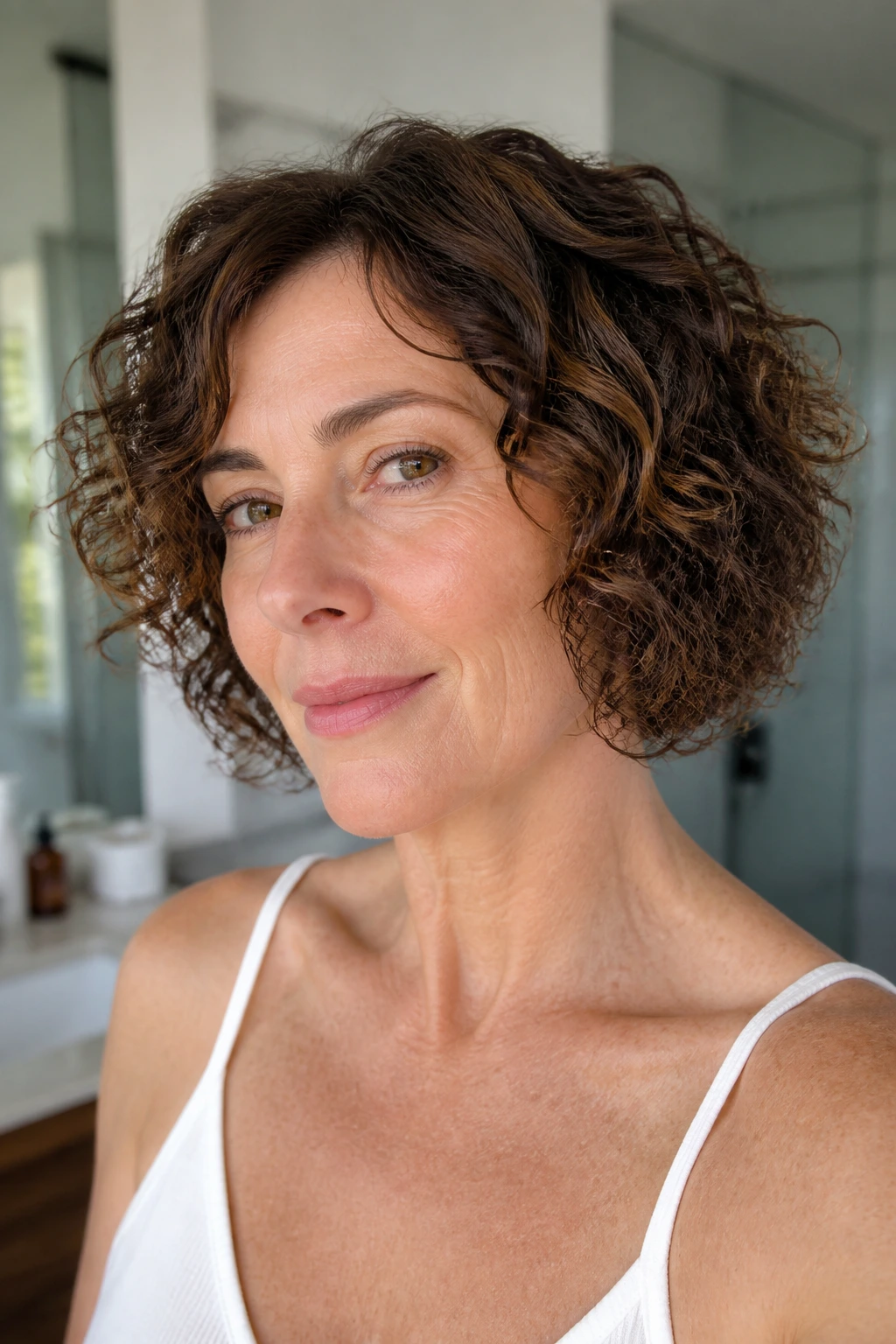
Not every bob needs layers flying everywhere. Sometimes the smartest move is a clean perimeter with just enough choppiness to keep the edge from hardening. This cut is for the person who wants to wash, scrunch, and leave the house without negotiating with ten different products.
The curls do the talking here. The shape stays tidy around the edges, the inside keeps a touch of texture, and the whole thing grows out gracefully. That growth pattern matters if you hate feeling trapped by a haircut two weeks after it’s done.
If you want one version that can survive real life, this is probably the safest bet.
Why Choppy Bobs Work Better Than Heavy Bobs on Mature Curls

Heavy bob lines and curly hair have a strained relationship. A blunt, one-length cut can look fine right after a salon visit, then settle into a bell shape once the curls dry and expand. Choppy bobs break that pattern by removing weight where the hair needs air and keeping shape where the eye wants structure.
There’s another reason these cuts work so well after 50: curl density often changes unevenly. The temples may be a little thinner, the crown may need lift, and the ends may feel dry or porous. A choppy bob lets the stylist place the texture where it helps the silhouette instead of grinding the whole head into the same shape.
Shrinkage matters. Curly hair doesn’t stay where it was cut unless the cut accounts for spring.
Gray hair matters too. Silver strands can feel wirier, softer, or both on the same head, which is exactly why a textured outline reads better than a solid block.
And yes, the dry cut conversation matters. If a stylist cuts every curl stretched straight, the shape can change a lot after the first wash. A curl-aware cut respects how the hair actually lives, not how it looks pinned flat.
Tools That Make This Cut Easier to Live With
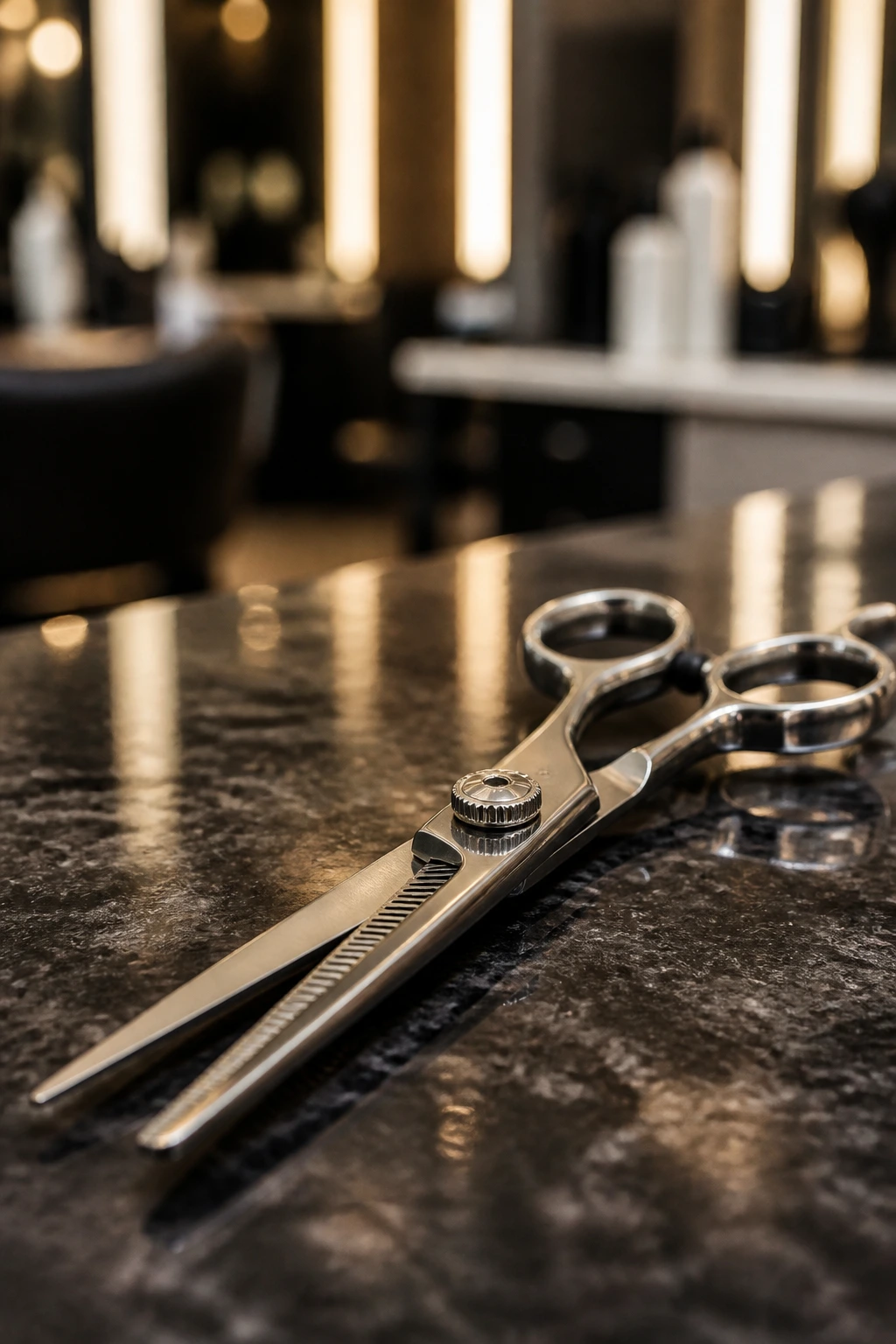
- Curl-friendly shears: Ask for a stylist who uses sharp shears and, when needed, point-cutting to soften the ends instead of hacking straight across.
- Diffuser attachment: Low heat and low air keep the curl pattern intact while lifting the roots.
- Microfiber towel or soft T-shirt: This cuts down on rough friction, which is one of the easiest ways to create frizz before styling even starts.
- Wide-tooth comb: Use it in the shower with conditioner, not after the hair has started drying into a tangle.
- Duckbill or sectioning clips: Handy for setting root lift or keeping bangs out of the way while you diffuse.
- Spray bottle: A light mist helps reshape second-day curls without soaking the whole head.
- Lightweight curl cream or gel: Pick one that matches your curl density; thick creams can flatten fine curls fast.
- Salon reference photos: Bring them. Words get fuzzy. Photos save everyone time.
How to Choose the Right Version for Your Curl Pattern, Face Shape, and Glasses
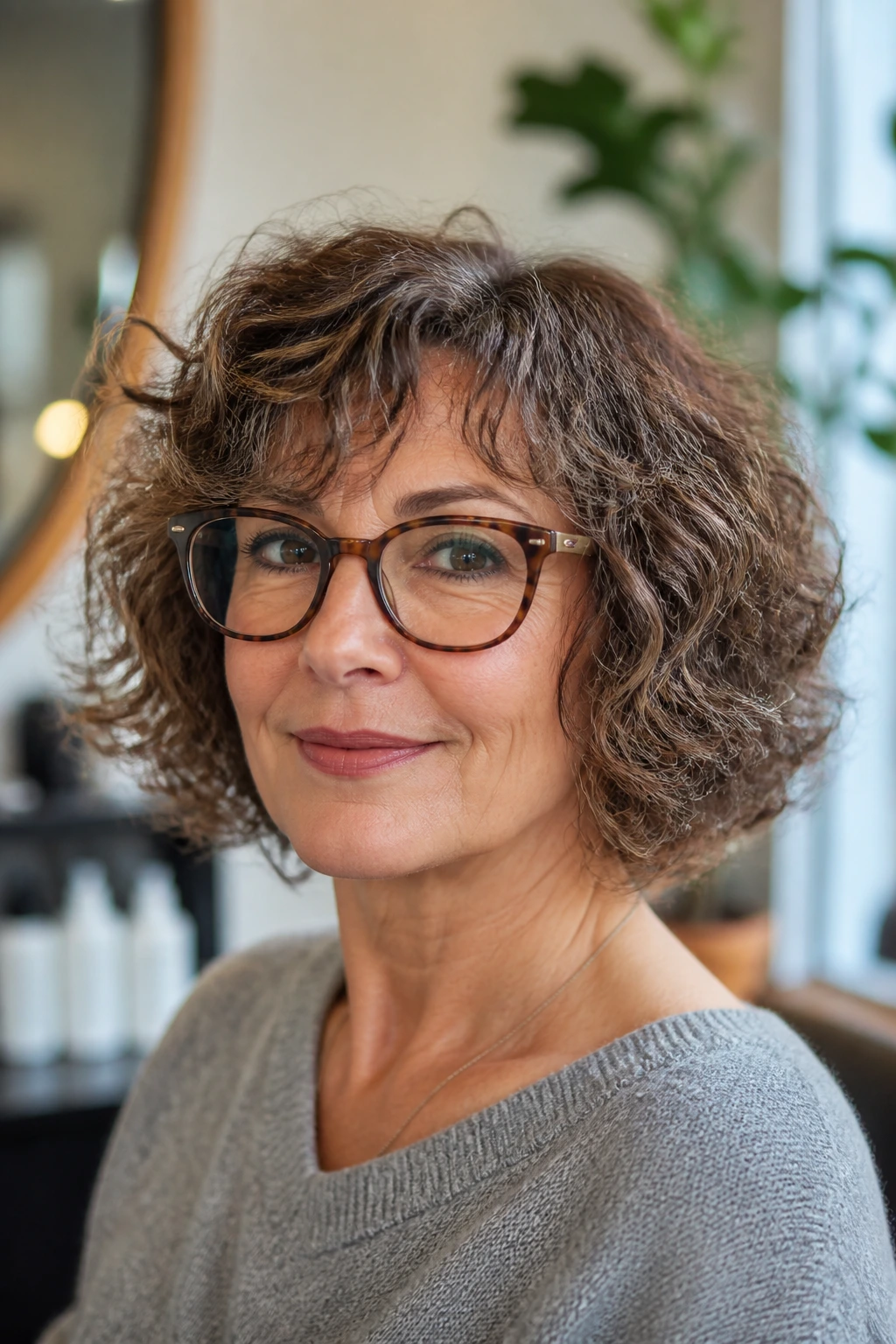
A bob is never just a bob. Curl pattern, face shape, and even glasses change the whole read of the cut. Loose waves can take a stronger angle without looking choppy in a bad way. Tight curls usually need a little more length so the shape doesn’t collapse upward.
For curl pattern
Fine curls like subtle layering and a strong perimeter. Dense curls often need internal weight removal, especially around the back and sides. Coarser curls can take more shape, but they need moisture and a clean outline so the ends don’t fray.
For face shape
Round faces usually benefit from some height at the crown or length in front. Square faces like softness around the jaw. Long faces often do better with a bit more width at the sides and a fringe or side bang to shorten the vertical line.
For glasses and necklines
If you wear glasses, keep the sides from bulking up right at the temples. High necklines and turtlenecks tend to eat short bobs, so a jaw-length or slightly longer cut can feel easier in daily life.
The smartest appointment starts with your real routine, not an inspiration photo alone.
How to Wear a Choppy Curly Bob on Ordinary Mornings
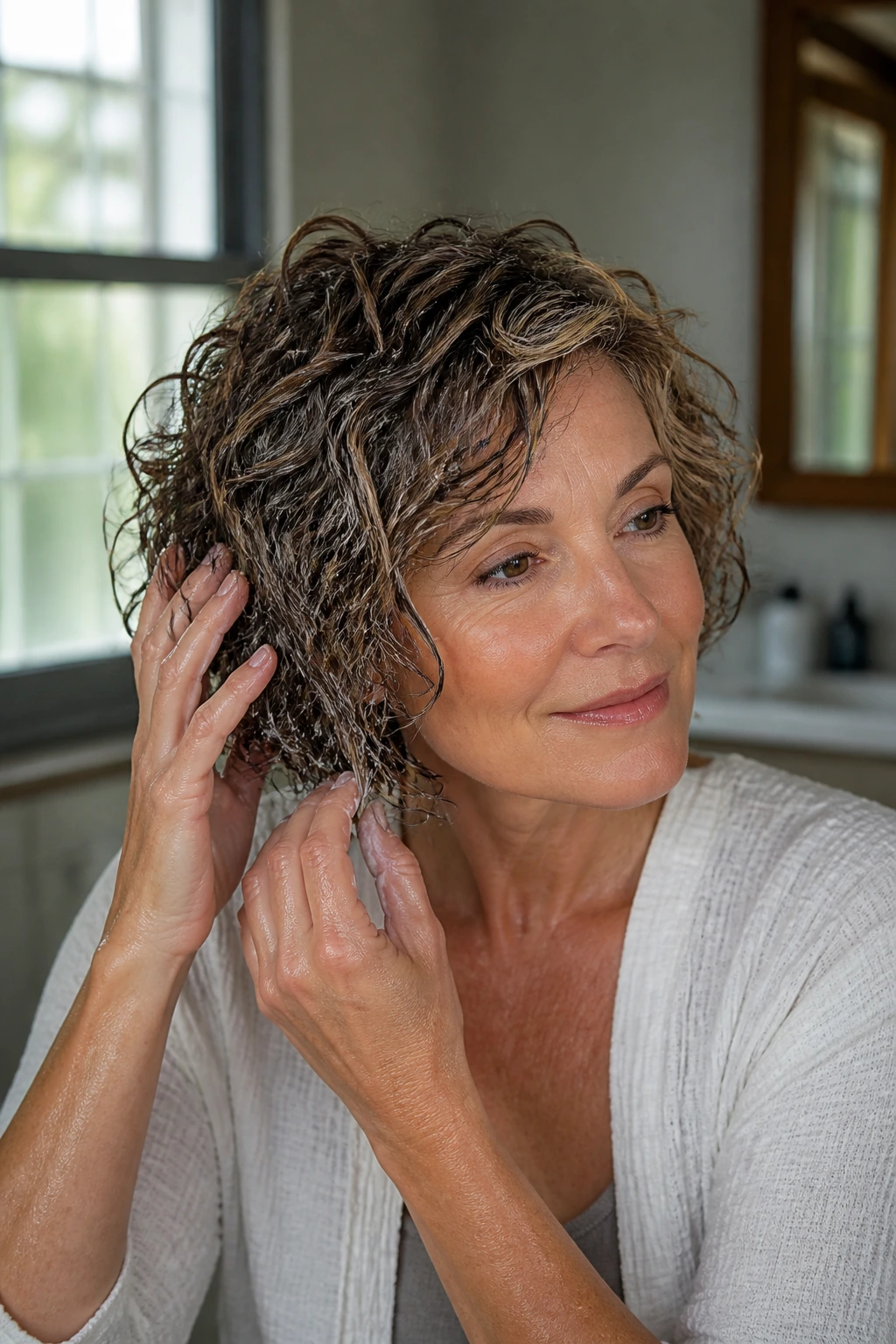
Everyday shape: Start with damp hair, work in a leave-in and a small amount of gel or mousse, then scrunch upward so the curls form their pattern before they dry. If the crown needs lift, clip the roots for the first 10 to 15 minutes.
Polished finish: Diffuse on low heat until the curls are about 80 percent dry, then stop touching them. Once the cast forms, scrunch it out gently with dry hands or a tiny drop of serum on the palms.
With glasses: Keep the sides slightly lighter near the temples and tuck one side behind the ear if the frames feel crowded. The bob should frame the glasses, not fight them.
For second-day curls: Mist the outer layer with water, add a pea-sized amount of curl cream to the frizziest pieces, and reshape with your fingers. Don’t soak everything. That usually resets more curl than you wanted.
Extra Styling Moves That Add Shape Without Extra Fuss

Root Lift: Clip the roots at the crown while the hair dries, or flip the part to the opposite side for 20 minutes. That little change can keep a bob from sitting too close to the scalp.
Piece Separation: Once the hair is dry, rub a drop of serum between your fingertips and break up the heavier clumps. The goal is separation, not fluff.
Fringe Control: If your bangs keep shrinking too high, dry them first, side-to-side, before diffusing the rest. Bangs that are left for last tend to get too wild.
Color Bonus: On silver or highlighted curls, a gloss or toner can keep the texture from looking dusty. Shine makes choppy layers read cleaner.
Trimming, Refreshing, and Keeping the Shape Between Salon Visits
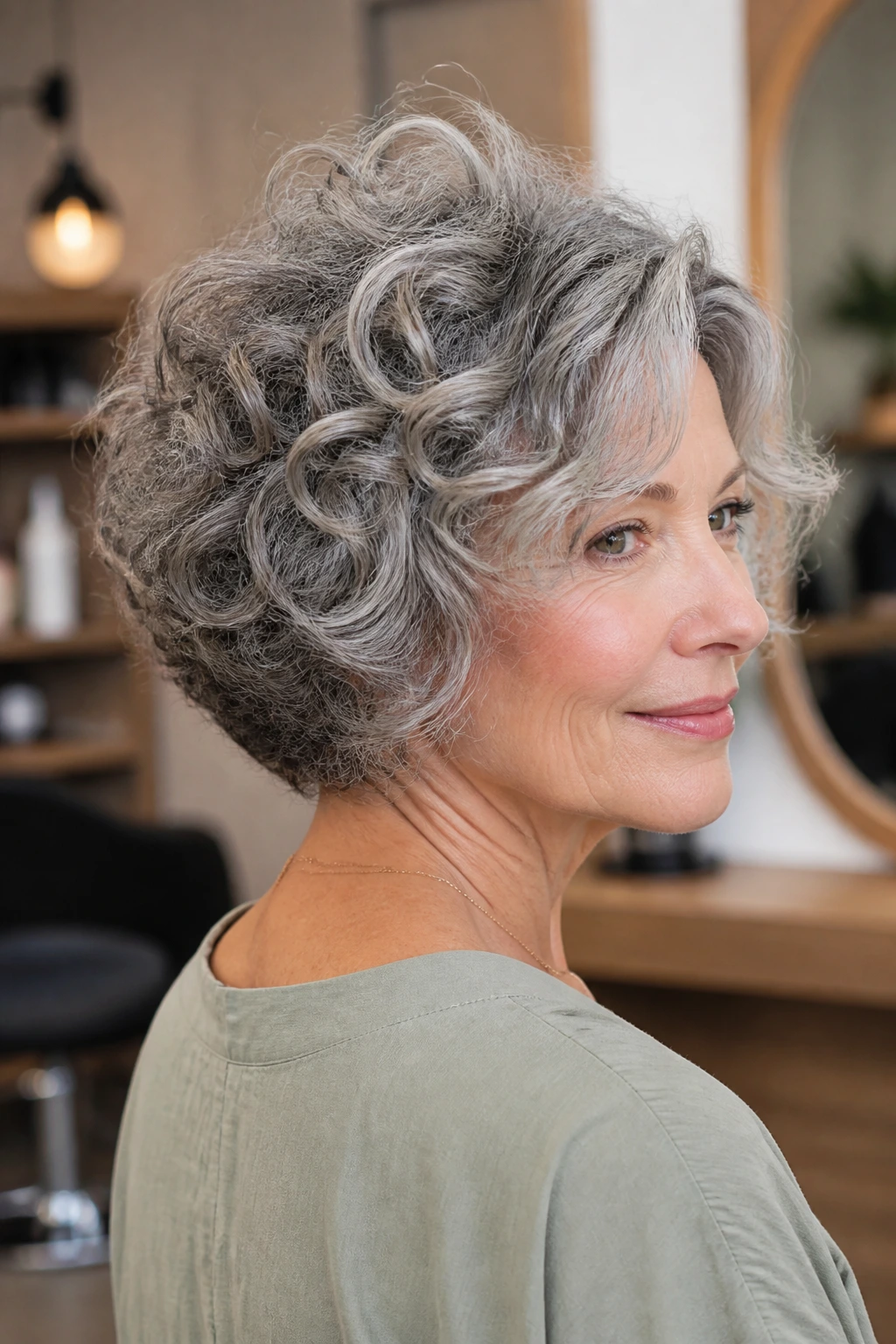
A choppy curly bob usually behaves best with trims every 6 to 10 weeks. The more structured the back, the sooner you’ll want it cleaned up. If you wear bangs or curtain fringe, those may need a small trim every 3 to 4 weeks so they don’t slide into your eyes.
For daily refreshes, water is your friend, but too much water turns the whole style into a reset job. Use a spray bottle, re-wet only the pieces that have gone flat, and work in a tiny bit of leave-in or curl cream. If the ends feel dry, smooth a drop of light oil over the last inch or two.
Sleep matters more than people admit. A satin pillowcase, a loose pineapple clip, or a silk bonnet can keep a bob from frizzing into a halo overnight. Curly hair doesn’t need to be babied. It does need less friction.
If the hair has gone gray, a weekly clarifying wash followed by a rich conditioner can keep product buildup from dulling the silver.
Variations and Adaptations to Try

Silver Halo Bob: Keep the cut chin-length with soft choppiness, then add a gloss that brightens silver or white curls. This version is good when you want the cut and color to feel deliberate, not accidental.
Air-Dry Bob: Ask for softer internal layering and a perimeter that still holds shape without diffusing. This one works when you prefer a wash-and-go routine and don’t want to stand in front of a dryer for 20 minutes.
Fringe-Forward Bob: Build the style around curtain bangs or a side bang, then keep the side lengths slightly quieter. It’s a good move if your forehead is the feature you want to soften first.
High-Volume Crown Bob: Use a stacked back, root clips, and a little less weight at the top. This suits hair that falls flat at the crown but stays lively through the ends.
Soft-Edge Lob: Stretch the length to the collarbone and soften the interior layers. That gives you the bob silhouette without losing the option to tie it back.
Humidity-Resistant Bob: Use a stronger gel, a tighter perimeter, and a side part that doesn’t need constant correction. Not glamorous. Extremely practical.
Common Mistakes That Make a Curly Bob Swell, Sink, or Collapse
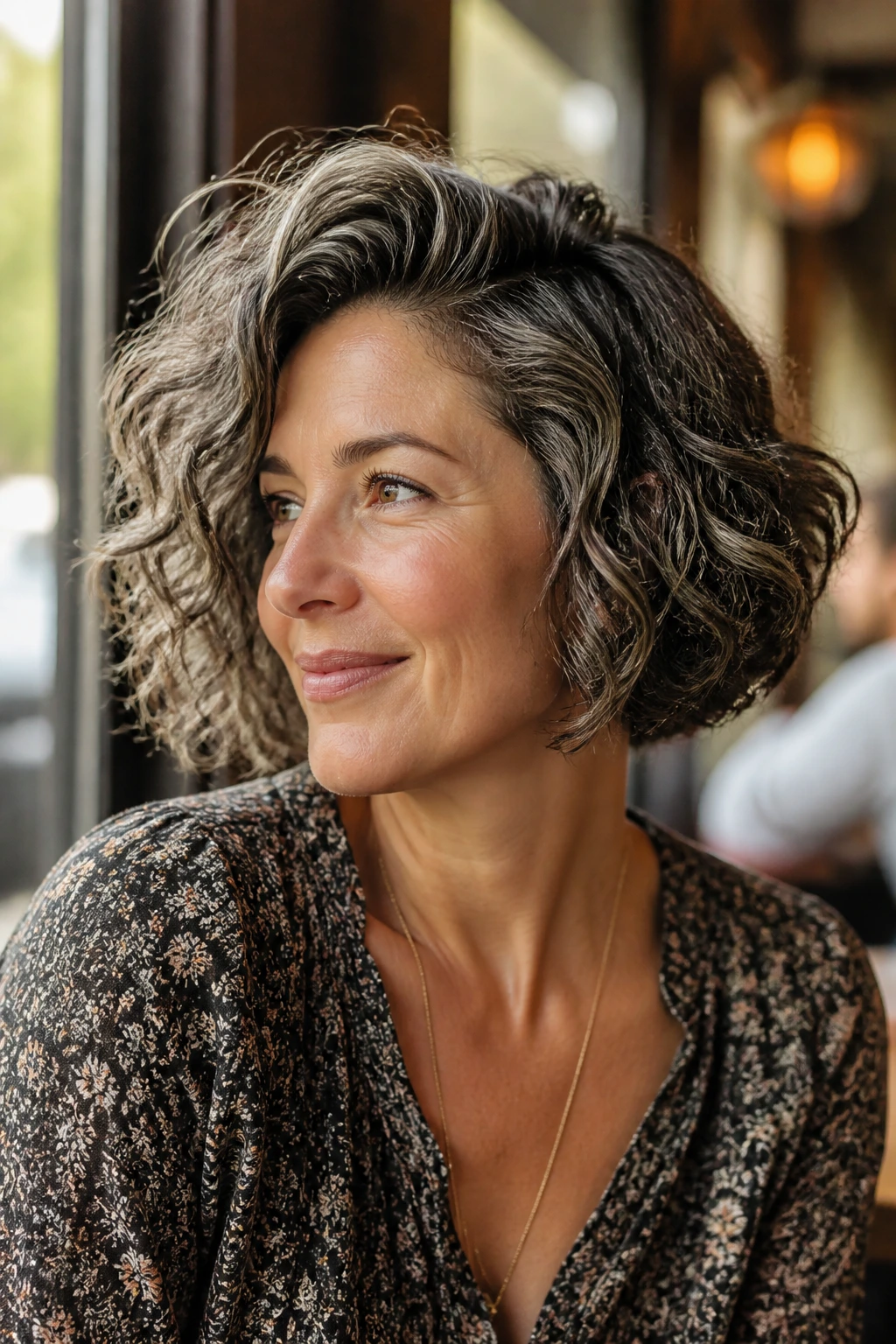
- Cutting curls too short while wet: Wet curls lie. They shrink. If the stylist ignores that, the bob can jump several inches higher than you planned. A dry or curl-by-curl approach fixes that.
- Over-layering fine curls: Fine hair needs shape, not shredding. If the crown starts looking see-through, the layers went too far.
- Using too much cream: Heavy products make curls clump, flatten, and lose bounce. Start with a small amount and add only if the ends feel rough.
- Leaving the back too bulky: When the nape stays thick, the bob can kick out at the bottom like a bell. Tapering or stacking the back solves it.
- Blowing it out with a brush every time: A brushed-out curl bob often loses the whole point of the cut. If you want smoothness, fine — but don’t expect the same shape on day two.
- Ignoring the fringe line: Bangs that are cut without shrinkage in mind will either disappear or stab the brow. That’s not a good surprise.
Frequently Asked Questions About Choppy Bobs for Women Over 50 with Curly Hair

Should a choppy curly bob be cut wet or dry?
Dry cutting, or at least partially dry cutting, gives a better read on curl pattern and shrinkage. Wet hair can hide how much each section springs up, which is how people end up with a bob that’s two inches shorter than expected.
Will layers make my curly hair look thinner?
They can, if the layers are too high or too aggressive. The better approach is internal texture and thoughtful weight removal, especially around the crown and sides, so the hair looks shaped rather than stripped.
What bob length is easiest to maintain?
Jaw-length to chin-length usually gives the best balance of shape and low fuss. Shorter than that can need more frequent trims, while longer cuts may lose the bob feeling and start acting like an awkward grow-out.
Can I wear bangs with a curly bob if I’m not a teenager anymore?
Absolutely. Curtain bangs and side bangs can soften the face and hide a high forehead or a strong hairline without looking precious. The key is cutting them long enough to account for curl spring.
What if my curls are different on each side?
That’s normal, and the cut should respect it. A side part, a touch of asymmetry, or a slightly longer side can balance the mismatch better than trying to force both sides into the same mold.
How often will I need trims?
Most choppy curly bobs look best with trims every 6 to 10 weeks. If the back starts puffing out at the neck or the fringe keeps falling into your eyes, that usually means it’s time.
Can thick hair really pull off a bob without turning into a triangle?
Yes, but the interior has to lose some weight. Dense curls need careful layering and a perimeter that’s clean enough to keep the shape from spreading out at the sides.
What should I do if my bob looks flat at the crown?
Clip the roots while the hair dries, switch the part, or diffuse with your head tipped slightly forward. A flat crown is often a styling issue, not a haircut failure.
A Bob That Knows How to Move
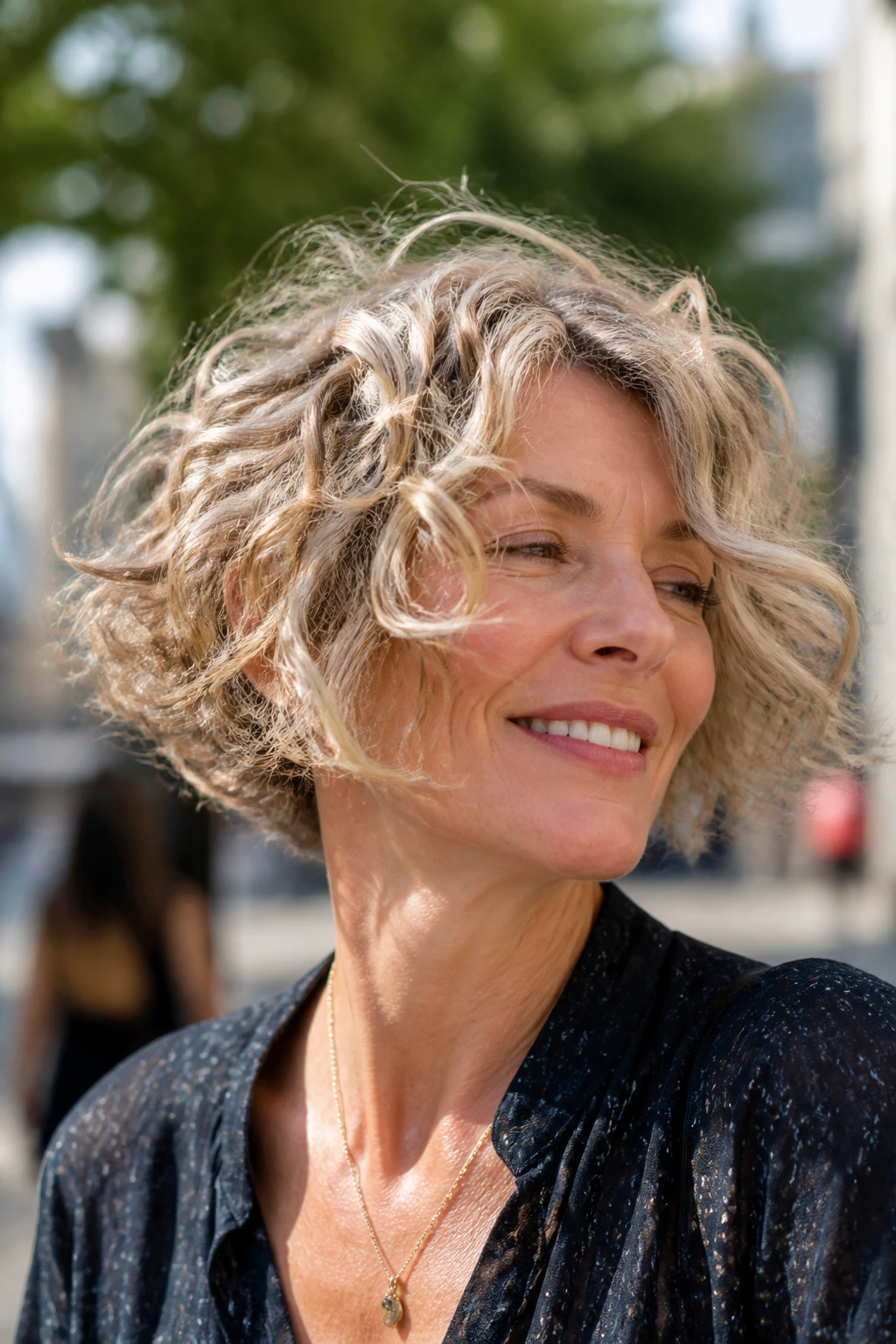
The best choppy bobs for women over 50 with curly hair do one thing especially well: they let the hair keep its personality without letting it take over the whole face. That balance is harder to get than it sounds. Too blunt, and the cut looks heavy. Too layered, and the curls lose their backbone.
A good bob should still look like a bob on the third day. It should work with silver strands, with tighter curl patterns, with a little thinning at the temples, and with the stubborn way curls behave when the weather changes. That’s why these cuts keep hanging around. They earn their keep.
If you’re choosing between lengths, start with the one that matches your real routine, not the most dramatic photo on your camera roll. The right curly bob is the one you can live in without negotiating with it every morning.