



Fair skin can make brown and blonde hair look either expensive or flat, and the difference usually comes down to tone, placement, and how much contrast you’re willing to wear near your face. I like brown and blonde hairstyles for fair skin best when the darker pieces stay soft at the root and the blonde leans beige, honey, or champagne instead of going loud yellow. That little decision changes everything.
The wrong brown can make pale skin look tired. The wrong blonde can do the same in a different way. A smoky mushroom brown with pale babylights reads calm and polished; a warm caramel ribbon around the cheekbones can wake up a face that needs more warmth; an ash-heavy blonde with no depth can drain features if your skin already runs pink. Hair color is not just hair color here. It’s framing.
If your skin flushes easily, cool beige, mushroom, taupe, and soft mocha usually sit better than coppery brown or banana blonde. If your complexion has a peach or golden cast, honey, caramel, almond, and biscuit tones often look more natural. The good stuff is in the middle: brown roots that aren’t too dark, blonde pieces that aren’t too white, and a haircut that lets the color move instead of sitting there like a helmet. The first step is getting the tone right.
Why This Mix Works So Well on Fair Skin
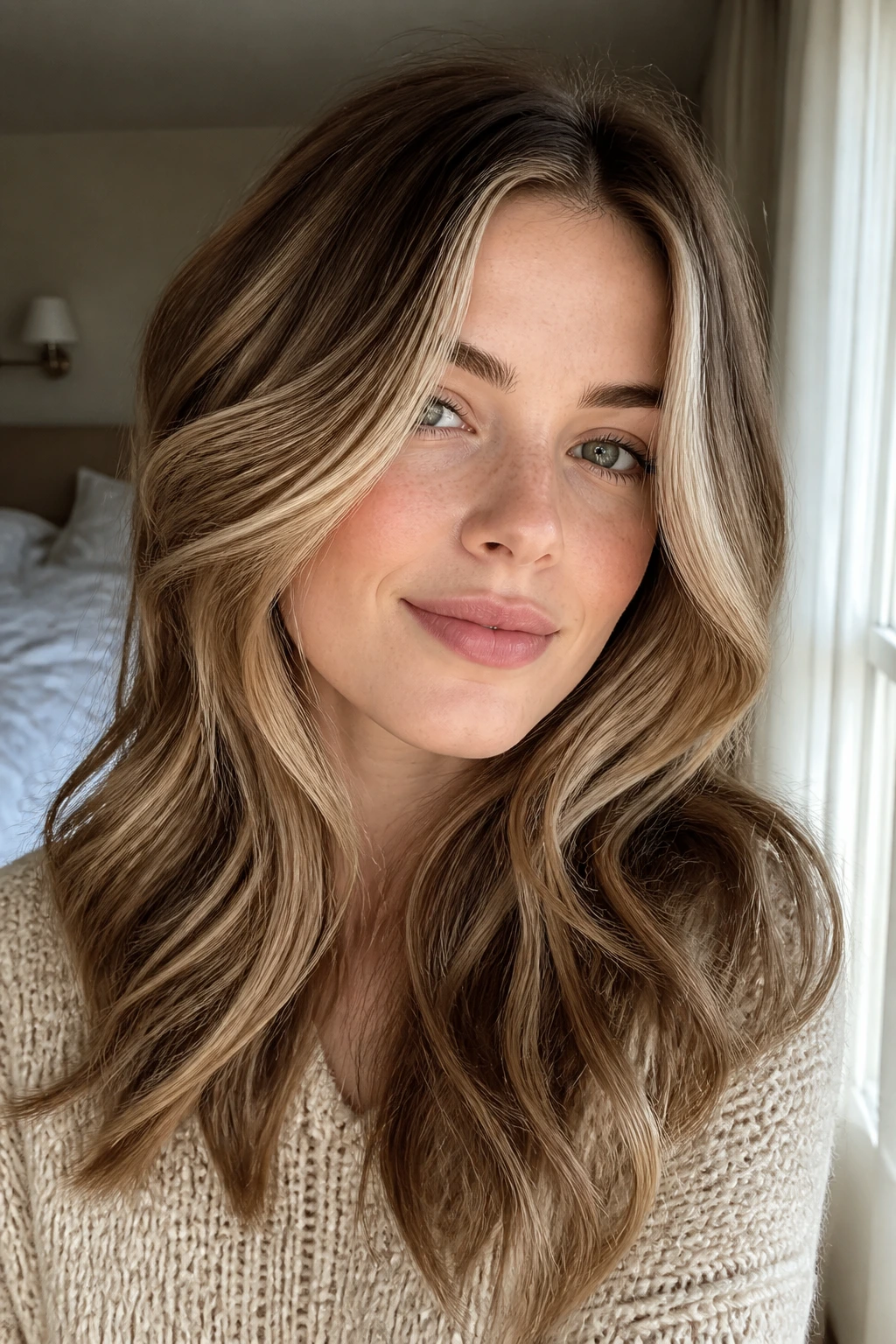
- Soft contrast: Brown and blonde together create shape around a fair face without the hard edge an all-dark color can bring.
- Tone control: Ash, beige, honey, mushroom, and caramel each shift the look in a different direction, which makes it easier to match pink, neutral, or golden undertones.
- Less obvious regrowth: Root smudges, balayage, and lowlights grow out in a softer line than full bleach work.
- Built-in brightness: Blonde pieces near the cheekbones keep pale skin from disappearing under indoor light.
- Flexible maintenance: You can choose anything from a low-key bronde lob to a high-contrast money piece without changing your whole routine.
1. Mushroom Brown Lob with Beige Babylights
Mushroom brown is one of those shades that looks calm on fair skin in a way louder brunettes never do. The base sits in that cool, smoky middle ground, and the beige babylights keep the lob from reading heavy or muddy. On pale skin with pink or neutral undertones, it gives shape without shouting.
What makes this one work is the restraint. Keep the highlights fine around the part and temples, then leave the lower layers a touch deeper so the cut has movement when you turn your head. A blunt lob or slightly textured one both work, but the line should stay clean enough to show off the color shifts.
Best for: fair skin that burns easily or flushes pink.
Styling note: one pass with a 1-inch wave iron is enough. Anything more polished can make the cool tones look stiff.
2. Honey Blonde Balayage on Long Layers
Honey blonde on long layers has a warmer, sunlit feel that flatters fair skin with peach or golden undertones. The trick is keeping the brunette base soft, not espresso-dark, so the honey doesn’t look like it’s sitting on top of a wig.
I like this look when the longest pieces graze the collarbone and the lighter ribbons start below the cheekbone. That placement keeps the face bright without turning the roots into a harsh stripe. Long layers matter here because they let the balayage fall through the hair instead of clumping into chunky bands.
If your hair is thick, ask for lighter ends and a slightly deeper root. If it’s fine, keep the honey closer to the mid-lengths so the bottom doesn’t look stringy. The result should feel airy. Not flat. Not striped.
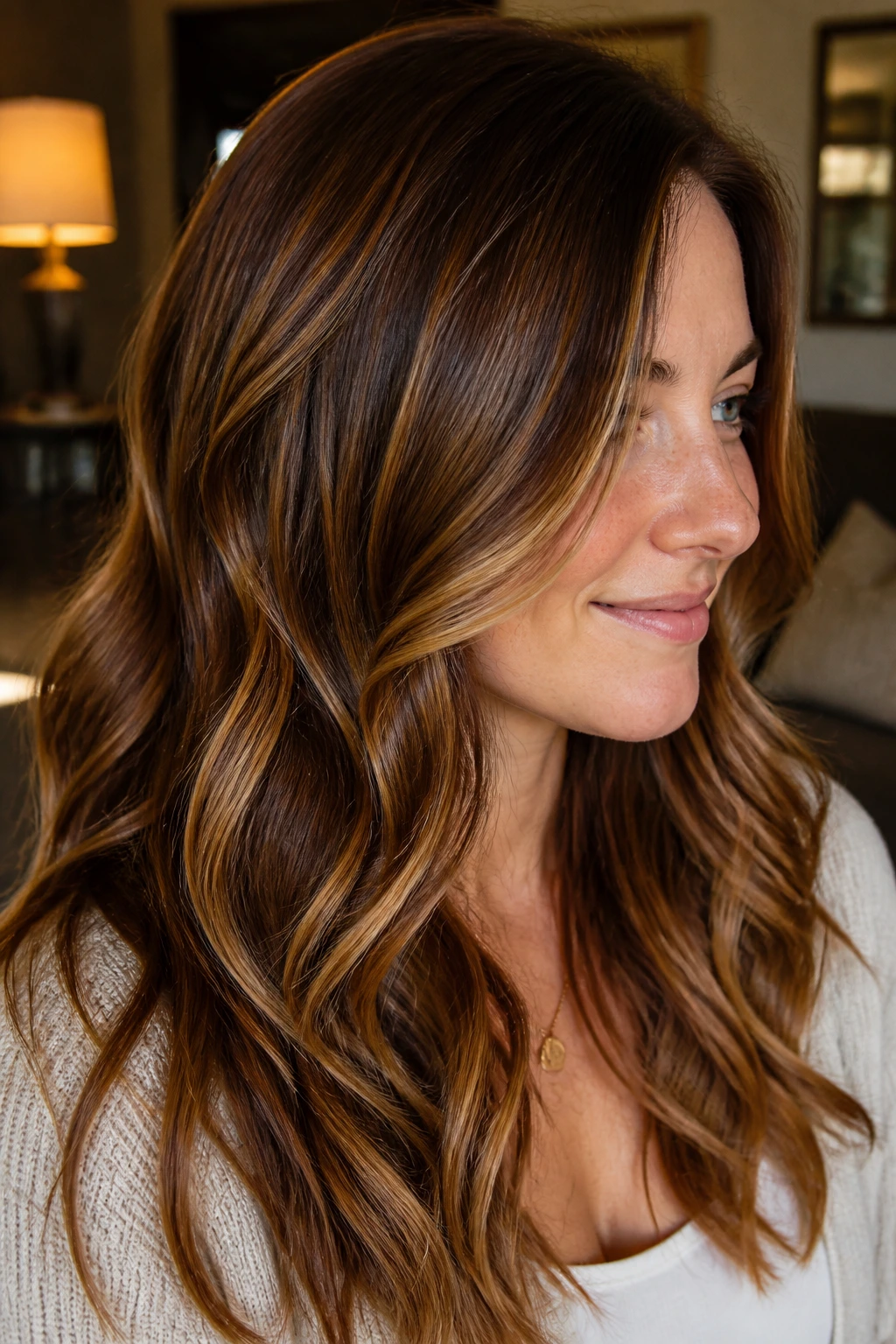
3. Caramel Ribbon Highlights on Chestnut Waves
Why does caramel look so good on fair skin when the base is chestnut? Because the warmth lives in the strands, not all over the head. That keeps the color from overpowering a pale complexion while still giving you enough glow to keep the face from looking washed out.
Chestnut is the right kind of brown here: rich, but not nearly black. Add ribbon highlights rather than thin baby lights if you want a softer wave pattern, because caramel shows up better when it has width. On loose waves, those ribbons catch on the bends and make the color look more layered than it is.
How to Wear It
Keep the part slightly off-center. It helps the caramel frames fall where the eye goes first, which is exactly where fair skin benefits from brightness.
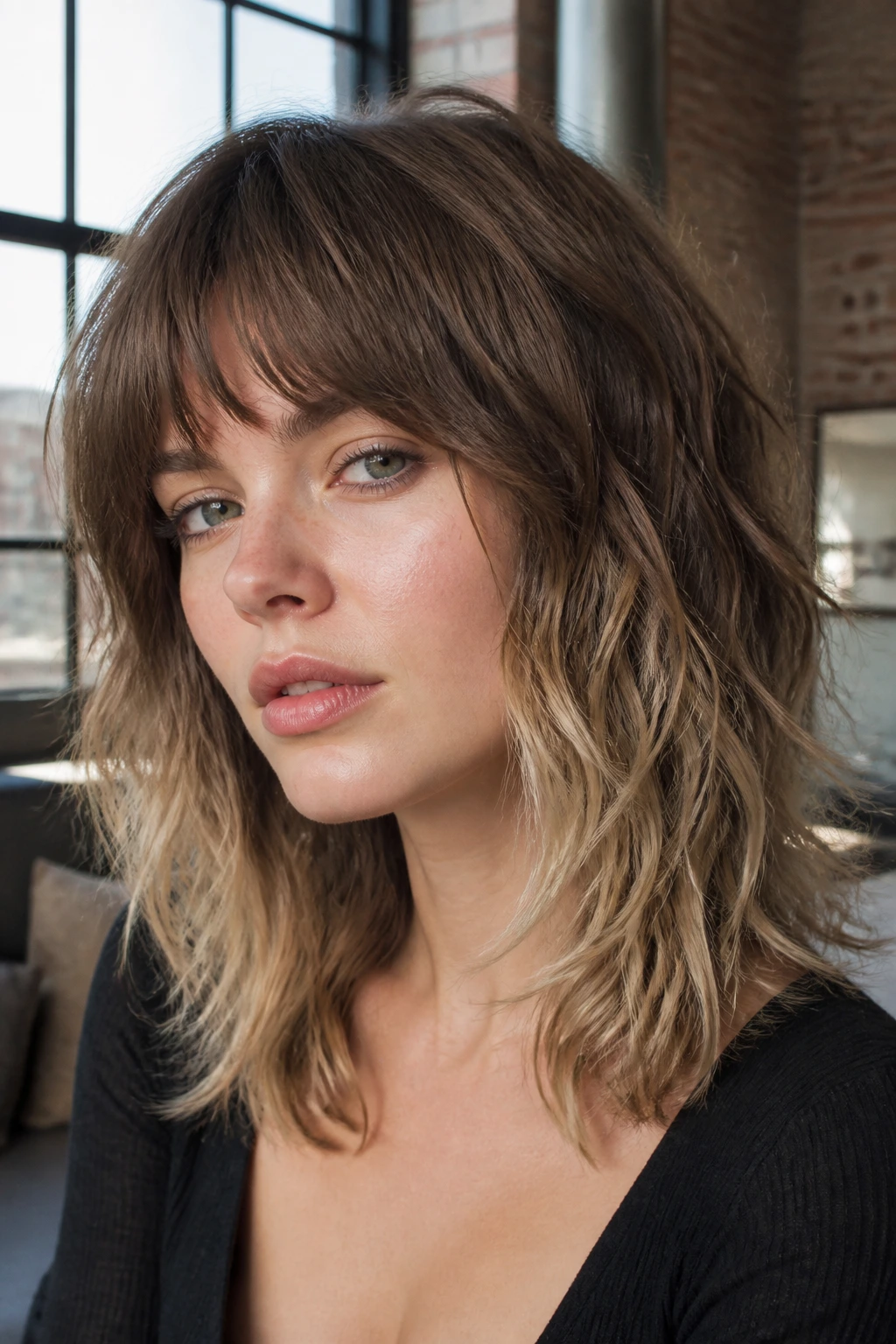
4. Ash Brown Shag with Sandy Blonde Ends
An ash brown shag can look almost too cool on its own, but the sandy blonde ends fix that fast. The cut itself does a lot of the work—piecey layers, a little fringe, and texture around the crown—so the color only needs to add contrast at the tips.
This is a smart choice if your fair skin reads neutral or pink and you want movement without a lot of warmth. Sandy ends keep the shag from feeling severe, and the brown root keeps the grow-out line hidden longer than full blonde would. I’d skip anything overly golden here. It fights the whole point.
A shag also loves a little mess. Air-dry it about 70 percent, then rough-dry the roots and scrunch a cream through the ends. The blonde should look lived-in, not bleached into submission.
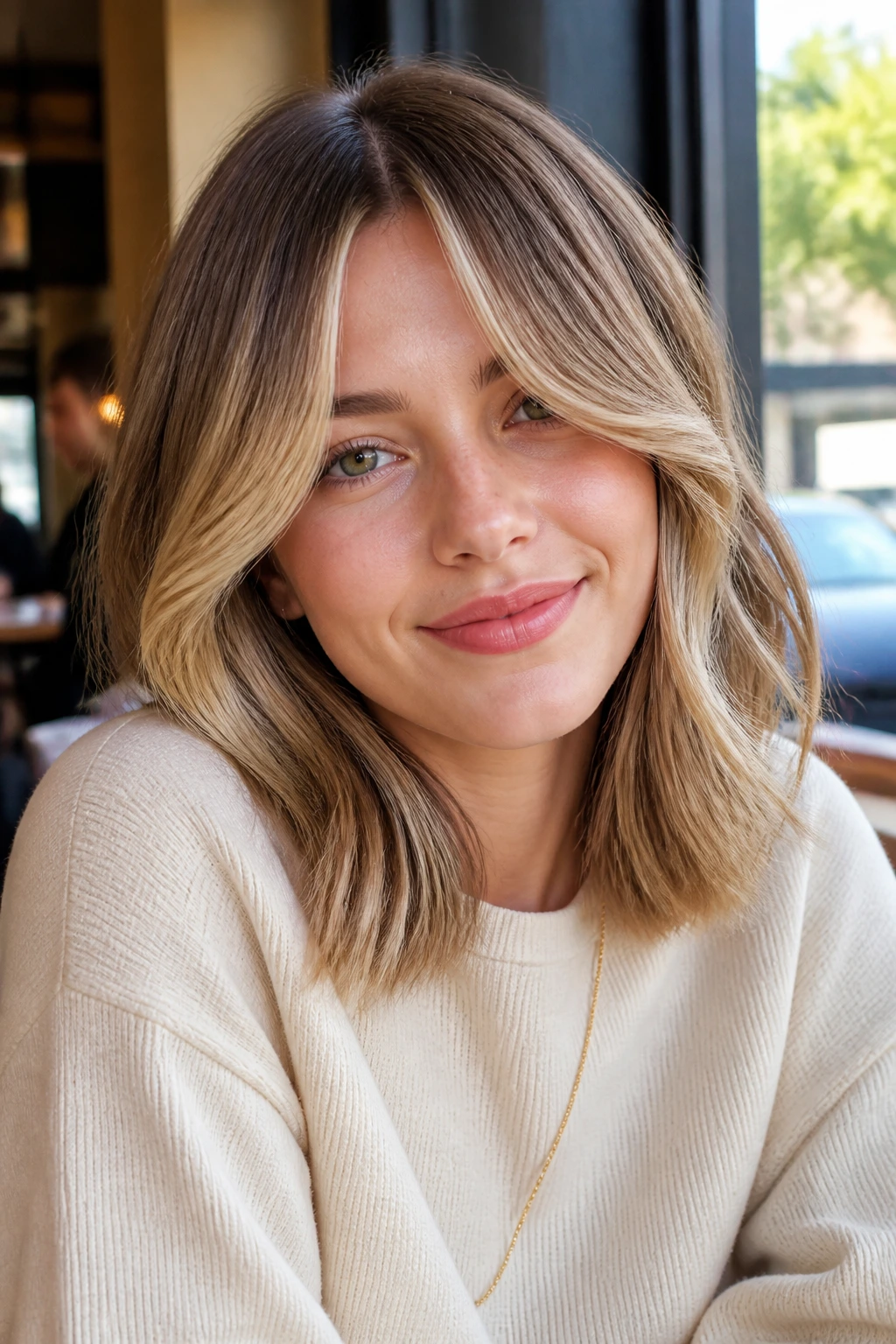
5. Bronde Curtain Bangs on Shoulder-Length Hair
Bronde is the safe word people reach for when they want the middle path, but on fair skin it can be much better than safe. Curtain bangs give the color a face-framing job, and shoulder-length hair keeps the brown and blonde pieces easy to see instead of disappearing into long, heavy lengths.
The best version uses a level 6 or 7 base with beige blonde through the bangs and front layers. That keeps the front bright enough to wake up pale skin while leaving the back darker for depth. If your face is narrow, this cut opens it up. If it’s round, the soft center part makes the color fall down the sides in a flattering way.
Bronde can go flat if the blonde gets too yellow or the brown gets too dark. Stay in the beige family and it holds its shape.
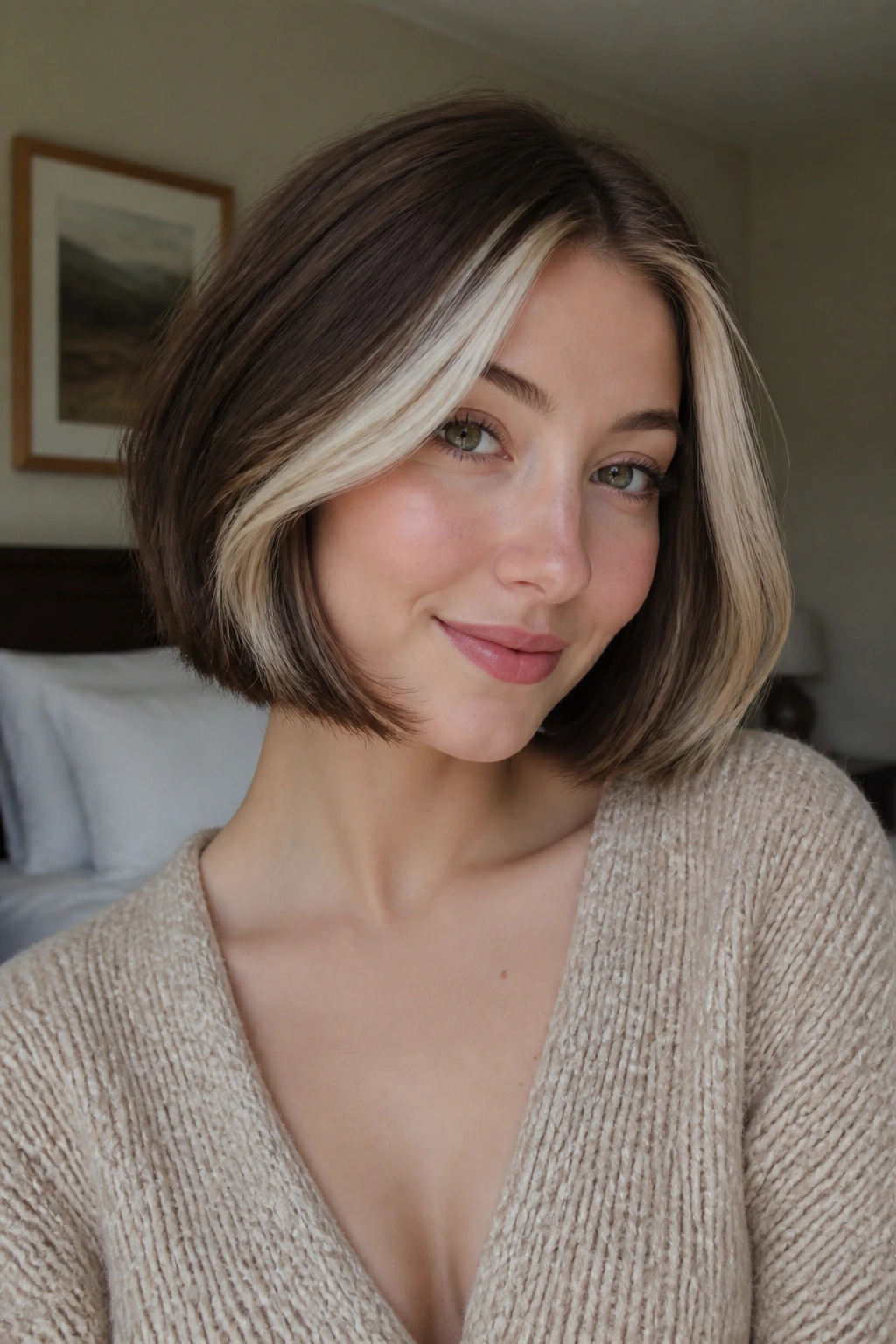
6. Chocolate Brown Bob with Cream Face-Framing Pieces
Chocolate brown on a bob can go very luxe, very fast, especially on fair skin, as long as the face-framing pieces are light enough to break up the depth. Cream highlights near the front do the job better than all-over blonde because they keep the bob from swallowing your features.
A chin-length or jaw-skimming bob works best here. The cut already has attitude; the color only needs to sharpen the edges. If your skin is cool-toned, ask for a cooler cream rather than a buttery one so the contrast stays clean. On warmer fair skin, a soft ivory with just a trace of gold gives the same effect without looking stark.
This is one of my favorite short looks for pale skin because it has a point of view. It does not whisper. It just avoids the mistake of going too dark around the whole face.
7. Root Melt Blonde with Soft Brown Lowlights
A root melt blonde is the answer when you want blonde hair but don’t want it to look like a single flat sheet of color. For fair skin, the melt matters even more, because it stops the blonde from bleaching out the face.
Soft brown lowlights give the length some shadow, and that shadow is what keeps the blonde believable. Think honey-beige through the mids, then a root that sits one to two levels deeper. If your natural hair is medium brown, this is a much easier grow-out than pushing everything to pale gold.
The best part is that it can be adjusted toward cool or warm. Cooler fair skin likes a beige-mushroom root. Warmer fair skin can handle a biscuit or honey root. Either way, the hair should still look like one color family, not three unrelated ones.
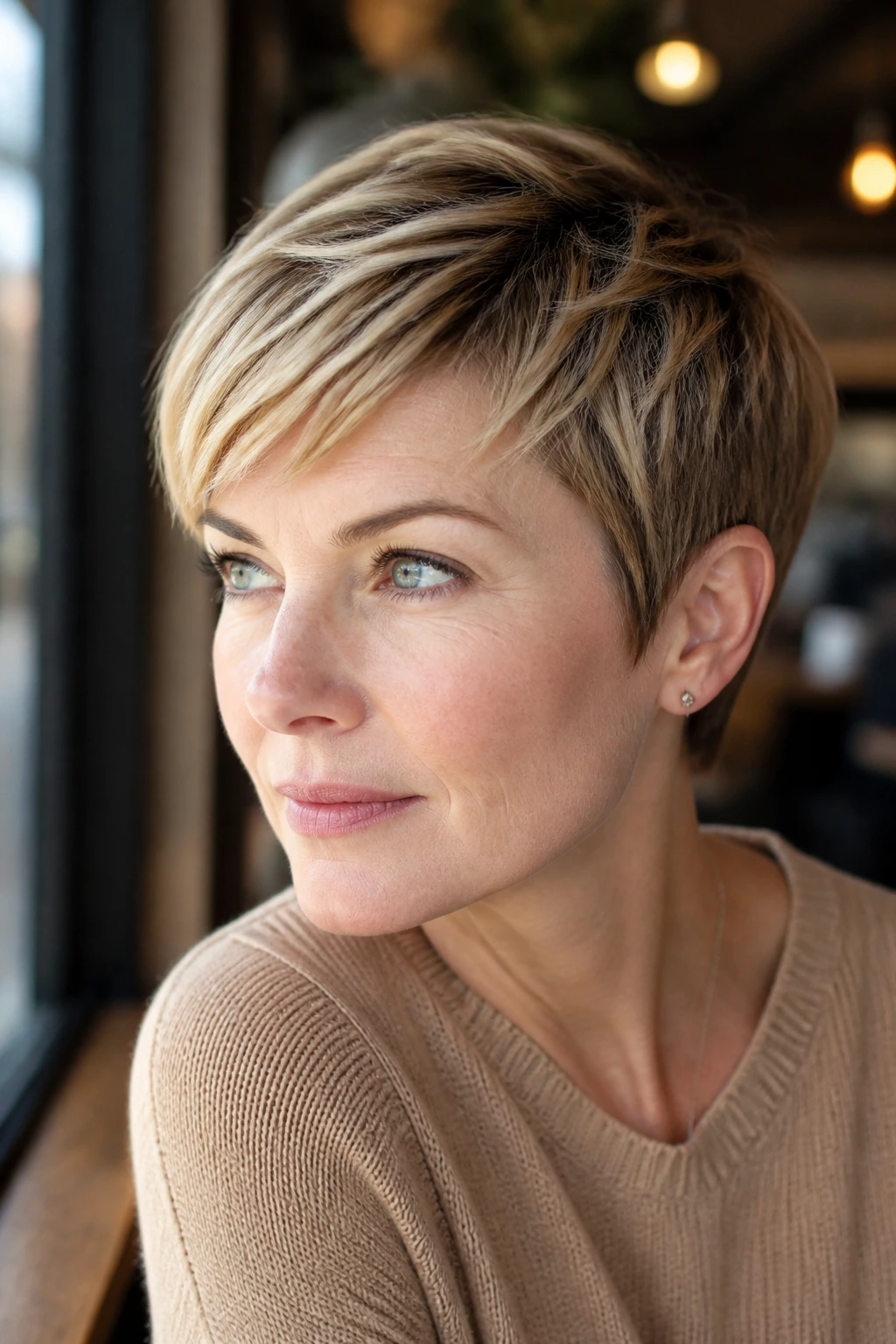
8. Sandy Brown Pixie with Champagne Toning
A pixie can be unforgiving on fair skin if the color is too dark or too yellow. Sandy brown with champagne toning solves both problems. The base stays soft enough to avoid harsh lines, and the champagne tone keeps the short cut from reading dull under indoor light.
This works best when the top has a little length so the light pieces can move. You want texture, not a helmet. Ask for the lightest blonde around the fringe and crown, then keep the sides rooted in a sandier brown. That placement gives the eye a reason to travel upward, which is useful when the cut is short and close to the face.
A pixie like this needs regular shaping. The color itself can stretch, but the cut should stay crisp. If the nape gets shaggy, the whole thing loses its clean contrast.
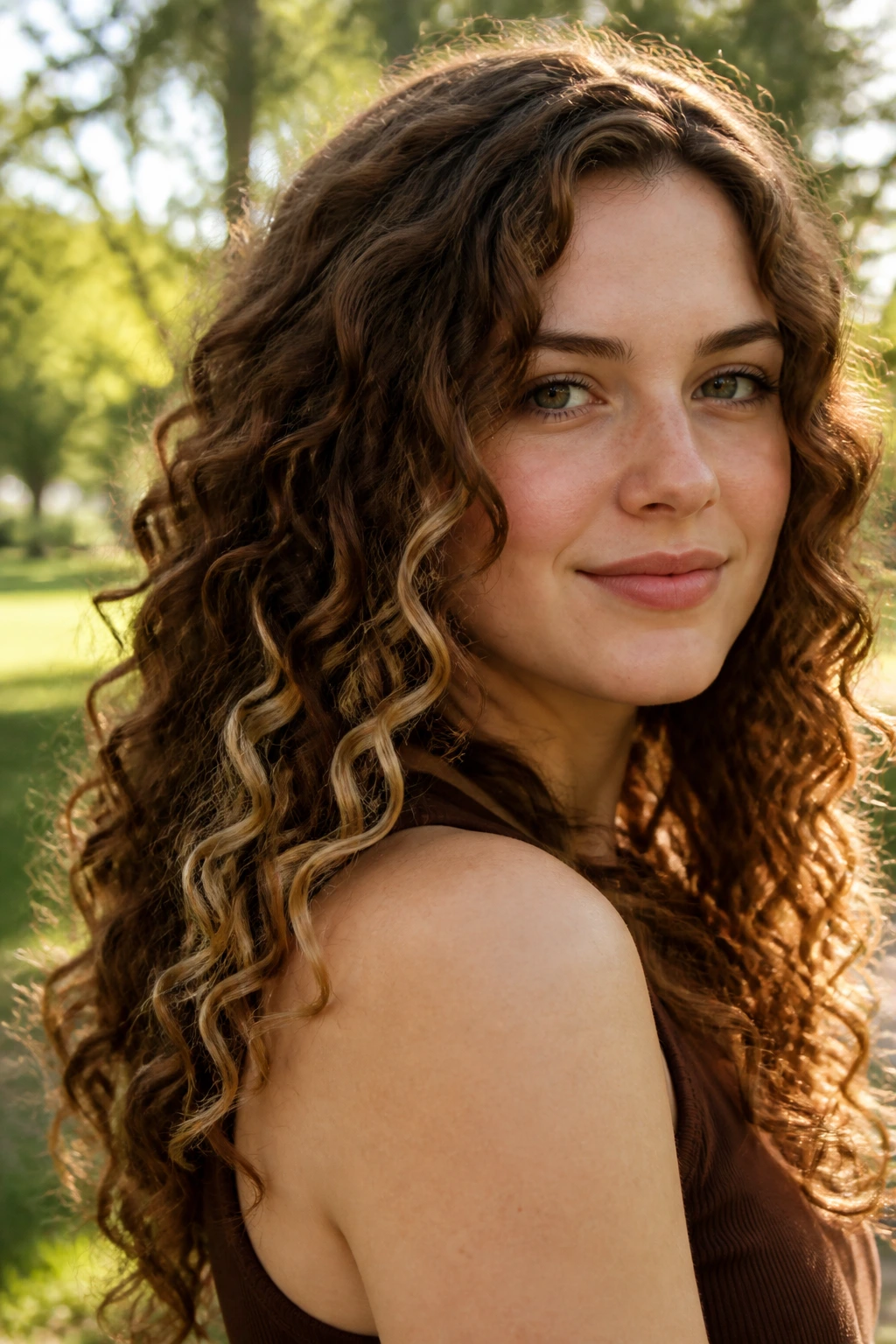
9. Maple Brown Curls with Wheat Blonde Peekaboo Lights
Curly hair takes color differently, and that matters a lot on fair skin. Small highlights can disappear into the curl pattern, which is why peekaboo lights in wheat blonde often work better than tiny scattered streaks.
Maple brown gives the curls warmth without going orange. The wheat blonde sits inside the bend of the curl, so the brightness appears when the hair moves, not just when you stand in front of a mirror. That makes the style feel lively without being loud.
This is a good pick if you want dimension but hate visible regrowth at the part. The deeper curl structure hides the placement and lets the blonde come through in flashes. On fair skin, that little bit of surprise near the cheeks can be more flattering than a thick highlight panel.
10. Toasted Almond Money Piece on Long Hair
A money piece is a blunt tool, and I mean that in the best way. Two bright front sections can change the whole face, which is useful if your fair skin needs lift but you don’t want a full head of lightener.
Toasted almond sits in that soft beige-brown zone that keeps the base from going too dark. The blonde money piece should stay creamy, not white, and it looks best when the rest of the hair is waved loosely so the front doesn’t feel pasted on. Long hair helps the contrast travel, but the key is restraint at the hairline.
If you wear makeup, this style plays well with a soft brow and a warm blush. The front pieces already do the brightening, so you do not need much else. That’s the charm of it.
11. Beige Blonde Blunt Lob with Smoked Brown Shadow Root
A blunt lob with beige blonde lengths can look fresh on fair skin, but only if the root has some depth. A smoked brown shadow root keeps the style from washing the face out, and it helps the cut look expensive instead of overprocessed.
The beige blonde should sit in the neutral zone. Too icy and it can make the complexion look pinker; too golden and it may fight cool undertones. A clean line at the bottom of the lob gives the color a crisp finish, which is what makes this one look modern without being trendy in a flimsy way.
This is a great option when you want a brighter overall result but still want to avoid obvious regrowth. The shadow root buys you time. A lot of it, actually.
12. Cinnamon Brown Butterfly Cut with Honey Tips
Cinnamon brown has more warmth than mushroom or mocha, and on fair skin it can look gorgeous if the complexion leans peach or golden. The butterfly cut gives the style movement through the crown and long layers through the bottom, which means the honey tips don’t sit in one flat band.
The smartest part of this look is the way the lighter tips keep the ends from feeling heavy. Brown at the top, honey at the bottom, and a bit of separation through the layers—simple, but it gives the whole cut a lift. If your skin is very cool or rosy, keep the cinnamon more muted and the honey more beige. Otherwise the warmth can get bossy.
It’s a good one for people who like volume. The cut already creates shape, so the color just needs to follow the lines.
13. Smudged Brunette Pixie with Soft Blonde Fringe
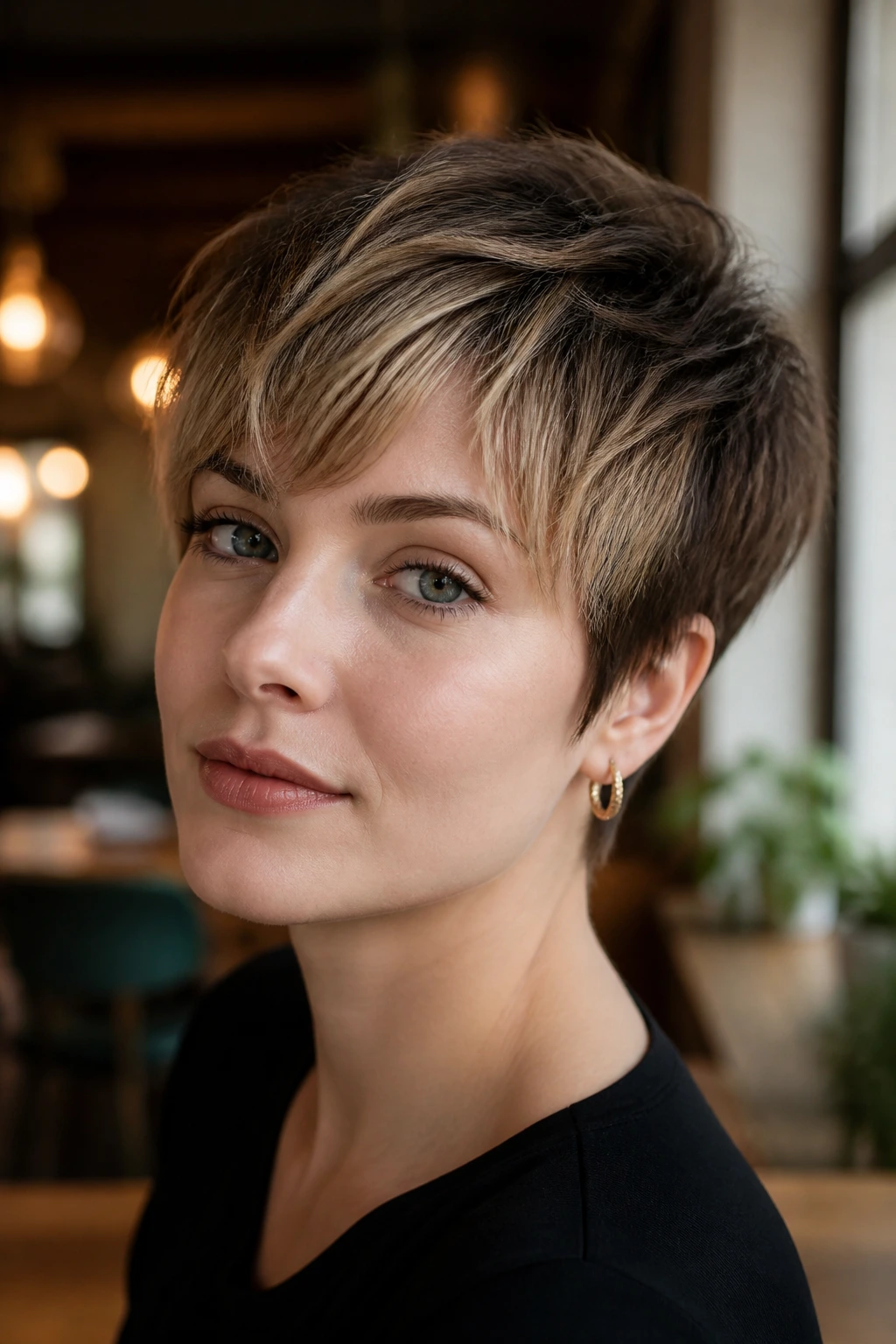
Short hair with blonde near the fringe can be surprisingly flattering on fair skin. The smudged brunette base keeps the pixie grounded, while the soft blonde fringe puts light exactly where it opens the face.
This one is less about contrast and more about edge control. A harsh blonde fringe can look cheap in a pixie; a softened blonde fringe looks deliberate. I’d keep the root smudge visible around the crown so the short cut doesn’t turn into one solid pale blob.
What Makes It Work
The color change happens in a small area, so the eye reads it quickly. That’s useful when the haircut is compact and you want the style to look sharp from across the room.
14. Rooted Honey Blonde Waves with Espresso Underlayer
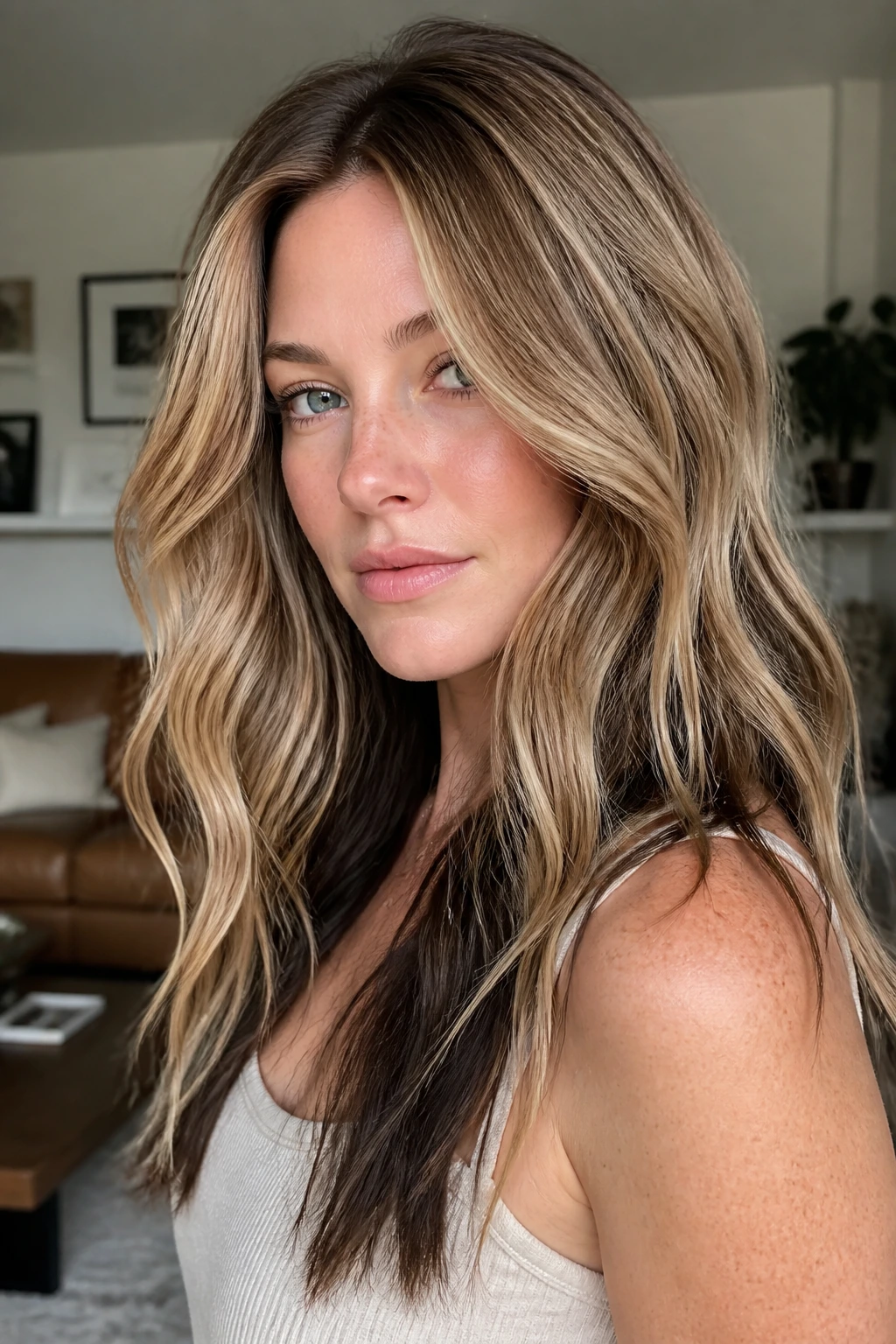
Here’s the thing about honey blonde on fair skin: it can look stunning if there’s enough depth underneath. An espresso underlayer gives the waves shadow, which makes the honey pieces look brighter without turning the whole head into a gold block.
The rooted version is better than all-over honey because it keeps the color from crowding pale features. Waves make the color movement obvious, especially if the underlayer peeks through at the ends or near the nape. If you wear your hair straight all the time, you’ll lose some of the effect.
This style is a good middle road for people who want warmth but not red tones. It’s also forgiving if your natural color is dark blonde or light brown, since the root can blend instead of fighting what’s already there.
15. Cool Mocha Shag with Buttery Ends
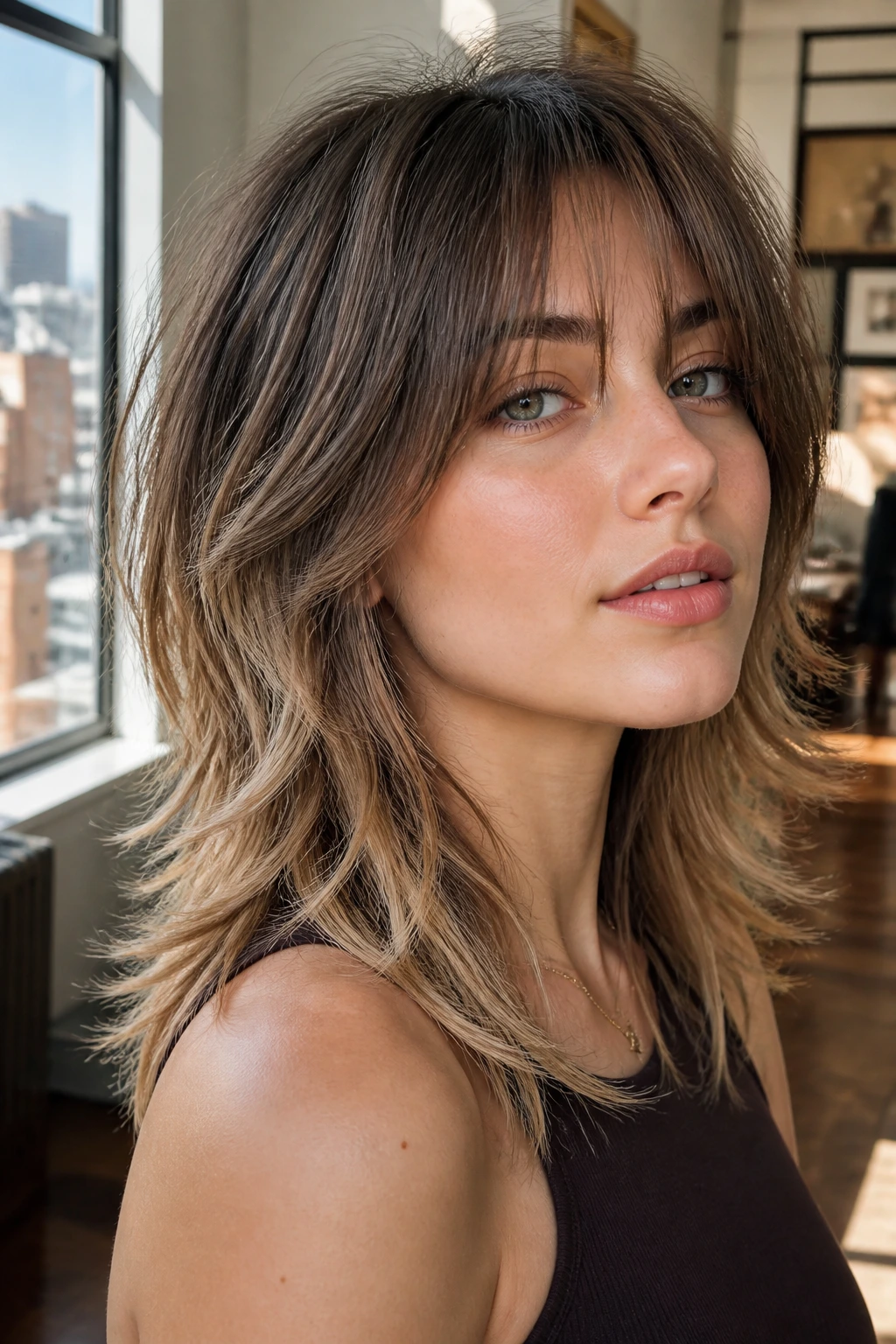
A shag needs texture, and cool mocha gives it a smoky base that works nicely on fair skin. Buttery ends soften the whole thing so the cut doesn’t feel too severed at the bottom.
I like this look because it fixes one of the most common problems with fair skin and darker hair: the face can disappear if the brown is too flat. Here, the ends pull light downward, which makes the cut feel loose and lived-in. If your hair is thick, the shag keeps it from feeling heavy. If it’s fine, the layers add body fast.
Keep the butter tone subtle. The goal is cream, not yellow. That distinction matters a lot more than people think.
16. Vanilla Blonde Highlights on Light Brown Layers
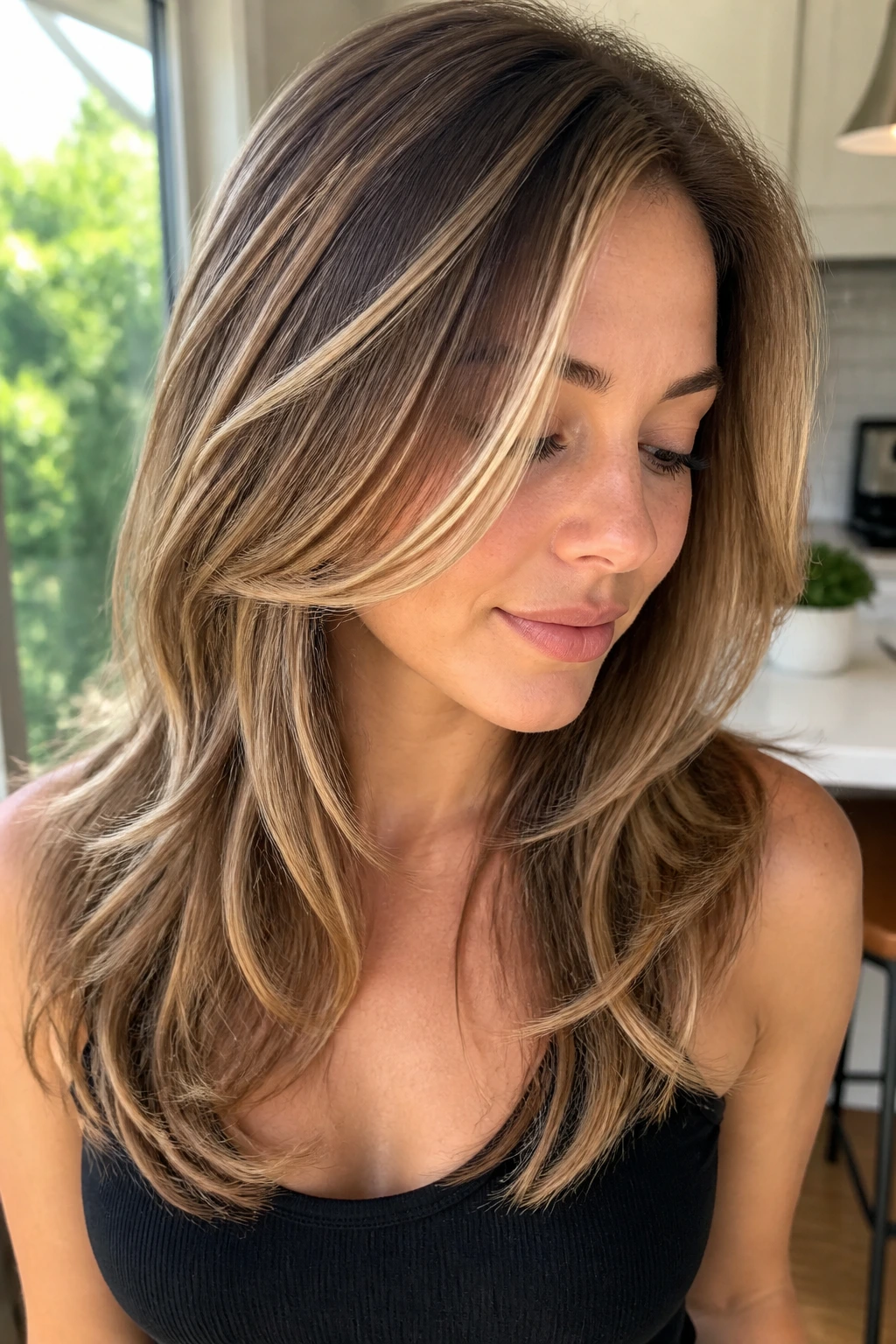
Vanilla blonde can go wrong quickly if it turns brassy, but when it’s placed over light brown layers it gives fair skin a soft, bright finish. The light brown base keeps the highlights from reading chalky, and the layered cut helps the color land in different places as the hair moves.
This is a strong choice for people who want their hair to feel light around the face without going full blonde. The layers matter because vanilla on one-length hair can look stripey. On layered hair, it looks more blended and a little more expensive, which is the real goal here.
If your skin has pink undertones, ask for a neutral vanilla rather than a warm one. That keeps the highlights from turning banana-colored against the face.
17. Chocolate-Rooted Beach Waves with Golden Veil
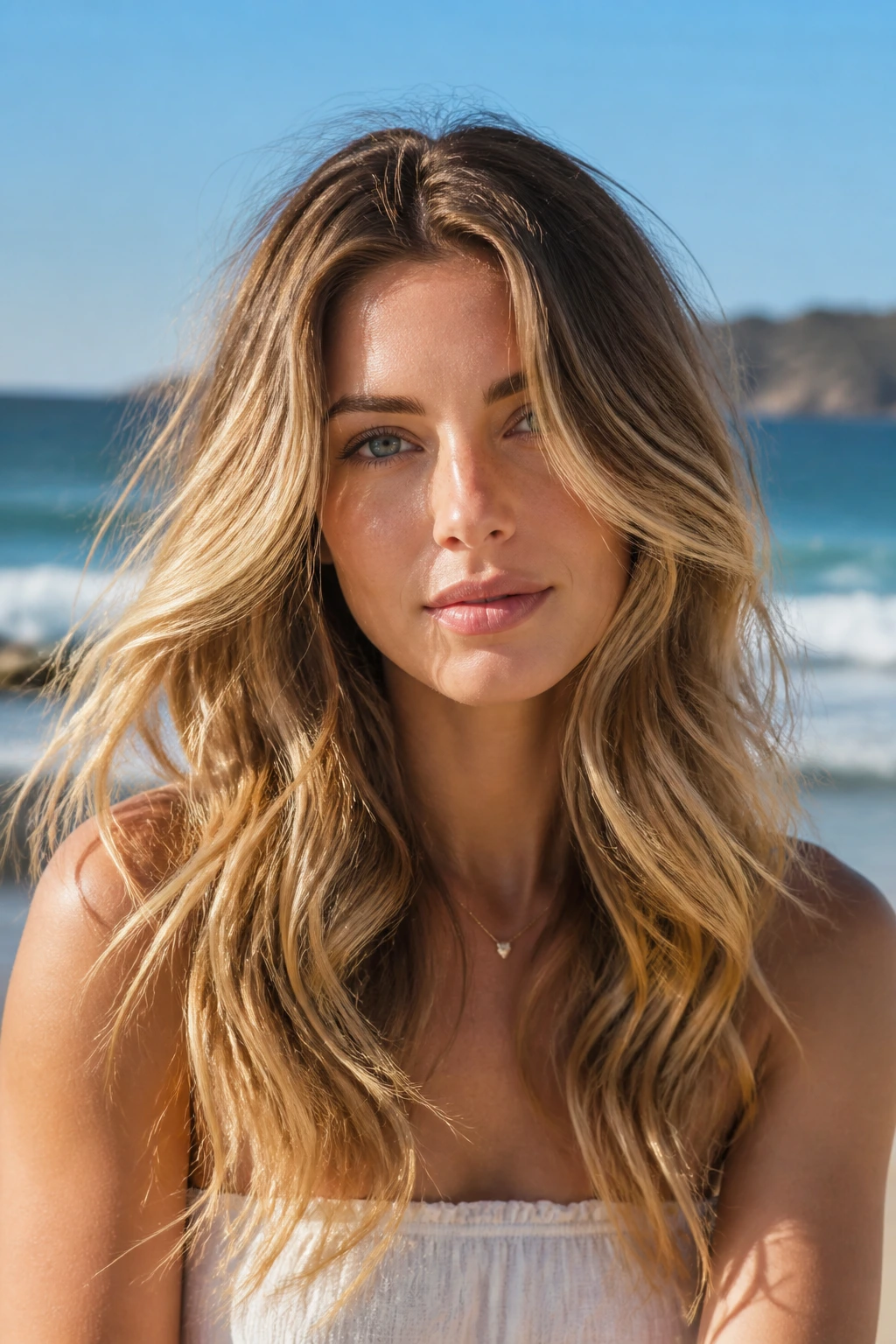
Chocolate roots give fair skin a defined frame, and the golden veil on top keeps the style from feeling too dark. The veil is the point: light pieces should float over the surface, not dominate it.
Beach waves are useful here because they break the color up into uneven bends. That makes the contrast look softer and more natural, even when the underlying brown is fairly deep. If you have pale skin and dark eyes, this look gives you presence without making the hair do all the talking.
The mistake to avoid is going too yellow with the veil. Golden, yes. Brass, no. You want sunlight, not toner failure.
18. Taupe Brown French Bob with Cream Balayage
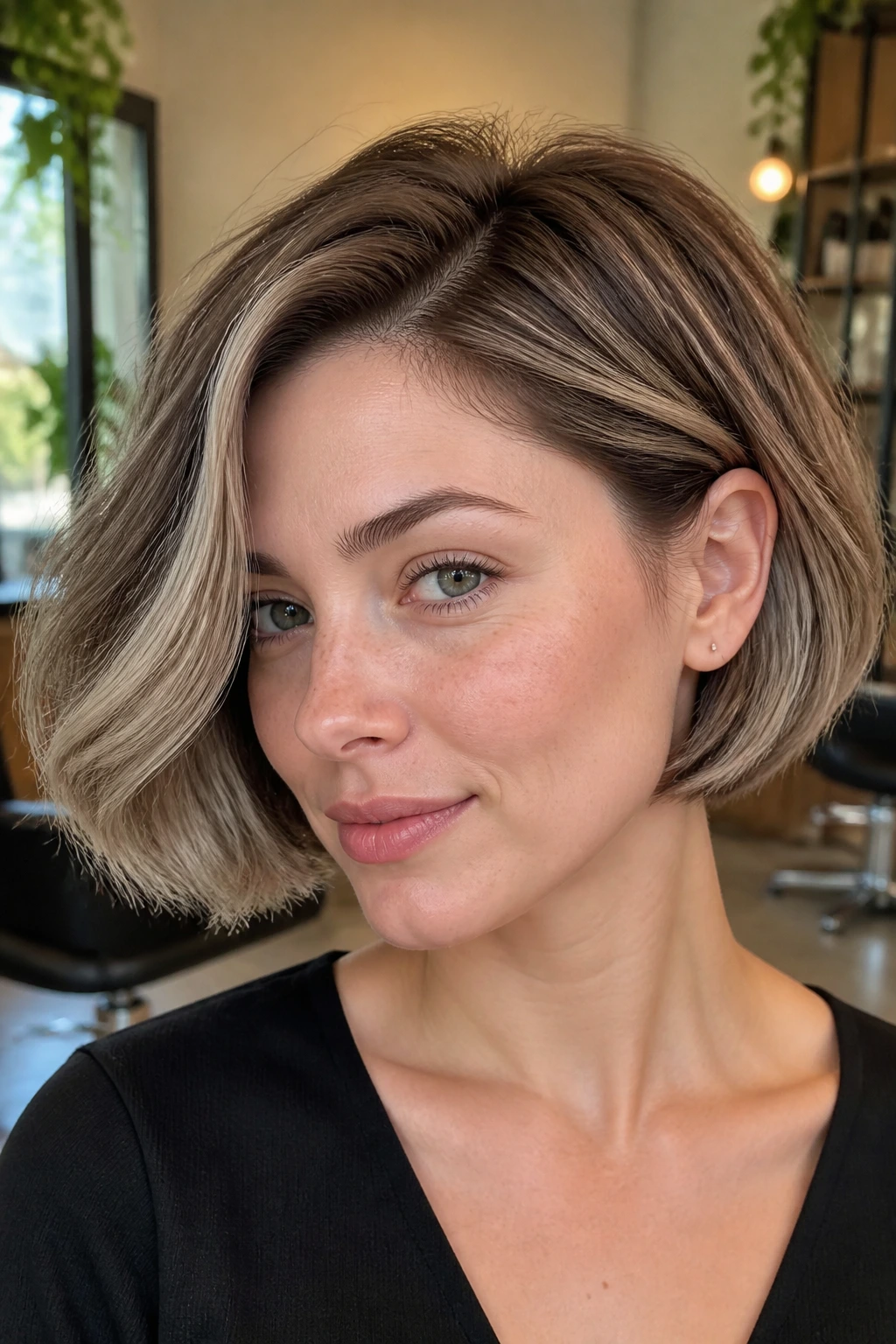
A French bob already has that cropped, polished shape that shows off the jaw and neck. Taupe brown keeps it muted enough for fair skin, and cream balayage adds just enough brightness to keep the cut from feeling heavy.
What I love here is the control. The color is soft, but the shape is precise, which means you do not need a huge amount of highlight to make it work. A tiny bit of cream around the cheekbones and crown gives the bob a lifted feel, especially if you tuck one side behind the ear.
This is one of the cleaner looks in the whole set. If your wardrobe leans black, white, or gray, it slides in neatly. If you like warmer makeup, choose a cream that reads more ivory than icy.
19. Smoky Brunette Ponytail with Blonde Face Frame
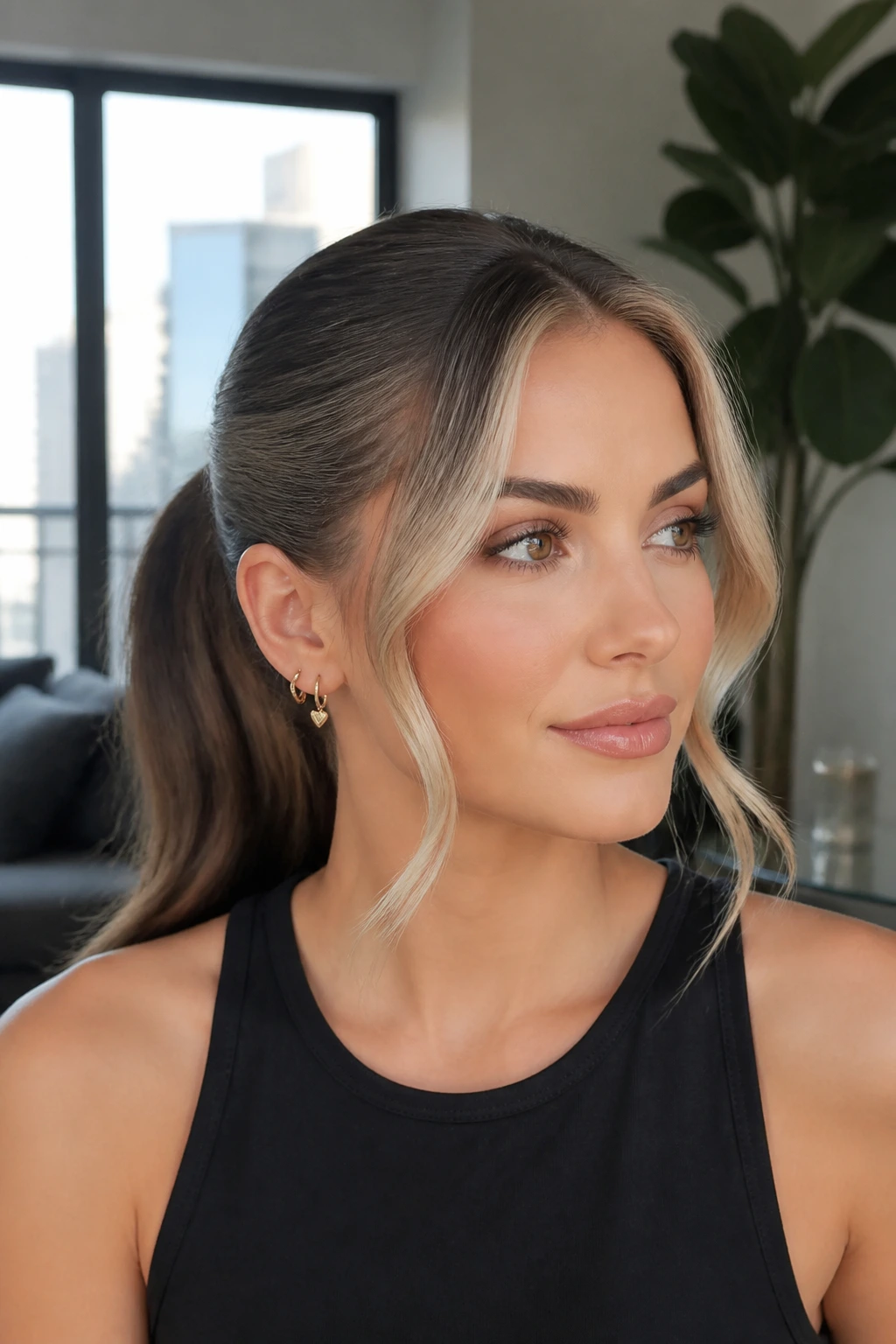
A ponytail can still count as a hairstyle, and on fair skin this one earns its place because the blonde face frame does all the visual work. The smoky brunette ponytail keeps the length grounded, while the lighter front pieces brighten the face without asking for a full color overhaul.
This is the look for days when you want polish without heat styling the whole head. Smooth the base, pull the ponytail low or mid-height, then leave the frame pieces loose and softly curled. The contrast should sit at the front, where it can do the most good.
It’s easy to underestimate how much a face frame changes fair skin. Two pieces near the temples can bring back warmth and shape faster than a whole head of light hair.
20. Walnut Brown Layers with Silk Blonde Ends
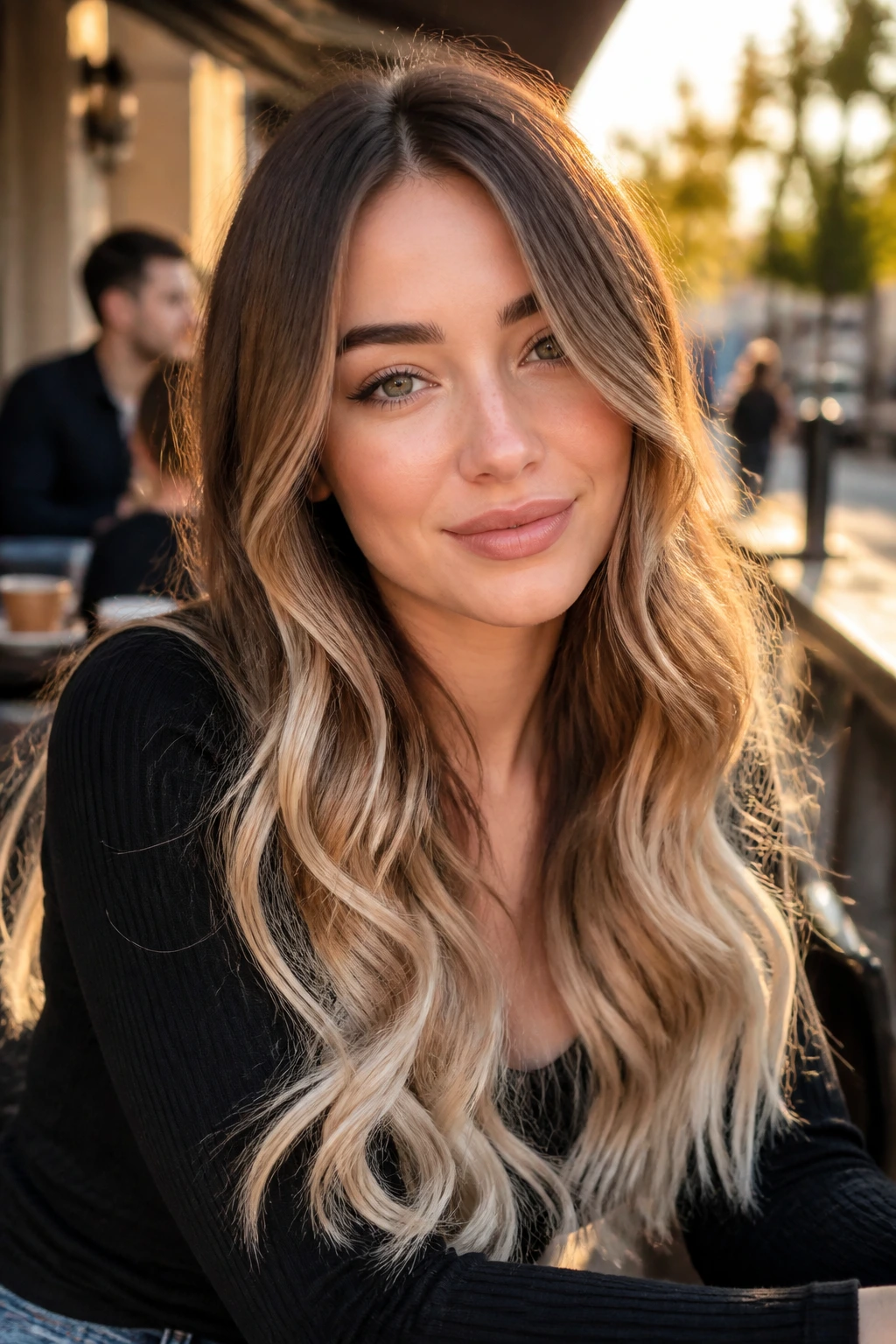
Walnut brown sits in a sweet spot for fair skin: deep enough to make the features stand out, soft enough that it doesn’t look severe. Silk blonde ends keep the layers from closing in at the bottom, which is a problem with darker layered cuts.
The best version has a gradual fade from walnut root to pale beige ends. No sudden jump. The layers should be long enough that the blonde appears in ribbons rather than blocks, especially when the hair is curled. If you wear your hair straight, keep the ends slightly beveled so the light catches them.
This style suits medium to long hair best. Shorter cuts can lose the soft fade and end up looking choppy instead.
21. Beige Bronde Curls with Airy Fringe
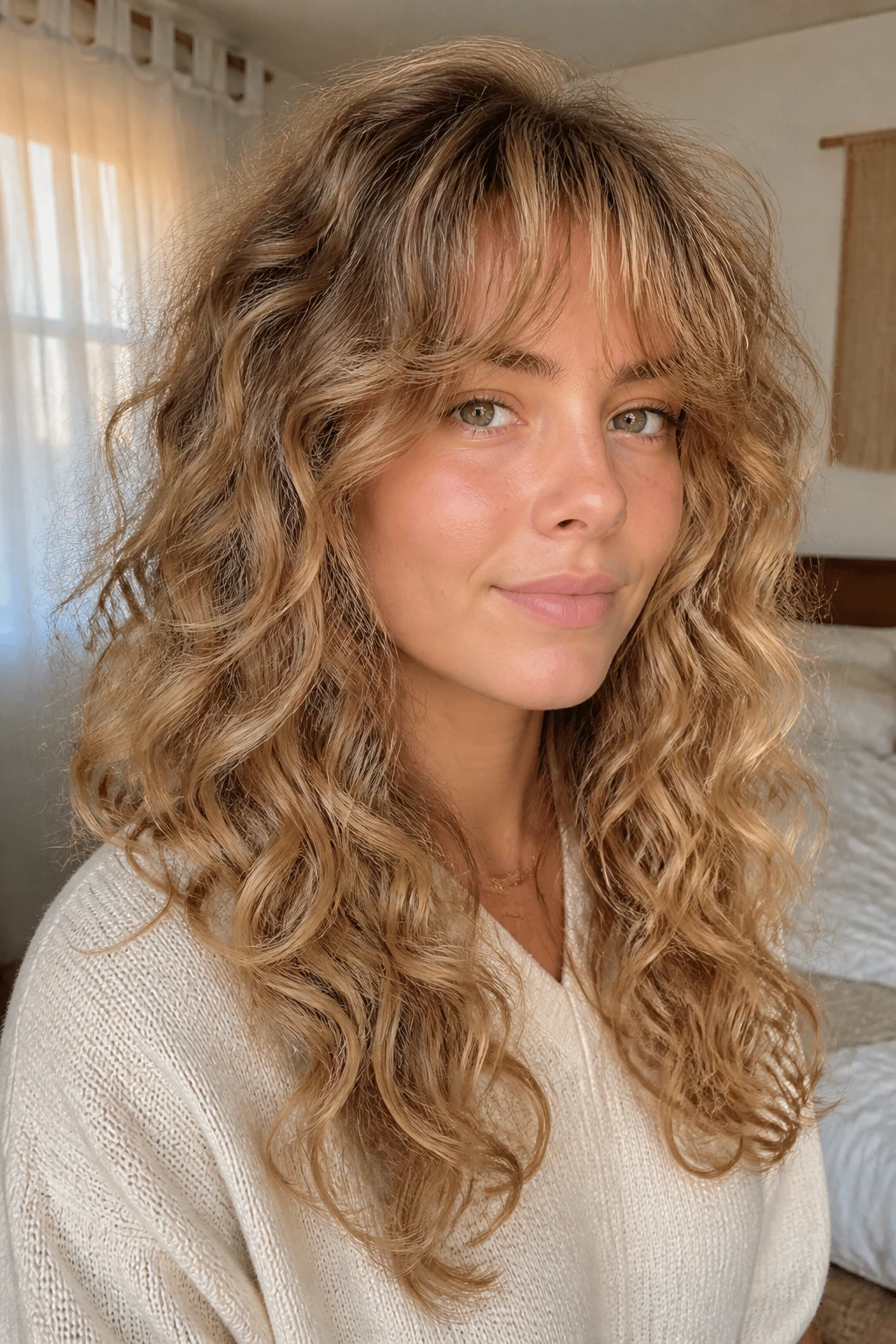
Beige bronde is one of the easiest places to start if you’re nervous about going too brown or too blonde. On fair skin, it gives enough warmth to keep the face alive while staying light enough to avoid a heavy contrast line.
Curls and an airy fringe make the color read from root to tip. The fringe should stay feathered, not thick, so it doesn’t make the forehead feel boxed in. The beige tones work especially well on neutral undertones, where neither strong gold nor strong ash feels quite right.
Quick Fit Check
- Works best on medium-density hair.
- Looks softer than platinum around fair skin.
- Needs less root maintenance than all-over blonde.
- Can be pushed warmer or cooler with toner.
22. Coffee Brown Sleek Midlength with Ash Blonde Panels
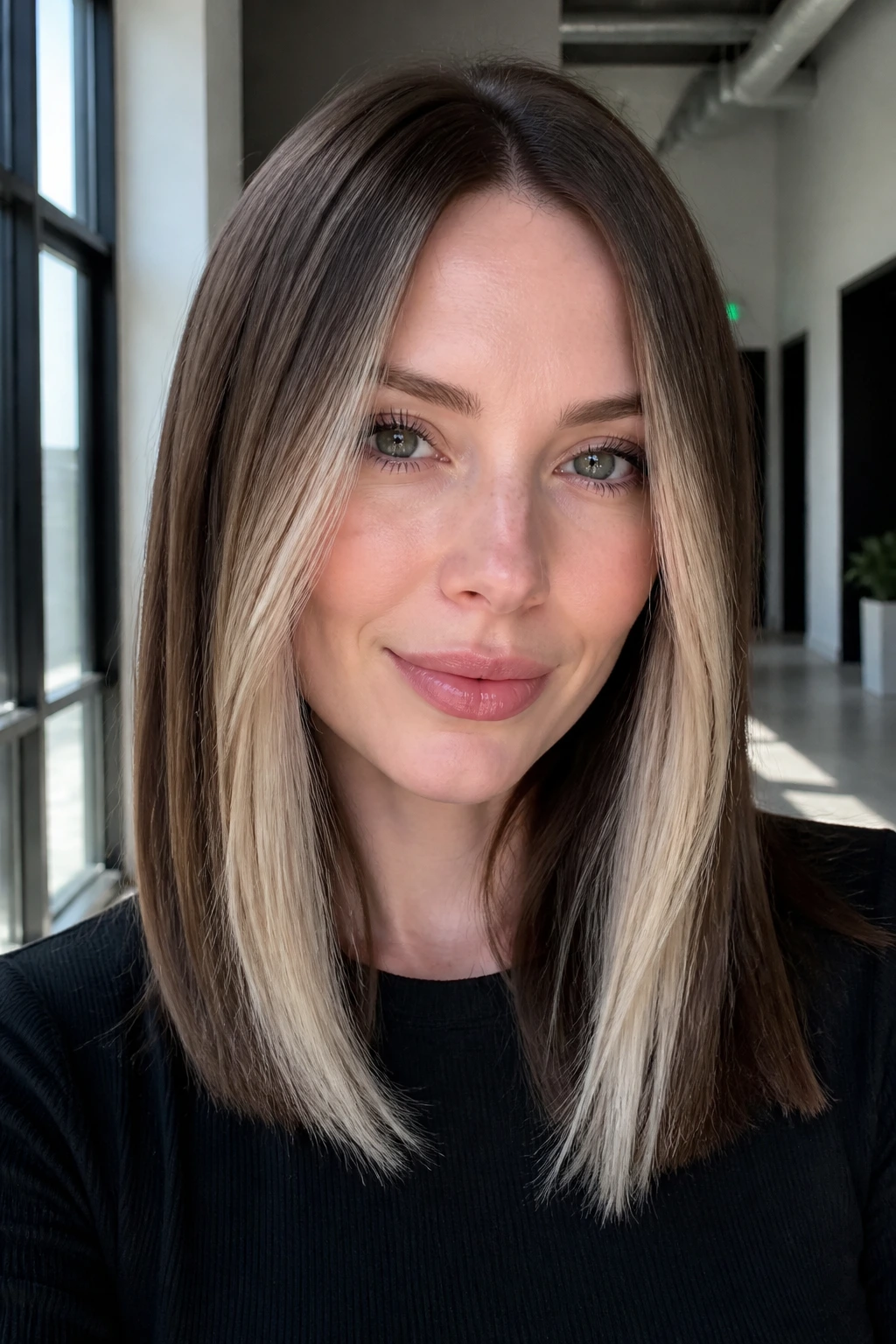
Sleek hair changes the whole conversation because the color placement has nowhere to hide. Coffee brown with ash blonde panels is a smart pairing for fair skin if you like cleaner, sharper lines and don’t want waves softening everything.
The ash panels keep the light sections from turning yellow against pale skin. Coffee brown anchors the look so the blonde has contrast, but not so much that the face gets swallowed. Midlength hair is the sweet spot here because there’s enough surface for the panels to show, but not so much that the style feels busy.
I’d choose this if you like a straight finish and a more graphic result. It’s not delicate. That’s the point.
23. Biscotti Blonde Curls with Mocha Lowlights
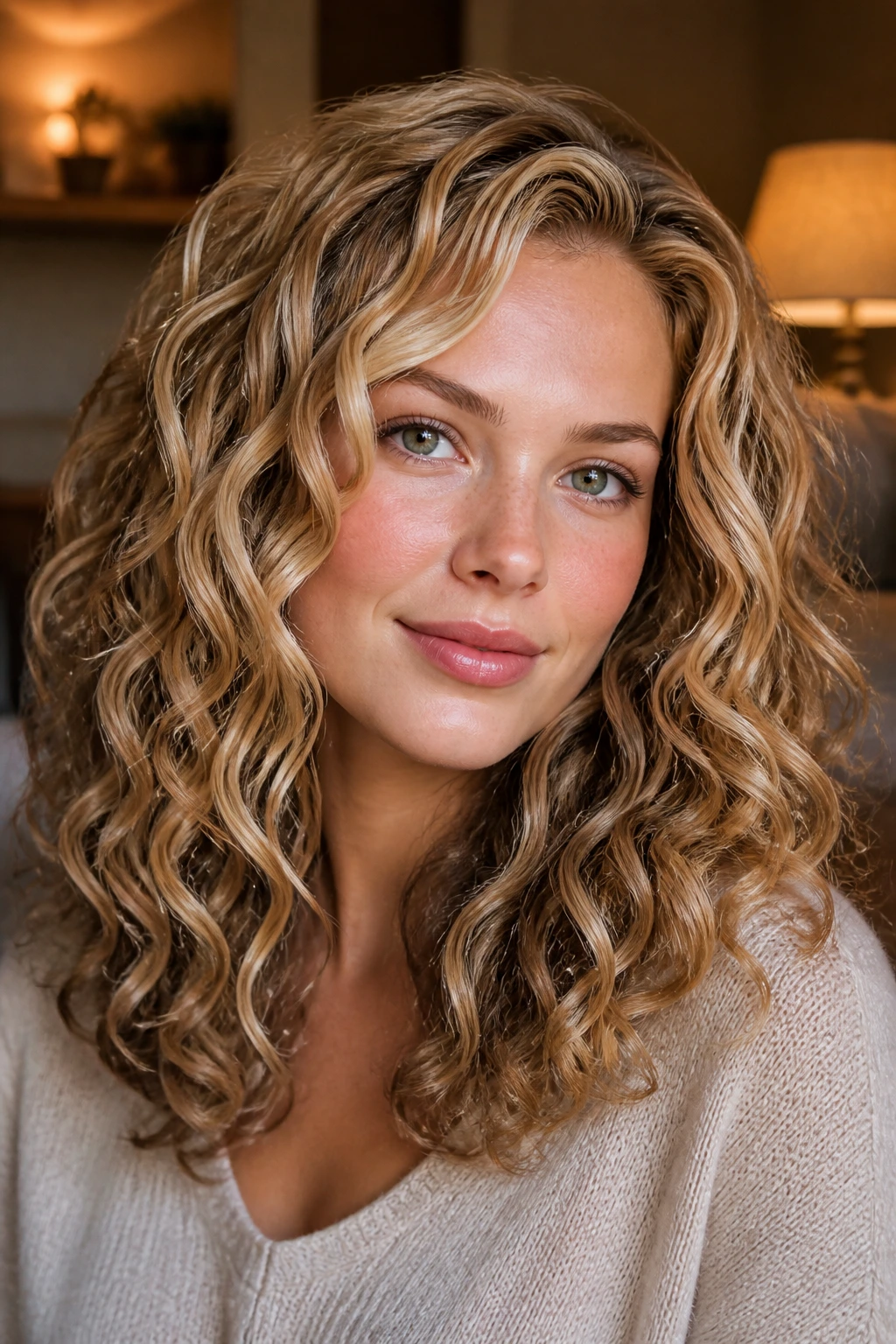
Biscotti blonde is warmer than beige but not so yellow that it starts fighting fair skin. Add mocha lowlights and the curls get depth, which is exactly what this style needs if you want the lighter shade to feel dimensional instead of puffed out.
This is a good color path for naturally light brunettes or dark blondes who want to go lighter without committing to a full blonding job. On curls, lowlights matter more than people expect because they keep the pattern from turning into one giant pale cloud. The mocha pieces give the curls places to break.
If your skin leans cool, keep the biscotti closer to neutral cream. If it leans warm, a little more toast in the blonde makes sense.
24. Almond Brown Half-Up Twist with Pale Blonde Ends
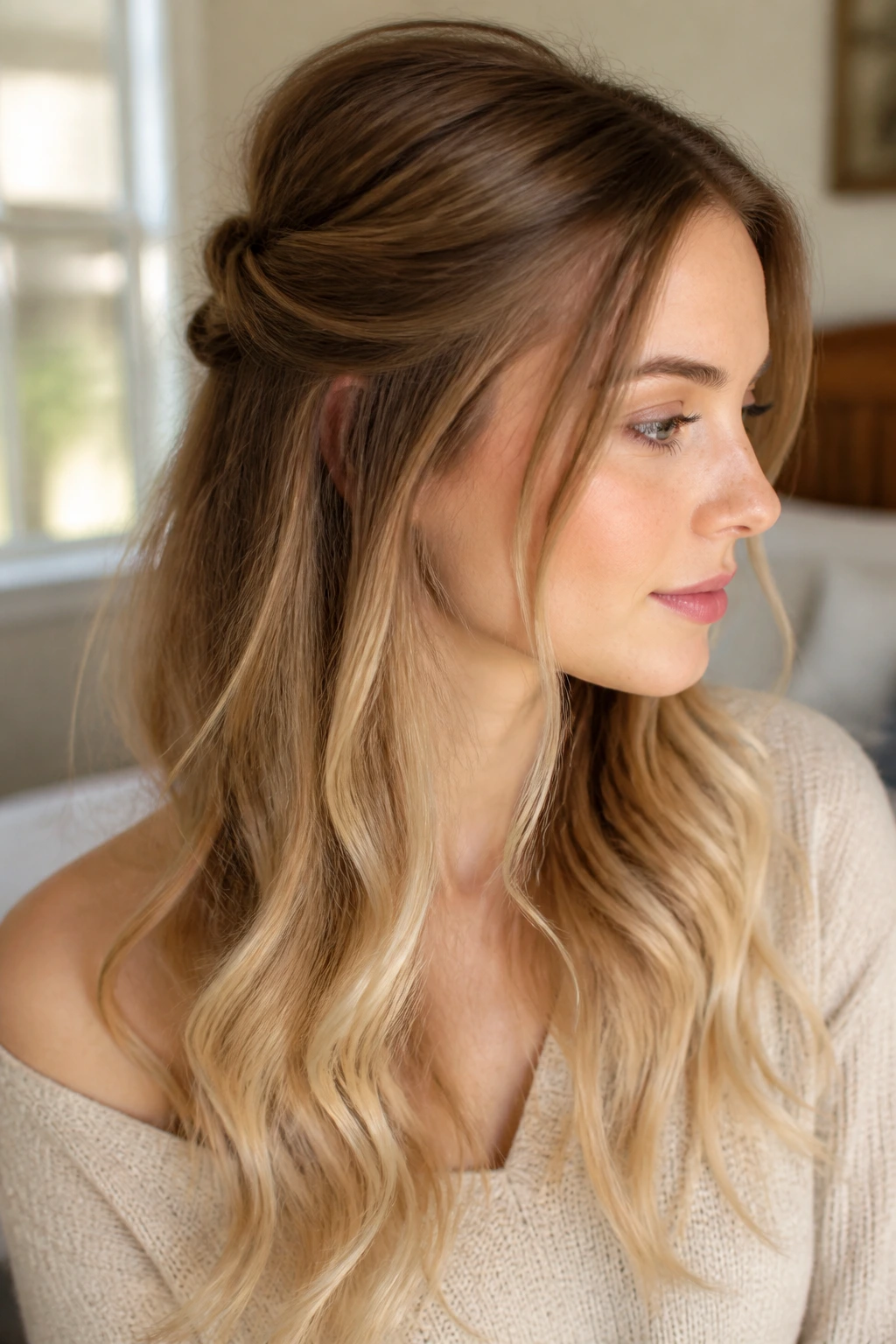
A half-up twist gives fair skin a nice lift because it opens the face and shows off the lighter ends at the same time. Almond brown is soft enough to stay flattering, while the pale blonde ends keep the style from feeling weighed down.
This works especially well on medium to long hair. The half-up section shows the darker root and the twist, while the loose bottom length displays the blonde. It’s a practical style for days when you want the color to look intentional without spending forever with a curling iron.
The blonde should stay creamy or beige. If it goes too white, the contrast gets colder than it needs to be.
25. Multi-Tonal Bronde Shag with Soft Root Shadow
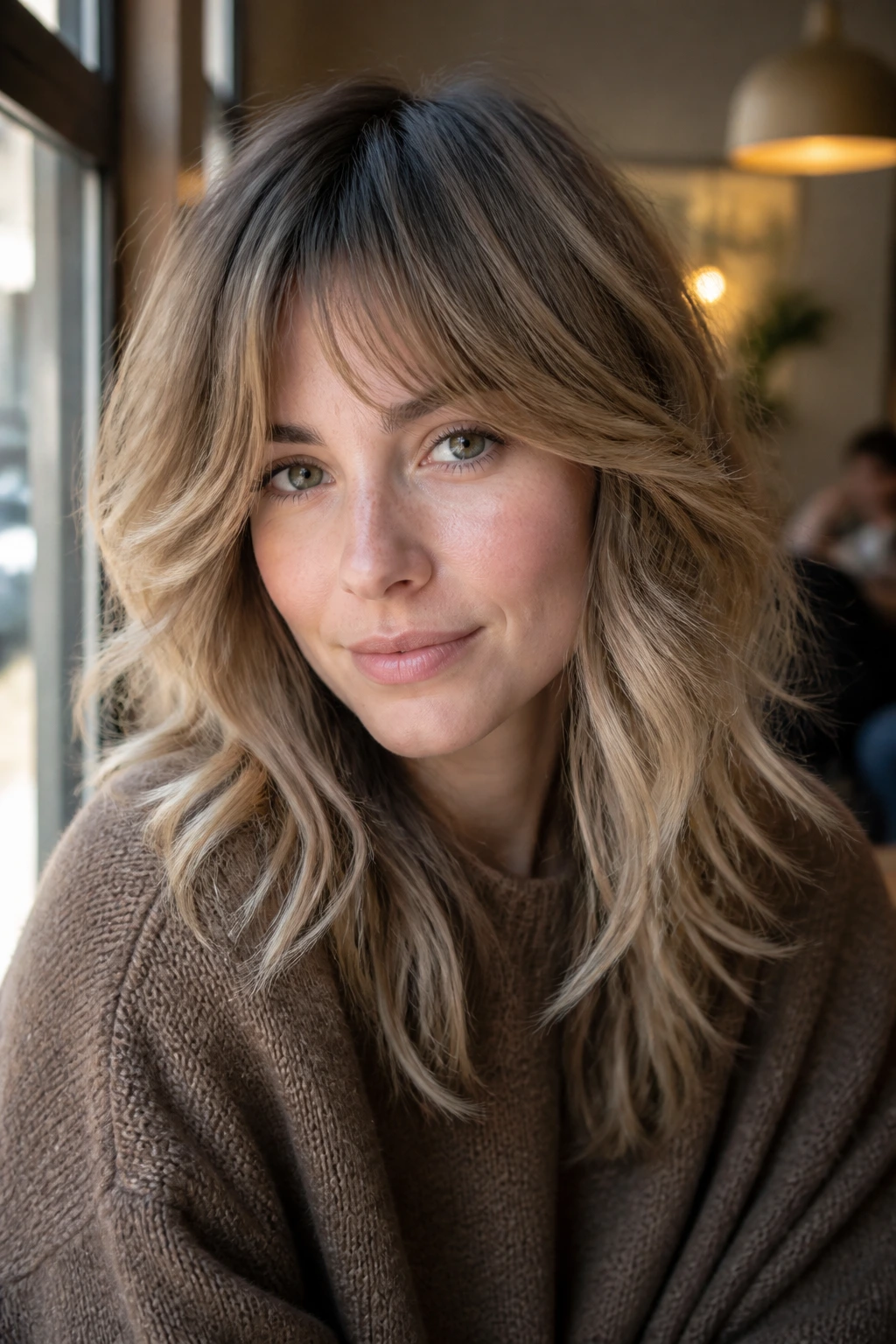
A multi-tonal bronde shag is probably the most forgiving look in the whole set, and that’s saying something. The root shadow makes grow-out easy, the shag layers keep the hair moving, and the brown-blonde mix gives fair skin enough depth to avoid that washed-out feeling.
The reason this one lands so well is the range. You’re not asking one shade to do everything. There’s a soft root, a bronde midsection, and lighter pieces that show only when the hair bends or flips. On fair skin, that variation keeps the face from looking too flat under strong light.
If I had to hand one style to someone who wants brown and blonde hair without a fussy maintenance schedule, it would be this. The cut does half the work, and the color does the rest.
Why Brown and Blonde Flatters Fair Skin Better When the Placement Is Soft
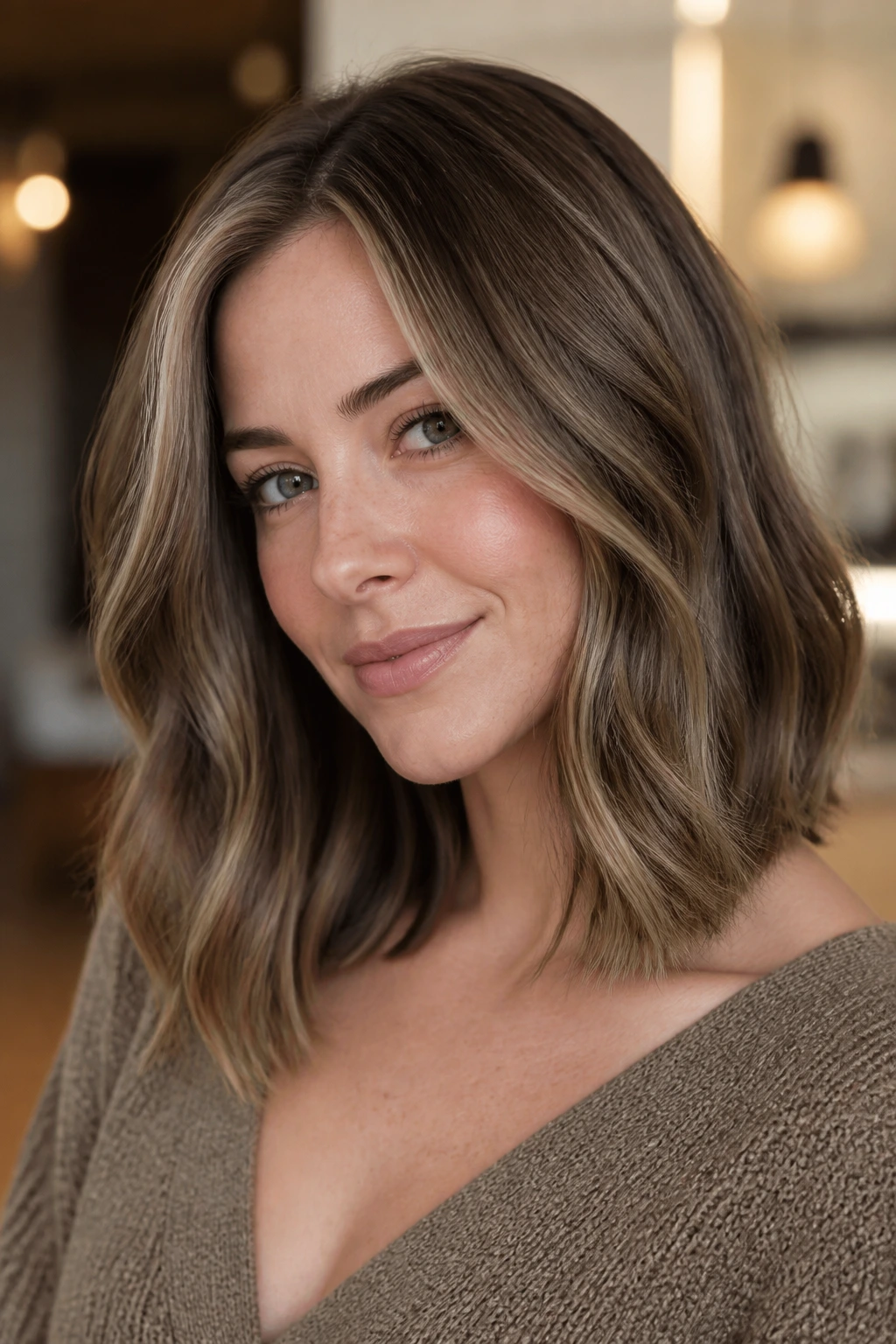
Fair skin tends to show hard color edges faster than deeper complexions do. A dark block around the face can look sharp in a photo but harsh in daylight, and icy blonde from root to tip can make the face look like it’s floating. Brown and blonde hairstyles for fair skin work best when the contrast is controlled: lighter around the face, deeper underneath, and softened at the root so the color has somewhere to breathe.
The other thing that matters is light reflection. Beige blonde, champagne blonde, mushroom brown, and soft mocha all reflect light in a way that keeps pale skin from looking flat. That’s one reason balayage, babylights, root melts, and lowlights show up so often in flattering color work for fair skin. They don’t just add color. They add movement in the places your eye already wants to go.
A good formula can still miss if the haircut fights it. Long one-length hair can hide the shade variation, while layers, waves, bangs, and textured bobs let the contrast show. That’s why haircut and color should be chosen together, not as two separate decisions.
Choosing the Right Brown and Blonde Tone for Your Undertone
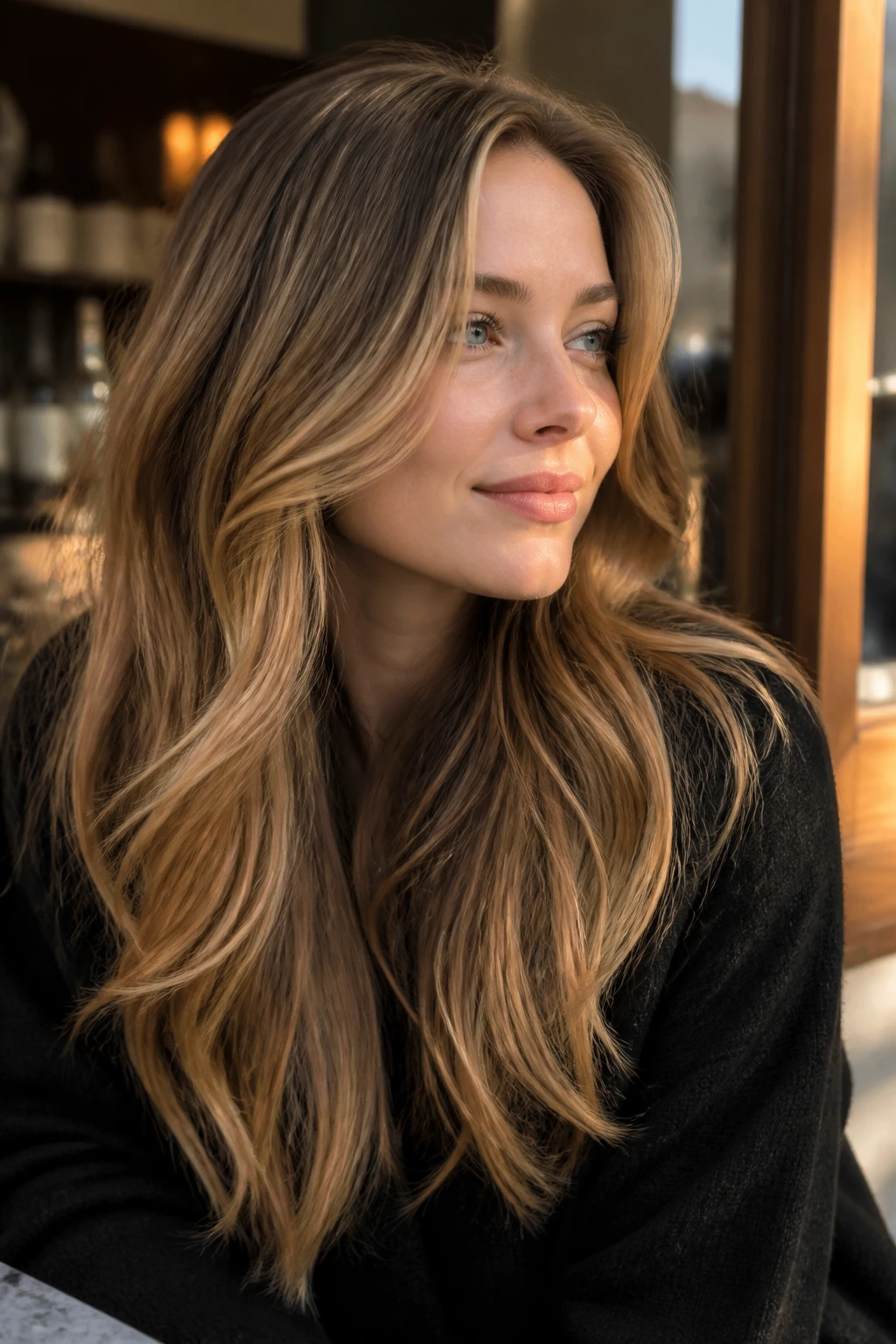
Fair skin is not one single thing, and that’s where people get tripped up. Pink-leaning fair skin usually does better with ash brown, beige blonde, mushroom, taupe, and cool mocha. Peach, golden, or ivory fair skin can carry honey, caramel, biscuit, toasted almond, and softer golden blonde without looking brassy.
Neutral fair skin has the easiest time because it can move either way, but even then, I’d stay away from extremes. A very dark brown can look too heavy. A very white blonde can look disconnected from the face. The middle ground tends to be the smartest play.
Cool, Pink, or Rosy Fair Skin
Cooler fair skin likes shadow and softness. Ask for beige or ash highlights, not gold-heavy blonde, and keep the root a step deeper than the mids.
Warm or Peach Fair Skin
Warm fair skin can handle honey and caramel better, especially when the base brown stays rich and not orange. A tiny bit of warmth in the blonde can make the whole face look more awake.
Neutral Fair Skin
Neutral skin usually works well with bronde, mushroom, taupe, and beige-blonde blends. The key is keeping the color family unified so the hair does not start arguing with itself.
What to Say at the Salon When You Want the Look to Land Right
Bring photos, yes, but bring them with notes. Tell the colorist whether you want low-maintenance grow-out, strong contrast, or a softer face frame. Those three goals can produce very different versions of the same hairstyle.
Use plain color language if you can. “Level 5 root with beige balayage” is much clearer than “I want something soft but not too blonde.” If you like bronde, say how blonde you want the mids to look in daylight. If you want money pieces, say whether you want them blended or obvious. Those details change the whole vibe.
And please, mention your skin undertone. A good colorist will use that to decide whether the blonde should lean ivory, beige, honey, or champagne. That one sentence saves a lot of regret later.
Tools and Products That Keep Brown and Blonde Hair Looking Clean
- Color-safe shampoo: Keeps toner from stripping too fast and helps brown lowlights stay richer.
- Purple shampoo: Use it on blonde sections only when they start going yellow; too much and the hair turns dull.
- Heat protectant spray: A must if you curl or smooth the hair more than once a week.
- Wide-tooth comb: Better than a brush for curls, waves, and freshly toned hair.
- Sectioning clips: Useful if you’re refreshing waves or styling a money piece at home.
- 1-inch curling iron or wand: Best for showing off ribbons and face-framing pieces.
- Gloss or toner: A neutral or beige gloss can keep the blonde from drifting brassy.
- Satin pillowcase: Keeps waves and curls from going frizzy and helps color look shinier between washes.
How to Wear the Contrast So It Frames the Face
Presentation:
Wear the lighter pieces where they can be seen first: around the temples, cheekbones, bangs, or the first bend of the wave. A center part tends to show off balanced bronde; a slight off-center part can soften stronger contrast.
Accompaniments:
Soft makeup usually plays well with these looks—cream blush, a warm neutral lip, and brows that are filled but not harsh. If the hair is very cool-toned, silver jewelry can make sense; if it’s honey or caramel-heavy, gold usually looks more natural.
Scale:
Short cuts need bolder placement because there’s less surface area. Long hair can carry softer balayage and still read clearly. Thicker hair can take more depth; finer hair often looks better with lighter, finer ribbons so it doesn’t get overwhelmed.
Finish:
Waves, bends, and loose texture show the color shifts better than pin-straight hair. If you like sleek styling, ask for panels or face framing that have enough width to show up when flat.
Extra Styling Moves That Make the Dimension Show Up
Gloss Boost: A neutral-beige gloss every 6 to 8 weeks keeps blonde from turning sour and brown from looking dusty. It’s one of the easiest ways to preserve the shape of the color.
Customization: If the hair reads too cold, add a few warm ribbons through the ends, not the roots. If it reads too warm, drop in ash lowlights instead of bleaching more hair.
Serving Suggestions: The hair version of garnish is polish: tuck one side behind the ear, add a subtle bend at the ends, or mist on a light shine spray. Tiny changes. Big difference.
Make-It-Yours:
- Fine hair: keep the blonde pieces narrow and the layers soft.
- Thick hair: add depth under the crown so the lighter pieces don’t sit like a sheet.
- Curly hair: ask for chunkier placement so the color doesn’t vanish in the pattern.
- Straight hair: think in panels, not tiny streaks.
Common Mistakes That Make Fair Skin Look Washed Out
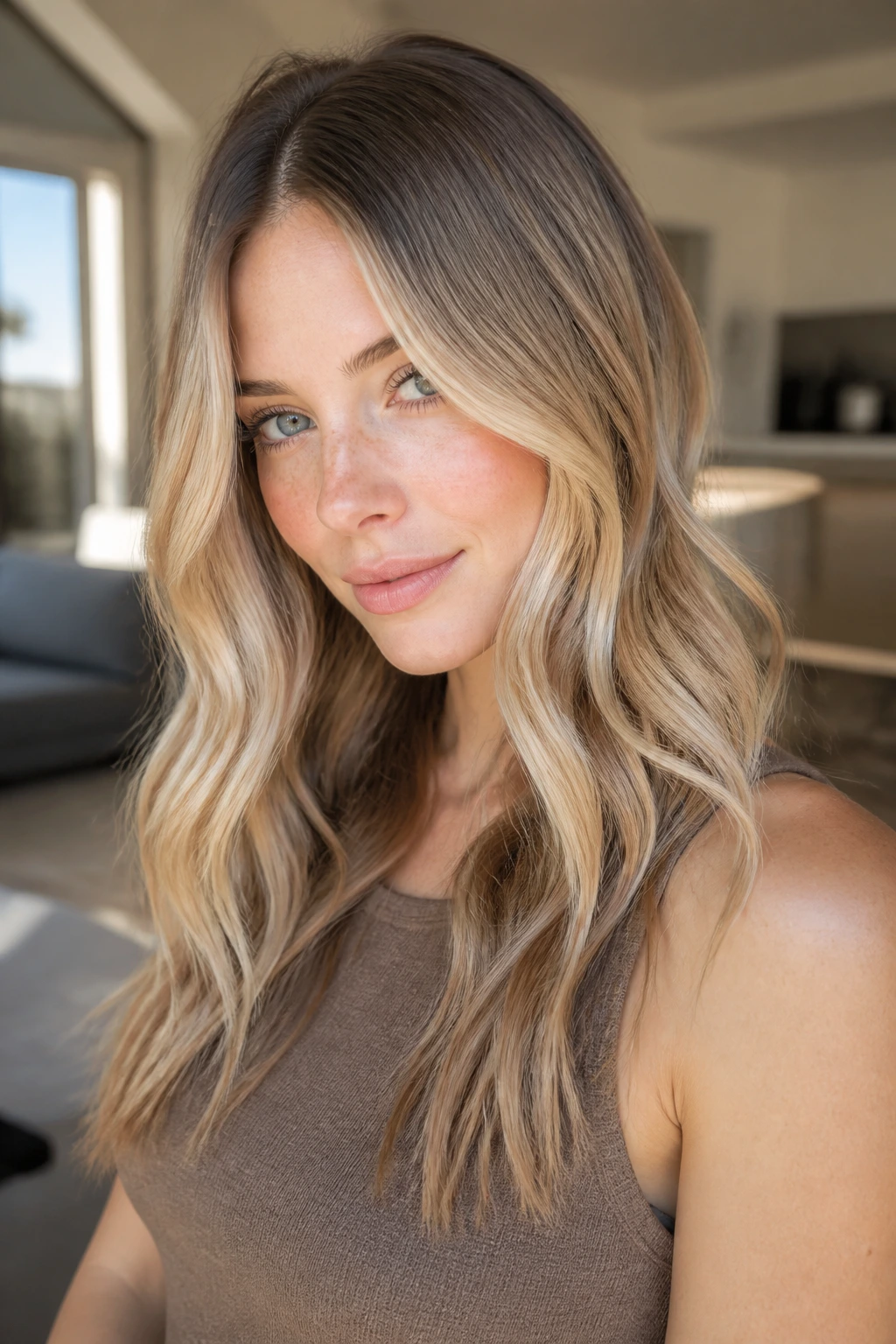
The first mistake is going too yellow with the blonde. Banana-toned highlights can sit awkwardly against fair skin, especially if the complexion already runs pink. The fix is a beige or ivory toner that knocks down the warmth without turning the hair gray.
Another common one: making the brown too dark. Near-black brown can look rich in a swatch, then harsh around pale skin once it’s on the head. If you want depth, go mushroom, mocha, walnut, or chestnut before you jump to espresso.
People also over-highlight the front. A huge blonde money piece can work, but if it’s too wide or too bright, the face can start looking disconnected from the rest of the color. A softer frame, plus depth underneath, usually reads better on fair skin.
And then there’s the haircut problem. If the cut is blunt and heavy but the color is airy and soft, the style can feel off. If you’re going brown and blonde, the cut should help the dimension along, not bury it.
Questions People Ask Before Going Brown and Blonde
Will brown and blonde hair make fair skin look paler?
It can if the brown is too dark or the blonde is too icy. A beige or honey blonde with a softened brown root usually gives the face more shape, not less.
What brown shade is safest for very fair skin?
Mushroom brown, taupe brown, soft mocha, and light chestnut usually sit well because they add depth without going severe. Anything close to black can be a jump.
Can I wear warm blonde if my skin is pink?
Yes, but keep it muted. Beige-gold or soft honey works better than bright yellow or orange-gold, which can pull out redness.
Do bronde styles need a lot of upkeep?
Not usually. Root melts, balayage, and soft lowlights tend to grow out more gracefully than full blonde, and many people can stretch salon visits to 8 to 12 weeks.
What if my blonde starts looking brassy?
Use purple shampoo once every 1 to 2 weeks, not every wash. If the tone still looks off, a gloss at the salon will usually fix it faster than piling on more purple.
Will these looks work on curly hair?
Yes, but the placement has to be wider. Tiny highlights can disappear in curls, so ask for ribbons, panels, or peekaboo lights that show movement.
Is a money piece too harsh for fair skin?
Not if it’s softened. The best money pieces for pale skin are creamy, slightly beige, and blended at the root so they brighten the face without looking cut into it.
Keeping the Color Bright Between Washes
Wash less often if you can. Two to three times a week is a practical range for most brown-and-blonde color work, especially if you want the toner to hold. Use lukewarm water, not hot water, because hot water strips the blonde first and leaves the brown looking limp beside it.
Dry shampoo is useful, but use it at the roots only and brush it through fully. Too much residue can make beige blonde look dusty. If you heat-style, spray protectant every time, even for a quick bend at the ends. That one habit saves the tone more than people expect.
For maintenance, plan on a gloss or toner refresh every 6 to 8 weeks if the blonde is a major part of the look. Root touch-ups usually land somewhere between 8 and 12 weeks, depending on whether you chose balayage, highlights, or a stronger money piece. The lighter the blonde, the more often you’ll want to check the tone.
Common Mistakes to Avoid When Choosing Brown and Blonde for Fair Skin
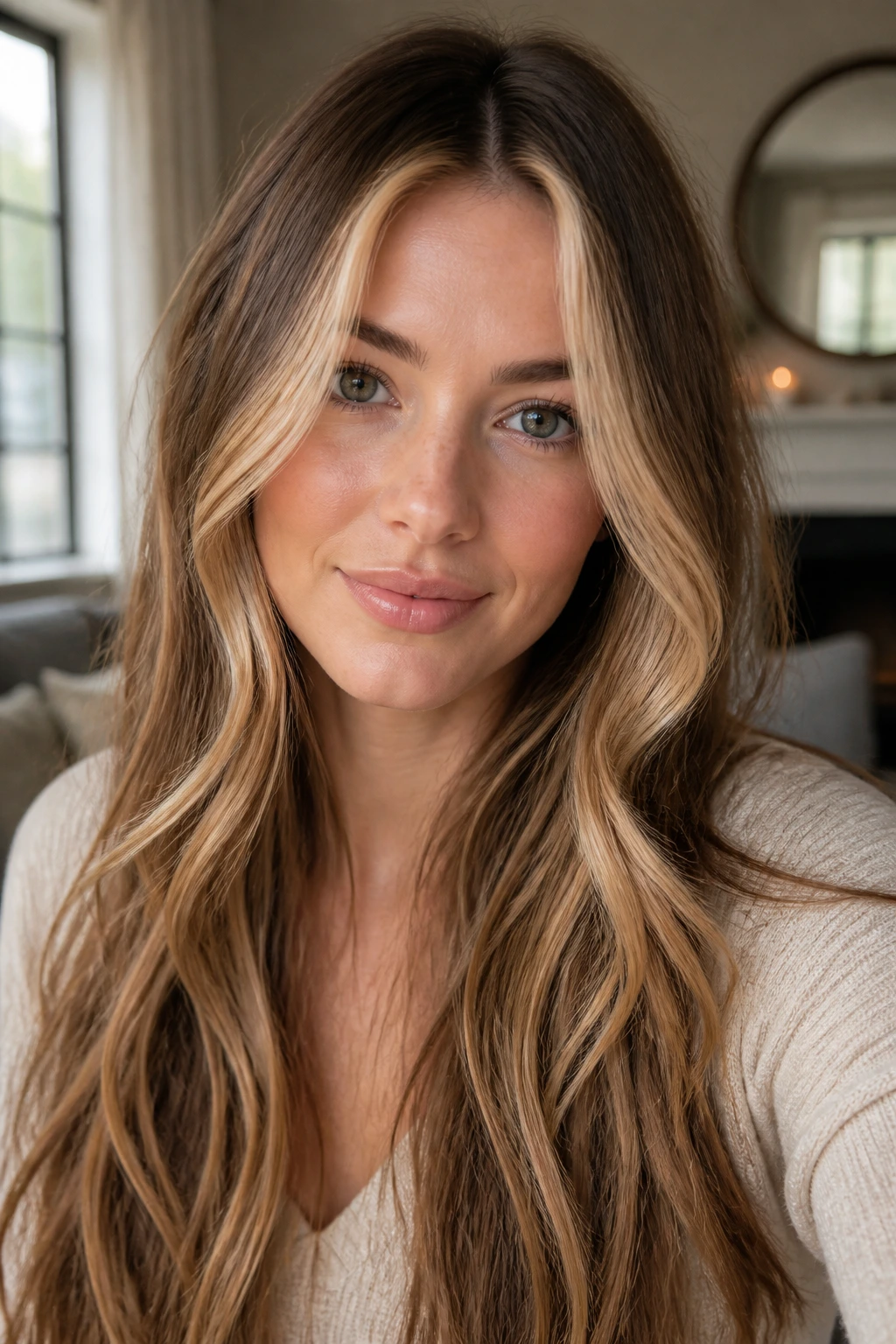
- Going too yellow with the blonde: It can make fair skin look sallow or over-warm. Ask for beige, cream, or champagne instead.
- Picking brown that’s too deep: Very dark brown can overshadow pale skin and make the hair feel disconnected from the face.
- Ignoring undertone: Cool skin and warm hair can clash fast. Match ash and beige to cooler skin, honey and caramel to warmer skin.
- Skipping the haircut conversation: The same color can look flat on a blunt cut and alive on layers or waves.
- Overdoing the front pieces: A giant money piece can take over the face. Softness at the hairline usually ages better.
When to Choose a Softer Look and When to Push the Contrast
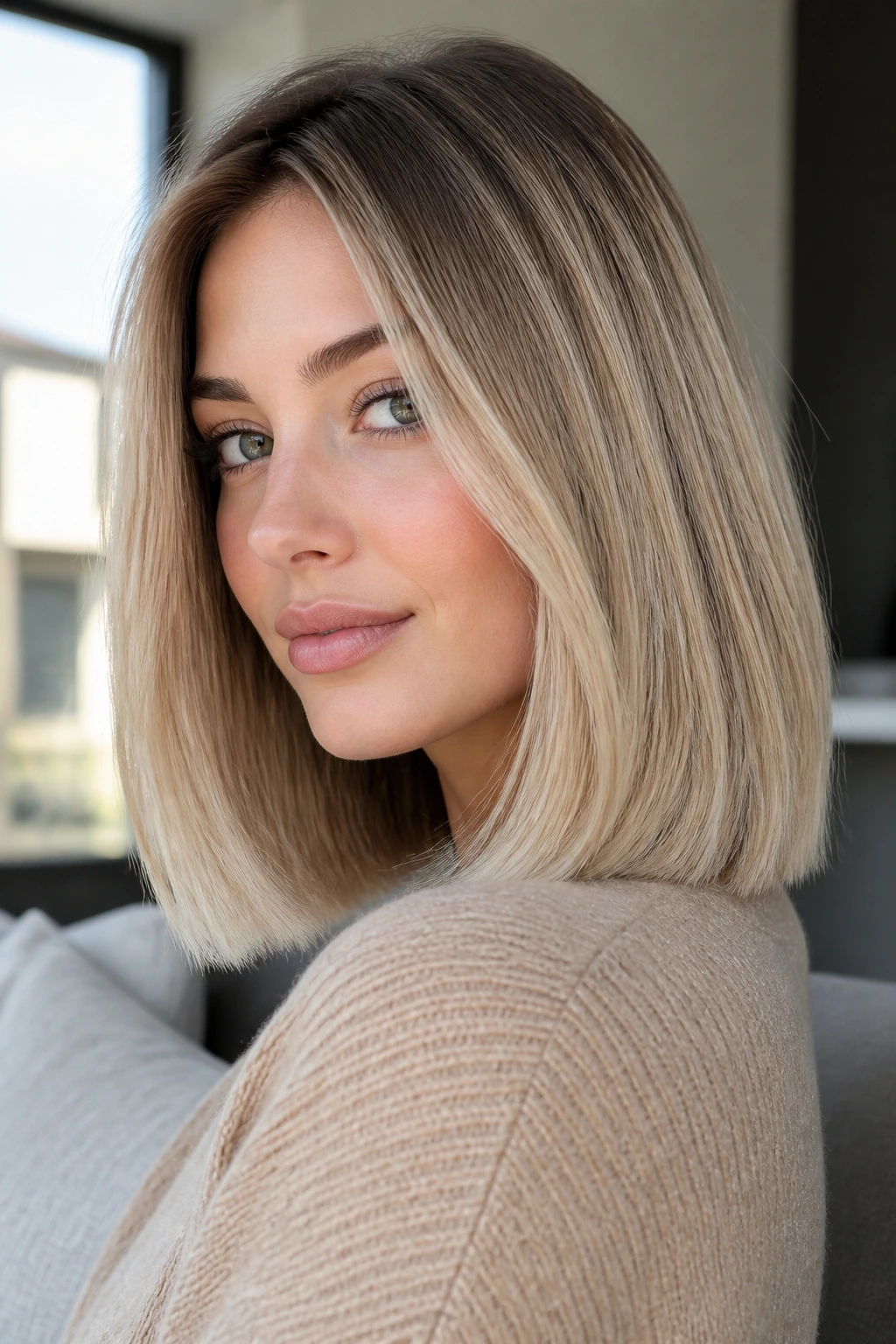
If your skin is very fair, your hair is fine, or you wear minimal makeup, a softer bronde or beige balayage often looks better than high-contrast stripes. The color sits near the face without becoming the entire story.
If you have stronger features, dark brows, or a cut with sharp lines, you can handle more contrast. A chocolate bob with cream pieces or a rooted honey blonde with a deep underlayer can look striking instead of harsh. That is the line to watch: striking, not abrupt.
The safest route is to start with depth at the root and brightness around the face. You can always go lighter later. Going the other direction takes patience and several rounds of toner, and nobody needs that kind of regret at the sink.
The Sweet Spot Lives in the Middle
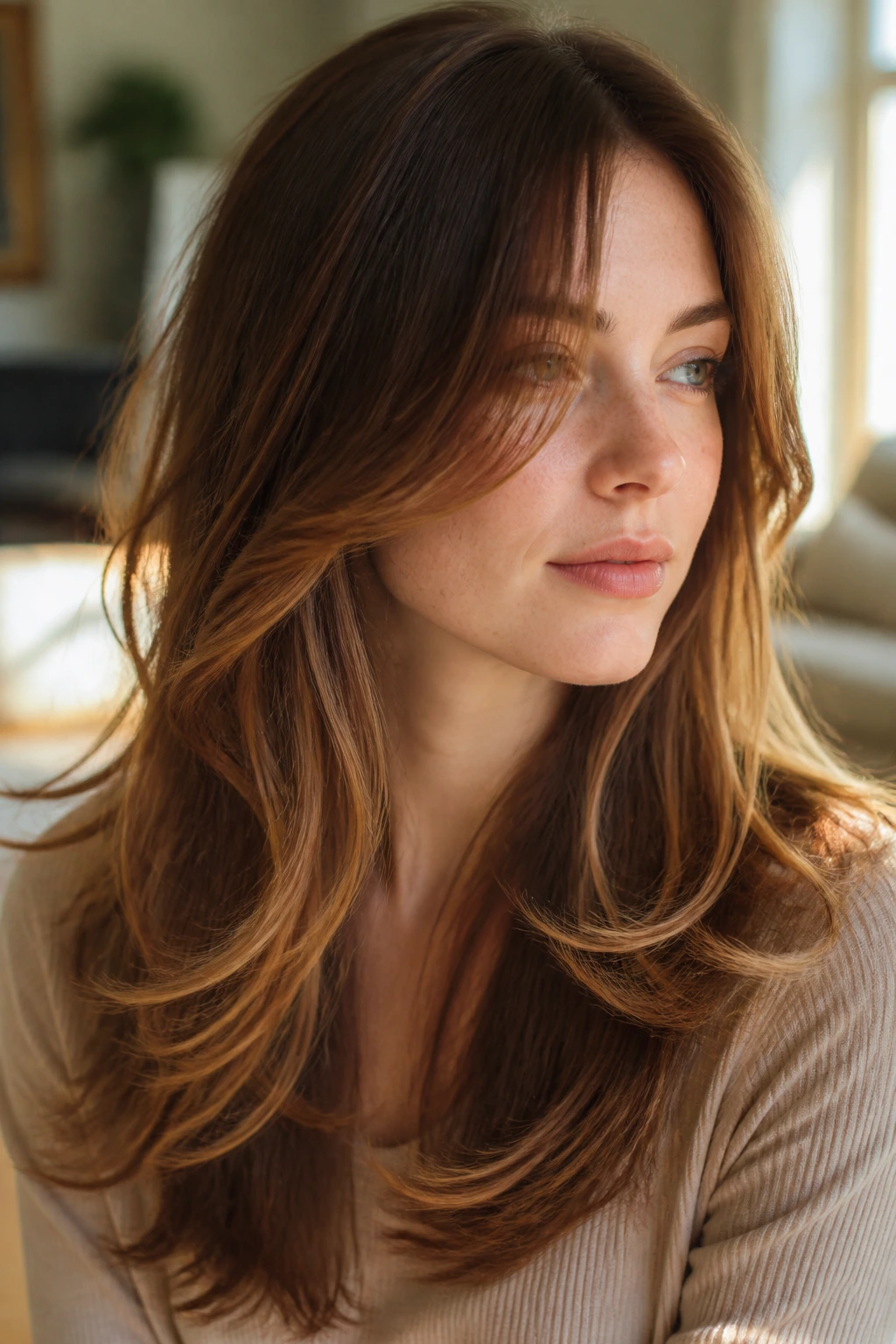
The best brown and blonde hairstyles for fair skin usually do one thing well: they keep the face visible. Not washed out. Not drowned in dark color. Just visible, with enough depth to make the blonde matter and enough lightness to keep the brown from taking over.
If you remember only one thing, make it this: soft root, honest undertone, and a haircut that lets the color move. That is the difference between hair that looks chosen and hair that looks accidental.
Pick the version that matches how much maintenance you want, not just the photo you saved. The right brown-blonde mix on fair skin is the one you can wear in daylight, not just under a salon mirror.