



A bad haircut has a very specific smell: fresh shampoo, hot blow-dryer air, and the quiet panic of staring at a mirror that feels a little too honest. When you need to fix a bad haircut, the first rule is annoyingly simple — do not reach for the scissors before the hair has fully dried and settled.
Wet hair lies. It stretches, clumps, shrinks, and flips in ways that can make a tiny imbalance look dramatic. A fringe that seems “fine” when damp can jump an inch shorter once it dries. Layers that looked soft in the salon chair can turn into shelves, steps, or a weird shelf-and-step hybrid that refuses to behave on the drive home.
The best rescue moves are less about hiding and more about redirecting. Change the line. Change the texture. Change the silhouette. Sometimes a side part does more than a trim ever could. Sometimes a few pins, a little bend, or a low bun gives the whole cut enough structure that people see intention instead of damage control.
Hair also needs time to reveal its real shape. Cowlicks wake up later. Waves tighten as they dry. Straight ends can puff out when they lose moisture. So before you judge the cut, read the cut. That little pause saves a lot of regret.
Why These Fixes Work When the Cut Looks Wrong
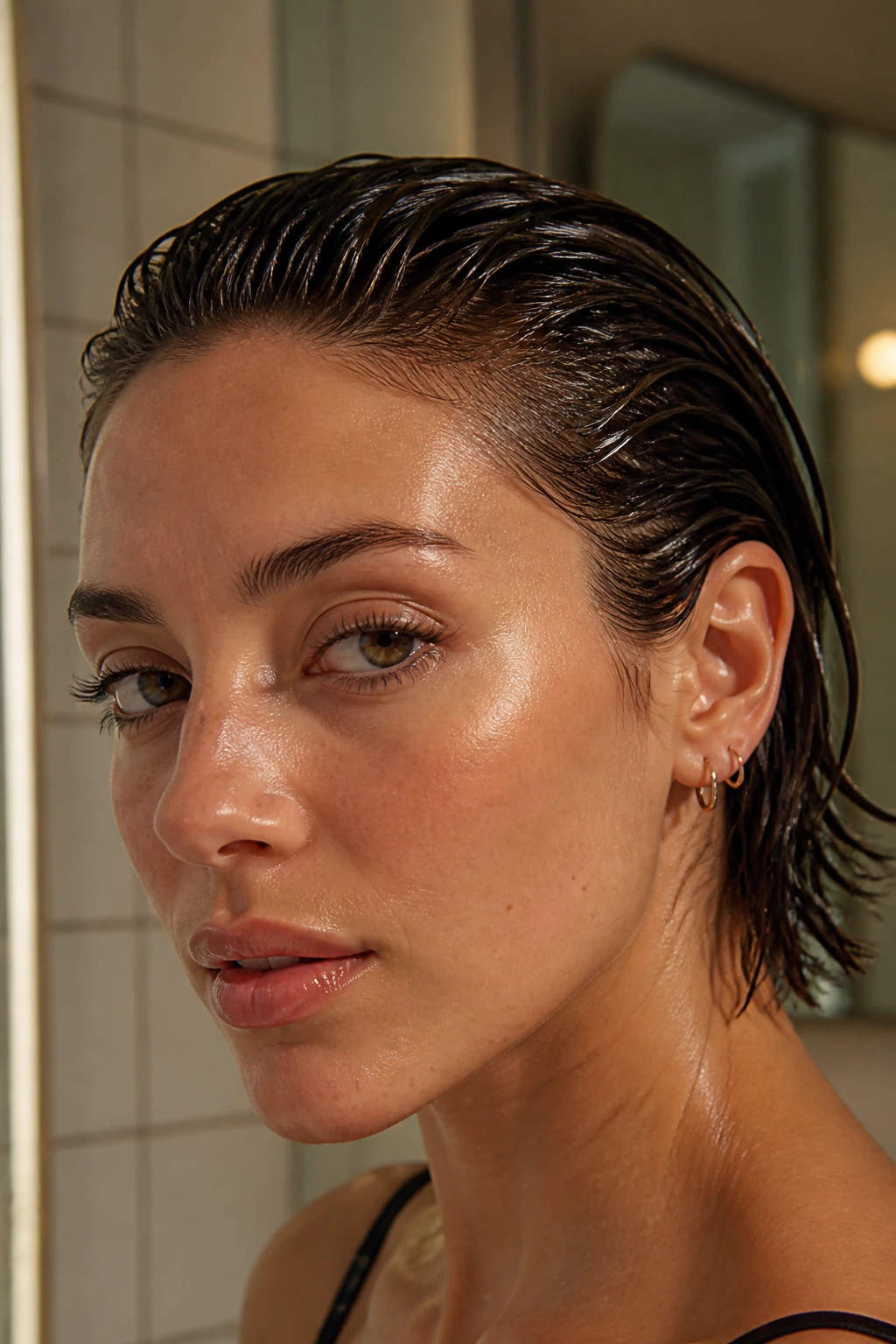
- Fast relief: A part change, a wave, or a clip can hide the worst line in minutes, which matters when you do not have time for a salon rescue.
- Different problems need different fixes: Too-short bangs, choppy ends, bulky sides, and flat roots all behave differently, so a one-size trick usually disappoints.
- Less cutting, less regret: The safest first move is usually styling, not more trimming, because one extra inch taken off in panic can make the whole shape harder to live with.
- Works with normal tools: A blow-dryer, a couple of bobby pins, a round brush, and texture spray can solve more than people expect.
- Gives you a grow-out plan: A bad cut is not a permanent sentence. Most of the battle is learning how to wear it for the next few weeks without fighting it every morning.
1. Let the Cut Dry Before You Decide It’s Bad

The damp version is a liar. Hair sitting flat against the neck can hide bulk, and hair stretched by water can look longer than it really is. Once it dries, the real shape shows up, including the parts that kick out, collapse, or lift in odd places.
If you just walked out of the salon and something looks off, give it a full dry-down before you touch the scissors, the razor, or your own mood. Use a microfiber towel or an old T-shirt, squeeze out water instead of rubbing, then leave the hair alone long enough to see what it actually wants to do. That tiny wait often changes the verdict.
A cut that feels bad at first can calm down once the cuticle settles and the style falls into place. Not always. But enough times that it is worth the patience.
2. Flip the Part and Make the Front Work for You

A side part can rescue a haircut faster than almost anything else. It moves volume, hides one shorter side, and makes the front look intentional even when the cut itself feels uneven.
Why This Helps
A middle part exposes symmetry problems. A deep side part hides them. That’s the whole secret, and it works especially well when one side was cut a touch shorter, when bangs sit awkwardly, or when the front pieces refuse to frame the face.
How to Do It
- Use the tail of a comb to draw a part about 1 to 1½ inches off-center.
- Blow-dry the roots on the heavier side up and over, not flat.
- Clip the new part in place while it cools if your hair falls back quickly.
- Finish with a light mist of dry shampoo at the root if the scalp looks too visible.
The nice part is that this fix is low-commitment. If you hate it, you can switch back. If you like it, you may have just found a better shape than the original cut tried to give you.
3. Add Soft Waves to Break Up a Harsh Line
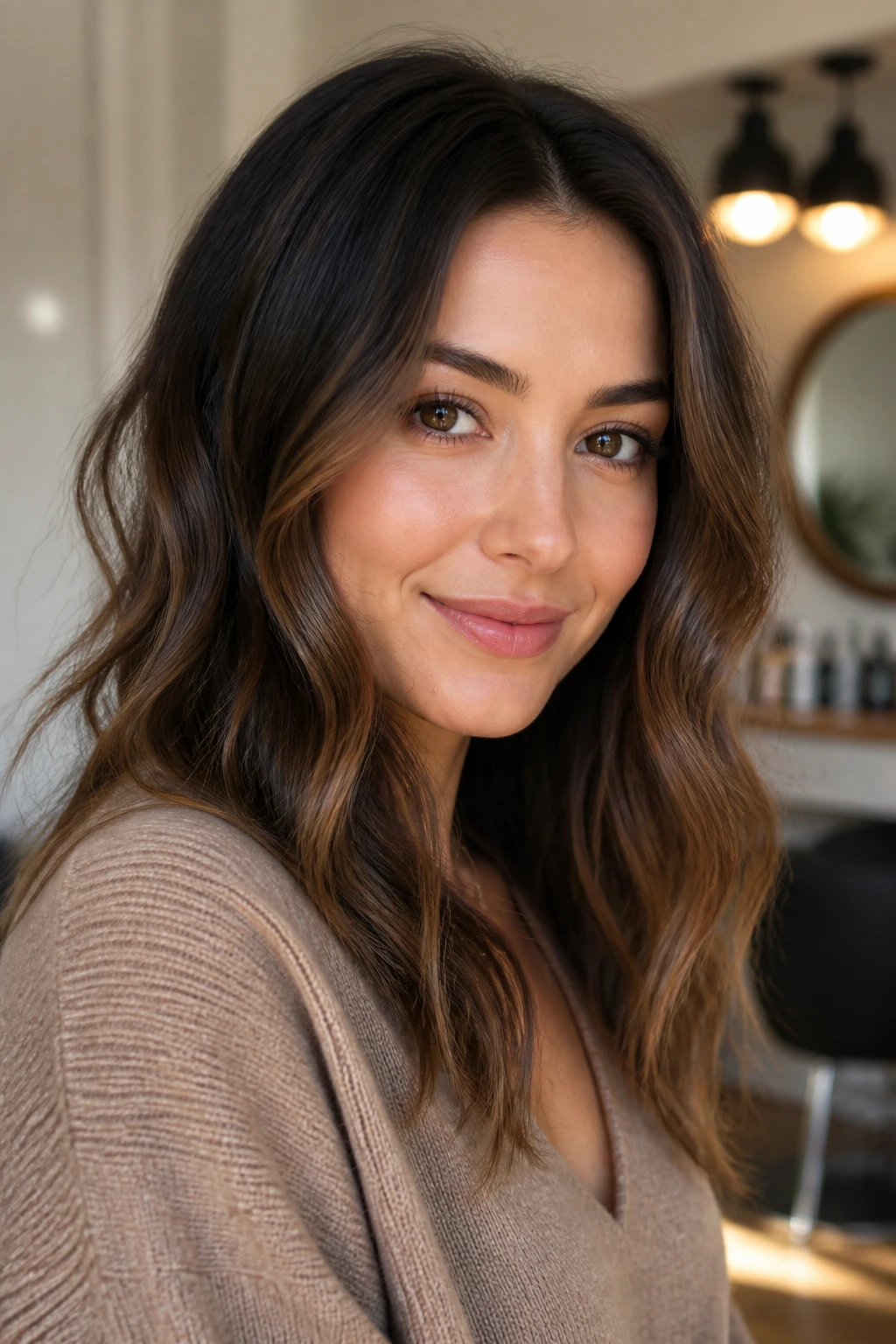
A single bend can make a blunt, awkward cut look far more deliberate. Straight hair tends to reveal every uneven corner. Soft waves blur the edges just enough to make the whole style feel smoother.
Use a 1-inch curling iron or wand and wrap sections away from the face, leaving the last inch or two out if the ends are already too short. That keeps the curl from looking overdone and avoids making the haircut feel even shorter. Alternate directions in the back so the wave pattern does not form one giant helmet.
Why This Works
Waves break up hard lines. They also help layers sit on top of each other instead of sticking out in little shelves. If the cut is choppy, a loose wave can be kinder than a pin-straight finish because it softens the places where the cut is uneven.
A quick mist of flexible hairspray is enough. You want movement, not crunchy spirals that catch on your sweater collar all day.
4. Blow-Dry the Trouble Spot in the Opposite Direction
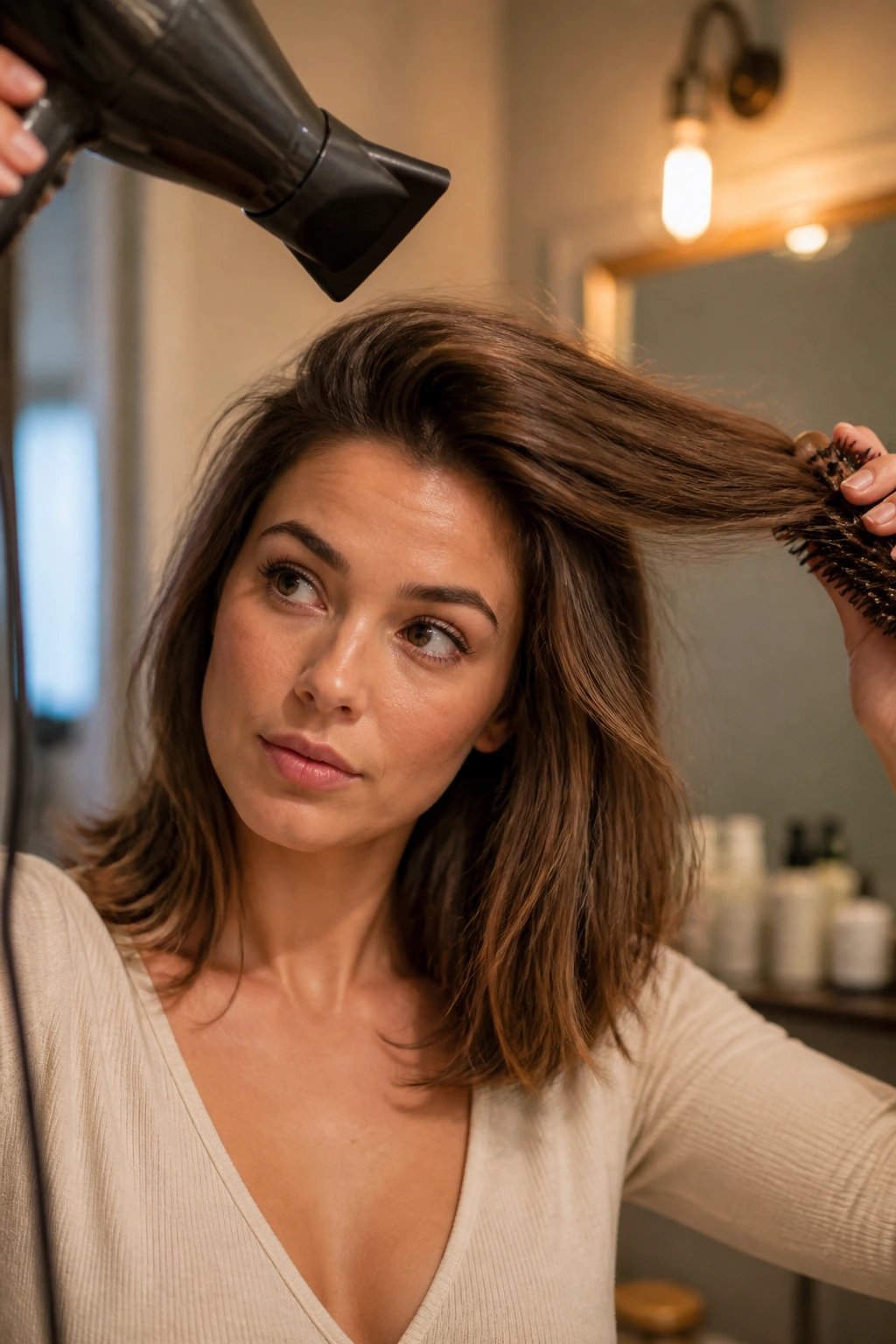
Can a blow-dryer fix a bad haircut? Sometimes, yes — at least enough to get through the day without thinking about it every ten minutes.
The trick is to dry the problem area against the way it wants to fall. If one side is too flat, aim the airflow at the roots from the opposite direction. If a fringe keeps splitting, brush it across the forehead while the heat is on, then let it cool in place before you release it. Heat sets shape, and cool air finishes the job.
A round brush helps, but your fingers can work too if the cut is short or the layers are awkward. The point is tension plus direction. Hair remembers both.
5. Turn Too-Short Bangs Into Side-Swept Fringe

If the bangs were cut too short, the fastest rescue is to stop wearing them straight down the forehead. That shape only calls attention to the length issue.
Sweep them to one side, then use a flat iron or small round brush to give the front a soft diagonal curve. A rice-grain-sized dab of styling cream on the fingertips keeps the ends from popping apart, but don’t overload it. Bangs go greasy fast.
If the fringe is too short to sweep on its own, tuck one side behind a pin or clip while the roots are warm from the dryer. Once they cool, the new direction lasts longer than you’d think. It’s a small trick, but it buys real breathing room.
6. Pin the Front Into Faux Curtain Bangs
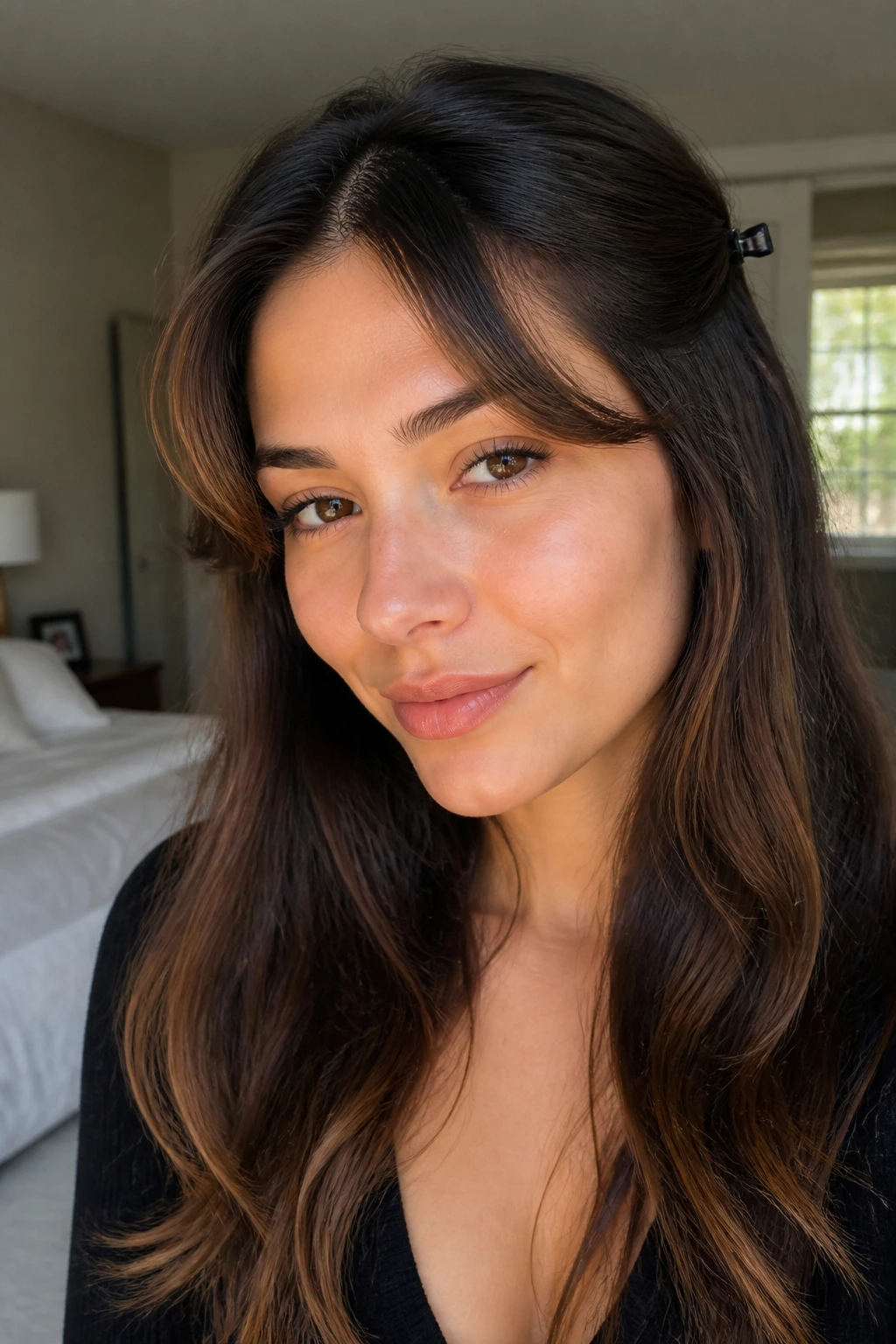
Curtain bangs are forgiving because they split the front into two pieces and let the rest of the hair take some of the blame. If your actual bangs are too blunt, too short, or too dense, pinning them into a faux curtain shape can make the cut feel softer without a real trim.
What to Do
- Part the bangs down the center or just off-center.
- Curl each front piece away from the face with a small iron.
- Pin each side back for 5 to 10 minutes while it cools.
- Release and let the pieces fall around the cheekbones.
That last detail matters. You’re not trying to hide the bangs so much as redirect them. The eye reads those front pieces as face-framing layers, which is much easier to live with than a hard line across the forehead.
7. Use a Half-Up Style to Hide Uneven Layers

Half-up styles are the unsung heroes of haircut damage control. They lift the most awkward top layers away from the face while leaving enough hair down to soften the shape.
If the cut has one section that sticks out — maybe a shorter front layer or a back section that feels too heavy — pull the top half up loosely and let the rest fall. Keep the tie or clip slightly higher than the problem area so it disappears into the shape instead of sitting right on top of it.
A half-up knot works best when the front still looks decent and the issue lives in the middle or back. Leave a few pieces loose around the cheeks if the cut feels severe. One soft tendril can keep the style from looking like a fix-and-forget emergency.
8. Reach for Texture Spray When the Ends Look Chunky
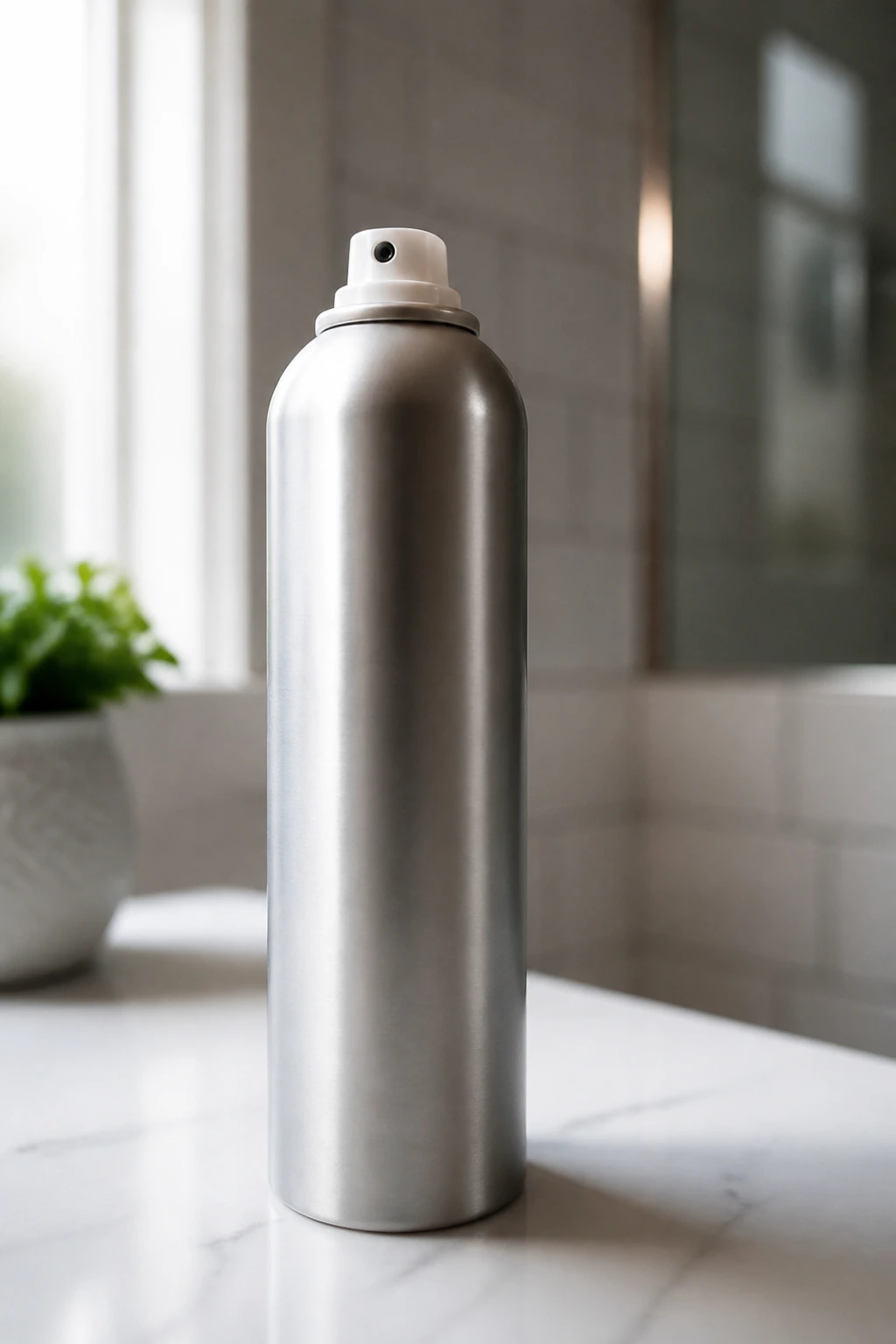
Texture spray is one of the few products that can make a bad haircut look more expensive than it is. It breaks up lines, adds grit, and stops ends from sitting in one obvious row.
How to Use It
- Spray from 8 to 10 inches away.
- Aim under the top layers, not just the surface.
- Scrunch or finger-rake through the mid-lengths and ends.
- Stop before the hair feels stiff or dusty.
This works best on cuts that are too blunt or too piecey. The spray gives the eye less to fixate on, which is exactly what a rough cut needs. If your hair is fine, use less than you think. If it’s thick, you can be a little more generous, but don’t turn the whole head into sandpaper.
9. Smooth the Whole Cut Into a Sleek Finish
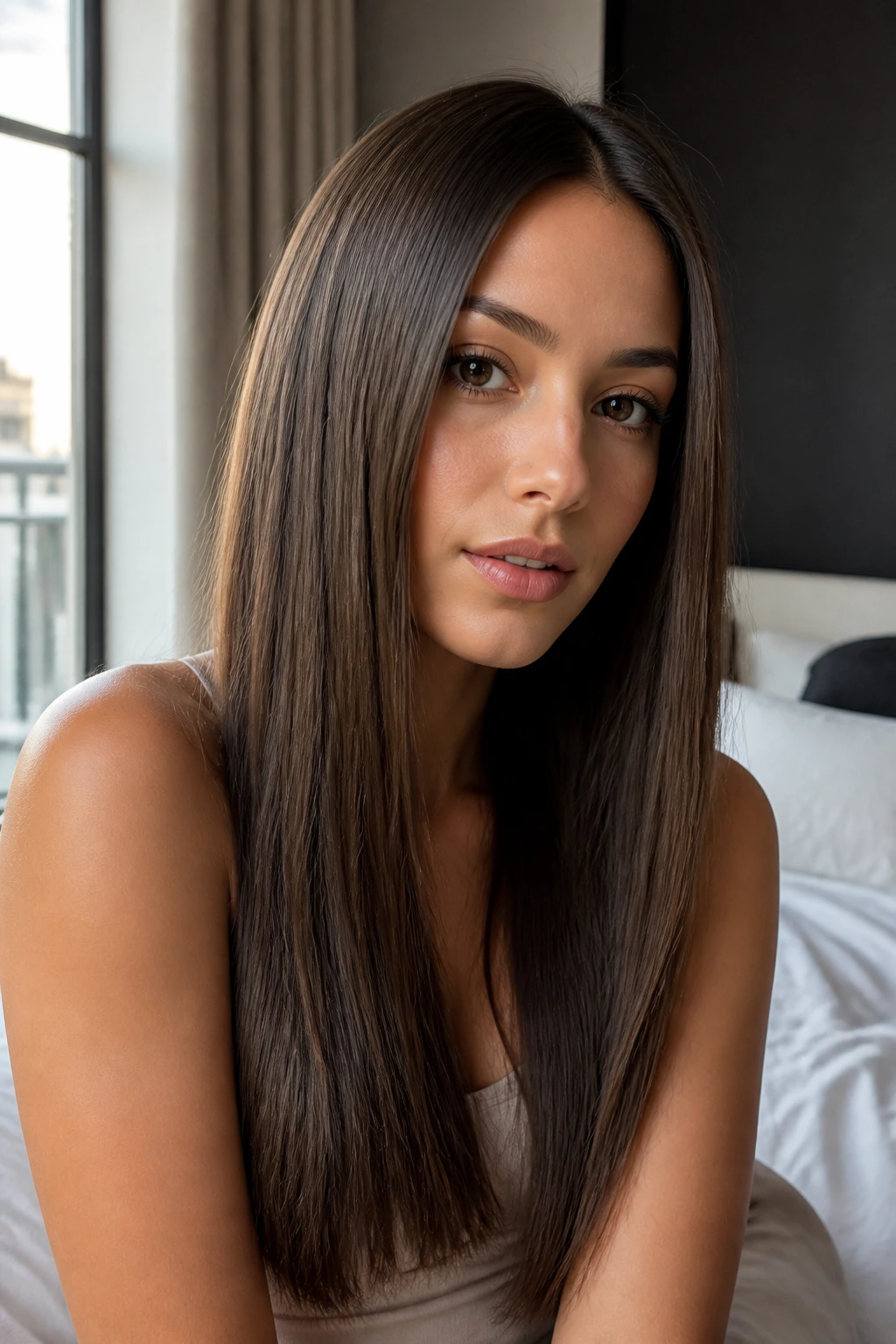
Sometimes the cleanest rescue is the least fussy one. If the haircut is uneven, a sleek finish can make the shape look more deliberate because all the visual noise disappears.
Start with heat protectant, then blow-dry with a nozzle attachment or paddle brush so the hair lies in the same direction. A flat iron at a moderate temperature — lower for fine hair, a little hotter for coarse hair — can smooth out choppy sections without forcing them into a curl pattern they never wanted. The goal is a clean line, not pin-straight stiffness.
This is especially useful when layers were cut too heavily and the ends stick out in odd directions. Once the hair lies smooth, the cut reads calmer. Not perfect. Calmer. That’s enough for a lot of days.
10. Use a Claw Clip to Camouflage the Back
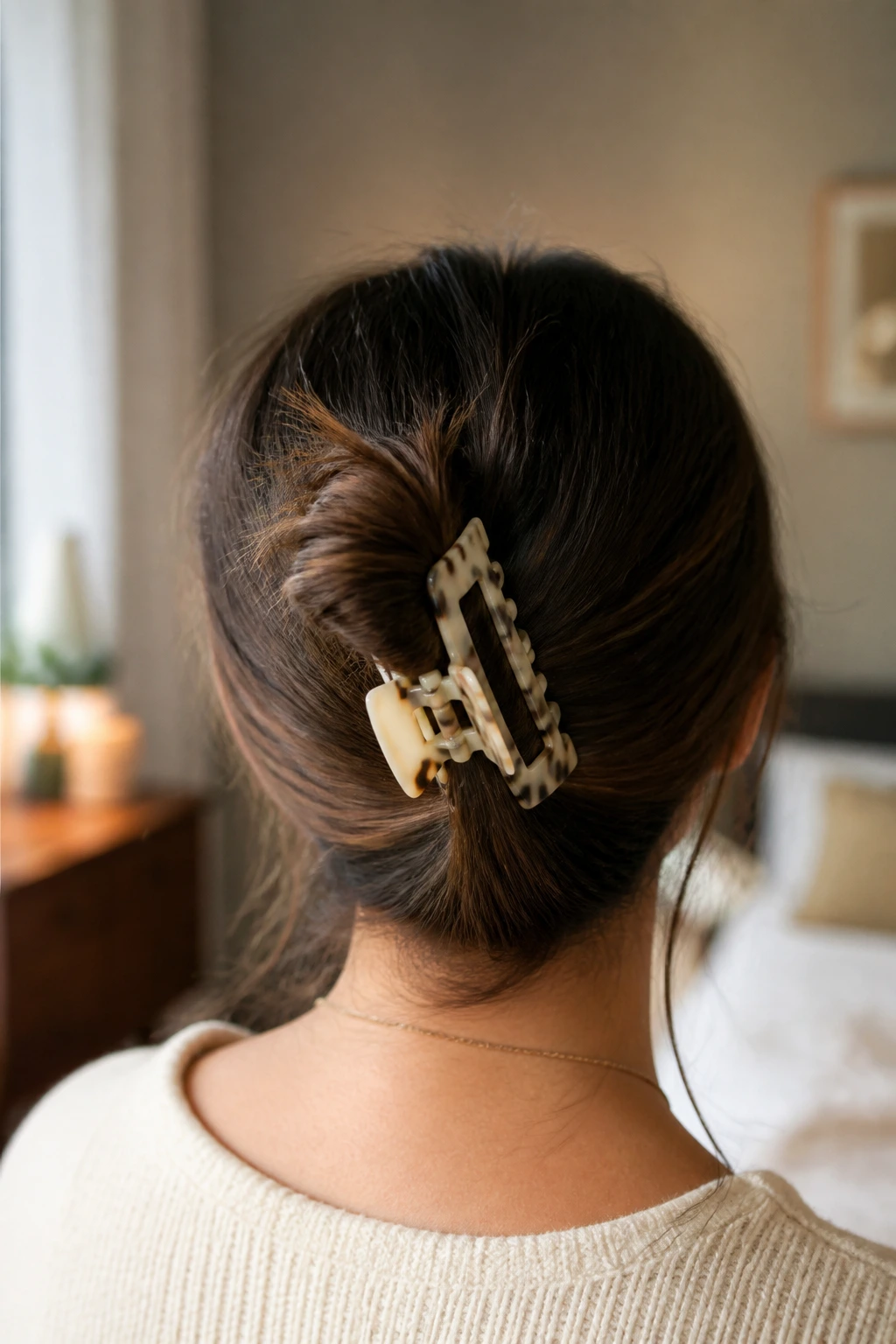
A claw clip can hide a surprising amount of haircut trouble, especially at the nape and crown. Twist the hair up loosely, secure it in the clip, and let a few ends escape on purpose if the length is awkward. That little bit of looseness keeps the style from looking like you gave up.
This is a smart move when the back is shorter than expected, the layers at the crown are too choppy, or the length falls in a shape that only looks good when it’s restrained. It also gets the ends off your neck, which is a small mercy if the cut is still making you grumpy.
Use the clip to create structure, not tension. If it pulls the roots too flat, loosen it and let some volume sit at the crown.
11. Braid the Hair When the Length Is the Problem

Why does a braid help so much? Because it turns length into a shape problem instead of a free-hanging one. Once the hair is braided, uneven ends stop yelling at everybody.
A loose French braid or Dutch braid is the best choice when the cut feels too short in some places and too long in others. The braid gathers the pieces together and makes the length differences less visible. Pancake the braid gently by tugging the outer loops once it’s finished; that helps if the cut is choppy and you want the style to look fuller.
Best Braid for a Bad Cut
A side braid is forgiving if the front pieces are awkward. A low braid works when the problem sits in the back. If layers keep slipping out, use a light mist of texturizing spray before you start.
12. Pull It Into a Low Bun When Nothing Else Works

Low buns are the emergency exit of bad-haircut styling. They work because they gather the weird bits into one controlled shape and keep the eye from tracking every uneven end.
A middle or slight side part gives the bun a cleaner look. Smooth the hair with a bit of cream or gel if the cut is especially rough, then twist it at the nape and secure it with pins or an elastic. If the hair is too short for a full bun, make a small knot and pin the loose ends flat.
This is one of those styles that looks better when it’s a little imperfect. A low bun that sits too tight and too shiny can make the haircut problem look bigger. Leave a soft edge around the hairline. It softens the whole thing.
13. Ask for a Cleanup Cut, Not a Whole New Haircut

A correction appointment should be about fixing the visible problem, not starting another round of guesswork. That means asking for a targeted cleanup: even the sides, soften the corners, or bring one front section into line.
Bring the hair dry and styled the way you normally wear it. That matters more than people think. A stylist can only fix what they can see, and wet hair hides the mistakes that matter most. Point to the exact pieces that bother you, and be specific about what you want preserved. “Please don’t shorten the overall length” is a useful sentence.
If the cut was too short, the goal is usually balance, not more removing. If it was too heavy, the goal is shape, not extra thinning. Those are different jobs.
14. Request Point Cutting or Texturizing to Soften Bulk
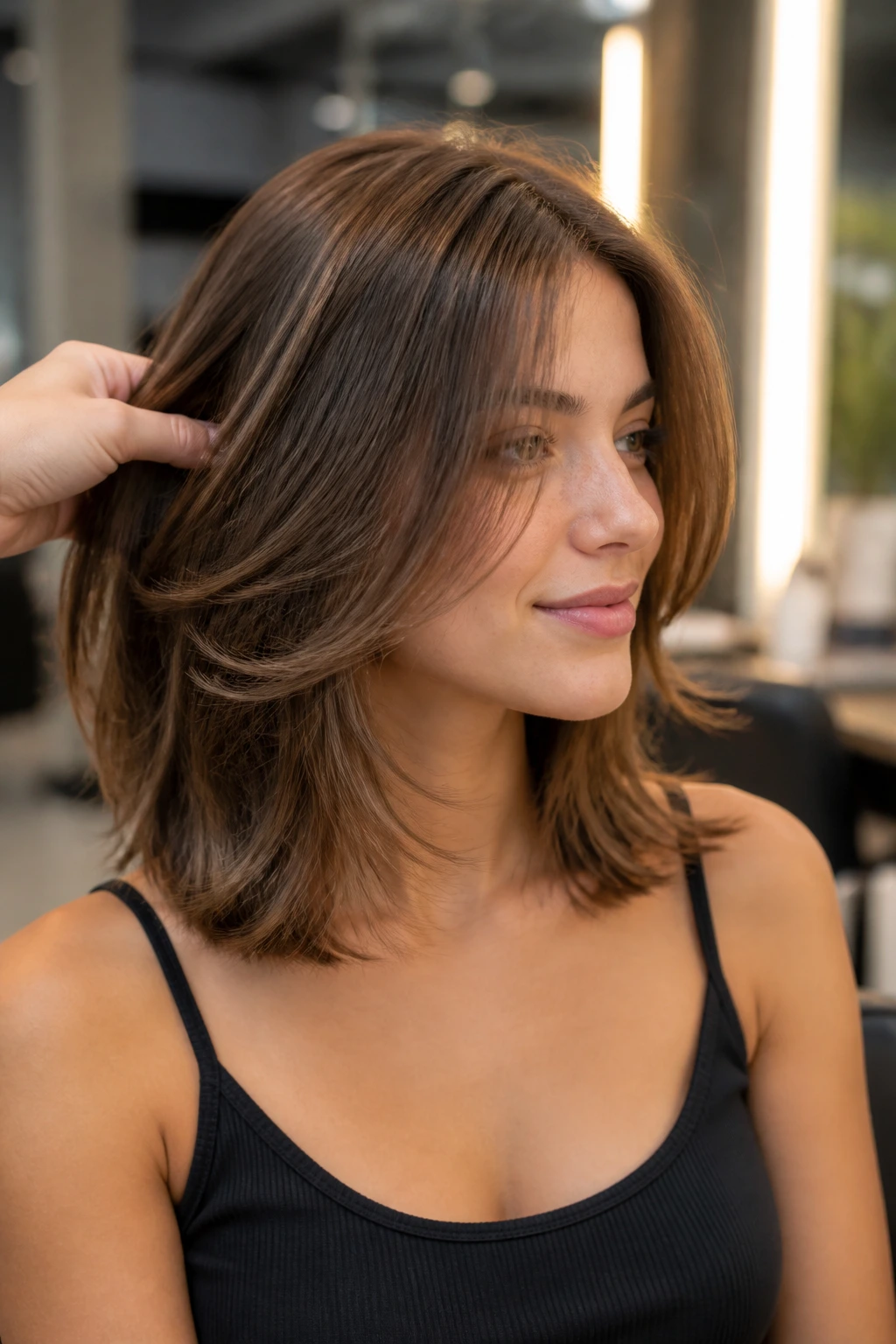
A haircut that feels bulky often needs less hair, but only in the right places. Point cutting and texturizing remove weight from the ends and mid-lengths without taking much length off, which can save a shape that sits like a helmet.
Point cutting means the stylist snips into the ends at an angle instead of cutting straight across. The result is a softer edge. Texturizing shears do a different job and can thin out dense sections, though they’re not the answer for every hair type. Curly hair and very fine hair need a lighter hand here because too much texturizing can leave ends looking see-through.
If the cut is puffing out at the bottom, this is the conversation to have. Ask for shape, not speed. A good correction cut should reduce the weight that’s fighting your styling, not create a new problem two weeks later.
15. Add Root Lift When the Cut Feels Too Flat

Flat cuts often look worse than they are because the hair is sitting too close to the head. A little lift at the root changes the whole silhouette, especially if the layers were cut in a way that collapsed the shape.
The Best Way to Lift It
- Work mousse or root spray into damp roots.
- Blow-dry with your head upside down for a minute or two.
- Switch to a round brush or fingers and direct the roots where you want them.
- Clip the crown while it cools if you need extra height.
Velcro rollers can help too, especially at the crown and around the face. They’re old-school, yes. They also work. That crown lift can keep a too-short or too-flat cut from sitting like a pancake by noon.
16. Use Clip-In Pieces for Length, Bangs, or Balance
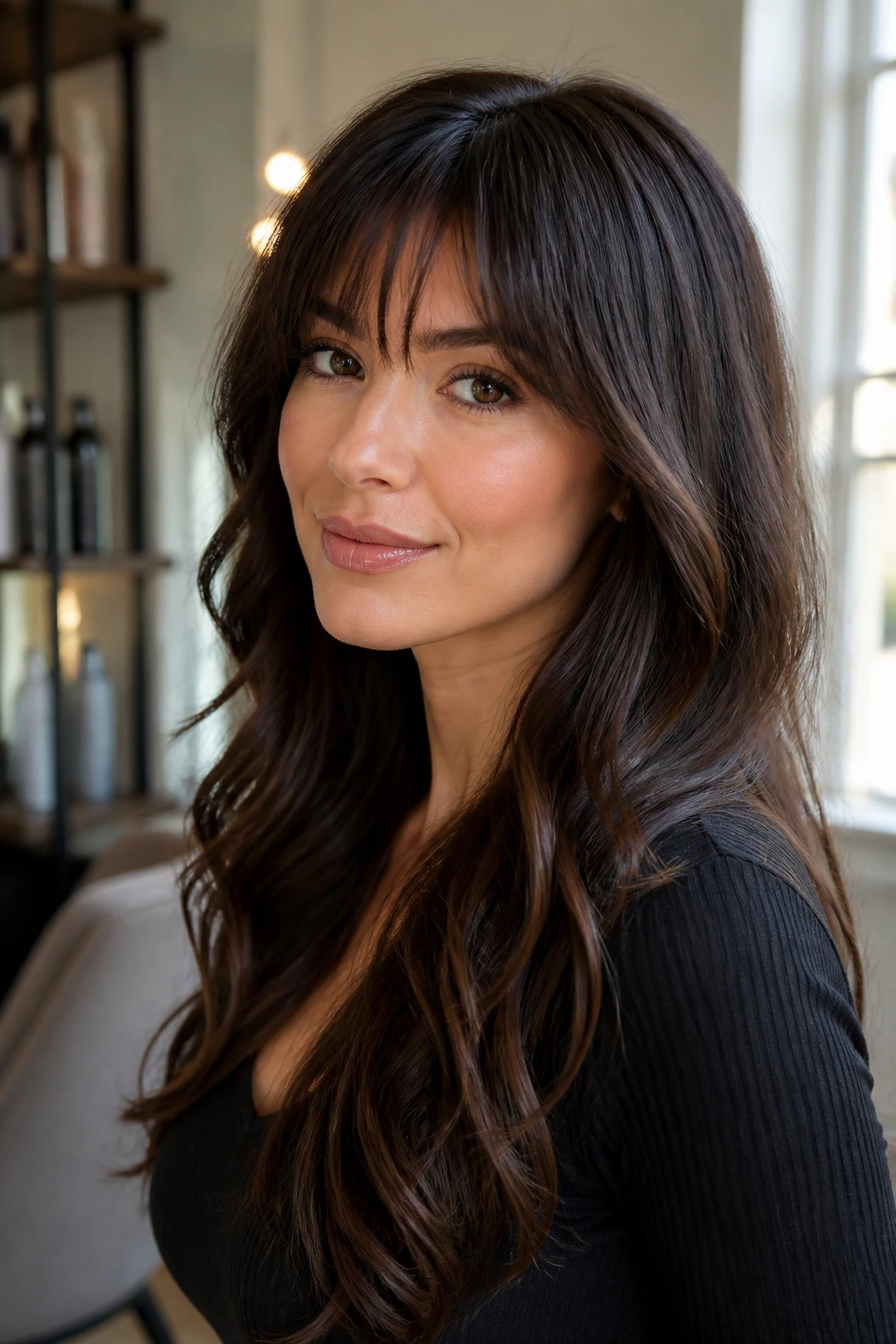
Clip-ins are not cheating. They’re a temporary correction, and sometimes that’s exactly what a bad haircut needs.
If the cut is too short around the front, a clip-in fringe piece can save you from months of awkward grow-out. If one side is visibly shorter, a small extension piece can even the silhouette long enough to get by until the next trim. The key is matching the density, texture, and color closely enough that the piece disappears into the real hair.
This works best when the haircut failure is about length or balance, not structure. Clip-ins can add back what was lost, but they won’t fix a shape that was cut too square or too heavy. Still, for a special event or a rough first week, they’re a very practical move.
17. Trim Only the Obvious Outliers at Home
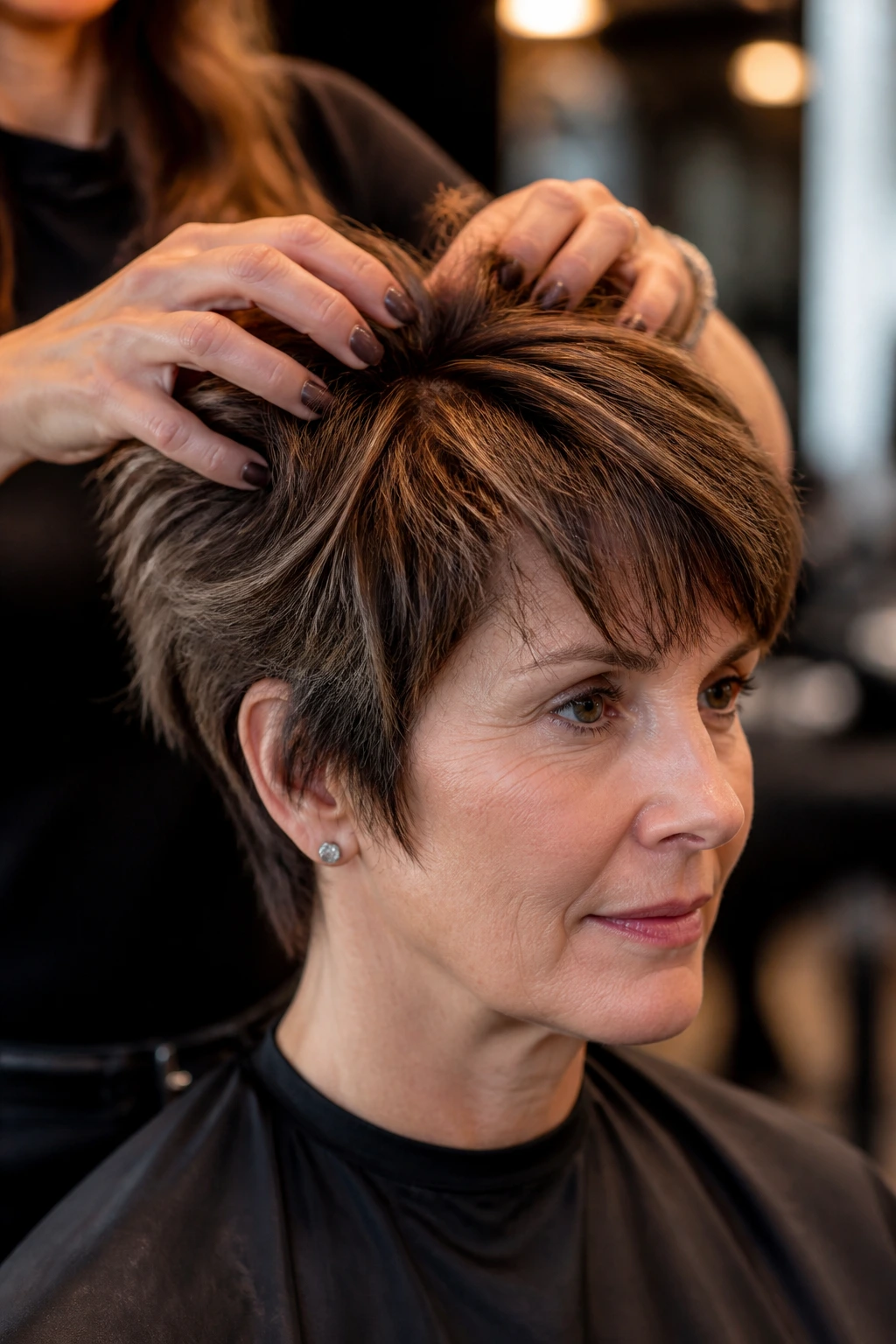
Should you cut your own hair to fix a bad haircut? Usually no. But there are a few narrow cases where a tiny at-home cleanup can help.
If one strand hangs two inches longer than everything else, or a single front piece is doing its own separate thing, use sharp hair scissors on dry hair and snip less than you think. Hold the section between your fingers, cut into the tip very lightly, and stop. The goal is to remove one obvious offender, not even out the entire head.
Do not chase symmetry in the bathroom mirror. That is how one small annoyance turns into a second bad haircut. If the issue is bigger than a stray piece, leave it alone and book the correction.
18. Try Heatless Waves to Re-Shape the Layers

Heatless styling is kind to fragile ends and surprisingly useful when the cut needs a softer outline. Braids, twists, foam rollers, or a satin ribbon wrap can give the hair a bend without adding more heat damage.
Start with hair that is about 70 to 80 percent dry, not soaking wet. Too much moisture can flatten the roots and leave the shape lumpy in the morning. Wrap the hair loosely if the cut is already short; tight curls on a short, uneven cut can make the problem look busier, not better.
This is a good move for overnight repair because the shape changes while you’re asleep. You wake up with movement, and movement hides a lot.
19. Wear a Headband, Scarf, or Clip Like You Meant It
Accessories are not a surrender. They’re a distraction, and a useful one.
A wide headband hides a short fringe or an awkward front layer. A slim scarf can cover uneven roots or a section that refuses to lie flat. A clean barrette or small clip can pin back the piece that’s making you stare at yourself in the mirror too long.
The trick is to choose one accessory and make it look deliberate. If the style is already busy, don’t pile on three clips and a headscarf and call it fashion. Pick the one thing that solves the visible problem, then leave the rest alone.
20. Plan the Grow-Out With Tiny Maintenance Cuts
Bad haircuts usually improve because hair grows. Not because time becomes kind, but because the shape changes inch by inch until the mistake is less obvious.
What to Ask For at the Next Trim
- Dusting only, if the ends are rough.
- Corner softening, if one side reads boxy.
- Bang blending, if the front is the main problem.
- Length preservation, if the haircut is already too short.
A maintenance trim every 6 to 8 weeks can keep split ends from making the grow-out look messier than it is. The point is not to keep “fixing” the haircut into something new every time. The point is to protect the shape while it gets longer.
21. Use a Wet Look for the Short, Uneven Days
A wet look can be a lifesaver when the haircut is too short, too choppy, or too rebellious to cooperate. Gel or styling cream flattens the edges, gives the whole head one finish, and turns a messy cut into something sleek enough to wear on purpose.
This works best when you want the hair off the face or the front is cut in a way that won’t behave. Use a comb to pull the hair back or to the side, then smooth a small amount of product through the top and sides. Don’t drown it. A damp-looking finish, yes. A dripping one, no.
It’s a strong move for one or two days, not forever. But on the right day, it makes the haircut stop arguing with you.
22. Know When the Fix Is a Salon Correction, Not a Styling Trick
Some cuts can be rescued with a part change and a little heat. Others need a stylist with scissors and a calm plan. If one side is clearly shorter, the layers were carved too high, or the bangs sit in a place no amount of styling can soften, a correction appointment is the sensible move.
Go back sooner rather than later. Hair grows, but not fast enough to ignore a real mistake. Bring photos of how you usually wear it, not just inspiration photos. That gives the stylist a better target than a vague promise to “make it better.”
Be specific and steady. Ask for the minimum necessary change. A good correction cut should fix the visible issue without taking another bite out of the length you were trying to save.
Why the Shape Matters More Than the Panic
A bad haircut is usually a shape problem before it is a beauty problem. The line is too hard. The balance is off. The volume lands in the wrong place. Once you know that, the rescue gets easier, because you stop trying to solve everything with one dramatic move.
Some days the fix is a side part and texture spray. Some days it’s a bun, a clip, and a firm decision not to trim again until the hair has settled. And yes, sometimes it’s a correction appointment. That’s not failure. That’s editing.
Essential Tools for These Fixes
- Blow dryer with nozzle: Gives you direction at the roots and keeps the hair from puffing everywhere.
- Round brush, medium barrel: Helps smooth bangs, turn under the ends, and add lift where the cut collapsed.
- 1-inch curling iron or wand: Good for soft bends that blur blunt lines.
- Flat iron: Useful for sleeker shapes, tucked ends, and taming one side that won’t cooperate.
- Tail comb: Makes cleaner parts and helps you section the front or crown with less guessing.
- Bobby pins: Essential for faux bangs, side sweeps, and pinning outlier pieces flat.
- Claw clip: Fast rescue for uneven back sections and awkward mid-length cuts.
- Dry shampoo: Adds grip at the roots and keeps polished styles from going flat.
- Texture spray: Breaks up choppy ends and makes a blunt cut look less obvious.
- Light styling cream or serum: Smooths frizz and helps rogue layers stay in place.
- Heat protectant: Necessary any time you use a dryer, iron, or wand.
- Headband or scarf: Covers the front cleanly when bangs or face-framing layers are the main problem.
- Hair scissors for emergency snips: Only if you know exactly what stray piece you are cutting, and only on dry hair.
Smart Product Choices That Save a Cut
Product choice matters because the wrong texture can make a bad haircut louder. Fine hair needs a light mousse or spray that gives shape without weight. Thick or coarse hair usually needs creamier control, because a watery product disappears before it reaches the frizz that caused the problem in the first place.
Dry shampoo is useful even on clean hair. It adds grip, especially at the roots and around a part that keeps collapsing. Texture spray is better than heavy hairspray when you want movement. Hairspray still has its place, but once it gets sticky, the haircut can start looking stiff and older than it is.
Heat protectant is not optional if you’re styling often. A bad haircut feels more tempting to over-style because you keep trying to force it into shape. That’s the moment hair gets tired, dry, and harder to fix tomorrow. Use lower heat on fine or bleached hair, and don’t keep passing the iron over the same strand just because it still looks crooked. At some point, the strand is not the problem anymore. The habit is.
How to Wear a Rescue Style So It Looks Intentional
Presentation: Pick one focal point and commit to it. A clean side part, a sleek bun, or a soft wave reads better than a style that tries to hide everything at once.
Accessories: Use one helpful piece — a barrette, headband, scarf, or claw clip — and let it do the job. If the accessory looks matched to the rest of your outfit, the haircut problem fades into the background faster.
Proportion: Match the fix to the size of the mistake. A tiny fringe issue needs a narrow clip or a soft sweep. A big grow-out problem usually needs a bun, braid, or slicked-back style that controls more of the head.
Weather Check: Humidity changes the game. On damp days, lean sleeker than you think you need to. Loose curls and airy layers can swell into a shape you didn’t ask for, and then you’re fighting the weather as well as the cut.
Extra Styling Moves That Make the Fix Look Intentional
Texture Boost: A tiny bit of texture at the ends can blur a blunt line, especially on straight hair. Spray under the top layer and scrunch once or twice with your hands so the finish does not look freshly shellacked.
Smoothing Finish: A drop of serum on the mid-lengths and ends calms frizz without flattening the roots. That matters when the haircut already feels too thin or too short up top.
Face-Frame Balance: Leave one soft piece out near the cheekbones if the front looks harsh. It softens the line and stops the style from reading as a rescue mission.
Time-Saver: Keep a bobby pin, a clip, and a travel-size texture spray in your bag. Those three things rescue more awkward hair days than a drawer full of products that never leave the bathroom.
Keeping the Cut Under Control While It Grows Out
A bad haircut grows out better when you stop trying to fight it every day. Wash as often as your hair type needs, not more. Overwashing can make short layers puff and turn ends dry, which only makes the shape look rougher. If your hair gets oily at the root but dry at the ends, keep shampoo on the scalp and let the rinse carry the rest of the way down.
Trim plans matter too. A tiny dusting every 6 to 8 weeks can keep split ends from making the grow-out look ragged, but ask for the smallest possible trim. You’re trying to preserve length, not start over. Bangs may need more frequent attention, especially if they hit the eyes or split awkwardly. The front is usually the first place a bad cut announces itself.
Heat should be used with a limit. If you are flattening, waving, and re-waving the same sections every day, the cut will dry out faster than the grow-out can improve. Alternate between sleek days, wave days, and low-manipulation styles like braids or clips. That rotation gives the hair a break and keeps you from getting trapped in one style that only half-fixes the problem.
At night, a loose braid, satin pillowcase, or silk bonnet helps the style hold shape. Morning hair that starts in a better place needs less work. That sounds small. It isn’t.
Common Mistakes That Make a Bad Cut Look Worse
The first mistake is cutting again too soon. Damp hair, emotion, and scissors are a bad trio. The symptom is obvious: one emergency snip becomes a second visible problem, usually around the front or one side. Wait for the hair to dry and settle before making any judgment.
Another common one is using too much product. Heavy cream on fine hair, sticky paste on short bangs, or a mountain of hairspray can make the cut look stiffer and more uneven. Start with a small amount and build only if you need more grip.
Chasing perfect symmetry is another trap. Hair is not identical on both sides, even when the cut is good. Cowlicks, growth patterns, and face shape all change how hair falls. If you keep forcing one side to mirror the other, the style can look more unnatural than the original problem.
People also overheat the same section trying to “fix” it. That usually leaves the ends dry, bent, and harder to shape the next day. If a piece won’t behave after one or two passes, switch tactics. Change the part, pin it, or style around it.
The last big mistake is ignoring the actual issue. Flat roots need lift, not more length. Bulky sides need softness, not more brushing. Too-short bangs need redirection, not denial. Once you name the problem correctly, the fix gets a lot simpler.
Haircut Rescue Questions People Ask Most
How long should I wait before deciding my haircut is bad?
Wait until the hair is fully dry and styled the way you normally wear it. For some cuts, that means one wash. For others, it means a day or two of living with the shape before you know what’s real and what’s just damp-hair chaos.
Can I fix a bad haircut without cutting more off?
Often, yes. A side part, waves, a sleek finish, or a clever clip can change the silhouette enough to make the cut feel much better. If the shape itself is badly uneven, you may still need a correction trim, but styling gets you through the immediate mess.
What if one side is shorter than the other?
Use a deep side part, a wave, or a pin that lets the longer side carry more visual weight. If the difference is obvious and bothers you every time you see it, a salon correction is usually better than trying to style around it forever.
Is it okay to trim my own bangs at home?
Only for tiny cleanup snips on dry hair, and only if you can see one specific piece that is clearly longer. Cutting bangs from scratch at home is where people get into trouble. It’s one of those jobs that looks easy until the mirror tells a different story.
What style hides bad layers best?
Half-up styles, loose braids, low buns, and claw clips do the most work because they gather the awkward layers together. If the layers are especially choppy, a soft wave or texture spray can blur the lines before you pin or tie anything back.
Should I go back to the same stylist?
If you trust them to fix it, yes. Bring photos, describe what you wear every day, and point to the sections that feel wrong. A good stylist can correct a cut faster when they see it dry and hear exactly what bothers you.
What if my hair is very short?
Short hair usually needs shape control rather than hiding. A slick finish, a little texture paste, or a side-swept direction change can make a bad short cut look more deliberate while it grows out. Accessories help less than you’d expect unless the hair is long enough to pin.
Will heat styling make the problem worse?
Not if you use heat protectant and keep the temperature reasonable. The problem starts when the same piece gets ironed over and over every morning. At that point, the hair gets tired, and the style gets harder to fix, not easier.
A Calmer Way to Leave the Mirror Alone
A bad haircut feels louder in the first 24 hours than it usually deserves. The shape is new, the mirror is unforgiving, and every odd corner seems to announce itself. Give the hair a day to settle, then choose the fix that matches the problem instead of the panic.
Some cuts need a side part. Some need waves. Some need clips, braids, buns, or a salon correction that respects the length you already lost. The point is not to force the haircut into looking perfect. It’s to get it to stop fighting your face every time you walk past a mirror.
And once you find the rescue move that works — the one that makes the front sit right, or the back disappear, or the whole shape behave for a few hours — keep that one in your back pocket. You’ll use it again.