



Long hair can turn on you in dry fall air. The same beachy wave that looked airy in warmer weather can start to feel heavy, droopy, or a little too vacation-y once the coat collars come out and the scarves start rubbing against your ends. If you’re hunting for fall trends hairstyles for long hair with beachy waves, the sweet spot is texture that still moves, but has enough shape to survive a commute, a coffee run, and a wool sweater without collapsing into a flat sheet.
That balance matters more on long hair than most people think. Length adds weight, and weight pulls the wave pattern down. So the smartest looks are not the ones with the tightest curl or the most product. They’re the ones that let the mid-lengths bend, keep the ends soft, and give the hair some structure near the face or at the nape so it doesn’t spread out in a shapeless curtain. I’ve always liked styles that look better after a little wear. Beachy waves do that beautifully when you stop trying to make every section match.
The other thing fall does to long hair is sneak friction into every outfit. Turtlenecks, boucle jackets, scarf loops, ribbed knits — all of them tug at the same places your hair wants to live. That’s why the best versions of these styles use clips, pins, low ties, braids, and partial upsweeps. They keep the wave visible while giving the length somewhere to sit.
A few of these looks are polished enough for dinner. A few are clearly second-day hair with good manners. All of them keep the wave pattern soft, the silhouette clean, and the length doing something useful instead of just hanging there.
Why These Styles Work Better on Long Hair Than a Stiff Curl Ever Will
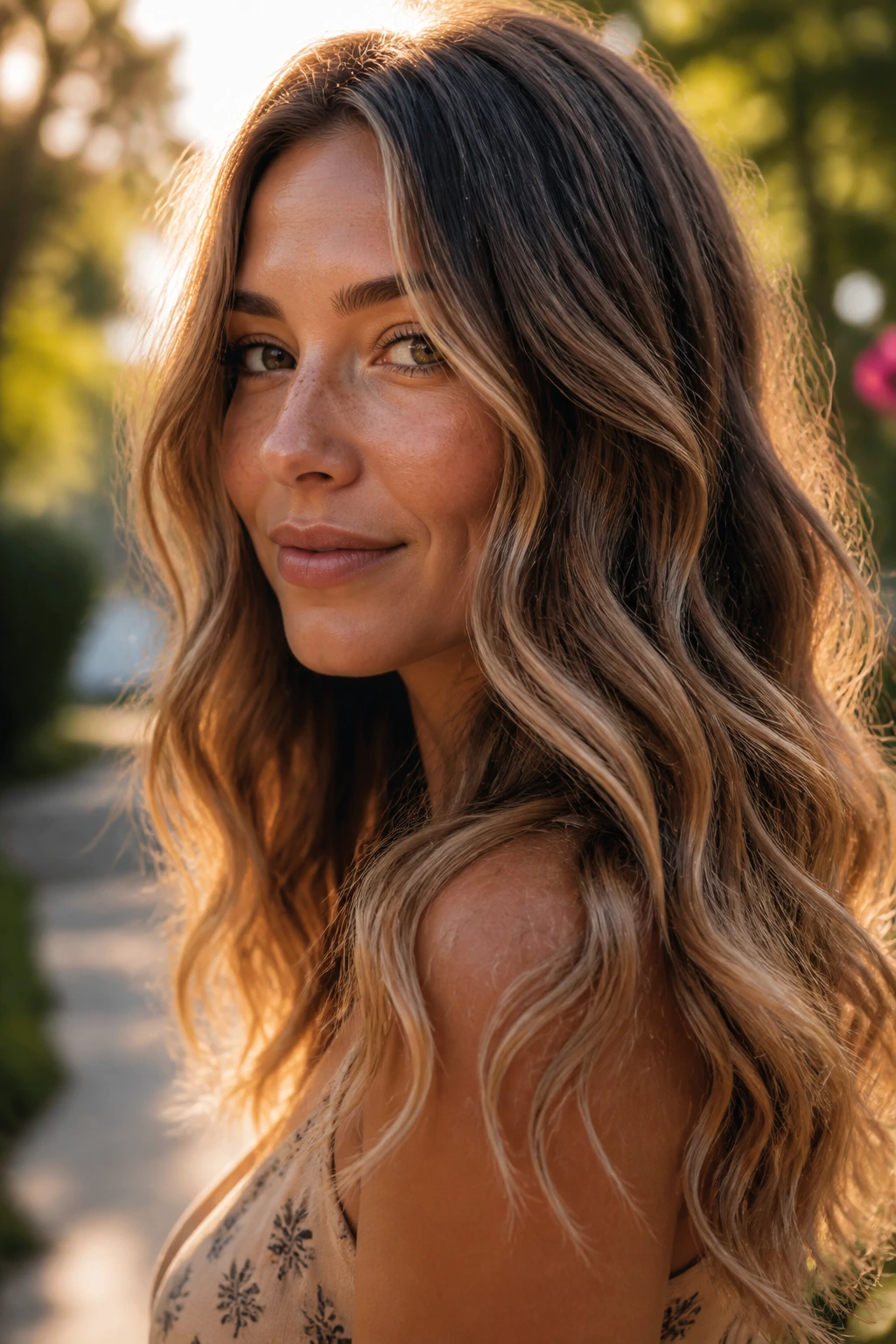
- The wave does the heavy lifting: Long hair needs bend, not a hard ringlet, because a softer curve survives gravity better and looks better when it starts to fall out a little.
- Accessories have room to matter: Claw clips, ribbons, pins, and scarves can show up on long hair without swallowing the whole style.
- They play nicely with collars: Half-up shapes, low ties, and pinned sides keep hair from getting mashed under chunky knits and jacket necklines.
- They’re easier to refresh: A loose beach wave can be revived with a mist bottle, a bend of the iron, and a finger-comb. Tight curls usually need a full re-do.
- They don’t scream one-note styling: The same base wave can look casual, romantic, or sharp depending on where you part it and what you pin back.
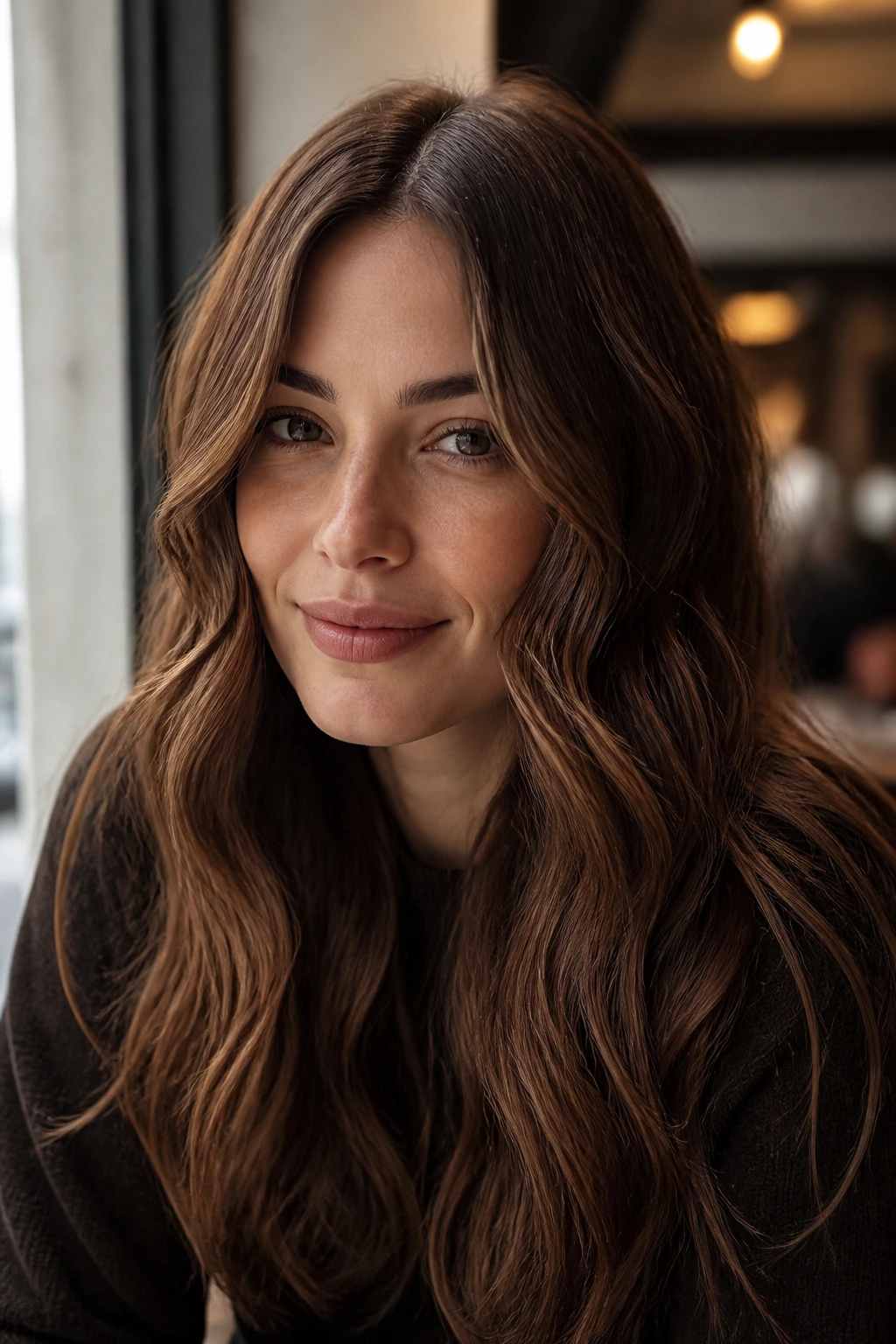
1. Center-Parted Chestnut Waves With Soft Face-Framing Pieces
A clean center part and long, chestnut-toned waves have a way of making long hair look intentional without looking pinned down. The front pieces skim the cheekbones, the mid-lengths stay loose, and the ends keep that broken, touchable texture that makes beachy waves work in the first place. I like this look most when the waves start around the ear line, not at the root. That little gap keeps the top from puffing up.
Why it works on long hair
The center part gives the length a straight spine, which makes the wave pattern feel calmer. On long hair, that matters. Without some sort of line through the top, all that movement can drift into fuzz.
- Use a 1.25-inch curling iron for the mid-lengths and leave the last inch or two straighter.
- Take 1-inch sections around the face and angle them away from the face so the front pieces open the cheekbones.
- Finish with a light mist of flexible-hold hairspray only at the ends, not the crown.
- If your hair is thick, clip the top half up and work from the nape upward so the lower layers cool before they get buried.
Best tip: let the front pieces cool in your hand for 10 seconds before you touch them. That tiny pause stops them from collapsing into a limp bend.
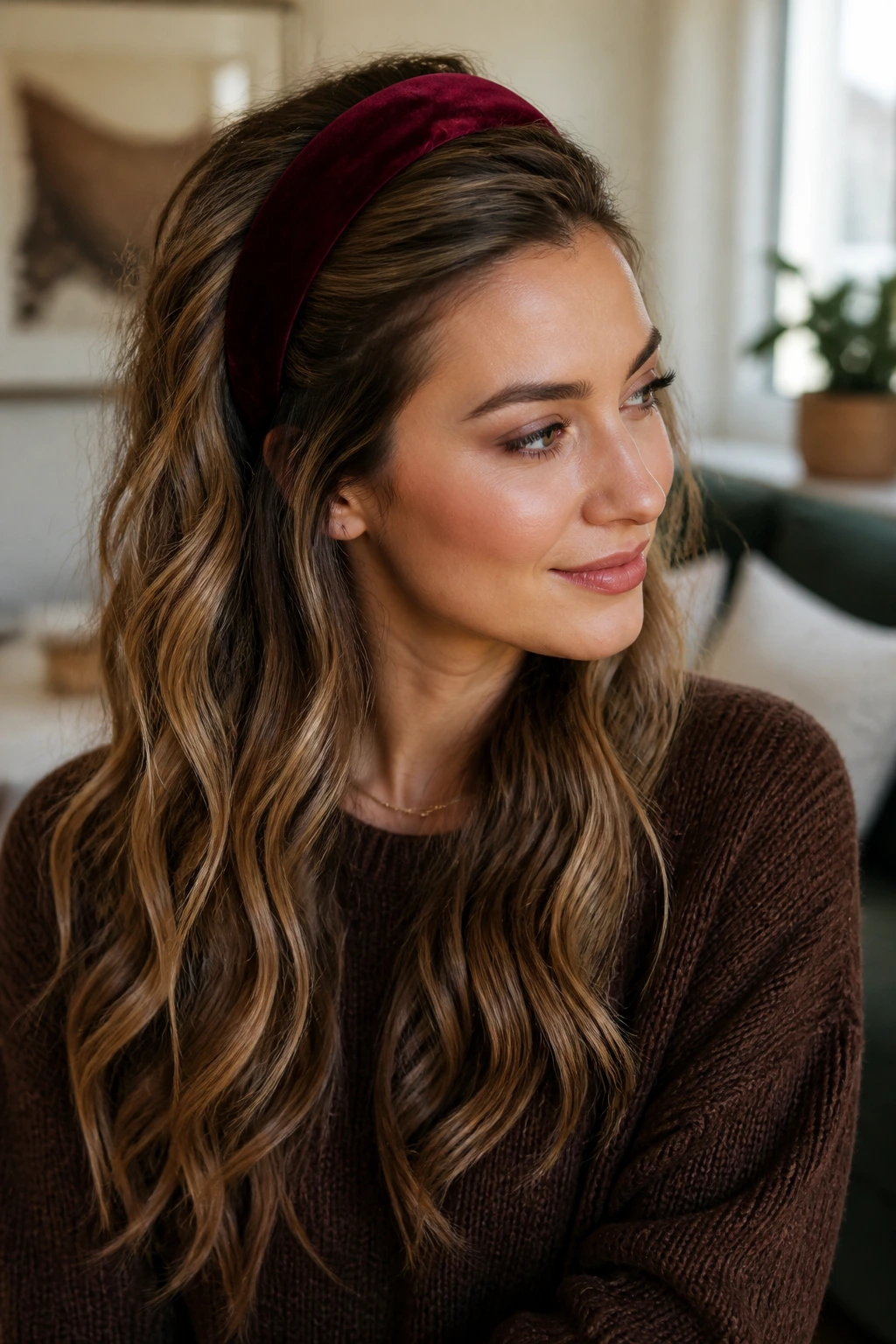
2. Velvet Headband Half-Up Waves
A velvet headband with beachy waves sounds simple, but it has range. The headband gives the front a little lift, keeps flyaways under control, and makes long hair look dressed up in about ten seconds. The trick is choosing a band that sits behind the hairline instead of squeezing it. Too tight, and the whole thing looks like a costume.
The half-up section should stay loose and slightly messy. Pull back only the top third of the hair, leave the underside full, and let a few shorter pieces slip out around the temples. The wave pattern should stay visible from the ears down. That’s the whole point.
I’d wear this with a knit dress, gold hoops, or a collared shirt when I want the hair to look done without spending fifteen minutes on the front. It also solves the problem of long hair falling into your face the second you put on a sweater. Practical. Not fussy.
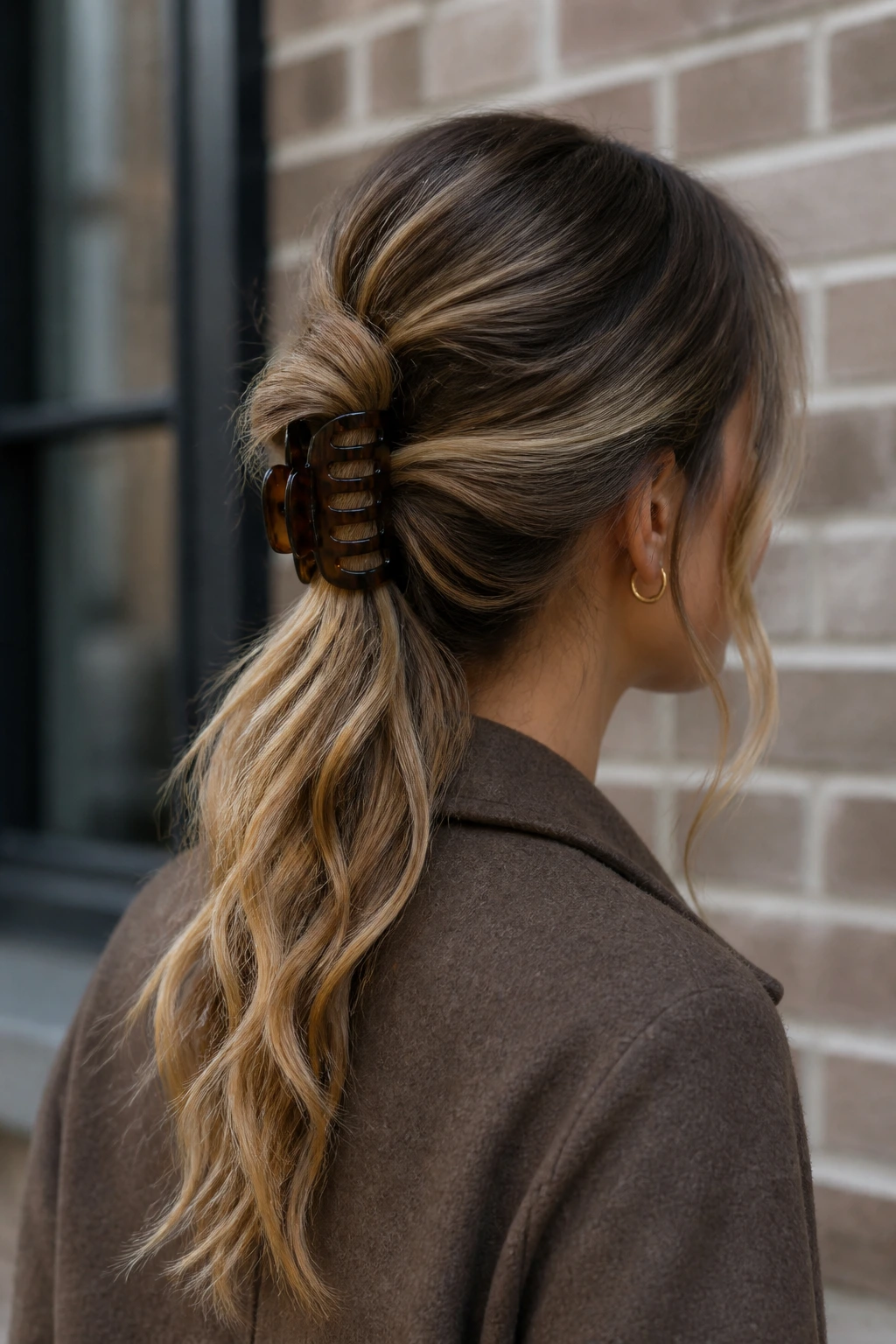
3. Low Claw-Clip Twist With Loose Ends
Why does a low claw-clip twist work so well on long beachy waves? Because it shows off the wave length without forcing the ends into a tight knot. You gather the hair at the nape, twist once or twice, and let the ends spill out in a soft tail. That tail is the part that keeps the style from feeling severe.
How to wear it
Use a medium-to-large claw clip, not one of those tiny clips that looks cute until the third minute. Long hair needs grip.
- Leave the top a little puffed, not slicked back.
- Let a few face-framing pieces escape around the ears.
- Keep the twist low enough that a collar won’t push it upward.
- If the ends are too straight, curl just the last 3 inches before clipping.
This style is the one I reach for when the hair is a little old, the roots need air, and I still want to show the wave pattern. It’s fast, but it doesn’t look rushed.
4. Side-Part Waves With A Deep Bend
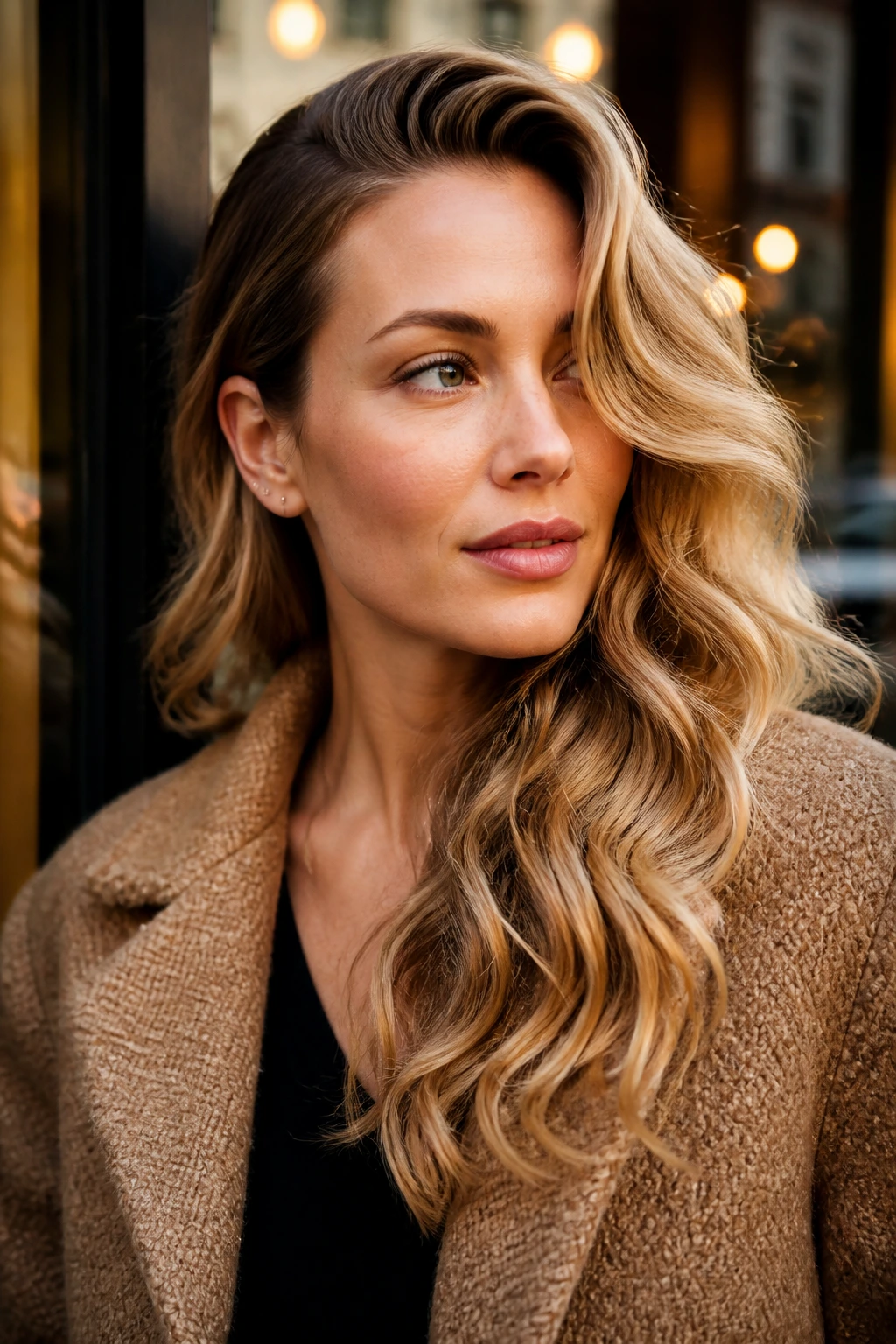
The deep side part is having a quiet moment again because it gives long beachy waves some drama without making them look formal. Shift the part a few inches over, drop one side against the cheek, and let the larger wave pattern form on the heavier side. The whole shape changes. Same hair, different energy.
I’ve seen this look save flat roots more times than I can count. The part lifts one side, the wave bends over the forehead a little, and the result feels fuller at the crown without any teasing. If your hair tends to lie too straight at the top, this is a smarter fix than spraying a ton of volume product and hoping for the best.
- Best on hair with a medium or deep wave pattern.
- Looks strongest with one side tucked behind the ear.
- Works well with a small barrette if you want the front controlled.
- Great with long coats because the hair falls over one shoulder instead of spreading out evenly.
It has a little old-Hollywood energy, just less rigid.
5. Braided Crown And Wave-Length Ends
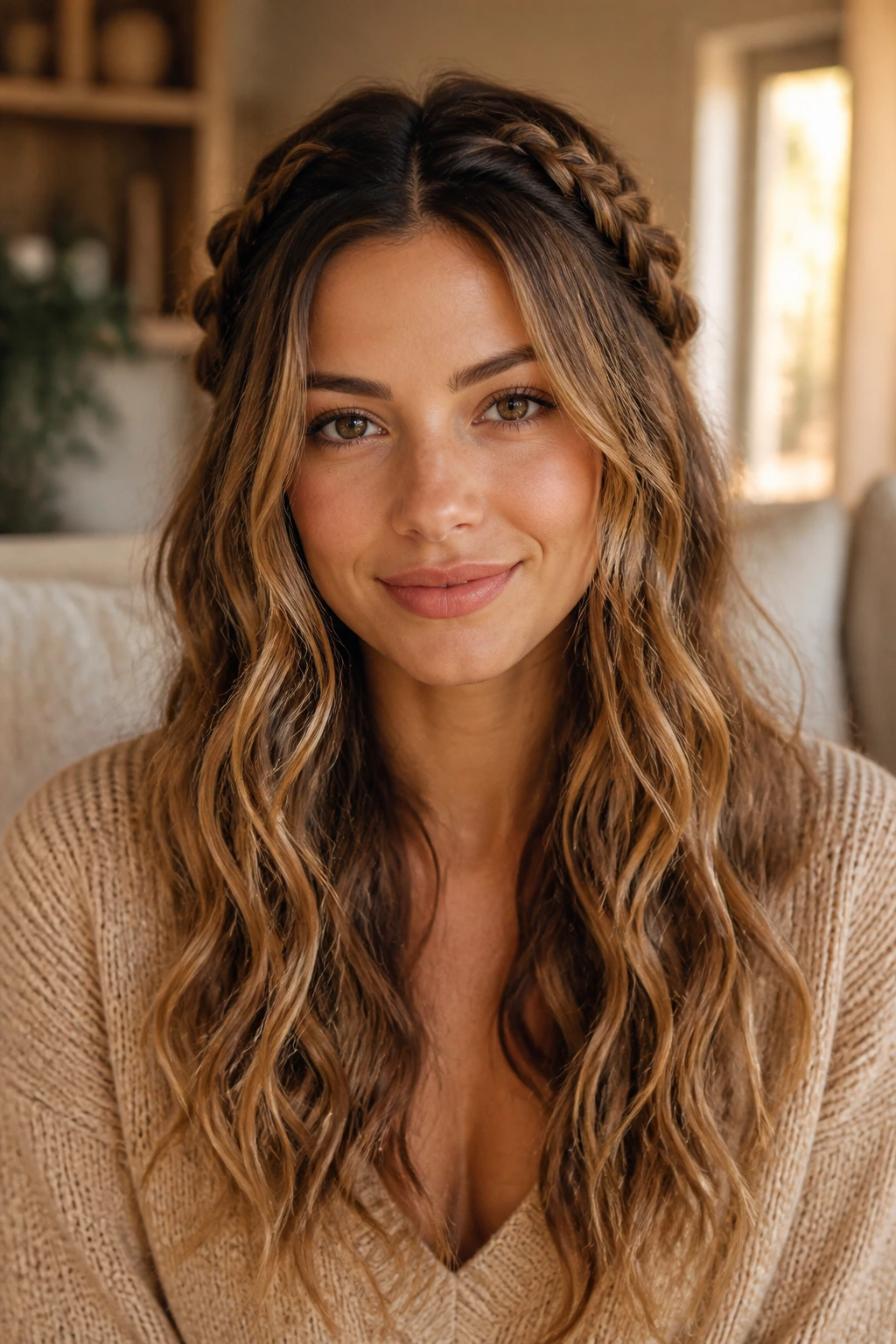
A braided crown on long hair does one useful thing very well: it keeps the top interesting while letting the wave texture stay visible everywhere else. You braid each temple section back toward the crown, pin them, and leave the rest of the hair loose. The long lengths do their own thing, which is exactly what beachy waves are supposed to do.
The braids do not need to be tight. Tight braids pull the front flat and make the whole style feel strict. Loose braids leave a little puff and a little texture along the hairline, which is much better with soft waves. The ends underneath can be left almost untouched, or bent once with a curling iron if they need a bit more shape.
This is one of those styles that looks best with sweaters that have an open neckline. It frames the face without crowding it. If you like hair that reads as romantic rather than polished, this one lands in that lane.
6. Half-Up Knot With Curtain Waves
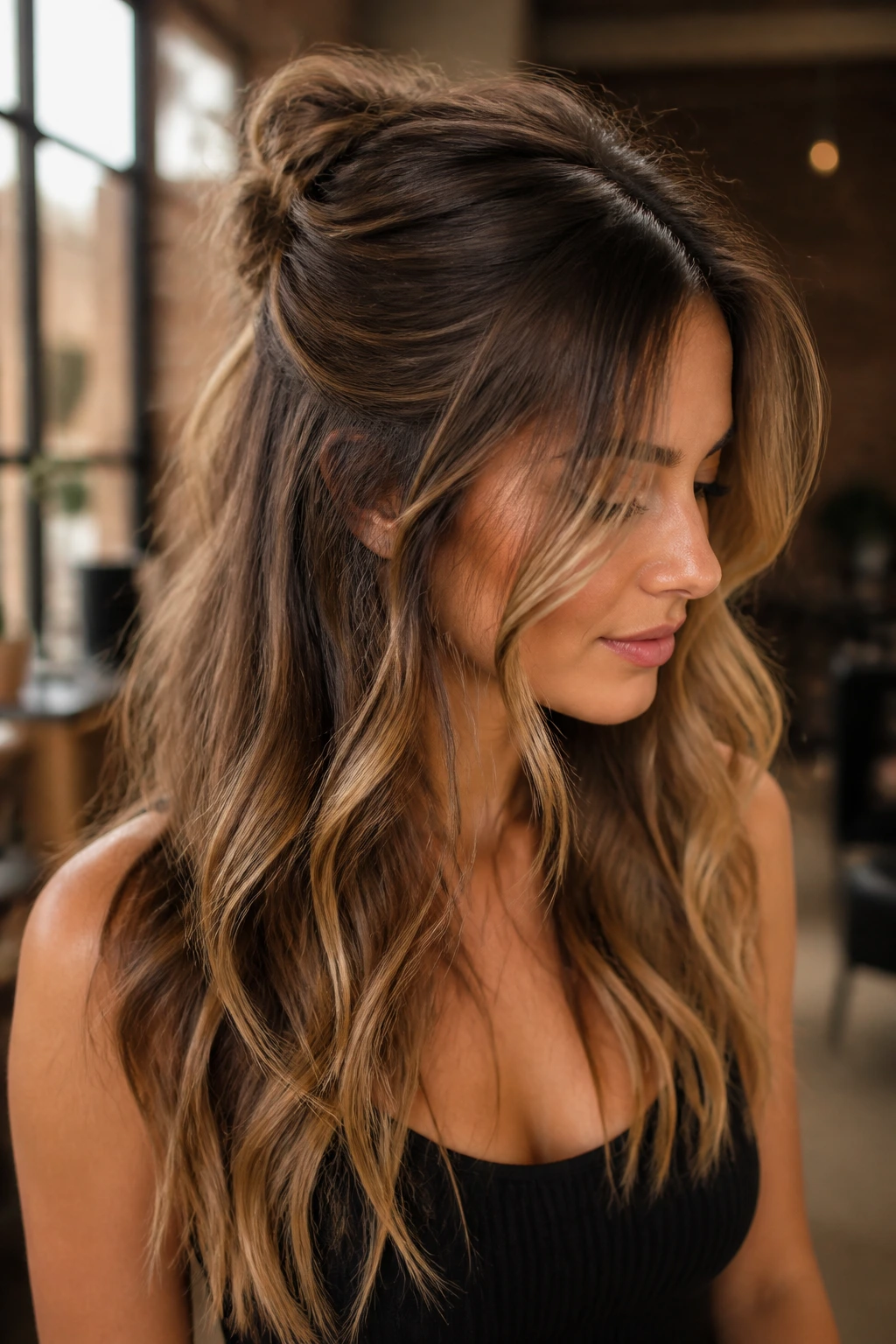
A half-up knot is the closest thing long hair has to an easy off-switch. But the version that works here is not the stiff little knot people throw on top of their heads when they’re in a hurry. It sits at the back of the crown, stays soft, and lets the curtain pieces stay loose in front. The waves underneath should be broad and touchable, not springy.
The comparison that matters is this: a top knot pulls the eye upward and can make long hair look too casual for a nice coat or a sharp jacket. A half-up knot keeps the line lower, so the hair still feels long. It also gives you a place to tuck in a pin or a small clip if the knot needs reinforcement.
Best for medium-thick hair, though fine hair can fake the fullness by misting dry shampoo at the roots first. If the front pieces are too neat, twist them once before pinning back. That small bend makes a huge difference.
7. Ribbon-Tied Low Ponytail
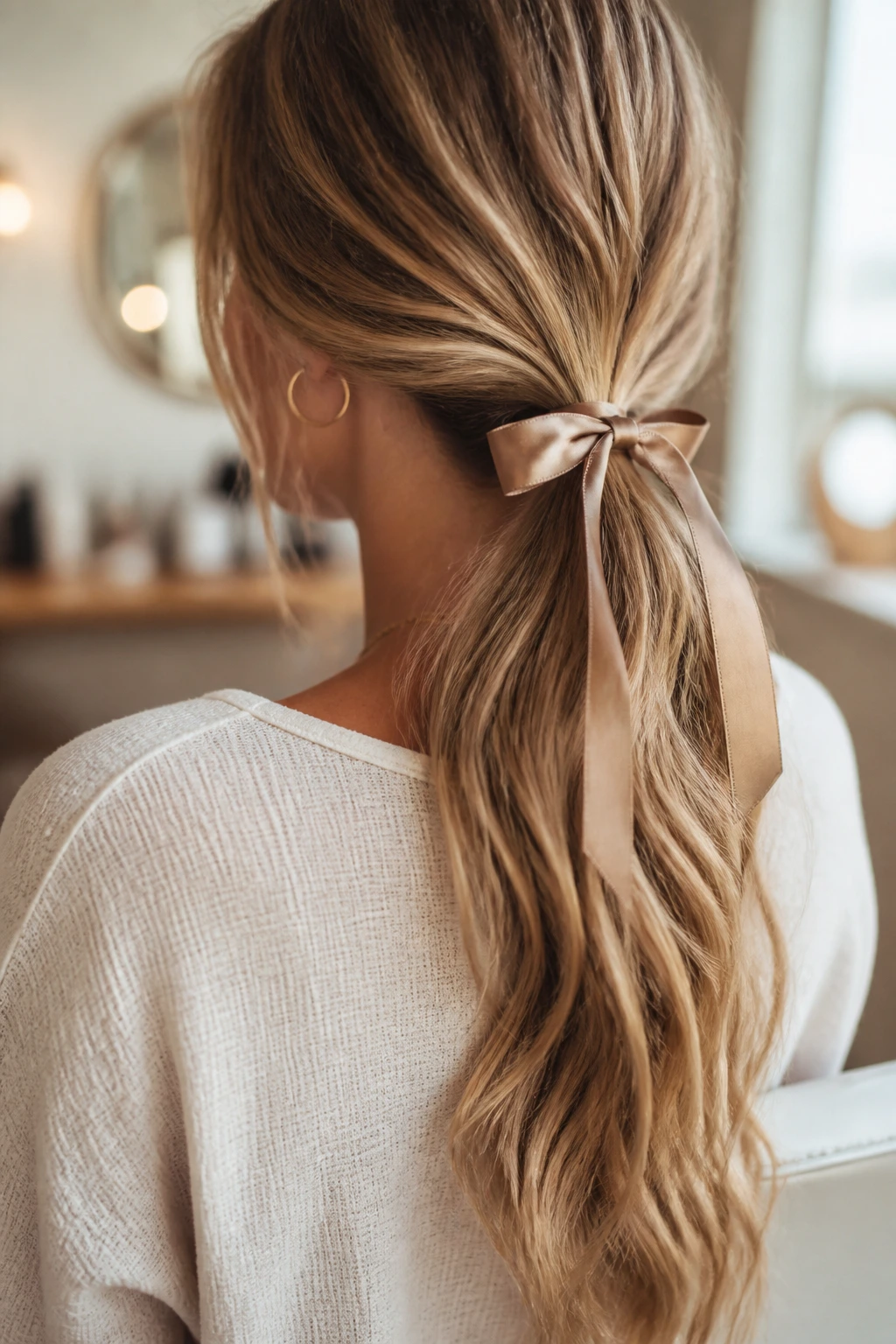
The ribbon-tied low ponytail is one of the easier ways to make beachy waves look deliberate instead of leftover. Pull the hair low at the nape, secure it with a soft elastic, then wrap a ribbon around the base and let the ends hang. The ponytail should still show the wave pattern all the way down. If the hair gets brushed into a perfectly smooth rope, the whole point disappears.
I like this on long hair because the length stays visible. A low pony with beachy waves keeps the ends from vanishing into a bun, and the ribbon gives it a softer finish than a plain elastic ever will. Choose velvet for a richer fall feel, satin if you want a little shine, or matte grosgrain if you want the ponytail to look more structured.
How to get the most from it
Keep the crown slightly loose. If you pull it tight, the top will look severe and the ponytail will look thin by comparison. A tiny lift at the crown helps the ponytail feel balanced, especially if the wave pattern is relaxed.
8. French Pin Chignon With Wavy Ends
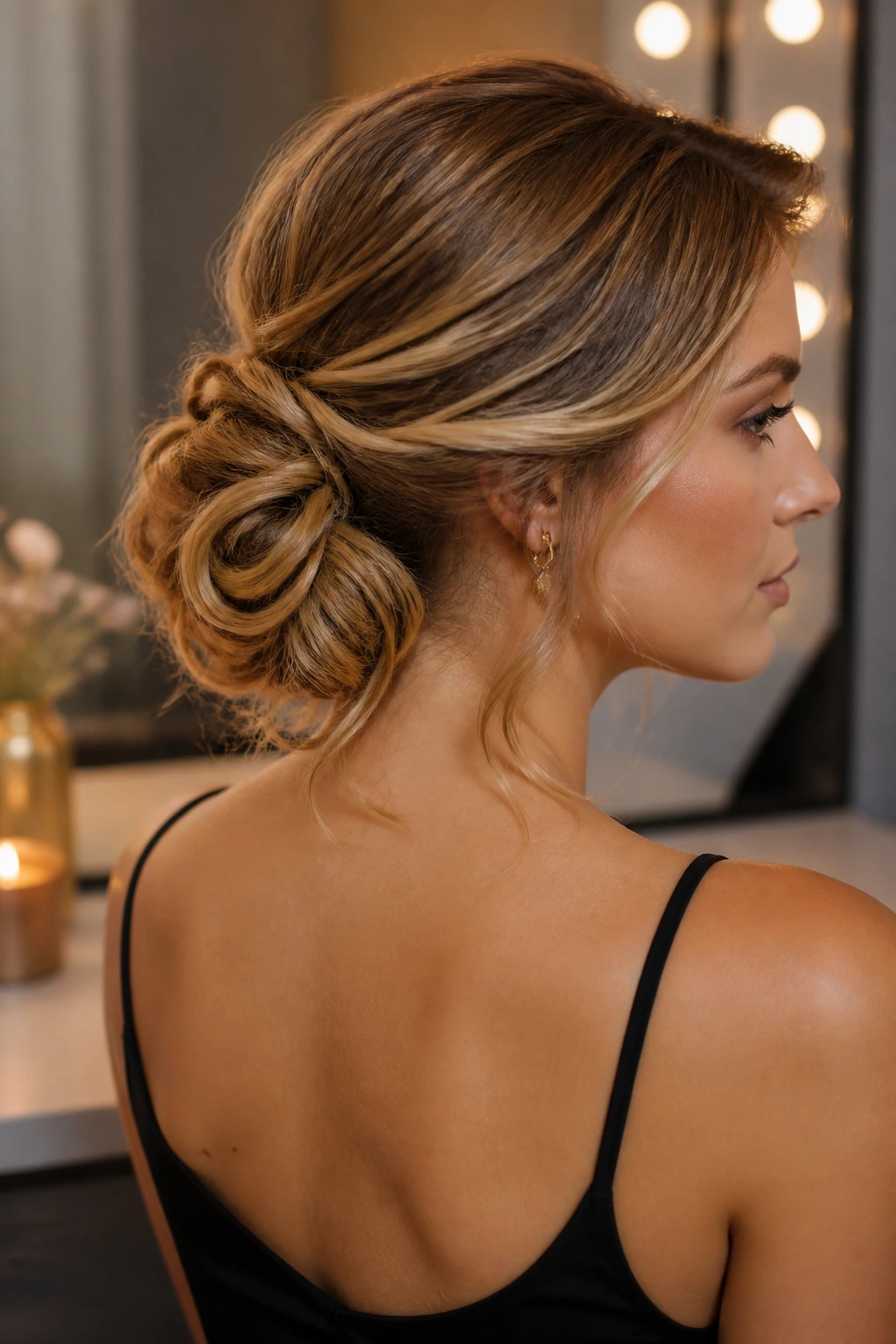
A French pin chignon is one of my favorite answers to the question, “How do I make long hair look elegant without making it precious?” You gather the length at the back, roll it upward, and secure it with a French pin so the ends stay tucked but not trapped. With beachy waves, the result has texture even when the shape is neat.
The key is not to smooth the hair too much before pinning. Leave the wave intact. That little bit of roughness lets the chignon hold better and keeps the style from looking like a ballroom updo. If the ends peek out, good. That’s character, not failure.
This works especially well with dresses, clean collars, and earrings that need a little room. It also holds up better than a soft bun when the air is dry, because the rolled shape protects the ends from constant brushing against your clothes.
9. Curtain-Bang Blowout Waves
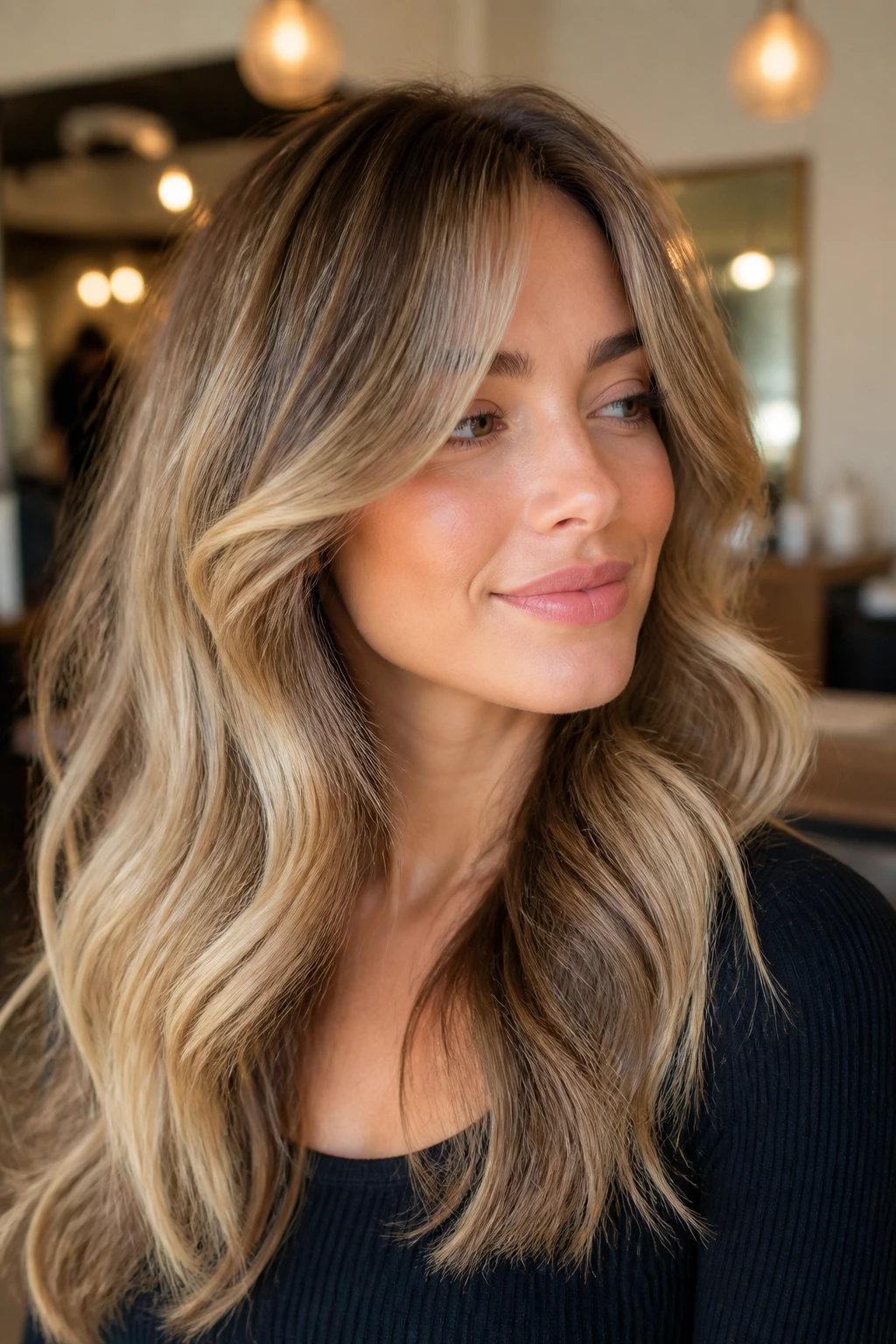
Curtain bangs can be tricky with long beachy waves, but when they’re done right, they frame the face and keep the whole style from looking bottom-heavy. The bangs should curve away from the center, then blend into the first wave at cheek level. Think blowout, not curl. Think bend, not barrel.
Question: why does this feel so good on long hair? Because it breaks the visual weight. Long lengths can drag the face down a little if everything starts below the jaw. Curtain bangs fix that by putting movement where the eye lands first.
How to style it
Use a small round brush or a 1-inch iron for the front sections, then switch to a larger iron for the rest of the hair. That mix matters. If everything gets the same tool, the bangs and lengths fight each other.
This look is especially good with long layers. The bangs and layers echo the same softness, so nothing looks pasted on.
10. Sleek Top Section, Loose S-Waves
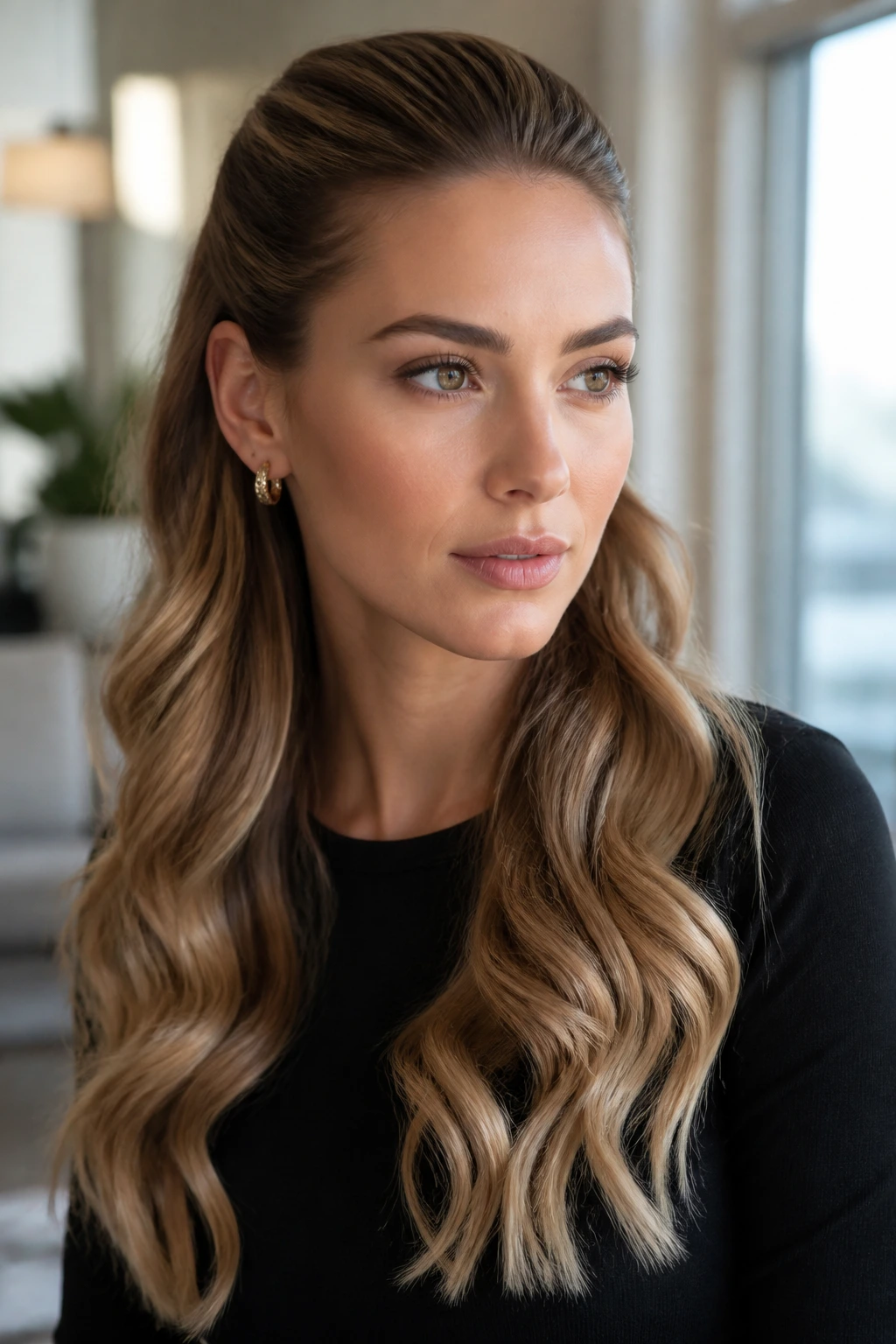
A sleek top section with loose S-waves underneath is a nice answer for anyone who wants long hair to look cleaner at the crown but not stiff overall. You smooth the top inch or two back with a brush and a touch of serum, then leave the rest in broad waves. The contrast is the point. Clean near the scalp, loose through the length.
I like this when the crown starts to puff from humidity or static. Slicking only the top section keeps the style under control without flattening the whole head. It also looks good with a middle or side part, depending on how much face framing you want.
- Best for long hair that tends to swell at the roots.
- Works with hoop earrings because the sides stay open.
- Pairs well with coats that have sharp lapels or structured shoulders.
- Needs only a little serum, or the top will look greasy.
There’s a small bit of attitude in this one. Not much. Just enough.
11. Bubble Braid With Textured Waves
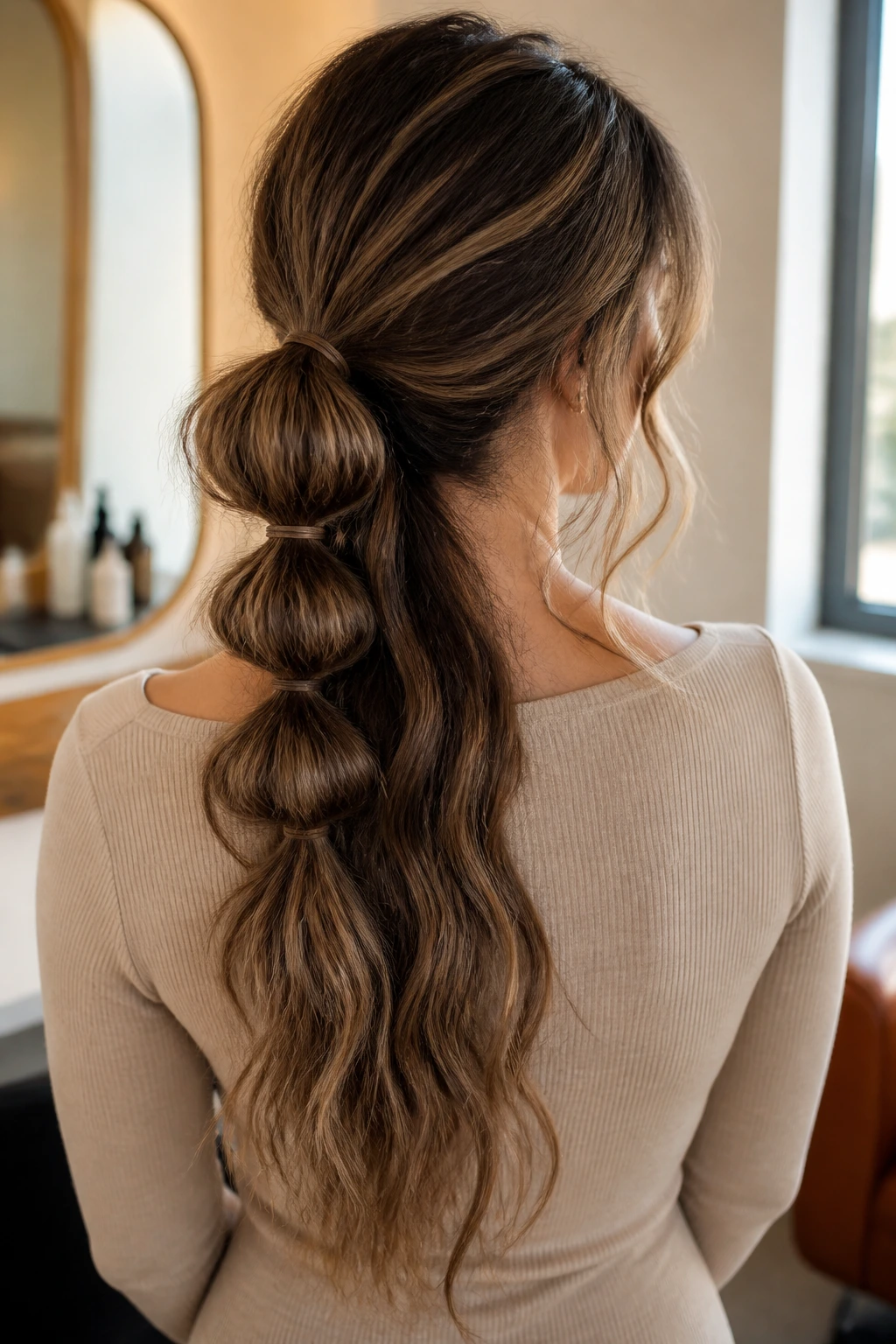
A bubble braid gives long hair a strong shape, which is useful when the wave pattern is very soft and needs a little architecture. Make one low ponytail, add elastics every 2 to 3 inches down the length, and gently tug each section outward so it rounds into bubbles. Leave the rest of the hair textured first, or the braid can look too polished for the theme.
This style is a good place to be a little loose with the hair around the crown. A small puff at the top keeps it from looking too “school assembly.” And because the braid runs down the back, the waves still show through in the sections between elastics. The contrast is what makes it interesting.
It’s a smart choice for long hair that gets weighed down by jackets. The braid keeps the length organized and stops the ends from tangling against scarves and collar seams.
12. Oversized Claw Clip Sweep
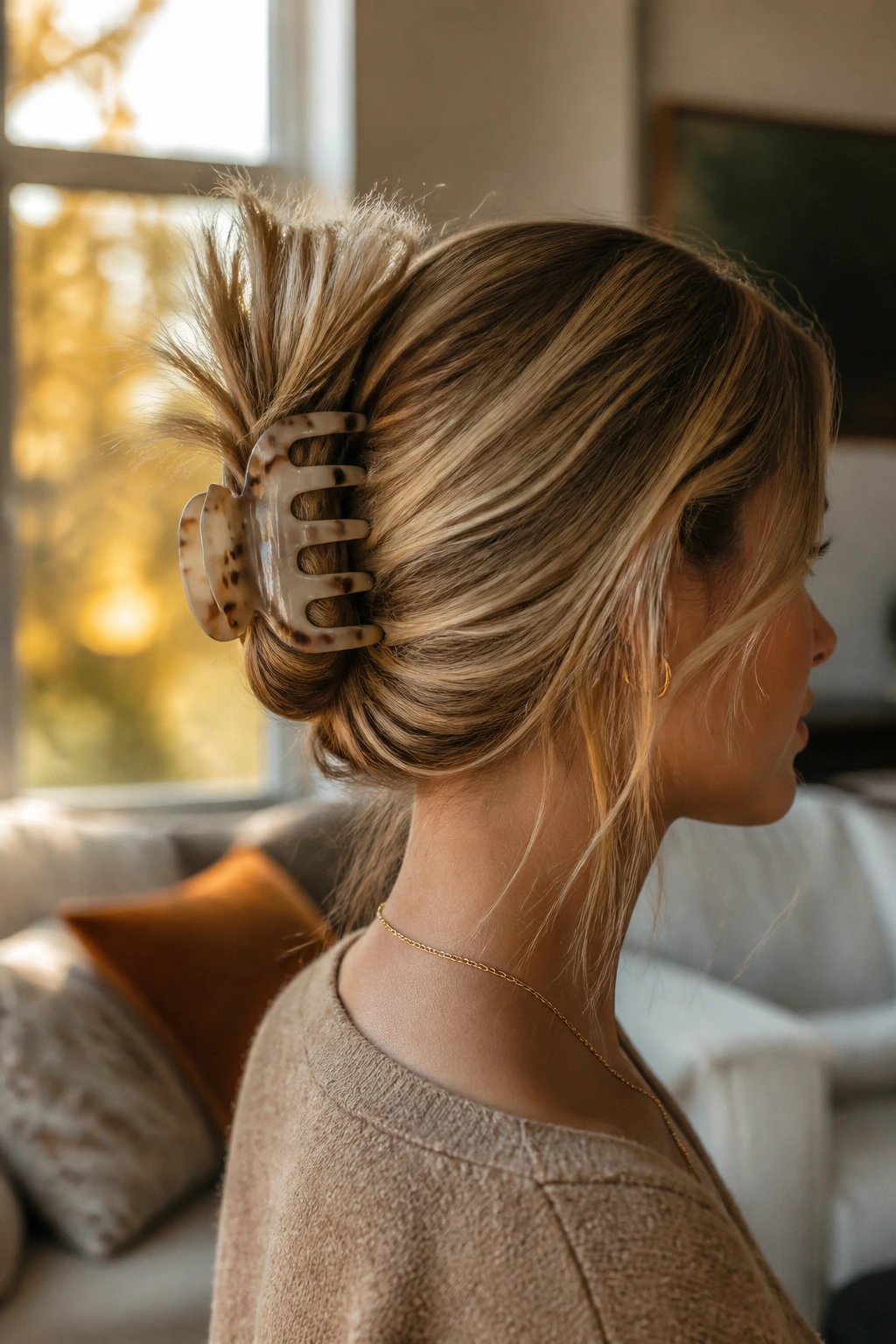
The oversized claw clip sweep is the style I reach for when I want the easiest possible answer that still looks put together. Gather the hair low, twist it upward, and clip it so the ends fan out a little at the top or back. Long beachy waves make this look better because the texture keeps the sweep from turning into a flat shell.
Unlike a tight chignon, this one lets the wave pattern stay visible in the loose pieces. Unlike a high clip twist, it doesn’t fight with your collar. It sits in the middle, which is where long hair usually behaves best.
Best for thick hair, honestly. If your hair is very fine, use a clip with teeth that grip well and rough up the roots with dry shampoo first. A smooth clip on silky hair slides down by lunchtime. I’ve watched that happen too many times.
13. Side-Swept Glam Waves
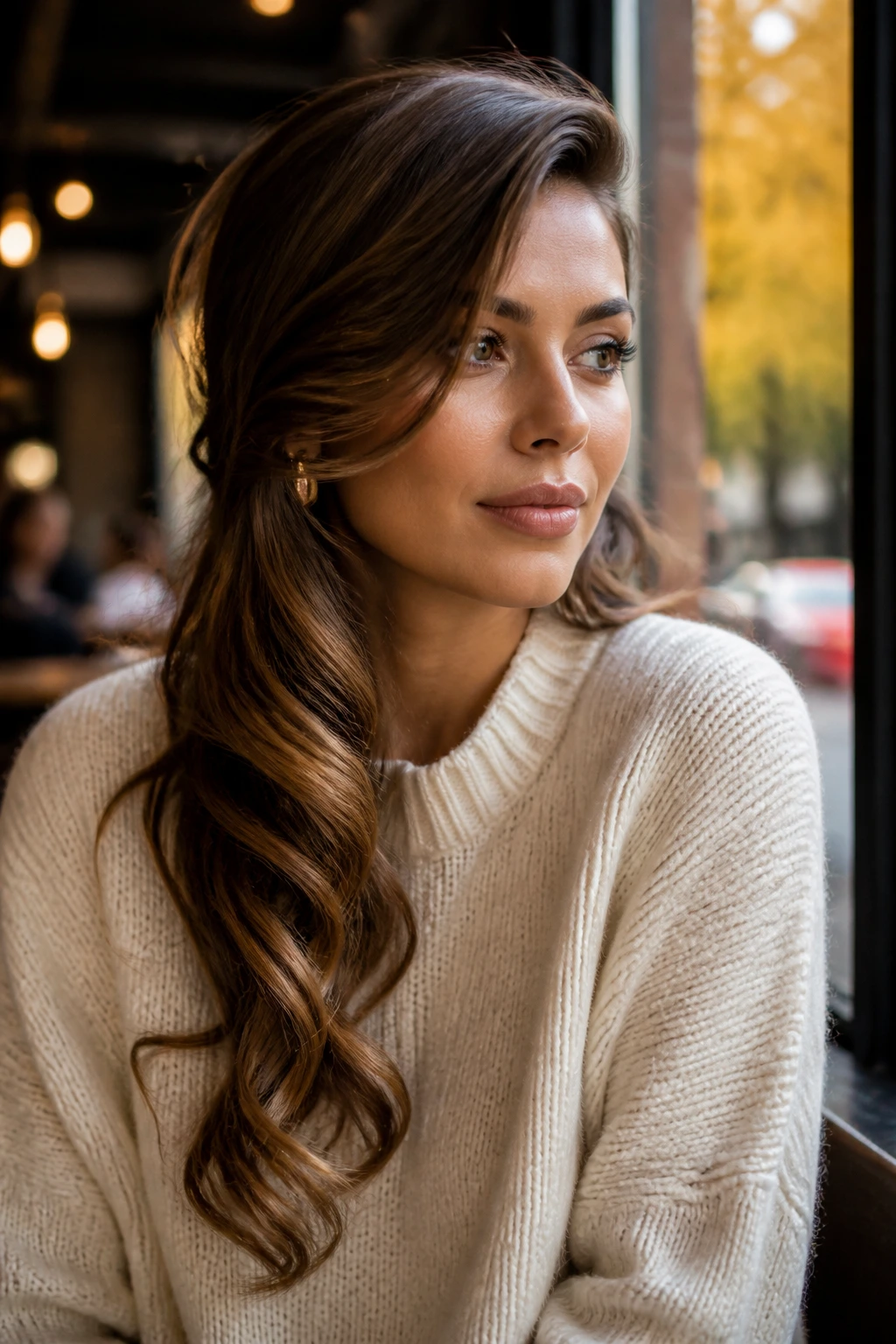
Side-swept glam waves can read dressed-up fast, but they still fit the beachy-wave family if you keep the curl loose and the ends soft. Sweep all the hair over one shoulder, secure the back side with a hidden pin, and let the front curve across the collarbone. The shape is dramatic, but the texture stays relaxed.
This style works because the entire wave pattern gets concentrated on one side. That gives the hair more visual density. On very long hair, that can be a lifesaver if the ends look thin after a few layers of styling.
Why it stands out
A side sweep plays well with strapless tops, off-shoulder knits, and statement earrings. It also keeps hair off the part of your sweater that rubs the most, which matters more than people admit.
Best tip: curl the section that falls over the shoulder one notch tighter than the rest. Once it settles, it blends in instead of collapsing.
14. Tiny Accent Braids Along The Hairline
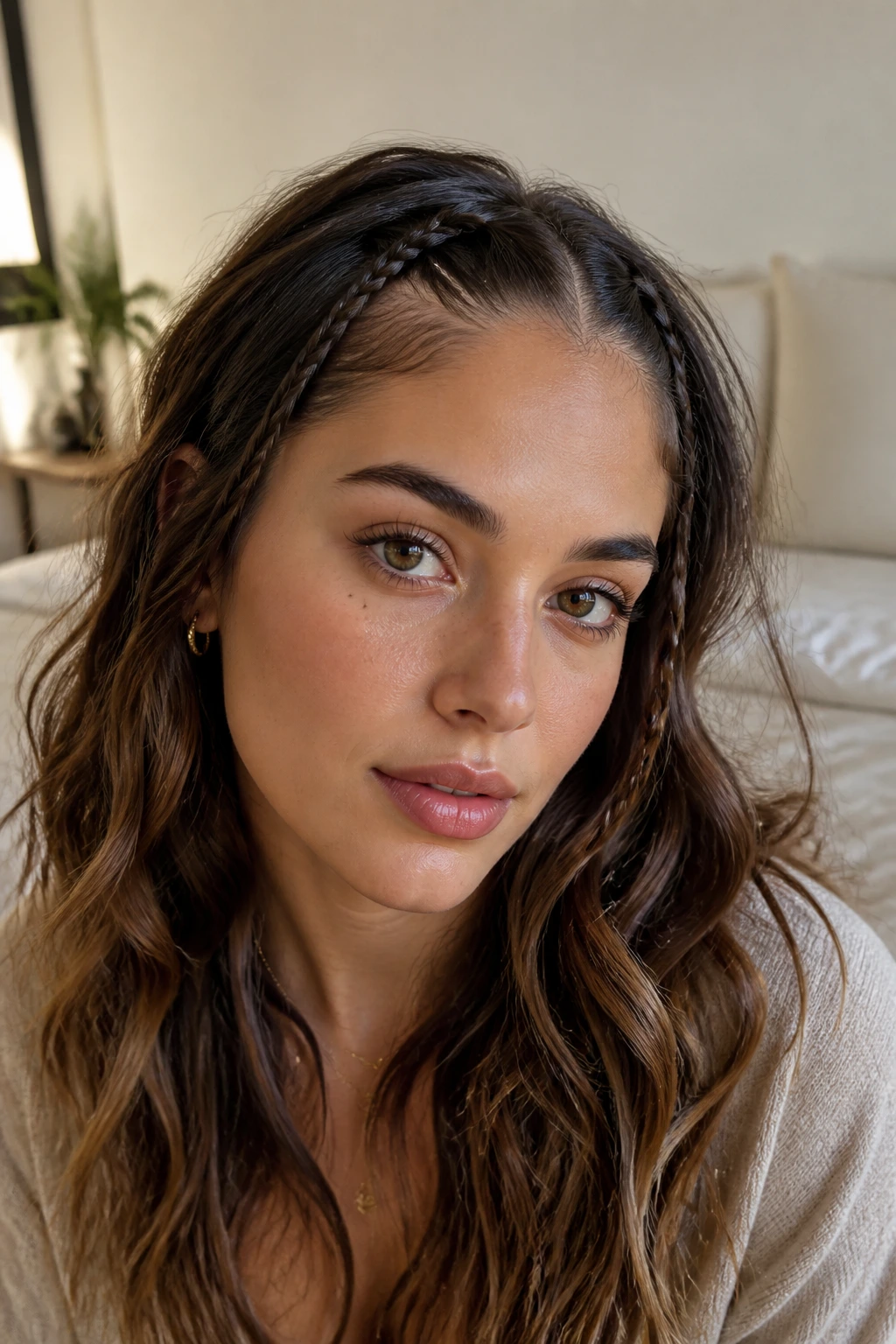
Tiny accent braids along the hairline are the kind of detail that changes a simple wave set into a more styled look without taking over the whole head. Braid one or two narrow sections at the temples, let them trail back into the length, and keep the rest of the hair in loose beachy bends. That’s enough.
The appeal is in the contrast. The braids add a little edge, while the waves stay soft. I like this when I want texture without piling on pins or clips. It works especially well on long hair that has a lot of movement already, because the braids give the front a place to sit.
This is also a good move when the hairline needs control. A few braids can keep baby hairs from floating up in dry air. They don’t have to be tight. In fact, they shouldn’t be. Loose braids are more flattering here.
15. Scarf-Wrapped Ponytail
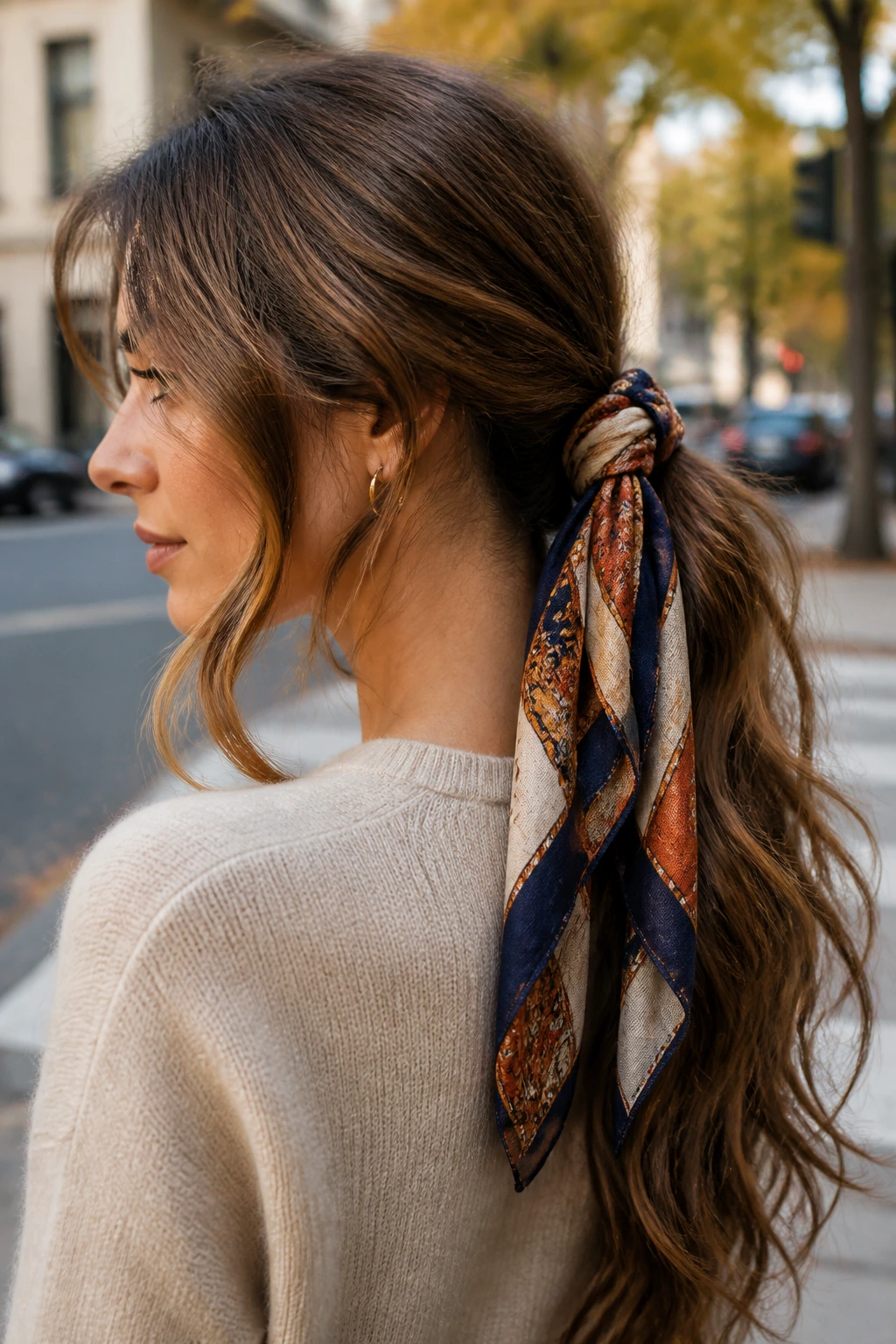
A scarf-wrapped ponytail makes long beachy waves feel more deliberate and more seasonal without needing a full restyle. Pull the hair into a low or mid ponytail, secure it, then wrap a silk or satin scarf around the base and let the ends hang alongside the ponytail. The scarf gives the whole thing shape. The waves keep it from feeling too neat.
Why does this work so well? Because the scarf breaks up the length. Long hair can sometimes look like one solid column from behind, especially under coats. The scarf cuts that line visually and gives the eye something to land on before it reaches the ends.
Choose a scarf that’s light enough not to slip, but not so thick it swallows the ponytail. Pattern is fine. Plain is fine too. The waves are doing enough work already.
16. Blowout-Wave Hybrid With Rounded Ends
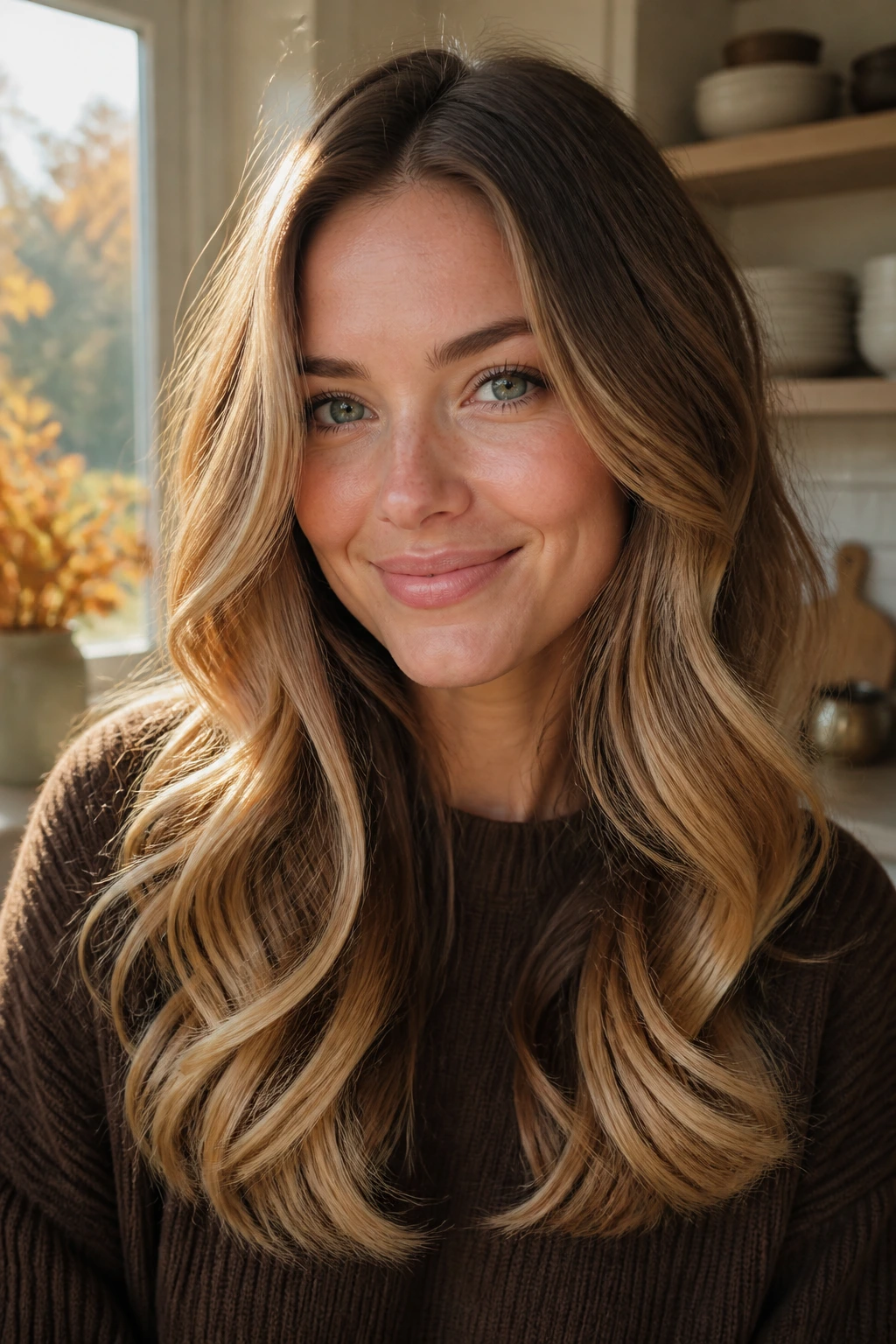
The blowout-wave hybrid is the style for anyone who wants the softness of beachy waves but hates when the ends look stringy. You round the ends with a brush or iron, then leave the lengths loose and airy. The crown gets volume, the body gets a bend, and the tips stay tidy.
This is not a stiff blowout. It’s not a full curl set either. It lives between those two, which is exactly why it works on long hair in cooler weather. A little roundness at the bottom keeps the style from fraying under scarves and collars.
It’s a good move if your ends have a habit of looking thin after a few days. Curling the bottom half an inch inward gives the whole head a more finished outline. Small thing. Big effect.
17. Messy Top Knot With Wavy Tail
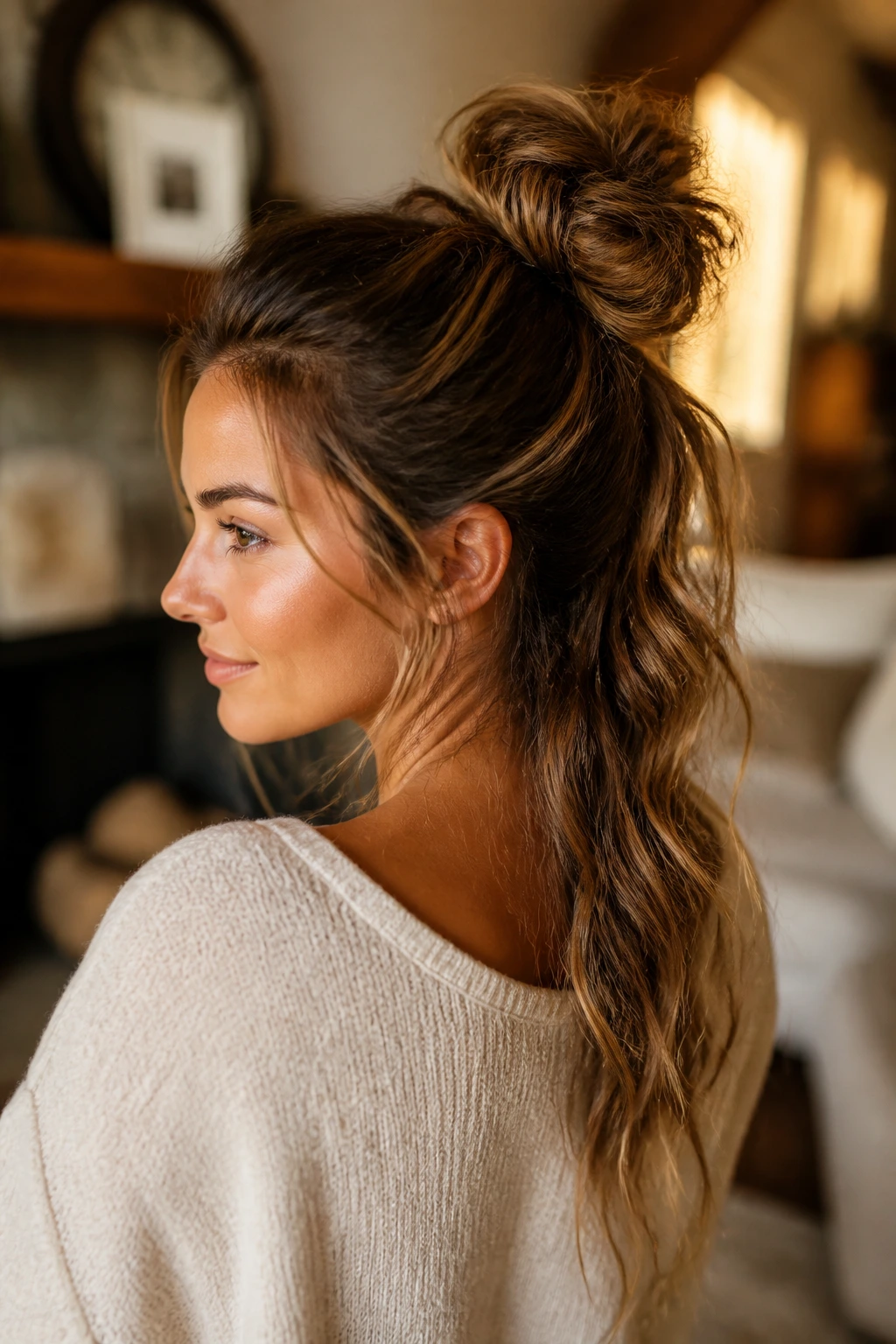
A messy top knot usually sounds like a lazy-day move, but on long beachy waves it can look intentional if you leave enough length in the tail. Pull only the top section into a knot, secure it loosely, and let the rest of the hair stay down in waves. The knot creates lift. The loose tail keeps the style grounded.
This is better than a full top knot when you still want the length to show. A full knot can make the ends disappear. Here, the hair underneath remains visible, which matters if the wave pattern is one of the main reasons you’re wearing the style in the first place.
I’d use this with casual knits, denim, or anything where you want the hair to feel a little undone. The knot should not be perfect. If it looks a little lopsided, that’s fine. Better than fine, actually.
18. Loose Mermaid Braid With Undone Ends
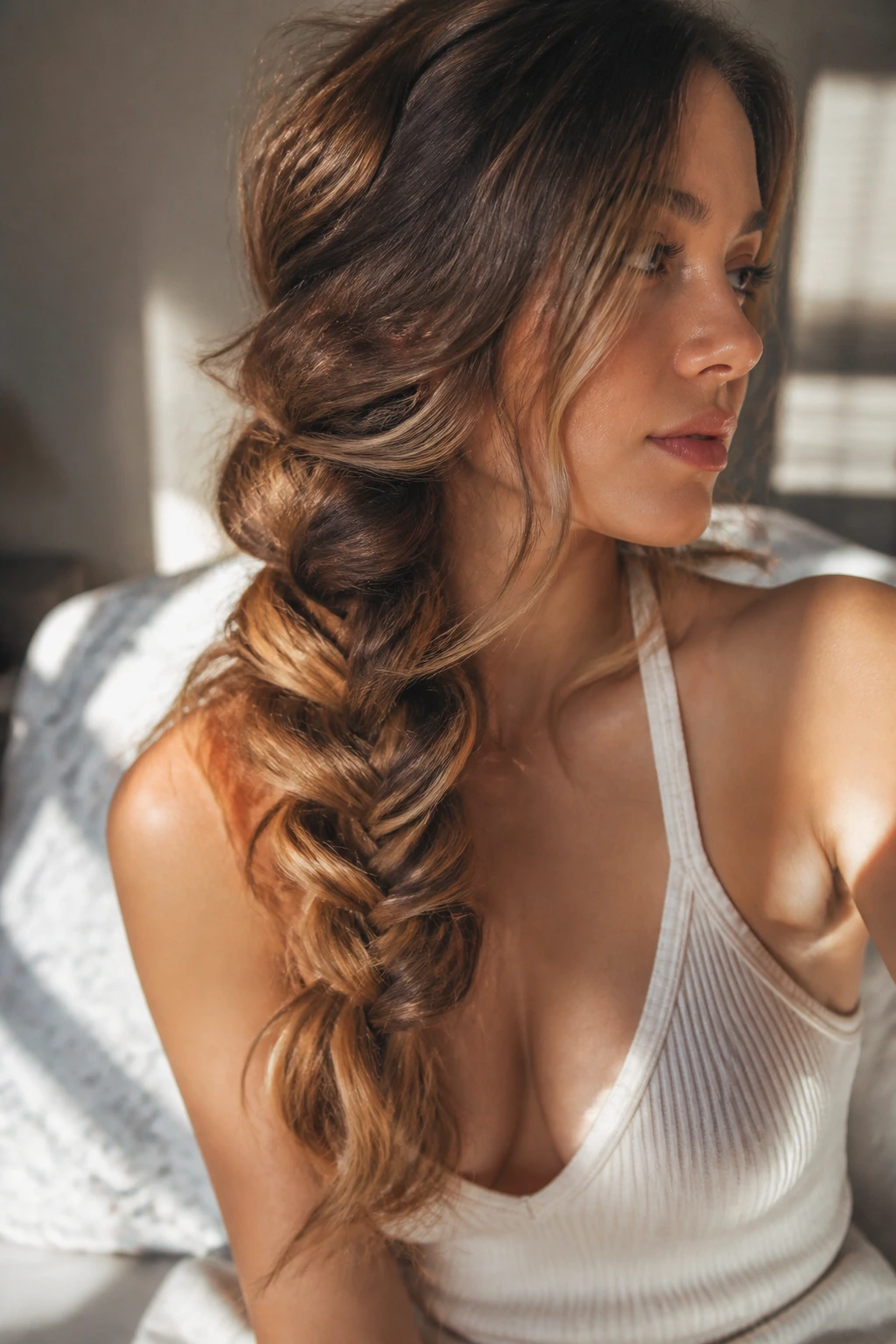
A loose mermaid braid is one of the few braids that can hold a lot of hair and still look soft. Braid the length loosely, tug the outer pieces to widen it, and leave the very ends undone enough to show some wave. That tiny bit of looseness at the bottom keeps it in the beachy-wave family instead of turning it into a strict braid.
The braid is especially useful when the hair is long enough to snag on everything. It protects the ends and keeps the mid-lengths from tangling into your coat. It’s also a nice option when the wave pattern is starting to fade but you still want texture on display.
If you want it prettier, pull a few face-framing pieces loose before braiding. If you want it sharper, keep the top smooth and let the braid itself do the work. Both versions hold up well.
Why Long Hair with Beachy Waves Feels Better When the Weather Turns Dry
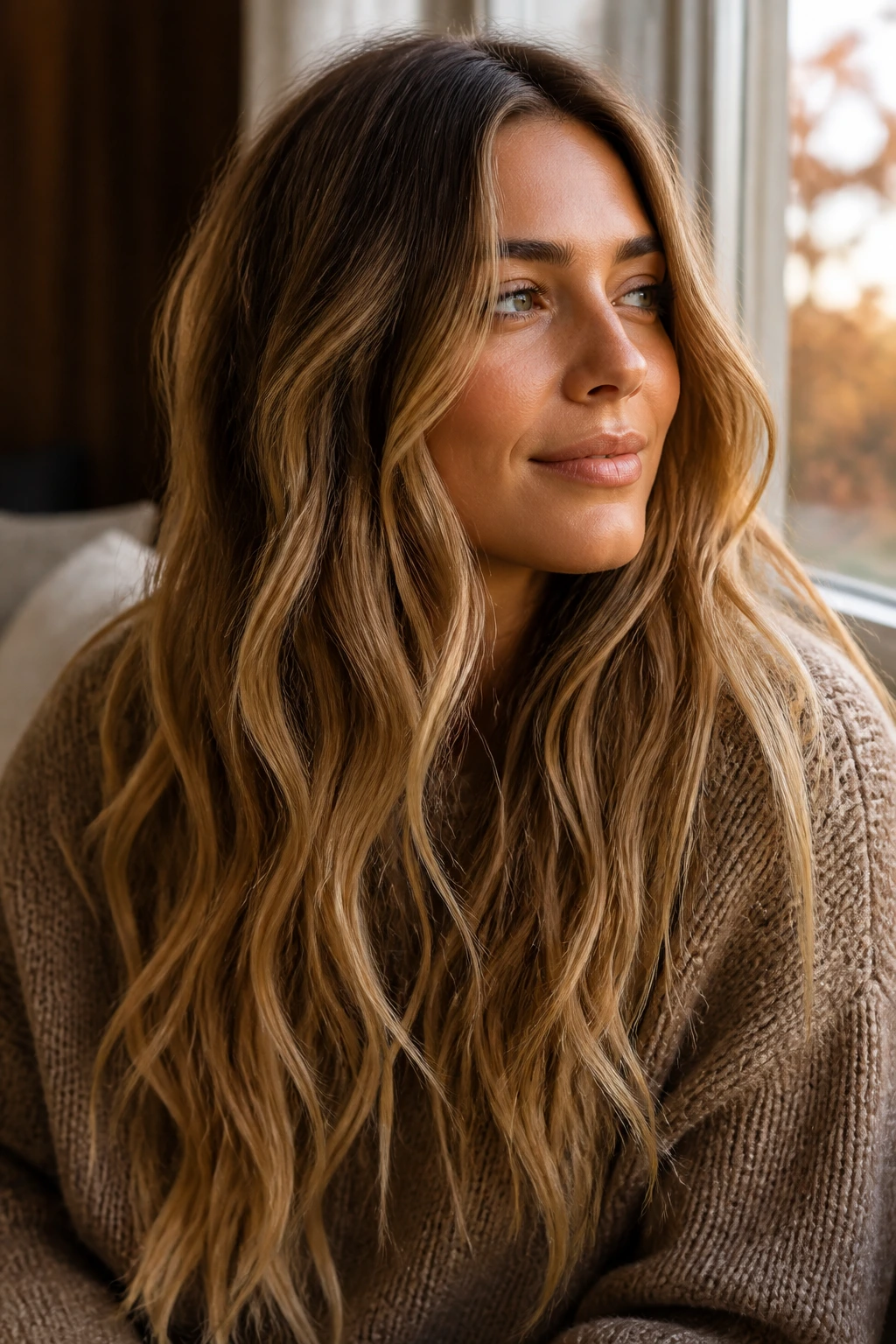
Long hair asks for a different kind of styling once the air loses moisture. The strands don’t just dry out faster; they also get lighter at the surface and rougher at the ends, which means heavy creams and tight curls often make the whole head look tired by the end of the day. Beachy waves solve part of that because they look better when they soften a little. They are allowed to shift.
That’s the part most people miss. A beach wave does not have to stay exact. In fact, the better versions usually look a touch better after an hour of wear because the hard edges blur and the texture settles. On long hair, that works with gravity instead of against it. You’re not trying to freeze every bend in place.
The season changes the furniture around the hair, too. High collars, textured knits, scarves, wool coats, and heavier earrings all make a smooth curtain of hair feel awkward. A half-up twist, a low clip, or a braid gives the length a place to live while the wave keeps the style from looking stiff. That’s the real trick.
Heat also matters. A 1.25-inch curling iron usually gives a better beachy bend on long hair than a smaller barrel because it keeps the wave loose enough to survive brushing. Smaller barrels can work, but they tend to make the ends too curly and the mids too busy. I almost always prefer a looser tool and a little more patience.
Essential Tools for These Looks
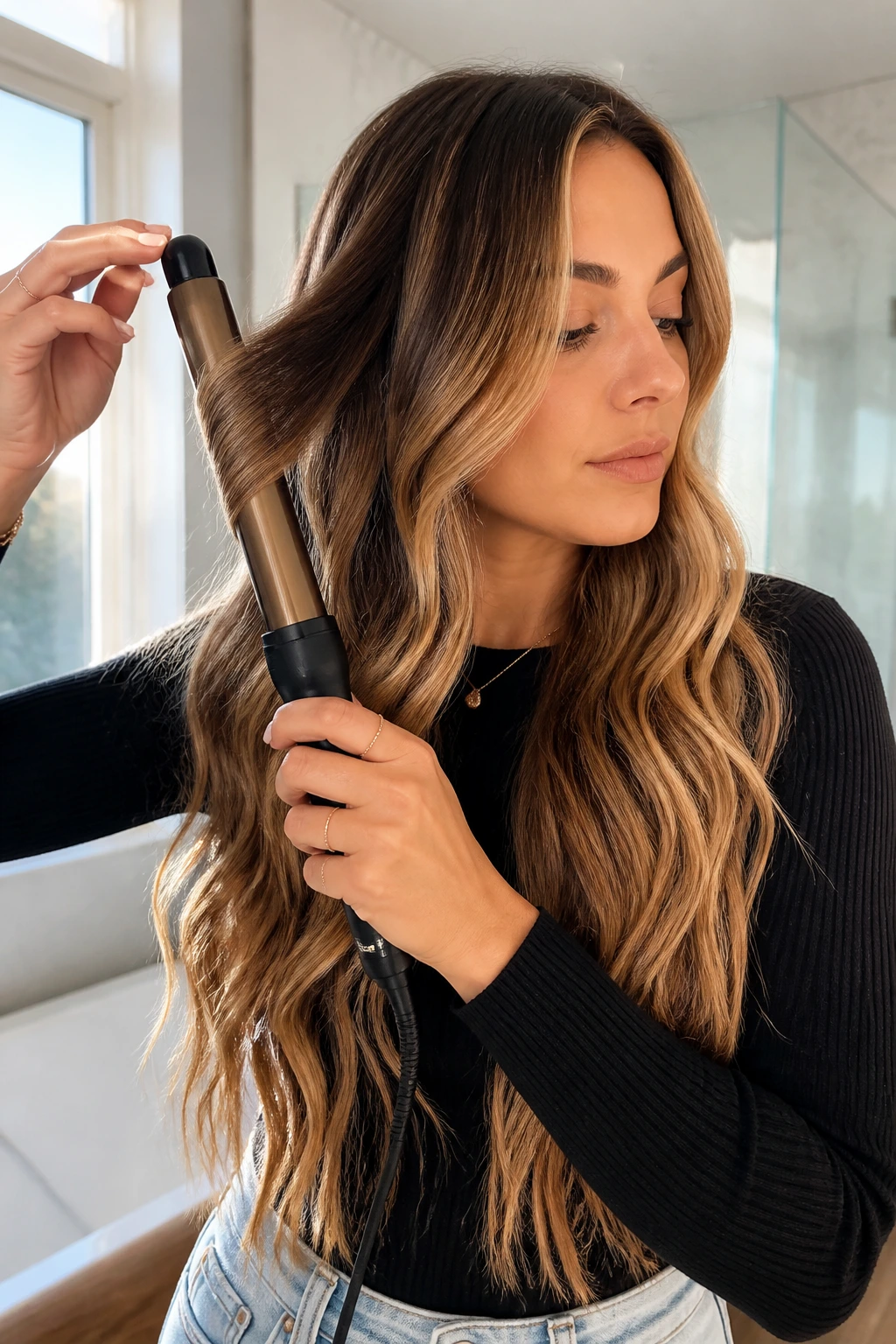
- 1-inch curling iron: Useful for tighter face-framing bends, curtain pieces, and the ends of ponytails.
- 1.25-inch curling iron or wand: The workhorse for soft beachy waves on long hair; it creates a bend that relaxes well.
- Heat protectant spray: Choose one that lists protection up to at least 450°F / 232°C if you use hot tools often.
- Sectioning clips: These save time and keep the top layers out of your way while you work from the bottom up.
- Tail comb: Best for clean parts, neat half-up sections, and small braids along the hairline.
- Claw clips, 4.5 to 5 inches: The smaller ones slip in long hair; the larger ones actually hold.
- Soft elastics: Use snag-free ties for low ponytails, bubble braids, and half-ups.
- Flexible-hold hairspray: Keeps movement without turning the waves crunchy.
- Texture spray or dry shampoo: Good for second-day grip and crown lift, especially on fine hair.
- Light hair oil or serum: A drop on the ends keeps them from looking frayed under sweaters and scarves.
- Satin or silk scarf: Useful for ponytails, overnight protection, and making simple styles feel finished.
- French pin or U-pins: Better for rolled styles than a claw clip if you want something a little cleaner.
Smart Product Picks for Long Hair and Beachy Waves
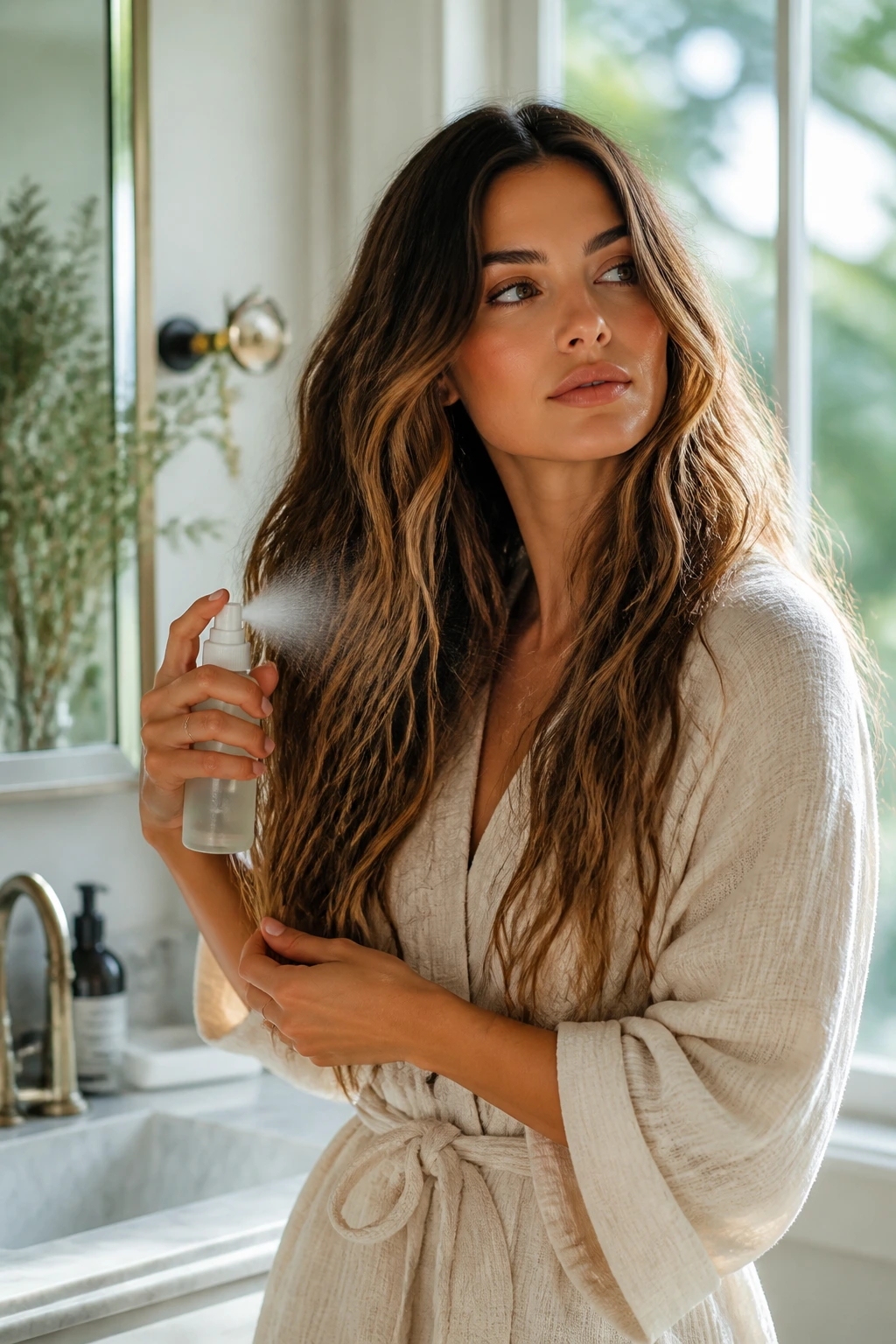
Long hair doesn’t need a giant pile of product. It needs the right product in the right place. That’s the part people skip, then wonder why the roots are limp and the ends feel sticky. Start with heat protectant before any hot tool touches the hair, and don’t drench the lengths. A light, even mist is enough. If the hair feels wet from product, you’ve already used too much.
For fine hair, a foam mousse at the roots and a small amount of texture spray at the mid-lengths usually beats a creamy leave-in. Fine hair gets weighed down fast, and beachy waves only work if there’s enough air between the strands. Thick or coarse hair likes a little more slip — a light cream before blow-drying can help the bends stay soft instead of frizzy.
Clips and ties matter more than they sound like they should. A tiny claw clip might be cute, but long hair will pull it apart. Buy the larger size and look for teeth that actually interlock. For ribbons and scarves, choose materials that don’t slide too much. Satin looks pretty, but if your hair is silky already, a matte ribbon may stay put better.
If your hair tends to go flat by lunch, look for a texture spray that adds grip without leaving white powder. If it turns sticky fast, use less. A couple of short sprays from 10 to 12 inches away is better than one heavy blast right at the crown. That distance matters.
How to Wear These Styles With Coats, Collars, and Earrings
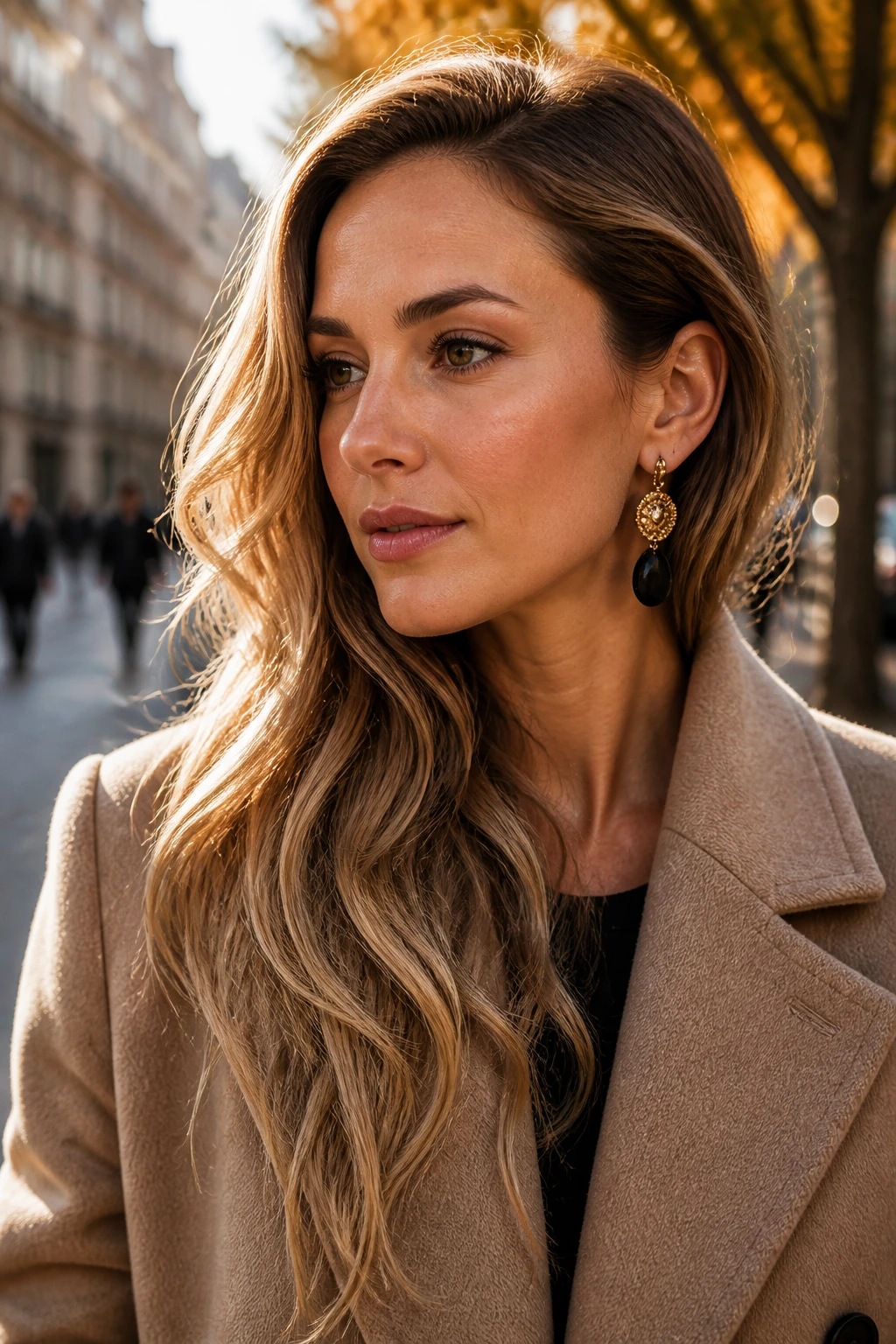
Presentation: The easiest way to keep long beachy waves looking polished is to decide where the hair should live before you get dressed. If your coat has a tall collar, keep one side tucked behind the ear or pin the front pieces back so the hair doesn’t fight the fabric all day. If the neckline is open, let the waves fall forward and use the length as the main shape.
Pairings: Big knits like ribbed turtlenecks, cardigan sets, and wool blazers work best with half-up styles, low ponytails, and pinned sides. Clean collars and simpler tops can handle the more dramatic looks — side-swept waves, curtain bangs, or the French pin chignon. A braid or ribbon also looks better when the clothing underneath isn’t already busy.
Scale: Long hair can overwhelm a narrow shoulder line if it all hangs evenly. To fix that, shift the part, sweep one side back, or clip the top half. If the hair is very thick, use one strong shape instead of several tiny details. If it’s fine, a little lift at the crown and one accessory is usually enough.
Jewelry Match: Statement earrings need space. Tuck the hair on one side, keep the other side softer, and let the earring show. Smaller studs work with almost any of these styles, which is handy on the days you do not want to think about it.
Extra Tips for Better Texture and Longer Wear
Texture Boost: Curl the hair in alternating directions only through the mid-lengths, then leave the last inch straighter. That keeps the waves from clumping into one uniform shape and gives the ends a cleaner line.
Time-Saver: If you only have five minutes, curl the two front pieces and the top layer around the face, then throw the rest into a low clip or ponytail. Long hair looks styled faster when the front is controlled.
Shine Control: A drop of serum rubbed between the palms and pressed into the last 2 inches of hair works better than smearing oil through the whole head. The ends look smoother, and the roots stay light.
Long-Hair Fix: If the underside goes flat first, do not curl every section from root to tip. Leave the lower layers looser and save the stronger bend for the top and face-framing pieces. The top half carries the style visually.
Make-It-Yours: Swap the accessory and the whole mood changes. Velvet reads richer, a black ribbon feels sharper, a tortoiseshell clip looks more casual, and a silk scarf makes the same waves feel softer. One base style. Four different outcomes.
Mistakes That Flatten Long Waves
Curling every section the same direction: That’s the fastest route to a tube-like shape. The hair starts to look lined up instead of lived in. Alternate directions or leave some sections straighter so the wave can break up naturally.
Skipping the cool-down: Hot hair remembers the shape you give it, but only after it cools. If you brush it out too soon, the bend collapses and the style gets bigger in the wrong places. Hold each section for a few seconds or clip it until it sets.
Using too much spray at the crown: The roots turn dull, the hair gets sticky, and long hair starts to clump. Use short bursts from a distance, then stop. You can always add more. Taking it out is harder.
Choosing accessories that are too small: A tiny clip on long hair will slide, pop open, or collect only half the hair. The style starts fighting gravity before you leave the house. Go bigger than feels necessary, especially for claws and pins.
Ignoring collar friction: A style can look good at the mirror and flat by noon because a sweater rubbed the nape all day. If your clothes are rough, keep the lower layers braided, pinned, or lifted off the collar. That small choice saves a lot of texture.
Pulling the front too tight: Long hair looks best when the face-framing pieces can breathe. If the front is slicked back too hard, the whole style reads severe. Leave a little lift and a little softness around the temples.
Adaptations Worth Trying on Different Hair Types
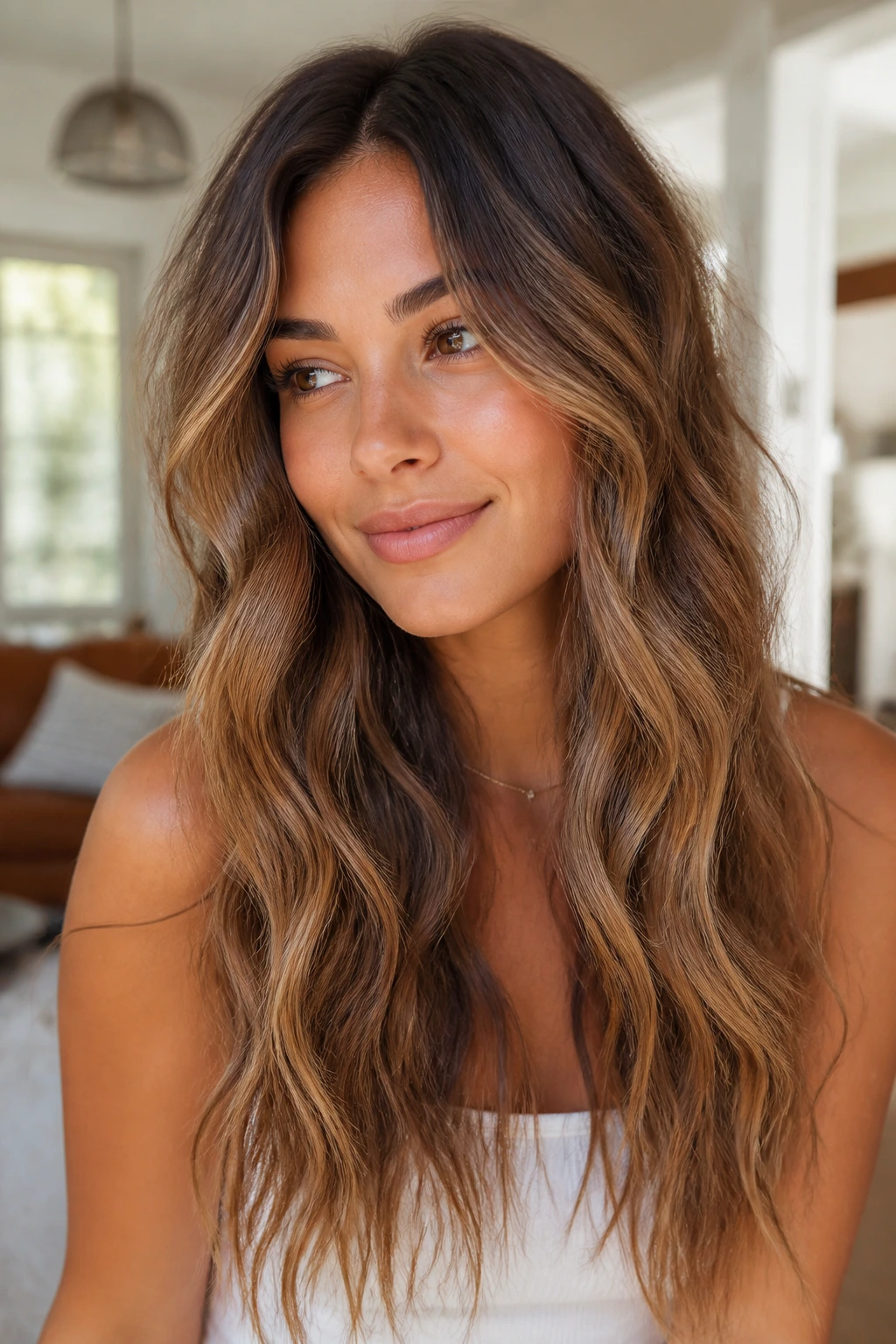
Fine-Hair Airy Waves: Use mousse at the roots, blow-dry the hair until it’s about 80 percent dry, then curl larger sections with a 1.25-inch iron. Fine hair needs lift and movement, not heavy cream. A light dry shampoo at the crown can help the style hold past lunch.
Thick-Hair Anchor Waves: Work in smaller sections and let each piece cool fully before moving on. Thick hair usually needs stronger clips, a little more heat protection, and a stronger-hold spray at the ends. If you skip the cool-down, the weight of the hair will undo the bend.
Heatless Rope-and-Ribbon Waves: Braid damp hair loosely or wrap it around a soft robe tie, then let it dry fully before unraveling. This is the one to use when you want beachy shape without hot tools. The result is softer and less uniform, which can be a good thing on long lengths.
Curly-Hair Stretch-and-Wave Version: Smooth the roots and mid-lengths with a blow-dryer and diffuser, then use a large iron only on the outermost bends of the hair. This keeps the natural texture but gives the style a more deliberate outline. It’s especially nice when you want control without erasing curl.
Humidity Shield Version: Use a light anti-frizz spray before styling and keep the ends in a braid, clip, or low pony if the air feels heavy. Long hair can expand outward fast in moisture, so the goal is not rigid control. It’s containment.
How to Keep Long Waves Looking Good Overnight and the Next Day
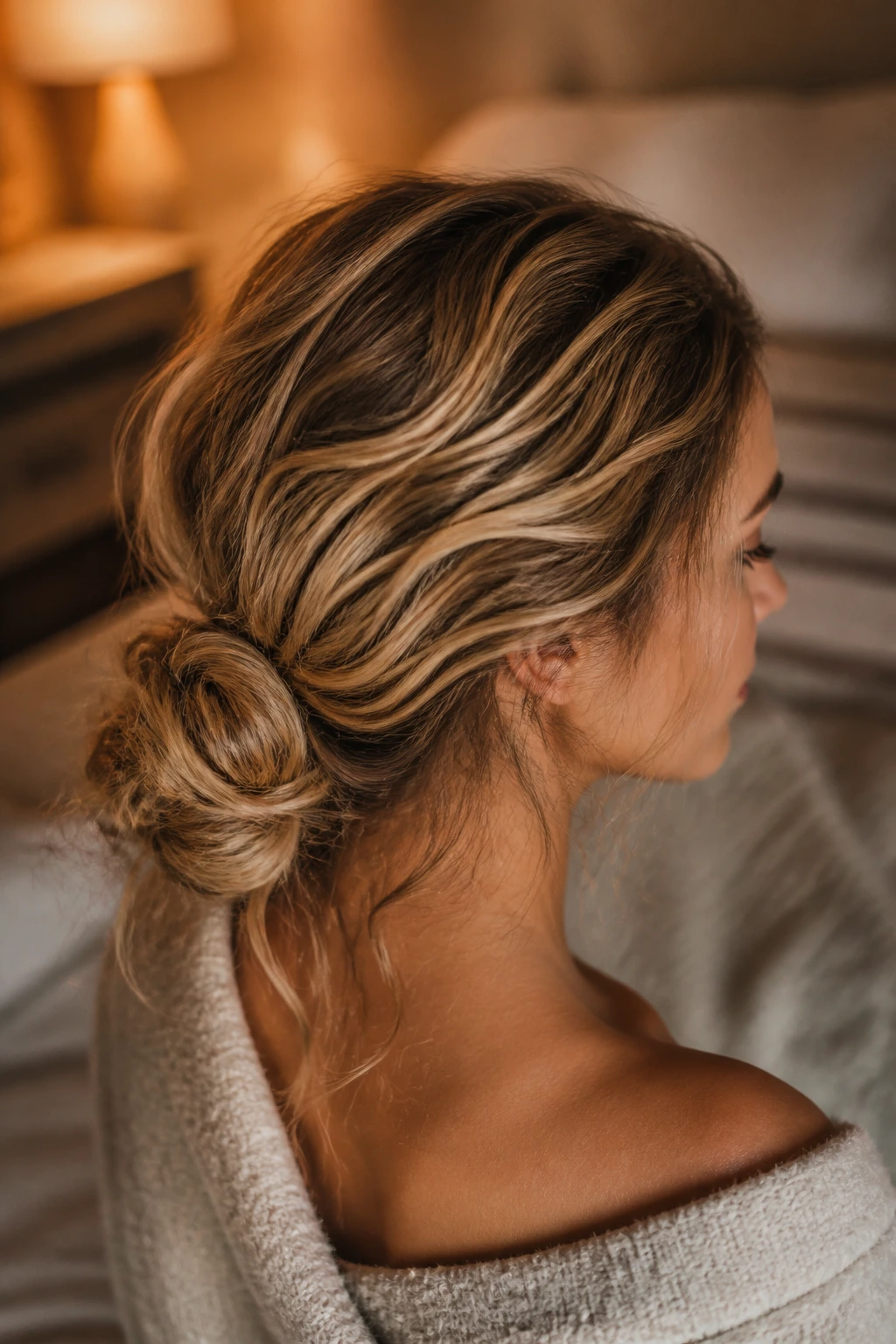
Beachy waves usually hold best for one to two days if you don’t crush them. The easiest preservation trick is to let the style cool fully before bed, then gather the hair into a loose top knot, a soft braid, or a low silk scarf wrap. A satin pillowcase helps, but it doesn’t do all the work. If the ends spend the night rubbing on cotton, they’ll wake up rough.
For the next day, start with the front pieces. Those are the first to go flat and the easiest to fix. A mist of water from a spray bottle, a quick bend with a curling iron, and a touch of serum on the ends usually bring the style back. You do not need to restyle the whole head unless the crown collapsed.
If the roots are oily, dry shampoo goes on before brushing, not after. Let it sit for a minute so it can absorb, then work it in with your fingertips. If the waves are still there but tired, twist a few face-framing sections around your fingers and clip them for five minutes while you get dressed. That tiny reset can save the whole look.
One note that saves time: styles with pins, clips, and low ponytails tend to survive overnight better than fully loose waves. They lose less shape at the nape, where most of the damage happens.
Frequently Asked Questions
What size curling iron works best for long beachy waves?
A 1.25-inch iron is the safest starting point for long hair because it makes a bend that relaxes into a wave instead of a tight curl. If your hair is very long or very thick, you may need bigger sections and a little more hold, but the larger barrel usually keeps the style softer.
Can I do these styles without heat?
Yes. Loose braids, ribbon wraps, and twisted buns can give you soft waves if your hair dries in them fully. The texture will look less uniform than hot-tool waves, which can be a good fit if you want something more relaxed.
How do I keep long waves from falling flat so fast?
Start with lighter products, cool each section before touching it, and avoid over-smoothing the roots. Long hair needs enough texture to hold the bend, but not so much product that the strands stick together. A little root lift goes further than a heavy spray.
Do beachy waves work on layered hair?
They usually work very well on layered hair because the shorter pieces around the face and crown create movement without adding bulk. The trick is to keep the ends from getting over-curled, since layers can make the bottom look fuller faster than you expect.
What if my hair gets frizzy around the collar area?
That part takes the most friction. Try a low braid, a pin, or a clip that lifts the nape away from rough fabric, and smooth the very ends with a drop of serum before you leave the house. Sometimes the fix is mechanical, not product-based.
Can I wear these styles to something formal?
Yes, if you clean up one detail. Swap the casual elastic for a ribbon, a French pin, or a polished side part. The wave can stay soft; the accessory and silhouette do the formal work.
Are claw clips strong enough for very long hair?
They are, if you buy the larger size and twist the hair loosely before clipping. Tiny clips usually fail because they can’t grip the weight. A 4.5- to 5-inch clip is much better for long lengths.
How often should I re-curl the front pieces?
Usually once on the second day is enough. The front pieces get touched, tucked, and bent more than the rest of the hair, so they’re the first ones worth refreshing. Leave the lengths alone unless they’ve gone dull or flattened hard.
A Softer Kind of Fall Hair
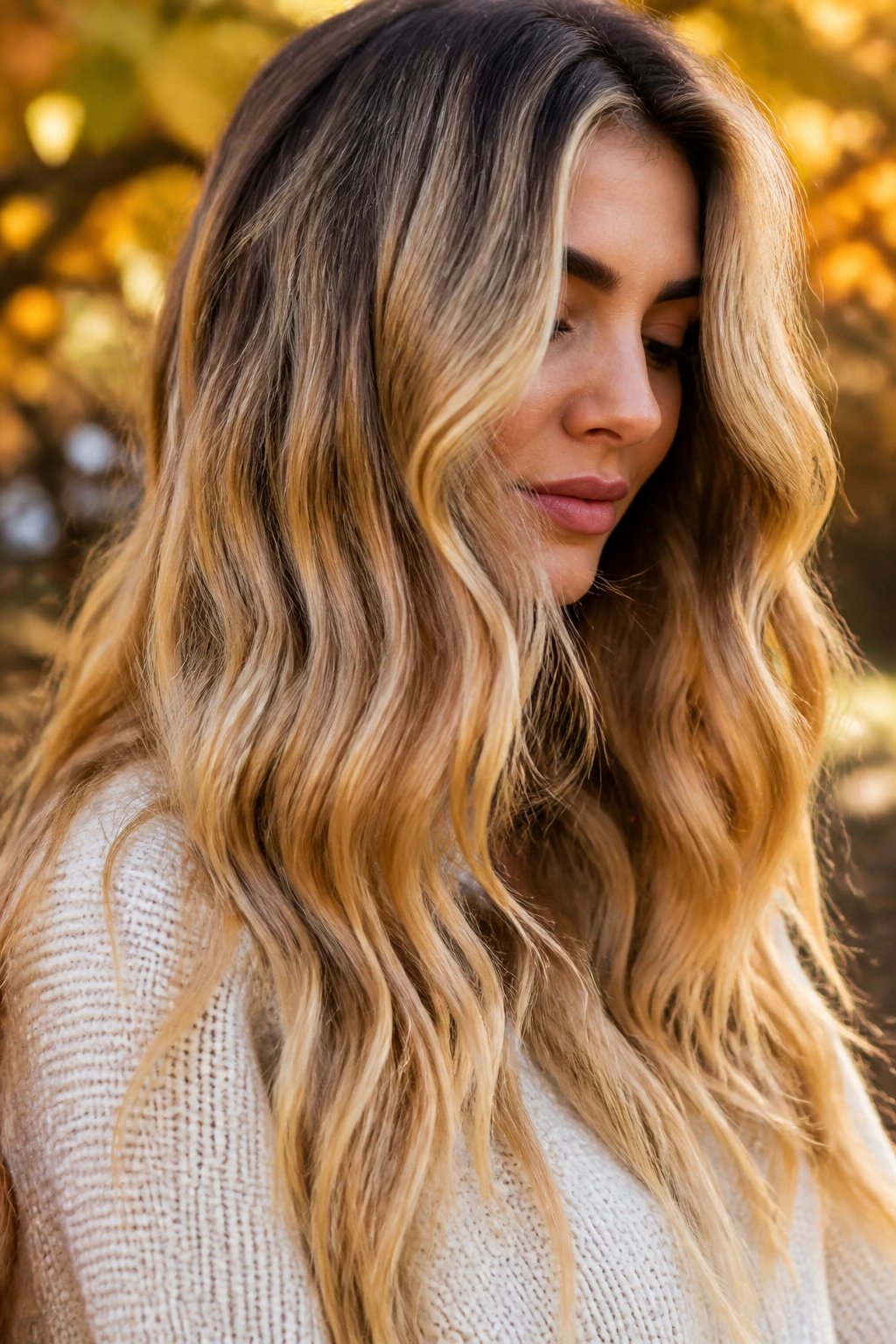
The best part about these fall trends hairstyles for long hair with beachy waves is that they do not ask long hair to pretend it’s short, or straight, or perfectly controlled. They let the length stay long. They let the wave stay soft. And they make room for the things that actually happen to hair in real life — collars, wind, dry air, static, a bad part, a good clip.
Pick one style that suits your coat collar and your texture, then wear it twice. Once with a pin, once without. Once with a ribbon, once with a claw clip. Long hair usually looks best when it’s given just enough structure to behave, and just enough freedom to still look like hair.