



Curly haircuts are one of those things you feel before you can explain them. A blunt line can look crisp on straight hair and turn into a triangle the minute natural curls spring up, bunch together, and claim their own territory. Beachy waves make that even trickier, because the shape has to look loose and easy without losing control at the ends.
That’s the real tension here. You want movement, but you do not want the kind of movement that lands you in a puffed-up halo by noon. The best curly haircuts for natural hair with beachy waves respect shrinkage, leave enough weight for the curls to clump, and create a silhouette that still looks deliberate on day three.
And honestly, that’s where most hair advice gets lazy. People talk about “layers” as if all layers behave the same way, but a rounded curly bob, a dry-cut shag, and a tapered fro all solve completely different problems. Once you know what each shape does, the salon chair gets a lot less mysterious.
Why These Cuts Earn Their Keep
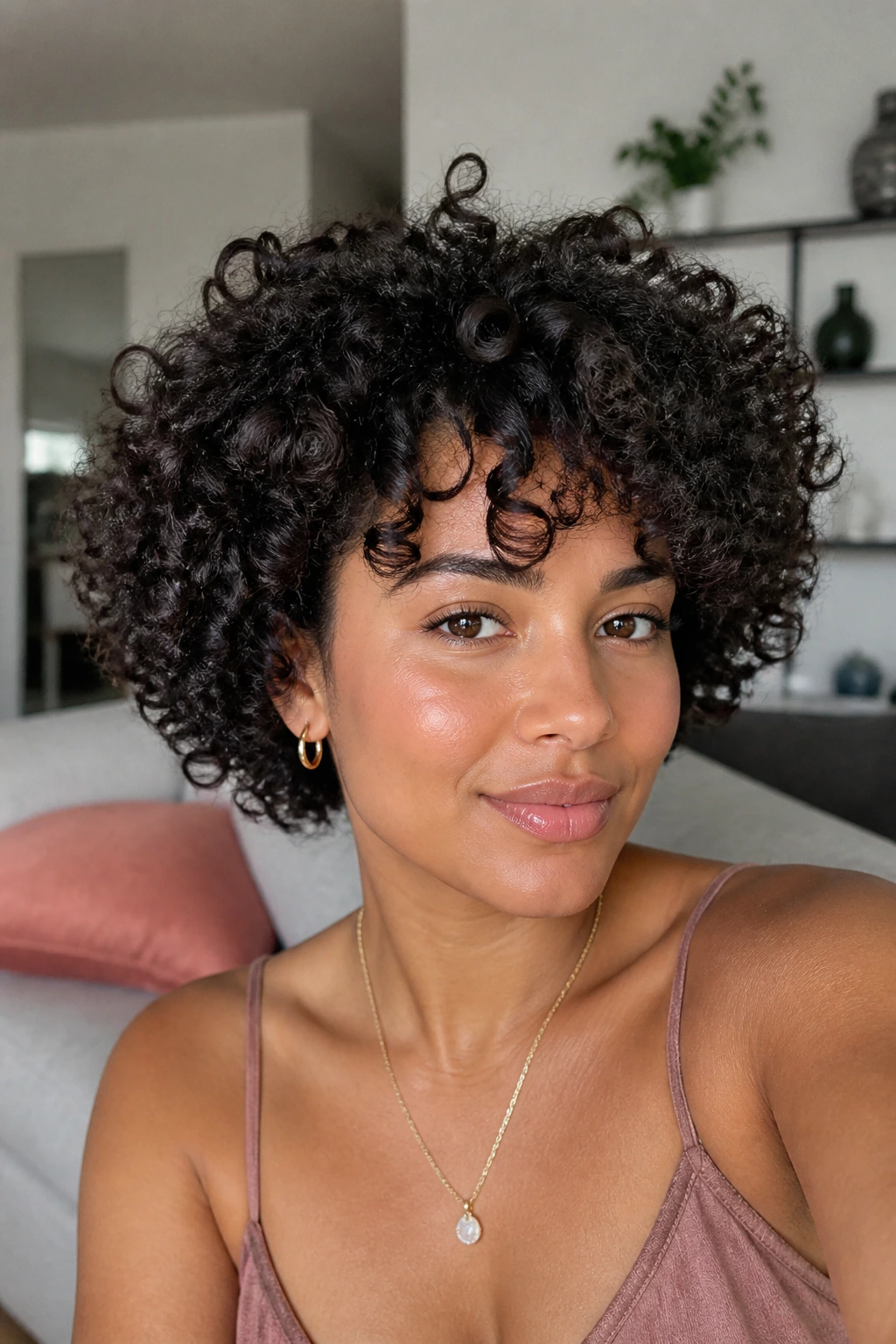
- Shrinkage-Friendly: These shapes leave room for curls to spring up without chopping the whole perimeter too high, which matters if your hair rises 1 to 4 inches after it dries.
- Soft Movement: Every cut here keeps enough internal weight to let beachy waves fall in loose bends instead of sticking out like little hooks.
- Low-Stress Grow-Out: A good curly cut should still look intentional after 8 to 12 weeks, not just on the first wash day.
- Face-Frame Control: Some of these cuts open the cheekbones, some soften the jaw, and some keep the forehead from feeling crowded by volume.
- Density Balance: Fine curls need lift. Dense curls need release. The right haircut handles both without making you fight the shape every morning.
- Stylist-Friendly: These are cuts you can actually ask for with plain language—round layers, blunt lob, tapered sides, curl-by-curl shaping—without sounding like you memorized a salon brochure.
1. Rounded Layers That Follow the Curl Line
A rounded layer cut is the haircut version of a good seam: invisible when it’s right, awkward when it isn’t. On natural hair, the rounded outline keeps the bulk where it belongs and avoids that wide, boxy shape that curly hair can slide into when the ends are left too blunt.
Why It Flatters Beachy Waves
The round silhouette lets the curl pattern stack in a softer arc, so the hair reads as airy rather than puffy. If your waves loosen at the crown and tighten toward the ends, this shape keeps the whole head in the same conversation.
Ask for the longest pieces to land below the collarbone when dry if your hair shrinks a lot. That little bit of extra length saves you from accidentally ending up with a cut that sits too high once it dries.
2. Curly Shag With Soft Fringed Ends
If your roots go flat and your ends go heavy, the shag is the blunt fix nobody likes to admit they need. It breaks up the weight so your natural hair can move instead of sitting there like one solid block.
The trick is softness. You want choppy internal layers, not the kind of over-thinned, frizzy mess that looks like it lost a fight with a pair of scissors. A good curly shag gives beachy waves that slightly undone, lived-in finish without making the ends look sparse.
It also works well if you air-dry. The pieces separate on their own, and a little mousse at the roots usually gives enough lift that you do not have to overstyle it.
3. Collarbone Lob With a Clean Weight Line
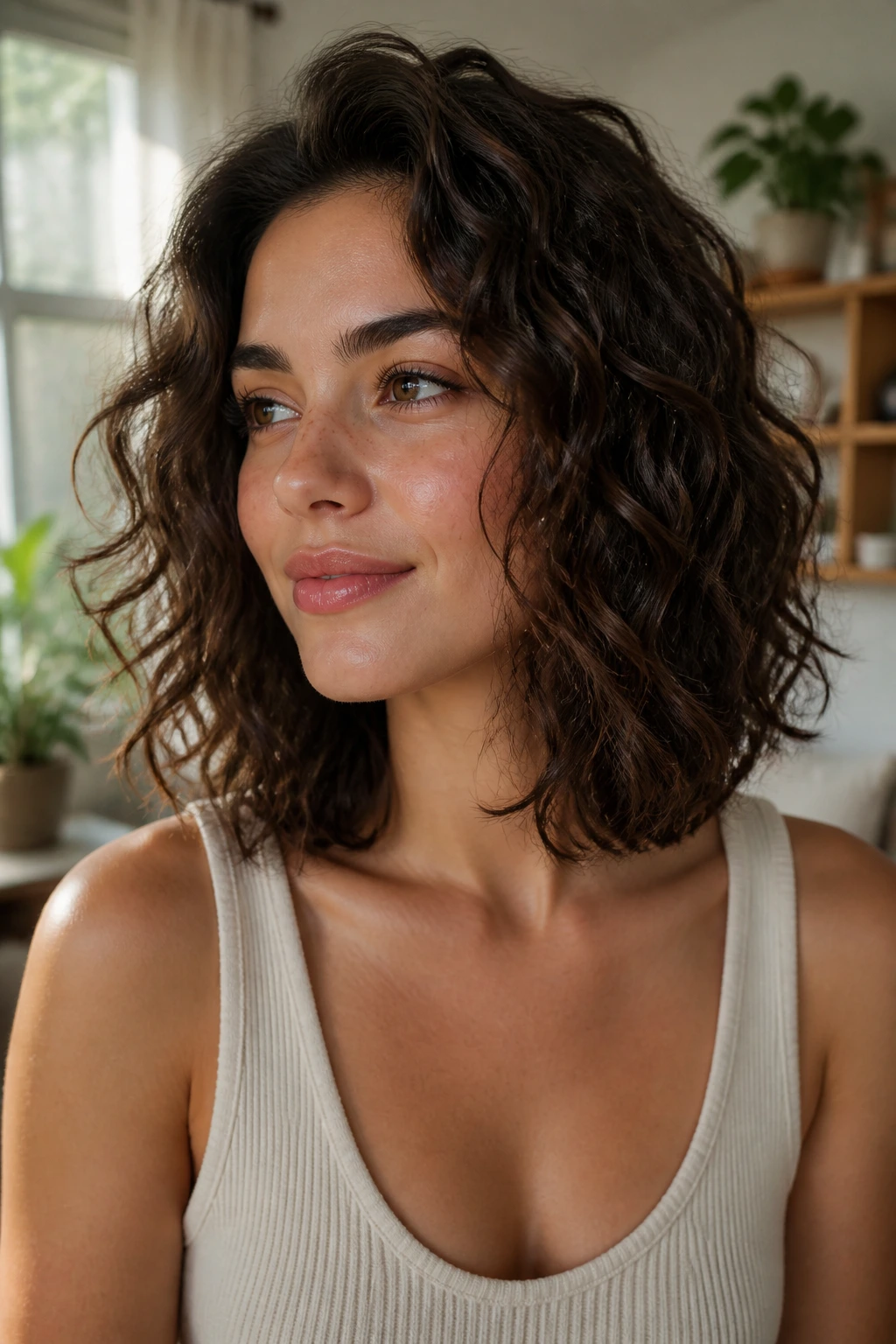
Want movement without giving up a sense of polish? The collarbone lob does that job better than almost any other curly haircut. It sits in that sweet spot where the length still feels versatile, but the ends no longer drag the whole shape downward.
What to Ask For
- A lob that hits at or just below the collarbone when dry.
- A soft, curved perimeter instead of a super blunt shelf.
- Face-framing pieces that start around the cheekbone, not halfway up the ear.
- Minimal thinning at the ends so the wave pattern can clump.
The collarbone length is especially good if you like to tuck hair behind one ear or wear half-up styles. It still gives you beachy softness, but it behaves when you need it to.
4. Deva Cut for Curl-by-Curl Precision
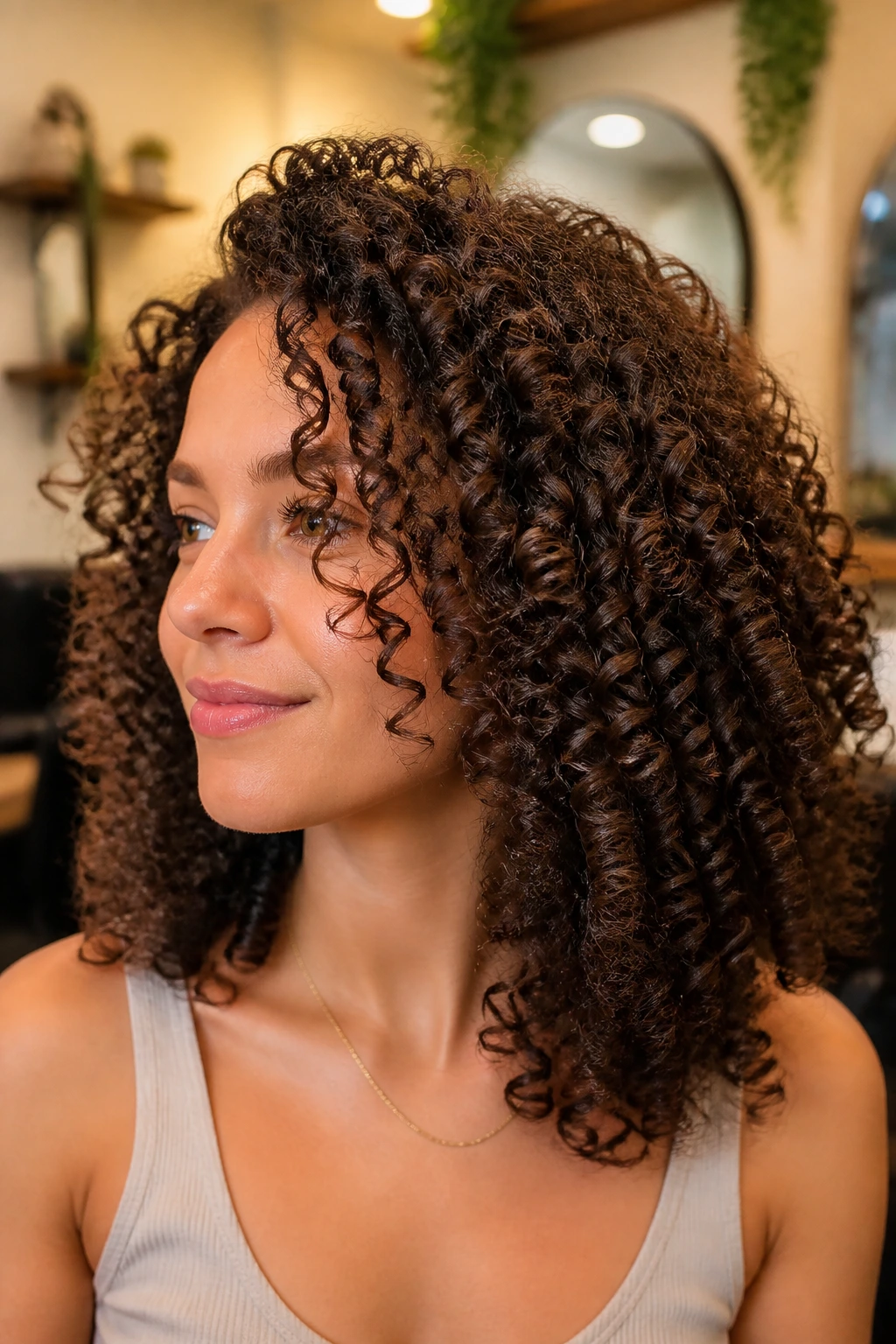
A Deva cut is for the person who has watched a wet haircut turn into something completely different once it dried. Curl-by-curl cutting sees the actual spring of the hair, which matters more than almost anything else with natural texture.
Wet hair lies. Beautifully, but still. Dry cutting lets the stylist see where each curl wants to sit, so the final shape respects the real pattern instead of the pattern the hair pretends to have in the sink.
This is the cut I’d choose for anyone who’s tired of surprise shrinkage. It can cost more, and it should, because the extra time goes into making the shape honest.
5. Butterfly Layers That Float at the Crown
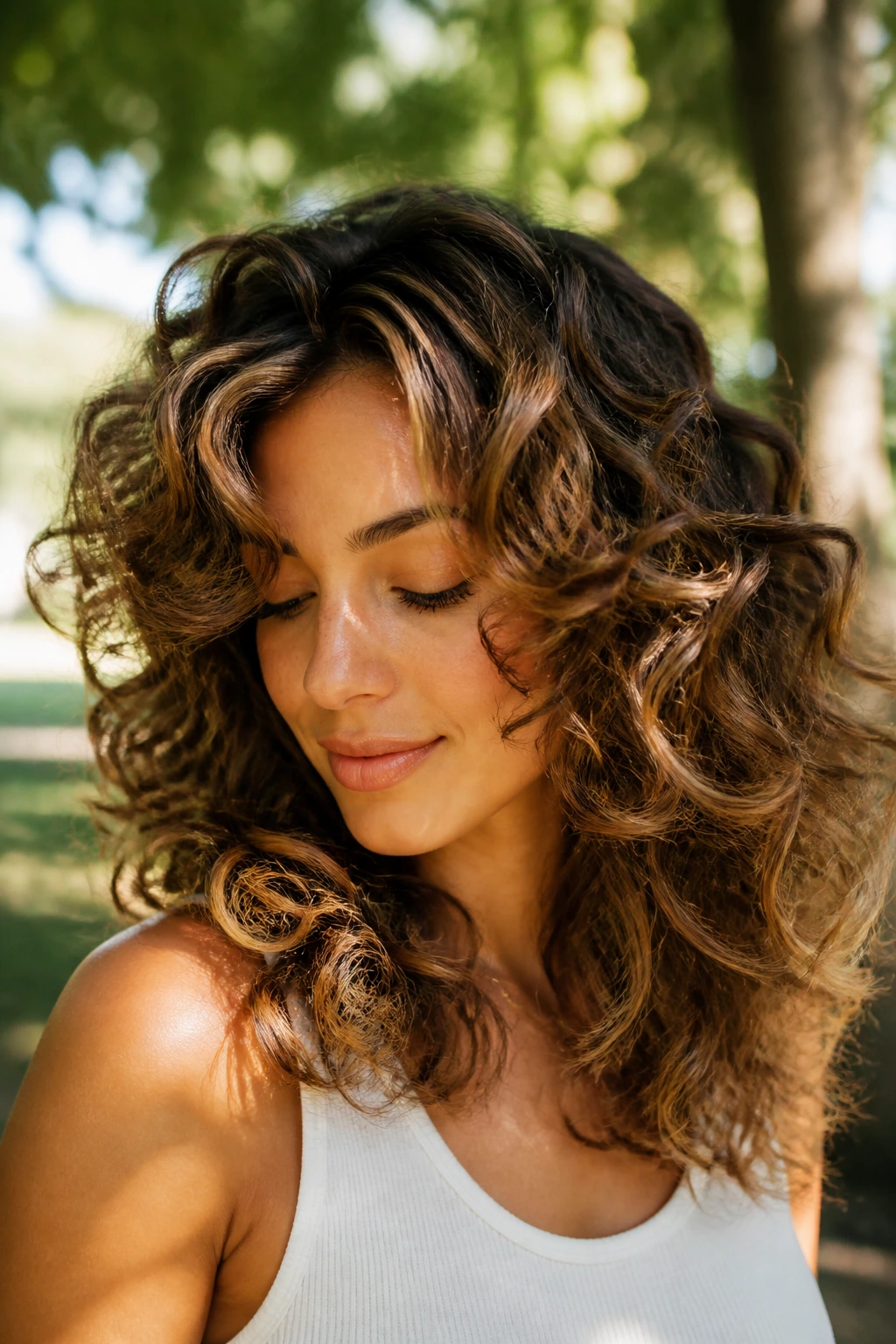
Butterfly layers are a nice answer when you want long hair to feel lighter without losing the drama of the length. The shorter upper layers lift the crown, while the longer bottom sections keep the beachy wave line swinging.
There’s a particular softness to this cut when it’s done well. The top layer moves first, the bottom layer follows, and the whole head gets a little rhythm instead of that heavy curtain effect that can happen on dense curls.
It’s a smart option if your curls flatten on top but look gorgeous from the shoulders down. The layers do the work up high, and the ends stay full enough to keep the shape from feeling wispy.
6. Curly Bob With a Tucked Under Nape
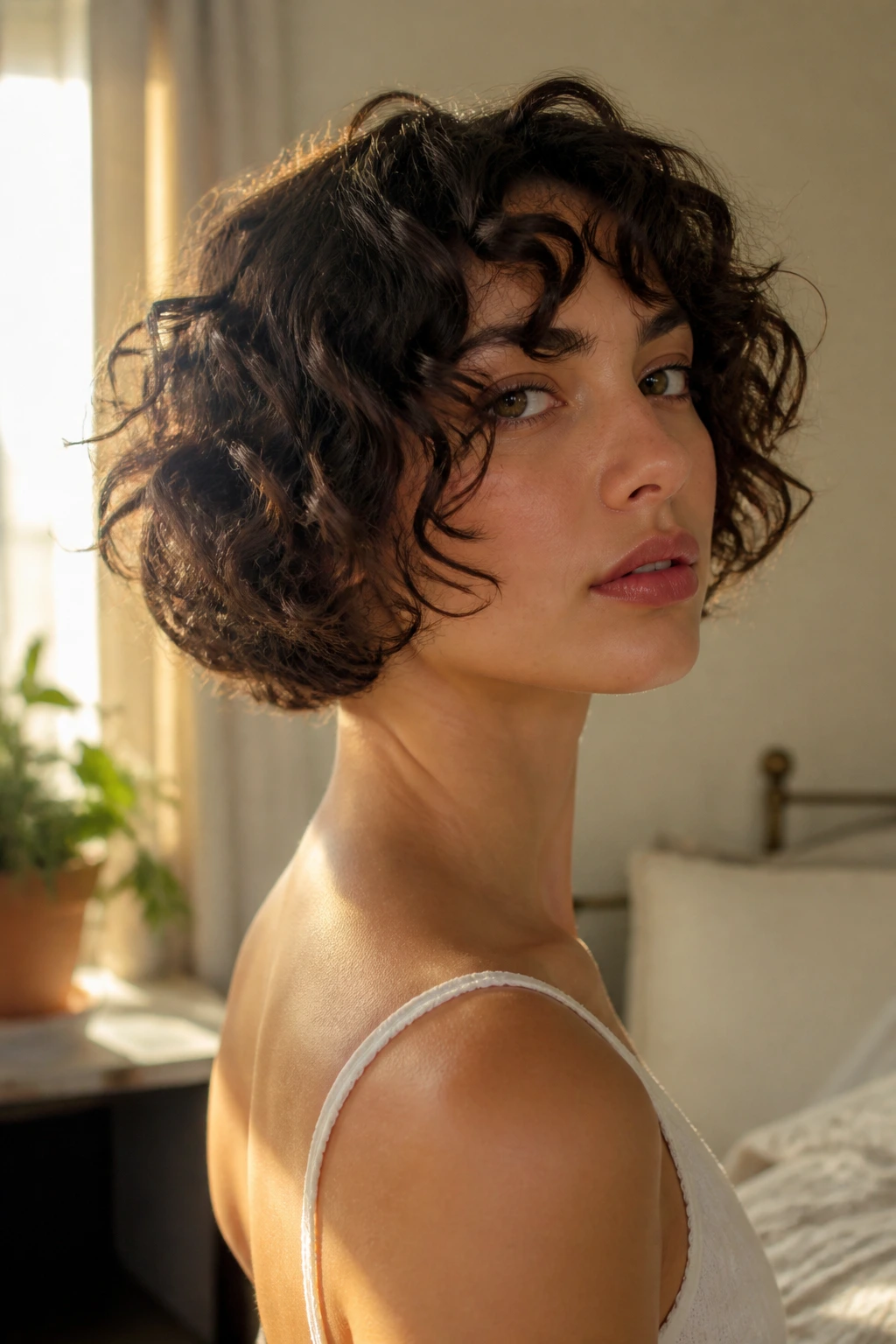
A curly bob is clean, but it does not have to be severe. When the nape is tucked in slightly and the front pieces are left a touch longer, the cut has a soft bend that suits beachy waves far better than a hard straight line.
The best part is how much life it gives the neckline. Short curls can sit right at the jaw and still move, which means the shape reads as intentional rather than helmet-like.
This cut loves a side part and a little root lift. If your hair is dense, ask your stylist to preserve some weight at the perimeter so the bob doesn’t puff out at the bottom.
7. French Bob With Brow-Grazing Fringe
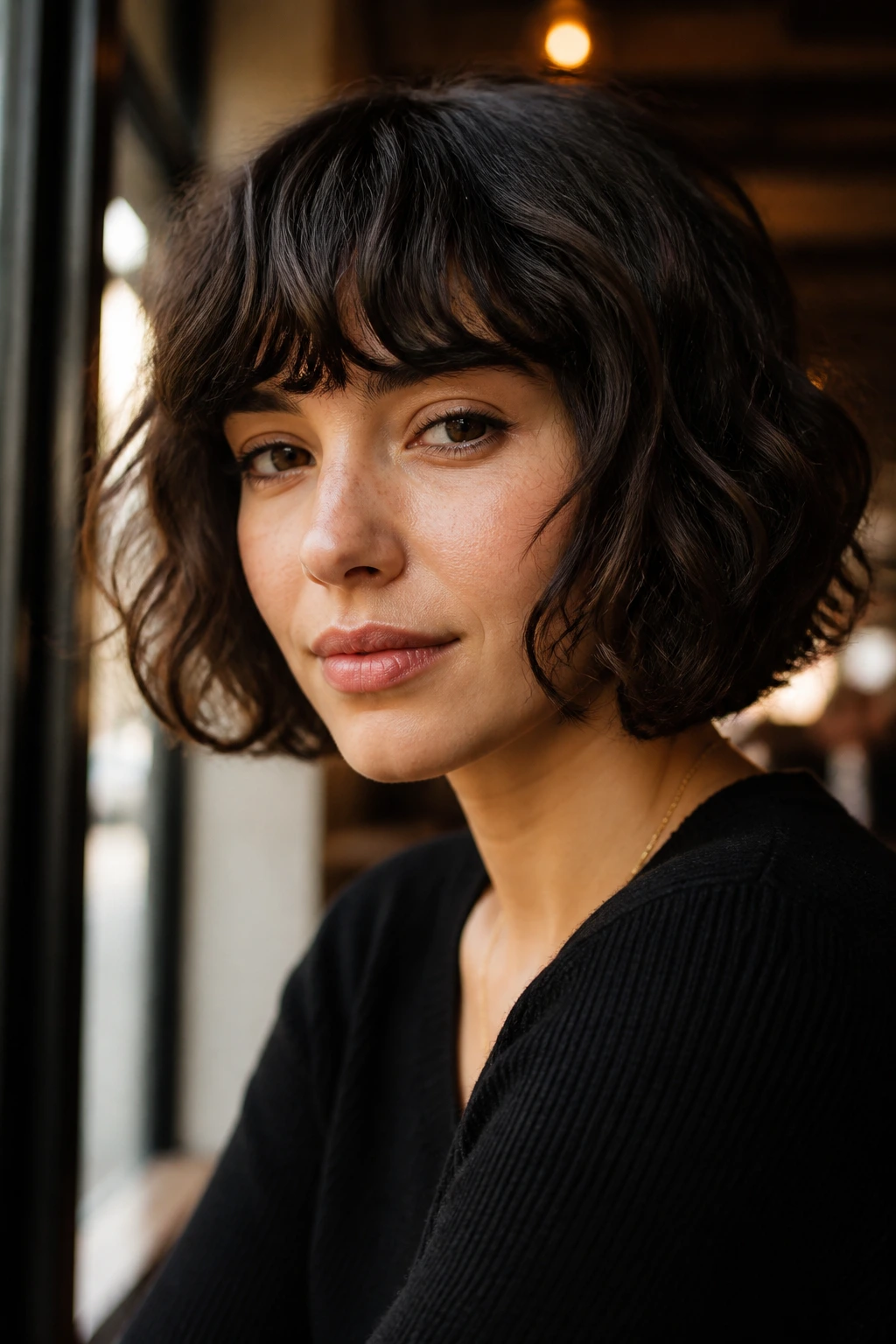
A French bob on natural hair looks charming when the waves are loose and the fringe is cut with a bit of restraint. Too short, and it can start acting like a shelf. Just right, and it lands with that airy, slightly cheeky shape that makes the whole face look open.
The fringe matters more than people think. Brow-grazing bangs add movement up front, which keeps the bob from feeling one-note. On wavier textures, they soften the whole haircut and give the beachy finish a little extra bounce.
Styling Note
Use a light mousse or foam on the fringe first, then scrunch the rest. If the bangs dry straight while the rest of your hair curls, the contrast looks odd fast. Keep the front pieces in the same drying routine as the rest of the head.
8. Face-Framing Layers for Loose Beachy Movement
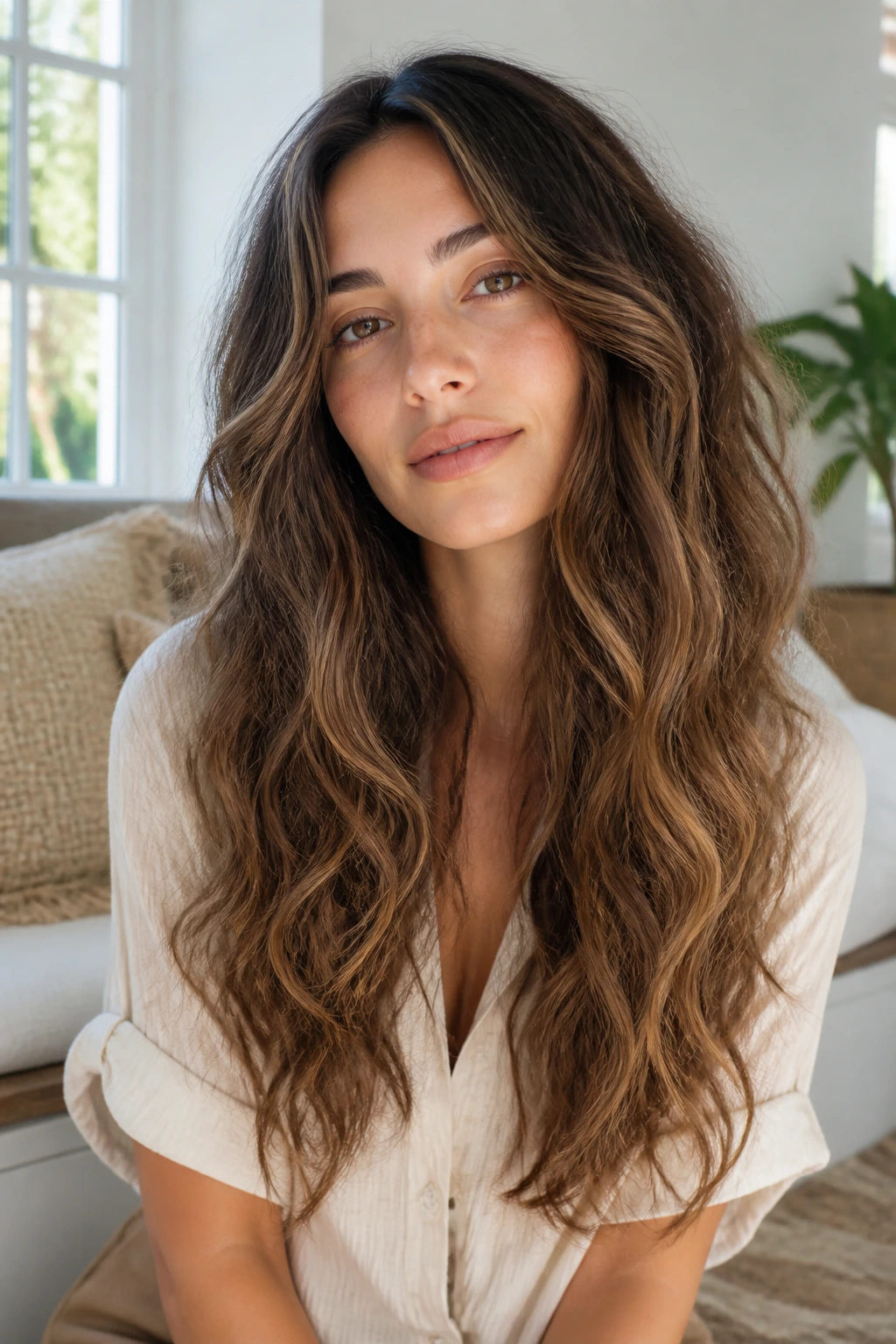
If you love your length but want the front to stop hanging there like a curtain, face-framing layers are the fastest fix. They open up the face, let the curls bend around the cheekbones, and stop the front from pulling everything downward.
These are especially good on long natural hair with soft waves because they create motion without taking apart the whole length. You still keep your ponytail. You still keep your braid length. But the shape feels lighter every time you turn your head.
The mistake here is cutting the face frame too short. Once the front starts hovering above the chin, beachy waves can turn fussy instead of soft. Keep the shortest pieces long enough to blend.
9. Angled Lob That Slides Longer in Front
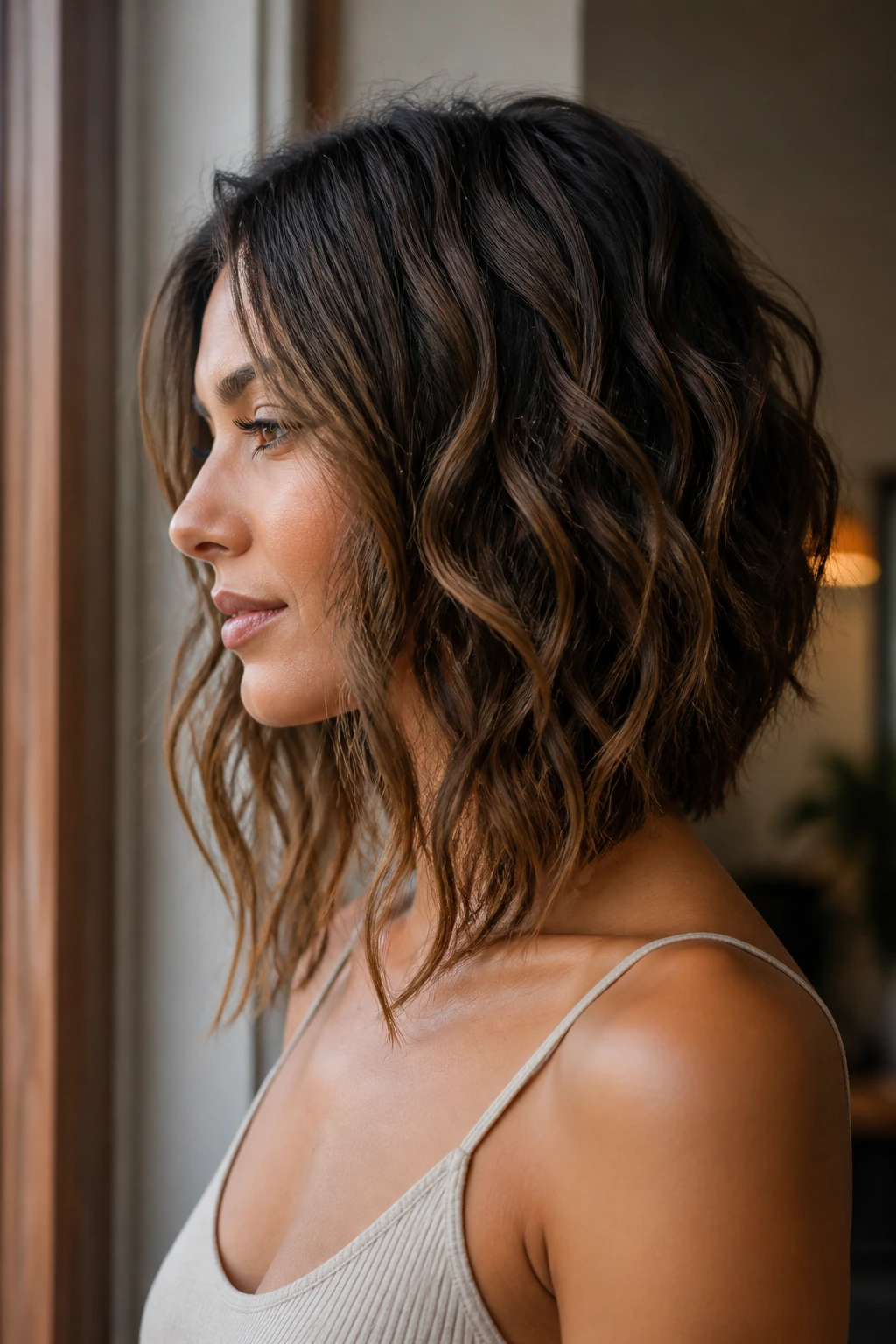
An angled lob gives you a bit of attitude without making the haircut hard to wear. The back sits slightly shorter, which lifts the weight off the nape, while the front stays longer and grazes the collarbone or chest.
That angle is useful on natural hair because it makes the waves fall forward instead of puffing outward all around the head. The shape also flatters a side part well, since the longer front pieces follow the line of the face.
I like this cut for anyone who wants their hair to look shaped even when they barely touch it. A quick diffused dry, a little scrunching, and the angle does the rest.
10. Tapered Cut for Dense Natural Hair
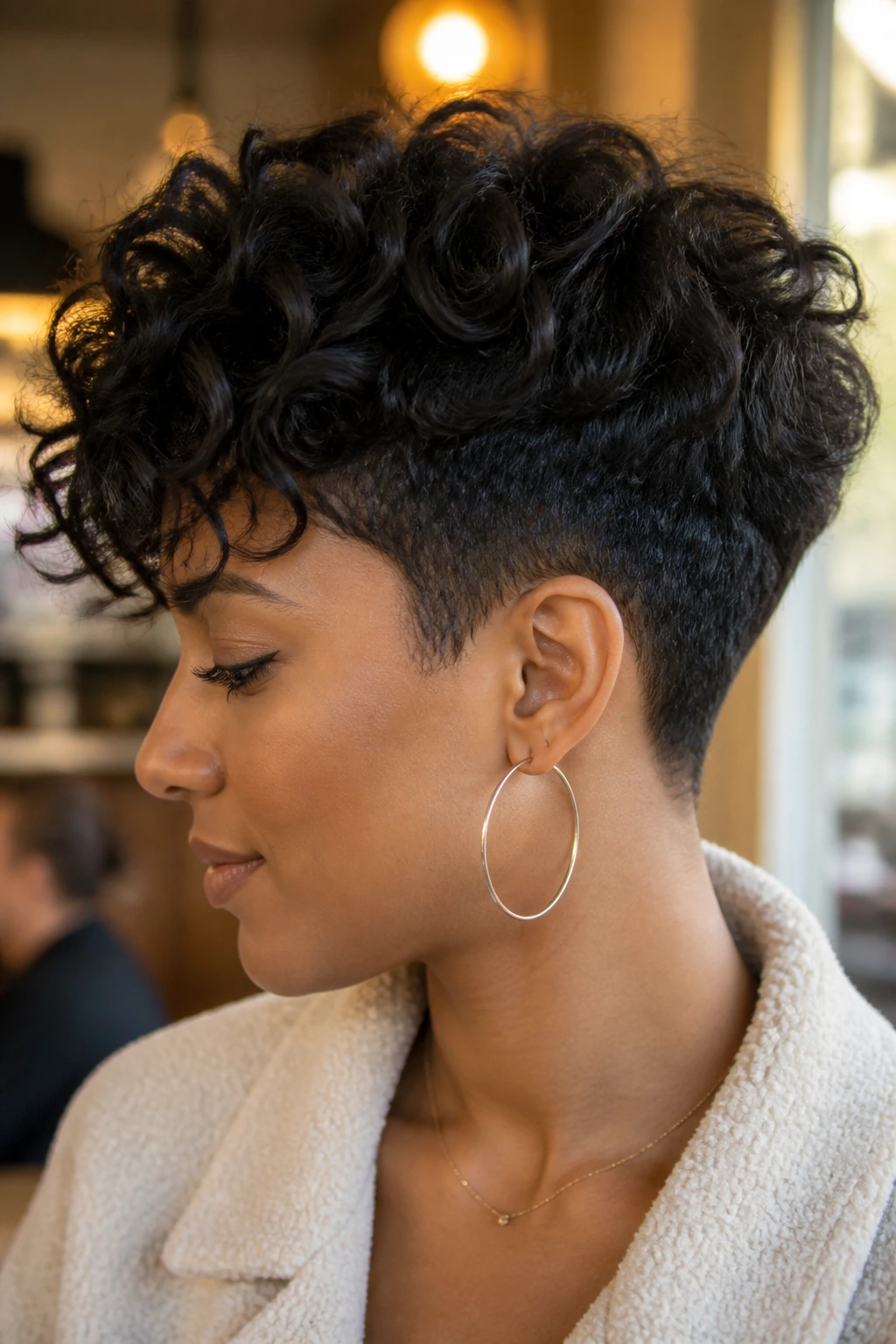
When the sides start feeling wide before the crown even dries, a tapered cut makes sense. It tightens the silhouette around the nape and temples, then lets the top keep the full, beachy wave volume people usually want to show off.
This is one of the cleanest options for dense curls and coils. It keeps the edges neat, which means the haircut grows out without turning boxy too fast. The whole thing feels lighter on the neck, too, which is a gift in warm weather or any day you don’t want hair brushing your collar all afternoon.
Ask for shape, not just shortness. A good tapered cut still has a rounded top and enough length to move.
11. Curly Pixie With a Soft Top
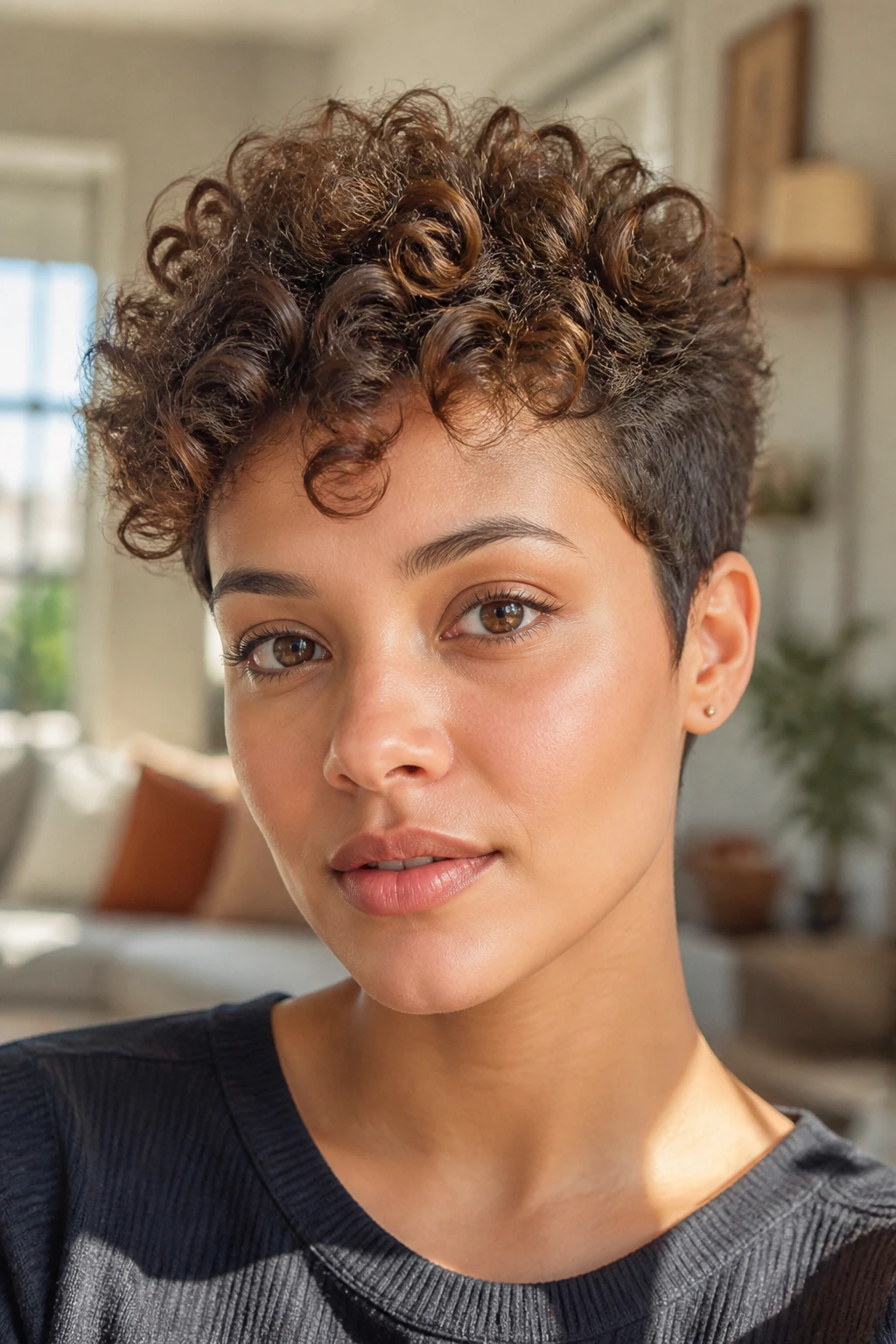
A curly pixie is tiny, but it should never feel harsh. The top stays soft and a little longer, the sides stay close enough to frame the face, and the curls themselves do the decorating.
This cut is all about energy. It shows the curl pattern instead of hiding it, which is why beachy waves can look so good here when the top is shaped with care. The line at the temples matters more than the length, and that’s where a skilled stylist earns their money.
It does need trims more often than longer shapes. If the neckline gets fuzzy, the whole pixie loses its edge fast.
12. Bixie Cut With Playful Sideburn Length
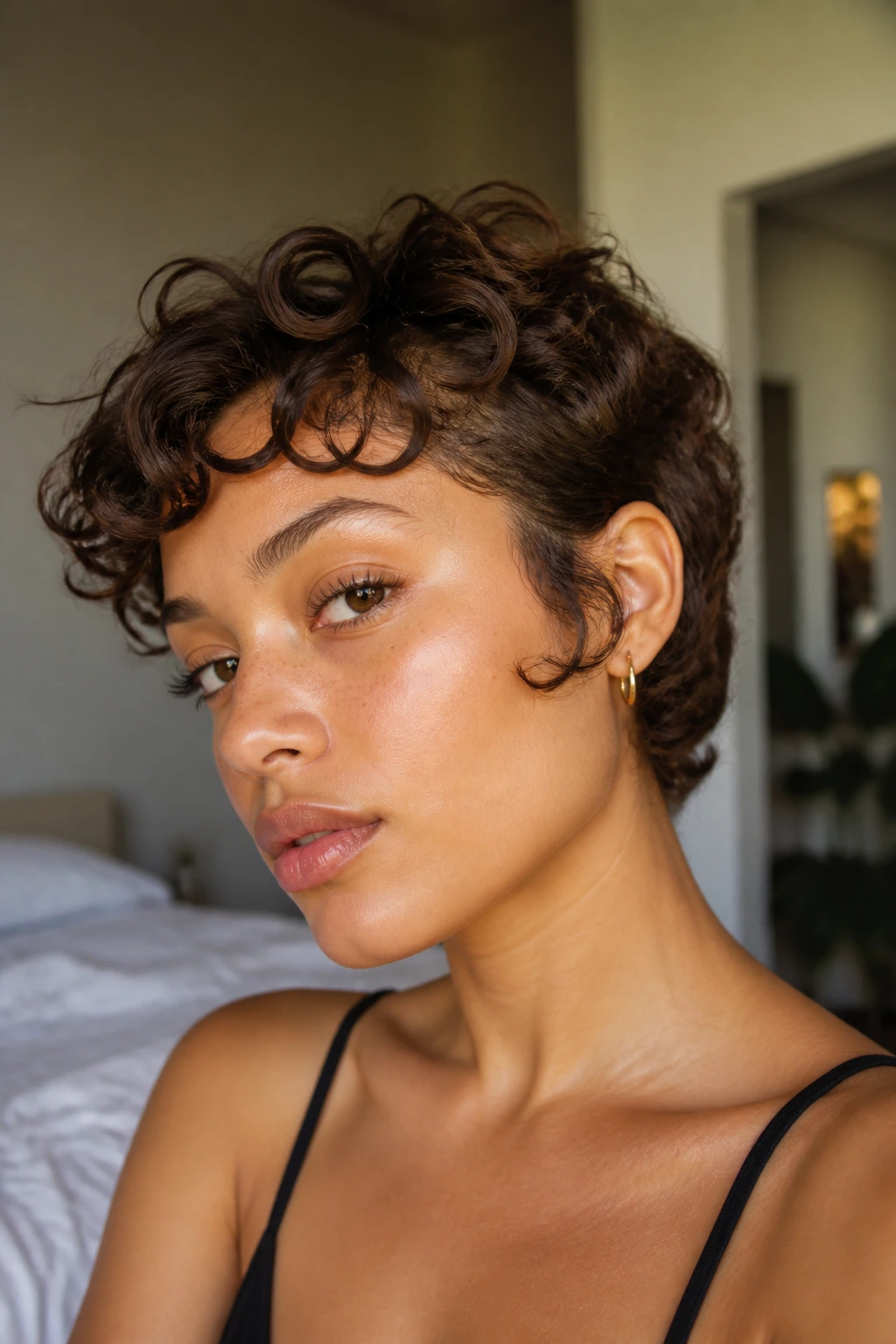
The bixie sits right between a bob and a pixie, which is exactly why it works on natural hair that wants shape without too much commitment. You keep some side length for softness, but the back and crown stay short enough to make the waves spring.
That sideburn area is the sneaky good part. Leave a little length there and the cut stops feeling severe the second you tuck one side behind your ear. It also gives your face frame a softer landing than a pure pixie.
Why It Feels Less Severe
The bixie keeps enough length around the ears to stay feminine, if that’s the word you want, but not so much that it collapses into a bob. It grows out with less drama, too. That matters more than people admit.
13. Wolf Cut With Choppy Internal Layers
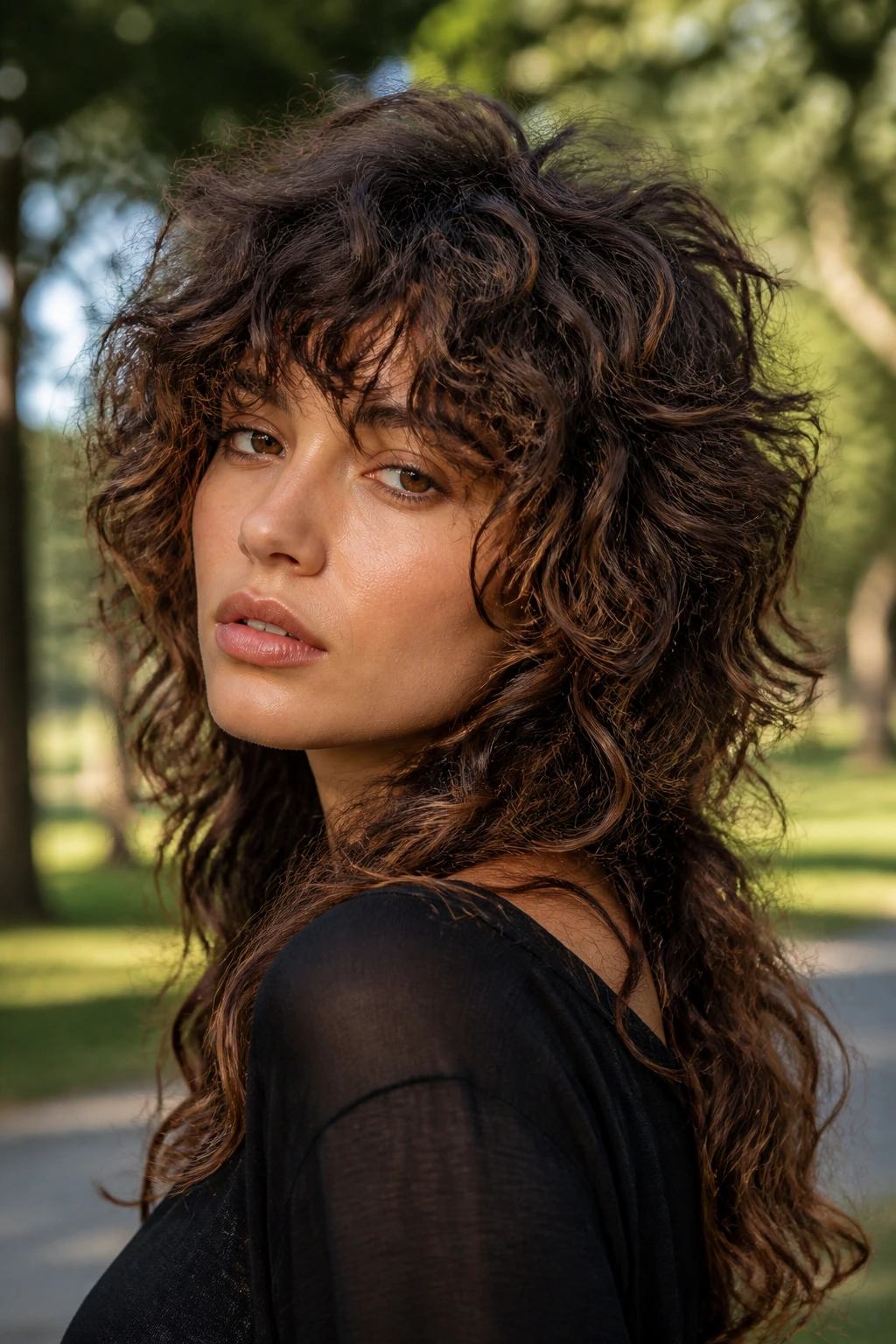
The wolf cut is for the person who wants texture to look like texture. Not polished. Not pressed flat. Just piecey, lifted, and a little wild in a good way.
On curly hair, the wolf cut can be fantastic because the shorter crown layers bring the beachy movement up higher, where it can actually be seen. The longer bottom pieces keep the shape from turning into a puffball. That contrast is the whole point.
The catch is overdoing it. Too many short layers and the ends go frizzy. Too much thinning and the whole haircut loses the clump that makes natural waves look juicy instead of frayed.
14. Halo Shape That Keeps Volume Balanced
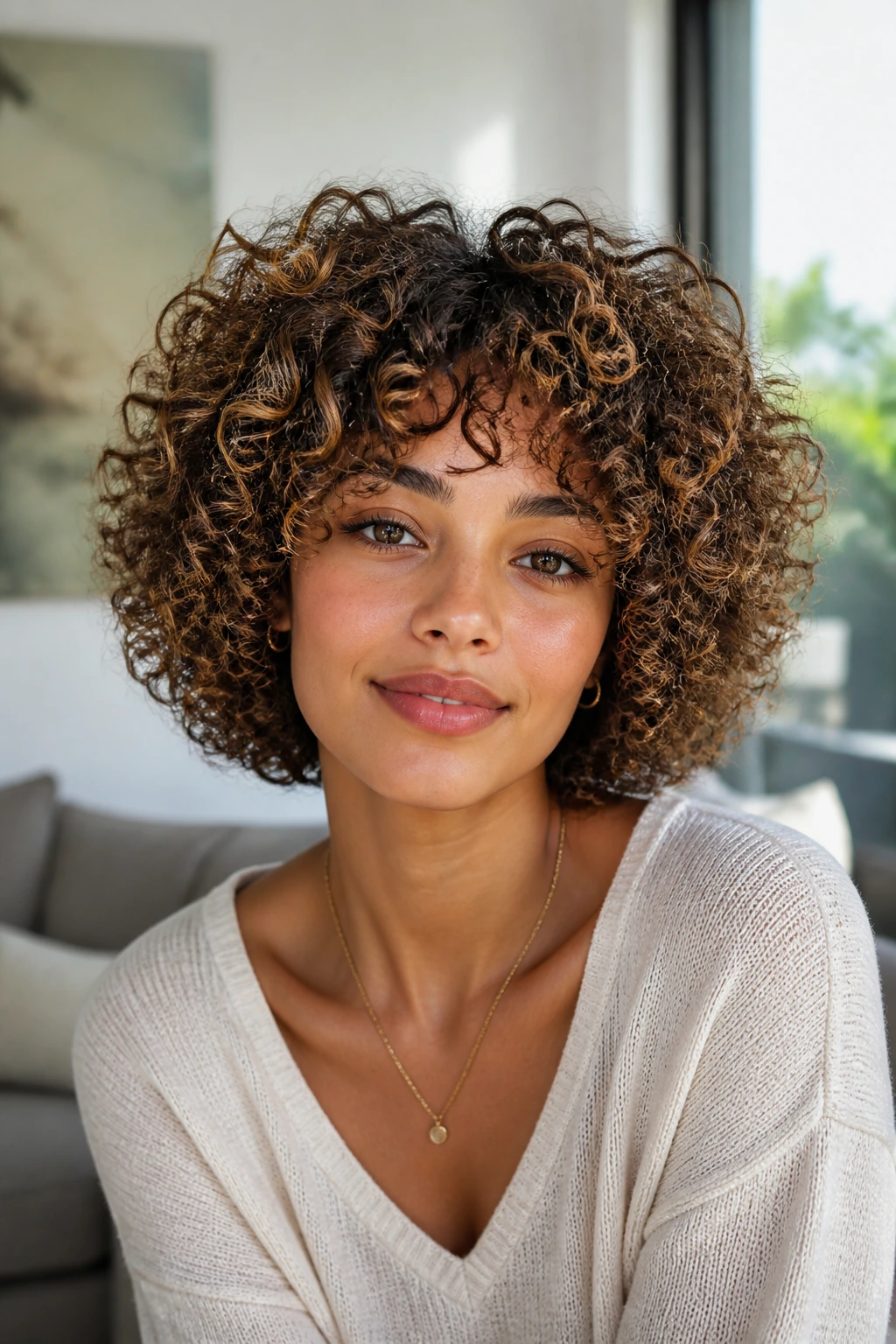
A halo-shaped cut rounds the hair around the head so the silhouette feels even from every angle. If your curls tend to make the sides flare out while the top sits flat, this shape gives the whole head a more balanced outline.
It’s a strong choice for dense natural hair because it uses the hair’s own volume instead of fighting it. The curve keeps the edges soft, which helps the beachy finish look loose rather than boxy.
This one can look dramatic in the best way when the curls are separated just a little. A pick at the roots, a diffuser on low heat, and the round shape shows up immediately.
15. Asymmetrical Cut for a Sharp Side Sweep
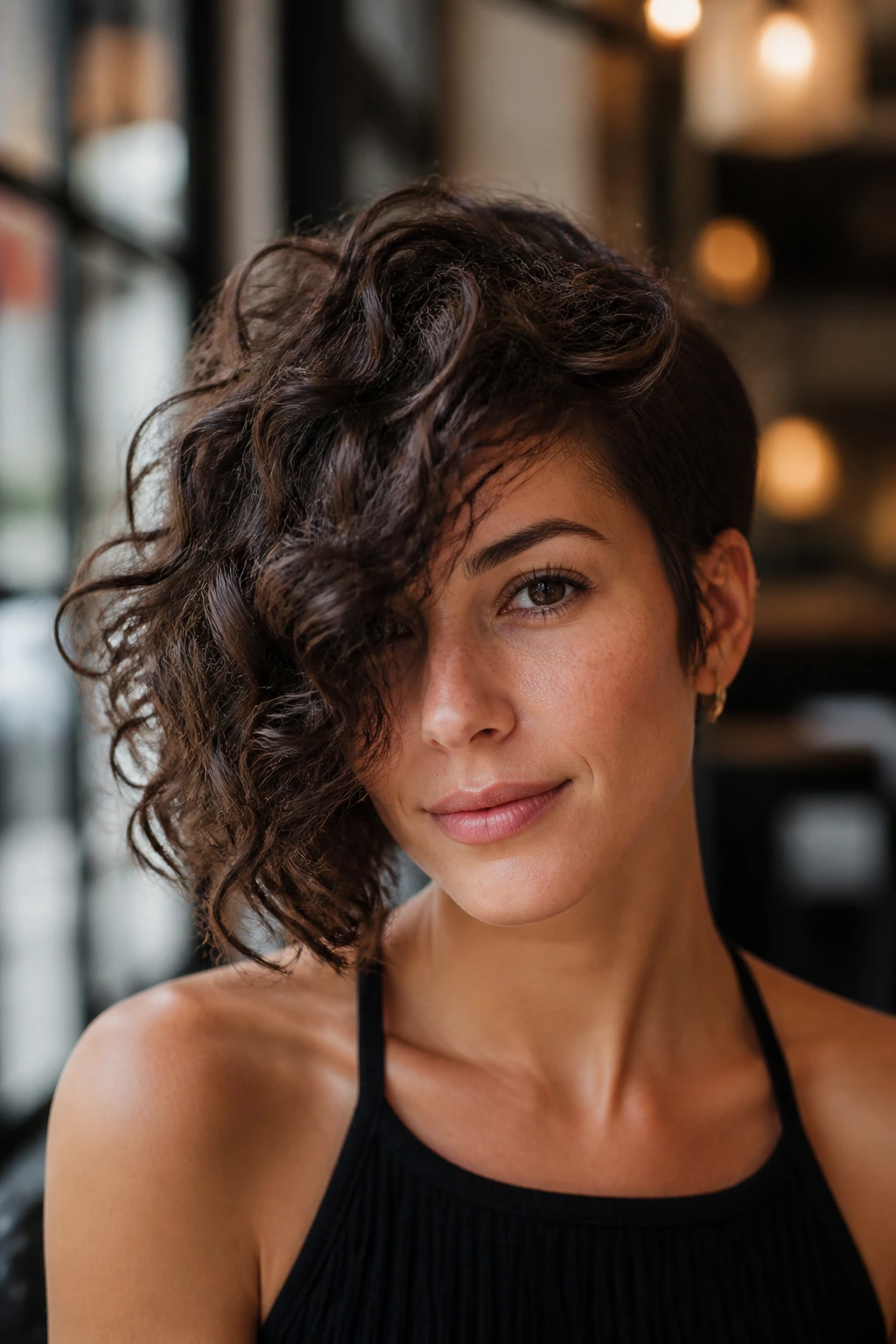
An asymmetrical cut can sound intimidating, but on curly hair it often reads as modern and easy rather than sharp for the sake of being sharp. One side sits a little longer, the other side lifts the eye, and the whole shape gets movement from the imbalance.
It’s especially flattering if your waves naturally favor one side. Instead of trying to force symmetry, the haircut leans into the way your hair already falls. That usually looks better than pretending the curl pattern is perfectly even.
The biggest benefit is visual length. A side-swept asymmetrical shape can make the neck and jaw look longer without touching the overall volume too much.
16. Curly Mullet With Modern Softness
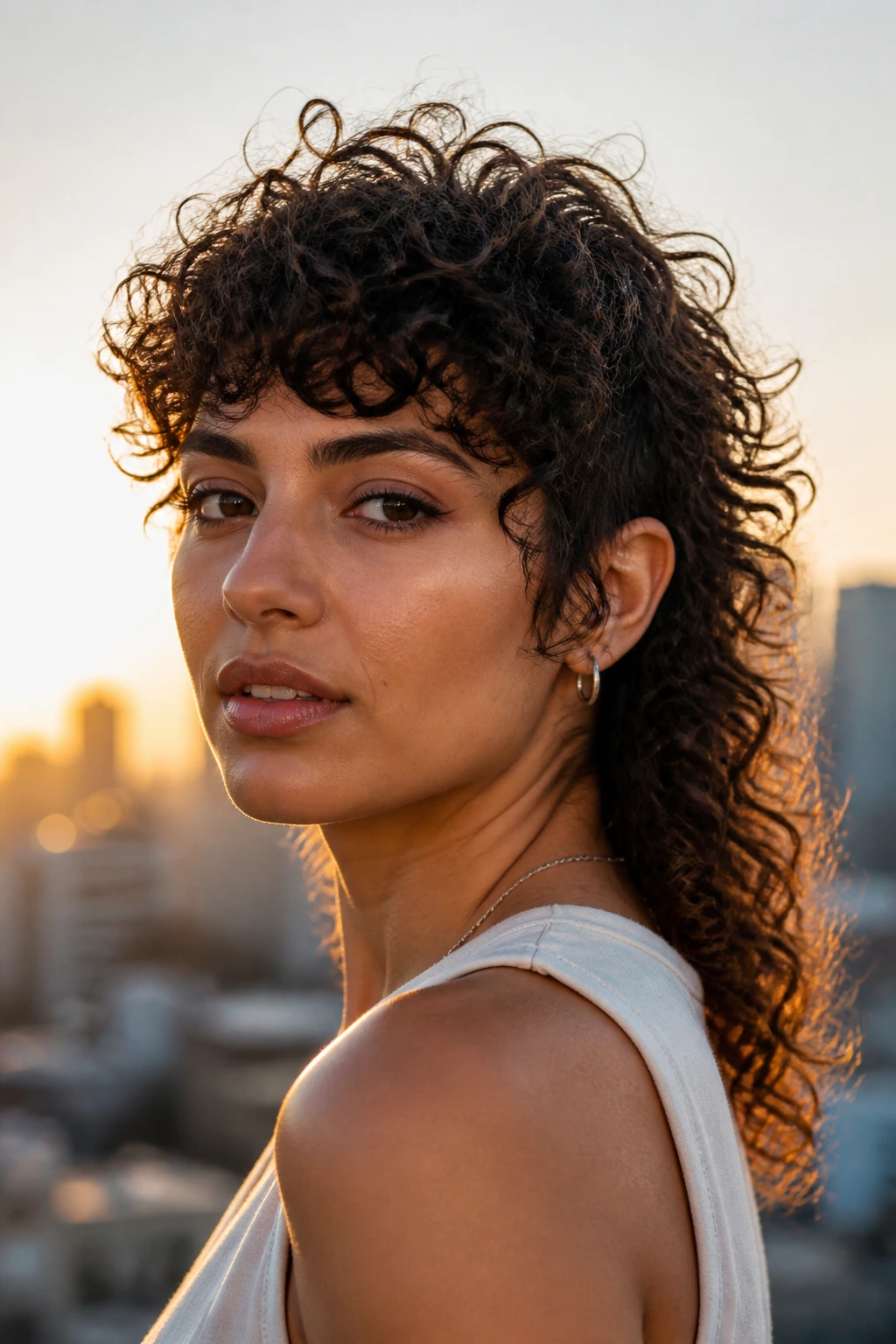
A modern curly mullet is not the cartoon version people joke about. The front is softened, the crown gets lift, and the back keeps enough length to move. On natural hair, that layered contrast can look surprisingly elegant.
The reason it works is simple: curls and waves love internal shape. A little shorter up top keeps the crown alive, while the back gives the whole haircut swing. It’s a gutsy shape, sure, but it’s not a joke if it’s cut with restraint.
This one grows out with a cool, shag-adjacent feel. If you like a cut that doesn’t beg for perfection, it’s worth a serious look.
17. U-Shape Long Cut That Keeps the Ends Full
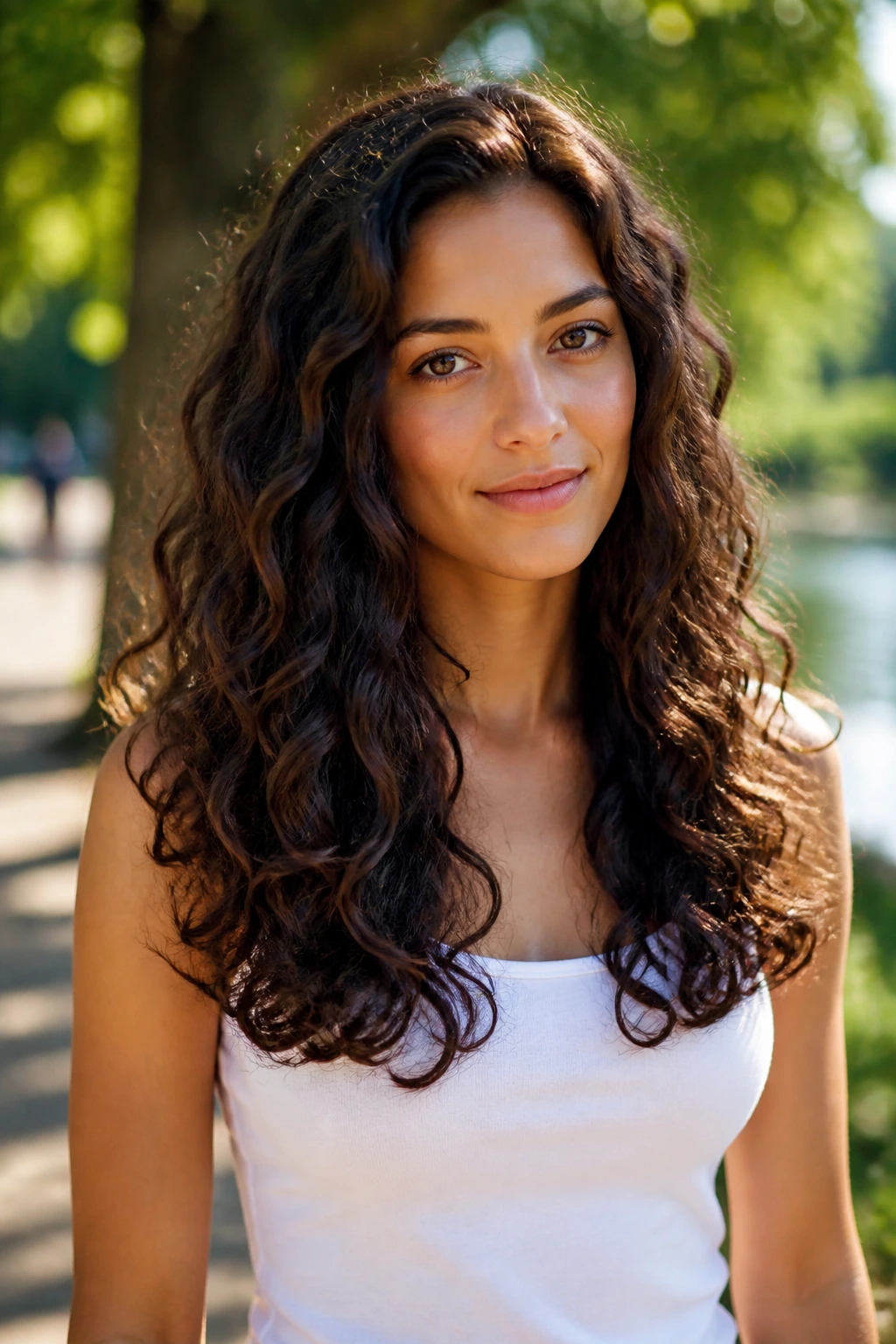
Want to keep length but ditch the heavy curtain effect? A U-shape long cut is a smart compromise. The sides sweep down softly and the back stays fuller, which helps the ends look healthy instead of stretched thin.
On beachy waves, the U-shape preserves enough perimeter weight for the curls to settle in clumps. That matters if your hair gets stringy at the bottom when it’s layered too aggressively.
It’s also one of the easiest long cuts to live with. You can wear it loose, braid it, throw it in a clip, and still have a shape when you take it down later.
18. V-Cut for Length With Movement
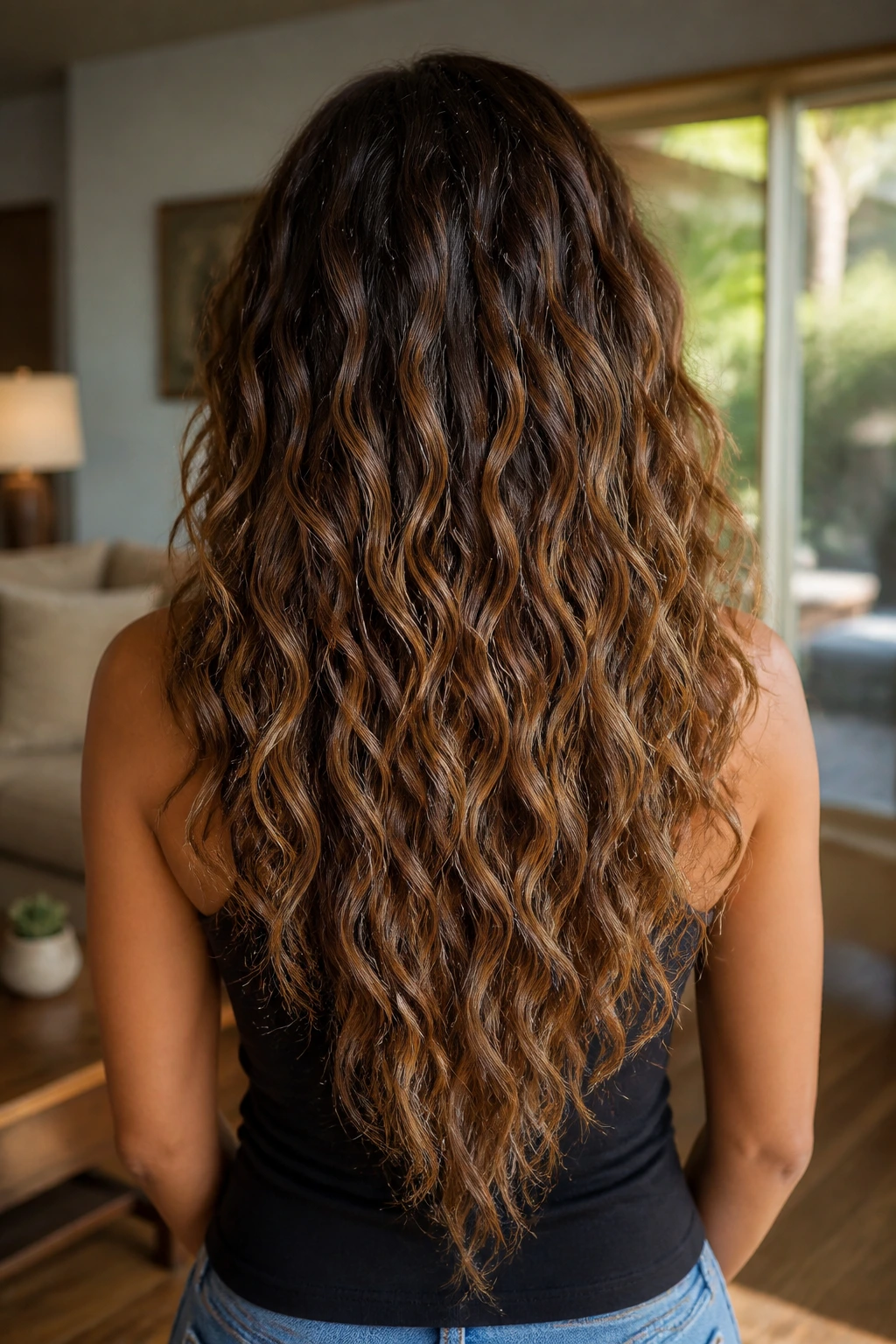
The V-cut is the U-shape’s bolder cousin. It drops to a point in the back, which removes bulk and gives long curls a more dramatic fall.
For dense natural hair, that point can be a relief. It keeps the lower half from feeling like a blanket and lets the beachy wave pattern cascade instead of stopping all at once. The look is strongest when the layers are kept long enough to blend, not chopped in uneven steps.
When to Choose V Over U
Choose the V if you want a little more edge and you like seeing the back of your hair move. Choose the U if you want fullness and softness with less shape contrast. That’s the trade.
19. Shoulder-Length Blunt Cut for Thick Waves
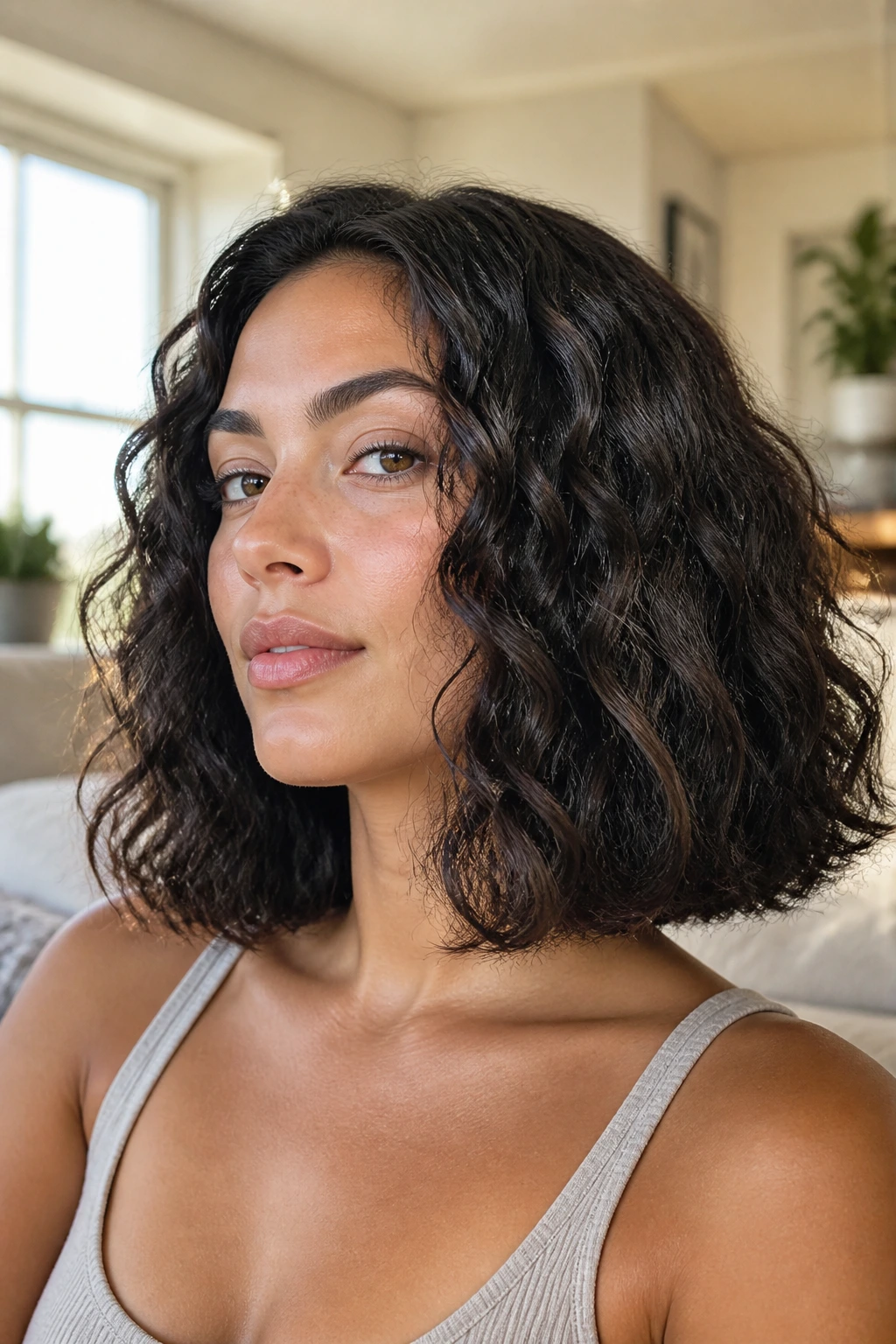
A blunt shoulder-length cut sounds plain until you see it on thick natural hair with a good wave pattern. Then it looks expensive in the old-fashioned sense of the word: solid, clean, and shaped with purpose.
The perimeter weight helps beachy waves clump, which can be a blessing if your hair is fine or medium-density and gets fuzzy when over-layered. But on thick hair, the blunt edge reads sleek rather than heavy.
This is not the cut I’d pick for someone who wants maximum movement up top. It’s for the person who wants a strong line, easy styling, and a shape that won’t disappear in humidity.
20. Layered Afro Shape With a Round Outline
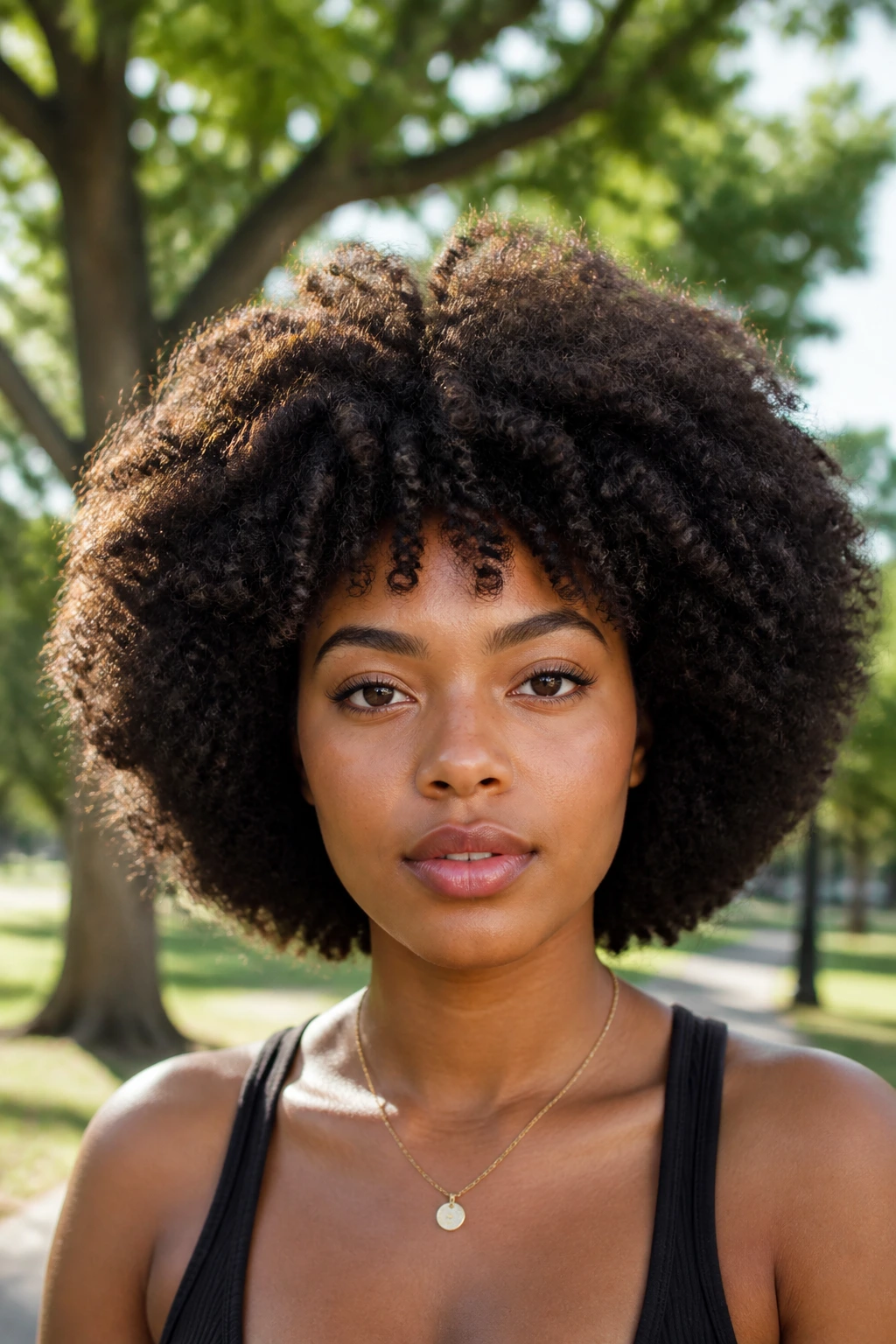
A layered afro shape is all about respecting the natural silhouette instead of flattening it into somebody else’s idea of balance. The round outline keeps the volume even, while the internal layers stop the shape from feeling too dense.
This is where beachy waves can surprise people. On coily natural hair, soft stretch and careful shaping can create a wave-like movement that feels airy even when the texture itself is tight. The cut isn’t trying to erase the hair’s identity. It’s giving it room.
A pick at the roots and a little oil on the ends are usually enough to keep the outline clean. I’d avoid over-layering here. The shape should breathe, not crumble.
21. TWA Shape-Up for a Fresh Big Chop
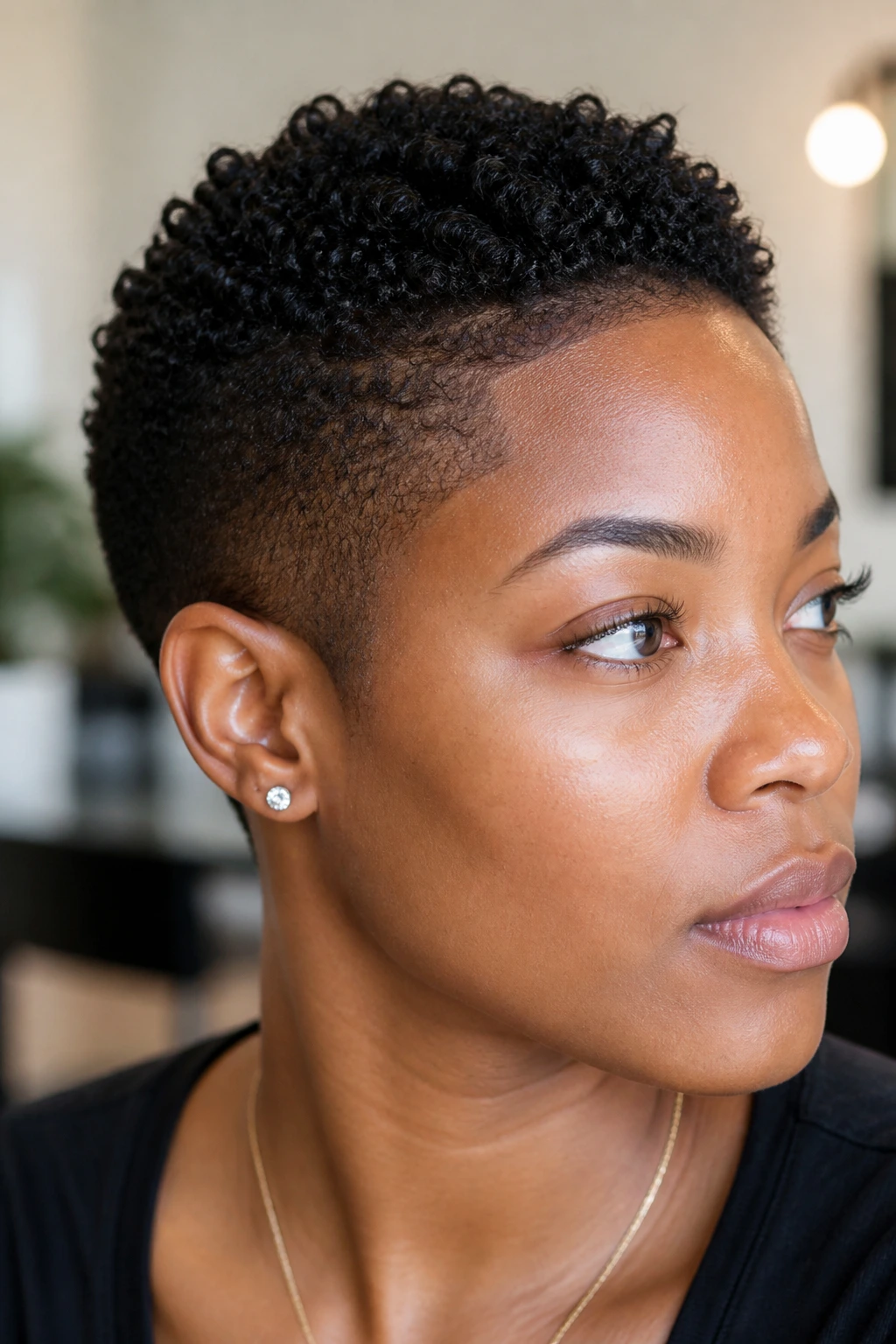
A TWA, or teeny weeny afro, looks best when the shape is deliberate from the start. The outline should follow the head cleanly, with enough softness around the temples and crown that the hair feels like a style, not a reset button.
This cut is often where natural hair starts feeling like itself again after a big chop. The beachy effect comes from the way the curls sit close to the scalp and catch the light in small bends. It’s subtle, but it has its own charm.
What Keeps It From Feeling Boxy
A little taper at the nape and gentle rounding around the top make all the difference. If the sides get too square, the whole cut can look unfinished. Keep the edge clean and the crown a touch fuller.
22. Undercut With Lifted Crown Volume
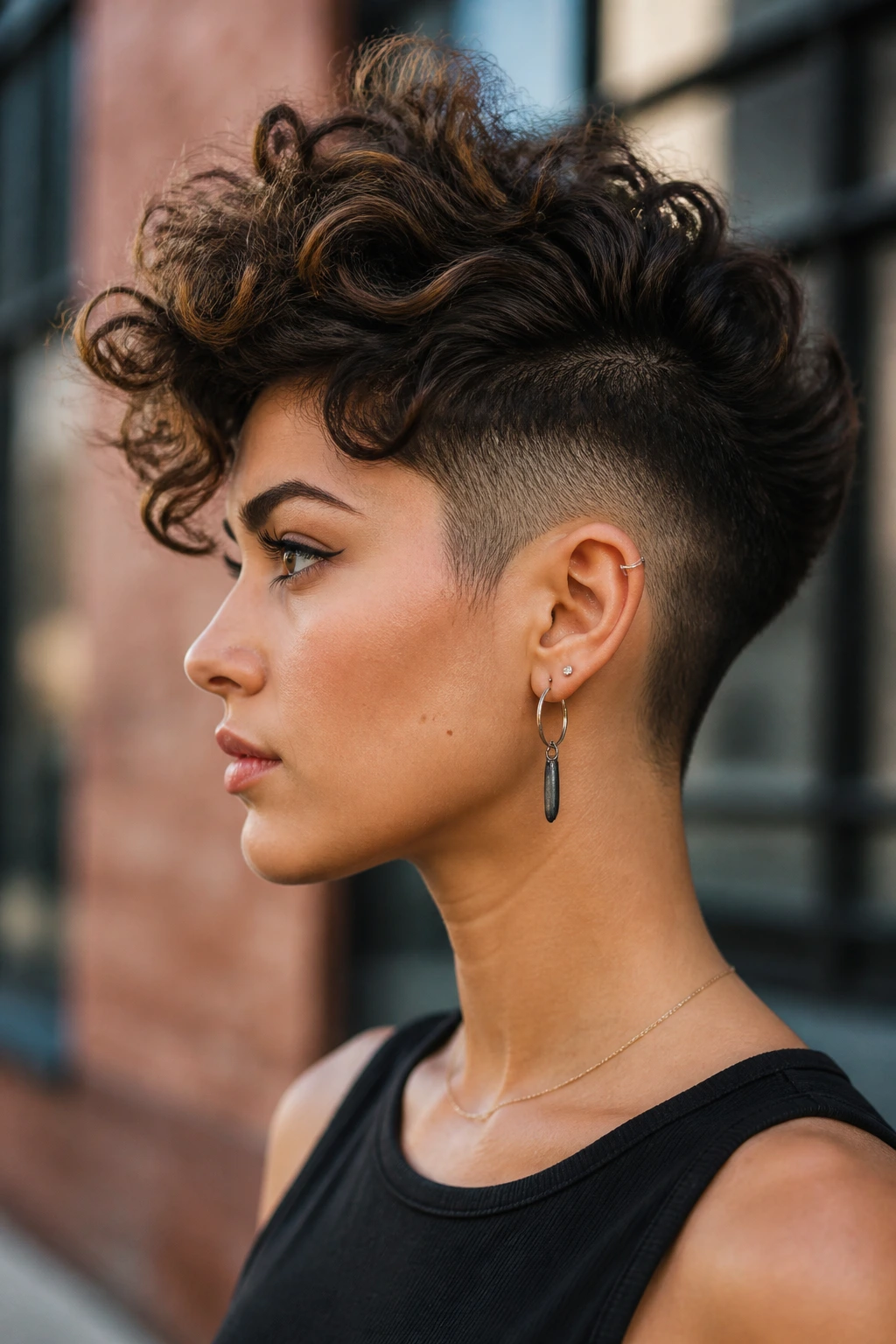
An undercut is the answer when the hair is heavy, the weather is humid, or you’re tired of feeling hair on your neck all day. The sides and nape are clipped close, which lets the top stay bigger and lighter.
That contrast can make natural waves look almost sculptural. The top moves freely, the undercut keeps the bulk under control, and the whole shape feels less like “I have a lot of hair” and more like “I chose this.” That shift matters.
It does need maintenance. Once the undercut grows in, the clean line disappears fast. If you like a crisp finish, book trims before the shape starts to blur.
23. Shullet Cut for Edgy Softness
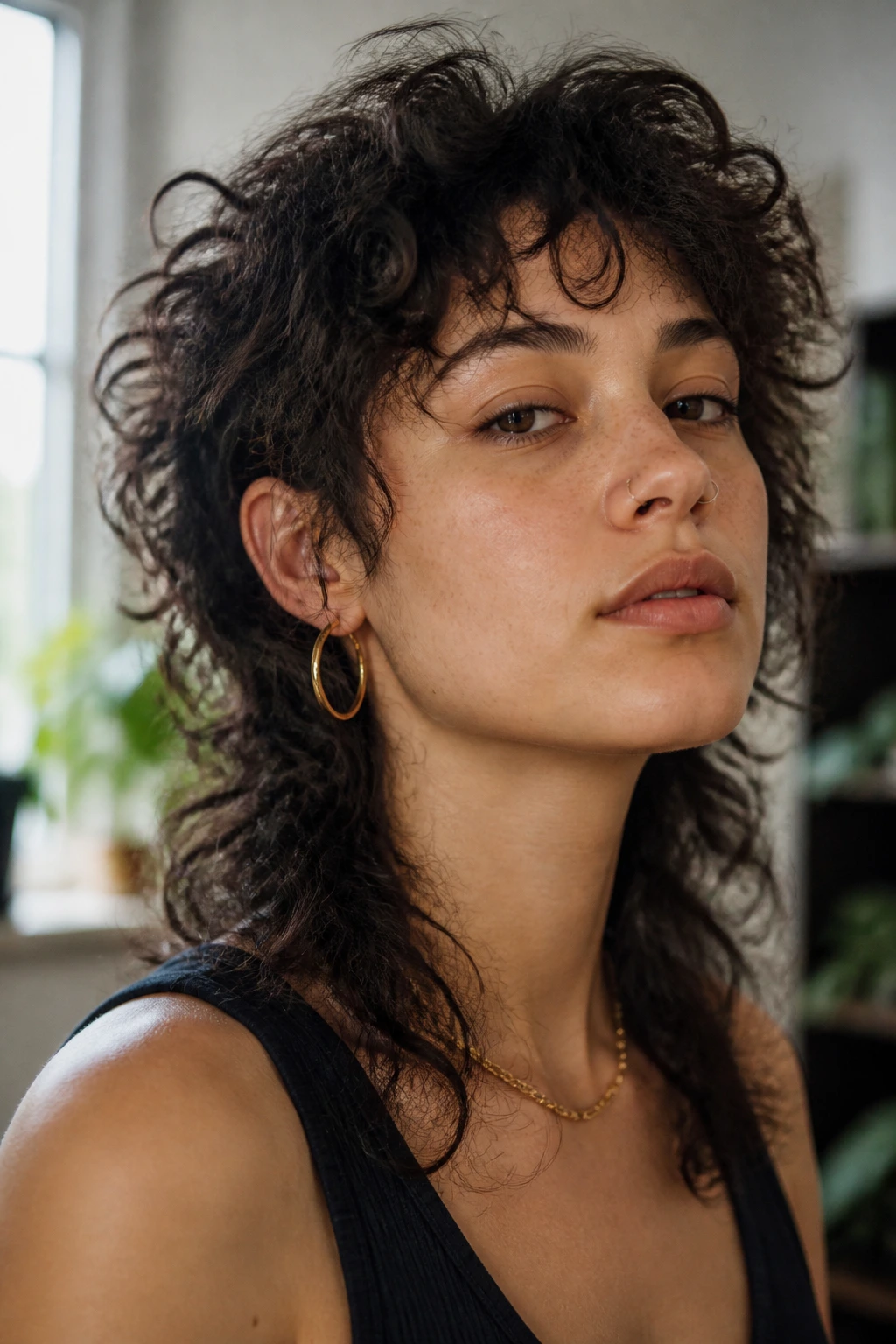
The shullet—shag plus mullet—sounds playful because it is. But it also solves a real problem: how to keep natural hair textured, lifted, and a little rebellious without making it hard to style.
The front and crown are layered for shape, while the back keeps enough length to swing. That makes beachy waves feel a little less precious and a little more lived-in, which is exactly the appeal. It’s not trying to look polished from every angle.
This cut is best when the stylist knows how to keep the layers soft. Too sharp, and it looks costume-y. Soft edges make it cool.
24. Big Chop Shape That Builds a New Foundation
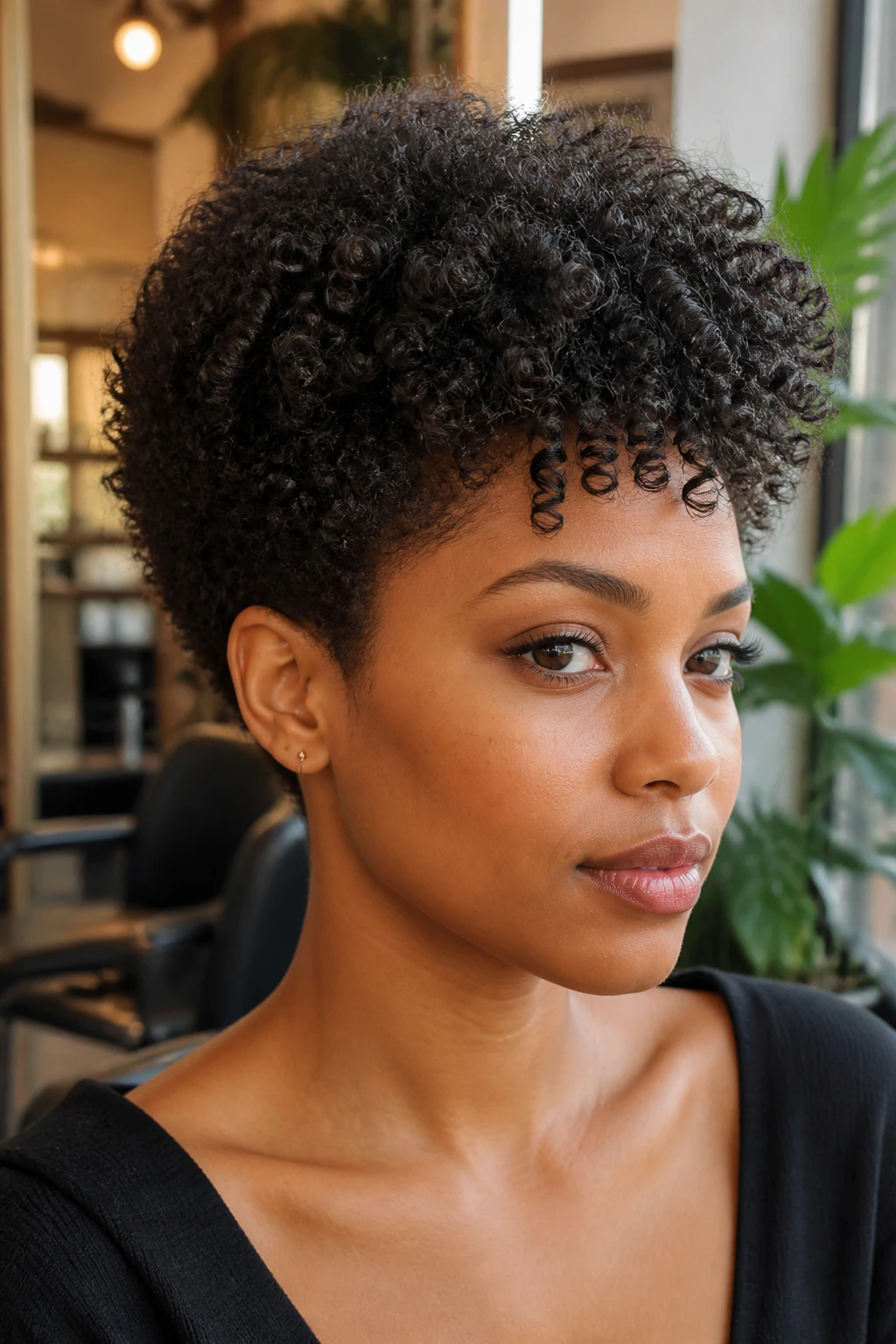
A big chop is less a single haircut than a reset with structure. If you’re starting fresh, the goal is a shape that gives the hair a foundation instead of leaving it as a random short crop that grows in unevenly.
The smartest version usually keeps the outline rounded, the top balanced, and the front a little softer than the back. That gives natural hair a chance to form beachy waves without fighting the head shape. It also makes day-two styling much easier, because the cut itself already has a plan.
Do not let a fresh chop be an excuse for careless cutting. A new start still needs a real shape.
25. Long Layered Cut With Curtain Bangs
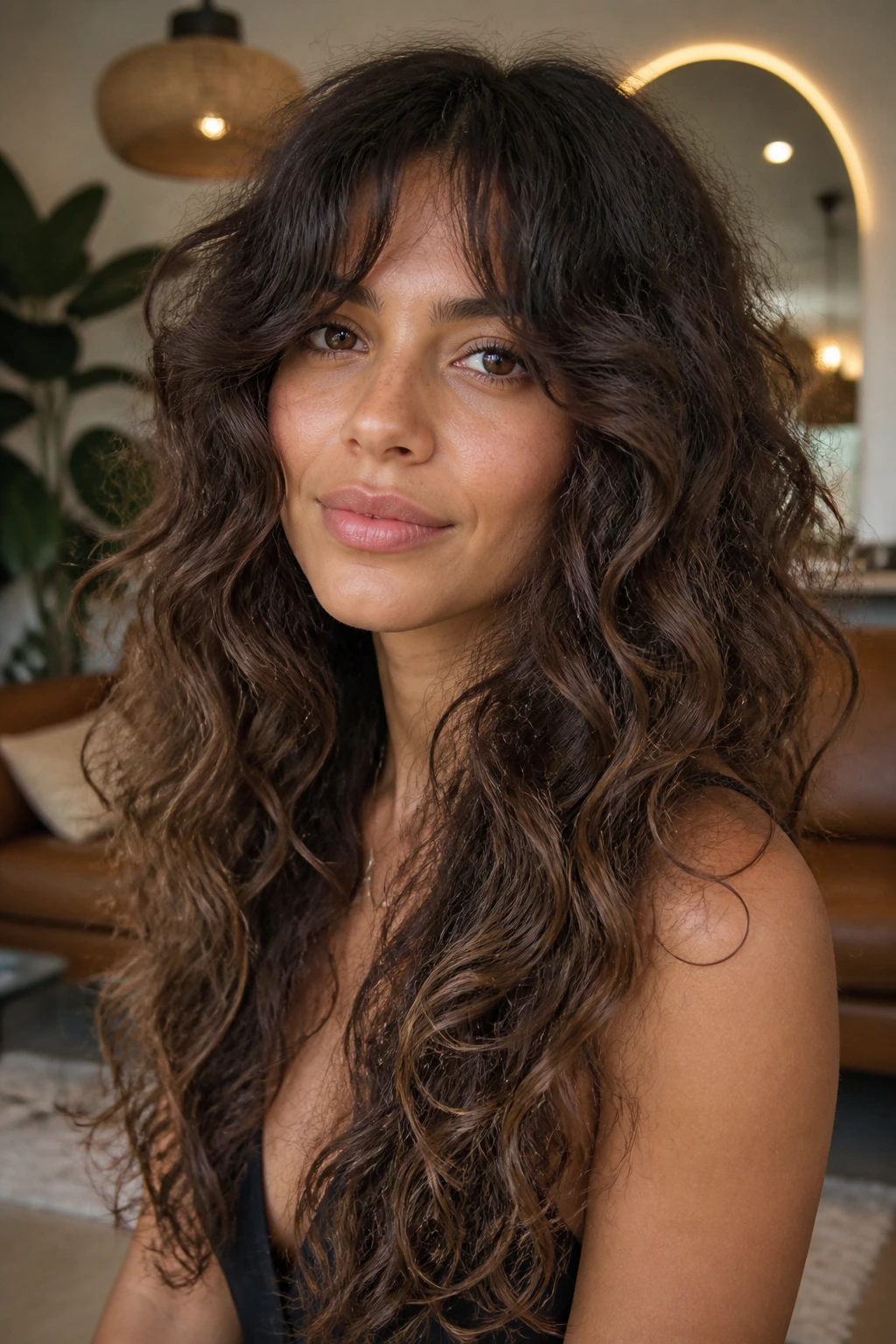
Curtain bangs are still hanging around for a reason: they work. On curly natural hair, they open the face without demanding the precision of a full fringe, and the long layers behind them keep the beachy movement alive all the way down.
The best part is the grow-out. Curtain bangs blur into face-framing layers instead of turning into a blunt line you resent three weeks later. That makes them one of the safer ways to add shape without sacrificing length.
If you want the most versatile haircut in this list, this is a strong contender. It can look relaxed, romantic, or a little messy in a good way, and it usually cooperates with a diffuser or an air-dry routine.
Why These Shapes Let Beachy Waves Breathe
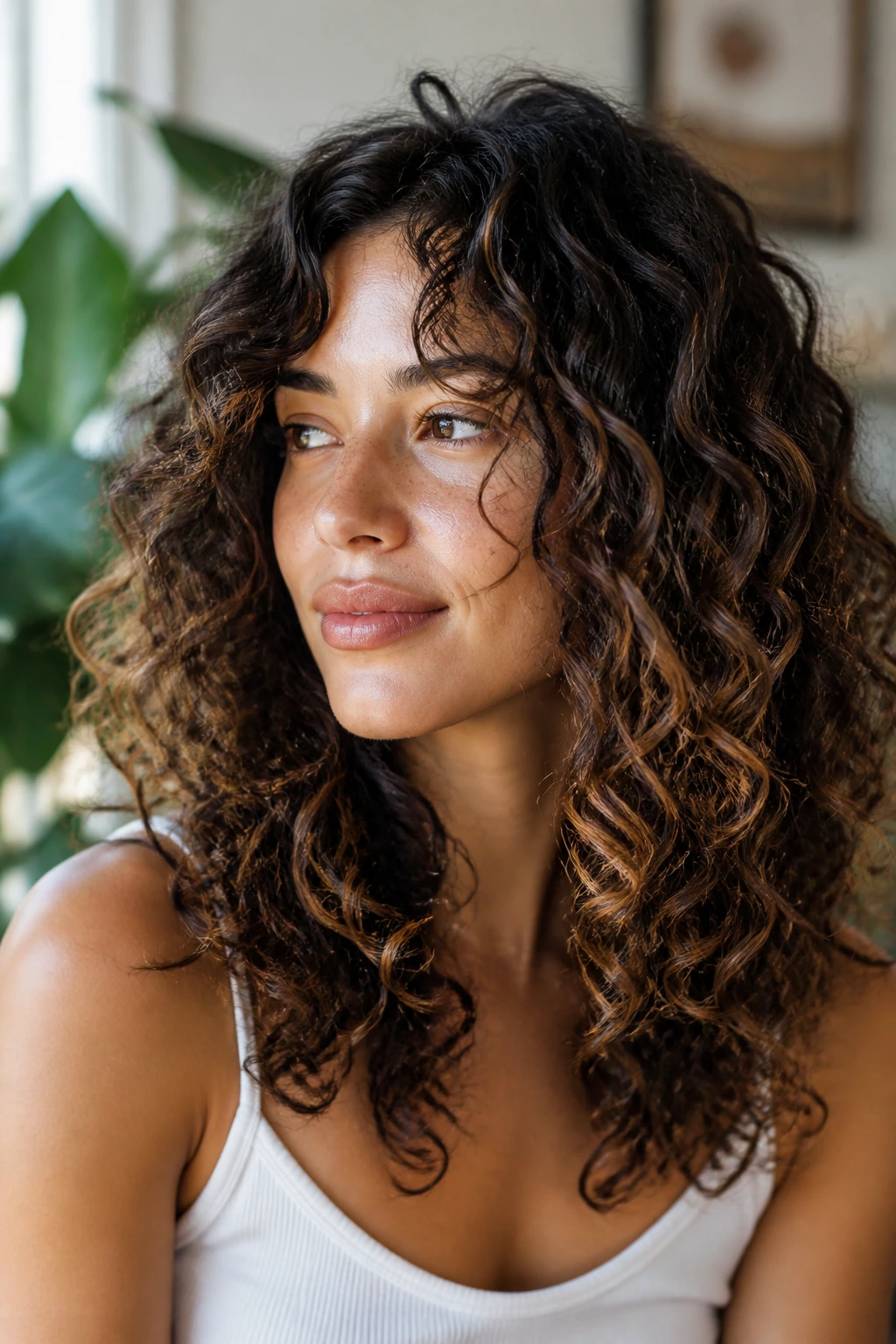
Length gets all the attention, but shape is the part doing the actual work. A curly haircut has to manage shrinkage, density, and how the hair clumps once it dries. That’s why a good cut can make the same curl pattern look softer, fuller, or lighter without changing the texture at all.
Beachy waves on natural hair usually look best when the cut leaves enough weight for the ends to stay together. Too many short layers and you get halo frizz. Too little shape and the hair hangs in one heavy sheet. The sweet spot is somewhere in the middle, and it changes depending on whether your hair is fine, dense, loose, or tightly coiled.
Dry cutting matters here because wet hair lies about its own future. The stylist sees the actual spring, the actual shrinkage, and the actual places where the shape wants to fold inward or flare out. That is why curl specialists often work in smaller sections and keep checking the outline from several angles.
Tools That Make a Curly Cut Easier to Live With
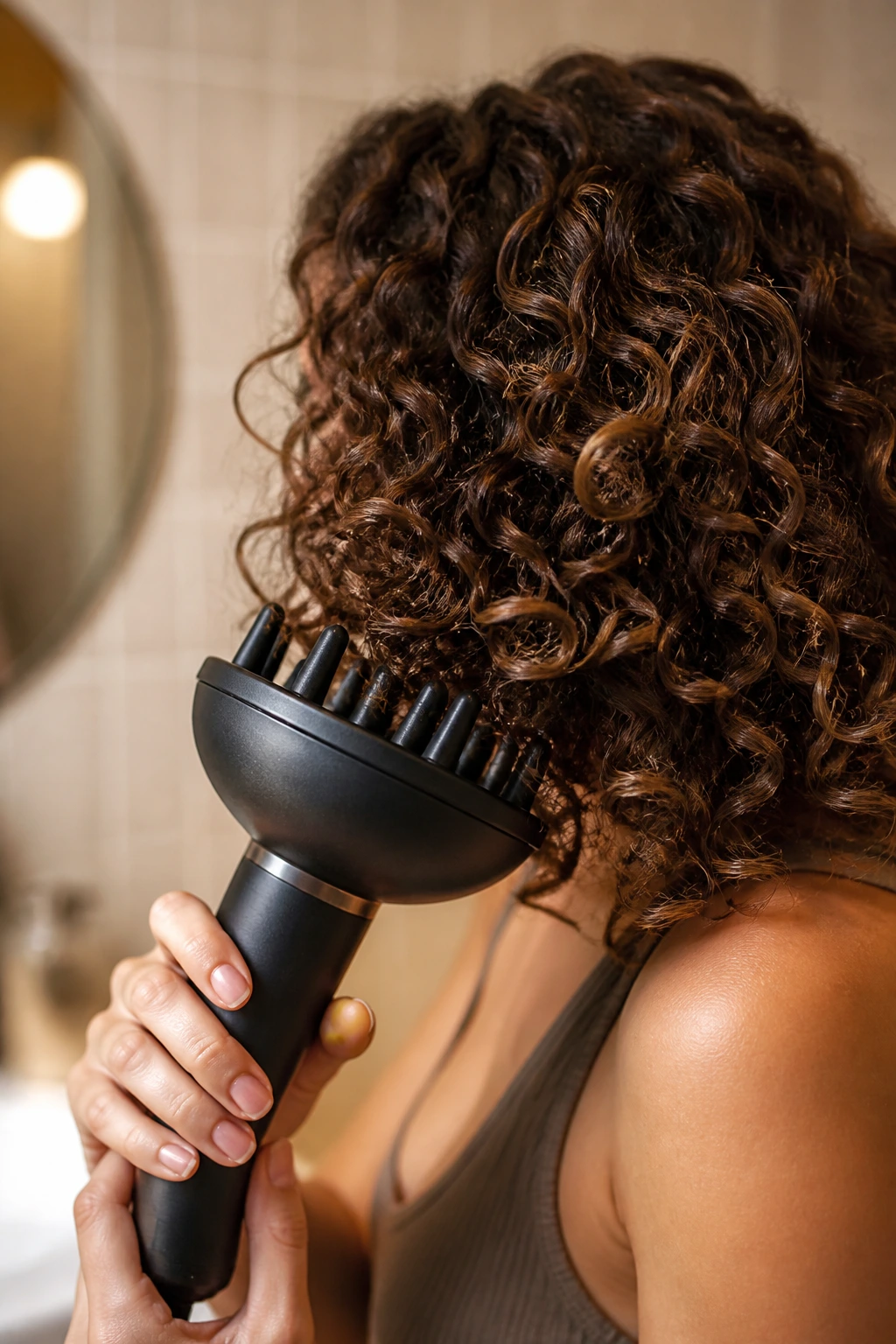
- Wide-tooth comb: Use this in the shower or on damp hair to separate curls without ripping through clumps.
- Sectioning clips: These keep dense hair manageable while you dry, style, or refresh the shape.
- Microfiber towel or cotton T-shirt: Both cut down on rough frizz after washing and help waves settle instead of exploding.
- Diffuser attachment: A diffuser gives lift at the roots and keeps curl clumps intact on low heat.
- Spray bottle: Handy for refreshing day-two hair without soaking the whole head.
- Hair scissors with sharp blades: Only if you’re doing tiny maintenance trims at home; dull blades chew the ends.
- Hand mirror: Useful for checking the back of shorter cuts, especially pixies, tapered shapes, and undercuts.
- Satin pillowcase or bonnet: Not for cutting, obviously, but essential if you want the style to survive the night.
How to Ask for the Right Cut and the Right Products
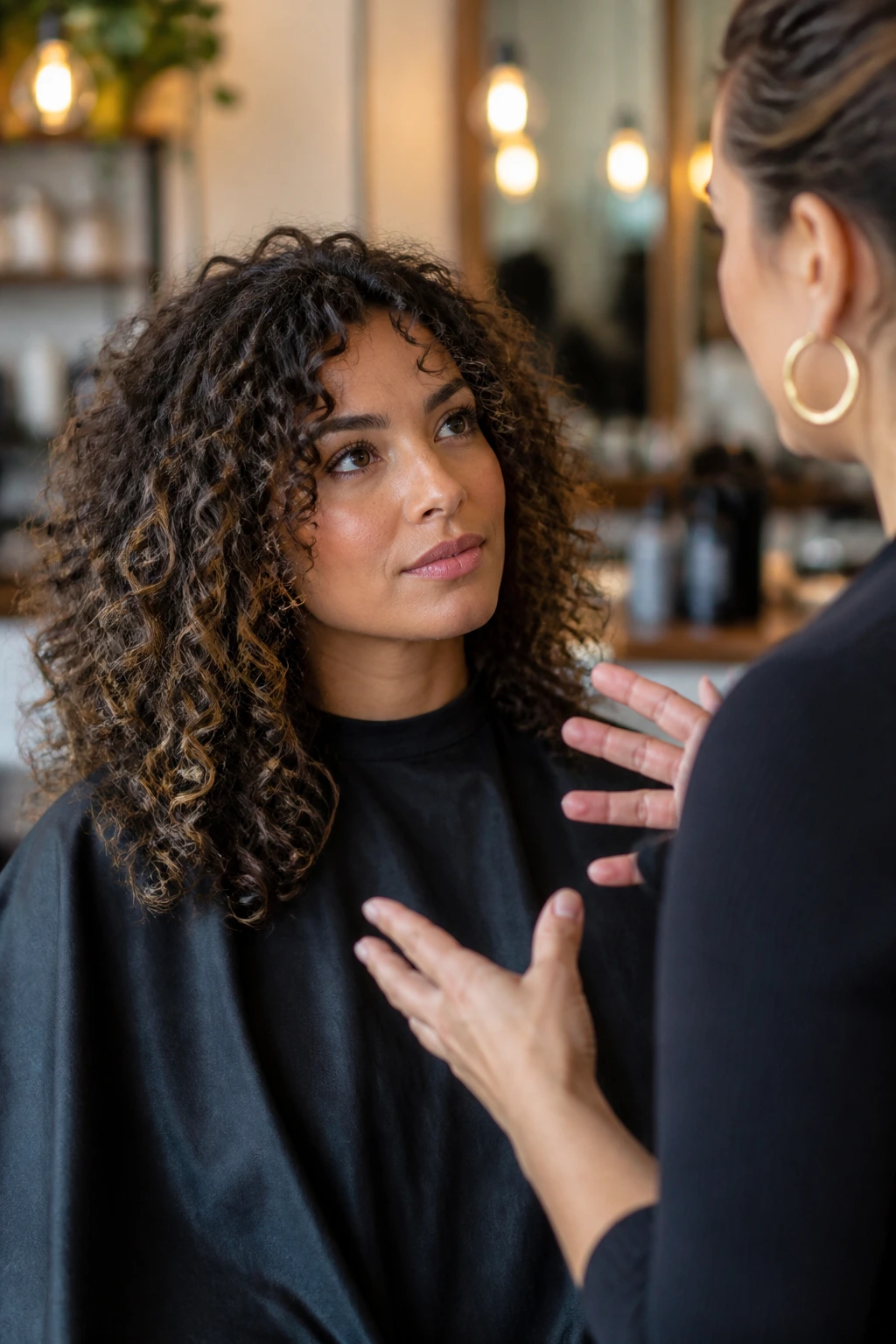
A good curly appointment starts before the scissors come out. Bring photos of hair that matches your density and curl family, not just a celebrity face you love. A curl pattern that looks soft on one person can sit completely differently on another, and the stylist needs something realistic to work from.
Tell them how your hair behaves on day one and day three. Mention whether you air-dry, diffuse, or stretch it with a brush, because that changes the whole silhouette. If your roots go flat and your ends puff up, say that plainly. If shrinkage is dramatic, say that too. Those details matter more than vague words like “volume” or “movement.”
Products should match the shape you choose. Light mousse works well for shaggy or layered cuts that need separation. Creams help rounder shapes and longer layers hold together. If your waves frizz fast, ask for a gel or foam that gives a soft cast, then breaks cleanly once dry. And if a stylist talks only about cutting and never about how the hair will live after wash day, keep your guard up.
How to Wear These Cuts Without Fighting Them
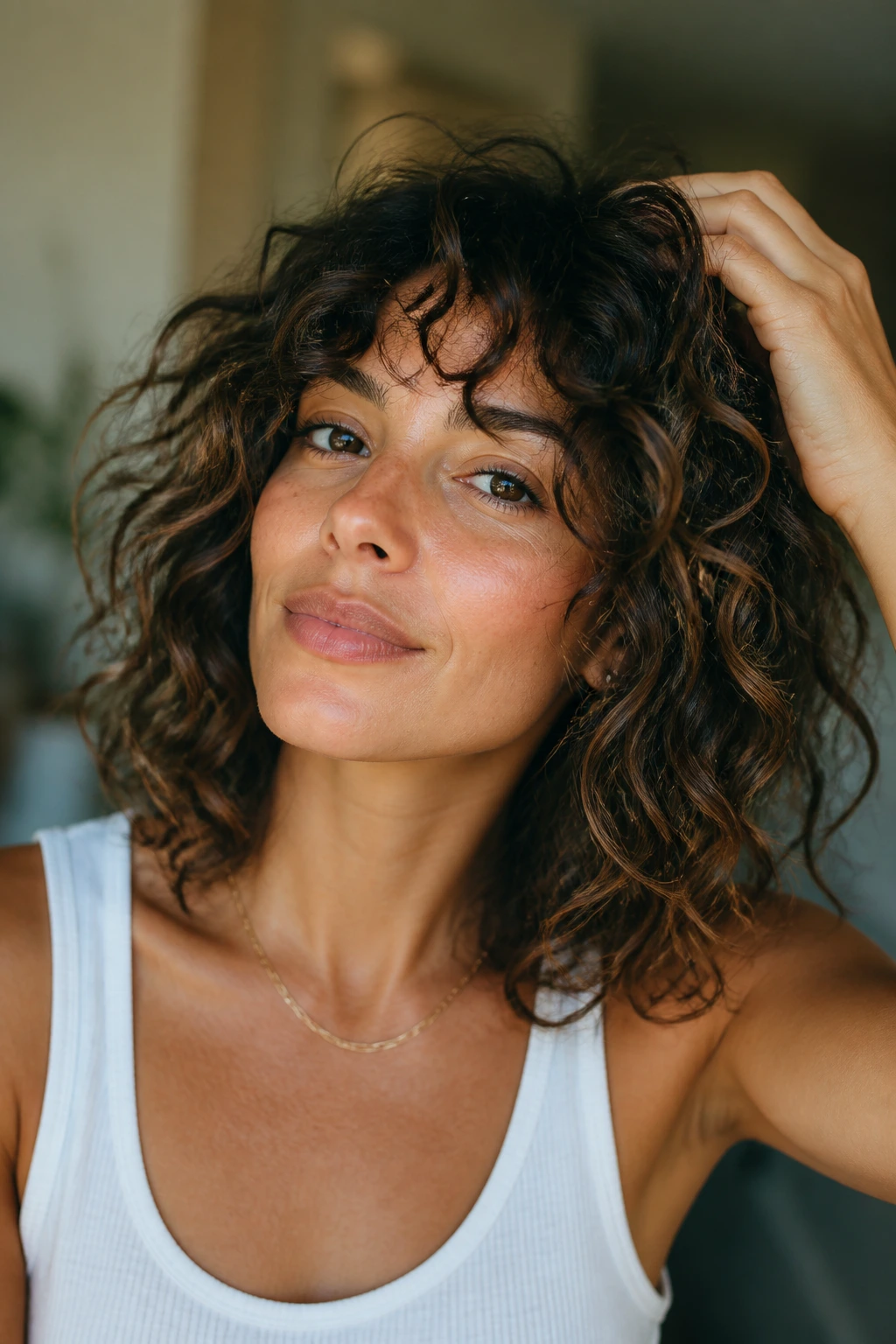
Presentation: Part the hair where it naturally falls on the day you want the cut to look best, then shape the front with your fingers while it’s still damp. A rounded bob, a shag, or a lob will all read differently depending on whether the front is pushed off the face or allowed to fall forward a bit.
Accompaniments: Hair accessories matter more than people think. Small hoops, a silk scarf, or a clean headband can show off face-framing layers, while collars and necklines change how a tapered cut or pixie feels. Pair the cut with a styling cream or lightweight gel that matches the amount of definition you want, not the amount of shine a bottle promises.
Portions: Keep more length if you need ponytail options or if your hair shrinks dramatically. Go shorter if density makes your style heavy by midday. Shoulder-grazing lobs and long layers are the safest middle ground; pixies, bobs, and undercuts need more maintenance but give sharper shape.
Beverage Pairing: A cold brew on a wash day morning feels about right if you’re diffusing and clipping sections; herbal tea fits the slower, air-dry routine. Slightly silly? Sure. Also accurate.
Extra Styling Moves That Add Lift and Separation
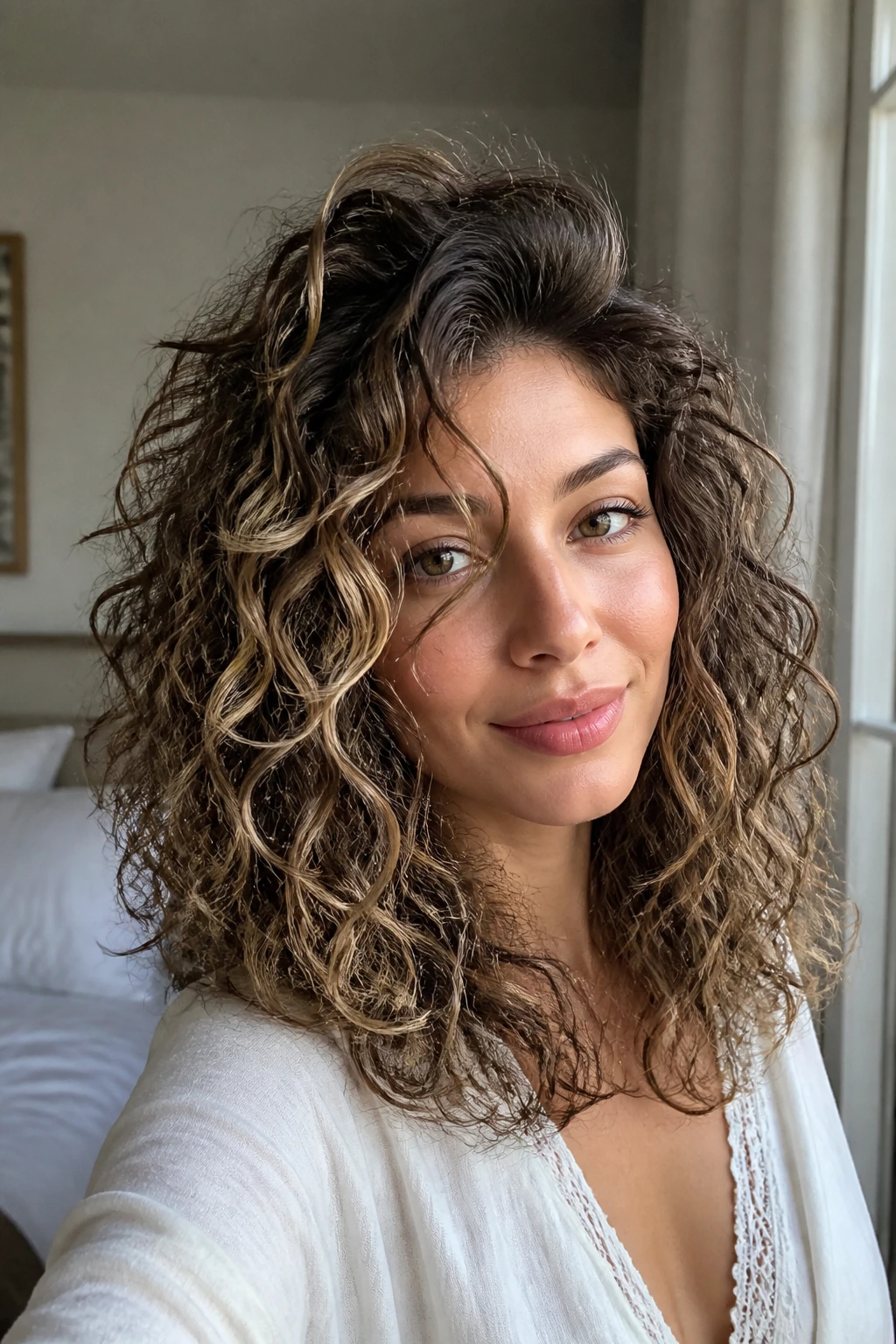
Root Lift: Flip the hair upside down for the first few minutes of diffusing, then switch back upright before the roots lock in that position. It gives the crown height without making the shape look stiff.
Texture Boost: Use a foam or mousse under a light gel if you want the waves to separate cleanly instead of melting into one soft mass. The foam keeps the shape airy, while the gel helps the ends stay defined through the day.
Refresh Trick: On day two, mist the hair lightly with water plus a little leave-in—roughly 1 part leave-in to 4 parts water—then scrunch only the areas that went flat. Do not soak the whole head unless you want to restart the wash day clock.
Make-It-Yours: If your face gets buried under curls, add a longer fringe or cheekbone layers. If your hair feels too wide, ask for internal shape near the crown. If you want a cleaner finish, keep the perimeter blunt and let the texture live inside the cut instead of on the edges.
Keeping the Shape Between Wash Days
Shorter cuts—pixies, TWAs, bixies, and undercuts—usually need reshaping every 4 to 6 weeks if you want the lines to stay crisp. Bobs and lobs stretch a little longer, often 8 to 10 weeks, before the perimeter starts to lose its shape. Long layered cuts can go 12 to 16 weeks, but only if the front frame is still sitting where you want it.
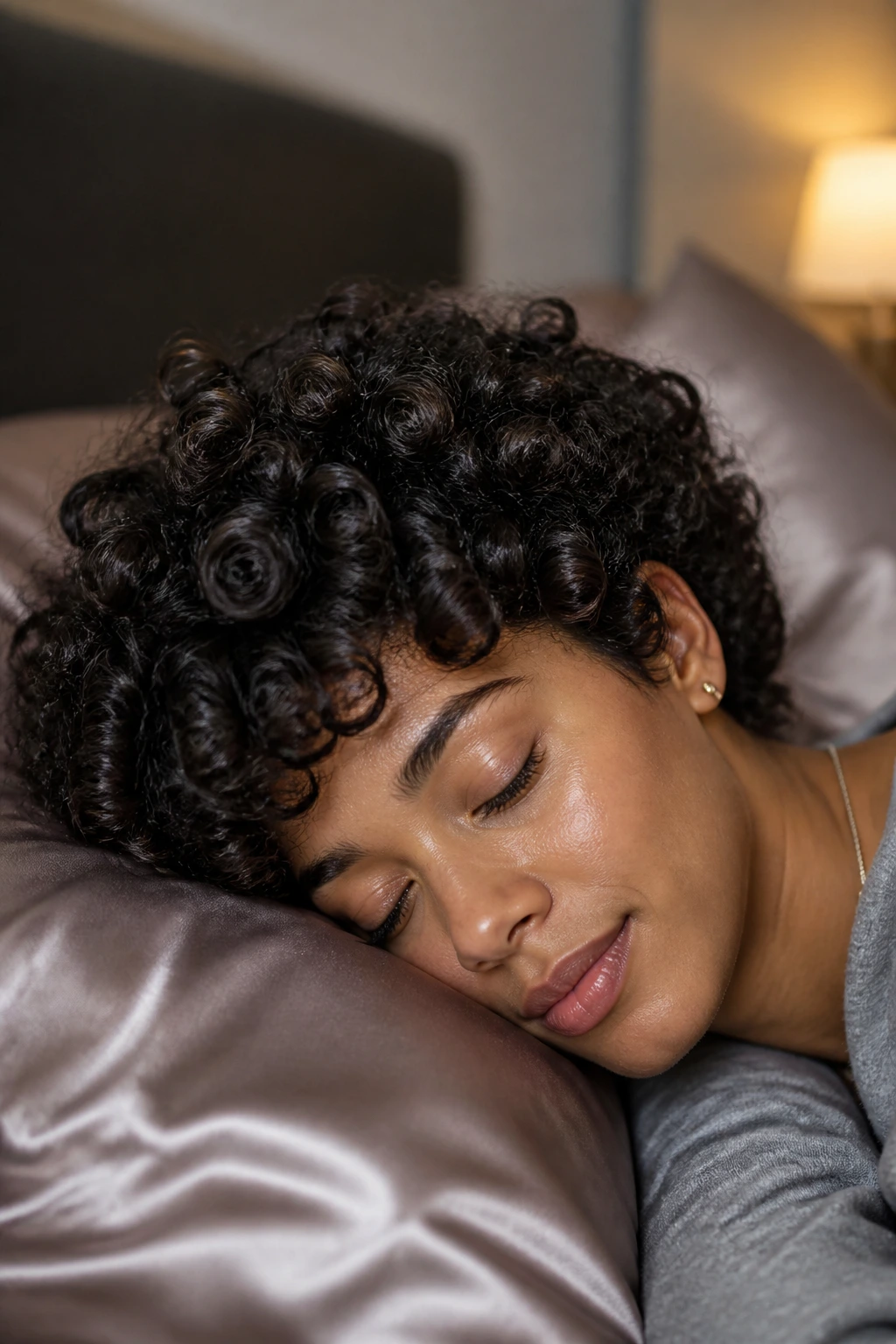
Night care does most of the heavy lifting. A satin pillowcase or bonnet cuts down on friction, and a loose pineapple or topknot keeps the crown from being crushed. If your curls flatten easily, clip the top layer loosely before bed and remove the clips in the morning. That sounds fussy. It’s not. It takes less than a minute.
For refreshing, think in small resets, not full restyles. A spray bottle, a bit of leave-in, and gentle scrunching are usually enough for waves that just need to wake back up. If a shape relies on a clean line—like a blunt lob or a tapered cut—book trims before the silhouette gets fuzzy, because fuzzy edges read as neglect faster on curly hair than on straight hair.
Variations and Adjustments to Try
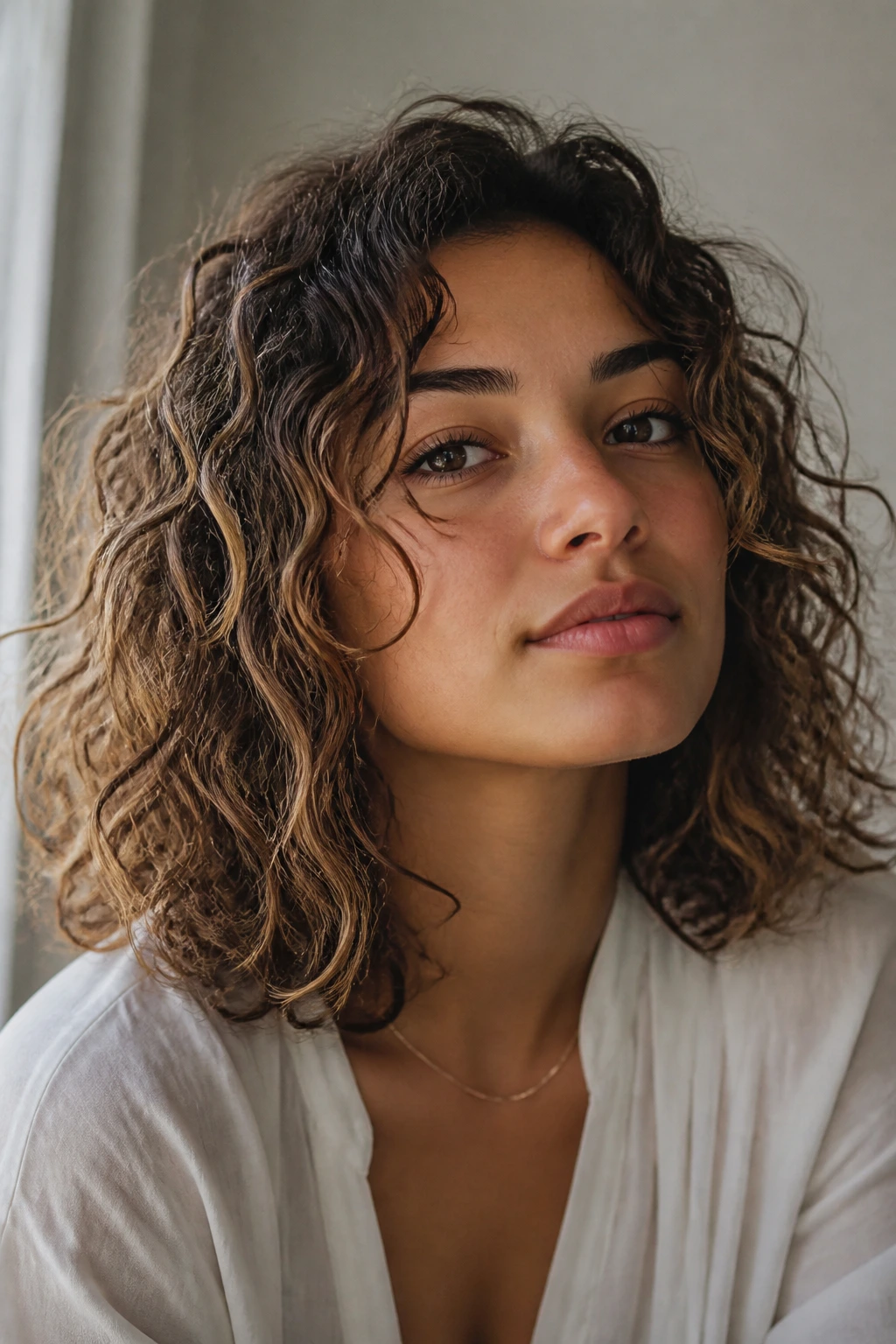
Fine-Wave Lift: If your hair is light and goes flat fast, choose collarbone lengths, rounded layers, or a shag with fewer short pieces near the ends. Heavy creams can weigh this type of cut down, so keep products light and use mousse at the roots.
Dense-Hair Halo: For thick natural hair, go rounder and keep the perimeter controlled. Halo shapes, tapered cuts, and layered afros work because they remove bulk without scattering the curl pattern into chaos.
Humidity Shield: If the air turns your hair fuzzy, keep the cut a little fuller at the ends and avoid over-thinning. A blunt lob, U-shape, or long layered cut usually holds together better than a highly chopped shape in damp weather.
Soft Fringe Swap: Not ready for full bangs? Ask for a longer curtain fringe or a face frame that starts at the cheekbone. It gives the same opening effect without trapping you in bang maintenance every two weeks.
Low-Manipulation Grow-Out: If you want a cut that stays decent with minimal effort, choose shapes that grow softly—lobs, bobs, U-shapes, or long layers. The cut should still look like a haircut when you air-dry, not just when you spend twenty minutes arranging it.
Edge-Forward Version: Want more personality? Add an undercut, asymmetry, or a shullet shape. Those versions work best when you like contrast and you’re willing to keep the line clean with regular trims.
Mistakes That Flatten the Shape
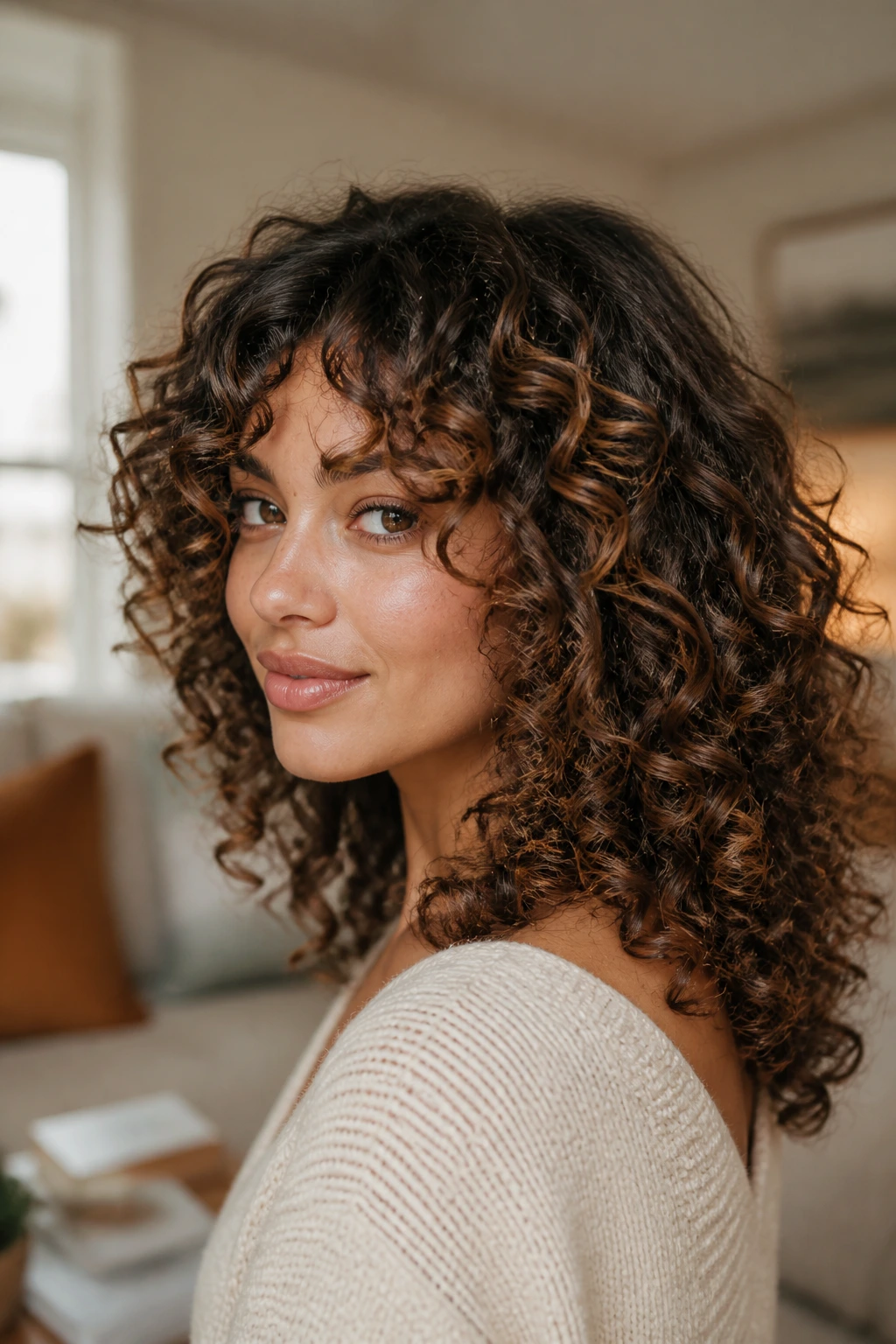
- Cutting for stretched hair only: A lot of people bring in hair that’s been blown out, twisted, or pulled long, then panic when the real curl spring chops off more length than expected. Fix it by showing the stylist your hair in its usual state, or asking them to check the dry curl pattern before finalizing the line.
- Over-thinning the ends: Thin ends on natural hair often read as frizz by the second day, especially on loose waves. Ask for point cutting or careful layering instead of aggressive texturizing.
- Ignoring the crown: If the top is too heavy or too flat, the entire cut can look boxy even when the ends are fine. A little crown layering or rounded shaping usually solves the problem without stealing length.
- Choosing bangs without enough front length: Short fringe on curly hair can take over your face fast. If you like softness, keep the bangs a bit longer and let them bend rather than sitting across the forehead like a hard line.
- Waiting too long for trims: Curly shapes lose their intention faster than straight cuts, especially around the neckline and face frame. A six-month gap can turn a clean bob into a fuzzy square.
- Using the wrong product weight: Heavy creams on fine hair can flatten the wave, while too-light foam on dense hair can leave the cut frizzy and underdefined. Match the product to the haircut, not to the bottle’s promises.
Questions People Ask Before the Chop
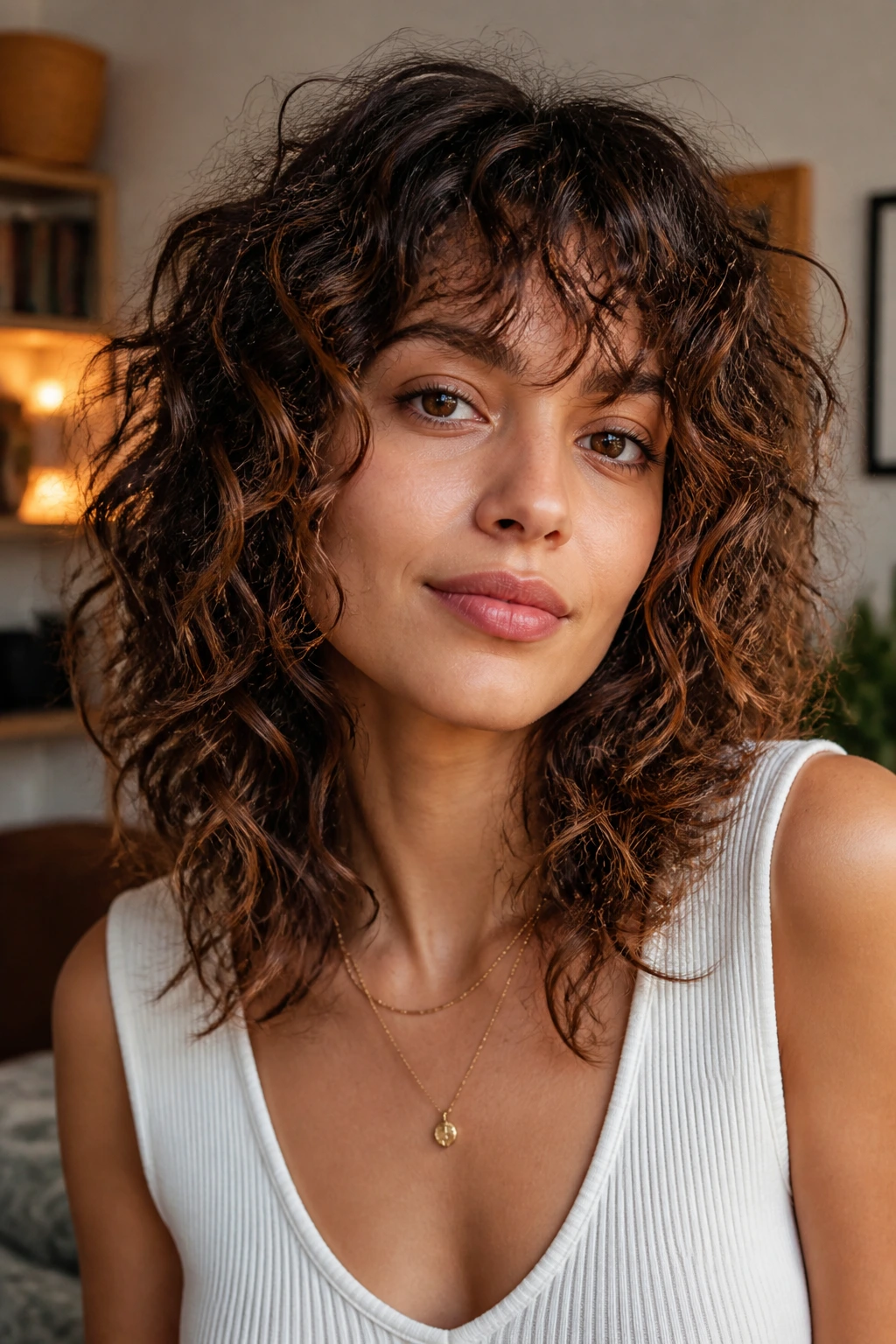
Which curly haircut is best if I want beachy waves without losing length?
A long layered cut, a U-shape, or a collarbone lob usually gives the best balance. You keep the length, but the internal shape stops the hair from hanging like one heavy curtain.
Should natural hair be cut wet or dry?
Dry cutting gives the most accurate shape for curls and waves because it shows shrinkage in real time. Wet cutting can still work, but only if the stylist constantly checks how the curl pattern sits as it dries.
What cut works best for fine curly hair that goes flat?
A rounded lob, butterfly layers, or a soft shag can give fine curls more lift without stripping too much weight from the ends. Avoid too many short layers, because fine curls can start to look stringy fast.
Is a shag good for tighter curls?
Yes, if it’s cut with restraint. Too many short pieces can create frizz, but a controlled shag can lift the crown and keep dense curls from feeling bulky.
How do I ask for a cut that won’t turn into a triangle?
Say you want the silhouette rounded or tapered, with enough internal shape to reduce width at the sides. Mention that you want to keep the perimeter from ballooning outward once the hair dries.
What haircut is easiest to grow out?
A lob, U-shape, or long layered cut usually grows out the cleanest. These shapes soften instead of breaking into awkward shelf-like layers.
Can I wear these cuts without heat styling?
Absolutely. In many cases, beachy natural hair looks better when it air-dries with a little mousse or gel than when it’s forced through a curling wand. The haircut should do most of the work.
How often should I trim curly hair?
Shorter shapes usually need trims every 4 to 6 weeks, while longer layered cuts can often go 8 to 12 weeks. If the face frame starts hanging in your mouth or the nape gets fuzzy, you’ve waited too long.
Let the Shape Do the Heavy Lifting
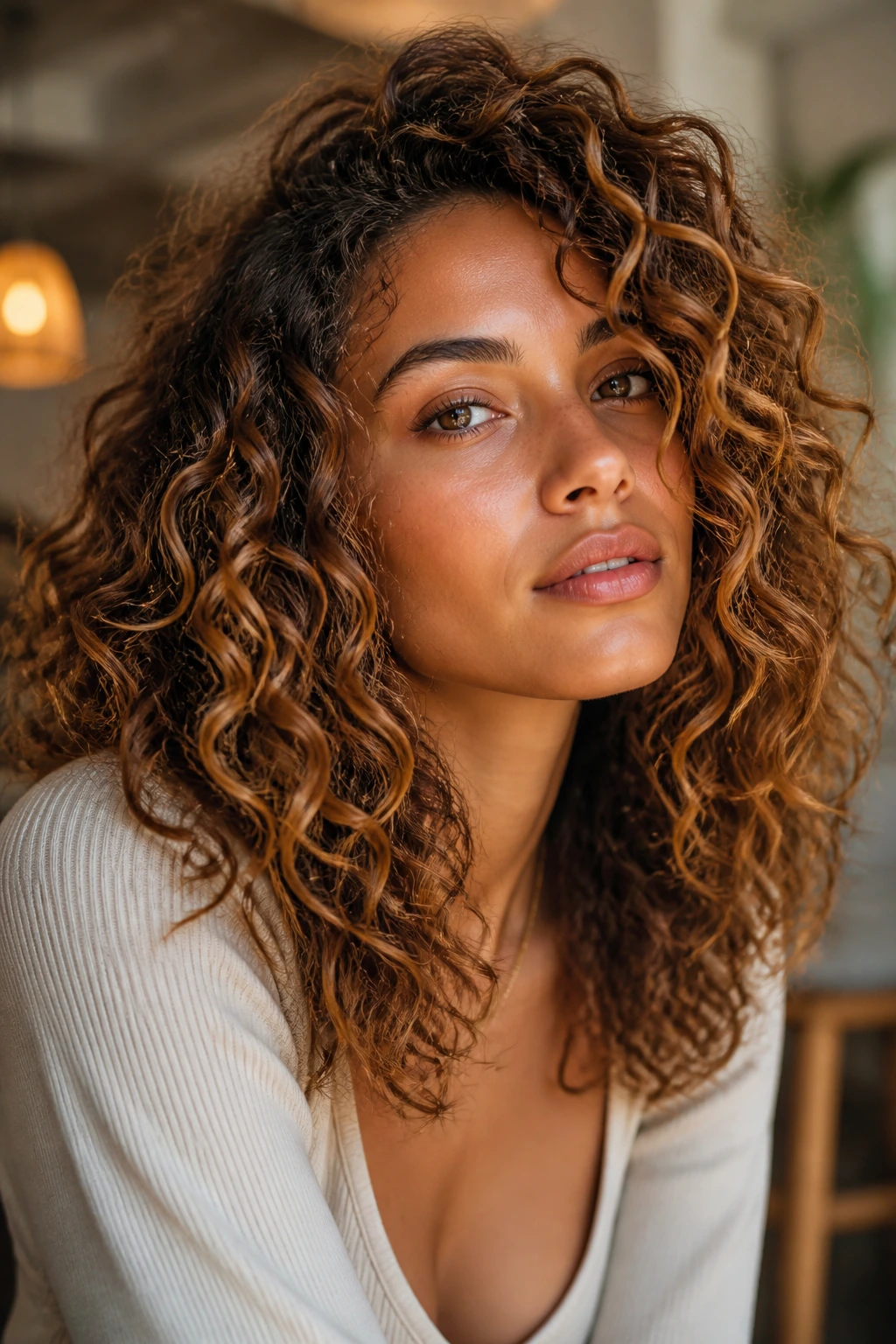
A good curly haircut doesn’t fight your texture. It gives the texture a place to land. That is the whole trick with natural hair and beachy waves: the shape should make the curl pattern look easier, not busier.
The best cuts in this list share the same quiet quality. They keep enough weight where the hair needs it, enough movement where the eye wants it, and enough structure that you can go a few days between wash days without feeling like your hair is staging a protest.
If you go into the salon with photos, real language about your shrinkage, and a clear sense of how much upkeep you’ll actually tolerate, the results get better fast. And when the cut is right, the styling gets smaller. Less wrestling. More shape. That’s the version worth wearing.