



Copper blonde hair color ideas for warm skin tones work best when the copper behaves like light, not paint. That sounds fussy, but it’s the difference between hair that looks rich and hair that looks like it was tinted in a hurry. Warm skin already carries gold, peach, apricot, olive-gold, or a sunlit beige cast, so the best copper shades don’t fight that undertone. They echo it.
The shade family is wider than most people expect. Copper can mean pale strawberry with a beige finish, honeyed blonde with a penny shimmer, or a deeper apricot-gold that sits somewhere between blonde and light auburn. The wrong version goes muddy fast. Too ash-heavy, and the warmth gets killed. Too orange, and the whole thing starts shouting at your face.
The sweet spot is a soft, wearable warmth that shows up in daylight and still makes sense under a bathroom mirror. The good ones do that little trick where the hair looks brighter near the cheeks and more expensive at the ends. That’s the part worth chasing.
Why These Copper Blonde Shades Sit So Well on Warm Skin
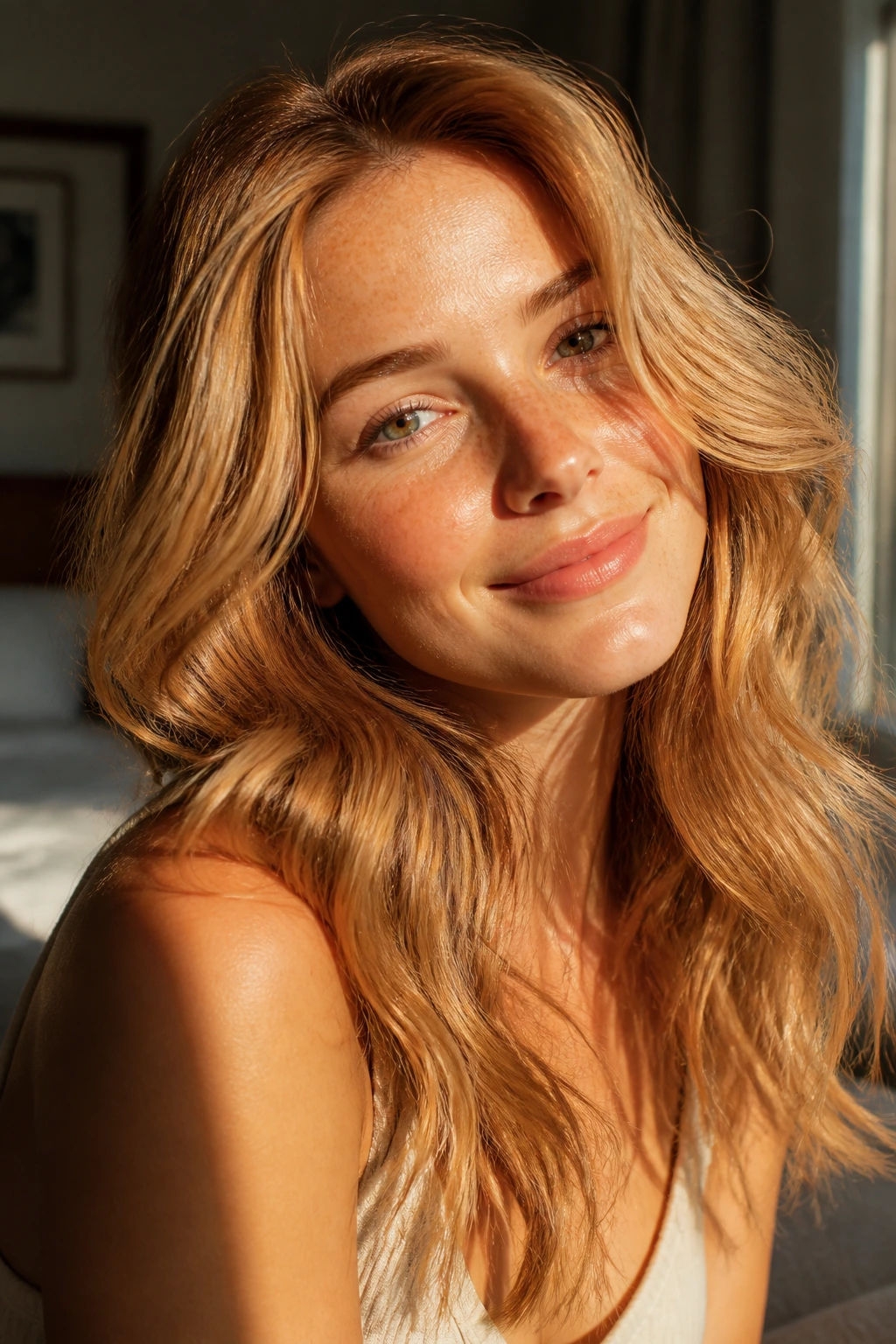
- Warm undertones stay in charge: These shades lean into gold, peach, honey, and apricot, so they flatter the skin instead of washing it out.
- Copper can be soft or bold: A beige gloss and a full-apron copper foilayage may share the same family, but they live on different levels of intensity.
- Placement changes everything: Face-framing pieces, balayage, and root shadow keep the color wearable longer and stop it from looking like one flat block.
- The grow-out is kinder: Several of these ideas leave a deeper root or softer midtone, which means fewer hard lines six weeks later.
- There’s room for texture: Waves, curls, shags, and bobs all handle copper differently, and that’s useful rather than a problem.
- You can keep it believable: None of these shades need to scream for attention; they work best when they look like they belong on the person wearing them.
1. Soft Champagne Copper Blonde
Soft champagne copper is the shade I reach for when someone wants warmth but doesn’t want to look like they’re wearing bright red hair. It has a pale, creamy base with a copper-gold gloss that glows more than it stains. On warm skin, that matters. It reads as light and polished instead of loud.
Why it flatters warm undertones
The trick is restraint. Ask for a level 8 or 9 blonde base with a sheer copper-beige toner, not a heavy orange deposit. The result should feel airy at the midlengths and a touch deeper near the root, which keeps the face from getting washed out.
Best for: medium-fine hair, peachy skin, and anyone who wants the hair to reflect light without looking saturated.
Maintenance: a gloss every 5 to 7 weeks is usually enough.
Styling note: soft bends with a 1-inch iron show off the shimmer better than pin-straight hair.
Pro tip: keep the root half a shade deeper than the ends. That tiny bit of shadow makes the champagne tone look cleaner.
2. Honey Copper Balayage
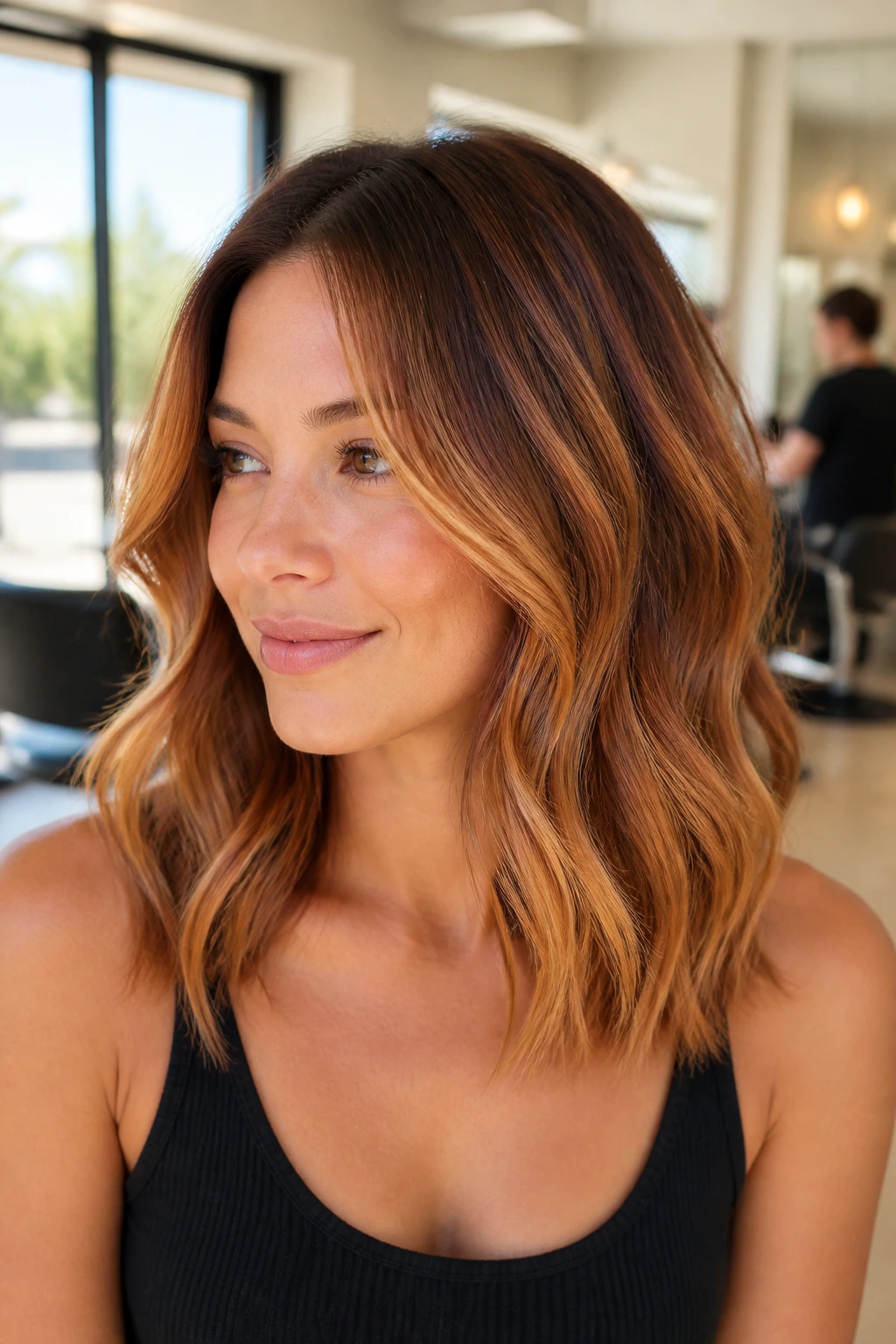
Honey copper balayage is what happens when you want warmth, but you also want the roots to behave. Instead of coloring everything the same shade, the colorist paints copper-honey ribbons through the mids and ends, leaving the root softer and deeper. The finish feels sunlit, not sprayed on.
This one works because warm skin doesn’t need a huge contrast to look fresh. A level 6 or 7 base with painted copper gold through the surface gives you movement, shine, and a grow-out that doesn’t panic you in the mirror. It’s a smart pick if you wear your hair loose most days and want the color to change as the hair moves.
For a cleaner salon ask, say “warm honey-copper balayage with a soft root shadow and brighter face-framing pieces.” That gives the colorist something usable. And if your hair is naturally darker, this version keeps the copper believable instead of turning it into a full-on color correction project.
3. Apricot Glow Bob
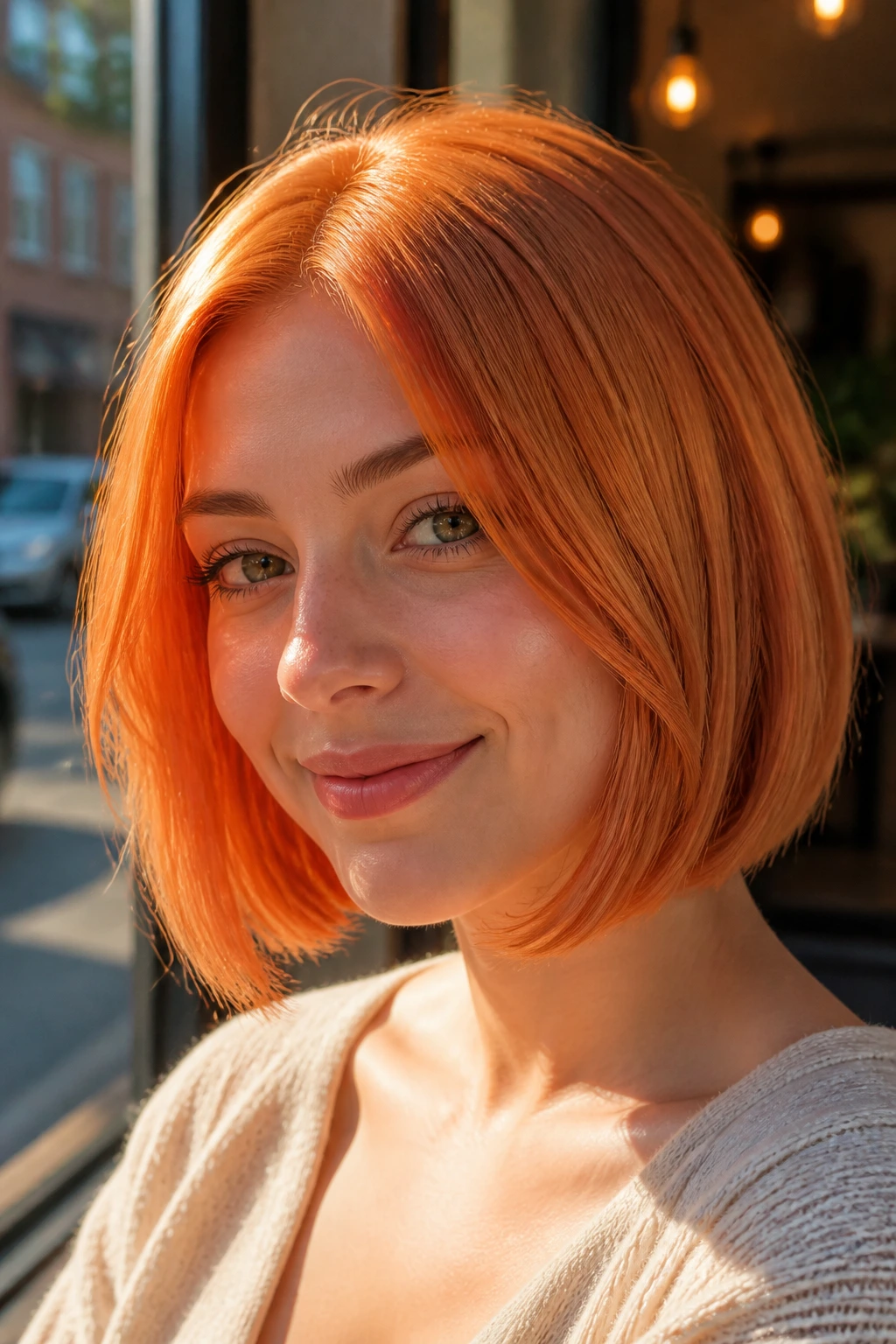
Why does a bob make copper look sharper? Because the cut removes all the extra fabric, so the shade does the talking. Apricot glow copper on a chin-length or jaw-skimming bob feels crisp, modern, and a little cheeky. The color usually sits between peach and soft orange with a blonde base under it, which is a nice fit for warm skin that likes a bit of blush in the mix.
How to wear it
Keep the ends blunt or only slightly beveled. A bob with too many wispy layers can make the color look thin, while a cleaner edge makes the apricot tone read as deliberate.
- Best on straight, wavy, or softly bent hair.
- Ask for an apricot-copper glaze over a light blonde base.
- Style with a round brush if you want the ends to curve under and catch the light.
A bob like this does not need much fuss. It looks best when the color stays glossy and the shape stays sharp. That’s the whole game.
4. Strawberry Cream Copper
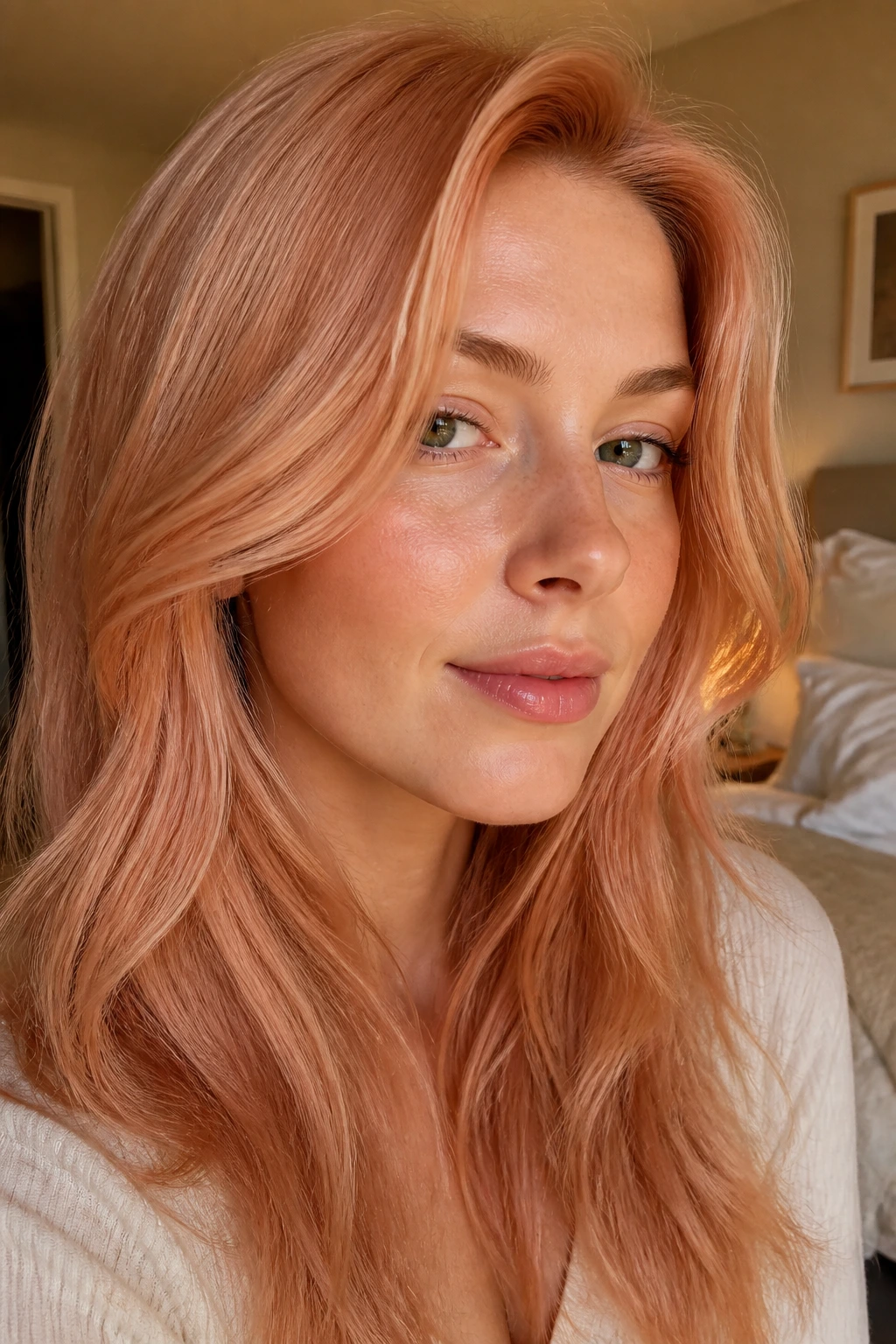
Strawberry cream copper lives in that pale, milky zone that can look expensive in the right light and muddy in the wrong one. The cream part keeps the tone soft; the strawberry gives it just enough life. On warm skin, the rosy tint sits nicely because the warmth in the face stops the pink from turning cool.
This is the shade for someone who wants a lighter copper blonde without tipping into platinum territory. It feels delicate around the hairline, especially if the colorist leaves the root a touch deeper and keeps the front pieces slightly brighter. The result is almost like lipstick for the hair. Soft. Lively. Not sugary.
A loose wave helps a lot here. Straight hair can flatten the color if the gloss is too subtle, while movement shows the rose-gold shift. If you’ve ever liked pale blonde but thought it made your face look tired, this is the copper version to try first.
5. Golden Penny Blonde
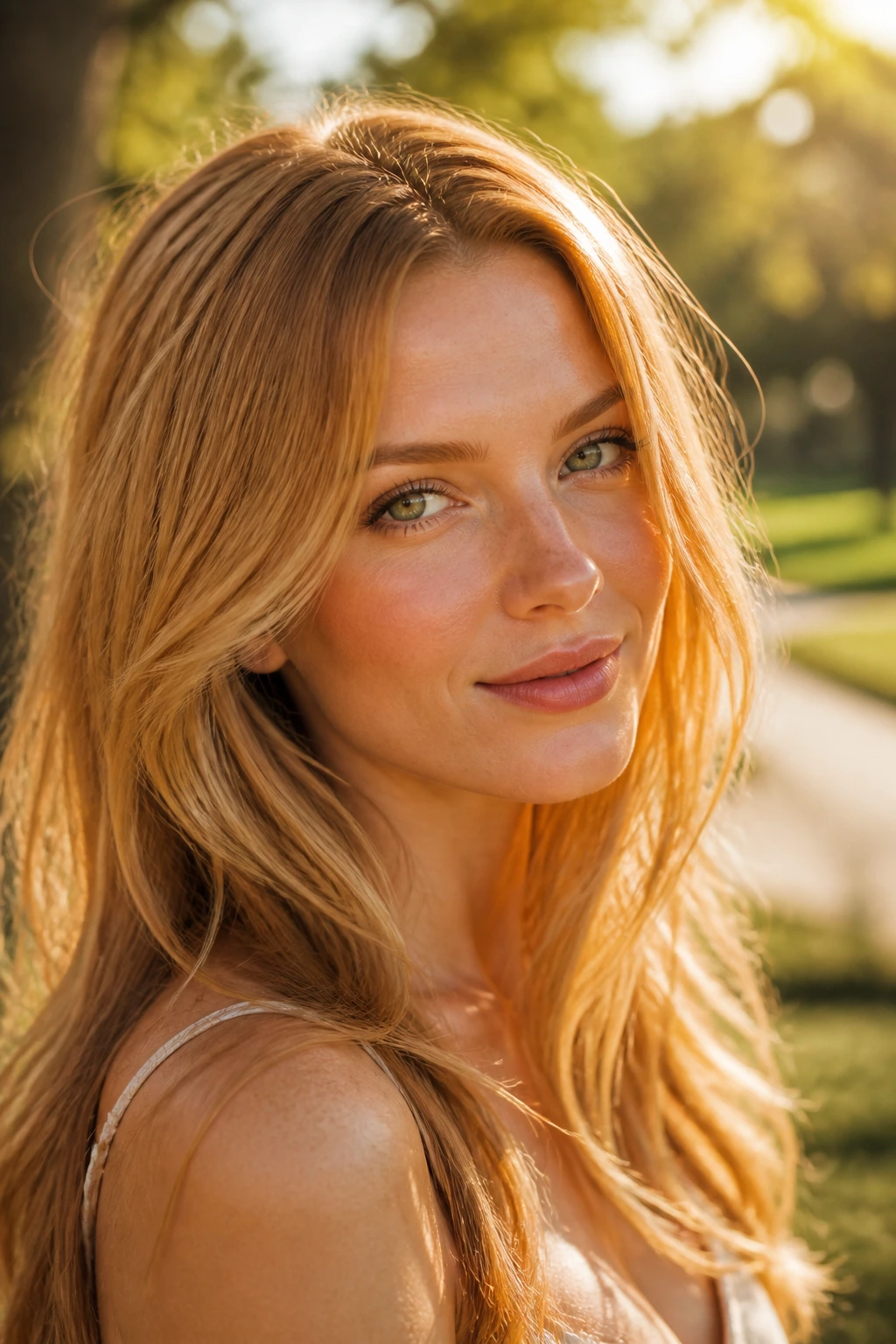
Golden penny blonde has more gold than orange, and that distinction matters more than the name suggests. It’s inspired by the warm shine of a well-worn coin, which sounds odd until you see it in hair. The finish is luminous, not red. On warm skin, it makes freckles look softer and gives the cheeks a little more warmth without adding makeup.
This shade is especially good if you live in the middle between blonde and light copper and don’t want to decide too hard. The color usually starts at a level 7 or 8 and keeps the copper low, letting the gold do most of the work. That’s why it feels easy to wear. There’s no hard edge to catch on clothes, roots, or eyebrows.
If your natural hair is already warm brown or dark blonde, this one can be built with gloss and highlights instead of a full bleach session. I like that route. Less stress on the hair, same payoff.
6. Copper Bronde Melt
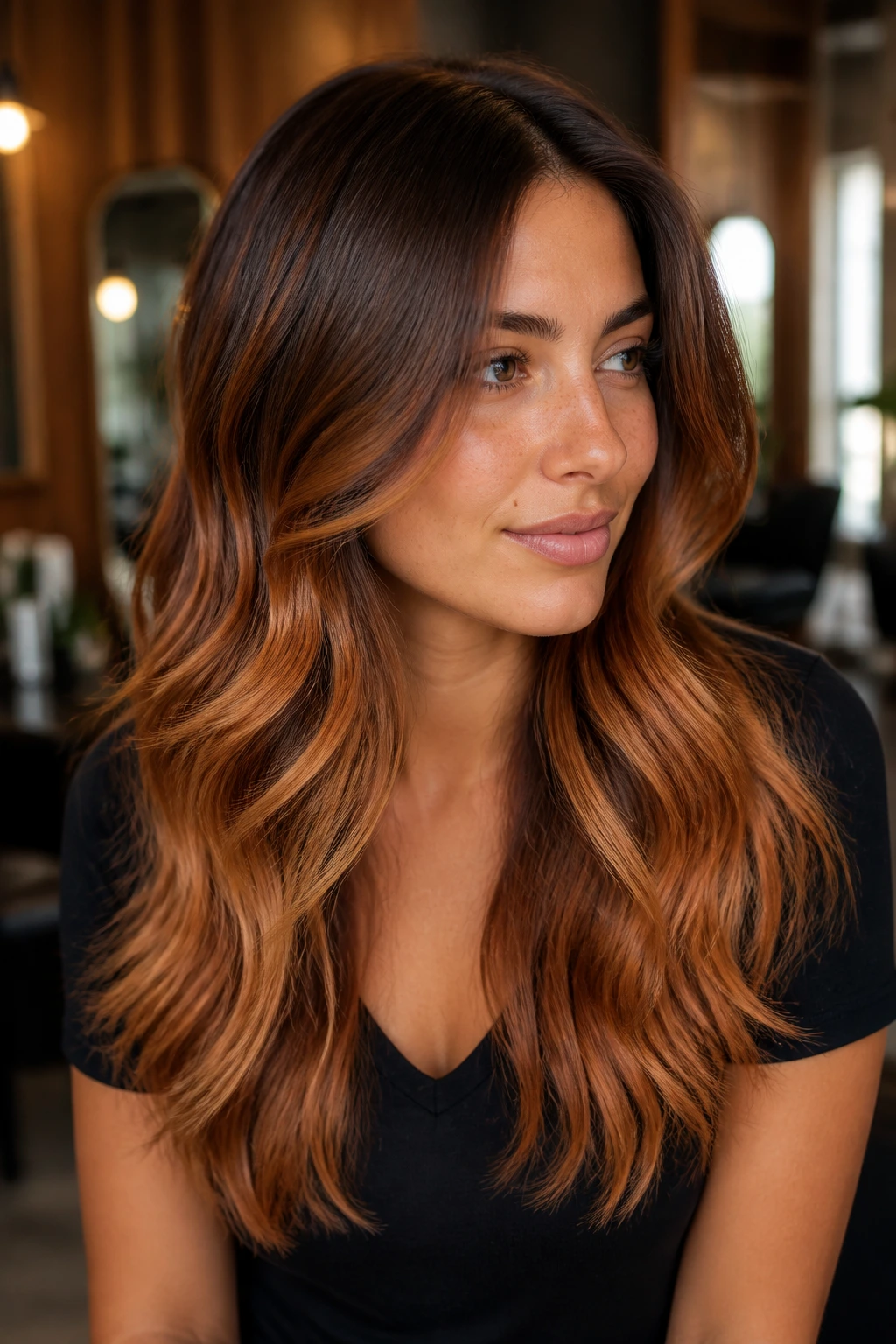
Copper bronde melt is the one for people who love copper in theory but don’t want to live with a solid copper head of hair. Bronde gives you a brunette backbone, then copper slips through the mids and ends like a warm filter. It’s softer than an all-over blonde and less fussy than a pure red tone.
The melt part matters. There should be no obvious line where brunette ends and copper starts. A root shadow, a lightened midsection, and a copper-gold finish through the ends make the whole thing feel expensive in that quiet way people like to pretend they don’t care about. They do. Everybody notices glossy hair.
Best on medium to dark natural bases. If you’re not ready for regular lightening, this is one of the smarter copper blonde hair color ideas for warm skin tones because it keeps depth near the face and brightness where the eye wants it.
7. Sunlit Face-Framing Copper
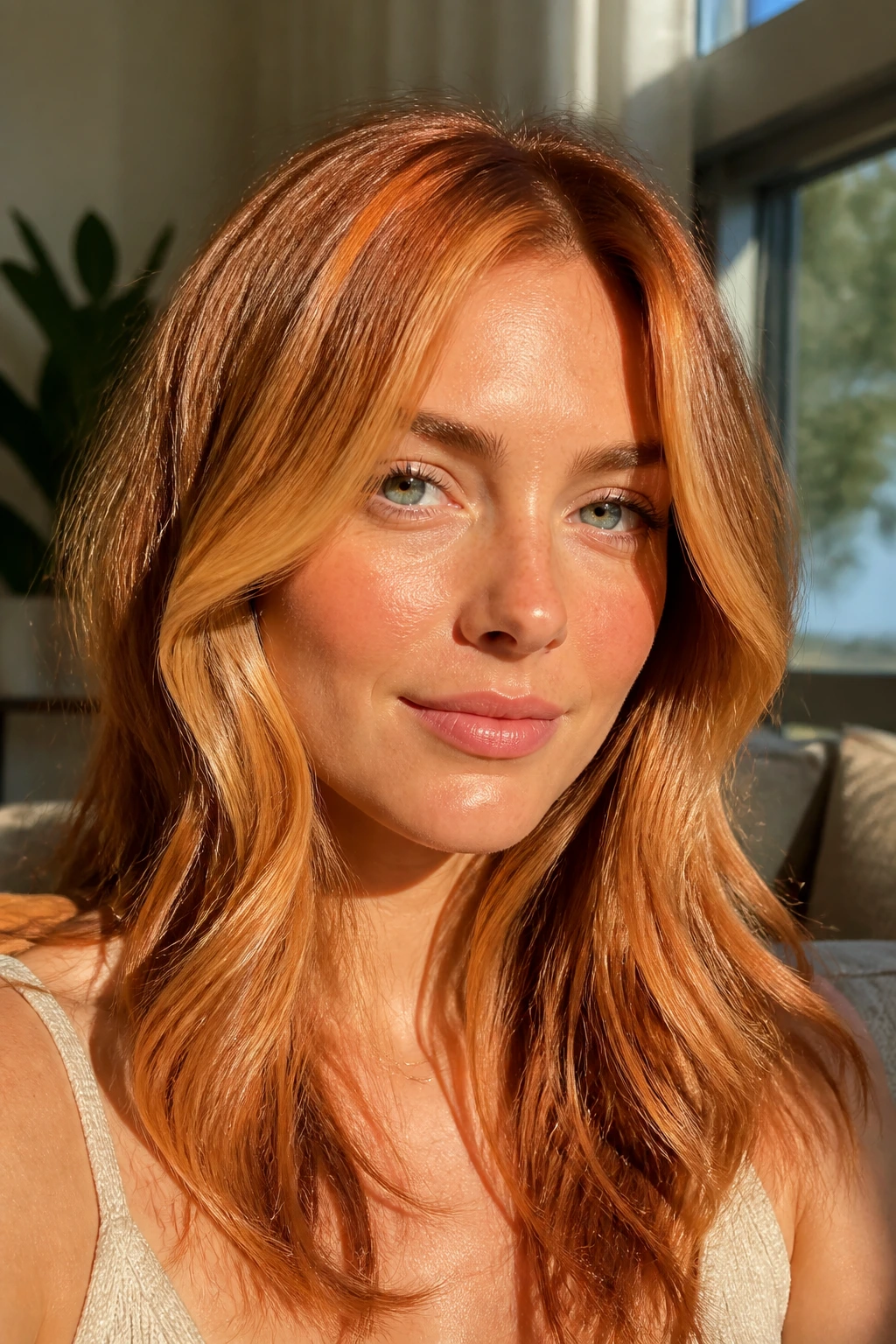
A full head of copper is one thing. A pair of sunlit copper pieces around the face is another. This idea keeps the back quieter and lets the front carry the color: temples, cheekbone area, fringe, and a few narrow ribbons through the crown. On warm skin, that placement looks fresh because the brightness lands exactly where the face needs it.
It’s a good choice if you’re nervous about going copper all over. The front can be one shade lighter than the rest of the hair, which gives the whole style a lift without turning the ends orange. Think of it as a built-in glow panel.
If you wear glasses, this placement is especially nice. The copper catches around the frames and stops the color from disappearing into the rest of the style. That little detail can make a bigger difference than people expect.
8. Peach Cobbler Blonde
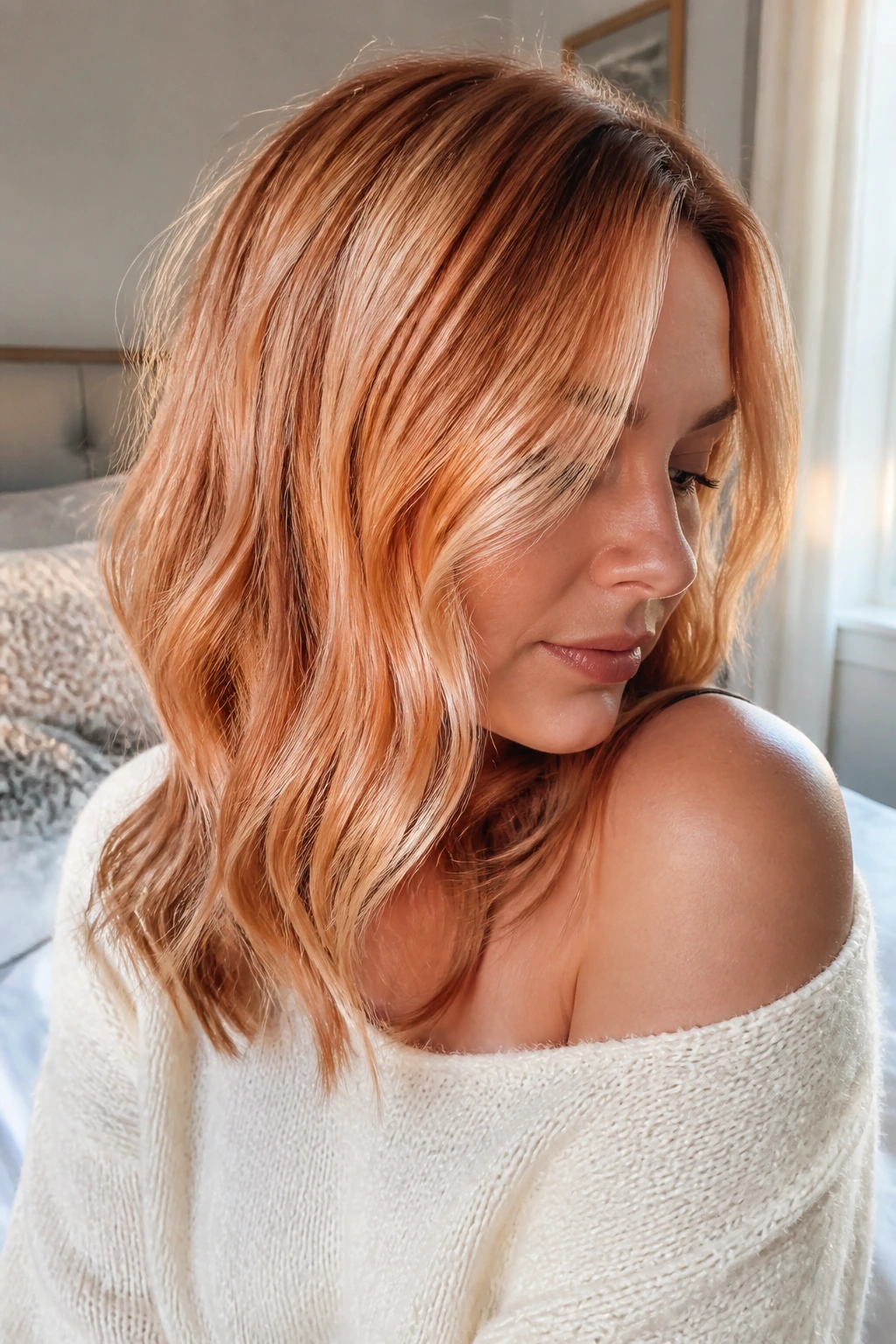
Can copper feel soft enough for everyday wear? Yes, if it leans peach instead of fire. Peach cobbler blonde has a creamy blonde base with a cooked-fruit warmth on top: peach, vanilla, and a little gold. It’s one of the easiest copper blonde directions for warm skin because the undertones already match the complexion.
How to ask for it
Tell the colorist you want peachy copper with honey and beige mixed in. That phrase helps avoid a tone that skews too orange. If the hair is pre-lightened, the gloss usually does the heavy lifting; if it’s darker, the color may need a few foils to show up cleanly.
This shade likes movement. A shoulder-length cut, soft layers, or even tucked-behind-the-ear styling shows off the warm shifts in the color. It’s a good bridge between blonde and copper if you’re not ready to commit to something louder.
9. Cinnamon Spice Layers
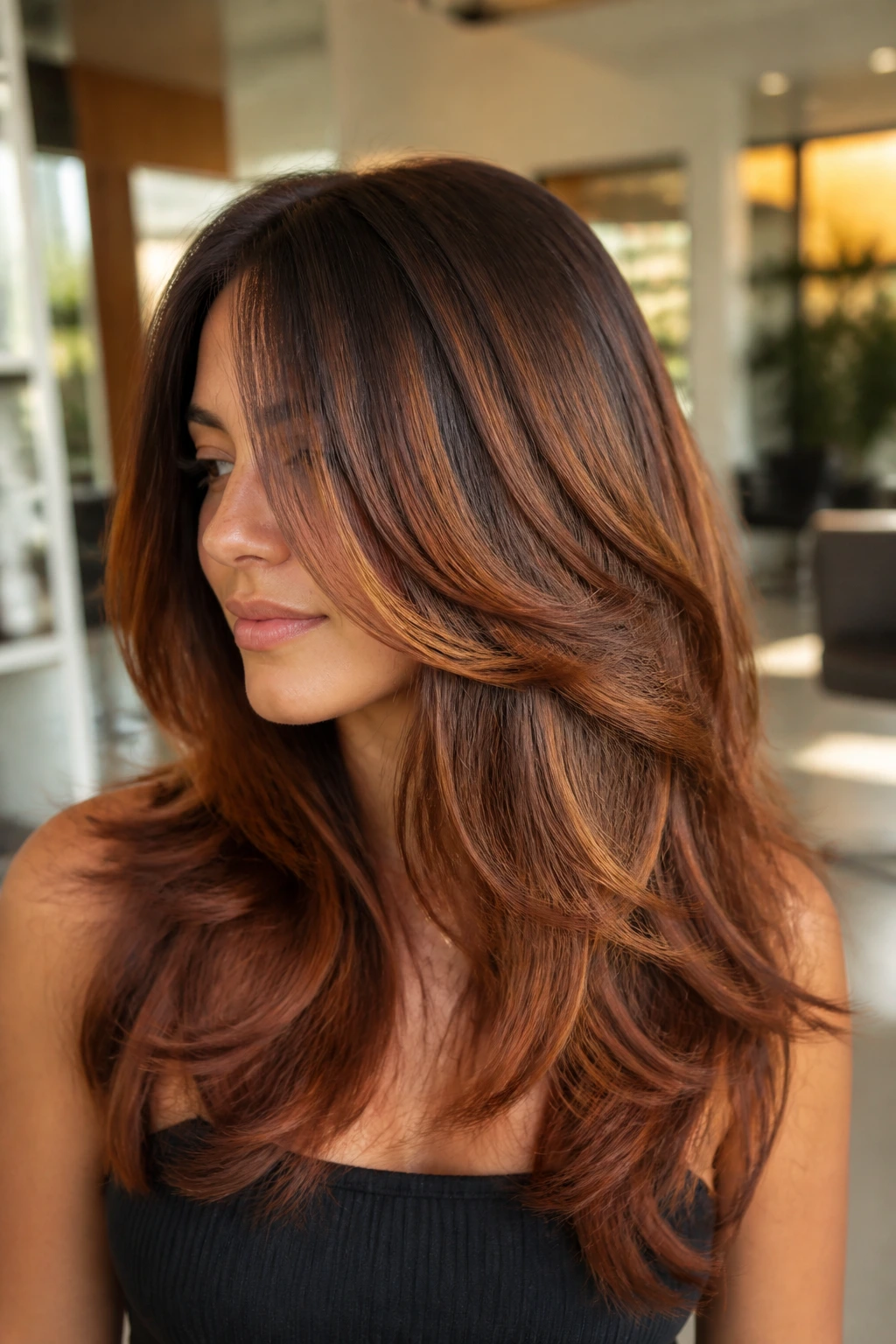
Cinnamon spice layers are a little deeper and a little drier-looking than peach or honey copper, which is exactly why they work. The color has a warm brown base with copper woven through the layers, so the cut and the shade support each other. That’s the key. Without layers, this tone can look flat. With them, it looks textured even when the hair is freshly blown out.
Warm skin tones do well here because cinnamon brings back some depth near the face. If your brows are darker or your natural hair is more medium brown than blonde, this color feels grounded instead of floaty. It’s also a nice move for anyone who wants copper but hates the “dyed” look. The warmth shows, but it doesn’t behave like a costume shade.
Loose waves, curtain bangs, and feathered ends all help. The layers catch the copper differently, and that shifting tone is half the appeal.
10. Rose Copper Ribbon Highlights
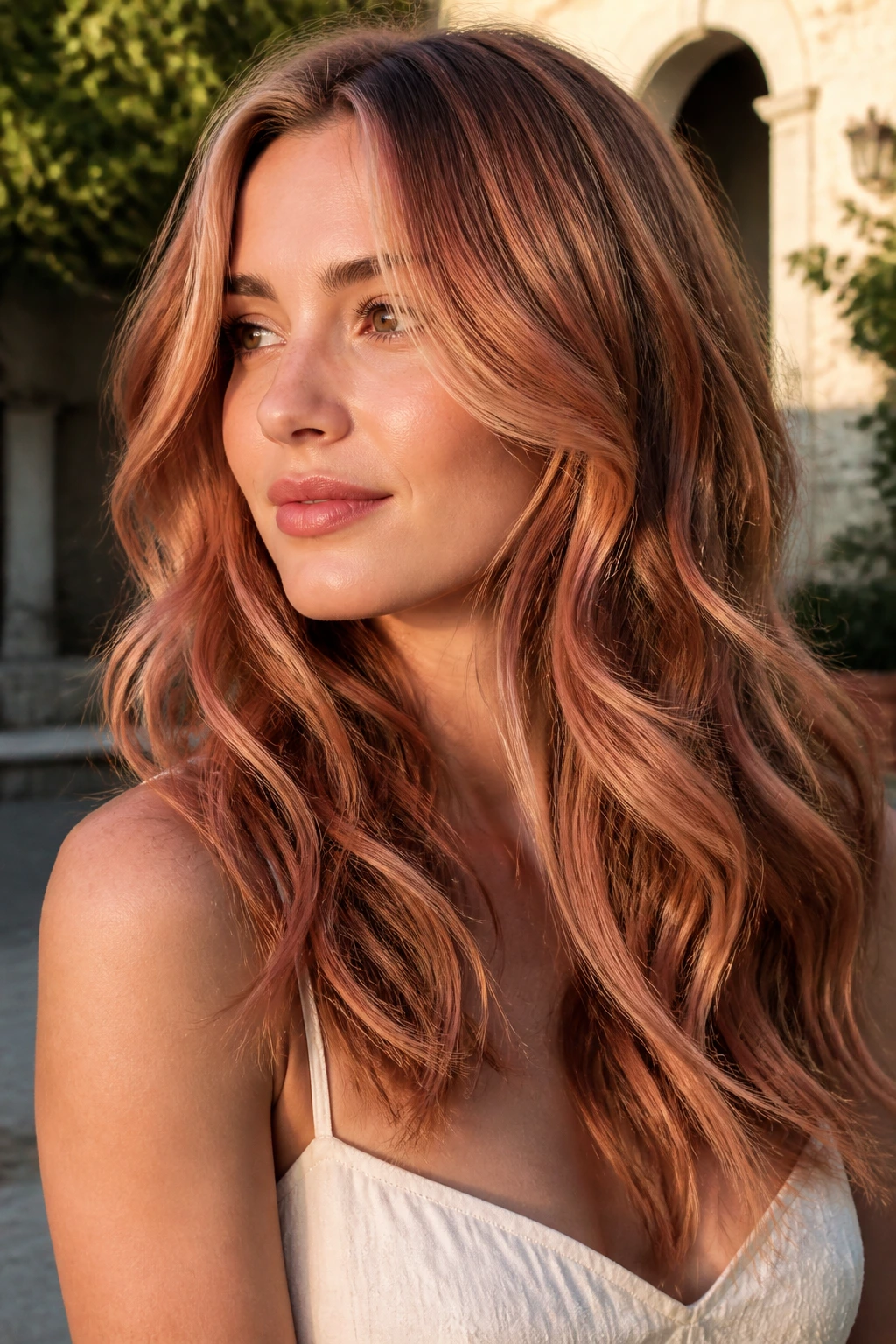
Rose copper is not pink hair pretending to be copper. It’s copper with a restrained berry cast, and that distinction keeps it wearable on warm skin. Ribbon highlights work better here than a full-color block because the rosy note can get loud if it takes over every strand.
What keeps it balanced
A soft gold base under the rose tone stops the shade from going cool or dusty. That means the color still sits with peach and gold undertones in the skin instead of fighting them. It’s a nice option if you want your hair to look warmer in dim light and a little more playful in daylight.
- Best on medium blonde or light brown hair.
- Ask for rose-copper ribbons over a golden base.
- Keep the roots slightly deeper so the pink never looks flat at the scalp.
This is one of those shades that makes people look twice, then ask what you did. That’s a decent sign.
11. Buttery Copper Lob
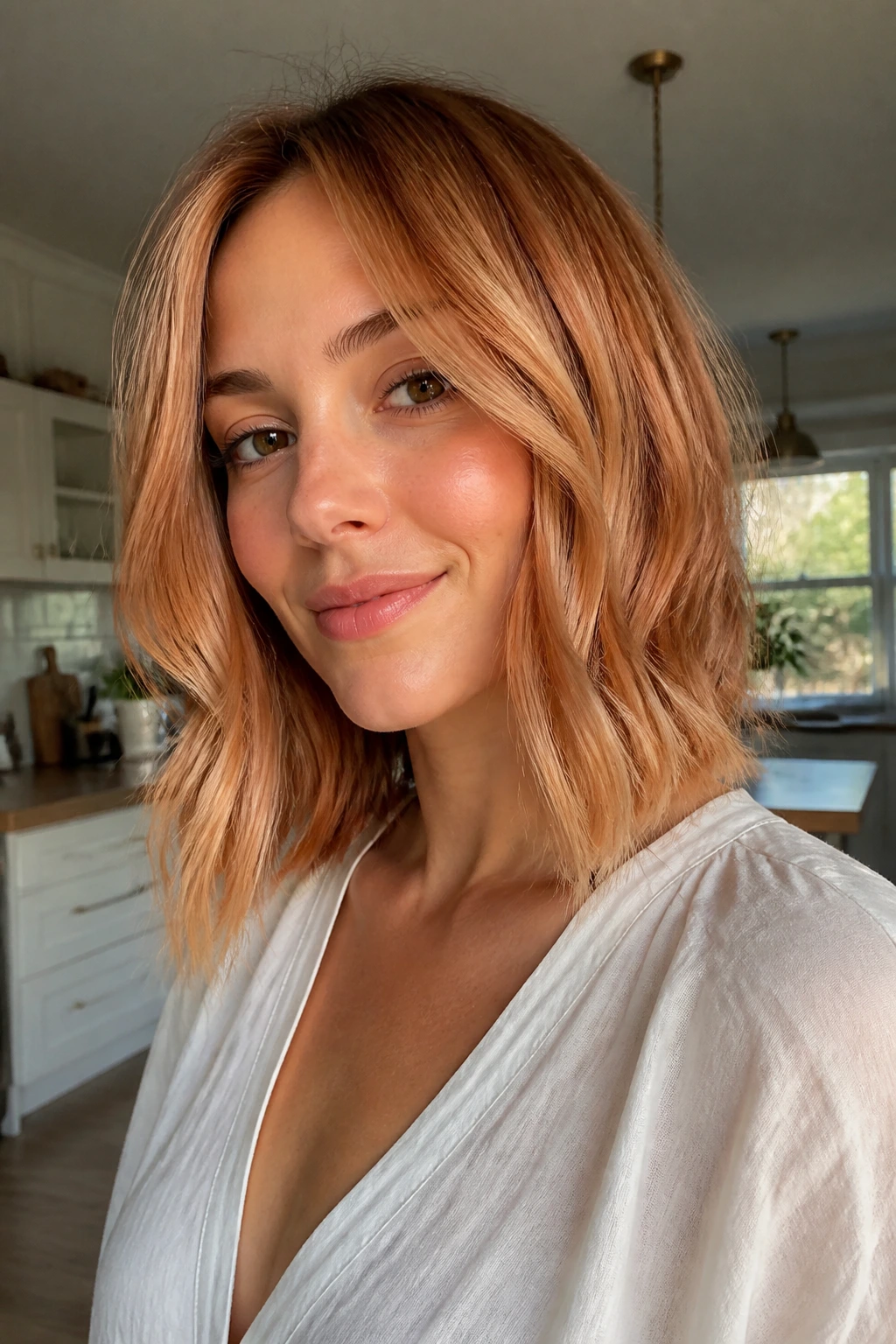
What if you want copper blonde that feels soft, not spicy? The lob is your friend. A long bob gives the color enough surface area to show, but not so much length that the copper gets lost. Buttery copper adds a creamy gold tone to the red-gold family, which is lovely on warm skin that already leans peach or amber.
The shape matters here. A lob that sits between the collarbone and the shoulders keeps the hair moving, and that movement lets the buttery finish catch light in a clean way. If the color is done well, the ends look almost translucent in sunlight. Not pale. Translucent.
I like this one for people who want a practical cut and a flattering color in the same appointment. There’s nothing fussy about it. It just works.
12. Toasted Almond Copper
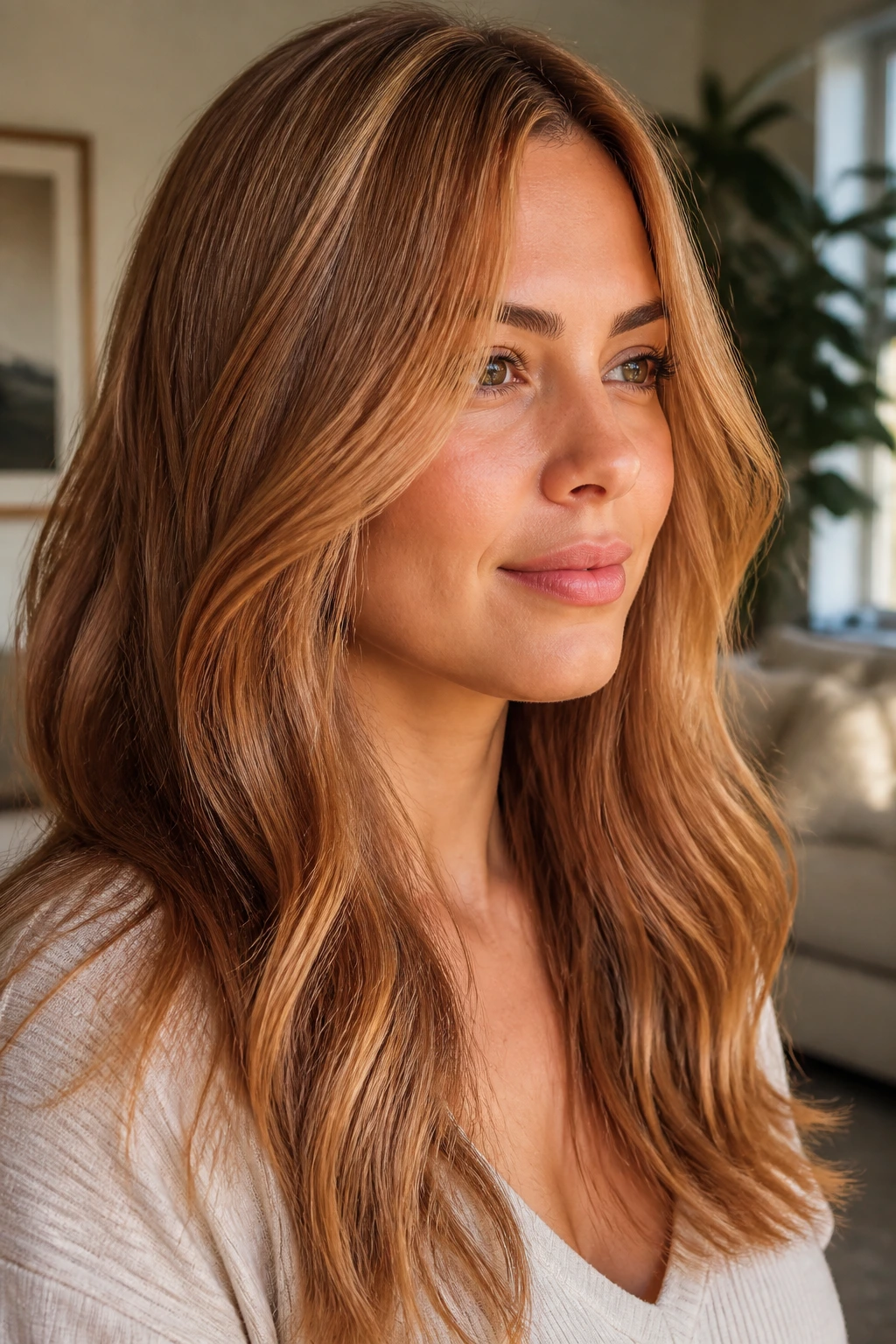
Toasted almond copper is quieter than it sounds. The almond base keeps things beige and soft, while the copper comes in as a warm glaze rather than a loud pigment. That makes it a smart pick for warm-neutral or olive-warm skin, especially if you want the color to look polished under indoor lighting and not just on a sunny sidewalk.
Best base: level 6 or 7 light brown to dark blonde.
Ask for: almond beige through the root, then a warm copper gloss from midlength to ends.
Best styling: loose bends or a blunt blowout; either one keeps the finish smooth.
The beauty of this shade is that it doesn’t fight your eyebrows, your clothes, or your makeup. It sits in the same warm family as camel coats, tan knits, and peach blush. That sounds small. It isn’t. Hair that cooperates with the rest of your face saves a lot of effort.
13. Desert Sunset Balayage
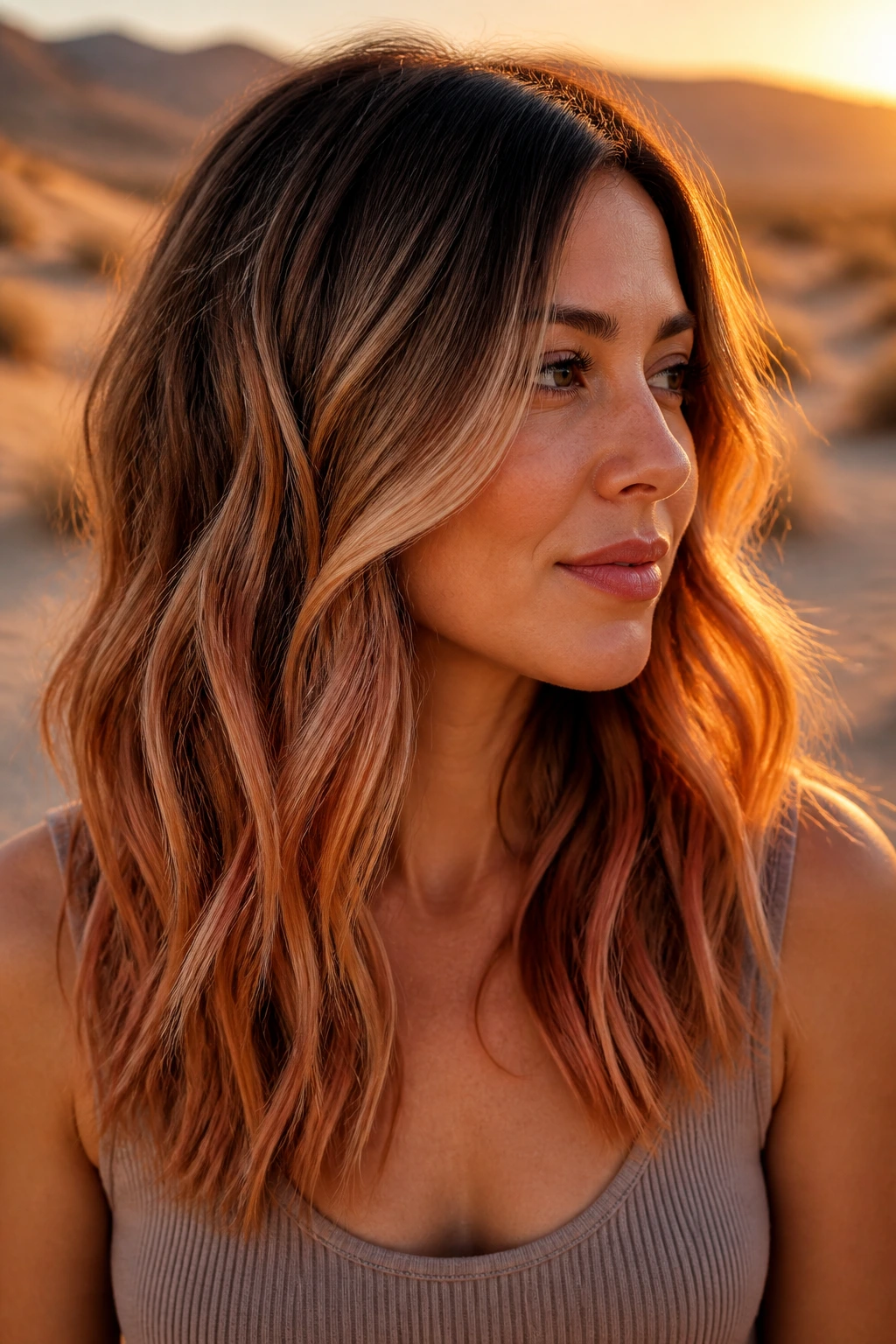
Desert sunset balayage has that dry, glowing warmth you see when the sky is all sand, amber, and pale peach at once. It’s softer than full copper and more dimensional than a simple golden blonde. On warm skin, the color feels native to the face because it borrows from the same earthy palette.
This look depends on placement. The midlengths and ends carry most of the copper, while the root stays deeper and sandier. That keeps the style from turning flat or overly orange. The result is especially nice on longer hair, where the gradient can stretch out and show off each tone separately.
If you wear your hair in waves or loose braids, this color wakes up even more. The different pieces of tone show up like layers of light, which is the whole point. Loud is easy. Controlled warmth takes more skill.
14. Auburn-Infused Blonde
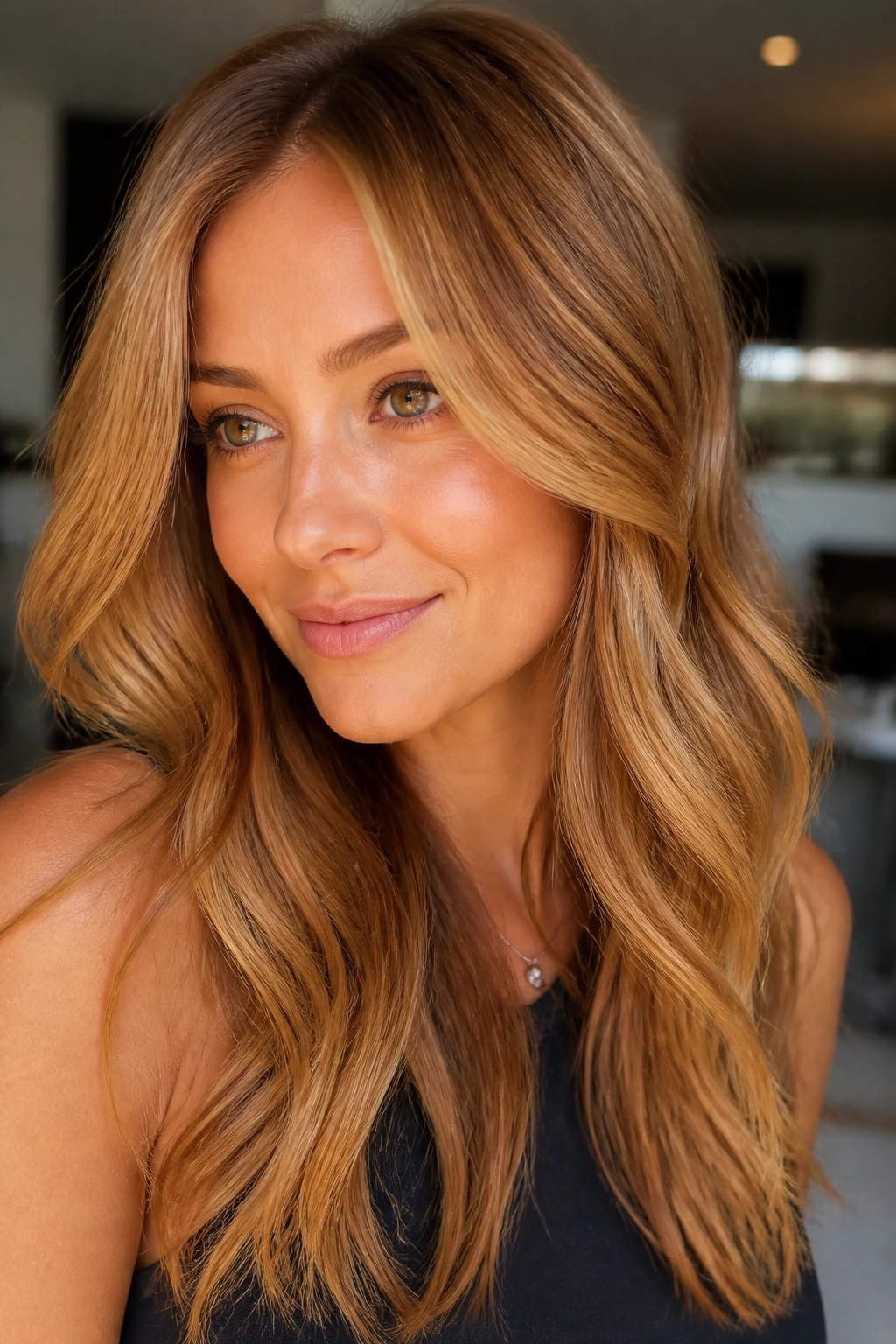
Auburn-infused blonde lives in the territory where copper meets light brown, and that overlap is useful. If brighter copper blonde has ever made your skin look a little tired, adding auburn gives the color more depth. It’s warmer, darker, and less dependent on perfect lighting.
This is a good option for warm skin with stronger brows or a deeper natural hair color. The auburn note keeps the shade from floating too high above the face. Instead of looking like a blonde that got tinted, it reads as a warm color story from root to tip.
I’d call this one one of the best bridges for people moving from brunette to copper. You get warmth without the pressure of maintaining a pale base. And honestly, that’s often the smarter choice.
15. Rustic Copper Shag
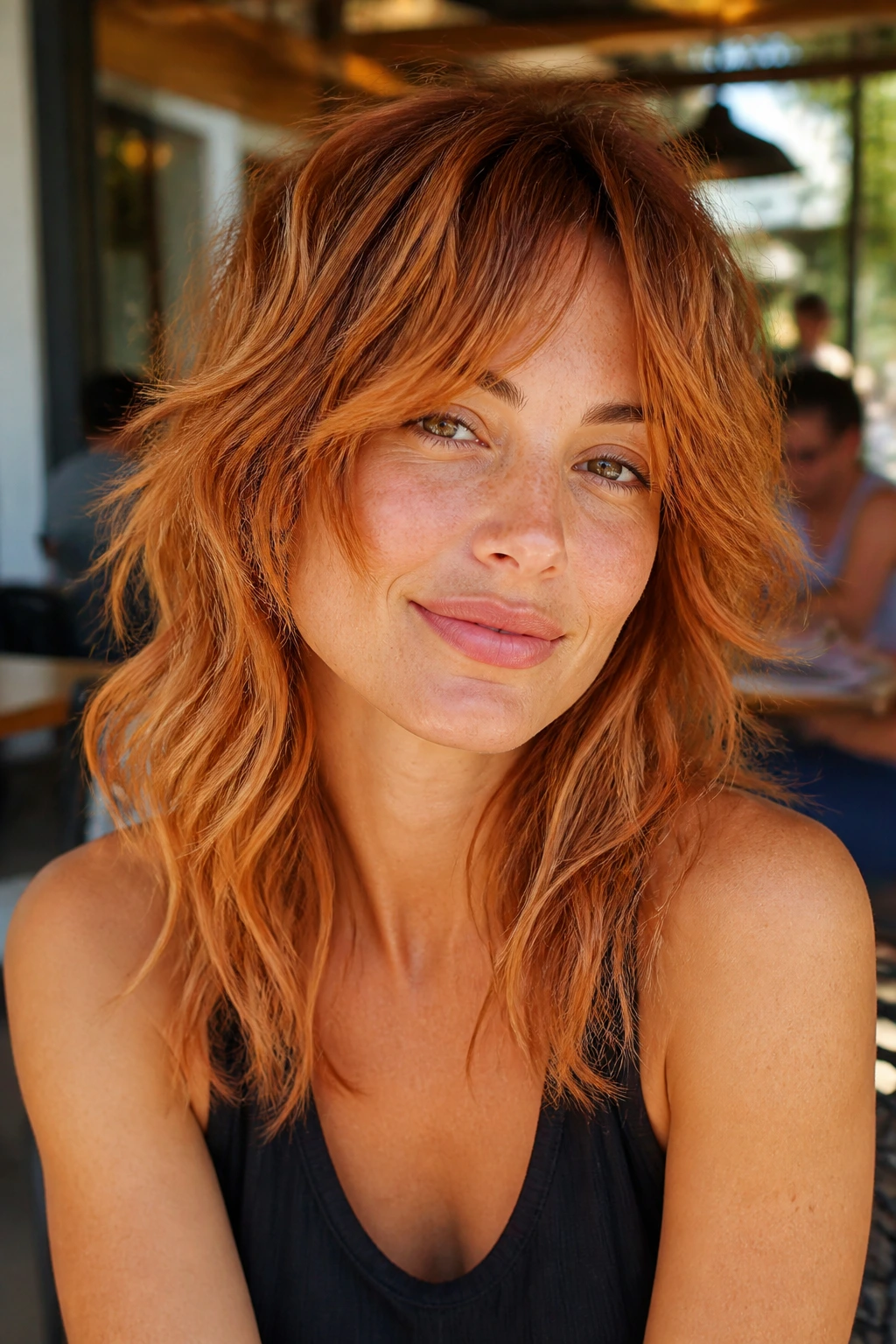
A shag makes copper look more interesting because the haircut does some of the work for you. Rusty, layered, and a little undone, this version of copper blonde sits between ginger and warm blonde. The choppier ends catch the light, while the longer pieces create streaks of brightness that move with the head.
Why the cut matters
A shag adds texture, and texture makes copper feel richer. On warm skin, the color doesn’t have to compete with the face; it can echo the soft messiness of the cut. Air-dried hair, sea-salt sprays, and a little mousse at the roots all help here.
- Works best on naturally wavy hair.
- Ask for choppy layers with a copper-gold glaze.
- Keep the fringe a touch lighter so the shape frames the face.
This is not a fussy color. It looks better slightly imperfect. That’s a relief, honestly.
16. Beige Copper Gloss
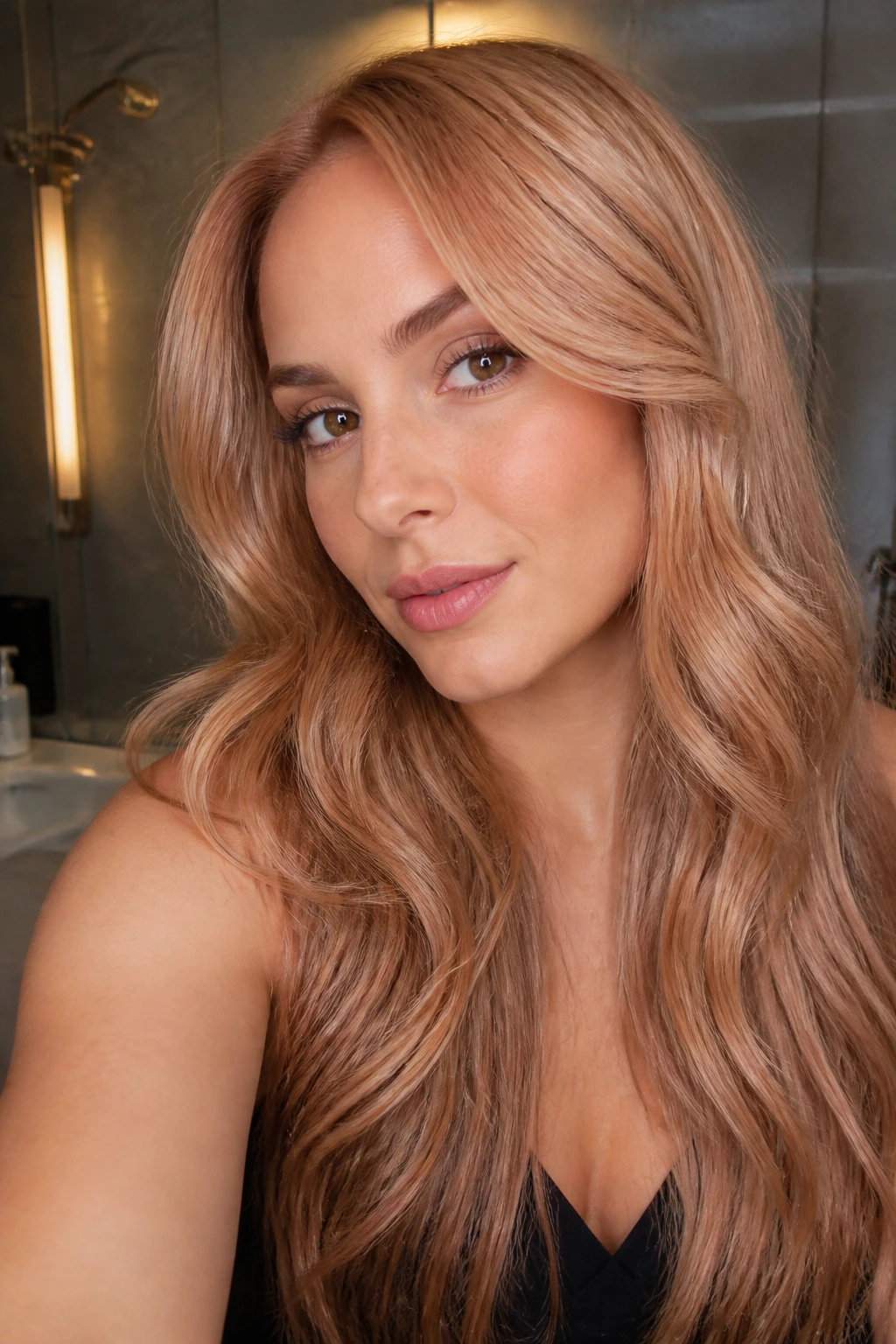
Can copper stay subtle? Absolutely, if you use a gloss instead of a heavy dye job. Beige copper gloss is pale enough to read blonde, but warm enough to keep the hair from going icy. It’s one of the easiest first steps if you’ve never worn copper before and don’t want a big commitment.
The salon service here is usually quick. A gloss can sit for 10 to 20 minutes, depending on the formula, and the tone can be adjusted toward beige, gold, or peach based on what your hair needs. That makes it a useful option for warm skin because the color can be nudged rather than forced.
I like this look on anyone who wants shine first and saturation second. It’s the sort of color that looks calm in a ponytail and glossy when you let it down. No drama. Just warmth.
17. Bronzed Copper Foilayage
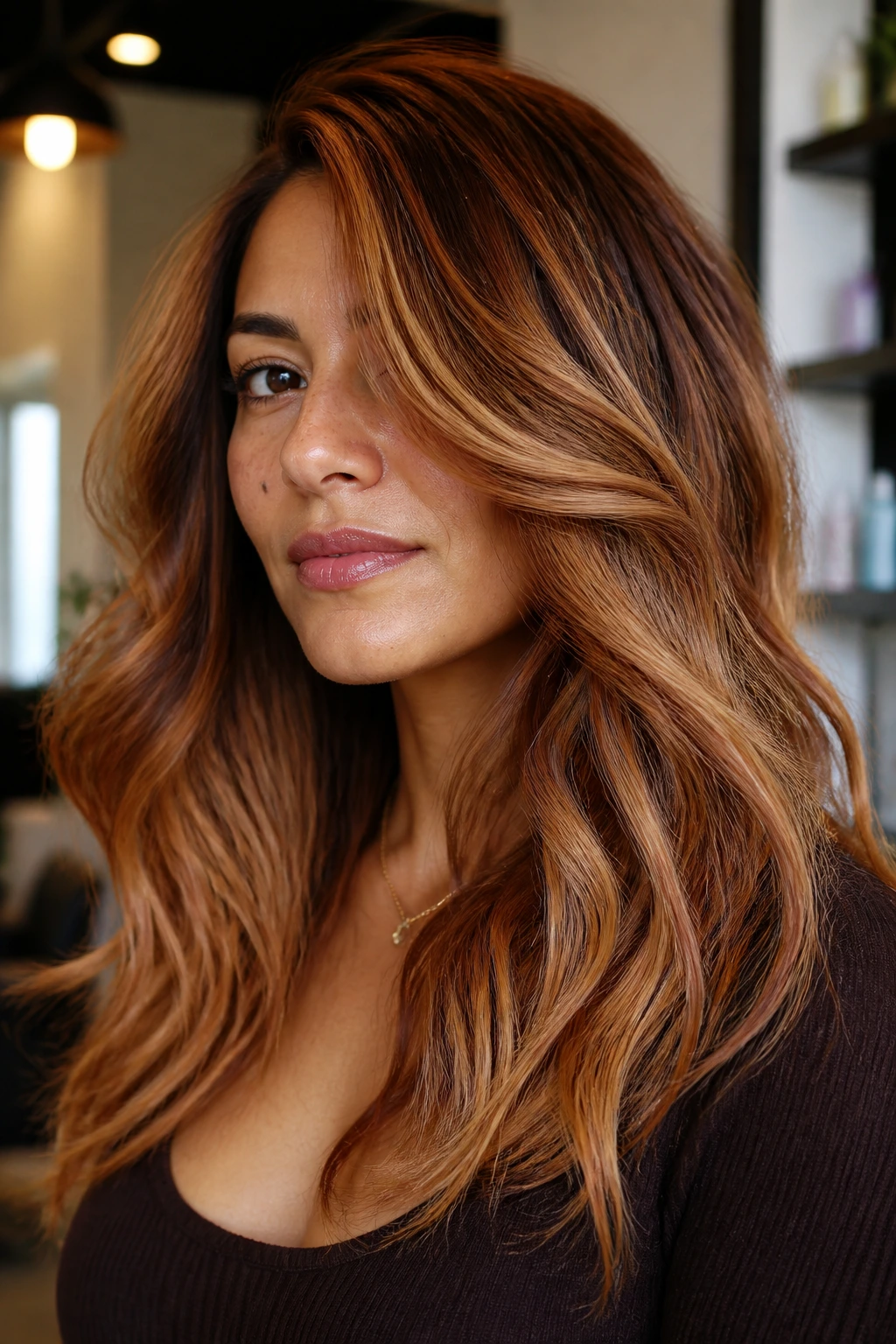
Bronzed copper foilayage gives you a stronger lift than open-air balayage, which is handy if your hair is dense or naturally dark. The foils add heat and help the copper show up cleaner through the ends, while the bronze base keeps it grounded. On warm skin, that combination feels rich rather than brassy.
This is a more structured look than the looser sun-kissed styles. You get brighter ends, more controlled contrast, and a finish that looks especially good on layered hair. The copper pieces can be wider or narrower depending on how much lightness you want around the face. Narrow ribbons feel softer. Bigger pieces feel bolder. Simple enough.
It’s a smart pick if your hair tends to swallow color. Some strands need the extra help. That’s not a flaw.
18. Ginger Gold Pixie
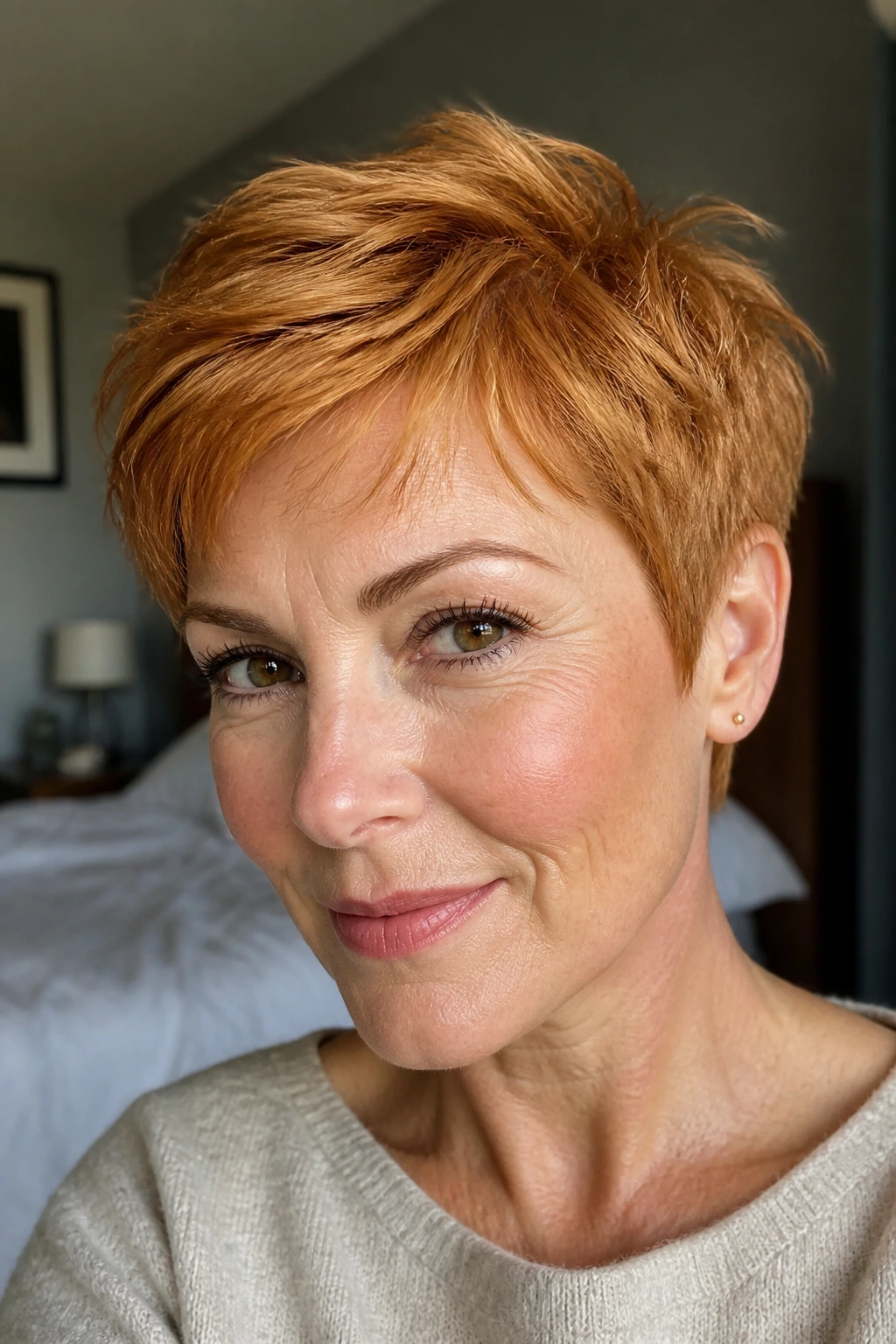
Short hair and copper are a good pair because the color has nowhere to hide. A pixie cut shows every tone shift, which is exactly why ginger-gold can look so good here. The warmth sits on top of the shape and makes the layers look sharper, especially around the temples and crown.
The maintenance is a little faster with a pixie, since regrowth shows sooner. But the color service itself can stay simple: a ginger-gold gloss on a light base, with the sides a touch deeper if you want contrast. Warm skin tends to like the brightness near the face, especially when the cut is neat and close.
This is a shade for people who want their hair to look deliberate from every angle. No hiding behind length. The color gets to be the feature.
19. Warm Saffron Waves
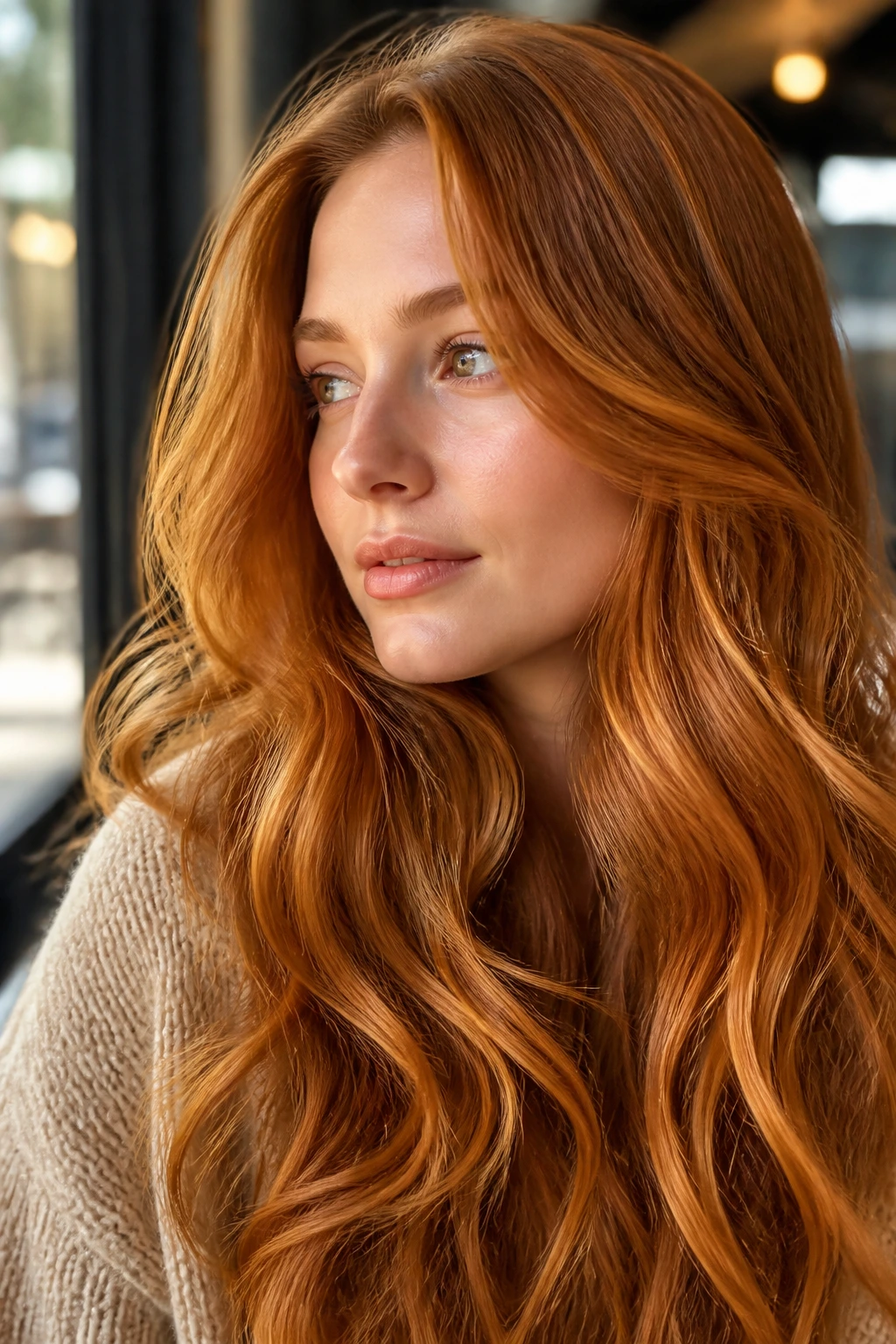
Warm saffron is richer than golden blonde and softer than orange, which is why it lands so well on warm skin. On loose waves, the color moves in ribbons rather than blocks, and that movement keeps the shade from feeling heavy. It’s one of the brighter options in the copper blonde family, but it still has enough gold to stay wearable.
A few details that matter
- Best on level 8 or lighter hair.
- Ask for a saffron-gold gloss with pale copper ends.
- A 1.25-inch curling iron gives the wave enough bend to show the warm dimension.
This shade has a sunny feel without getting too pale. It’s especially nice if your skin already has a golden cast, because the hair and face start speaking the same language.
20. Peach-Gold Money Piece
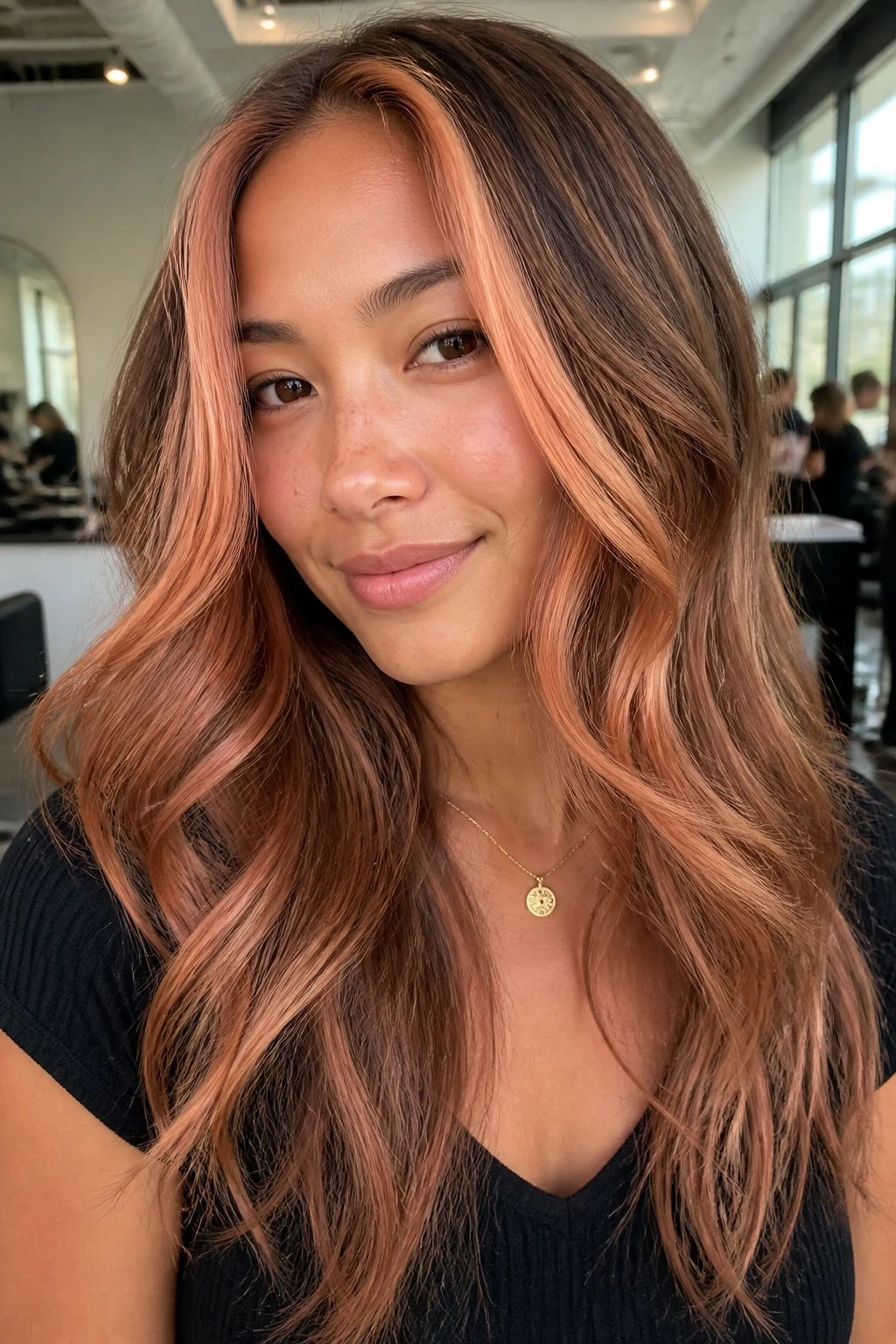
A money piece changes the whole mood of a haircut faster than most people expect. Peach-gold at the front gives warm skin a bright frame without forcing the rest of the hair to go fully copper. It’s a clean way to test the color family if you’re cautious, or to add contrast if you already wear a warm blonde base.
Unlike a full-head copper color, this version is front-loaded. The one- to two-inch face frame gets the brightest tone, while the rest of the hair stays softer and deeper. That keeps the look modern and stops it from feeling overdone. If you wear your hair tucked back a lot, the payoff is even better because the color sits right where people look first.
This is one of the easiest ways to get copper without giving up your current base.
21. Milk Tea Copper Blonde
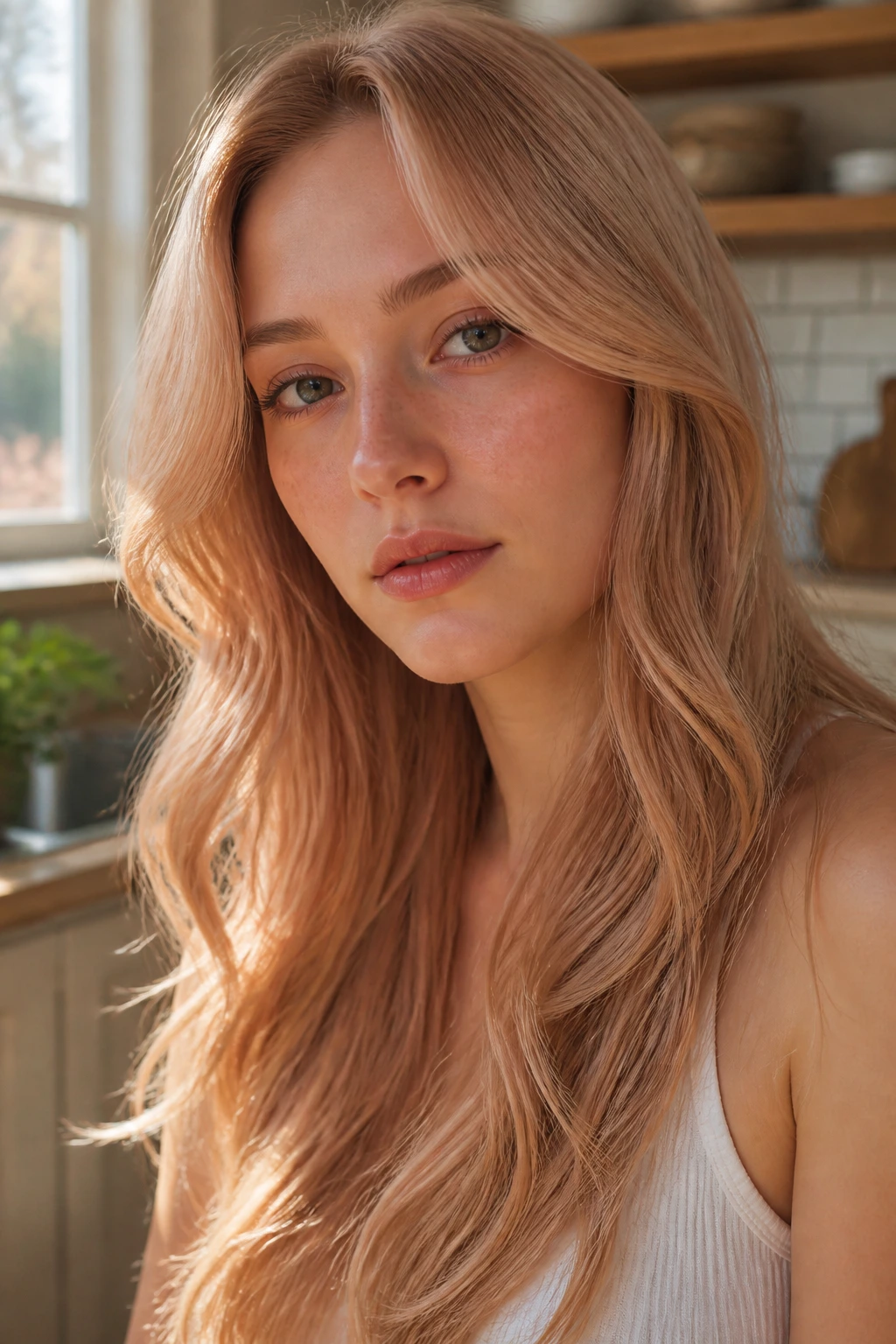
Milk tea copper blonde is soft, beige, and a little creamy, like a warm cup of tea with too much milk in the best possible way. It sits between blonde and brunette, and that middle ground is where a lot of people get hooked on the look. It doesn’t scream. It just keeps glowing.
This shade flatters warm-neutral skin because it borrows from caramel and light apricot instead of pure orange. A demi-permanent gloss works well here if you want low commitment, and subtle layers help the finish catch light without looking patchy. If your natural hair is already warm, the tone can be built without heavy lifting.
I’d call this one a safe choice that doesn’t feel boring. That’s rare. Safe usually means flat. Not here.
22. Burnished Copper Curls
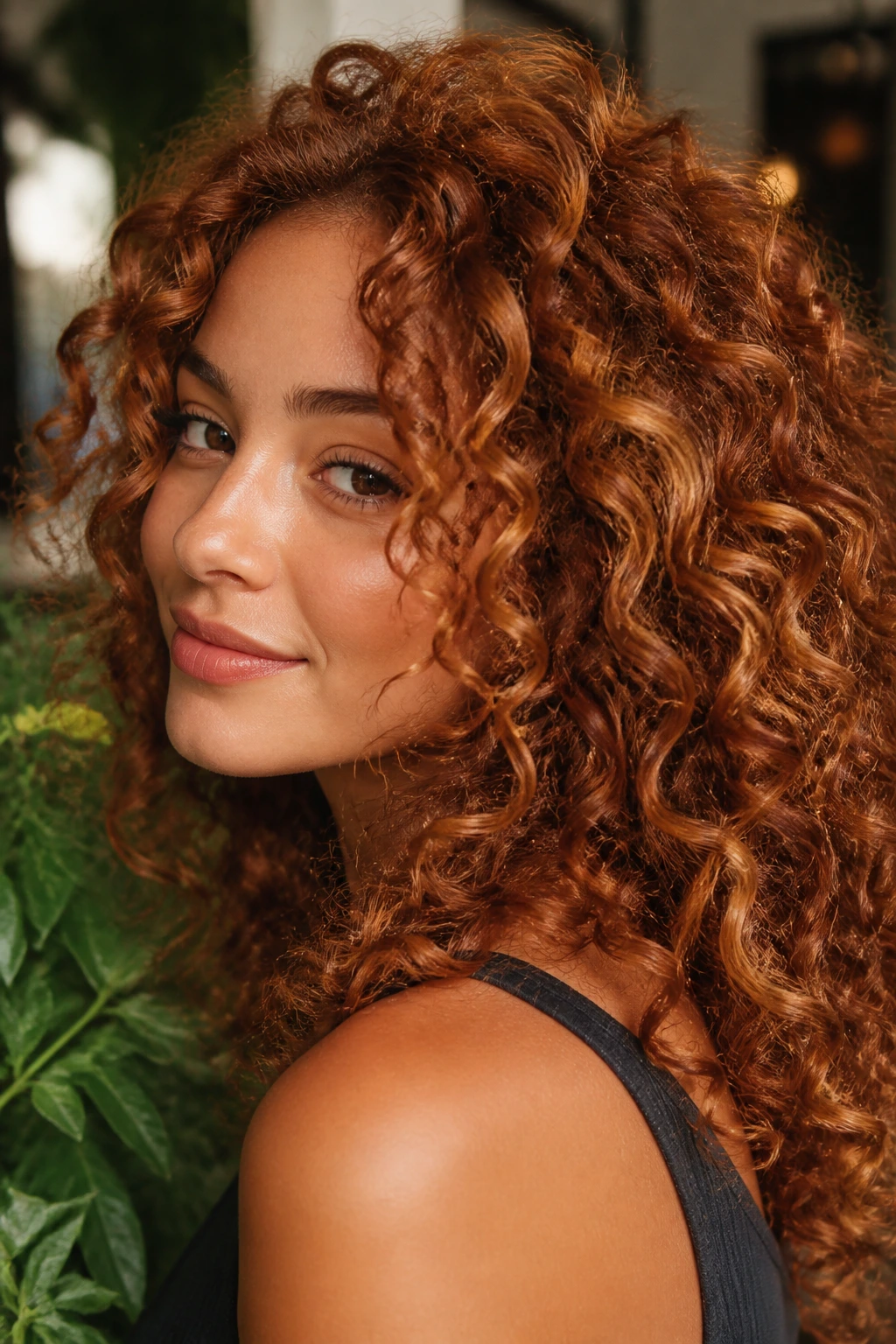
Curls and copper are a strong pair because the color lands on every bend differently. Burnished copper leans deeper than strawberry and richer than pale blonde, which helps curls keep shape and depth. On warm skin, the tone feels integrated rather than pasted on top.
If your hair is porous, this is where a good colorist earns their money. Curls can grab too much pigment at the ends, so the formula needs care. A glossed finish and a few lowlights can keep the shape from turning too bright. That matters. Curls need dimension or they start looking round in the wrong way.
Let the texture do some of the work. Air-dry a little, diffuse a little, and don’t bury the color under too much product.
23. Maple Copper Layers
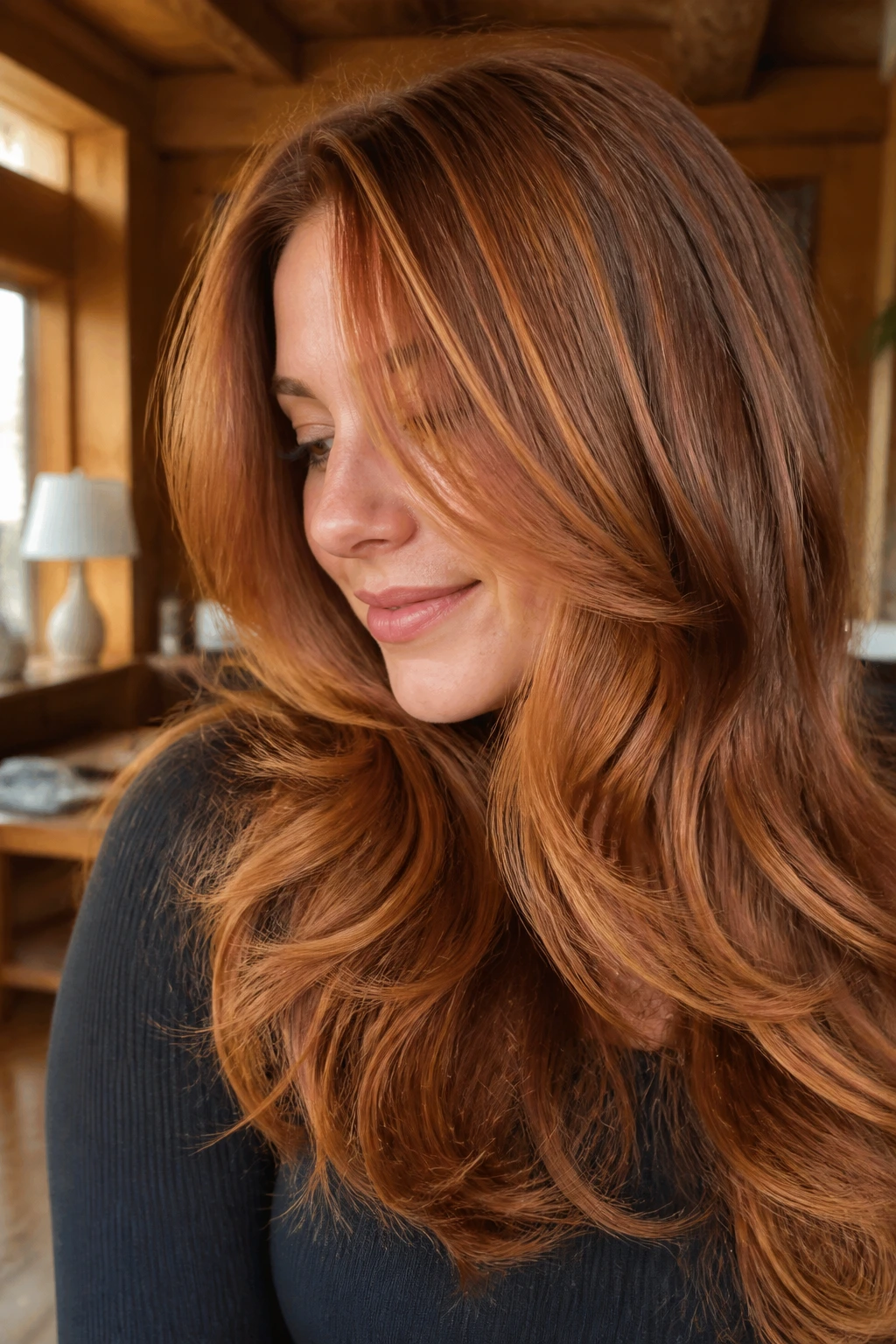
Maple copper is deeper, syrupy, and a touch darker than the lighter copper blonde ideas on this list. It’s a good move for medium to deep warm skin, or for anyone whose natural hair wants more depth than shine. The maple note keeps the color from drifting too orange, while the copper adds enough fire to keep it alive.
Why it lands well
The layers matter because the tone changes as the hair moves. You get soft brightness on the outer layer and deeper warmth underneath, which keeps the cut from looking thick or blocky. Long layers and curtain bangs work especially well here.
- Best on level 5 to 7 hair.
- Ask for a maple-copper gloss over warm brunette lowlights.
- Re-gloss every 6 to 8 weeks if you want the syrupy shine to stay visible.
This is a great option if you like warmth but do not want to feel blonde.
24. Caramel Copper Undercurrent
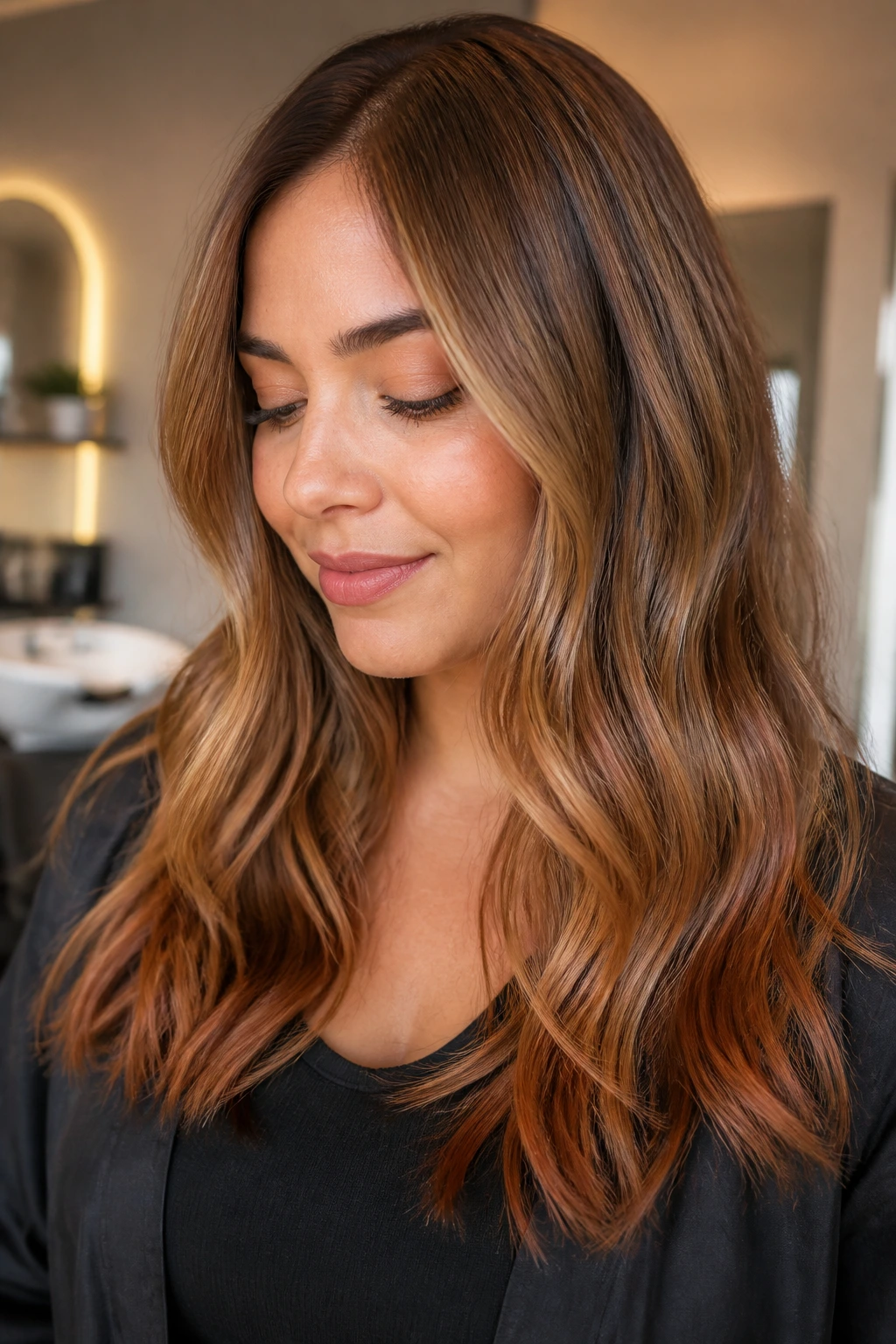
Caramel copper undercurrent is the whisper version of the trend. From a distance, it reads like caramel blonde or warm brunette. Up close, the copper shows up in the light and at the ends. That makes it easy to wear in settings where you want the hair to look polished rather than flashy.
Warm skin tones love this kind of shade because the copper sits underneath the caramel instead of floating on top. The result is depth. It’s the sort of color that makes the face look softer without calling attention to the fact that the hair was colored at all.
If your current hair color is already warm but a little dull, this is a smart refresh. A gloss and a few warm ribbons can change the whole thing without a heavy lift.
25. Soft Ember Blonde
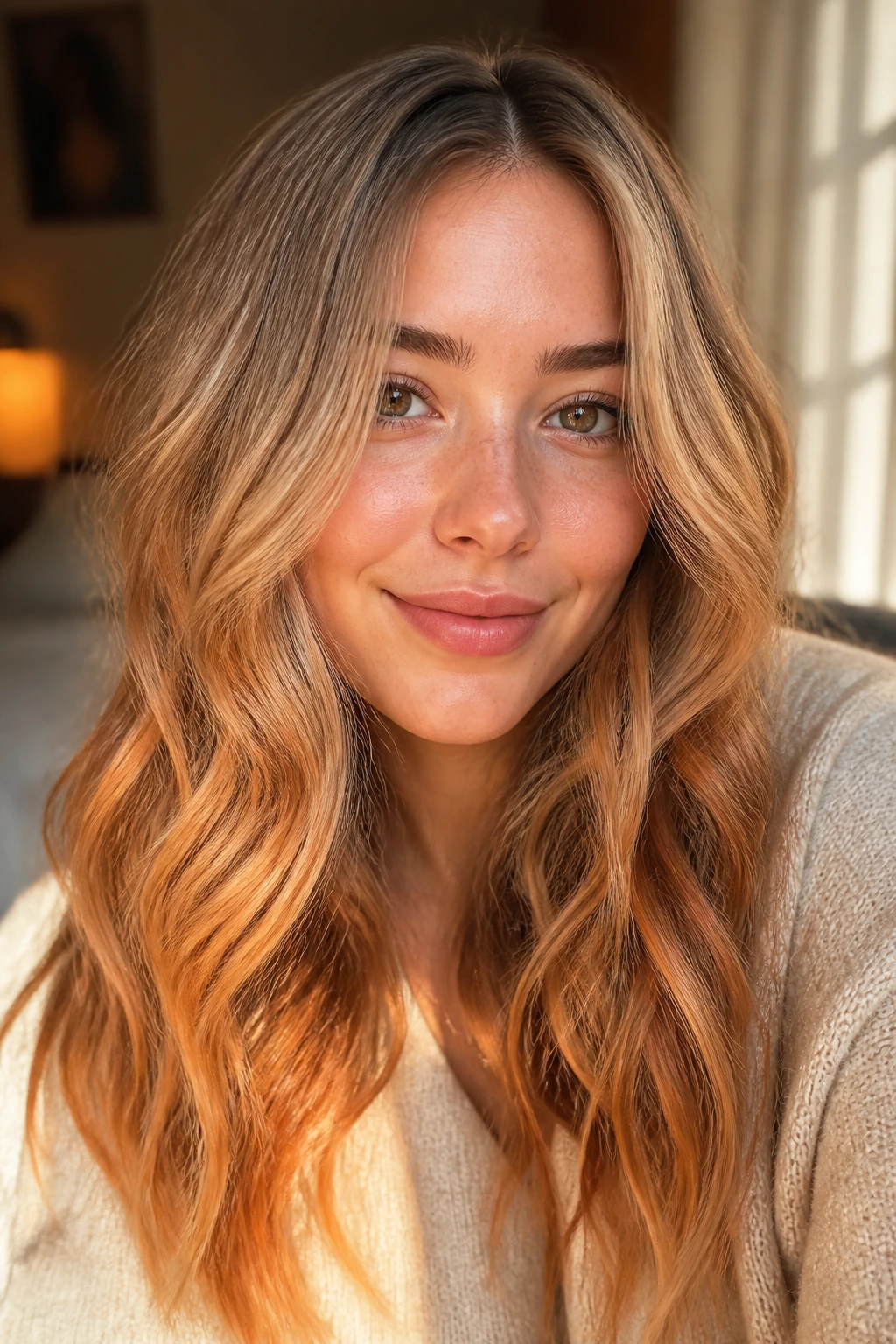
Soft ember blonde is for the person who wants copper to glow at the ends while the roots stay calm and golden. It has a faint fire-under-glass quality: warm, clear, and a little deeper than a plain blonde. On warm skin, it gives the face a lit-from-within feel without needing a huge amount of brightness.
The look works best when the ember tone is strongest from the midlengths down. Keep the root a little more muted so the color doesn’t crowd the forehead. That small placement choice makes the entire shade look cleaner and more grown-up.
This is the one I’d hand to someone who wants warmth with a little edge. Not loud. Not flat. Just enough heat.
How to Choose the Right Copper Without Guessing
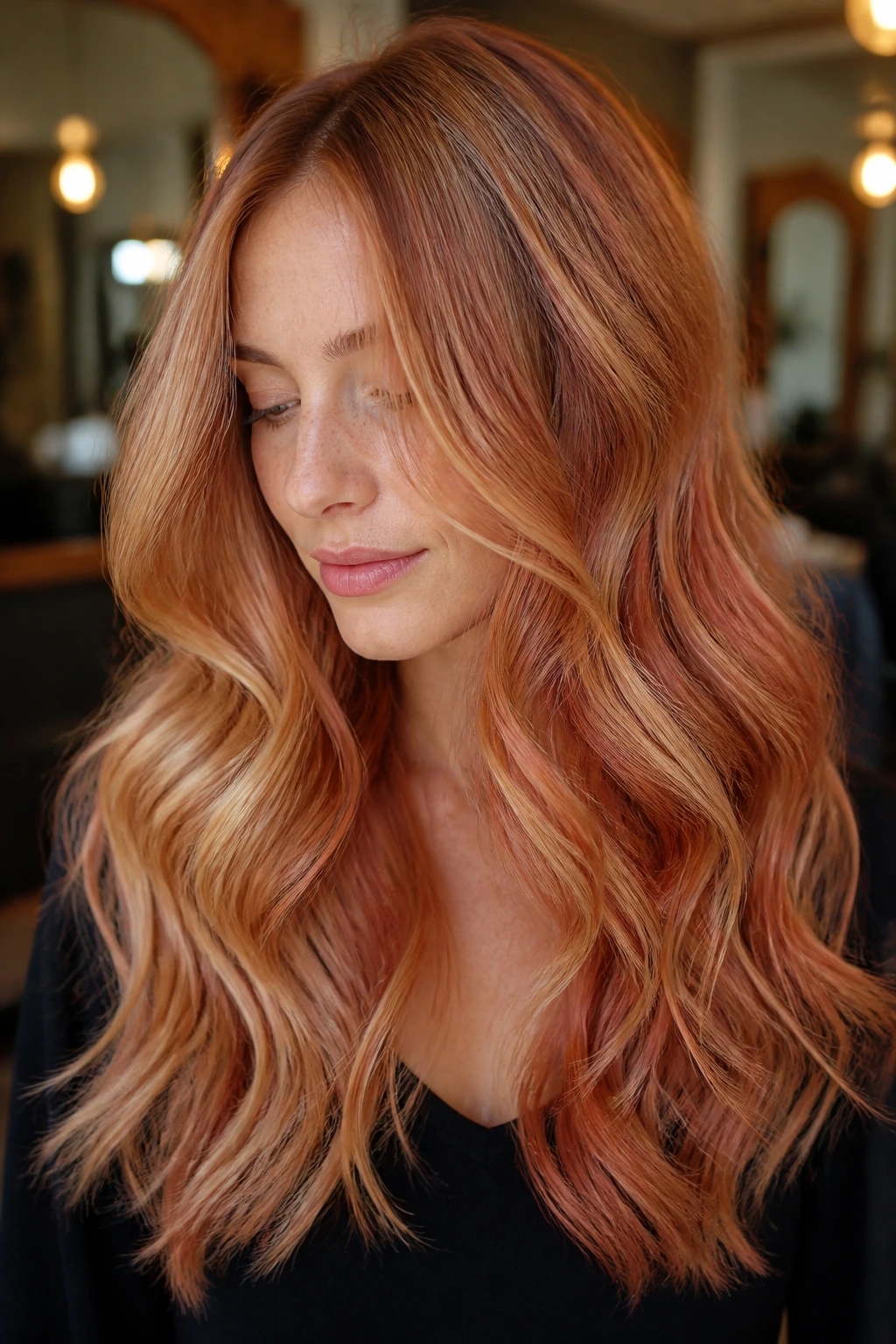
A good copper blonde starts with the level of your natural hair, not the inspiration photo. If your base is a dark blonde or light brown, you can usually get into copper territory with highlights, a gloss, or a demi-permanent color. If your hair is deeper than that, expect lift first and tone second. Skipping that order is how people end up with patchy orange.
Think in undertones, not labels. “Copper blonde” can mean beige-copper, strawberry copper, honey copper, or rose copper. Those are not the same thing. Warm skin usually prefers gold, peach, apricot, and soft amber notes, so keep those words in your head when you’re talking to a colorist.
Bring two photos, not one. One should show the shade in daylight. The other should show the cut and placement. A copper that looks gorgeous on a model with waist-length waves can look flat on a blunt lob if the placement doesn’t change.
Ask about gloss, root shadow, and maintenance before the color bowl comes out. That tells you whether you’re looking at a one-day thrill or a shade you can live with. I vote for the second one.
Common Copper Blonde Mistakes to Avoid
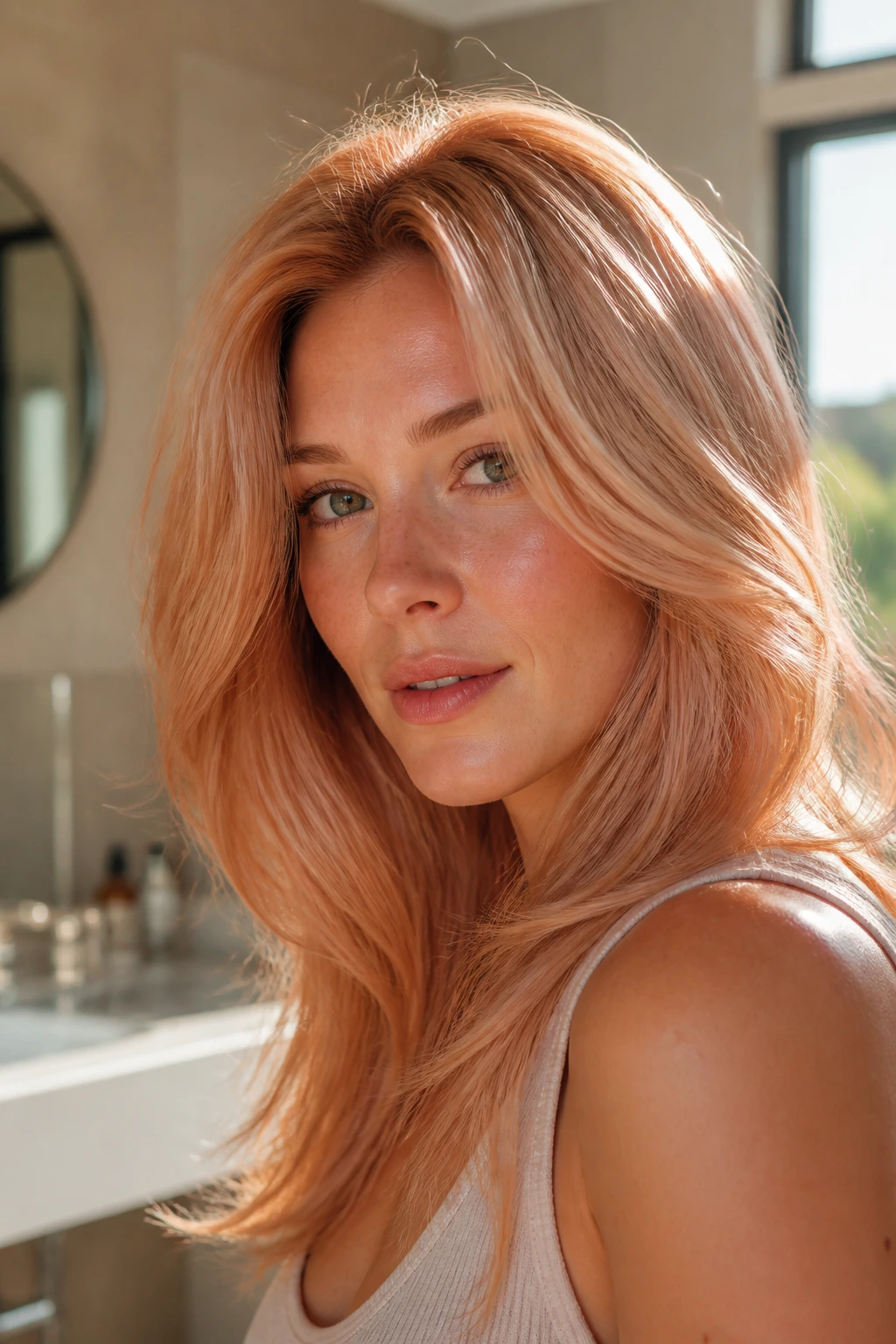
The easiest mistake is choosing a copper that’s too orange for your skin. The symptom is obvious: the hair starts leading the room, and not in a good way. Fix it by asking for more beige, gold, or peach in the mix, and less straight orange pigment.
Another trap is over-ashing the formula. People do this when they’re nervous about brass, then the warmth disappears and the color turns muddy or smoky. Copper needs warmth to look like copper. If your hair is too yellow, a light toner can help, but do not sandblast the warmth away.
A third problem is washing copper too often. Warm tones fade fast under hot water and strong shampoo. If the color looks thin after two washes, that’s usually not the dye’s fault. It’s the routine. Switch to sulfate-free shampoo, wash less, and use lukewarm water.
Finally, many people ignore grow-out. A harsh root line can ruin an otherwise lovely shade. A root shadow or balayage makes the color live longer and keeps it looking intentional instead of overdue.
Copper Variations Worth Trying
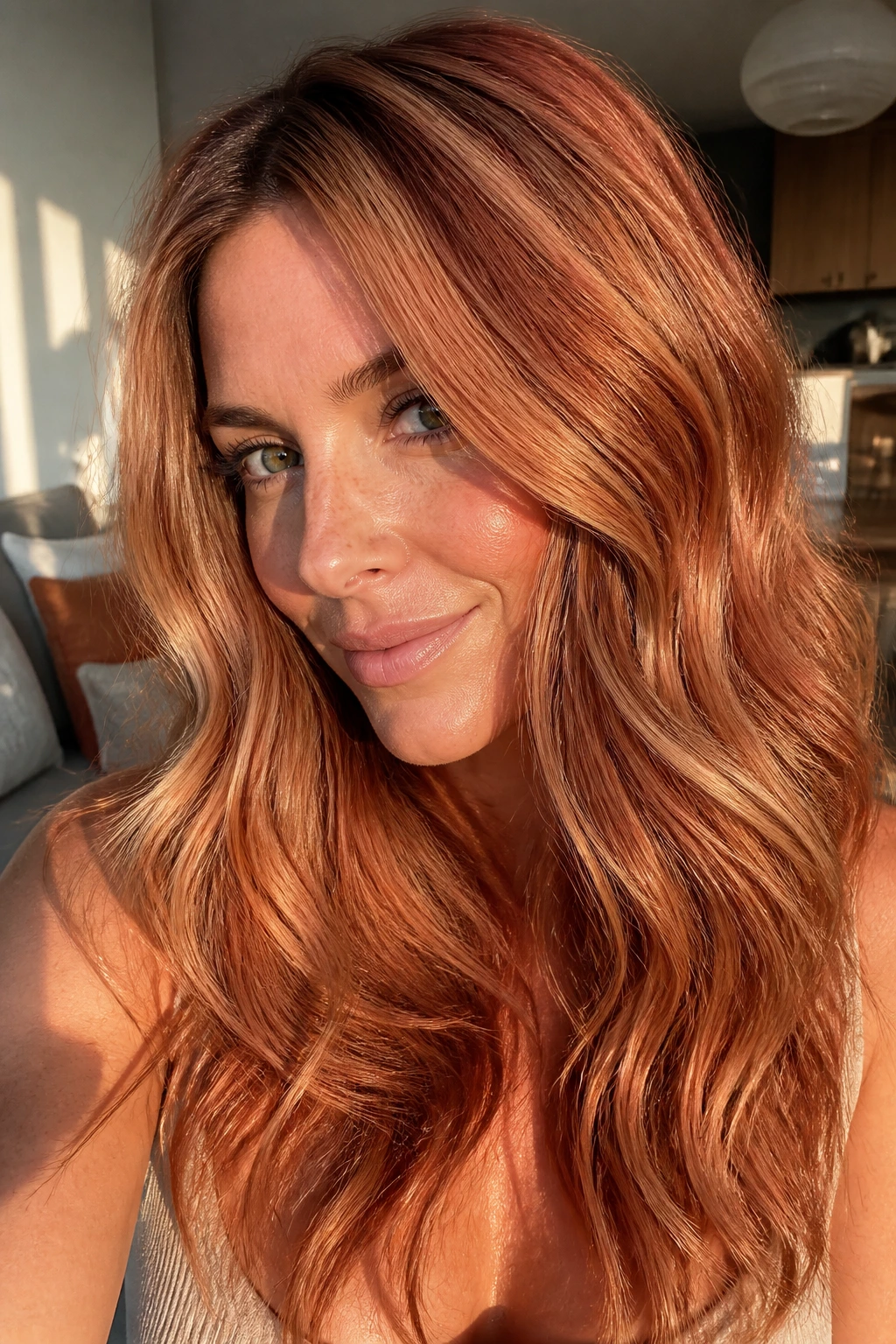
Gloss-Only Copper: This is the gentlest entry point. A copper-gold gloss adds warmth and shine over blonde or light brown hair without changing the structure of the color. It fades softly and is easy to refresh.
Balayage Copper Drift: Best if you want movement and less upkeep. The copper is painted through the mids and ends, which keeps the root softer and the grow-out smoother. It’s also easier to wear if you don’t want full brightness near the scalp.
Face-Frame First: If you’re nervous, start with a bright copper money piece and leave the rest of the hair more neutral. You get the color payoff around the face, where it matters most, and you can build from there.
Deep Auburn Copper: This version leans darker and richer, which suits medium to deep warm skin. It has more red-brown in it, so it feels grounded rather than pale.
Soft Peach Veil: Good for anyone who wants a light copper effect without committing to a strong red tone. The peach stays delicate, especially when paired with a beige blonde base.
Tools That Make Copper Blonde Easier to Maintain
- Sulfate-free shampoo: Cleans the hair without stripping copper pigment out of the cuticle too fast.
- Color-depositing mask in copper or warm gold: Useful between salon visits when the ends start looking tired.
- Heat protectant spray: Keeps the warm tone from fading faster under irons, wands, and blow dryers.
- Microfiber towel or soft T-shirt: Reduces friction, which helps preserve shine on freshly toned hair.
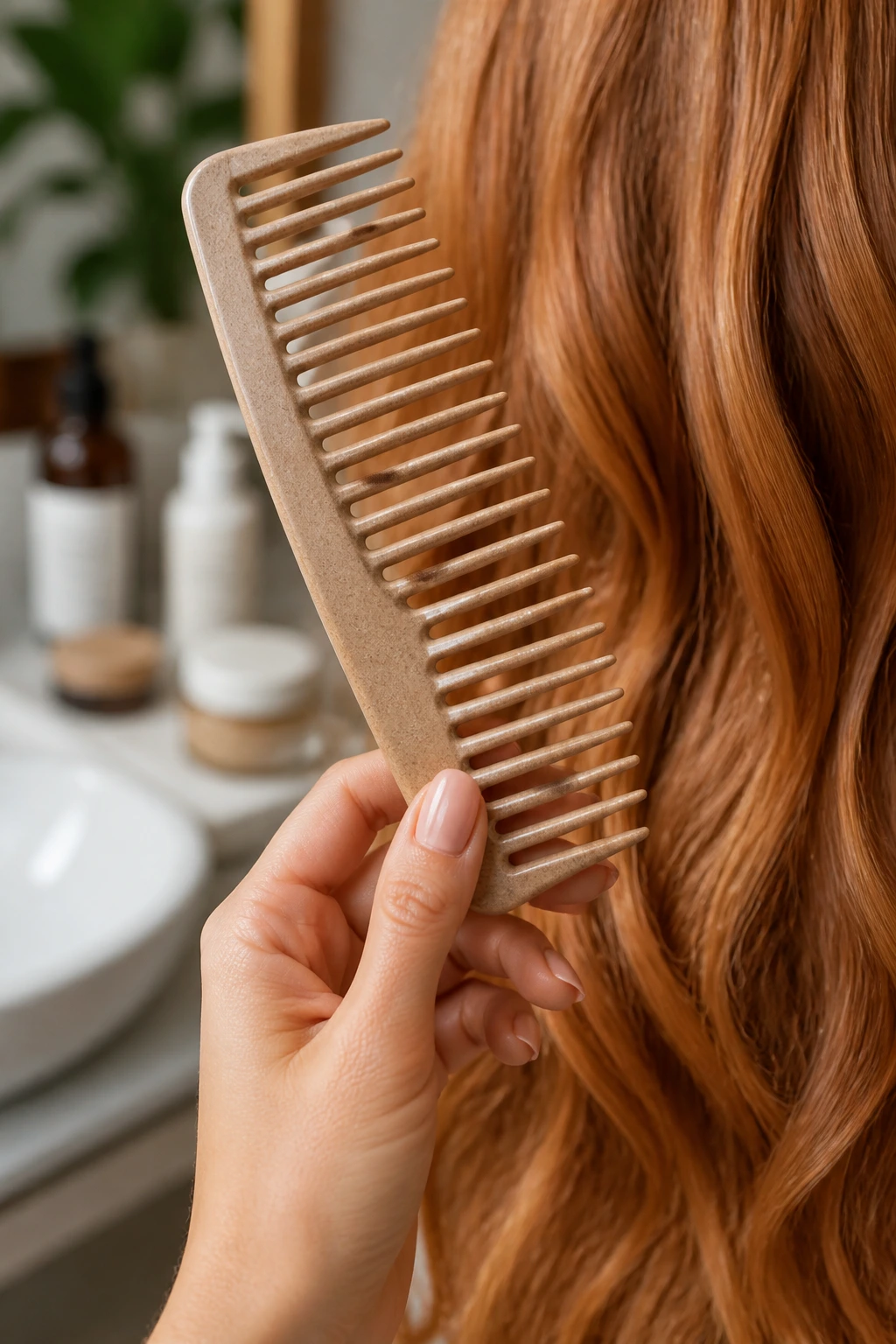
- Wide-tooth comb: Better than a brush for wet hair that’s just been colored or glossed.
- Shower filter: Handy if your water leaves mineral buildup that makes copper look dull.
- Reference photos: Bring at least two, and save them in a folder so you can compare shade depth, not just the overall vibe.
- Leave-in conditioner with UV protection: Sun dulls warm tones faster than most people expect.
Keeping Copper Blonde Glossy Between Appointments
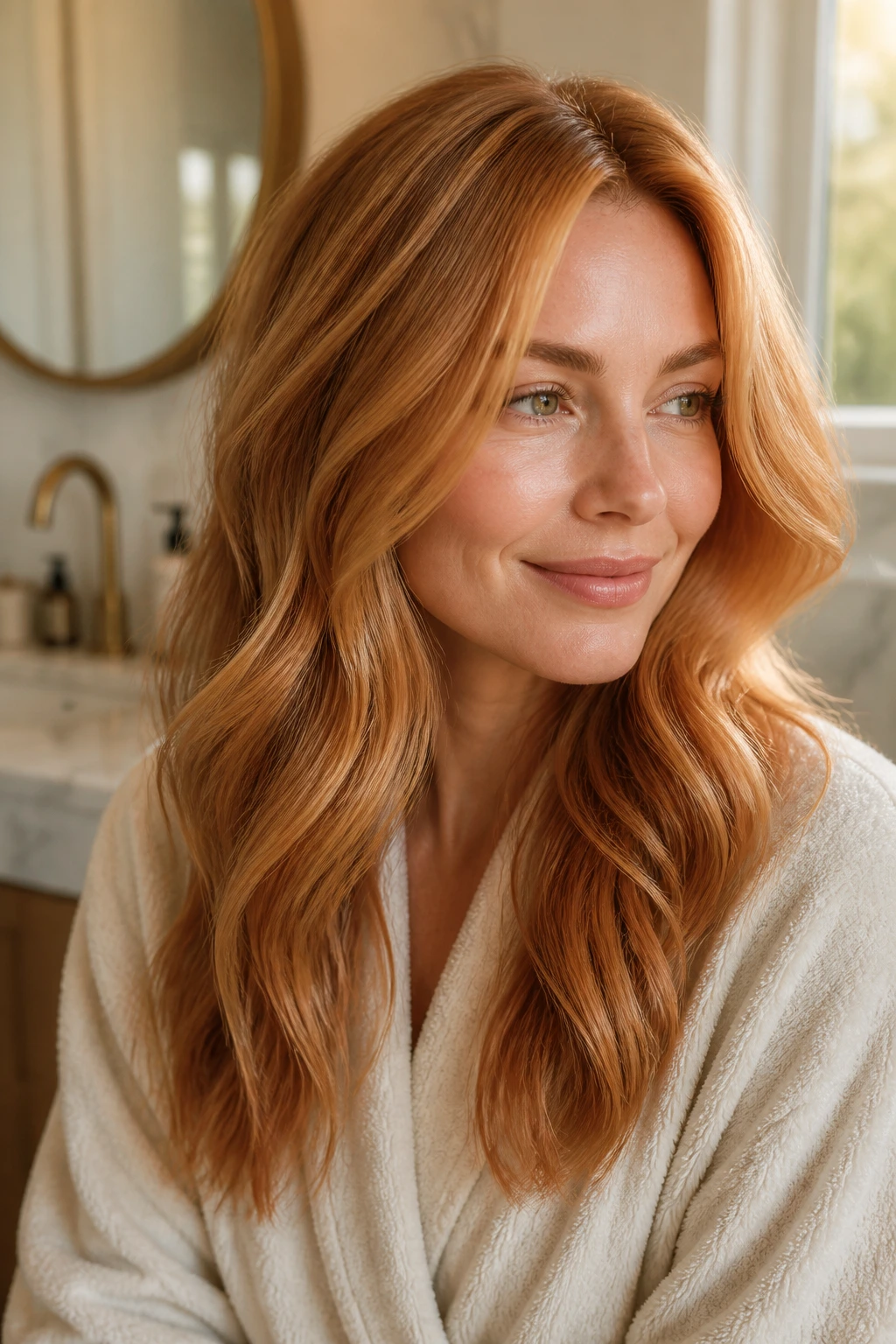
Copper needs more attention than a beige blonde, and it rewards that attention fast. If you’re using a permanent or demi-permanent copper blonde, plan on a gloss or refresh every 4 to 6 weeks. That keeps the warmth alive before it fades into a beige-brown blur. If the color is semi-permanent, the schedule can be even tighter, especially if your hair is porous.
Wash less often. Two or three times a week is enough for most people, and lukewarm water is kinder than hot. Hot water opens the cuticle and lets pigment slip out faster. That’s not a theory. You can see it in the drain if you’re paying attention.
Heat styling is fine, but don’t scorch the hair. Use a heat protectant every time and keep the tool at the lowest setting that actually shapes the hair. For most blowouts and waves, that means staying below the highest heat setting on your iron unless your hair is unusually resistant.
A color-depositing mask can buy you time between salon visits. Use it every 1 to 2 weeks if the ends start to go pale, and leave it on for the time stated on the jar. More is not better here. Too much deposit can make the ends look dense and flat.
Questions People Ask Before Choosing Copper Blonde

Does copper blonde flatter warm skin better than cool blonde?
Usually, yes. Warm skin tends to look more awake with gold, peach, apricot, and honey tones nearby. Cool blondes can still work, but they often need a warmer makeup routine to keep the face from looking pale.
Can olive skin wear copper blonde?
Absolutely, if the copper has enough depth and beige in it. Olive-warm skin often looks excellent in copper bronde, maple copper, or brunette balayage with copper mids because those shades don’t fight the undertone.
Will copper blonde turn orange?
It can if the formula is too strong or if the hair starts from a dark base that wasn’t lifted enough. That’s why asking for beige, gold, or peach undertones matters. Those soften the orange edge.
Should I use purple shampoo on copper blonde?
Only if the hair is going yellow in a way you don’t like. Purple shampoo can dull copper fast if you use it too often. Most copper blondes do better with sulfate-free shampoo and a color mask in a warm tone.
What’s the lowest-maintenance copper blonde idea?
Copper balayage, a caramel copper undercurrent, or a soft root-shadow melt. Those all grow out more quietly than an all-over copper shade and are easier to refresh with a gloss.
Can dark hair become copper blonde without damage?
Not without some lift, and that’s where honesty matters. Dark hair usually needs lightening before the copper can show cleanly. A good colorist will pace that work instead of trying to force the whole thing in one appointment.
Does copper blonde look better straight or wavy?
Waves usually win because they make the color change with the light. Straight hair can still look sharp, but it shows every tonal shift more plainly, so the formula has to be cleaner.
How often will I need a touch-up?
Roots may need attention every 6 to 8 weeks, while the tone itself can need a gloss sooner depending on how often you wash. Porous hair fades faster. Healthy, sealed cuticles keep warmth longer.
A Warm Finish That Still Feels Like Hair
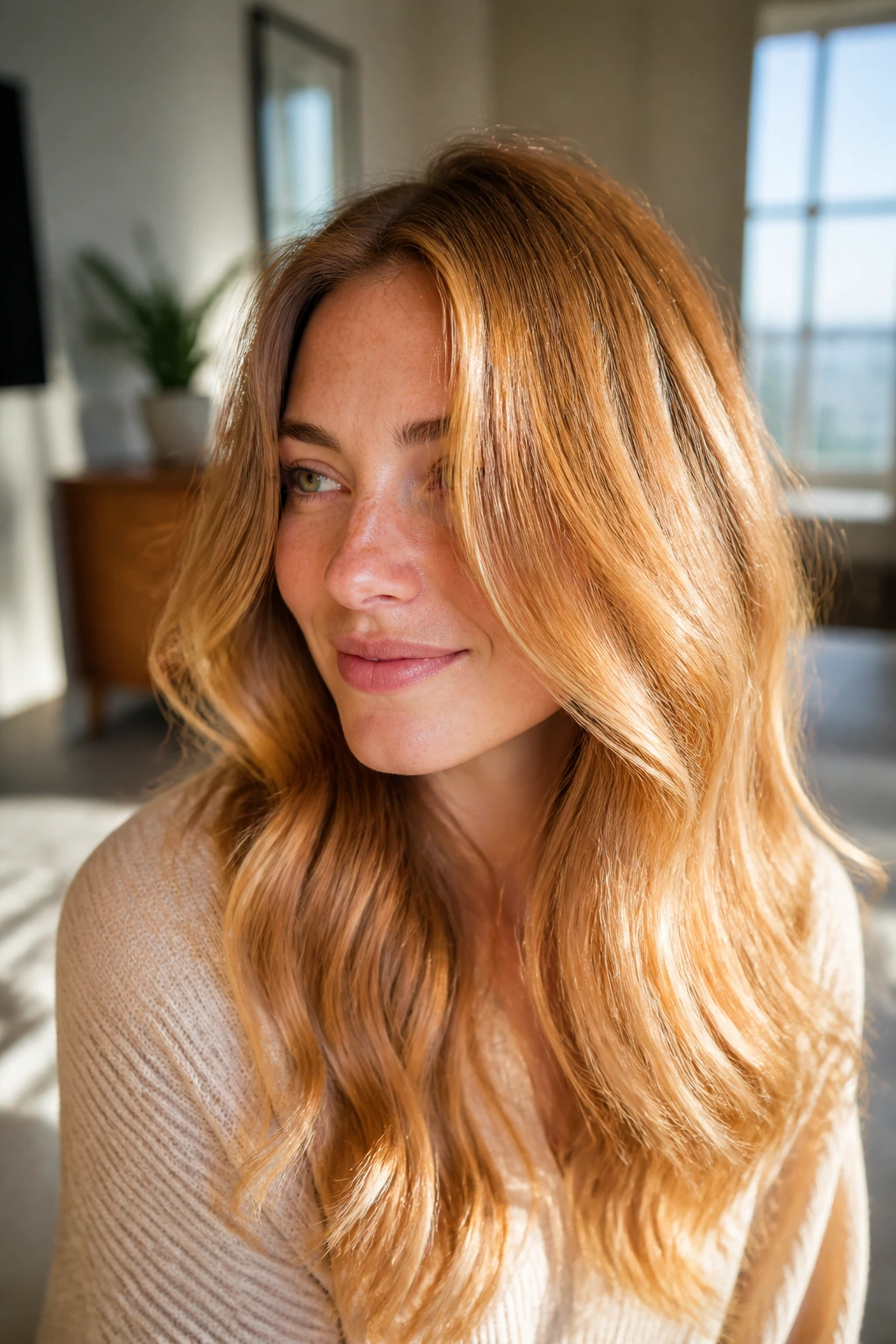
Copper blonde works best when it looks like a shade, not a costume. That’s the whole trick. Warm skin tones need the gold, peach, or apricot side of copper to stay visible, and the best versions on this list do exactly that. Some are pale and creamy. Some lean deeper and more syrupy. All of them keep the face in the same warm family.
If you’re taking one thing from these copper blonde hair color ideas for warm skin tones, let it be this: ask for undertones, placement, and maintenance, not just a color name. That’s where the good results live. Bring the right photo, say the level you want, and keep the warmth soft enough that you’ll still like it when the light changes.
Choose the shade with the right amount of glow, and it will do the rest for months.