



Beige blonde hair color ideas for cool skin tones live in a very specific lane: pale enough to brighten, soft enough to keep the face from looking harsh, and cool enough that the blonde doesn’t wander into banana-yellow territory. That balance is the whole game. Miss it by a little, and the color looks tired. Nail it, and the hair suddenly has that creamy, expensive finish people always try to describe and rarely do.
Cool skin tones—think pink, rosy, blue, or neutral-cool undertones—tend to look best when the blonde has restraint. Too much gold can make the complexion look flushed. Too much ash can go dusty and lifeless. Beige sits in the middle, which is why it keeps coming back as the smarter choice for anyone who wants softness with structure.
The tricky part is that “beige blonde” is not one shade. It’s a family. Some versions lean pearl and airy. Some look smoky and rooted. Some have a whisper of champagne. A good colorist can tune that balance fast, but you still need a clear target in mind—because a photo of a blonde on warm skin can mislead you badly under salon lights. The shades below break the category open, one version at a time.
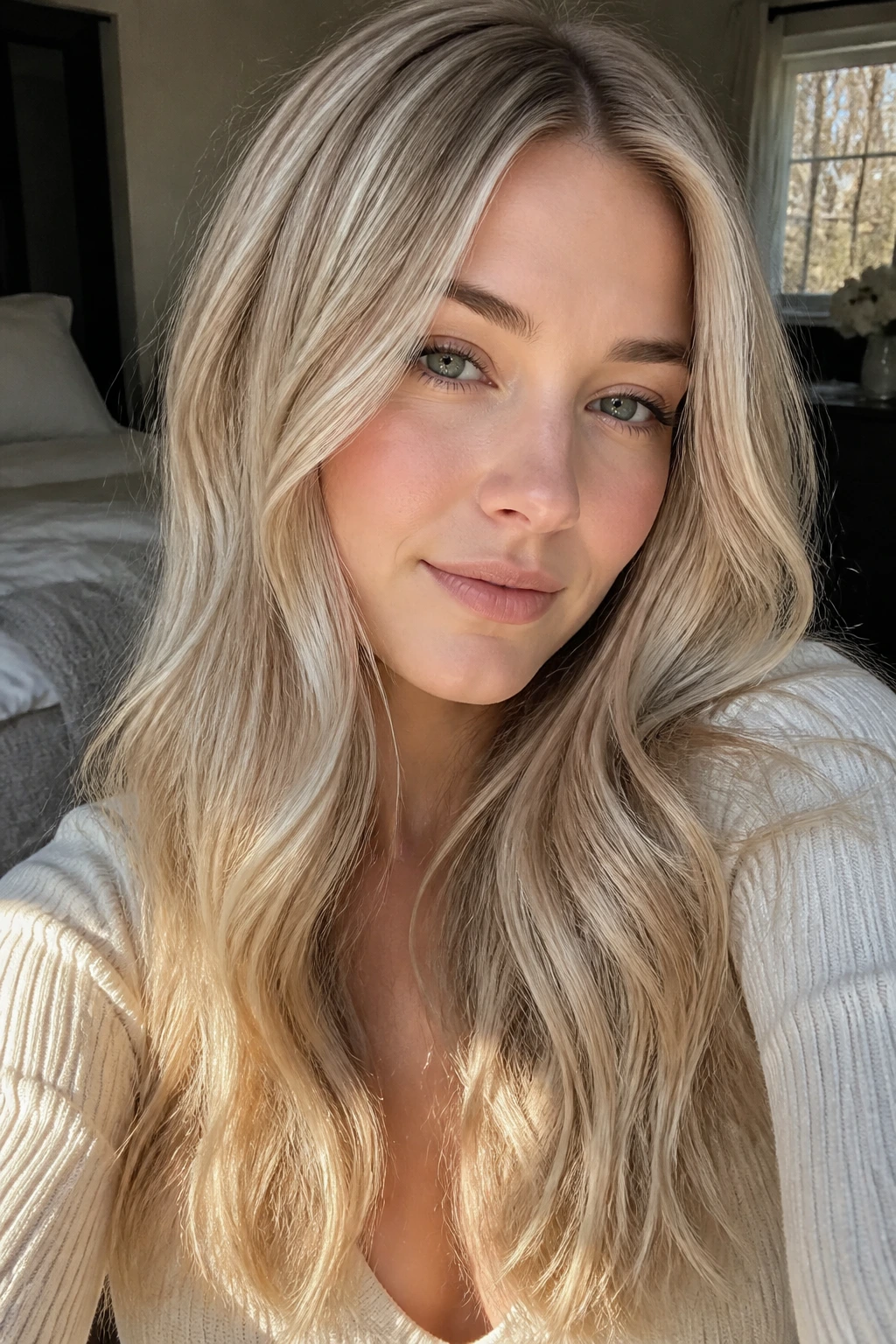
Why These Beige Blonde Looks Work on Cool Skin
-
They soften redness without going yellow: A beige tone can calm pinkness in the cheeks and around the nose without the muddy cast that pure ash sometimes leaves behind.
-
They keep the face from looking flat: Beige adds a touch of reflection, so the blonde still has life in daylight instead of reading like chalk.
-
They work at different brightness levels: You do not have to go platinum to get the effect; level 8, 9, or 10 can all live in the beige family.
-
They can be built into a low-maintenance grow-out: Root shadow, babylights, and soft balyage keep the color from looking striped after a few weeks.
-
They play nicely with silver jewelry and cool makeup: That matters more than people think. A beige blonde that suits your skin usually also sits well with cool-toned blush, taupe shadow, and white gold.
-
They offer room to adjust: One gloss can nudge the shade cooler, while lowlights or a softer root can make it read deeper and more wearable.
1. Pearl Beige Blonde
Pearl beige blonde sits at the airy end of the spectrum, with a soft opalescent finish that looks almost luminous in daylight. It’s the shade I reach for when someone wants blonde that feels clean, light, and expensive without sliding into stark white. On cool skin, the tiny bit of pearl keeps the color from going flat.
Why It Flatters Cool Skin
This shade works best on very fair or porcelain complexions with pink or blue undertones. Ask for a level 9 or 10 blonde with a pearl-beige gloss rather than a full ash toner; the pearl note gives it life. I like it with blunt ends, a center part, and a smooth blowout because the shine becomes part of the color story.
2. Mushroom Beige Blonde
Mushroom beige blonde is the smoky cousin in the family, and it’s quietly one of the smartest choices here. It has a taupe-gray base softened by beige, which means it doesn’t scream “blonde” from across the room. It reads more like a neutral, dimensional light brunette that caught enough sun to matter.
Who Should Ask for It
If your natural hair is dark blonde or light brown, this is a flattering middle ground. Cool skin tones get the benefit of contrast without the sharp edge of a very pale lift. Keep the roots slightly deeper and ask for fine lowlights through the interior; otherwise, mushroom beige can lose shape on dense hair.
3. Champagne Beige Blonde
Champagne beige blonde has sparkle, but not the warm kind that turns brassy by the third shampoo. Think of it as a cool glass of bubbly with a beige base and a very soft golden flicker underneath. The result is brighter than mushroom beige and gentler than platinum.
The Detail That Makes It Work
The trick is restraint. A good champagne beige should look reflective, not yellow. On cool skin, that means the warmth stays tucked inside the shade instead of sitting on the surface. It’s especially good if you wear a lot of silver, black, navy, or crisp white, because the tone picks up all that contrast and looks sharper.
4. Oat Milk Beige Blonde
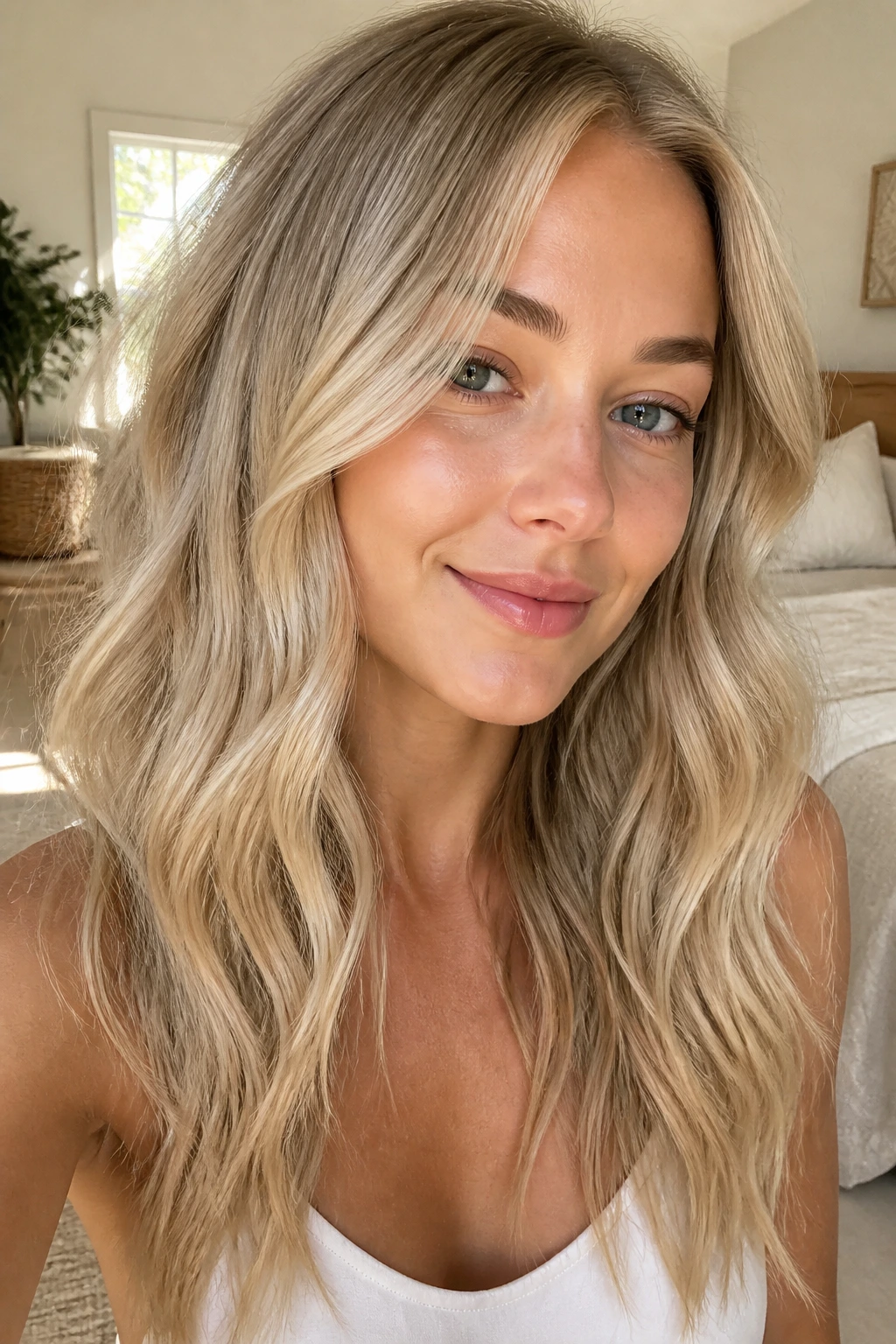
Oat milk beige blonde is creamy and soft, with a muted finish that works when you want blonde to look expensive rather than loud. There’s no frosty edge here. No bright gold either. Just a rounded, neutral-beige tone that makes pale skin look less washed out and rosier skin look calmer.
Best on Hair That Already Lifts Easily
This shade is easiest to maintain if your hair is already naturally light blonde or has been lifted to around a level 8 or 9. Ask for a beige gloss with a small ash component and avoid over-toning. Too much violet shampoo will push oat milk beige into a dusty zone, and that’s not the point at all.
5. Smoky Root Melt Beige Blonde
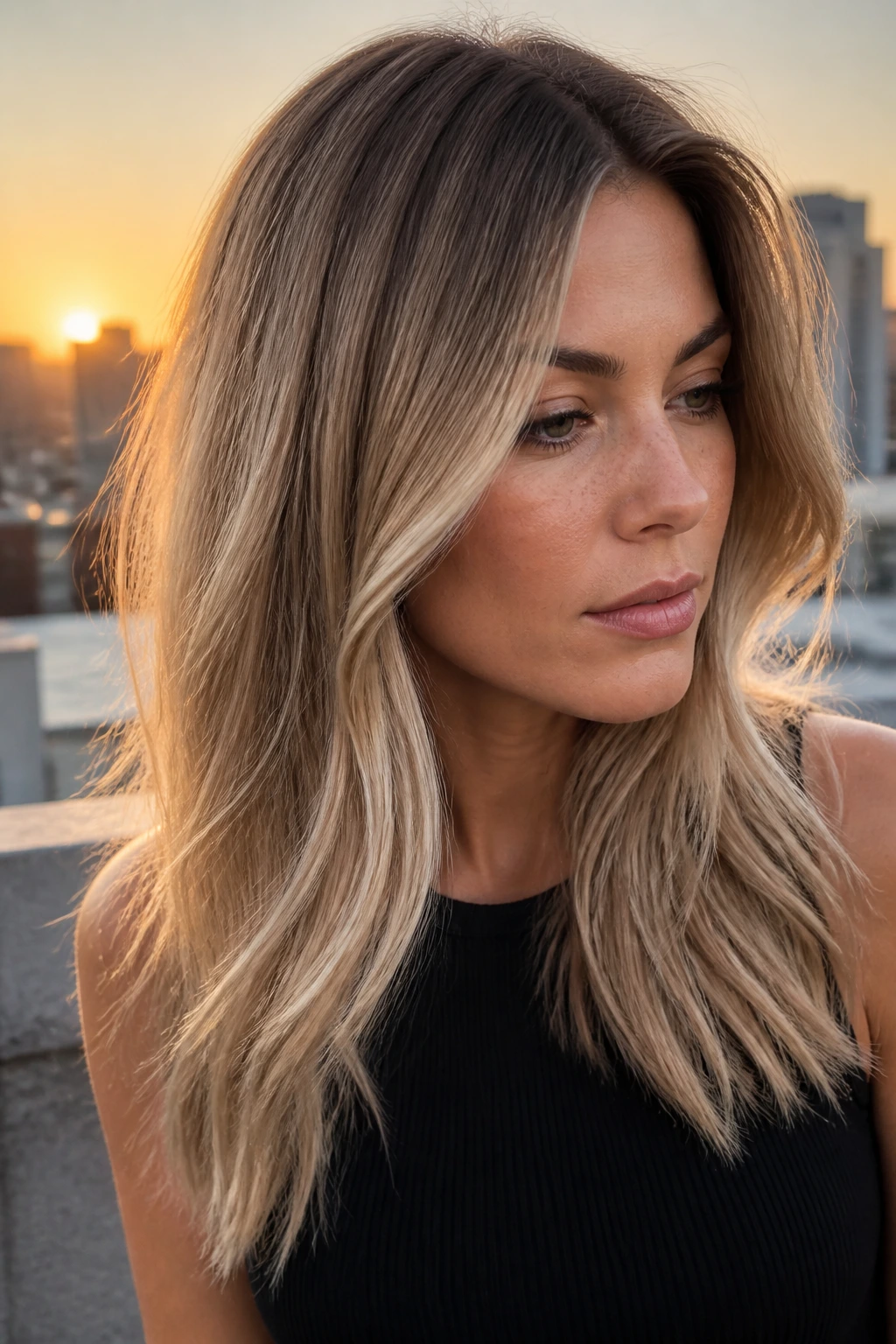
Smoky root melt beige blonde is the practical option that still looks deliberate, which is probably why I keep recommending it. The root stays a shade or two deeper, then melts gradually into soft beige lengths. No hard line. No stripe. Just a smooth fade that gives the face some contour.
Why It’s So Easy to Live With
If you hate seeing a visible root every four weeks, this is the one to book. The darker top keeps cool skin from being overwhelmed by brightness near the scalp, and the beige lengths keep the overall look light. It’s especially useful on medium to thick hair, where a shadow root helps the color stay readable from a distance.
6. Sandy Beige Balayage
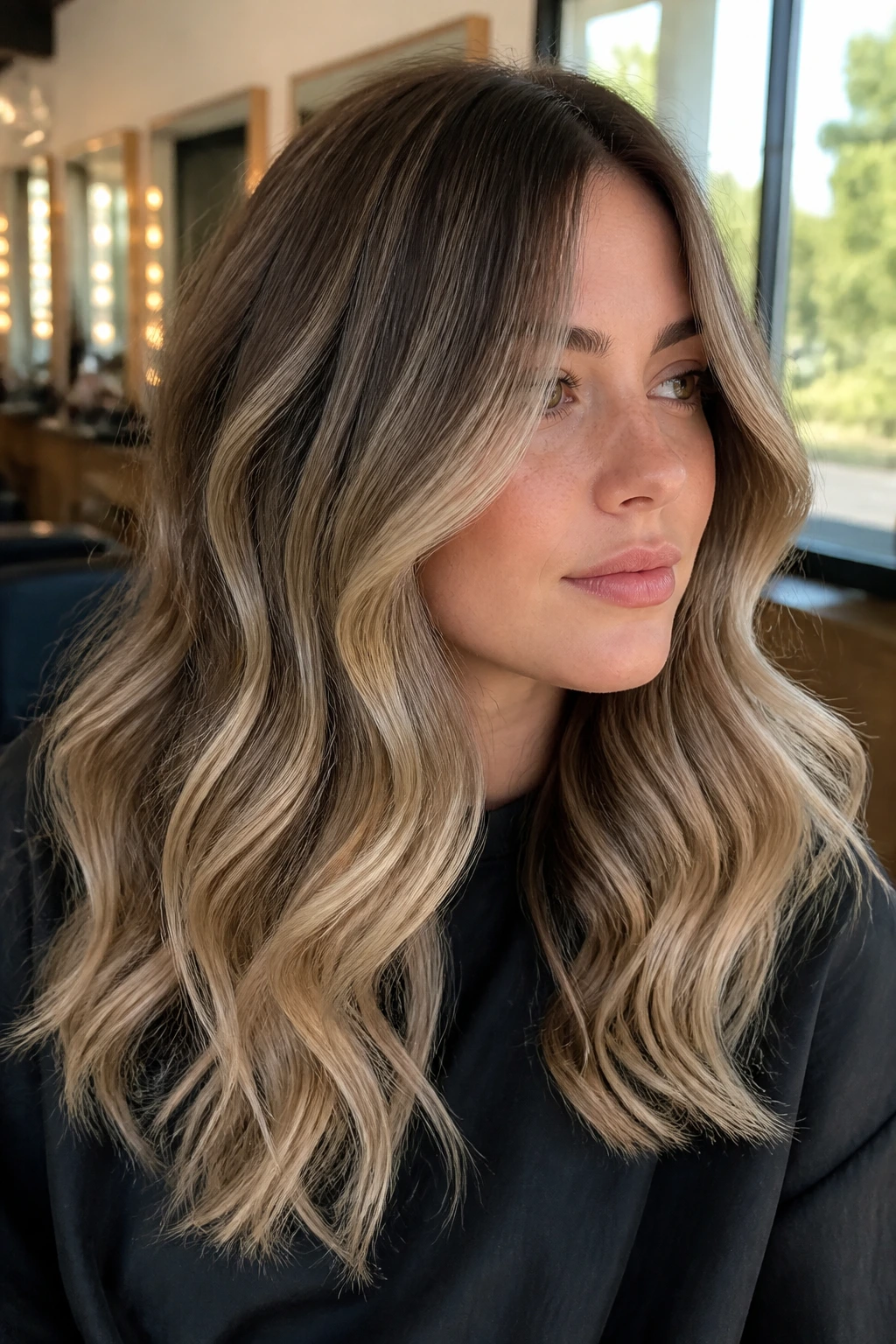
Sandy beige balayage has movement in it. That’s the whole point. Instead of covering the whole head in one tone, the color is painted in ribbons so the beige catches on the mid-lengths and ends while the base keeps depth. The result looks casual in the best way.
Where It Shines
Wavy hair loves this look because the bends catch the lighter pieces and show off the placement. On cool skin, sandy beige works when the beige is more neutral than golden—closer to dry sand than beach tan. Ask for a soft lift around the face and a slightly deeper underneath layer so the contrast doesn’t disappear when the hair is straightened.
7. Cream Soda Beige Blonde
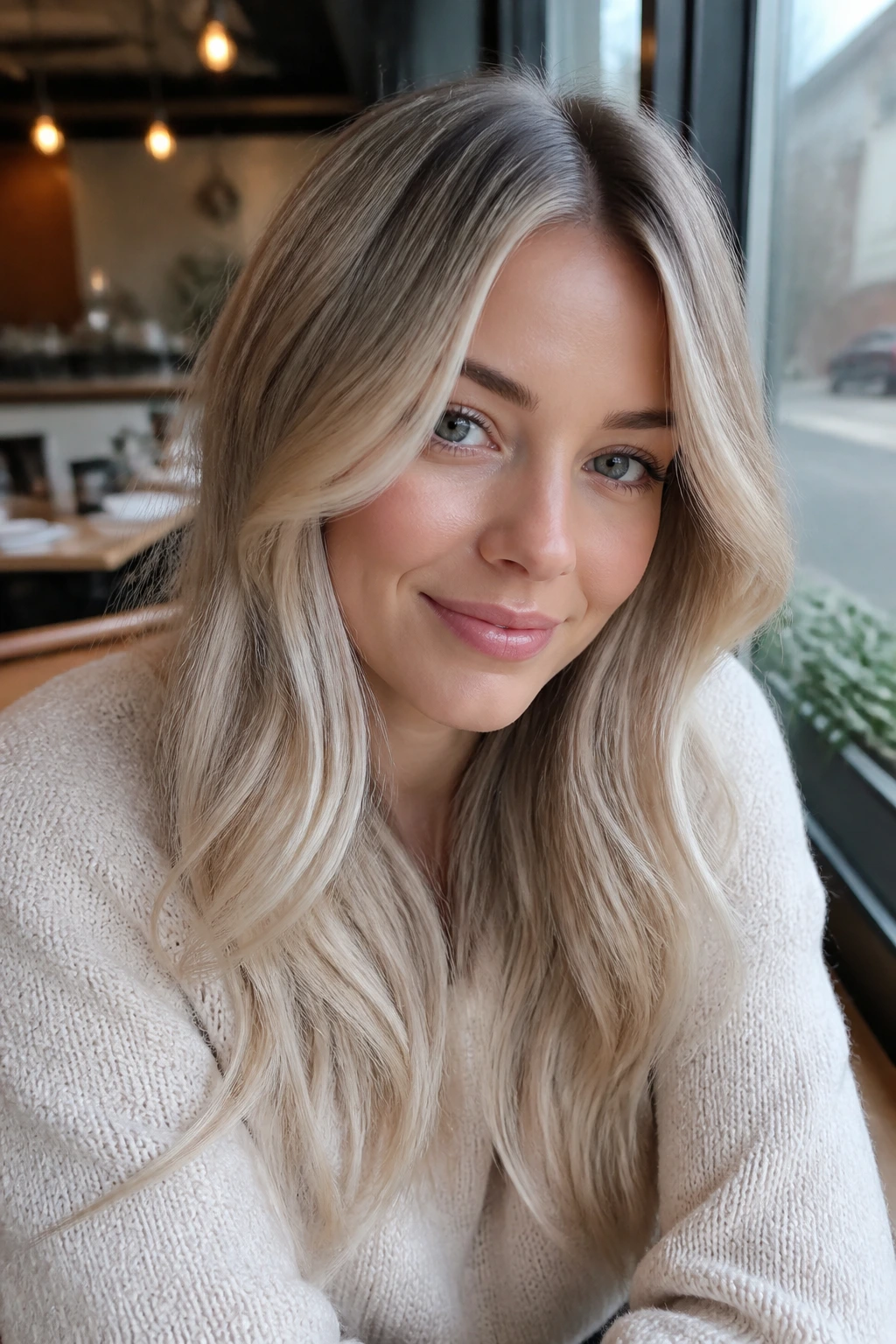
Cream soda beige blonde sounds sweeter than it actually is. Done well, it’s a creamy blonde with a beige backbone, a little brighter than oat milk and a little softer than champagne. There’s enough reflect to keep it fresh, but it never looks like a warm caramel blond trying to pretend it belongs on cool skin.
The Salon Shortcut
If you’re bringing reference photos, avoid anything shot in golden sunlight. That’s the fastest way to misread the tone. Tell your colorist you want creaminess, not warmth, and ask where they plan to stop the lift. If the base doesn’t reach a pale yellow first, the beige won’t sit cleanly later.
8. Beige Money Piece
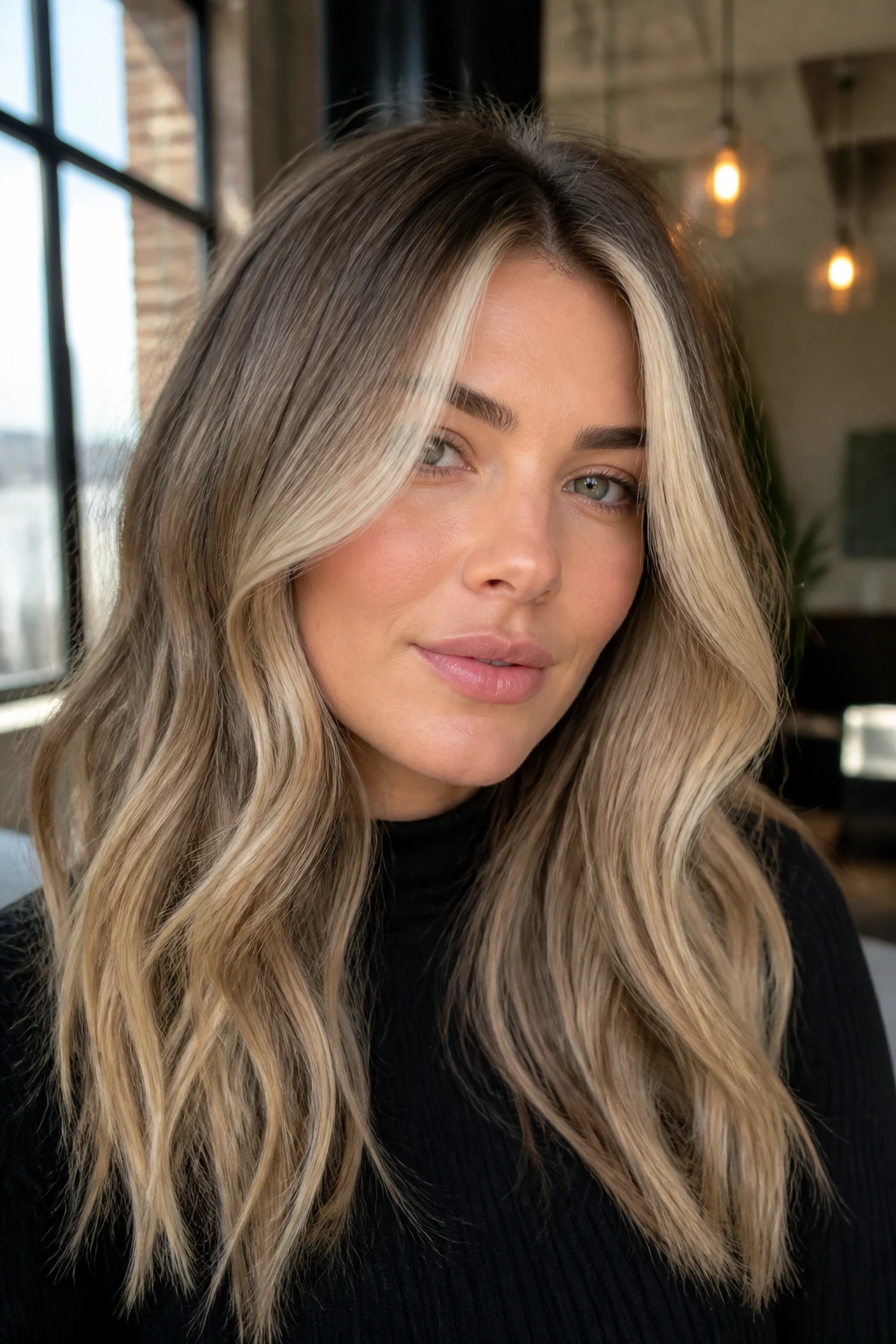
A beige money piece is for the person who wants the face-framing effect without committing to a full head of lightened hair. Two bright panels near the temples can shift the whole haircut, especially if the rest of the color stays rooted and soft. It’s a tiny move with a big visual payoff.
Best For People Who Want a Test Drive
This is one of the easiest beige blonde hair color ideas to live with because it keeps most of the head closer to your natural level. Cool skin benefits from the brightness near the face, but the beige tone prevents the panels from looking icy or stripey. I like this on long layers, shags, and curtain bangs—anything that moves.
9. Icy Beige Babylights
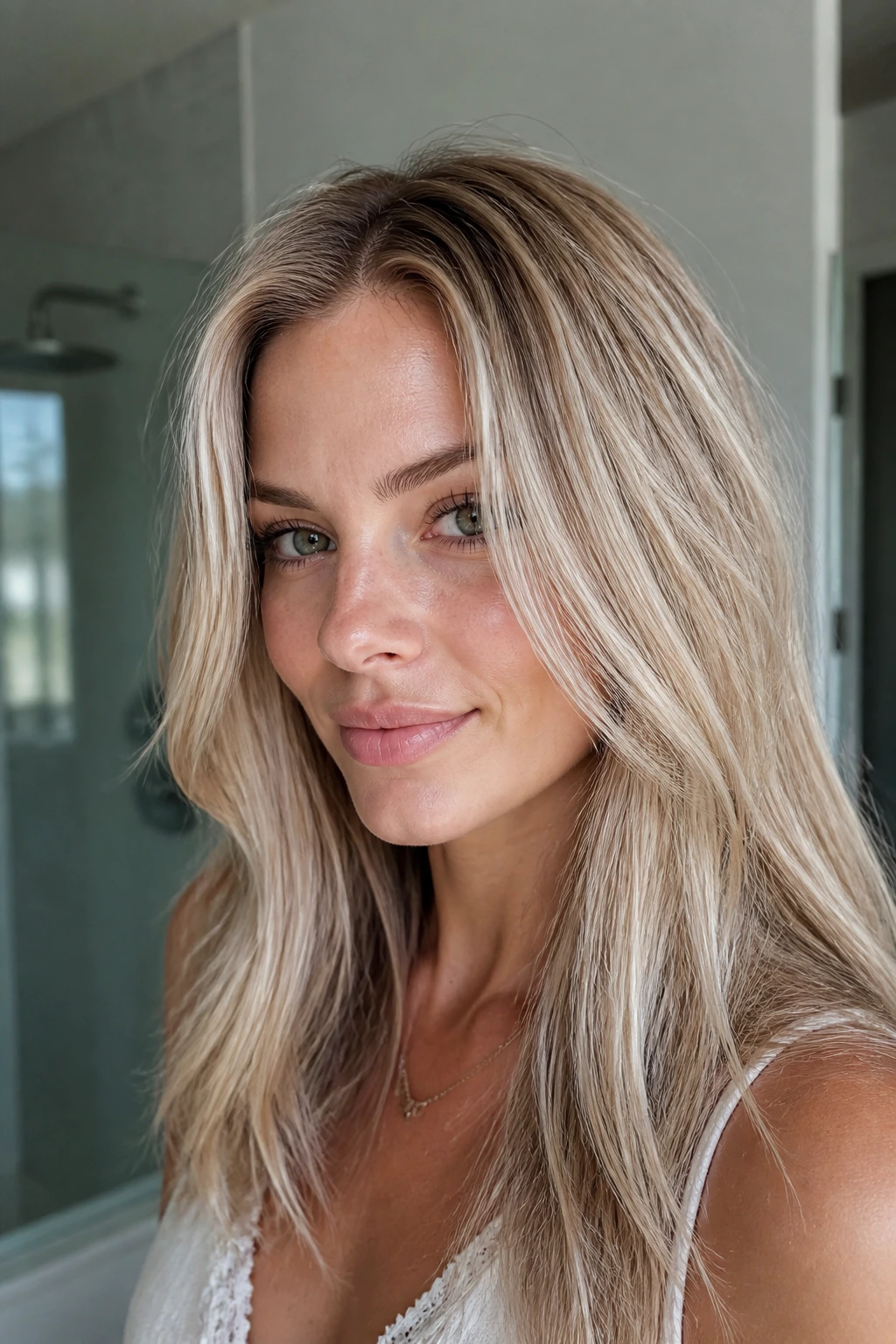
Icy beige babylights are tiny, fine highlights that give the hair a frost-kissed effect without turning the whole head silver. Because the highlights are so narrow, the result looks soft from a distance and detailed up close. It’s one of the best ways to add brightness to fine hair.
A Good Choice When You Hate Chunky Highlights
Babylights work well on cool skin because they mimic the way hair lightens naturally at the edges, just cooler and cleaner. Ask for narrow sections and a beige toner rather than an aggressive icy finish. The final color should still have a beige thread running through it; otherwise, you end up with a white-blonde look that can drain the face.
10. Vanilla Beige Melt
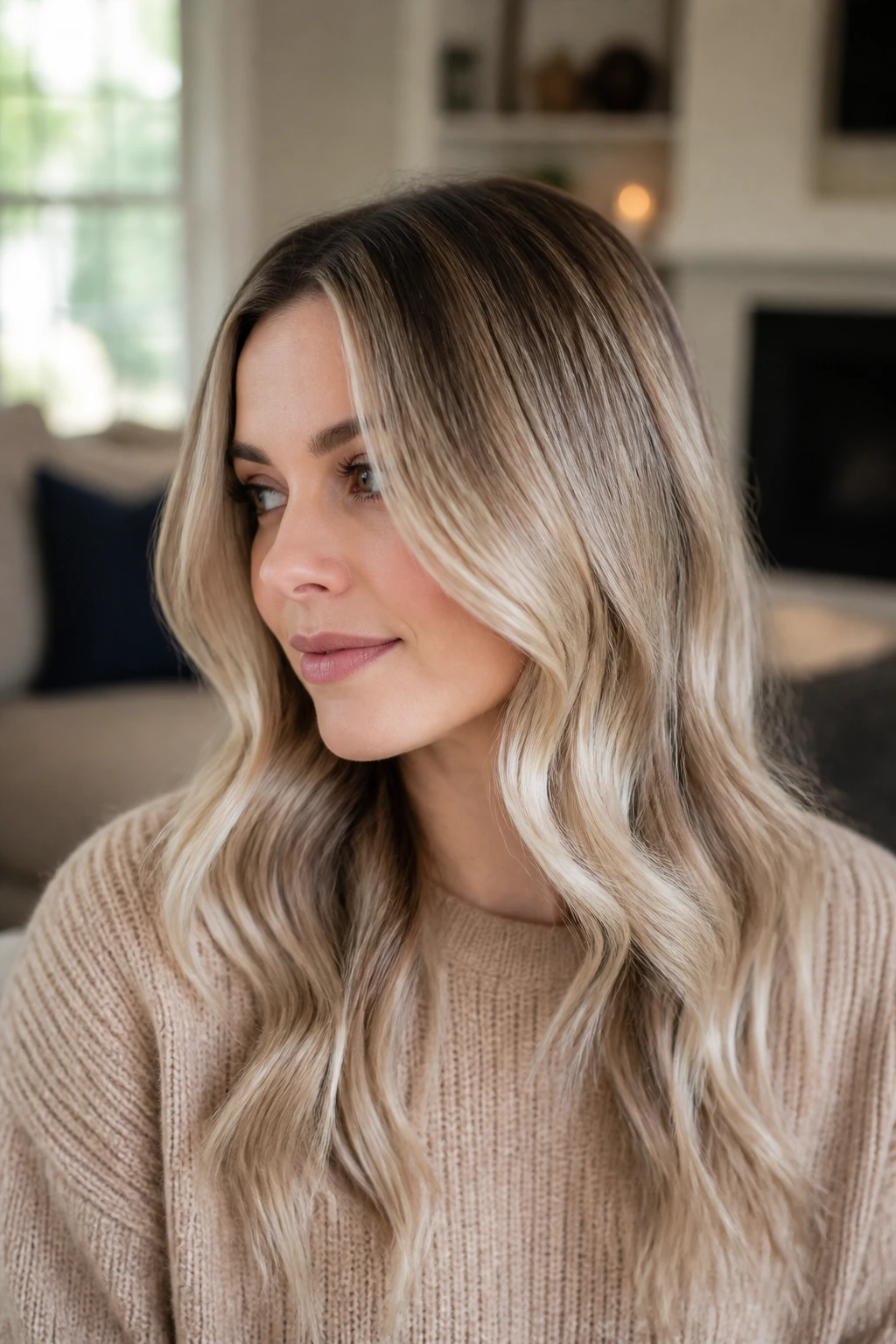
Vanilla beige melt is smooth and seamless, with the lighter shade blending into the deeper root as if it grew that way. The tone is softer than pearl, a little creamier than mushroom, and more polished than a simple highlight job. It’s the kind of blonde that looks finished even when the hair is tied back.
Why It Works on Straight Hair
Straight or softly bent hair can look stripy if the color placement is too chunky. A melt solves that problem. Beige tones also help the hairline look gentler, which matters on cool skin where hard contrast can feel severe. Keep the transition gradual and the ends slightly lighter so the color doesn’t collapse into one note.
11. Shadow-Root Beige Blonde
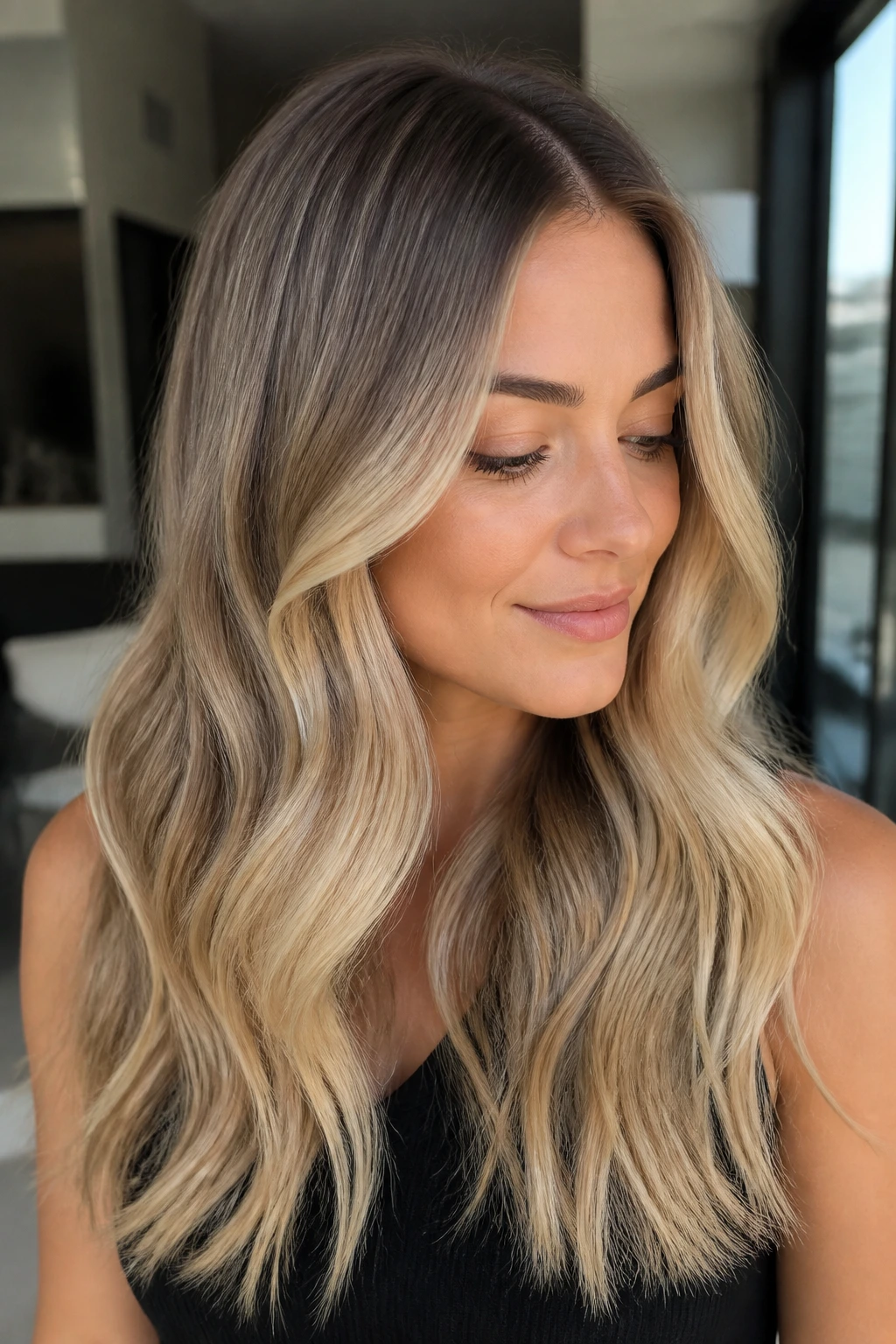
Should the roots be visible? Yes—if they’re part of the design. Shadow-root beige blonde uses a deeper root shade to anchor the color, then shifts into a beige blonde through the mids and ends. It’s less about hiding grow-out and more about making the grow-out look intentional from day one.
The Balance To Ask For
This is a good choice if your natural base is light brown, dark blonde, or anything in between. The root shadow keeps maintenance sane, and the beige lengths prevent the color from reading too dark or smoky. Ask for a root that’s only one to two levels deeper than the mids; too much depth and the blonde starts looking disconnected.
12. Silver-Beige Ribbon Lights
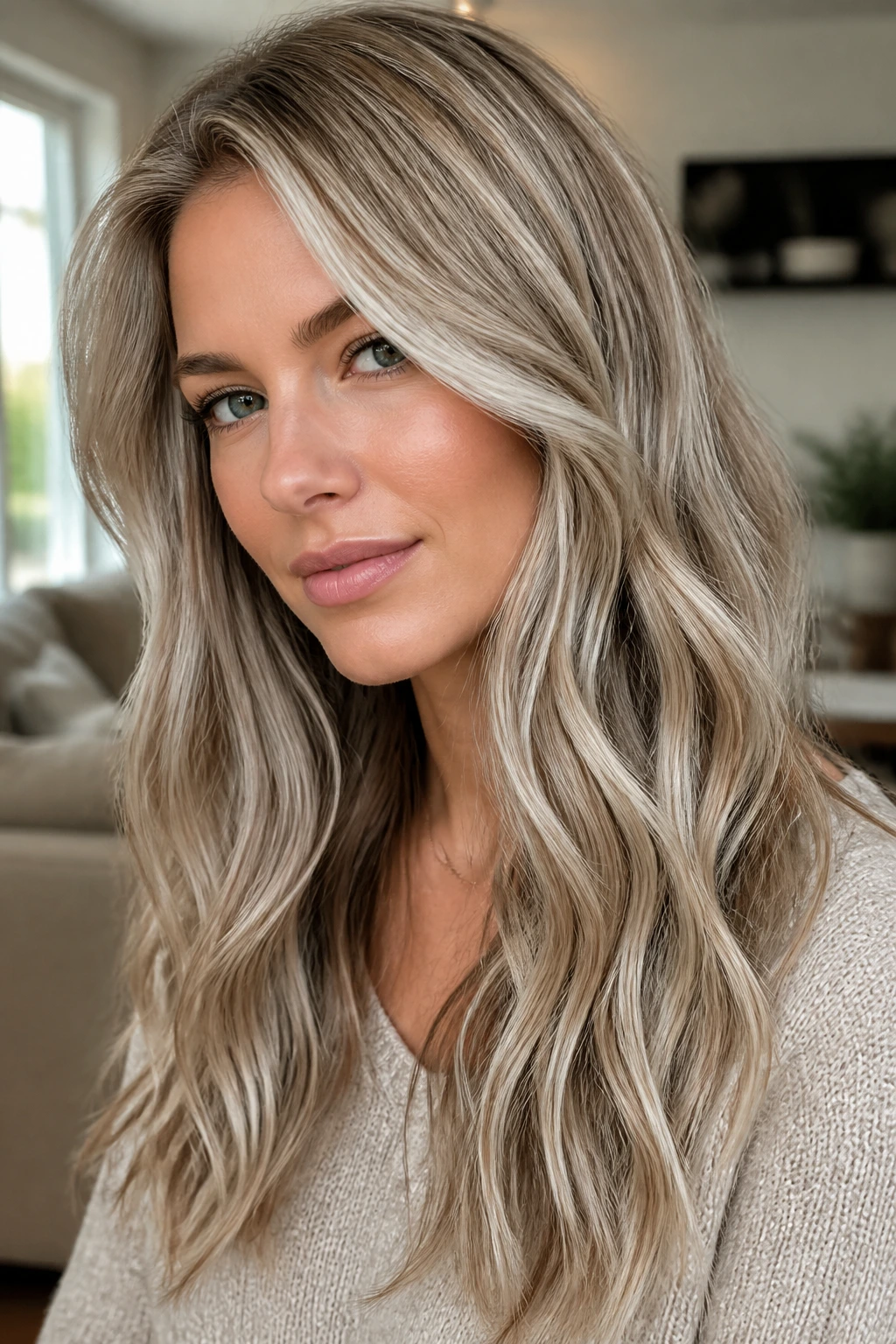
Silver-beige ribbon lights have a crisp, reflective edge that feels cooler than a standard beige blonde. Instead of an all-over tone, the color is woven in thin ribbons so the silver sits beside beige instead of replacing it. The result is dimensional and a little editorial without being full-on metallic.
Best On Pre-Lightened Hair
If your hair already lifts easily or has been lightened before, this is a strong option. The silver note can be gorgeous on cool skin, but it needs the beige to keep it wearable. I’d avoid this if your hair is highly porous and grabs toner fast; porous ends can go purple-gray in a hurry, and nobody wants that.
13. Toasted Almond Beige Blonde
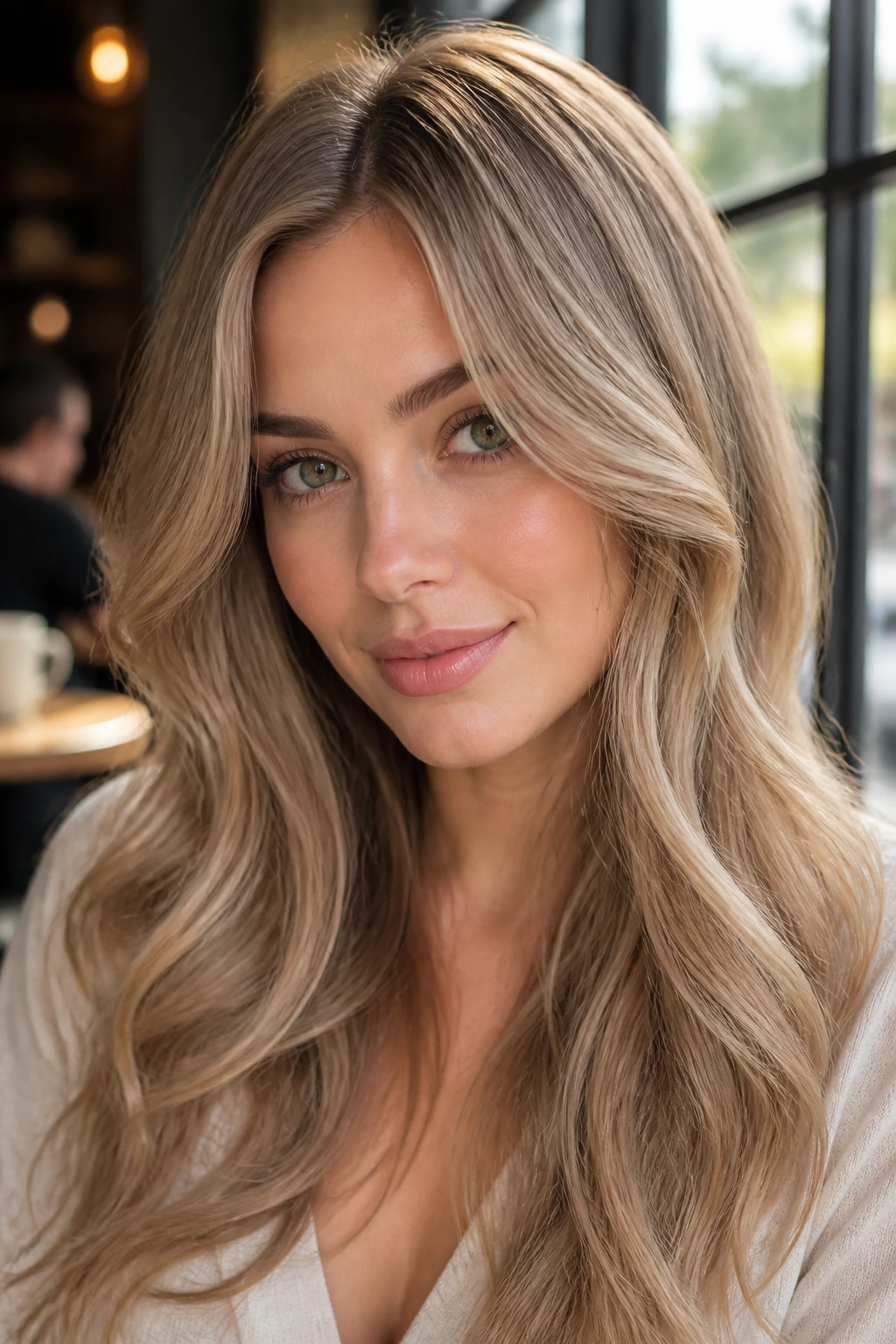
Toasted almond beige blonde is a shade with a little more depth. It stays in the beige family, but it has a nutty, softer-brown undertone that keeps the blonde from floating too far above the face. That extra depth can be a gift on cool skin that needs some contrast.
Who It Suits
This one is especially useful if your brows are darker or your natural base is somewhere around dark blonde. It keeps the overall look grounded. The finish should still be cool-neutral, not golden. If the toner leans too warm, toasted almond turns into a soft caramel, which is a different job entirely.
14. Cool Caramel-Beige Blend
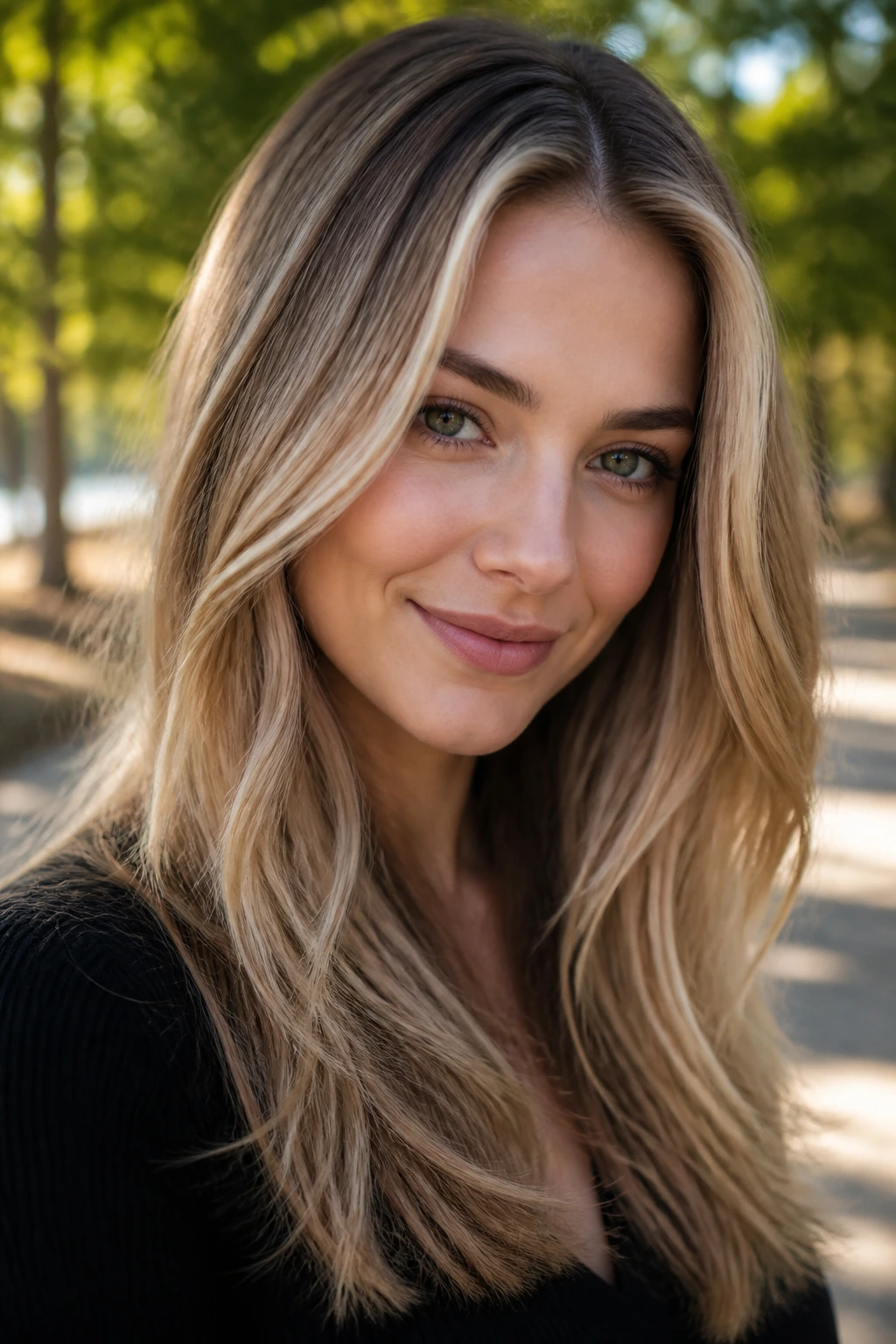
“Caramel” makes people nervous for good reason. It can go orange fast. But a cool caramel-beige blend is not a warm blonde; it’s a beige shade with enough depth to feel rich, then adjusted with ash so the warmth never gets loud. Done right, it looks like sun on coffee-colored hair.
Use It When You Want Less Brightness
This is one of the better beige blonde hair color ideas for people who are blonde-curious but not ready to go pale. Cool skin gets the benefit of a softer frame, while the depth around the root and mids stops the face from looking overexposed. If your hair is naturally medium brown, this can be a very flattering transition shade.
15. Frosted Beige Bob
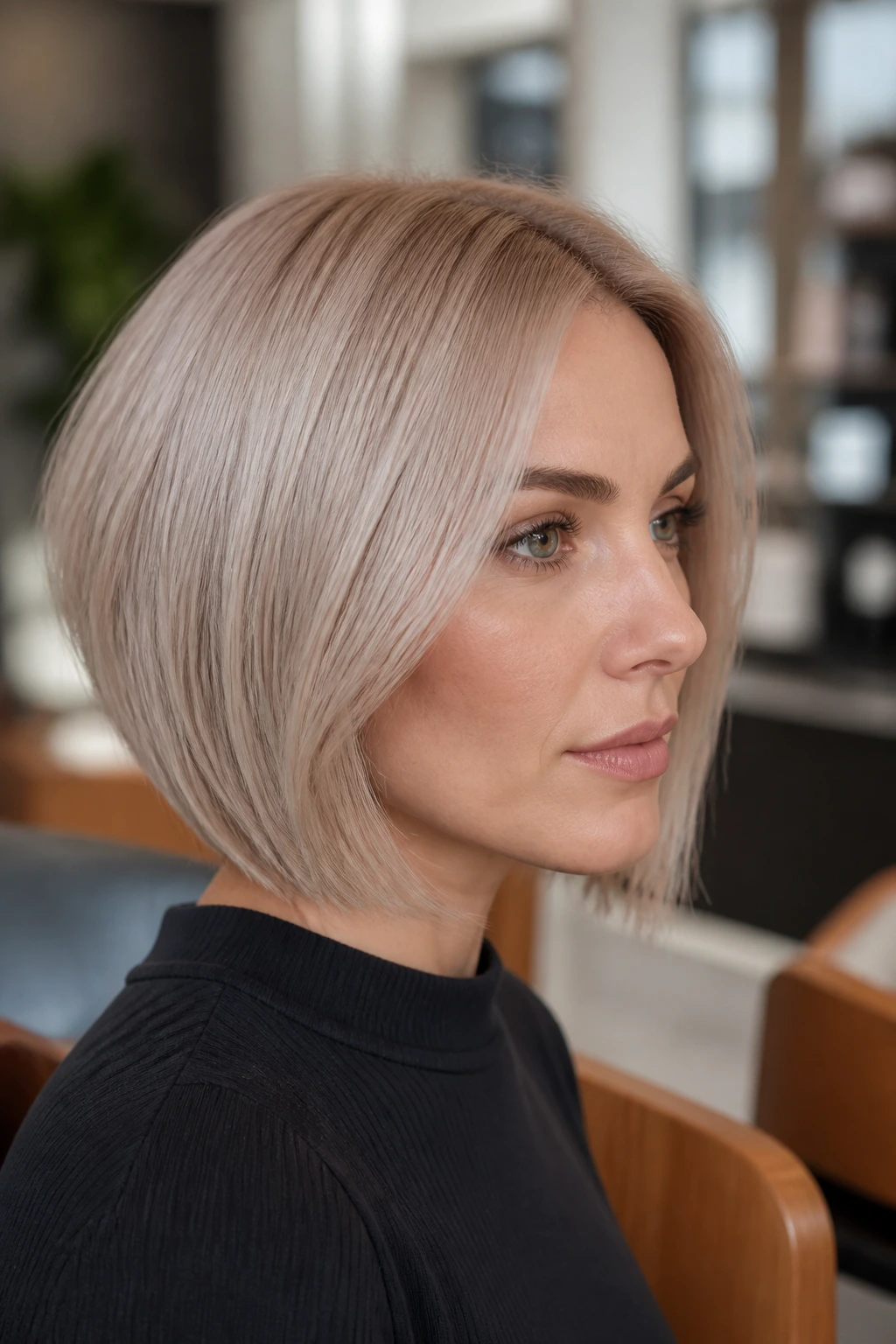
A frosted beige bob is all about shape. Shorter hair shows off tone faster, so a beige blonde on a bob needs to stay crisp and even from root to edge. The color should feel cool, clean, and smooth, with just enough beige to stop it from looking silver-white.
Why Short Hair Changes the Game
On a bob, every inch matters. A few stray warm pieces will stand out immediately, which is why this shade benefits from careful toning and regular glossing. If you wear a blunt or slightly angled bob, the frosted finish makes the cut look sharper. It’s neat, in the best way.
16. Dimensional Beige on a Dark Blonde Base
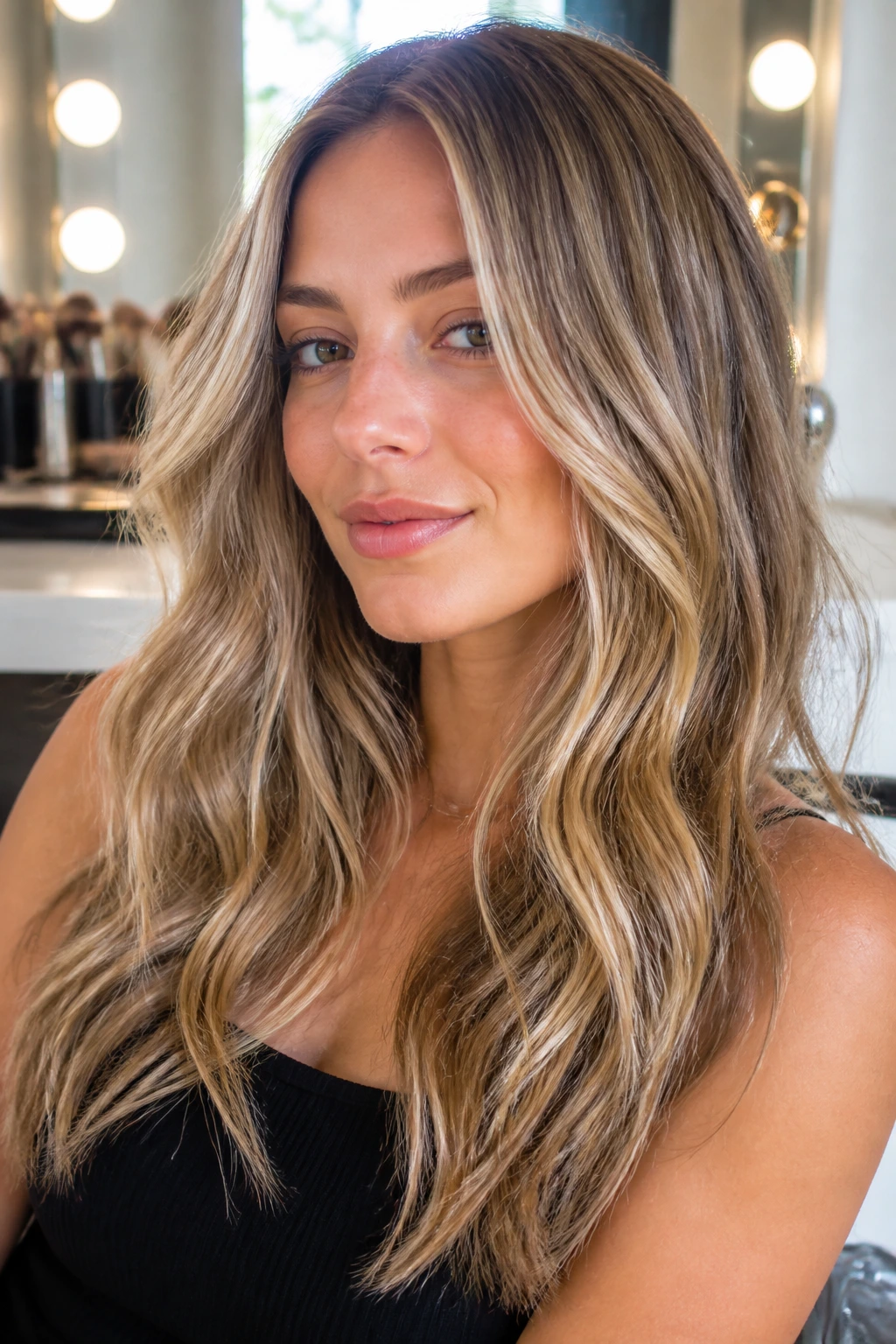
Why bleach everything if your base already does half the work? Dimensional beige on a dark blonde base keeps some natural depth, then layers lighter beige highlights and a couple of deeper ribbons for contrast. The hair looks thicker because the eye has somewhere to land.
Best for Fine or Medium Hair
Cool skin often looks better with dimension than with one flat bright shade, especially if the hair is fine. Ask for highlights around the top layer and a few deeper lowlights underneath. The result should move when you turn your head—light catching the surface, shadow underneath, and no obvious stripe down the part.
17. Beige Ombré With Soft Ends
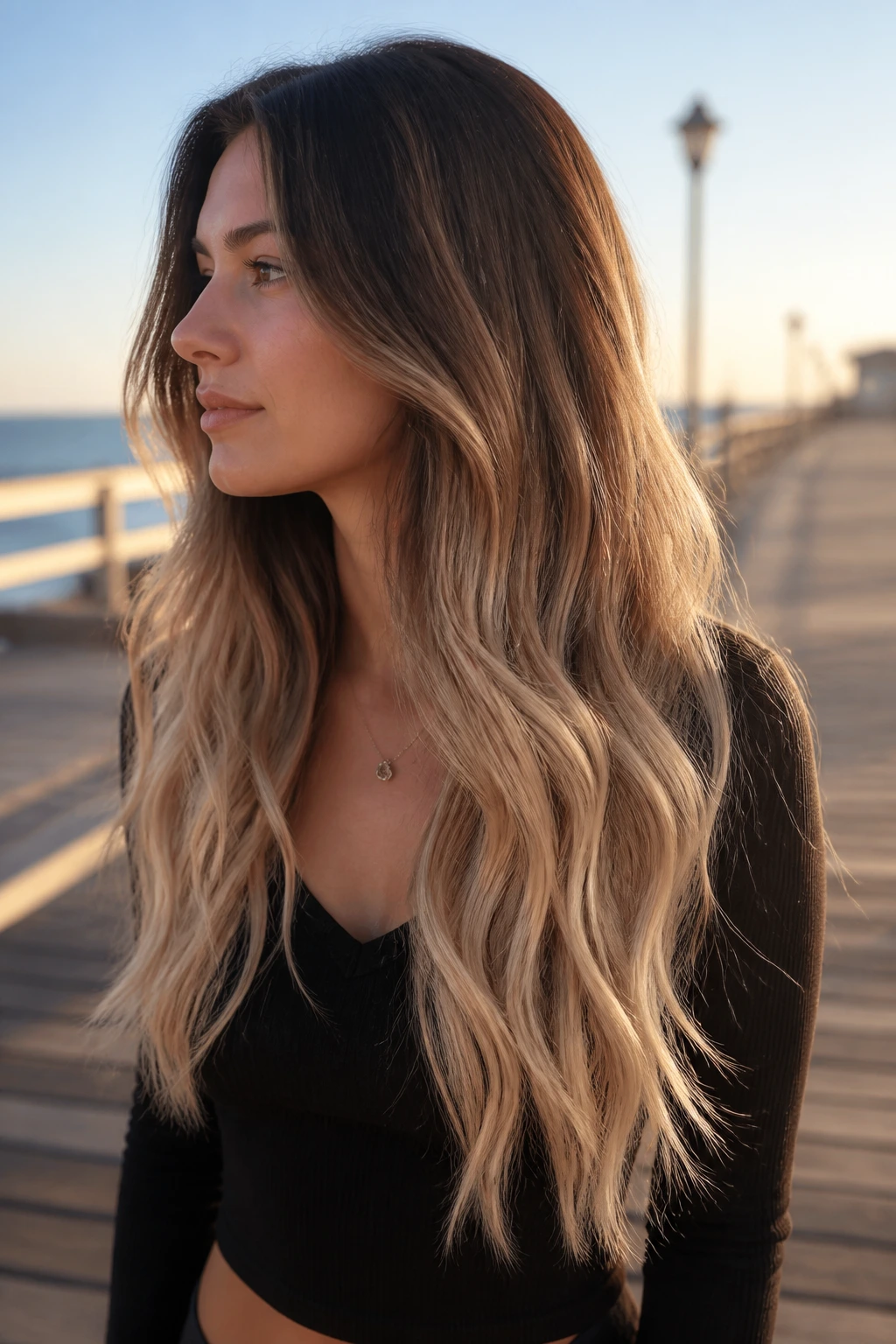
Beige ombré gives you a darker top and softer blonde ends, which can be a relief if you’re not interested in constant root touch-ups. The transition should be blurred, not obvious. Think of it as a fade that starts with your natural base and ends in a cool-beige blonde that looks sun-lifted rather than dipped.
Where the Gradient Matters
On cool skin, the top half of the hair does a lot of framing work. Keeping it a little deeper can make the face look less stark while the ends carry the lighter beige. This is especially strong on long hair because there’s enough length for the fade to breathe; on shorter hair, it can look abrupt if the blend isn’t careful.
18. Glassy Beige Blonde
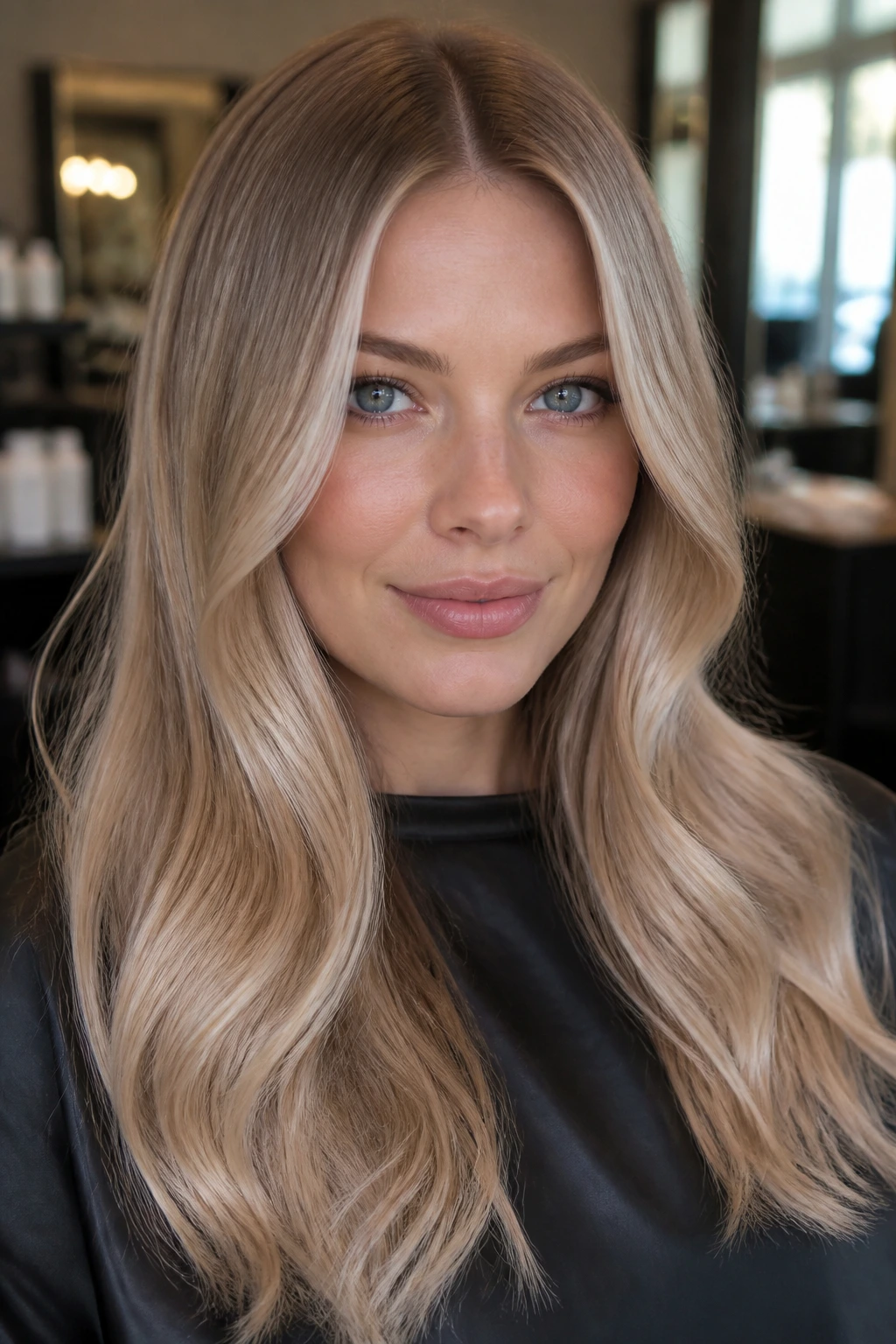
Glassy beige blonde is about shine as much as tone. The color itself is neutral-beige, but the finish is polished enough that the hair reflects light in smooth sheets. It’s not stiff. It’s not oily. It just looks sealed and healthy.
Finish Matters More Than You Think
If your hair is frizzy or porous, this is the shade that rewards a good smoothing routine. Cool skin likes the clean reflect because it doesn’t compete with the complexion. Ask for a gloss service after the color, or the beige can lose its edge and start looking a little dry, especially in dull indoor light.
19. Muted Platinum Beige
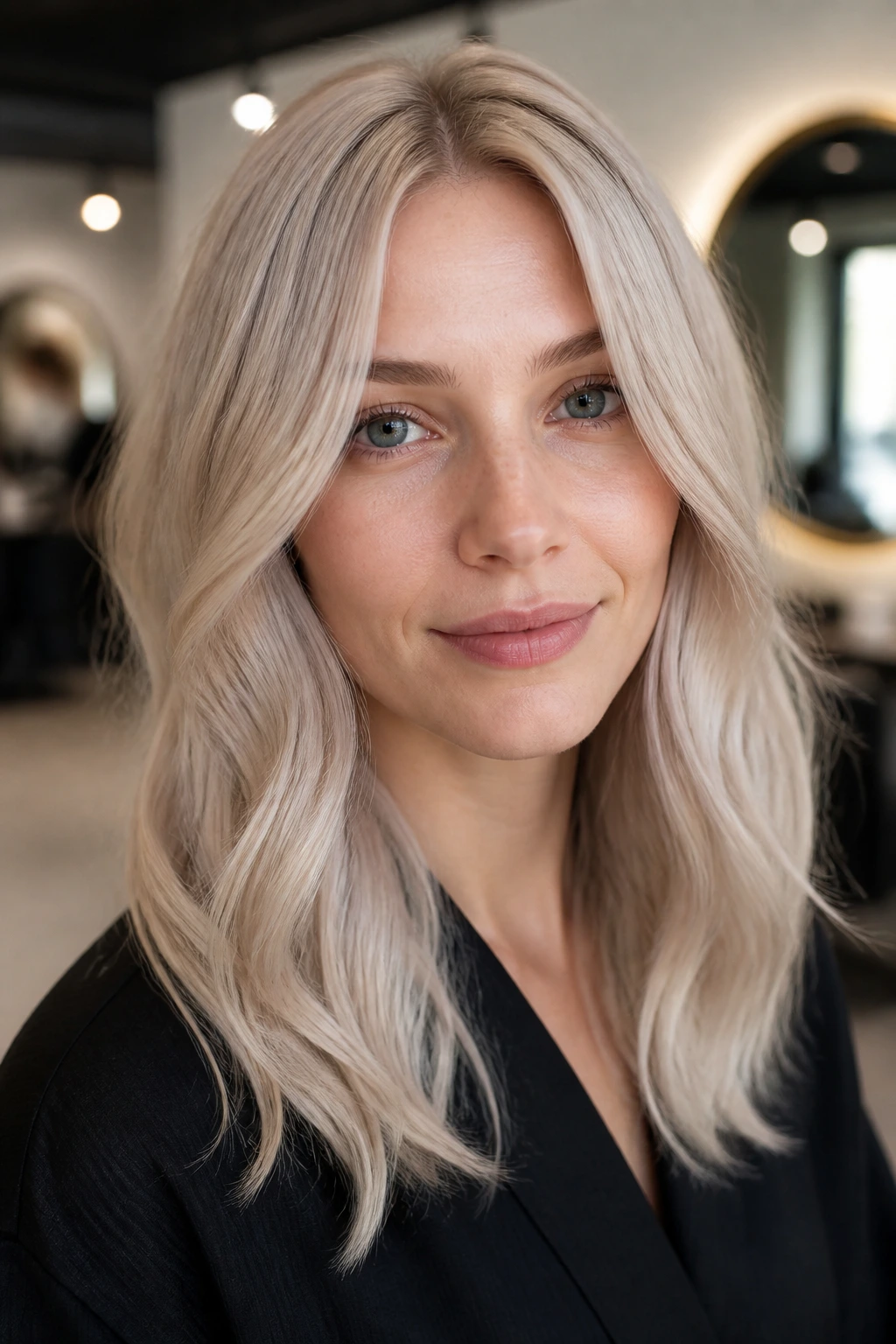
Muted platinum beige is what happens when platinum gets softened before it becomes severe. It’s pale, yes, but the beige prevents it from crossing into icy white territory. On cool skin, that tiny bit of softness can make the whole face look more balanced.
This Is Not a Flat White Blonde
There’s a difference between pale and stark. A muted platinum beige still has warmth tucked under the surface, which keeps it from looking artificial. It suits people who want a very light blonde but don’t want the glare of a pure platinum tone. If your eyebrows are naturally light, this can look especially seamless.
20. Beige With Ash Lowlights
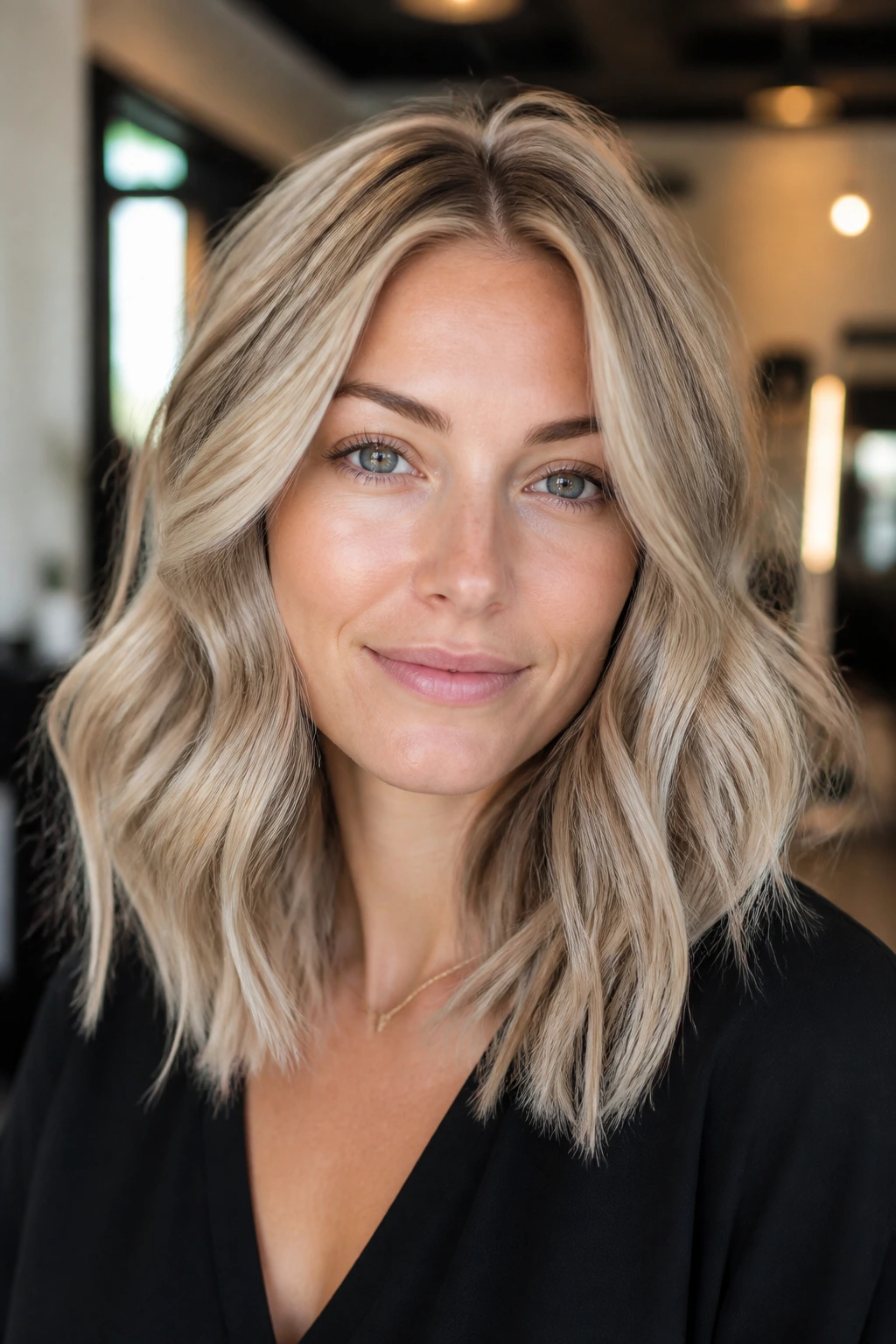
Beige with ash lowlights is one of the best fixes for blonde hair that’s starting to feel too one-dimensional. The beige keeps the overall color soft, while the ash lowlights give it structure and stop it from looking washed out. It’s a small addition that changes the entire haircut.
Why It Saves Flat Blonde
On cool skin, this mix keeps the blonde from floating away from the face. The deeper ribbons create contour around the temples, crown, and underneath layers, which is useful if the hair is thick or over-highlighted. If you already have a light base, ask for lowlights no more than two shades deeper than your ends. More than that and the effect turns heavy.
21. Nordic Beige Blonde
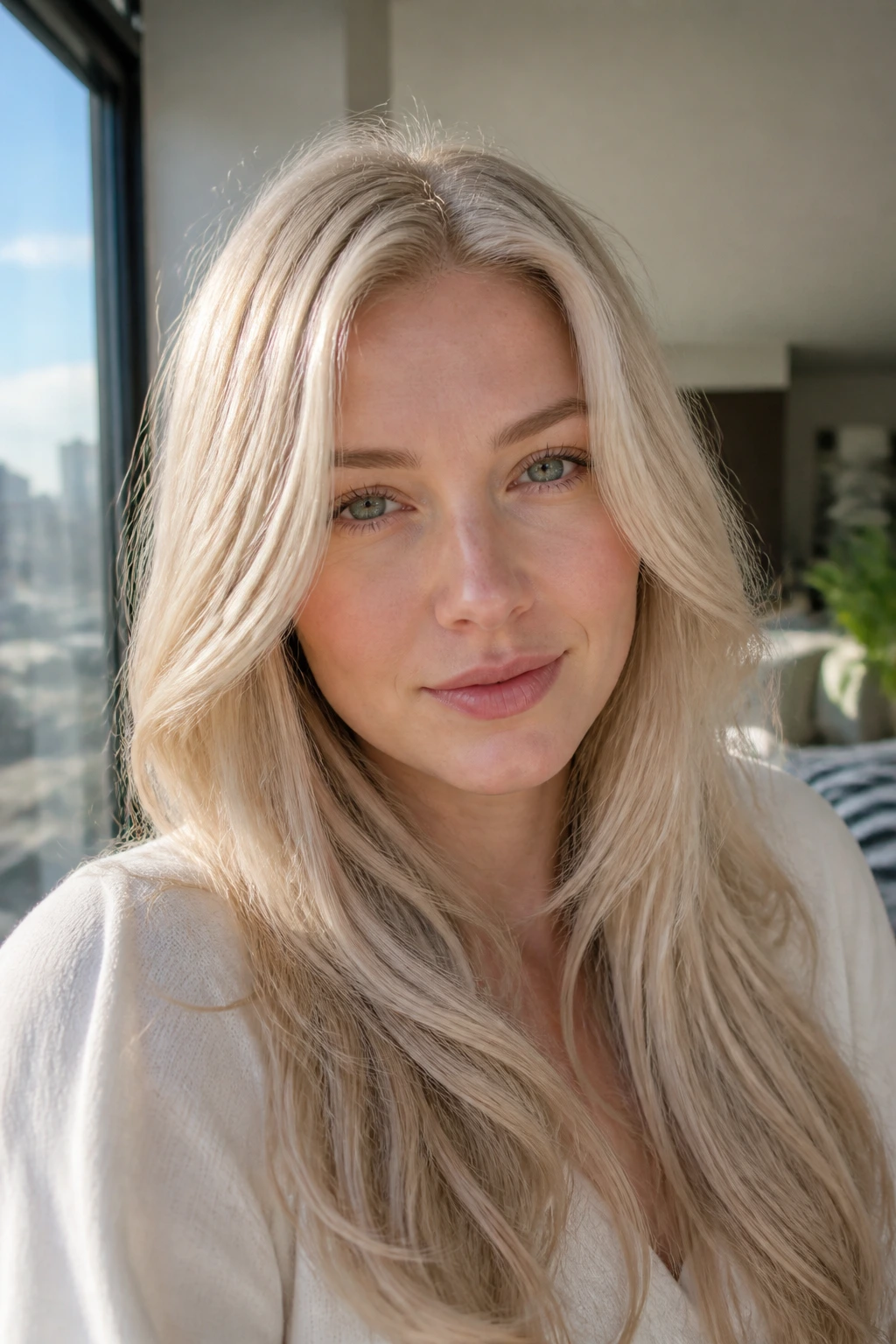
Nordic beige blonde is pale, airy, and very cool in feeling, but it’s not pure white. The beige note keeps it softer than a strict platinum finish, which makes it easier to wear on everyday skin that still has a bit of natural color. It’s a high-lift look that still behaves.
When To Choose It
This shade is for someone who wants blonde to read clean and pale, not sun-kissed. It pairs well with cool skin because the undertone stays restrained, especially around the face and part line. If you need a reference point, think of a beige that has been rinsed clean of gold, but not stripped of all softness.
22. Soft Beige Pixie
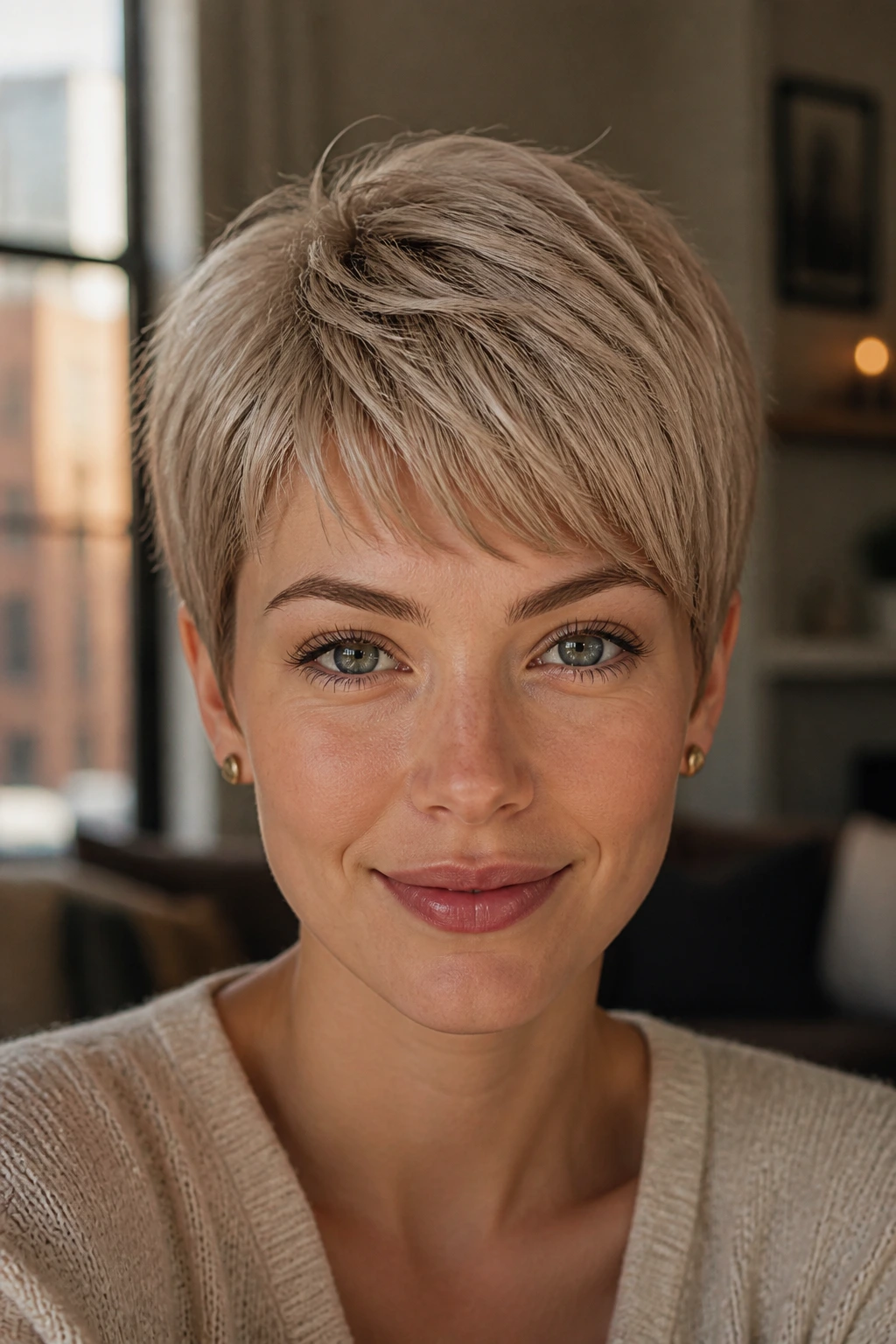
A soft beige pixie proves that beige blonde does not need a lot of length to matter. Short cuts show tone quickly, and the beige finish can make the texture on top look plush instead of spiky. It’s a clean look, but not a hard one.
The Cut Does Half the Work
With a pixie, color placement matters more around the crown and fringe than the ends, because there aren’t many ends to speak of. A beige toner across lightened pieces keeps the short shape from looking too bright or frosted. On cool skin, this is especially useful if you want the haircut to feel light but not severe.
23. Beige Curtain Bang Highlights
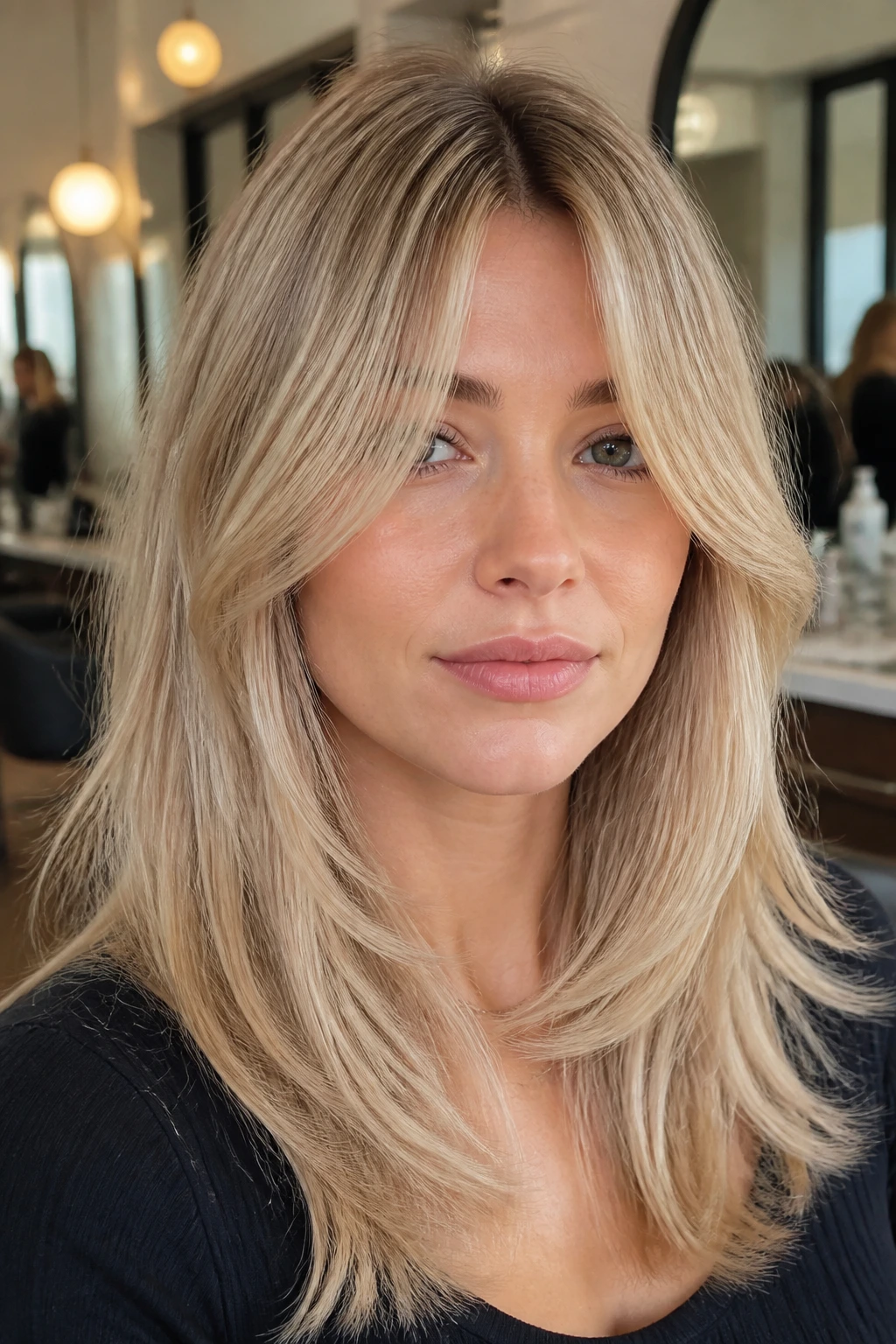
Curtain bang highlights are one of the easiest ways to make beige blonde feel current without trying too hard. The color sits around the face, sweeps into the fringe, and softens the whole haircut. On cool skin tones, the beige keeps the bright pieces from reading warm at the forehead.
Good for Long, Layered Hair
This idea works best when the bangs and face-framing layers already have movement. Ask for lighter beige pieces that begin a bit below the root so the grow-out stays soft. If the front is too light from the scalp down, the beige can stop looking polished and start looking stripey. Little gap. Big difference.
24. Rooted Beige Lob
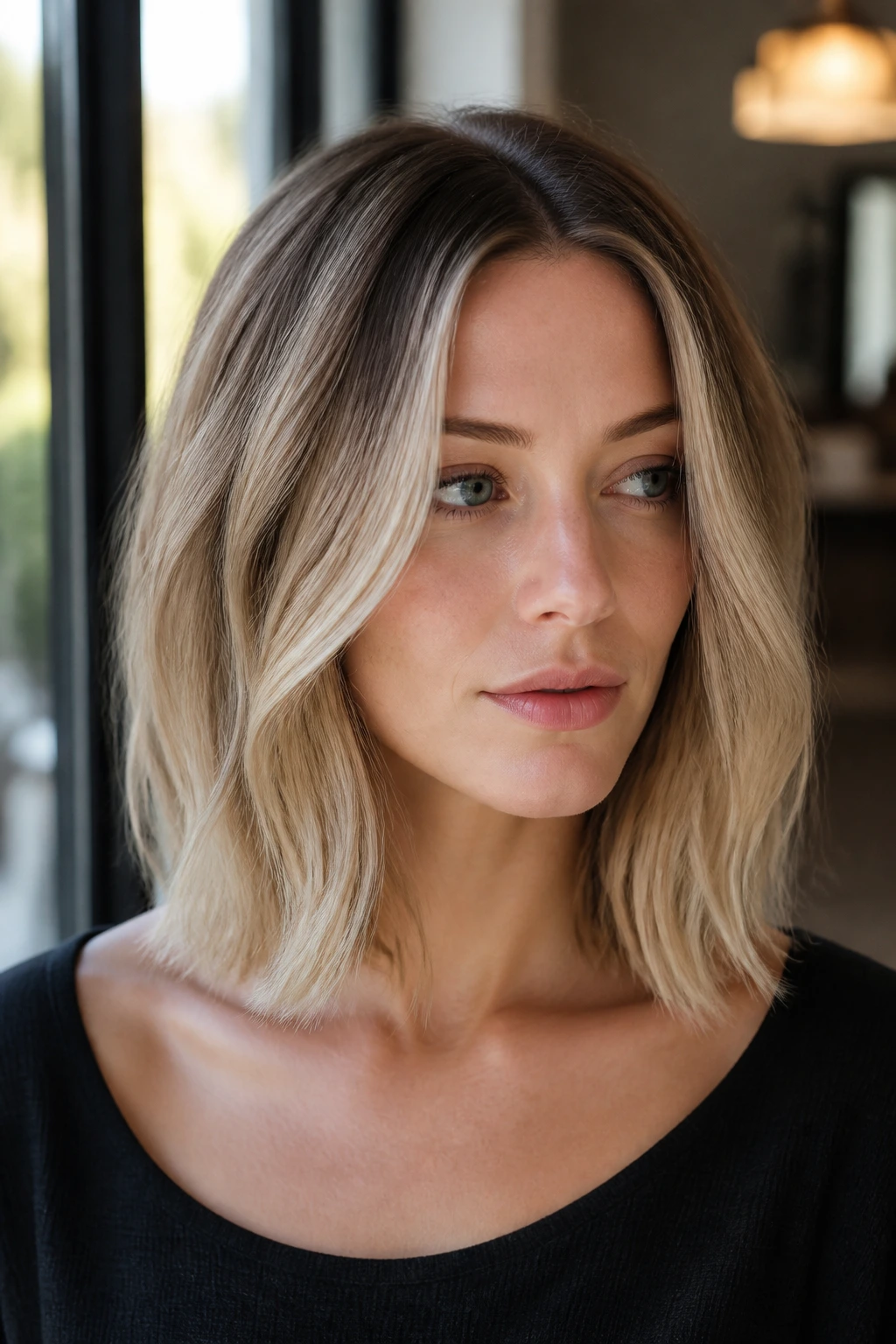
A rooted beige lob is the definition of wearable. The shoulder-length cut gives the color enough space to show movement, while the deeper root keeps maintenance under control. Beige through the mids and ends softens the whole look so it doesn’t feel overly severe next to cool skin.
Why It’s Such a Good Everyday Option
This is one of those shades that works in a ponytail, a wave, or a smooth blowout. The root gives shape, and the beige keeps the lighter parts from going flat. If you want something you can wear to work, to dinner, and then just tie back without the color looking accidental, this is a strong pick.
25. Barely-There Beige Blonde
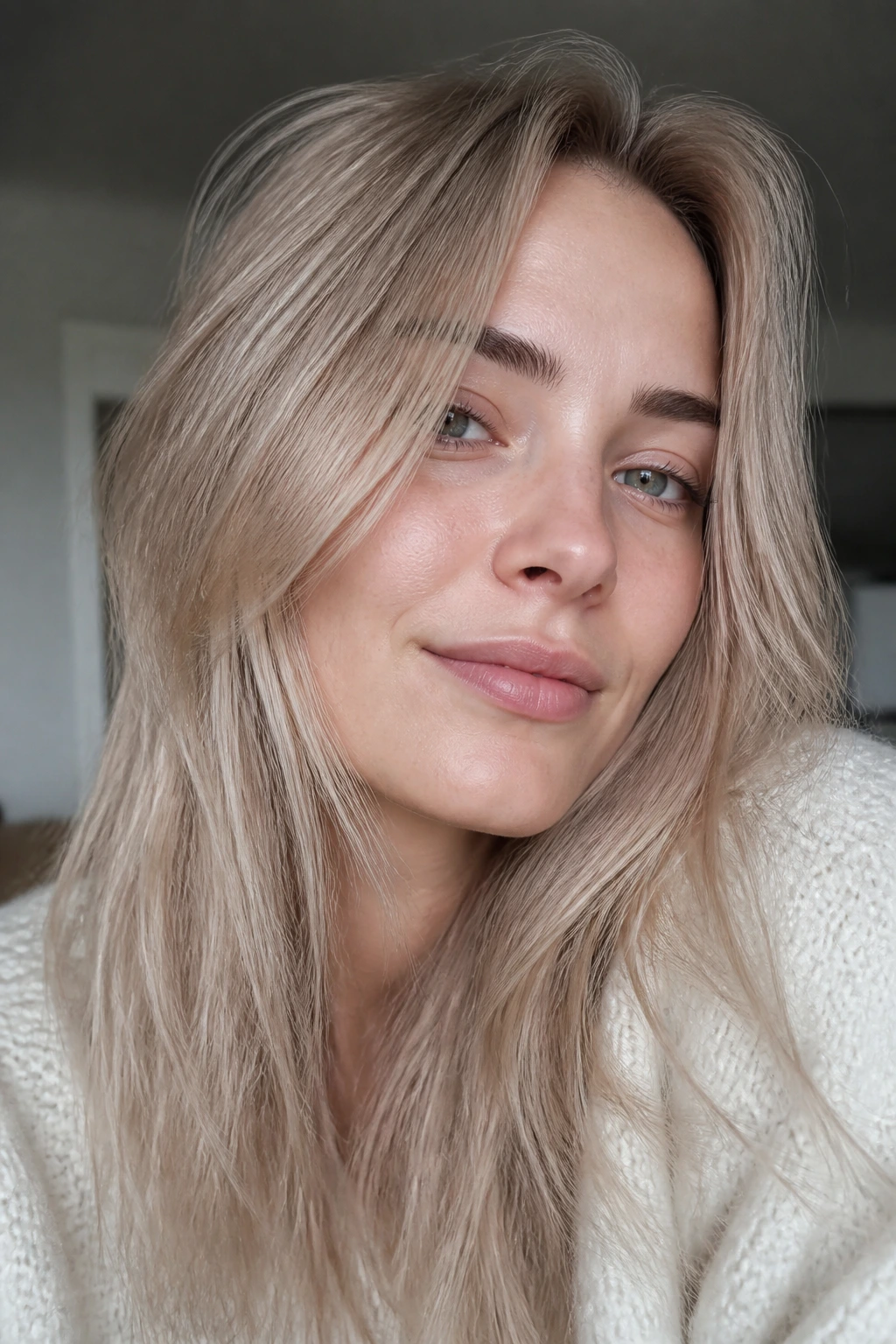
Barely-there beige blonde is for people who want a whisper, not a transformation. The base stays close to your natural color or existing blonde, then a soft beige gloss nudges the whole head into a cleaner, cooler lane. It’s subtle enough that people may not name the change right away—they’ll just notice that your hair looks calmer.
Best for Low-Drama Color Changes
This is the least demanding of the beige family, and that’s not a slight. On cool skin, a tiny beige shift can be enough to remove warmth around the face without committing to regular bleaching. If your hair is already light, this can be a smart place to start before deciding whether you want something brighter or deeper later.
How Beige Blonde Reads on Cool Undertones
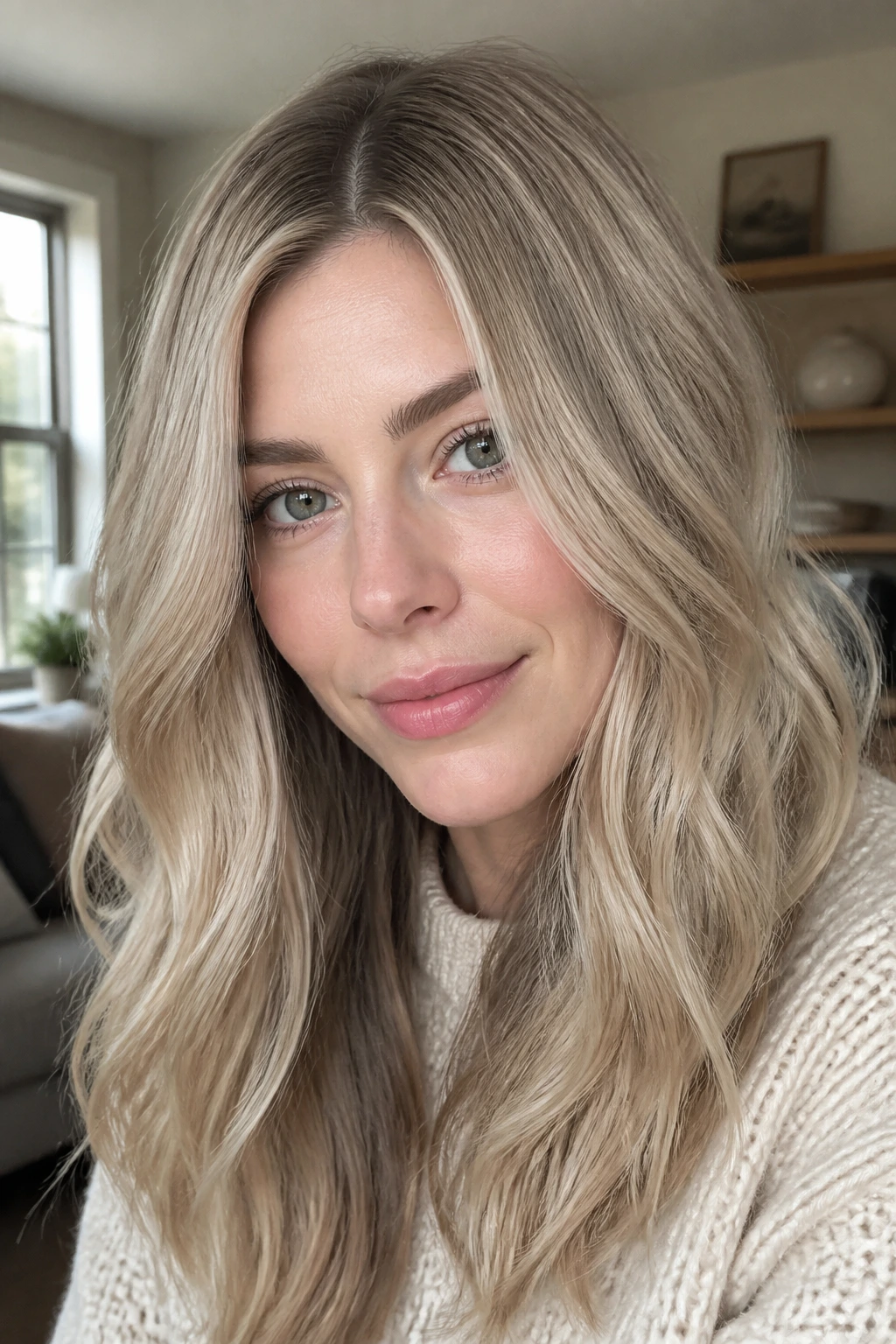
Cool undertones are usually doing one of three things under a blonde: they’re leaning pink, they’re leaning rosy, or they’re a little blue and translucent. Beige blonde helps because it doesn’t force the skin to compete with the hair. It sits beside the complexion instead of shouting over it.
The tone balance matters more than the label on the box. A beige blonde that still has a trace of yellow in it can look warmer than the name suggests, while a beige that’s pushed too far into ash can end up looking dry and powdery. The sweet spot is a shade that looks soft in indoor light and clean in daylight—nothing too yellow, nothing too gray.
If your skin is very fair, pearl, oat milk, and muted platinum beige tend to land well because they keep the face bright. Medium-cool skin often takes mushroom, champagne, or sandy beige with a little root depth. Deeper cool skin usually looks stronger with beige that has some shadow, lowlight, or a rooted base, because the contrast keeps the color from disappearing.
One more thing, and it matters: beige blonde is not a color that benefits from guesswork. A salon swatch under fluorescent light can lie to you. Bring photos, yes, but bring photos that show the hair in shade and daylight if you can. That saves everyone time.
Tools and Products That Make the Shade Look Intentional
-
Reference photos with clear lighting: Save 2 or 3 images that show the same tone from different angles, not just one filtered selfie.
-
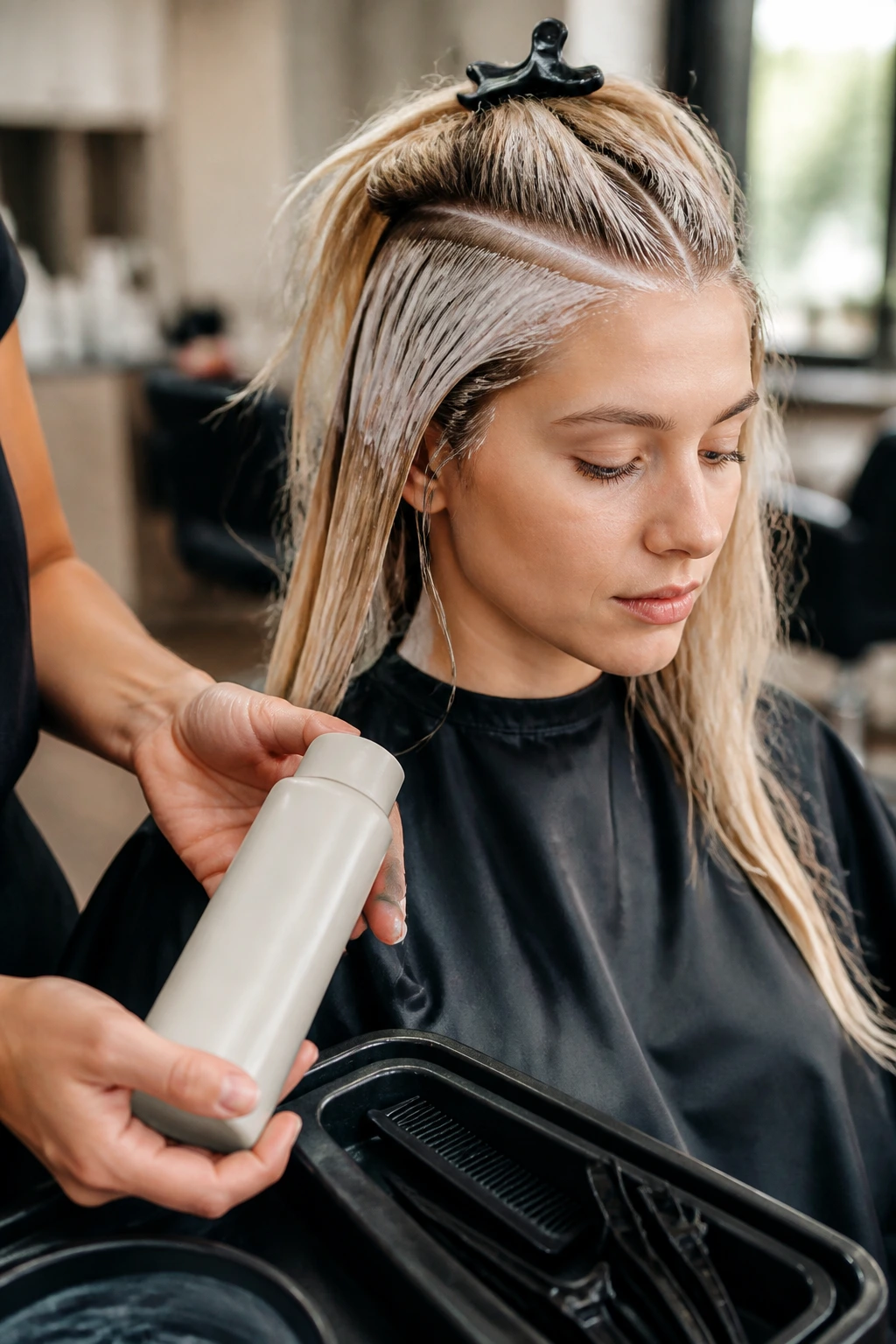
Sectioning clips: These keep your hair divided cleanly while you apply toner, mask, or gloss at home.
-
Tail comb: Useful for checking roots, separating face-framing pieces, and making sure your part stays neat during a color service.
-
Color-safe shampoo and conditioner: A sulfate-free or color-safe formula keeps beige from fading too quickly and helps the toner last longer.
-
Purple shampoo or mask: Use it sparingly. It can keep yellow at bay, but too much will make beige blonde look dull or chalky.
-
Bond-building treatment: Helpful if your hair is lightened, bleached, or fragile from repeated highlighting.
-
Heat protectant: Beige blonde shows damage fast, especially on the ends, so this is not optional if you use hot tools.
-
Microfiber towel or soft T-shirt: Rough towels can rough up the cuticle and make the finish look frizzier than it needs to.
-
Wide-tooth comb: Better than yanking through wet lightened hair with a brush that pulls too hard.
-
Gloss or toner appointment: Not exactly a product you buy once, but it’s the single best resource for keeping beige blonde from drifting warm.
Smart Shade Choices Before You Sit in the Chair
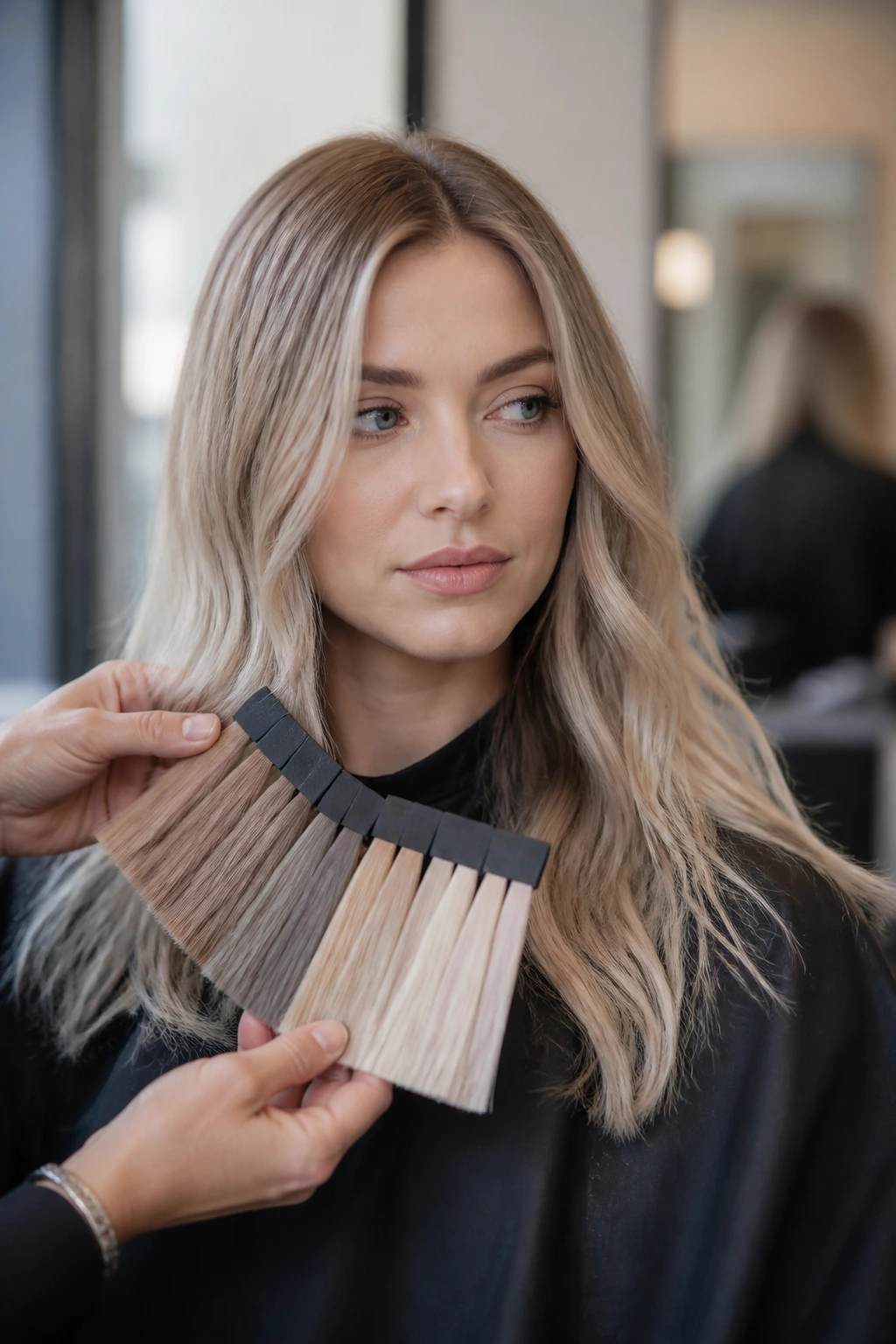
Ask for the level first, then the tone. That sounds small, but it changes everything. “Beige blonde” can mean a level 7 smoky blonde on one head and a level 10 pearl finish on another. If you know whether you want bright, soft, rooted, or dimensional, your colorist can make the beige behave instead of guessing at it.
Cool skin usually likes beige that stays neutral-cool, not sun-warm. If you bring in a picture of a blonde you love, point to the thing you actually like: the root depth, the brightness around the face, the softness on the ends, the shine, the amount of contrast. Otherwise the stylist may copy the wrong part of the photo and give you a completely different result.
Hair history matters too. If your hair is porous, previously boxed, highlighted too many times, or carrying old warm pigment, beige can grab unevenly. That often shows up as patchy ends or a tone that looks darker than expected after the toner settles. A strand test or a staged lightening plan is worth the time when the starting point is unpredictable.
If you’re starting from dark brown hair, don’t let anyone talk you into thinking one appointment solves everything. Beige blonde usually needs a lift to a pale yellow base before the toner even makes sense. Light blonde hair is a different story; there, the color may mostly come from gloss and placement rather than a full transformation. Those are not the same job, and they shouldn’t be priced, timed, or promised that way.
How to Wear Beige Blonde So It Doesn’t Fight Your Face
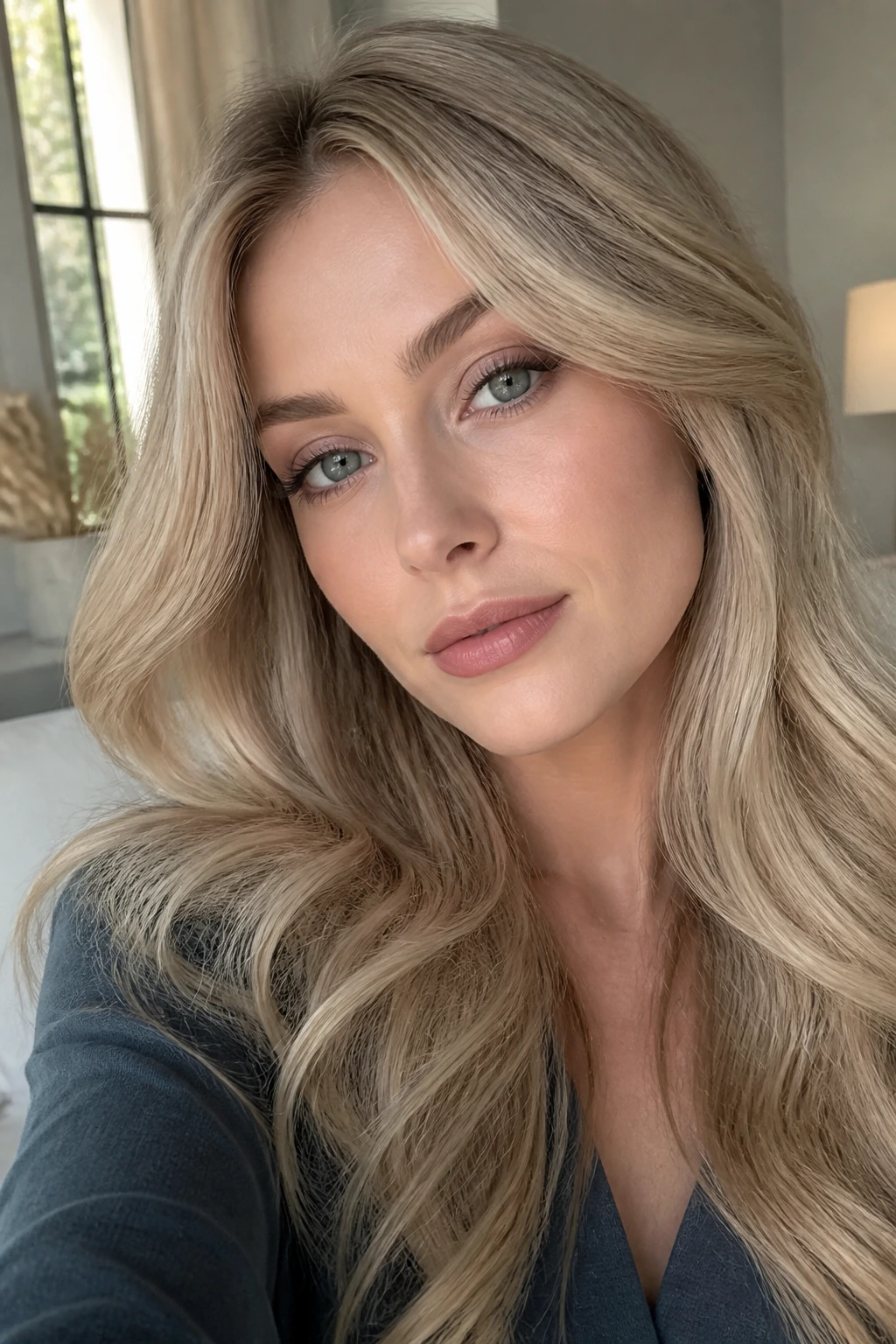
Styling: Soft bends, a loose blowout, or a smooth center part usually show beige blonde best because the tone reads across the surface of the hair. On short cuts, a clean tuck behind the ear can make the beige look sharper. On long hair, a little movement is enough; too much texture can hide the finish.
Makeup: Cool blushes, berry lip colors, muted rose, and taupe shadow tend to sit nicely with beige blonde on cool skin. If you lean hard into orange bronzer, the hair may feel disconnected from your face. That doesn’t mean you can’t wear warmth. It just means the balance gets touchy fast.
Clothing Colors: Charcoal, navy, slate, soft white, black, dusty blue, and cool rose all work especially well with beige blonde. These shades let the hair read as soft and intentional instead of fighting with warm fabric tones that pull the color in the wrong direction.
Jewelry: Silver, white gold, platinum, and pearls usually look cleaner next to beige blonde on cool undertones. Yellow gold can work too, but if your skin already leans pink, too much warm metal near the face can make the blonde look more buttery than you intended.
Additional Ways to Tune the Tone
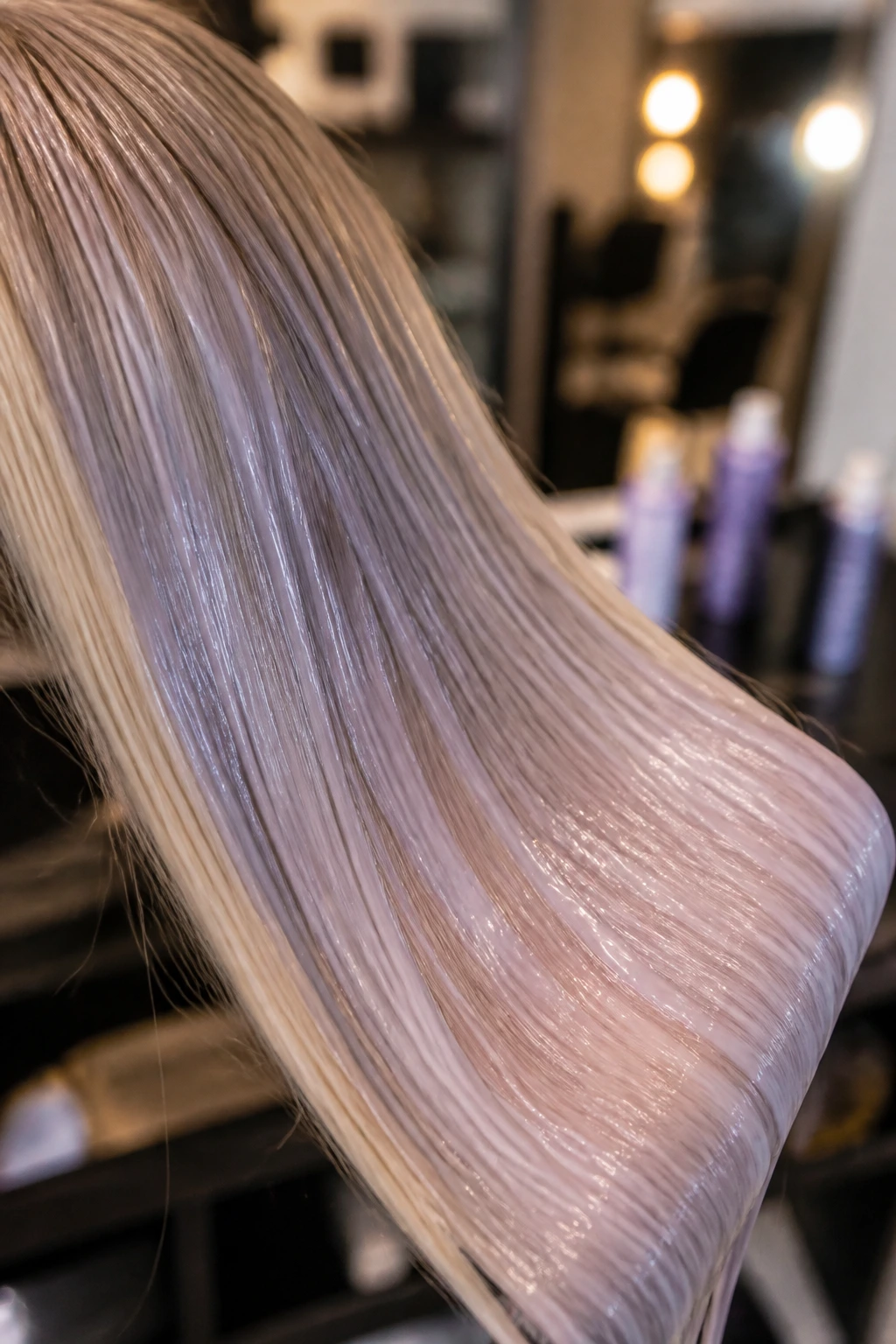
Tone Booster: If your beige starts leaning yellow, a demi-permanent gloss with violet-beige or ash-beige pigment can bring it back without making it flat. I’d rather refresh with gloss than overuse purple shampoo, which can leave the ends looking dusty.
Depth Trick: Keep a soft root shadow or a few lowlights underneath if your hair is thick, long, or very light. That tiny bit of depth gives the beige something to sit on, and the color reads richer because of it.
Face-Brightening: Put the brightest beige pieces around the temples, cheekbones, and the first few layers around the face. That’s where the color changes how the skin reads, and it does more than flooding the whole head with light.
Make-It-Yours: If you like a more natural finish, stay closer to mushroom or oat milk beige. If you want more sparkle, ask for pearl or champagne beige. If your haircut is edgy and short, silver-beige or muted platinum can look sharper; if your style is softer, rooted beige usually feels better.
Keeping Beige Blonde Clean, Soft, and Not Brassy
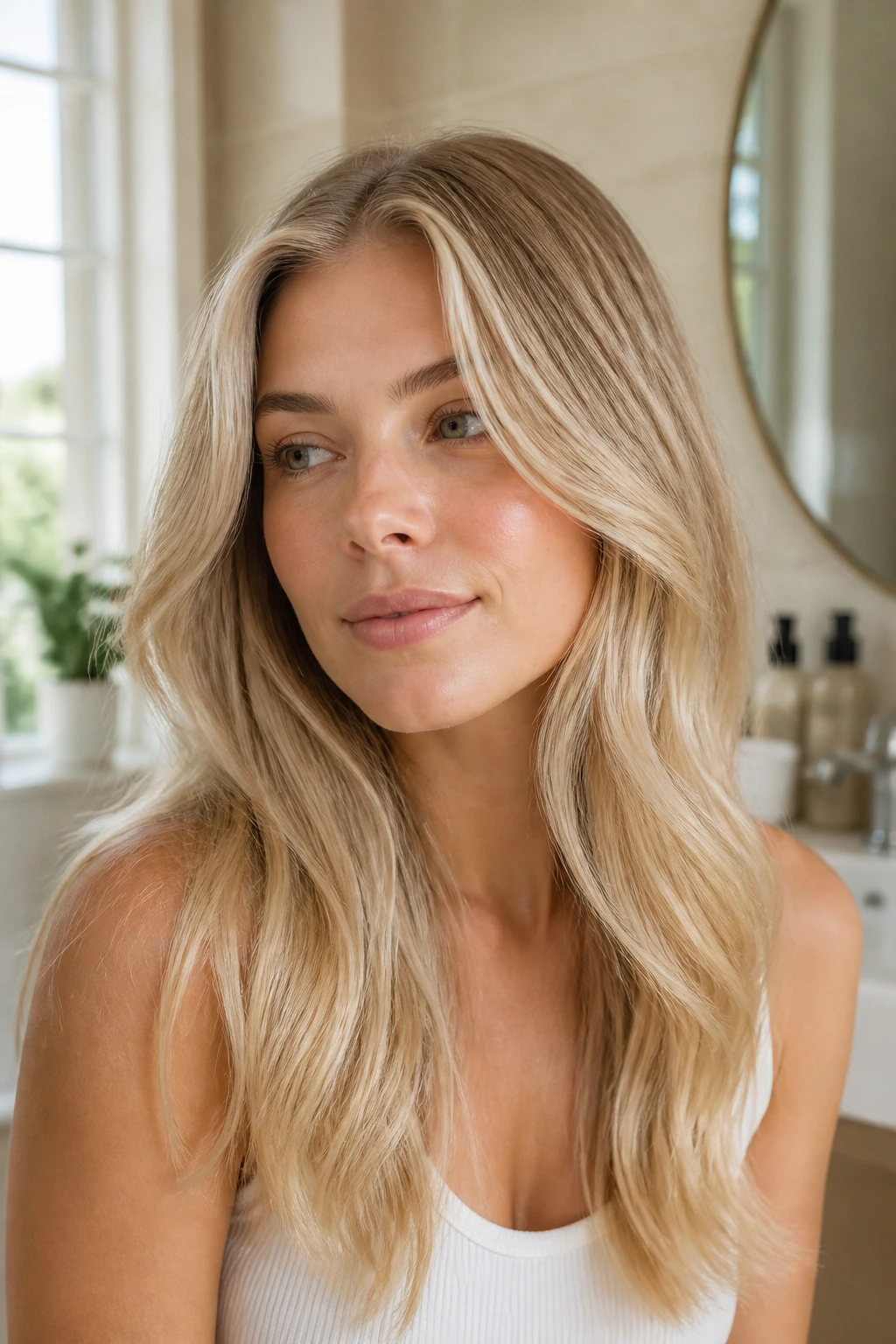
Beige blonde tends to fade toward warmth if you wash it constantly or blast it with hot water. That doesn’t mean you need to baby it forever. It does mean you should pick your shampoo on purpose, keep water lukewarm, and stop treating purple shampoo like a daily cleanser. Once every one to two weeks is enough for most people; more often than that can leave the color looking dry.
A gloss or toner every four to eight weeks keeps the beige in the sweet spot. If your hair is highly lifted, porous, or previously lightened, the color may need a refresh sooner. If your base is darker and the beige is sitting mostly in highlights, you can usually stretch the appointments longer because the root depth hides fade better.
Heat matters too. Beige blonde shows rough ends fast, especially on straight hair where every frizzed strand catches the eye. A heat protectant before blow-drying or flat ironing is worth the extra minute. Air-drying with a leave-in cream can help if your hair tends to puff up, but don’t overload it. Heavy product makes beige look dull.
Root touch-ups depend on the technique. Fine babylights and a rooted melt can go six to ten weeks. An all-over pale beige on very light hair may need maintenance closer to the earlier end of that range. The best sign that it’s time? The tone starts looking warmer than your jewelry, your makeup, and your skin can comfortably carry.
Variations and Adaptations to Try
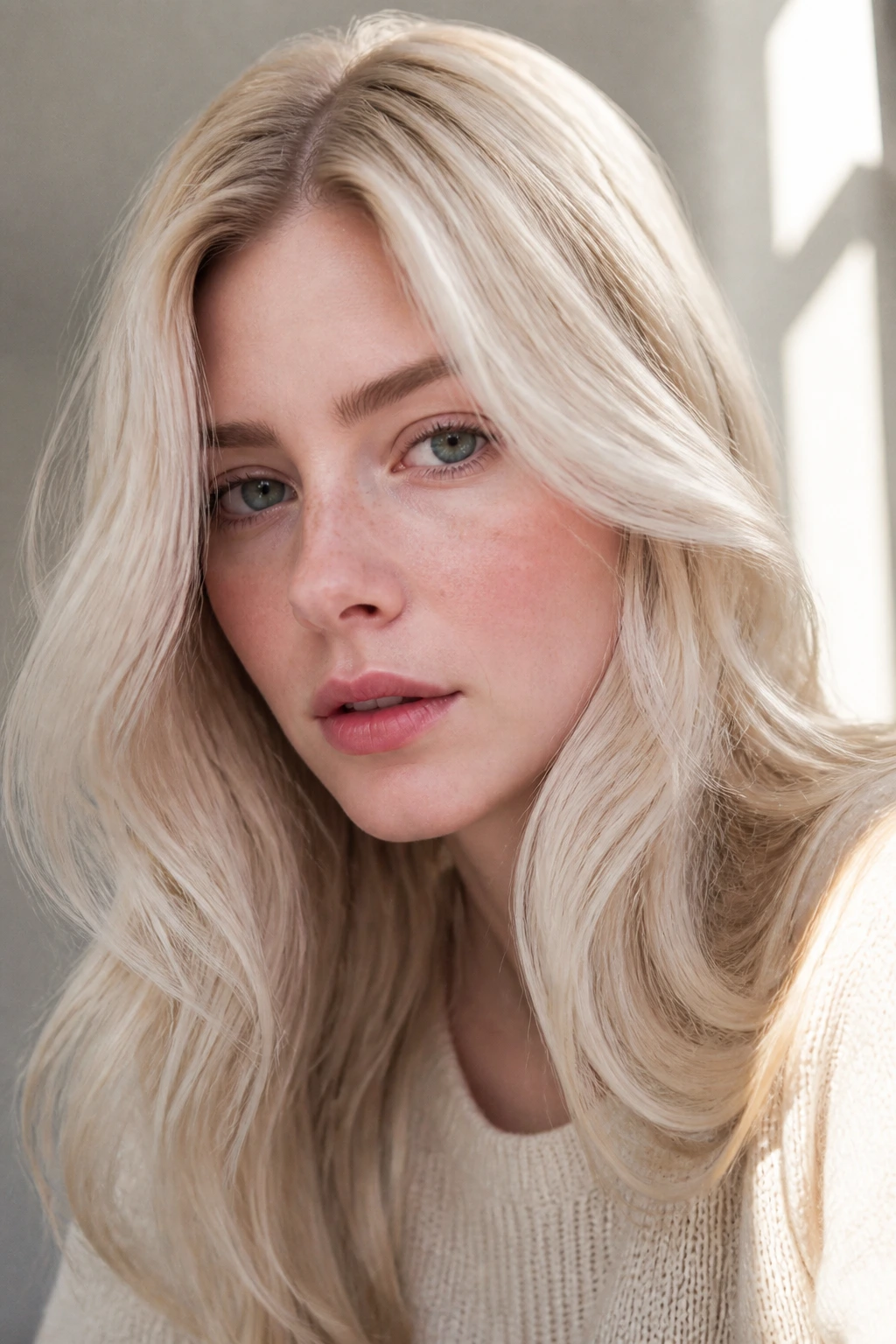
Pearl-Cool Lift: This version stays at the palest end of beige blonde and leans toward pearly reflection rather than warmth. It’s best if your skin is very fair and you want the hair to brighten the face without turning icy. Ask for a pearl gloss over a pale yellow base, not a full silver toner.
Rooted Lived-In Beige: If you want less maintenance, keep the root one to two levels deeper than the mids and ends. The color grows out softly, and the beige through the lower half still gives you that light, polished finish. This is the easiest version to wear with a busy schedule.
Brunette-to-Beige Transition: For darker natural hair, start with beige balayage, not an all-over blonde promise. The gradual lift keeps the result believable and protects the hair from overprocessing. It also gives cool skin enough light around the face without flattening the natural base.
Curly Beige Dimension: Curly hair loves a beige approach when the highlights are placed to follow the curl pattern. The lighter pieces bounce around the shape instead of sitting in stripes. Keep some lowlights underneath so the curl pattern still has depth.
Silver-Soft Beige Blend: This one is for people who want a cooler, sharper blonde but don’t want the hard edge of pure silver. A mix of silver-beige ribbons and a soft gloss creates a pale finish that still feels wearable. It’s especially good on short hair or blunt cuts.
Common Mistakes That Make Beige Blonde Go Wrong
-
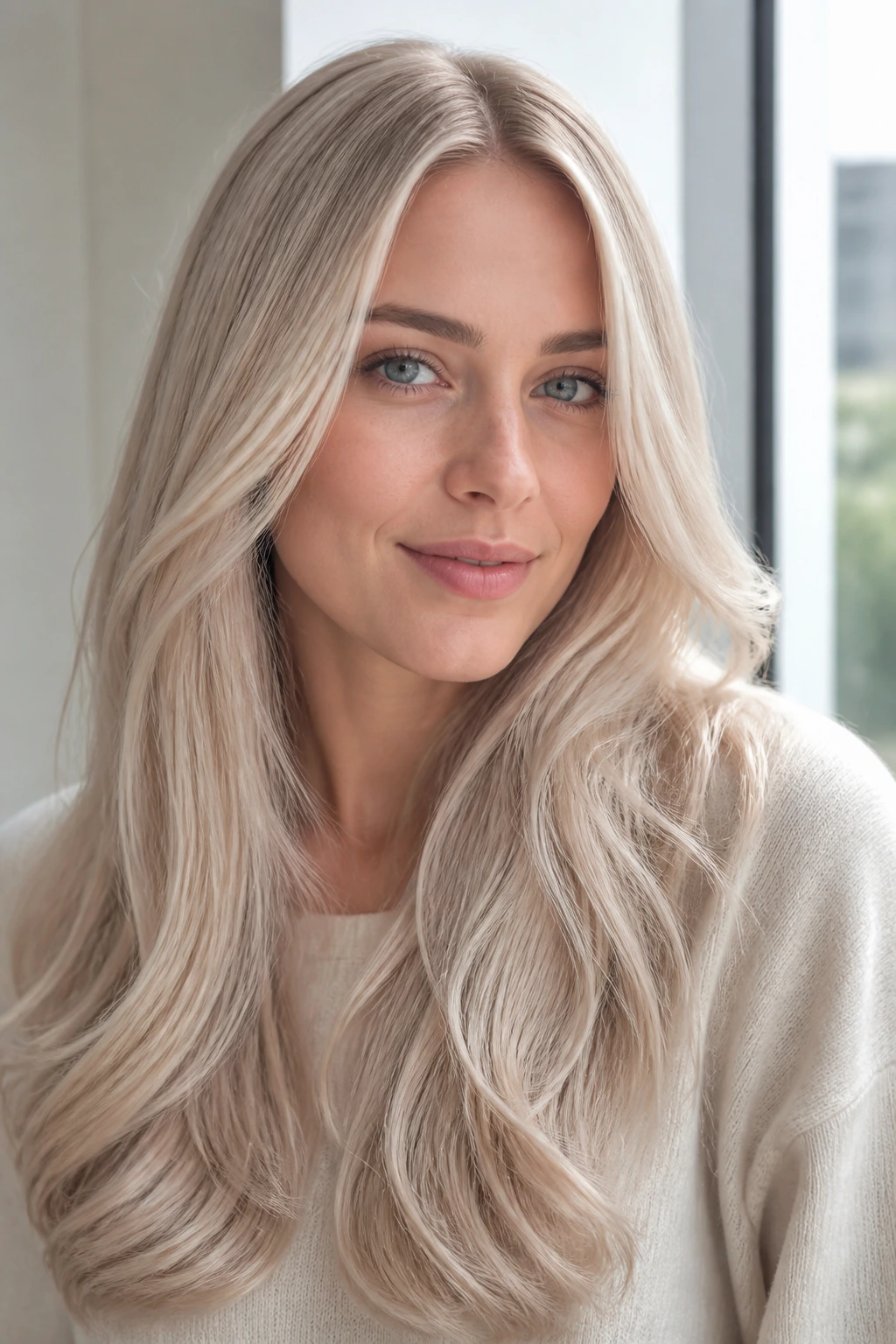
Picking a warm reference photo: If the inspiration image was shot in golden sunlight, the tone can trick you into asking for a shade that’s too yellow. Fix it by checking whether the hair still looks beige in shade and indoor light.
-
Going too ash too fast: Pure ash can make cool skin look flat or tired. Ask for beige with ash support, not ash with a beige label slapped on top.
-
Using purple shampoo like a daily wash: Too much purple product can turn the blonde dull, gray, or even slightly lavender on porous ends. Use it sparingly and follow with a hydrating conditioner.
-
Ignoring porosity: Highly porous hair grabs toner fast, which can make the ends look darker than the rest. If your hair has been lightened before, tell the colorist before they mix anything.
-
Skipping dimension on fine hair: A single flat beige shade can disappear on fine strands. A few lowlights or a rooted base keeps the color from looking thin and one-note.
-
Expecting dark hair to jump straight to beige: Dark brown hair usually needs staged lightening. If someone promises a cool beige blonde in one pass, ask more questions. Fast lightening usually comes with heat, breakage, or both.
Questions People Ask Before Booking Beige Blonde
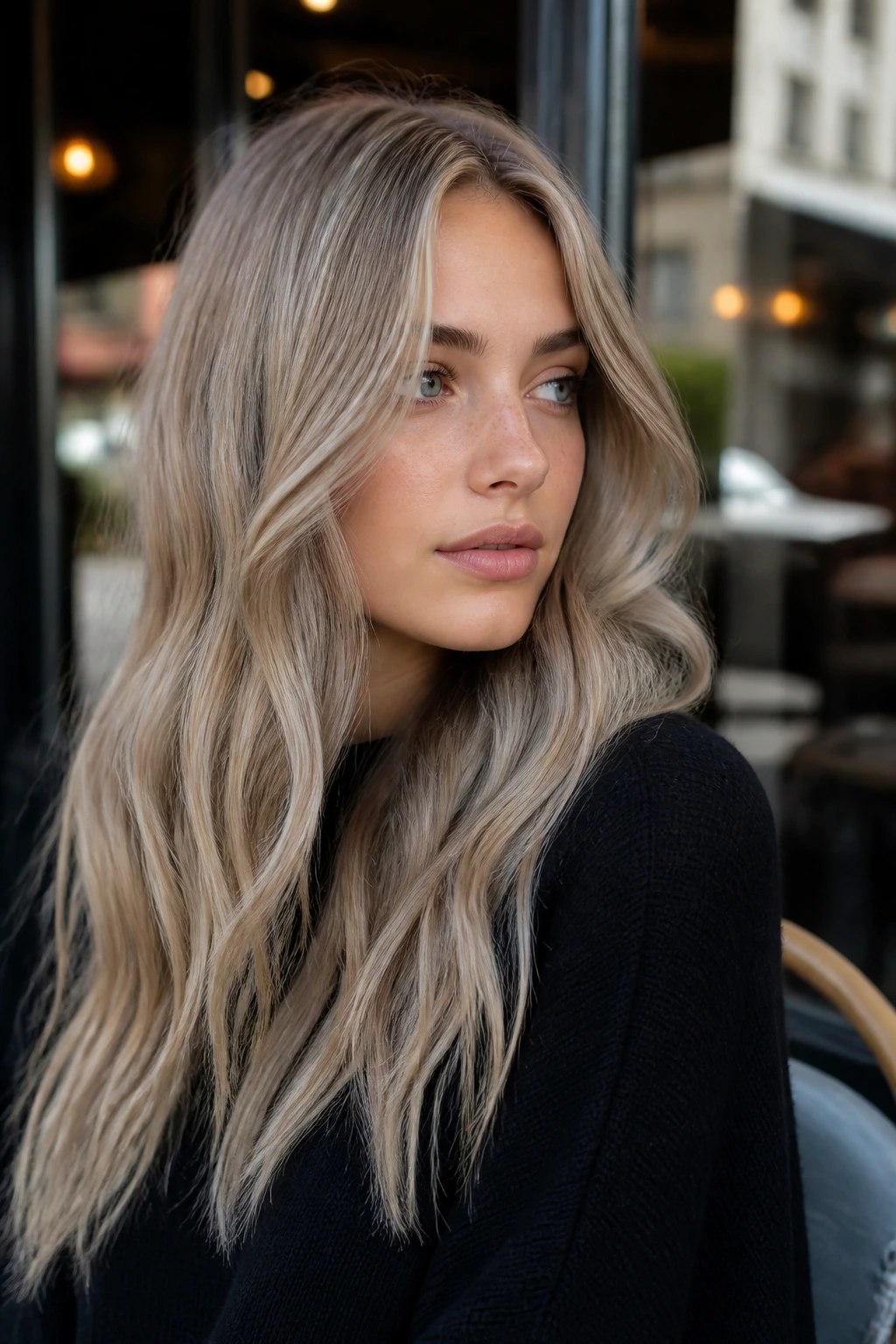
What’s the difference between beige blonde and ash blonde?
Ash blonde leans cooler and grayer, while beige blonde mixes coolness with a little softness so the result looks more natural on skin. Beige tends to be easier to wear if you don’t want the hair to feel dusty or muted.
Will beige blonde wash me out if my skin is very fair and pink?
Not if the tone is chosen well. Very fair cool skin often looks better with pearl, oat milk, or muted platinum beige because those shades brighten without adding warmth that can make redness more obvious.
Can dark brown hair go beige blonde in one appointment?
Sometimes hair can lift fast, but beige blonde usually needs more than one session if you’re starting dark. The hair has to reach a pale yellow base before the beige toner can look clean and not muddy.
How often does beige blonde need toning?
Most beige blondes need a gloss or toner refresh every four to eight weeks, depending on porosity, shampoo habits, and how light the hair is. Lived-in rooted looks can stretch longer than all-over pale beige.
Is beige blonde lower maintenance than platinum?
Usually, yes. The slightly softer tone and the option to keep a root shadow make beige easier to live with than a full platinum blonde, which shows warmth and regrowth faster.
Should I ask for highlights or all-over color?
If you want depth and easier grow-out, highlights, balayage, or a rooted melt are safer. If your hair is already very light and healthy, an all-over gloss can be enough to shift it into a beige direction.
What if my beige blonde turns yellow after a few washes?
That usually means the toner has faded or the hair is being washed too hot or too often. A gloss appointment can reset the tone, and a small amount of purple shampoo once a week can help in between.
Does beige blonde work on curly hair?
Yes, and often beautifully, because curls show dimension fast. The key is placement: lighter pieces should follow the curl pattern so the blonde looks woven through the hair instead of sitting in obvious stripes.
The Beige Blonde Worth Keeping
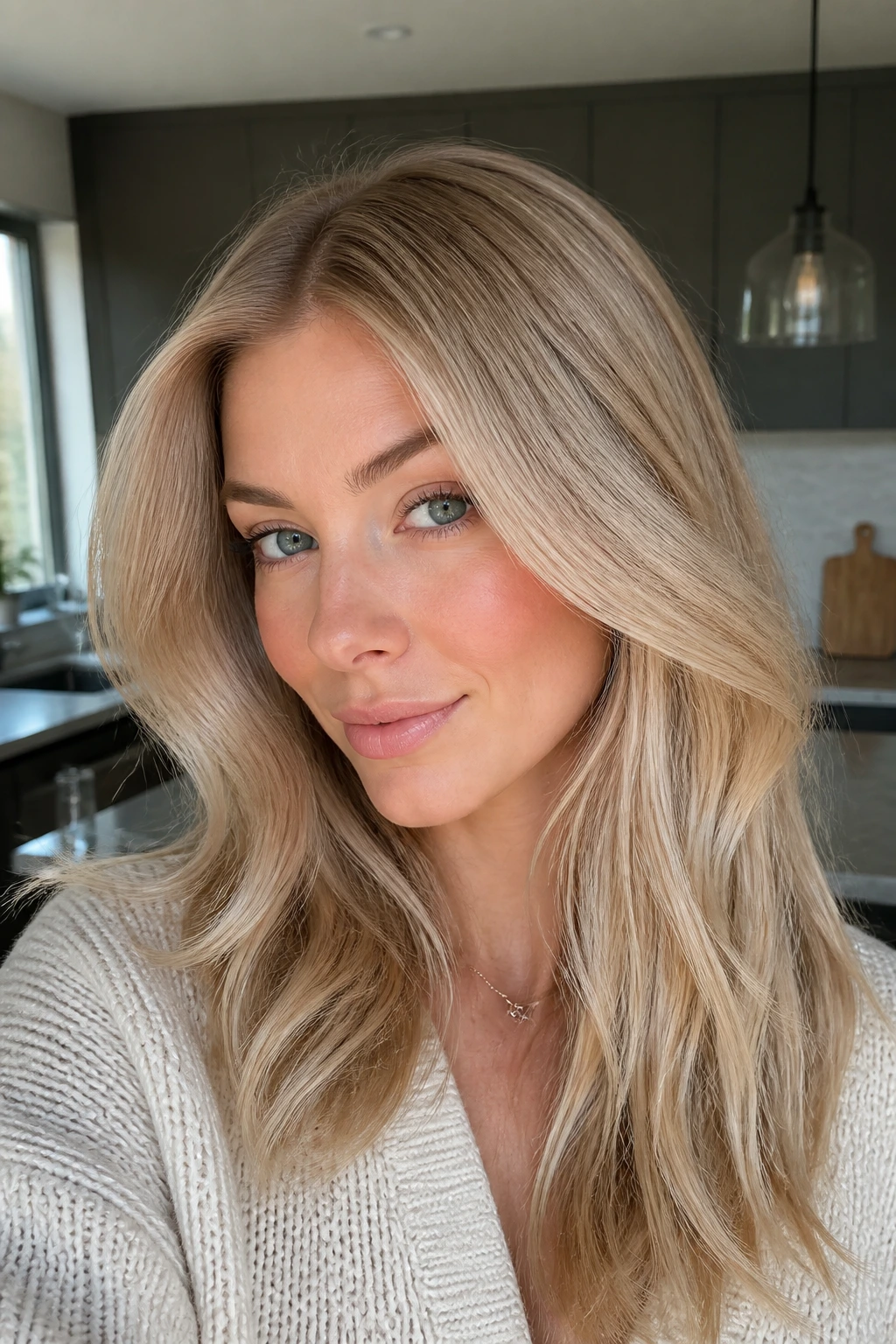
Beige blonde works on cool skin because it refuses to choose between flat ash and warm gold. That middle ground gives the face softness, a little brightness, and enough reflection to keep the hair from looking tired. The trick is picking the version that matches your base, your maintenance tolerance, and how much contrast you want near your face.
The best shade is rarely the palest one on the board. It’s the one that makes your skin look calm, your eyes look clearer, and your hair look like it belongs there without trying too hard. That’s a small difference on paper. On your head, it’s everything.