



Fine hair can turn on you fast. One minute you’ve got a clean bend at the ends, the next minute it’s hanging straight again like it never met a curling iron at all. That’s the whole problem with barrel curling iron hairstyles for fine hair: the hair wants movement, but it refuses to carry weight.
The fix is not to chase tighter curls for the sake of it. That usually backfires. A tighter barrel, a lighter wrap, a cooler finish, and a little discipline at the roots tend to hold better than a giant loose curl that flops before lunch. Fine hair is slippery. It needs shape more than drama.
And that shape changes depending on the cut, the length, and how much volume you want sitting at the crown versus the ends. A 1-inch barrel can build a firmer wave. A 1.25-inch barrel can give you bend and swing. A 3/4-inch barrel can rescue short fine hair that refuses to keep anything except a whisper of texture. The trick is choosing the right kind of whisper.
Why This Set of Styles Works on Slippery, Fine Strands
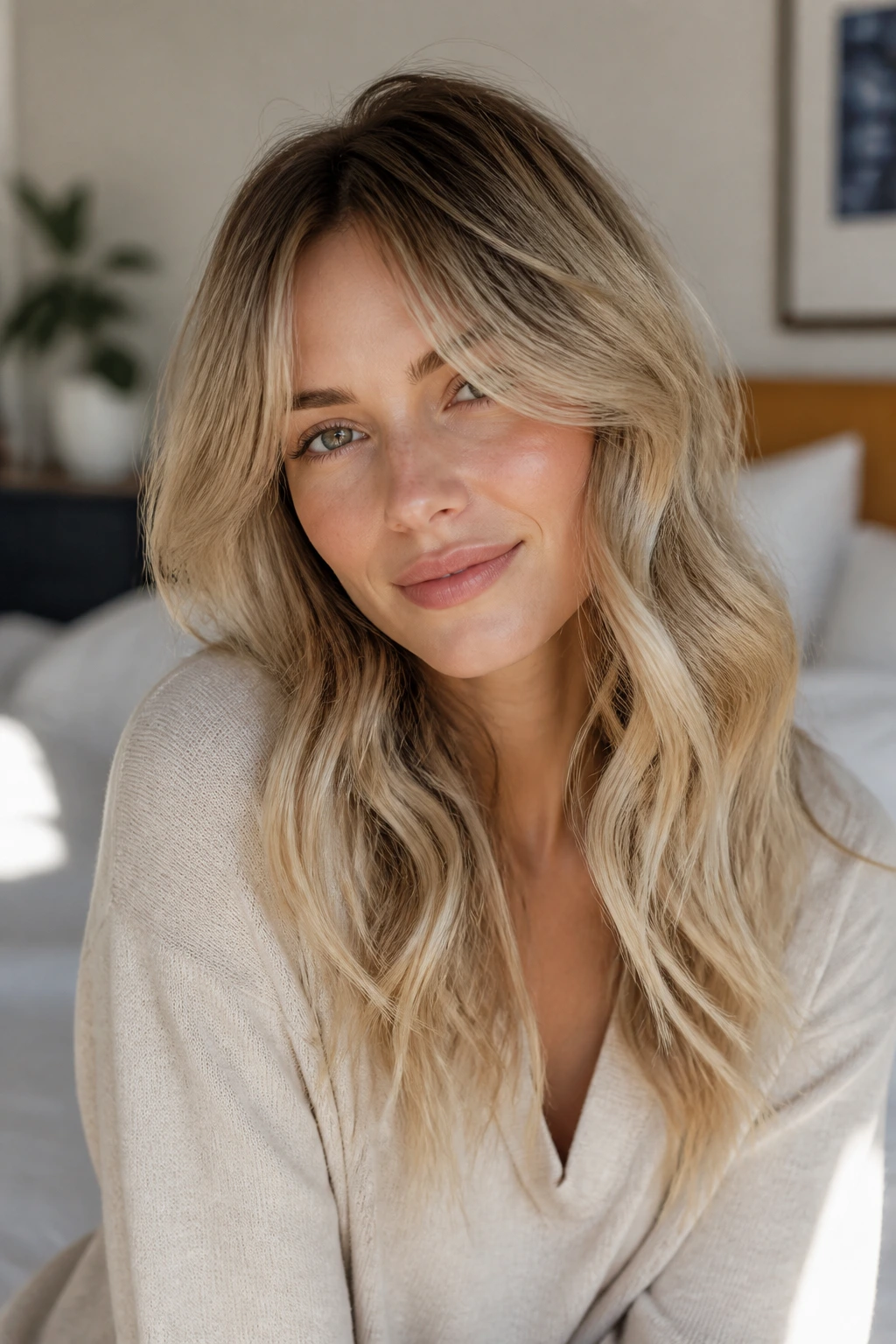
Built around hold, not just shape: Fine hair loses curl when the section is too large or the barrel is too wide, so these looks lean on smaller wraps and cooler set times instead of brute-force heat.
Sized for real hair, not fantasy hair: A 1-inch or 1.25-inch barrel shows up more often here for a reason. On fine strands, those sizes leave enough spring in the hair to survive brushing and movement.
Designed to keep roots awake: A lot of curl advice forgets the crown. These styles put volume where fine hair goes flat first, which is why they look fuller even when the ends stay soft.
Easy to refresh: Most of these shapes can be revived with two to four quick wraps around the barrel and a mist of flexible spray. You do not need to start over.
Flexible enough for different lengths: Lob, bob, collarbone cut, long layers, curtain bangs — the collection covers the common fine-hair lengths that need shape without looking overdone.
Better on day-two hair: Fine hair usually grips a barrel better after a little natural oil shows up. Day-one softness can look clean; day-two texture usually looks alive.
1. Soft Collarbone Waves With a 1.25-Inch Barrel
A collarbone-length cut with soft waves sits in that sweet spot where fine hair can still move, but it doesn’t disappear into the shoulders. I like this shape because the wave starts low enough to keep the top from puffing out, yet the bend at the mid-lengths keeps the ends from looking stringy.
Why It Works on Fine Hair
A 1.25-inch barrel gives you a wave that reads as polished, not tight. On fine hair, that matters. The curl is loose enough to look modern, but the smaller section and lower heat setting — around 300°F if your tool allows it — help the shape stay put.
How to Style It
- Curl 1-inch sections away from the face on both sides.
- Leave the last inch of the ends out if your hair tends to fray.
- Let each section cool in your hand for a few seconds before releasing.
- Finish with a light mist of flexible-hold spray, then finger-comb once.
Best for: shoulder-length cuts that need body more than curl.
Avoid: wrapping too much hair in one pass; the inner part of the section will stay straight and the whole wave will collapse.
2. Root-Lifted Crown Waves
If your fine hair falls flat at the crown by noon, this is the one to keep in rotation. The shape is slightly waved through the top, with more lift at the roots and less weight sitting on the ends.
What Makes It Different
The curl is not the point here. The point is the base. Use the barrel vertically near the crown, then pull the section up and away from the scalp before you wrap it. That tiny angle keeps the top from hugging your head.
How to Get the Lift
- Blow-dry with mousse at the roots.
- Curl the top sections in 1-inch pieces, holding the barrel away from the scalp.
- Pin the top curls flat against the head while they cool.
- Let them drop only after the rest of the hair is done.
A little teasing at the crown is fine, but keep it soft. I’d rather see a root that stands on its own than a crown that looks scratched up by a comb.
3. Face-Framing Retro Flip
This style has a little swing at the cheekbones and a flick at the ends, which is exactly the kind of thing fine hair can wear without looking overloaded. It feels neat, but not stiff. That’s the appeal.
Why It’s a Smart Pick
The face-framing pieces do the heavy lifting. Curl them away from the face with a 1.25-inch barrel, then brush only the bottom third so the ends flip outward. The rest of the hair can stay smoother and straighter.
A Useful Detail
Keep the front sections a touch hotter than the rest, but not scorching. Fine hair around the face is often the weakest part because it gets touched, tucked, and brushed more. Use enough heat to shape it, then stop. More heat won’t make it last longer; it just makes it break faster.
4. One-Direction Waves With a Satin Finish
Want that glossy, uniform wave pattern that looks a little old-school in the best way? Curl every section in the same direction. It’s a cleaner look than alternating curls, and on fine hair it can give the illusion of one continuous sheet of movement.
Why It’s Worth Trying
Alternating directions can make fine hair look airy, but sometimes it also makes the ends behave like little hinges. One-direction waving keeps the silhouette smoother. That means more shine and less frizz around the outer layer.
How to Wear It
This one looks sharp with a side part and a tucked-behind-the-ear finish on one side. If your hair is just past the shoulders, use a 1-inch barrel; if it’s longer, a 1.25-inch barrel keeps the wave from turning too tight.
Tip: brush it out only after the curls are fully cool. Warm brush-out is where fine hair loses the shape you just built.
5. Tousled Center-Part Lob Waves
A center part can go flat fast on fine hair, but a tousled lob keeps it from feeling too neat or too severe. This style is loose, slightly messy, and much better than people give it credit for.
Why It Works
The trick is spacing. Curl from about ear level down, not from the root. Leave the top section smooth, then wrap the mid-lengths around the barrel in alternating directions. That gives you movement without turning the hair into a triangle.
How to Finish It
After curling, shake the roots with your fingertips instead of brushing from top to bottom. Use a texture spray at the mid-lengths, not the roots. Roots need lift. Mid-lengths need grip.
A lot of guides treat “tousled” as a free pass to be sloppy. Not here. Fine hair needs controlled messiness, not chaos.
6. Ends-Only Bend
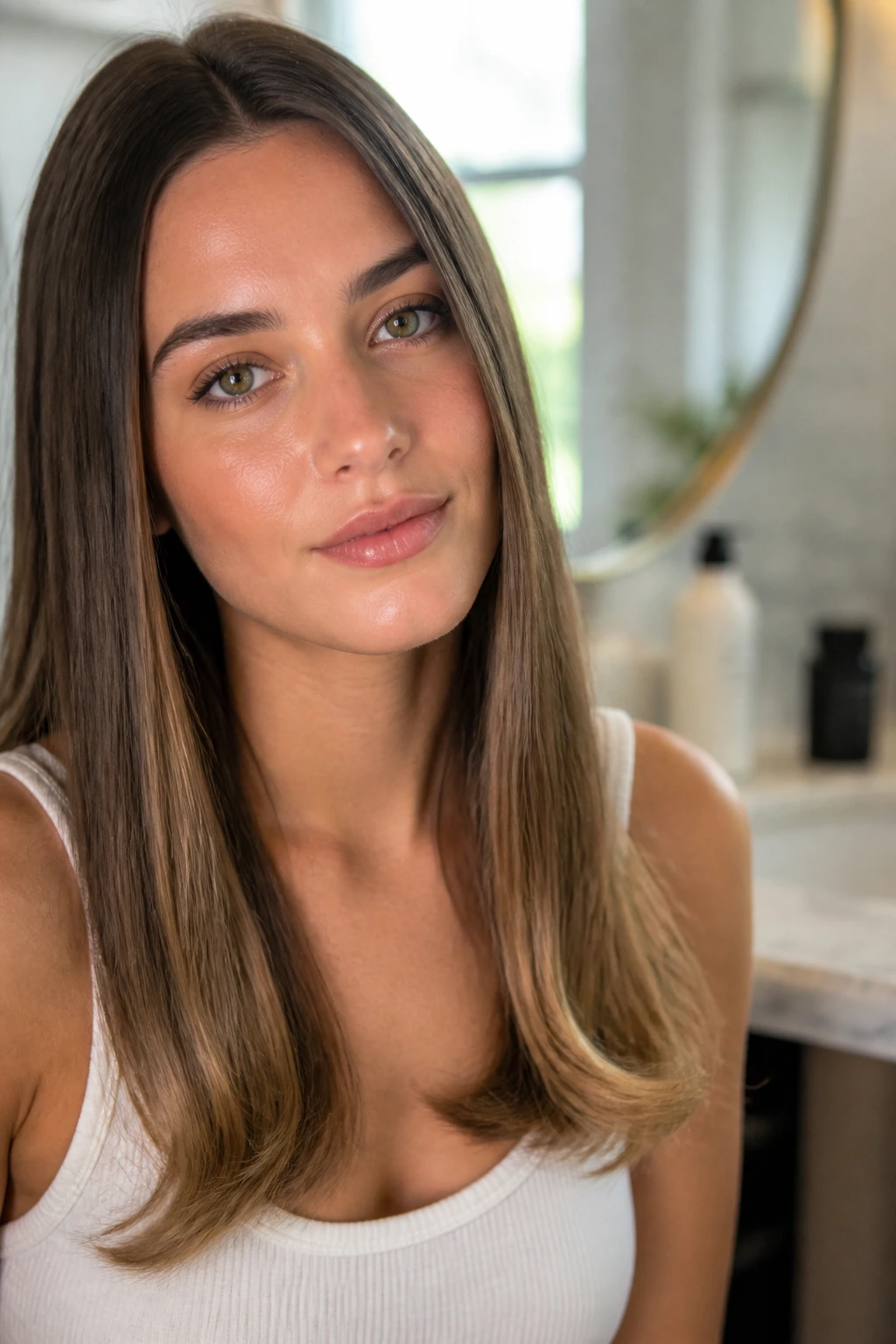
Some days you don’t want a curl. You want your hair to stop looking dead at the ends. This style is for that mood. It’s understated, quick, and one of the easiest ways to make fine hair look clean without overworking it.
The Point of the Look
Use a 1-inch barrel and wrap only the last 2 to 3 inches of the hair. The result is a soft bend, not a wave. It’s especially good for fine hair that’s prone to split-looking ends because the curve disguises that thin, feathered edge.
Best Use Cases
- Fresh haircuts with blunt ends
- Shoulder-length cuts that need polish
- Days when you want a neat finish under a coat, blazer, or scarf
If your ends are very dry, skip the heavy oil before curling. A tiny drop on the very tips after styling is enough. Too much product at the ends makes fine hair separate and look stringy.
7. Half-Up Volume Crown
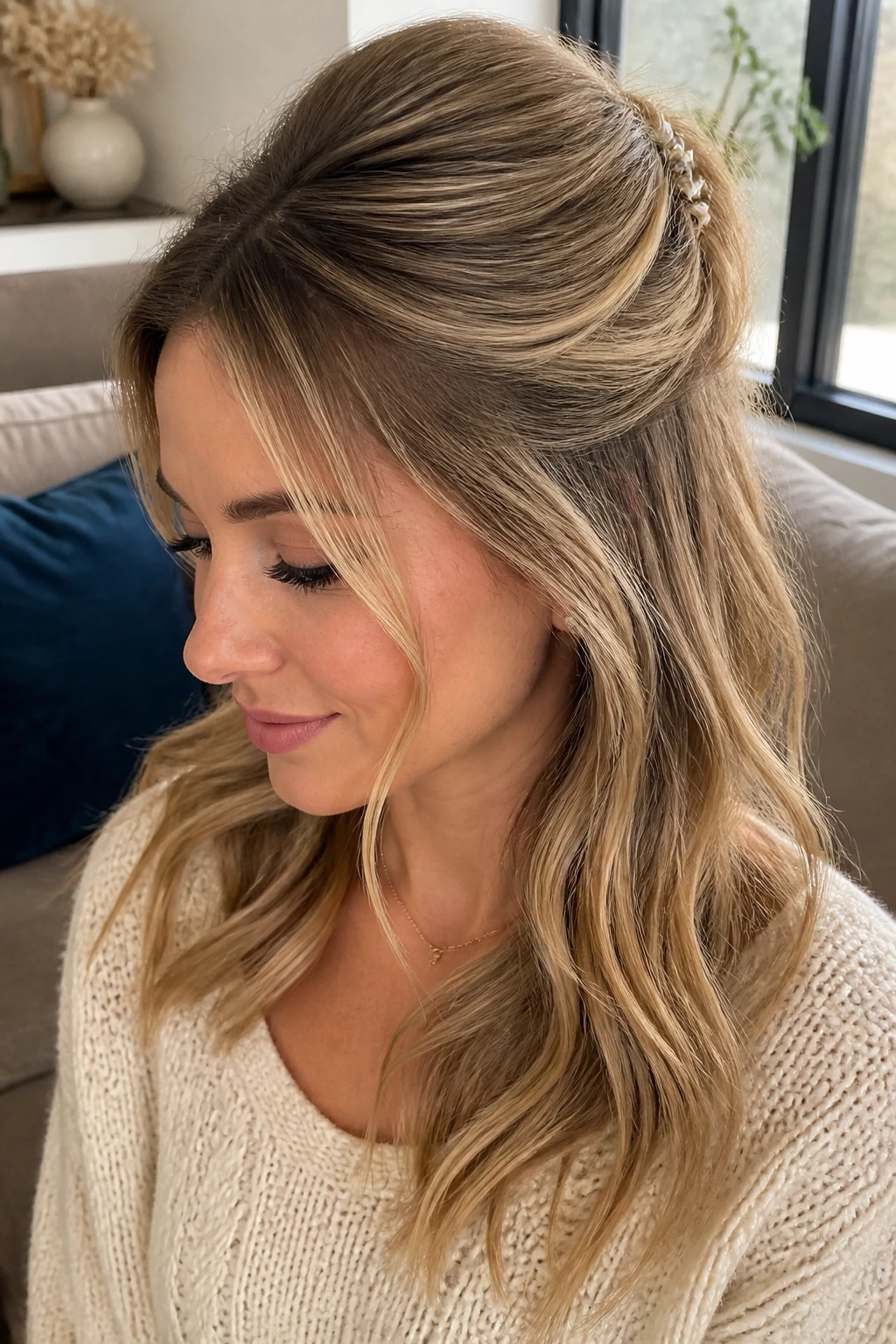
Half-up styles can flatten fine hair if the top section is too tight. This version gives the crown some lift first, then pulls half the hair back loosely so the shape stays airy.
Why It Helps Fine Hair
The hidden benefit is that the half-up section gives the illusion of density at the top. When the upper layer is curled and clipped back, the remaining hair looks fuller because it’s not competing with the crown for attention.
Styling Notes
Curl the hair in 1-inch sections, then pin the top two crown curls up while they cool. Gather the top half with a small claw clip or two crossed bobby pins. Leave a few thin pieces loose around the face so the style does not look too tidy.
This is one of those looks that can tip into prom-hair territory fast. Keep the finish soft, and it stays flattering.
8. Brushed-Out Hollywood Waves
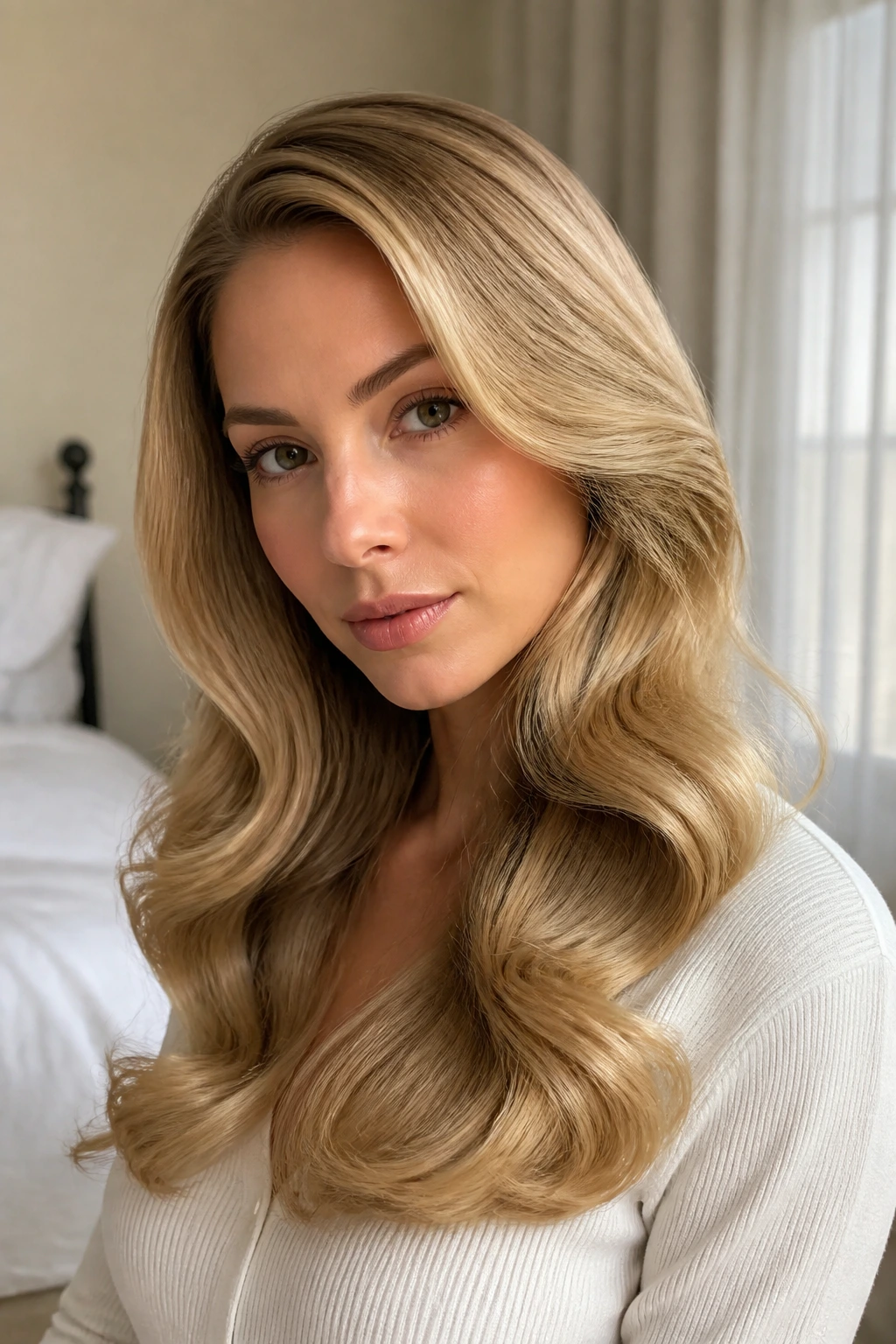
Fine hair can absolutely wear brushed-out waves. The mistake is brushing too soon or brushing with too much force. Done right, this is one of the best ways to make thin strands look like they have more width.
The Mechanism
Set the hair in curls with a 1.25-inch barrel, pin every section flat until it cools, then brush with a soft boar-bristle brush or a wide paddle brush. You’re not destroying the curl. You’re merging several curls into one broader wave.
How to Keep It From Falling
Use spray before and after the brush-out. That sounds fussy, but it matters. Fine hair needs the first layer of hold while the hair is hot, then a second light layer after shaping. If you spray only at the end, the structure often collapses under the brush.
9. Curtain Bang Bend
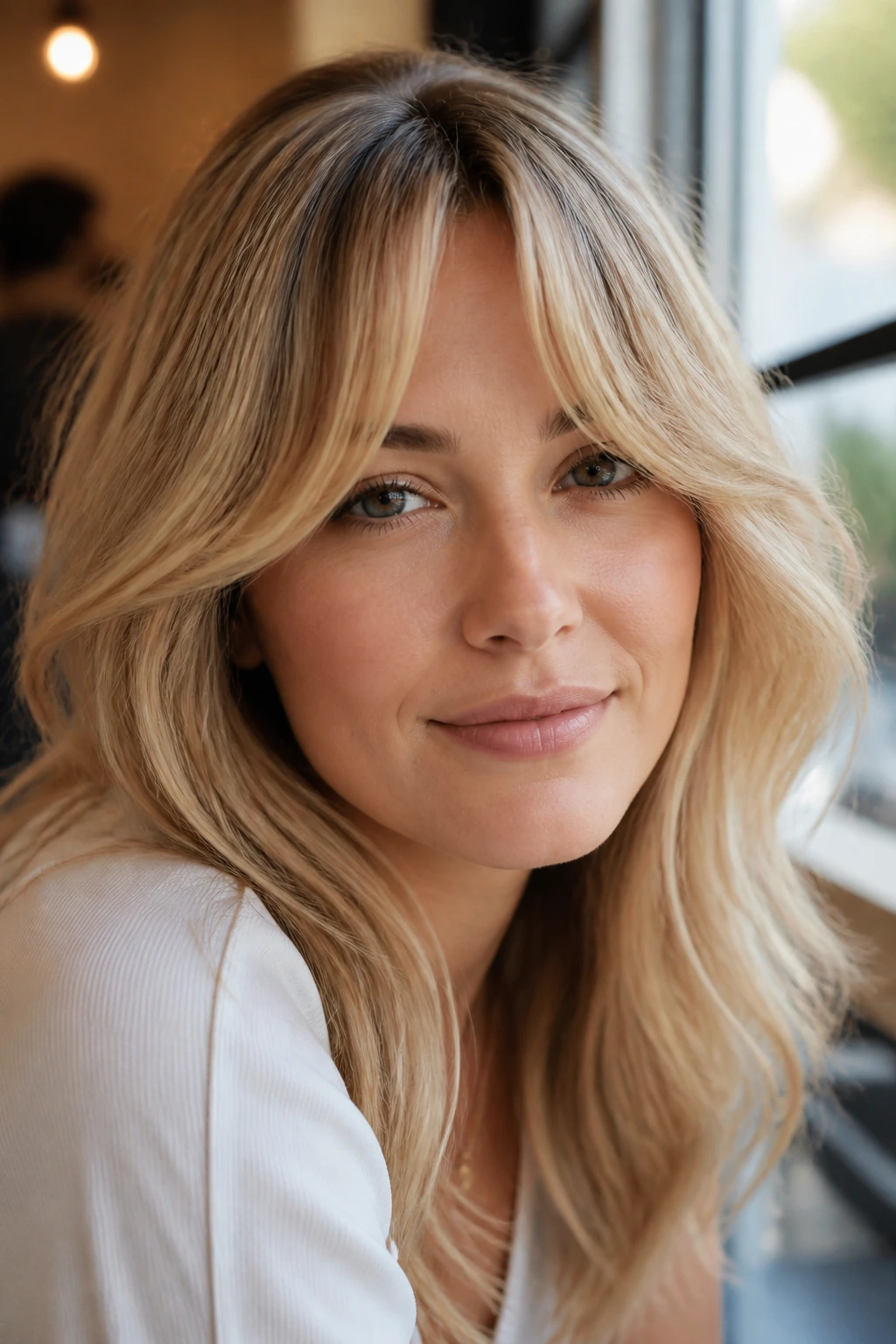
Curtain bangs on fine hair can either frame the face or split in sad little pieces. The difference is shape. A bend, not a curl, usually does the job better.
What Makes It Work
Use a smaller 3/4-inch or 1-inch barrel on the bang area, then roll the hair away from the face for just one turn. Let the curl drop before you touch it. The goal is a soft arc that opens the cheekbones, not a corkscrew.
Small but Useful Detail
If your bangs are very fine, clip the hot section in place with a duckbill clip while it cools. That tiny hold gives the front a memory it would not have on its own. It also keeps the pieces from separating into two awkward curves.
10. Pinch-and-Twist Micro Waves
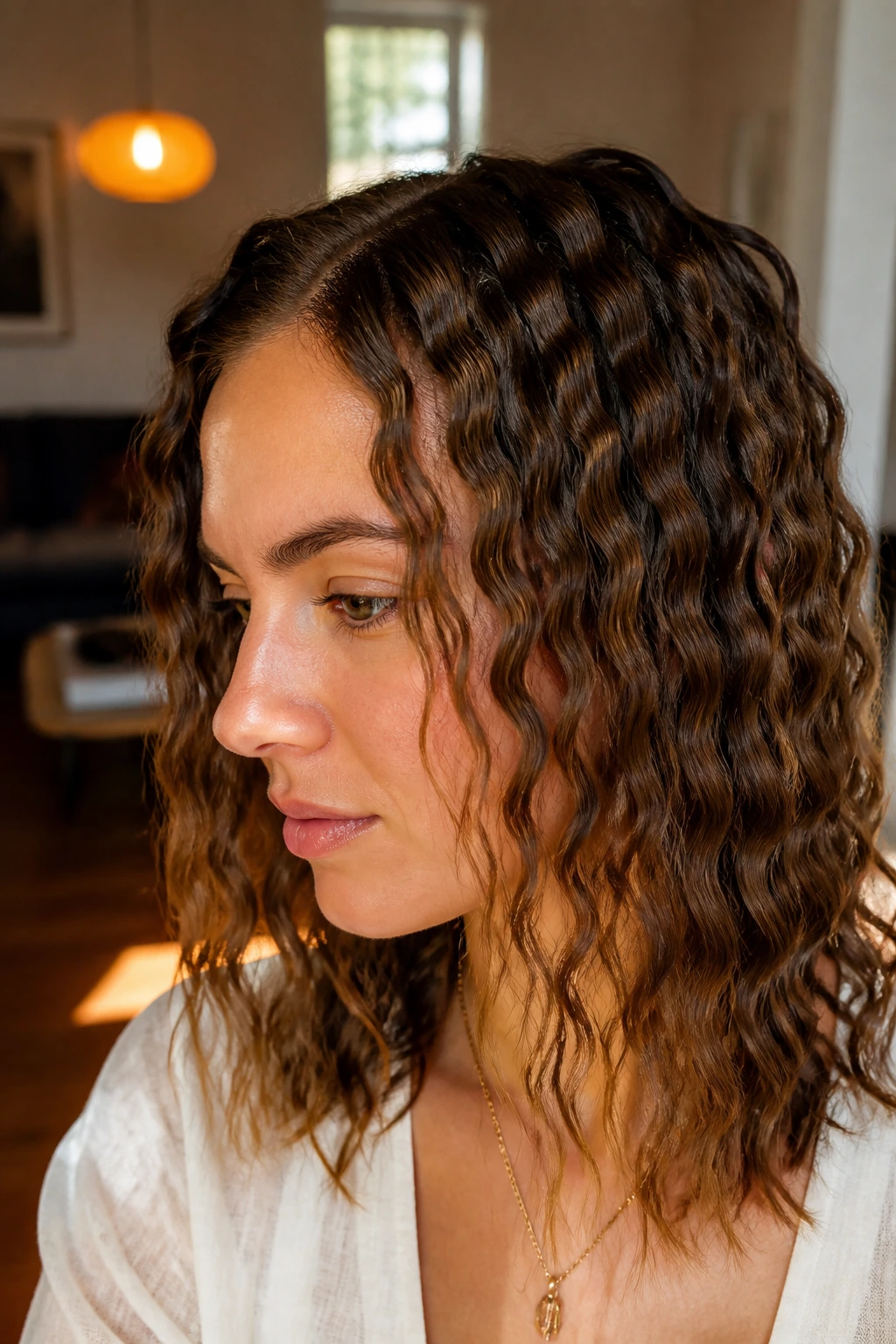
This one has a little more texture and works well when fine hair is too soft to hold a big curl. You’re making smaller, more deliberate bends with a narrow barrel, almost like building texture stroke by stroke.
Why It’s Good for Slippery Hair
A 3/4-inch barrel creates more surface contact, which means the hair takes the bend faster. That’s useful on strands that look smooth but refuse to keep shape. The result is a wave with more grip and less flop.
How to Style It
Twist each section a quarter turn before wrapping it around the barrel. Don’t load the barrel with too much hair. Keep the pieces narrow, about the width of your pinky or a little bigger.
This style looks especially good if you stop before every curl becomes perfectly uniform. A little inconsistency makes the texture look natural. Too much symmetry makes it look fake.
11. Side-Swept Undone Waves
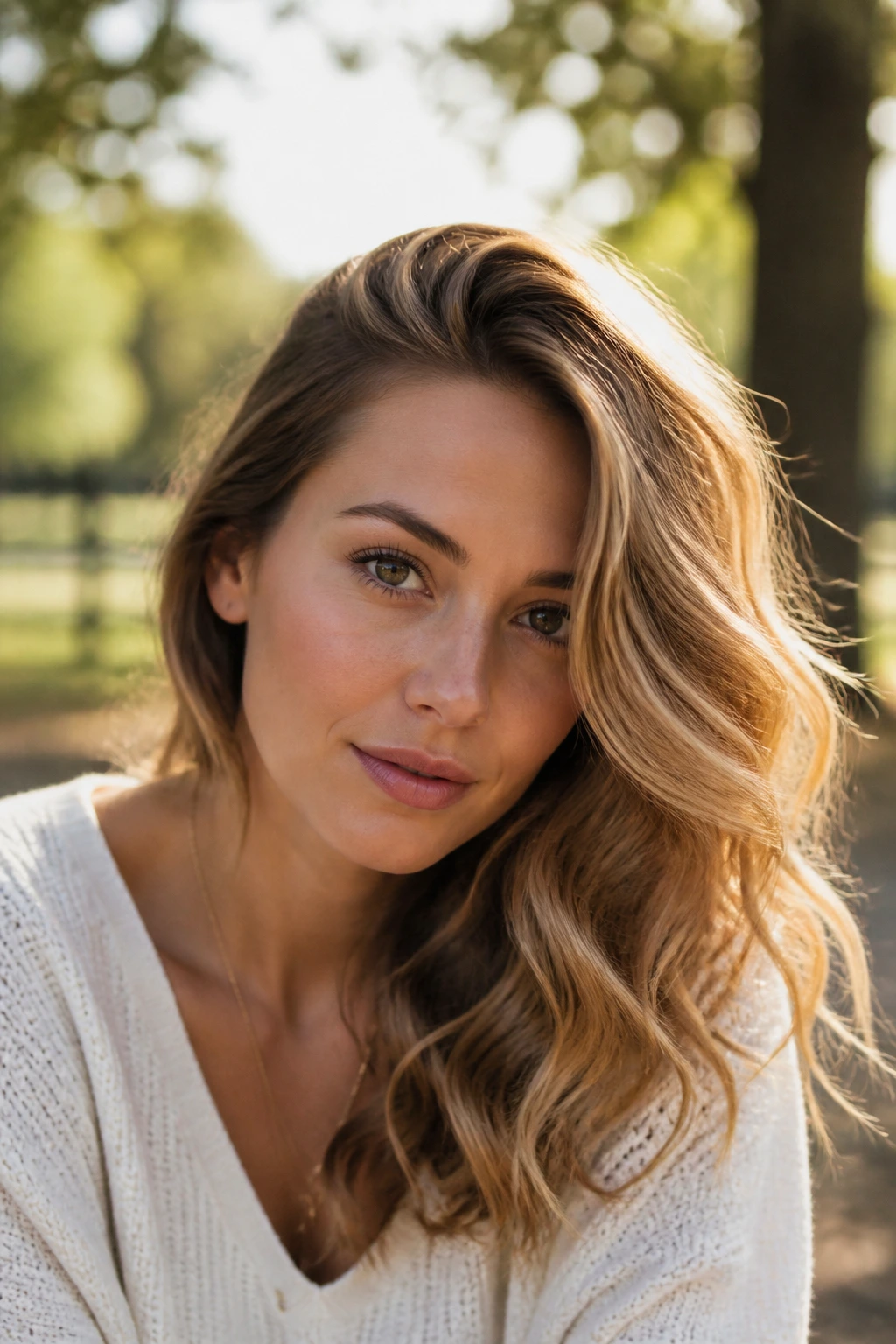
A deep side part can rescue flat fine hair in about thirty seconds. It shifts the weight of the hair, gives the roots somewhere to stand up, and makes the whole style look fuller without adding more product.
Why This Shape Wins
With a 1.25-inch barrel, curl the larger side away from the face and the smaller side in the same direction. The contrast gives one side a fuller sweep while the other side stays cleaner and a bit more tucked.
The Finishing Move
After the curls cool, slide a comb under the part line and lift the roots just once. Don’t keep teasing. One gentle lift is enough. If you keep combing, the top turns fuzzy and collapses later anyway.
12. Old Money S-Bends
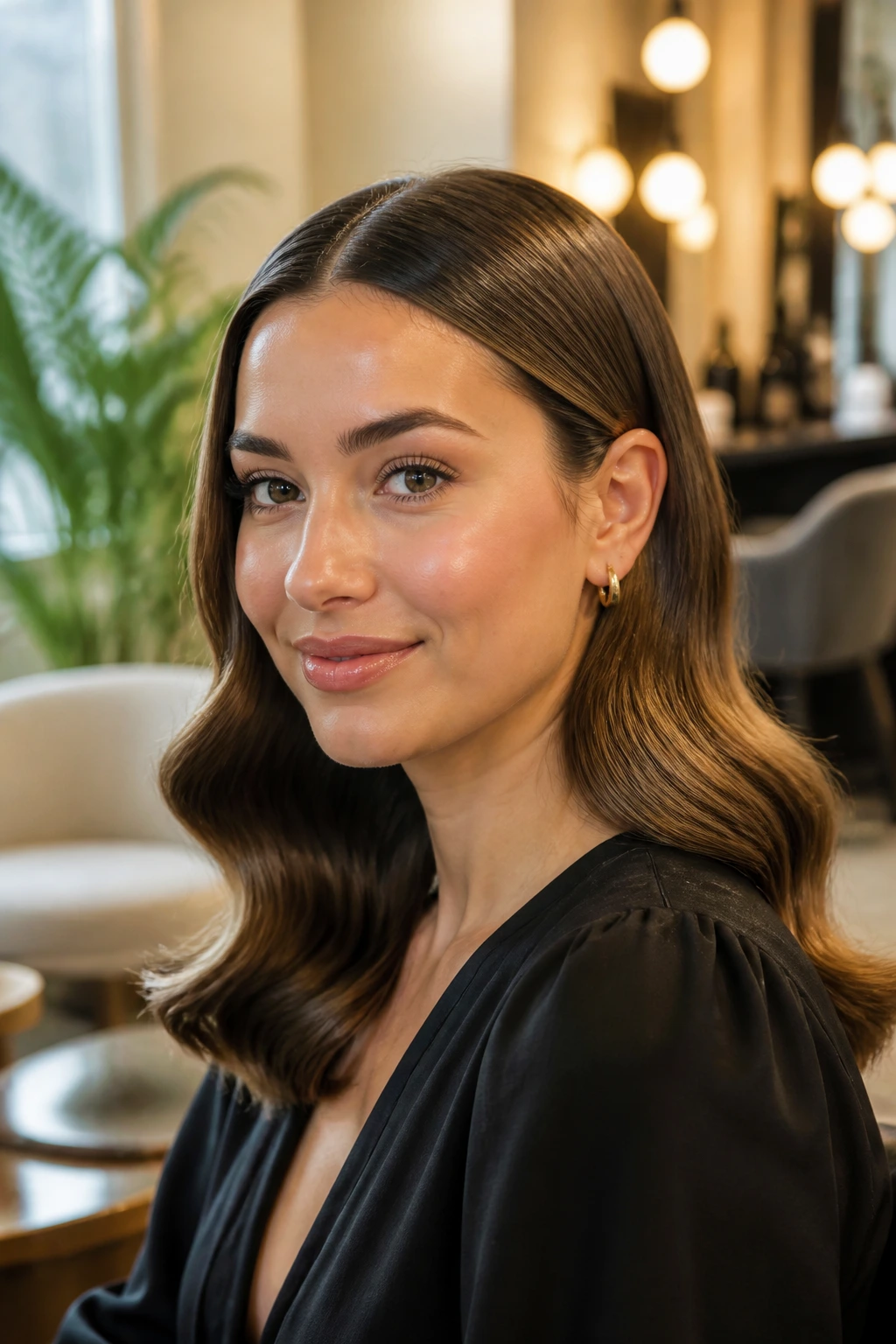
Some curls want to be soft and expensive-looking. This is that style, if I can use the word without sounding fussy. The hair sits in smooth S-shaped curves instead of obvious spirals, and fine hair tends to look denser in that pattern.
Why It Works
The barrel creates the bend, but the brush creates the line. Curl mid-lengths with a 1-inch barrel, then use your fingers to pull the shape into a broad S rather than a tight ring. The wave sits flatter to the head and spreads the hair out visually.
Best Pairing
This looks sharp with a clean middle part and a tucked, glossy finish behind the ears. It’s one of the best choices when you want movement but not a lot of bounce. Bounce is cute. Density is the goal.
13. Clipped Root-Lift Blowout Waves
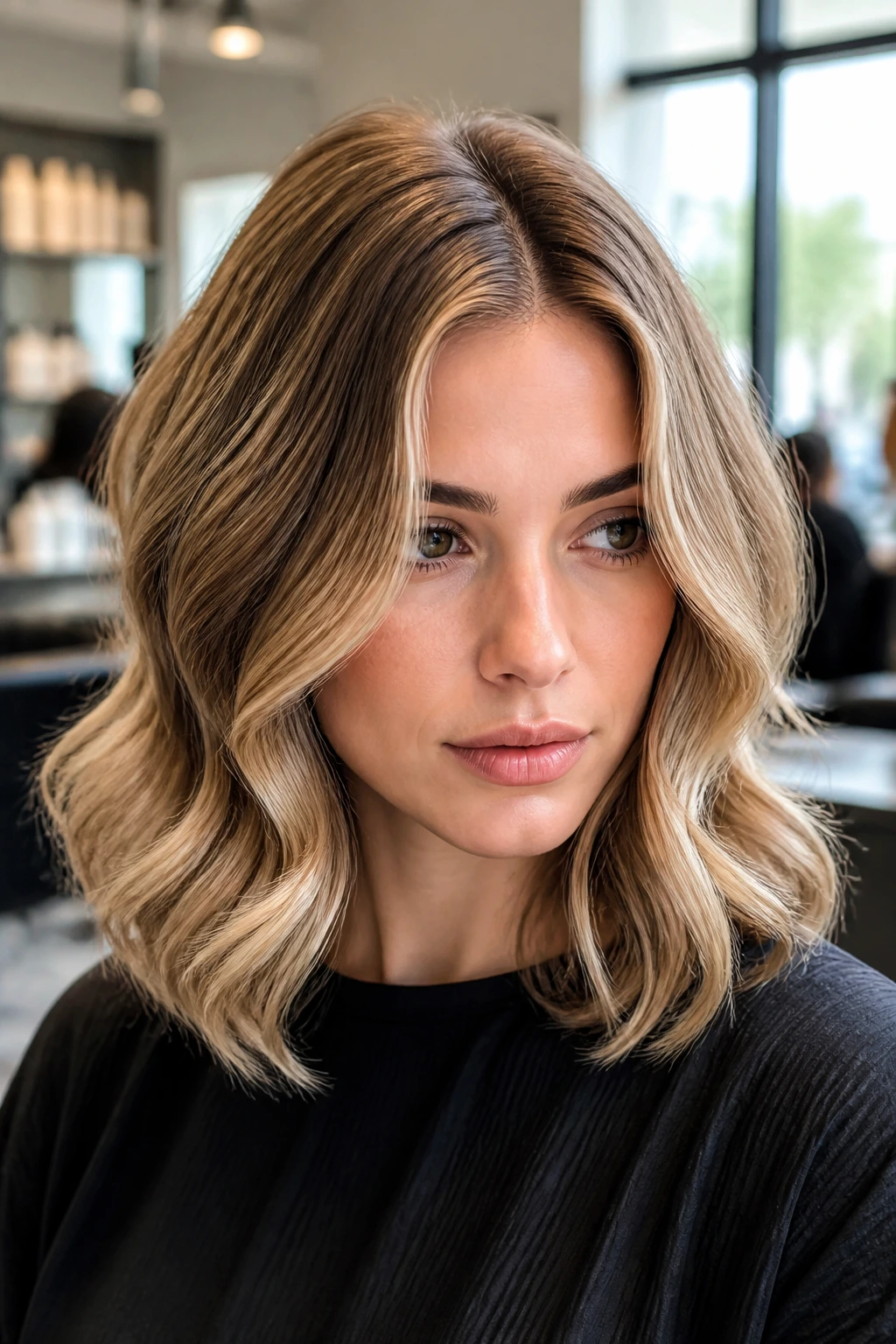
This one borrows the feel of a salon blowout without asking fine hair to hold a giant barrel shape it can’t support. The lift is concentrated at the roots, while the lengths fall in a soft bend.
Why It’s Different
Use a 1.5-inch barrel only if your hair is shoulder length or longer and you want a loose finish. Wrap the hair vertically and keep the section tension light. That gives you a bend through the mid-lengths rather than a hard curl line.
A Small Warning
Do not overcondition the hair before doing this. Heavy conditioner and a large barrel are a bad mix. The hair will feel sleek for about twenty minutes and then go slack. Fine hair likes clean, light prep here.
14. Low Ponytail With Curled Ends
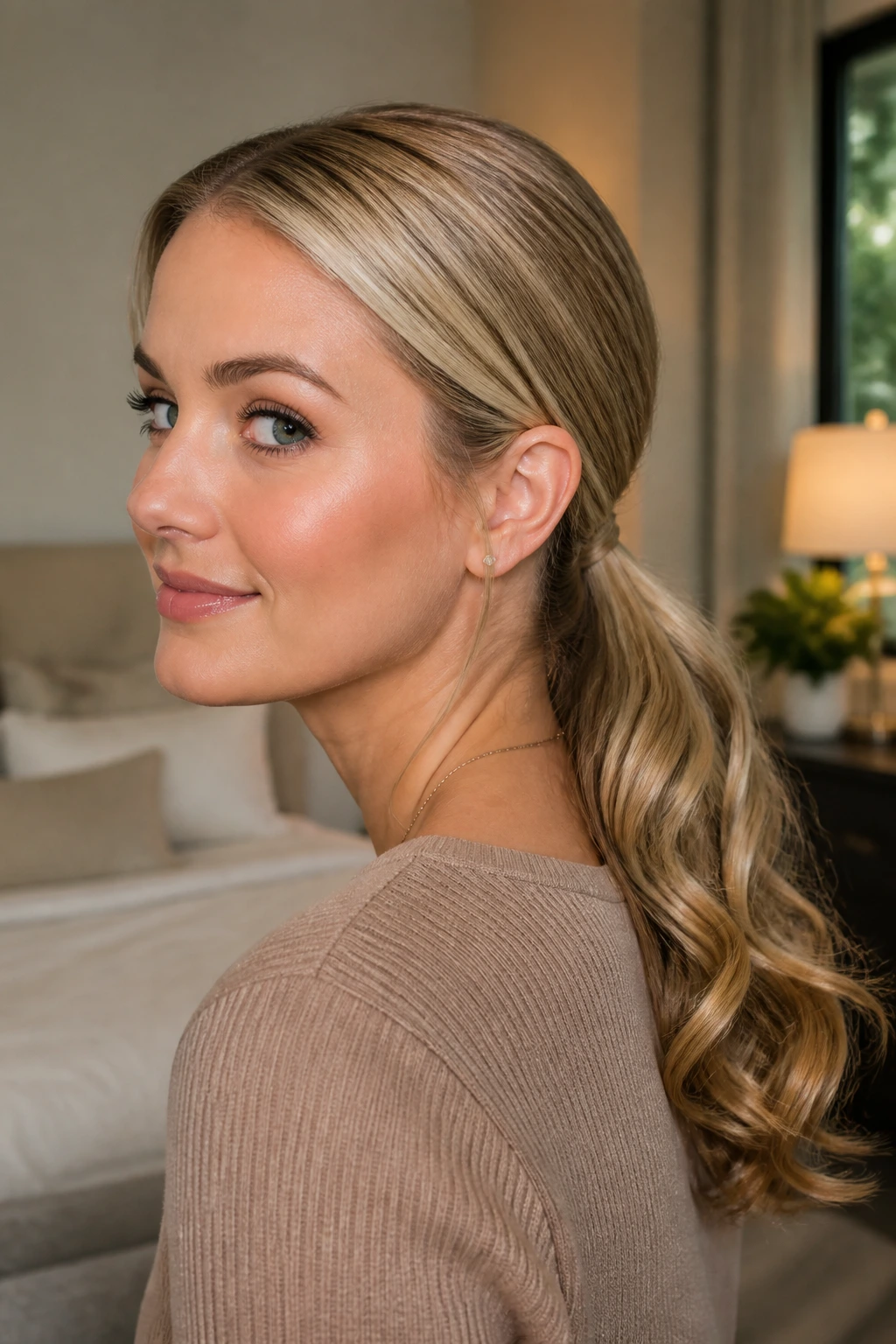
A low ponytail can look plain on fine hair unless the tail itself has shape. Curling just the ponytail changes that completely. It gives the style a little movement where people actually see it.
Why It Works
Smooth the top with a brush, secure a low ponytail, then curl the ponytail in 1-inch sections with a 1-inch barrel. You get a neat base and a textured tail, which is a nice split between polished and relaxed.
How to Wear It
Wrap a thin strand of hair around the elastic if you want the finish to look cleaner. That tiny detail matters. On fine hair, exposed elastics can look heavier than they need to.
15. Mini Barrel Texture for Short Fine Hair
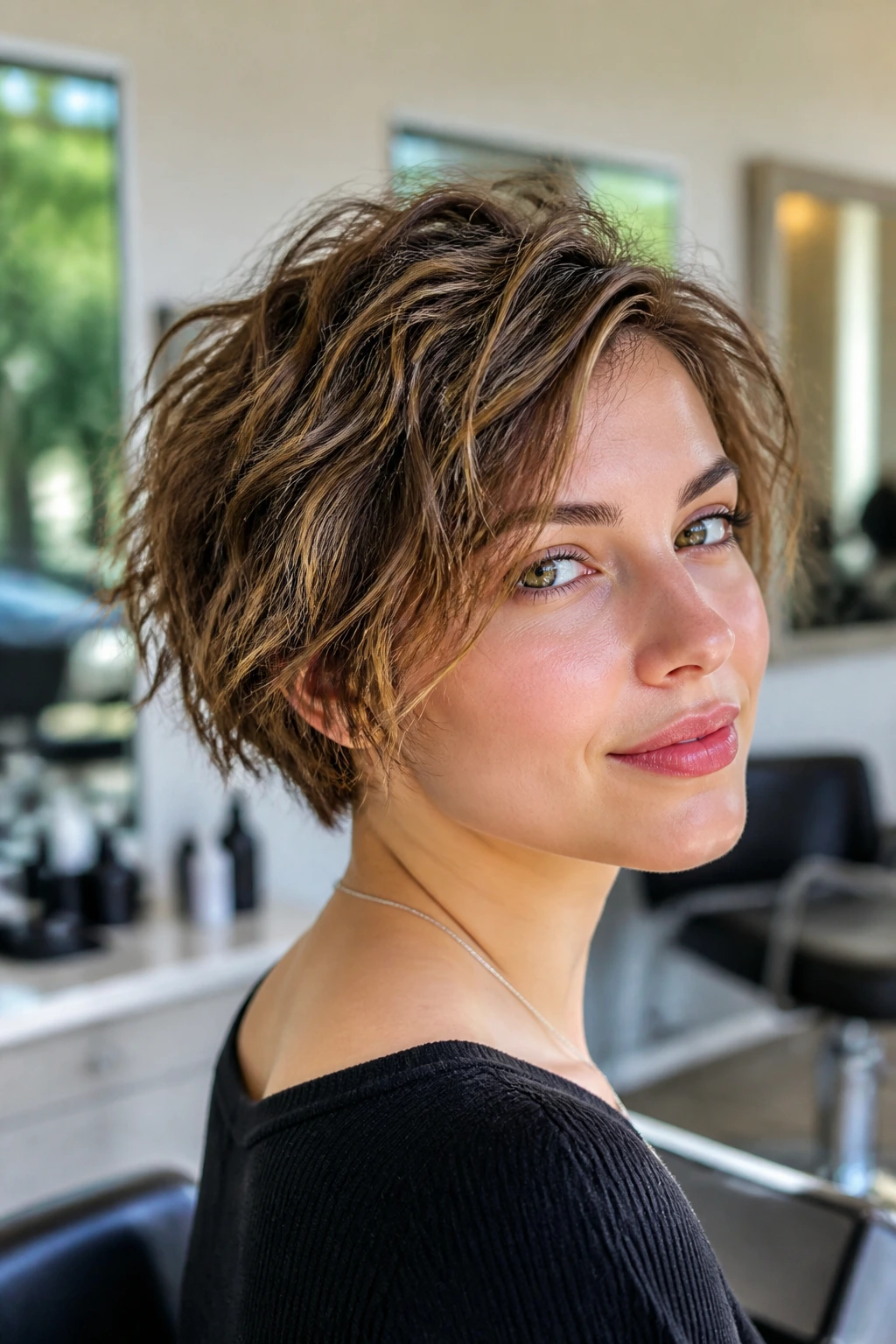
Short hair often gets ignored in curling advice, which is a shame, because fine short hair can look fantastic with the right barrel. A 3/4-inch barrel builds texture that a larger iron would flatten out.
The Point
The shape should read as airy and piecey, not frilly. Wrap small sections away from the face, leave some ends out, and break the curls apart once they cool. You want movement, not helmet hair.
Who This Suits
- Chin-length bobs
- Short layered cuts
- Pixie-length tops that need direction and lift
If your short hair sticks up too much after curling, the barrel is probably too hot or the section is too tiny. Back off on one of those, not both.
16. Deep Side-Part Glam Curls
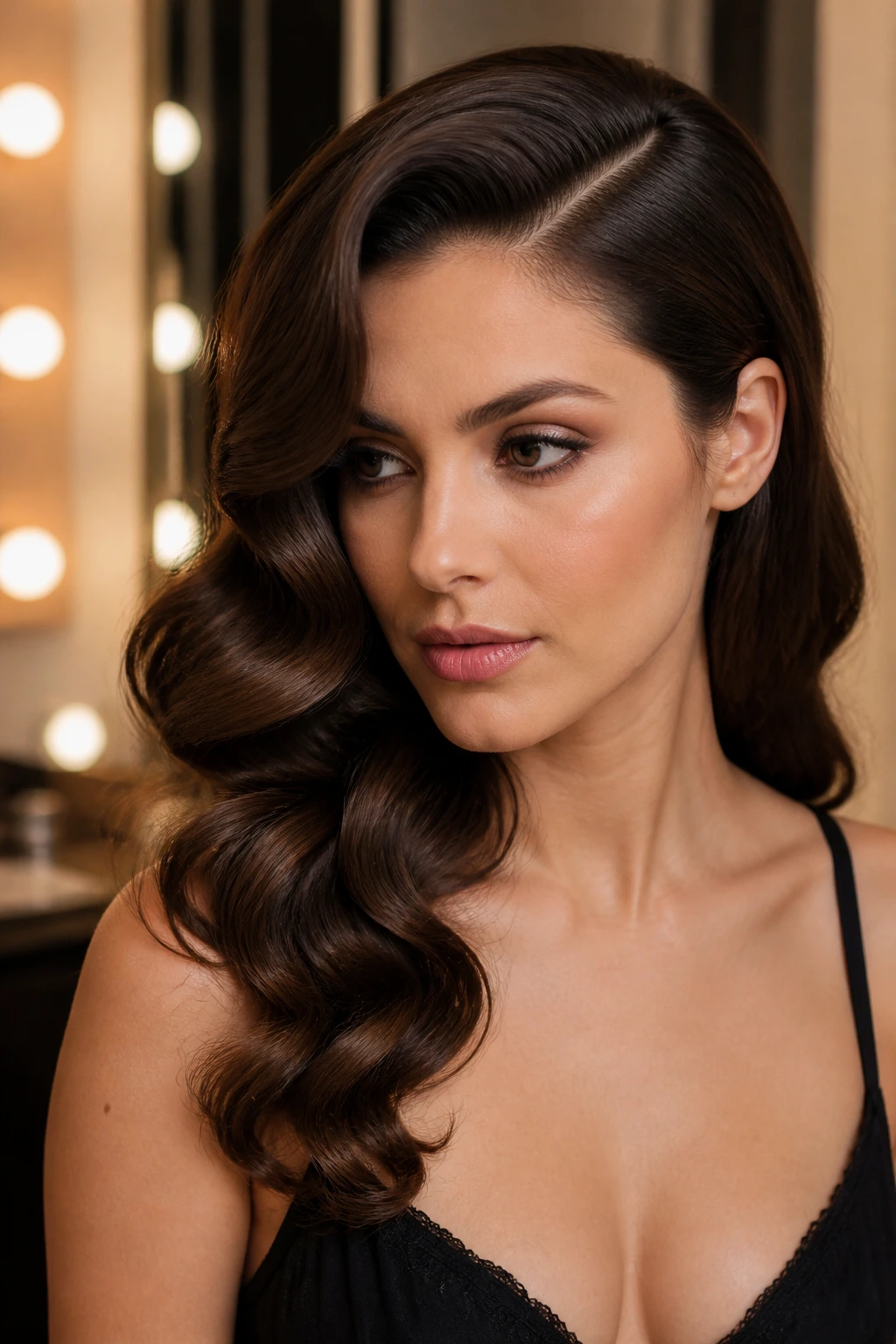
This is the dressier version of a side part, and it plays well with fine hair because the strong sweep creates a sense of depth. The front wave carries most of the style.
Why It Holds
Curl larger front sections with a 1.25-inch barrel, then clip them while they cool so the bend sets at the cheekbone instead of dropping straight down. The rest of the hair can be looser and less structured.
Opinionated Note
This look dies if the part is fuzzy. Keep the part line sharp. If you’re going formal, a crisp side part and one strong front wave do more for fine hair than a dozen tiny curls ever will.
17. Blunt Bob With an Invisible Bend
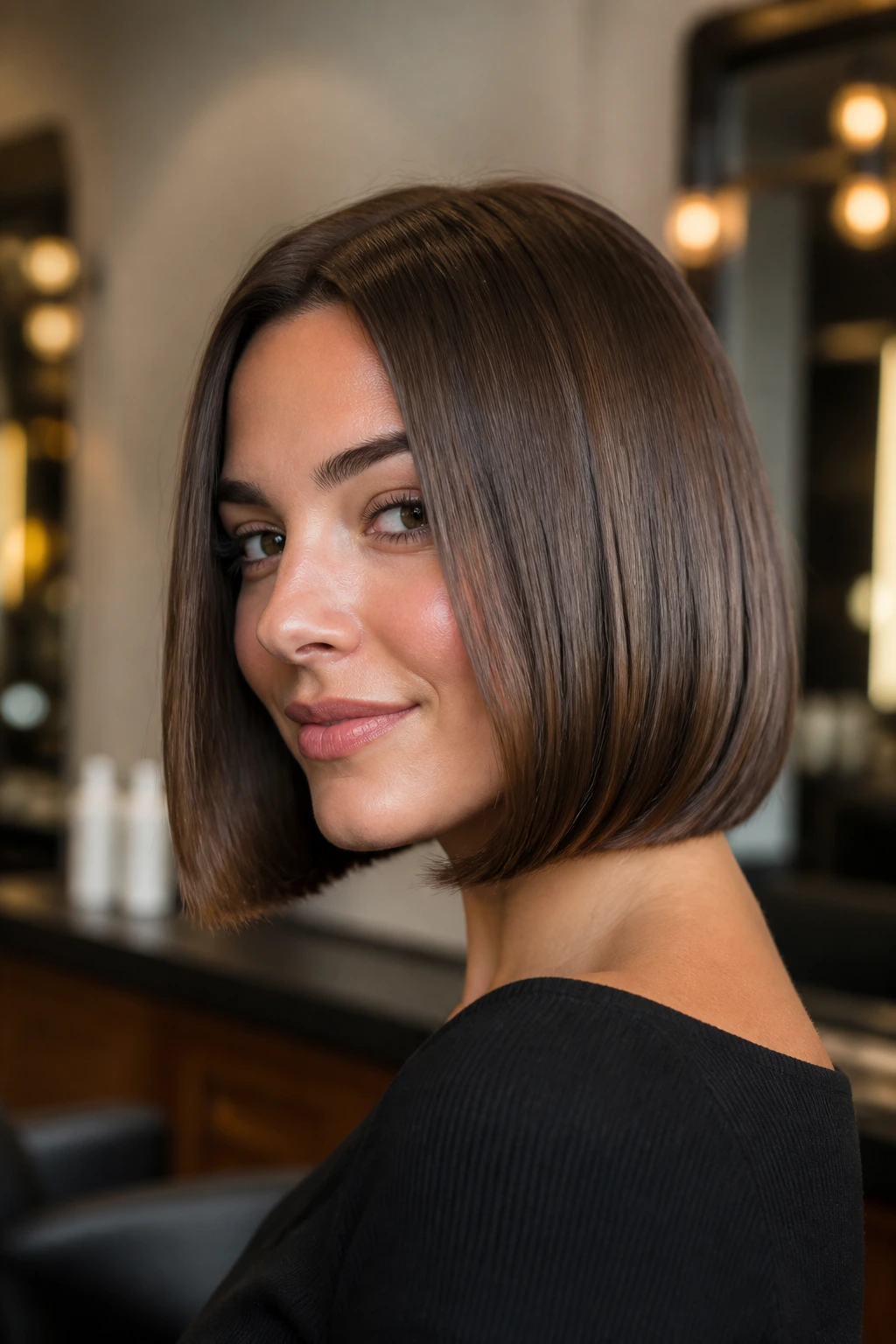
Blunt bobs can look too rigid on fine hair, but they also can look flat if you pile on too much curl. An invisible bend fixes both problems. The hair still looks like a bob, just one with movement at the edges.
How It Works
Use a 1-inch barrel and only bend the bottom third of the hair under or slightly outward, depending on the shape you want. The interior stays smooth. The ends pick up just enough curve to keep the outline from looking brittle.
Best For
This is the style I’d pick for someone who wants their bob to look expensive rather than playful. It’s neat. It’s controlled. And it doesn’t ask thin hair to do gymnastics.
18. Crown Clip Volume Curls
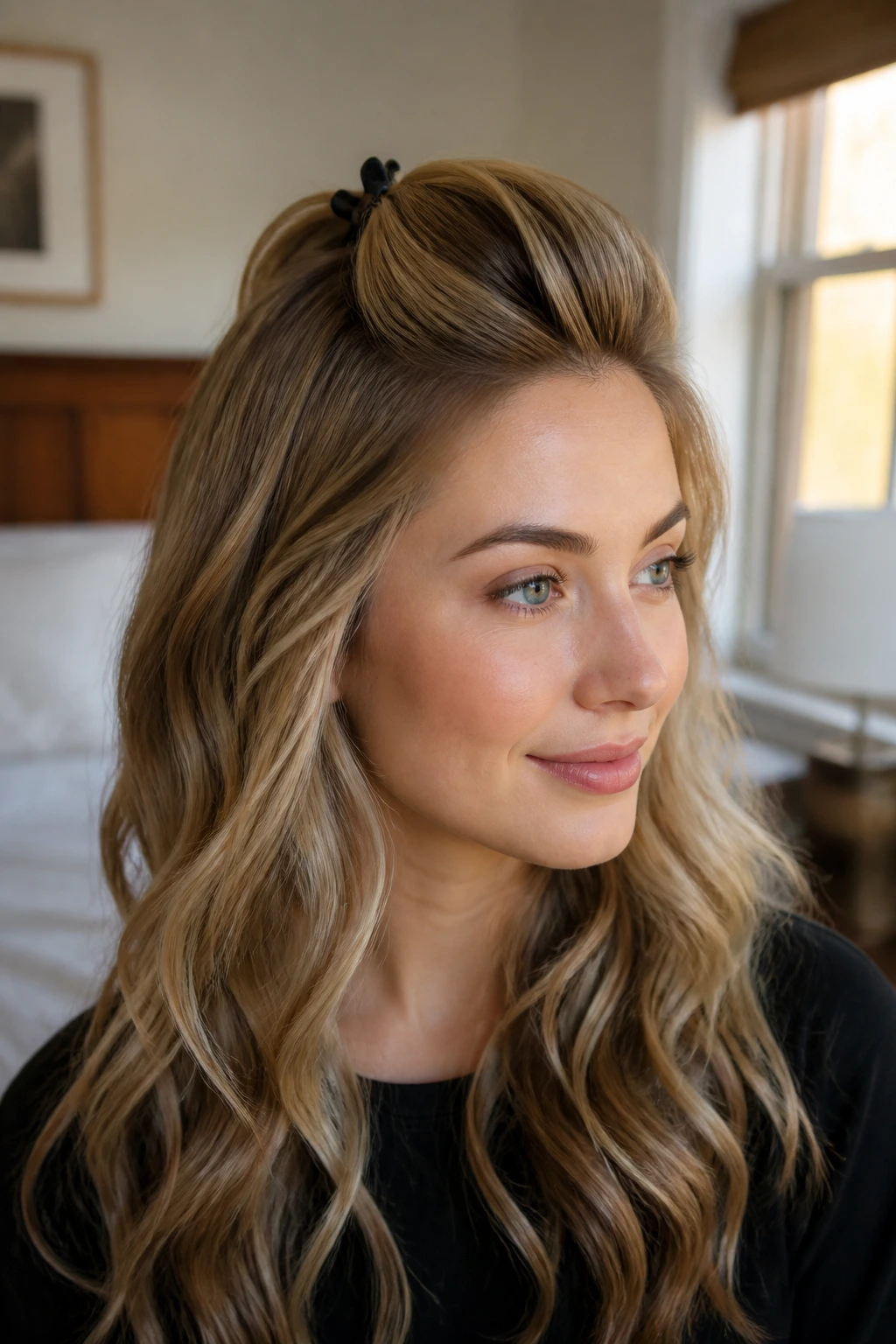
Here, the crown gets the star treatment. Fine hair needs help up top more than at the ends, and this style puts the volume right where the eye lands first.
What to Do
Curl the whole head with a 1-inch barrel, then clip the top front section upward at the root while it cools. Once it sets, drop it and lightly lift underneath with your fingers. That creates a little shelf of volume that stays visible longer than teased roots alone.
Small Detail, Big Payoff
Use the clip after the hair leaves the barrel, not before. Clipping hot hair too tightly can leave a crease. You want a bend in the root, not a dent that shows under daylight.
19. Spiral Ringlets With a Narrow Barrel
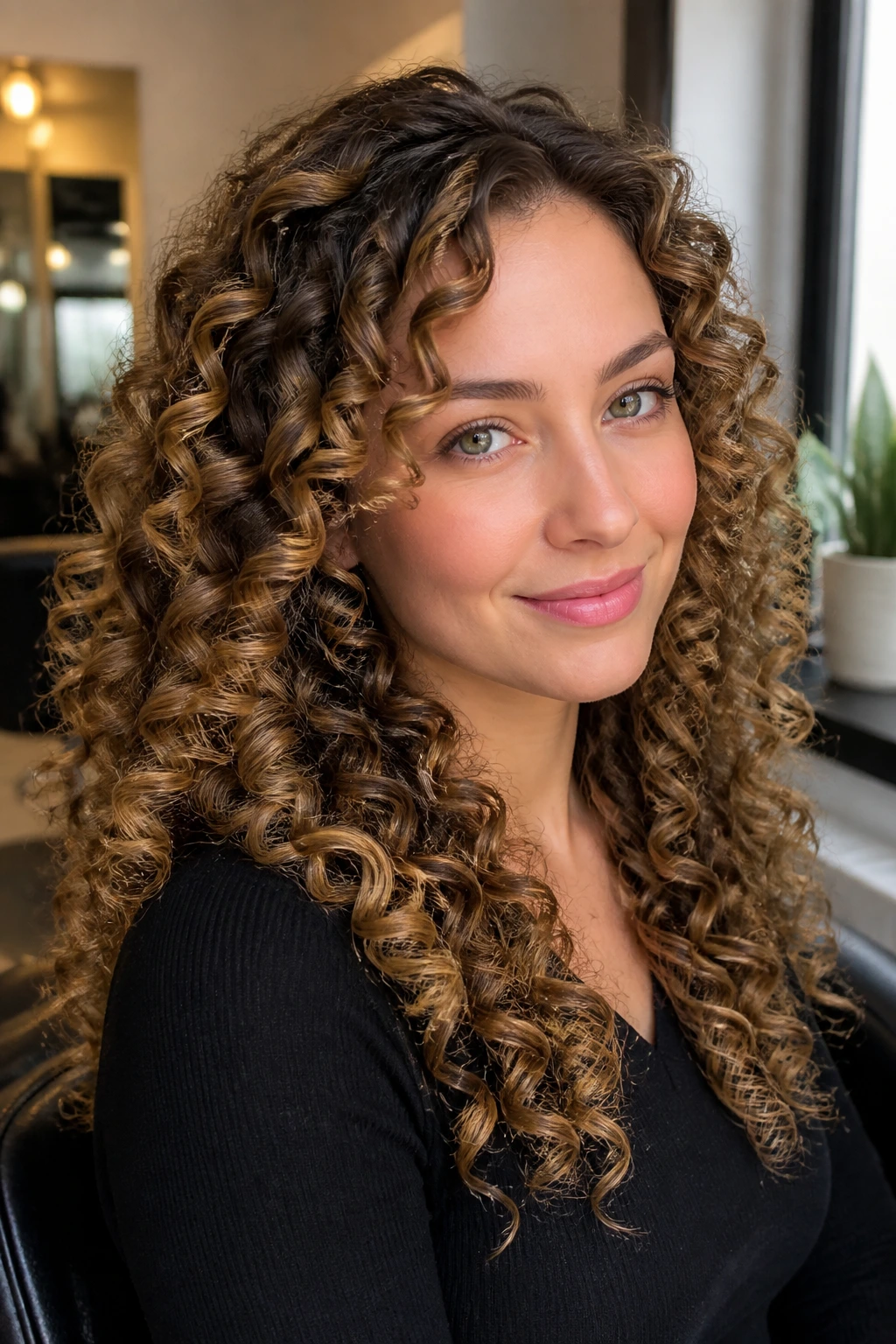
Not every fine-hair style has to be airy and loose. Sometimes you want the curls to be obvious, and a narrow barrel can pull that off without the style looking sparse.
Why It’s a Good Choice
A 3/4-inch barrel gives the hair enough bend to hold a defined spiral, especially if the hair is cut in layers. Small sections are key here. Big sections will look like half-curled ropes, which is a bad look on fine strands.
How to Keep Them from Going Flat
Let the curls cool in place before touching them, then separate them once with your fingers. Stop there. If you keep ripping them apart, the style loses its shape and starts looking frayed instead of springy.
20. Ribbon Waves With Bent Ends
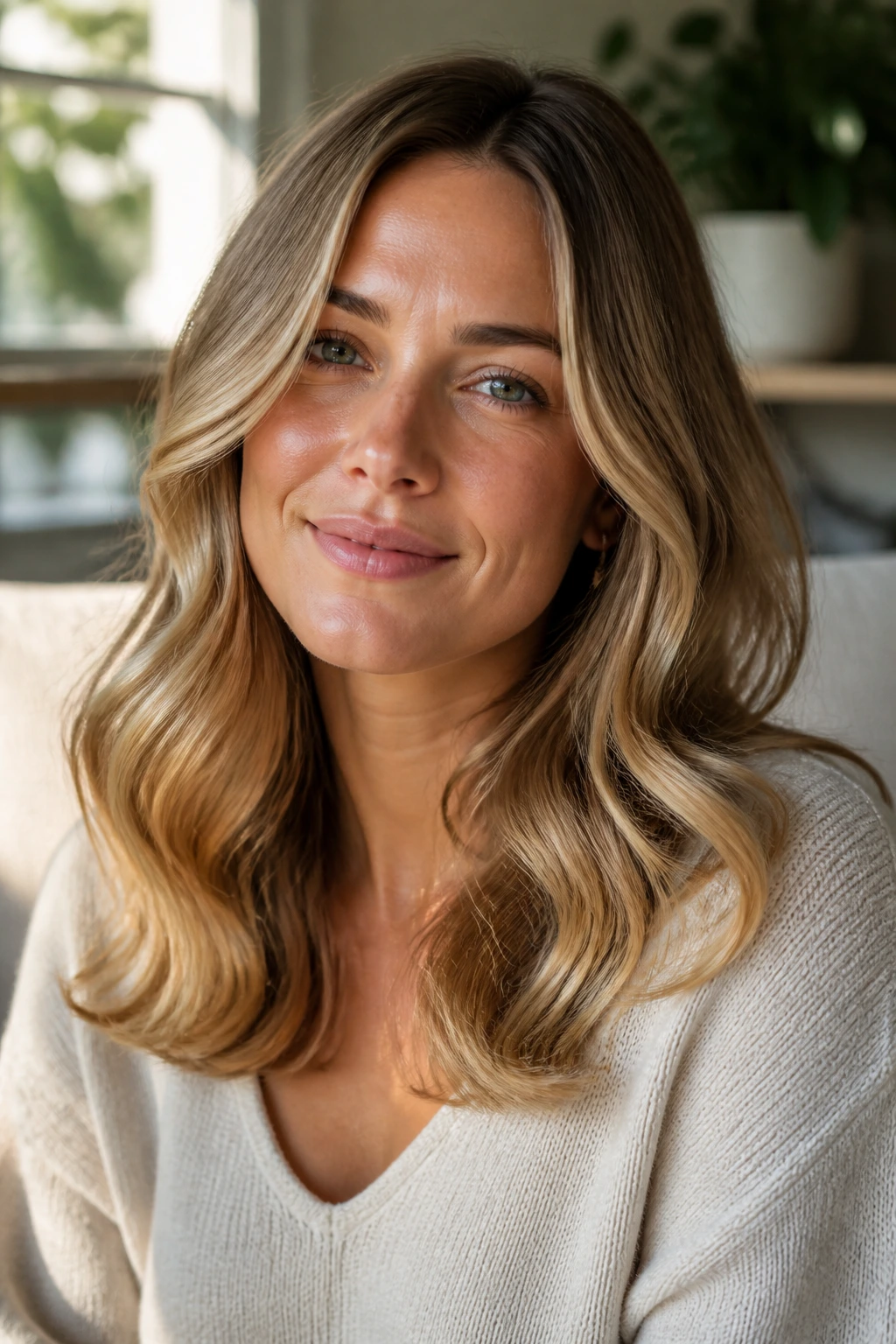
Ribbon waves sit somewhere between brushed-out glamour and casual texture. They have a smooth, strip-like fall that looks a little softer than ringlets and a little cleaner than beach waves.
Why They Suit Fine Hair
The curl is wrapped loosely enough to keep the hair from shrinking too much, but the ends are left with enough bend to stay visible. That matters on fine hair, where long straight ends can make the whole style look thin.
Style Note
Use a 1.25-inch barrel, then run your fingers through the curls only after they’re fully cool. If you brush them too hard, the ribbon effect disappears and you’re left with a vague wave that looks unfinished.
21. Braided-Then-Waved Texture
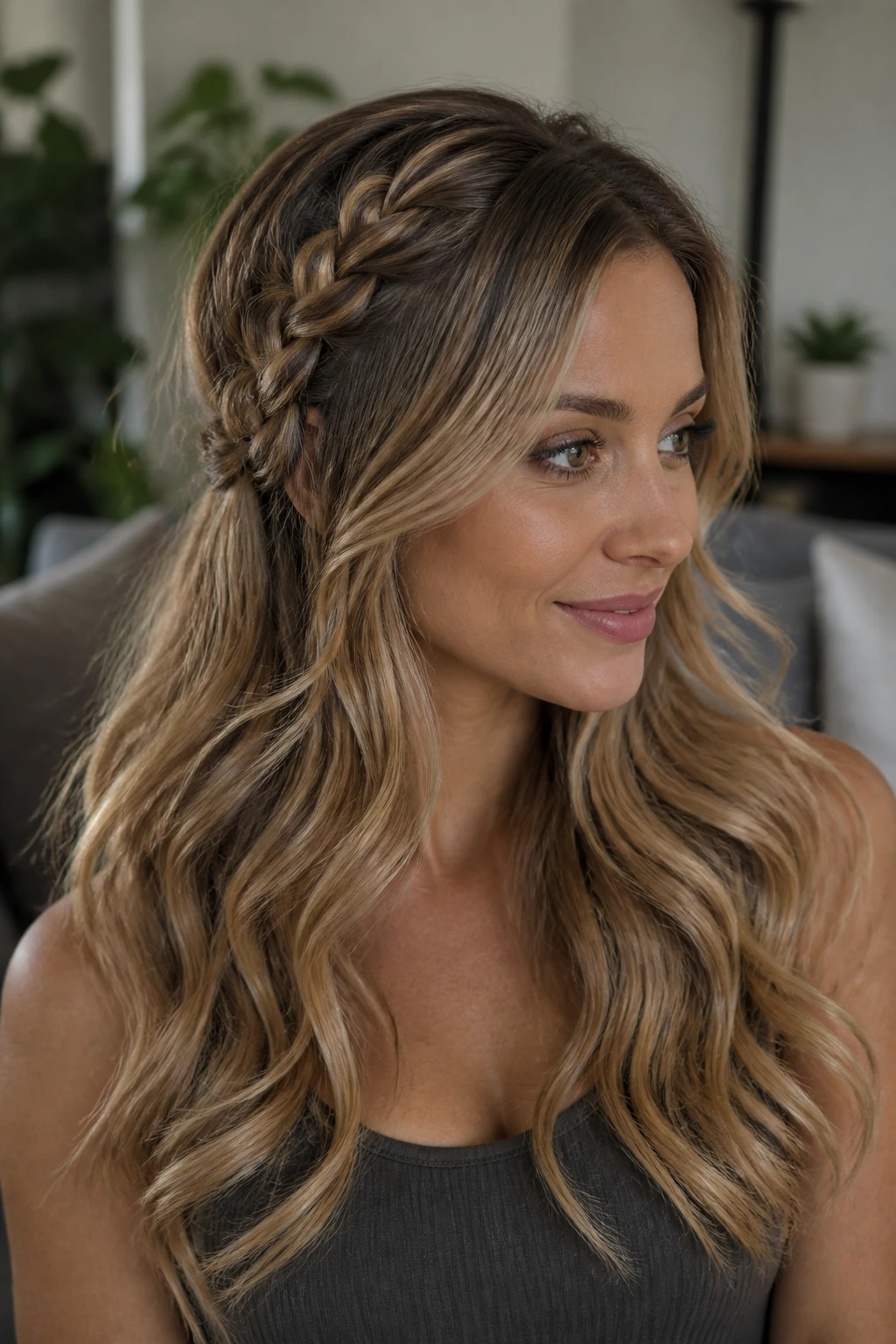
This is the style for second-day hair that needs a bit of life without a full wash. A loose braid beforehand gives fine hair some grit, and the barrel smooths and shapes the braid marks into something prettier.
Why It’s Worth the Effort
The braid creates texture, but the curling iron softens the edges so the hair doesn’t look crimped. It’s a nice middle ground for hair that’s too clean to hold curl and too flat to wear straight.
Best Use
Loosen the braid first, then curl the sections that need shaping, not the whole head. You’ll get movement without having to rebuild every strand. That’s a relief on days when your hair is being difficult for no clear reason.
22. Flipped-Out 90s Lob
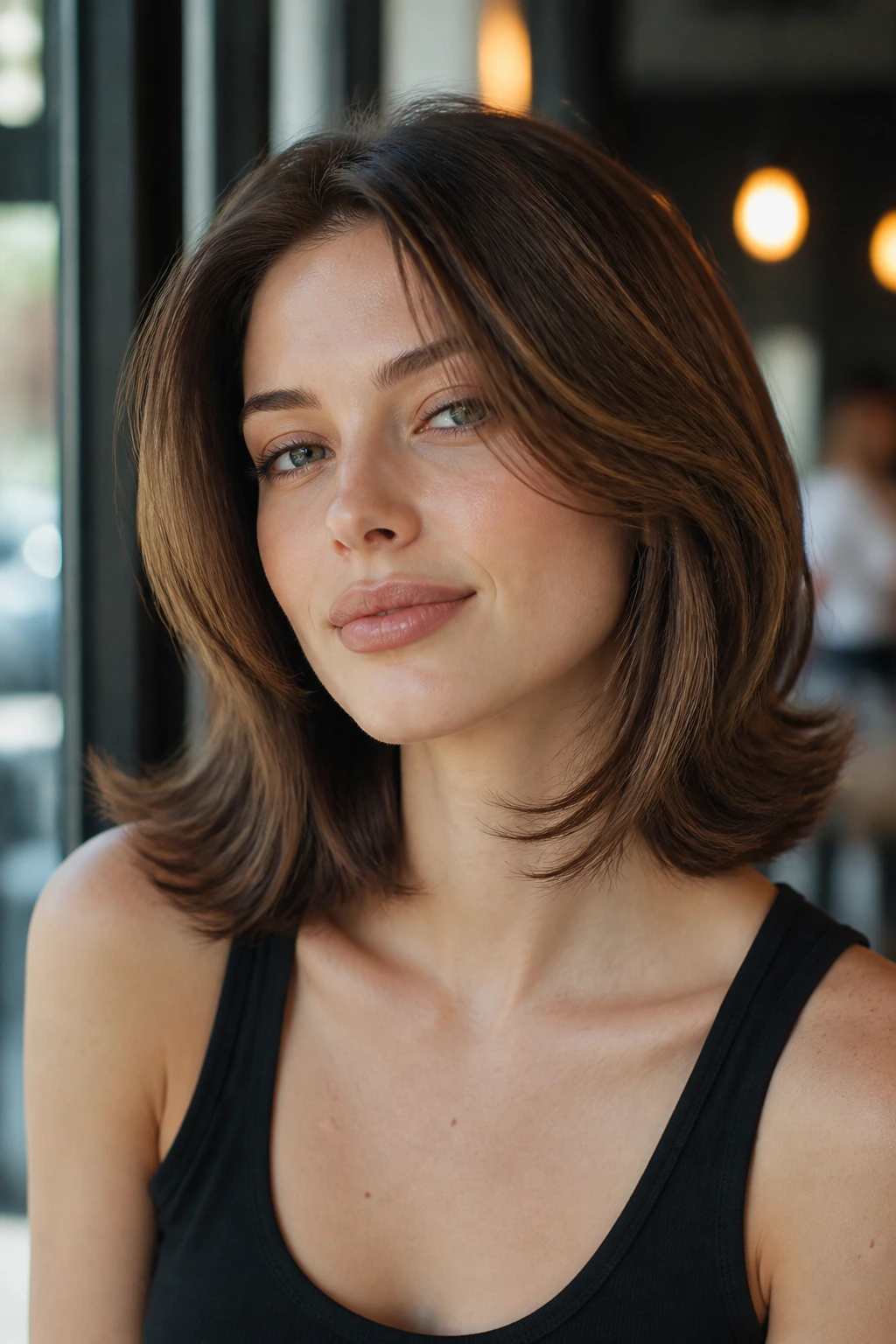
This has a little attitude, and I mean that in a good way. The ends flip outward just enough to create shape, while the roots stay smoother and more grounded.
Why It Works
A 1.25-inch barrel gives the lob a clean bend, and a quick outward flip at the ends stops the cut from sinking inward. Fine hair can disappear when it lies too close to the face; this shape keeps the outline visible.
The Honest Part
Do not overthink the symmetry. A slight difference from side to side makes it look more natural and less like you spent twenty minutes chasing identical flicks. You probably did spend twenty minutes. No need to advertise it.
23. Scarf-Secured Waves
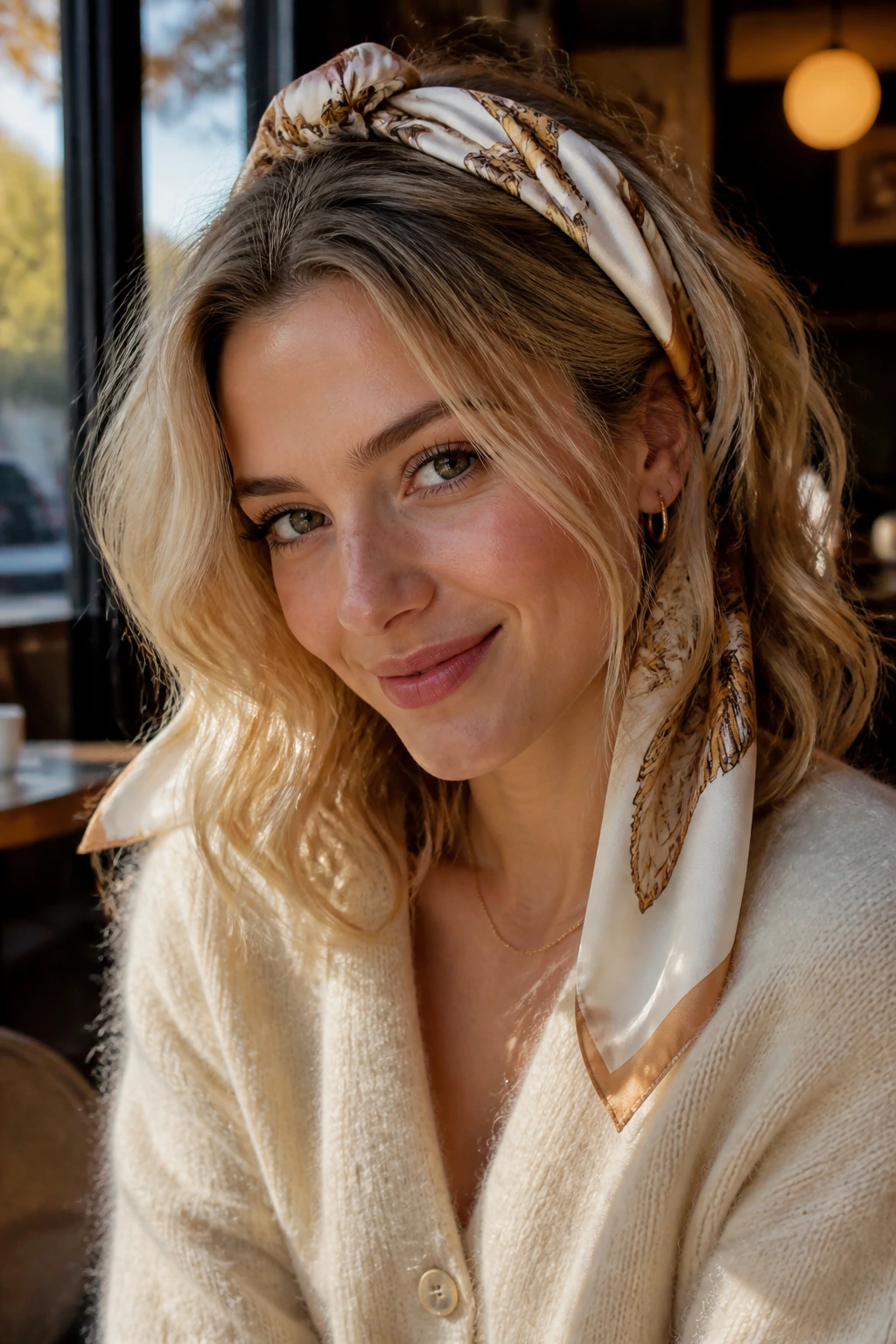
A scarf does not create the wave, but it frames it in a way that makes fine hair look intentional. This is a useful trick when the style is a little soft and needs a point of focus.
How to Wear It
Use a 1-inch barrel for soft waves, then tie a silk scarf at the crown or around a low ponytail. The scarf adds visual weight where the hair is usually lightest. That can make the whole style feel fuller.
Best For
This is a nice fix for windy days, off-duty weekends, and hair that’s in between wash days. It also keeps the top from looking too naked if your layers are sparse.
24. Soft Updo With Curled Tendrils
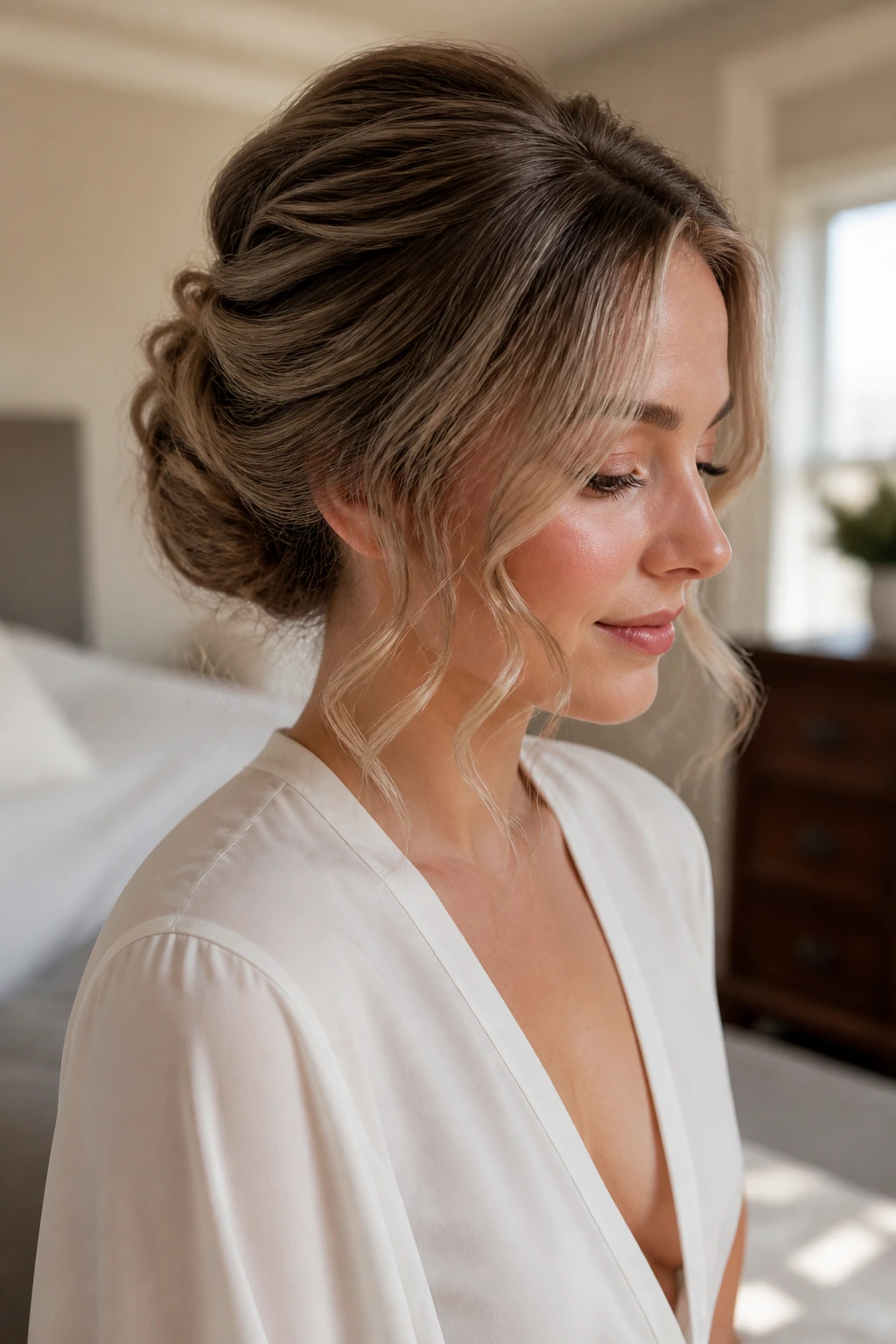
Updos can swallow fine hair whole if you’re not careful. The answer is not more pins. It’s better shape at the front and a little loose movement around the face.
What to Focus On
Curl the tendrils and the top layer with a 1-inch barrel before gathering the rest into a soft twist or low bun. Leave a few pieces out around the temples and jawline. Those loose strands make the style feel fuller than a tight, slick updo ever will.
A Useful Warning
If you spray the whole head with heavy hairspray before pinning, the style can feel crunchy and look thin. Pin first, spray second. Fine hair does better when the structure is built before the finish is locked.
25. Overlapping Barrel Waves for Maximum Lift
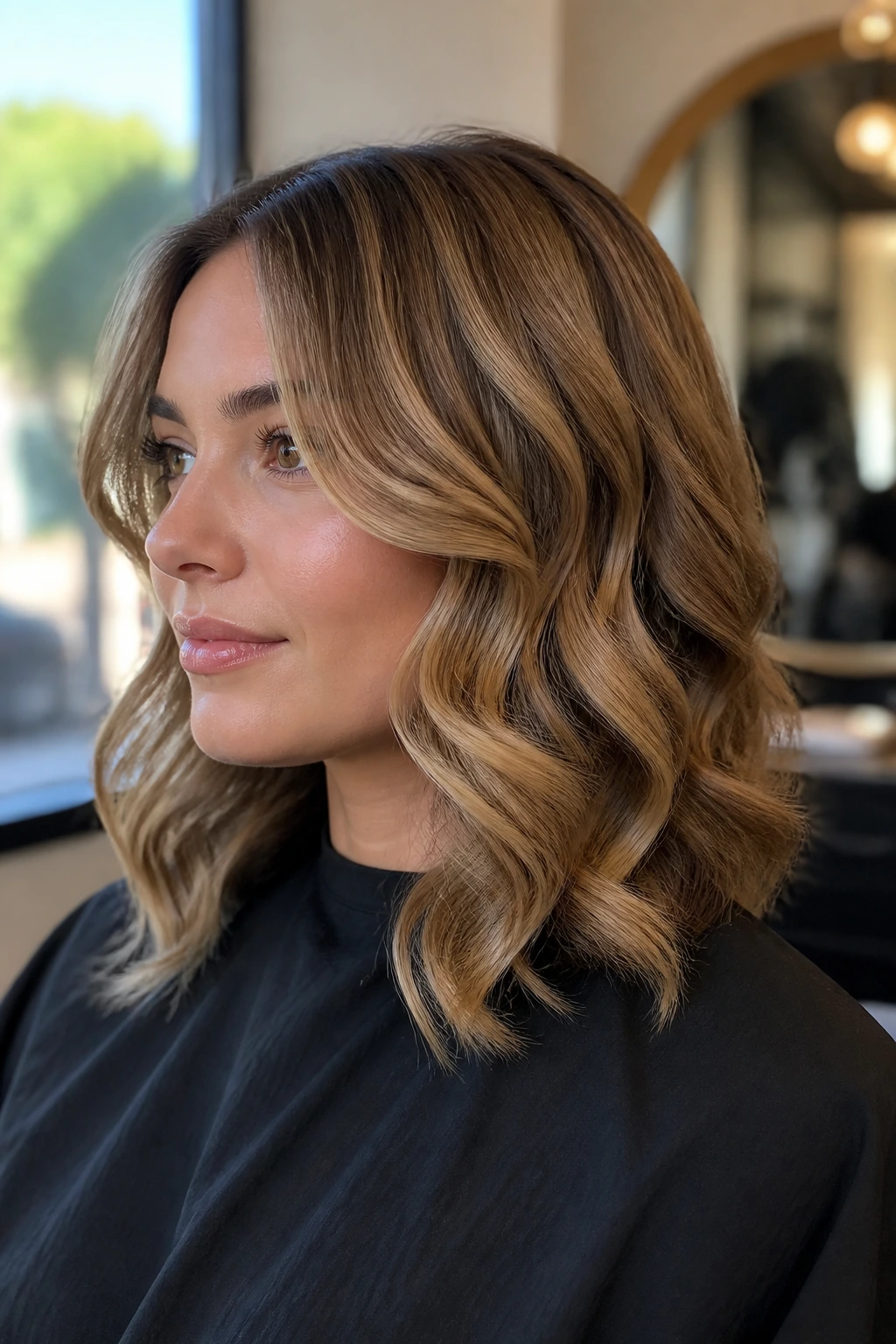
This is the one I reach for when fine hair needs to look like it has more body than it actually does. The trick is to overlap sections slightly as you curl, so the wave sits over itself and creates the sense of thickness.
Why It Works
Curl 1-inch sections with a 1.25-inch barrel, but stagger the starting point by a half-inch so the bends stack. That overlap hides sparse spots and makes the hair look denser through the mid-lengths.
Final Styling Move
Once the curls cool, shake them out with your fingers and mist only the outer layer. Don’t saturate the whole head. A little hold on top and movement underneath is the whole point.
Why a Barrel Curling Iron Beats a Flat Iron on Fine Hair
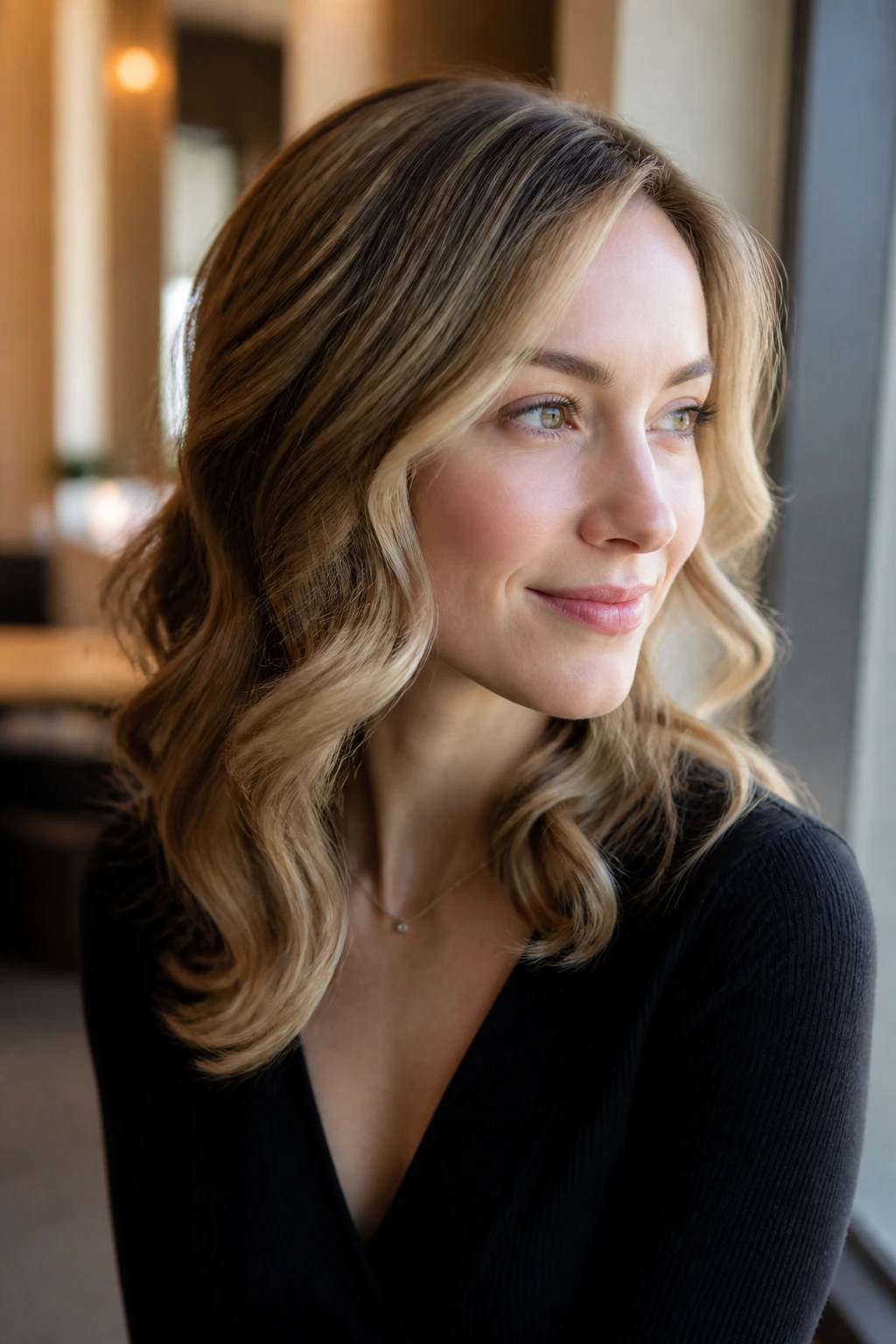
A flat iron can bend fine hair, sure. It can even make a decent wave if you know the wrist angle and don’t mind a little inconsistency. But a barrel curling iron gives you more control over size, direction, and tension, which matters when the hair itself is delicate and easy to flatten.
The clamp also helps. It grips the section while the heat does its work, so you can shape the curl without having to wrestle with a second tool. On fine hair, that often means fewer passes and less damage. One clean wrap is better than three frantic ones.
The other benefit is finish. A barrel creates a more rounded bend, which gives the illusion of width. Fine hair tends to look best when the shape is soft enough to move, but structured enough to hold up in daylight. That’s where the barrel wins. It builds a form the eye reads as fuller, even if the actual hair count never changes.
Essential Equipment for These Styles
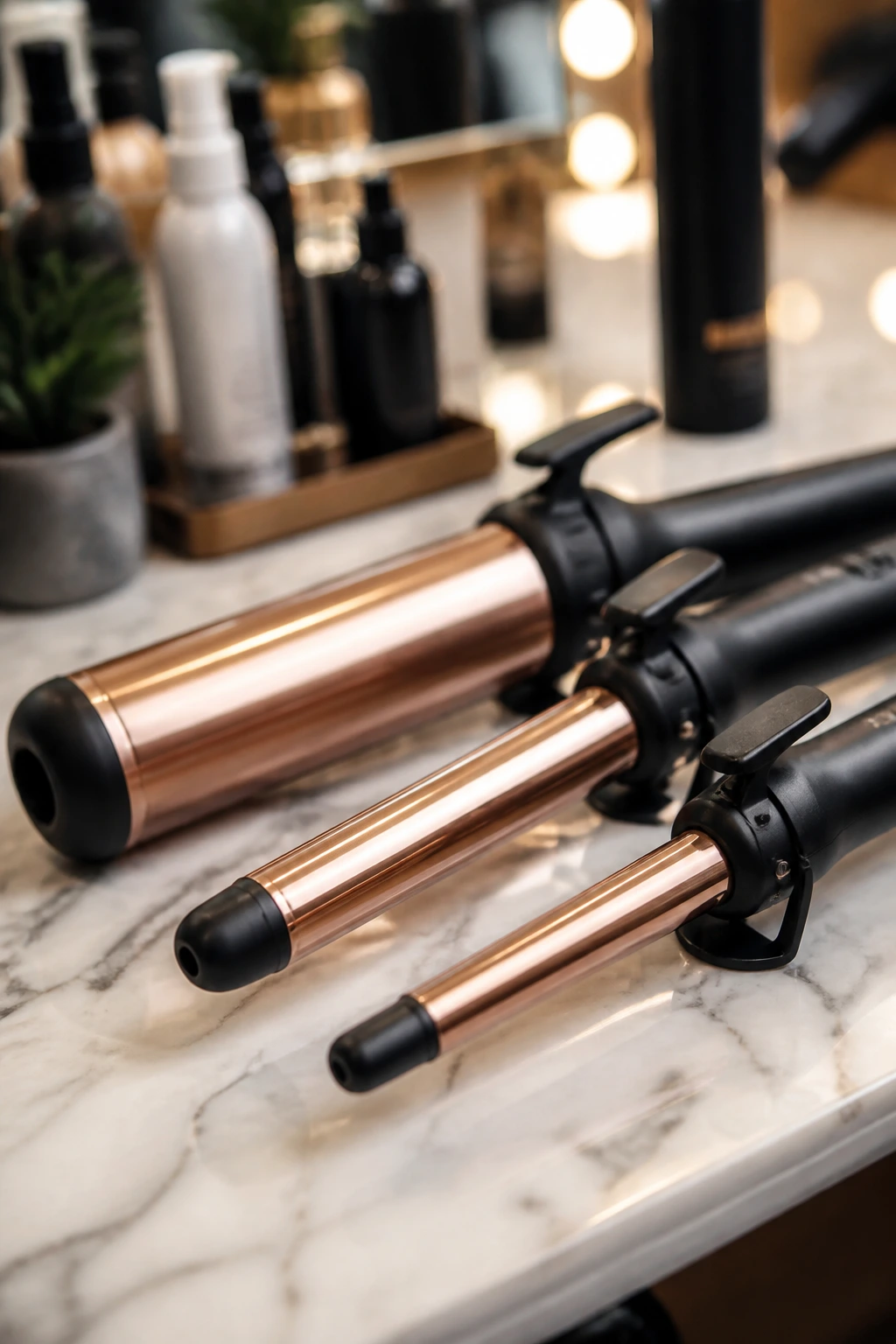
- 1-inch curling iron: The safest all-around size for shorter waves, tighter bends, and styles that need hold.
- 1.25-inch curling iron: My pick for collarbone-length hair, brushed-out waves, and softer styles that still need staying power.
- 3/4-inch curling iron: Useful for short fine hair, curtain bangs, and styles that fall quickly.
- Heat protectant spray: Fine hair needs this before every heat session; skip the heavy cream versions.
- Volumizing mousse: A golf-ball amount at the roots adds grip before styling.
- Flexible-hold hairspray: Look for a brushable spray, not a stiff helmet finish.
- Sectioning clips: They keep the hair organized and make it easier to curl in neat, even parts.
- Tail comb: Handy for clean part lines and crown lift.
- Lightweight texture spray: Better than thick paste for adding grit to fine strands.
- Silk scrunchie or small claw clip: Useful for half-up looks and overnight setting.
- Heat-resistant glove: Optional, but nice if you’re working close to the barrel.
- Boar-bristle brush or soft paddle brush: Best for brushing out curls without shredding the pattern.
Smart Product and Tool Tips for Fine Strands
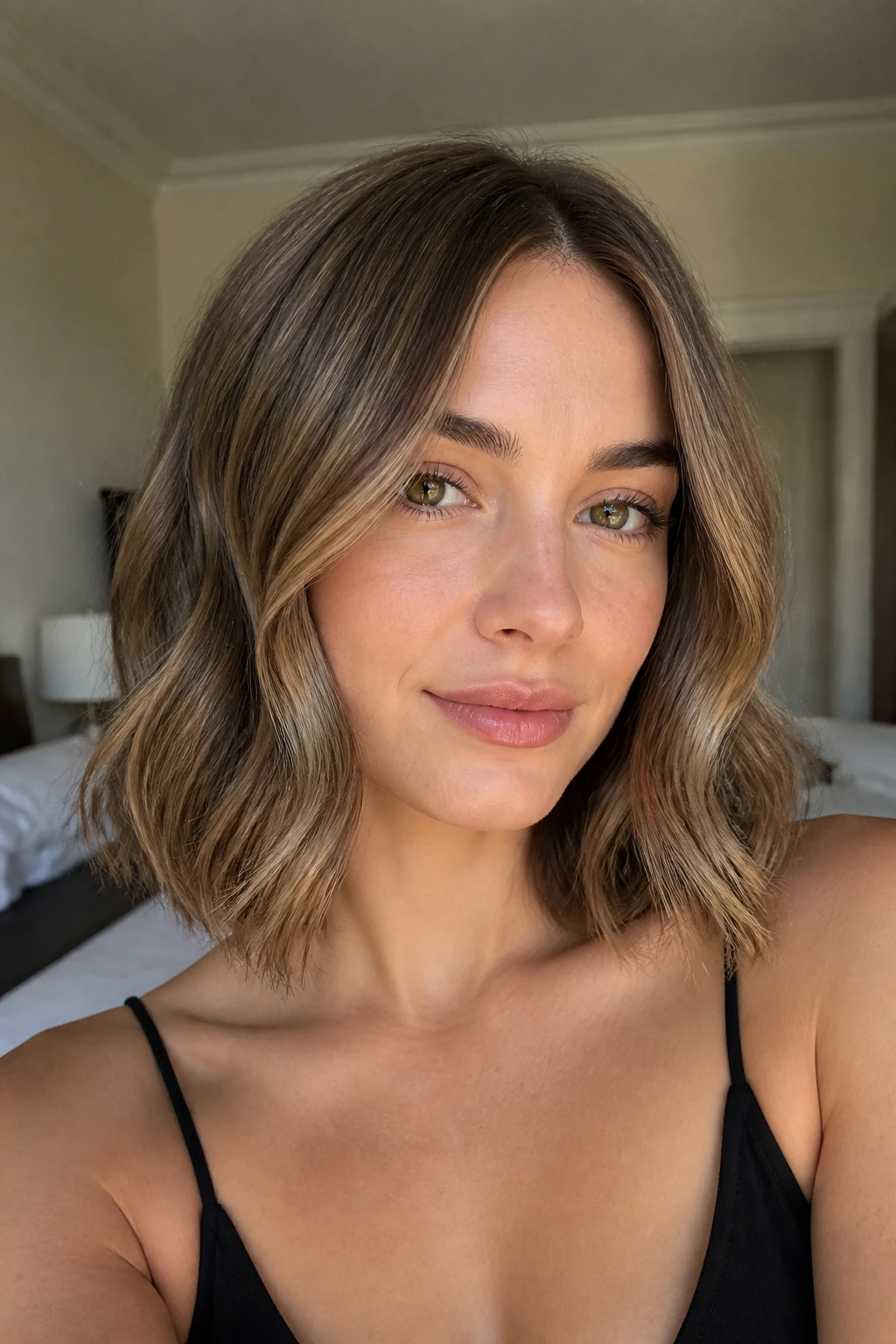
Barrel size matters more than brand names here. A tool with a steady temperature and a clamp that closes cleanly will do more for fine hair than a fancy finish coating you never notice. Ceramic barrels tend to be forgiving and even. Titanium heats fast, which can help if your hair is stubborn, but it also leaves less room for error.
Temperature control is the part people ignore. Fine hair usually behaves best in the 285°F to 320°F range. If your hair is color-treated, porous, or prone to breakage, stay on the lower end and let the section cool before deciding it needs more heat. It probably doesn’t.
Product choice matters just as much. A light mousse at the roots gives more lift than a heavy cream does. Use flexible hairspray instead of a stiff aerosol shell, and keep oils off the mids and roots. If you like texture spray, pick one that feels airy, not gritty. Fine hair can get overloaded in a hurry.
One more thing. A long barrel helps with shoulder-length hair, but it can also tempt you to wrap too much hair at once. Don’t. Small sections, consistent tension, and a cool-down period are still doing most of the work.
How to Wear These Looks Without Fighting Your Haircut
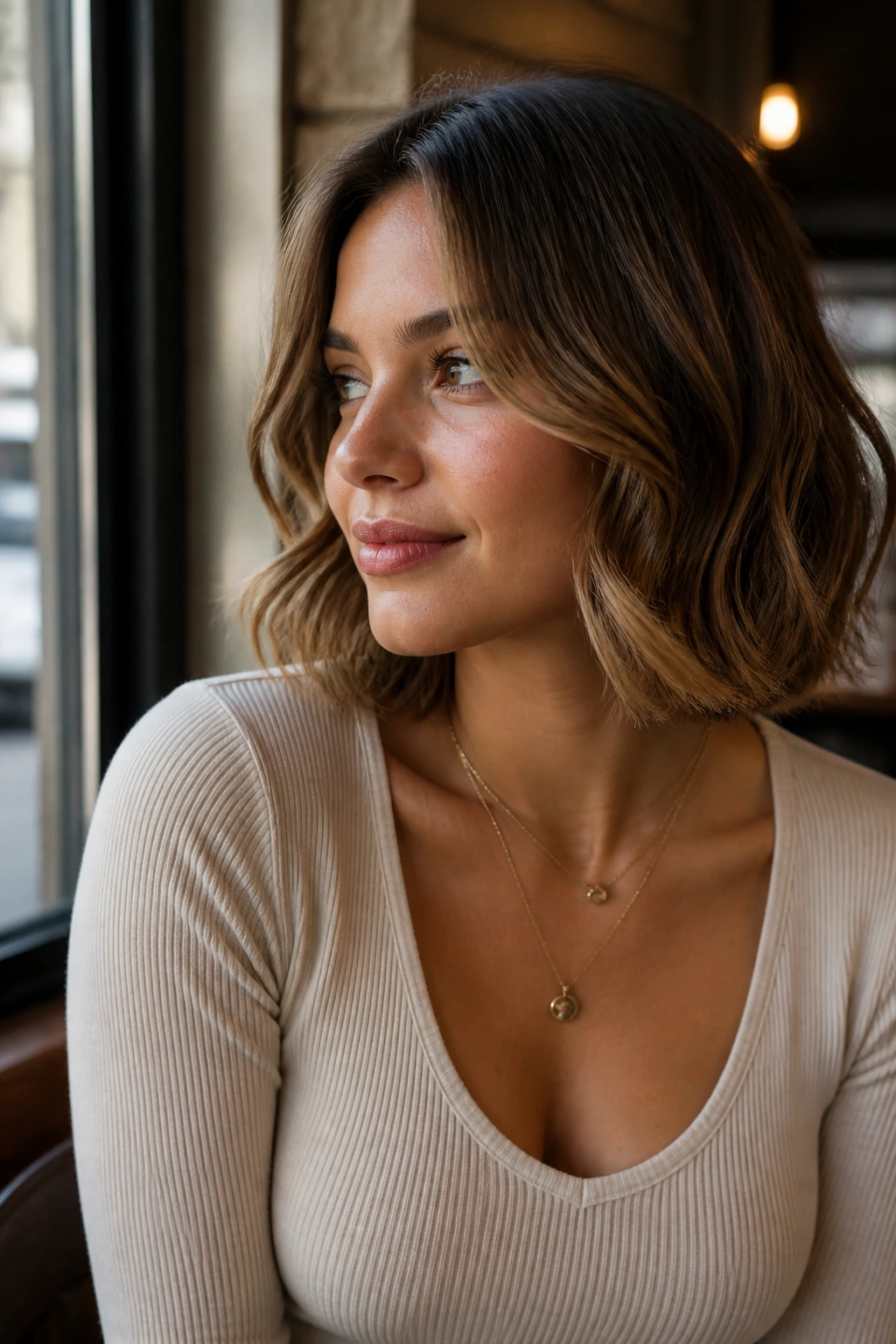
Presentation: Let the shape sit where your haircut already wants to move. A lob likes a collarbone-level wave. A bob likes a bend that stays close to the head. Long layers look better when the wave starts below the cheekbone, not at the root.
Pairings: These styles play nicely with clean necklines, small hoops, claw clips, silk scarves, and anything that shows the line of the jaw. Heavy collars can crush fine hair, so if you’re wearing a turtleneck or a thick coat, keep the curls soft and a little higher on the head.
Portions: For hair, the “portion” is really the amount of curl. Fine hair usually looks fuller when only the top layer or the visible outer layer is fully styled. Curling every strand can make it look busy instead of thicker. One strong section near the front often does more than five weak curls in the back.
Beverage Pairing: Coffee is optional, obviously, but if you’re dressing for a long day, a cold bottle of water and a small travel spray are the real pairing here. They help the style survive the hours between first look and final check.
Pro Tips for Long-Lasting Curl on Fine Hair
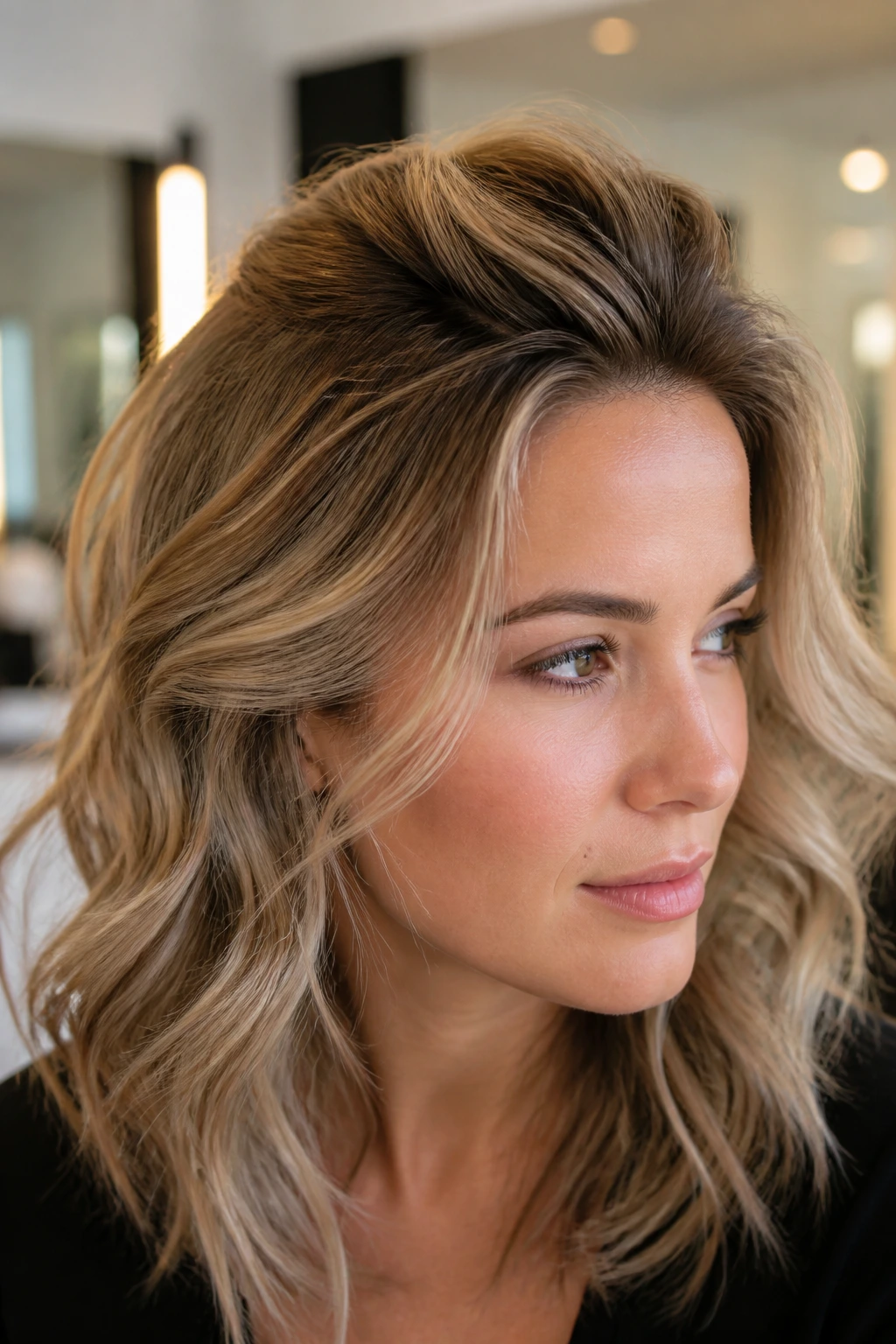
Start with slightly dirty hair: Day-two hair usually holds better than freshly washed strands. If your roots feel too clean, a puff of dry shampoo at the crown gives the barrel something to grip.
Cool the curl fully: Fine hair forgets shape fast while it’s warm. Clip the curl or hold it in your hand for a few seconds, then leave it alone until it’s cool to the touch.
Use less hair per section: If the section is wider than the barrel, the inside won’t set properly. That’s how you get a half-formed wave that drops in thirty minutes.
Finish with touchable hold: Spray under the top layer, not only on top. That gives the style support without coating the outside in sticky residue.
Common Mistakes That Flatten Fine Hair
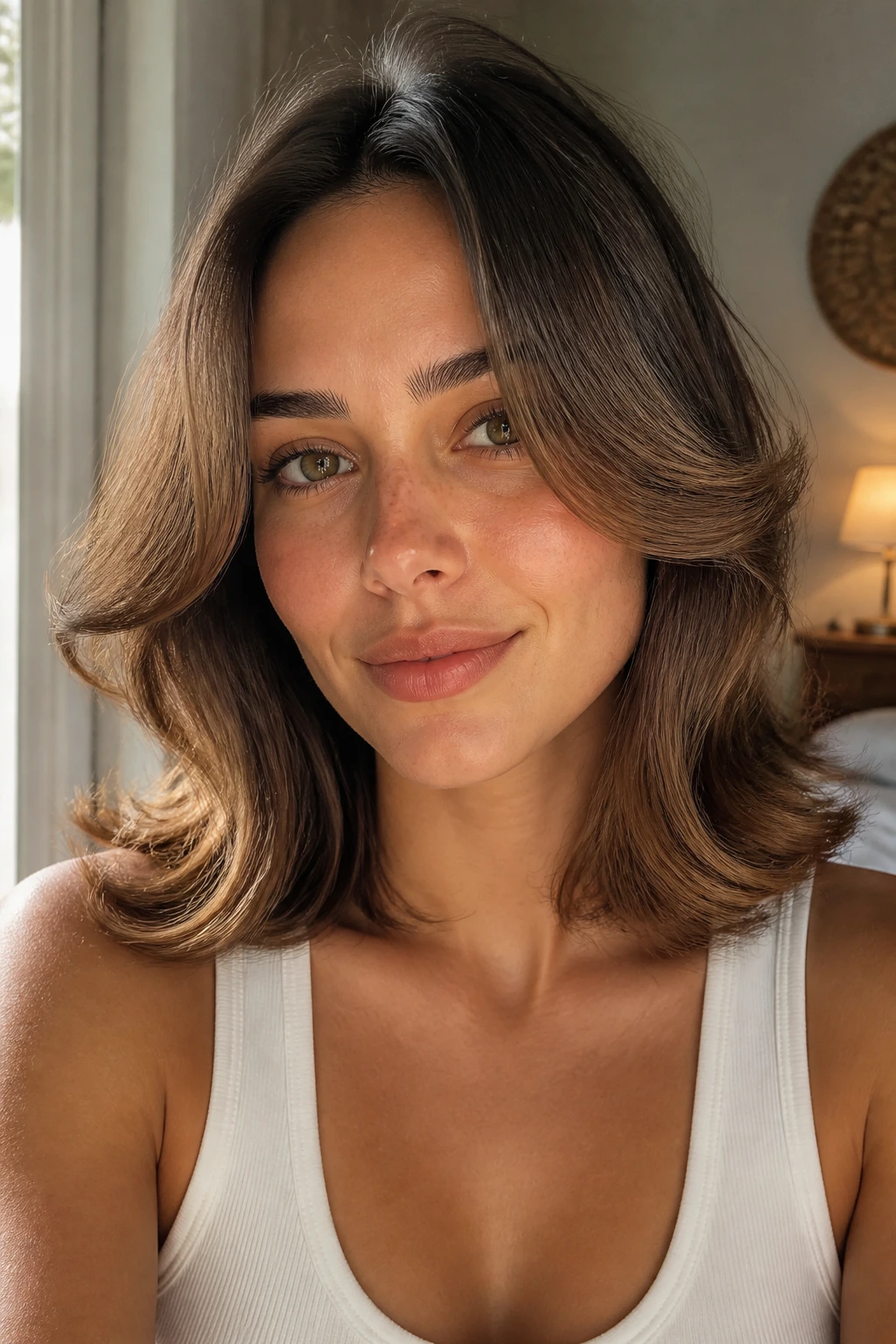
Using a barrel that’s too large: A 1.5-inch barrel can be lovely on long, dense hair, but on fine hair it often makes a soft wave that falls before it cools. The fix is smaller sections and a 1-inch or 1.25-inch tool.
Curling freshly washed, squeaky-clean hair: It feels nice. It styles badly. Fine hair that’s too clean slides out of the clamp and refuses to keep shape. A little natural oil or texture spray makes a big difference.
Putting on heavy cream or oil before curling: The hair turns slippery, the curl loosens, and the ends separate. Keep rich products off the mids and roots until after styling, then use only a drop at the ends if you need it.
Touching the curls too soon: Warm curls look tempting. Leave them alone. The shape is still setting, and every finger swipe steals a bit of hold.
Skipping the crown: If the roots are flat, the whole head looks thinner. Lift the top with a clip, a little mousse, or a root-focused blow-dry before you ever bring in the barrel.
Variations and Alternative Styling Approaches
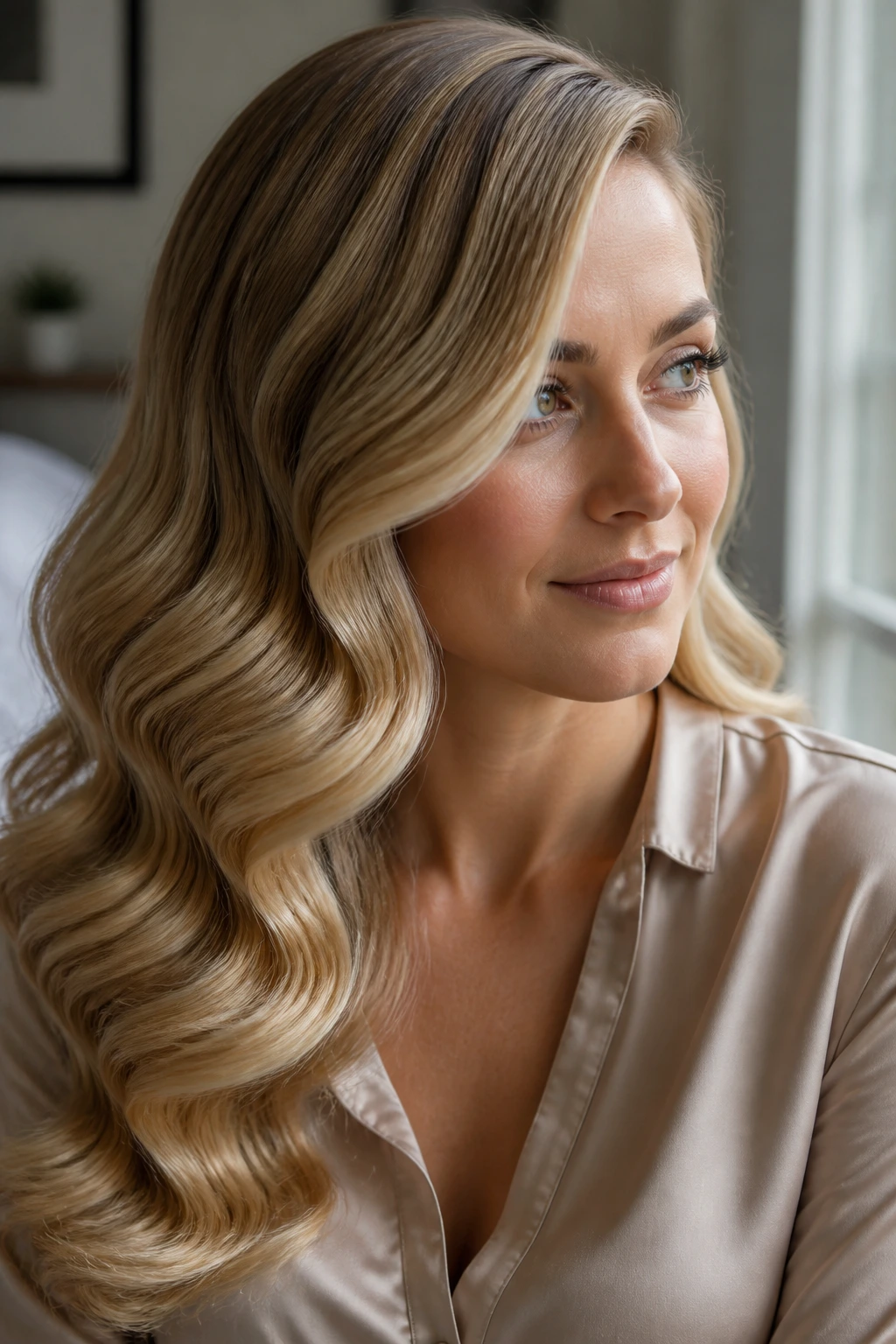
The Short-Hair Fix: Swap every 1.25-inch barrel for a 3/4-inch tool and use tiny sections. This keeps the wave from swallowing the cut and makes short fine hair look denser at the edges.
The Formal Brush-Out: Set the curls, pin them until cool, then brush them into one wide wave pattern. Use this when you need a softer, dressier finish that won’t look pieced out under bright lights.
The Low-Heat Day: Drop the temperature to around 285°F and use a mousse-plus-dry-shampoo base. This version is kinder to fragile or color-treated fine hair, though it may need a touch-up at the ends.
The Texture-First Version: Curl second-day hair after a light mist of texture spray and a quick root lift. The hair grips the barrel better and tends to hold shape longer than freshly washed hair.
The Minimal-Work Version: Only curl the top layer, the face frame, and the visible outer sections. Fine hair often looks fuller when the hidden underlayers are left alone. That saves time and avoids overworking the strands.
Tools, Clips, and Products Worth Having Nearby
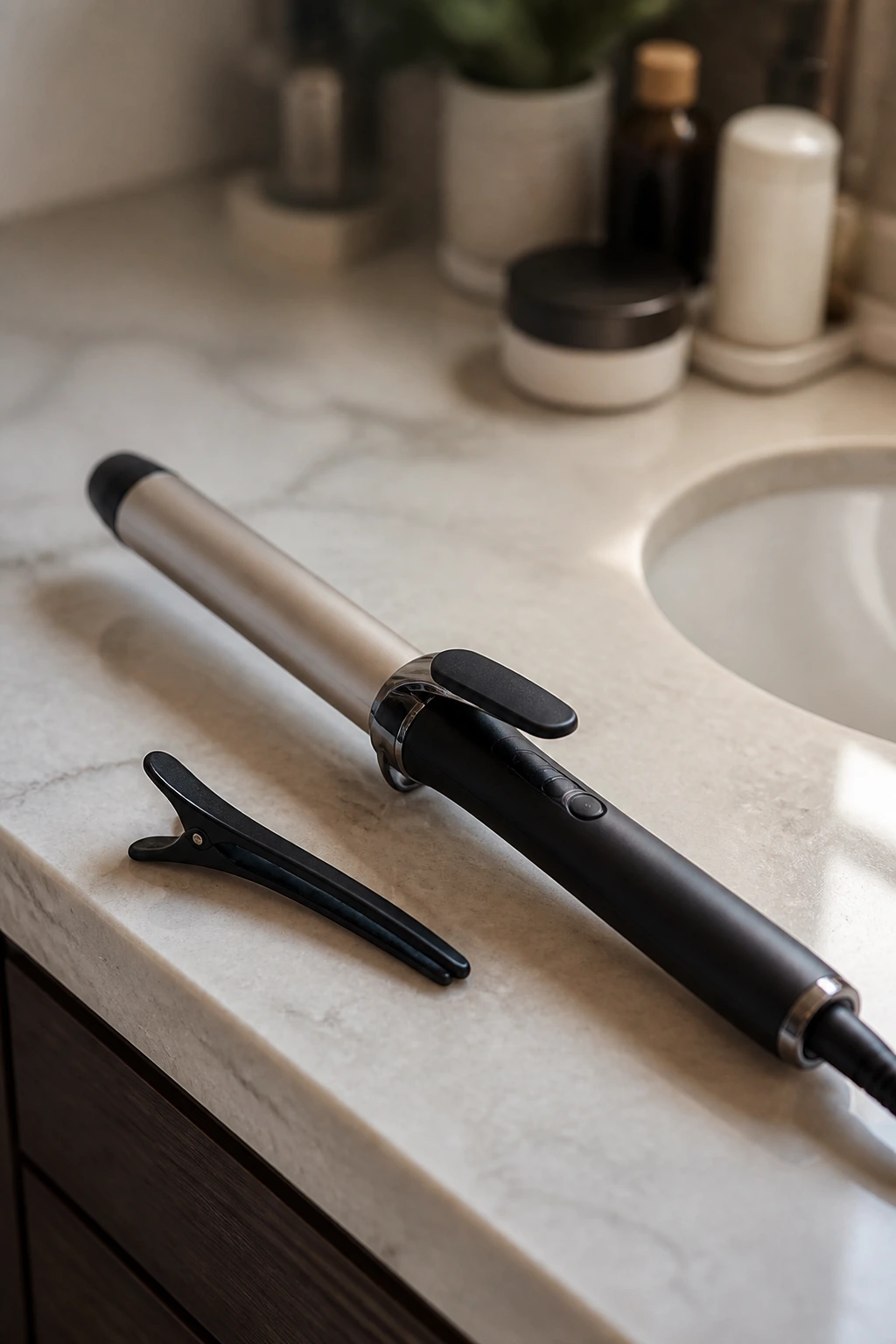
- Curling iron with adjustable heat: Fine hair needs flexibility, not one scorching setting.
- Heat protectant spray: Use it every time, even on short refreshes.
- Volumizing foam or mousse: Best applied at the roots before blow-drying.
- Dry shampoo: Helps day-two styles hold and keeps the crown from collapsing.
- Flexible hairspray: Gives shape without turning the hair stiff.
- Duckbill or sectioning clips: Useful for pinning curls while they cool.
- Tail comb: Clean parts and root lift are easier with one.
- Soft brush: For brush-outs and smoother waves.
- Silk pillowcase or bonnet: Helps curls last overnight without frizzing into nothing.
- Small claw clips and scrunchies: Handy for half-up styles and overnight setting.
How to Keep Fine Hair Curls in Shape Overnight
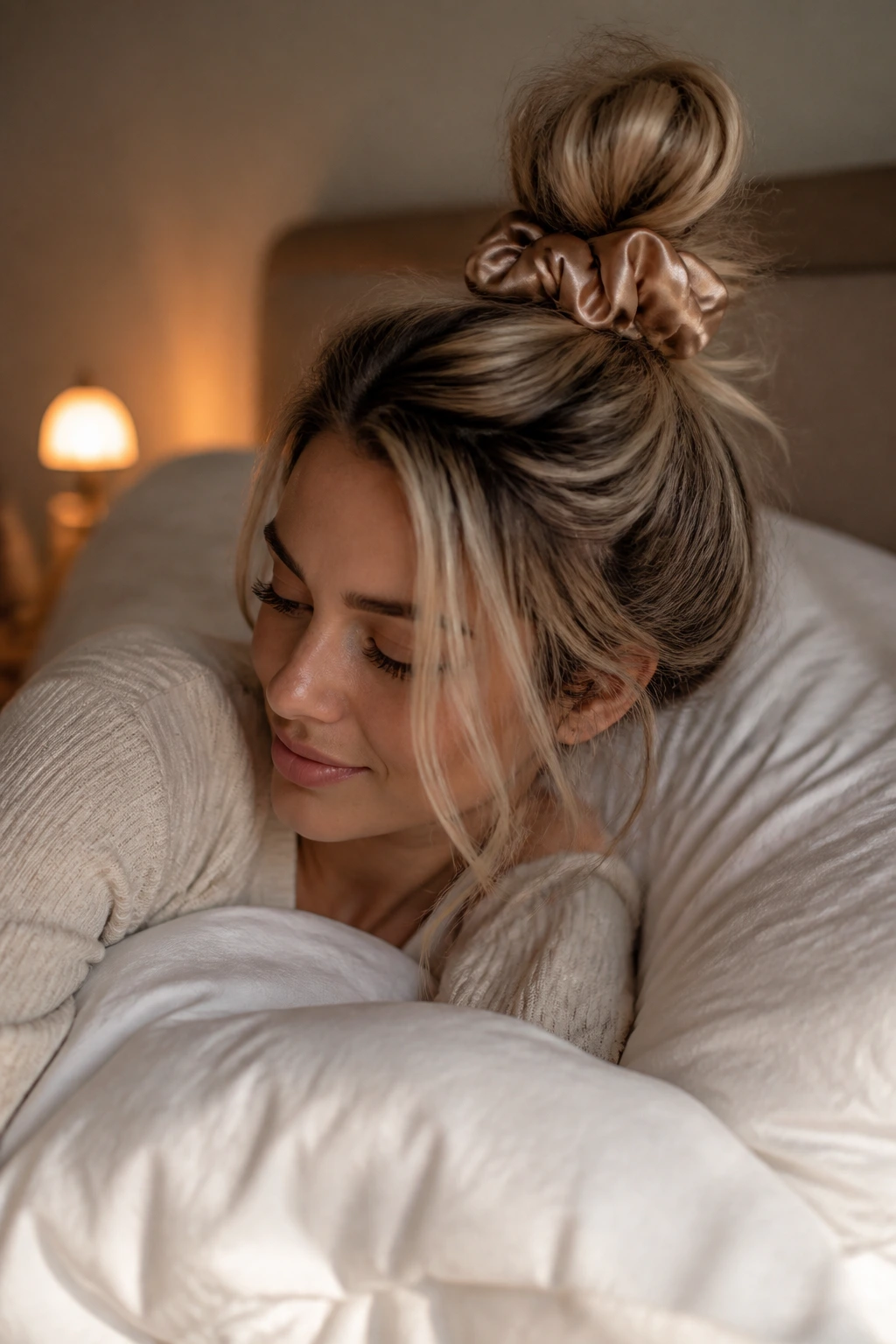
Fine hair can lose a curl just from sleeping on it the wrong way. The easiest fix is a loose topknot or two soft pineapples secured with a silk scrunchie, not a tight elastic. If the style is brushed-out waves, a silk pillowcase usually does more good than people expect.
For tighter curls, clip the curls back into their original direction before bed or wrap them into a loose bonnet. That keeps the shape from getting crushed against the pillow. In the morning, mist your hands lightly with water or leave-in spray, scrunch the ends, and re-curl only the pieces that fell flat.
You do not need to restyle the whole head every day. A few face-framing pieces, the crown, and the outer layer are usually enough. Fine hair behaves better when you touch less of it.
Frequently Asked Questions
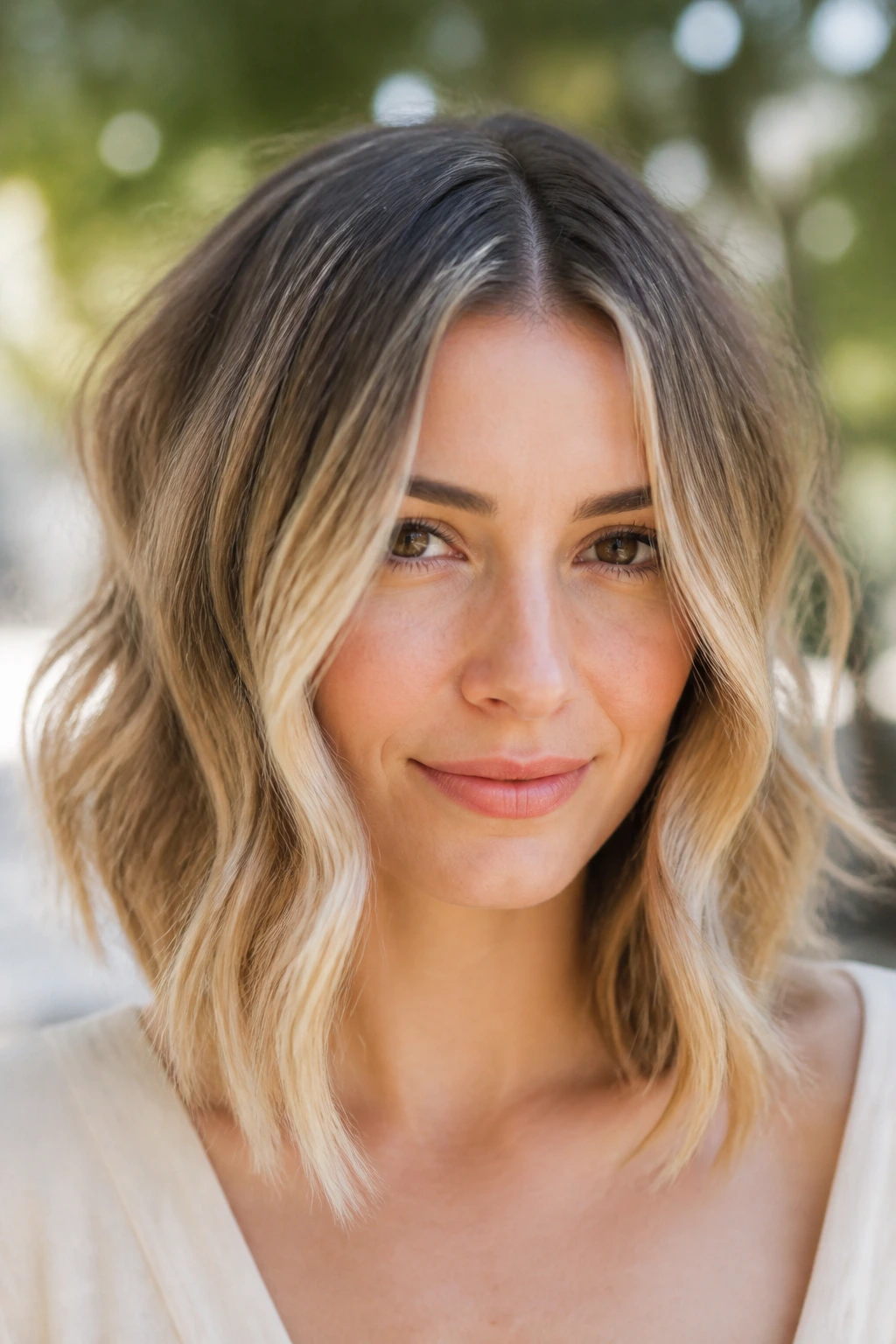
What barrel size is best for fine hair?
A 1-inch barrel is the safest starting point, especially if your hair is short, layered, or drops curl fast. A 1.25-inch barrel works well when you want softer waves or you have collarbone-length to longer hair.
Should fine hair be curled on freshly washed hair or day-two hair?
Day-two hair usually holds curl better because it has a little texture and less slip. Freshly washed hair can still be curled, but it needs mousse, heat protectant, and often a root product to keep the style from falling out too fast.
Is a curling iron with a clamp better than a wand for fine hair?
A clamp gives you more control over tension and section size, which helps when hair is slippery. A wand can work, but it asks more from your hands and tends to reward experience more than a beginner usually has.
Why do my curls fall out so quickly?
Most of the time, the section was too large, the barrel was too wide, or the curl was touched before it cooled. Heavy conditioner, oil at the roots, and very clean hair can also make fine hair lose shape faster.
Can I use a 1.5-inch barrel on fine hair?
Yes, but only if your hair is medium to long and you want a loose wave rather than a curl. On shorter fine hair, a 1.5-inch barrel often makes the hair look like it barely remembers being styled.
How do I make the crown look fuller without teasing it into a mess?
Lift the roots with mousse, blow-dry them in the opposite direction of your part, and clip the top section while it cools. That gives you volume with less fuzz than aggressive backcombing.
What’s the best heat setting for fine hair?
Most fine hair does well between 285°F and 320°F. If the hair is fragile, color-treated, or already dry at the ends, stay closer to the lower end and use smaller sections instead of more heat.
How do I refresh curls the next morning without starting over?
Mist the front pieces lightly with water or a flexible setting spray, then wrap only the collapsed sections around the barrel for five to eight seconds. Focus on the crown, face frame, and outer layer first; those are the pieces that shape the whole look.
Fine Hair, Better Shape
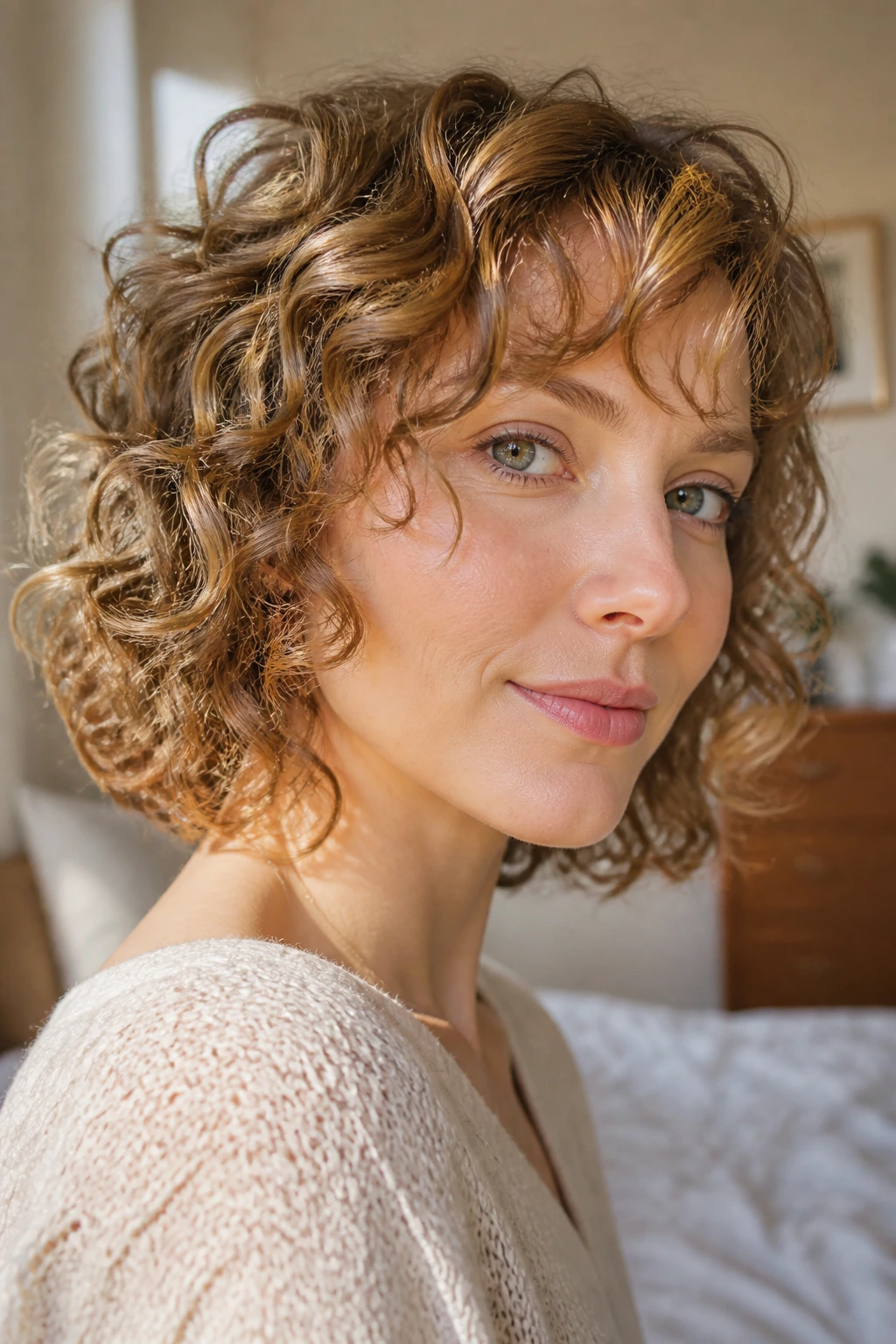
Fine hair does not need to be bullied into holding curl. It needs the right barrel, a clean section pattern, and a little patience while the shape cools. Once you stop asking oversized curls to do the work, the whole routine gets easier.
The best looks here are the ones that respect the hair’s limits and use them well. Small sections. Smart heat. Cool-down time. Those are the parts that keep the style from collapsing halfway through the day.
Pick one look, try it with the barrel size that suits your length, and pay attention to where the shape falls apart first. That spot will tell you more than any styling tip ever could.