



Blonde hairstyles for cool skin tones with beachy waves hit a sweet spot that a lot of people miss on the first try. The right ash, pearl, silver, or icy blonde can make cool undertones look clearer and more awake, while loose waves keep the color from reading flat or severe. Get the tone wrong, though, and the whole thing can go a little chalky, yellow, or washed out in daylight. That’s the difference between hair that looks edited and hair that looks a bit confused.
What makes this combo so useful is the way the cut, color, and wave pattern do different jobs at the same time. Cool blondes calm down pink or blue undertones in the skin. Beachy waves break up the color so it moves instead of sitting there like one solid sheet. And a good root shadow or lowlight keeps the style from screaming for a touch-up every few weeks. I’d take a softly rooted blonde with real texture over a flattened platinum helmet any day.
The best versions here are not stiff, not overly curled, and not drenched in product. They’ve got bend, not barrel curls. They’ve got a little shadow at the root. And they usually look better when the ends stay a touch straighter than the rest. That’s the part most people skip, and it’s exactly why the style starts to feel expensive in a quiet, wearable way.
Why These Cool-Blonde Wave Combos Earn Their Keep
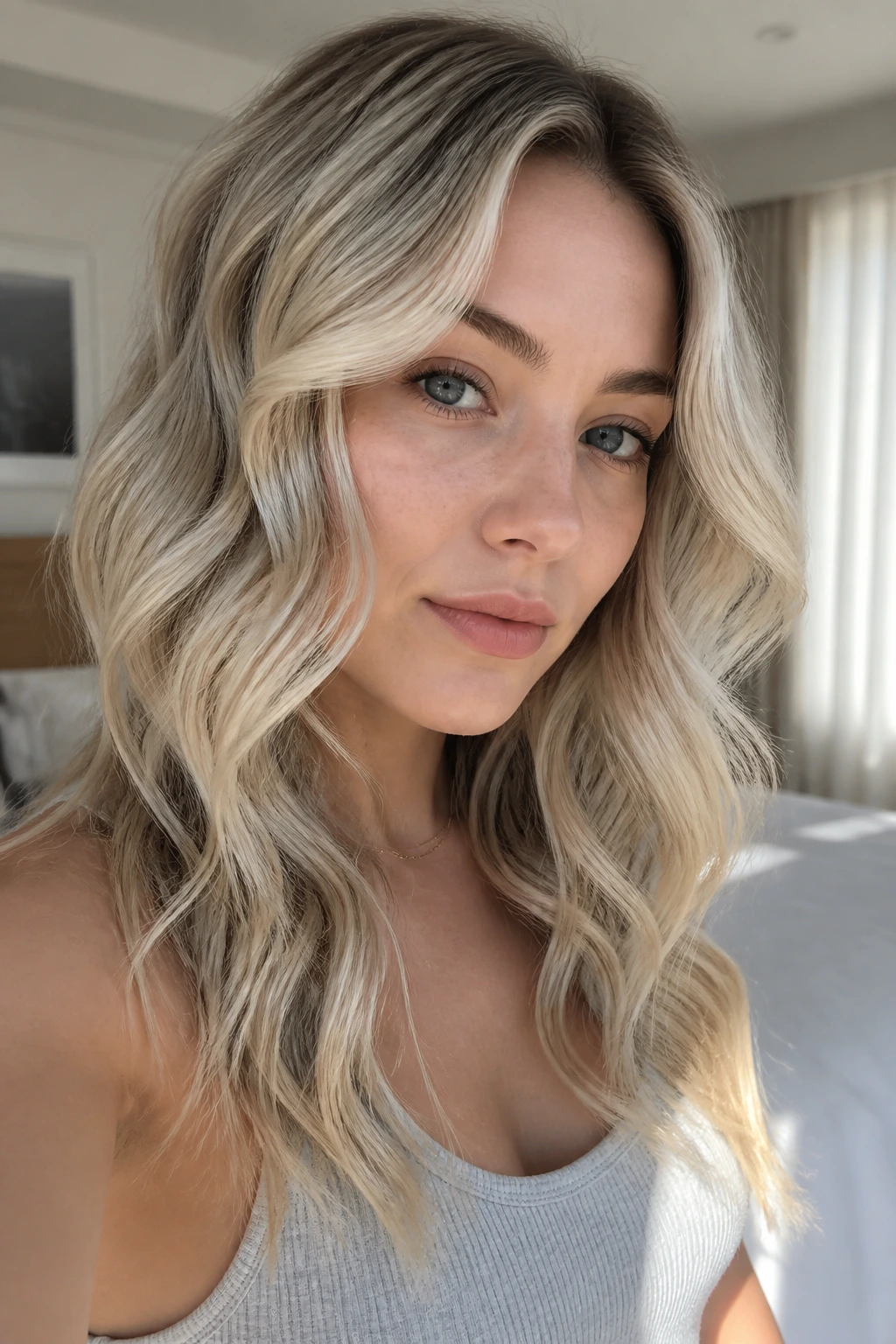
- Cool tones do the skin a favor: Ash, pearl, silver, and smoky beige blondes sit closer to pink or blue undertones, so the face looks clearer instead of yellowed.
- The wave pattern adds depth: Loose bends create tiny pockets of shadow and shine, which keeps pale blonde from looking like one flat color block.
- Root shadow makes the grow-out softer: A slightly darker root, especially on levels 7 to 8, buys you time between salon visits and keeps the hairline from looking harsh.
- These cuts move better than one-length hair: Long layers, lobs, shags, and butterfly cuts all give beachy waves somewhere to fall instead of puffing into a triangle.
- The looks work with heat or without it: A 1-inch wand, a flat-iron bend, or overnight braids can all create a believable wave pattern if the finish stays loose.
- Cool blondes read cleaner in daylight: Harsh sun shows brass fast, and these shade families hold up better because they lean violet, silver, or beige rather than yellow.
1. Icy Middle-Part Waves
A dead-center part gives icy blonde a clean line, and that matters more than people think. On cool skin, the combination can look crisp instead of severe when the wave is soft and the ends stay slightly undone. The trick is to keep the wave loose through the mid-lengths and resist the urge to curl every strand to the same point.
Why it flatters cool skin
The middle part creates symmetry, which works especially well if your features already lean balanced or angular. Icy blonde is the star here, but the beach wave keeps it from feeling hard or stripy. A violet-pearl toner helps the shade stay pale without turning flat gray.
- Ask for a level 10 or 11 blonde with a cool toner.
- Leave the last 1 to 2 inches of the hair out of the iron.
- Finish with a light shine spray, not a heavy oil.
A style like this looks sharp with fine hair, too, because the wave creates visual width without needing a huge amount of product. Keep the crown smooth, then let the bends start around cheekbone level. That’s where the face starts to pick up the movement.
2. Ash-Blonde Lob with Grown-In Roots
The lob is one of the few cuts that can look polished on a Tuesday and casual by Friday afternoon without changing much. Add a smoky ash-blonde tone and a soft root melt, and you get a style that feels deliberately lived-in rather than grown out by accident. The wave should sit just above the shoulders so it flicks instead of hanging heavy.
This is the one I’d hand to someone who wants cool blonde hair without babysitting every inch of it. The root shadow keeps the scalp from looking stark, and the lob length gives the waves enough weight to fall in those loose, bendy S-shapes. If your hair is fine, ask for internal layers rather than a choppy exterior; that keeps the ends from looking wispy.
One more thing: this cut loves second-day texture. A quick mist of water, a little mousse, and a twist at the front pieces is often enough. That’s the charm here. It doesn’t need to be perfect.
3. Platinum Collarbone Cut
Platinum at collarbone length has a clear, almost graphic shape, and that’s exactly why it works. The cut gives the color a strong frame, while the waves soften the hard edges just enough to keep it wearable. On cool skin, the effect can be striking without veering into costume territory.
How to style it
Use a 1-inch curling wand and alternate the curl direction every section. Skip the roots for the first inch so the style stays airy, then brush everything out with your fingers after it cools. A flat, straight root with soft wave through the ends keeps the whole thing from turning into pageant hair.
- Best on hair that lifts cleanly to pale yellow or white blonde.
- Needs a toner with violet or silver notes.
- Looks best when the ends are kept blunt, not shredded.
If your hair texture is coarse, this cut needs a good smoothing cream before heat styling. Coarser platinum can frizz in daylight faster than darker blondes do, and the texture shows. Keep the finish controlled. Not slick. Controlled.
4. Curtain Bang Waves in Pearl Blonde
Curtain bangs change the whole mood of blonde waves. They soften a long face, break up a broad forehead, and give pearl blonde a little movement near the eyes instead of leaving all the action in the lengths. Pearl blonde sits in that cool, luminous lane where it’s pale but not icy enough to feel harsh.
The bangs should bend away from the face with a round brush or a wide barrel, then fall into the rest of the wave pattern. If they’re too curled, they start fighting the rest of the cut. If they’re too flat, they disappear. There’s a narrow window there, and it’s worth getting right.
This style is especially good if you wear your hair down most days but still want some lift around the face. It reads soft in person, and the bangs give the color somewhere to reflect light without depending on a full head of platinum. That matters more than a lot of people admit.
5. Silver Balayage on Long Layers
Silver balayage on long layers gives cool skin a clean, modern contrast. The darker ribbons beneath the silver pieces make the waves look deeper, not lighter for the sake of it. On long hair, that dimension is the difference between “blonde” and “there’s something happening here.”
The wave pattern should be broad and slow, not tight. Long layers can swallow tiny curls, so use a larger wand or a flat iron bend and work in wide sections. A little bit of brush-out is useful here because silver tones look more expensive when the wave is soft and separated, not crunchy.
This is a strong choice for thick hair. The layers take out some of the bulk, and the balayage keeps the surface from looking like one heavy sheet. If your hair tends to go puffy at the ends, ask for the layering to start below the cheekbones. Higher layers can get frisky in humid air.
6. Smoky Beige Shag
A shag gives blonde a built-in attitude, and smoky beige keeps that attitude from drifting warm. The layers around the crown create lift, while the wave pattern through the sides stops the cut from looking too 70s or too theatrical. It’s one of the easiest ways to make cool blonde feel relaxed.
What makes it different
The shag works because it doesn’t ask for perfect styling. A little mousse at the roots, a diffuse dry, and a bend through the front pieces is usually enough. The color should stay in the ash-beige family so the texture reads chic instead of sandy.
- Great for fine or medium hair that needs body.
- Best with a slightly broken-up fringe or curtain bang.
- Use a texturizing spray only on the mid-lengths and ends.
This cut can get puffy if you overload it with oil. Keep the ends soft, not slick. And if your natural color is dark, a smoky beige shag is kinder than all-over platinum because it lets the roots stay a shade deeper without looking like an afterthought.
7. Money-Piece Blonde with Soft S-Bends
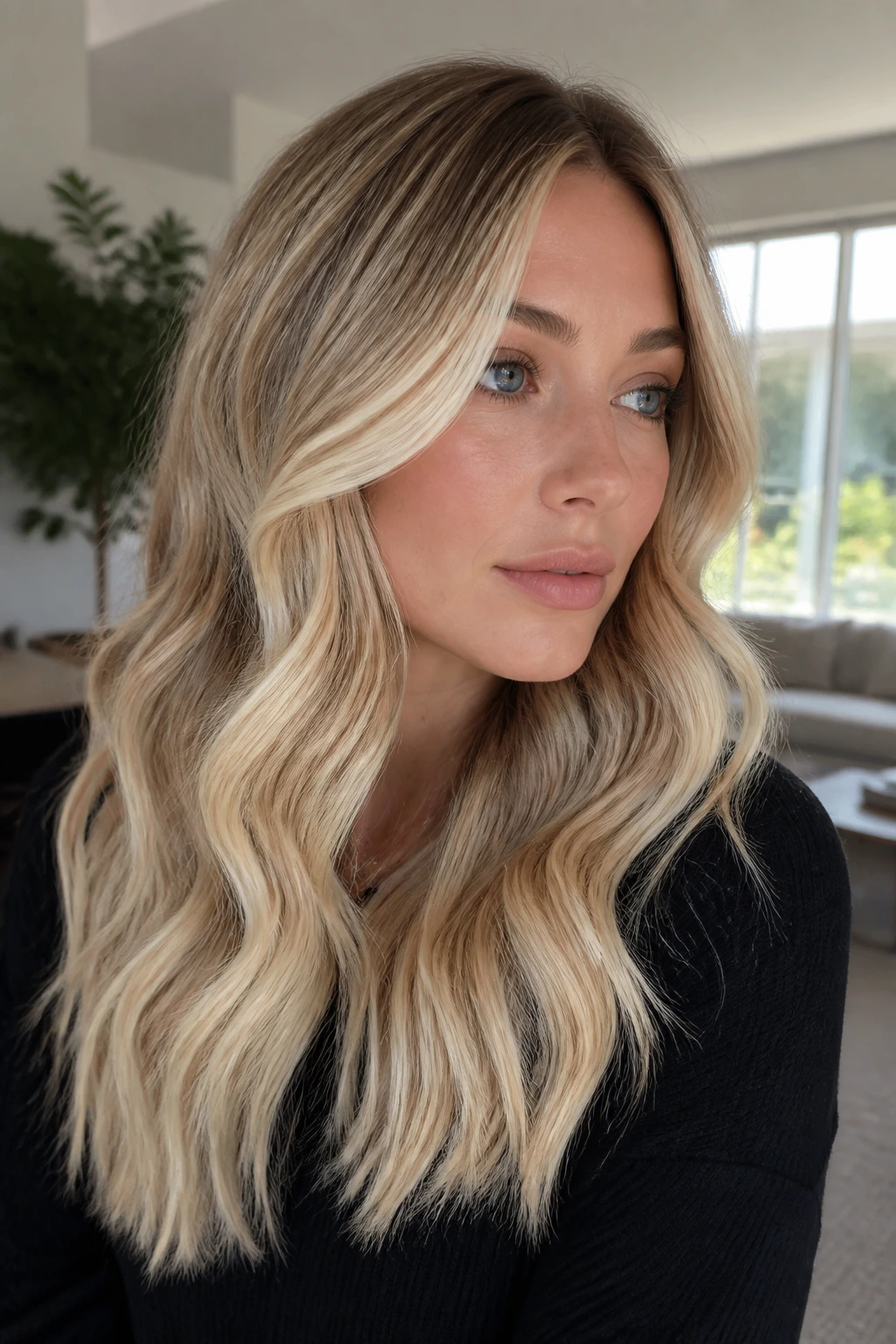
Bright face-framing pieces are a smart move when you want the eyes and cheekbones to do more of the work. On cool skin, a pale money piece can lift the whole face, especially if the rest of the blonde stays a notch deeper and more neutral. The wave pattern matters because it keeps those bright pieces from looking striped.
Ask for the brightest placement from temple to jawline, not all the way into the nape. That keeps the contrast focused where it’s useful. Soft S-bends are better than ringlets here; they let the money piece drape instead of standing up in little loops.
This is the style I’d pick if you like a noticeable blonde moment without committing to full platinum. The contrast can be scaled up or down, and that’s a gift. Go too high on the brightness around the face, though, and the look starts shouting. A little restraint helps.
8. Scandi Blonde Bob
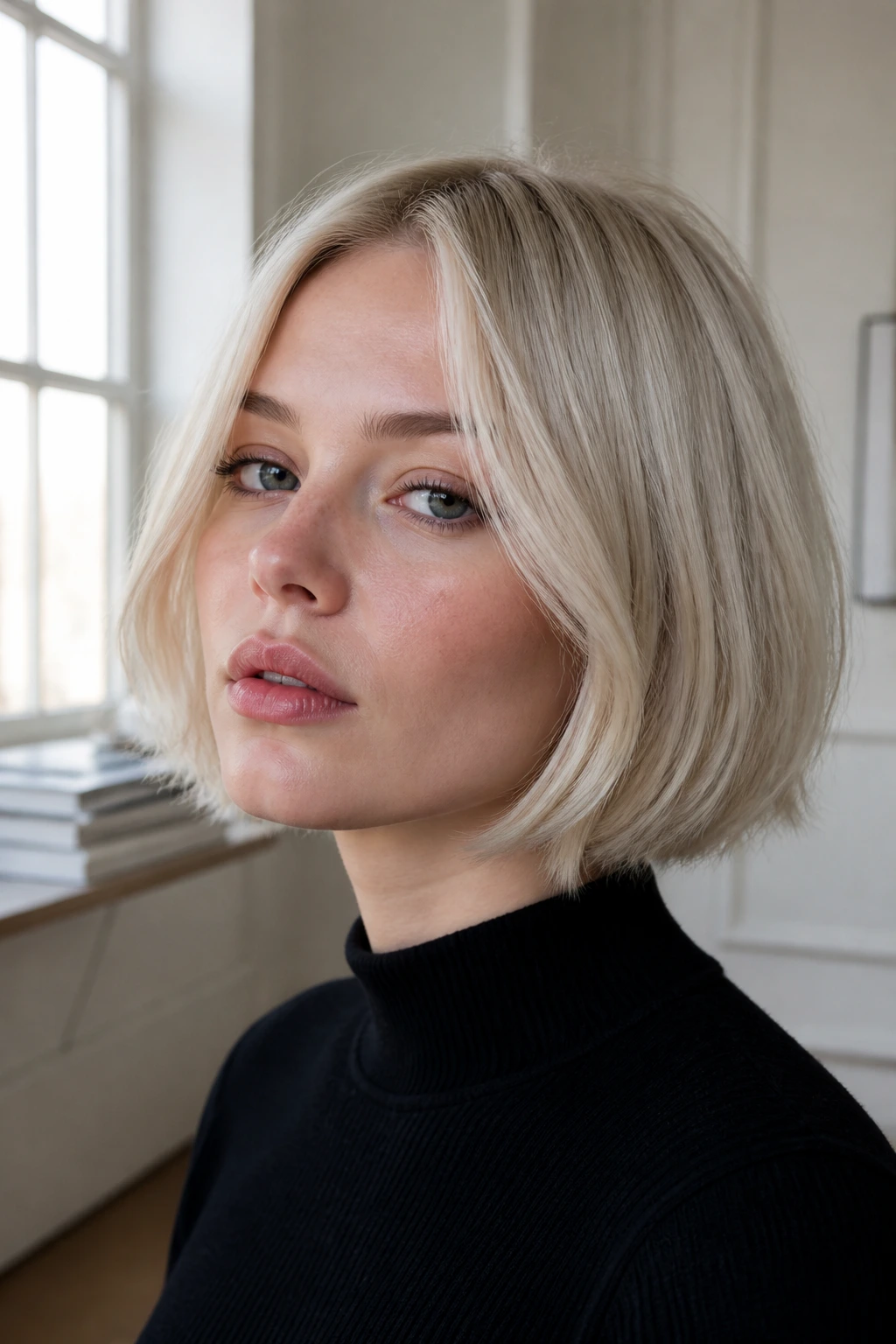
The Scandi blonde bob has a clean, cool edge that suits skin with pink or blue undertones. It usually sits somewhere between the jaw and the chin, with a slight bend in the ends and a tone that leans pale ash or soft ice. The shape is crisp. The finish is not.
This style works best when the wave is tiny and controlled rather than loose and beachy all over. Think of it as a slight ripple, not a full wave pattern. A flat iron can do this fast: clamp midshaft, twist a quarter turn, and release. That tiny bend is enough to keep the bob from looking helmet-like.
It’s a sharp choice for straight hair and a very good one for cool skin because the color stays front and center. You do need regular trims. A bob loses its shape fast once the ends start flipping or splitting, and no toner can fix that.
9. Feathered Butterfly Cut in Cool Champagne
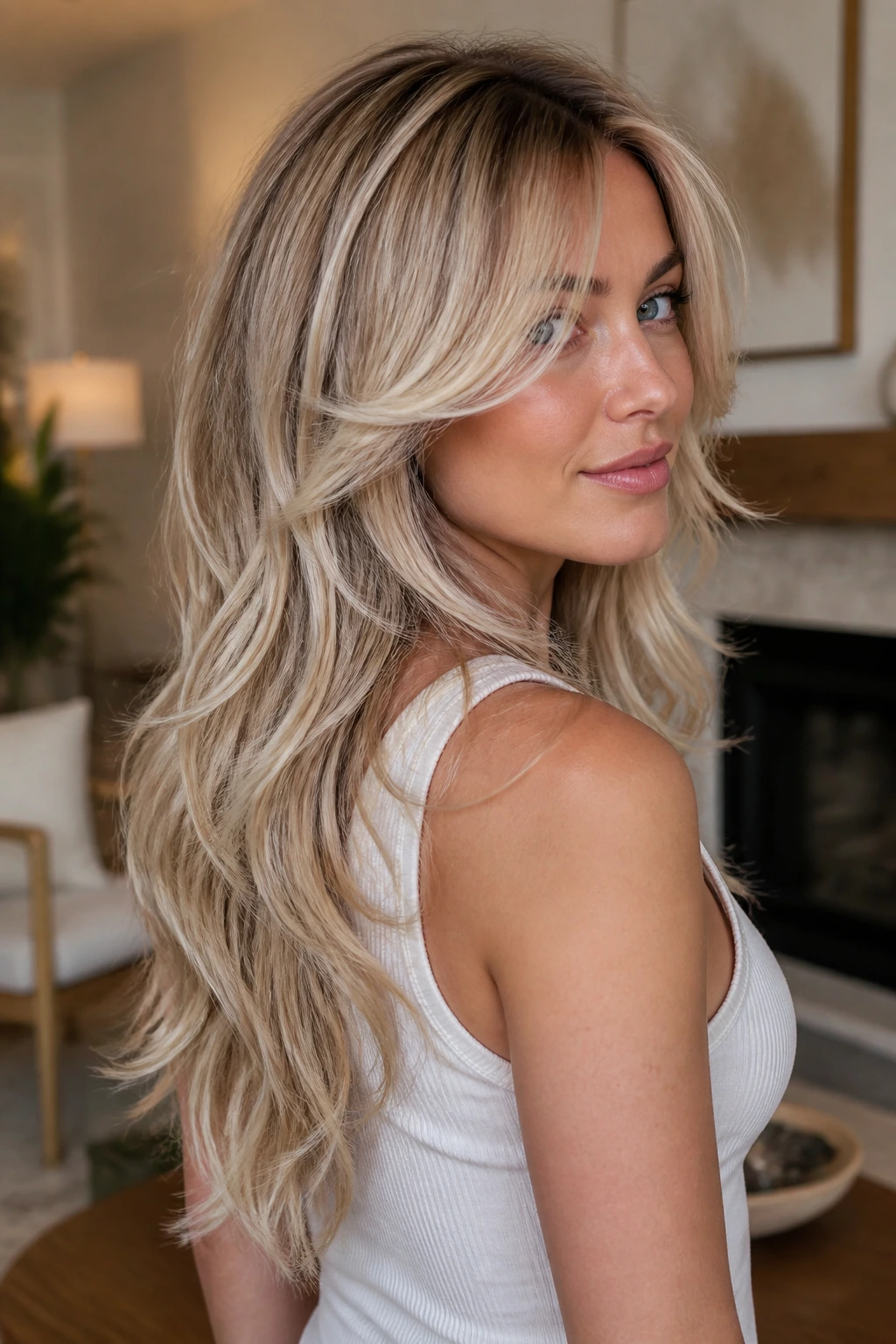
The butterfly cut gives you two things at once: shorter face-framing layers and long length through the back. Put that shape in a cool champagne blonde and the whole style starts to move in a more expensive-looking way without getting fussy. The front pieces lift the cheekbones; the back waves keep the length.
Here, the wave should be heavier near the front and looser through the ends. That sounds small, but it changes the whole read of the haircut. A round brush at the front layers can help, then the rest can be waved with a wand and brushed out once cooled.
This is a smart pick if you don’t want to sacrifice length. It also plays nicely with cool medium skin, where a pale silver could feel too stark but a soft champagne keeps things balanced. The key is to keep the champagne cool, not yellow. That’s the line.
10. Frosted Beige Waves
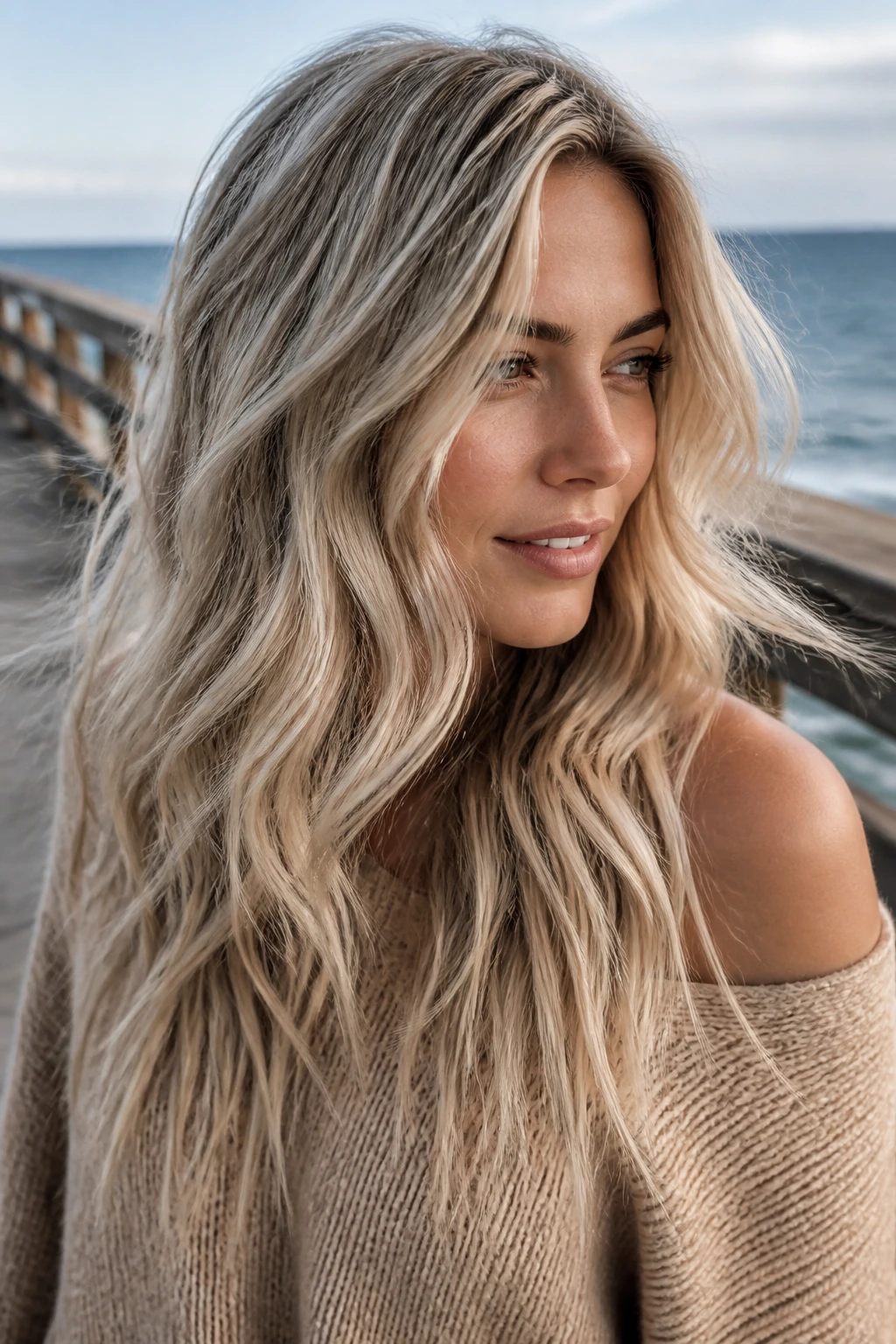
Frosted beige blonde is one of those shades that looks calm in daylight and polished under indoor lights. It has enough coolness to flatter cooler undertones, but it doesn’t lean so icy that it erases the face. On beachy waves, that balance shows up as softness rather than drama.
If your hair is naturally a medium brown or dark blonde, this is often easier to wear than a full platinum lift. You get dimension from the beige base and the frosted toner, then the waves do the rest. The result feels easy on the eyes. Not sleepy. Easy.
Best styling note
Use a wide-barrel wand, then pinch the wave apart with a dry hand once it cools. Don’t rake through it while it’s hot. That’s how the wave goes limp. A pea-sized amount of cream on the ends is enough.
11. Piecey Lob with Babylights
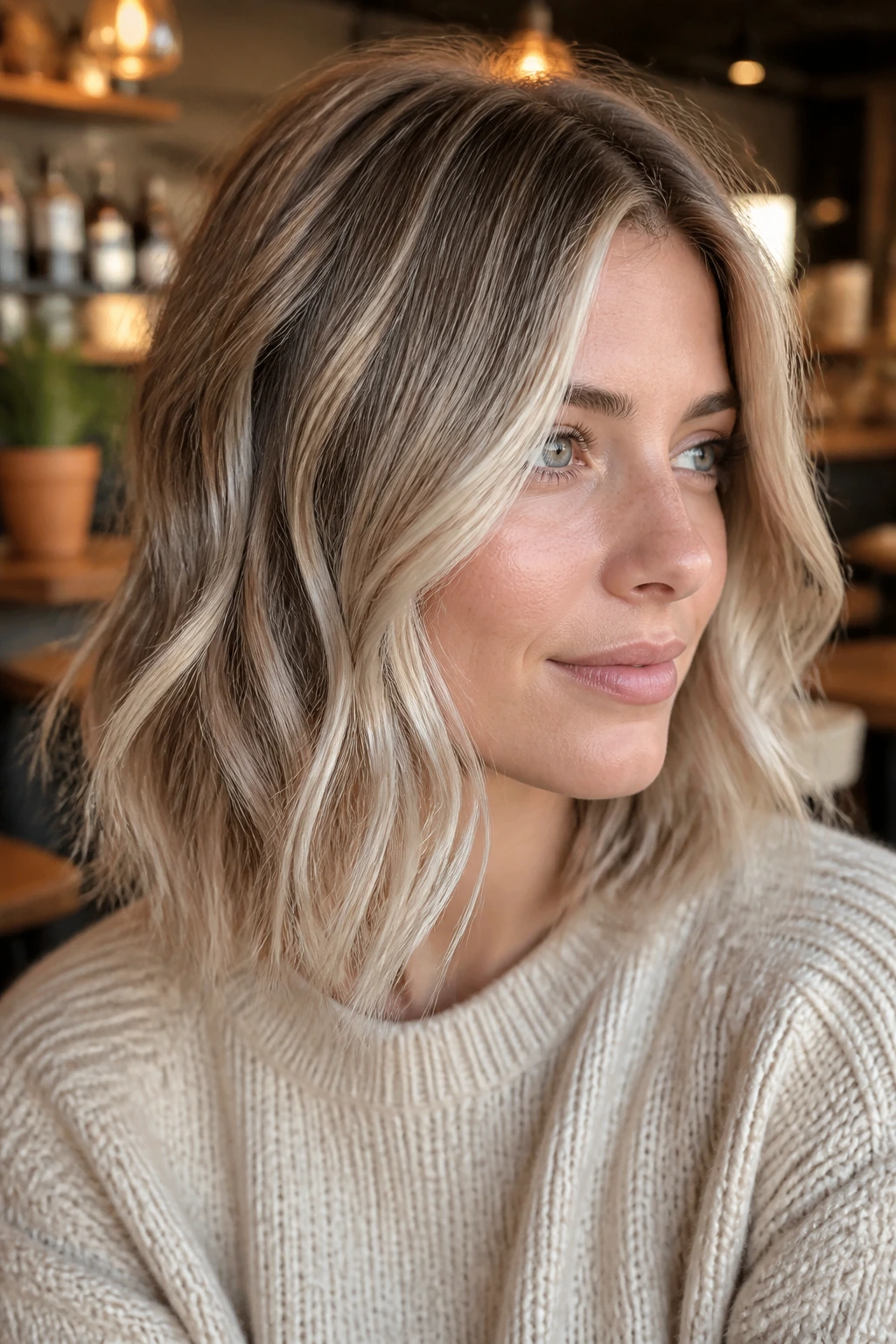
Babylights are the tiny, fine highlights that keep a lob from going flat. On cool skin, they work especially well when they’re toned ash or pearl and placed in little ribbons around the face and crown. The piecey finish gives the lob a modern, lightly undone feel.
This cut is less about one big wave and more about a cluster of softer bends. That’s useful if your hair is fine, because you can create the illusion of more texture without adding a lot of volume. A salt spray at the roots and a low-heat pass with a wand usually gets you there.
I like this one because it stays approachable. It’s blonde, but not loud. Wavy, but not overworked. If your hair hates heavy styling products, babylights plus a piecey finish can be a much friendlier route than an all-over bright blonde.
12. Wavy French Bob in Mushroom Blonde
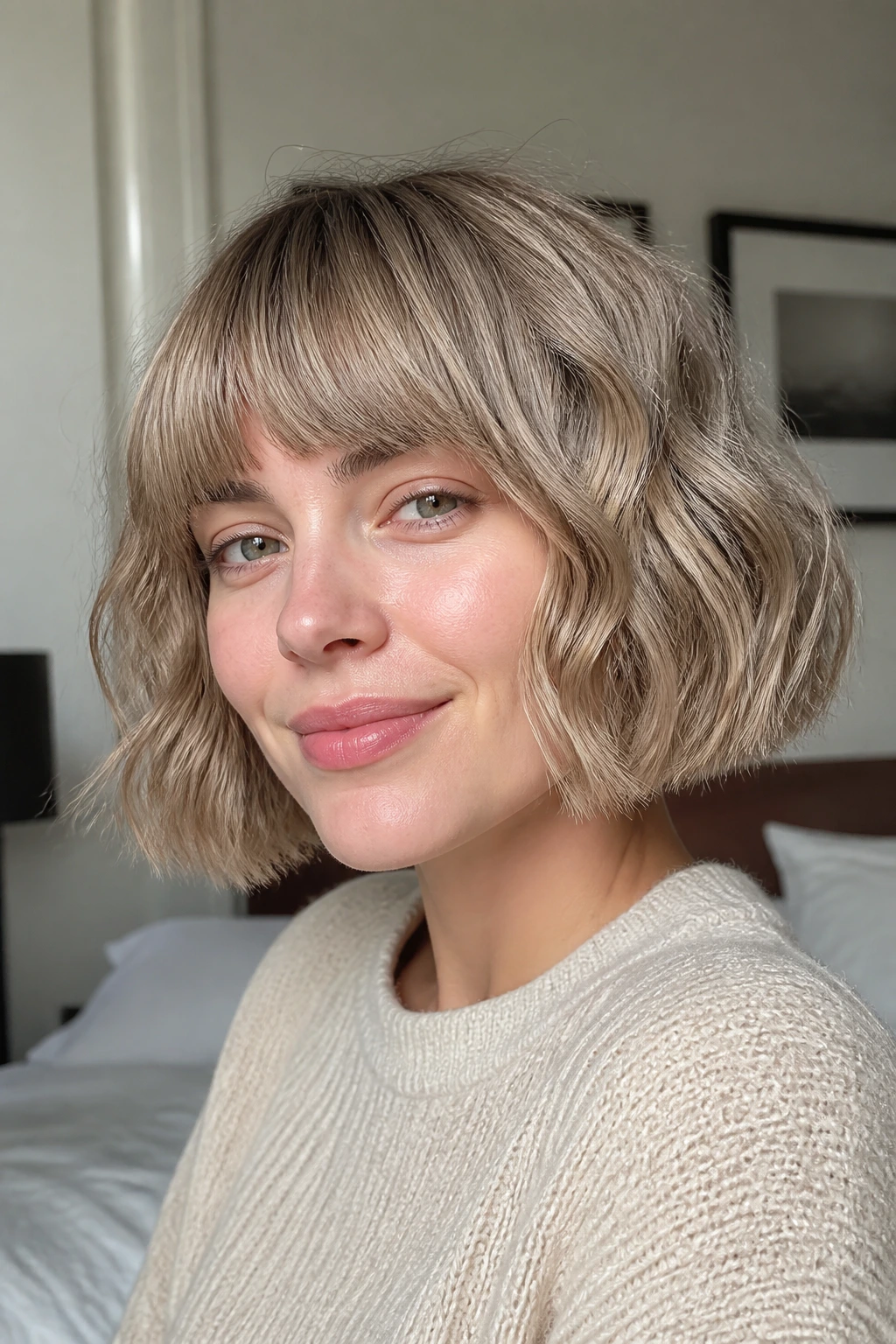
A French bob already has a certain attitude. Put it in mushroom blonde and the cut turns cooler, softer, and more wearable against cool skin. Mushroom blonde sits in that earthy ash-beige range that avoids the yellow-gold trap and gives the hair a muted, chic finish.
The wave here should be small and irregular. You do not want polished barrel curls. A soft bend around the jawline and a little movement through the fringe are enough. If you wear glasses, this cut can be especially good because the frame line, the bob line, and the wave line all work together instead of competing.
It’s also a nice choice for people who want shorter hair but hate looking overly styled. Air-dry cream, a quick blow-dry at the roots, and one or two bends with a flat iron can be plenty. That’s the whole appeal.
13. Long Mermaid Waves in Ash Beige
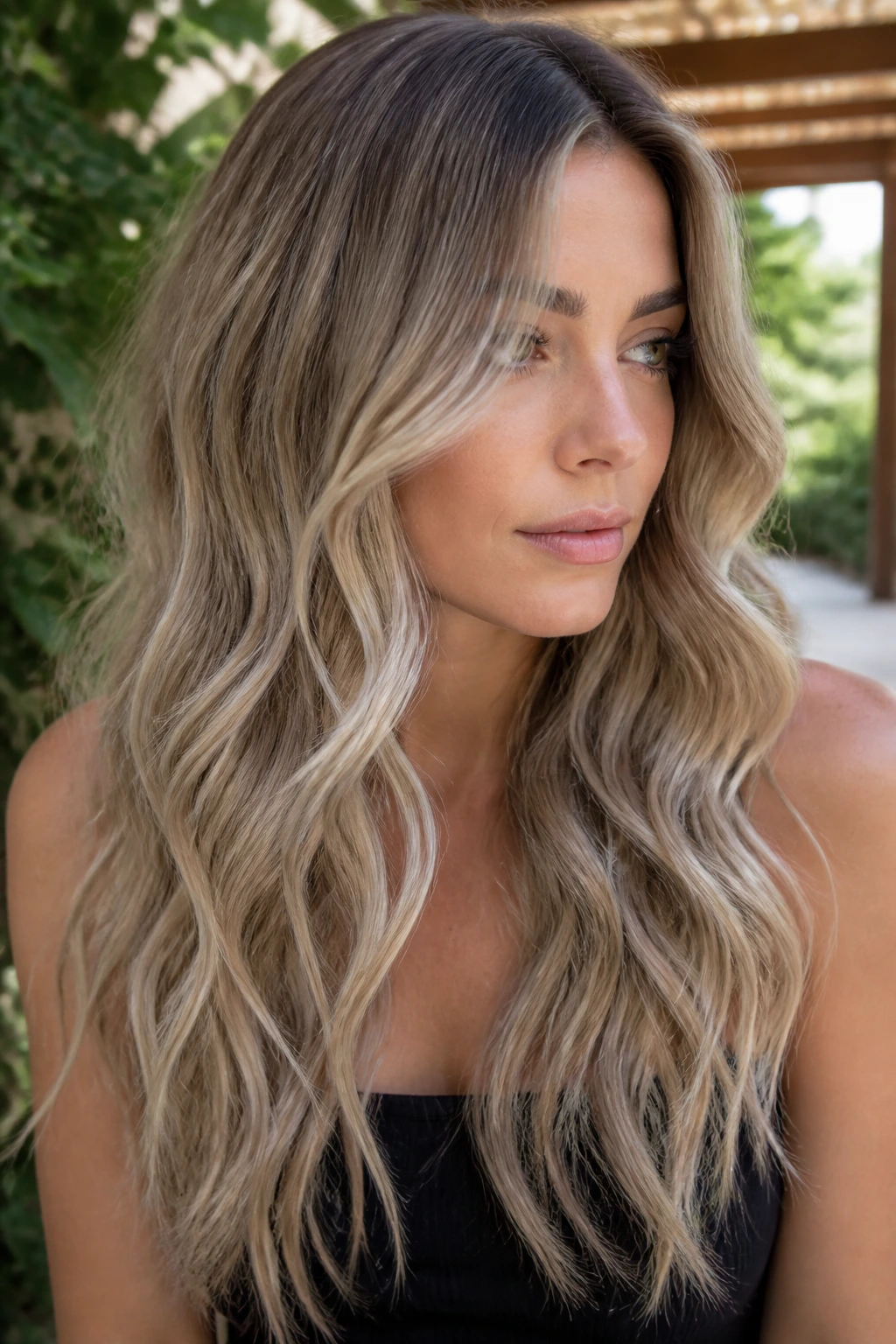
Long waves need room, and ash beige gives them a color family that doesn’t get swampy or warm at the ends. On cool skin, ash beige can read soft and refined, especially if the roots stay a touch deeper for contrast. The overall look is less “sunny blonde” and more “soft silver sand.”
This style benefits from long layers. Without them, the waves can collapse into one heavy curtain, which is flattering for almost nobody. A 1.25-inch wand works well here, and the wave should start a few inches below the ear so the movement shows through the body of the hair.
If your hair is thick, this one can be gorgeous. It has enough length to show dimension and enough coolness to keep the color from feeling brassy. Use a wide-tooth comb after styling, not a brush. A brush can turn the whole thing into fluff fast.
14. Choppy Wolf Cut in Icy Sand Blonde
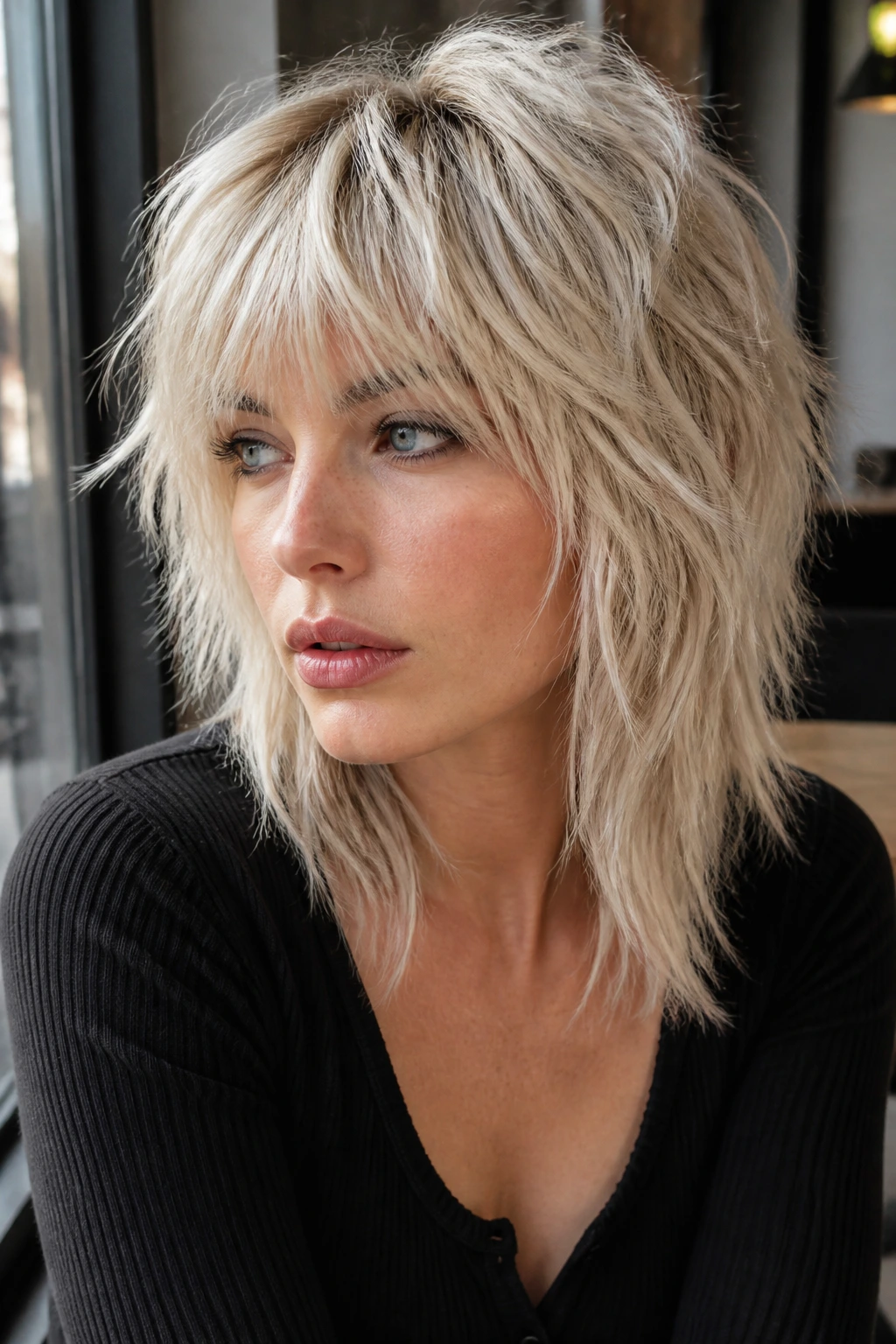
The wolf cut is for people who like edge and movement in the same haircut. With icy sand blonde, the cut gets a cooler finish that flatters cool undertones while the choppy layers give the style some bite. It’s not subtle, and that’s the point.
What to ask for
Ask for heavy texture through the crown, soft length around the perimeter, and enough layering to keep the wave from puffing. The blonde should lean neutral-cool, not golden. A rooty finish helps the cut look intentional rather than overlightened.
- Good for thicker hair that needs removal through the interior.
- Works best with mousse and a rough dry.
- Use a wand only on the pieces that need direction.
This is one of those cuts that looks better when it’s slightly imperfect. If every section is too neat, the wolf shape disappears. Let it have a little mess.
15. Side-Part Glam Waves in Pearl Blonde
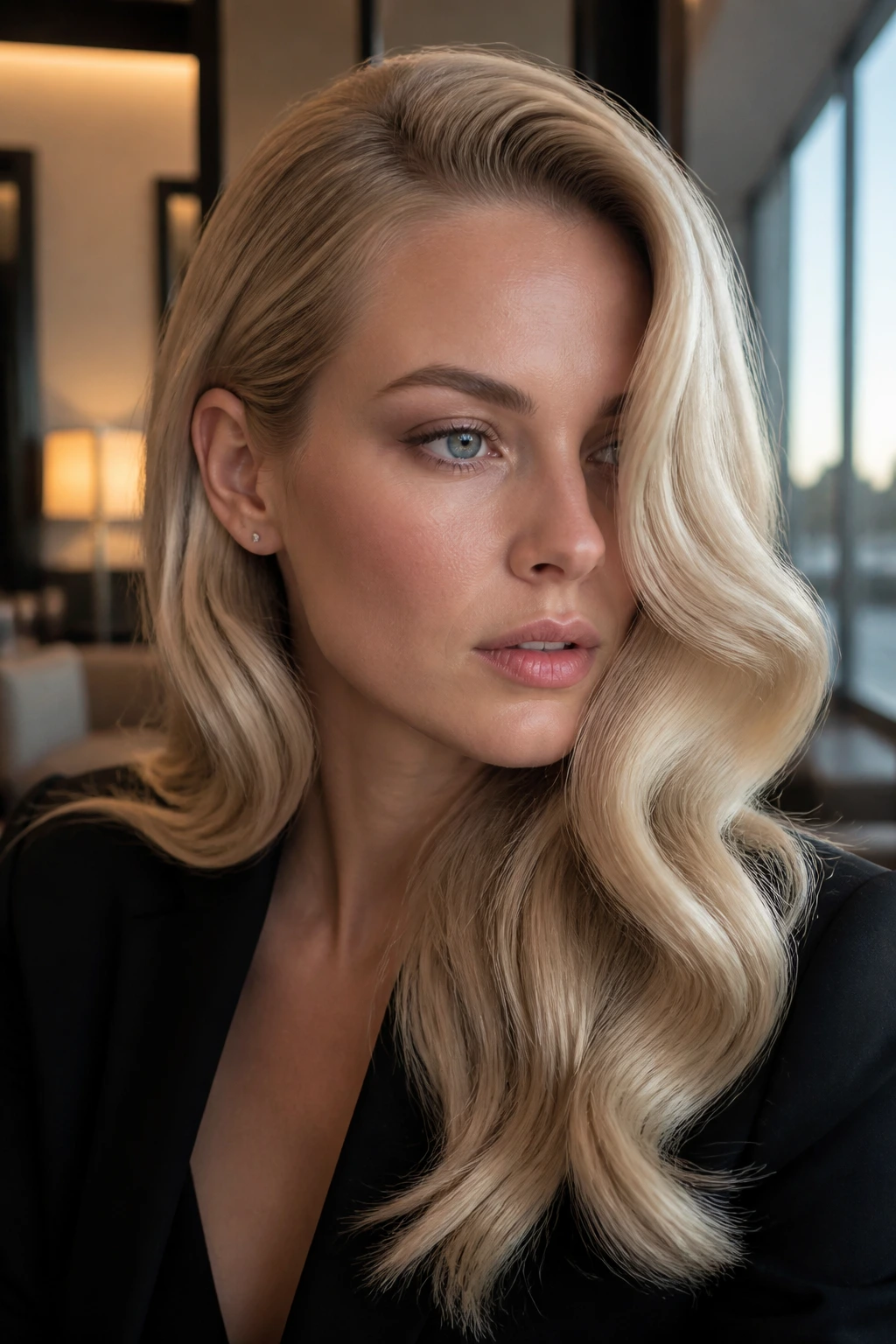
A deep side part can rescue a lot of blonde hair that feels too even or too flat. In pearl blonde, it adds a little old-school polish without turning the style formal. The waves fall across one side of the face, which can be very good for cool skin because it gives the cheekbone area a soft shadow.
This version works best when the front is lifted and the waves are brushed into one broad direction. That creates a clean sweep instead of a bunch of tiny curls. A shine spray at the last step helps pearl tones read luminous instead of dull.
It’s a strong choice for evenings, portraits, or any situation where you want the hair to look deliberately arranged. Tuck one side behind the ear if the earrings matter. That tiny move changes the whole line of the style.
16. Blunt Cut with Cool Blonde Dimension
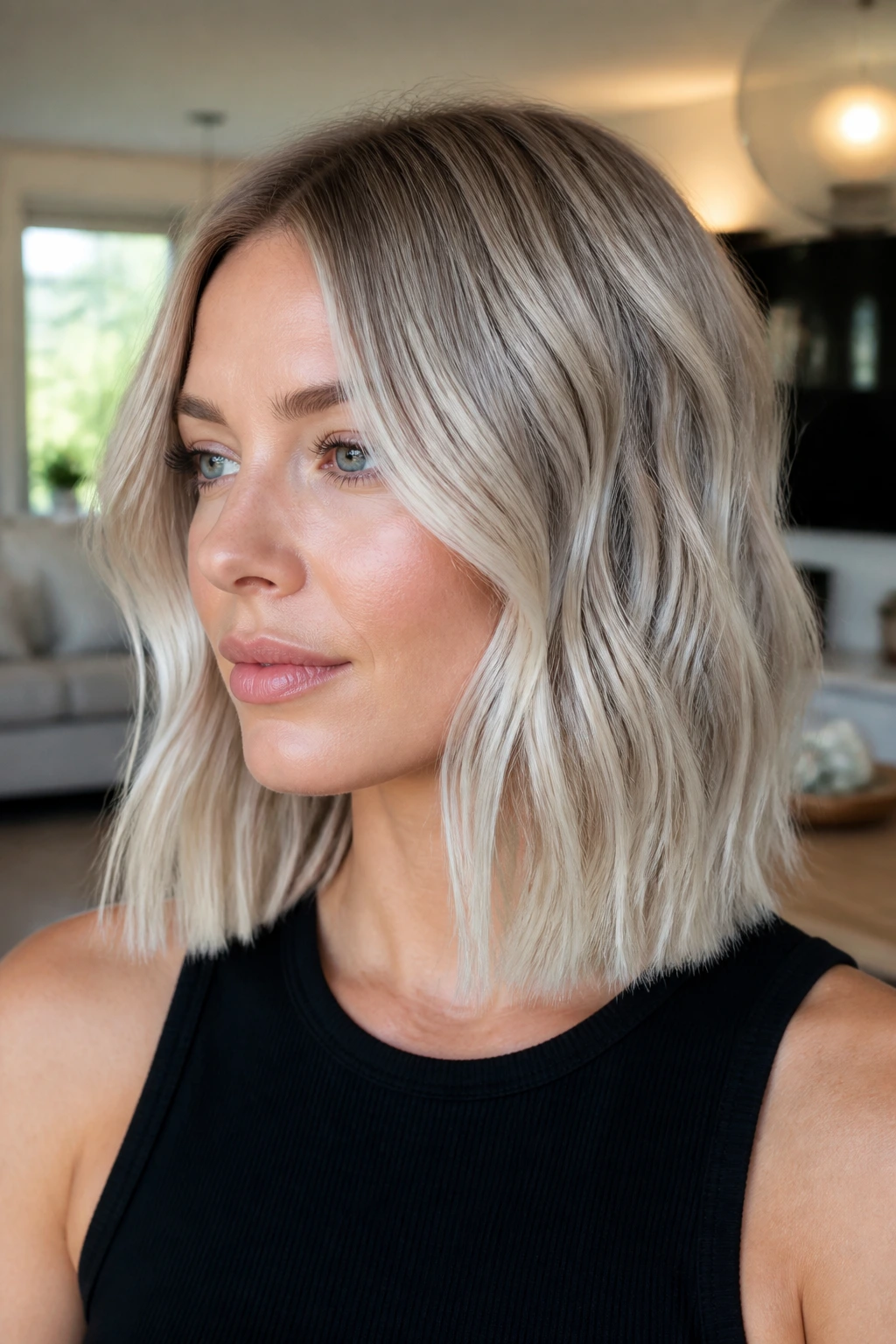
A blunt cut sounds severe until you put subtle dimension through it. Then it wakes up. On cool skin, an ash-blonde or pearl-blonde blunt cut with understated waves can look clean and modern, especially if the ends sit right at the collarbone or just above it.
The key is not to overlayer the cut. You want the line to stay strong. Instead of carving the whole head into pieces, place the wave only through the mid-lengths and ends so the outline remains visible. That contrast between a crisp edge and soft movement is what makes it interesting.
This one is good for fine hair because the blunt perimeter makes the ends look fuller. It also behaves well in cool weather, when frizz is less of a battle. If you want a low-drama blonde that still has shape, this is one of the better bets.
17. Airy Layered Cut with Silver Lowlights
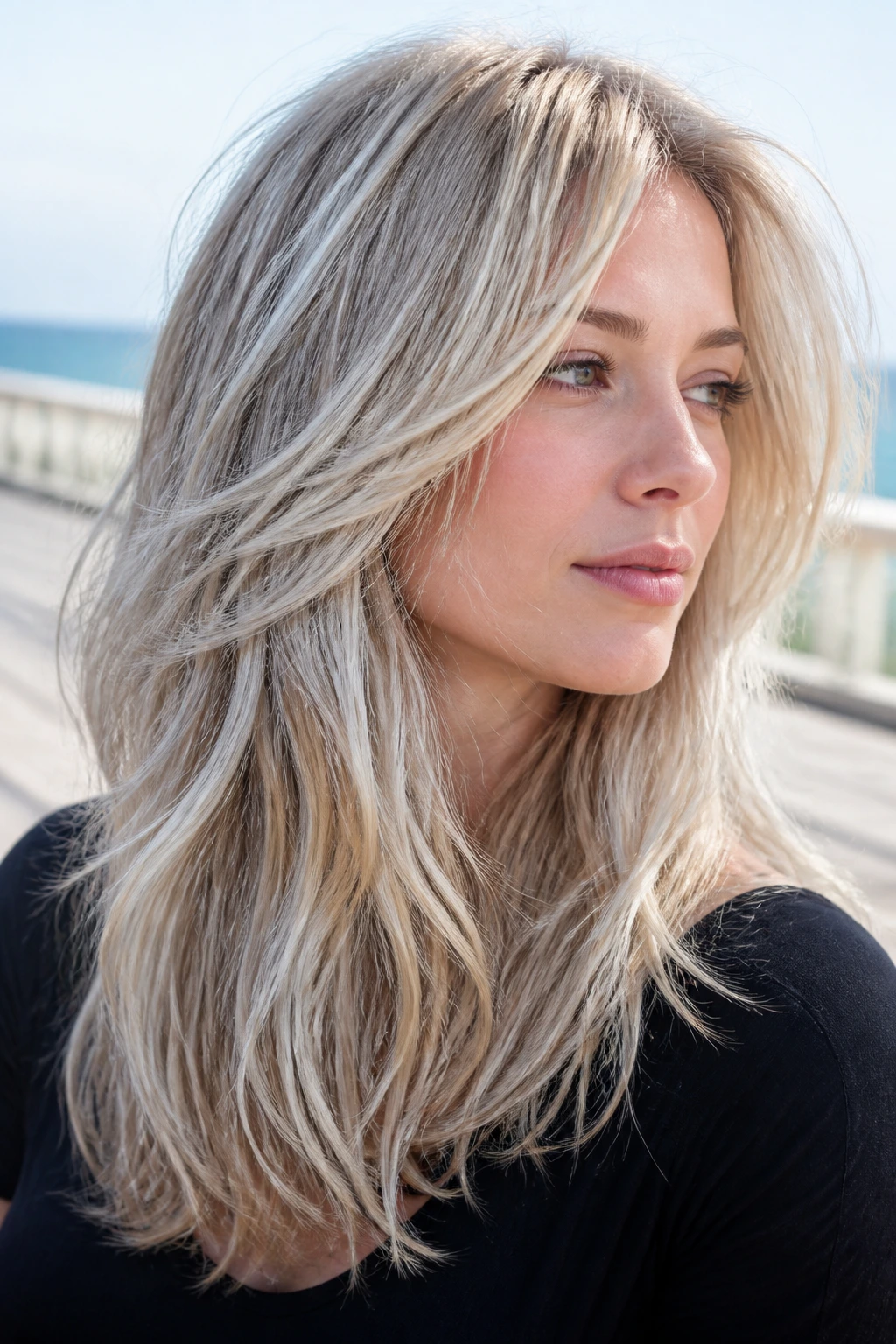
Silver lowlights are underrated. People chase brightness and forget that depth is what makes blonde hair look expensive in the first place. On cool skin, a pale blonde with silver lowlights can keep the face from washing out and give beach waves more texture to play against.
How the lowlights work
They usually sit underneath the top layer and around the nape, where they won’t dominate the look. Once the waves are in, those darker ribbons peek through and make the blonde pop without needing more bleach.
- Best for very light blondes that feel a little one-note.
- Great for medium to thick hair.
- Ask for lowlights one to two levels deeper than the base.
This is one of the smartest fixes for flat platinum. You get the cool tone people want, but the hair gains shape. That tiny bit of depth does a lot of heavy lifting.
18. Textured Pixie Bob in Frost Blonde
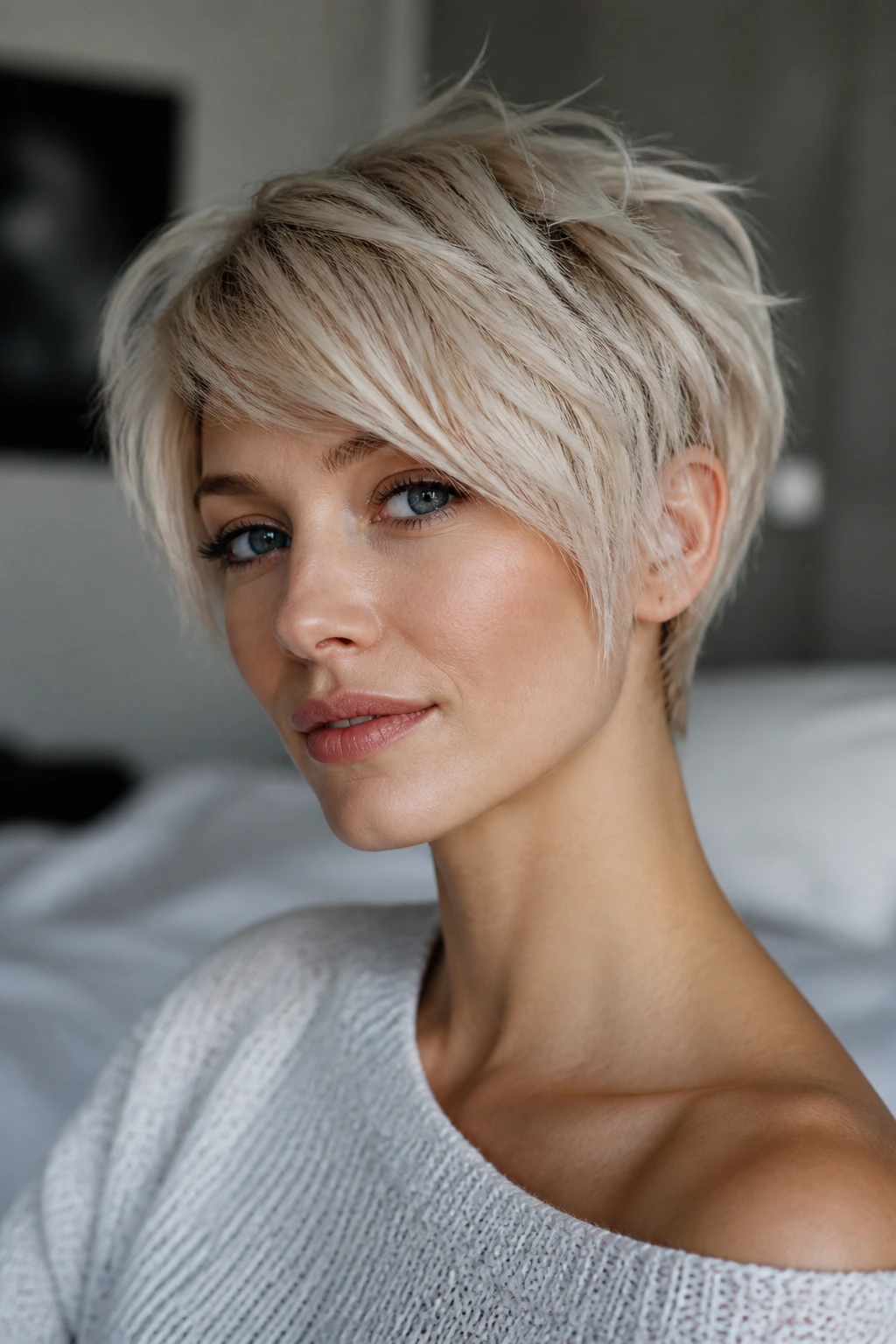
Short blonde hair can still have wave. It just needs a different kind of wave. A textured pixie bob in frost blonde uses movement at the crown, around the fringe, and through the top layers to keep the cut from lying too close to the head. Frost blonde keeps the whole thing crisp on cool skin.
Use a small flat iron or even your fingers with a little styling paste to create bends rather than curls. You’re aiming for separation, not fluff. If the ends start to stick out in every direction, the product load is too heavy.
This cut is a good fit for people who want ease and shape more than length. It opens the face fast and keeps the color front and center. The key is regular trimming. Short blonde texture gets blurry once it grows out past its shape.
19. Face-Framing Butterfly Layers with Ash Balayage
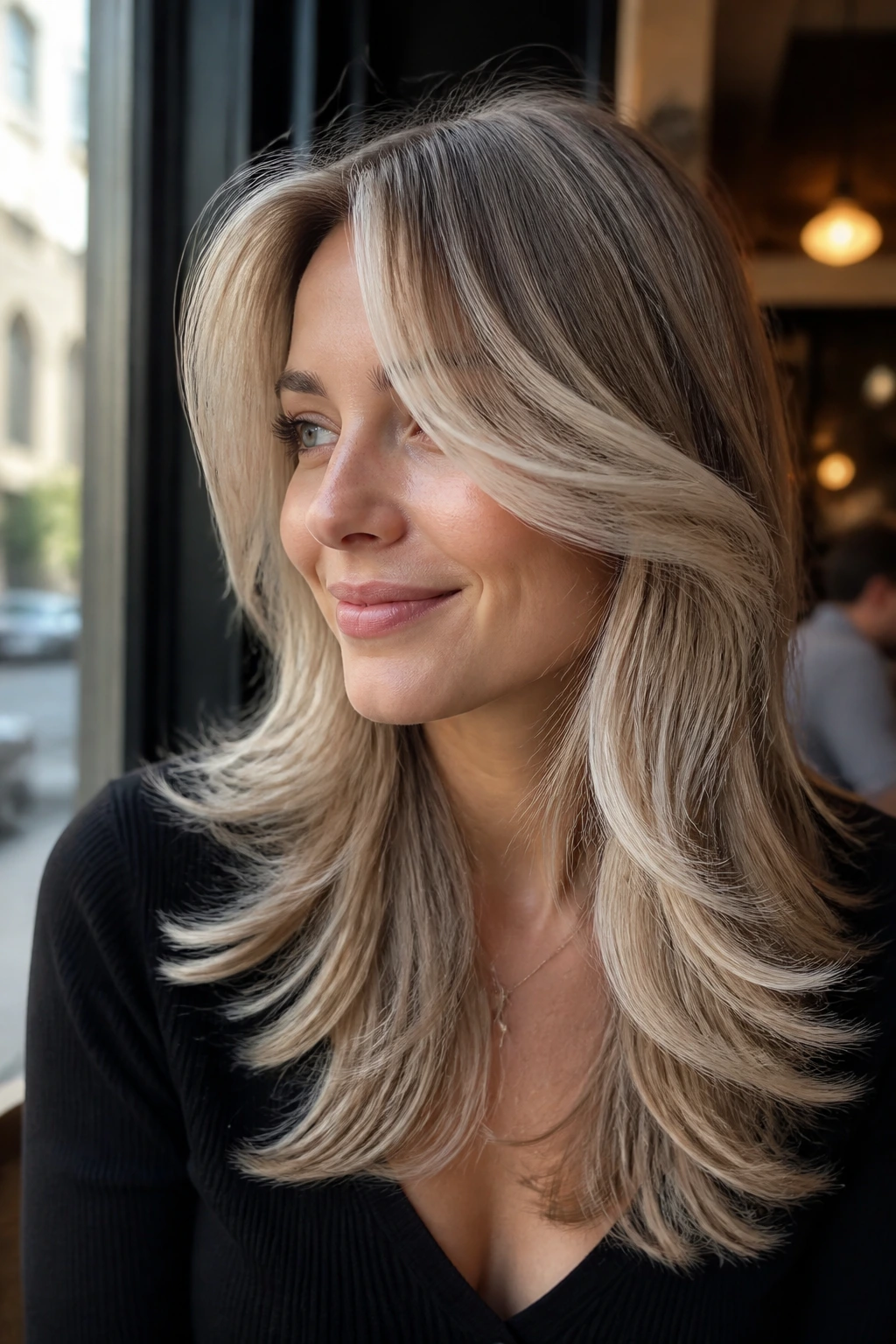
This is the softer cousin of the full butterfly cut. The longest layers stay intact, while the front pieces carve out lift around the eyes, cheekbones, and jaw. Ash balayage keeps the brightness cool and makes the layers read as movement instead of bulk.
The most flattering part is the front. Brighten there, keep the mids slightly deeper, and the whole hairstyle starts to contour the face naturally. A large round brush at the front layers, then a waved finish through the back, gives the hair two speeds. That contrast looks good.
If you wear your hair up half the time, this cut still behaves. The face-framing pieces fall in a useful way, and the balayage keeps the visible sections interesting even when the rest is tied back. That’s practical. I love practical hair more than perfect hair.
20. Soft Mullet with Cool Blonde Ribbons
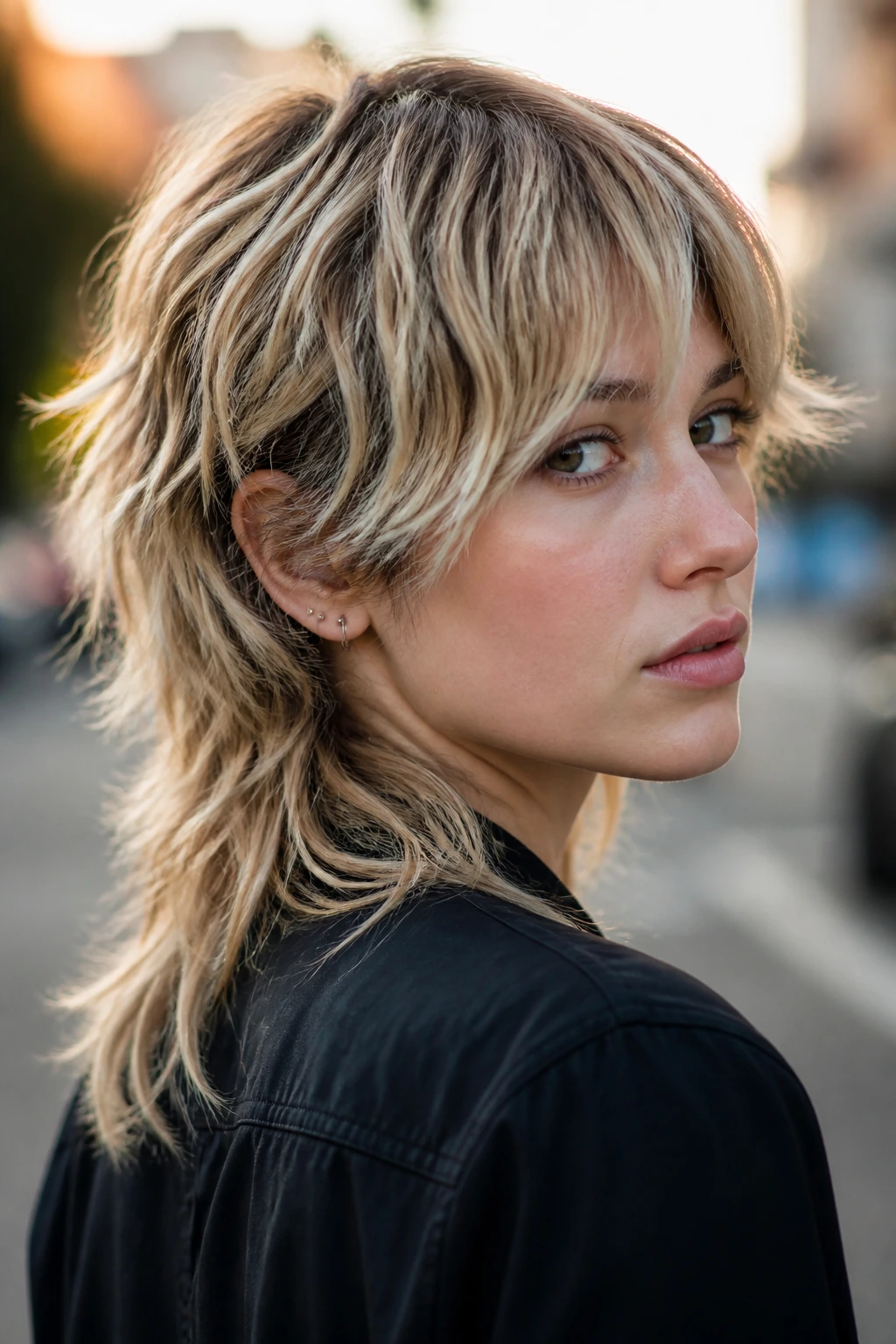
A soft mullet can be surprisingly flattering on cool skin if the color is handled with restraint. Cool blonde ribbons through the top and sides keep the cut light, while the longer back gives it shape and a little attitude. This is not a sharp retro mullet. It’s softer around the edges.
The waves here should be irregular and a little rough. Too polished, and the cut loses its charm. Too much product, and the layers clump. A light mousse and a scrunch-dry finish usually make more sense than a curl-iron marathon.
This style is good when you want a little personality without going full editorial. It also suits thicker hair nicely because the layers remove weight in places that would otherwise balloon. Keep the roots touchable. That’s the whole game.
21. Medium Shag with Smoky Highlights
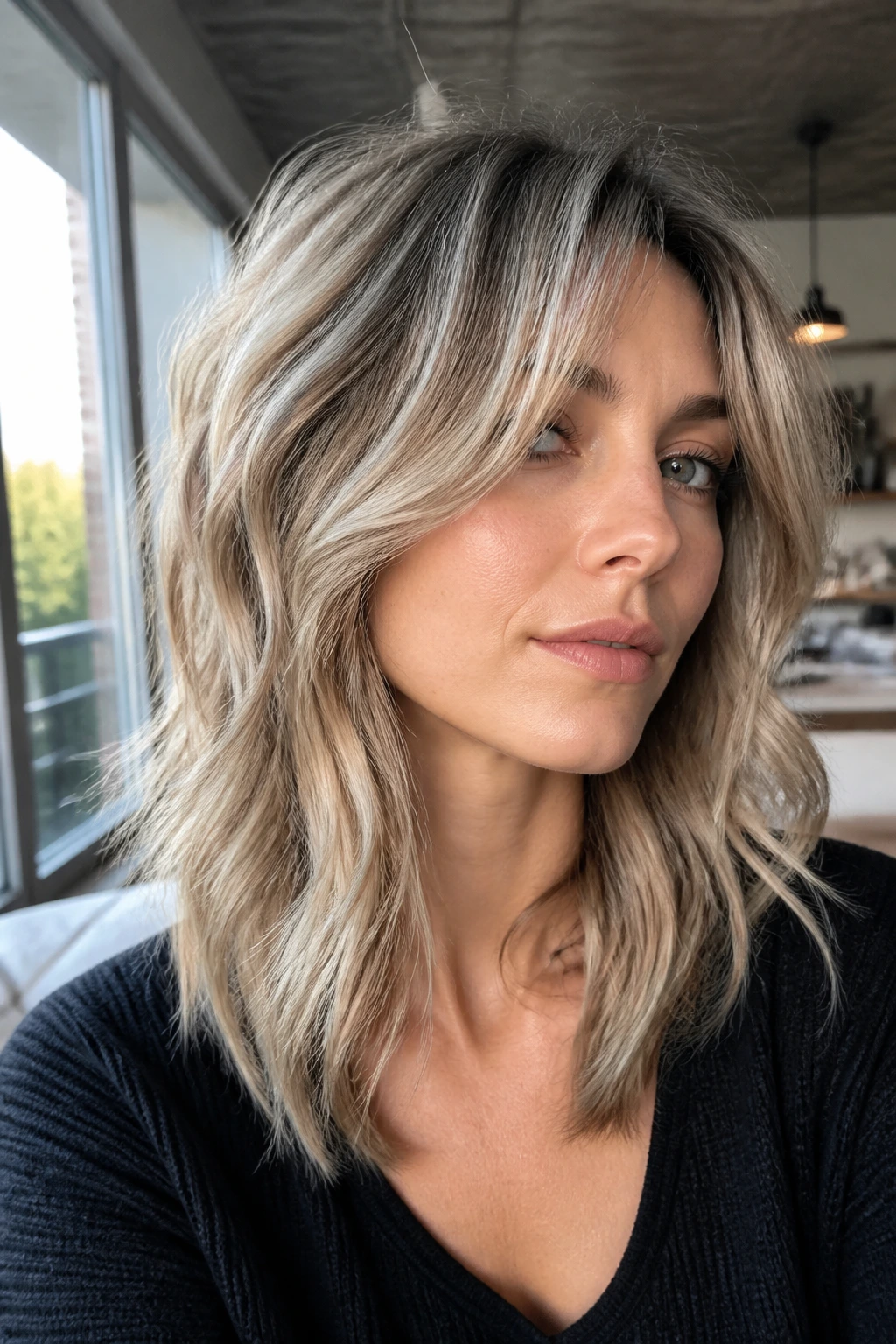
A medium shag sits in a sweet spot between short and long, and smoky highlights give it depth without making the blonde look overly bright. On cool skin, that softness matters. It keeps the face from getting overpowered by pale color and heavy texture at the same time.
Would this cut work if your hair is fine? Yes, if the layers are controlled. The shag creates lift at the crown and a little swing through the ends, which means you do not have to manufacture as much volume with tools. A diffuser, a light wave spray, and a quick finger-scrunch are usually enough.
This is a good “real life” blonde. It’s not precious. It can look good with a tucked tee or a coat collar or a plain black sweater, which is more than I can say for a lot of hair trends that need a full costume to make sense.
22. Polished Beach Waves with Platinum Ends
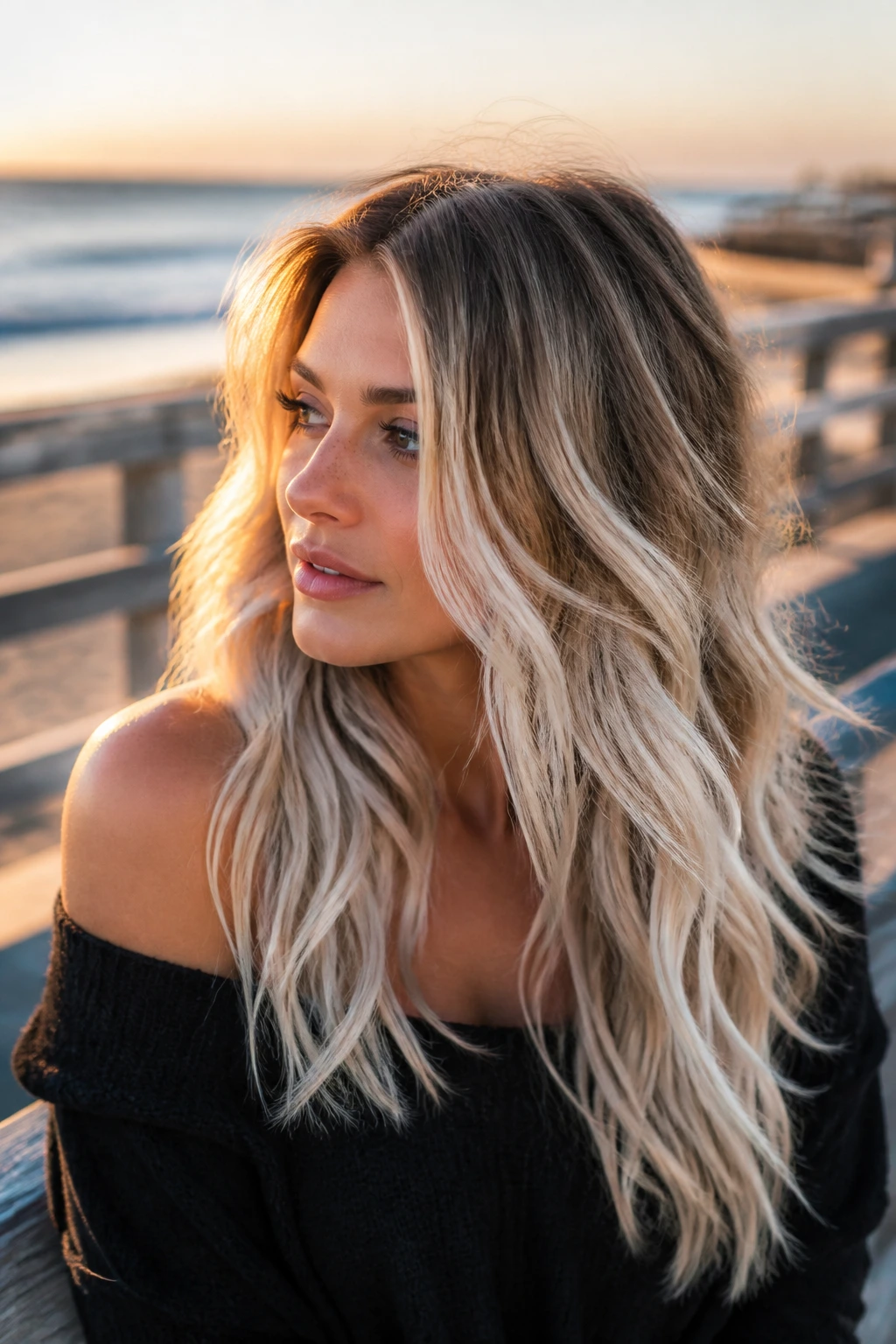
Platinum ends give beach waves a stronger finish, especially when the root stays a little deeper and cooler. The contrast draws the eye downward, which is useful if you want movement through the length without lightening the whole head to the same level. On cool skin, that pale end point can look striking without feeling icy in a bad way.
The trick is to keep the wave polished enough that the ends show off the brightness, but not so polished that the style turns into formal curls. A medium wand and a careful brush-out create that in-between finish. The roots should stay soft and airy. The ends can be the dramatic part.
I like this one for long or medium-long hair because it gives the blonde a clear finish line. It says, “Yes, this was planned.” And that matters when the color is this light.
Why Beachy Waves Change the Way Cool Blonde Reads
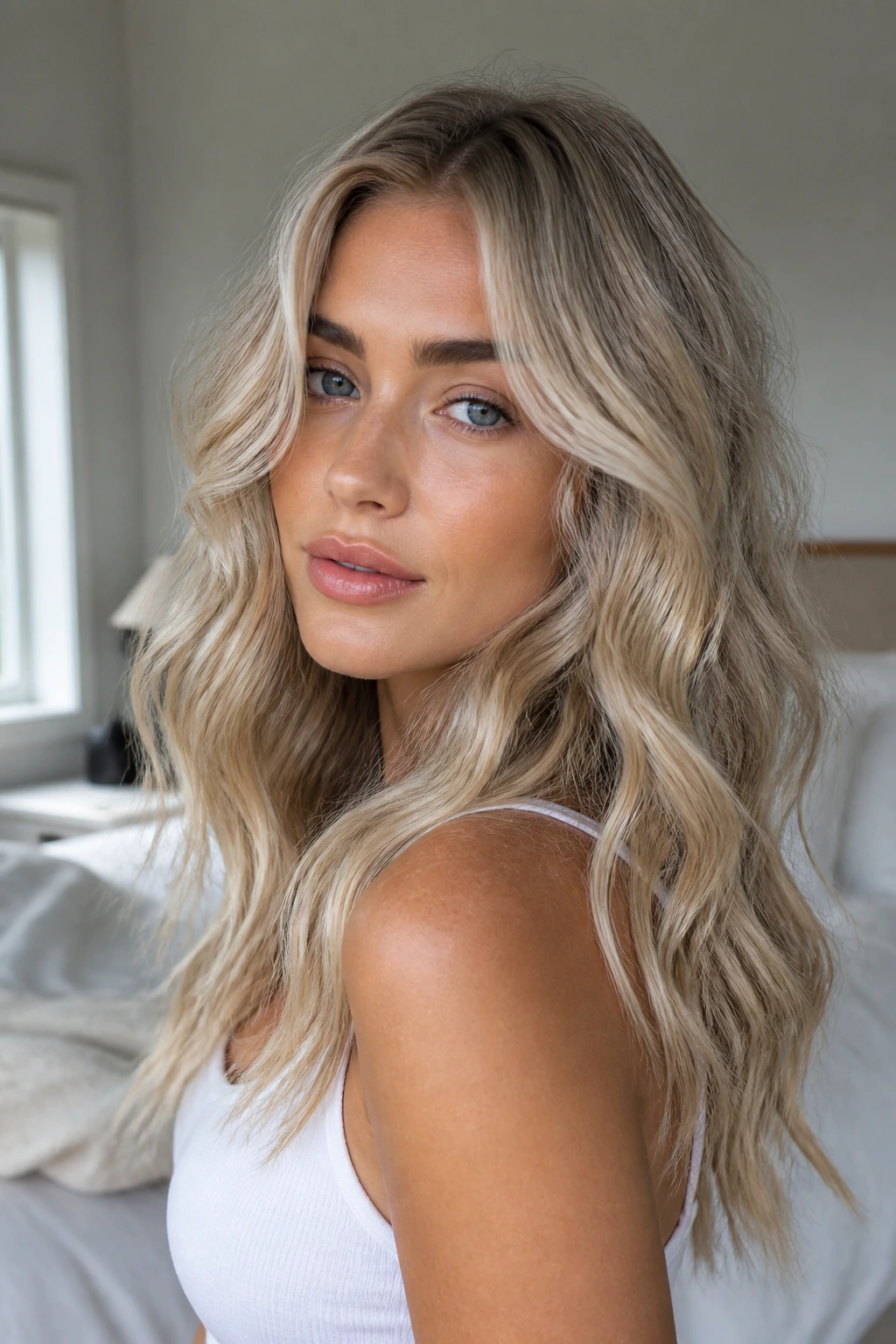
A cool blonde shade on straight hair can look flat fast. That’s not a flaw in the color; it’s just how one solid surface behaves under daylight. Add waves, and the same shade starts to pick up shadow, movement, and little shifts of tone that make ash, pearl, or silver blonde look richer.
The wave pattern matters more than most people realize. Loose bends create a broken line of reflection, so the eye sees dimension instead of one continuous pale strip. That’s why a toner that looked a little too icy in a photo can suddenly feel right once the hair has movement. The bends soften the tone. They also stop the hair from looking like one big highlighter swipe.
I’m a fan of waves that start lower down, around the cheekbone or jaw, and leave the very ends slightly straighter. Full, even curls can make blonde hair feel too dressed up, and they can show damage faster. A soft bend is more forgiving. It also wears better on day two, which is where a lot of haircuts either save themselves or fall apart.
Cool blondes are at their best when they have a little shadow to sit against. Waves give them that shadow for free.
Tools That Keep Waves Soft Instead of Puffy
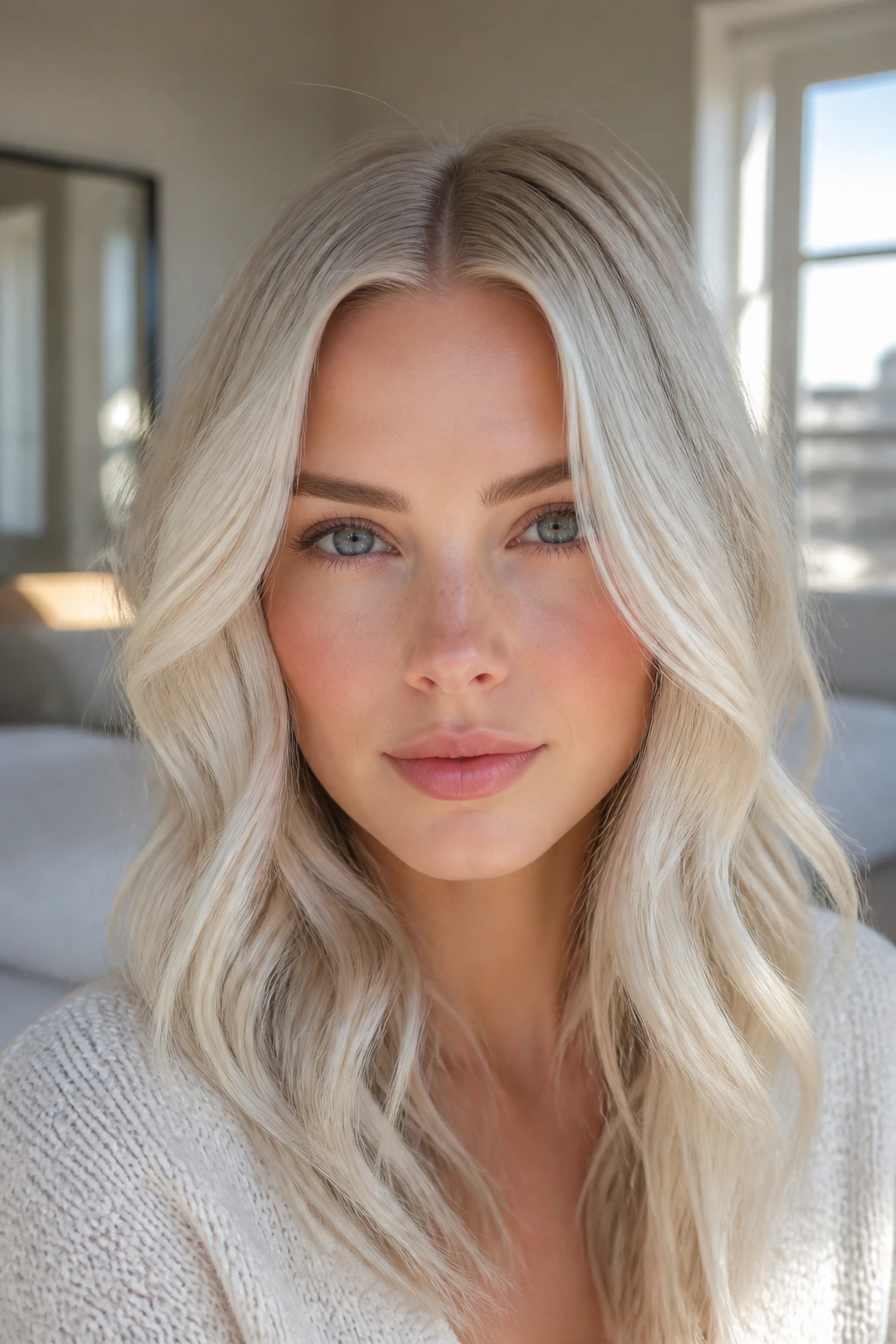
- 1-inch curling wand: The most useful size for loose, beachy bends on shoulder-length to long hair.
- Flat iron: Better for short styles, blunt cuts, and the tiny bend that keeps ends from sticking out.
- Heat protectant spray: Use a light mist from mid-lengths to ends before every hot tool pass so the blonde does not fry at the ends.
- Texturizing spray: A dry, light spray at the roots and mid-lengths helps the wave hold without making the hair sticky.
- Light mousse: Best for shaggy or layered cuts; apply at the roots and comb through damp hair.
- Purple shampoo: Good for keeping ash, pearl, and silver tones from drifting yellow, but don’t overdo it.
- Wide-tooth comb: Useful for breaking waves apart after they cool without turning them into frizz.
- Sectioning clips: Worth having if your hair is dense or long; they stop the top layer from getting tangled while you work.
- Silk or satin pillowcase: Not a styling tool, but it helps preserve wave shape and keeps blonde ends from roughing up overnight.
Choosing Blonde Hairstyles for Cool Skin Tones by Undertone
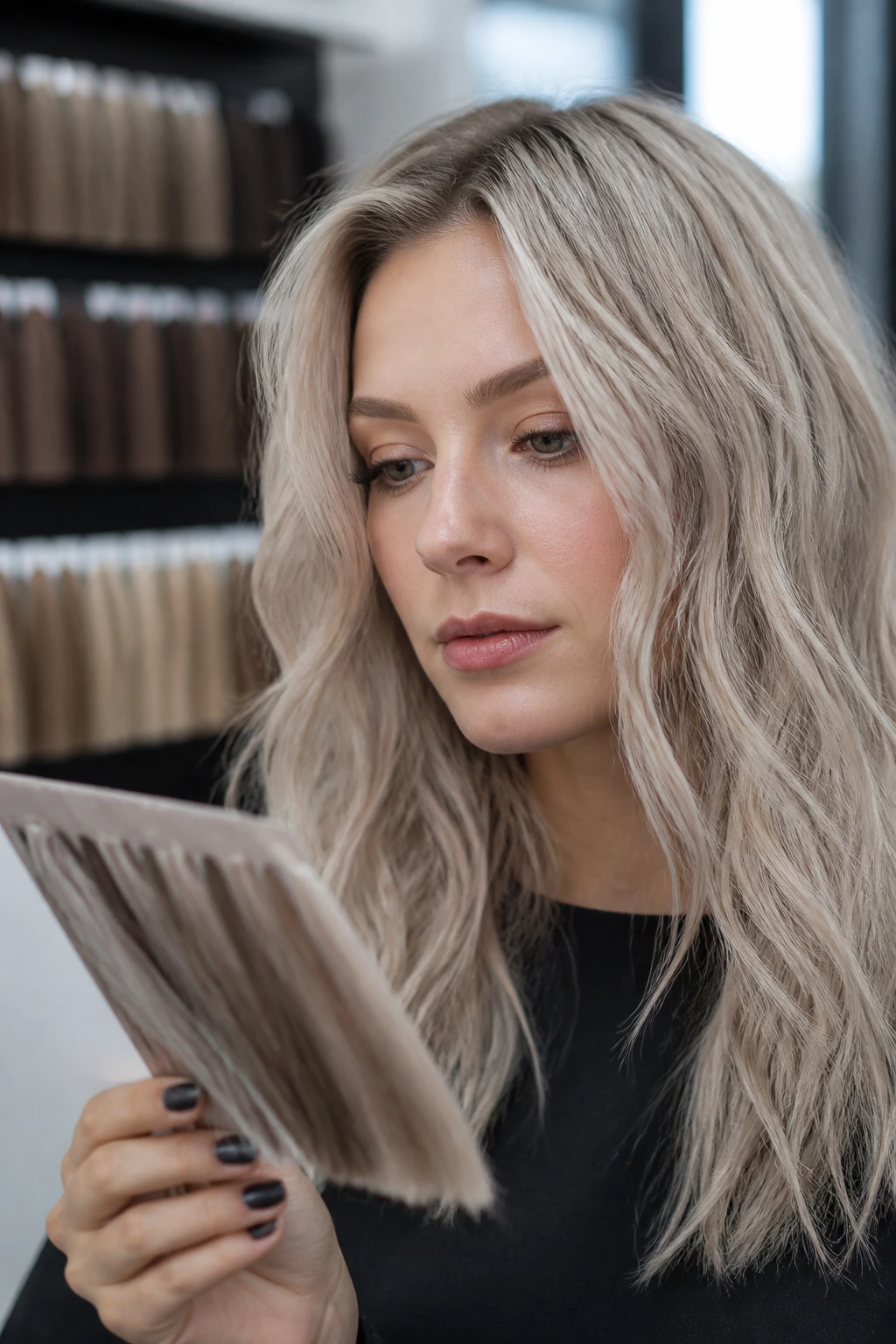
Cool skin is not one thing. Some people have pink undertones, some lean blue, and some sit in that neutral-cool lane where warm gold can still feel a bit off but not wildly so. That matters when you pick a blonde shade because the wrong tone can make the skin look tired, while the right one sharpens everything around it.
If your skin is fair and rosy, icy blonde, pearl blonde, and silver blonde usually sit well. Those shades echo the coolness in the face instead of competing with it. If you’re cool olive, the sweet spot is often ash beige or smoky blonde with a shadow root. Too pale and too flat can make olive skin read a little green, which is not the goal.
For medium or deeper cool skin, a stronger contrast can be useful. Platinum accents, pearl ribbons, or bright face-framing pieces often look cleaner than a muddy beige blonde. The hair needs enough depth at the root or underneath so the color doesn’t blur into the skin. That’s why lowlights and root smudges are not just maintenance tricks; they shape the whole effect.
If your hair starts out dark, ask for a plan rather than a single-color promise. A good blonde result often needs babylights, a root melt, and a toner family chosen for your undertone. One blanket color rarely does the job well.
How to Wear These Looks With Makeup, Jewelry, and Necklines
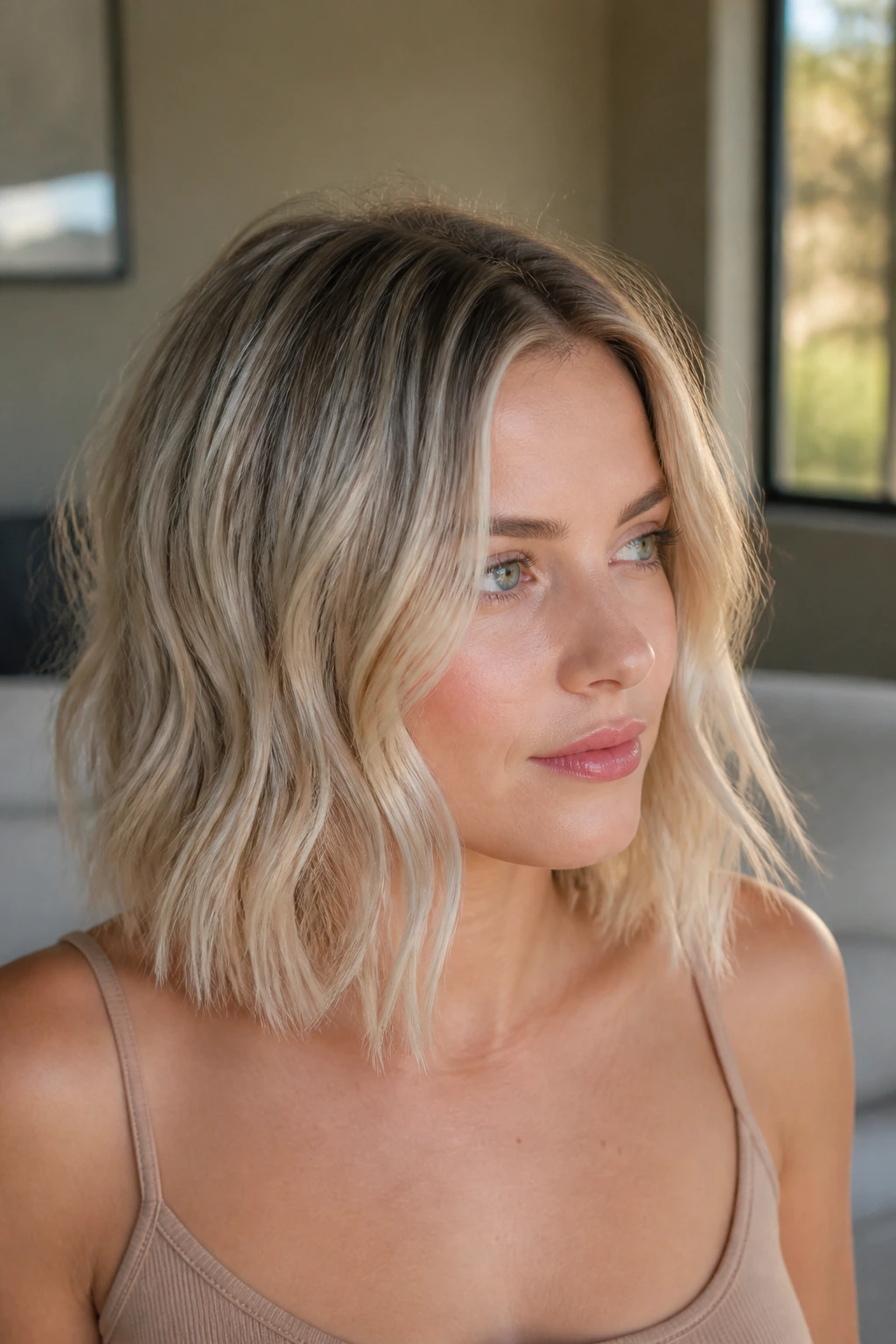
Presentation: Keep the wave loose and directional. A center part looks clean with symmetrical features, while a soft side part adds a little lift if your face reads round or heart-shaped.
Accessories: Silver hoops, pearl clips, chrome pins, and black headbands sit naturally with cool blonde. Heavy tortoiseshell or warm amber can fight the palette a bit, especially if the blonde is icy or silver.
Proportion: Shorter cuts need tighter wave spacing so the texture actually shows. Long layers need wider bends and more brush-out, or they start looking overdone. If your hair is dense, keep the front pieces a touch softer so the style doesn’t close in around the face.
Setting: Sharp wave plus cool blonde reads well in daylight, but a little serum on the ends and a slightly softer part help the same look work at dinner, at work, or anywhere the hair needs to feel polished without becoming stiff.
Small Tweaks That Make the Color Look Richer
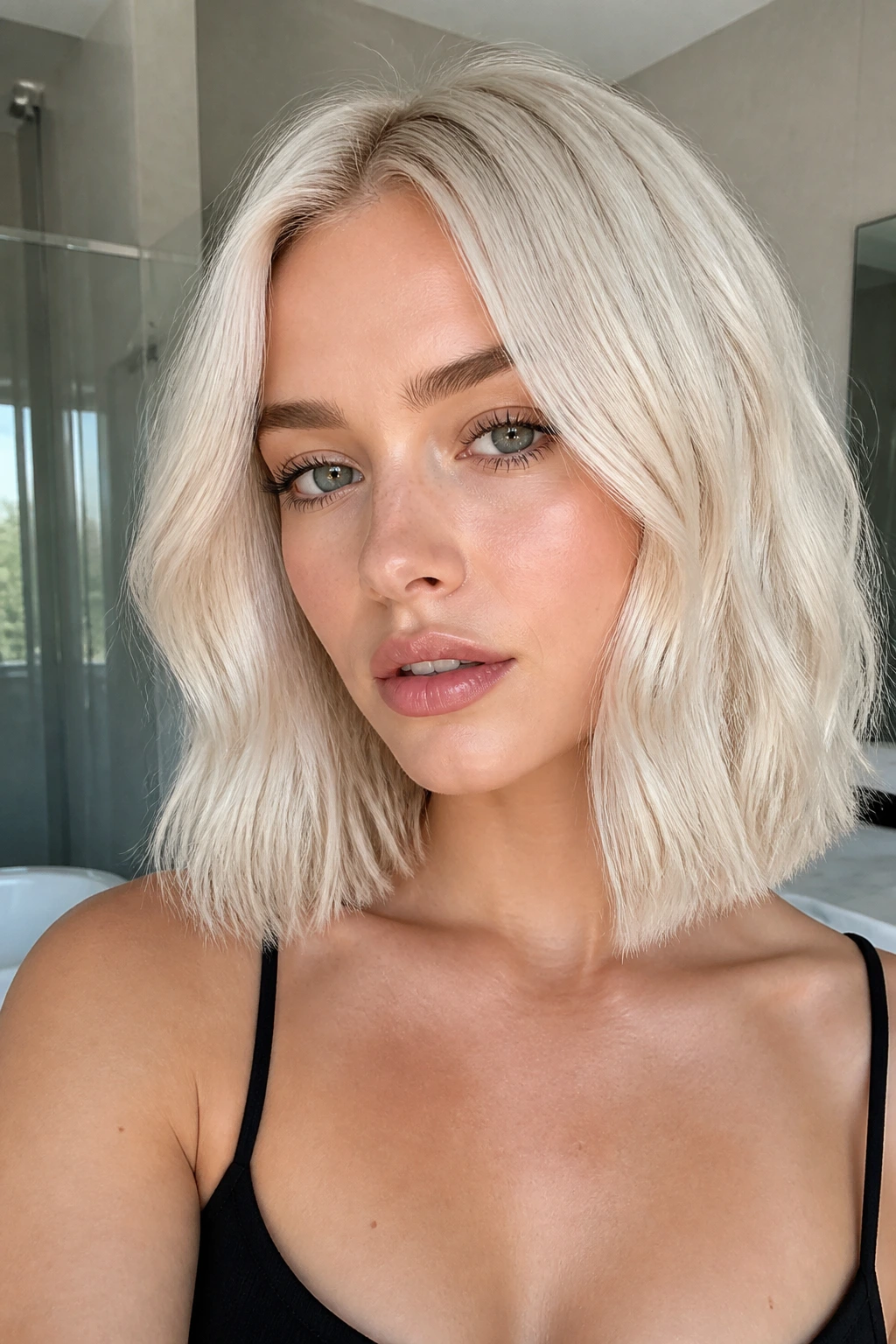
Gloss Refresh: A clear or cool-toned gloss every few weeks can keep ash, pearl, or silver blonde from turning muddy. I like violet-pearl glosses for very pale hair and smoky beige glosses for softer cool blondes.
Texture Control: Apply texture spray only where you want lift. Root, crown, and mid-lengths usually need it. Ends usually do not. Overdoing the product on the ends is a fast way to make beach waves droop by lunchtime.
Customization: Ask for hidden lowlights under the top layer if your hair feels too flat, or brighter money pieces if the face needs more lift. Those tiny changes make a bigger difference than people expect.
Make-It-Yours: If your hair is very fine, keep the layers soft and the tone pale but not stark. If it’s thick, choose a stronger shadow root and a heavier wave pattern so the style doesn’t puff outward. Curly hair can follow the same palette, but it usually needs a diffuse finish instead of hot-tool waves.
Maintenance Between Salon Visits and Wash Days
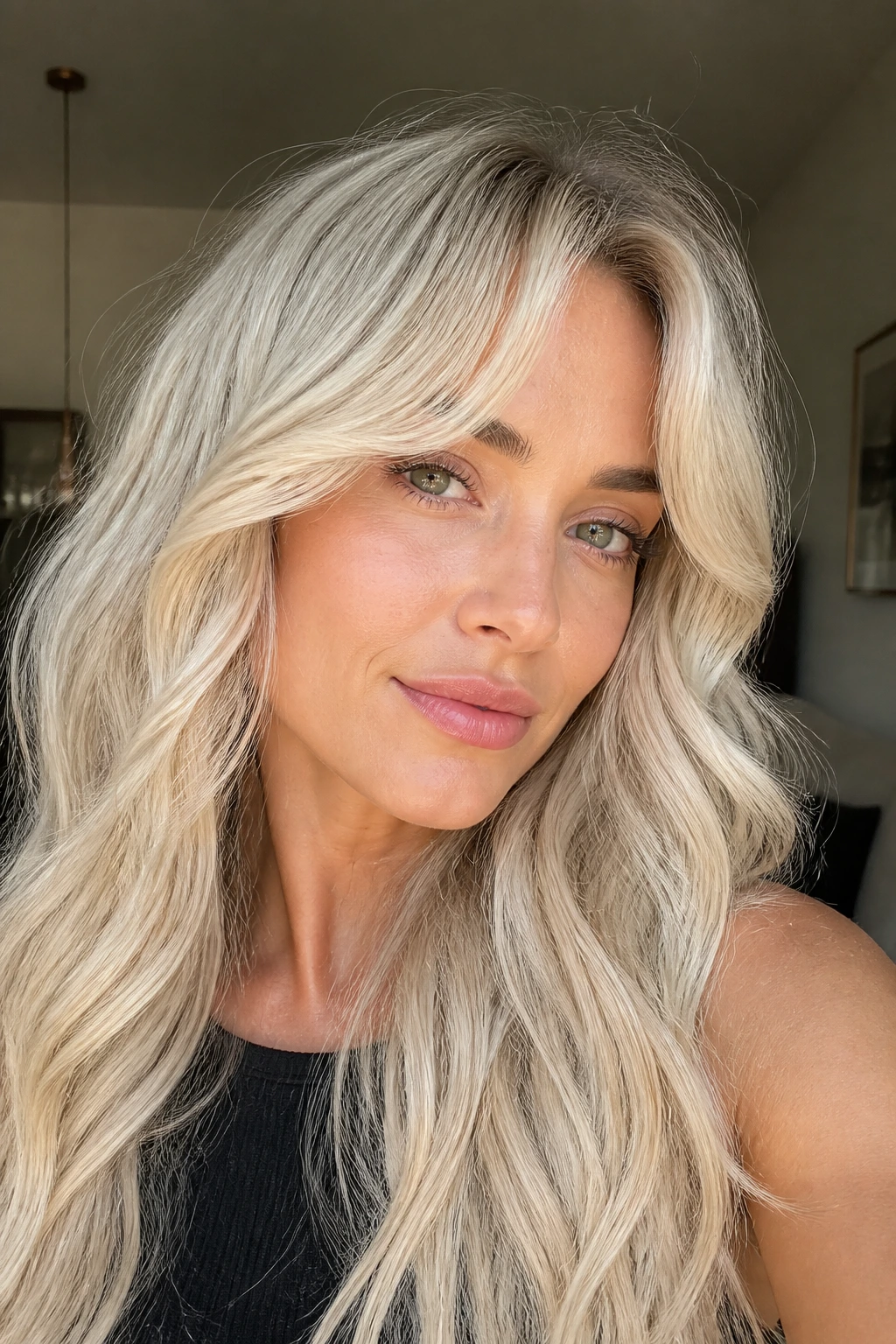
Cool blonde stays pretty when the tone stays clean. That means a regular rhythm, not a frantic rescue mission after the brass shows up. Purple shampoo is useful, but it should be a tool, not a religion. Once every one or two washes is enough for many blondes. If your hair is very light, you can use it a bit more often, but leave it on only long enough to knock back yellow tones—usually one to three minutes.
Washing too often strips the finish and makes wave patterns fall faster. Two to three washes a week is a practical rhythm for most people wearing beachy waves. Dry shampoo helps the roots stay lifted, but use it before the hair looks oily, not after it’s already collapsed. That’s a small change with a big payoff.
At night, a loose braid, a loose claw clip, or a silk pillowcase helps the wave survive the sleep test. Don’t tie the hair so tight that you leave dents through the crown. If the ends are dry, a tiny amount of lightweight oil on the last inch or two is enough. Any more, and the wave loses its spring.
Salon glossing every four to six weeks keeps ash, pearl, and silver tones from drifting. Trims every eight to twelve weeks stop the ends from fraying, which matters more on blonde hair because damage shows faster on pale strands. If you heat style often, keep bond repair or a protein-moisture balance in the routine. Blonde hair likes help. It does not like neglect.
Common Mistakes That Make Cool Blonde Look Off
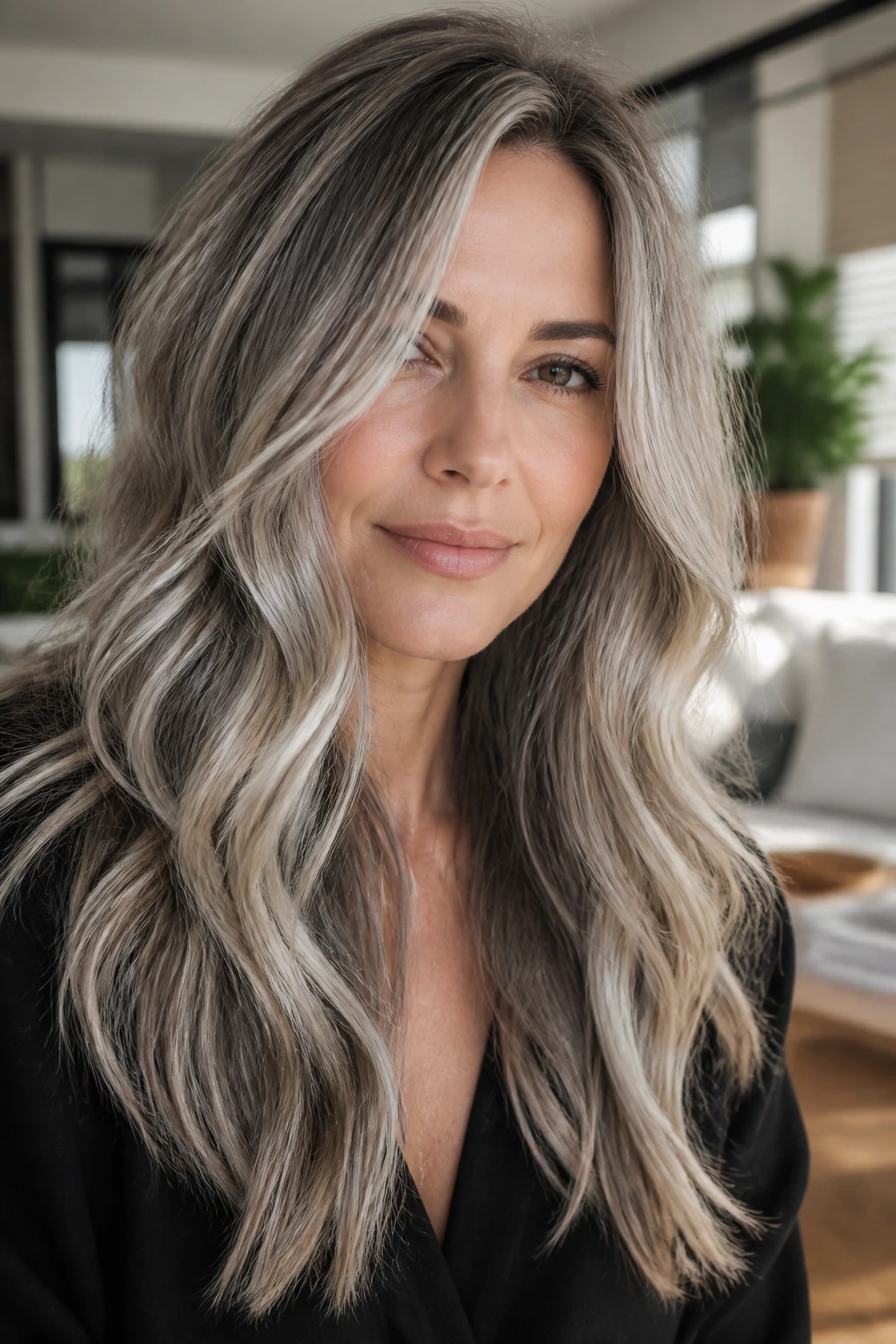
- Choosing blonde without checking undertone: If the shade leans gold or yellow, cool skin can start to look flat or slightly tired. The fix is to ask for ash, pearl, silver, or smoky beige instead of honey or butter.
- Curling every section the same way: Uniform curls make beachy waves look stiff and dated. Alternate directions, leave the ends out, and brush the finished wave so it falls in soft bends.
- Using too much purple shampoo: Over-toning can leave pale blonde looking dull, gray, or dusty. Use it sparingly and watch the hair in daylight, not just bathroom light.
- Skipping root shadow on darker bases: All-over light color with no depth can look expensive for about a week, then grow out in a hard line. A soft root melt keeps the style easy to live with.
- Overloading with oil or cream: Blonde waves collapse fast when the ends are coated too heavily. Put product on the mid-lengths and the final inch only, and keep it light.
- Ignoring haircut shape: A single-length cut on thick hair can puff at the sides and hide the wave pattern. Long layers, a lob, or a shag usually give the color room to move.
Variations and Adaptations for Different Lengths and Hair Types
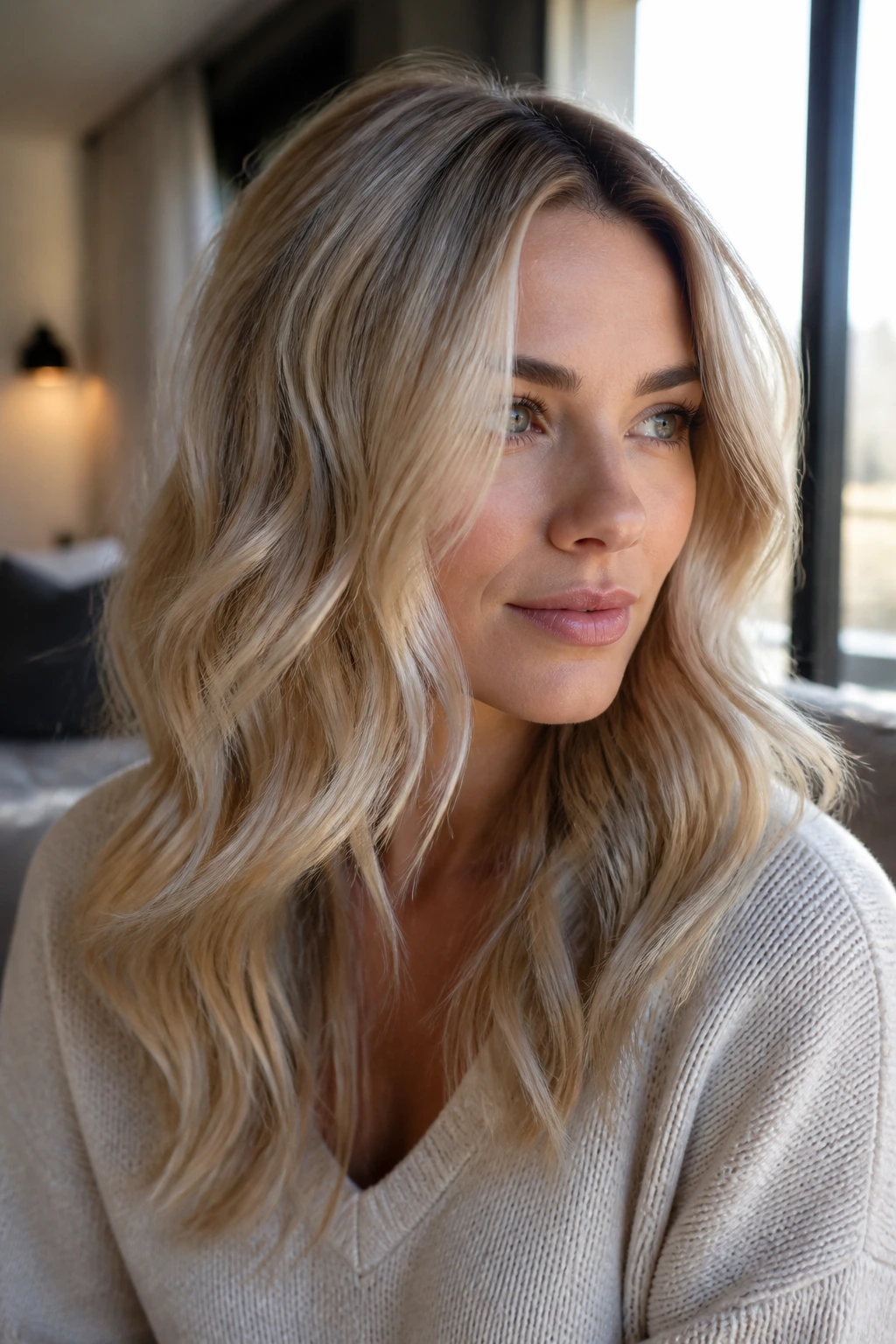
The Fine-Hair Fix: If your hair is slim in diameter, keep the blonde dimension subtle and the layers light. Babylights, a lob, and a little root-lift mousse often give more body than heavy highlights ever will.
The Thick-Hair Version: More density needs more structure. Ask for long layers, interior removal, and a deeper root shadow so the waves can sit without ballooning out at the sides.
The Curly-Hair Adaptation: Natural texture can absolutely wear cool blonde waves, but the finish should come from diffusing or twisting sections, not trying to iron the curl out. Ash balayage or pearl ribbons often look best because they follow the natural movement.
The Short-Hair Version: French bobs, pixie bobs, and collarbone cuts can all carry cool blonde well. Keep the wave tiny and irregular so the style feels soft, not over-set.
The Low-Commitment Color Version: If you do not want all-over bleach, ask for a cool balayage with a root melt. That gives you the palette without making the upkeep punishing.
The High-Contrast Version: For more drama, pair a deeper shadow root with bright platinum ends or a bright money piece. The contrast sharpens cool skin nicely, especially if the rest of the cut stays loose.
Frequently Asked Questions About Cool Blonde Beach Waves
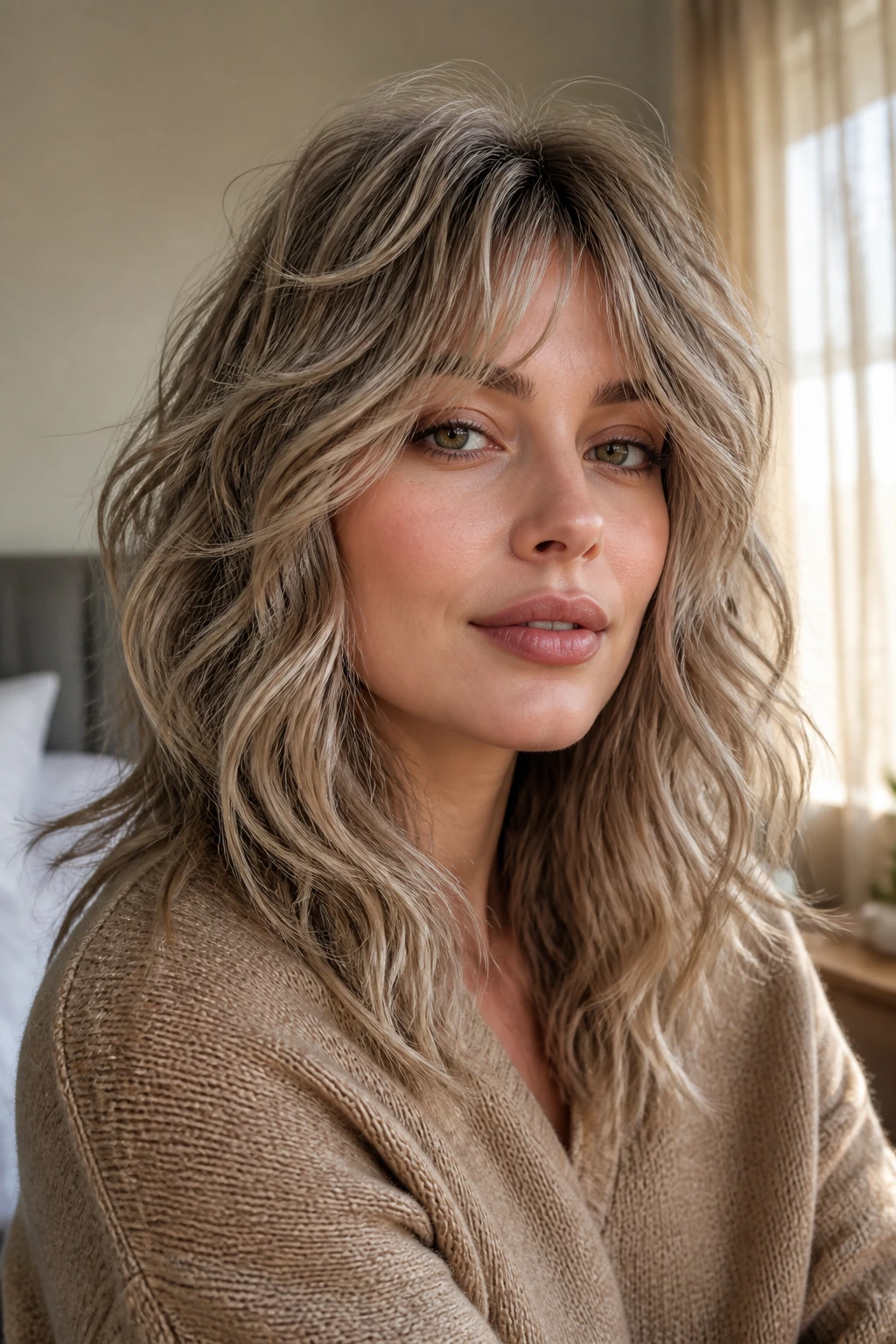
What blonde shade looks best on cool skin tones?
Ash blonde, pearl blonde, silver blonde, and smoky beige usually sit best on cool undertones. They don’t fight the skin the way yellow or honey blonde can, and they tend to look cleaner in daylight.
Can warm blonde ever work on cool skin?
Sometimes, but it usually needs a cooler base or a lot of dimensional depth to keep it from looking brassy. A buttery highlight here and there can be fine, but an all-over warm gold blonde is rarely the easiest match.
Do beachy waves work on fine hair?
Yes, but the cut matters more than the styling product. Fine hair does well with lobs, blunt ends, and soft layers because they give the wave something to sit on without collapsing the body.
How do I keep blonde hair from turning brassy?
Use a cool-toned toner or gloss, wash with lukewarm water, and keep purple shampoo to a controlled schedule instead of reaching for it every wash. Sun protection matters too, because UV can warm up blonde fast.
Should I choose a middle part or a side part?
A middle part gives a sharper, cleaner look and works well with straight or slightly wavy hair. A side part softens the face and can help flatter rounder features or add lift at the crown.
Is platinum hard to maintain?
It is. Platinum can be gorgeous on cool skin, but it usually needs more glossing, more toning, and more care at the ends than ash or beige blonde. If you want less upkeep, root shadow helps a lot.
What if my hair is dark brown?
Start with babylights, a root melt, and a realistic plan for lift. Dark hair usually needs a multi-step color process to reach cool blonde without breaking, and the best result is often dimensional rather than all-over pale.
Can I air-dry these styles?
Absolutely, especially if your hair already has a bit of wave. Use a light mousse or wave cream, scrunch gently, and twist a few front pieces while the hair is damp so the shape falls in a softer direction.
How often should I trim cool blonde beach waves?
Every eight to twelve weeks is a solid rhythm for most lengths. Blonde ends show split damage quickly, and once the wave loses its clean edge, the style starts looking tired even if the color is still good.
A Cooler Kind of Blonde
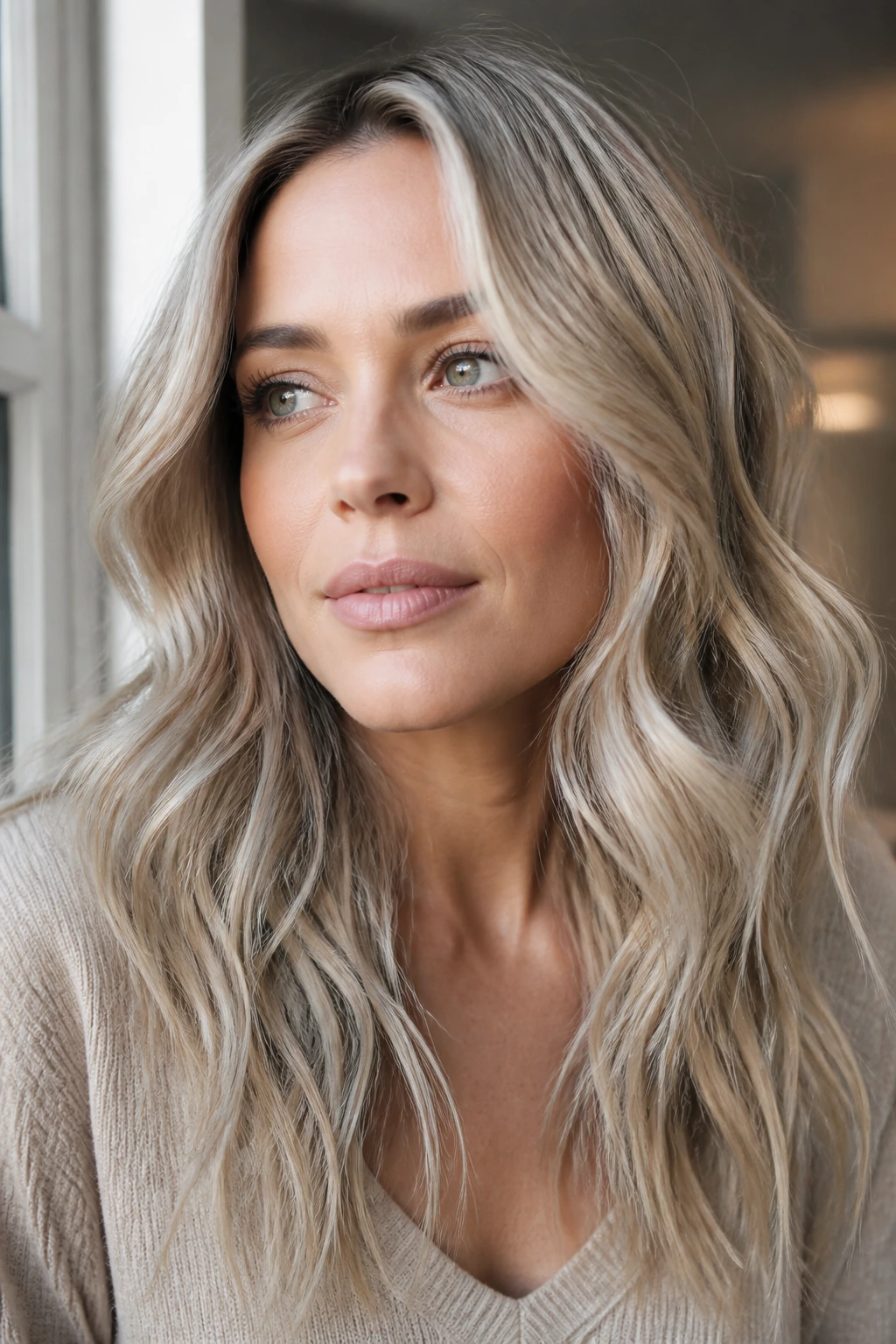
The best cool blonde beach waves do not try to shout. They sit in that cleaner lane where the color flatters the skin, the cut keeps the shape moving, and the wave pattern does the quiet work of making everything look softer. When those pieces line up, the hair stops fighting itself.
If you remember only one thing, make it this: the right blonde for cool skin is rarely the brightest one in the room. It’s the one with enough ash, pearl, silver, or smoke to stay clear in daylight, plus enough wave and layering to keep the whole thing alive. Bring that combination to a colorist with a good eye, and the result usually feels more thoughtful than flashy.
The nicest part is that once you find your lane, the style gets easier, not harder. A cool toner, a smart cut, and a soft bend at the right places can carry a lot of the work for you.