



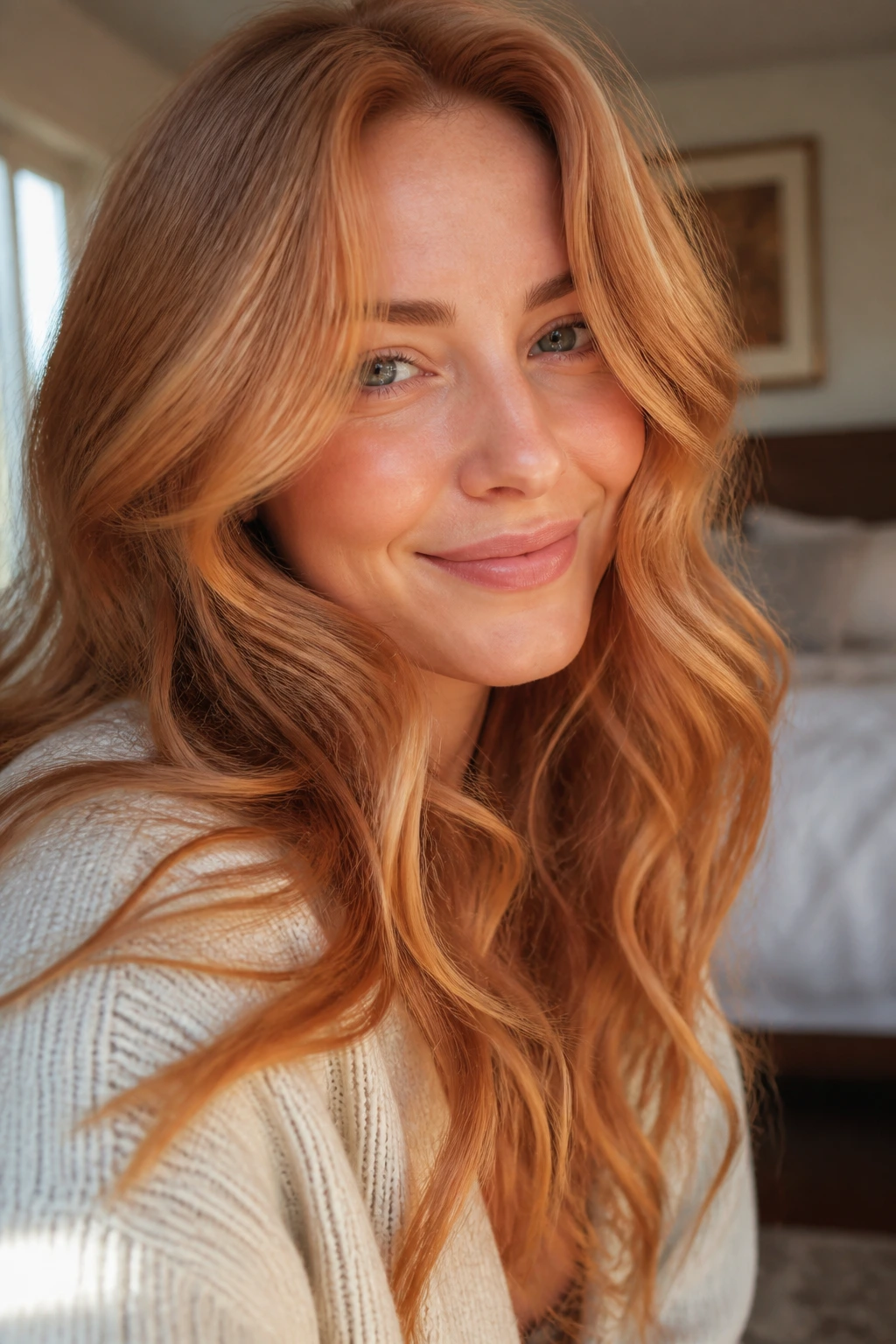
Warm strawberry blonde is the shade people ask for when they want blonde that still has some bite. Under daylight, it can look like peach skin, honey, and a whisper of copper; under bathroom bulbs, it swings warmer and richer, which is exactly why the same reference photo can look soft on one head and loud on another. That little line between glowing and orange is where the interesting work happens.
That balance is why warm strawberry blonde hair color ideas are worth sorting through carefully. The shade sits on a moving scale — level 7 reads deeper and more copper-heavy, level 8 feels apricot and buttery, level 9 can go rosy and airy if the toner is gentle. Porosity matters too. Hair that drinks color fast can grab the copper first and leave the ends darker than the roots unless the formula is handled with some restraint.
I keep coming back to this color family because it has range without losing character. You can wear it as a soft gloss over blonde, a rooted balayage with peachy ribbons, a short pixie with a warm glaze, or a bright face-framing piece that changes the whole mood of a cut. The 30 ideas below stay in that warm, wearable lane — not red-red, not beige-blonde, but the sweet spot where the color still feels deliberate.
Why These Shades Keep Their Charm
-
Warmth with control: Apricot, gold, and copper keep the hair from looking washed out when the light changes, but they don’t have to push into full red.
-
Room for different bases: A level 7 brunette, a level 8 blonde, and faded highlights can all live in this color family with different placement and lift.
-
Grow-out that doesn’t fight you: Root shadows and balayage soften the line at the scalp, so you’re not staring at a hard stripe six weeks later.
-
Works with movement: Waves, bends, and blowouts show the ribbons better than a pin-straight finish, which is handy because the color does a lot of the styling work.
-
Easy to tune up or down: The same shade can be made peachier, copperier, or more golden with a gloss, a lowlight, or a softer root.
-
Less commitment than bright red: If you want warmth but not the constant upkeep of a vivid copper, this color family gives you a softer landing.
1. Honeyed Apricot Melt
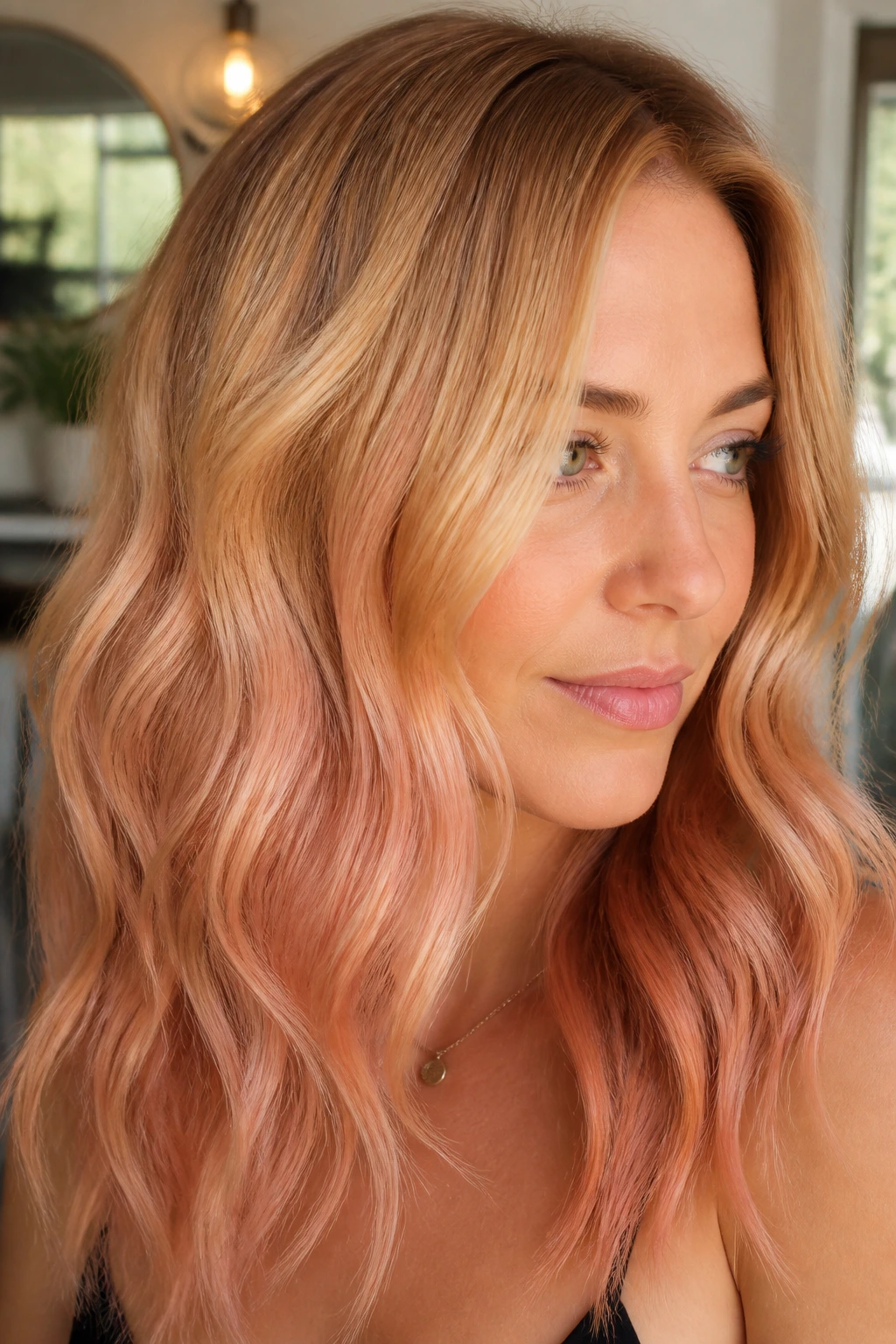
This is the softest way to wear warm strawberry blonde. The base stays honey-blonde, but a transparent apricot glaze warms the mids so the color looks poured rather than painted. On hair that lifts cleanly to level 8 or 9, it reads like a peachy veil instead of a loud copper statement.
Tell your colorist you want a beige-gold blonde base with a peach-copper gloss through the mids and ends. I like this version on fine to medium hair because the color stays light and airy, and it keeps movement even when the cut is simple. If your hair is porous, ask for a lighter hand at the ends — they’ll grab warmth fast.
2. Copper-Butter Ribbon Balayage
Want warmth without giving up depth? This is the version I’d point to first. The ribbons are painted through a beige blonde base, but the copper sits under a buttery layer of gold, so the whole look feels dimensional instead of striped.
The sweet spot here is a soft root shadow — about 1 to 2 levels deeper than the mids — with the brightest pieces placed around the face and top layers. It works especially well if your natural base is dark blonde or light brown, because the contrast gives the copper something to hang on to. Straight hair shows the ribbons, but a loose bend makes them look richer.
3. Peach Champagne Strawberry Blonde
If your blonde already lifts clean and pale, this is the rosy-glass version. It leans more peach than copper, and the champagne note keeps it from looking overly sweet. Under soft indoor light it can look almost creamy; outside, the pink-gold shift becomes much more obvious.
What to Ask For
Ask for a level 9 blonde with a peach-beige gloss and only a trace of copper in the formula. That keeps the color from turning rusty on porous pieces. A quick refresh every 4 to 6 weeks is usually enough, especially if you wash gently and skip heavy clarifying shampoos.
4. Soft Rose Gold Strawberry
Rose gold works best when it stays a little muted, and this version gets that balance right. The strawberry warmth comes through first, then the rose tone slides in behind it — never so much that the hair looks pastel or sugary. It’s one of those shades that changes with the outfit around it.
I like this on layered cuts because the different lengths show different parts of the tone. The top layer can read honey-rose, while the ends tilt a little peachier. If your hair is already light, a gloss can get you there; if you’re darker, this usually needs prelightening first.
5. Gingered Face-Framing Pieces
When someone wants a change they can hide behind a ponytail, I steer them here. The color lives mostly around the face — think brighter gingered pieces at the temples, cheekbones, and the front inch or two of the hairline — while the rest stays softer and more neutral.
That placement does a lot of work. It brings warmth to the skin, makes the eyes look a touch clearer, and lets the rest of the hair stay low-key. If you wear your hair up often, these pieces still show. If you wear it down, the face frame carries the whole color story.
6. Butterscotch Strawberry Balayage
This one feels richer than the name sounds. The blonde leans buttery, almost toasted, and the strawberry note shows up as a warm wash through the ends rather than a bright overlay. It’s a good choice if you want the color to feel sun-worn instead of freshly dyed.
On medium brown or dark blonde hair, the balayage pieces should be lifted enough to show gold first, then toned with a soft copper-peach glaze. I’d keep the root blur gentle here — not dark, just enough to soften the grow-out. The result looks especially good on hair with a little wave because the ends catch the warmth in a broken, natural way.
7. Sunlit Copper Money Piece
A bold money piece changes everything fast. Here, the front panels are pushed warmer and brighter than the rest — think copper with a gold edge — while the back stays softer so the face frame can do the talking. It’s the easiest way to make warm strawberry blonde feel a little sharper.
This version suits layered cuts, curtain bangs, and shoulder-length hair especially well. The contrast is the point. If you want the color to feel polished instead of loud, keep the face frame rich but not neon-bright, then let the mids and ends settle into a softer apricot-blonde blend.
8. Strawberry Bronde With Warm Roots
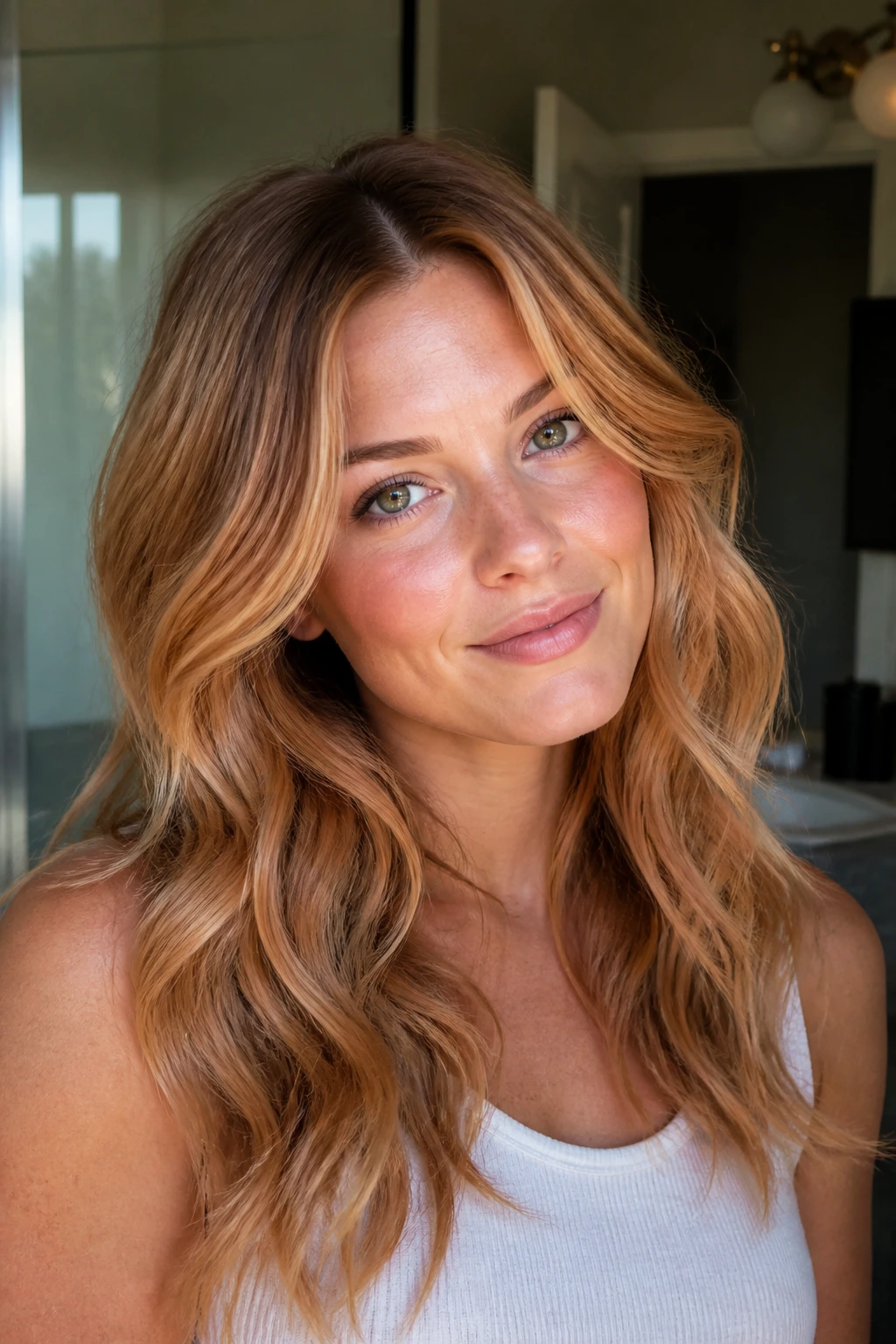
This is the low-maintenance version that still looks thoughtful. The roots stay in the bronde lane — a muted brown-blonde base — while the mids and ends lean strawberry-gold. It gives you warmth without asking every strand to be the same color.
The trick is the transition. You want a root that is just dark enough to hold the color family together, then a gradual shift into golden strawberry lengths. This is the one I’d recommend to anyone who hates obvious regrowth. It grows out like it meant to.
Best for
- Natural brunettes who don’t want a hard blonde line
- People who wash their hair a lot
- Anyone who likes dimension over a solid all-over shade
9. Golden Peach All-Over Gloss
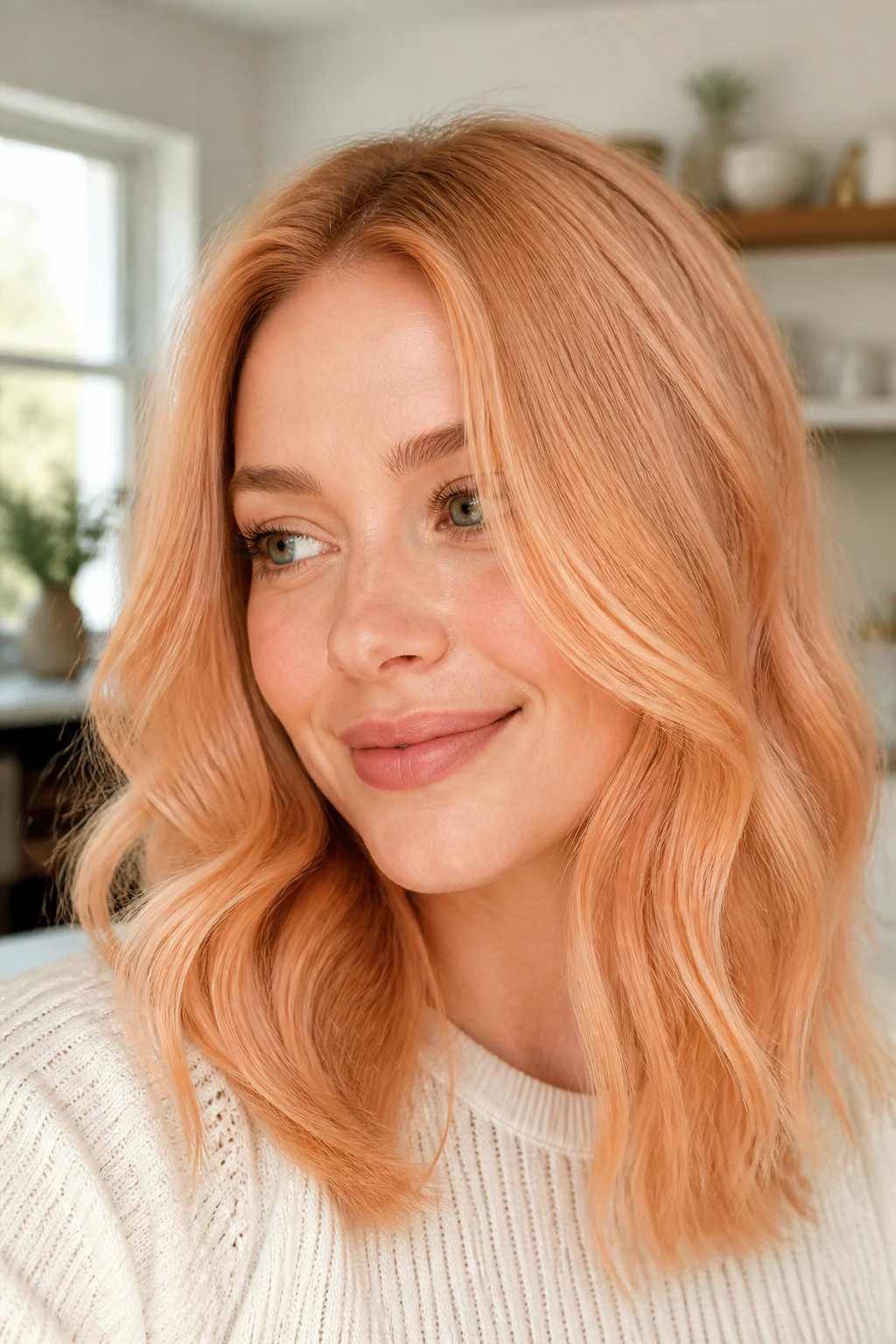
This is the easiest entry point if you already have a blonde base. A single gloss can push the whole head into golden peach territory without needing a full highlight appointment. The finish looks soft, shiny, and slightly warm around the edges.
The color works best on level 8 or lighter hair where the base is already even. Keep the formula sheer. If it gets too opaque, the peach can flatten out and lose the airy look that makes this shade interesting. A clear gloss mixed into the formula helps keep the shine high and the color translucent.
10. Cinnamon Sugar Strawberry Lob
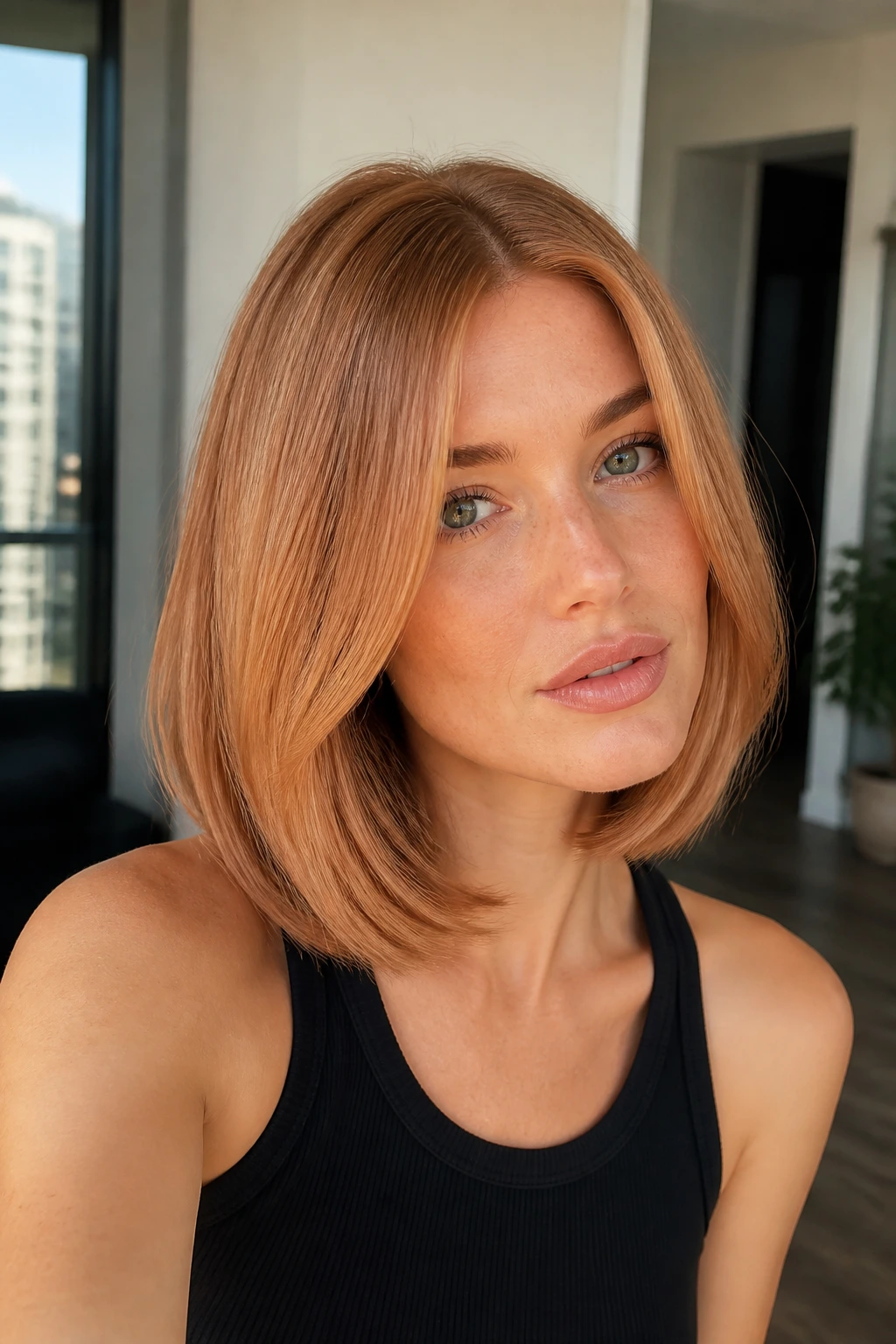
A blunt lob gives warm strawberry blonde a cleaner shape. The color here is more cinnamon-sugar than copper penny — warm, sweet, and bright enough to show off the line of the cut. On a straight finish, it can look sleek; with a bend at the ends, it gets softer and more textured.
This is one of the better options if you want the hair to look thicker. The even edge of the lob makes the warmth read as a solid block of shine instead of scattered pieces. I’d ask for subtle golden lowlights if your hair feels too flat, because a little depth under the surface makes the strawberry tone look richer.
11. Toasted Vanilla Strawberry Blonde
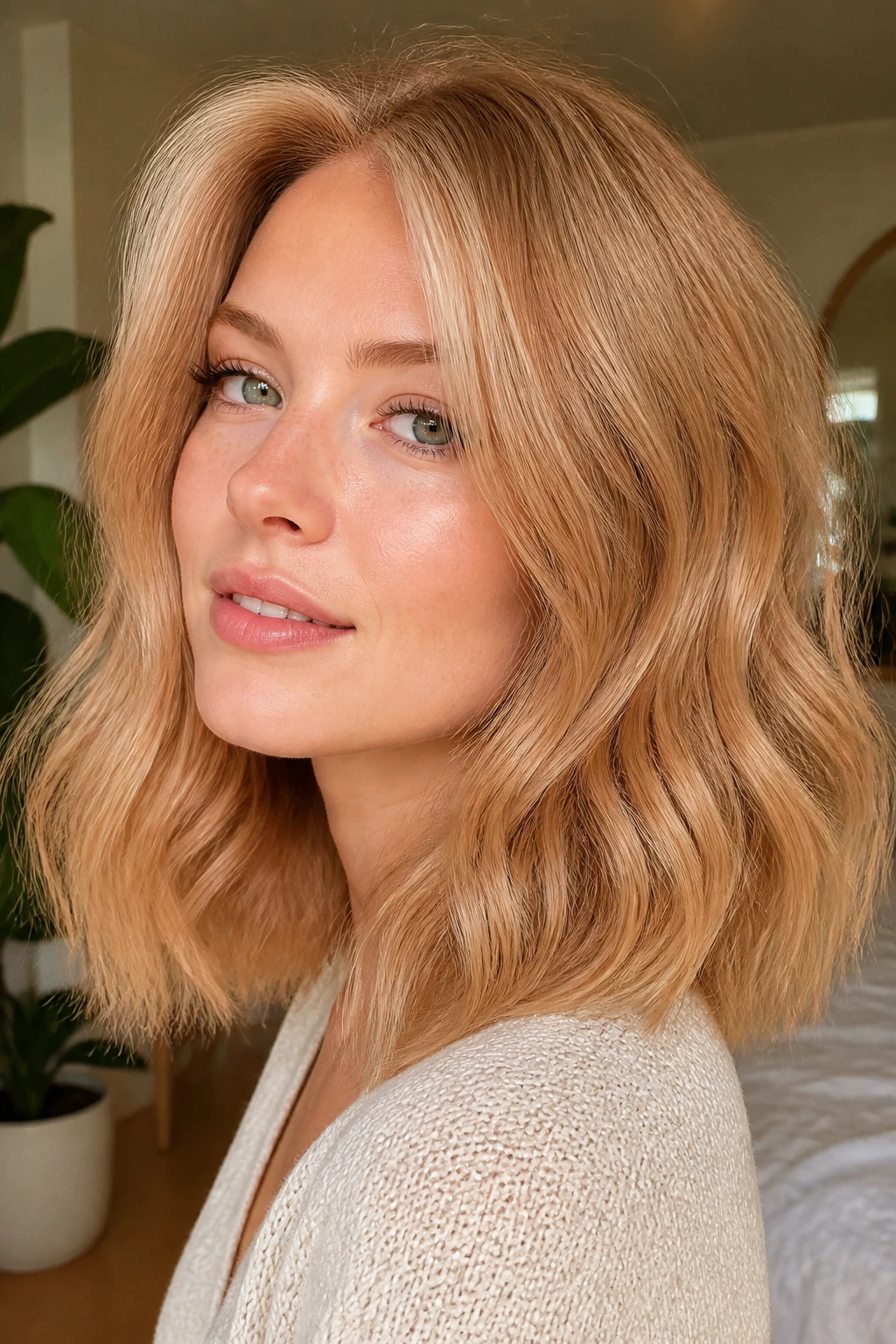
This is for people who like beige blonde but want it to stop looking cold. Toasted vanilla gives you cream and gold first, then a quiet strawberry shift in the mids. It stays understated, which makes it easy to wear with makeup that isn’t trying hard either.
The best versions keep the warmth hidden in the gloss rather than shouting from the root. If your base is already light, a toner with a hint of copper and gold can do the work. If your hair tends to go yellow, stay away from heavy ash — it will fight the whole point of the shade.
12. Auburn-Threaded Blonde Waves
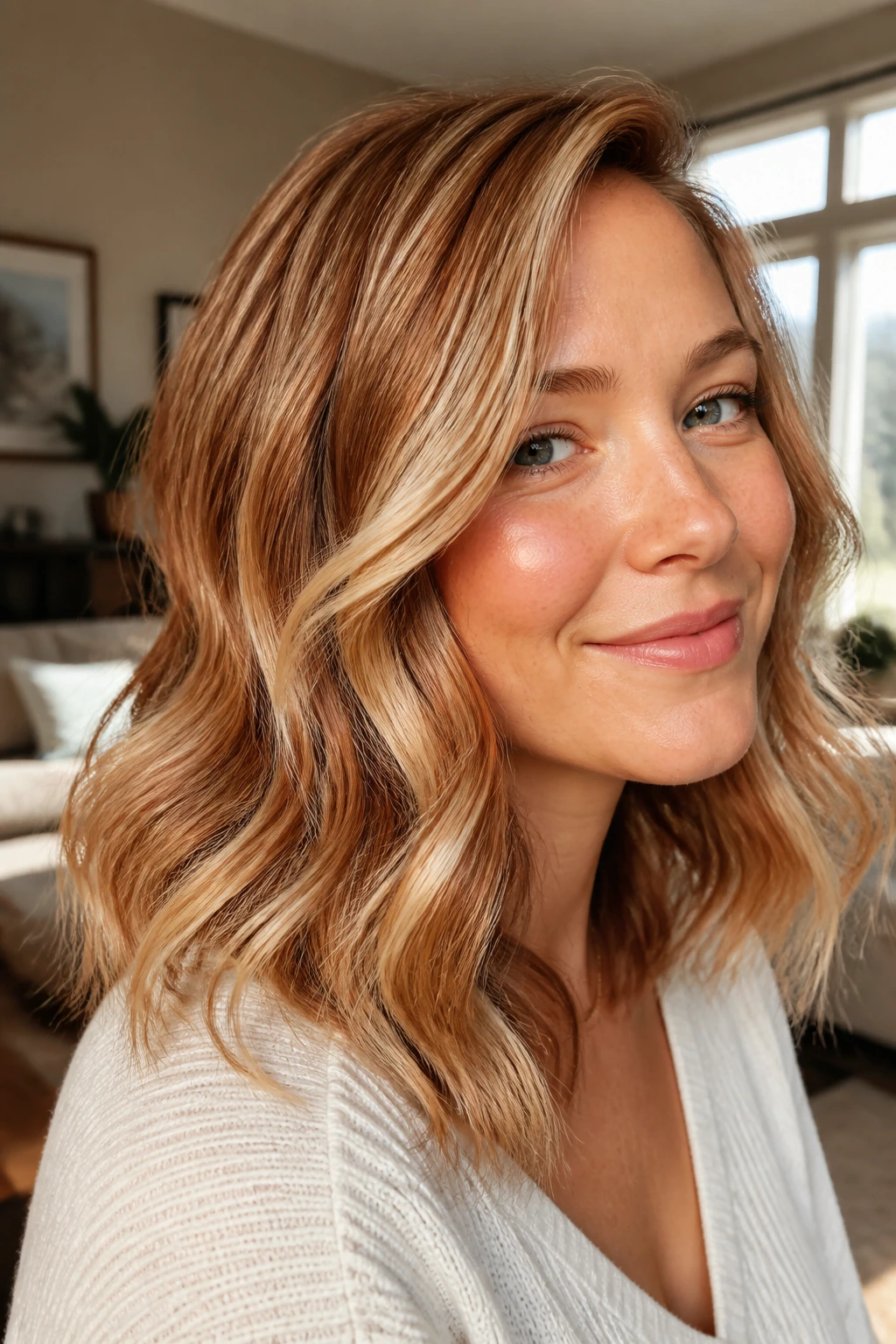
Auburn threading is a good move when you want the hair to look fuller. Tiny auburn lowlights run through a blonde base, and because they’re placed in thin ribbons, they give depth without turning the whole head red. Waves make the contrast obvious in the nicest way.
I like this on medium-density hair that needs a little visual weight. The darker threads sit underneath the brighter pieces, so the hair looks fuller from the side and back. If you wear a center part, ask for extra placement around the front so the color doesn’t disappear when the hair falls forward.
13. Warm Strawberry Blonde Pixie
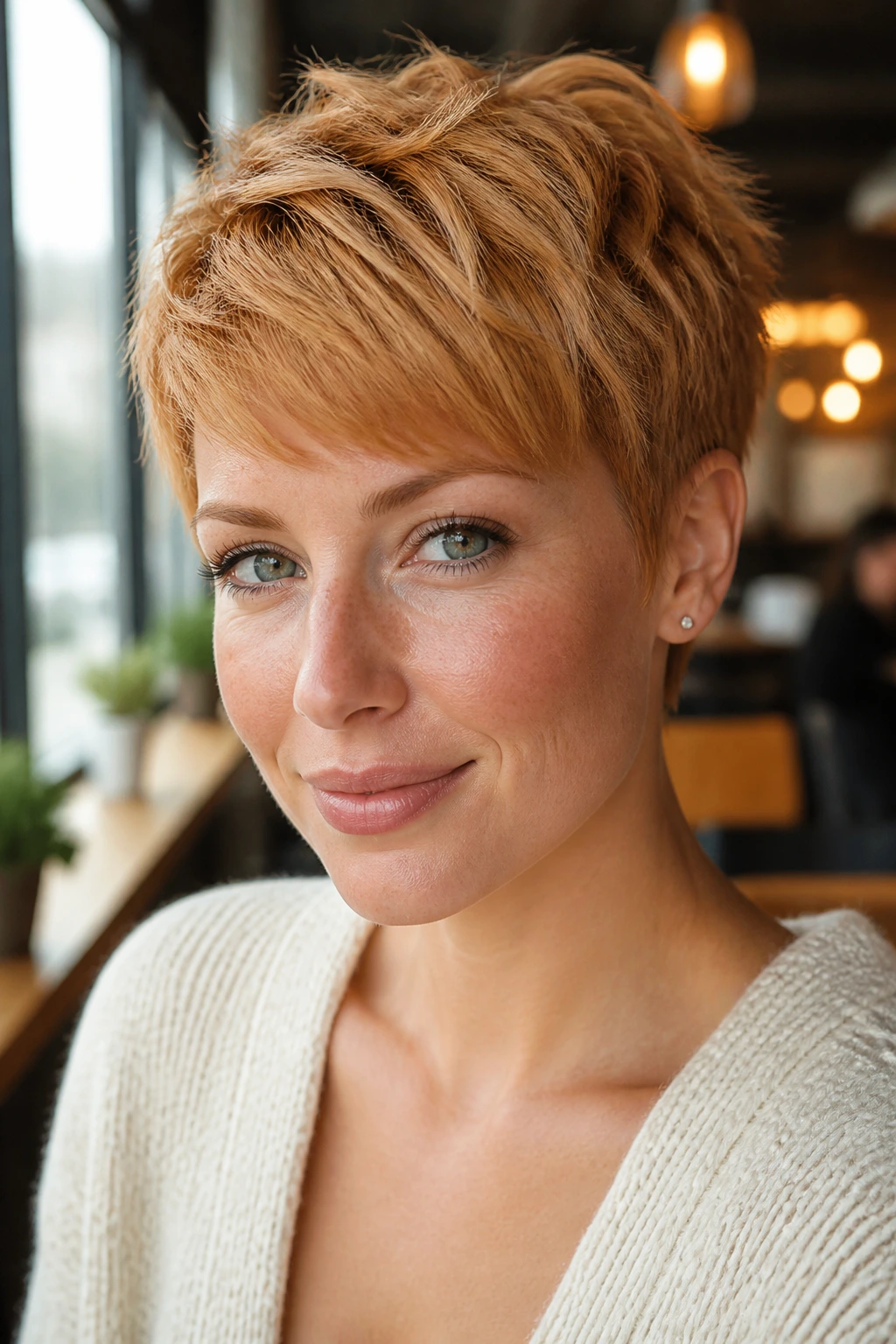
Short hair loves this shade more than people expect. A pixie with warm strawberry blonde reads crisp and lively, especially when the top is kept a touch longer and the sides are tight. The color brings softness to the cut without making it fussy.
If you’re going short, keep the tone within the copper-gold range instead of leaning too red. A warm glaze gives the top movement, and a lighter front section can keep the face from looking closed in. This is one of those cuts where shine matters a lot — if the color looks dry, the whole thing loses its edge.
14. Caramel Copper Curtain Layers
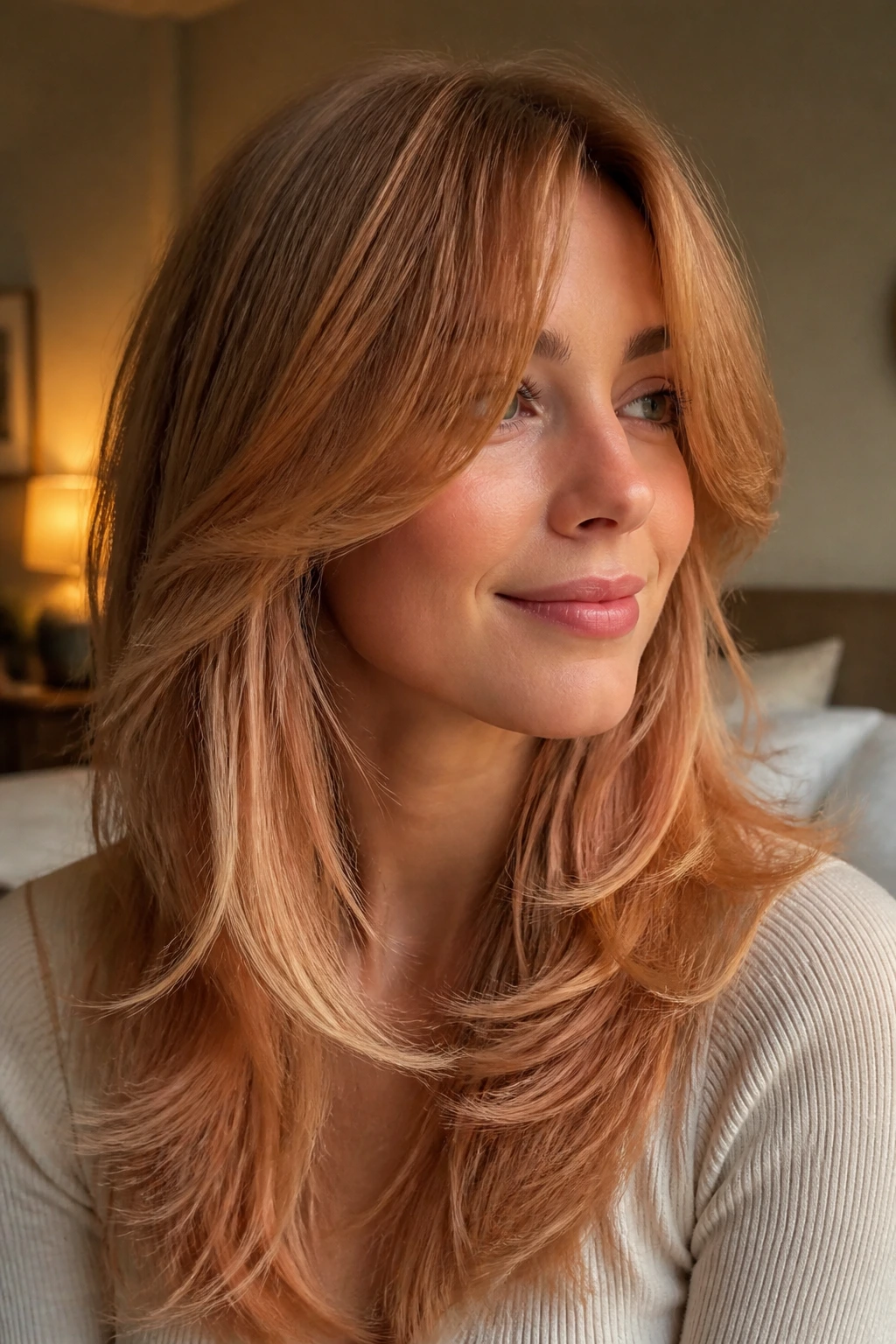
Curtain bangs and layered lengths are made for this color. The front pieces can take on a soft caramel-copper tone, while the longer layers stay in the strawberry-blonde band. It creates that easy, fall-through-the-hair sort of movement people are after, but with a little more warmth.
This works especially well when the layers are rounded around the face. The color follows the cut, which means the brightest pieces land where the hair bends and folds. If your hair is heavy, ask for more lightness on the top layers so the color doesn’t sink into the shape.
15. Melted Sorbet Ends
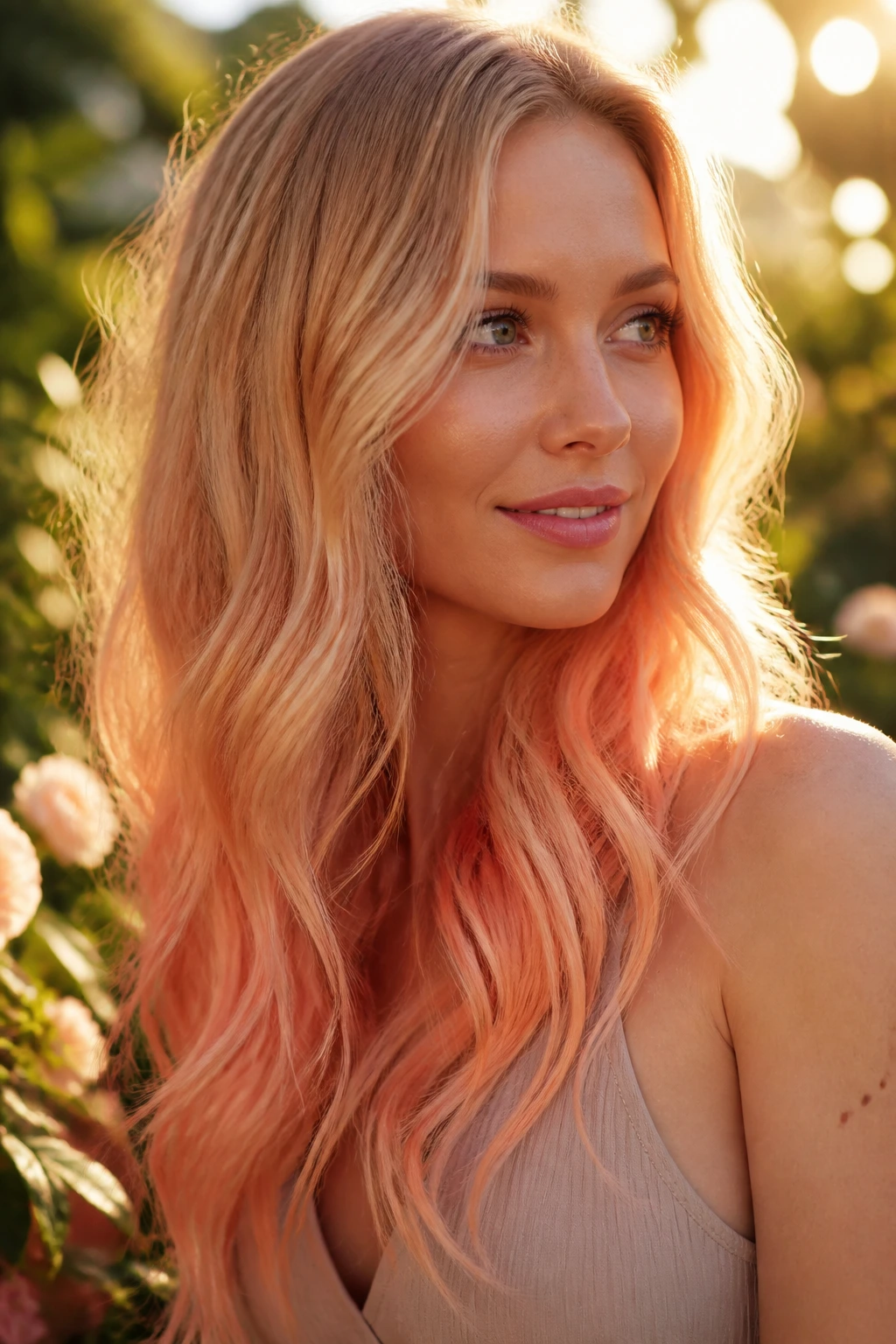
This is a playful one, but it still stays wearable. The roots and midlengths hold a softer blonde, then the ends melt into a sorbet-like mix of peach, apricot, and gold. The fade from top to bottom gives the style a little motion even when the hair is still.
Why it works
The eye reads the ends first, so the brighter finish feels intentional instead of random. It’s a strong choice for wavy or textured hair because the bend in the hair shows the fade cleanly. On straight hair, the gradient looks more polished and sleek.
16. Rustic Copper Foilayage
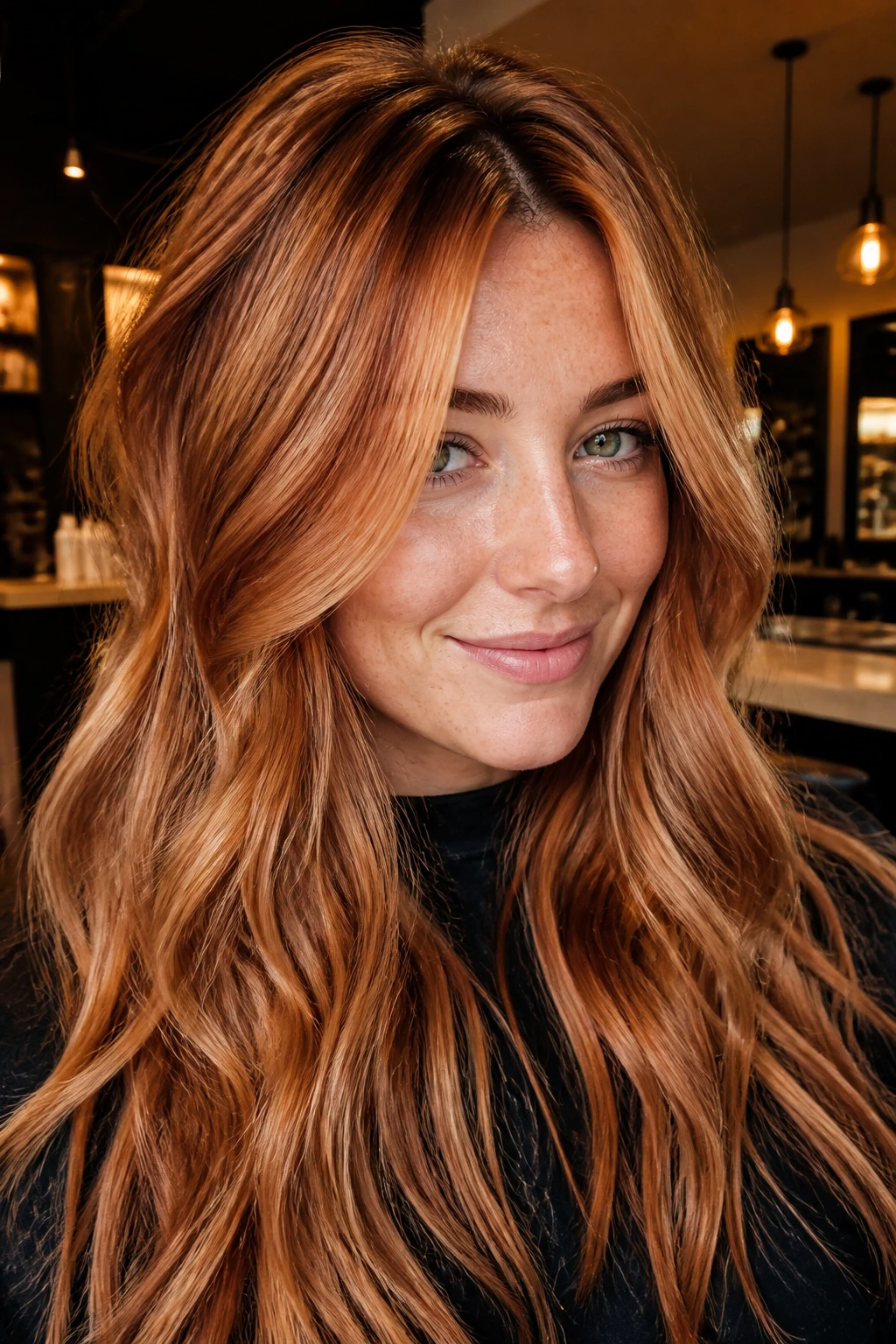
Foilayage gives you lift where you need it and softness where you don’t. In this version, the copper is kept rustic and earthy rather than bright, which makes the whole look feel richer. It’s a good fit for darker bases that need more lift to reach warm strawberry blonde without turning muddy.
Tell your colorist you want visible dimension, not a single flat tone. A few brighter pieces near the crown and around the face, then softer copper-gold through the back, will keep the hair moving. This one looks especially good in a low ponytail or half-up style because the different tones stack on top of each other.
17. Sunset Strawberry Blonde
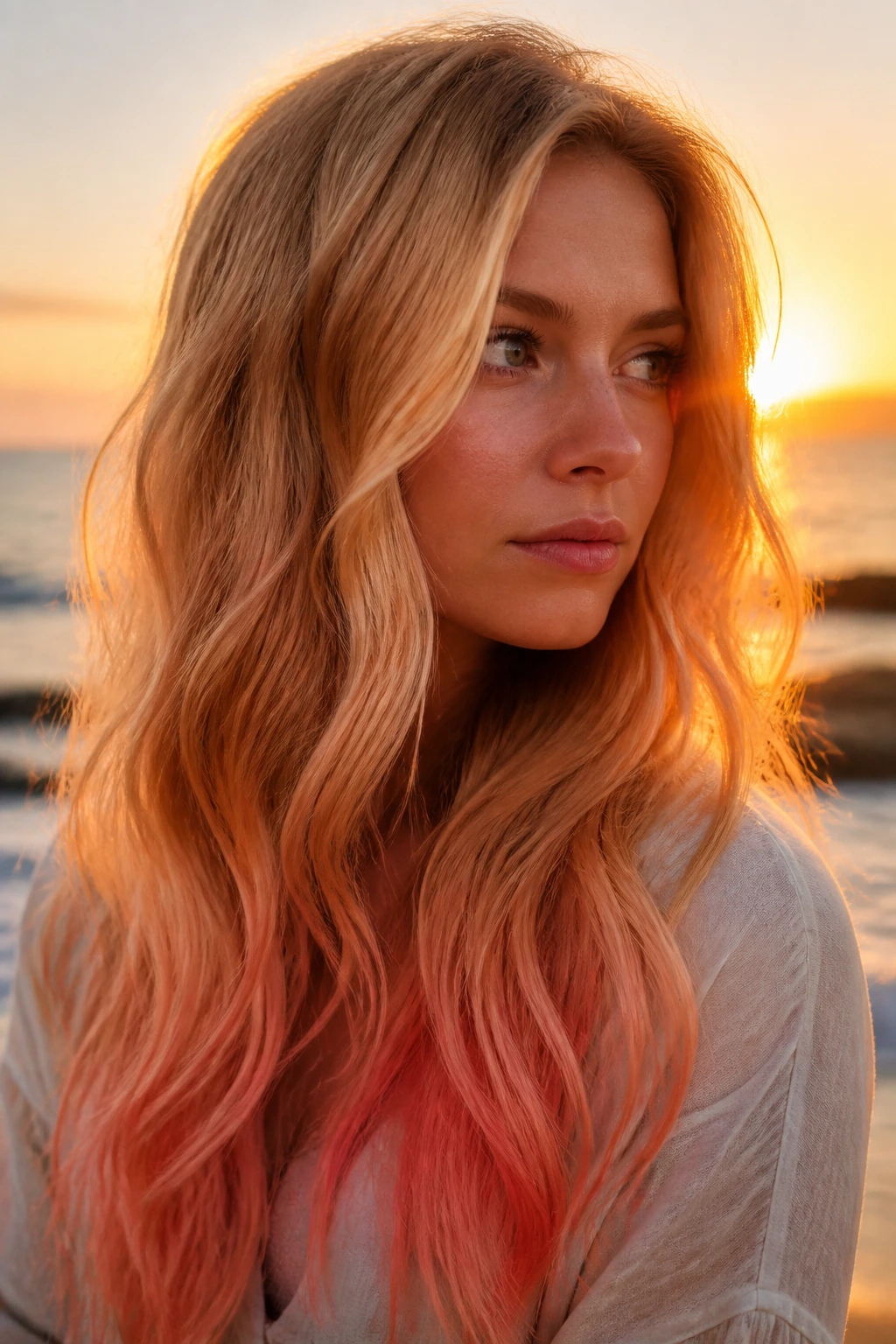
Sunset shades work because they move through color instead of sitting still. This version fades from golden root warmth into peach and soft coral at the ends, but it stays within the strawberry-blonde family, so it doesn’t veer into fantasy color. The effect is warm, layered, and a little glowing.
It suits longer lengths best because the gradient needs space. On shoulder-length hair, you can still do it, but the transition has to be tighter and more controlled. If your skin has a warm or neutral undertone, the shade can look especially smooth; if you’re cool-toned, keeping the roots more beige helps stop the warmth from overpowering your face.
18. Honey Copper with Dimensional Lowlights
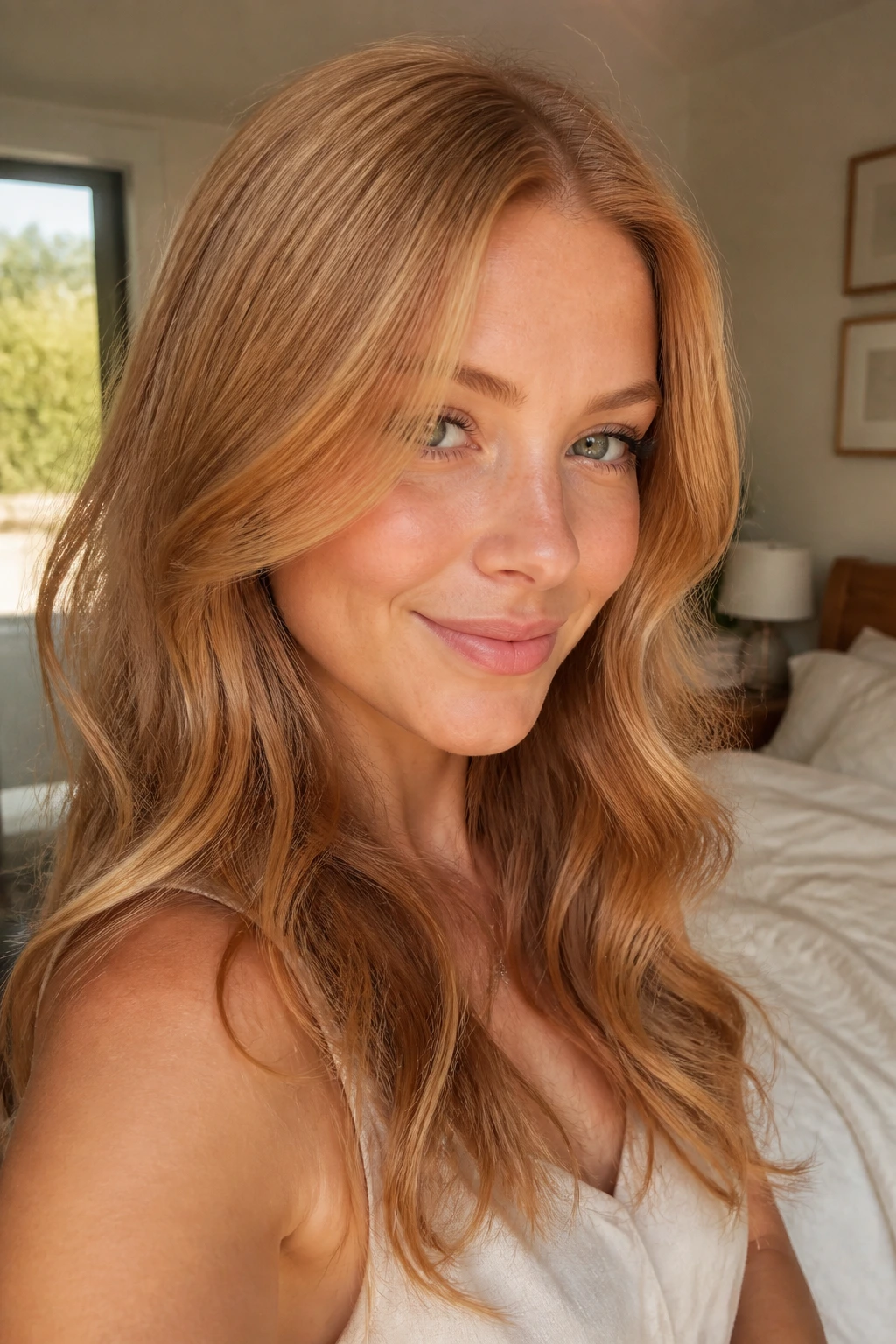
Fine hair often needs depth more than it needs brightness. This shade uses honey-copper warmth on the surface, then adds soft lowlights underneath so the hair doesn’t collapse into one flat color. The lowlights make the blonde look thicker without darkening it too much.
I’d keep the lowlights just one or two levels deeper than the base. Too much depth and the whole thing starts reading brown; too little and the color goes flat by week two. This is a solid choice if your hair has been highlighted a lot and needs some visual structure back.
19. Peachy Beige Strawberry Blonde Bob
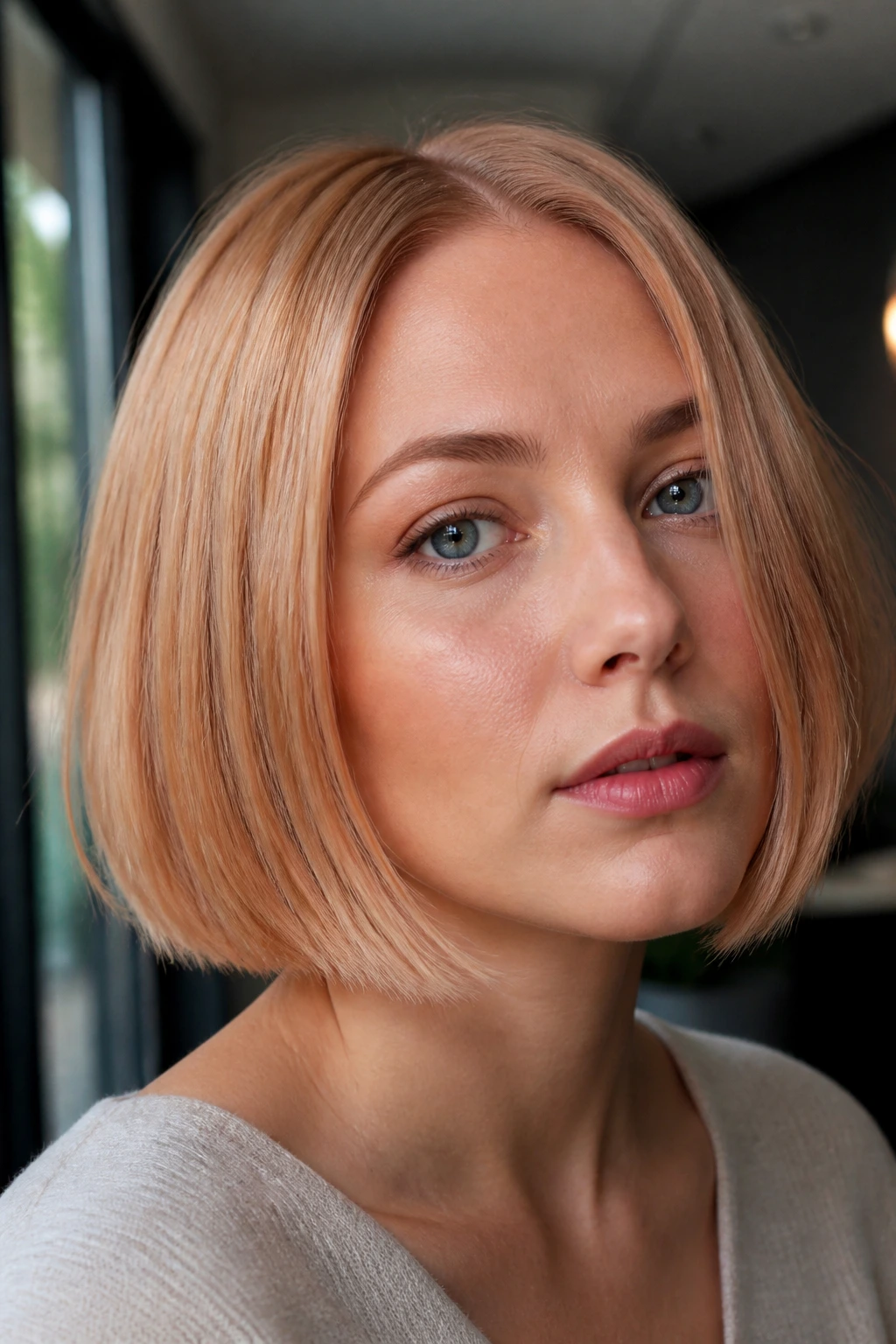
A bob with this color looks polished without feeling stiff. The beige keeps the tone calm, while the peach note gives it a little lift around the face. On a blunt bob, the color reads clean and expensive-looking without needing heavy contrast.
This shade is especially useful if you like smooth styling. A rounded brush blowout or a tucked-under finish shows the sheen, and the peach-gold tone stops the cut from reading too severe. If you want a softer result, ask for a few micro highlights around the part so the color breaks up a little.
20. Bronze-Infused Strawberry Curls
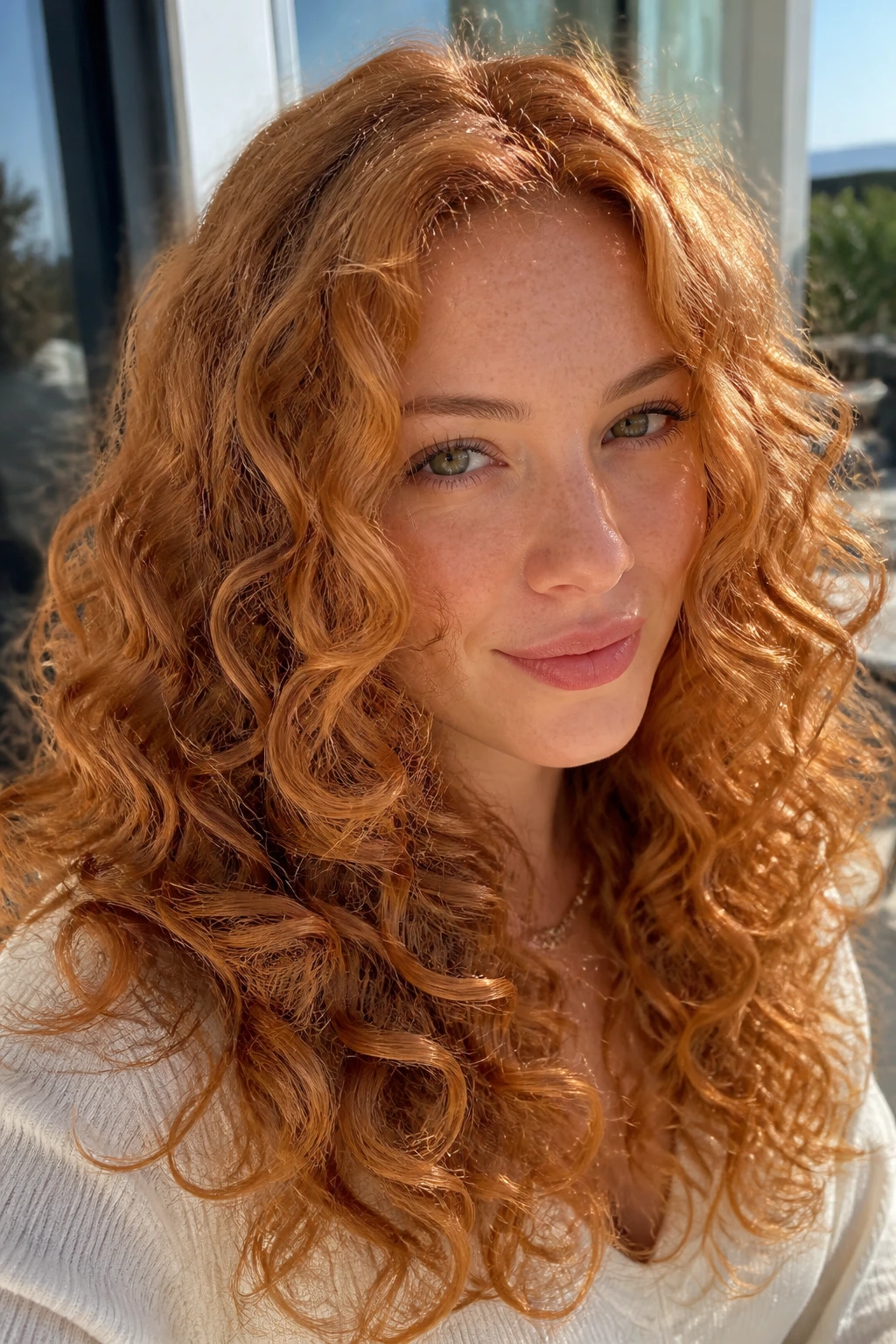
Curly hair can take warm strawberry blonde in a gorgeous direction when the placement is thoughtful. Bronze notes under the strawberry warmth help the curl pattern show up, because the color changes as the curl turns. The result is richer than a straight blonde and less one-note than a red.
Moisture matters here. Curls need shine to keep bronze from going dull, so ask for a gloss or demi-permanent finish that won’t leave the hair thirsty. The color looks best when the highlights follow the curl pattern, not when they’re painted in straight lines that ignore the shape of the hair.
21. Soft Copper Ribbon Bangs
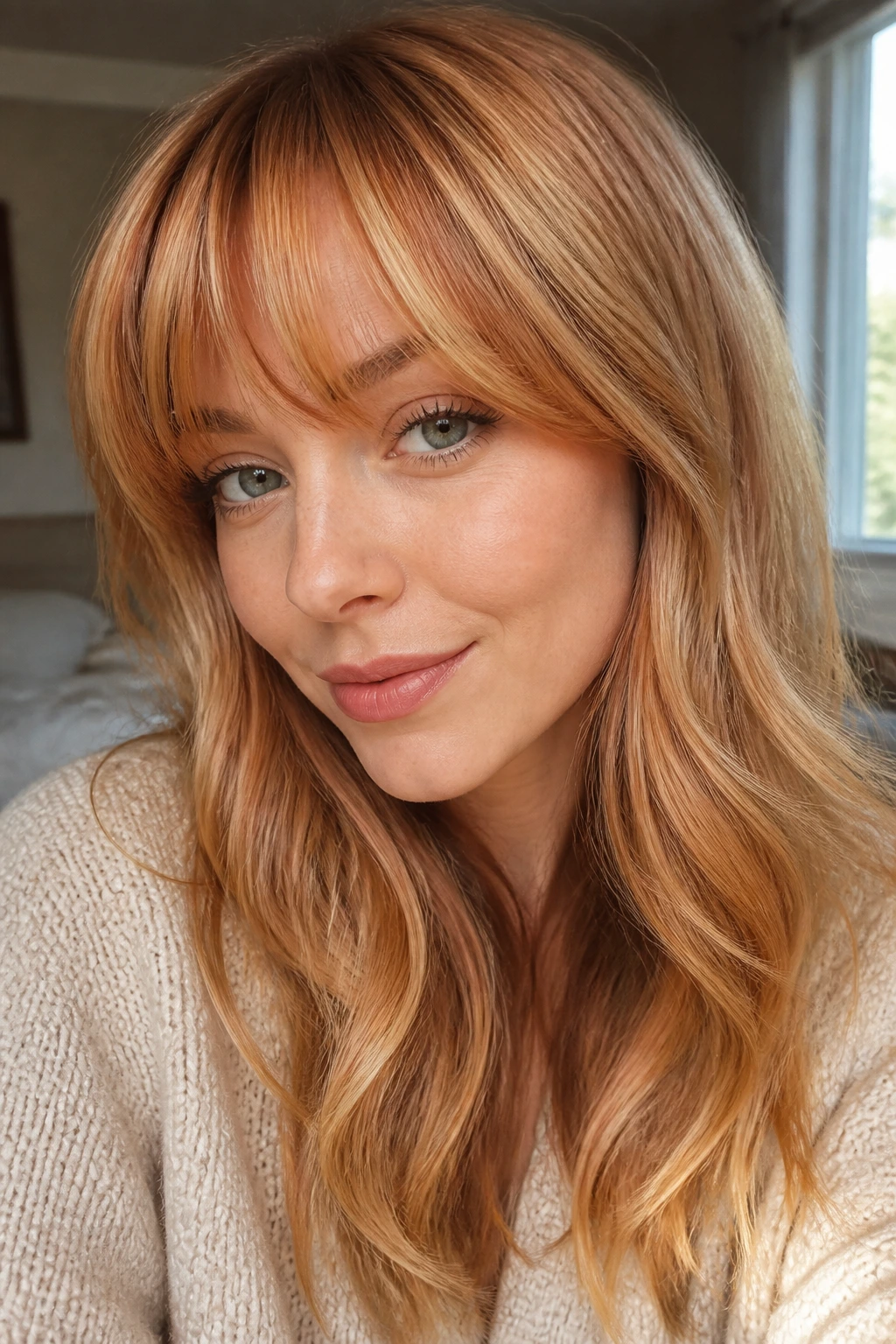
Bangs can carry more color than the rest of the hair, and that’s the point here. A few soft copper ribbons through the fringe give the eyes a warm frame, while the rest of the hair stays in a strawberry-blonde blend. It’s a small change that reads bigger than it sounds.
This is a good option if you’re cautious about commitment. Bangs grow out fast, so the color shift can be temporary if you want it to be. The only catch is upkeep — fringe shows oil and dryness fast, so you’ll want a styling routine that keeps the front pieces fresh.
22. Apricot Root Shadow
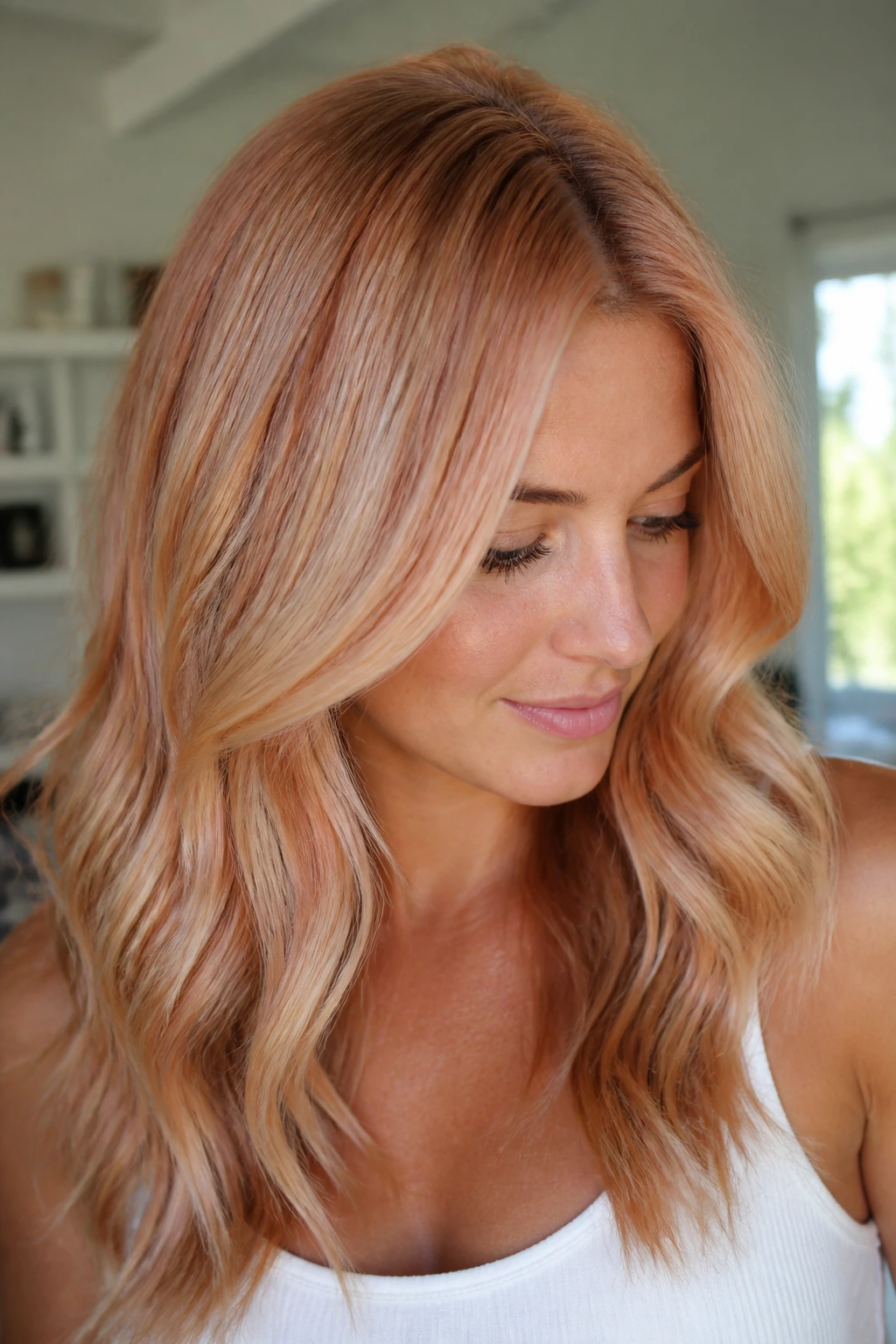
A root shadow is a practical thing, but it doesn’t have to look dull. Here, the shadow stays soft and apricot-tinted, which helps the color melt into the lighter mids instead of sitting like a dark band. It keeps the style from feeling high-maintenance the second you leave the salon.
This shade is a good match for grown-out blondes who want more warmth without a total reset. The root should stay close to your natural depth, then the apricot takes over just below the scalp. It’s one of the easiest ways to make the color look expensive without making it fragile.
23. Fiery Strawberry Glaze
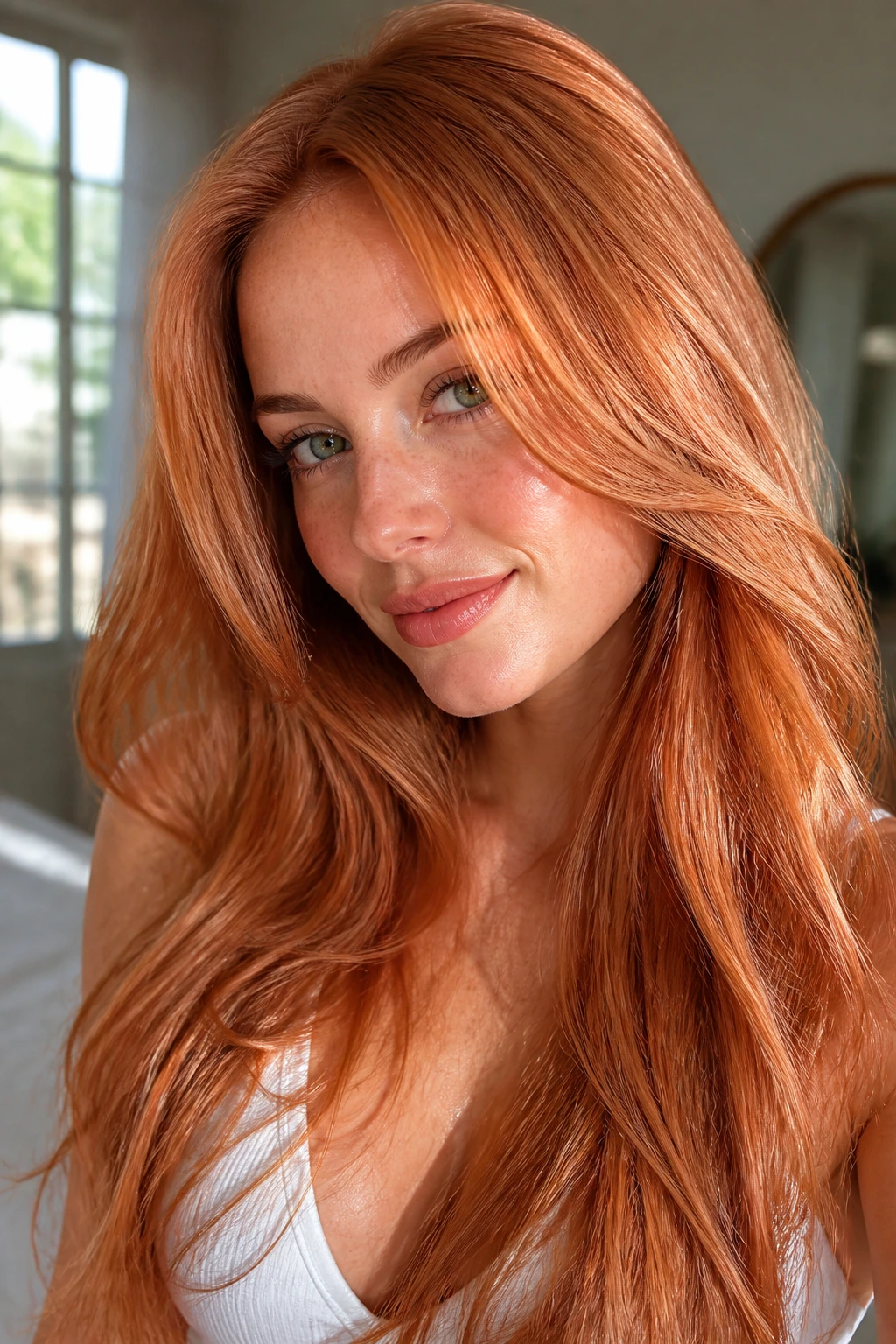
This is the brighter side of the family. A fiery strawberry glaze pushes the copper a little harder, so the hair looks more vivid and less pastel. It still lives inside the blonde range if the formula is balanced, but it definitely has more heat.
I’d use this on hair that can hold pigment well, because the strongest copper notes fade first. If you love warmth and don’t mind refreshing the gloss every few weeks, this is a very satisfying shade. On long hair, the shine is the whole show; on short hair, the brightness gives the cut attitude.
24. Maple Gold Strawberry Layers
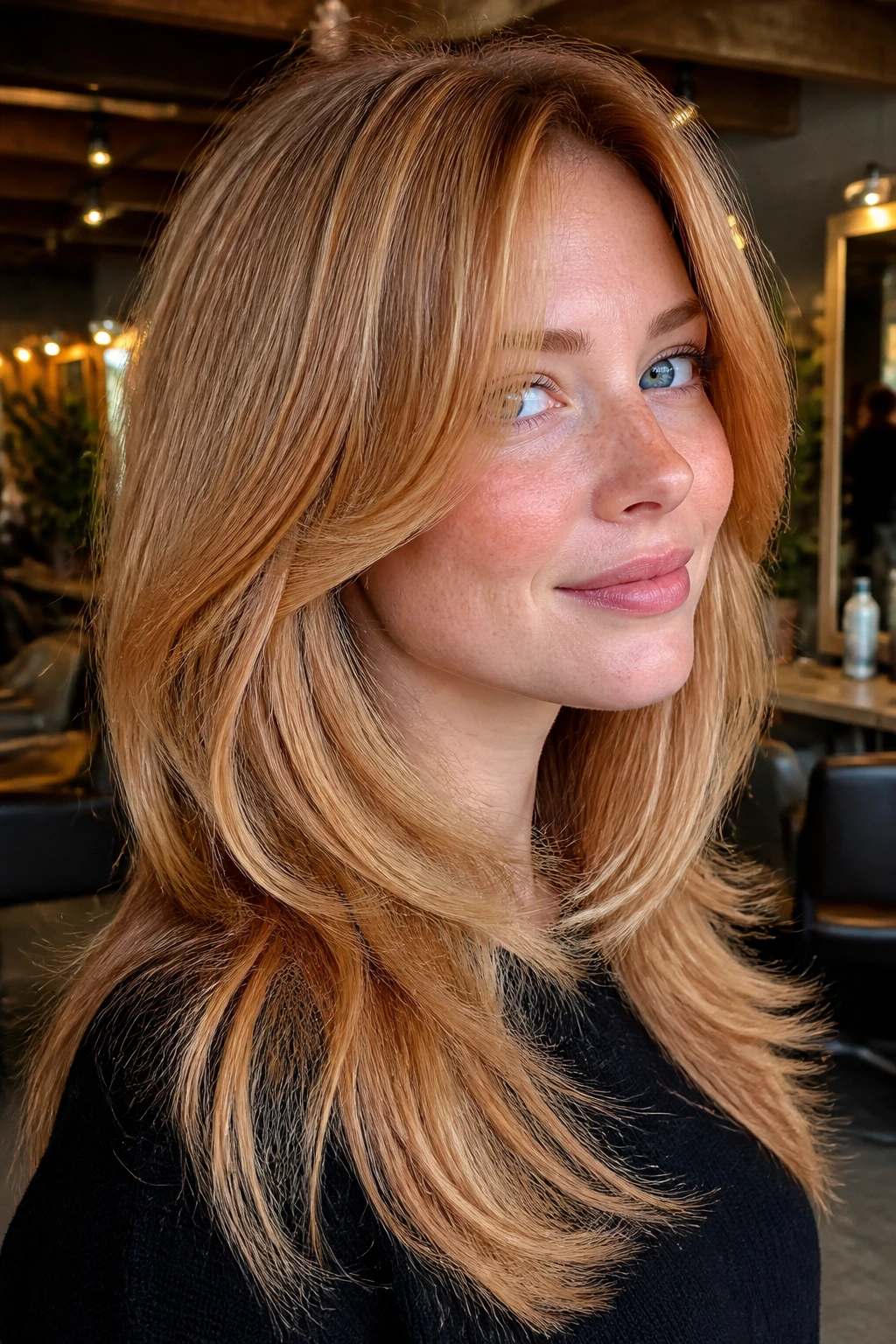
Maple gold sits in a sweet middle ground. It’s warmer than beige blonde, darker than peach champagne, and a little earthier than soft copper. Layered cuts make the shade look even better because each layer catches a slightly different part of the tone.
Tell your colorist you want gold first, then strawberry warmth second. That keeps the color from turning too red. It’s a good everyday shade if you like warm hair but still want it to read as blonde from a distance.
25. Creamsicle Blonde with Strawberry Veil
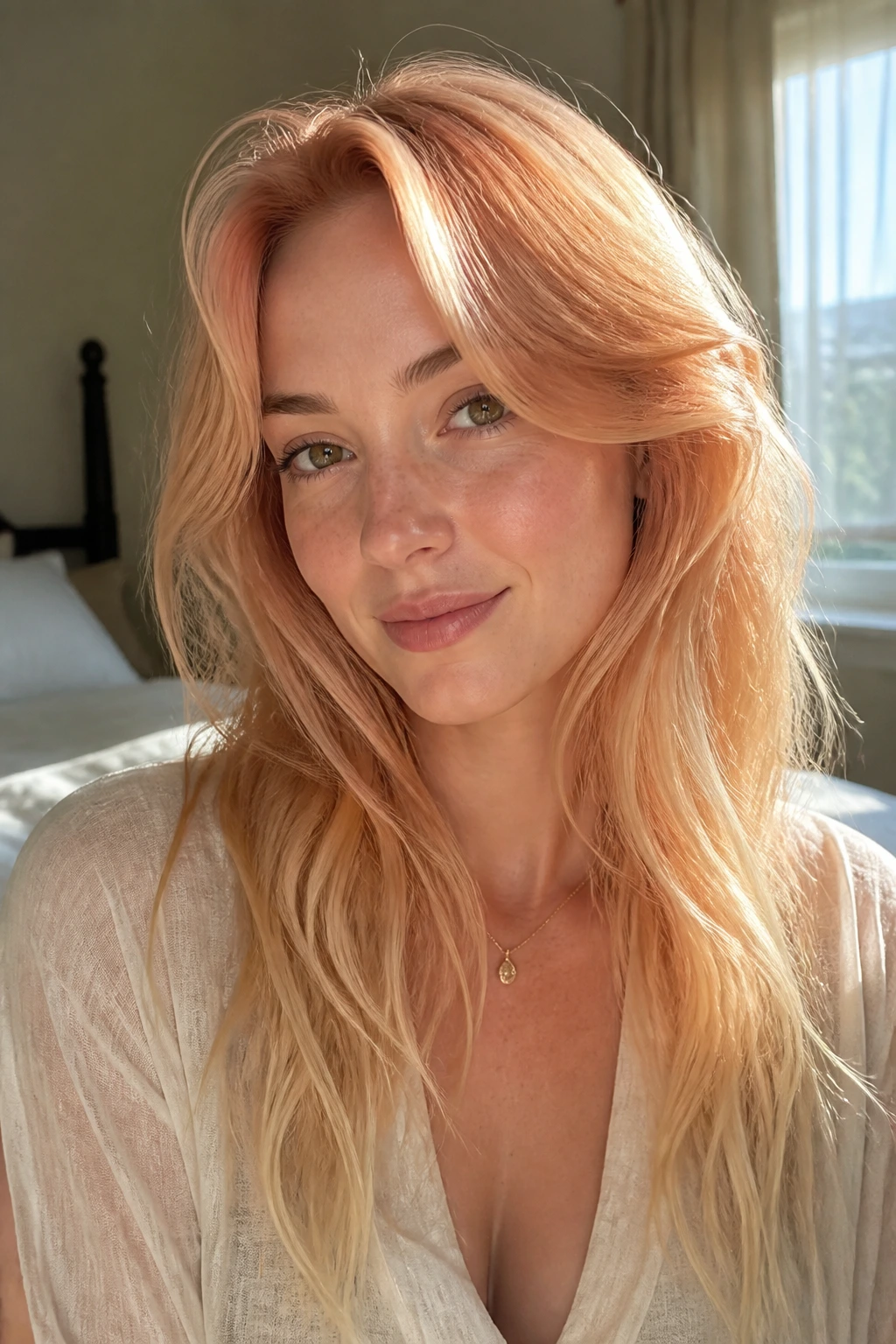
This version is lighter than most people expect. The hair stays creamsicle-blonde at the base, then a thin strawberry veil is floated over the top so the warmth shows only when the light hits it. It’s a smart choice if you want to stay blonde first and warm second.
Because the color is so light, placement matters. You want the veil to sit on the most visible surfaces — crown, face frame, top layer — rather than being packed underneath where no one sees it. It’s delicate, and that’s the point. Too much pigment ruins the airy feel.
26. Cinnamon-Toast Blonde Ombré
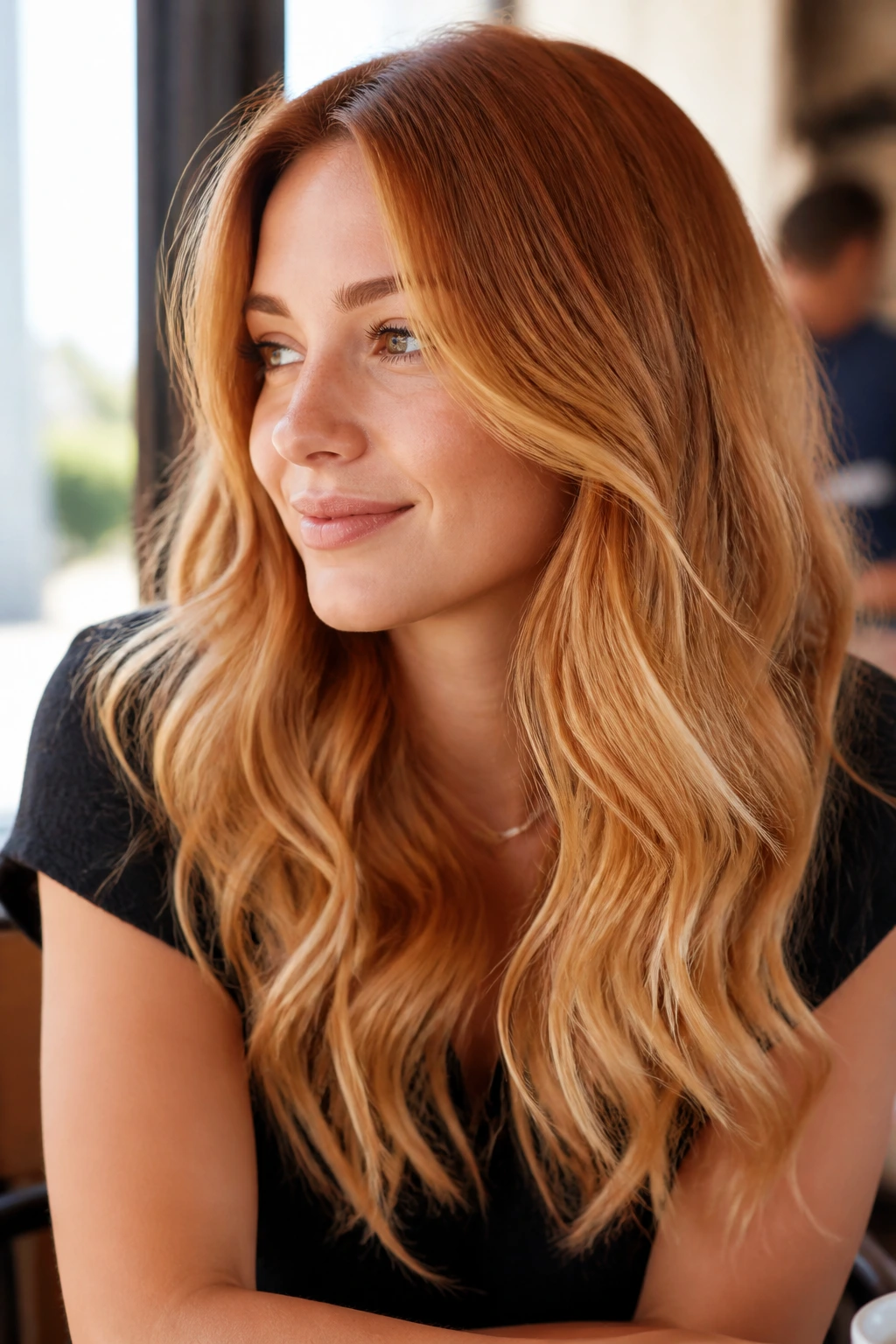
Ombré can still look current when the fade is handled well. Here, the roots stay deeper and warmer, then the color opens into cinnamon-blonde through the midlengths and ends. It gives you the comfort of shadow at the scalp and the brightness of blonde at the bottom.
This is a smart pick if you like change but not constant root maintenance. The fade has to be soft — no hard line at the transition. A good ombré like this should look like the color naturally warmed up and lightened as it moved down the hair shaft.
27. Polished Ginger Strawberry Blowout
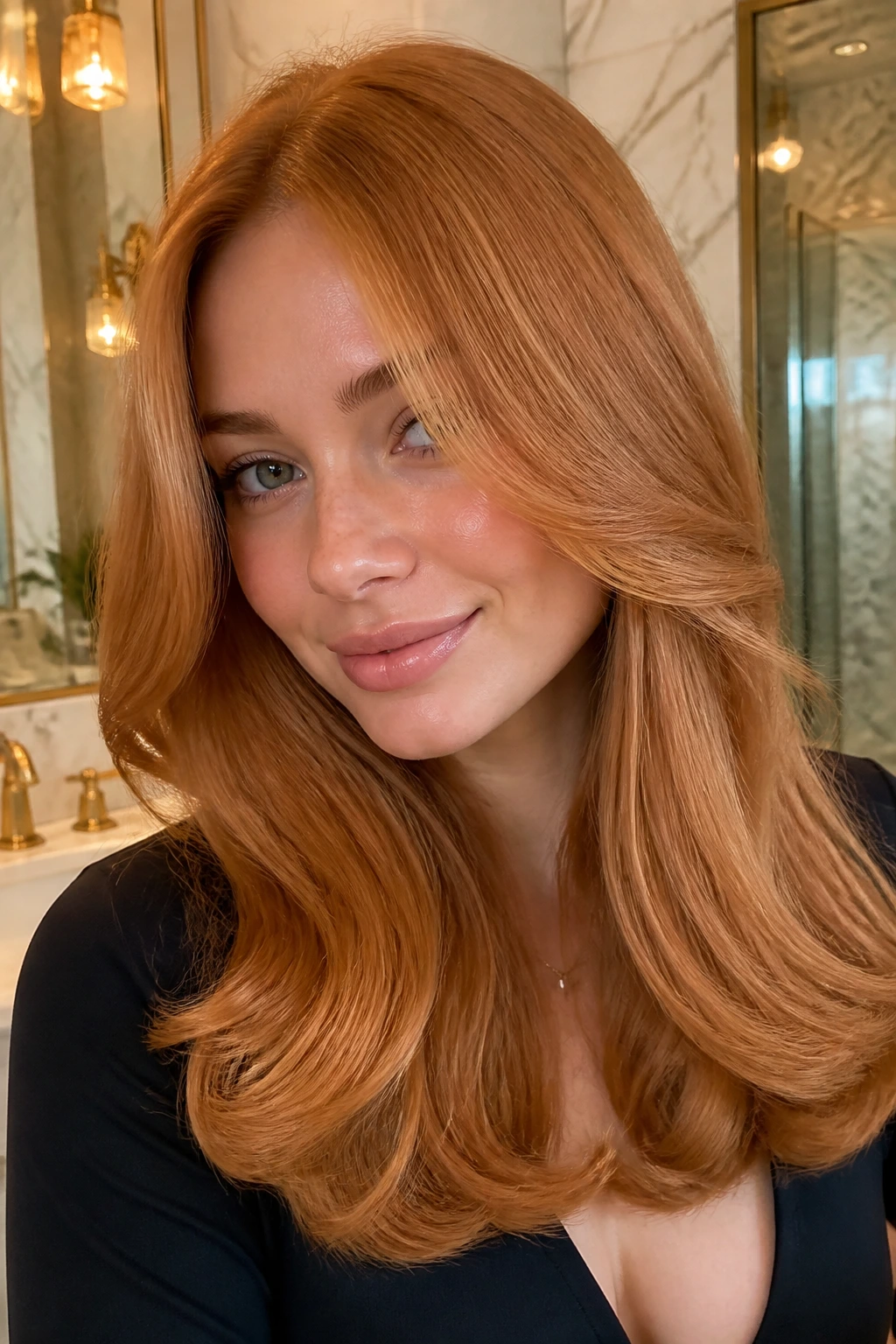
Some shades only really make sense when the styling is finished. This is one of them. A polished blowout makes the ginger-strawberry tone look glossy and expensive, especially when the ends are turned under just a little. The color shows up in smooth sheets rather than scattered pieces.
If your hair is frizzy or coarse, this version gives you a clean reason to keep the finish sleek. Ask for warmth concentrated through the mids and ends so the blowout has a consistent glow. A little serum goes a long way here — too much oil and the ginger tone can look greasy instead of shiny.
28. Warm Strawberry Blonde with Chunky Highlights
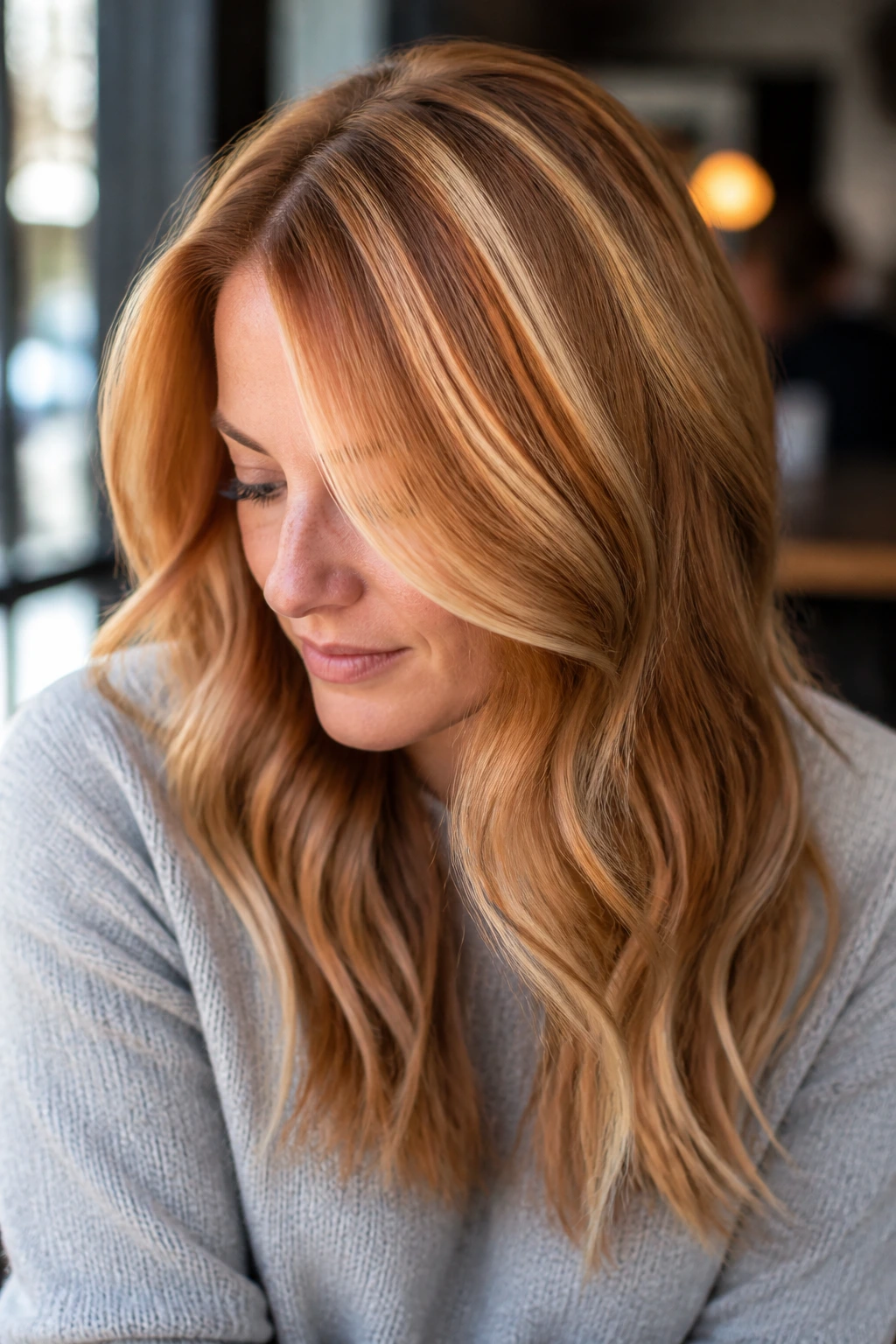
Chunky highlights sound louder than they have to be. Done right, they give the hair visible bands of warm strawberry blonde without making it look stripey. The key is spacing: the lighter pieces should be distinct, but not random.
I like this on layered cuts and wavy styles because the pieces break up naturally. If your hair is very fine, keep the chunks a little narrower so the color doesn’t take over the whole head. This version has more attitude than a whisper-soft gloss, and that’s exactly why some people will love it.
29. Peach-Copper Shadow Root
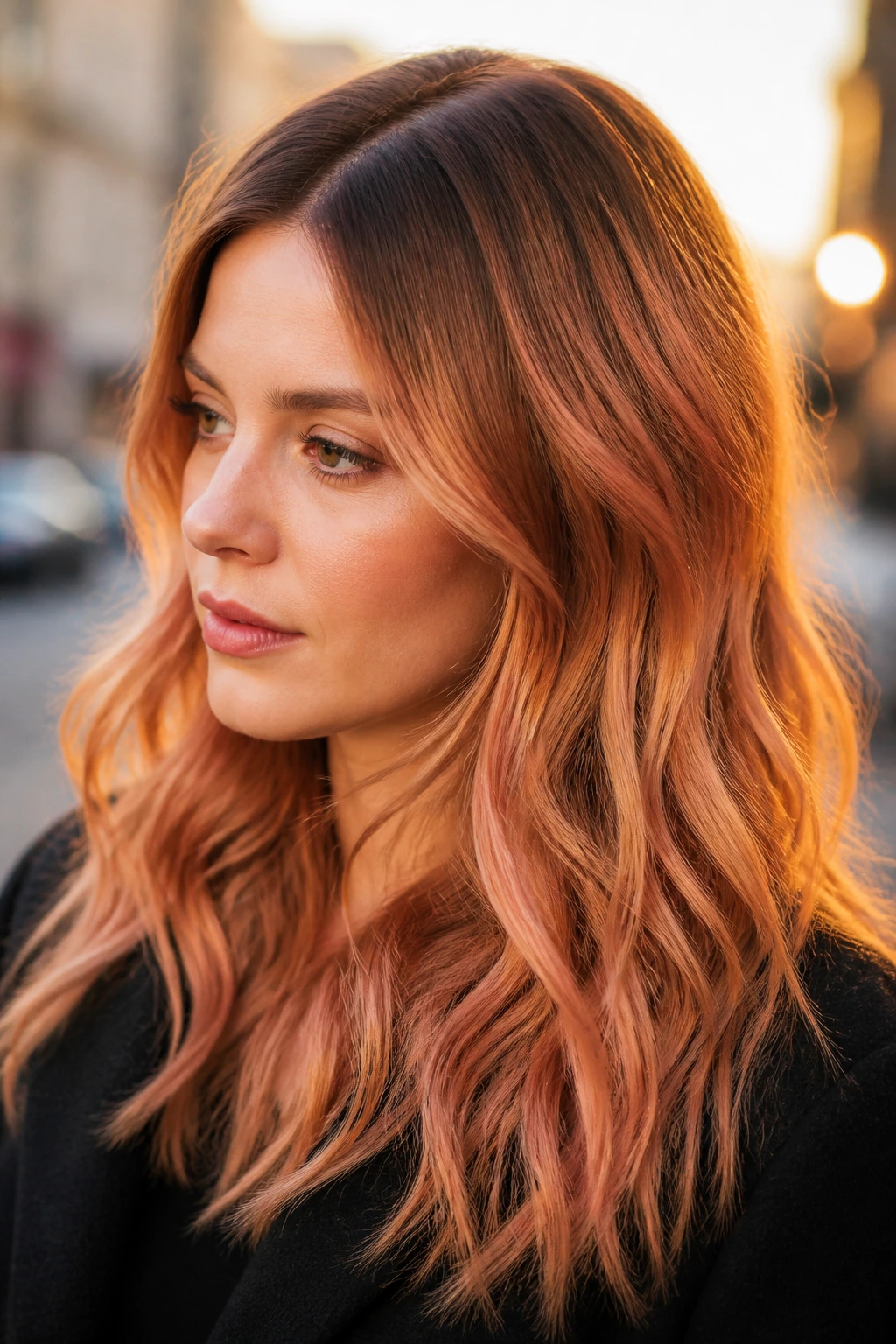
A shadow root can be soft and a little spicy at the same time. In this version, the root stays muted, then melts into peach-copper lengths that feel warmer and more saturated. It’s a good answer if you want low upkeep but you do not want the ends to go pale.
This shade tends to look best when the root color is very close to your natural base. If the shadow is too dark, the whole look can feel heavy. If it’s too light, the grow-out line starts to show. The nice thing is that a good shadow root makes the hair look intentional for a long stretch.
30. Amber Glow Strawberry Blonde
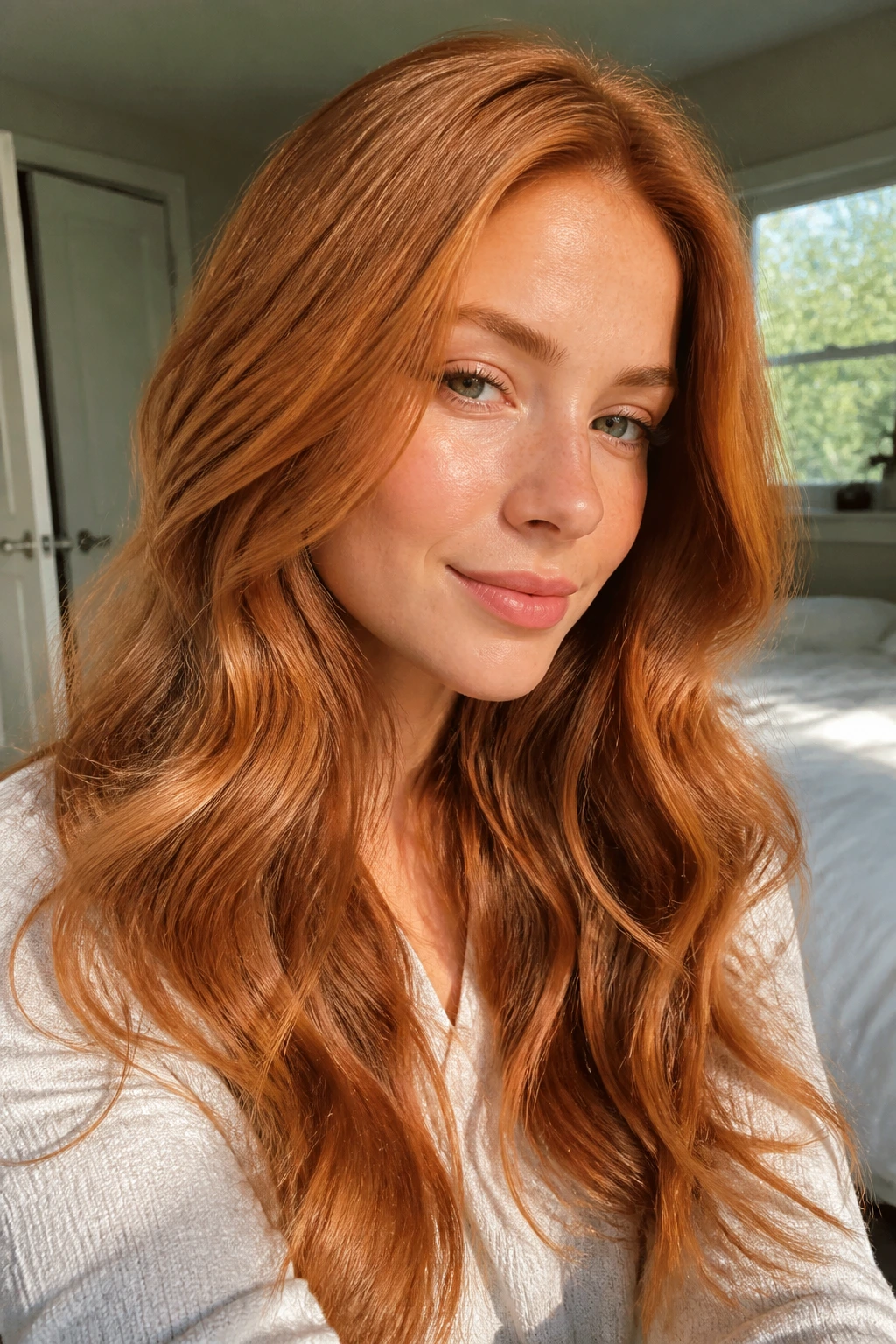
Amber glow is the richest version in the mix. It sits deeper than peach, warmer than beige, and softer than red, which gives the hair a polished, lit-from-within look without forcing it into one lane. It’s the kind of color that looks especially good when the hair has movement and a healthy finish.
This one is easiest to wear when the cut has shape. Long layers, a blunt lob, or a bouncy blowout all help the amber warmth move around instead of staying fixed in one place. If you want a final touch that feels luxurious without being fussy, this is the shade I’d put near the top of the pile.
What Makes Warm Strawberry Blonde Read Soft Instead of Brass
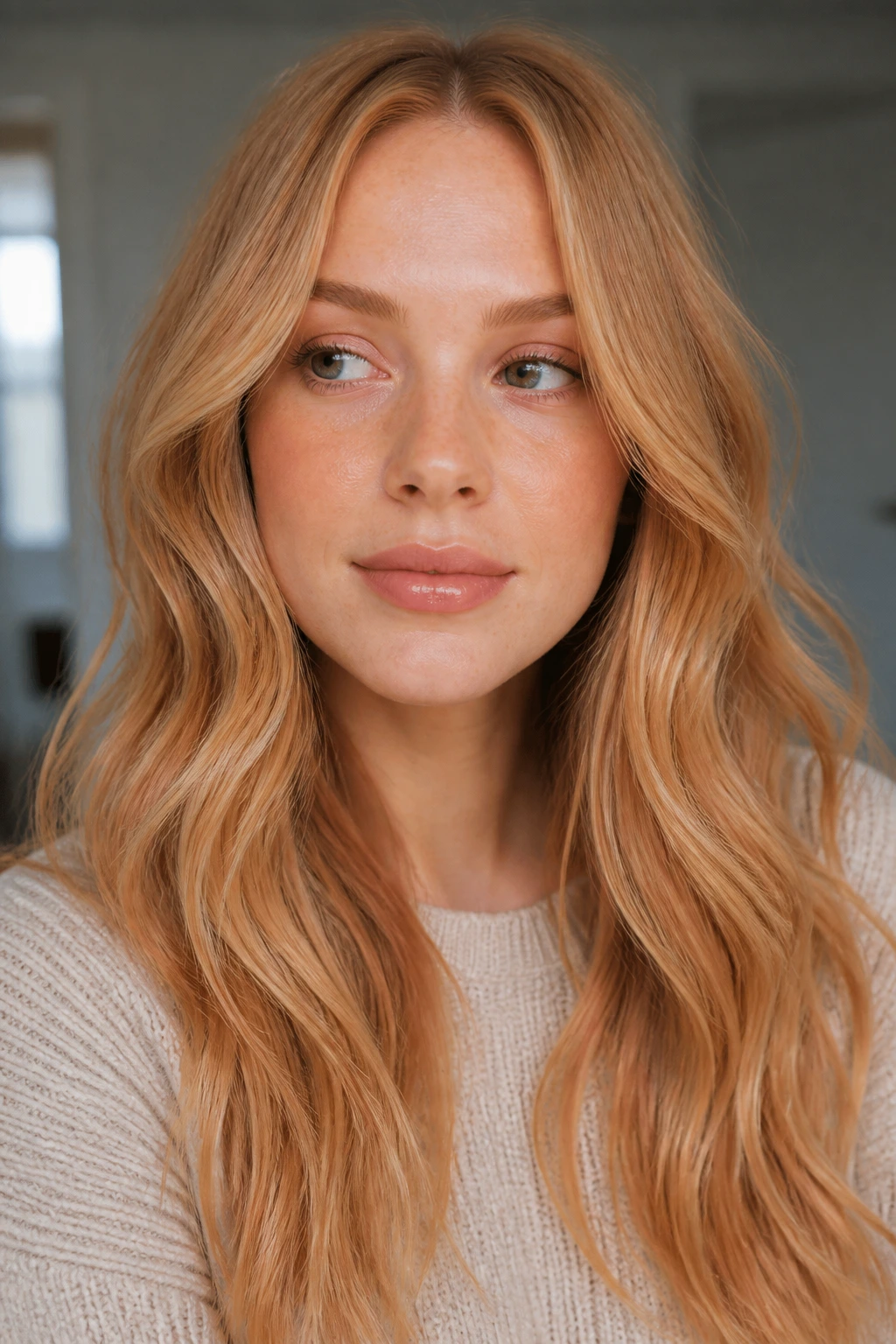
The difference between a flattering warm strawberry blonde and a brassy one usually comes down to three things: the starting level, the amount of gold in the formula, and how much pigment the hair can actually hold. On a clean level 8 base, a peach-gold toner can look soft and glossy. On a porous level 7 base, the same formula may grab darker and lean copper faster than you planned.
A good colorist will think about where the warmth sits. If every strand is warmed equally, the hair can look flat. If the ends are too porous and the root is too dark, the color can feel uneven. The sweet spot is usually a mix of soft root depth, brighter mids, and a gloss that does not overwhelm the blonde underneath.
Lighting matters more than most people admit. Bathroom bulbs can make the copper look louder, while daylight can reveal the peach and gold hiding under it. That is why a shade card rarely tells the whole story. The same tone can read honey in the afternoon and rose-gold after sunset, and both can be right.
Tools That Help the Tone Stay Fresh
-
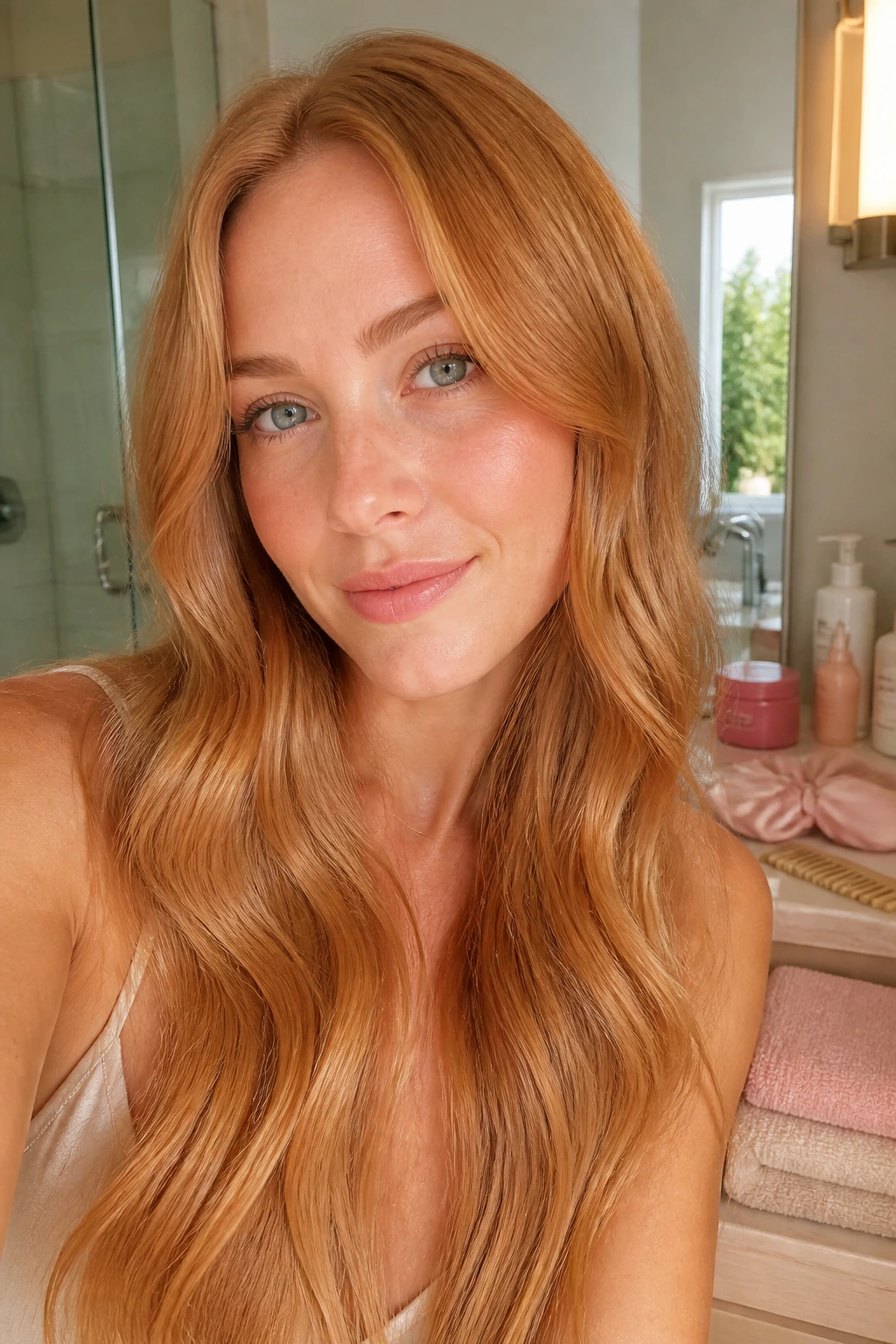
Color-safe shampoo: Use a gentle cleanser that won’t strip the warm pigments out in two washes.
-
Sulfate-free conditioner: Helps keep the ends smooth so the strawberry tone reflects light instead of looking dry.
-
Heat protectant spray: Essential if you blow-dry or flat iron; heat dulls copper faster than people expect.
-
Color-depositing mask or conditioner: A copper, peach, or rose-toned mask can stretch the time between gloss appointments.
-
Wide-tooth comb: Better for wet detangling than a brush, which can rough up porous ends.
-
Microfiber towel: Cuts down on friction after washing, and that friction is one reason warm tones fade looking rough.
-
Shower filter: Worth it if your water runs hard or mineral-heavy; metals in water can make blonde and copper shades look muddy.
-
Silk pillowcase: Helps keep the cuticle smoother overnight, which matters more once the hair is lightened.
How to Choose the Right Version for Your Base and Skin Tone
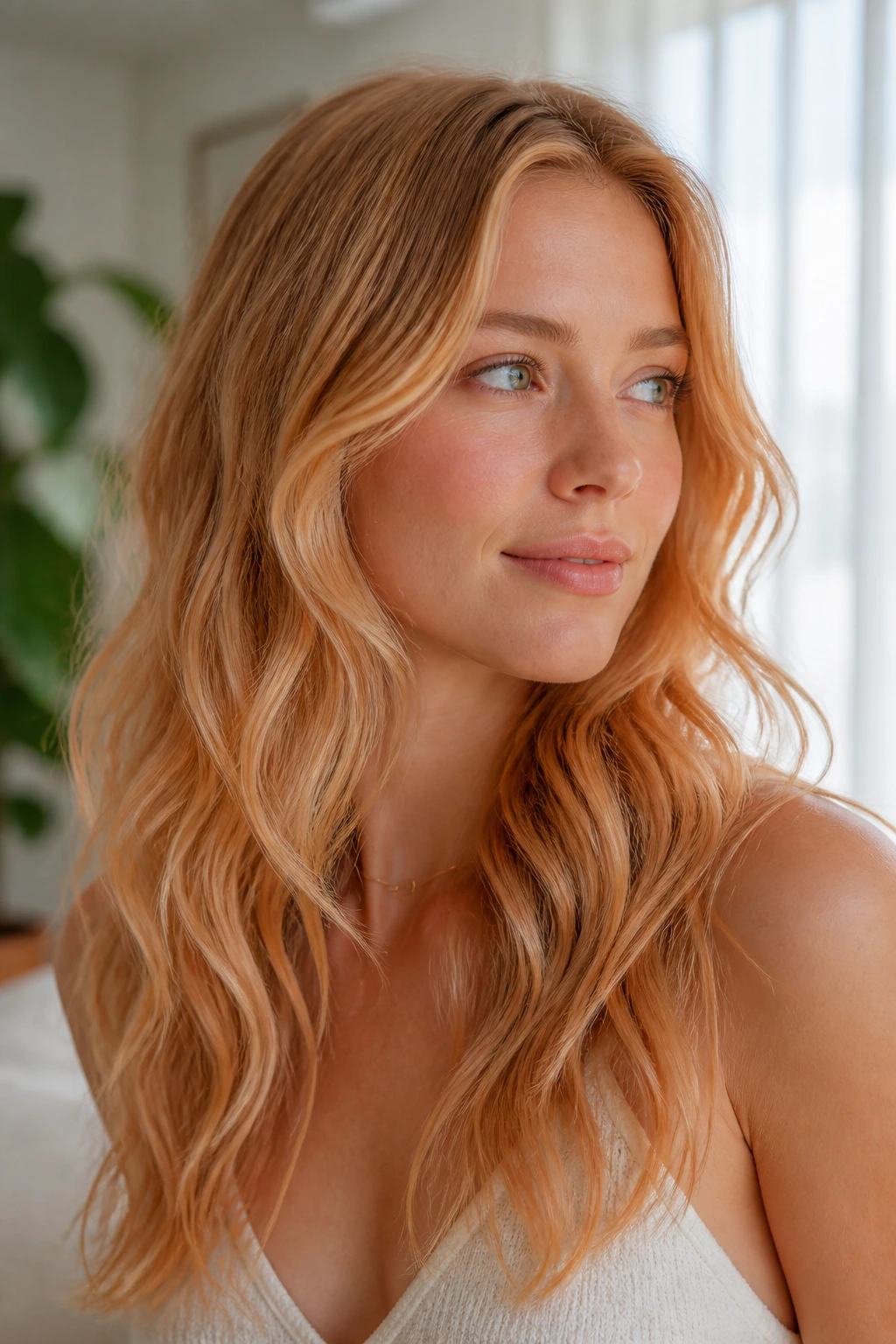
The easiest mistake with strawberry blonde is picking a photo without checking the base behind it. A model with level 9 hair can wear a pale peach gloss that would turn orange on darker hair. A brunette with a level 6 base may need a multi-step lift or a much deeper copper blend so the color has something to hold on to. The starting canvas changes the whole result.
Skin tone matters, but not in a rigid way. Warm and neutral skin usually like the golden and apricot versions, while cool skin can handle the rose-gold and peachier shades if the copper is kept soft. Freckles and pink undertones often look good with warm strawberry blonde because the color adds warmth instead of fighting it. If your complexion is already red, a heavy copper formula can make that redness stand out more than you want.
Bring two or three photos, not one. Better still, bring photos taken in different light: one outdoors, one indoors, one with hair at the same length and texture as yours. That makes the salon conversation much cleaner. Also say how often you wash, whether you heat-style, and whether you want a hard root line or a softer grow-out. Those details matter more than a single pretty picture.
How to Wear Warm Strawberry Blonde in Real Life
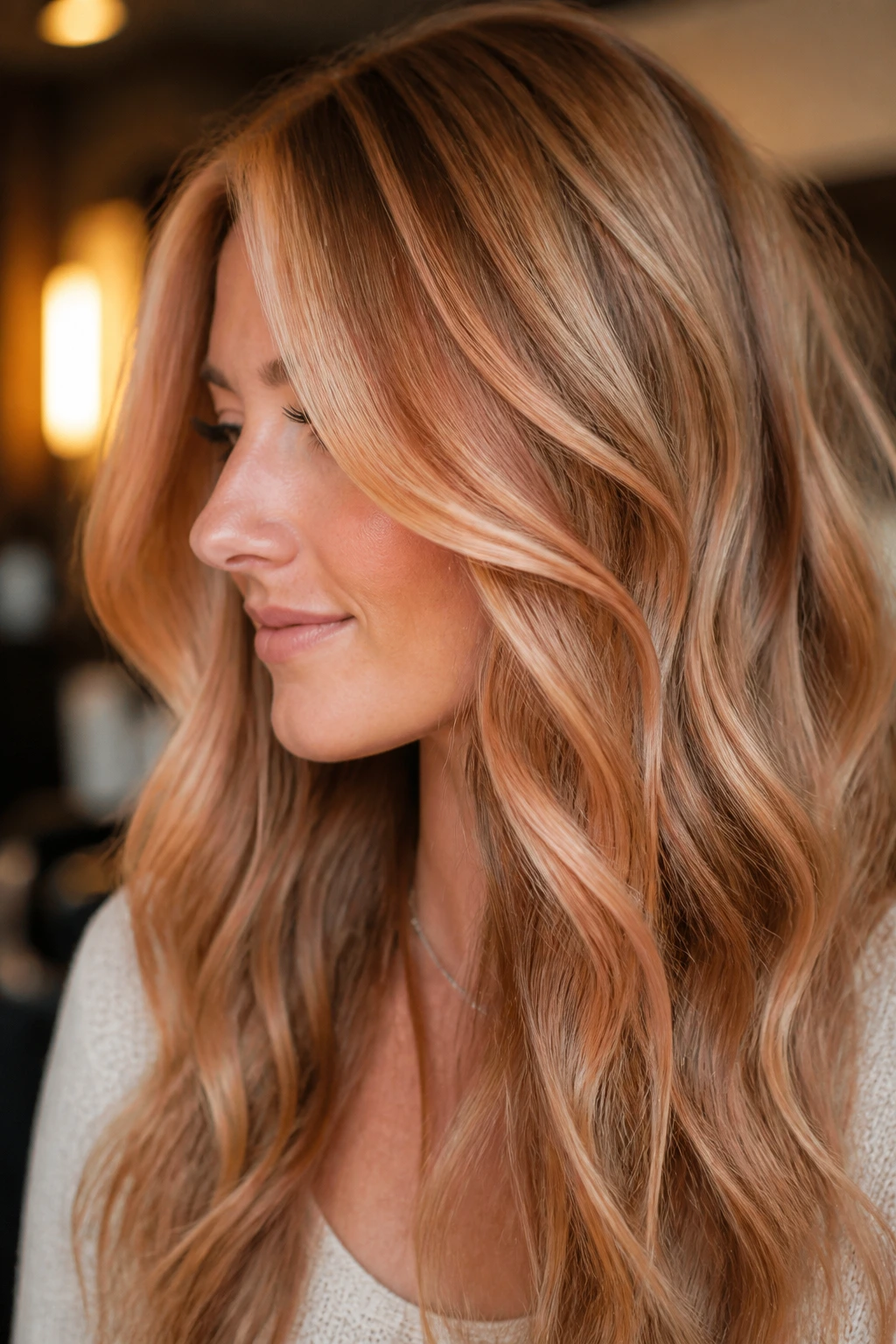
Presentation: Loose waves, a soft bend, or a round-brush blowout show off the copper-gold shift better than a stick-straight finish. If the cut has layers, tuck one side behind the ear so the warm pieces around the face can do their job.
Accompaniments: Cream, camel, olive, dusty pink, and soft white clothing all sit well next to this color. Peach blush and neutral brows keep the whole look balanced, while very cool makeup can make the warmth feel sharper than it needs to be.
Portions: If you want a smaller change, keep the warmth to the front pieces or the top layer. If you want a full reset, ask for an all-over gloss, a root shadow, and brighter ends so the color reads intentional from every angle.
Finish: A light serum or shine spray on the mids and ends is enough. Heavy oils can make the color look flat, and this shade is at its best when the strands still have some movement.
Additional Tips and Color Boosters
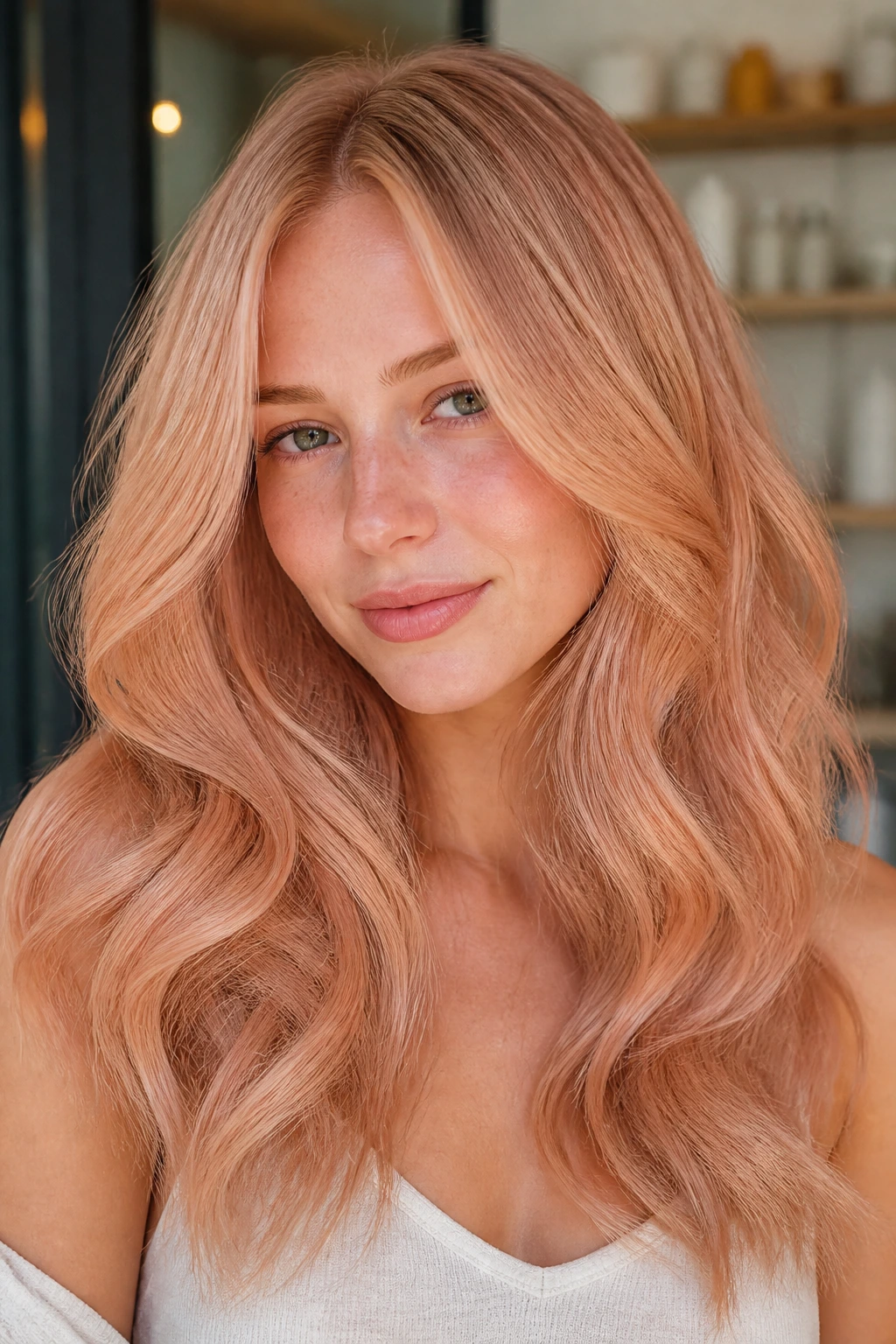
Gloss Boost: A clear or peach-gold gloss between salon visits keeps the shade bright without asking for a full color service. If the copper starts to fade first, a warm-toned mask for 5 to 10 minutes on damp hair can bring it back a notch.
Customization: Add beige lowlights if the hair feels too airy, or brighten the face frame if you want more contrast. A soft root shadow gives the whole look a longer runway, especially if you do not want to touch up every few weeks.
Serving Suggestions: Soft curls, a tucked-under bob, or a loose braid show the color in different ways. Braids are underrated here — the copper and gold threads look richer once the hair is woven together.
Make-It-Yours: If you want a calmer version, stay in the apricot-gold range. If you want more attitude, push the formula toward copper and add a brighter money piece. For low-maintenance wear, keep the root close to your natural shade and let the warmth live in the mids and ends.
Make-Ahead, Maintenance, and Fade Control
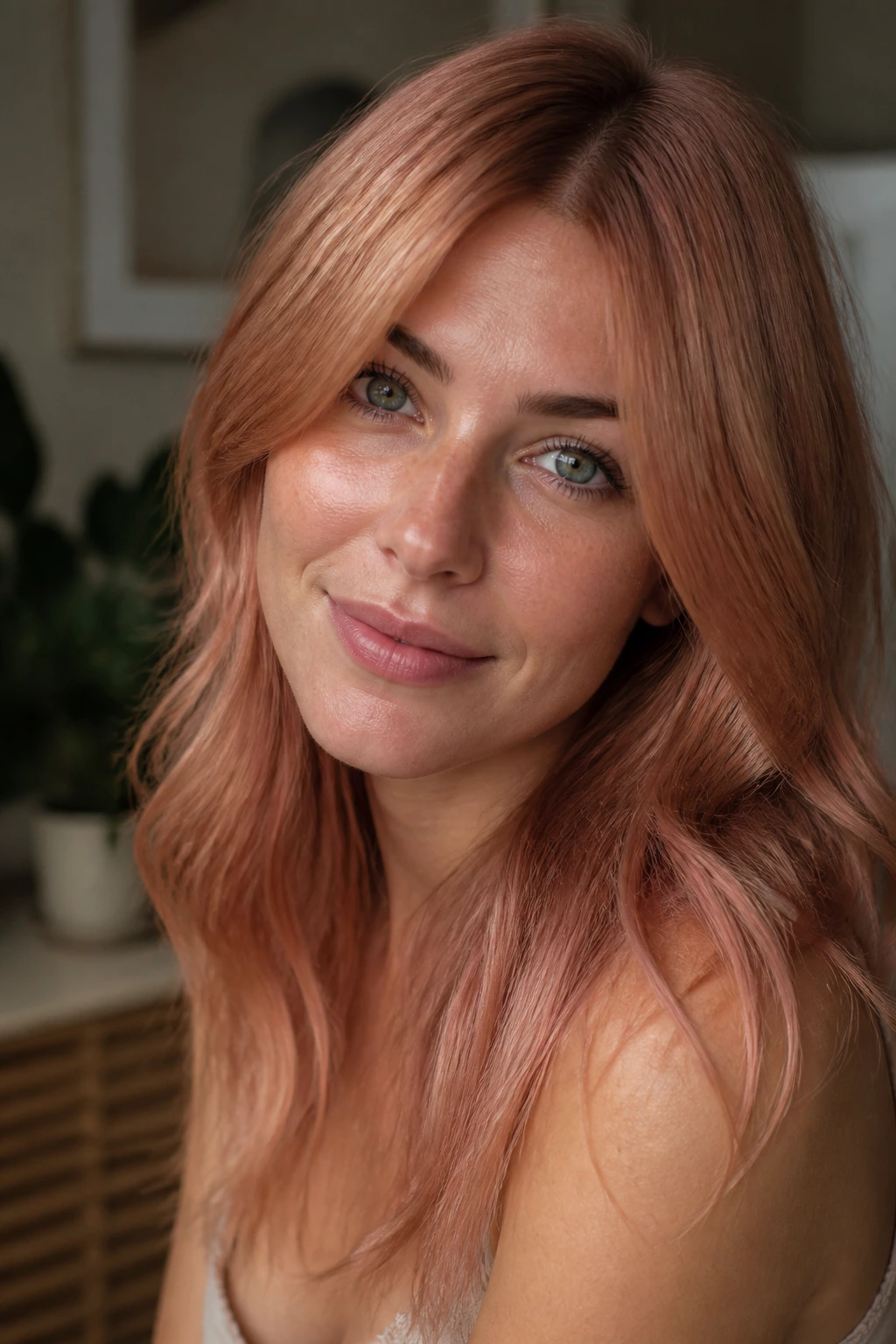
Warm strawberry blonde holds up best when you treat it like a color that needs small tune-ups instead of big rescues. Most people can stretch a gloss or toner for about 4 to 6 weeks before the warmth starts to flatten. Root touch-ups depend on the design: a rooted balayage can go 8 to 10 weeks, while brighter face-framing pieces may need attention sooner if you like a crisp contrast.
Washing habits matter a lot. If you shampoo daily, the peach and copper notes will drift faster. Washing every other day or every third day, with lukewarm water instead of hot water, keeps the cuticle calmer. Use conditioner on the mids and ends every wash, then limit deep-cleansing shampoos to once every 2 to 4 weeks, depending on how much product you use.
Heat is the other silent culprit. Flat irons and curling tools above 375°F can dull the tone fast, especially on prelightened pieces. A protectant before every blow-dry or iron pass helps. If you swim, wet your hair first, add leave-in conditioner, and rinse it immediately after; chlorine and salt can both strip warmth and leave the blonde looking sour. It is one of those boring little routines that pays off in a big way.
Variations and Adaptations to Try
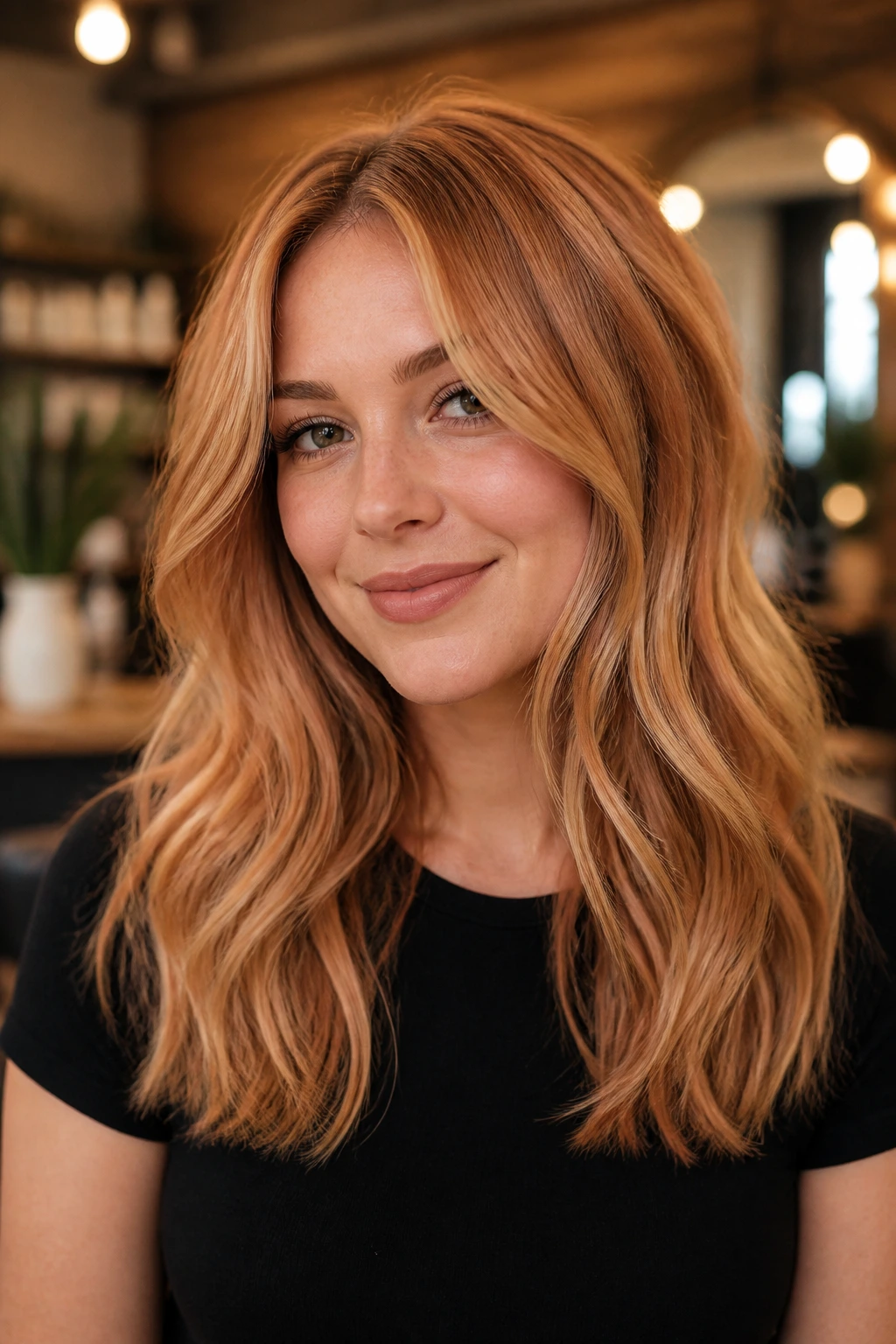
Cooler Rose Shift: Pull back some of the copper and let rose and beige do more of the work. This suits people who want warmth without too much orange in the finish.
Deeper Cinnamon Version: Add auburn lowlights and keep the base a touch darker. It feels richer on medium brunettes and gives the hair more body visually.
Low-Maintenance Root Melt: Keep the roots close to your natural shade and blend the strawberry warmth through the lengths. This is the easiest version to live with if salon trips need to stay spaced out.
Curly-Hair Definition Boost: Place the brighter pieces on the outer curl pattern instead of scattering them everywhere. That gives the curls shape and keeps the color from getting lost inside the texture.
Fine-Hair Airiness: Use micro foils or thin balayage ribbons rather than big sections. The color stays light, and the hair looks fuller because the warmth is broken into smaller pieces.
Bright Copper Lean: Push the formula a little hotter and bring the brightness forward around the face. This one works if you want the shade to read bolder and more noticeable from across a room.
Common Mistakes That Flatten the Shade
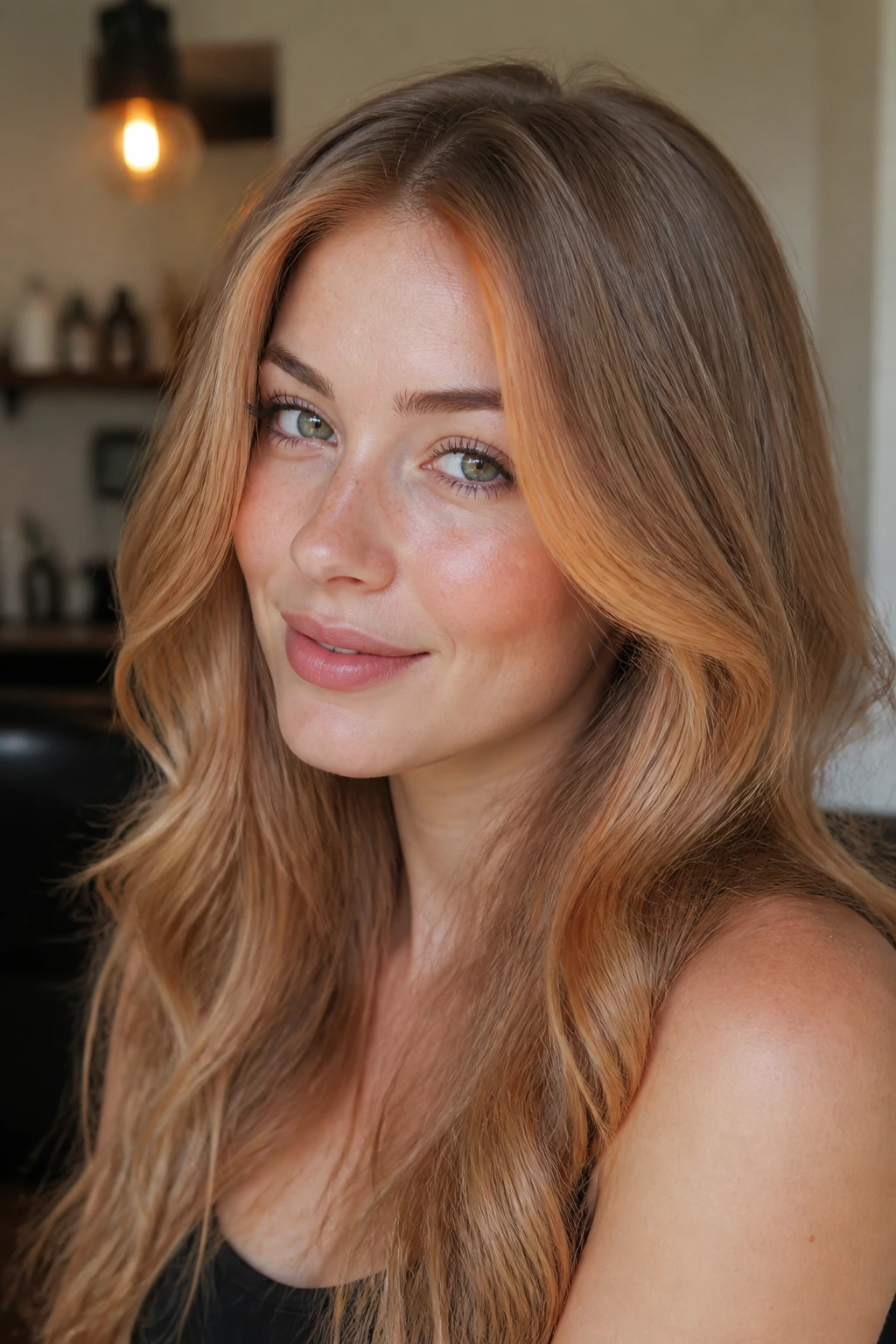
The first mistake is using a filtered photo as the only reference. Filters soften orange, brighten blonde, and hide root depth, so the salon result can land somewhere else entirely. Bring unedited photos in natural light, or ask for a shade that can be described in plain words: peach-gold, copper-gold, apricot, rose-gold, or rooted strawberry blonde.
The second mistake is ignoring porosity. Hair that has been lightened a lot will grab warm pigment quickly, especially at the ends. If the mids and ends are porous, the colorist may need to fill first or use a gentler gloss so the finish does not turn muddy or too dark.
A third one: overusing purple shampoo. Purple cleansers are built to knock down yellow, which is not always your enemy here. Use them sparingly, or skip them if the hair is already sitting in the warm strawberry range. Too much purple can make the shade look dull and muddy instead of fresh.
Frequently Asked Questions
Will warm strawberry blonde work on dark brown hair?
Yes, but it usually takes more than one step. Dark brown hair often needs lightening first, then a warm gloss or toner to build the strawberry tone without leaving it patchy.
Is this shade better as a gloss or a permanent color?
A gloss or demi-permanent formula usually looks softer and more believable, especially on prelightened hair. Permanent color makes more sense if you want stronger coverage or a deeper copper bias.
How often does it need refreshing?
Most warm strawberry blonde shades need a tonal refresh every 4 to 6 weeks if you want the peach and copper to stay clean. Rooted balayage and shadow-root versions can stretch longer between appointments.
Can I get this look without bleach?
If your hair is already blonde, sometimes yes. On darker bases, bleach or a lifting service is usually needed so the warm strawberry tone has room to show.
What skin tones look best with it?
Warm and neutral undertones often pair easily with golden apricot versions, while cool undertones can wear rose-gold or softer peach tones well. The real trick is choosing the right depth, not just the right color family.
How do I stop it from turning orange?
Keep the formula balanced with gold and peach, not heavy copper alone. At home, wash less often, use cooler water, and avoid overdoing clarifying shampoo or sun exposure without protection.
What if my hair is already highlighted?
That can be a gift, honestly. Prelightened pieces take strawberry tones beautifully, but the porous ends may need a gentler gloss so they do not grab too dark. The salon can place warmer pigment only where it’s needed.
Does it work on short cuts?
Absolutely. Pixies, bobs, and lobs show this shade well because the movement in the cut helps the copper-gold pieces shift in the light. Shorter hair also makes maintenance easier if you want a brighter finish.
Warm Copper That Stays Wearable
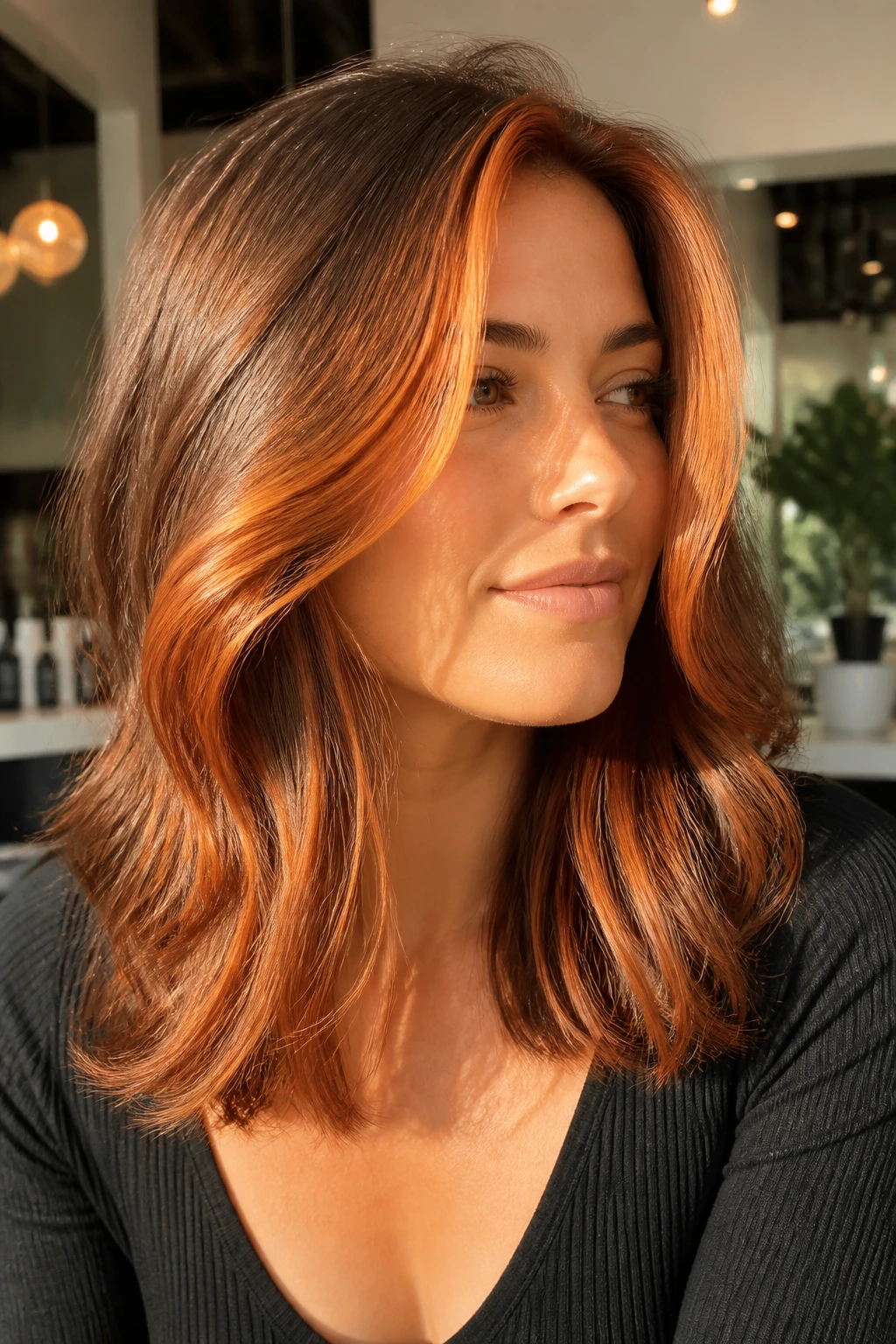
Warm strawberry blonde works best when it feels like a decision, not an accident. That means choosing the right base, keeping some depth at the root, and letting the warmth sit where the cut can actually show it. The pretty versions are the ones with control — a little copper here, a little gold there, and enough softness that the shade still looks like hair, not lacquer.
If you’re bringing one of these ideas to a colorist, bring a photo, your honest maintenance habits, and a clear answer about how warm you want to go. That conversation does more for the final result than any trendy name on its own.