



Safe shampoo hair color ideas for warm skin tones work best when the shade and the face are speaking the same language. Honey, copper, caramel, amber, peach, chestnut — those colors already carry the gold, red, and soft brown notes that sit naturally against a warm complexion. Put a cool ash on the same face and it can look polished in the tube, then oddly flat the moment it hits the hairline.
If “safe” is the word that matters most, think low-commitment color-depositing shampoo, tinted conditioner, semi-permanent gloss, and temporary wash-out color. Those formulas sit on the outside of the hair shaft instead of forcing a dramatic chemical change, which is why they fade more gracefully and give you room to experiment. They still deserve a patch test, though. Temporary does not mean invisible to the skin.
The other piece people miss is base level. On a level 8 blonde, apricot or buttercream can look bright in one wash. On a level 5 brunette, the same shade may read as a warm shine, which is not a failure — it’s the whole point. The trick is choosing warmth that matches what your hair can actually show, not what the box photo is selling.
The 28 shades below move from whisper-soft glosses to richer copper-brown blends, so you can pick the amount of warmth that feels right instead of guessing and hoping.
Why These Shades Work on Warm Skin
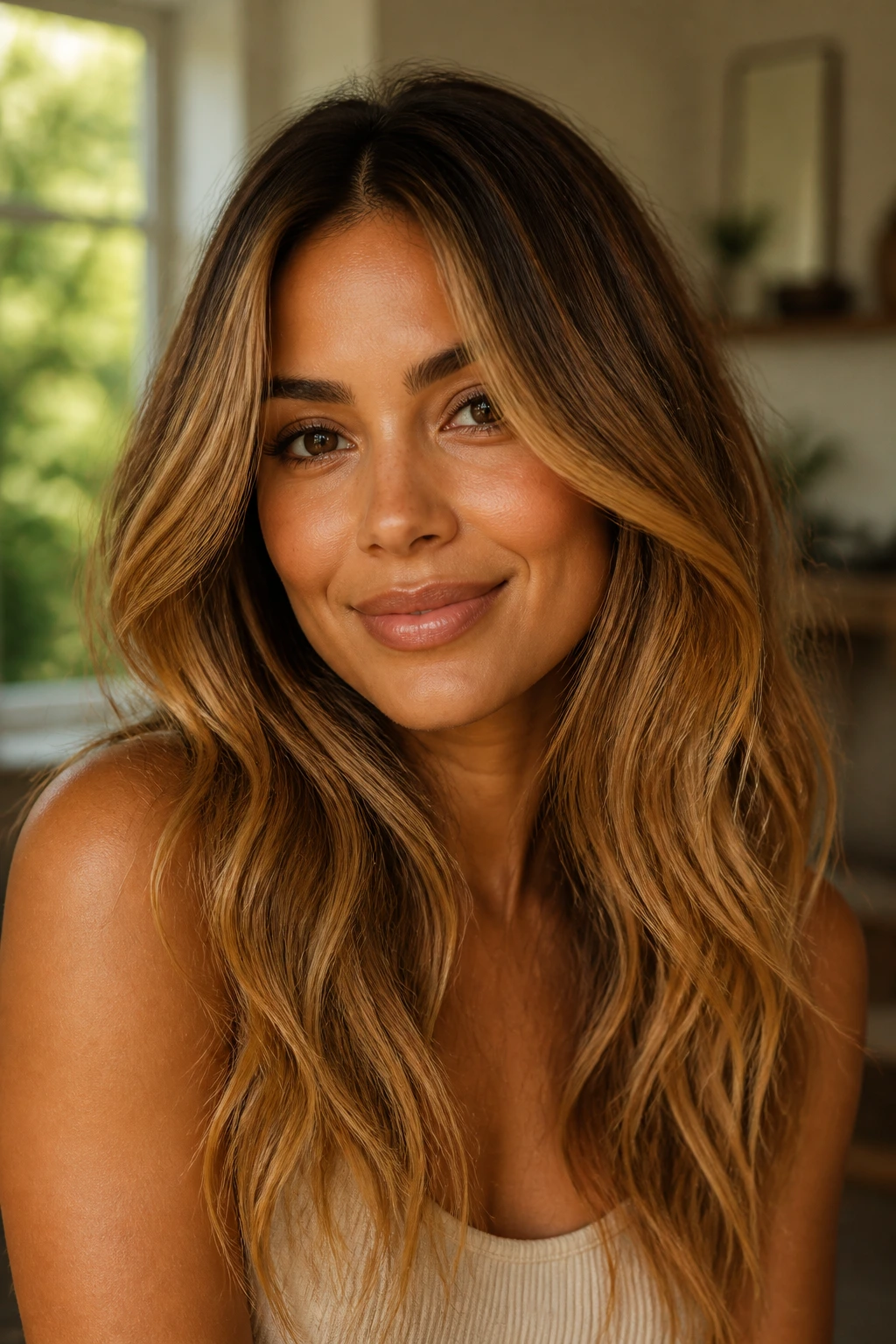
- Warmth on warm: Gold, copper, caramel, and amber reflect the undertones that already live in warm skin, so the face looks brighter without extra effort.
- Low-drama color testing: Temporary shampoo color lets you try copper, rose gold, or chestnut without signing up for a full permanent change.
- Easy to soften: Most of these shades can be diluted with conditioner or shortened in processing time if you want a lighter touch.
- Better fade pattern: Warm pigments usually fade into beige, honey, or soft brown instead of going chalky and dull.
- Flexible on base color: The same shade can read subtle on dark brown hair and far more obvious on blonde hair, which makes it easier to control.
1. Honey Glaze Blonde
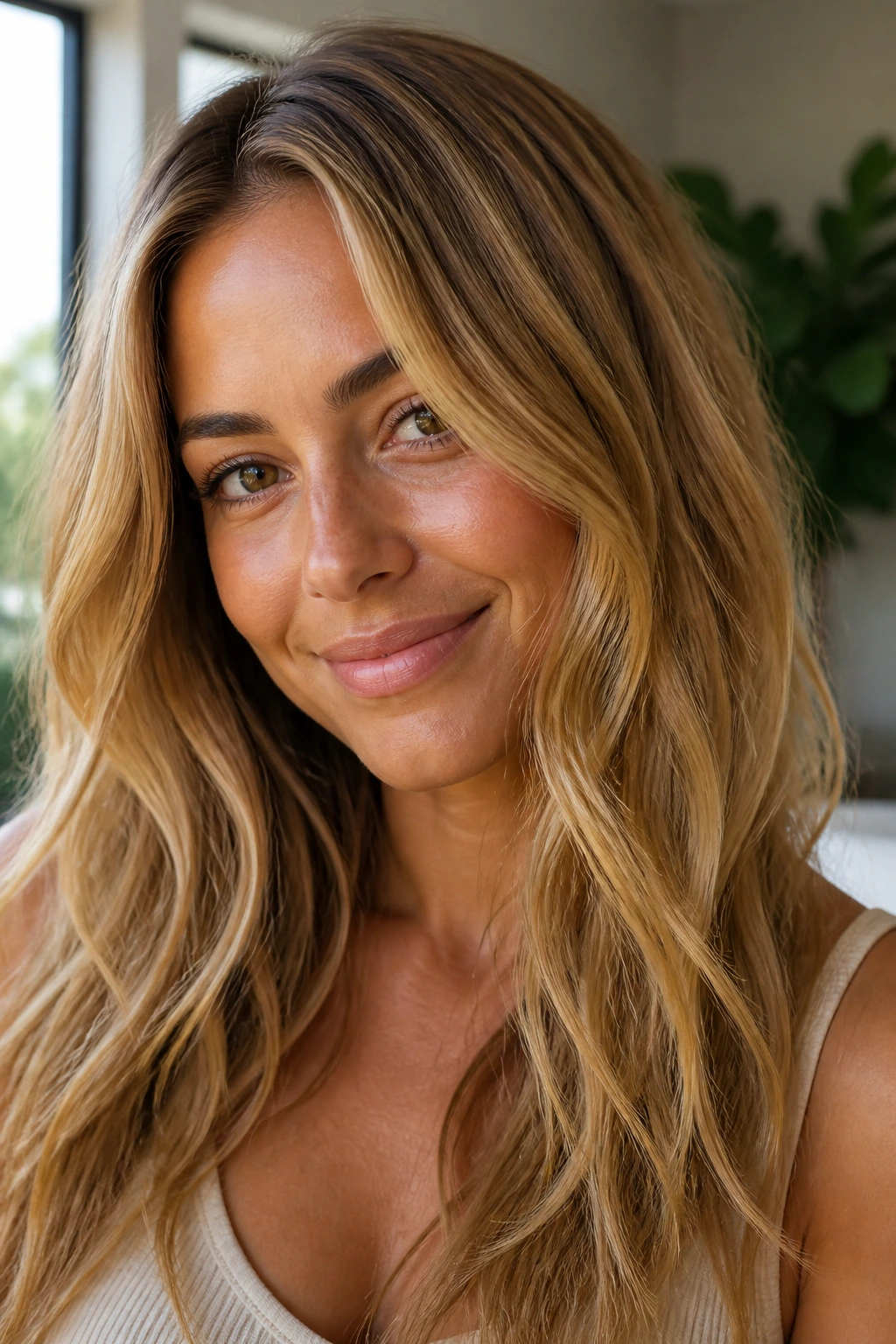
Honey glaze blonde is what happens when sunlight gets polite and stays for dinner. It’s warmer than beige, softer than gold, and one of the easiest places to start if you want a shampoo color that flatters warm skin without looking loud. On level 8 to 10 blonde hair, the result is buttery and bright; on darker blonde, it turns into a glossy warmth around the face.
Why it flatters warm skin
Honey has that easy yellow-gold reflection that echoes the undertone in golden or peachy skin. The face looks less washed out because the hair is adding warmth instead of stealing it. I like this shade for people who want “healthier-looking blonde” more than “new personality in a bottle.”
Use a honey color-depositing shampoo for 3 to 5 minutes if you want a whisper, or stretch to 7 minutes if your hair is porous and you want the shine to show. It’s one of the rare blonde shades that can look expensive even when it fades.
2. Caramel Latte Brown
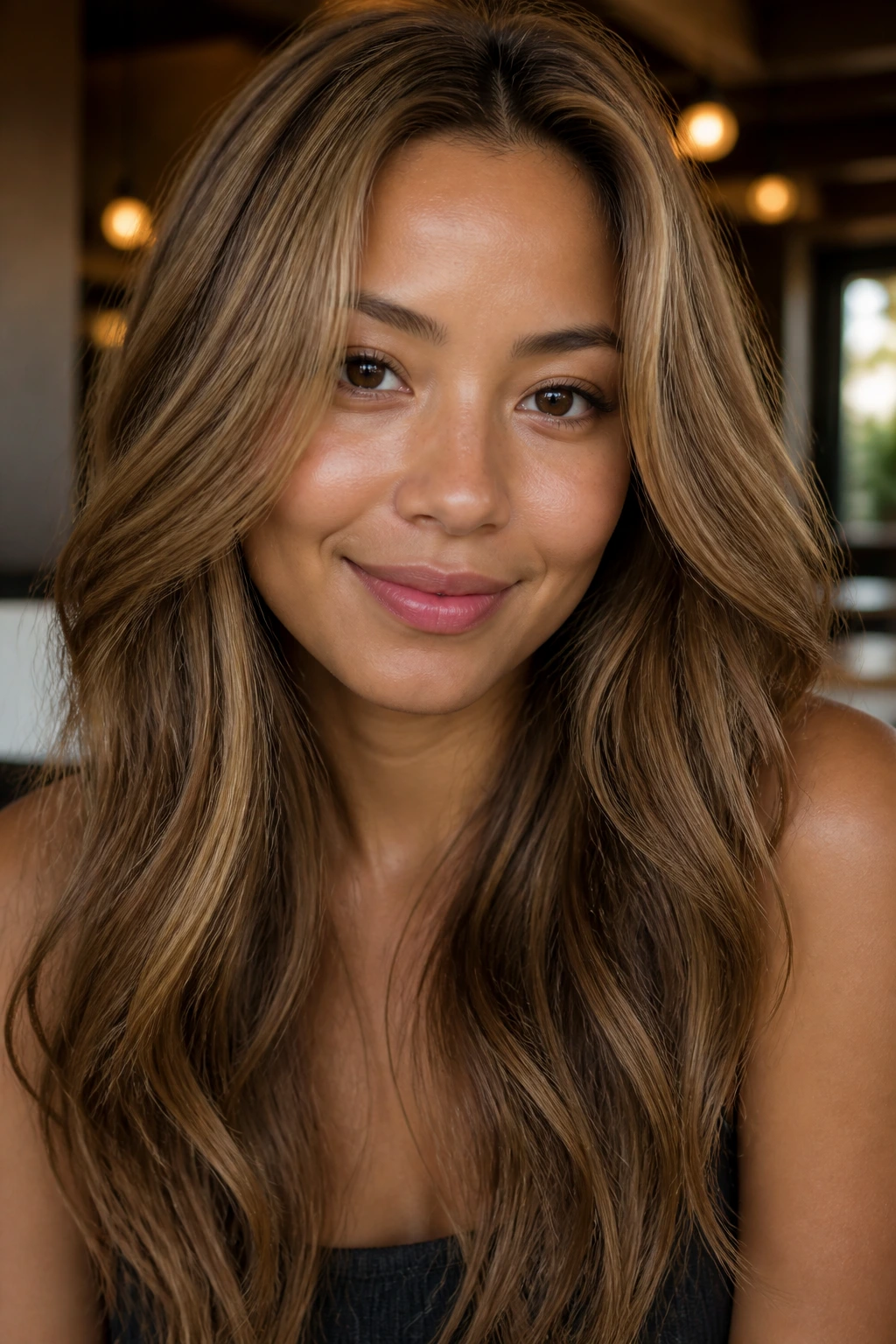
Caramel latte brown is the brunette shade I reach for when someone says they want warmth, but not a full red moment. The tone lands in that beige-gold middle ground, which is why it looks rich on medium brown hair and kind to warm skin at the same time. It’s coffee, but with the good foam.
If your hair already sits at level 5 or 6, this works best as a gloss or shampoo tint rather than a heavy dye. Leave it on 5 to 8 minutes and you get a soft reflective layer that catches light without turning brassy. On curly hair, especially, the curls look more defined because the caramel reflection breaks up the darkness.
Quick note
- Best base: Medium brown to light brown
- Best finish: Glossy, beige-gold brown
- Watch for: Overdoing it on very porous ends, which can make the length look darker than the root
3. Copper Penny Shine
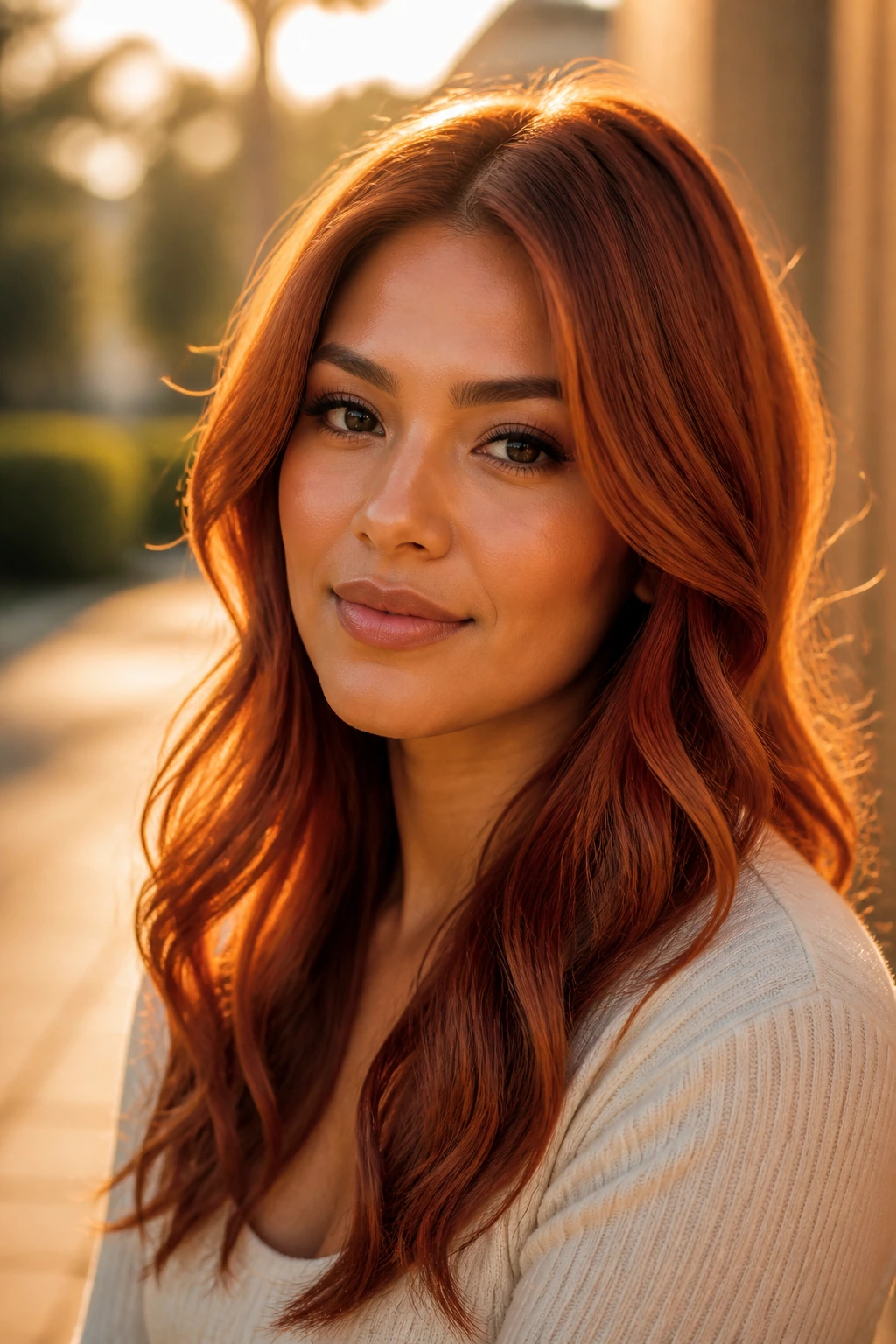
Why does copper look so alive on warm skin? Because it borrows the same red-orange heat that already sits in the face. Copper penny shine is brighter than caramel or honey, and it’s the first shade here that starts to look like a statement — without needing permanent dye to get there.
This is a better pick for level 7 to 9 blonde hair, or for prelightened brunette lengths where pigment has something to grip. Three minutes gives you a soft penny wash. Eight to ten minutes pushes it toward a real copper flash. If your roots are much darker than your ends, apply it to the mid-lengths first and pull it up only in the last couple of minutes.
What to remember
- On blonde: clear copper reflection
- On medium brown: warmer red-brown shine
- On dark brown: mostly a gloss unless you pre-lighten
4. Cinnamon Chestnut
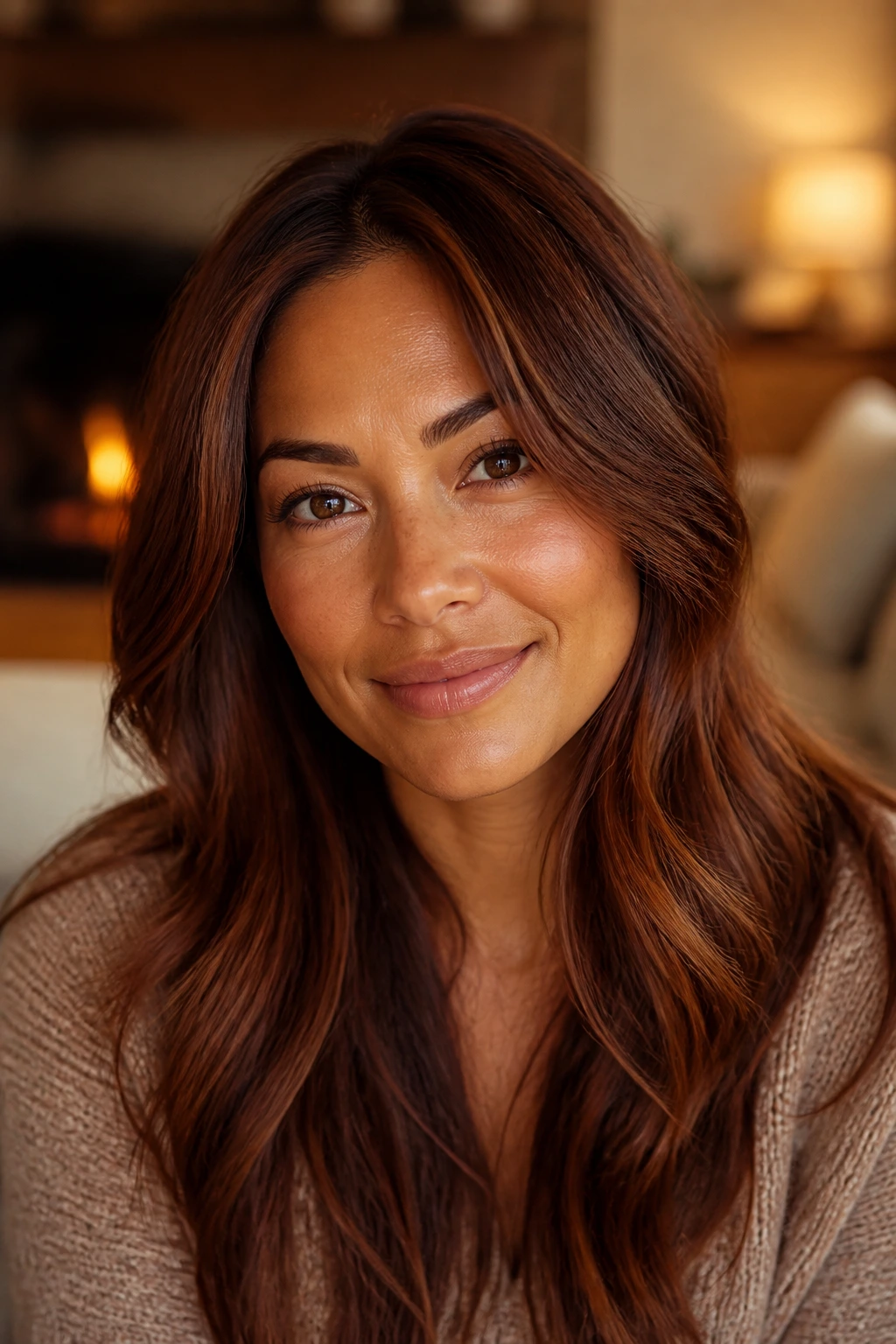
Cinnamon chestnut is what I call a “grown-up warm brown.” It has enough red to keep the color alive, but not so much that it turns fiery in daylight. That balance makes it one of the safest warm skin tone hair color ideas if you want depth, softness, and a little edge without looking as if you fought with a bottle of dye.
The shade sits beautifully on level 5 to 7 brown hair, especially if your natural color is flat or mousey in the sink and suddenly wakes up under overhead light. A color-depositing shampoo with red-brown pigment will deepen the strands and give the hair that spiced, almost toasted look. If you have a few grays, it can blur them without turning the whole head the same flat color.
H3: Best way to wear it
Keep the roots slightly lighter than the ends if you can. That tiny contrast keeps chestnut from going helmet-dark, and the cinnamon note stays visible instead of swallowing the whole style.
5. Apricot Rose Gold
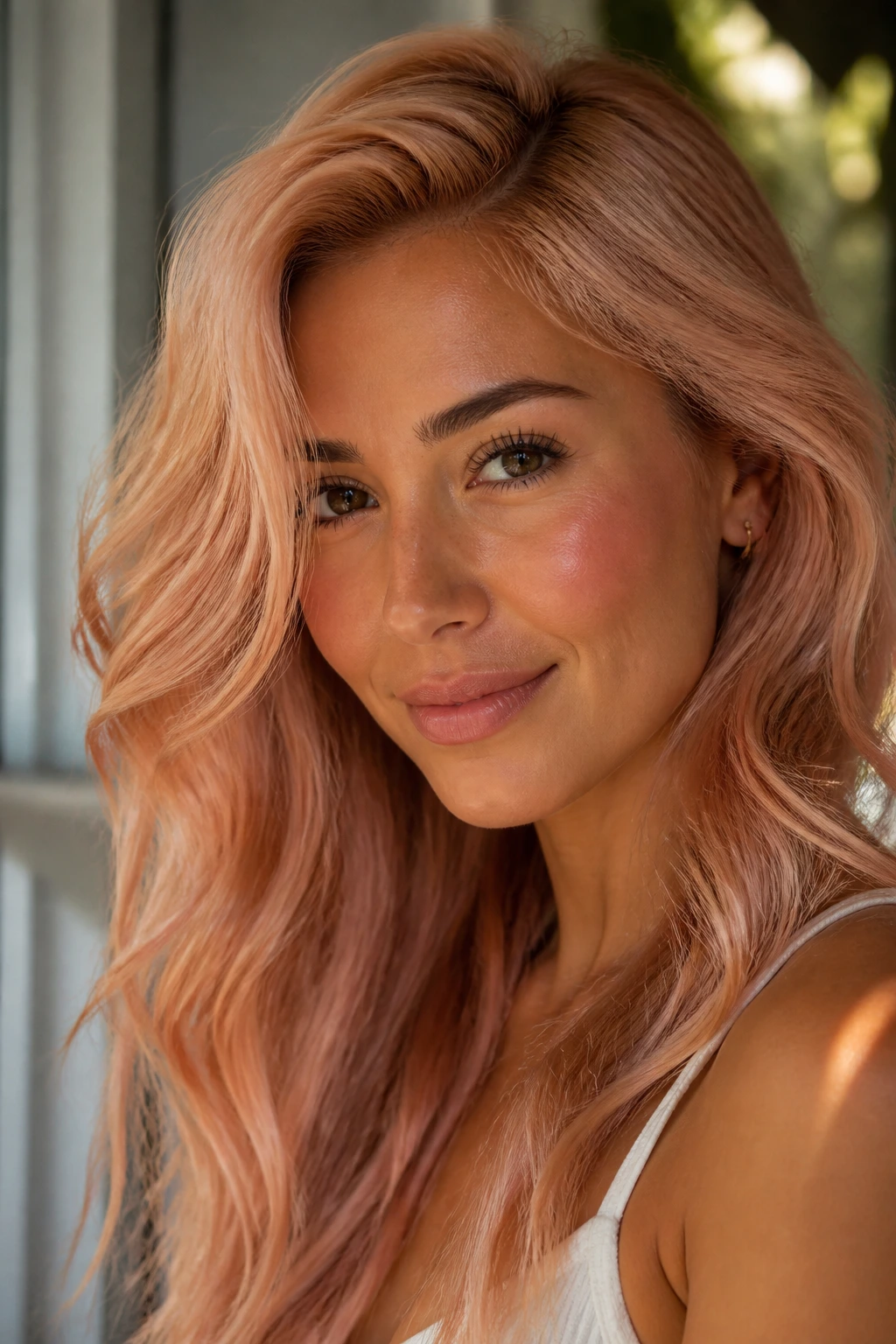
Apricot rose gold is the shade people think of when they want a playful blonde that still feels grown-up. It has peach, pink, and gold in the same breath, which sounds busy on paper and looks surprisingly smooth in hair, especially on warm skin that already leans peach or golden.
This one is happiest on level 8 to 10 blonde or very light highlighted hair. If your hair is darker, the peach can disappear into warmth instead of showing as a true rose-gold tint. I like it as a diluted shampoo treatment: mix the color-depositing formula with a little white conditioner, then process for 3 to 6 minutes. The result is less “festival hair,” more soft sunset.
Best for
- Blonde bases: obvious rose-gold glow
- Warm skin: makes cheeks look fresher
- Fine hair: looks airy instead of heavy
6. Toffee Bronde Melt
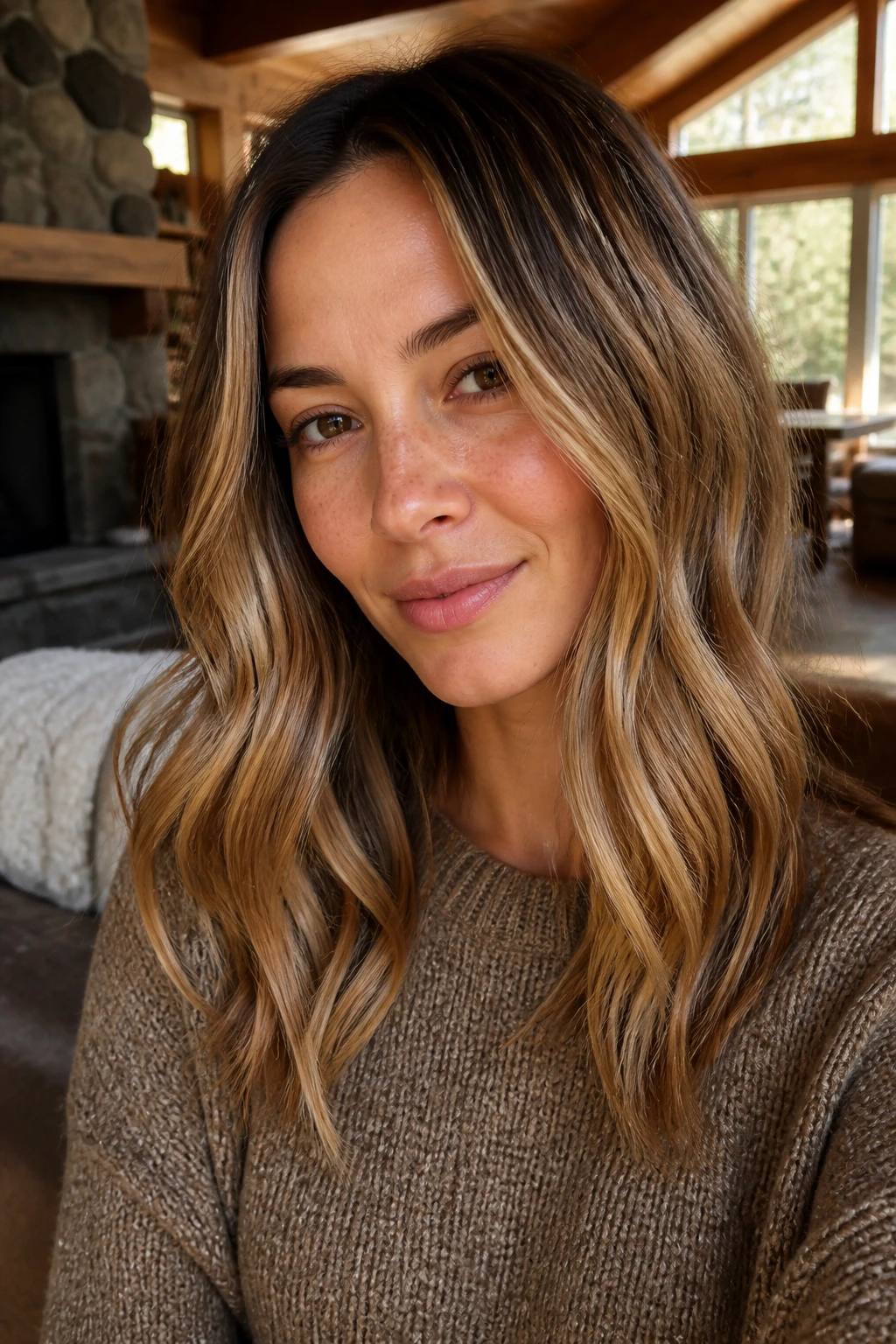
Toffee bronde melt is the shade for people who want dimension, not drama. Brown at the root, blonde through the mid-lengths, and a toffee warmth that ties the whole thing together — it feels especially right on warm skin because the hair carries both the gold and the brown notes the face already understands.
The smart way to wear this is with a color-depositing shampoo on the lighter pieces rather than all over the head. That keeps the darker base intact and stops the highlights from turning too yellow. If your hair is naturally medium brown, this shade can be more about reflective warmth than obvious contrast, which is fine. Honestly, it’s better that way.
A gentle toffee melt also grows out well. No hard line. No ugly stripe. That alone earns it a place on this list.
7. Soft Auburn Gloss

Soft auburn gloss is the first red-brown here that feels romantic instead of noisy. It has enough red to make warm skin glow, but enough brown to keep it grounded. If copper ever feels too bright on you, auburn usually lands in a friendlier spot.
This shade works especially well on dark blonde and light brown hair. A semi-permanent auburn shampoo or gloss can warm the hair in one or two uses, then fade into a pretty cinnamon-brown rather than a weird pink residue. That fade is a big reason I like auburn for first-timers. You get the feeling of red without the maintenance of a full redhead routine.
H3: How to keep it soft
Skip icy toners and silver masks around the same time you’re using auburn. They can drag the warmth down faster than you expect and leave the shade looking muddy instead of rich.
8. Peach Champagne Blonde
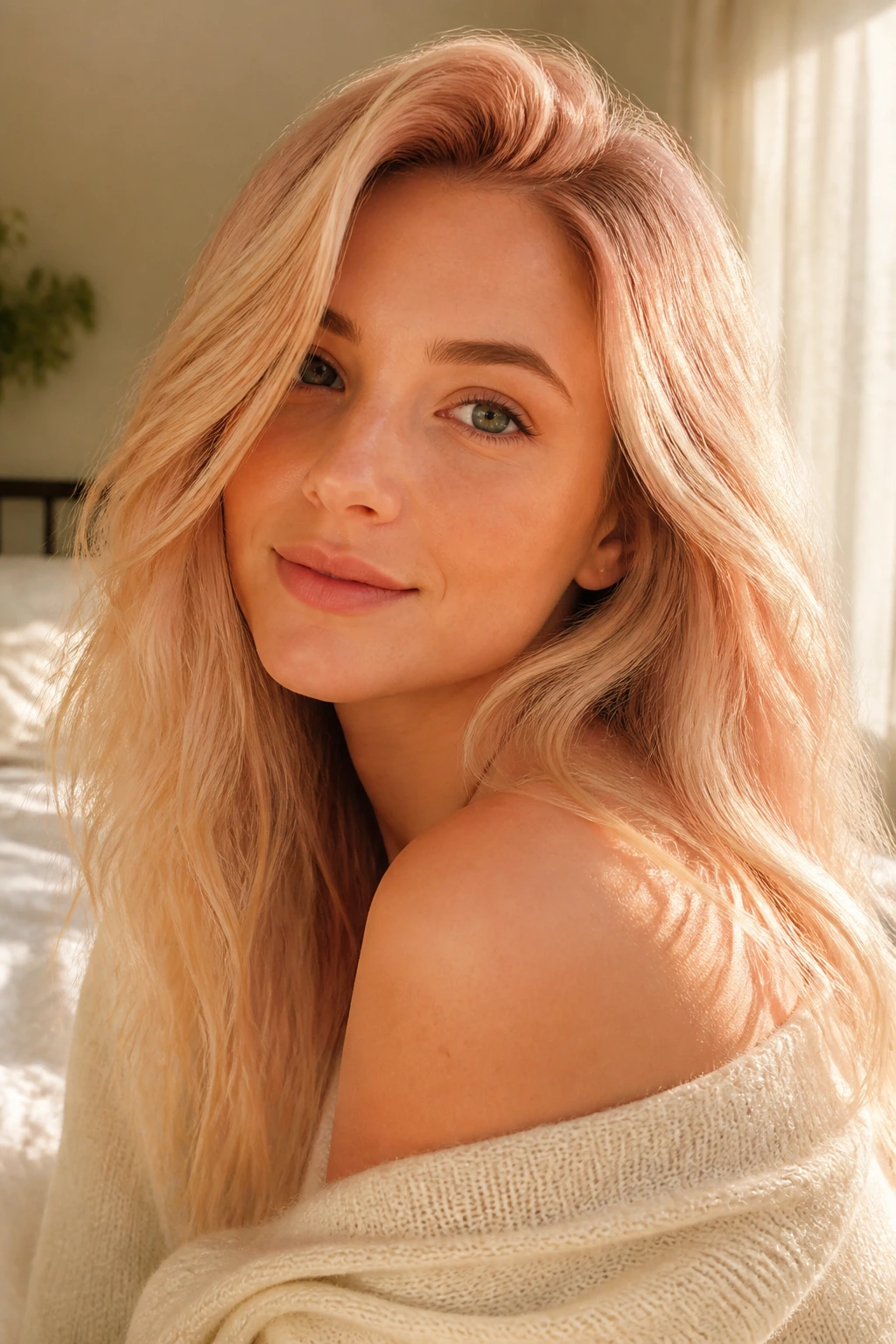
Peach champagne blonde is a lighter, more playful version of rose gold, and it loves warm skin that doesn’t want to be hidden under a heavy color. The peach note keeps the blonde from going flat; the champagne note keeps it from looking like a straight-up pastel.
This shade is best on very light hair, usually level 9 or 10. On darker hair, the peach becomes more of a soft tint and less of a visible color shift. If your hair is porous, start with a diluted formula or a shorter processing time, because peach can grab faster than people expect. Five minutes is often enough.
There’s a sweet spot here where the color looks like a warm filter rather than a dye job. That’s the place to aim for.
9. Chocolate Cherry Brown
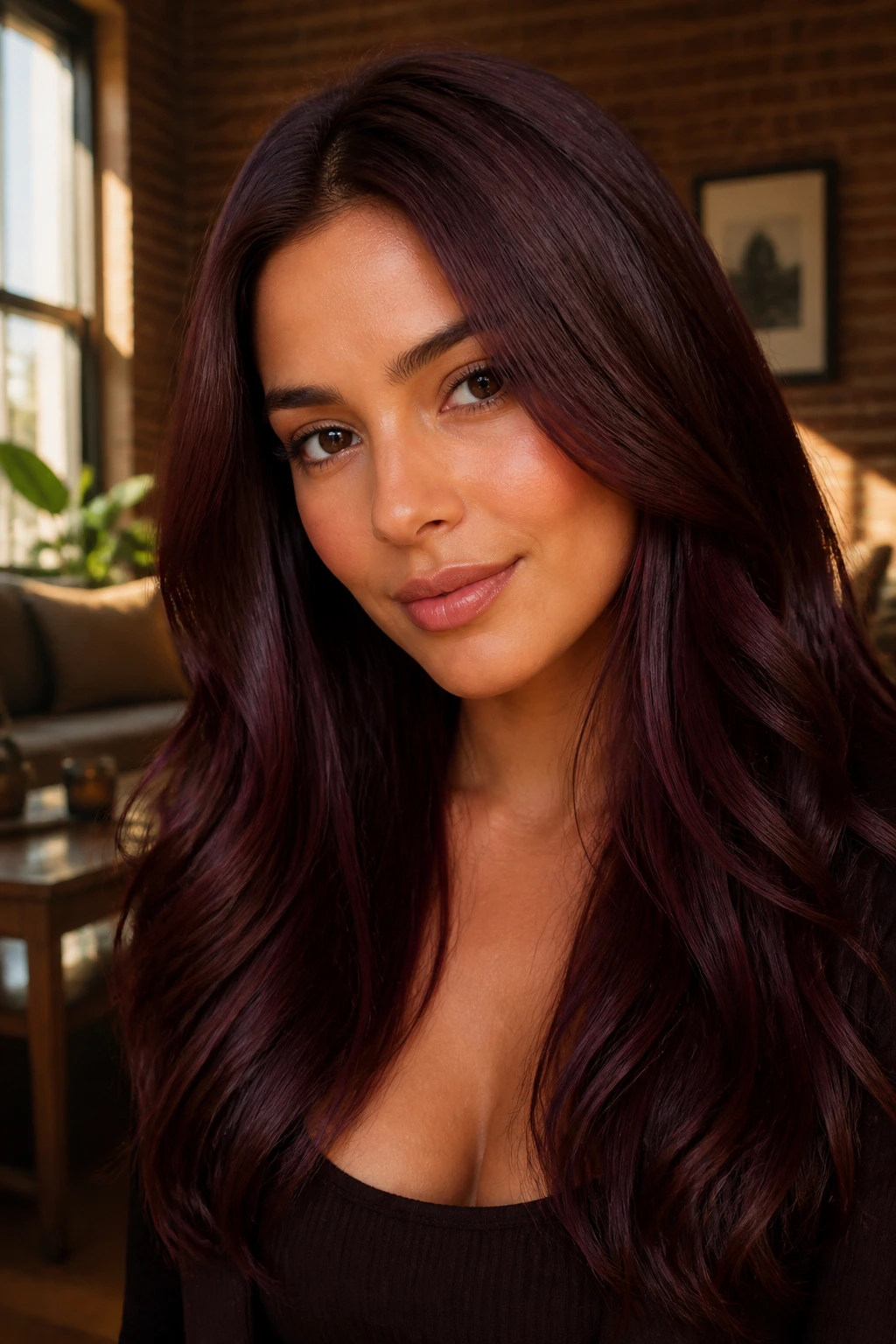
Chocolate cherry brown gives you depth first and red second. That matters. On warm skin, a deep brown with a cherry sheen can make the complexion look cleaner and more awake, especially when the light hits the hair and finds that slight red flash underneath the brown.
This is a strong pick for level 4 to 6 hair, where the cherry tone can sit inside the brunette instead of floating on top of it. A red-brown shampoo or gloss works better than a bold permanent cherry dye if you want something safe and wearable. Leave it on a little longer at the ends than the roots, and you’ll get more dimension instead of one flat dark block.
It’s also one of the better choices for people who wear warm lipstick shades. The hair and makeup start talking to each other.
10. Warm Beige Blonde
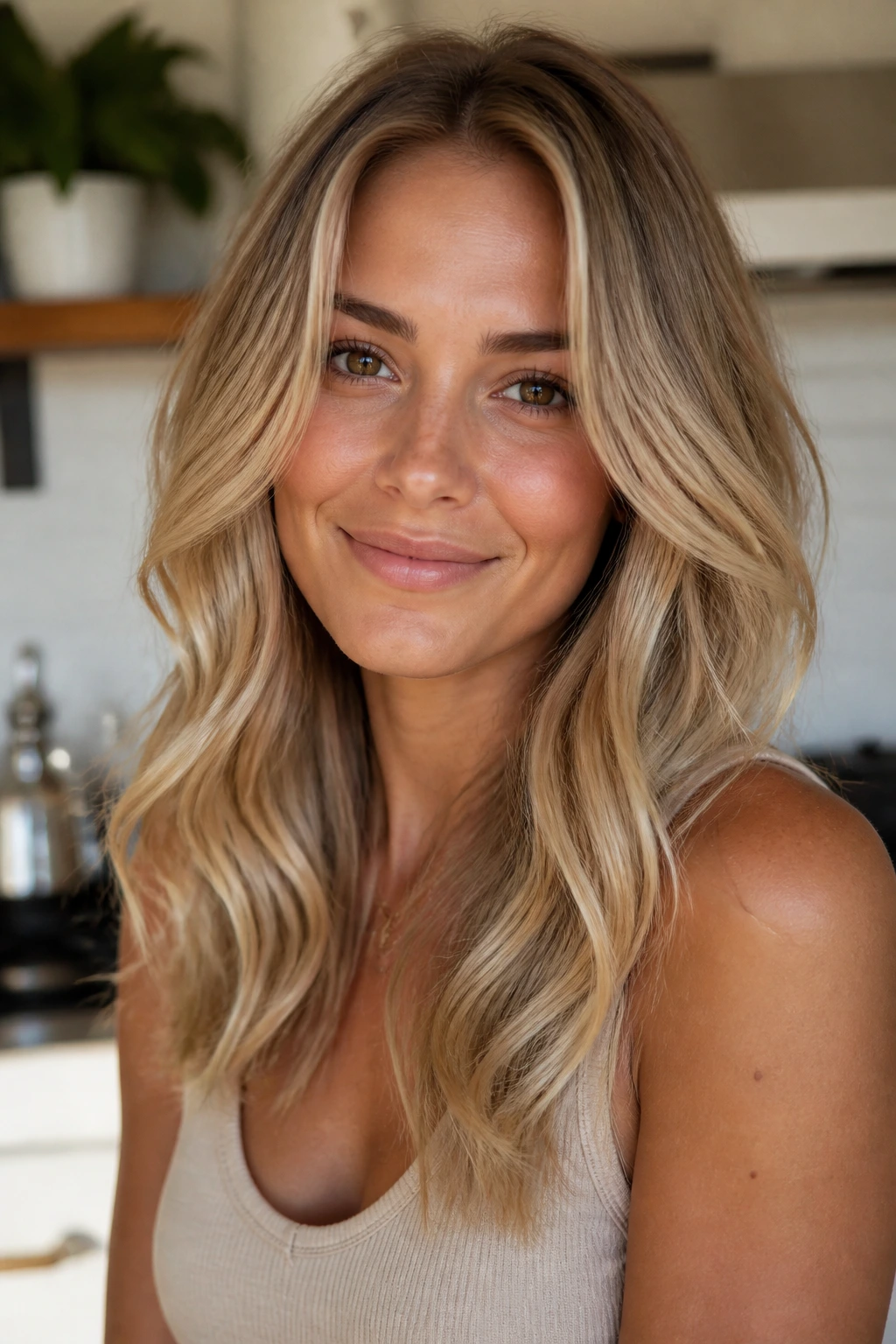
Warm beige blonde is the shade for anyone who has looked at platinum and thought, “No, that’s too much work, and also too cold.” Beige blonde sits in a softer zone. It keeps the hair light, but the warmth stops it from looking icy or stark against warm skin.
Use this shade on level 8 or lighter hair, preferably hair that already has a yellow-gold base rather than a gray toner base. If you’ve been overtoned or over-ashy, a warm beige shampoo color can pull the shade back into something more natural. It’s subtle on camera and even nicer in person, which is not always true of blonde.
The best part is how low-maintenance it feels. When it fades, it tends to fade into soft gold rather than a rough, brassy mess.
11. Maple Syrup Brunette
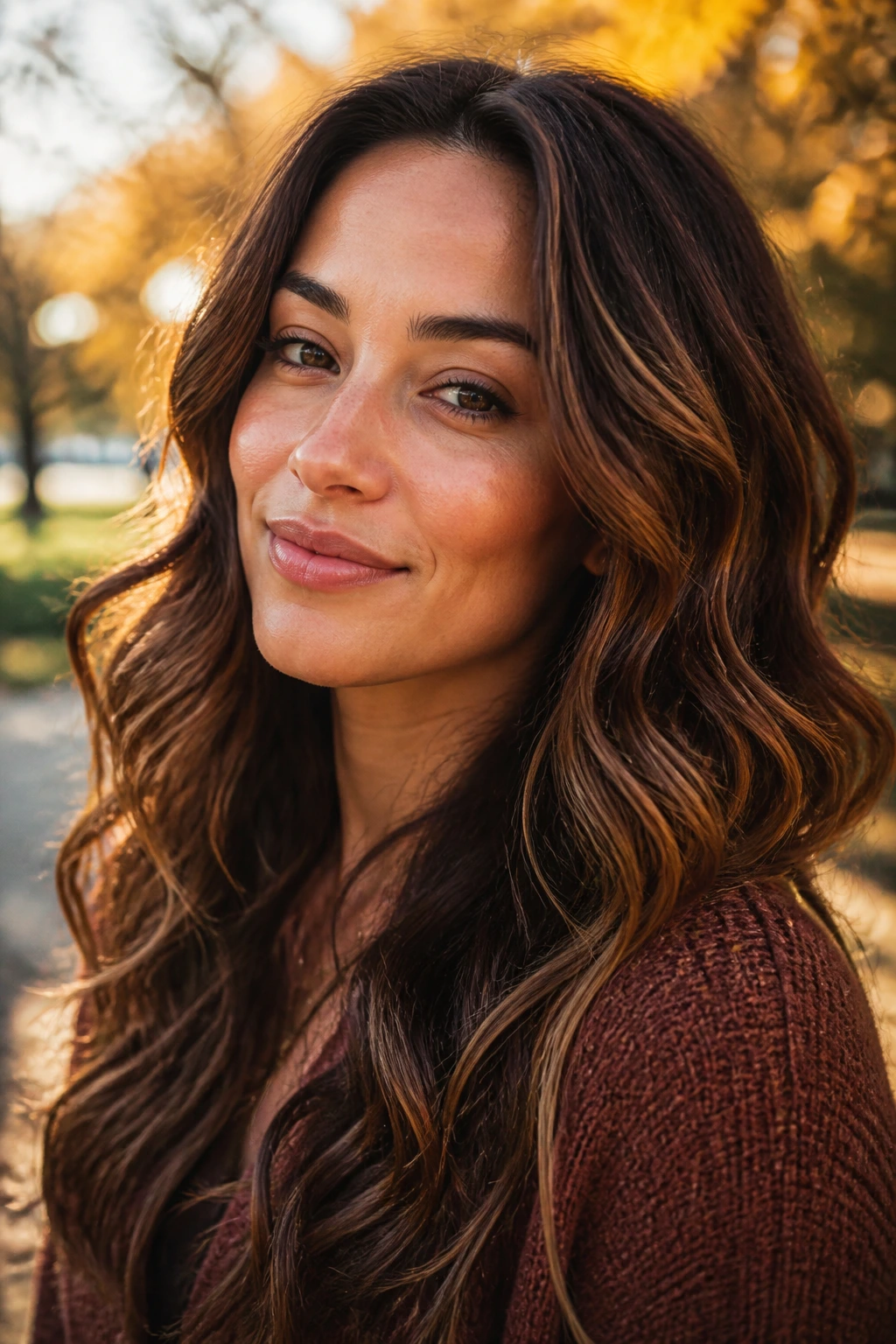
Maple syrup brunette is sticky in the good way: glossy, amber, and deep enough to feel rich without sinking into black. Warm skin usually likes this shade because it adds that syrupy brown-gold reflection around the face, which is especially nice if your natural brunette hair has gone a little dull from frequent washing.
This works beautifully on curly and wavy hair because the light catches the bends and makes the amber notes show up more clearly. A maple-brown shampoo tint or gloss on level 5 to 7 hair can revive the mids and ends fast. If your hair is super porous, keep the formula moving so the bottom layers don’t go too dark.
Maple brunette is one of those shades that looks expensive without trying to look expensive. I like that. Hair should not always have to perform.
12. Amber Copper Glaze
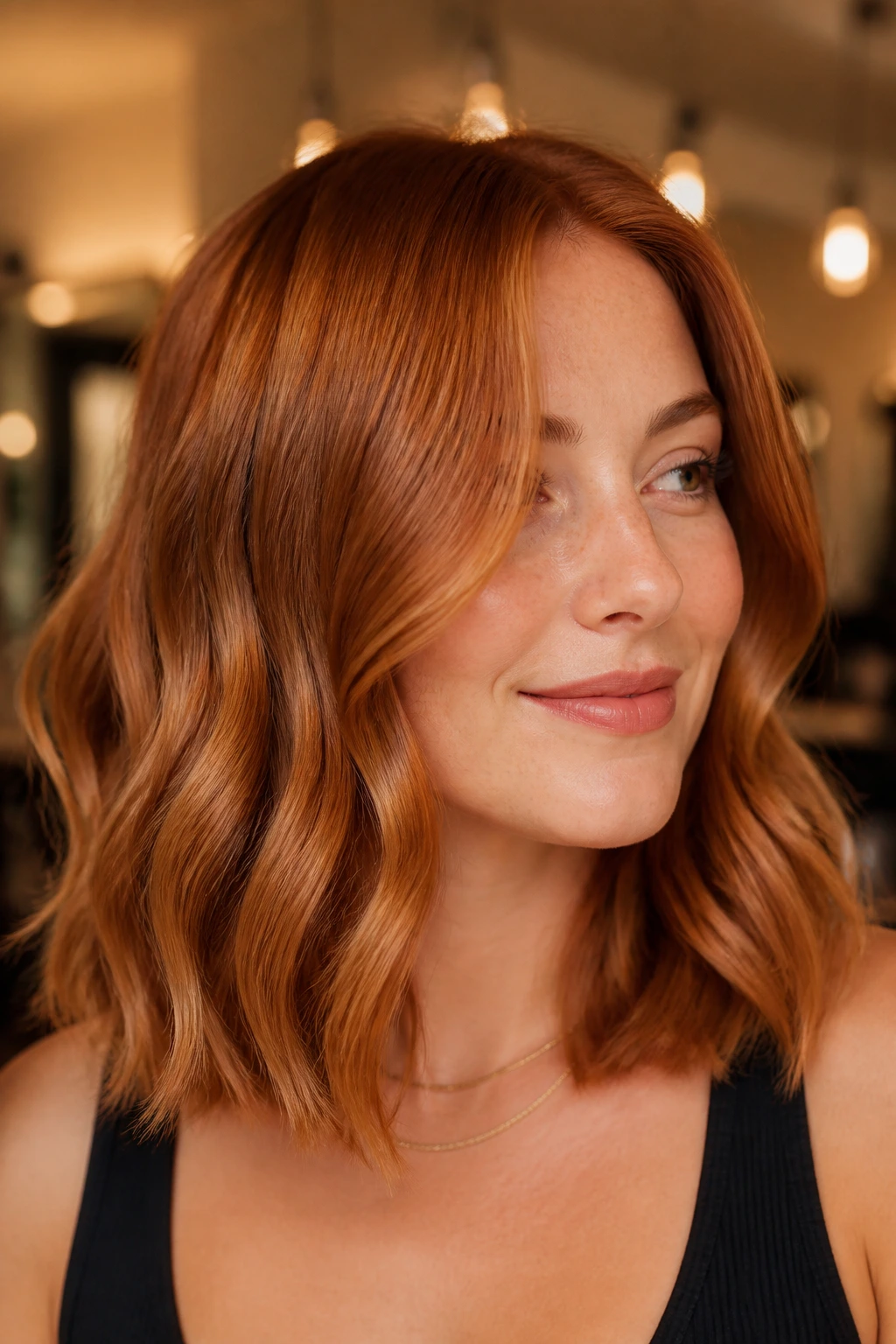
Amber copper glaze is where copper gets a little softer and more wearable. The amber pulls it back from neon territory, which is useful if you love warmth but do not want your hair to announce itself before you walk into a room.
A light brown or dark blonde base is ideal here. If you’re using a shampoo color, think short application first — around 4 minutes — and build from there. The amber note gives the copper a smooth finish, especially on warm skin that already has gold in the cheeks or nose. That makes the whole look feel connected instead of costume-like.
What makes it different
Unlike straight copper, this one doesn’t need a lot of sunlight to look good. Indoor light is enough, which makes it a strong everyday shade.
13. Spiced Mahogany
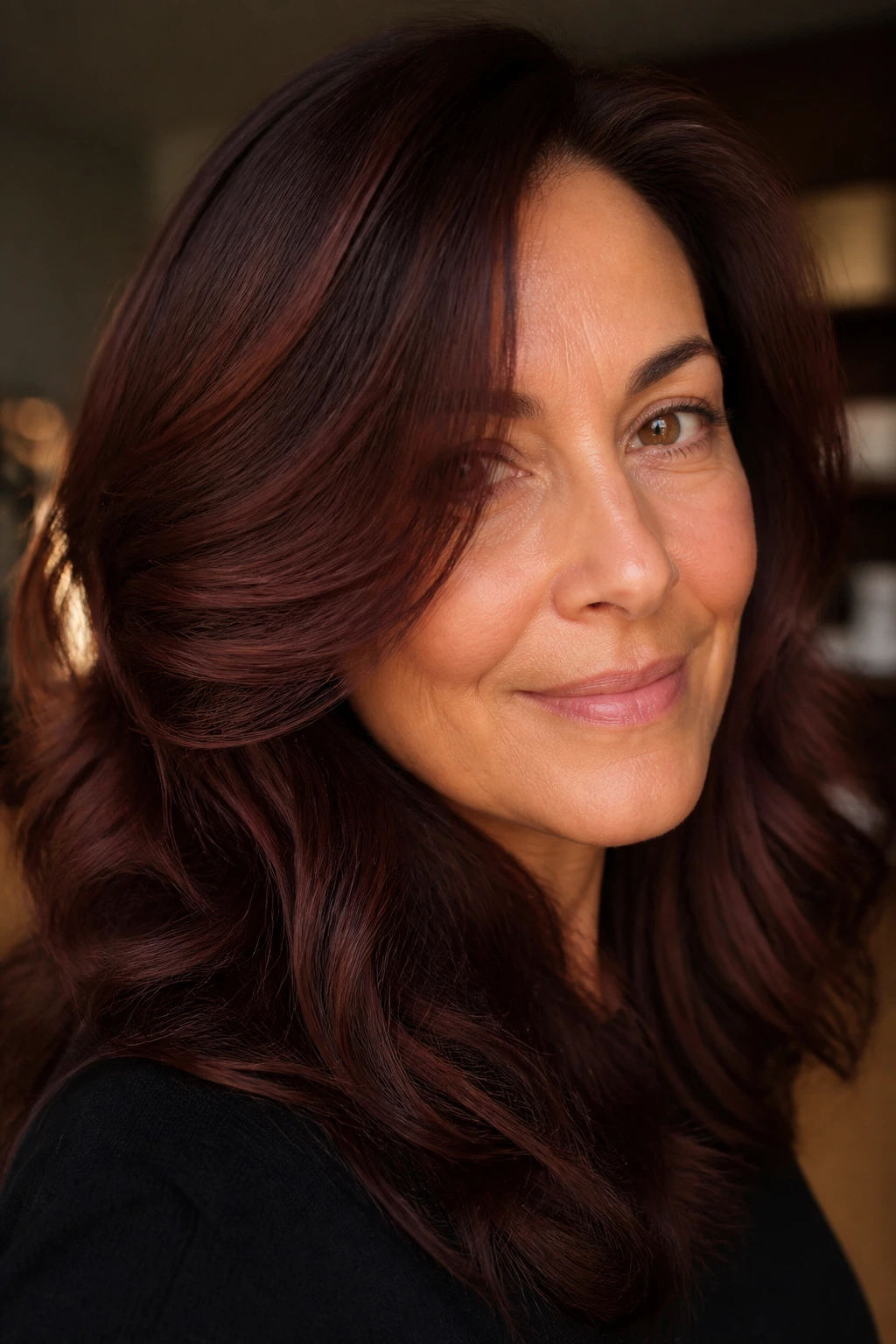
Spiced mahogany is deeper and moodier than soft auburn, but it still sits in warm territory. The mahogany note adds weight; the spice keeps it from turning flat or muddy. On warm skin, that deeper red-brown can look polished in a way that lighter reds sometimes cannot.
This is a good choice for medium brown to dark brown hair when you want warmth without going blonde or copper. A demi-permanent gloss or rich color-depositing shampoo can deepen the mids and ends while leaving enough red reflection to show in movement. If you have gray strands, the shade can blur them nicely without creating a hard contrast line.
It’s a shade with a little attitude, but not much fuss. That combination is hard to beat.
14. Butterscotch Balayage
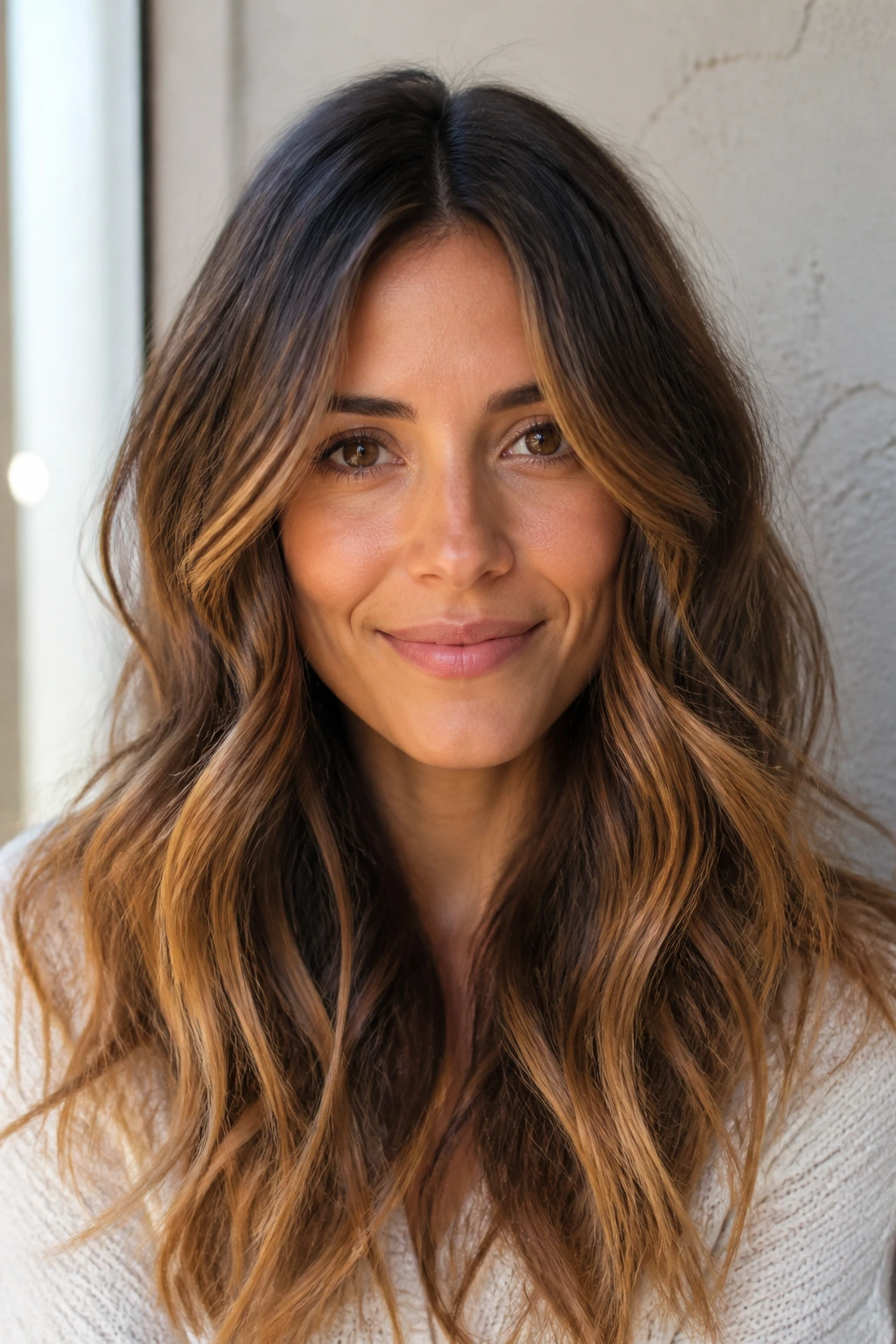
Butterscotch balayage is all about soft contrast. The base stays brunette, the lighter pieces move toward butterscotch and gold, and the whole head gets a sunny, lived-in feel. Warm skin likes it because the brightness is broken up, not blasted all over the place.
This is one of the easiest warm looks to wear if you’re nervous about full blonde. Use a gentle shampoo tint on the highlighted sections and keep the roots more neutral. That way, the color reads dimensional instead of over-processed. On a wavy texture, the butterscotch pieces show up in little flashes and make the shape of the hair pop.
If you have a round face, face-framing butterscotch pieces can be especially nice. They lift the area near the cheekbones without forcing a full color change.
15. Ginger Spice Red
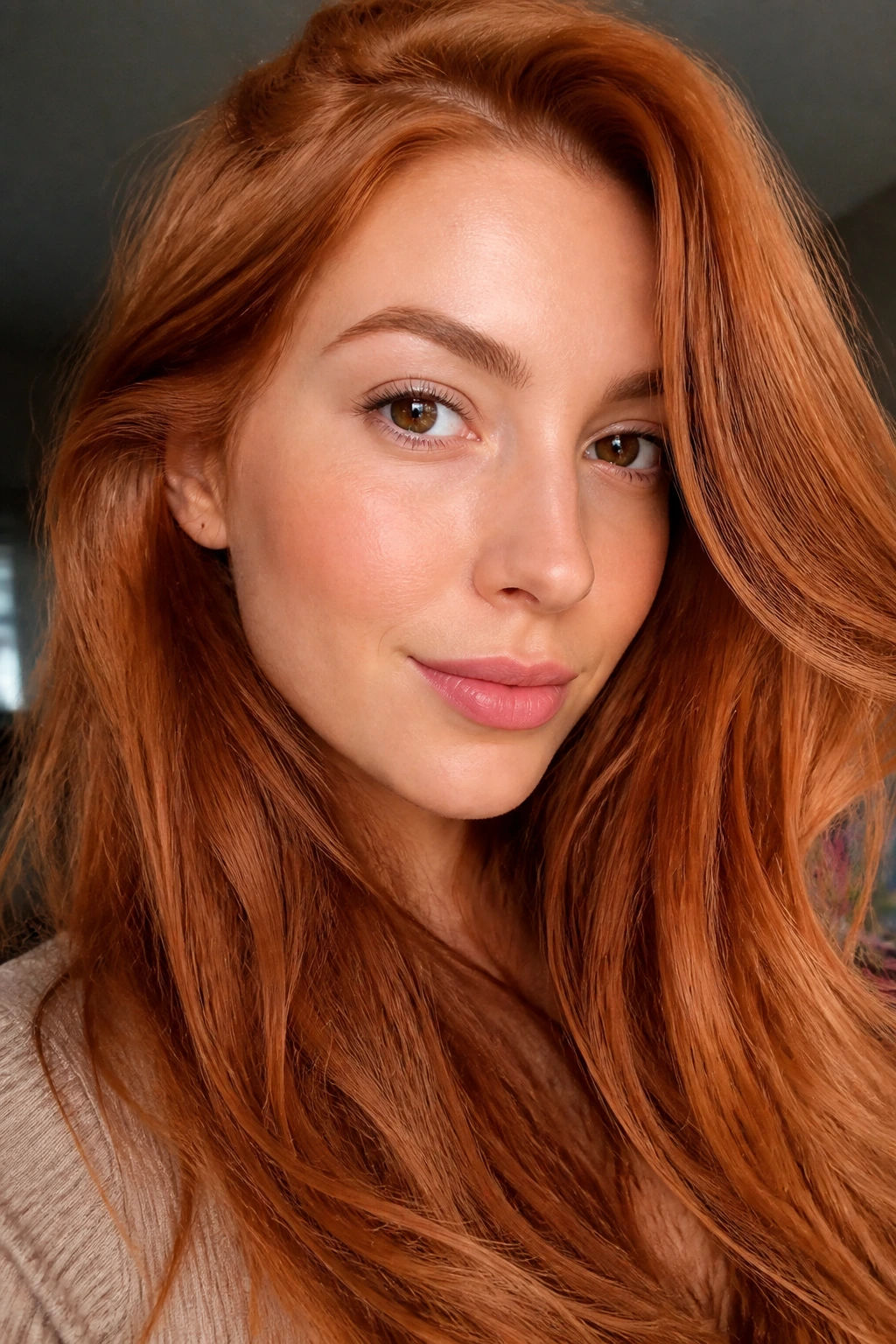
Ginger spice red is not shy. It’s bright enough to matter, but it still has that warm, wearable character that flatters golden and peachy skin better than a cool burgundy ever could. Think fiery ginger with a little brown underneath so it doesn’t drift into cartoon territory.
This shade wants a lighter base — level 8 or higher is ideal — or some prelightening on the pieces you want to emphasize. A temporary ginger shampoo can be a smart test if you’re not ready for a permanent red. Three to five minutes gives you a soft glow; longer gives you real ginger energy. I’d keep the rest of your look simple when you wear it. Let the hair speak.
H3: Best paired with
Cream tops, warm eyeliner, and a peach or terracotta lip. That’s the lane.
16. Sunlit Bronde
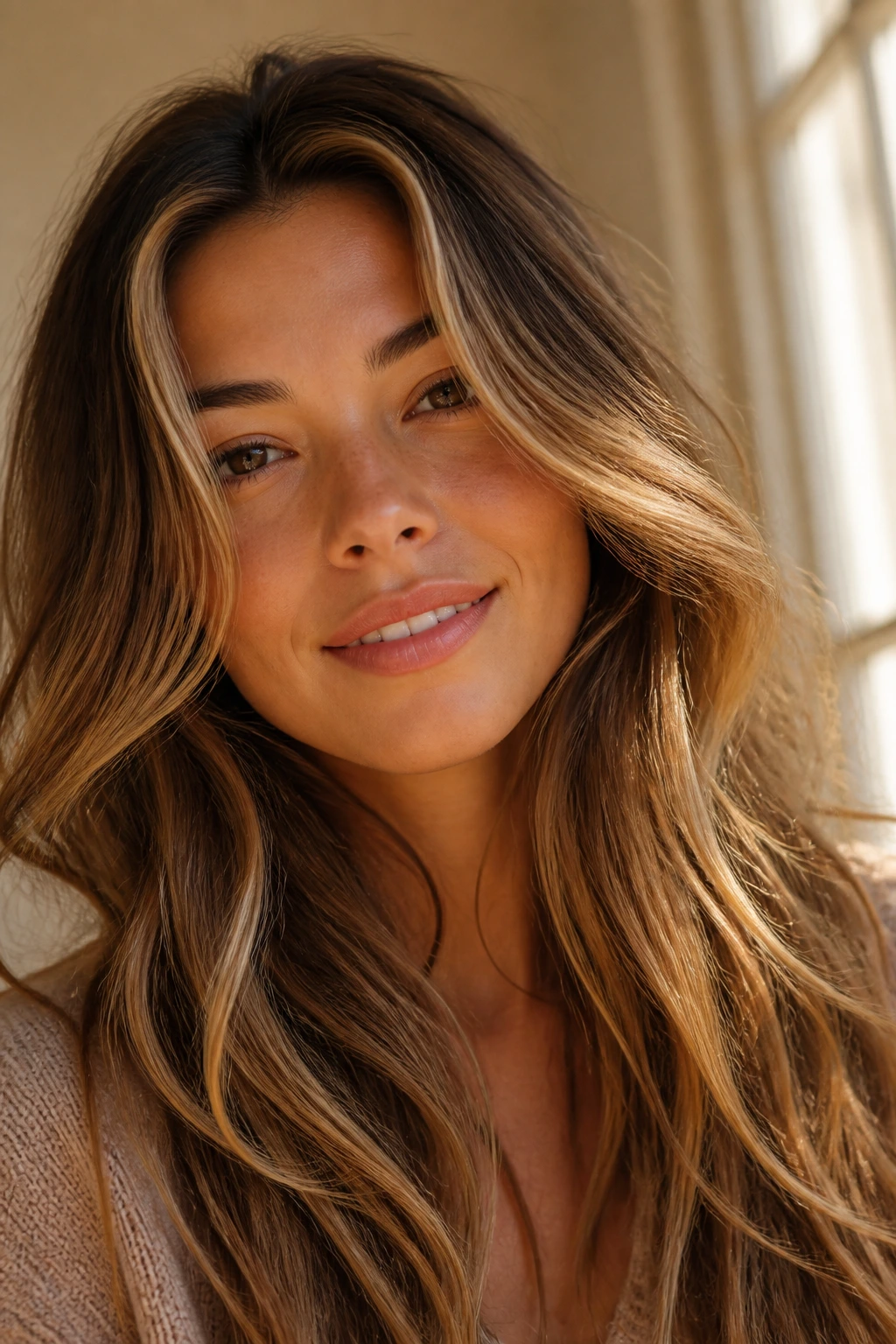
Sunlit bronde is one of the least fussy shades on this list, which is exactly why it works. It sits between brown and blonde with gold threaded through both, so warm skin gets the same easy glow in the hair that it already has in the face.
The color looks especially good on people who want movement more than a hard color shift. A bronde shampoo tint can soften a brunette base and brighten the lighter pieces without pushing everything into one opaque tone. That makes the hair look like it was lit from inside, or at least that’s the effect people are after.
If you wear your hair up a lot, bronde can still pay off because the lifted front pieces catch light around the temples and cheekbones. It’s subtle. That’s the point.
17. Cinnamon Cocoa Brown
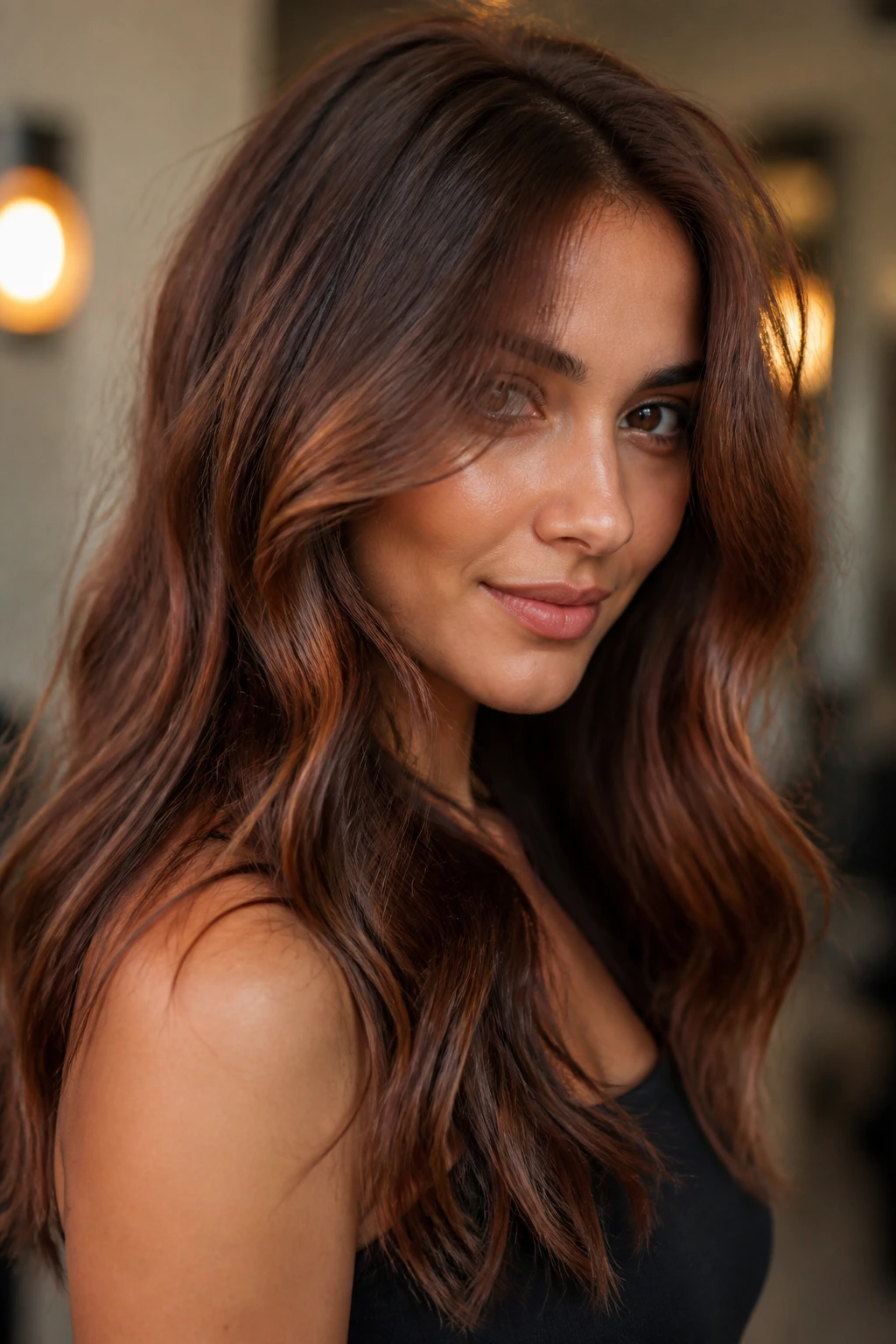
Cinnamon cocoa brown is a brunette shade with enough spice to keep it awake. The cocoa gives you depth; the cinnamon gives you warmth. Put the two together and warm skin looks calmer, not flatter. That’s a tiny distinction, but it matters.
This is a solid choice for medium to deep brown hair that has lost its shine. A color-depositing shampoo in a cinnamon-brown range can breathe life back into the lengths without creating a red that competes with your skin. If the color grabs too hard on the ends, rinse those first and keep the roots lighter. You want chocolate with a whisper of spice, not a single dark block from part to hem.
It also plays nicely with layered cuts, because the variation in the ends helps the cinnamon show up.
18. Terracotta Brown
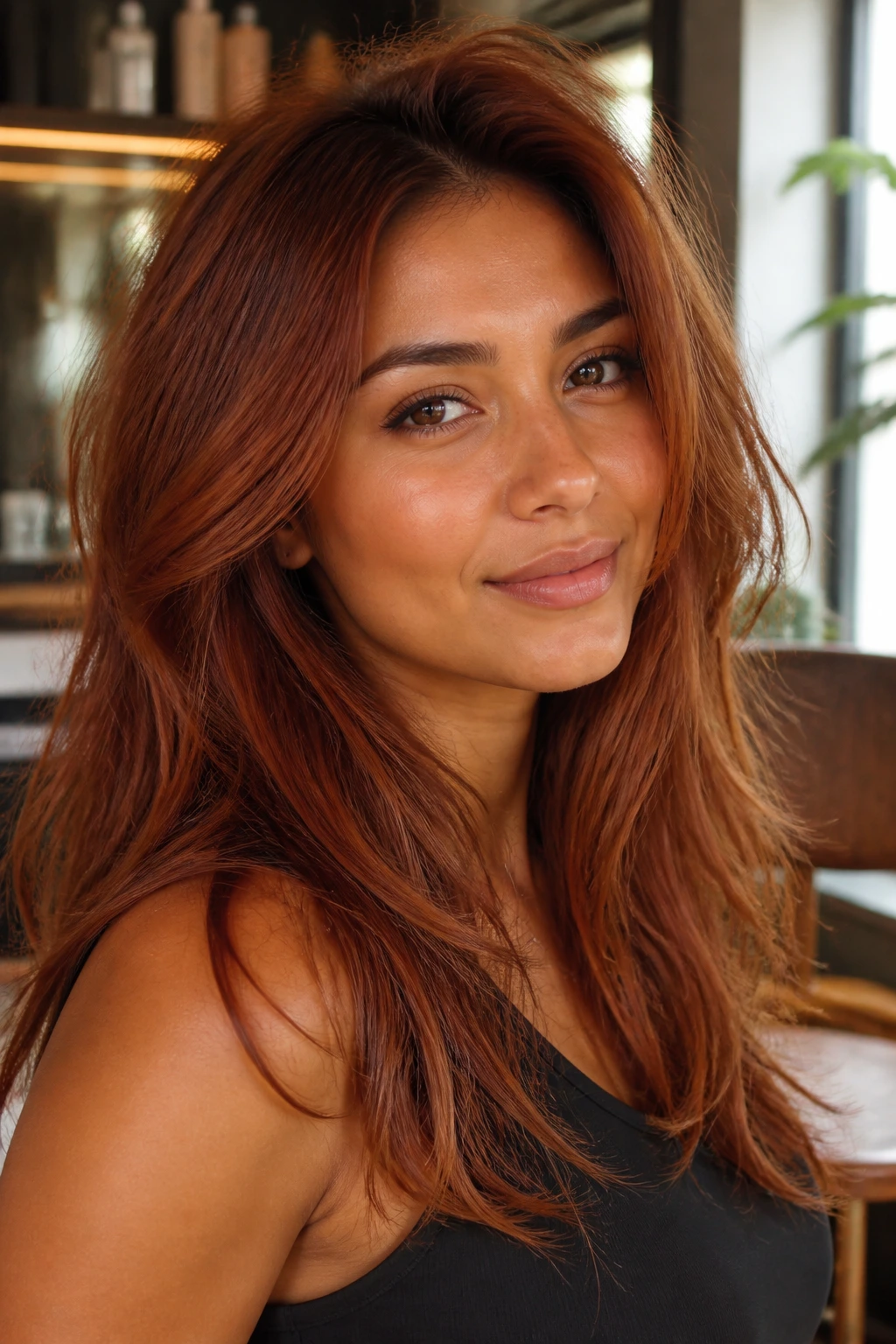
Terracotta brown has that earthy clay note that makes warm skin look grounded and rich. It’s red, but not glossy-red; brown, but not boring-brown. The effect is a little sunbaked, a little rustic, and very good on skin that leans gold, olive, or peach.
This shade works best on medium brown bases where the terracotta can settle into the hair without needing a harsh lift. A temporary shampoo or semi-permanent gloss can do a lot here. The trick is not to overdo the saturation. Too much and it can read orange in bad light. Just enough, though, and it’s gorgeous.
Quick shape
- Best on: layered cuts and wavy textures
- Best finish: earthy, matte-gloss mix
- Avoid: over-toning with cool masks right after coloring
19. Buttercream Blonde
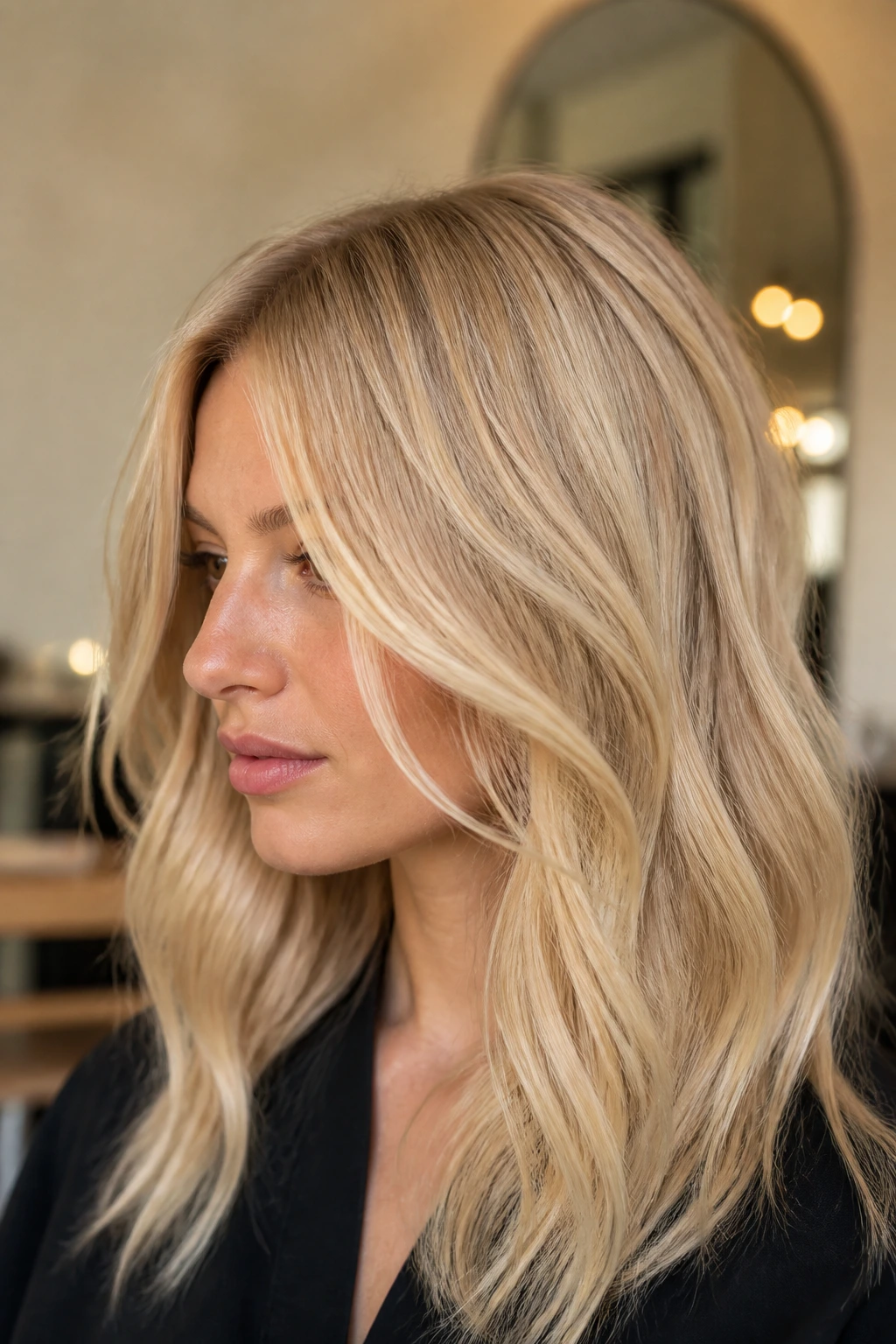
Buttercream blonde is softer and creamier than platinum, and I think that makes it easier to wear on warm skin. The tone keeps the blonde light, but the warmth stops it from looking like a bleach job that never quite settled down.
This shade needs a light base, usually level 9 or 10, or it won’t show as buttercream at all. On the right canvas, though, it can look almost velvety. A gentle temporary shampoo with golden-beige pigment is usually enough to keep the tone from going too icy. If your hair tends to yellow quickly, this is one of those cases where a little warmth helps, not hurts.
It’s a pretty shade for people who like blonde but don’t want the hair to fight their skin tone.
20. Copper Root Melt
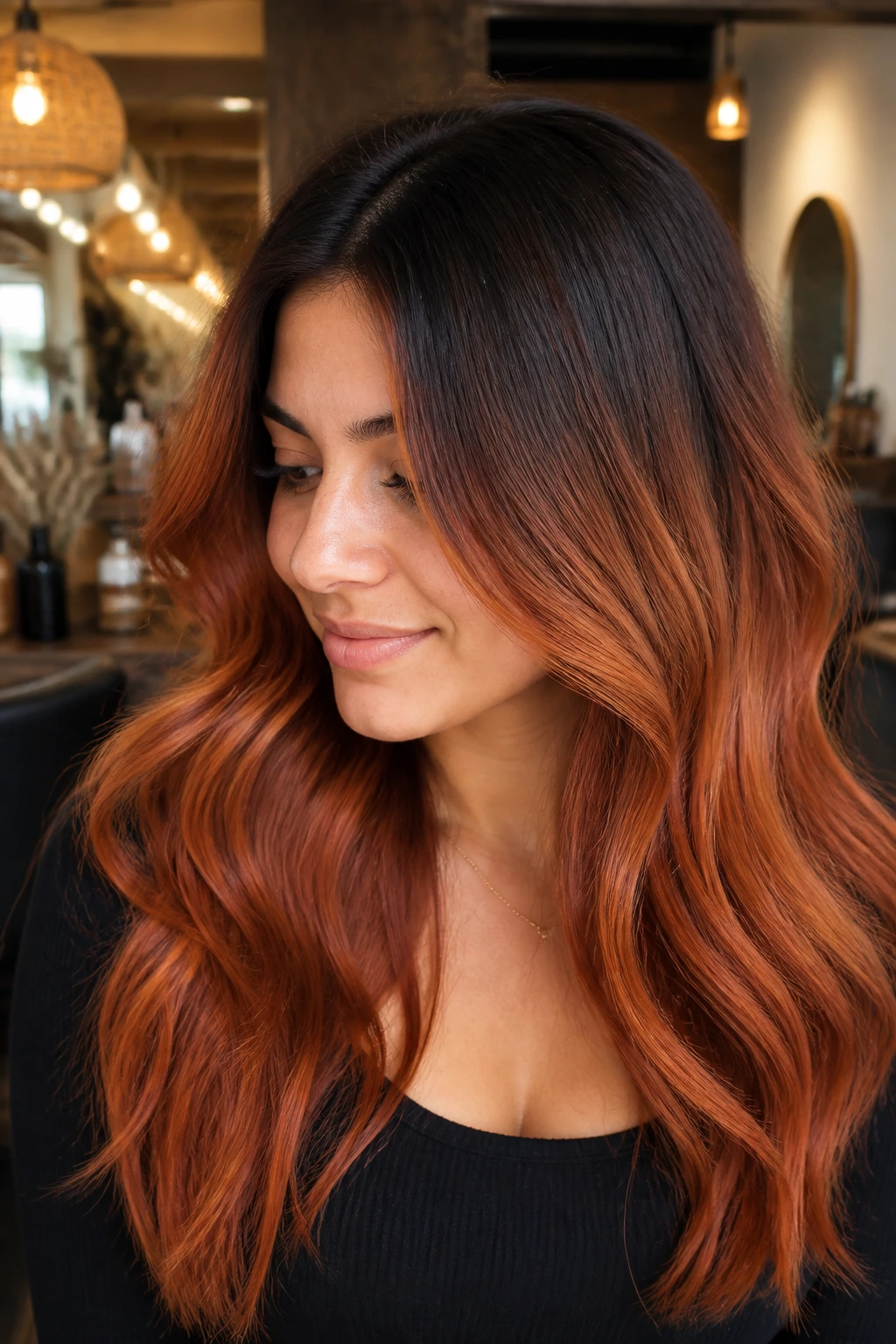
Copper root melt is for anyone who likes the idea of copper but wants a little shadow near the scalp. That darker root gives the whole shade a softer grow-out and keeps the copper lengths from looking too intense against warm skin.
This is one of the smartest warm looks if you color often. Start with a deeper brunette or natural root, then let the copper live through the mid-lengths and ends. If you’re using shampoo color, apply the richest pigment below the root area and save a few minutes of processing on the front pieces. The contrast makes the shade look intentional instead of overdone.
And yes, it’s a good choice for people who are tired of constant root panic. There’s less of it here.
21. Peach Brunette
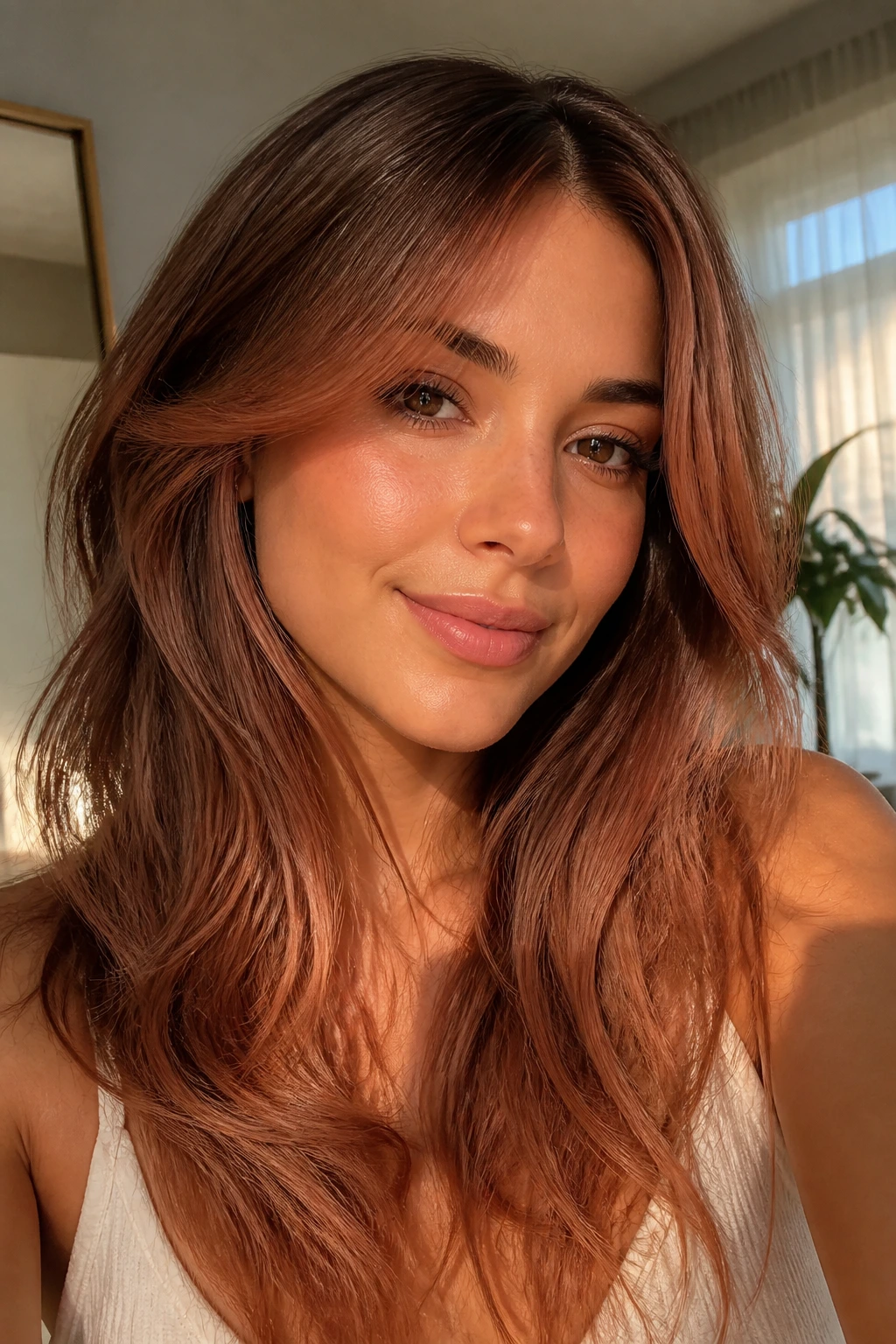
Peach brunette sounds odd until you see it. Then it makes sense. A brunette base with a peach sheen gives warm skin a lift that’s softer than red and less common than caramel, which is part of its charm.
This is a subtle color idea, best on light brown hair or dark blonde where the peach can shimmer without taking over. A diluted shampoo tint works well because it lets the brown stay brown while the peach appears in the light. If you have a blunt cut or bangs, the shade can look especially nice around the front because those sections catch more reflection.
It’s playful, but not sugary. That’s why it works.
22. Toasted Almond
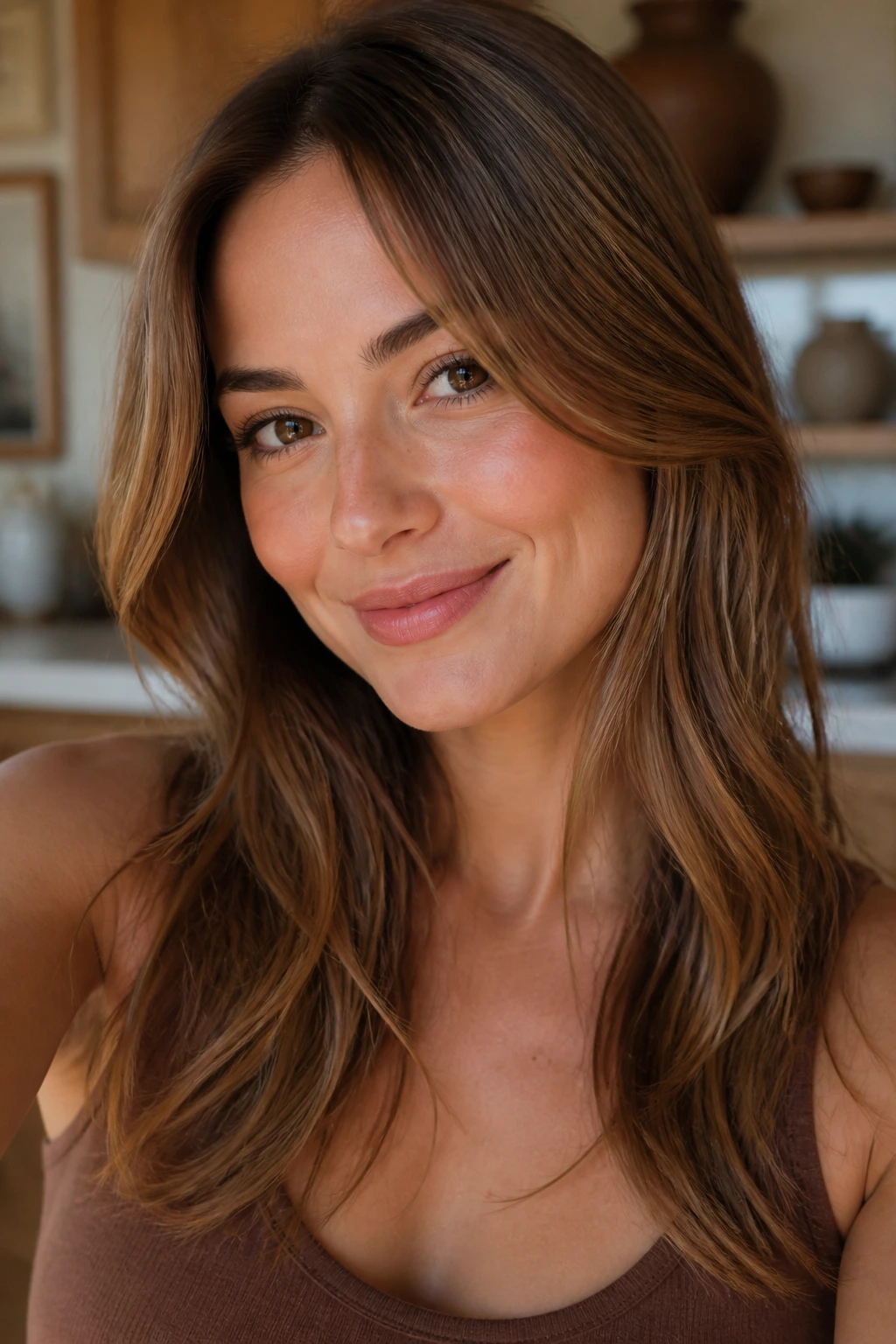
Toasted almond is one of my favorite in-between shades because it avoids the two traps that catch a lot of warm looks: too orange, or too beige and flat. Almond gives you a soft nut-brown base with a little gold at the edges, which is easy on warm skin and easy to live with.
Use this on brunette hair that needs a mild refresh rather than a big change. A shampoo color with beige-gold pigment can make the mids appear smoother and the ends less tired. If your hair is thick, this shade helps the shape read cleaner because the warm reflection breaks up the bulk.
It’s plain in the nicest possible way. Plain can be a compliment.
23. Rusty Brunette
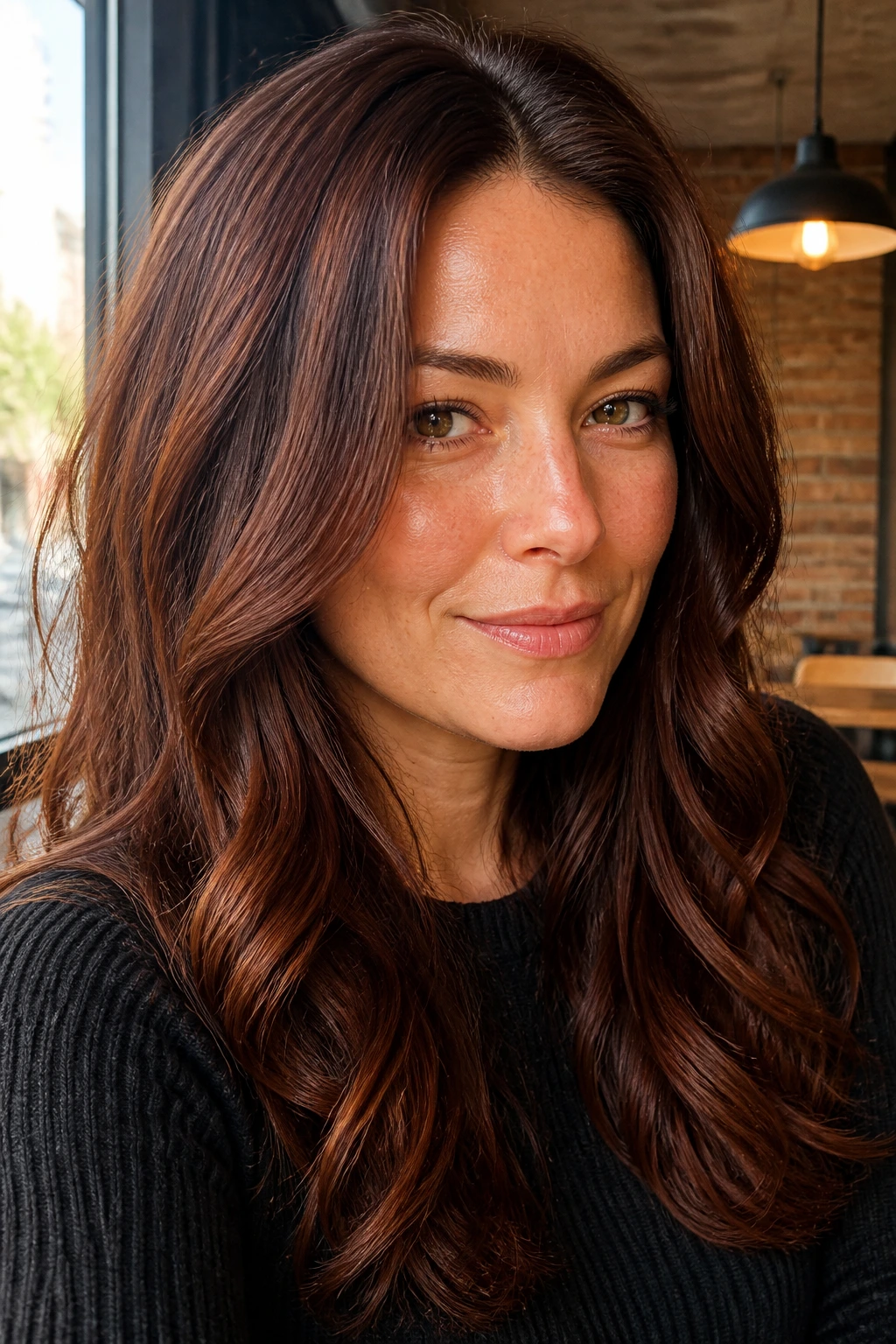
Rusty brunette is deeper and earthier than copper, and that makes it feel more grounded. It has the warmth of old brick or oxidized metal — not shiny, not bright, just full of life. Warm skin usually looks very good in that kind of depth because the hair isn’t competing with the face.
This shade is ideal for medium to dark brunette bases. If you use a temporary shampoo tint, don’t expect orange. Expect a rust-brown sheen that shows most in motion and daylight. That makes it a smart pick if you want something seasonal-looking without being tied to a season. The color also hides a little frizz well, which is a nice bonus.
A rust tone can look expensive fast if the cut is clean. That’s half the battle.
24. Golden Auburn
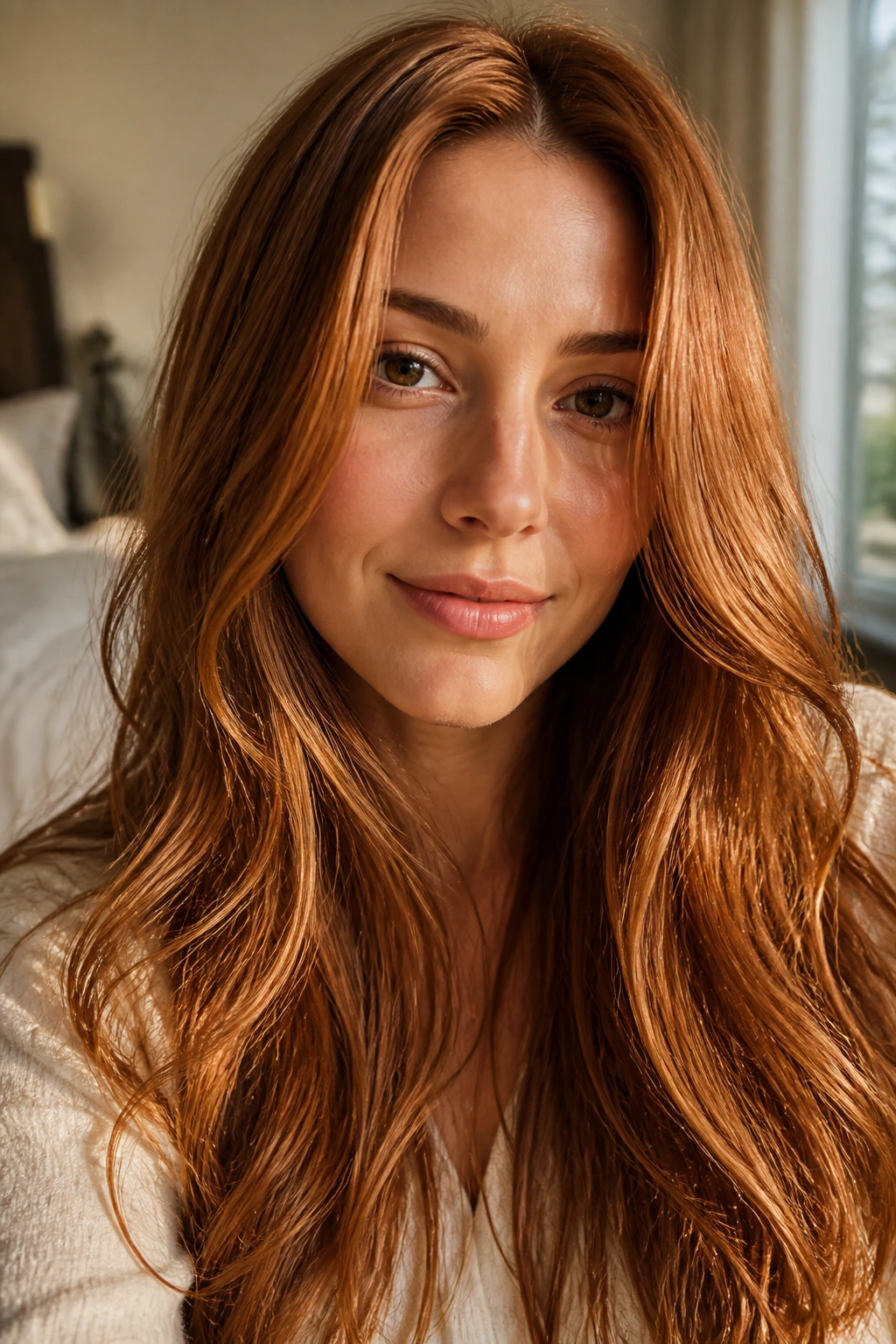
Golden auburn is softer than true red and brighter than brown, which is why it lands so well on warm skin. The gold keeps the auburn from becoming too dark, and the auburn keeps the gold from looking pale.
This is a good middle step if you’re unsure about copper or ginger. On medium brown or dark blonde hair, a golden auburn shampoo tint can add warmth and a small amount of red reflection in just a few washes. I like it best when the finish is glossy and the root area stays a touch deeper than the ends. That little shadow keeps the color modern.
If you’re a gold jewelry person, this shade usually makes sense on your head too.
25. Warm Coral Tint
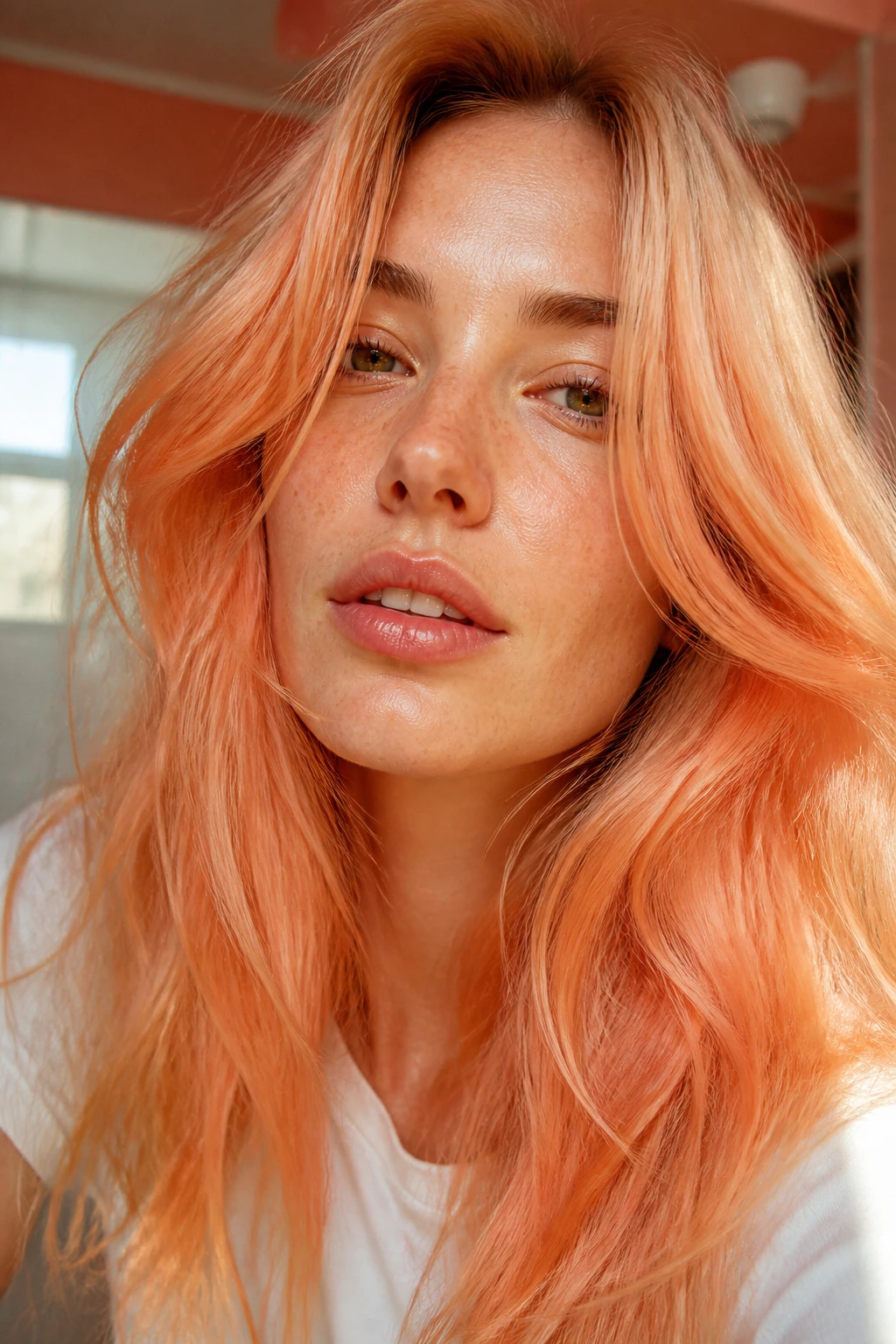
Warm coral tint is the boldest pastel-ish option in the set, and it’s best on very light blonde or prelightened hair. Coral can look too pink on cool skin and too orange on the wrong base, but warm skin tends to wear it better because the undertone already has some softness in it.
Use a diluted color-depositing shampoo or tinted conditioner here. Full-strength coral can be a lot. A lighter application gives you a warm peach-coral veil that looks vivid without crossing into costume territory. On short hair, this shade is especially fun because the color reads cleanly from root to tip.
It’s not the easiest shade on the list, but it can be one of the prettiest when the base is right.
26. Hazelnut Melt
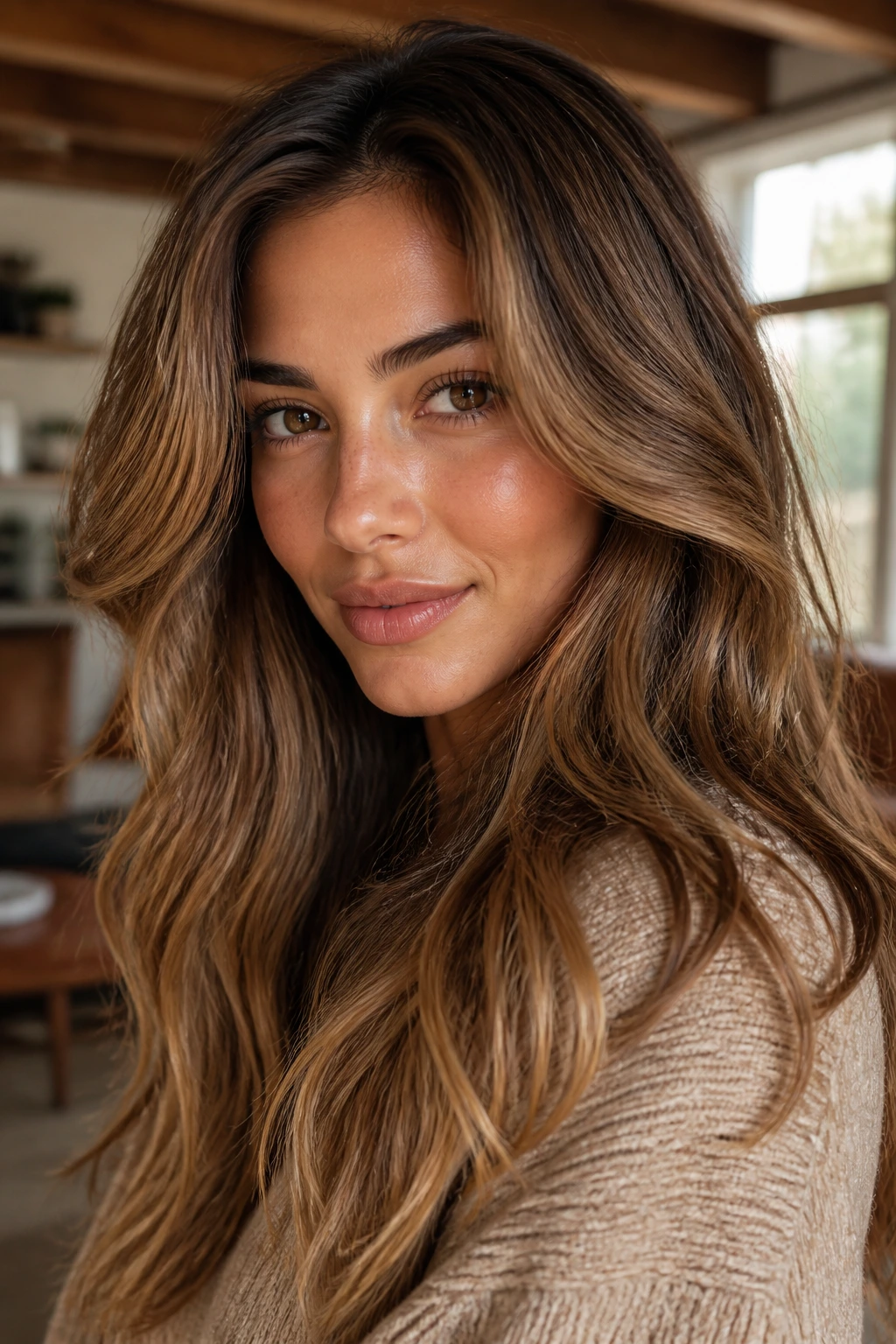
Hazelnut melt is brunette comfort food. It has enough warmth to keep the hair from going dull, enough depth to feel polished, and enough softness that it doesn’t get bossy. Warm skin tends to love this because the shade sits close to the tone of natural browns and golds that already make the face look rested.
This works on medium brown to dark blonde hair, especially if your natural color is a little flat and needs a reflective lift. A hazelnut shampoo color can refresh the mids and ends while keeping the root area believable. I’d use this shade if you want people to say your hair looks good, not “what color is that?”
That’s a useful distinction. Not every hair color needs to be a conversation starter.
27. Bronzed Copper
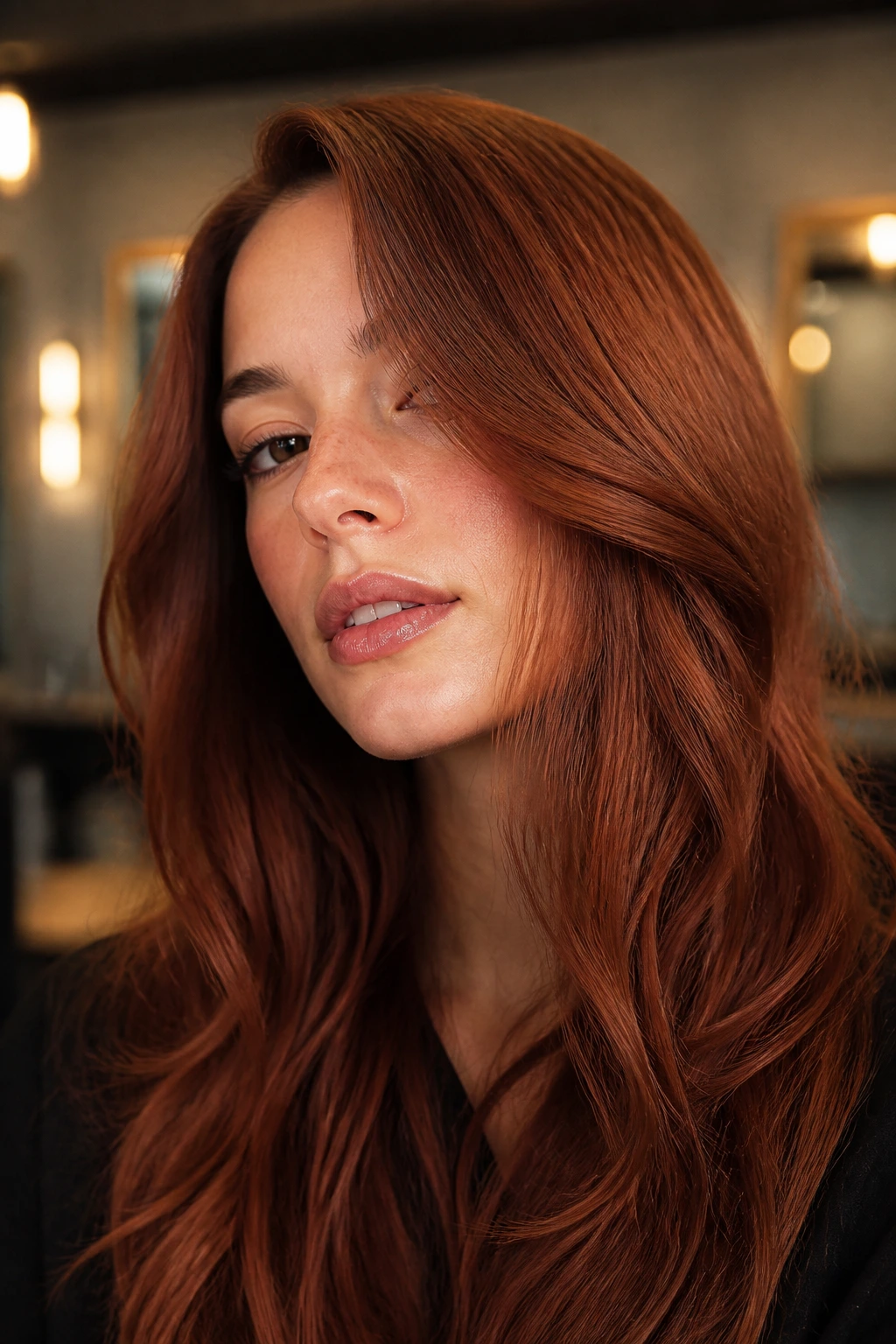
Bronzed copper is copper with a darker, metal-like finish. The bronze keeps the shade from looking too bright, which makes it a lovely option for warm skin that wants a richer, more grown-out version of red.
This one works well on light to medium brown hair, especially if you’re moving from brunette into red territory for the first time. A bronze-copper shampoo tint can give the mids a warm metal sheen and leave the ends with a little sparkle when light hits them. On deeper skin tones, it can look especially elegant because the shade has enough weight to balance the face.
If plain copper feels a little too much, bronzed copper is the shade to try first.
28. Saffron Caramel
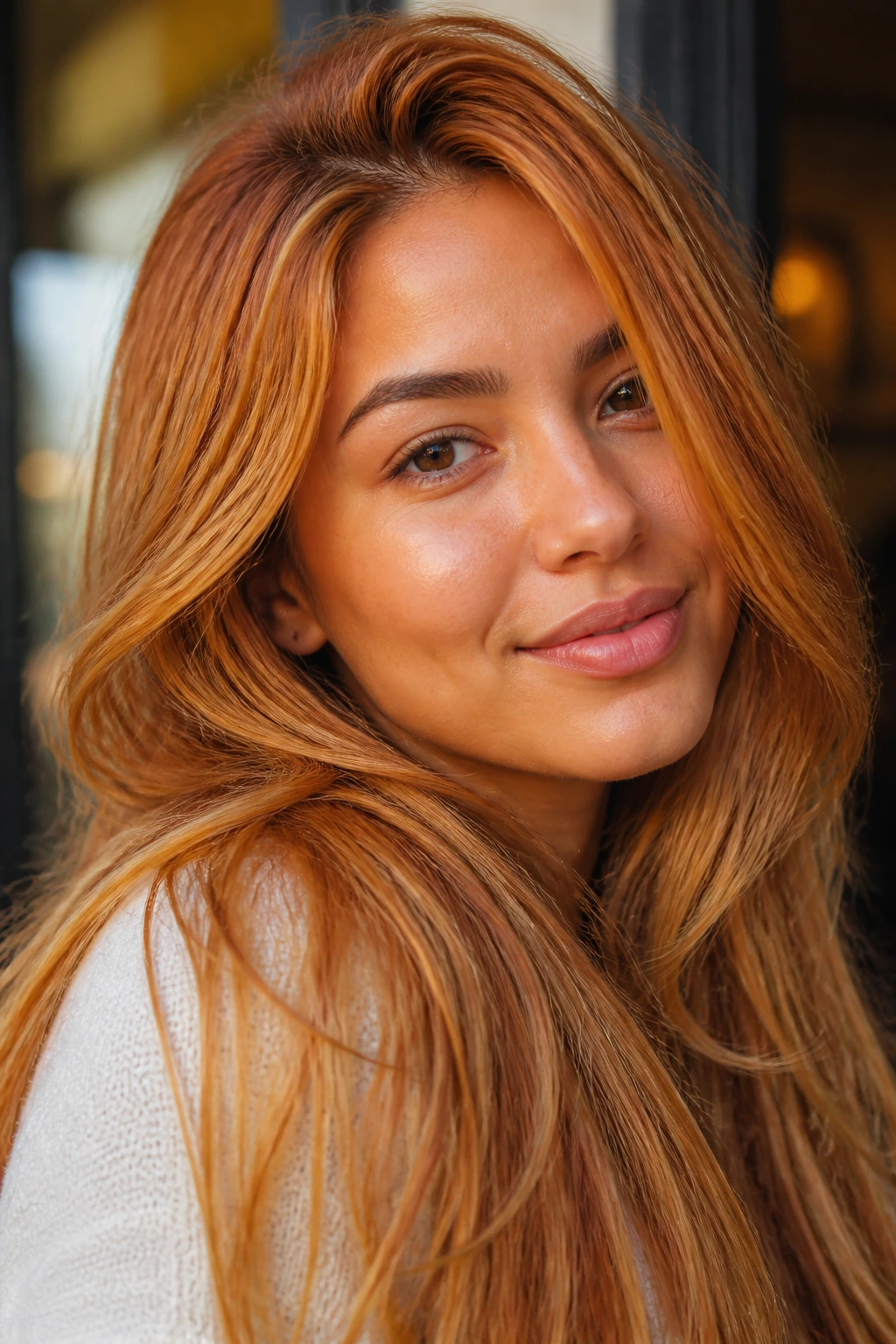
Saffron caramel is the final stop on this list, and it’s a good one. The saffron gives the caramel a bright, golden-spice note, so the whole look feels sunny rather than sugary. On warm skin, that spice reads as energy, not clash.
I like this shade on light brown, dark blonde, or bronde hair where the color can show without needing a full bleach job. A color-depositing shampoo in a golden-caramel range usually gives the best result. If you want more of a highlight effect, focus the product on the face-framing pieces and the ends. That keeps the root area softer and lets the warmer strands do the work.
It’s cheerful without being childish. That’s a harder balance than people think.
Why Color-Depositing Shampoo Works So Well on Warm Undertones
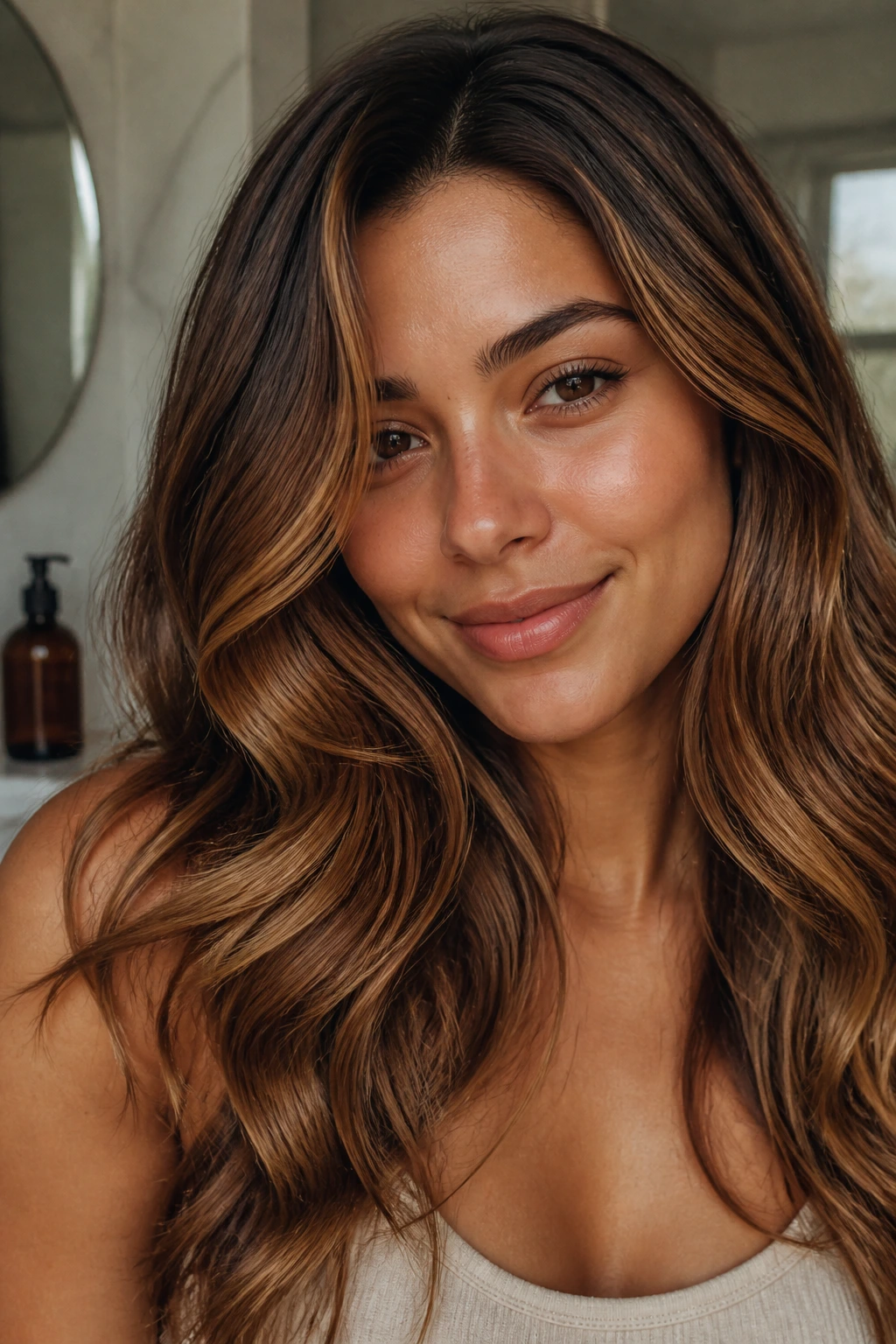
Color-depositing shampoo is basically pigment in a conditioning base. It doesn’t lighten the hair, and it doesn’t rebuild the strand from the inside the way oxidative dye does. Instead, it lays color on and around the cuticle, which is why warm shades such as honey, copper, amber, and caramel are such a good match for this method. The result can be soft and reflective rather than flat and opaque.
That matters for warm skin tones because warmth needs movement. Golden undertones in skin usually look better when the hair has a little gold of its own, especially around the face. A copper shampoo that sits nicely on level 8 blonde might barely show on level 4 brown, but the same product can still add shine and a warmer edge. That is not a flaw. It’s the behavior of the hair.
Porosity changes the game too. Hair with a more open cuticle grabs pigment faster and may hold on to it longer, which is useful if you want richer copper or auburn, but dangerous if you leave the product on too long. Fine, bleached, or sun-lightened hair can take on the tint in minutes. Healthy virgin hair tends to be more stubborn. Both are useful facts, just not in the same way.
I prefer this route when someone wants to test warmth before committing to permanent color. It gives you a good read on whether your skin lights up next to golden, peach, or red-brown tones. It also fades in a way that is less annoying than harsh regrowth, which, frankly, is one of the main reasons people reach for shampoo color in the first place.
How to Choose the Right Warm Shade for Your Base
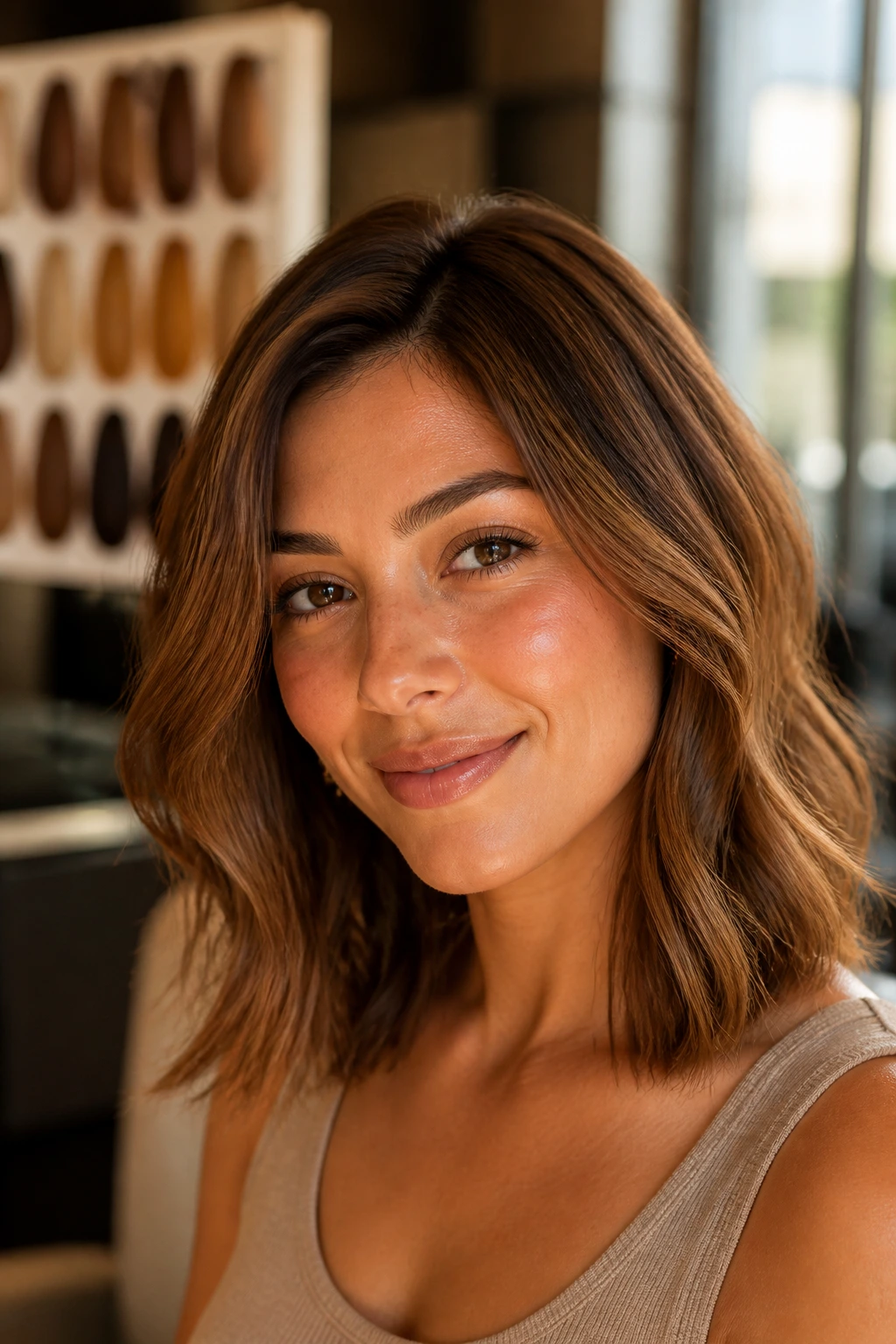
Base level decides how much of the shade you’ll actually see. A level 9 or 10 blonde can wear peach, buttercream, apricot, or coral in a very obvious way. A level 7 blonde usually gets softer copper, honey, and rose-gold results. Once you drop into level 5 or 6 brunette territory, the same formula becomes more of a sheen, a glaze, or a subtle warmth around the light.
That’s why I’d never start with the brightest shade on the menu just because it looks pretty. Pretty is not the same as visible. If your hair is dark and you want the color to show, choose chestnut, cinnamon, maple, or bronzed copper rather than pastel peach. If your hair is light and you want it to stay elegant, don’t go so saturated that it starts looking like a dye experiment.
Warm skin tones usually sit in one of three lanes: golden, peachy, or olive with warmth. Golden skin loves honey and caramel. Peach skin often likes apricot and soft rose gold. Olive-warm skin usually looks best in copper, amber, mahogany, and hazelnut because those shades add life without making the skin look too red.
If you’re unsure, take the less saturated path first. A soft glaze can always become stronger later. The reverse is harder to fix.
How to Wear These Shades Without Fighting Your Makeup
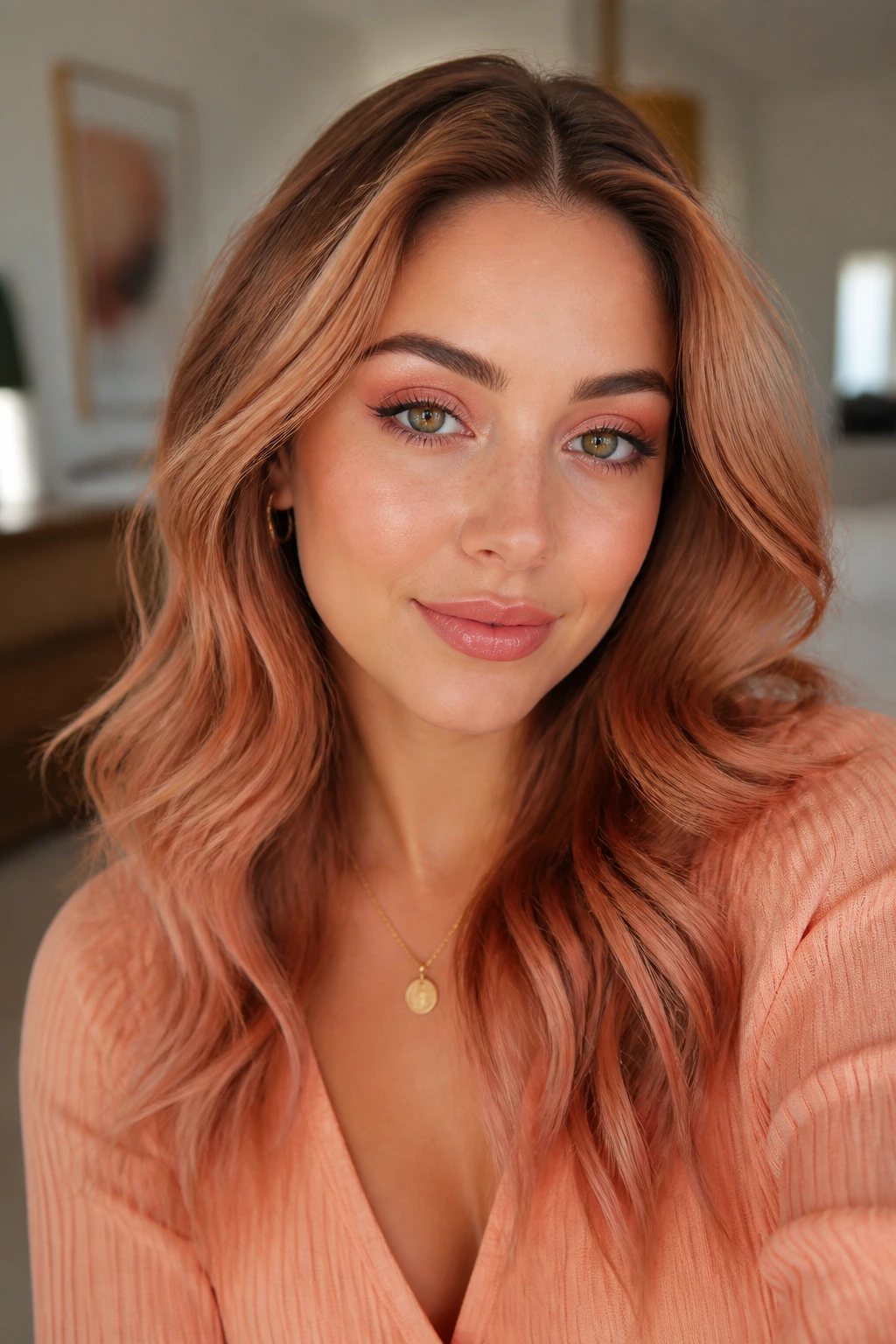
Face Framing: If you want the color to show up without a full-head change, put the warmest pigment around the front pieces, the ends, or the money piece. That’s where it has the biggest effect on your face shape and skin tone.
Makeup Match: Peach blush, soft bronzer, brown mascara, and lip colors with terracotta or caramel in them tend to make warm hair look settled in. Cool mauve can work too, but it needs more care. If the hair is bright copper or coral, keep the rest of the face cleaner so nothing starts competing.
Intensity: On light hair, 3 to 5 minutes may be enough for a visible tint. On brunette hair, you may need 8 to 10 minutes just to get a readable glaze. Don’t chase the result by leaving it on forever. That’s how you get muddy ends and regret.
Style Pairings: Warm hair tends to look especially good with cream, olive, chocolate, rust, and soft black clothing. Those colors keep the warmth from reading brassy.
A hair shade can be gorgeous and still look off if the eyebrows, blush, and outfit are all pulling in different directions. That mismatch is easy to miss until you see it in daylight.
Pro Tips for Better Color Deposit
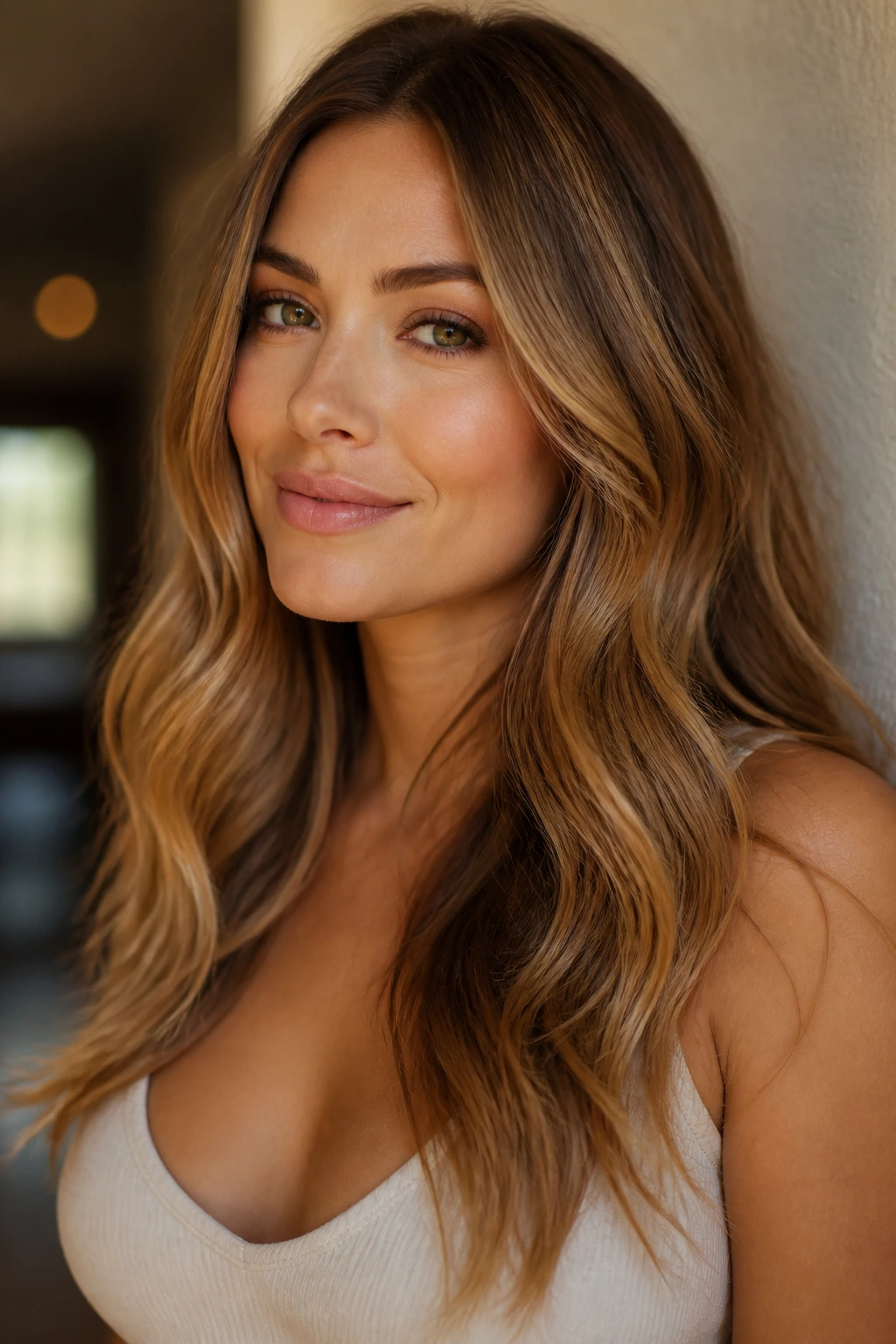
Color Boost: Start on clean, dry hair if you want a stronger result. If you want a softer tint, apply it to slightly damp hair, where the pigment spreads a bit more and hits less aggressively. That little change matters more than most people think.
Dilution Trick: If a shade feels too intense, mix the shampoo color with white conditioner in a small bowl before applying. That softens apricot, coral, and copper fast. I use this move a lot on porous ends, because the ends are always more eager to drink up pigment than the roots.
Placement Trick: Don’t coat the scalp the same way you coat the mids and ends unless the formula is meant for all-over use. Around the hairline, keep the first layer light and check the color after a few minutes. The front usually grabs faster because it’s finer and more porous.
Tone Control: Warm hair can drift too orange if the formula is overdone. If that happens, a gentle wash with sulfate-free shampoo and a deep conditioner is usually better than trying to “fix” it with more color. More is not always the answer.
Common Mistakes That Make Warm Shades Go Muddy
The biggest mistake is choosing a shade that’s too cool for the skin and too dark for the base. Ashy blonde on warm skin often looks lifeless. Deep red-brown on already dark hair can look like one big block. Pick a shade that has gold, copper, amber, or caramel in it, and the whole result gets easier.
Another trap is leaving color-depositing shampoo on too long, especially on porous or bleached hair. The result can go from warm to smoky or overly dark, which is the opposite of the soft shine people want. If your hair sucks up pigment fast, watch the clock. Seriously. Set a timer.
Skipping a strand test is asking for surprises. A tiny section behind the ear or at the nape tells you more than the front of the bottle ever will. If the color reads too orange, too red, or too muddy there, it will do the same on your whole head.
The last mistake is treating temporary color like maintenance-free color. It isn’t. Product buildup, hard water, and over-cleansing all change how the shade looks. Warm tones need a bit of respect.
Variations and Easier Swaps
The Soft-Gloss Route: Pick honey, caramel, or hazelnut and leave the formula on for the shortest recommended time. This is the easiest version if you’re nervous about obvious change or you just want your hair to look cleaner and shinier.
The Copper First Version: Start with copper penny, amber copper, or bronzed copper on lighter pieces only. That gives you a redhead test drive without covering the whole head in brightness.
The Brunette-Safe Version: Stay in cinnamon chestnut, maple syrup brunette, chocolate cherry, or toasted almond. These shades give warm skin a glow while keeping the overall look grounded and low-maintenance.
The Bright Blonde Version: Use apricot rose gold, peach champagne, buttercream, or saffron caramel on a level 9+ base. These are the shades that change the mood of blonde hair fast.
The Gray-Softening Mix: Blend gold and brown pigment instead of chasing one solid red. That keeps grays blurred and avoids the hard line that can happen when a bright red sits on top of white strands.
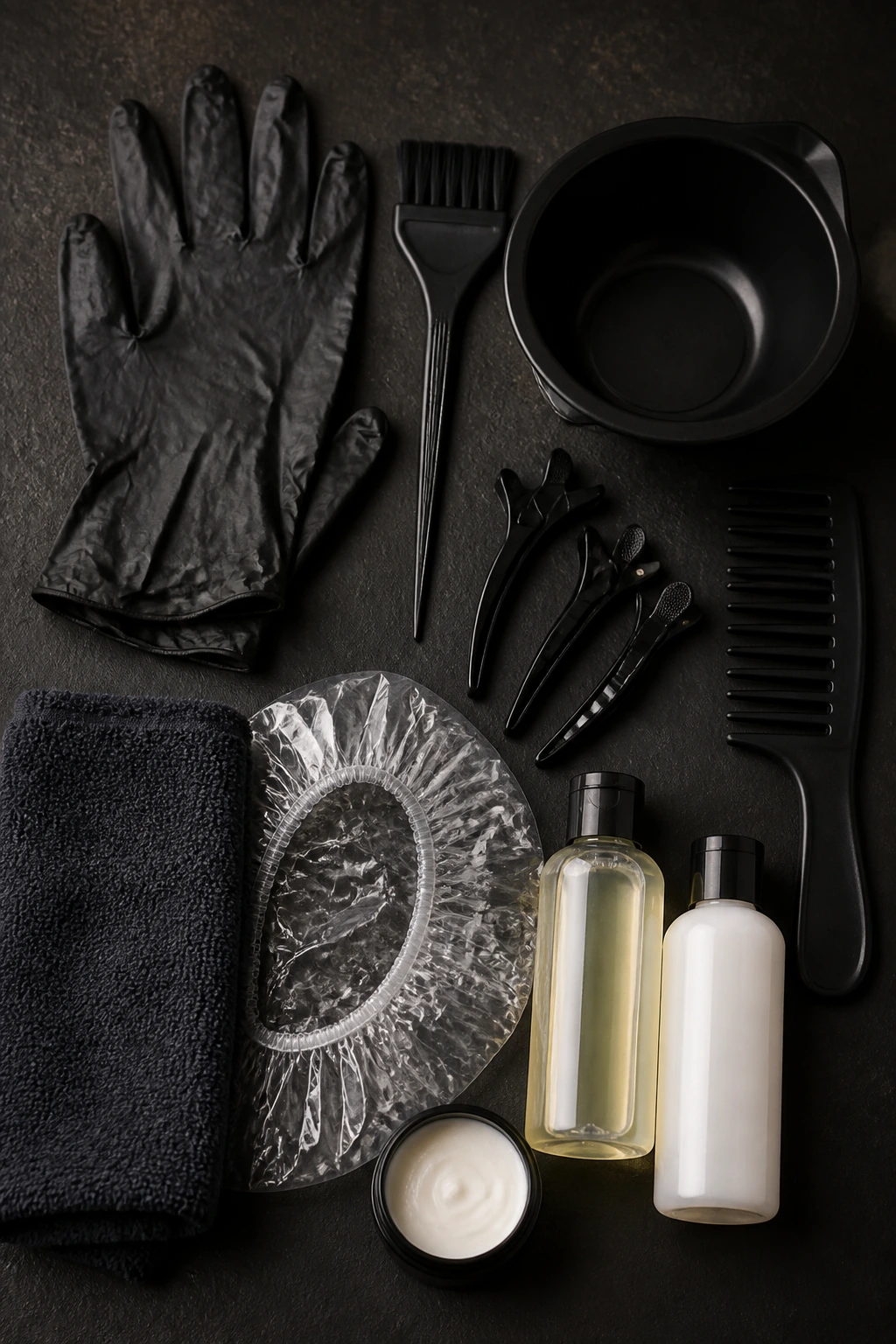
Essential Tools for These Looks
- Nitrile gloves: Keeps copper, red, and gold pigment off your hands and nails.
- Old towel or color towel: Temporary color loves fabric; use something you do not mind staining.
- Tint brush and mixing bowl: Helpful if you’re applying on sections, face-framing pieces, or just trying to keep the front lighter.
- Sectioning clips: Make the application neater, especially on thick or curly hair.
- Wide-tooth comb: Useful for distributing product evenly through the mid-lengths and ends.
- Shower cap: Holds warmth and keeps the product from drying out while it processes.
- Clarifying shampoo: Good for removing buildup before color and for gently backing off a result that grabbed too hard.
- Deep conditioner: Helps keep porous hair from drinking color unevenly.
- Petroleum jelly or barrier cream: Saves the hairline, ears, and neck from staining.
- Microfiber towel or dark T-shirt: Less friction, fewer stains, better aftercare.
Smart Shopping and Ingredient Tips
Read the label the way you’d read a paint swatch. You want words like honey, gold, caramel, amber, copper, apricot, chestnut, bronze, or rose gold if you’re trying to flatter warm skin. If the bottle leans hard toward silver, smoke, violet, or icy beige, that’s a clue the shade may cool the hair down too much.
Look at the formula type before anything else. A true color-depositing shampoo or temporary tint will stain the outside of the hair and fade gradually. A demi-permanent gloss can give you a smoother, more even result, but it will usually last longer than a wash-out shampoo. If you want the safest test run, start temporary. If you already know you love warmth and want the color to hang around, a gloss is often the nicer route.
Porosity matters. On damaged or lightened hair, pigment grabs faster, so choose the softer version of the shade first. On healthy dark hair, the same shampoo may barely show, which means you should think more in terms of reflection than color shift. That’s not a sales pitch. It’s the reality of how hair takes pigment.
One more thing: hard water can make warm shades look dull or slightly muddy over time. If your shower leaves scale on the glass, consider a clarifying wash once in a while and don’t let buildup pile up for weeks. Warm tones look best when the hair is clean enough for light to hit it.
Make-Ahead, Storage, and Reapplication Guidance
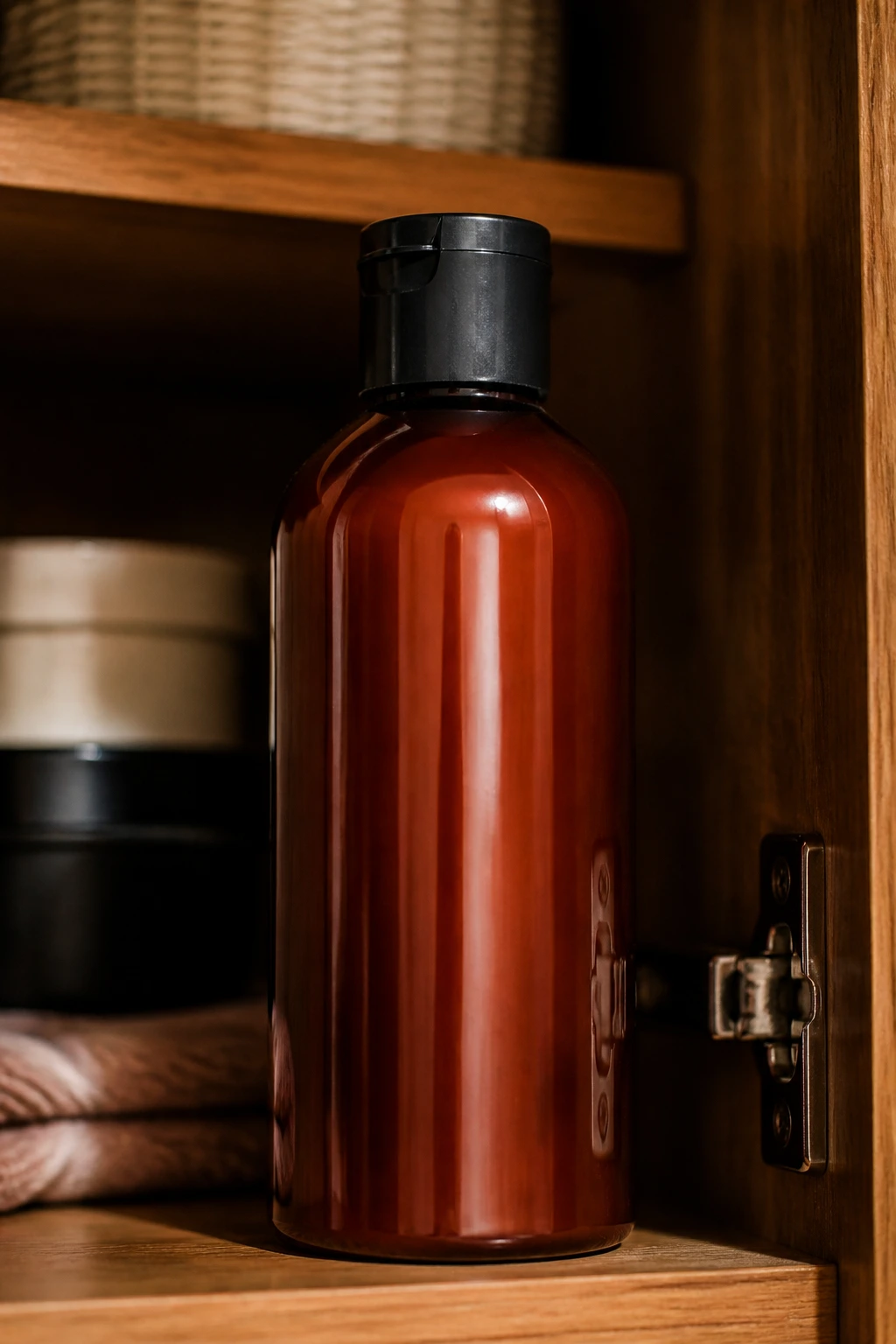
Store color-depositing shampoo in a cool, dry cabinet with the cap tightened all the way. Hot, steamy showers can make the formula separate faster than it should, and dried product around the lid can mess with the next application. Wipe the bottle neck after use. It’s a tiny thing, but it helps.
For the hair itself, plan on refreshing warm shampoo color every 3 to 7 washes if you want the tone to stay visible. On porous or prelightened hair, you may need a touch-up sooner. On darker hair, the “refresh” is often more about shine and warmth than a big color reset.
If you’re using a stronger temporary or semi-permanent gloss, give the hair 24 to 48 hours before clarifying it again. That short wait lets the pigment settle a little better. After that, sulfate-free shampoo and cooler water will help the shade hang on longer. Heat styling can fade warm tones faster too, so use heat protectant before irons or hot brushes.
If the result turns out darker than planned, a clarifying wash and a deep conditioner are the fastest first move. If the shade looks too light, reapply only to the mids and ends. That gives you control without turning the whole head into a fresh chemistry project.
Frequently Asked Questions
Can shampoo hair color actually show on dark brown hair?
Yes, but usually as a glaze rather than a dramatic color change. Chestnut, maple, cinnamon, and bronzed copper show more easily on dark hair than peach or rose gold. If you want an obvious shift, you’ll usually need lighter hair or prelightening.
Do I need bleach for warm shades like copper or apricot?
Not always. Honey, caramel, hazelnut, and soft auburn can show up on medium bases without bleach. Bright peach, coral, and rose gold usually need a much lighter canvas or the color will stay faint.
How long does temporary shampoo color last?
That depends on porosity, wash frequency, and the strength of the formula, but a soft tint often fades over 3 to 10 washes. Porous or bleached hair can hold on longer, which is great until you decide the color is a little too eager.
Will these shades cover gray hair?
They can soften and blend gray, but they rarely cover it the way a permanent dye does. Chestnut, auburn, and maple shades usually blur gray better than pale gold or coral, because the darker pigment has more weight.
What if the color turns out too orange?
Stop adding warmth and switch to a sulfate-free cleanse, then condition the hair well. If needed, the next application should be shorter and diluted with white conditioner. Orange is often a timing issue, not a sign that the shade itself was wrong.
Can I use color-depositing shampoo on damaged hair?
Yes, but damaged hair grabs pigment fast, so start with a short processing time and check it often. Deep-condition first if the ends are very porous. That preps the hair so the color goes on more evenly.
Which shade is safest if I’ve never colored my hair before?
Honey glaze blonde, caramel latte brown, toasted almond, and soft auburn are the easiest starting points. They’re warm, but not aggressive, and they fade in a way that’s easier to live with than brighter copper or coral.
How do I keep warm color from fading too quickly?
Use cool or lukewarm water, choose a sulfate-free shampoo, and avoid washing every single day if you can. A quick gloss refresh every few washes also helps. Warm shades fade cleaner when the hair isn’t being scrubbed to death.
A Shade That Still Looks Like You
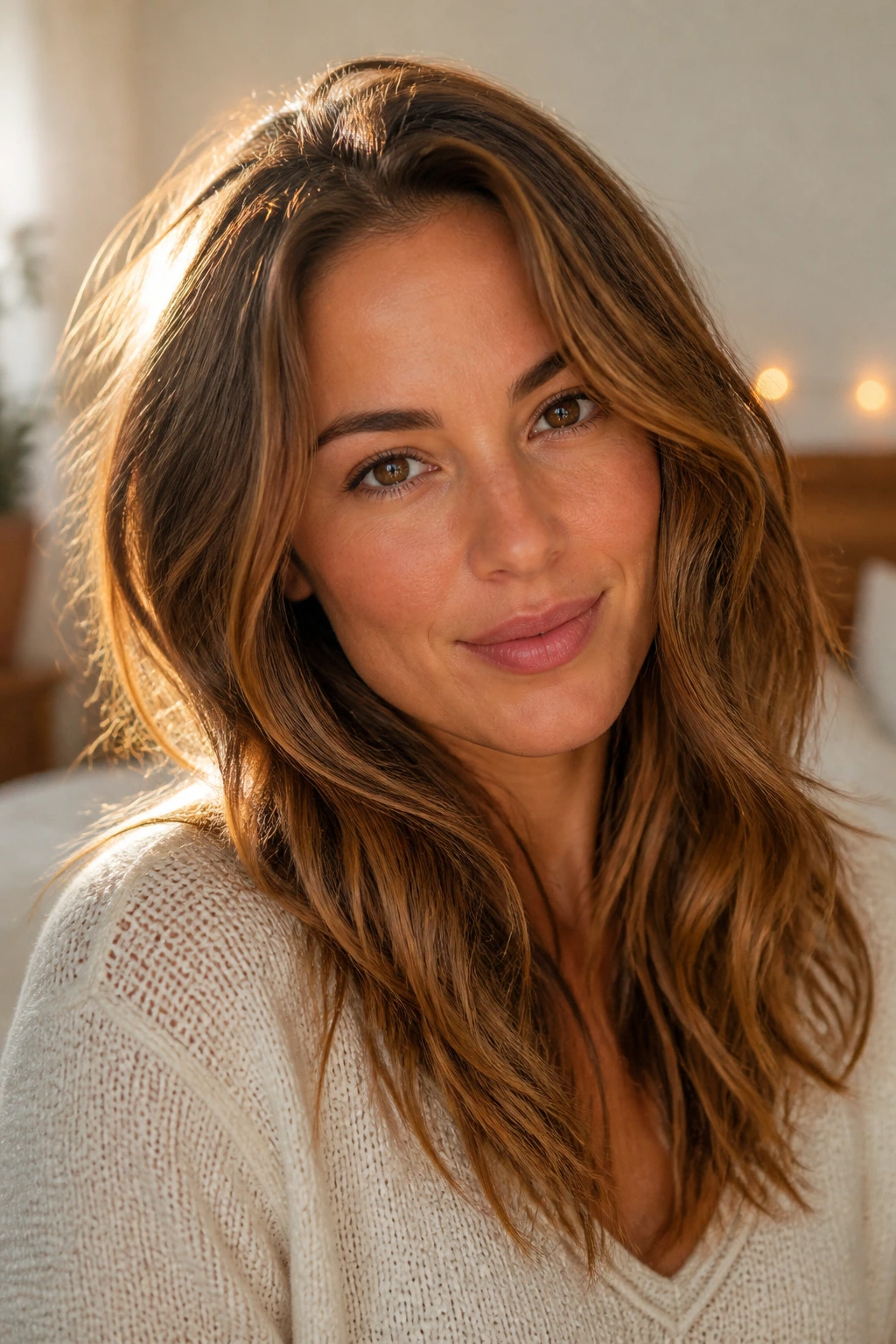
The nicest warm hair color is the one that looks like it belongs on your face before anyone knows the product name. That’s the real value of shampoo color done well: it can add honey, copper, caramel, or auburn without turning your hair into a full-time job.
Start with the shade that matches your base level and your tolerance for change. If you want a nudge, go honey or caramel. If you want more mood, move toward copper, chestnut, or auburn. The color should make your skin look rested, not compete with it.
And if a shade looks a little softer than you expected on the first try, that’s not failure. That’s a starting point, which is usually the smarter place to be anyway.