



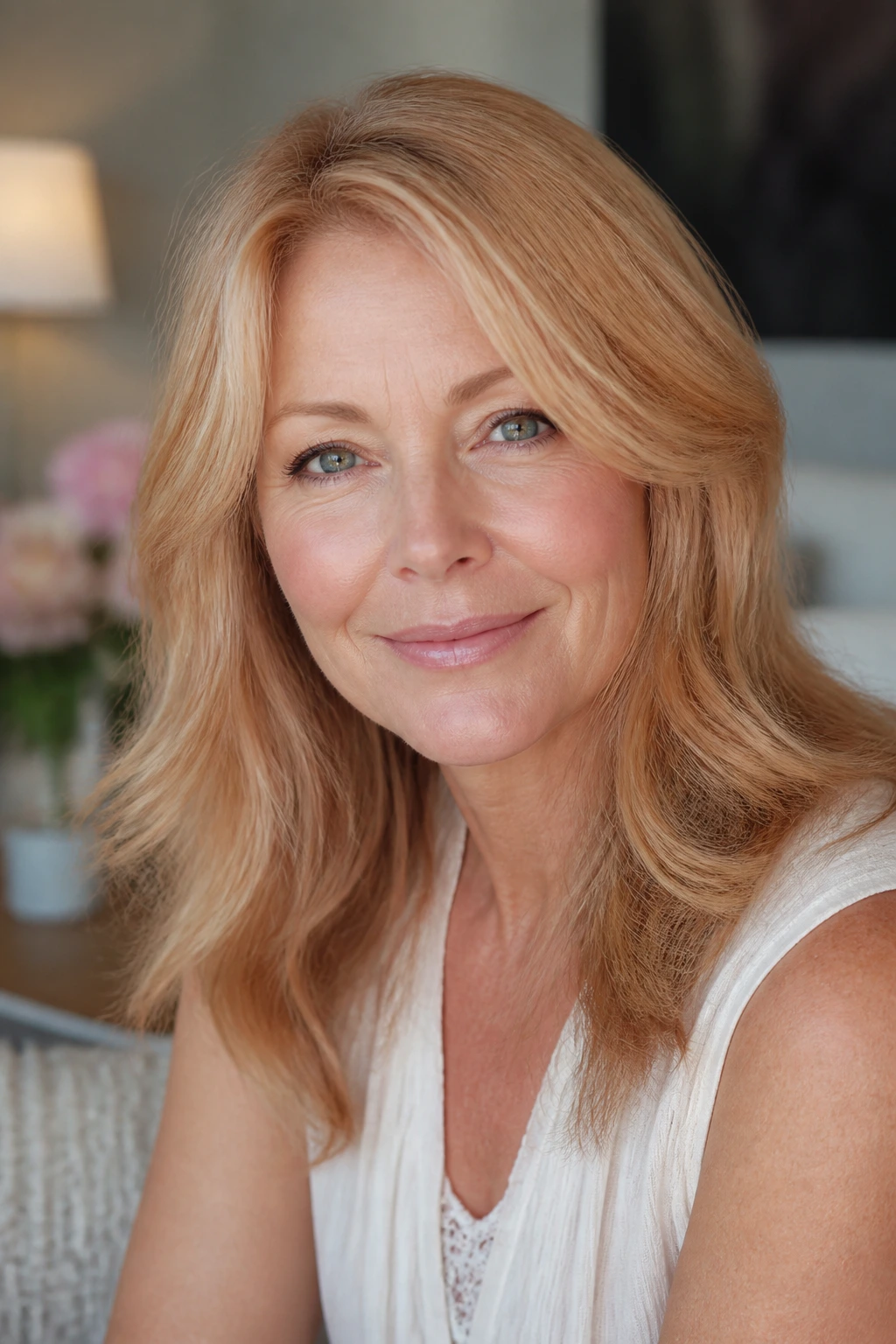
Strawberry blonde can be one of the smartest color choices on hair that’s picked up a little silver, a little texture, and a little wisdom around the edges. The shade has warmth, but not the hard, tomato-red warmth that can fight with skin tone. It has softness, too. That matters. On women over 50, the best versions don’t look pasted on; they look like light has settled into the hair and left a warm tint behind.
The trick is in the balance. Too pale, and strawberry blonde turns washed out. Too orange, and it starts yelling from across the room. Too red, and it can make the face look harsher than it is. The shades that work best tend to sit in that useful middle ground: copper kissed with gold, peach with beige, rose with a little honey at the ends. On gray hair, that mix can look especially good because silver strands catch translucent tones in a way they never catch flat color.
Hair texture changes the story, too. Coarser hair often holds copper pigment longer; finer hair can go brassy faster if the formula is too warm. And if you’ve got several shades of gray coming in at the temples, around the hairline, or in the crown, that isn’t a problem to hide at all costs. It can be the reason the whole color looks dimensional instead of solid. The best strawberry blonde hair color ideas for women over 50 work with those shifts, not against them.
Why These Strawberry Blonde Hair Color Ideas Work So Well After 50
-
They soften the face without draining it: A peach, apricot, or rose base adds warmth near the cheeks and jawline, which helps the skin read brighter rather than flatter.
-
They make gray look intentional: Translucent strawberry tones on silver strands create a glazed effect instead of a hard line of demarcation, especially when the root stays one or two levels deeper.
-
They grow out with less drama: Root smudges, balayage ribbons, and lowlights keep regrowth from looking like a stripe, which buys you more time between salon visits.
-
They work with texture instead of fighting it: Waves, bends, curls, and layered cuts show off copper and blonde ribbons far better than a flat one-length style.
-
They give you room to go lighter or softer: If you like warm tones but don’t want a bright copper, strawberry blonde can lean beige, champagne, honey, or blush without losing its character.
-
They play nicely with mature skin tones: Skin often changes a bit with age, and a warm blonde with pink or apricot in it tends to be kinder than a severe ash or an overly red shade.
1. Soft Peach Strawberry Blonde
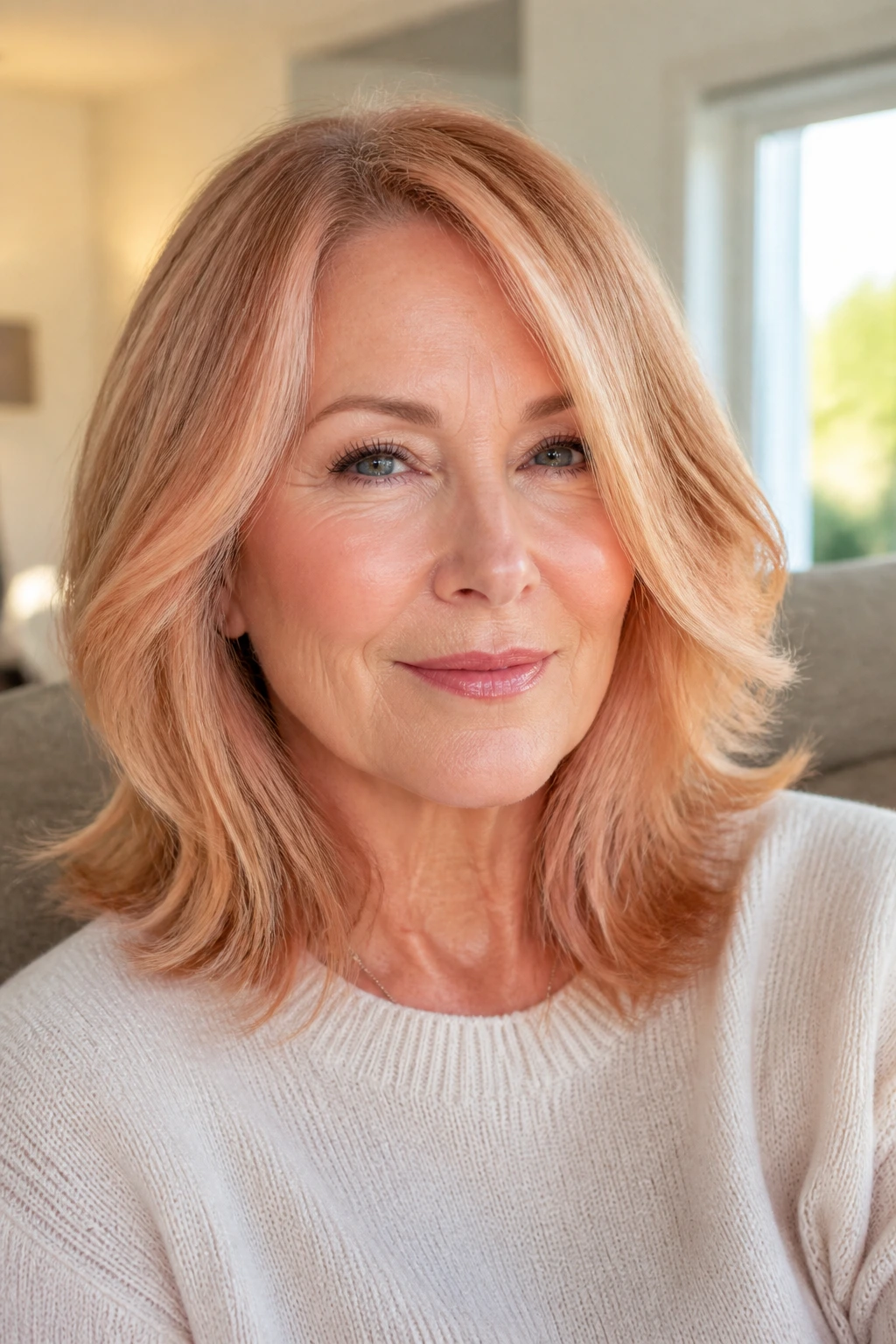
Soft peach strawberry blonde sits in that sweet spot where warmth looks polished instead of loud. It has enough copper to wake up the face, but the peach note keeps it from turning pumpkin-orange when the light hits it hard. On shoulder-length hair, especially with a soft bend through the ends, this shade looks airy and calm.
Ask for a level 8 blonde base with a peachy glaze rather than a dense red formula. That glaze should be translucent, not opaque, so the hair still shows movement and dimension. I like this shade for women who want something warm but not shouty; it’s especially kind to fair and neutral skin that can look washed out under a plain golden blonde.
A little root shadow at the part line helps here. It makes the color look more expensive, honestly, and it gives you a softer grow-out around gray temples. The whole effect is gentler than full copper and more interesting than beige blonde.
2. Rose-Gold Ribbon Balayage
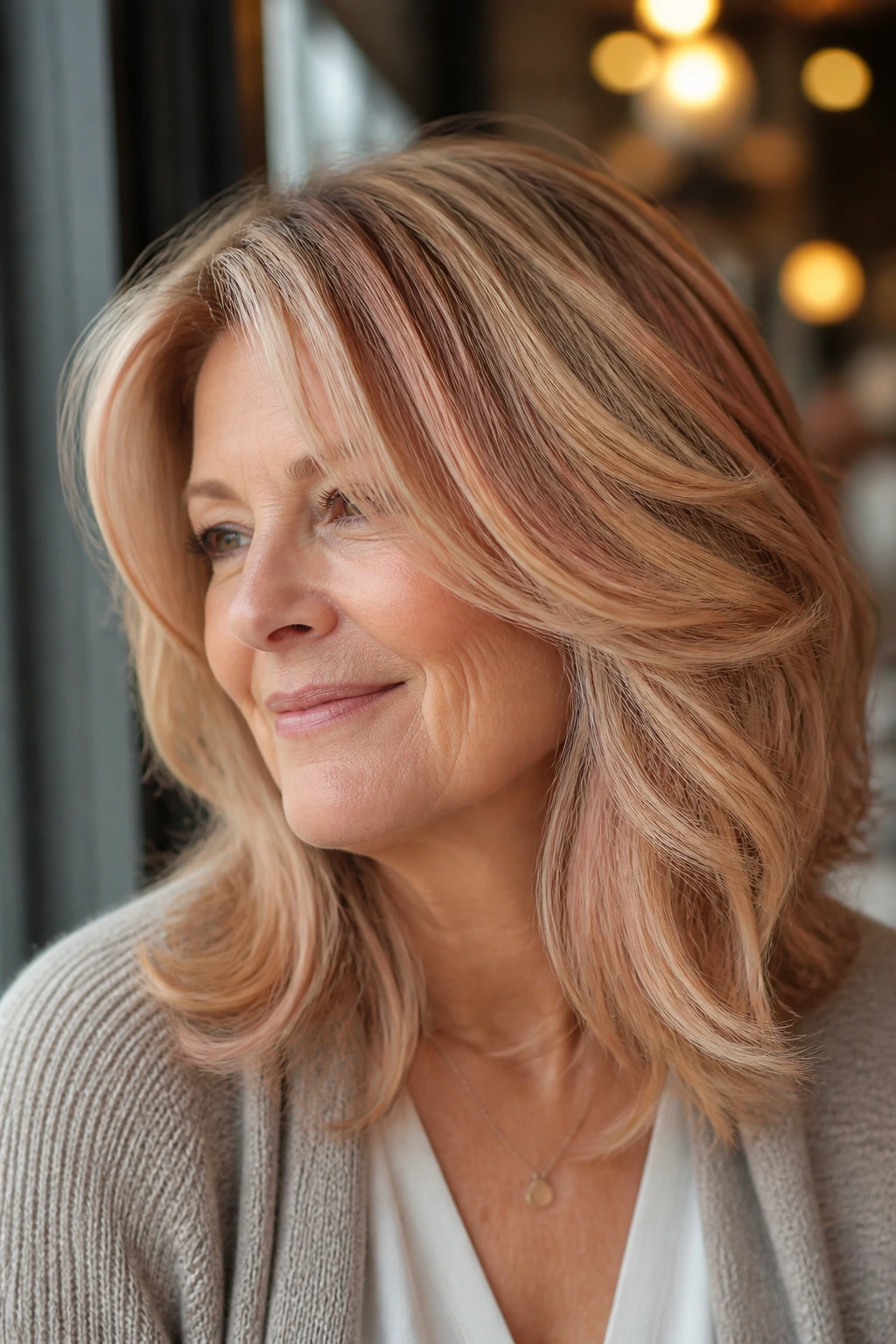
This is the version I’d pick for someone who wants strawberry blonde without committing to an all-over warm shade. The rose-gold ribbons sit inside a blonde base, so the color moves when you turn your head instead of reading as one solid block. It’s prettier on layered cuts than on blunt ends, because the pieces break up the light.
What to ask for
A balayage placement with rose-gold and pale copper ribbons is the easiest way to describe it. Keep the root a shade deeper so the grow-out doesn’t look liney. If your hair is already light, your colorist may only need a glaze and a few hand-painted pieces around the hairline and crown.
This one works because the rose tone cools down the copper just enough. That matters on skin that flushes easily or on hair that can go too orange if the pigment is heavy. The ribbons also play well with gray strands, which often reflect warm color in a softer, shinier way than pigment-dense color ever can.
3. Apricot Root-Tap Blonde
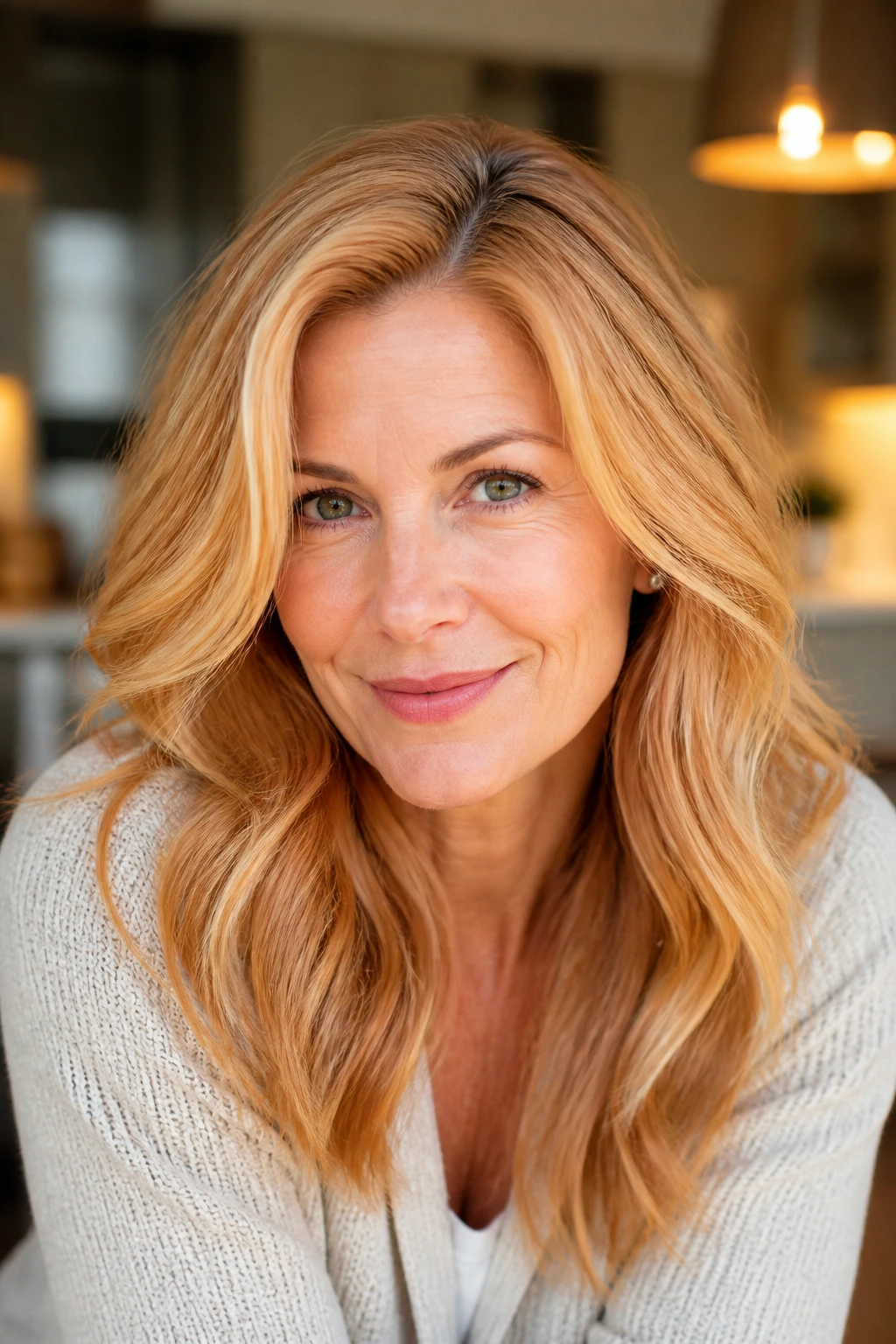
Want strawberry blonde that does not scream “fresh color job” every three weeks? Apricot root-tap blonde is the answer. It keeps the root area a little deeper and more muted, then lets apricot and pale copper bloom through the mids and ends. The result looks deliberate, not staged.
A root tap is the move here. It softens the harsh line you sometimes get when warm blonde grows out against gray, and it gives the hair a little shadow near the scalp so the lighter pieces feel brighter. This is a smart option if your part shows quickly or if your hair grows fast.
The best part is how forgiving it is. You can wear it with a bob, a shag, or a layered shoulder cut, and it still reads as polished. If your natural base is dark blonde or light brown, this shade can be built without pushing the hair into the orange zone.
4. Beige Strawberry Blonde with Lowlights
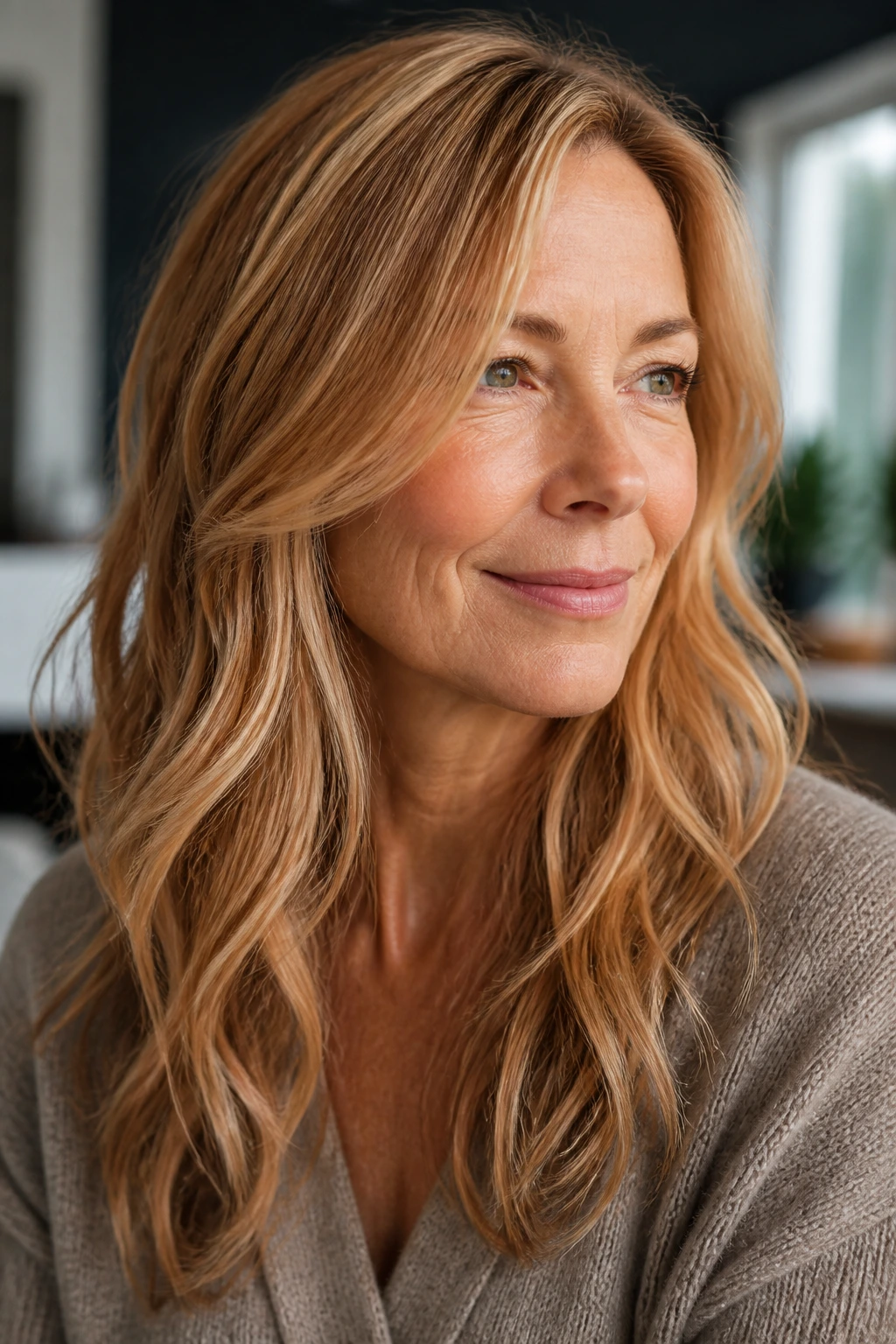
This shade is for anyone who likes warmth but does not want the warmth to take over. Beige strawberry blonde with lowlights keeps the overall feel soft and creamy, then threads in a few deeper pieces so the lighter copper notes have somewhere to land. That contrast matters on fine hair, which can look flat when every strand is the same tone.
If you have a good amount of gray at the crown, lowlights stop the color from looking frosty or one-dimensional. They also help the cut show shape. On a layered bob, the darker strands tuck under the lighter ones and make the haircut look fuller.
I like this choice for women who want a believable color more than a dramatic one. It’s a little less obvious, a little more tailored, and it tends to age well because the beige base keeps the warmth under control. No brass. No candy pink. Just a clean, soft glow.
5. Honey Strawberry Bob
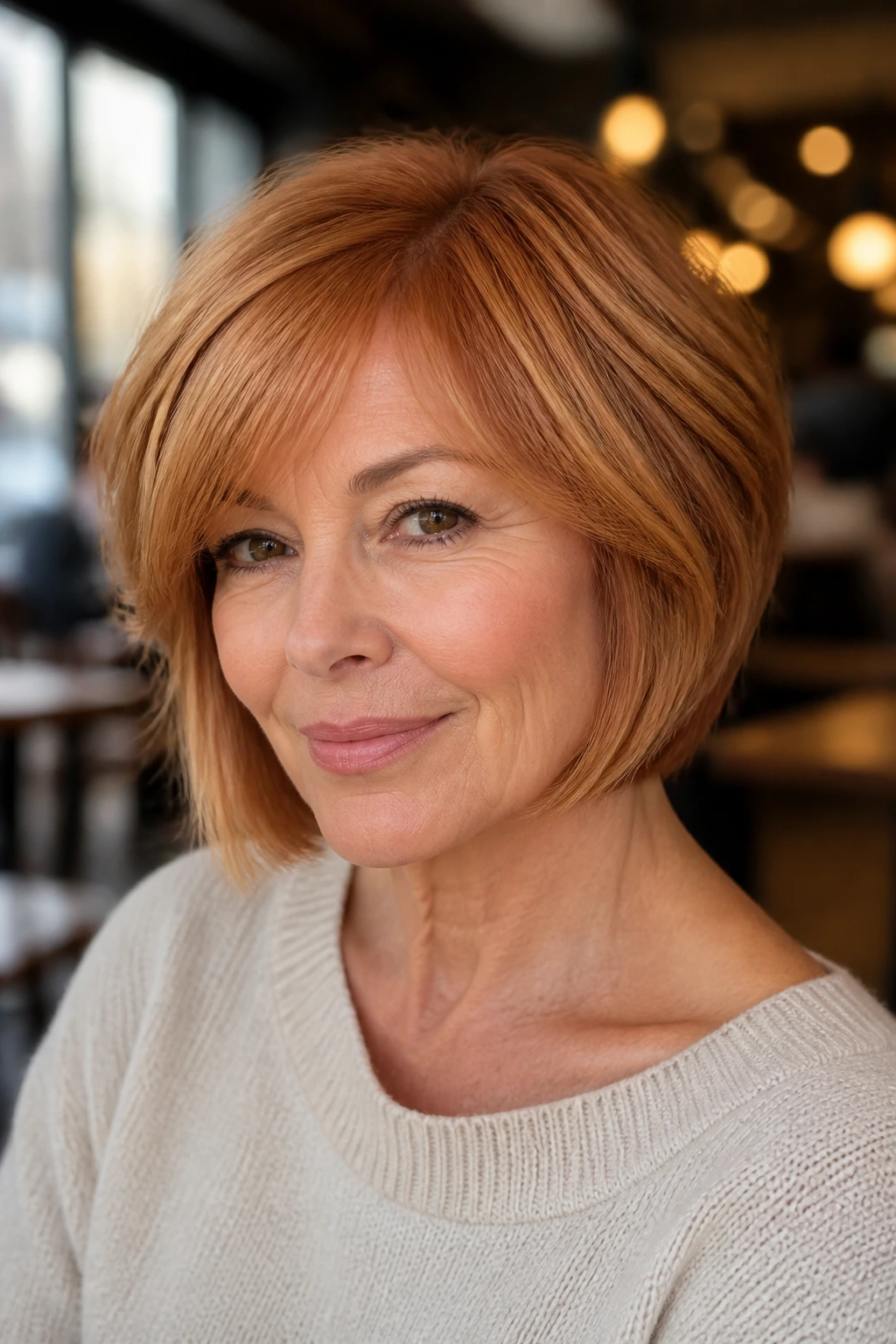
A bob with honey strawberry tones has a cheerful lift to it that still feels grown-up. The honey base keeps things light, while the strawberry cast gives the color enough life that it doesn’t drift into plain golden blonde. On chin-length cuts, that warmth frames the face in a way that feels tidy and bright.
This color is especially good when the bob has a slight bevel under the jaw. The curved line shows off the warmer tone right where you want it, and the ends stay soft instead of looking dry or stringy. If your hair is fine, ask for a semi-permanent glaze rather than a heavy permanent color deposit; fine hair can grab warmth fast.
It also handles gray root regrowth well because the cut is short enough that you can keep the shape fresh without a huge amount of color maintenance. That’s a practical detail, but it’s the kind that matters. Short hair makes every shade look more intentional.
6. Copper Money Piece with a Deep Root
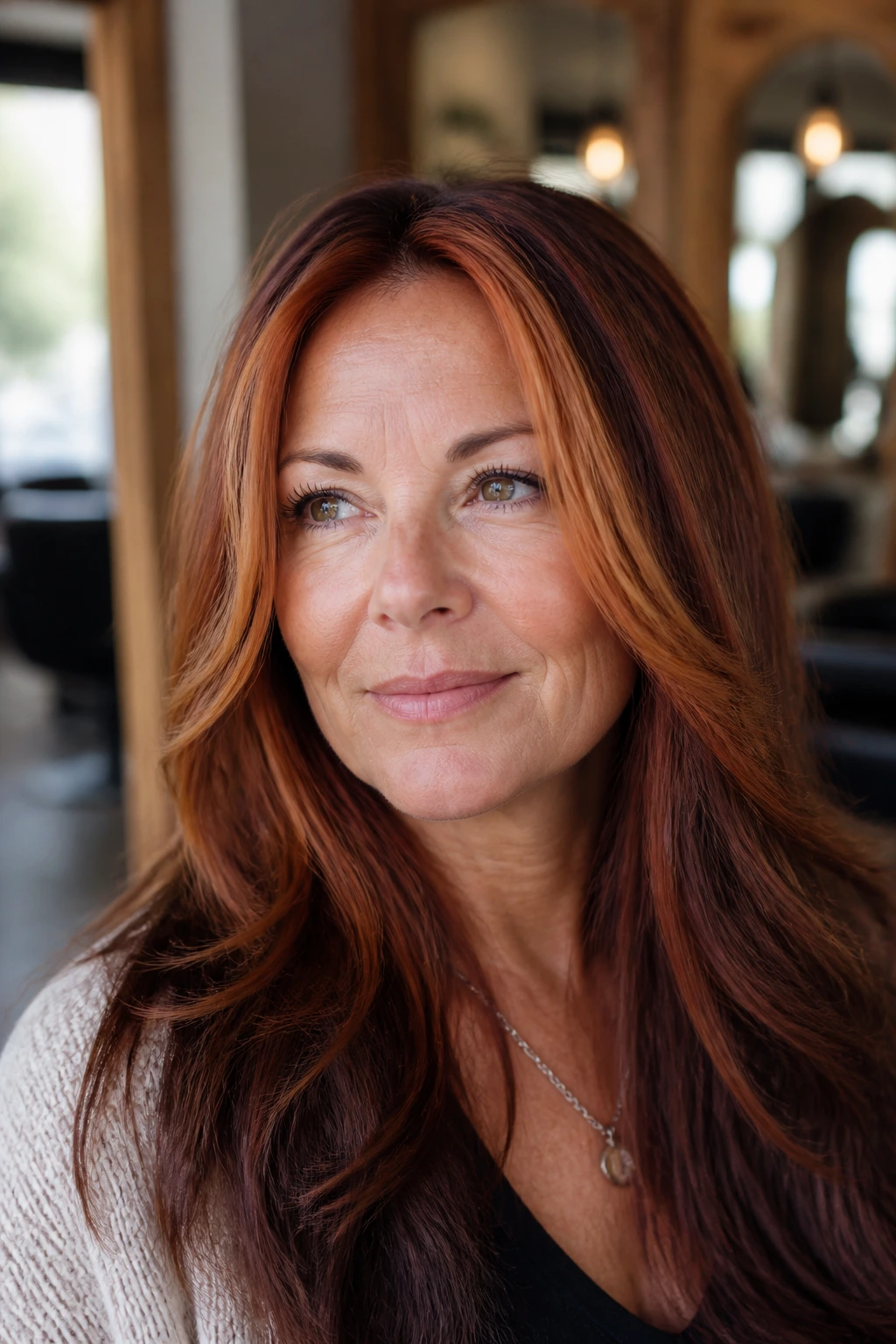
This is the bolder end of strawberry blonde, and that’s why it works. The hairline gets the bright copper money piece, while the rest of the hair stays deeper at the root and lighter through the ends. It gives the face a hit of color without forcing every strand to match.
Why it flatters older hair
A deep root keeps the contrast controlled, which is useful if your gray comes in strong around the temples. The money piece brings the eye upward and can make the eyes look brighter, especially with warm makeup or a soft coral lip. It also keeps the overall style from looking washed out.
On longer layers, the bright front pieces look even better because they move. The trick is not to overdo the brightness; one or two face-framing foils are enough. If the copper is pushed too high and too wide, the whole thing can start to look costume-like, and nobody needs that.
7. Champagne Strawberry Blonde
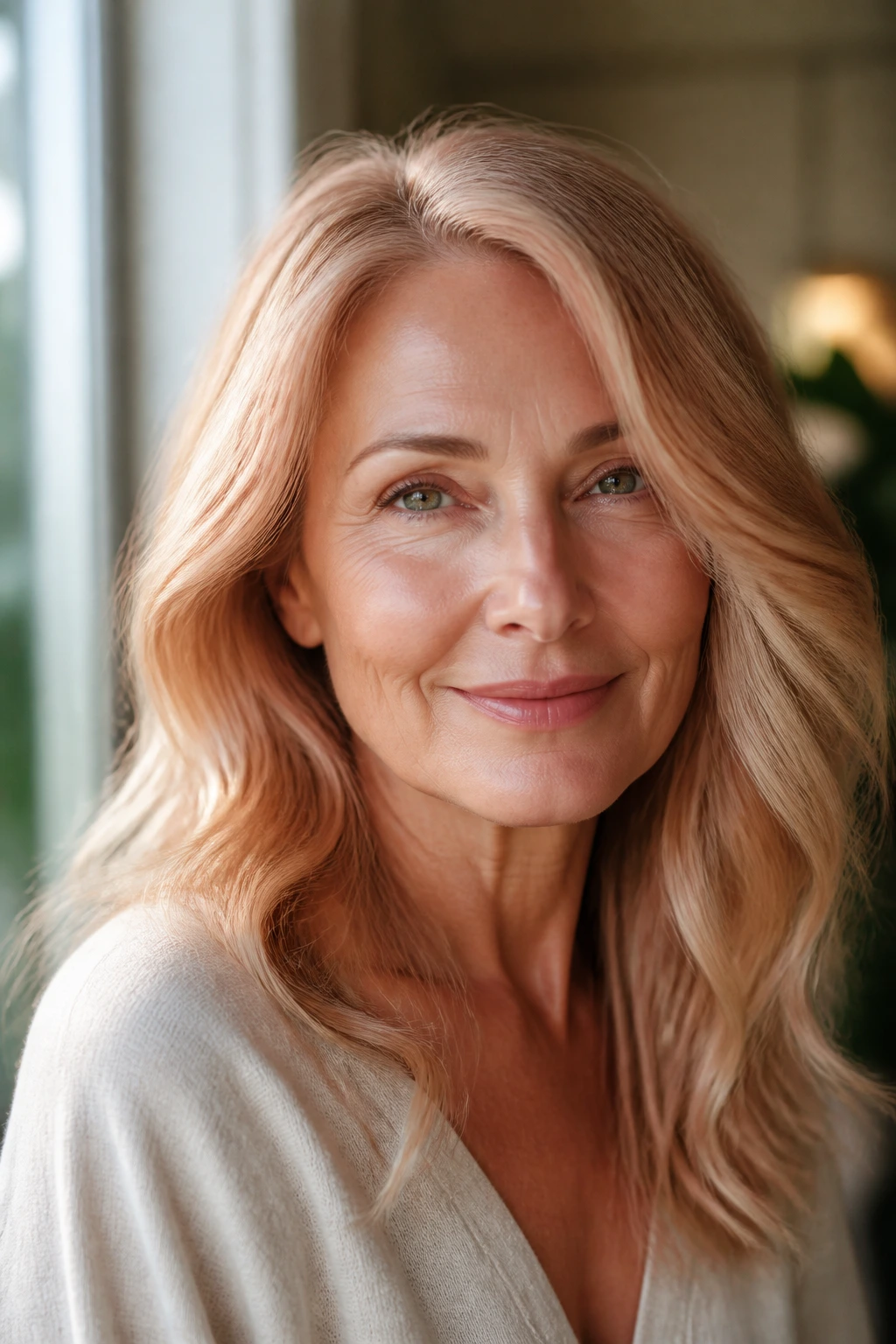
Champagne strawberry blonde is what happens when you want a lighter, more refined take on warmth. The color sits between beige blonde and pale copper, with just enough pink-gold to keep it from feeling icy. It’s one of my favorite choices for women who have gone lighter with age but still want warmth near the face.
This shade tends to look especially good on medium-length hair with loose layers. The champagne base adds shine, and the strawberry note keeps the blonde from reading flat under indoor light. If your skin tone leans cool-neutral, this version can be kinder than a stronger copper because it doesn’t push red into the cheeks.
A gloss is usually the right finish here. It gives the hair that smooth, polished surface you want from a lighter blonde, while the strawberry tone stays soft instead of brassy. Think clean, airy, and a little luminous.
8. Cinnamon Peach Pixie
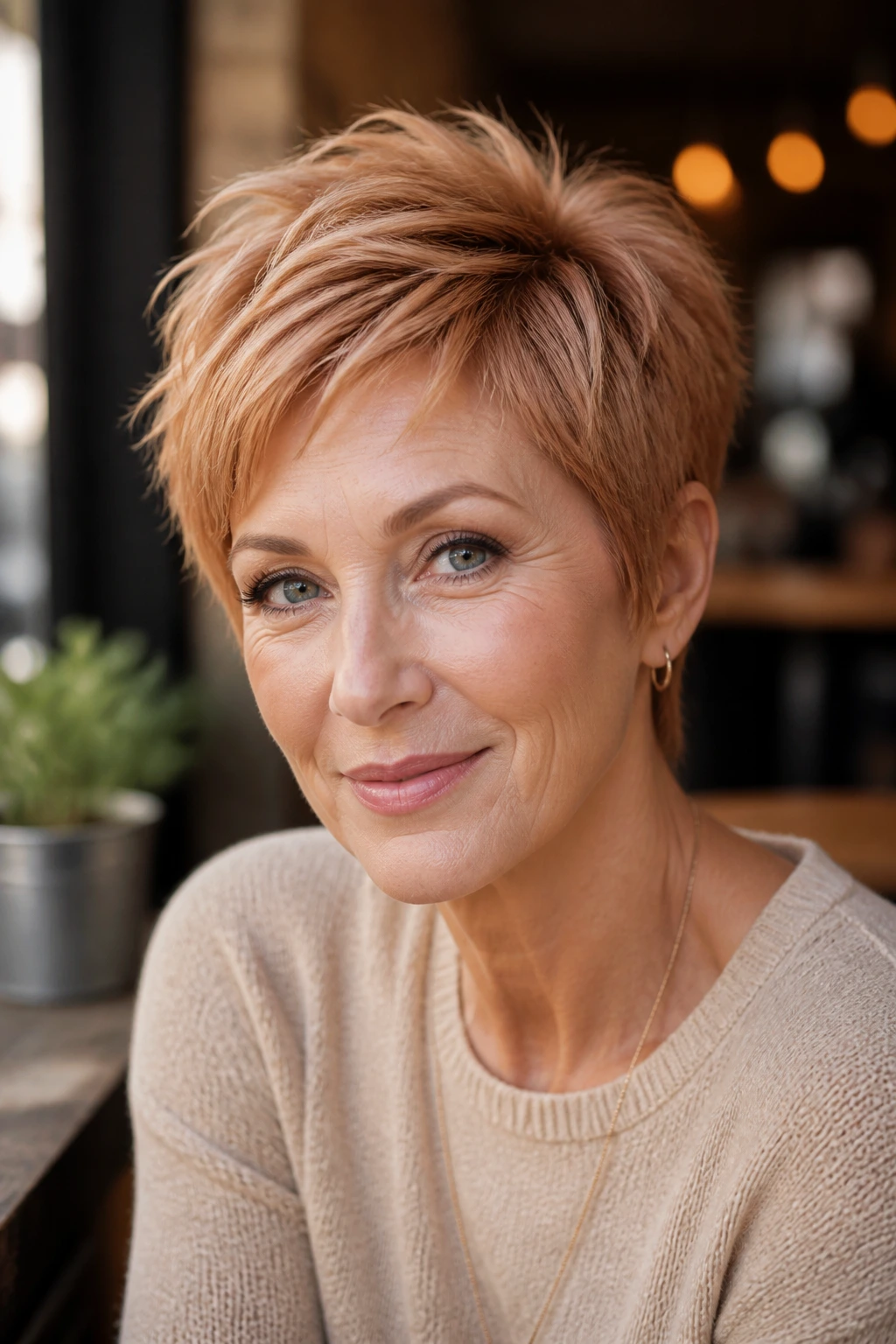
A pixie can take warmth beautifully, and cinnamon peach is a sharp little example of that. The shorter cut keeps the color compact, so the strawberry tones read as texture rather than as one big block of color. On a pixie, that matters a lot. You want the cut to do half the talking.
This shade works because the cinnamon gives the peach some depth. That stops the color from looking too sweet or too pastel on hair with naturally coarse texture. It’s a smart pick for women who wear glasses, because the color sits close to the face and can tie in with frames in tortoiseshell, bronze, or warm gold.
Keep the top slightly lighter than the sides for movement. A little piece-y styling cream on dry hair is enough. Too much product can darken the ends and hide the color, which is a shame because the whole point of this cut is to show off the warmth.
9. Strawberry Bronde Lob
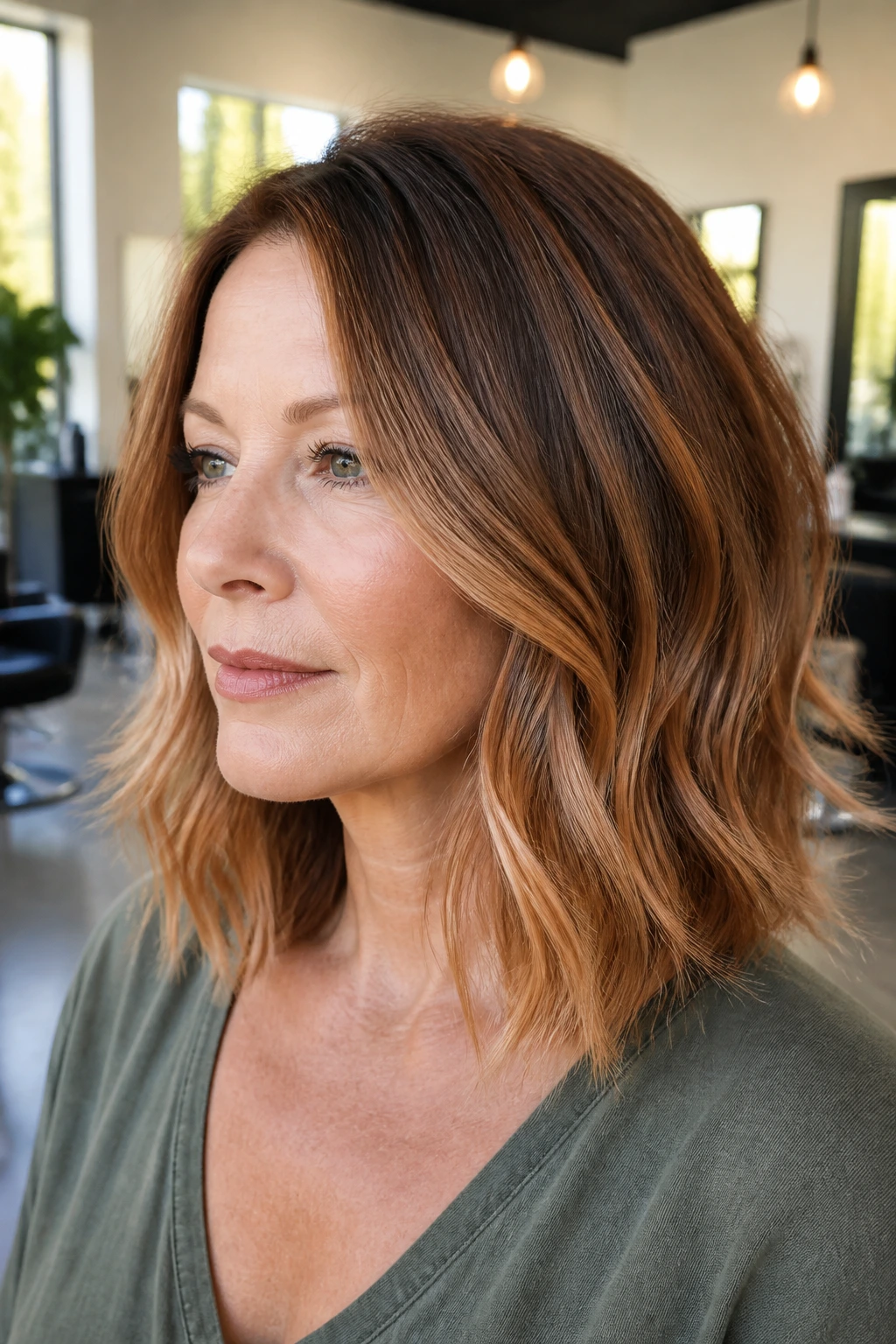
Strawberry bronde is what I’d suggest for anyone who wants warmth but not obvious red. It blends brunette and blonde with a strawberry finish, so the result feels grounded. On a lob, that mix is perfect. The length gives the color room to shift from honey at the mids to copper at the ends.
Why does it work so well after 50? Because it is forgiving. Regrowth disappears more easily when the root is not a hard contrast, and the brunette base makes the color look natural on people who are not trying to become a brighter blonde. If your natural hair is darker and you dislike frequent salon visits, this is a very sensible lane.
A few loose waves are enough to show the dimension. Straight styling can still look good, but the movement makes the strawberry tones show up in layers, and that’s where the shade earns its keep.
10. Blush Apricot Layers
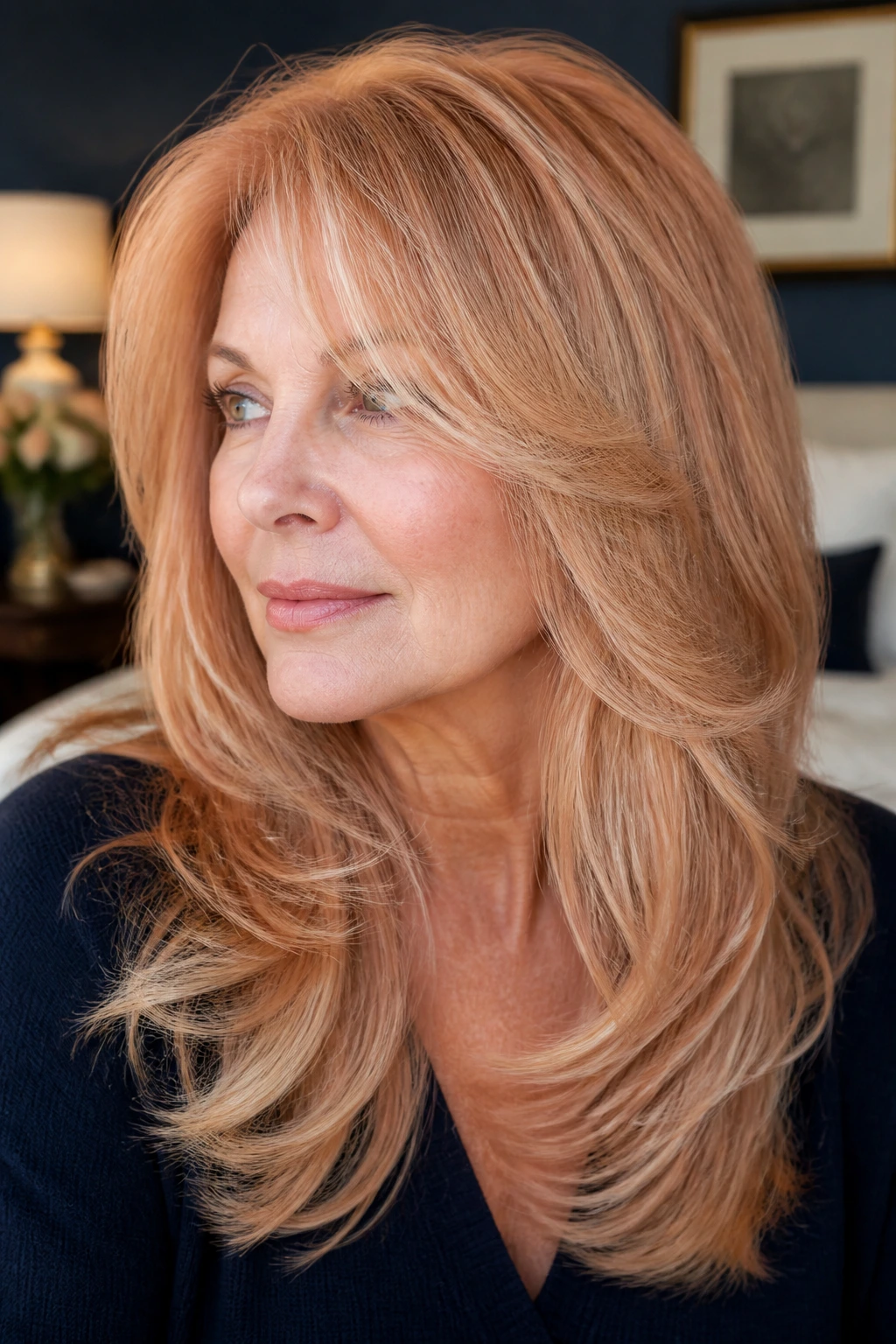
Blush apricot has a softer pink note than a true copper, and on layered hair that softness reads like light, not dye. The layers catch the pink-gold differently at each angle, which keeps the cut lively. If your hair is thinner through the ends, this is one of the kinder options because it avoids harsh contrast.
The shade is especially nice if your wardrobe leans cream, taupe, navy, or black. It brings warmth back to the face without forcing you into orange territory. On women with silver at the temples, blush apricot can blur the line between natural gray and color in a way that looks calm, not forced.
Ask for a glossy finish and keep the ends a touch lighter than the crown. That little shift makes the layers show up more clearly, and it keeps the color from collapsing into one flat tone after a few washes.
11. Buttercream Strawberry Blonde
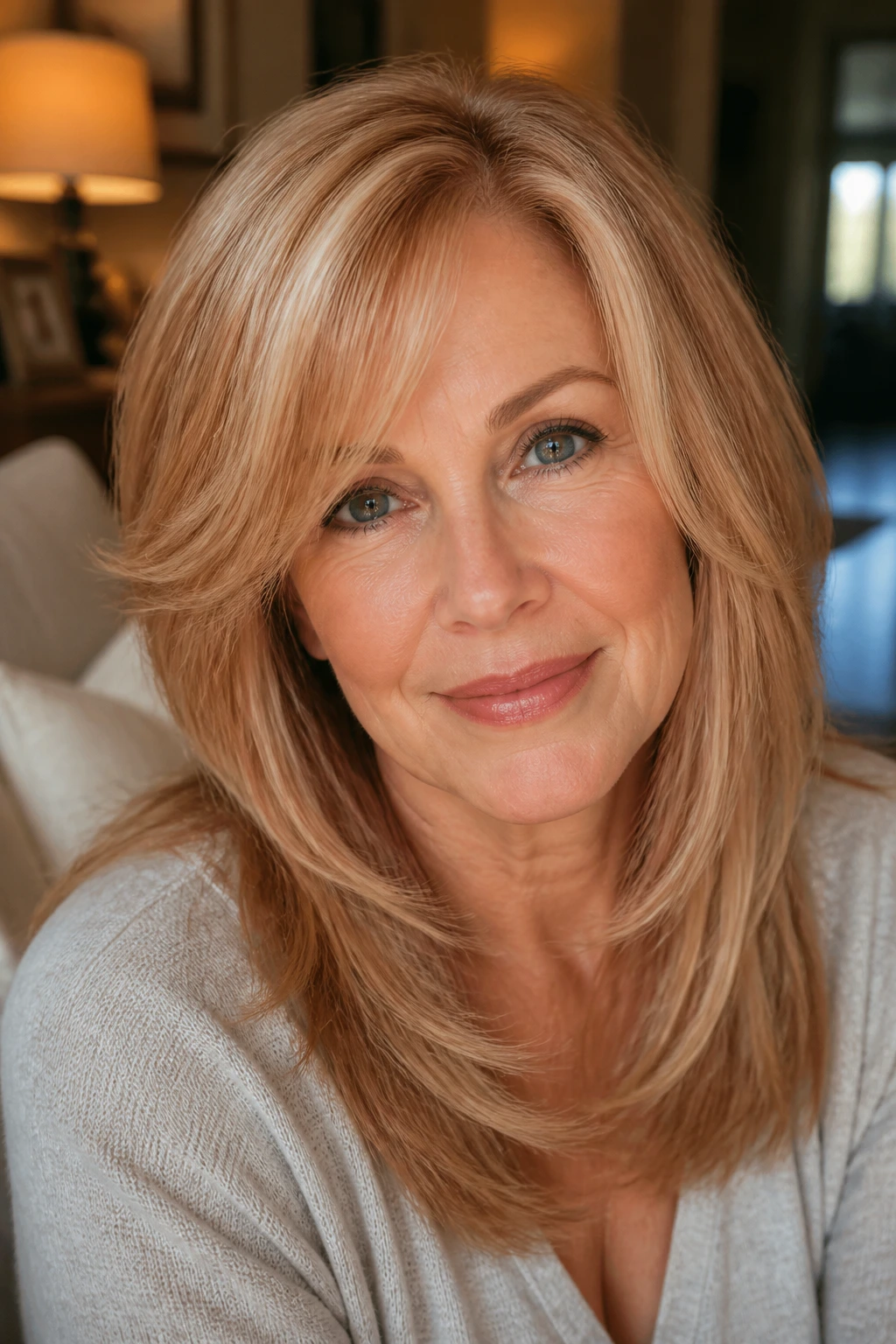
Buttercream strawberry blonde is for someone who likes softness above all else. The blonde base is creamy and pale, and the strawberry warmth sits underneath it like a blush. It is not a loud color. It is more like the good kind of candlelight.
This shade flatters finer hair because the creamy finish gives the impression of fullness. Heavy copper can sometimes expose sparse areas, but buttercream strawberry keeps the eye moving. It also suits women who want a light color that still feels warm around the face and doesn’t pull too icy against the skin.
If you wear it with a chin-length cut or a soft shoulder sweep, the color looks especially elegant. The trick is keeping the tone clean. Brass will wreck this shade fast, so a violet-leaning shampoo used sparingly can help if your hair tends to yellow.
12. Rose-Copper Shag
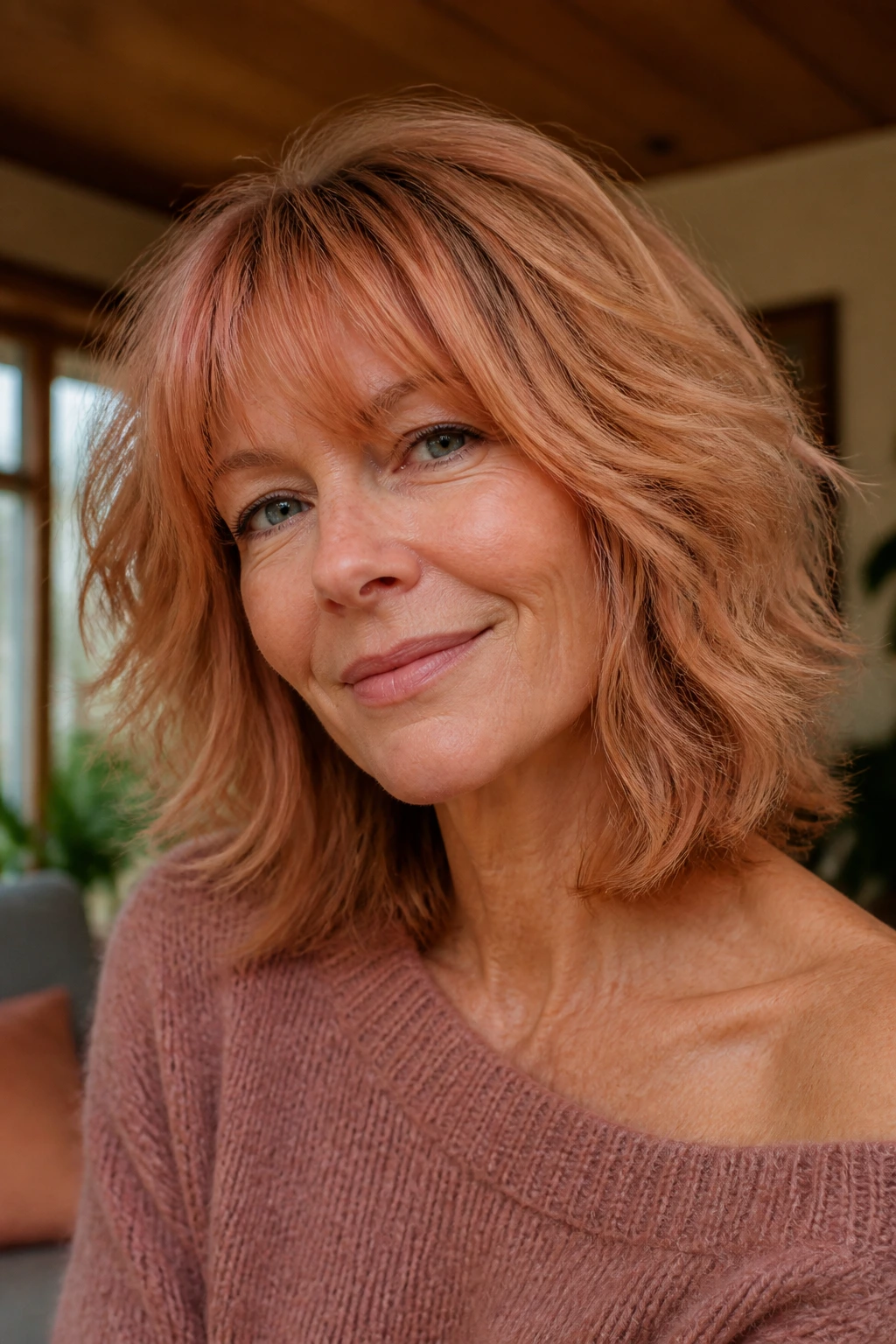
A shag wants movement, and rose-copper gives it plenty. The warm pieces show up in the layers, the fringe, and the face frame, which makes the cut feel lived-in instead of heavily styled. Rose-copper is a little more modern than pure strawberry blonde, but it still belongs in the same family.
What makes it different
The rose tone cools the copper enough that it works on skin with pink undertones. That’s the detail people miss. Too much orange next to flushed cheeks can look muddy, but rose-copper has a cleaner edge and tends to brighten the face rather than compete with it.
If you want a shag that feels easier to wear, this is a strong choice. It’s also good for women whose hair has turned a bit wiry with age, because layered texture and warm color together hide uneven density better than a smooth, one-length style does.
13. Sandy Strawberry Blonde with Ashy Understory
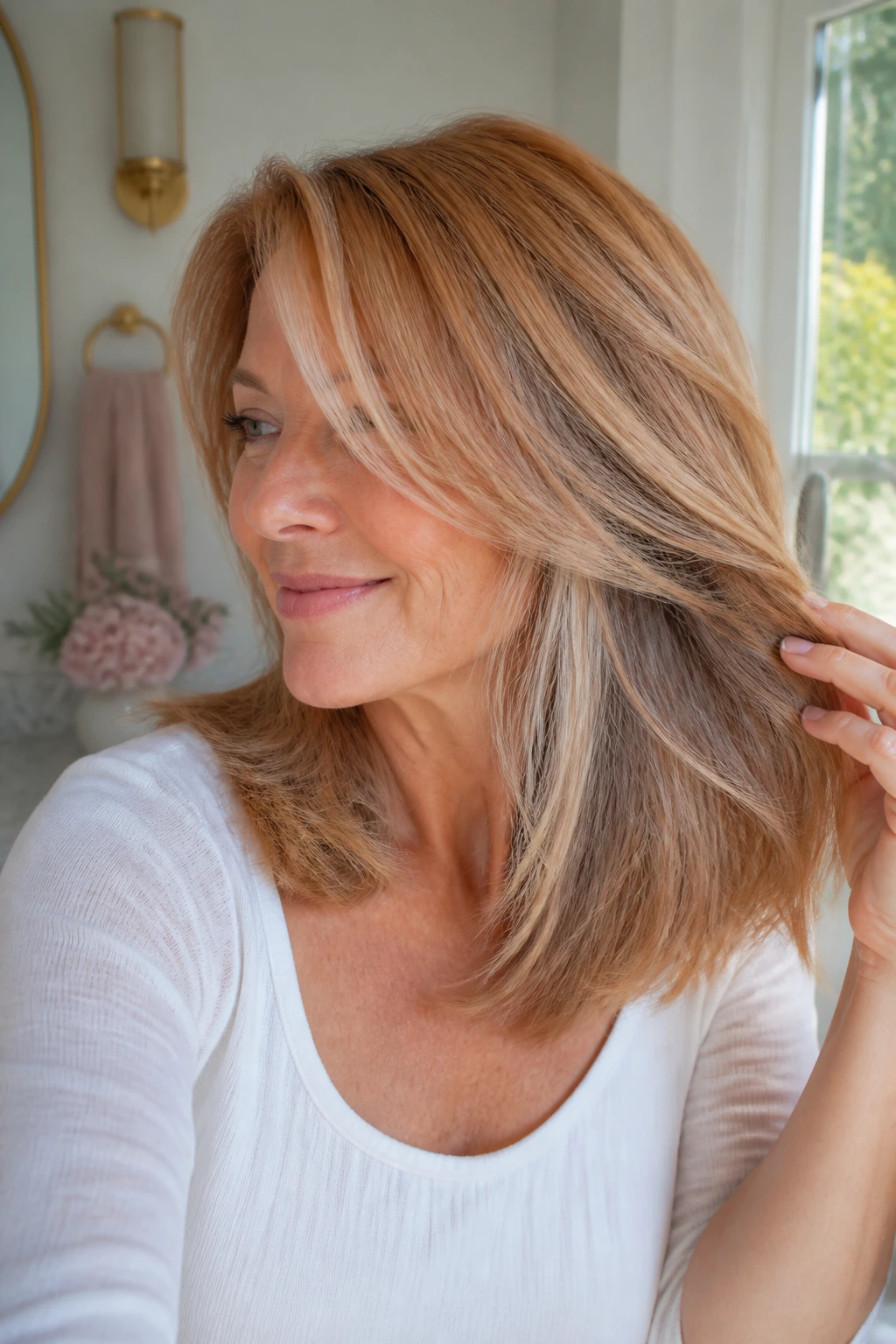
Sandy strawberry blonde sounds contradictory, and that’s exactly why it works. The sandy top layer keeps the color soft and wearable, while a slightly ashier understory prevents the warmth from going too orange. On medium-length hair, the contrast shows up only when the hair moves.
This is a smart option if you’ve tried warm blonde before and found it too loud. The ash underneath acts like a brake pedal. It tones down the saturation without turning the whole color gray or dull. If your undertones lean neutral-cool, this shade can be a relief.
Wear it with a layered blowout or soft bends near the ends. A flat iron with just a half-turn at the bottom pieces can show the lighter and darker layers without making the color look stiff. The shade needs motion to do its best work.
14. Coral-Kissed Curls
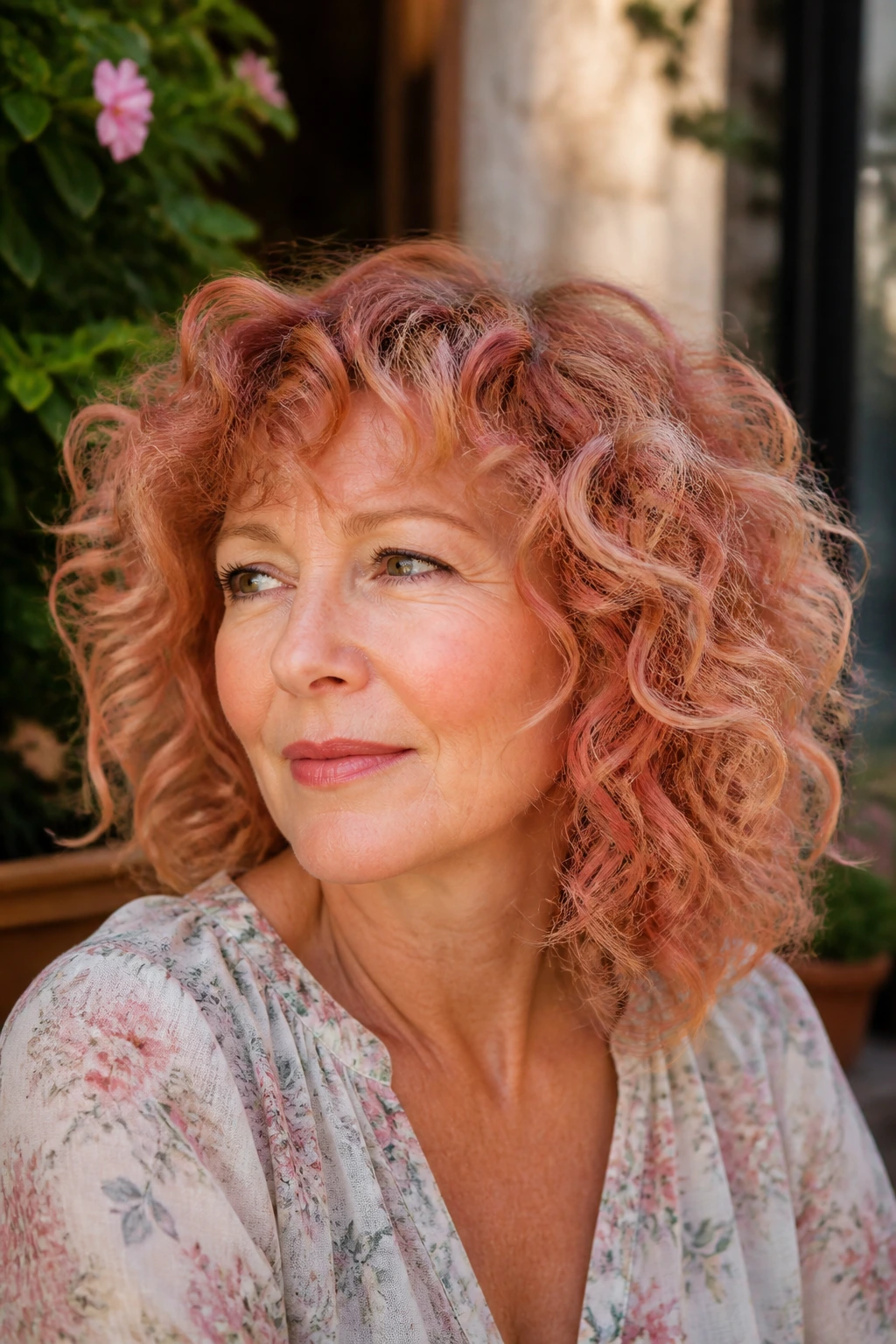
Curly hair and strawberry tones are old friends. The curl pattern breaks the color into little flashes, which keeps coral-kissed strawberry blonde from looking flat or too dense. The coral note gives the shade energy, but it’s still soft enough to stay wearable on women who do not want a heavy red.
The key is placement. Keep the color richer on the outer curve of the curls and a touch lighter on the top layers. That creates depth and makes the curl shape easier to read. On grayer curls, a translucent coral glaze can be especially pretty because it lets silver peek through instead of covering every strand.
Use a leave-in that doesn’t dull the shine. Curly hair holds strawberry tones beautifully when it’s hydrated, and dry ends will steal the warmth from the whole look fast.
15. Warm Toffee Strawberry Melt
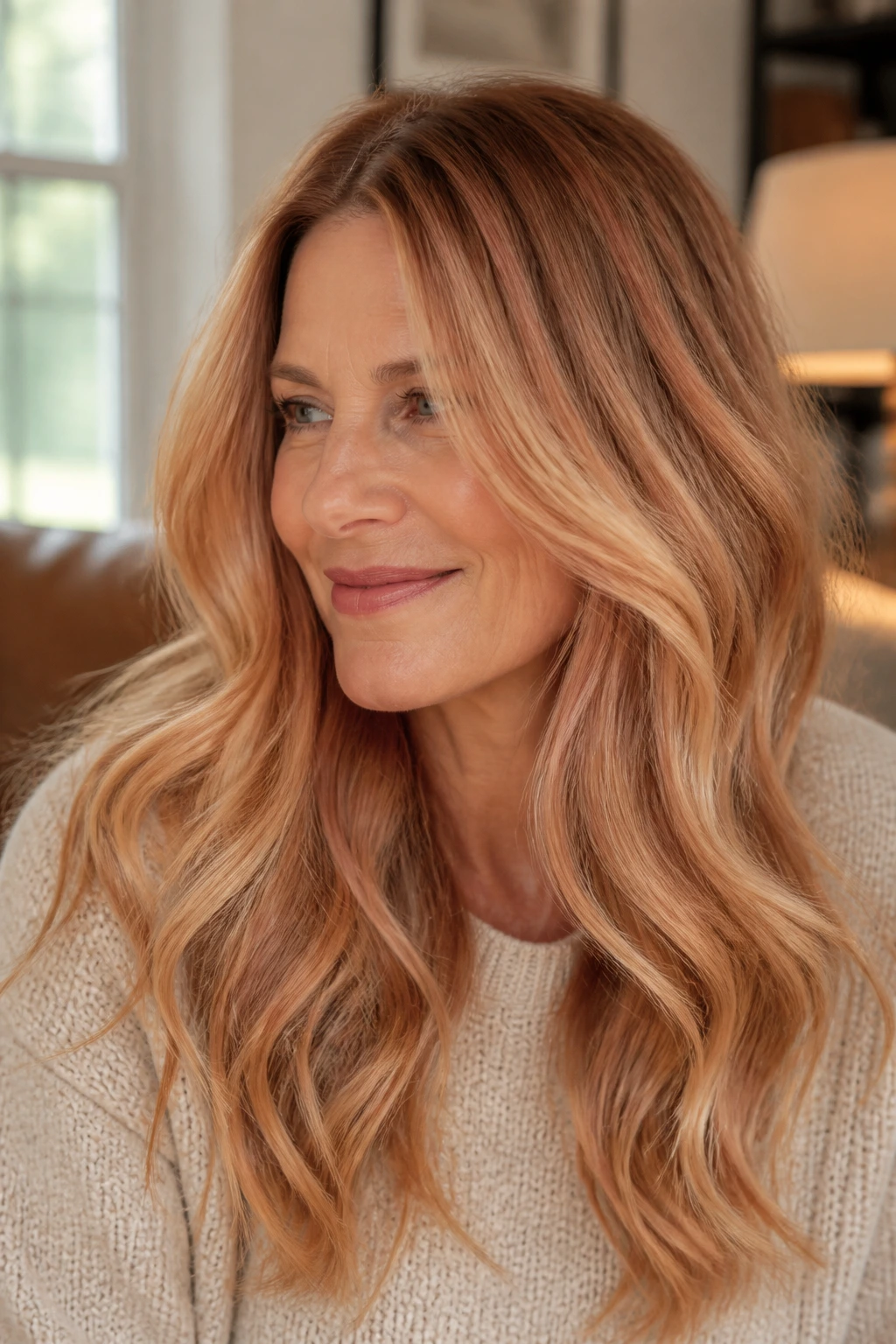
This one is all about the melt. Warm toffee at the root drifting into strawberry blonde through the mids and ends gives the hair a soft gradient that feels expensive without trying too hard. It’s one of the best choices for women with longer layers who want their color to travel down the hair shaft instead of sitting on top of it.
The toffee root keeps regrowth subtle, and the strawberry through the ends brings lightness near the face and shoulders. It’s a useful mix if your natural color is medium brown or dark blonde and you want to lift it without constant touch-ups. The color also pairs well with waves, because each bend shows a slightly different tone.
If you like low-maintenance hair, put this one near the top of your list. It doesn’t need to be bright everywhere to make an impression.
16. Soft Auburn Strawberry Fade
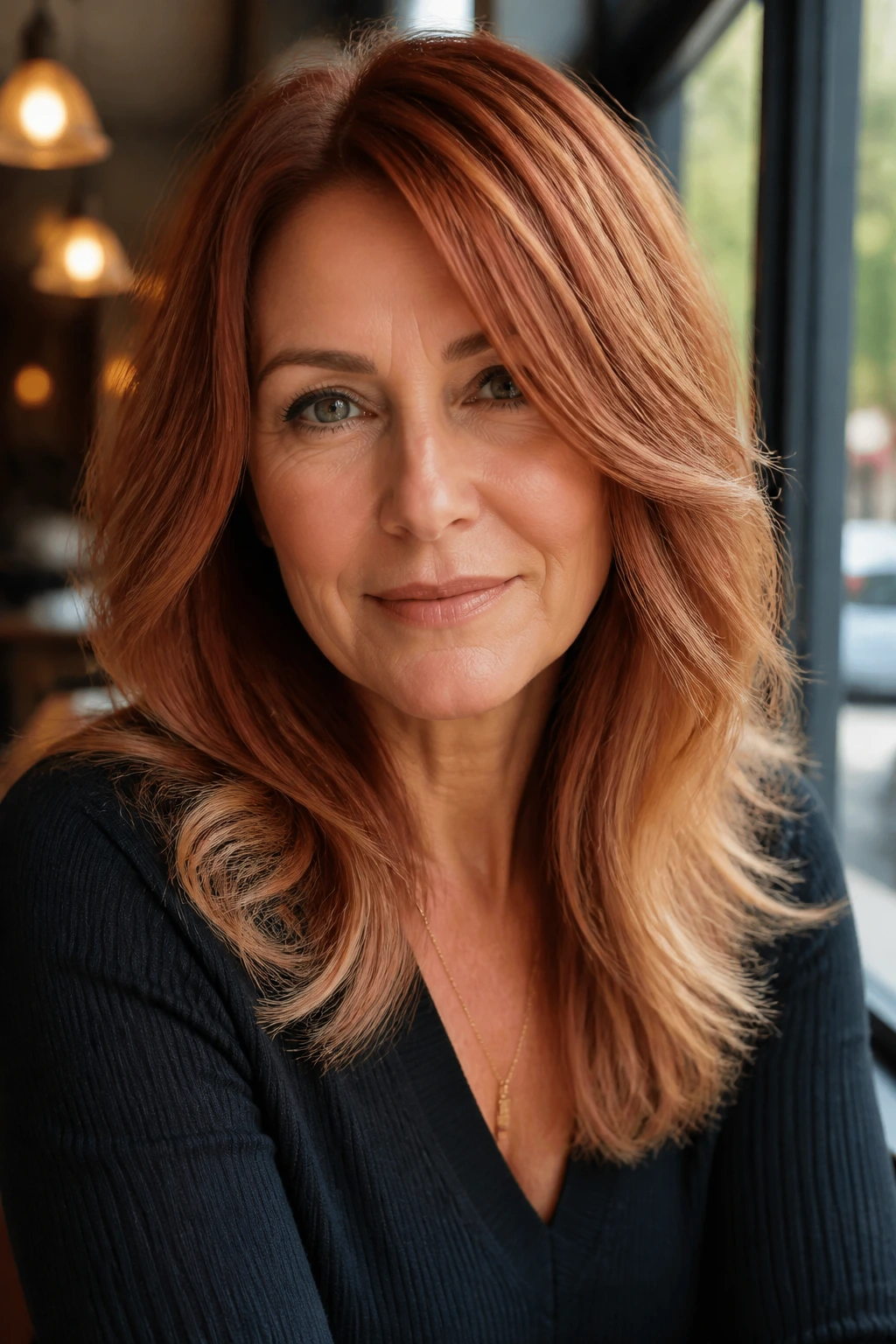
Soft auburn strawberry fade is the richer, deeper cousin in the group. It leans a little redder than the others, but the fade keeps the ends lighter, which stops the whole thing from looking heavy. On layered hair, the change in tone makes the cut feel fuller.
I like this choice for women who still want a warmer red family color but don’t want a flat auburn cap on the head. The fade also helps the hairline grow out in a softer way, which is a gift if your gray is concentrated at the temples. The darker root and lighter ends let the eye move instead of stopping at the regrowth line.
It does best with a gloss refresh every few weeks. That keeps the red from drying out and going dull. Auburn shades can fade fast when shampooed too often, so a gentle cleansing routine makes a real difference.
17. Light Copper Face Frame on a Dark Blonde Base
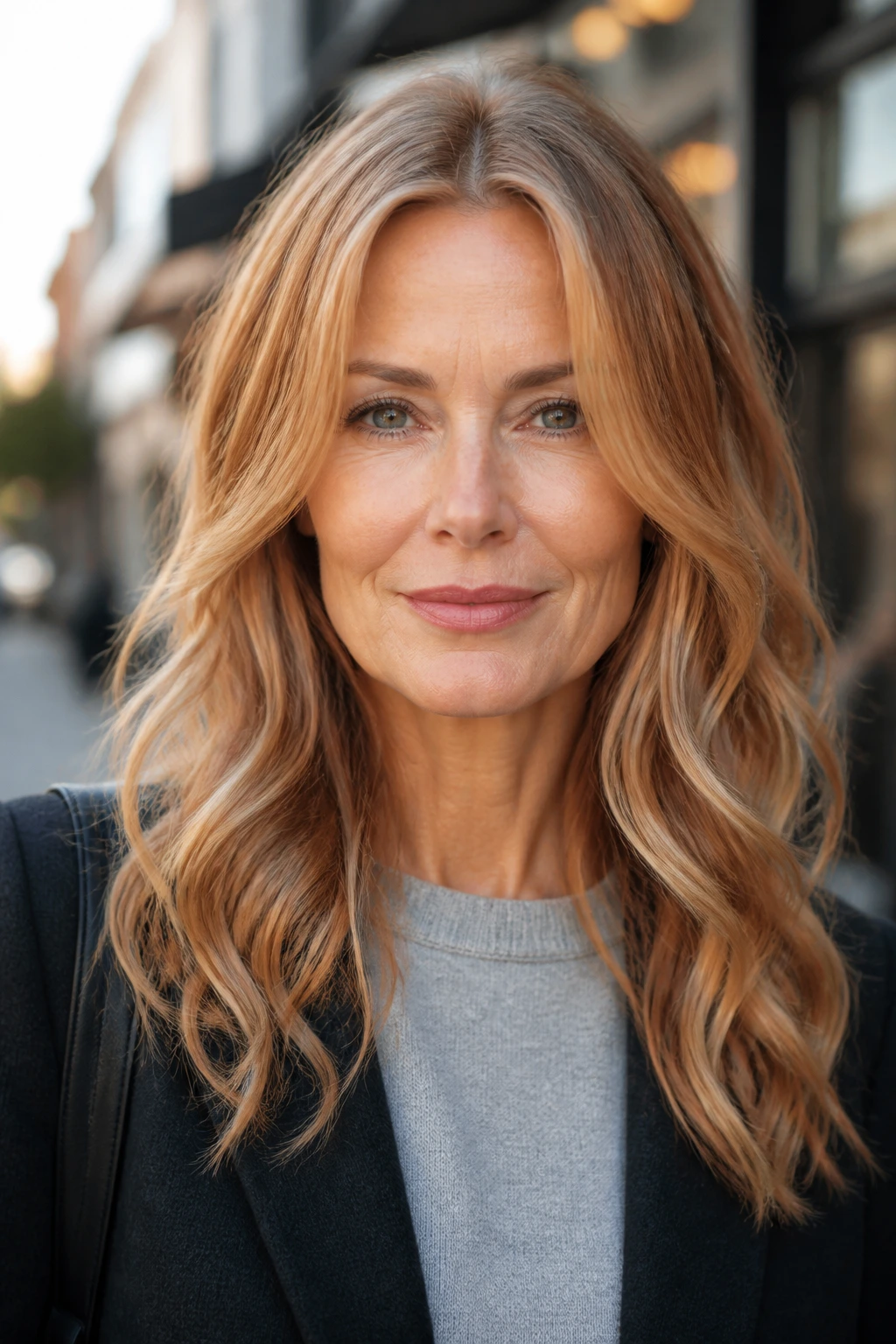
If you want strawberry blonde without changing everything, this is the clever version. Keep the base dark blonde and place light copper only around the face, the part line, and maybe a few surface pieces. The rest stays natural enough to keep the maintenance low.
The reason it works is simple: the warm frame brings light where you need it most. Around the eyes and cheekbones, even a few lighter copper strands can shift how the whole face reads. It’s a strong move for women who wear minimal makeup and want the hair color to do some of the lifting.
This is also a good bridge color. If you’re not ready to go fully strawberry blonde, it lets you test the waters without committing to an all-over warm refresh. And if you love it, you can widen the placement at the next appointment.
18. Gray-Blend Foilyage Strawberry
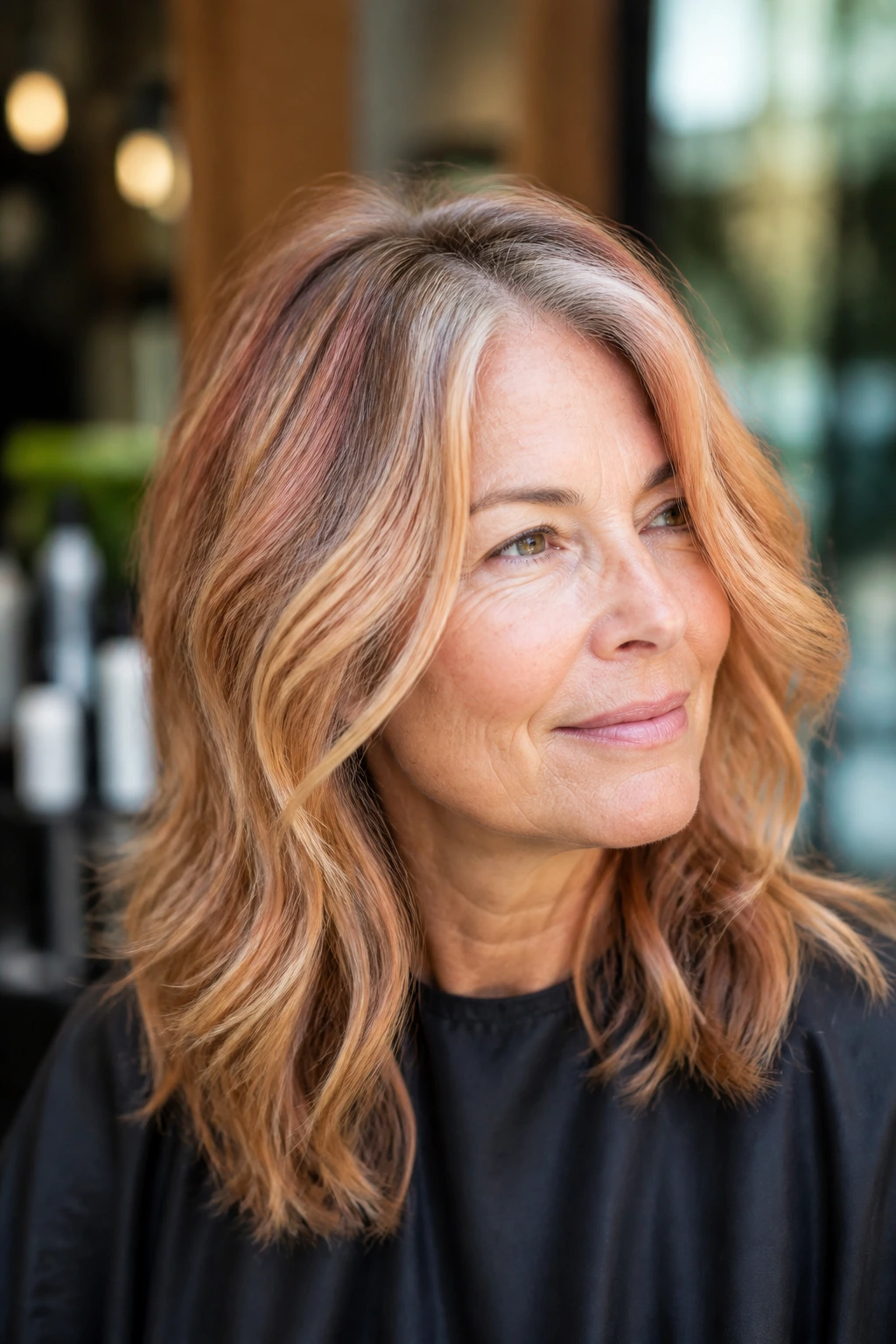
Foilyage is useful here because it mixes the brightness of foils with the softness of balayage. That means the strawberry pieces can be placed where gray is most visible — usually around the hairline and crown — while the surrounding hair stays lower contrast. The result is a blend that looks deliberate instead of patched.
This is one of the best options for women with a meaningful amount of gray who do not want full coverage. A translucent strawberry tone over foiled pieces lets silver and warmth share the same space. It’s a practical choice, but it doesn’t look practical, if you know what I mean. It looks like a color plan, not a compromise.
Keep the root a little deeper and the ends softer. That gives the whole head better shape and helps the grow-out stay pleasant between appointments.
19. Peachy Curly Crop
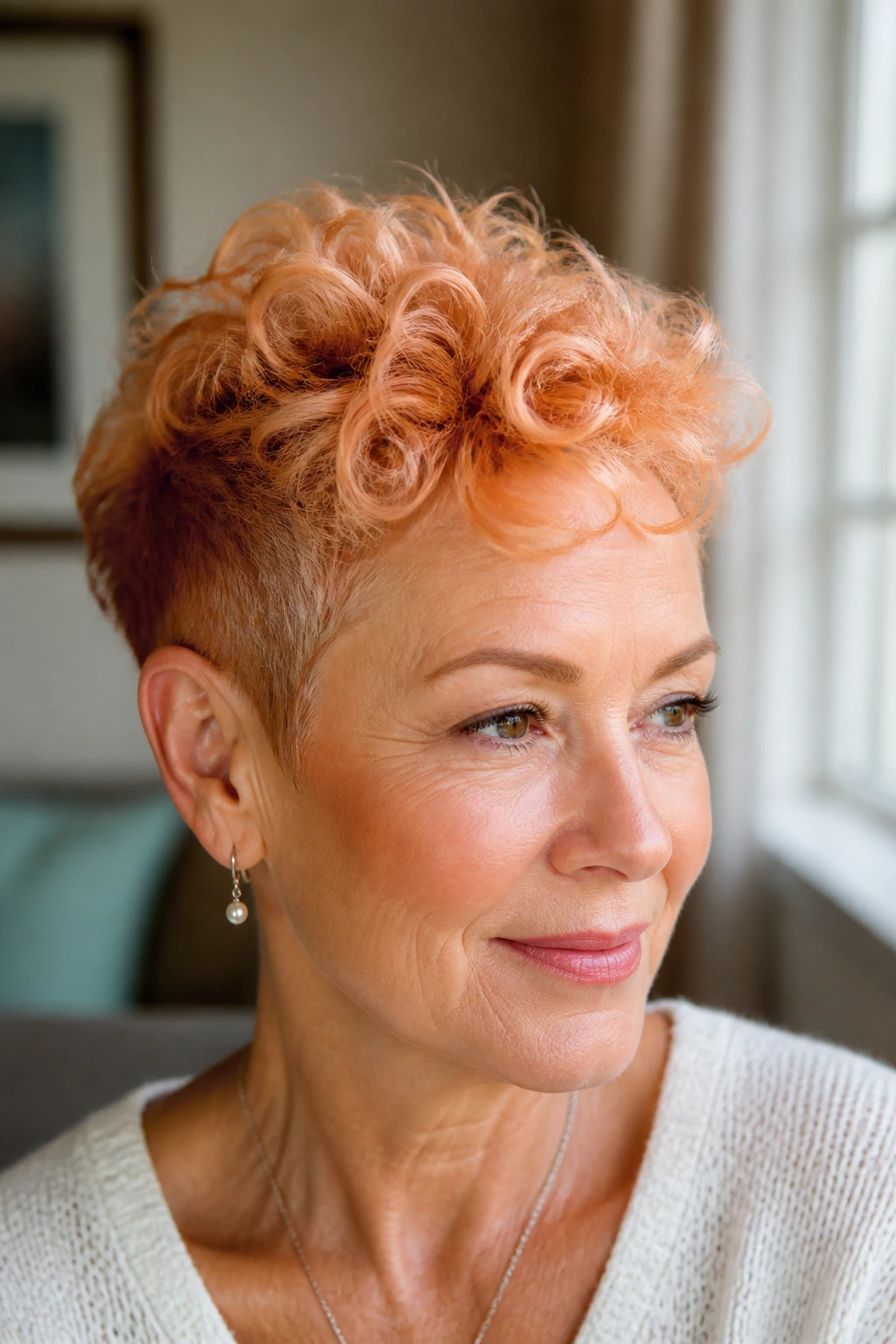
A curly crop in peachy strawberry blonde has a little sparkle to it that shorter cuts often need. The peach tone keeps the curls from reading too red, and the strawberry warmth gives the hair enough lift that it doesn’t disappear against the face. On a cropped shape, color has to work hard. This shade does.
The best version usually keeps the sides and nape a shade deeper than the top. That creates texture and helps the curls stack properly. If your hair is fine, avoid anything too opaque. You want the curls to show light through them, not sit under a thick coating of pigment.
This is a good cut-and-color pairing for women who like a neat outline but still want movement. It has personality without asking for much styling. A little curl cream, a quick diffuse, and you’re done.
20. Mushroom Strawberry Blonde
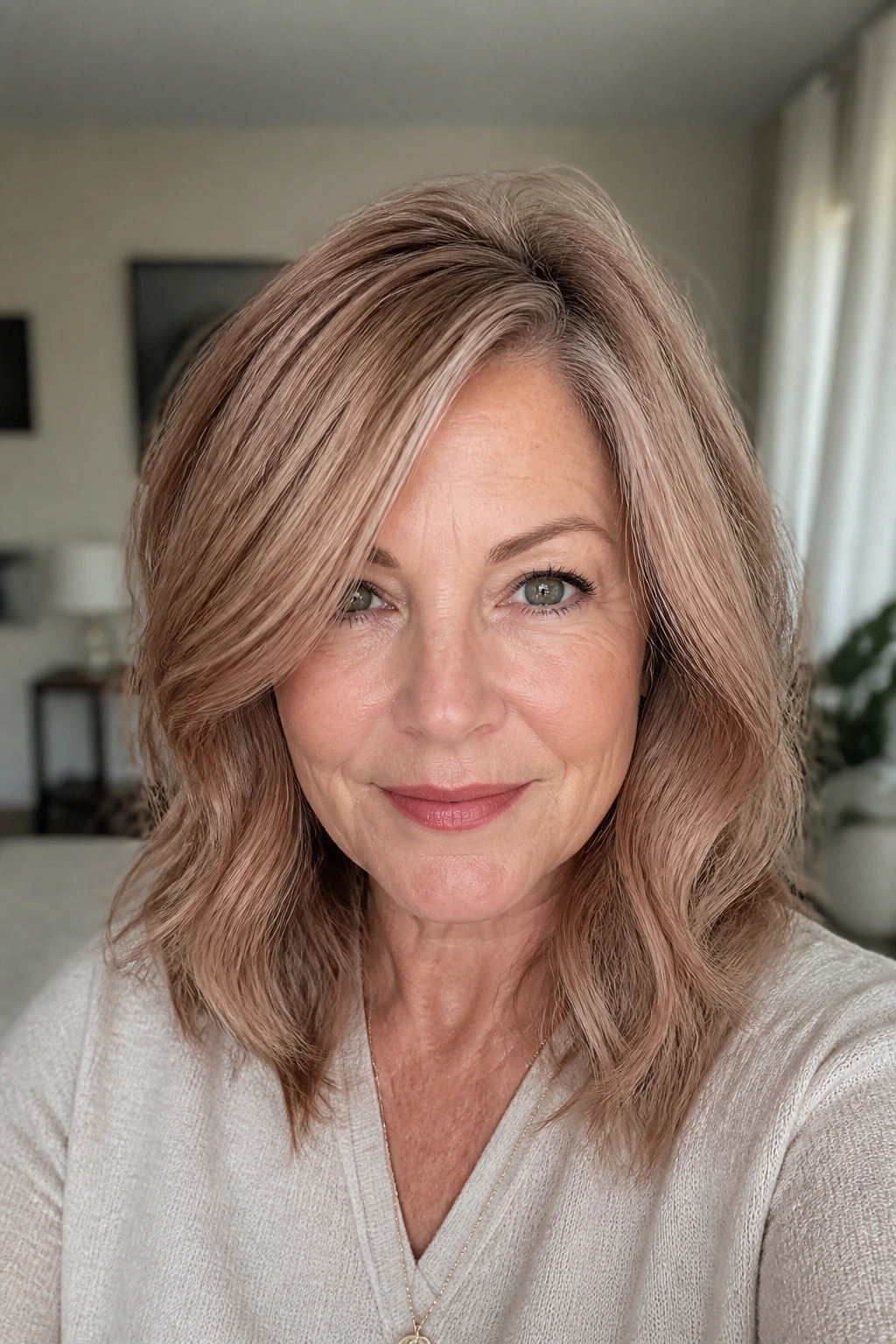
Mushroom strawberry blonde sounds odd until you see it. The mushroom base keeps the color muted and earthy, while a strawberry glaze adds warmth on top. This is the shade for someone who likes soft, modern color and doesn’t want the hair to look sugary or bright.
It’s especially useful on cooler skin tones that still need warmth around the face. Pure copper can fight with cool undertones, but mushroom strawberry softens that collision. The whole effect is understated in the best way: not ash, not gold, not red, but a careful mix of all three.
Wear it with a blunt lob or a tidy crop. The cleaner the cut, the more the color looks intentional. If the haircut is messy and the tone is too muted, it can slip into dull territory, so shape matters here.
21. Sunlit Strawberry Balayage
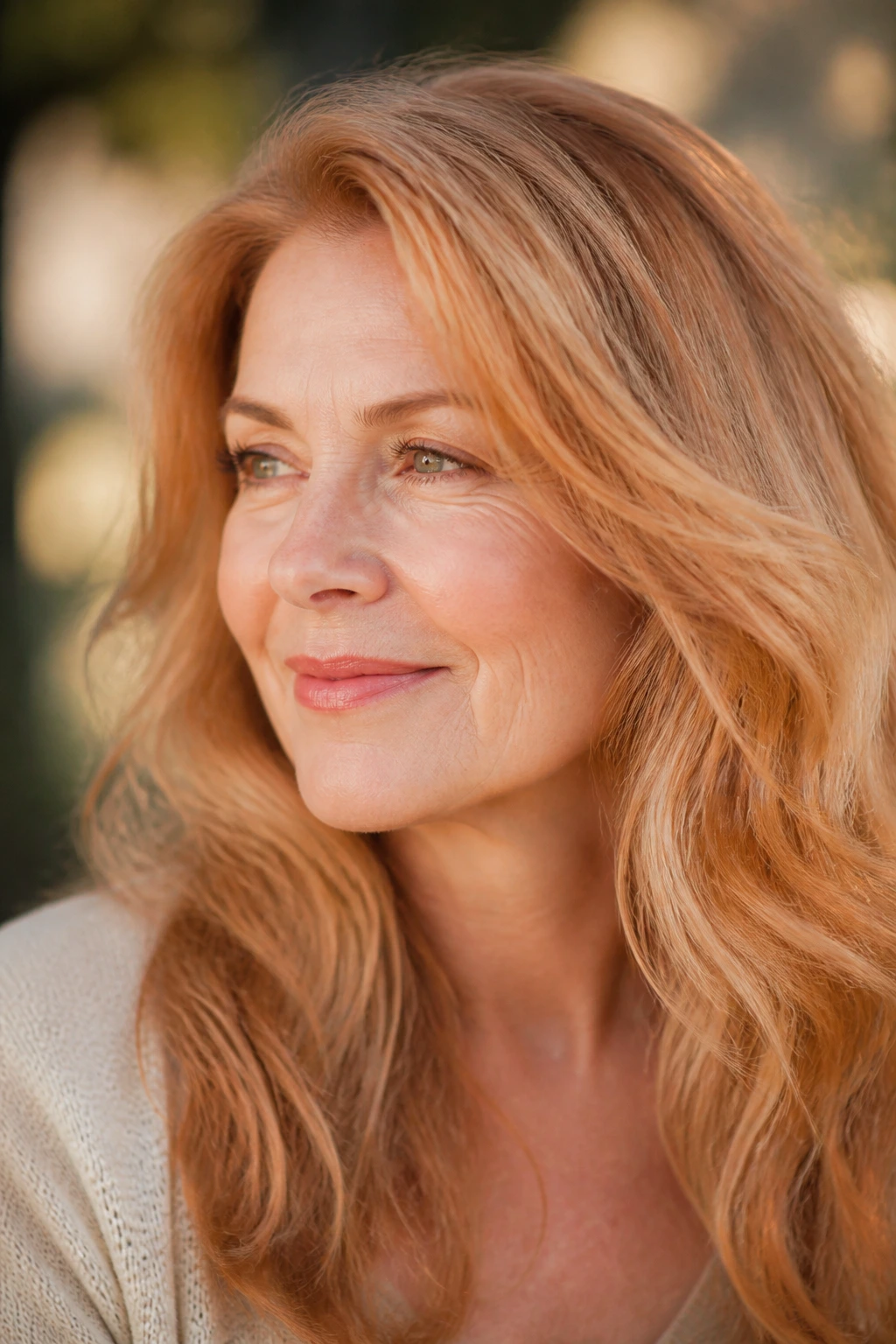
Sunlit strawberry balayage has a beachy feel, but not the overlighted kind that turns the ends thin and dry. The warm pieces are painted where the sun would naturally hit — around the crown, face frame, and outer layers — and left softer underneath. On women over 50, that placement is the difference between bright and fried.
I like this shade on hair with a little natural wave or a loose blowout. The warm ribbons show up best when they can move. It’s also a nice choice if you want to keep the color from reading too red in winter light, because balayage breaks the tone up and keeps it breathable.
Ask for warmth that sits in the golden-copper range rather than neon copper. That one choice decides whether the color looks sunlit or bottle-bright.
22. Rose Beige Bob
Rose beige is one of those shades that looks quietly expensive without asking for a lot of maintenance. On a bob, the color lands in the right place almost automatically. The shape is clean, the tone is soft, and the rose note keeps the beige from becoming flat or too sandy.
It works especially well if your skin has a little natural pink to it or if harsh red would be too much. The beige keeps the warmth grounded, and the rose keeps the face from looking tired. On straight or slightly tucked-under bobs, the color reads smooth and polished.
This is a strong “everyday” strawberry blonde for women who want warmth near the face but not a color that shouts from the parking lot. That sounds blunt, but it’s the right description. The best shades are the ones that look lived in on day one.
23. Apricot Gloss Over Natural Gray
This is for the woman who likes her silver but wants a touch of warmth around it. An apricot gloss over natural gray gives the hair a warm veil without burying the gray under full coverage color. The silver stays silver. It just looks kinder.
The gloss is translucent, which matters. Gray hair can grab pigment fast, and a heavy formula can turn patchy or too intense around porous areas. Apricot is forgiving because it lives in that soft copper family that adds warmth without taking over the whole head.
This looks especially good on short and medium cuts with texture. A little bend in the hair catches the gloss and shows the mix of silver and apricot as a single, interesting color. If you’ve been afraid of “doing something” to gray hair, this is a very safe place to start.
24. Copper-Tea Strawberry Layers
Copper-tea strawberry blonde sits deeper than the lighter shades and has a slightly earthy finish. Think warm tea with a slice of apricot peel, not bright red dye. On layered hair, that depth gives the movement some weight, which can be useful if your hair is thick or puffy.
This shade is a good fit for women whose hair has more texture than they’d like and who want color to help soften that. The copper-tea tone adds shine and can make layered ends look less dry than a pale blonde would. It also tends to hold up well if your hair is naturally warm.
A long round-brush blowout makes this shade look especially polished. The curve of the layers catches the different tones and keeps the whole head from looking static.
25. Soft Flame Strawberry with Shadow Root
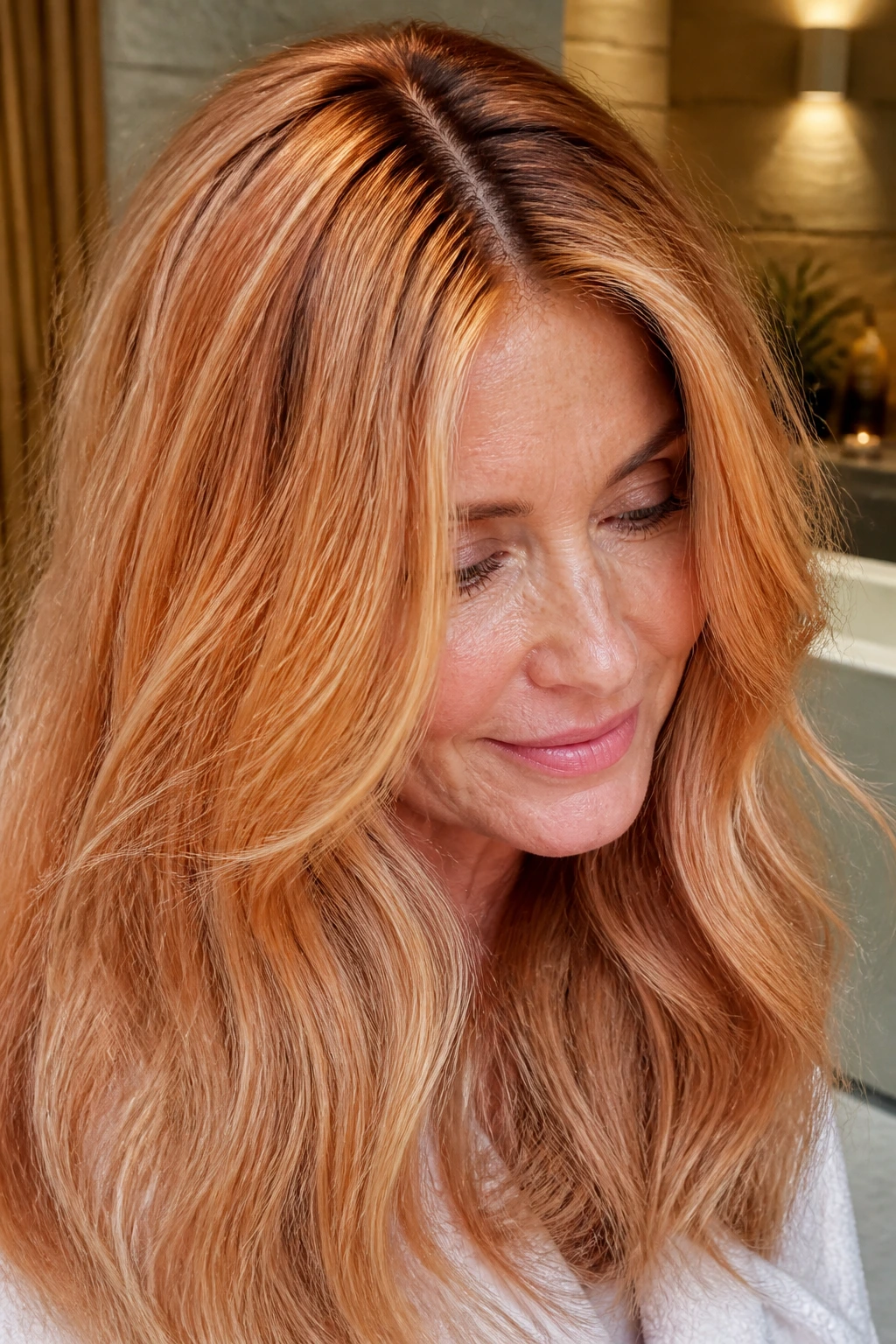
Soft flame sounds dramatic, but the shadow root keeps it grounded. The root stays deeper and quieter, then the strawberry blonde brightens through the mids and ends with a soft copper glow. On women who want presence without brassiness, this is a very good ending point.
The shadow root is doing a lot of work here. It protects the color from looking too uniform, gives gray regrowth a softer landing, and makes the lighter pieces look brighter by comparison. If your hair is medium length or longer, the effect can be striking in motion.
This is the shade I’d pick if you want one foot in copper and one foot in blonde. It has more personality than beige, more softness than true auburn, and enough contrast to keep the cut alive.
Why Strawberry Blonde Grows Out Better Than a Sharp Red
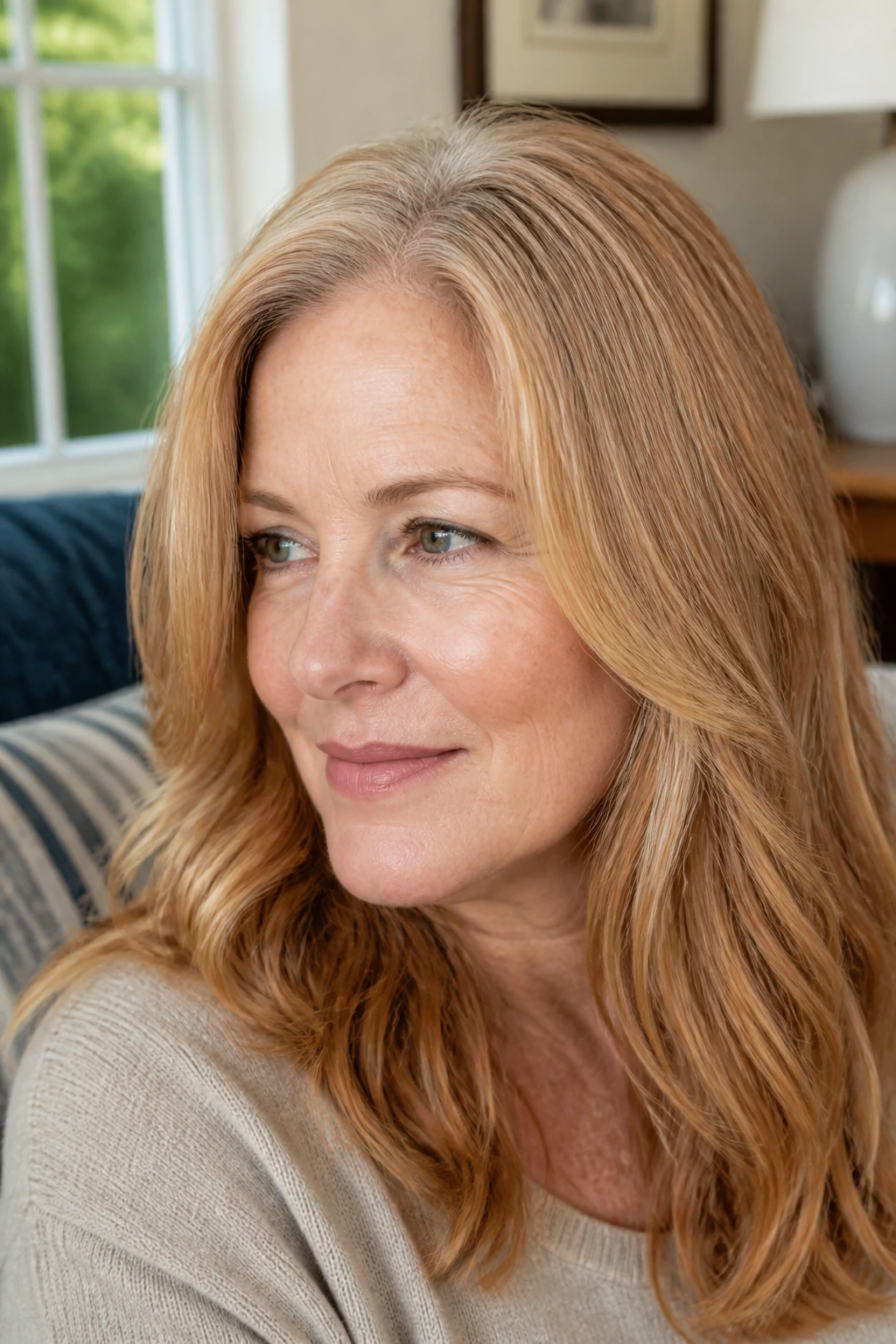
Strawberry blonde is kind to regrowth because it rarely depends on a single, flat red formula. The best versions use a root shadow, fine highlights, lowlights, or a glaze, which means the new growth doesn’t slam into a hard line. That matters more than people think. A clear line at the part can make even a nice color look neglected fast.
It also helps that strawberry blonde sits in a middle zone. Pure copper can be gorgeous, but it often shows every inch of regrowth and every change in porosity. Strawberry blonde has enough gold and beige in it to blur the edge. On hair with gray, that blur is your friend. Silver strands don’t fight the color as much when the color is sheer enough to let them participate.
The other reason is movement. Balayage, foilyage, face-framing pieces, and soft ends break the color into zones. A single-tone copper can feel heavy once it starts to fade. Strawberry blonde that’s placed in ribbons or glazes tends to age better between appointments. It fades toward warm blonde, not toward a sad, flat orange. That is a much nicer place to live.
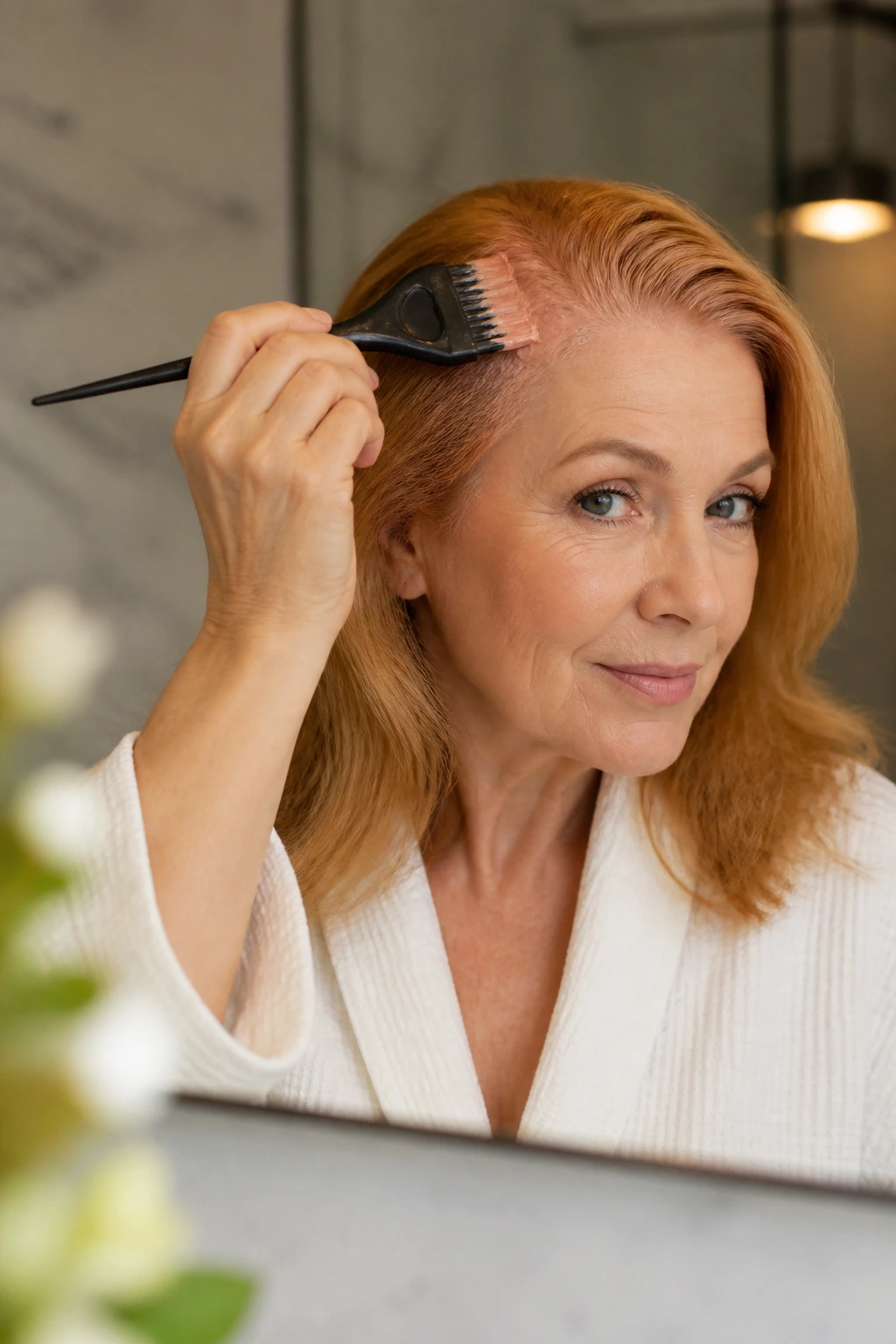
Essential Tools for Salon Days and At-Home Touch-Ups
-
Color-safe shampoo: Choose a sulfate-free formula so the copper and rose notes do not wash out in a week.
-
Moisturizing conditioner: Strawberry blonde looks dull fast on dry hair, and a richer conditioner helps the light reflect off the surface.
-
Purple or blue shampoo, used sparingly: One of these can help if the shade starts to lean too orange or too yellow, but overuse will mute the warmth you wanted.
-
Color-depositing mask or gloss: A peach, copper, or rose mask can extend the tone between salon visits without another full color service.
-
Wide-tooth comb: This keeps wet hair from stretching and breaking, which is especially useful if gray areas are a bit more fragile.
-
Tint brush and bowl: Handy for root touch-ups, glosses, or applying a color mask evenly at home.
-
Sectioning clips: Clean sections matter when you are refreshing face-framing pieces or a money piece.
-
Heat protectant: Warm tones look richest on shiny hair, and hot tools without protection will dry the surface out fast.
Smart Shopping and Shade-Reading Tips
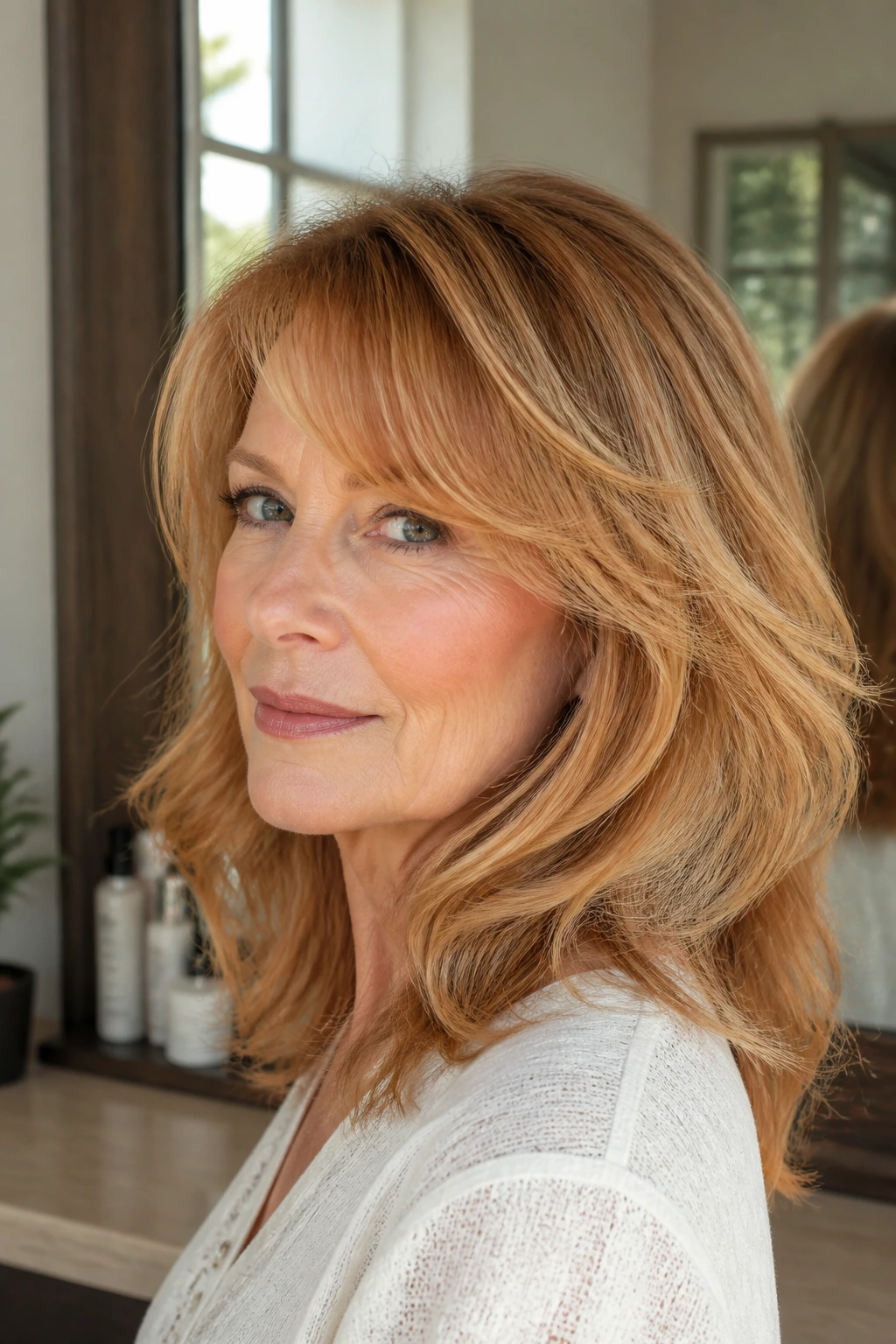
If you are picking a strawberry blonde shade in a salon, bring reference photos that match your haircut, not just the color. A soft bob, a shag, and a long layered cut will show the same shade in very different ways. That’s where people get misled by inspiration photos. The lightness level matters, but so does the cut and the amount of texture.
Ask how the color will be built. Words like gloss, demi-permanent, root tap, lowlights, balayage, and foilyage tell you more than the word strawberry alone. A translucent gloss is useful if you want softness and gray blending. Foils matter when you need brightness around the face or through a darker base. If your hair is porous, a colorist may need to pre-tone first so the copper does not grab too hard.
At home, check whether a product leans peach, rose, gold, or red. The difference is not trivial. Peach is softer and often easier on fair skin. Rose gives a cooler pink cast. Gold brightens, but too much gold can look brassy if your hair is already warm. Red pushes strongest, so it usually needs the most careful handling. Read the tone description the way you’d read a spice label. A little warmth is nice. Too much and the whole thing tastes burnt.
How to Wear Strawberry Blonde with the Right Cut, Makeup, and Finish
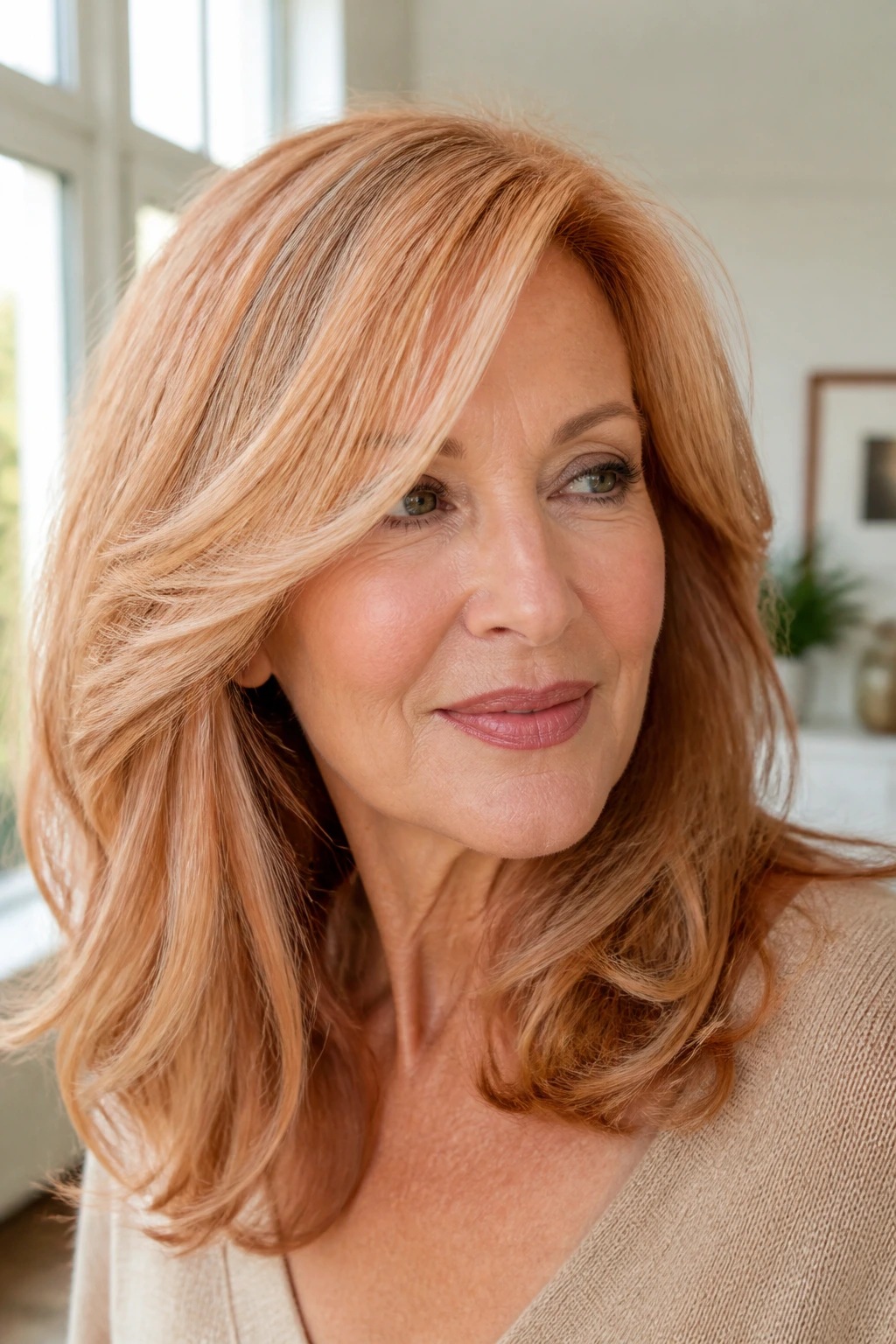
Cut Pairings: Strawberry blonde loves movement, so layered bobs, lobs, shags, and soft pixies usually show it better than blunt, heavy lines. If your hair is thick, internal layers help the color breathe. If it is fine, a blunt edge with a little bend can make the shade look denser.
Makeup Pairings: Warm blush in apricot, rose, or soft coral usually makes the hair color look richer. A beige lip can go flat if the hair is warm, so I’d lean toward a bit of color on the mouth or cheeks. Strong black eyeliner can be a bit harsh with the softer shades; brown, plum, or deep bronze often sits better.
Styling Finish: A satin finish beats a crispy one. Strawberry blonde looks best when the hair has shine, not when it is over-sprayed and dull. A round brush, a loose wave iron, or a big-barrel blowout brush can help the color catch the light in the right places.
Parting and Framing: A side part softens the front hairline, while a center part makes face-framing ribbons read more clearly. If your gray is strongest at the temples, a soft side part can blur that area without hiding it.
Additional Tips and Color Boosters
Flavor Enhancement: A clear gloss every 4 to 6 weeks keeps strawberry blonde looking fresh. You do not need a big color change each time; sometimes all the hair needs is shine and a little copper back in the mids.
Customization: If you like a softer result, ask for peach, beige, or rose. If you like something bolder, add a copper money piece or one shade deeper root shadow. Small changes move the whole look more than people expect.
Serving Suggestions: Yes, hair color has serving suggestions in my book. Wear warm earrings, tortoiseshell glasses, or soft gold jewelry if you want the tone to look richer. Those little details make the hair color feel intentional.
Make-It-Yours: If your skin runs cool, pull the shade toward rose or beige. If your skin runs warm, ask for apricot, honey, or copper. If you have a lot of gray, keep the formula translucent and the root slightly deeper. That combination is kinder than a heavy, opaque red.
Common Color Mistakes That Make Strawberry Blonde Look Flat
One mistake is going too orange. It happens fast. The color can look warm in the bowl and then turn loud on the head, especially on porous gray strands. The fix is to ask for peach, rose, or beige support in the formula so the copper doesn’t go rogue.
Another problem is a hard root line. That stripe at the part is what makes many warm blondes look tired before their time. A root tap, shadow root, or lowlight at the scalp solves it. You want a soft transition, not a ruler-straight line across the head.
People also over-tone strawberry blonde into something muddy. Too much ash cancels the warmth and leaves the hair looking brownish, while too much violet can make it dull. The sweet spot is a glaze that controls brass without stripping away the strawberry part.
Dry ends are the silent killer. Warm blondes depend on shine. Once the ends look frayed, the color loses its glow and starts reading matte and flat. A trim every 6 to 10 weeks and a regular mask are not optional if you want the shade to look good from every angle.
Variations and Adaptations to Try
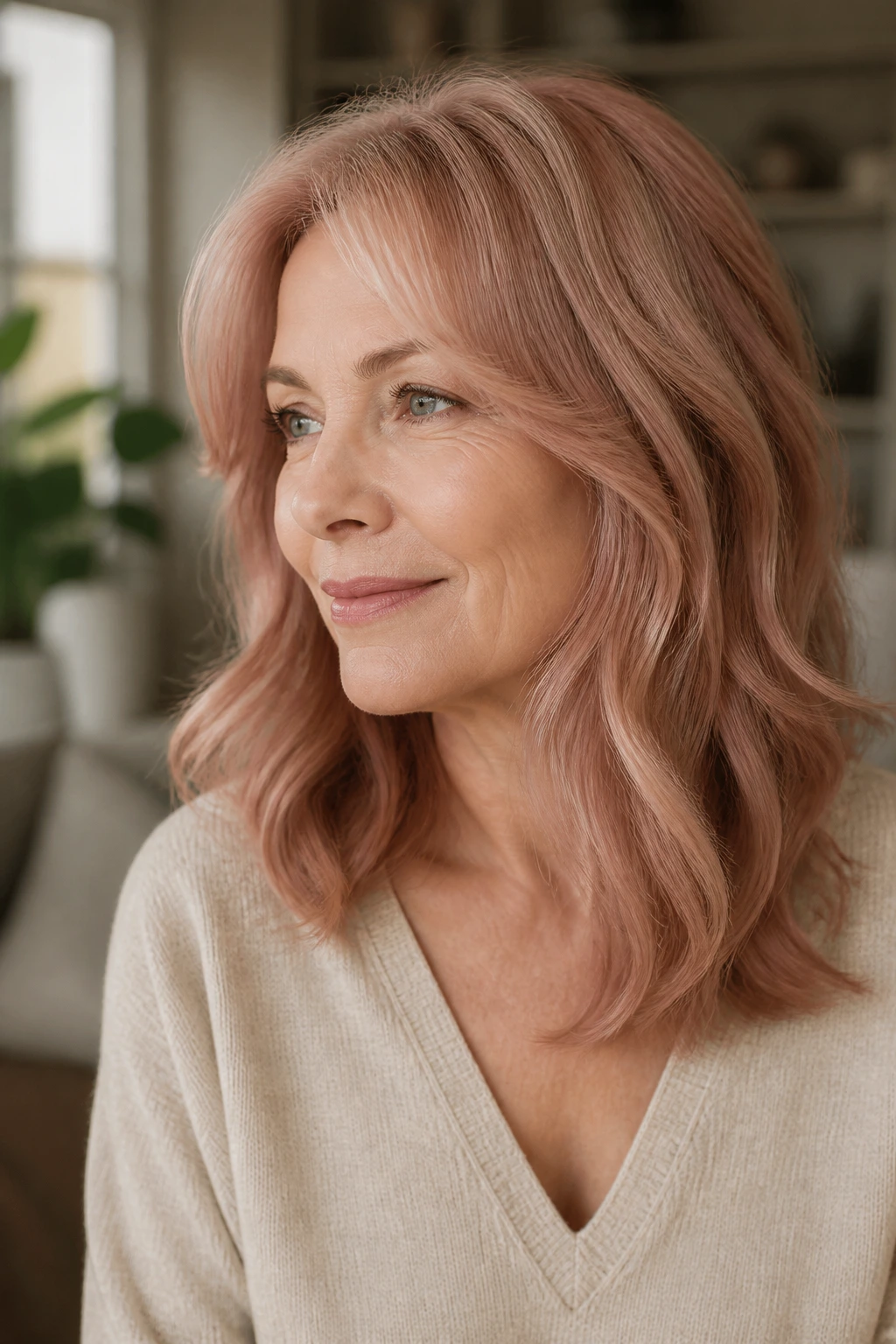
Silver-Friendly Strawberry Veil: Keep your natural gray and add a translucent strawberry gloss over the mids and ends. This is a soft way to warm the hair without covering the silver that’s already doing nice work.
Bolder Copper Fringe: If you want a little drama, brighten only the fringe and face frame. It gives the eyes a lift and leaves the rest of the head calmer.
Cooler Rose Blend: Shift the formula toward rose-gold or blush if copper reads too orange on your skin. This version is easier on pink undertones and can feel more refined.
Low-Maintenance Bronde Melt: Blend strawberry blonde into a darker blonde or light brown base. It grows out slowly and works well if you do not want a strict touch-up schedule.
Short-Cut Strawberry Spark: On pixies and crops, concentrate warmth on the top and crown. Short hair needs a brighter top to keep the shape from disappearing.
Keeping Strawberry Blonde Fresh Between Appointments
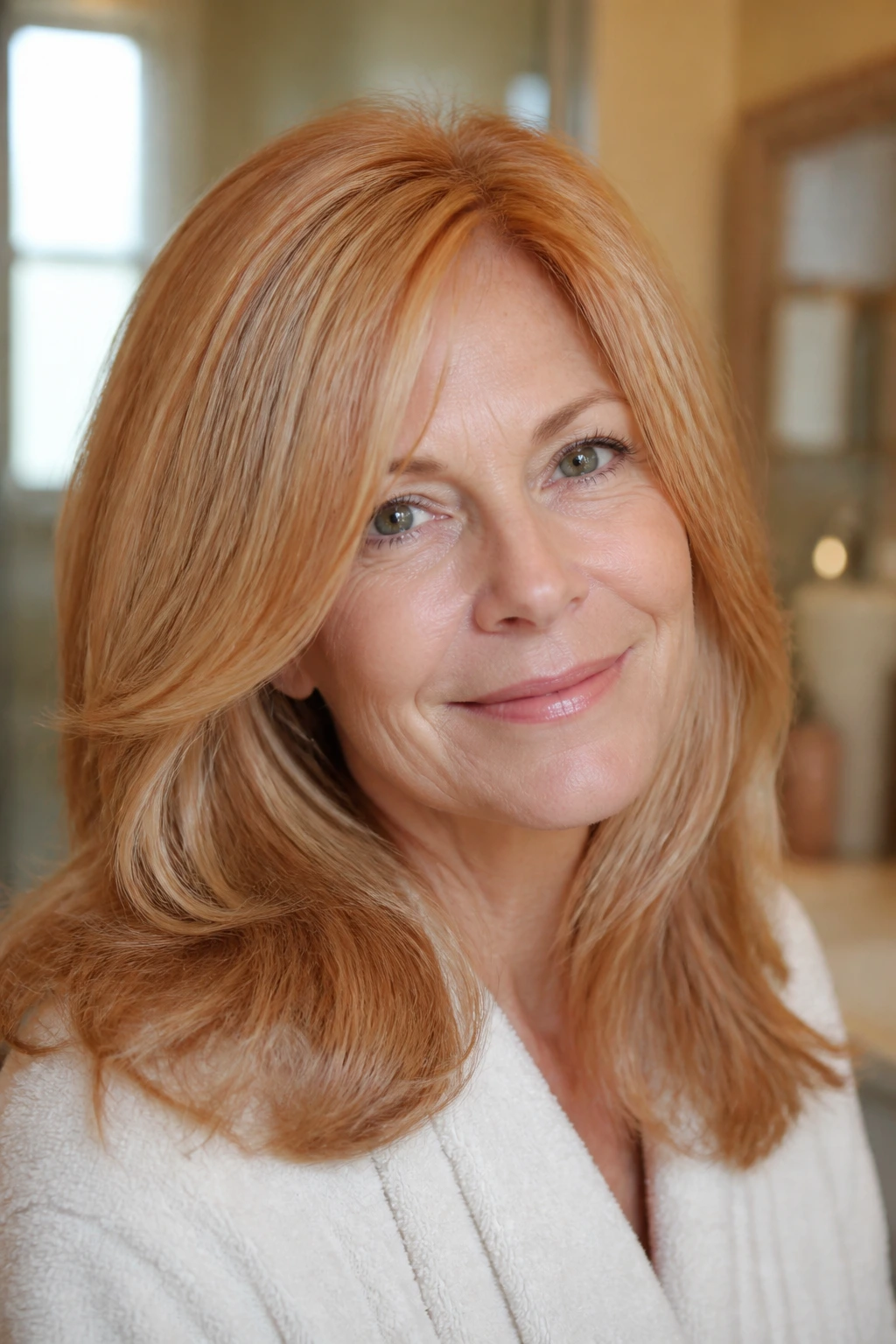
Strawberry blonde does not like being washed to death. Two to three washes a week is often enough for many hair types, and dry shampoo can take the edge off between cleans. Use lukewarm water if you can stand it; hot water strips warm tones faster and roughs up the surface so the color looks dull.
A gloss or color-depositing conditioner usually lasts until the next several washes, not forever. That’s normal. If your shade starts leaning too gold or too coppery, refresh it with a salon gloss or a home color mask in the same family. Most people do well with a tone refresh every 4 to 8 weeks, depending on porosity and how often they use heat.
For gray blending, a root touch-up or partial foil refresh every 6 to 10 weeks keeps the grow-out soft. Full permanent coverage usually needs more frequent attention than a demi-permanent blend, so ask which service you’re signing up for. And if you heat-style often, use protectant every single time. Warm shades fade faster when the cuticle gets scorched open.
Frequently Asked Questions About Strawberry Blonde Hair After 50
Will strawberry blonde cover gray hair completely?
It can, but it does not have to. Many of the best versions after 50 use gray blending instead of hard coverage, because a soft blend looks more natural and grows out better. If you want full coverage, ask for a permanent base with strawberry glaze on top.
Does strawberry blonde work on dark hair?
Yes, though it usually needs lightening first if you want the color to read clearly. On dark hair, it often looks best as a balayage, money piece, or soft melt rather than an all-over bright copper.
What skin tones suit strawberry blonde best?
Neutral, warm, and some cool-neutral skin tones can wear it well, depending on whether the shade leans peach, rose, honey, or copper. The trick is matching the warmth level to your undertone so the color wakes up the face instead of washing it out.
How do I keep it from turning brassy?
Use a color-safe shampoo, limit hot water, and refresh with a gloss when the copper starts to look too orange. If needed, a very light purple or blue shampoo can cool things off, but do not overdo it or you’ll mute the strawberry tone too much.
Is strawberry blonde high maintenance?
It can be, but not if the color is built with a root shadow, lowlights, or balayage. Those techniques make the grow-out softer and stretch the time between full services.
Can I wear strawberry blonde if my hair is very fine?
Yes. Fine hair often looks fuller with a creamy strawberry glaze because the color adds depth without heaviness. Just keep the formula light and avoid opaque red that can make the hair look flat.
What if my hair pulls orange?
Then the shade needs more rose, beige, or ash support to cool the orange edge without killing the warmth. A colorist can correct that with a better toner or a softer glaze, and at home you may need fewer warm-depositing products.
A Warm Finish That Stays Soft
Strawberry blonde has range, and that is why it keeps working on women over 50. It can be peachy and light, rich and coppery, soft and gray-friendly, or glossy and beige with just a whisper of warmth. The best versions do not fight age or texture. They use both. That’s the part I like most.
If you choose a shade that respects your natural gray, your haircut, and the way your skin actually behaves in daylight, the whole look feels easy. Not boring. Easy. There’s a difference, and it shows up every time you pass a mirror without wanting to fix anything.