



Nothing turns a long blonde style flat faster than the wrong tone. Put a cool, icy blonde over warm skin and the face can look a little washed out, a little tired, like the hair got there before the skin did. Put the same length in butter, beige, honey, or champagne blonde, and the whole thing clicks. The hair still reads pale. It just stops fighting the face.
That difference matters more on long hair than people expect. A bob can hide a blunt shade. Waist-length hair cannot. Every bend, braid, wave, and ponytail keeps repeating the color, so undertone shows up everywhere: at the roots, in the midlengths, around the face, at the ends. If the blonde has a whisper of gold or cream in it, warm skin gets a clean glow instead of a chalky cast.
I keep coming back to long pale blonde hairstyles for warm skin tones because they live in that narrow sweet spot between bright and soft. You get the payoff of light hair without the hard, frosted look that can make peachy, golden, or olive undertones disappear. The best versions do not look dyed to one flat shade. They look layered, glossy, and a little expensive in the old-fashioned sense — like the hair has depth when the light hits it.
Why This Collection Works on Warm Skin
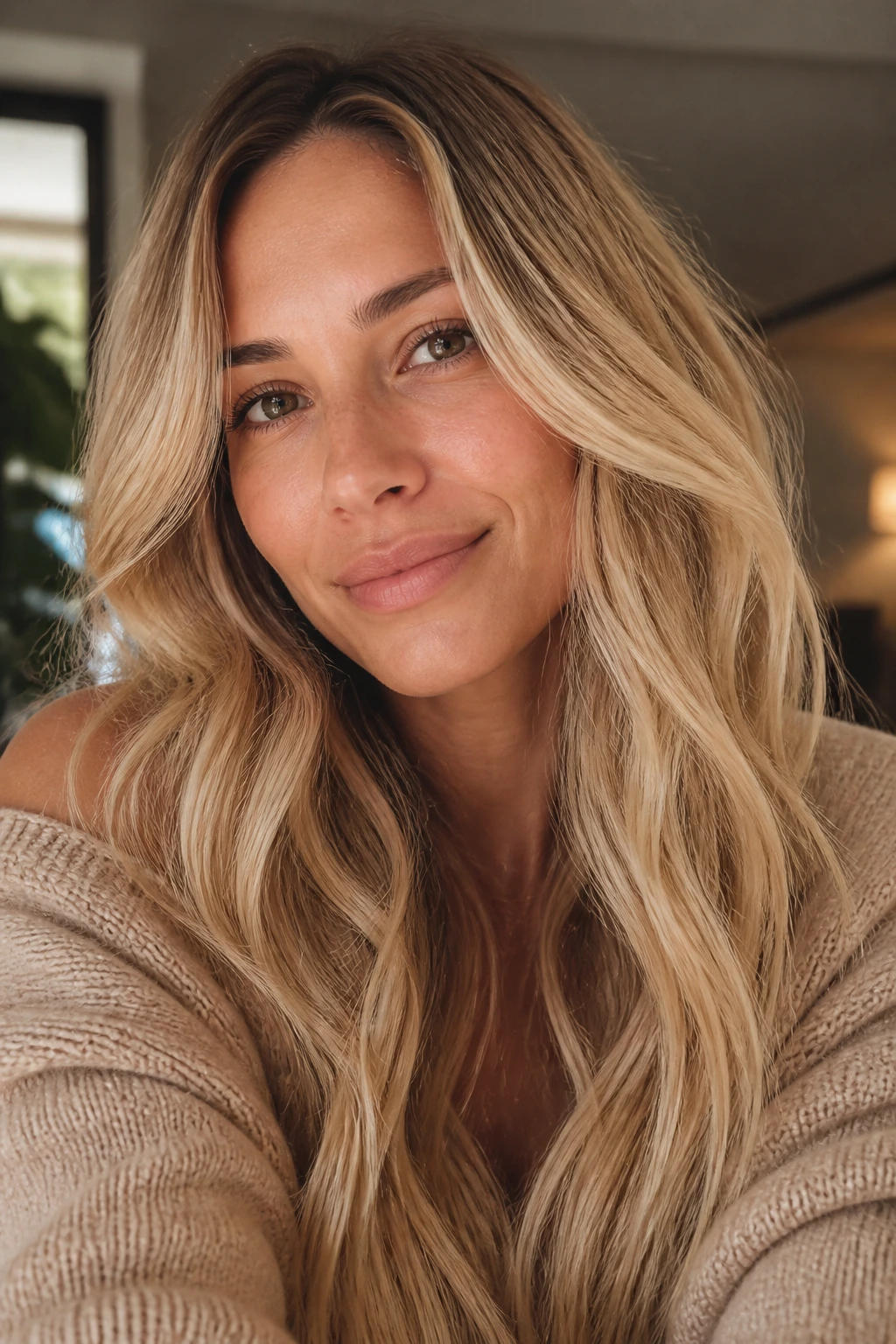
- The tone stays friendly: These looks lean into beige, honey, cream, and champagne, which sit next to warm skin instead of arguing with it.
- Long hair shows the blend: You can see root shadow, mids, and ends working together, which keeps pale blonde from looking pasted on.
- The styles move well: Waves, braids, ponytails, and blowouts all let the lighter pieces shift, so the color catches light in a softer way.
- Maintenance stays manageable: A soft root melt or lived-in balayage grows out cleaner than a solid platinum panel.
- You get range: Some of these hairstyles feel polished and formal; others look undone in a good way, with texture that makes the blonde seem more natural.
The Shade Rules That Keep Pale Blonde Soft, Not Chalky
Warm skin usually looks best when the blonde holds onto a little gold, biscuit, or cream. Not orange. Not brass. Just enough warmth that the color still feels alive after the toner settles. Pure silver or blue-based platinum can look sharp in the salon mirror, then turn a bit unforgiving in daylight.
Level matters. Most of these looks live around a level 9 or soft level 10, but the important part is not the number. It’s the finish. A level 9 beige blonde with good gloss often flatters warm undertones more than a blinding level 10 that has been stripped too far. The second one can look impressive for ten minutes and hard for months.
Depth matters, too. A root shadow that sits one to two levels deeper than the ends keeps long hair from looking like a single sheet of bleach. I prefer that on most warm complexions because the darker root gives the eye a place to rest. Without it, long blonde can look noisy, especially in a blunt straight style.
Placement matters most around the face. If your skin runs peachy or golden, ask for brighter face-framing pieces in a creamy tone, then keep the rest of the blonde slightly softer. That tiny contrast makes cheekbones pop without turning the whole head into a high-contrast stripe.
1. Honey-Butter Butterfly Layers
These layers are all about movement. The shortest pieces skim the collarbone and then fall into longer lengths, which gives long hair a lifted shape without sacrificing the drama of the length. The honey-butter blonde tone keeps the style warm and creamy, not flat.
Why It Flatters Warm Undertones
The soft bevel around the face brings light where warm skin already has color, so the blonde reads bright instead of pale. If your hair is thick, this cut takes some of the weight out of the bottom and keeps the ends from hanging like a curtain.
Best detail: blow-dry the front pieces away from the face with a round brush, then bend the ends under just a little. It gives the whole style that soft, brushed-out finish that makes the color look richer.
2. Center-Parted Vanilla Silk Lengths
This is the cleanest look in the group. Long, straight, center-parted hair in a vanilla blonde shade has a quiet confidence to it, and on warm skin it works best when the color carries a pale cream cast rather than a blue-white one.
The payoff comes from shine. Straight styles show everything, so a smoothing cream and a flat iron pass in one-inch sections make the blonde look polished instead of dry. If your hair tends to puff at the ends, a tiny bend inward keeps the shape from feeling severe.
3. Beige Champagne Beach Waves
These waves look like they were meant to be touched. The shade sits somewhere between champagne and beige, which is exactly where pale blonde starts making sense on golden or olive skin tones. Too cool, and the style loses warmth. Too yellow, and it can look brassy. This middle lane is the sweet spot.
How to Wear It
Use a 1.25-inch curling iron, leave the last inch out, and brush the waves apart once they cool. The bend should look soft and loose, not spiraled. That separation is what gives the blonde dimension from root to end.
4. Cream Blonde Curtain Layers
Curtain layers are still one of the easiest ways to make pale blonde feel flattering rather than severe. The longest point sits in the middle, then sweeps out around the cheekbones, which is a nice trick if your warm skin has a bit of roundness through the face.
The cream blonde tone keeps the front pieces from jumping too far toward white. I like this look on medium to thick hair because the layers create shape without forcing you into a short style. It also grows out cleanly, which matters when long hair is the point.
5. Golden Root Shadow Blowout
If you like volume more than texture, this one earns its keep. The root shadow is only a shade or two deeper than the mids, but that tiny depth keeps the pale blonde from floating off the head. The blowout does the rest.
Round brush the crown up and away, then flip the ends under or out depending on your face shape. Warm skin often looks especially good with this kind of halo lift because the gold in the root shadow softens the contrast. It’s polished without being stiff. That’s the whole trick.
6. Half-Up Twist With Soft Pale Blonde Waves
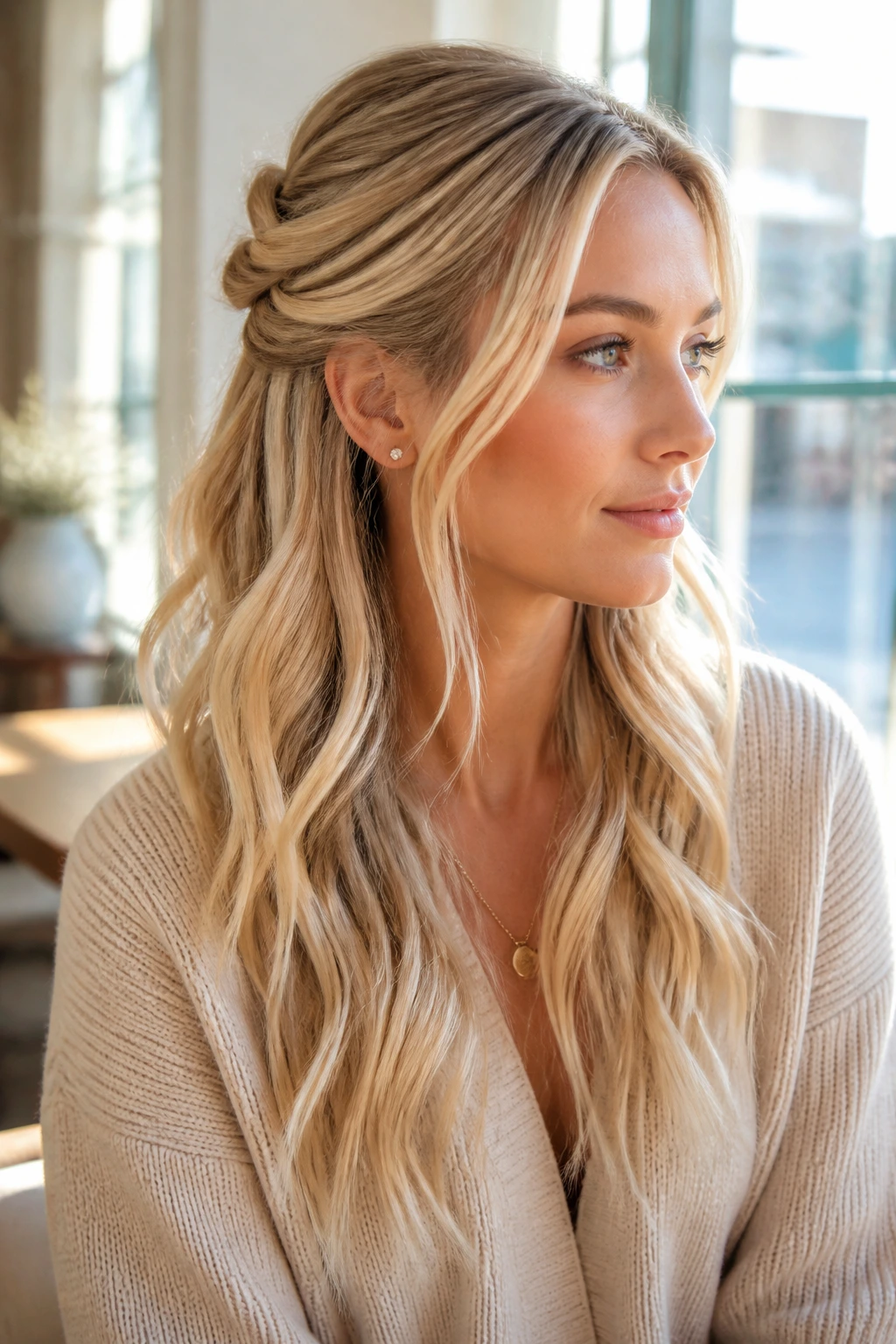
Half-up styles can go childish fast. This one avoids that by keeping the crown slightly lifted and the lower half loose and wavy. The pale blonde tone shows through in ribbons, which keeps the hairstyle from reading as one solid color block.
A twist or two at the sides gives just enough structure for warm skin to keep the look from feeling washed out. If your hair is fine, this style is a smart move because it creates the illusion of fullness at the top without needing a heavy tease.
7. Pearl-Beige Low Ponytail
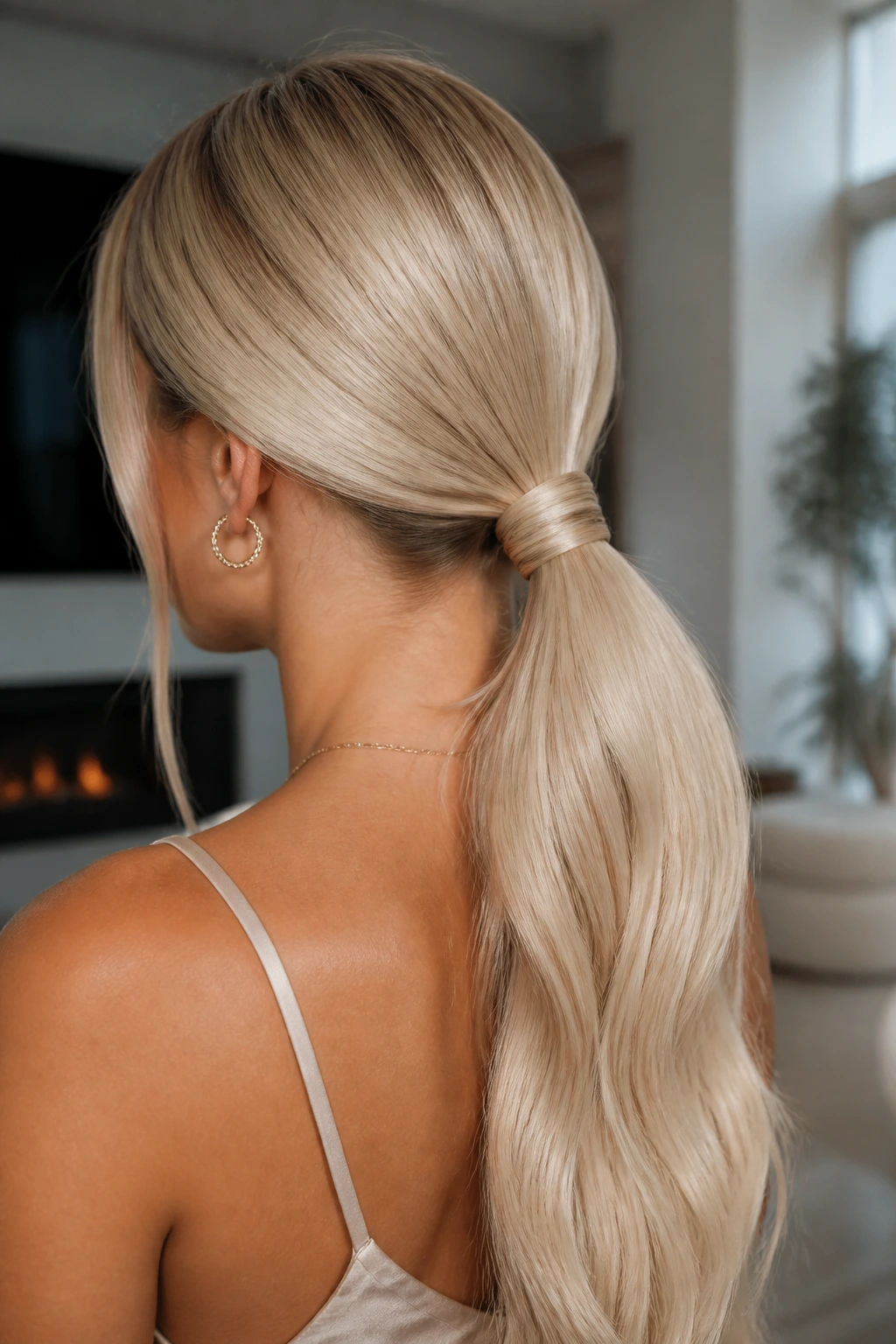
A low ponytail sounds plain until you put it on waist-length blonde hair and smooth the crown properly. Then it becomes one of the cleanest ways to show off pale blonde ends, especially when the shade leans pearl-beige rather than icy white.
What makes it work: keep the ponytail base sleek, then wrap a narrow section of hair around the elastic so the finish looks deliberate. Leave the tail with a loose wave or a single bend. Warm skin likes this contrast: tidy top, soft tail, nothing overdone.
8. Honey Blonde Braided Crown
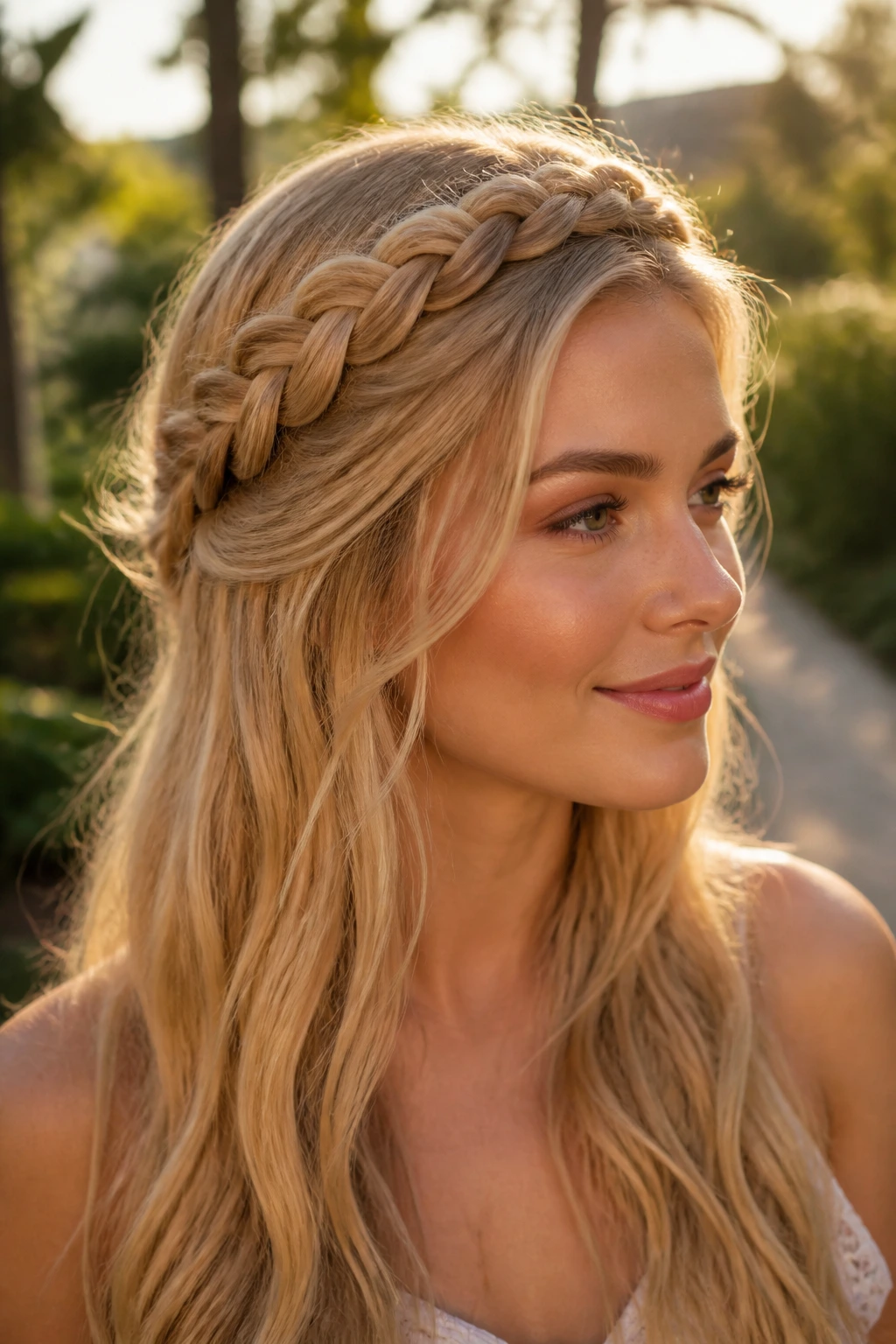
Braids are underrated on pale blonde hair because they show dimension better than almost any other style. A crown braid across long hair lets the lighter and darker pieces weave together, which is ideal when the skin underneath has warm undertones that need some softness.
This is also one of the few looks that works well on second-day hair. The slight grit helps the braid hold, and the honey blonde shade picks up enough variation that the plait does not disappear into itself. Use a little texture spray near the roots. Not much.
9. Butter Blonde Feathered Shag
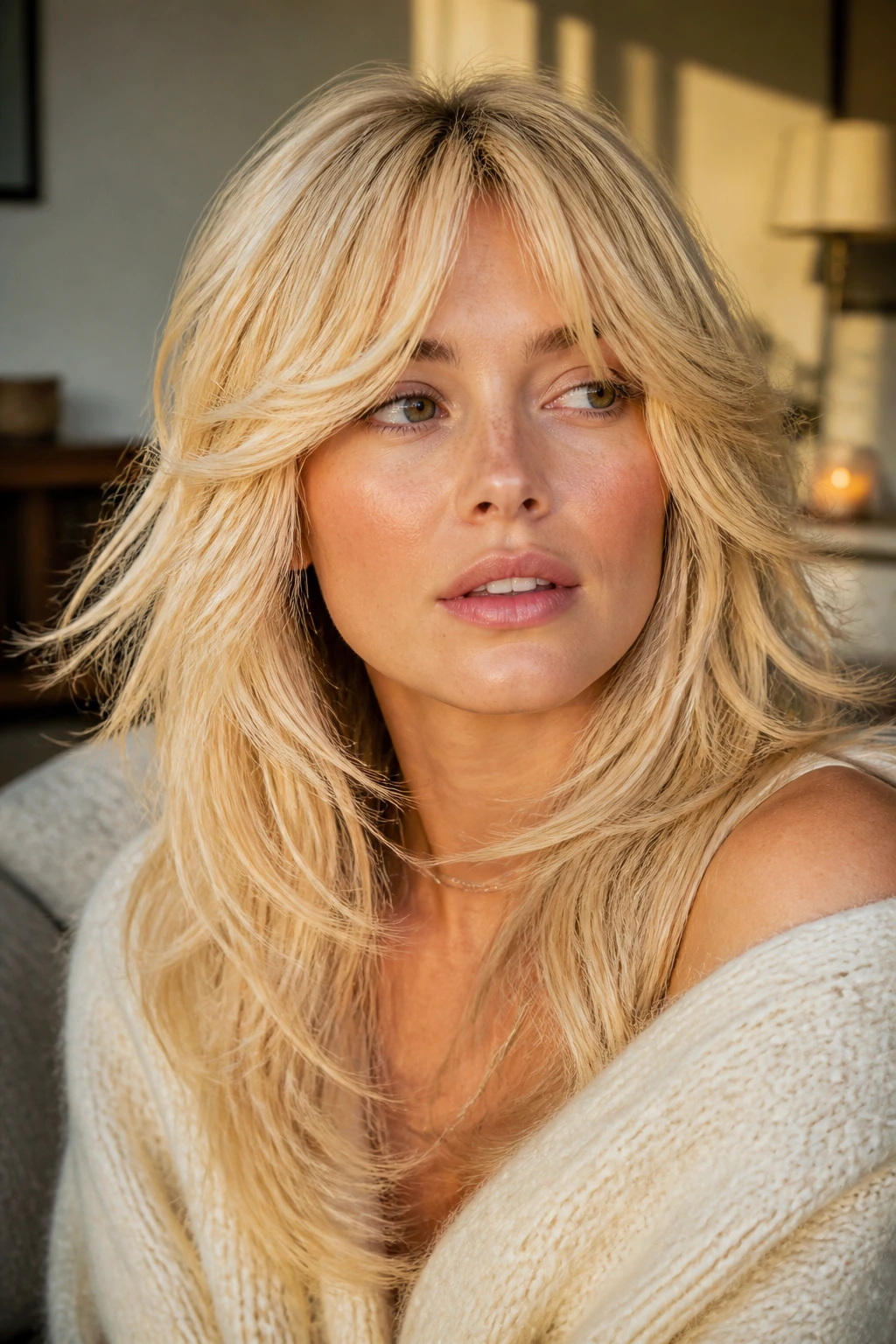
The shag gives pale blonde some attitude. Feathered ends, airy layers, and a little lift through the crown keep the style from sitting heavy, which matters when the hair is long and the color is very light. Butter blonde softens the edge so it doesn’t look punky unless you want it to.
This is a good one for warm skin if your hair is naturally thick or slightly wavy. The cut creates movement even when air-dried, and the warm tone keeps the layers from looking too stark around the face. It feels lived-in, not precious.
10. Warm Champagne Hollywood Waves
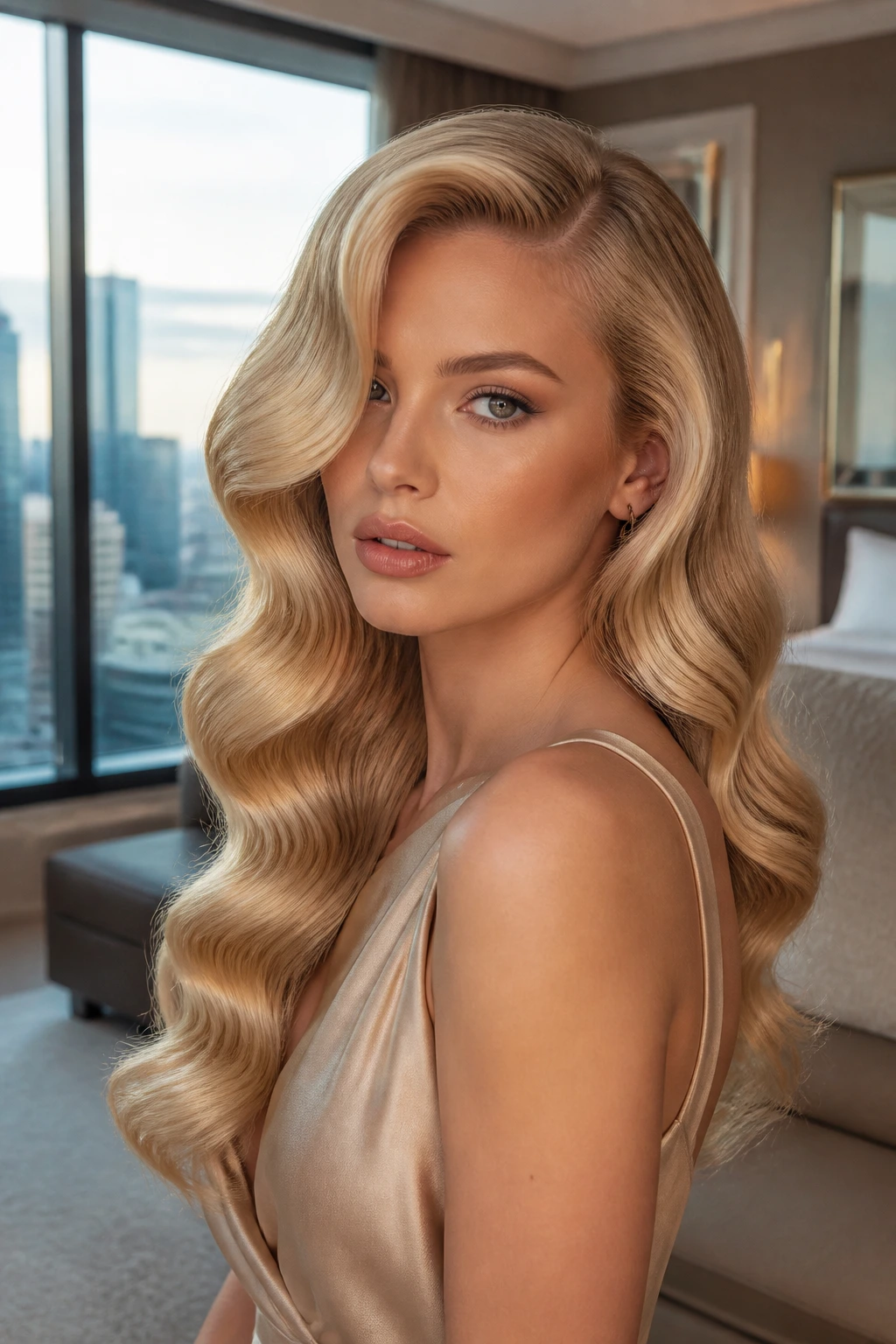
This is the formal version of pale blonde done right. The waves are deeper, smoother, and brushed into that old glamour shape, but the champagne tone keeps the look from tipping into bridal wig territory. Warm skin needs that bit of softness.
A side part gives the wave a better fall, especially on long lengths. Use a large-barrel iron, clip the curl while it cools, then brush it into a continuous S-shape. The finish should feel glossy, not shellacked. The shine is part of the point.
11. Blended Balayage With a Soft Root Melt
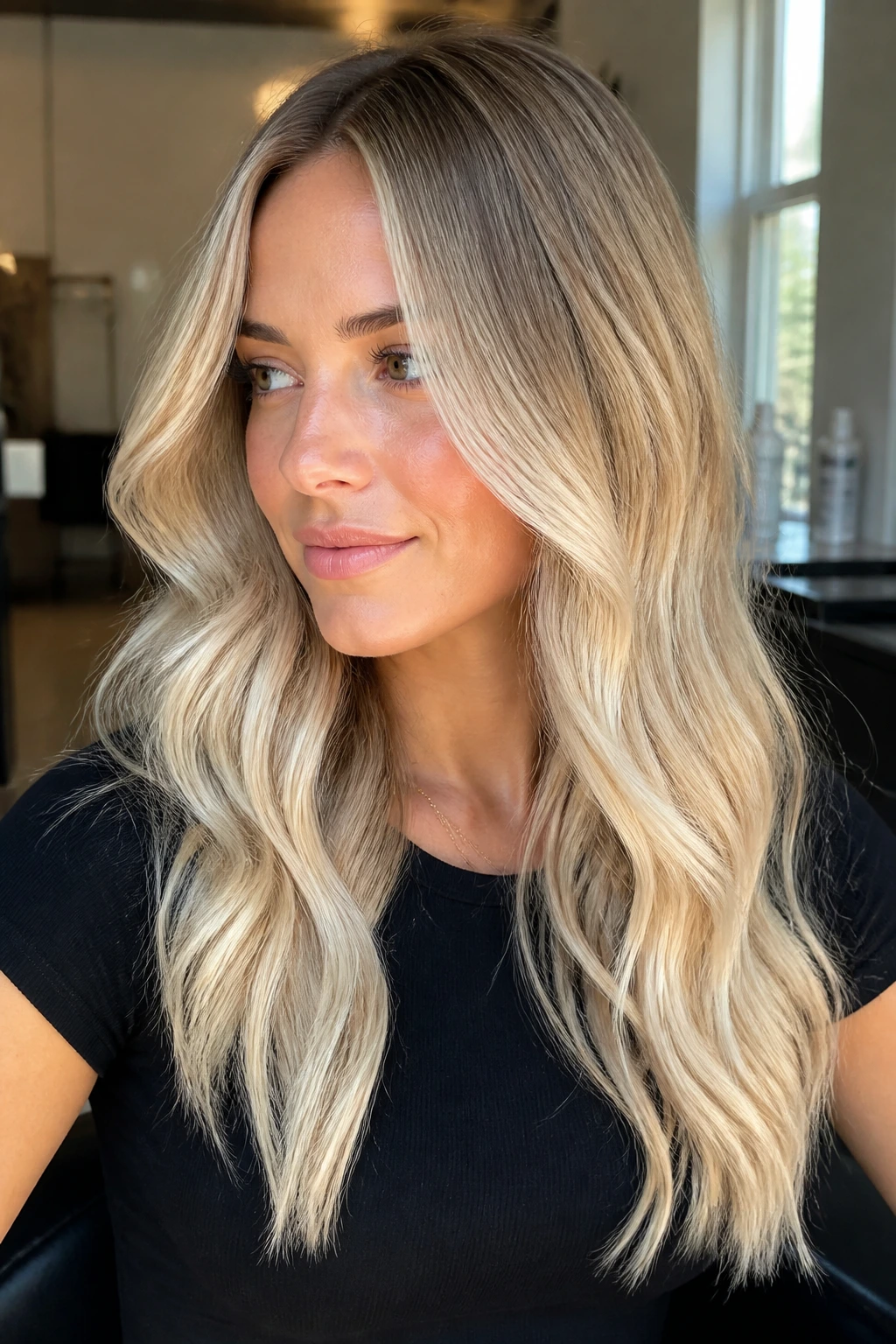
If you want long pale blonde hair without weekly root panic, this is the one to ask for. The root melt keeps the scalp area a natural shade, then the blonde opens up through the mids and ends. On warm skin tones, that gradient is a gift.
The hairstyle itself can be straight, wavy, or tucked behind one ear. The key is that no section looks as if it were painted in a hurry. Good balayage should look like it grew there after a very patient argument with a colorist. That’s the aim.
12. Lived-In Mermaid Waves
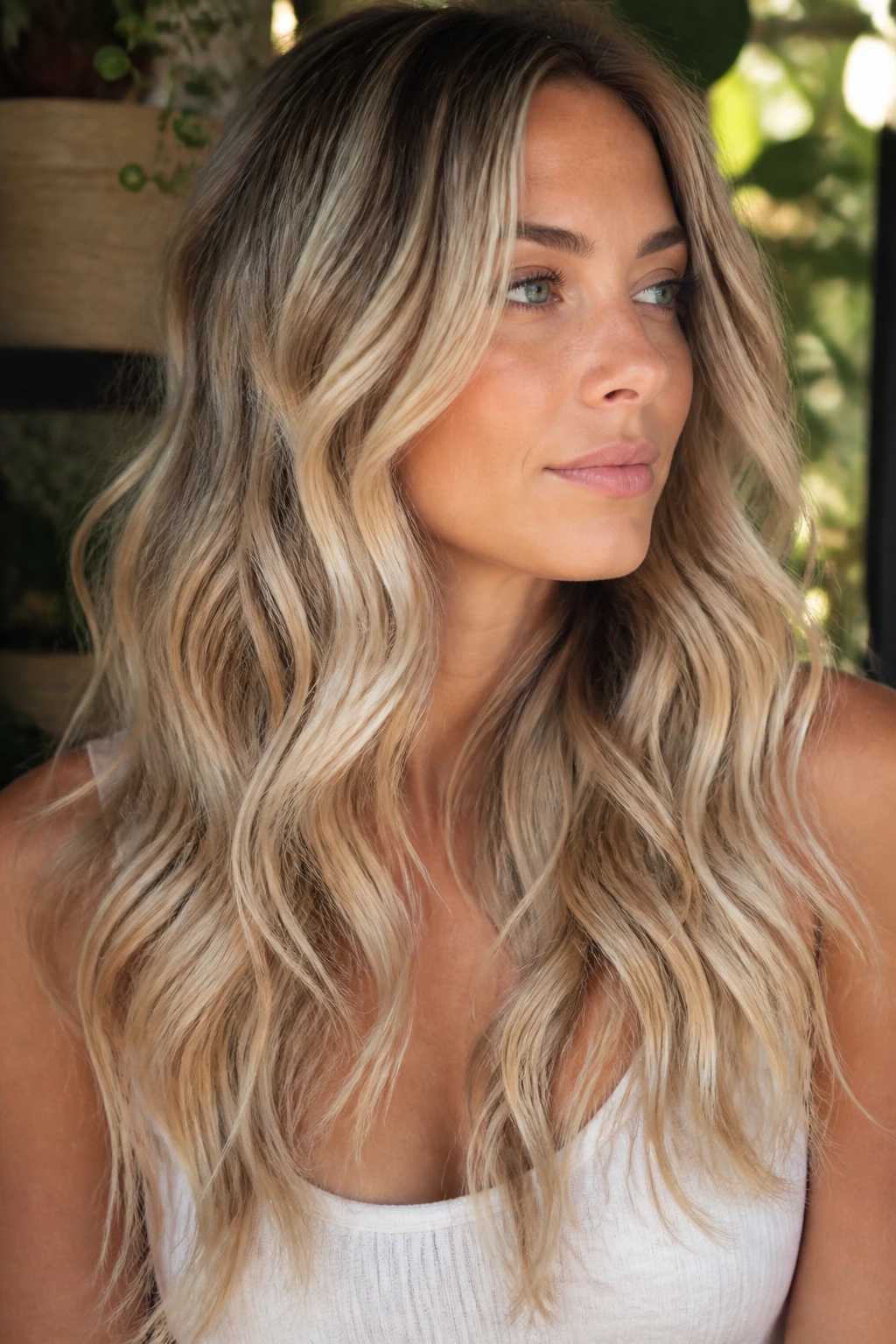
Mermaid waves can look too sugary if the blonde is pure ash. On warm skin, they work better when the shade holds a bit of biscuit or cream and the wave pattern is irregular. You want movement, not uniform curls.
This style suits long, thick hair that can handle a little weight. The waves should start below the cheekbones and loosen toward the ends, so the face stays open. The blonde then looks softer because the texture keeps repeating different tones as it moves.
13. High Ponytail With Bright Face-Framing Pieces
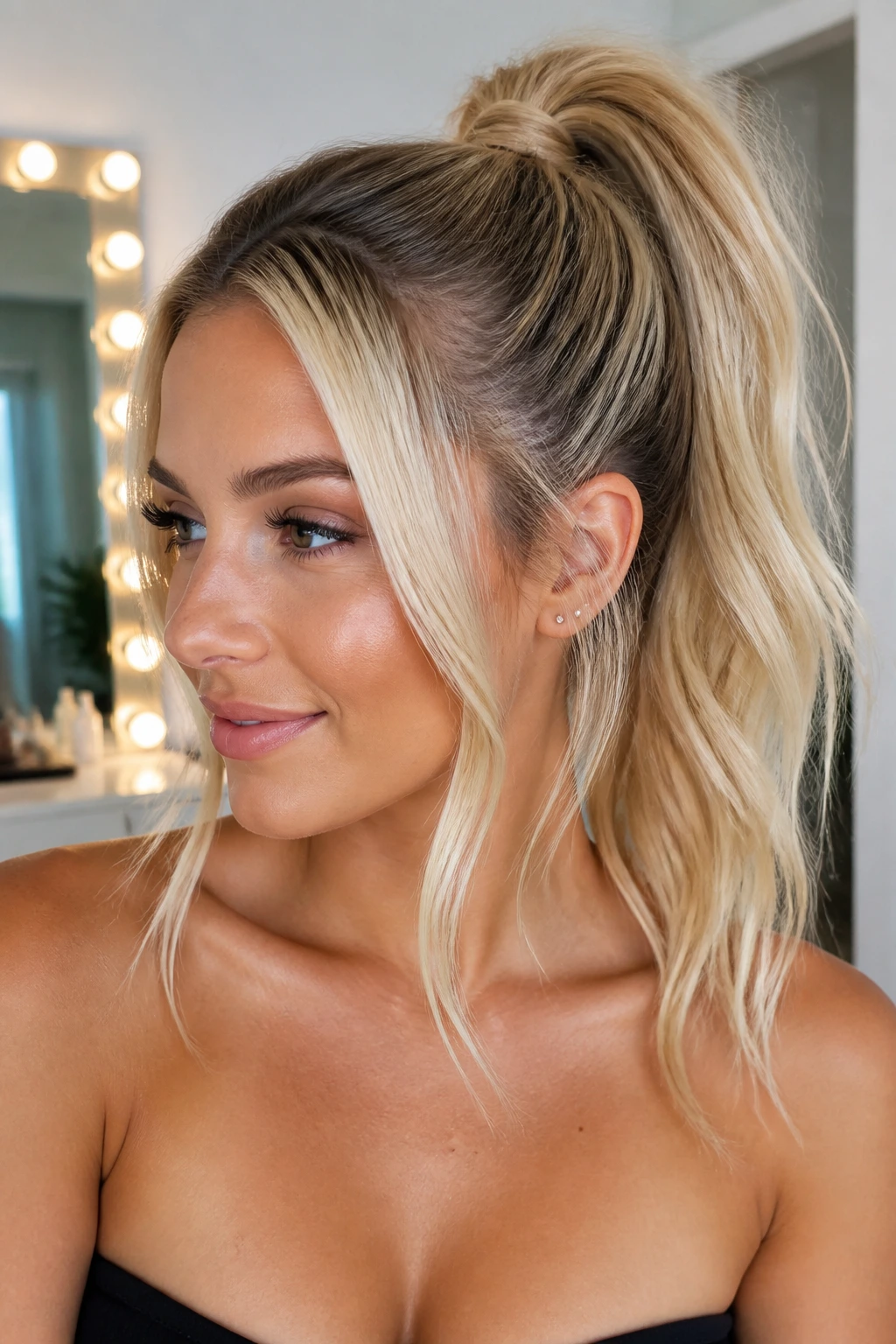
A high ponytail can look severe unless the front pieces are handled well. For warm skin, that means leaving a few bright but creamy strands around the face and keeping the ponytail itself glossy rather than stiff.
The lift at the crown does a lot of work here. It pulls the eyes upward and keeps long pale blonde hair from dragging the face down. If you want this to feel less sporty and more polished, wrap the elastic with a strand of hair and curl the tail lightly at the bottom.
14. Side-Parted Glam Curls
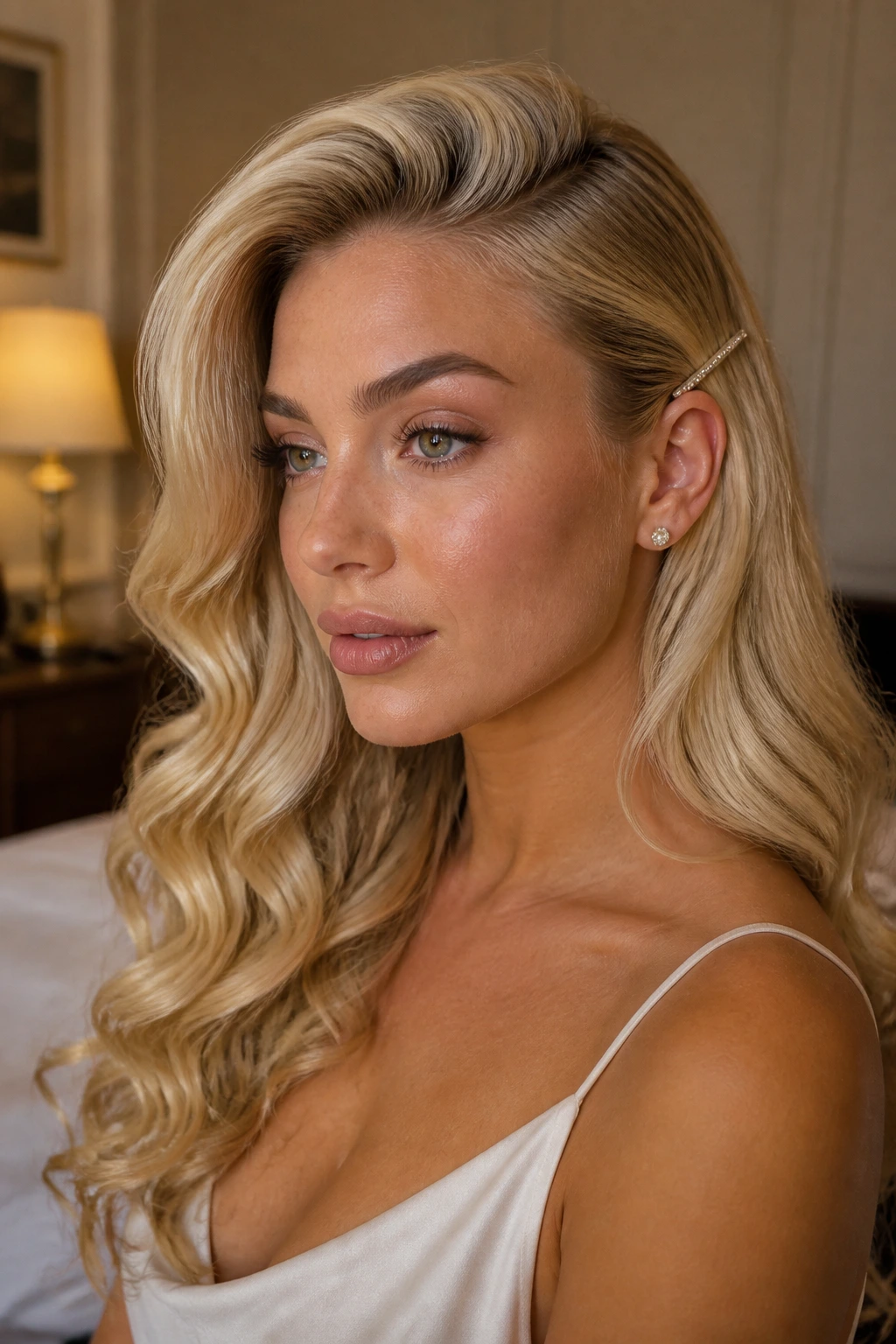
The side part changes everything. It gives pale blonde curls a deeper fall on one side, which makes the color feel richer and less symmetrical. Warm skin often reads better with this sort of imbalance because it softens the whole presentation.
Use medium curls, not tight ringlets. Brush them out just enough that the shape stays glossy and touchable, then tuck one side behind the ear with a pin or barrette. It’s a simple move, but on long blonde hair it creates a cleaner line than people expect.
15. Long Layers With Airy Bangs
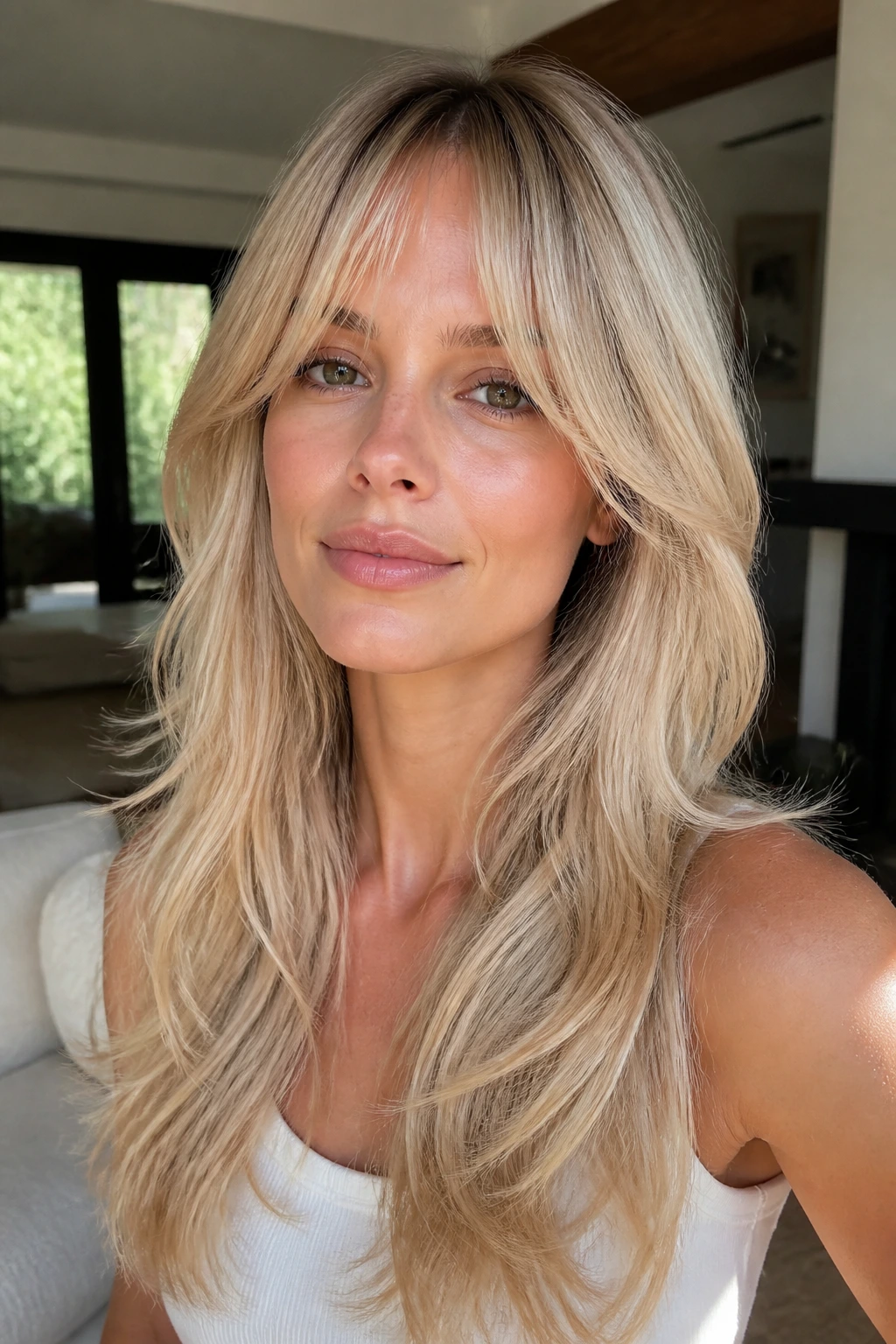
Airy bangs are the compromise between full fringe and no fringe at all. They break up the forehead, frame warm undertones gently, and keep long pale blonde hair from feeling like one endless sheet. The cut should look light, not chopped.
A pale blonde with a soft beige or vanilla base keeps the bangs from standing out too hard. If your face leans oval or heart-shaped, this is especially good because the bangs add softness without stealing the whole haircut. The ends can still fall long and dramatic. Best of both.
16. Rope-Braid Accent Lengths
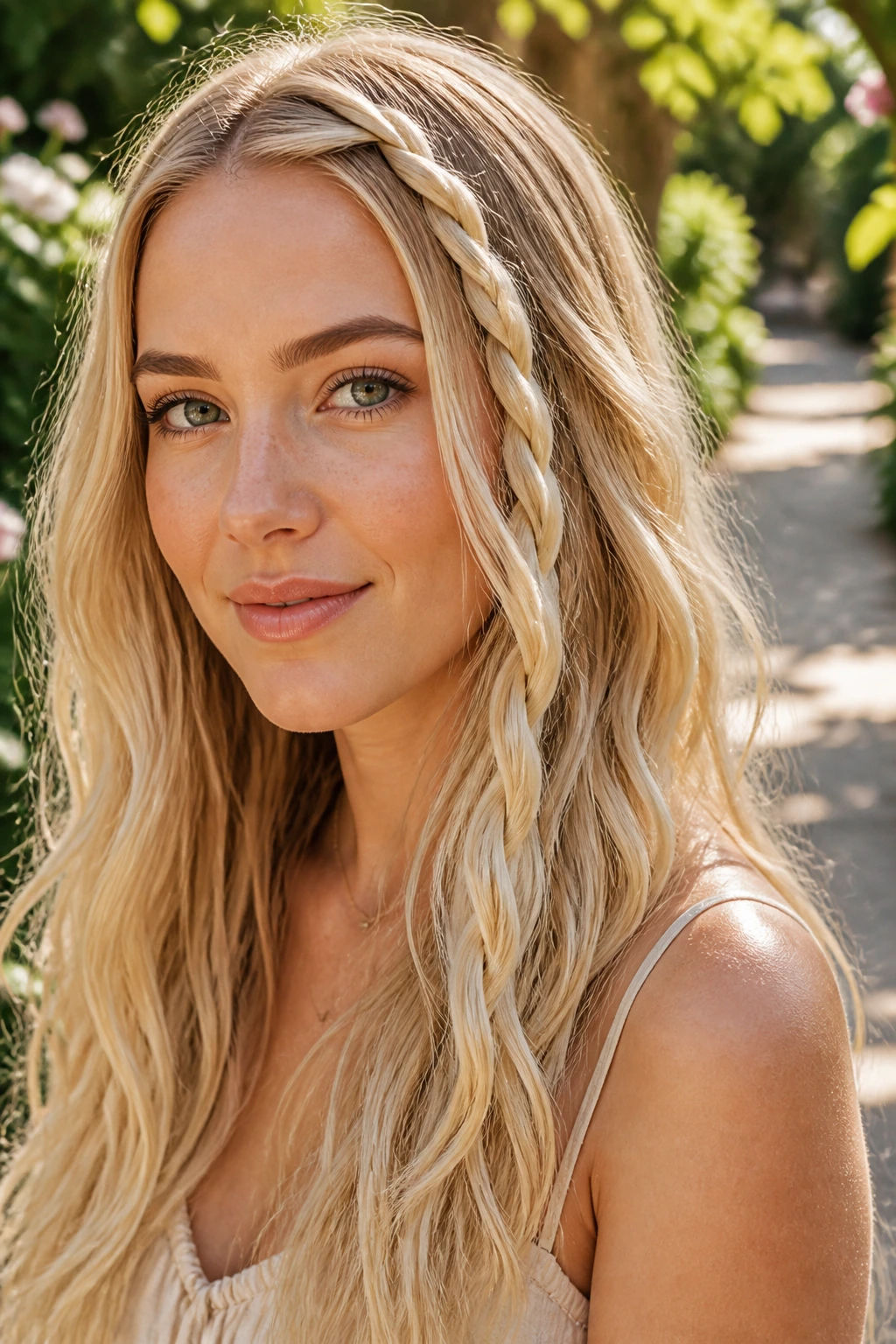
Sometimes the smartest move is a small one. A rope-braid accent on long pale blonde hair adds just enough shape to show the color variation without asking for a full updo. The twist also makes the pale pieces catch light in a narrow, pretty line.
This is handy when you want the hair down but need something out of your face. The braid should be loose and slightly undone, not tight enough to dent the front. On warm skin, the creamy blonde strands around the twist keep the style from looking severe or overbuilt.
17. Loose Tendril Low Bun
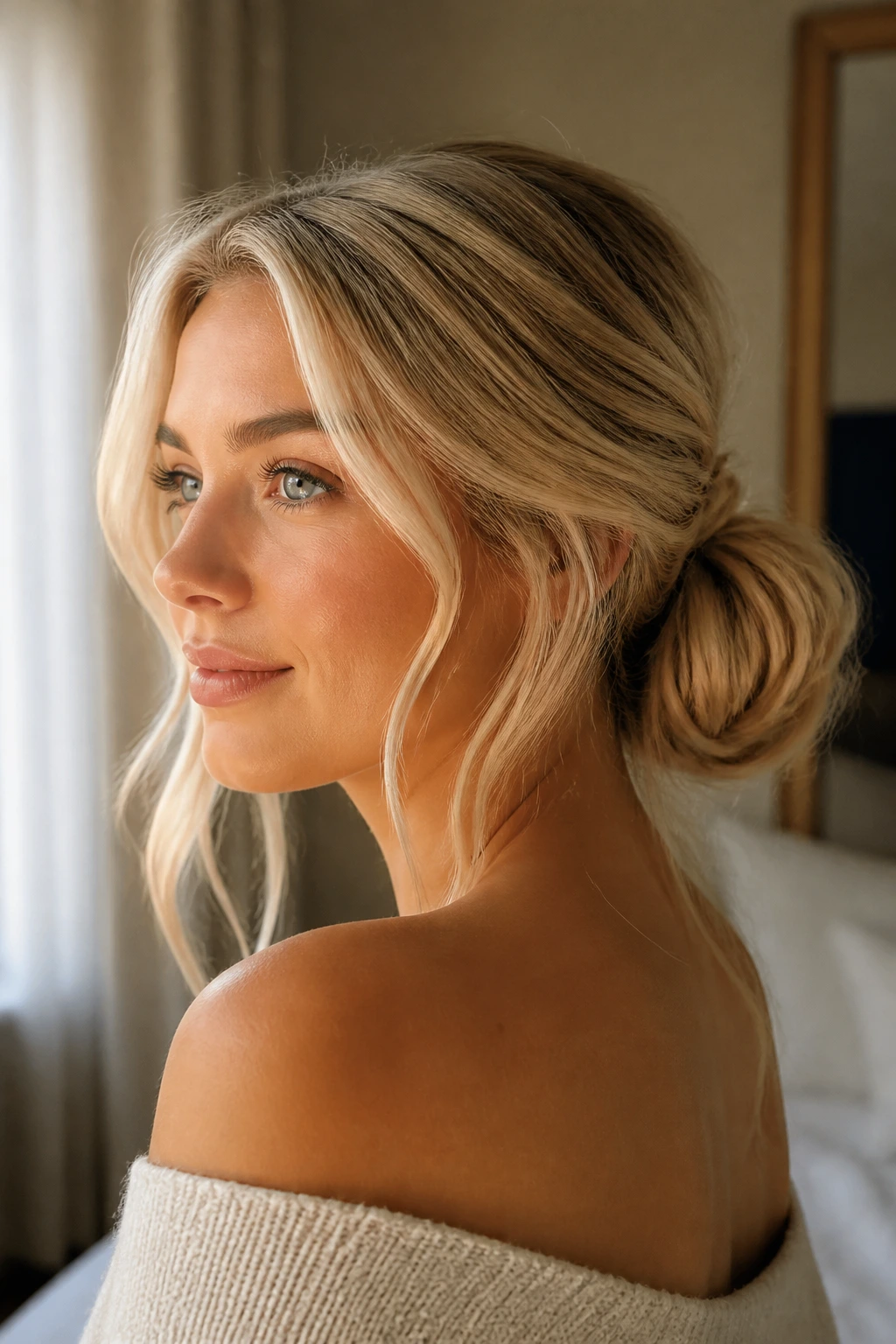
A low bun sounds like an afterthought until you loosen the right pieces. With pale blonde hair, those face-framing tendrils matter because they catch the light and give the skin a softer edge. Warm undertones look especially good when the bun is smooth and the front is delicate.
This is a useful style for dinner, weddings, or any time long hair needs to stay put. Keep the bun low and wide, not pinned into a tiny knot. The blonde should look soft and brushed, with a few ends left to slip free. That little messiness helps.
18. V-Cut Lengths With Invisible Highlights
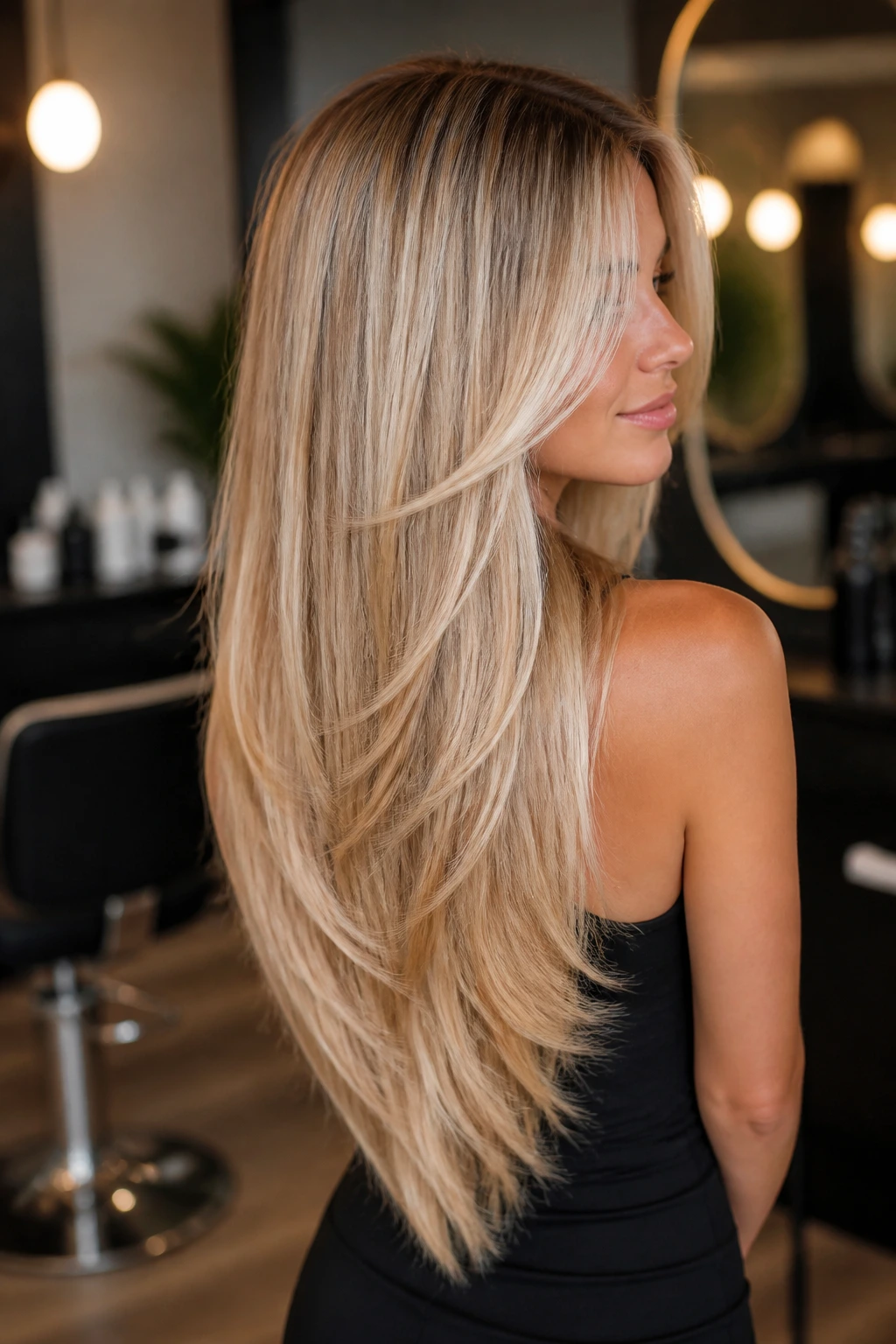
A V-cut gives long hair movement at the back without shortening the sides too much. It’s one of my favorite shapes for pale blonde because it creates a clean point that makes the color look more dimensional, especially when the highlights are blended so finely they almost disappear.
The blonde should be pale but not flat. Ask for fine ribbons of cream, beige, and soft gold through the lengths, with the brightest pieces concentrated toward the ends. On warm skin, that kind of quiet contrast keeps the hair light without making the face look drained.
19. Beige Vanilla Wolf Cut
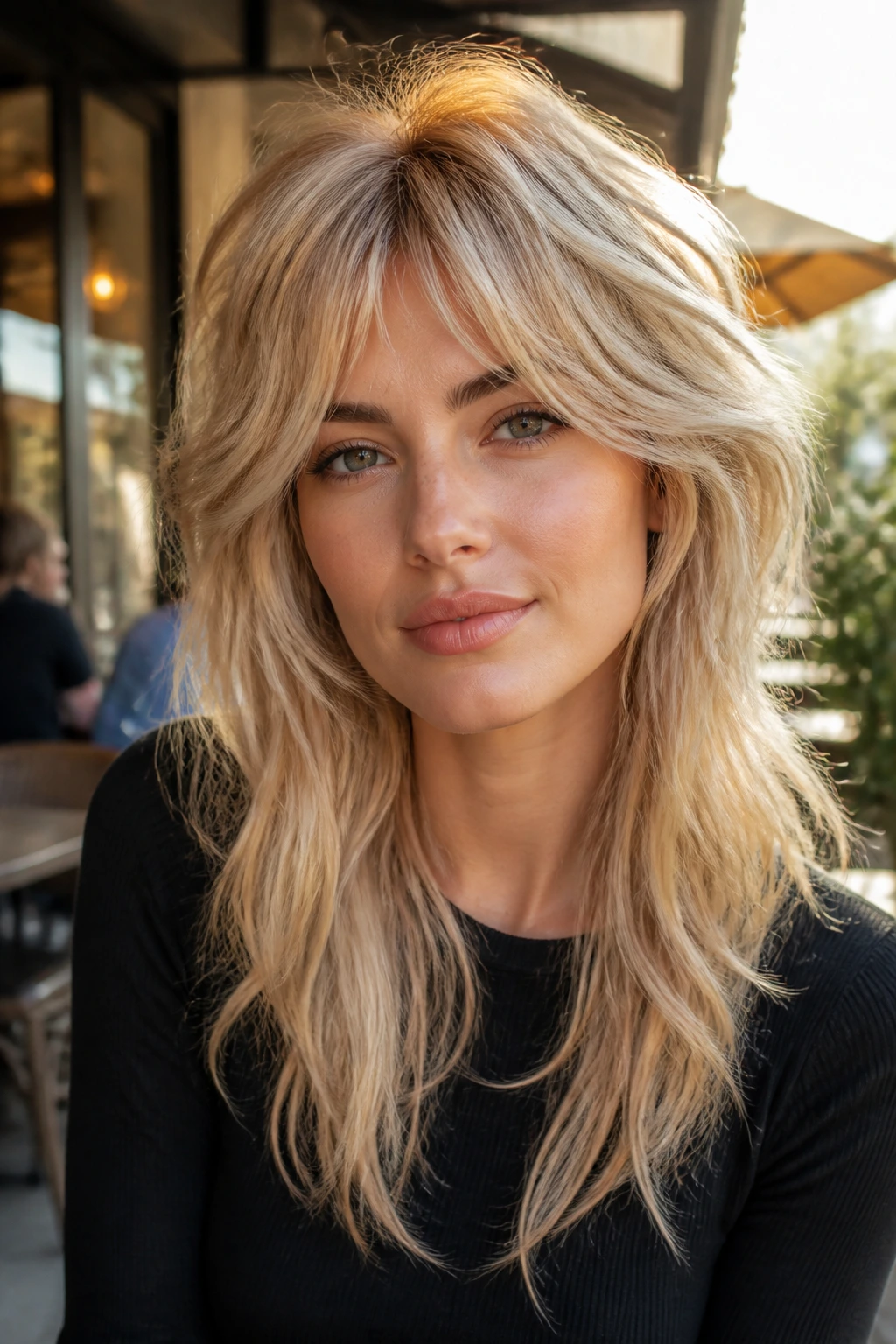
The wolf cut gets all the attitude, but it needs the right tone to work on warm skin. Beige vanilla blonde softens the choppier layers so the style reads cool without turning icy. That balance matters, because the cut itself already has edge.
This version is best if you like texture and do not mind a little purposeful mess. The shorter crown layers lift the shape, while the longer ends keep it long enough to feel feminine rather than punk. If your hair is wavy, this one practically styles itself on air-dry days.
20. Creamy Fishtail Braid
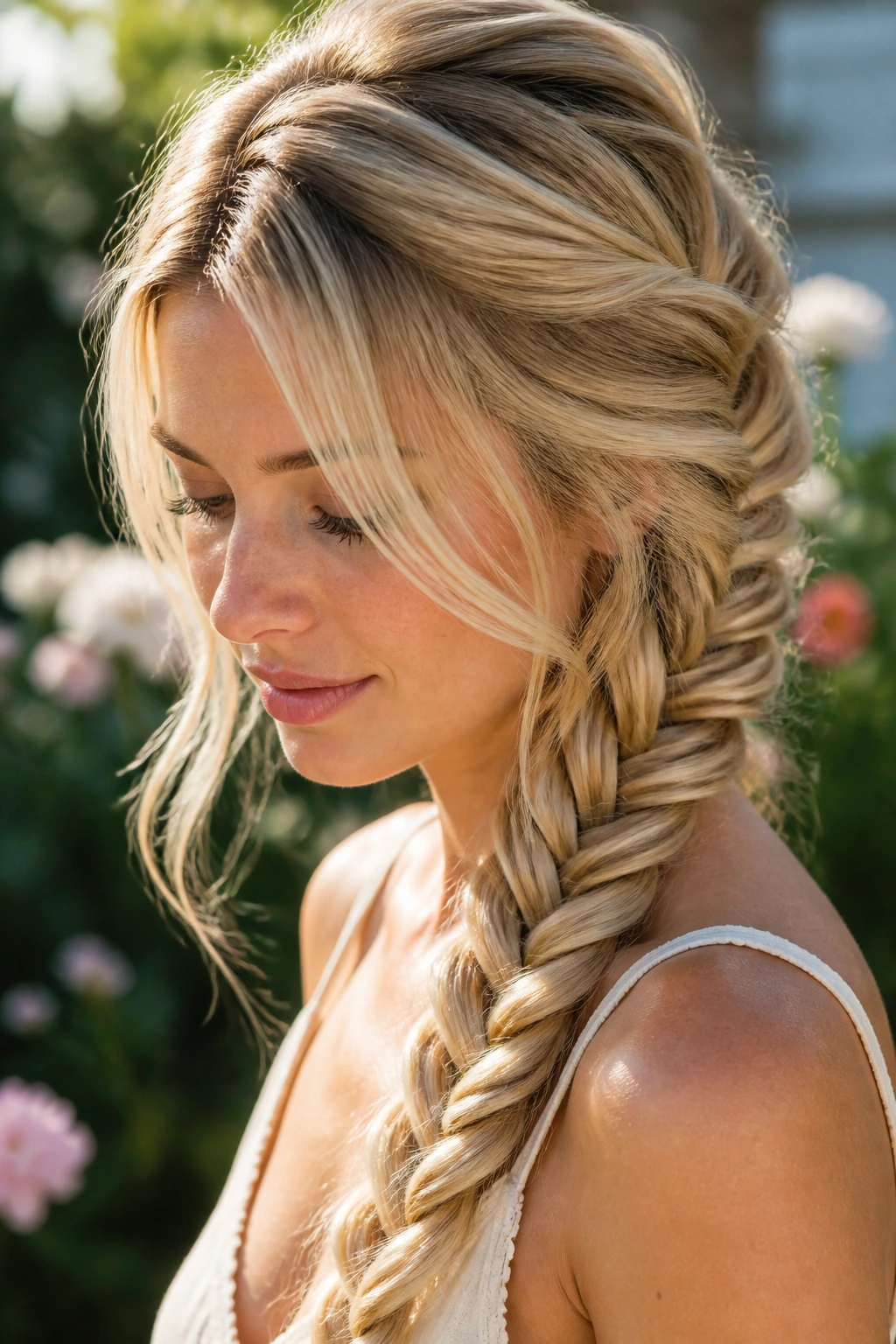
A fishtail braid is the long-hair answer to showing off color detail. Every strand crossing over the other catches a slightly different piece of pale blonde, which is lovely when the tone has cream and honey mixed in. Warm skin gets the benefit of that softness right away.
The braid should start loose at the crown and taper toward the ends, not start tight and yank the scalp. Pancake it a little by pulling the edges outward once it’s secured. That widening makes the blonde look fuller and keeps the braid from feeling too severe.
21. Voluminous Blowout With a Root Melt
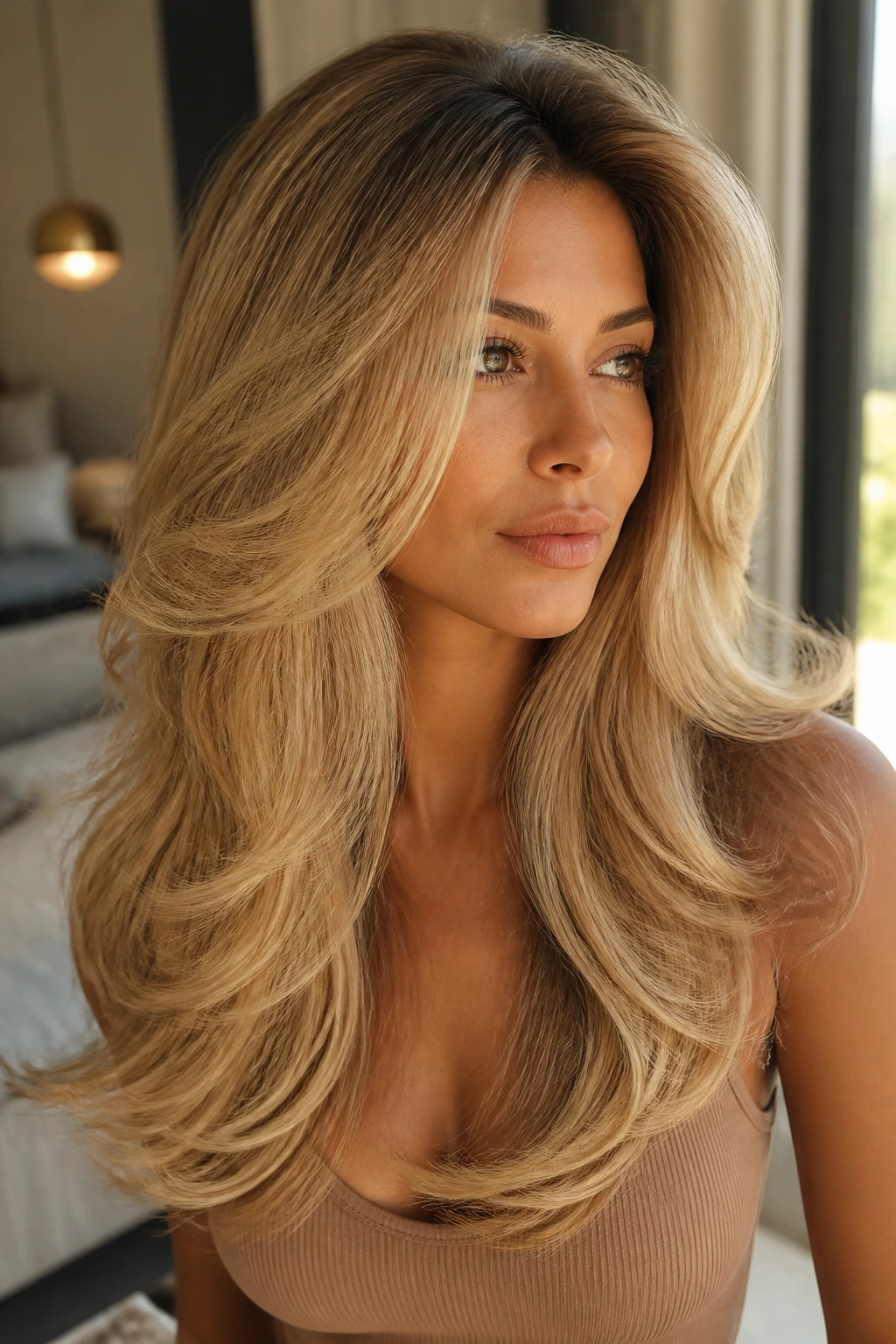
This is the big-hair option. A root melt keeps the top natural enough for warm skin, while the blowout adds lift through the mids and bounce through the ends. The result is bright, but not brittle.
Use a round brush and work in small sections. The crown should rise first, then the lengths should sweep away from the face. If the ends flick out too much, that’s fine. A little movement makes pale blonde look more alive than a rigid sheet ever will.
22. Braided Half-Crown With Flipped Ends
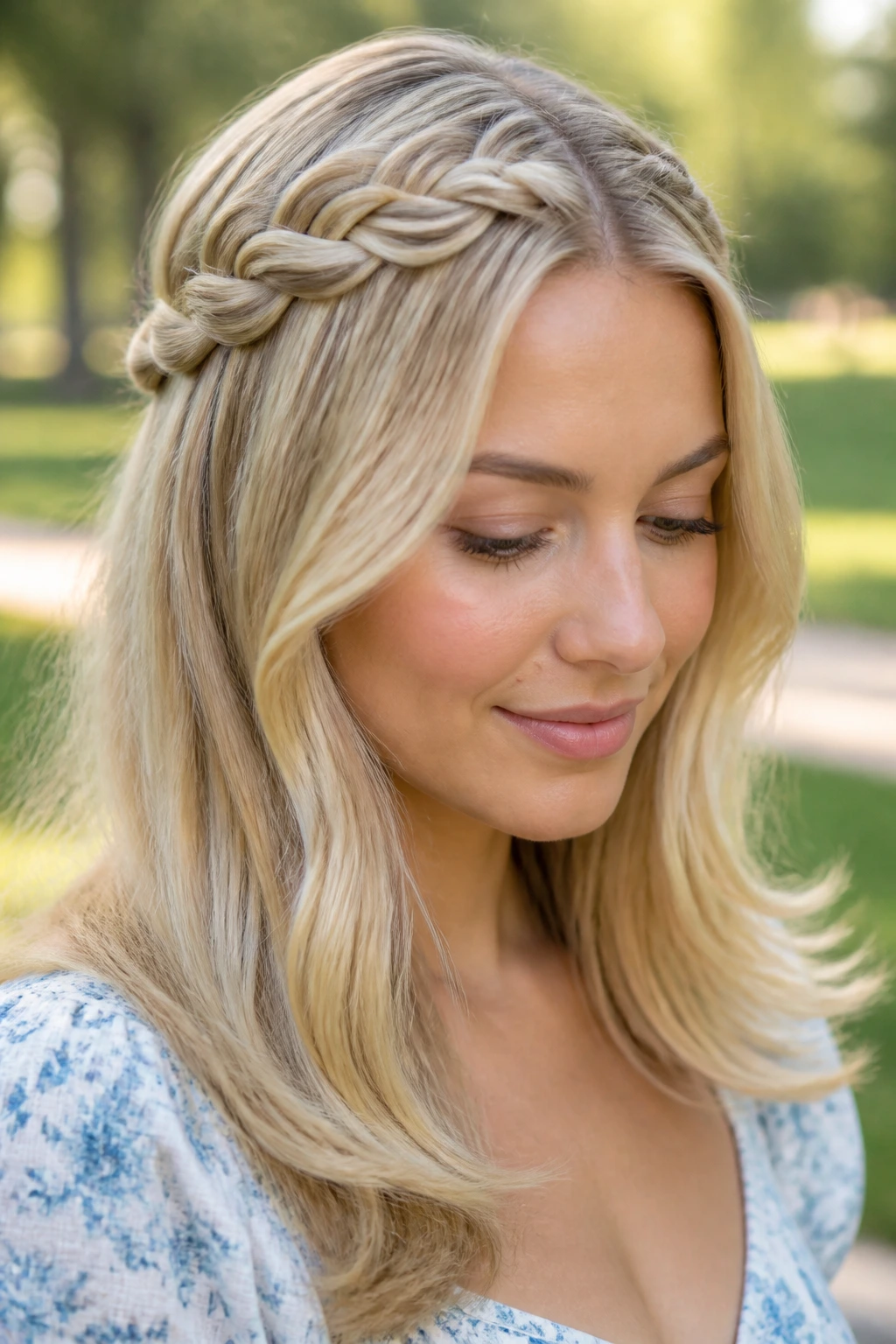
There’s something charming about this one. The half-crown braid keeps hair away from the face, while the flipped ends give the long blonde lengths a playful finish. On warm skin, creamy pale blonde pieces woven into the braid keep the whole thing from feeling too sweet.
This works especially well for outdoor events or long days when you want the front controlled but the rest of the hair still visible. If the ends are slightly bent with a brush or iron, the style feels finished without losing that soft looseness.
23. Tousled Layers With Soft Money Pieces
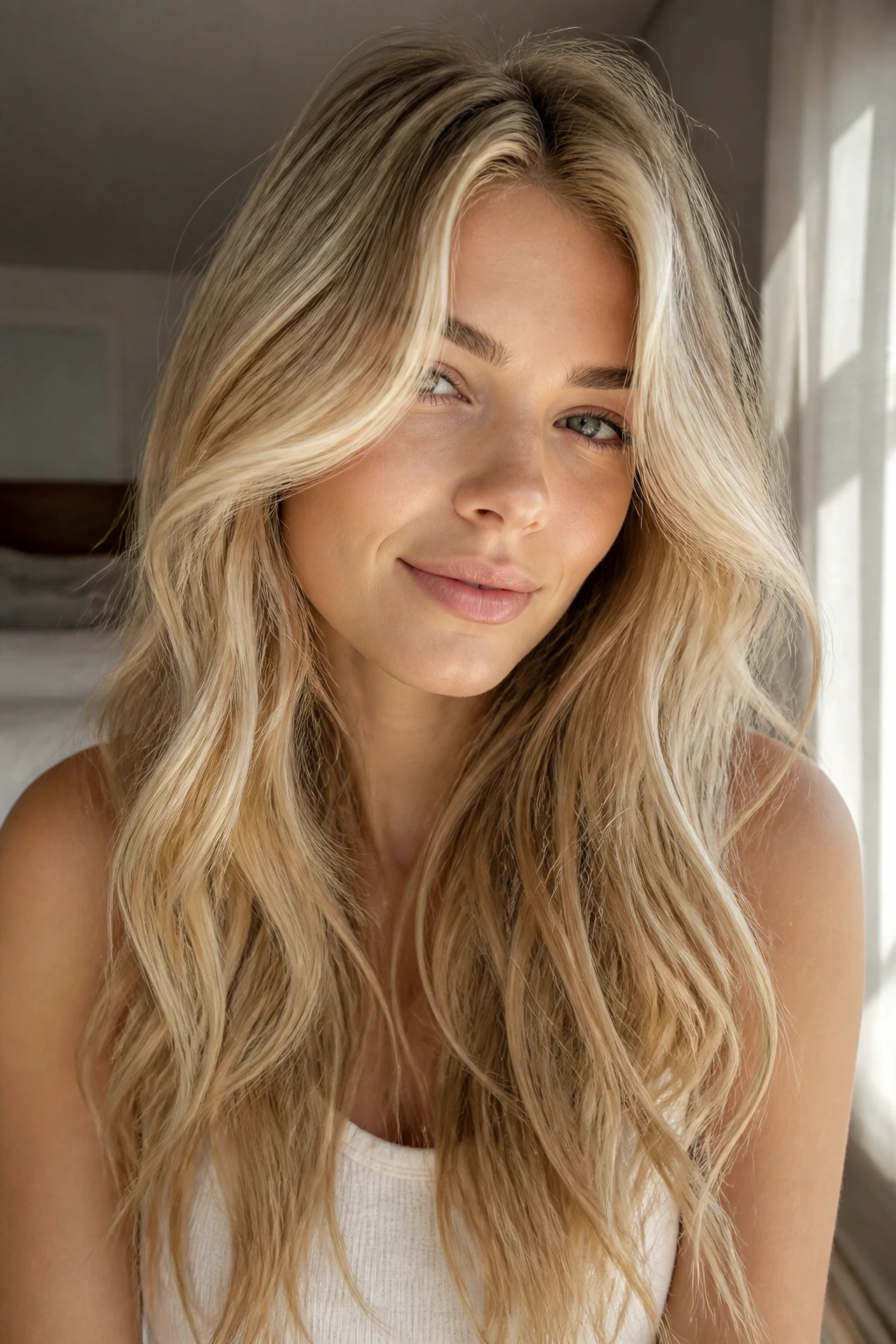
Money pieces can be loud. They do not have to be. On warm skin tones, soft money pieces in a pale beige or buttery cream can brighten the face without turning the front streaky. The rest of the layers should stay a touch deeper for balance.
This is the lazy-girl style that still looks considered. Give the layers a rough wave, break them up with your fingers, and let the front pieces sit a shade brighter than the rest. The effect is immediate. The hair looks lighter near the face and heavier through the ends, which is exactly what long hair often needs.
24. Wet-Look Ponytail in Pale Beige Blonde
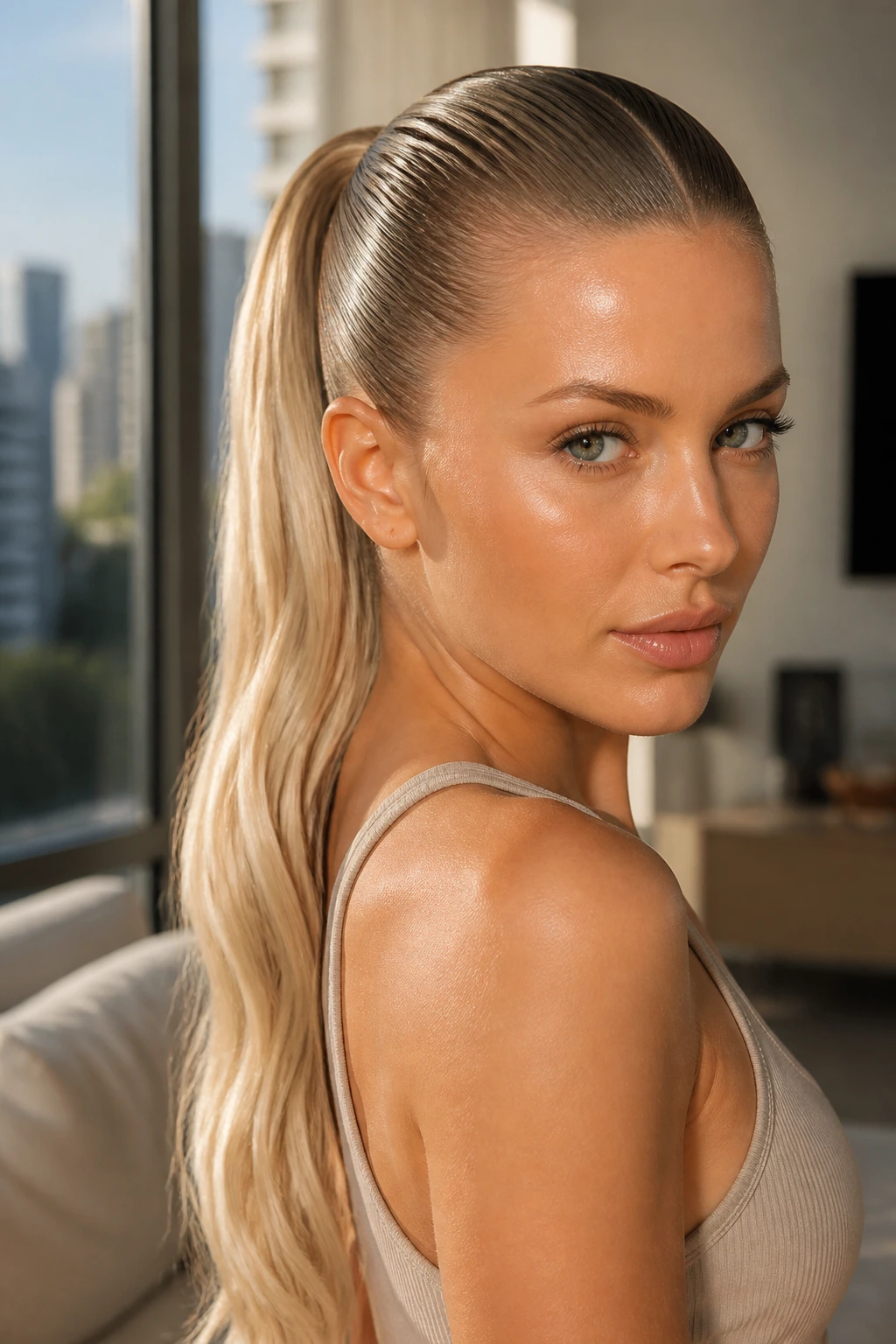
A wet-look ponytail can be unforgiving if the blonde is too cool. Beige blonde keeps it wearable. The slicked-back crown shows the bone structure, while the pale tail reflects light in one clean line. It’s sharp, but not icy.
Keep the product on the crown and the base, not all the way through the ends unless you want a fully lacquered finish. I like this on long hair that has enough density to hold the shape. Warm skin tones benefit from the clean outline and the softer undertone in the tail.
25. Extra-Long Honey-Glazed V-Cut
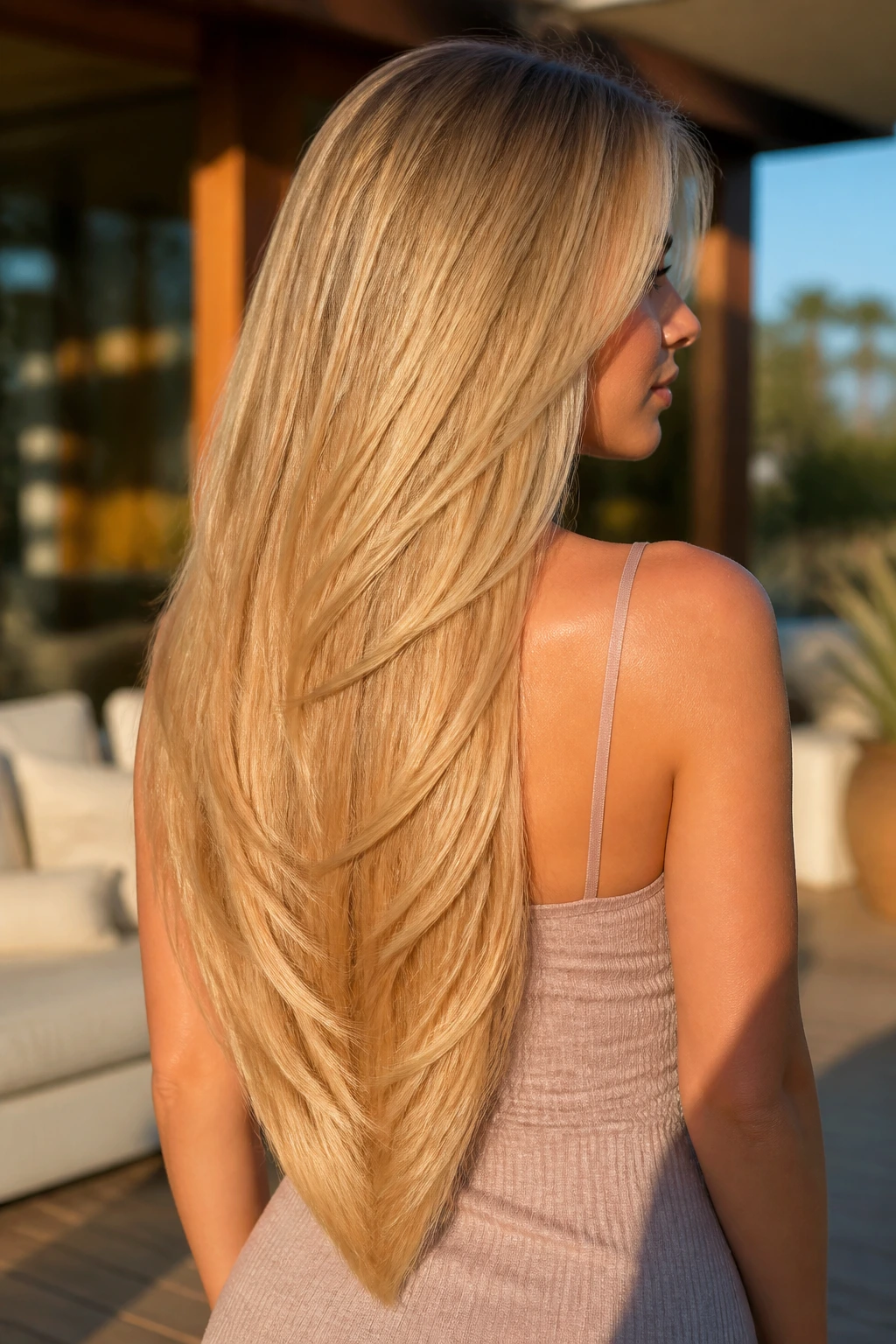
If you want drama, here it is. The extra-long V-cut gives the hair a pointed back shape, and the honey glaze keeps the blonde pale but not pale to the point of lifeless. It’s one of the most flattering ways to wear long blonde hair on warm skin because the tone has warmth built into it.
The ends should move. That’s the secret. Whether you wear it straight, waved, or pinned back, the V-cut gives the long lengths a shape that catches the light without thickening the bottom. It’s elegant in the old sense of the word — clean lines, soft shine, nothing fussy.
How to Brief Your Colorist on the Right Blonde
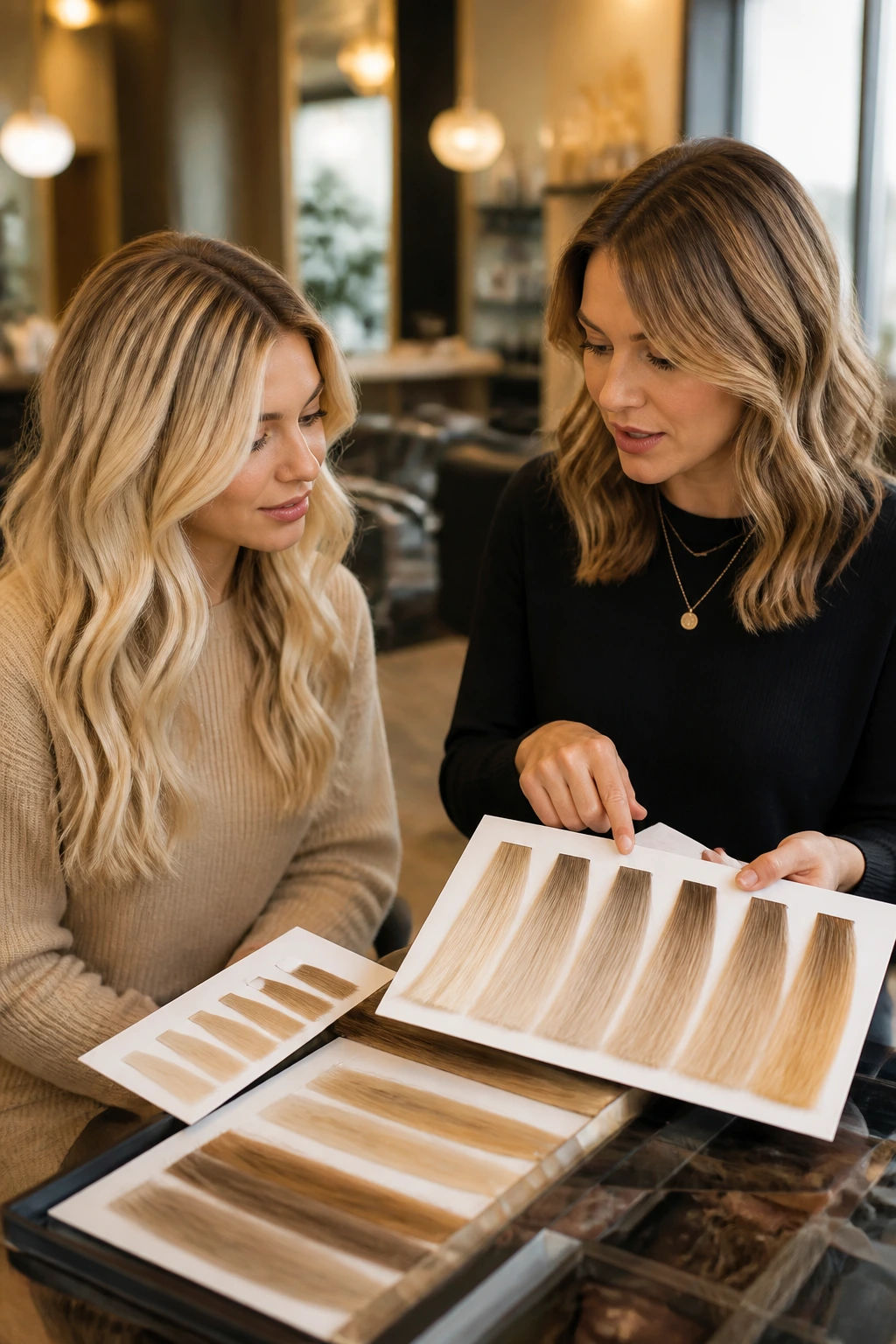
A screenshot is not a consultation. Bring photos, sure, but also say what you mean by pale blonde. There’s a huge difference between beige blonde, icy blonde, cream blonde, and golden platinum, and a colorist can only work with the words you give them.
Ask for depth at the root if you want the blonde to grow out cleanly. Ask for face-framing brightness if you want the color to wake up your complexion. If your skin runs warm, mention that you want the tone to stay cream, biscuit, or champagne rather than silver. That one sentence can save you a correction later.
Essential Styling Tools for Long Pale Blonde Hair
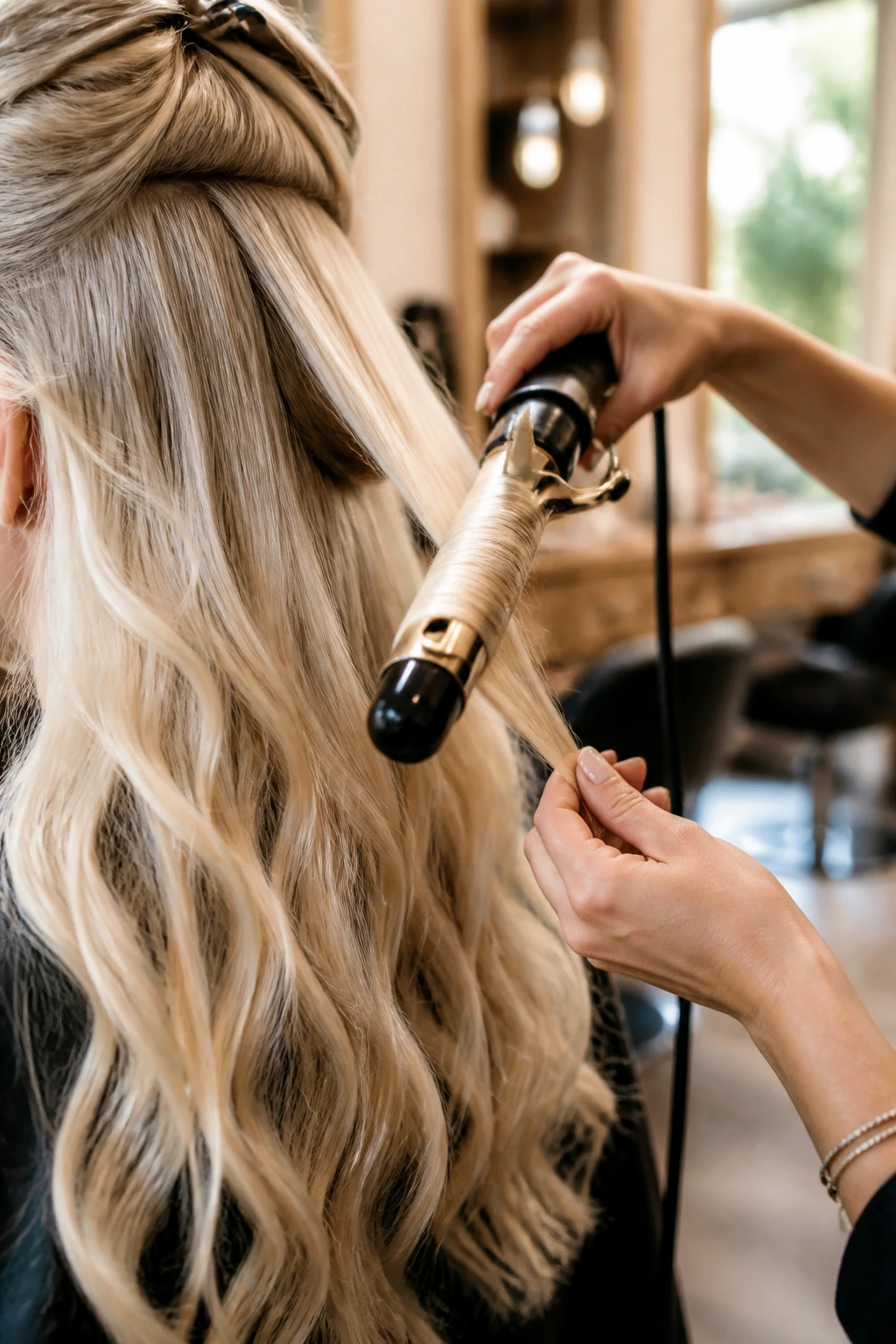
- 1.25-inch curling iron or wand: Best for the loose waves that keep pale blonde from looking flat.
- Round brush, 1.5 to 2 inches: The right size for smooth blowouts and lifted roots.
- Blow dryer with a nozzle attachment: Direct airflow matters when you want shine instead of frizz.
- Tail comb: Useful for clean parts, sleek ponytails, and sectioning around the face.
- Duckbill clips: Help set curls while they cool and keep the crown controlled during blow-drying.
- Heat protectant spray: Non-negotiable if you use hot tools more than once a week.
- Light serum or smoothing cream: A small amount keeps the pale blonde reflective rather than dry-looking.
- Texture spray: Handy for braids, lived-in waves, and styles that need grip.
- Purple shampoo: Use sparingly, because too much can push warm blondes toward dull gray.
- Wide-tooth comb: Safer than a brush when detangling damp long hair.
Smart Color and Cut Notes Before You Book
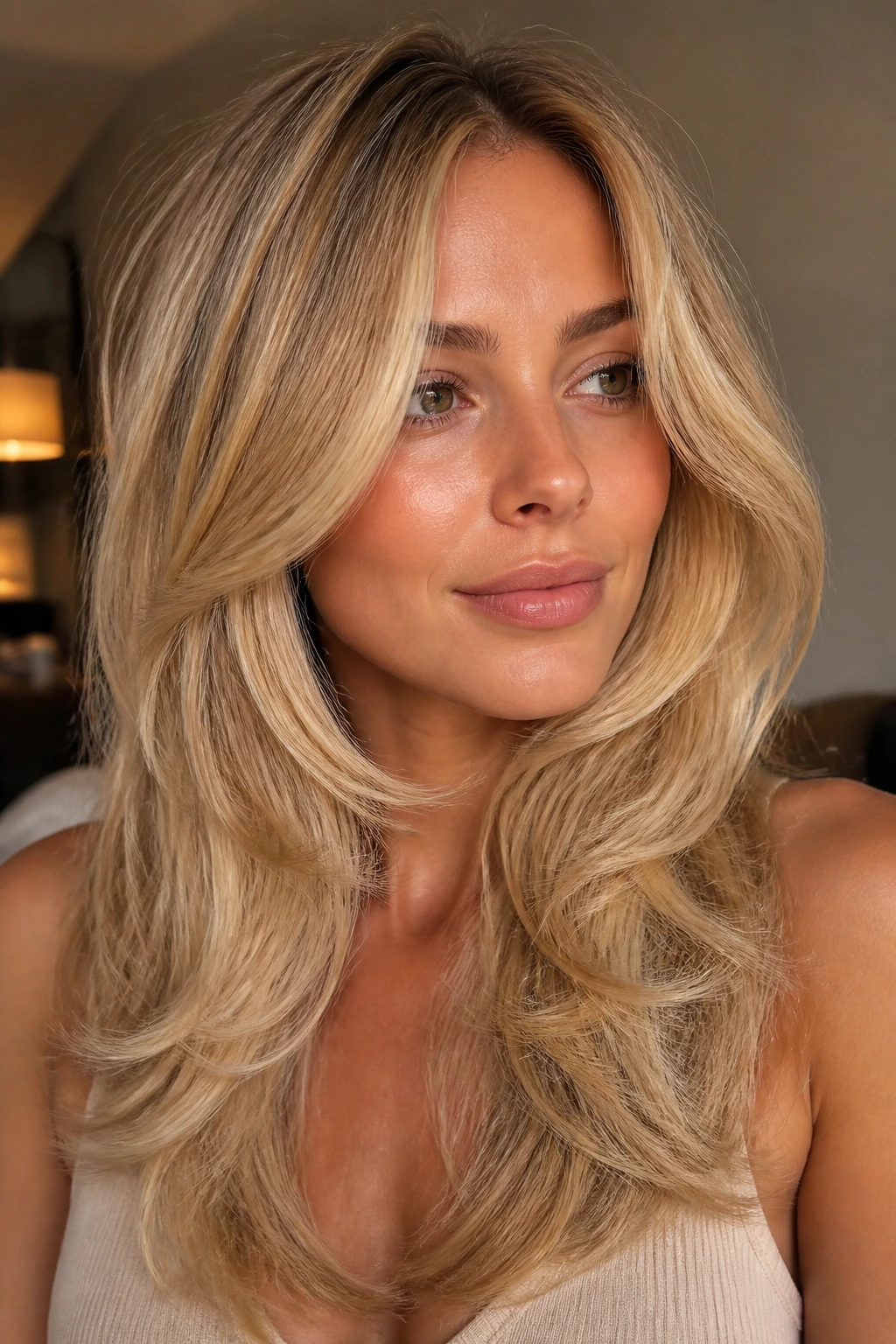
If your hair is naturally dark, pale blonde usually needs more than one appointment to look healthy. That’s not a sales line. It’s the cost of keeping the hair from snapping off and turning rough around the ends. A good colorist will lift in stages, then glaze.
A soft layered cut almost always helps pale blonde read better on warm skin. Long hair with no shape can swallow the color. Layers create tiny shifts in light, which makes the blonde look more dimensional and less like a single dyed panel. If your hair is fine, ask for soft internal layering rather than aggressive thinning.
And one more thing: do not ignore your natural undertone when choosing the finish. Golden or peachy skin usually likes beige, honey, and cream. Olive skin often likes biscuit, champagne, and slightly muted gold. If the blonde looks pretty in the bowl but harsh on your face, it is the wrong blonde.
How to Wear These Styles in Real Life
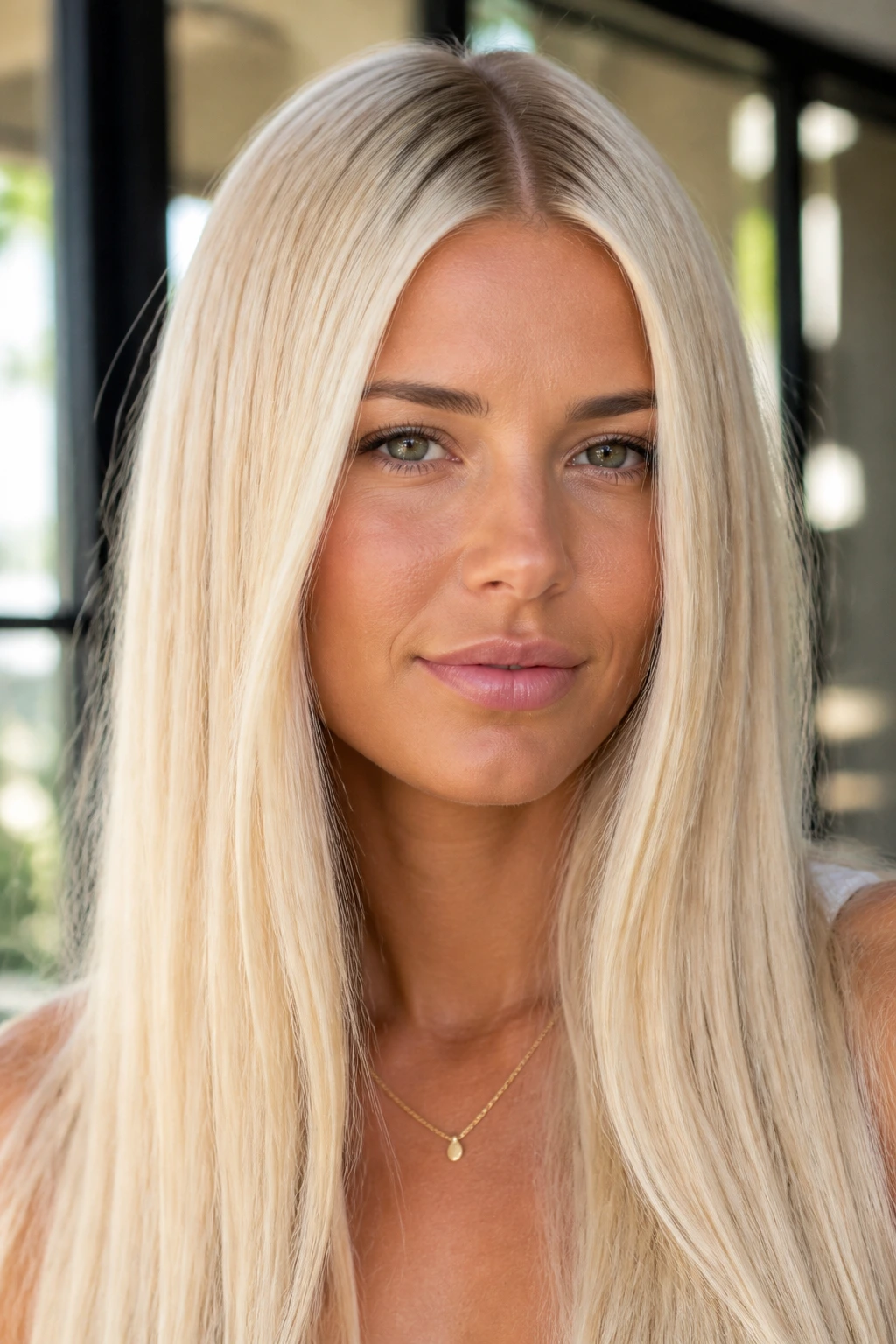
Presentation: Keep the finish purposeful. Sleek styles need a sharp part and a glossed surface; waved styles need separated bends, not heavy curl clumps. The blonde shows best when the surface is clean and the shape is readable from across the room.
Accompaniments: Warm skin usually looks best with gold jewelry, soft bronze makeup, and necklines that leave some space around the collarbone. A pale blonde hairstyle can do a lot of work, so you do not need loud makeup to keep up with it.
Best Setting: The polished blowouts and low ponytails fit work, dinner, and formal settings. Braids, mermaid waves, and shaggy layers feel better on casual days. The same blonde can read three different ways depending on how smooth or broken-up the finish is.
Volume Level: If your face is round, keep lift at the crown and softness near the cheekbones. If your face is longer, build width through the sides with waves or braids. Small shape changes matter more than most people think.
Extra Polish That Makes the Color Look Expensive
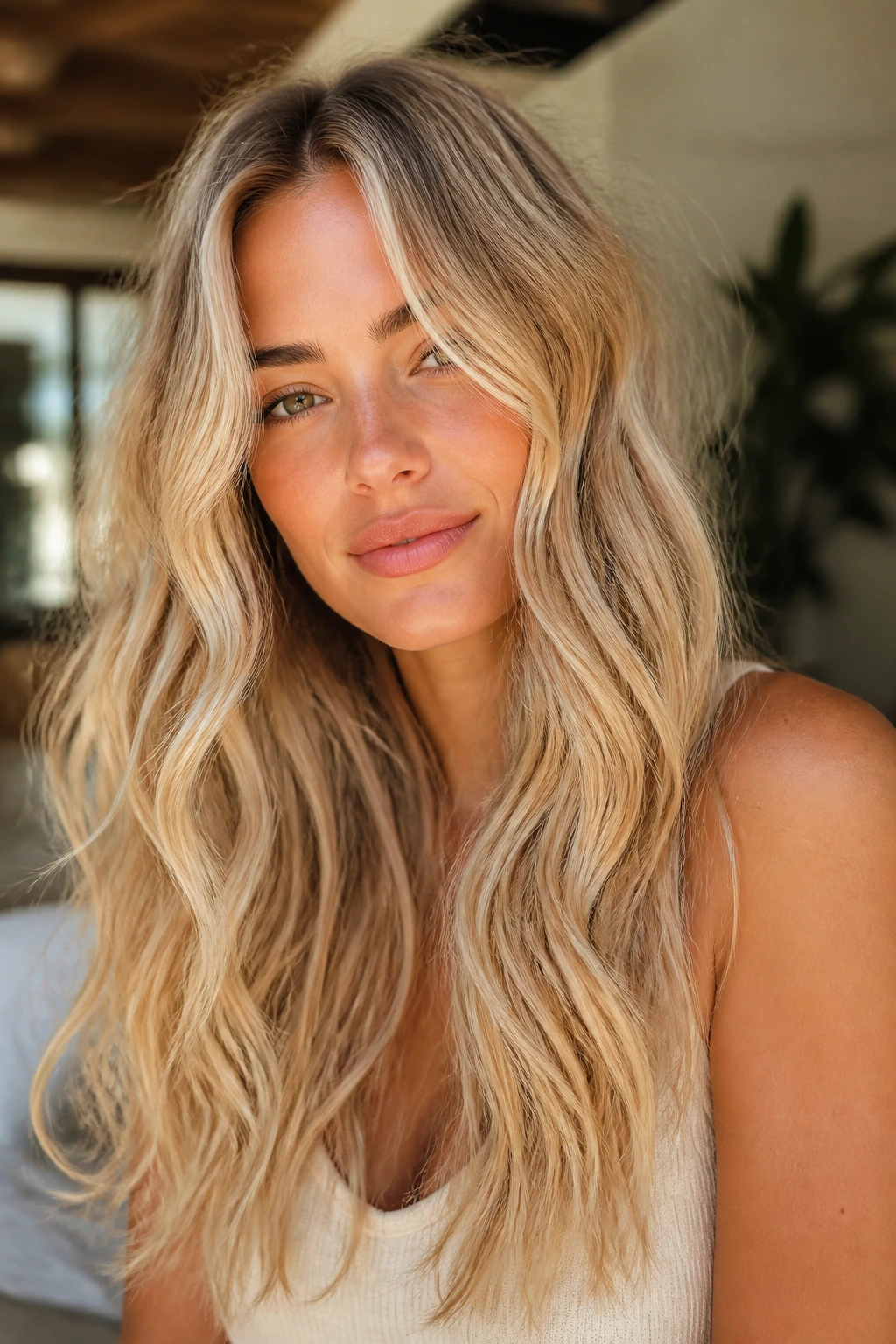
Tone Enhancement: A beige or champagne gloss every 6 to 8 weeks keeps pale blonde from drifting too cool or too dull. If your hair leans warm, ask for a glaze instead of a heavy toner. Glaze adds shine without wiping out the warmth you actually want.
Customization: Thick hair loves strong layers and bendy waves. Fine hair usually needs blunt ends with a little movement at the front, or the style can disappear. Curly hair does best when the blonde is painted in ribbons rather than slammed all over the head.
Serving Suggestions: A side part, one tucked-behind-ear side, or a loose face frame can change the whole mood of the style. So can a tiny bit of shine spray on the mids. Not the roots. The roots need lift, not grease.
Make-It-Yours: If you wear glasses, keep the front pieces lighter and less bulky. If you’re active, choose braids, low ponytails, or half-up styles that keep the blonde visible without fighting sweat and motion. The color should fit your life, not the other way around.
Keeping Pale Blonde Hair Bright Between Salon Visits
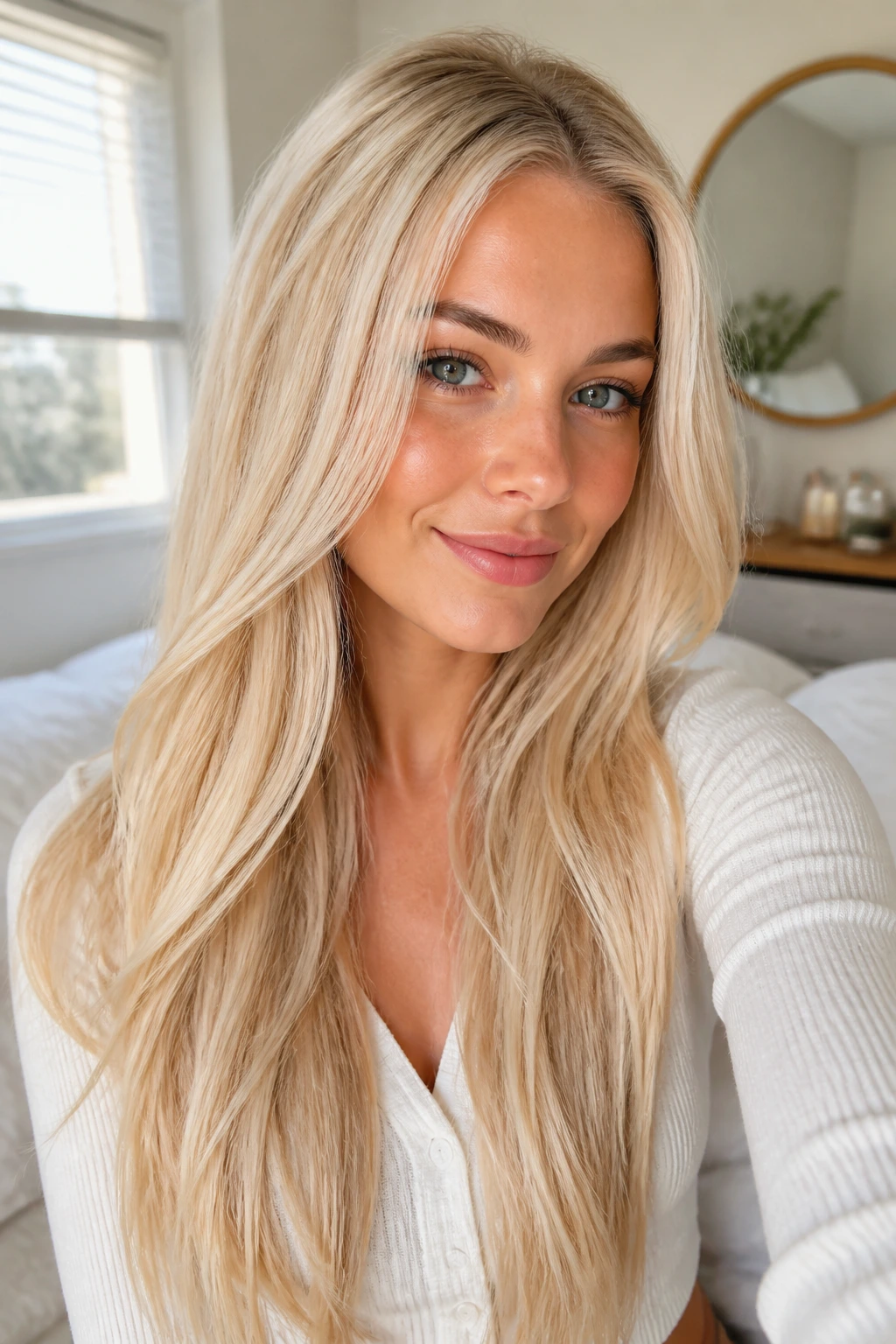
Pale blonde hair on warm skin tones needs regular care, but not fussy care. Start with a color-safe shampoo and wash as little as your scalp allows. Most long blondes look better with two to three washes a week, not daily shampooing, because the natural oils help the mids stay smoother.
Use a deep conditioner once a week on the lower half of the hair, then rinse with cool water. That keeps the cuticle a little flatter, which matters when the shade is pale and any roughness shows quickly. Purple shampoo belongs in the rotation, but lightly — once every 1 to 2 weeks is enough for most warm blondes. If you use it too often, the blonde can go flat and chalky.
Heat is the other trap. If you blow-dry or curl often, use heat protectant every single time and trim the ends every 8 to 12 weeks. Long blonde hair reveals damage faster than darker hair does. Split ends steal shine, and shine is half the job here.
Common Mistakes That Age Pale Blonde Hair
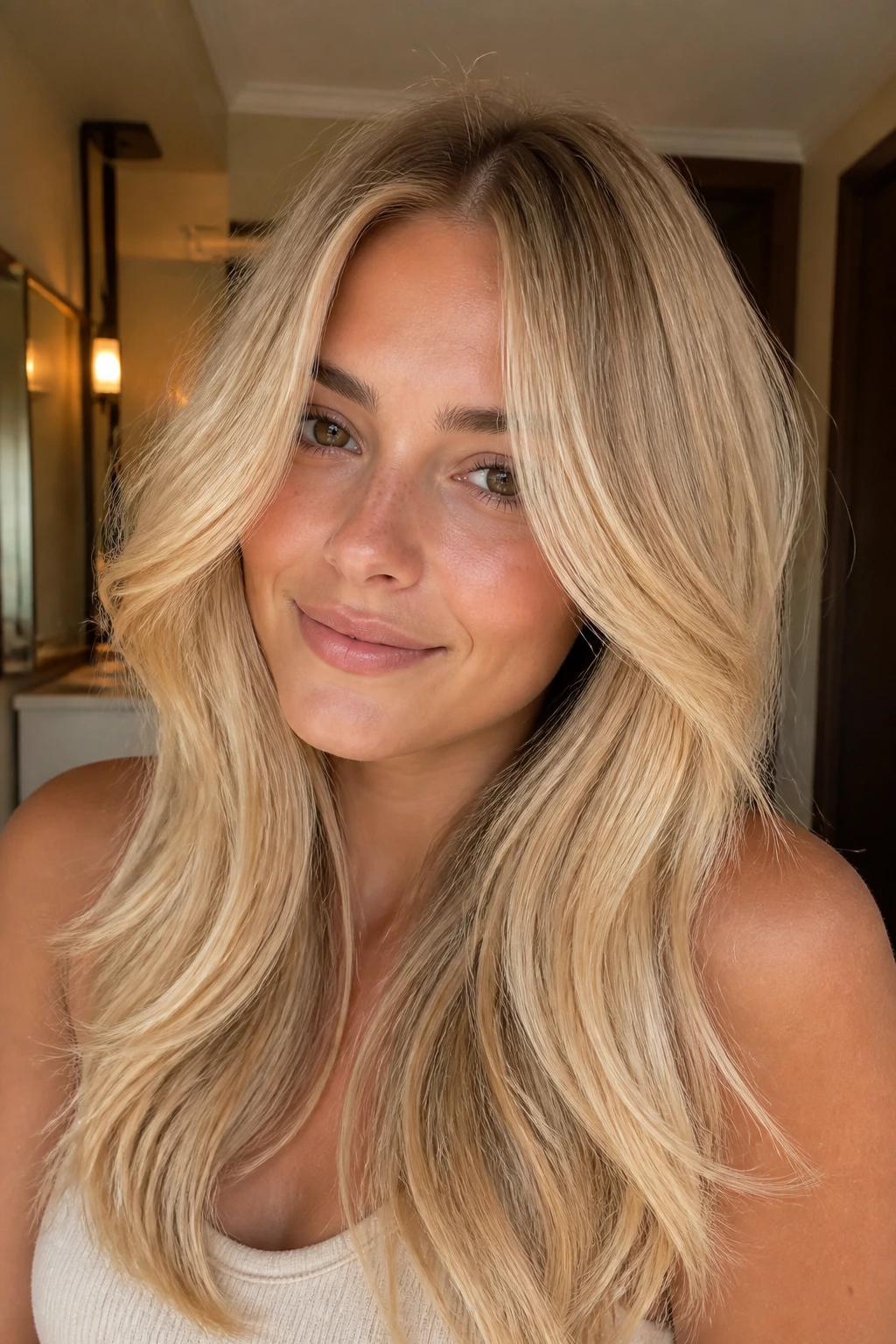
The first mistake is going too cool. A silver-heavy toner can make warm skin look tired, especially around the nose and mouth where warmth already lives. The fix is simple: ask for beige, honey, or champagne instead of icy ash.
Another one is over-lightening every section to the same level. Hair with no depth looks stripy or wiggy, especially when it’s long. Keep some root shadow and some midtone softness. Those darker pieces are not a flaw. They’re the reason the blonde looks expensive.
Purple shampoo abuse deserves its own warning. Use too much and the hair loses its glow, then starts reading gray. That’s not toning. That’s over-correcting. Wash it out with a rich conditioner and back off.
Finally, long blonde hair without a shape can look heavy no matter how good the color is. Ask for layers, face framing, or a V-cut so the shade has movement. Color and cut are a pair. Treat them that way.
Variations and Adaptations for Different Hair Textures
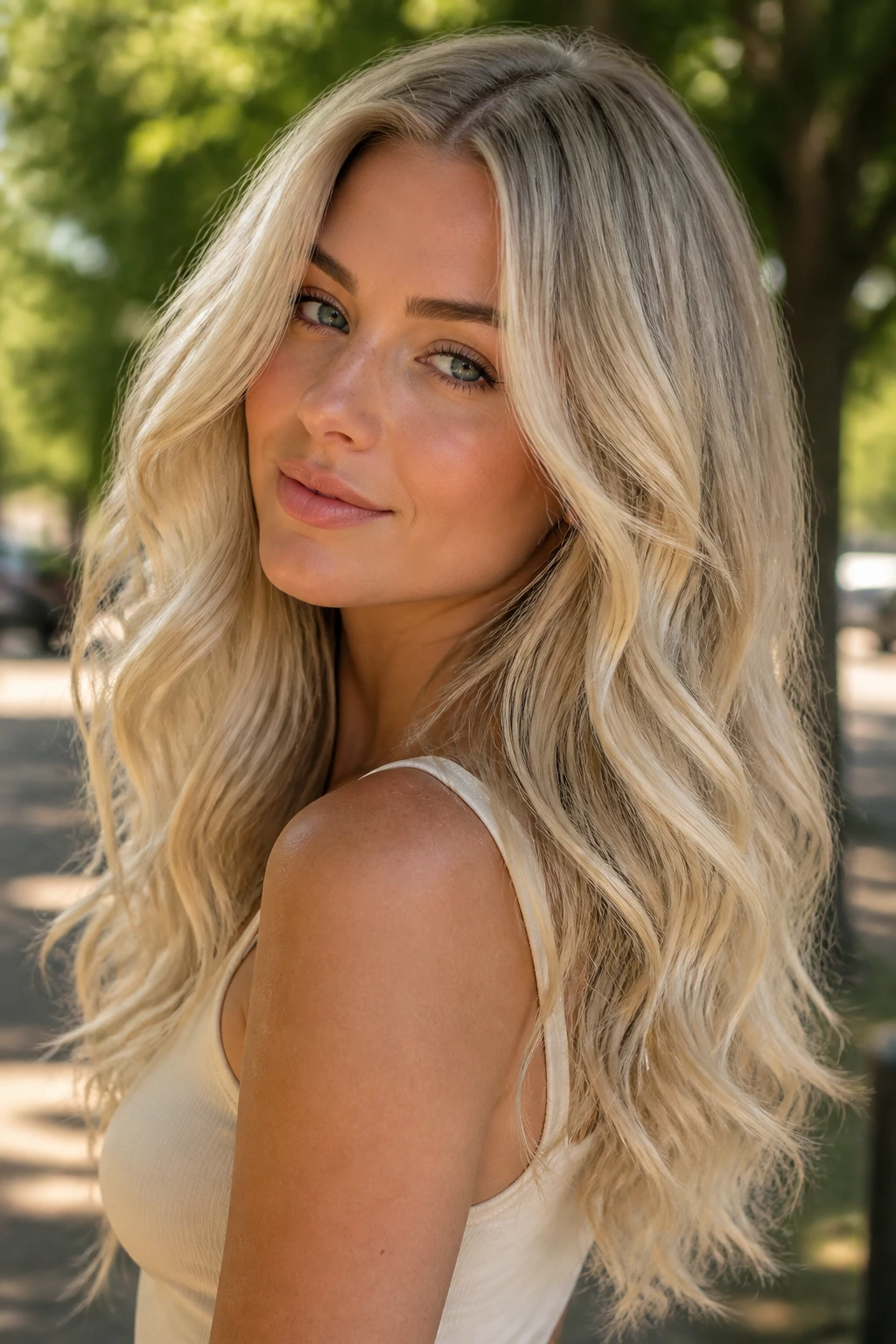
Soft Curl Version: If your hair is naturally curly or coily, keep the blonde in ribbons rather than broad streaks. The texture already gives shape, so the color can stay softer and still read bright. Warm skin tends to love this because the curls break up the tone naturally.
Low-Maintenance Balayage: For people who hate salon upkeep, ask for a root shadow with pale beige balayage through the lengths. It grows out with less drama and still gives the long hair that pale blonde finish. The key is staying away from a hard line of lightness at the scalp.
High-Gloss Event Version: Smooth the hair into a deep side part, curl with a large barrel, and finish with shine spray on the mids only. This version works when you want the blonde to look expensive and controlled. It photographs well because the waves are clean and the color stays creamy.
Air-Dry Version: If heat styling is not your thing, cut in layers that support your texture and let the blonde live inside the movement. A little leave-in cream and a diffuser can keep the style soft. The color will look less polished, but it often looks more natural.
Frequently Asked Questions
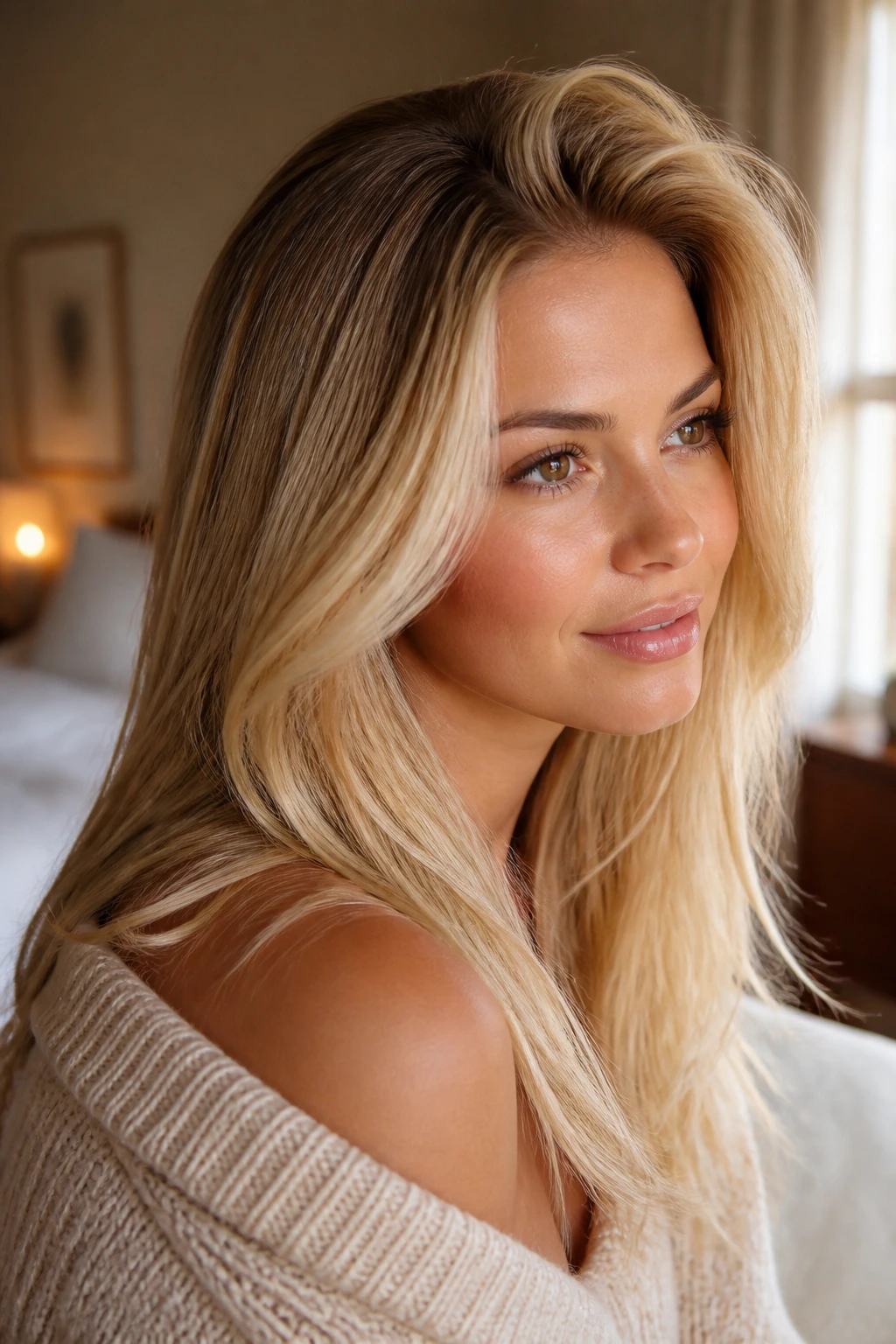
Can warm skin tones wear pale blonde without looking washed out?
Yes, if the blonde keeps some beige, honey, cream, or champagne in it. The problem is usually not lightness itself; it’s a toner that pushes the hair too far toward silver. A soft root shadow and face-framing brightness help a lot.
Is platinum blonde the same thing as pale blonde?
Not really. Platinum usually means a very cool, very light blonde with little warmth left in it. Pale blonde can be platinum-adjacent, but for warm skin tones it often looks better with a warmer finish and a little depth at the root.
What haircut works best with long pale blonde hair?
Layers do most of the work. Butterfly layers, curtain layers, and a soft V-cut all help the color move and keep the ends from looking heavy. A blunt, one-length cut can work too, but it needs shine and density to pull it off.
How often should pale blonde hair be toned?
A gloss or toner every 6 to 8 weeks is common, but the exact timing depends on how fast the color fades and how much warmth your skin needs. If the blonde starts turning dull rather than brassy, that usually means it needs shine more than stronger toning.
Can you get pale blonde on naturally dark hair?
Yes, but often in stages. Dark hair usually needs careful lifting over more than one session if you want the hair to stay healthy. Rushing it in one appointment can leave the ends dry and the color patchy.
What if my hair is fine and long — will pale blonde make it look thinner?
It can, if the cut has no shape. Ask for soft layers around the face and enough fullness through the bottom edge so the length still feels present. Fine hair usually looks better with a blended, dimensional blonde than with flat, all-over lightness.
Which style is easiest to maintain?
A low ponytail, loose waves, or a soft root-melt balayage usually asks for the least fuss. Straight, glossy styles show every frizzed end and every tone shift, so they need more upkeep. If you want easy, texture is your friend.
How do I stop pale blonde from turning brassy?
Use color-safe shampoo, limit high-heat styling, and protect the hair from sun and hard water as much as possible. Brass often shows up faster on the ends, so a weekly mask and a trim schedule matter more than people think.
A Blonde That Flatters Warm Skin
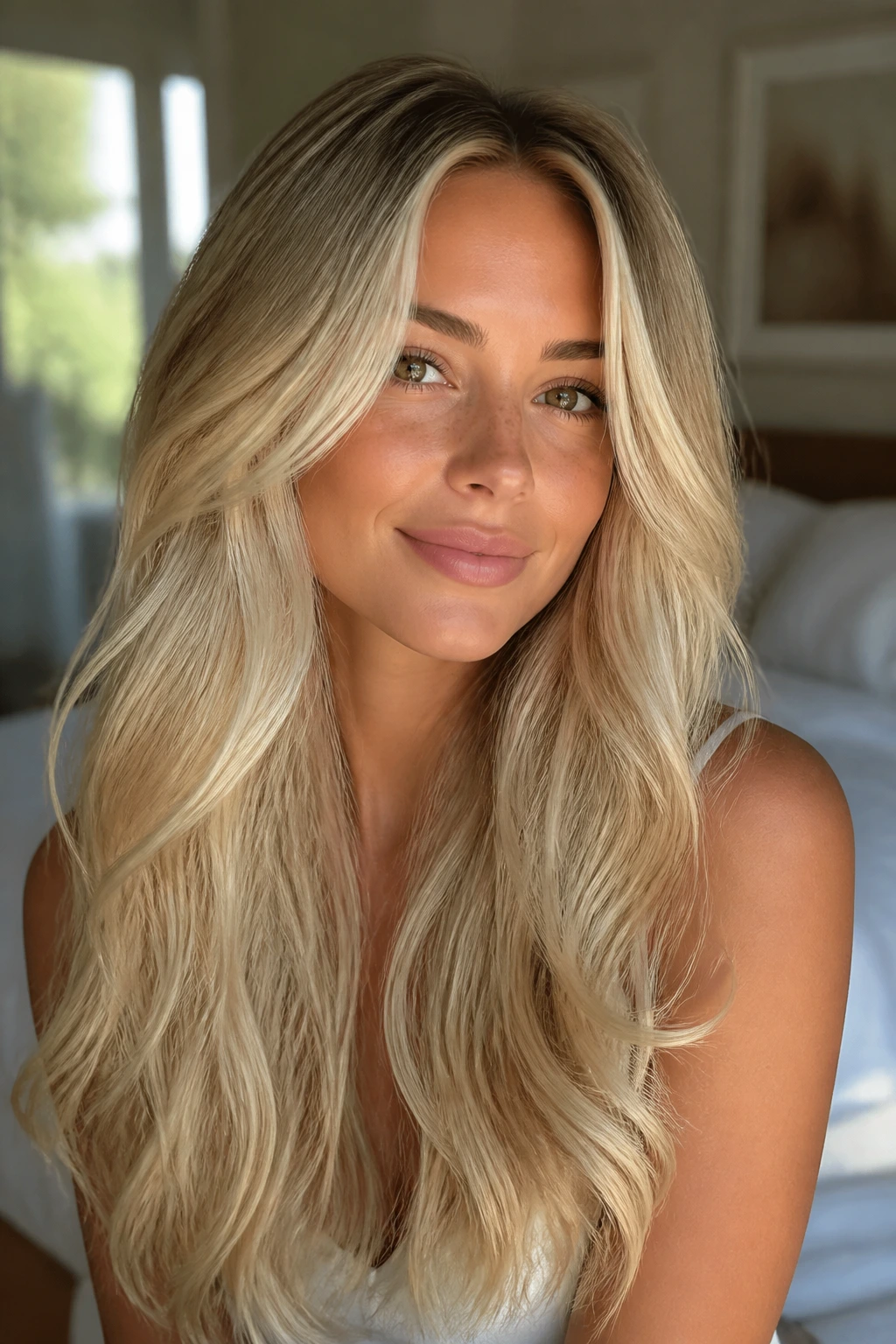
The best long pale blonde hairstyles for warm skin tones do one simple thing well: they keep the hair light without bleaching the warmth out of the face. That means beige over blue, cream over silver, and shape over flatness. Once you start looking at blonde that way, the good choices get easier to spot.
My honest preference? I’d take a soft champagne blonde with a clean cut and real movement over an icy, one-note platinum any day on warm skin. The first one grows out better, photographs better in natural light, and still looks like hair. The second one often looks like a color job trying too hard.
Pick the version that gives your skin room to breathe, then keep the tone soft and the ends alive. That’s the blonde that lasts.