



Cool brown hair can look razor-clean on a cool complexion. It can also go sideways fast. One swipe too warm—gold, copper, honey—and the whole shade starts arguing with the skin instead of framing it. That’s the part people miss when they pick a brunette from a photo that was shot under soft yellow bathroom light.
The sweet spot for light brown hair color ideas for cool skin tones lives in the ash, beige, mushroom, taupe, and smoky family. Those shades don’t sit flat when they’re done right. They move. They catch a little silver light at the ends, stay soft around the face, and avoid the orange cast that makes some browns look loud the minute they leave the salon chair.
Cool skin tones usually have pink, blue, red, or cool olive undertones, and the right brown makes that clarity look intentional. Not washed out. Not icy for the sake of being icy. Just clean, balanced, and a little more dimensional than people expect from brown hair. The trick is knowing which brown, how light to go, and how much warmth to leave in the formula so the color still looks like hair, not toner.
Why These Shades Look So Clean on Cool Skin
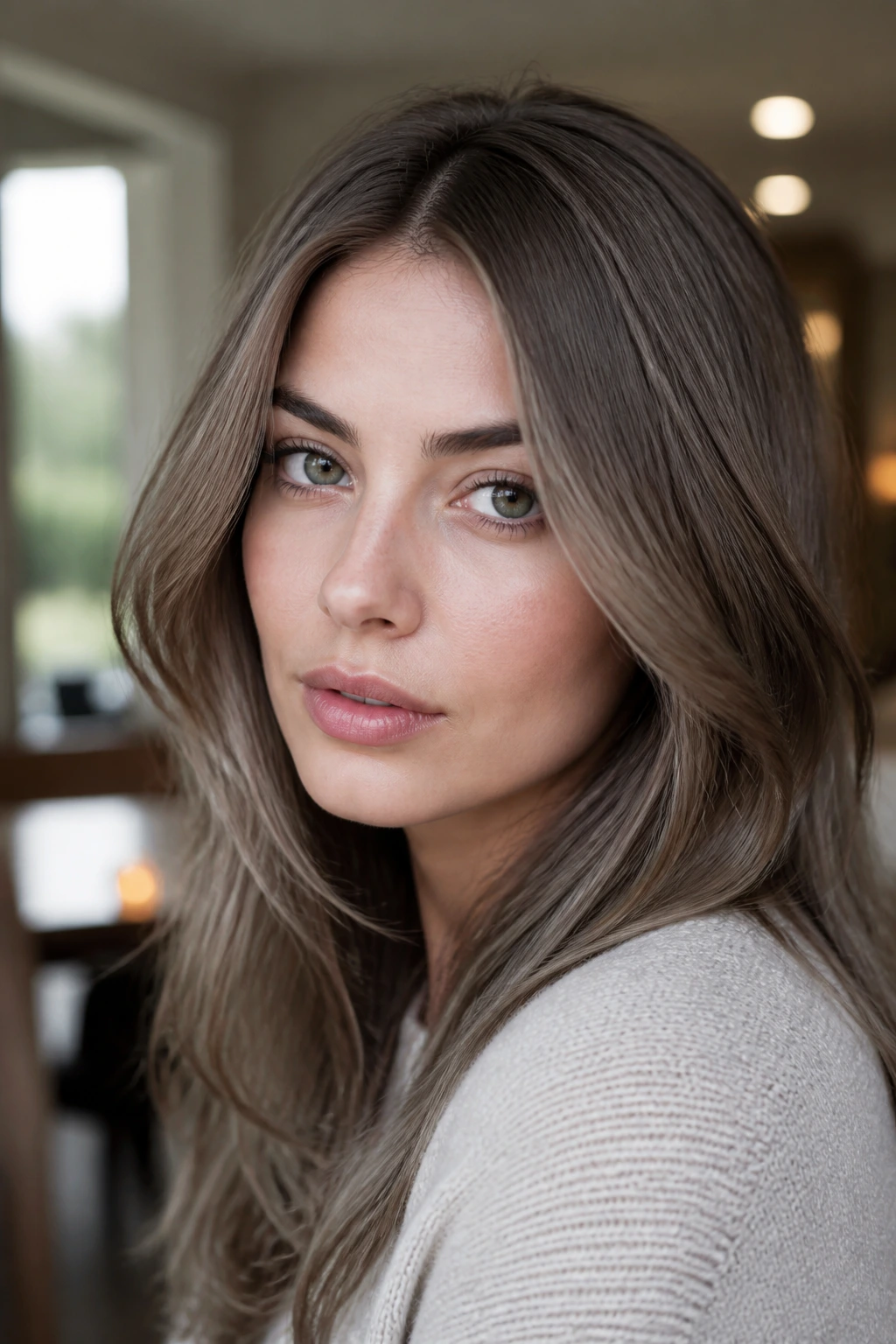
Light brown is one of those shades that can either flatter cool skin or flatten it, and the difference usually comes down to tone more than depth. A brown that leans ash, beige, or mushroom has a gray-blue or violet cast that quiets down redness in the skin. A brown that leans gold or copper does the opposite. It can make the face look pinker, which is fine if that’s the look you want, but not ideal if you’re after a calmer finish.
There’s also a practical reason these shades work. Light brown sits close enough to the face to matter, but it doesn’t bring the high-contrast punch you get from black. That means you can keep the color soft around the hairline and still have enough dimension for waves, layers, or a blunt cut to show off. The hair looks fuller because the tonal shifts are visible.
Brass is the enemy here. Not warmth itself. Brass. Big difference. A little beige can look polished on cool skin. Too much gold can turn the whole thing muddy by the second shampoo.
How to Read a Brown Swatch Without Guessing
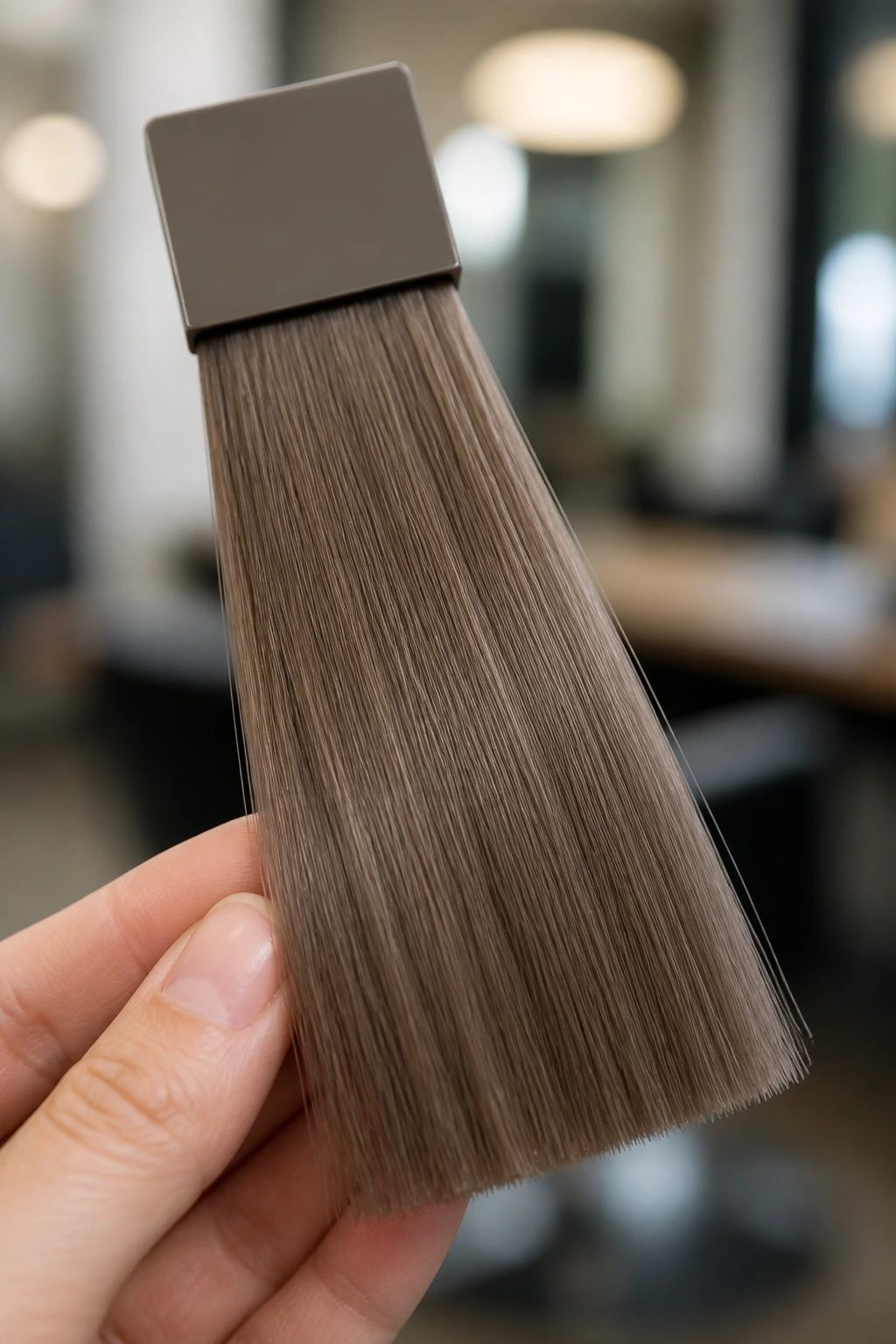
Hair color names are messy. Salon language is messy. Box dye names are worse. The same “light brown” can lean sandy in one line, smoky in another, and straight-up orange in the wrong hands. That’s why it helps to think in levels and tone words, not just shade names.
A level 5 is usually a light brown that still reads rich and grounded. Level 6 is where light brown starts to feel airier and a little softer. Level 7 can drift toward dark blonde, which is useful if you want brightness but still want brown to anchor the look. For cool skin, level 6 is often the safest place to start.
Tone words matter even more. Ash means cool and smoky. Beige usually means a balanced neutral. Mushroom sits in that gray-brown space that looks expensive in daylight and maybe a touch understated indoors. Taupe leans brown-gray, while cendré is the cooler, powdery cousin of ash. If a swatch says honey, caramel, amber, or copper, read that as warmth first and coolness never.
A good salon photo helps, but a strand reference helps more. Bring one picture taken outside in open shade and one in indoor light. Same shade, different read. That matters.
Why You’ll Want a Whole Menu of Brown Options
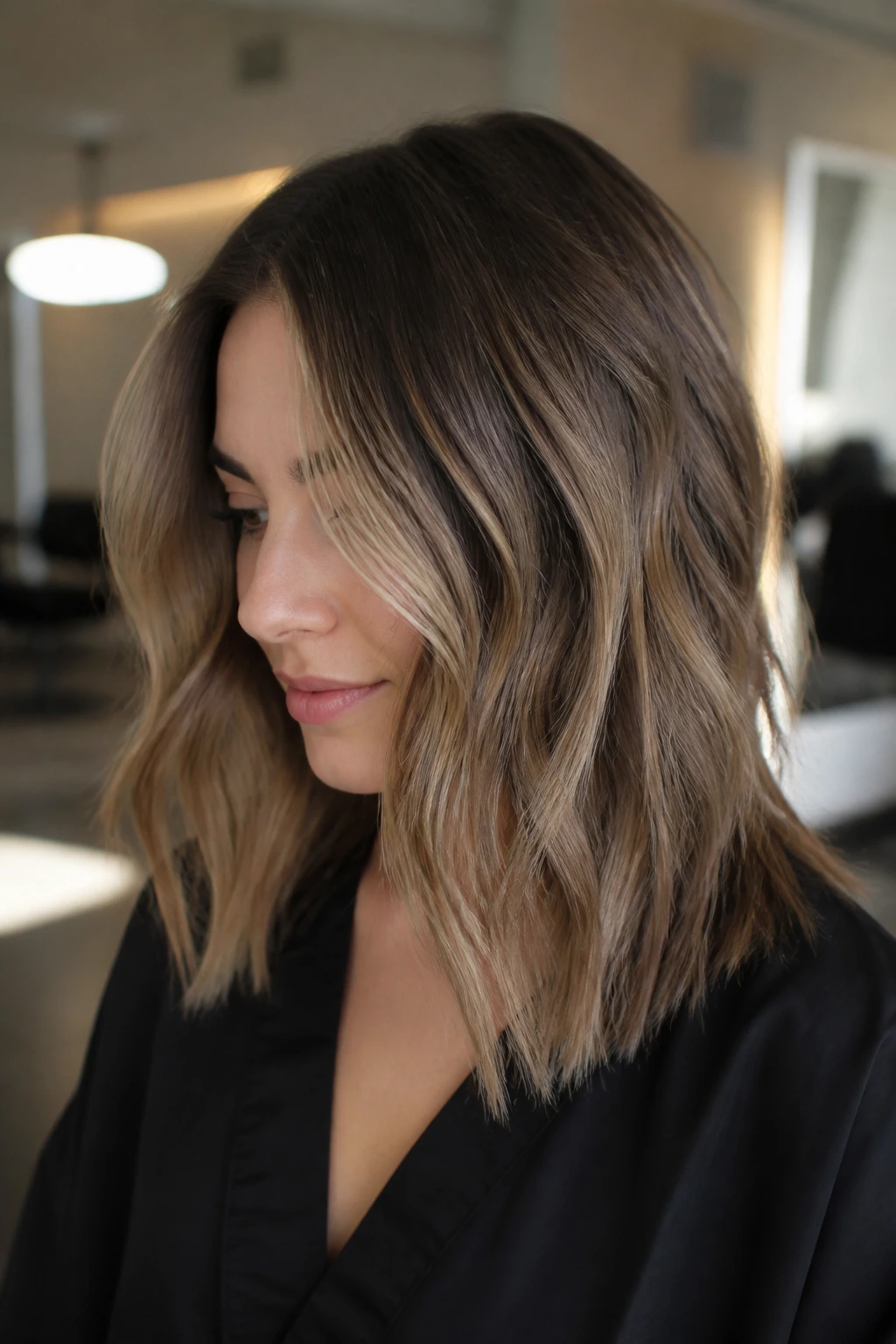
- Cool-skin friendly range: These shades stay in the ash, beige, and mushroom lane, so they don’t fight pink or blue undertones.
- Room for different maintenance levels: Some of these are gloss-only tweaks, while others use balayage or root melts that grow out with less drama.
- Works on more than one base color: Dark blonde, medium brown, and even previously highlighted hair can all land in this family with the right toner.
- Easy to make softer or sharper: Face-framing pieces, lowlights, and money pieces change the mood without changing the whole head.
- Salon words you can actually use: Phrases like “level 6 ash-beige,” “mushroom brown,” and “cool gloss” mean more than vague requests for “a nice brown.”
1. Smoky Beige Brown
Smoky beige brown sits in that narrow lane between ash and softness, which is why it flatters cool skin without making the face look drained. The color has enough brown to feel grounded, but the beige edge keeps it from reading flat under indoor lighting. If your skin goes rosy in the cheeks, this shade usually calms that down rather than exaggerating it.
Ask for It This Way
- Level 6 beige brown base with a cool ash gloss on top.
- One-half shade lighter face-framing pieces if you want a little brightness.
- Blue-based toner if your hair tends to pull orange after washing.
Best on: fair to light-medium cool skin, especially if you want a brown that feels soft rather than dramatic.
The trick is shine, not contrast. Loose bends show the smoky ribbons better than pin-straight hair, which can make beige browns look heavier than they are. If you’re starting from blonde, keep the lowlights thin and scattered. Chunky stripes take the shade from elegant to dated fast.
2. Mushroom Brown Balayage
Mushroom brown balayage is the shade people ask for when they want brown hair that feels a little urban, a little expensive-looking, and not remotely orange. It’s a cool-neutral brown with gray-beige movement through the mids and ends, usually painted so the dark root melts into lighter smoke-toned ribbons. It looks especially good when the hair moves.
What Makes It Different
This isn’t a flat color. It needs a few tonal shifts to work. The root is usually kept at a level 5 or 6, while the balayage pieces sit around level 6 to 7 with a muted beige finish. That spread gives the color dimension without turning it into blonde.
If your complexion is cool olive, this is one of the easiest browns to wear. It doesn’t pull too red against the skin, and it doesn’t demand perfect makeup to look finished. Air-dried waves make the texture even better. So does a collarbone cut. Clean lines, smoky ends.
3. Ash Mocha Brown
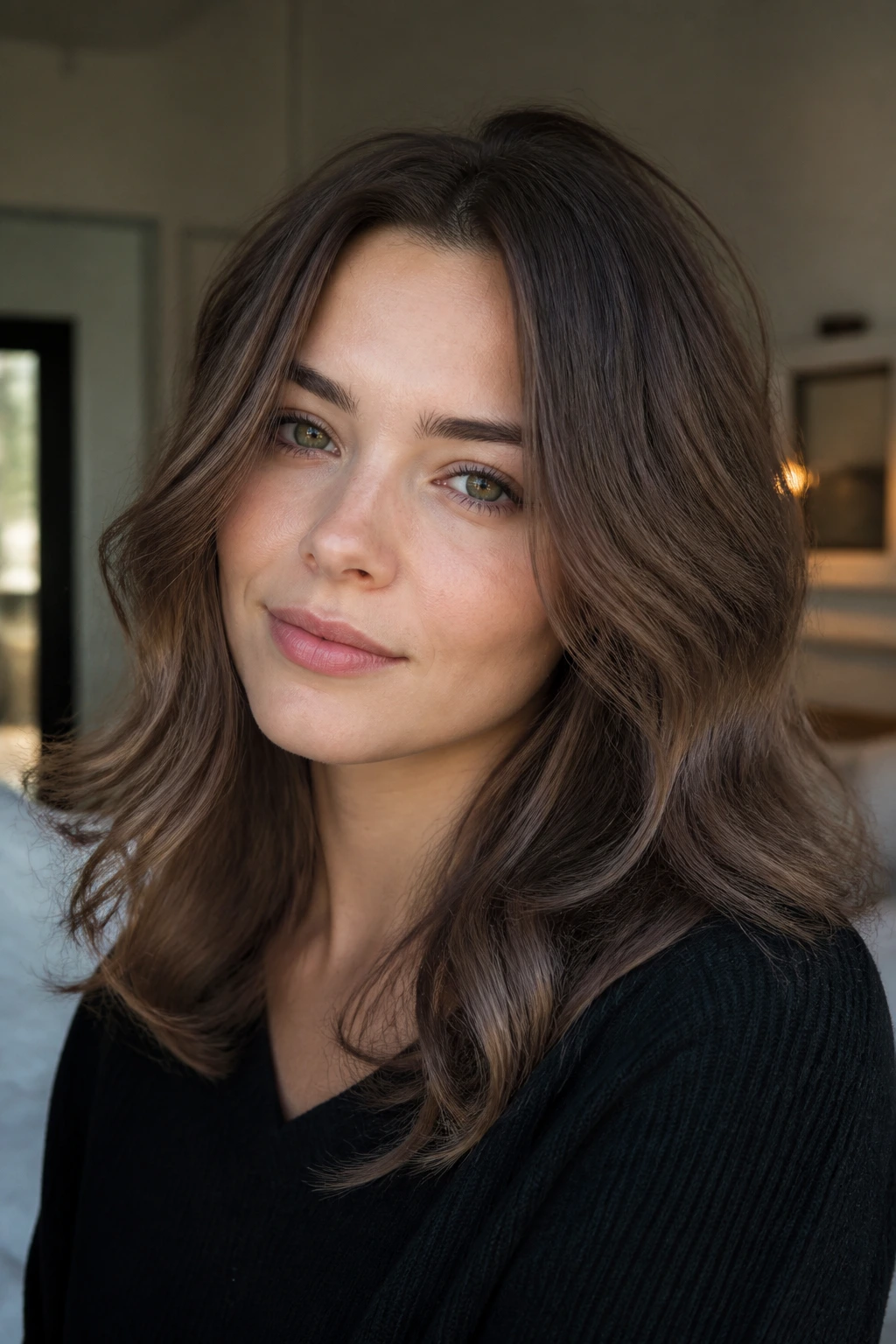
Ash mocha brown is for the person who wants depth but does not want warmth showing through every time the sun hits the crown. Mocha gives the shade richness; ash keeps it honest. The result is a medium-light brunette that reads polished in daylight and quietly dark in the evening.
Why It Works
A cool skin tone can handle mocha when the brown is built with a smoky base instead of a chocolate one. That means the colorist should avoid too much gold in the formula and lean toward a neutral-ash demi gloss after lifting. If the hair is porous, this matters even more, because porous strands grab warmth fast.
This shade likes soft layers. Heavy one-length hair can make mocha feel a little dense. Break the shape up and the color starts moving. It’s one of those browns that looks better after a few washes too, once the gloss settles and the surface shine calms down.
4. Cool Chestnut Brown
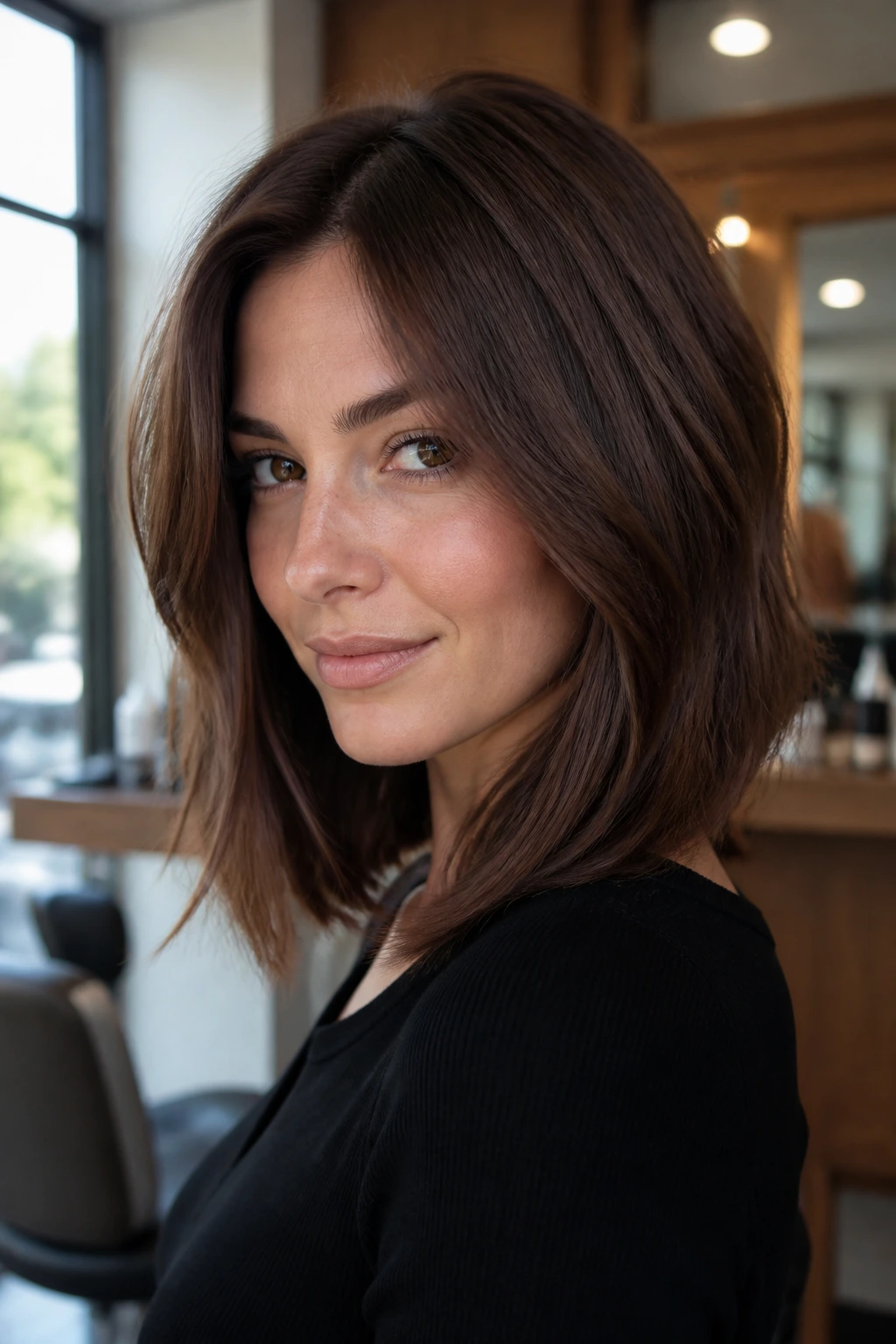
Chestnut is tricky. Left alone, it can drift red. Toned down, it becomes a gorgeous soft brown that gives cool skin a little life without turning copper. That’s the version worth chasing. It still has that familiar chestnut depth, but the warmth is pushed back just enough to keep it from reading autumn-heavy.
A cool chestnut works well if your features are stronger—dark brows, a clear lip line, more defined eyes—because the shade has enough substance to hold its own. Ask for a chestnut base with an ash glaze or blue-violet toner, not a straight warm brown. The difference shows most after the second shampoo, when warmth tends to creep in.
Short hair loves this color. So do layered lobs. The cut gives chestnut brown places to break up, which keeps the color from feeling one-note.
5. Taupe Brown Melt
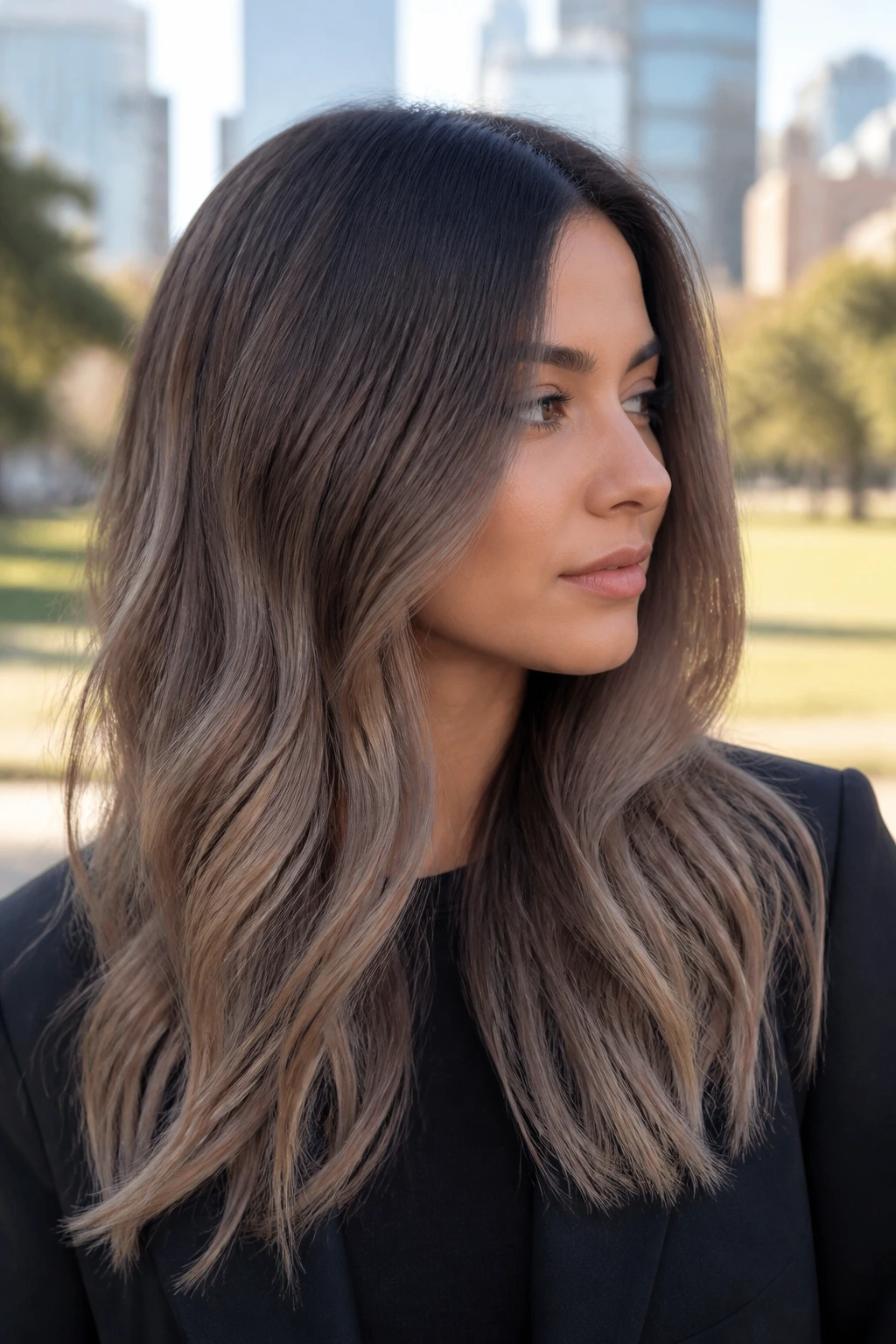
Taupe brown melt is the kind of color that looks like it cost more time than it did. The root stays a touch deeper, then the shade slides into a gray-brown taupe through the mids and ends. It’s smooth, low-drama, and ideal if you want something cool without looking stark.
Ask for This Blend
Tell the colorist you want a root melt from level 5 or 6 into a taupe-brown finish. Keep the transition soft, not stripey. The whole point is that the eye doesn’t stop at the root line.
This is a smart choice if you’re growing out blonde or trying to move away from high-contrast highlights. The melt softens the regrowth line, and taupe keeps the ends from going yellow. A little wave in the hair shows the gradient better than a straight blowout, which can blur the point of the fade.
6. Cendré Brunette
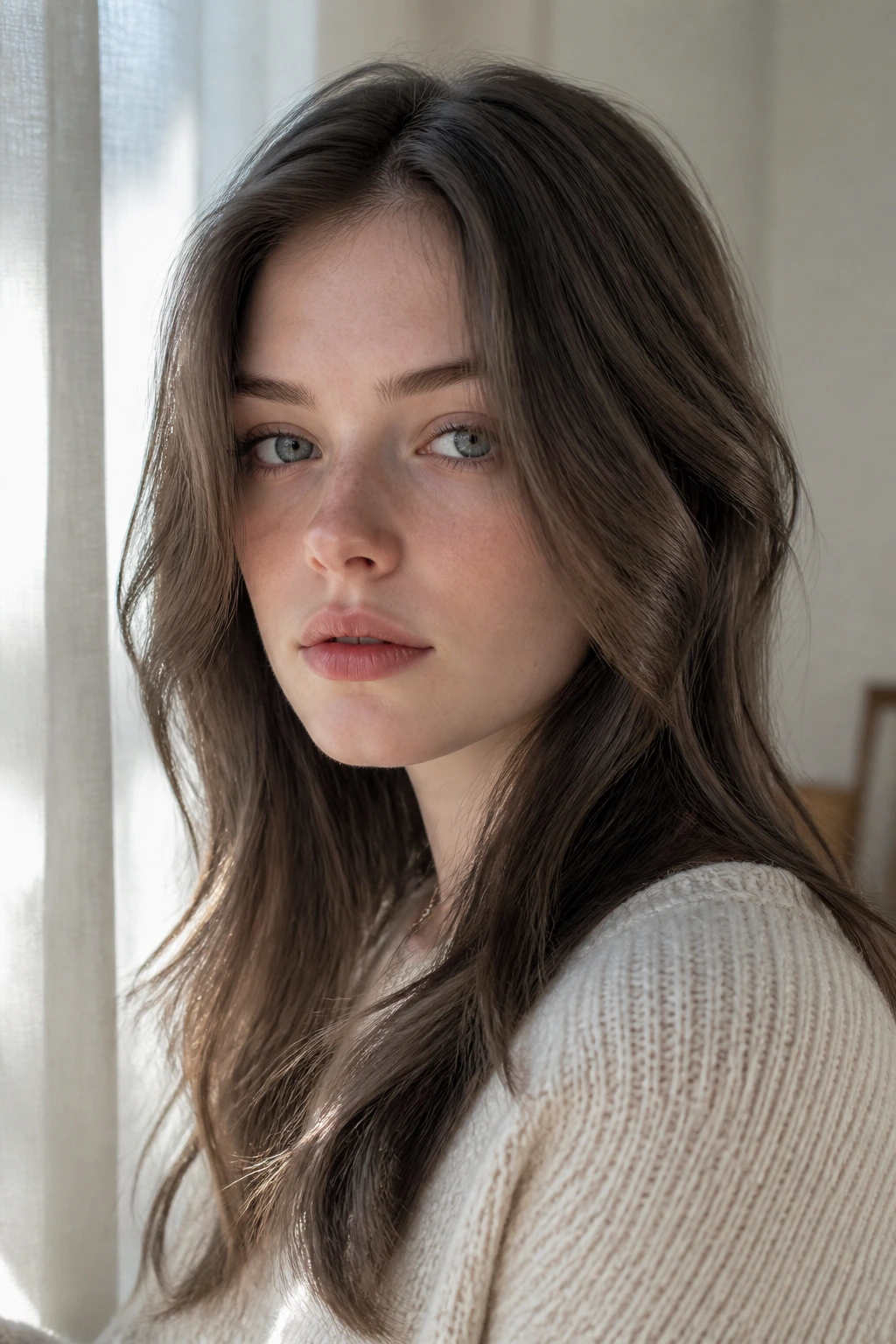
Cendré is one of my favorite words in hair color, mostly because it means exactly what cool skin needs: that powdery, smoky brown finish that never tries to be gold. Cendré brunette looks muted in the best way. It’s refined without looking stiff, and it has enough gray-brown depth to flatter very fair skin that tends to pink up easily.
A lot of people mistake this for “ashy brown,” but cendré is softer. Less slate. More velvety dust. If your hair is naturally light brown and you want to keep it close to its own tone while cooling it down, this is the move. Ask for a demi-permanent gloss rather than a heavy permanent color if your goal is tone, not lift.
This shade is especially good on straight hair with a sharp cut. The line of the bob or lob gives the color a clean frame.
7. Beige Brown with Soft Money Pieces
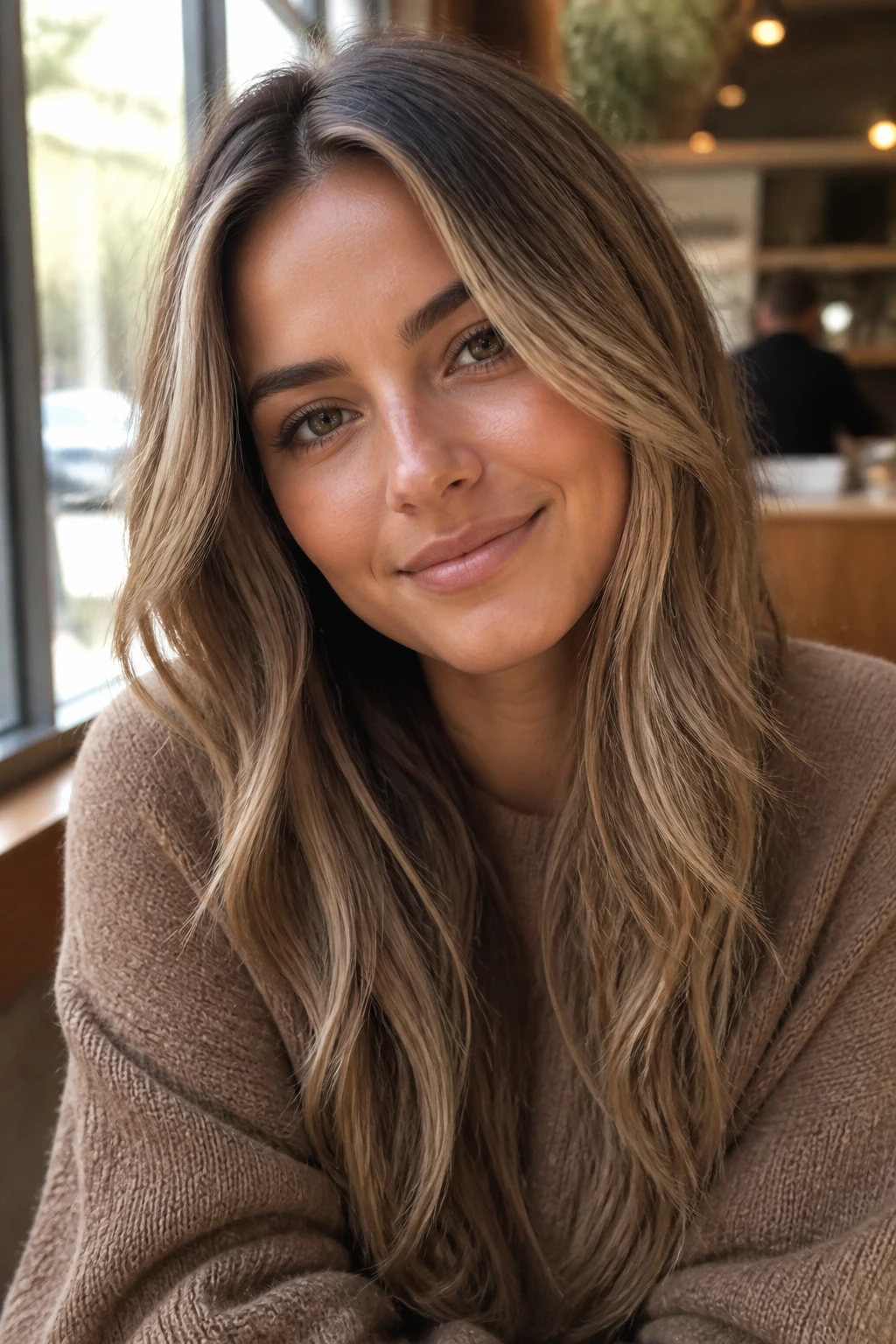
If you like brown hair but need something brighter near the face, beige brown with soft money pieces does the job without jumping into full blonde territory. The base stays light brown and cool-beige, while the front pieces sit a little lighter—enough to lift the complexion, not enough to look stripey.
Best For
- Cool skin that needs light around the cheeks and temples.
- People who want to keep the back of the hair deeper and easier to maintain.
- Anyone who wants a brighter look without full-head highlights.
The money pieces should be beige, not yellow. That’s the whole game. If they go too warm, they can make the skin look flushed. Keep them diffused at the root and soft through the ends, and they’ll read as light rather than blond.
8. Cool Cocoa Brown
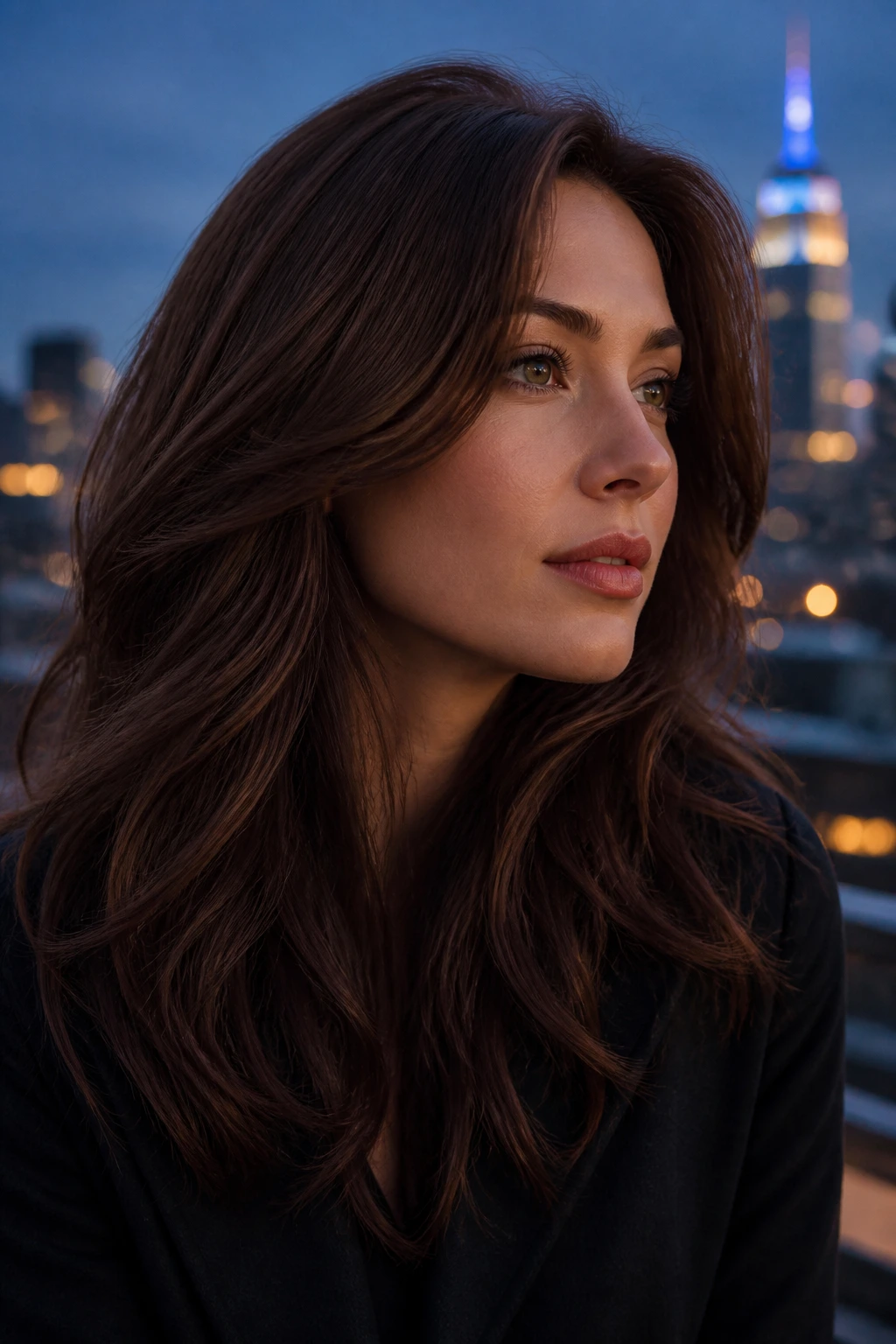
Cool cocoa brown lives deeper in the brunette family, but it still counts as light brown when the finish has enough shine and the pigment stays muted. Think cocoa powder, not milk chocolate. It’s rich, smooth, and very good at making cool skin look even-toned.
This shade works especially well on dense hair because the depth helps the hair look full without needing a ton of highlights. If your natural base is medium brown and you want a low-maintenance change, cocoa is one of the safer options. It doesn’t need a lot of lift to look intentional.
The only catch is over-warming. Ask for a cool glaze or a brown toner with blue-violet support. Otherwise, cocoa can slide red in a hurry, especially if your hair has been colored before.
9. Ash Walnut Brown
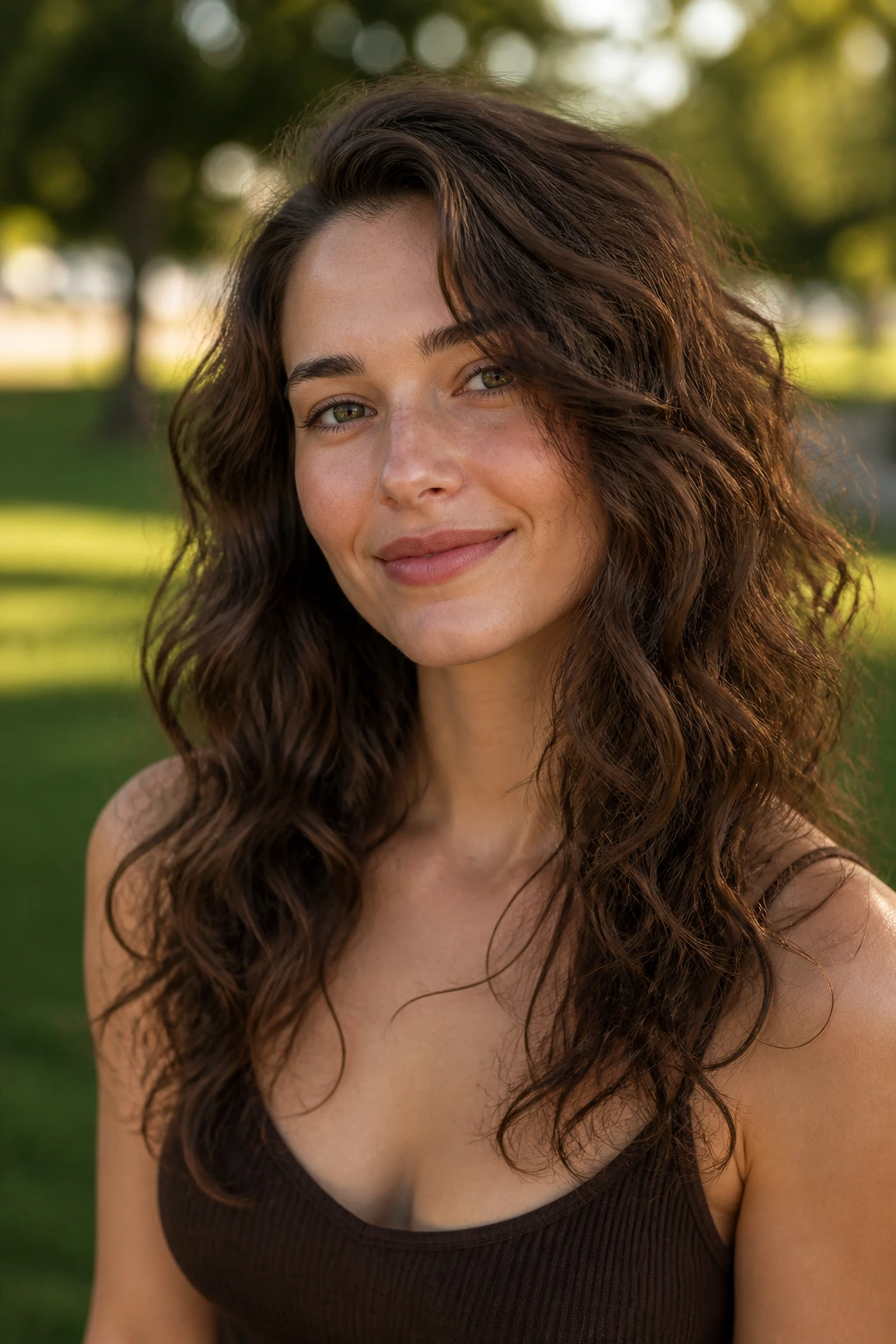
Ash walnut brown has a bit more structure than beige brown and a bit more softness than slate. That middle ground makes it a strong pick for cool skin that needs dimension but not brightness. Walnut gives it body; ash keeps it from going rusty.
Why It’s a Quiet Favorite
This shade works well on curly and wavy hair because the tonal contrast shows up inside the curl pattern. On straight hair, it looks smoother and more restrained. Either way, the color stays close to natural brunette territory, which means the grow-out can be forgiving if you keep the root within half a level of the mids.
It also plays nicely with long layers. The ends catch the cooler walnut tone, while the top stays a touch deeper. That tiny shift keeps the whole style from turning into one heavy block of brown.
10. Bronde with Beige Lowlights
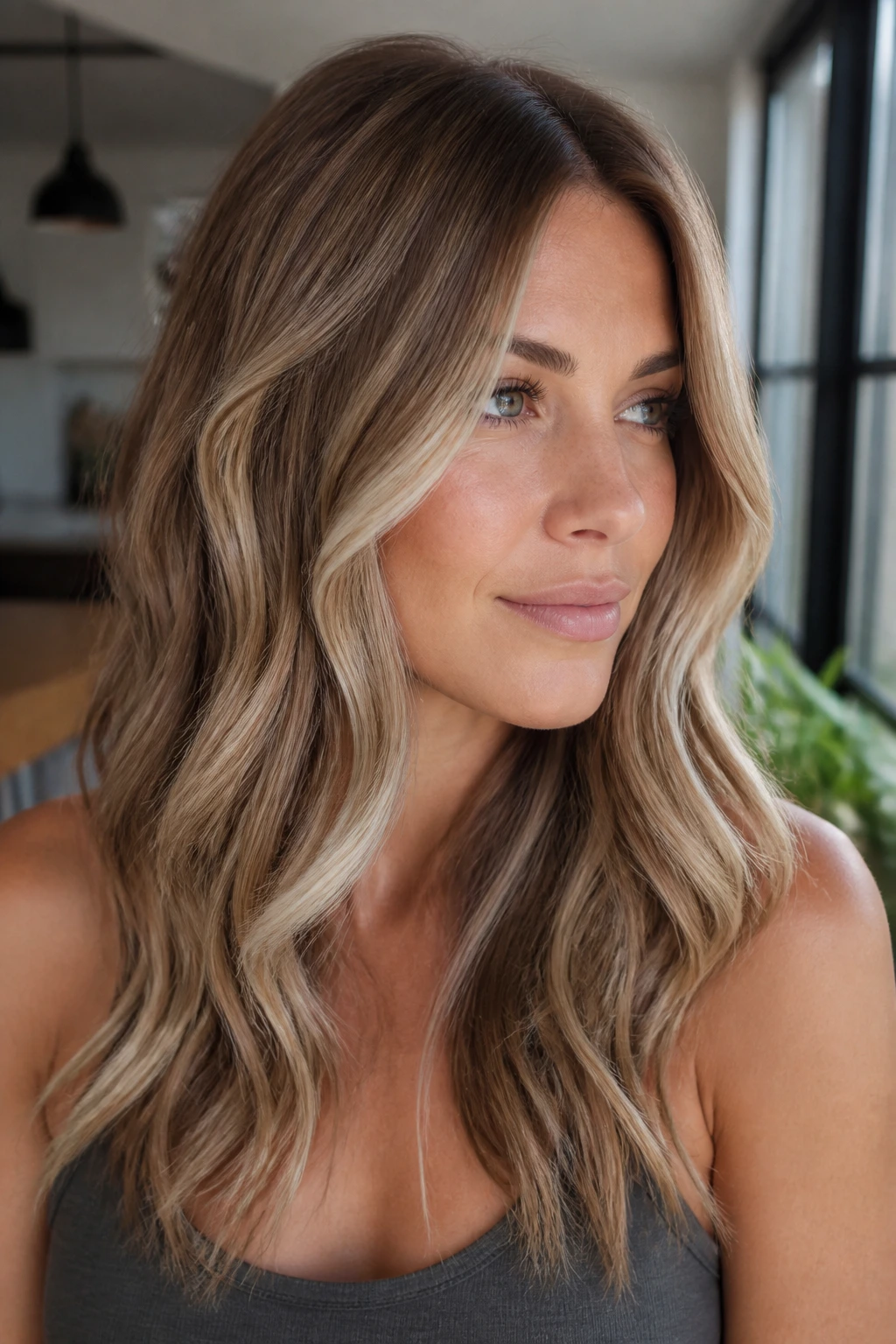
Bronde is useful when you want brown hair to still feel light in the room. Beige lowlights bring back some depth if your blonde has gone too bright or too warm, and they do it in a way that feels deliberate rather than corrective. The finish is cool, soft, and easy to wear with pale skin.
What to Ask For
Ask for beige lowlights one level deeper than your base and keep the blonde pieces clean, not buttery. If your hair is over-highlighted, a few strategic lowlights can make the whole head look healthier because the contrast returns.
This is one of the best choices if you’re nervous about going fully brunette. You get the brown family, but you still keep lightness around the face and through the ends. It’s also a nice fix when the old highlights have lost their tone and need a reset.
11. Pearl Brown Gloss
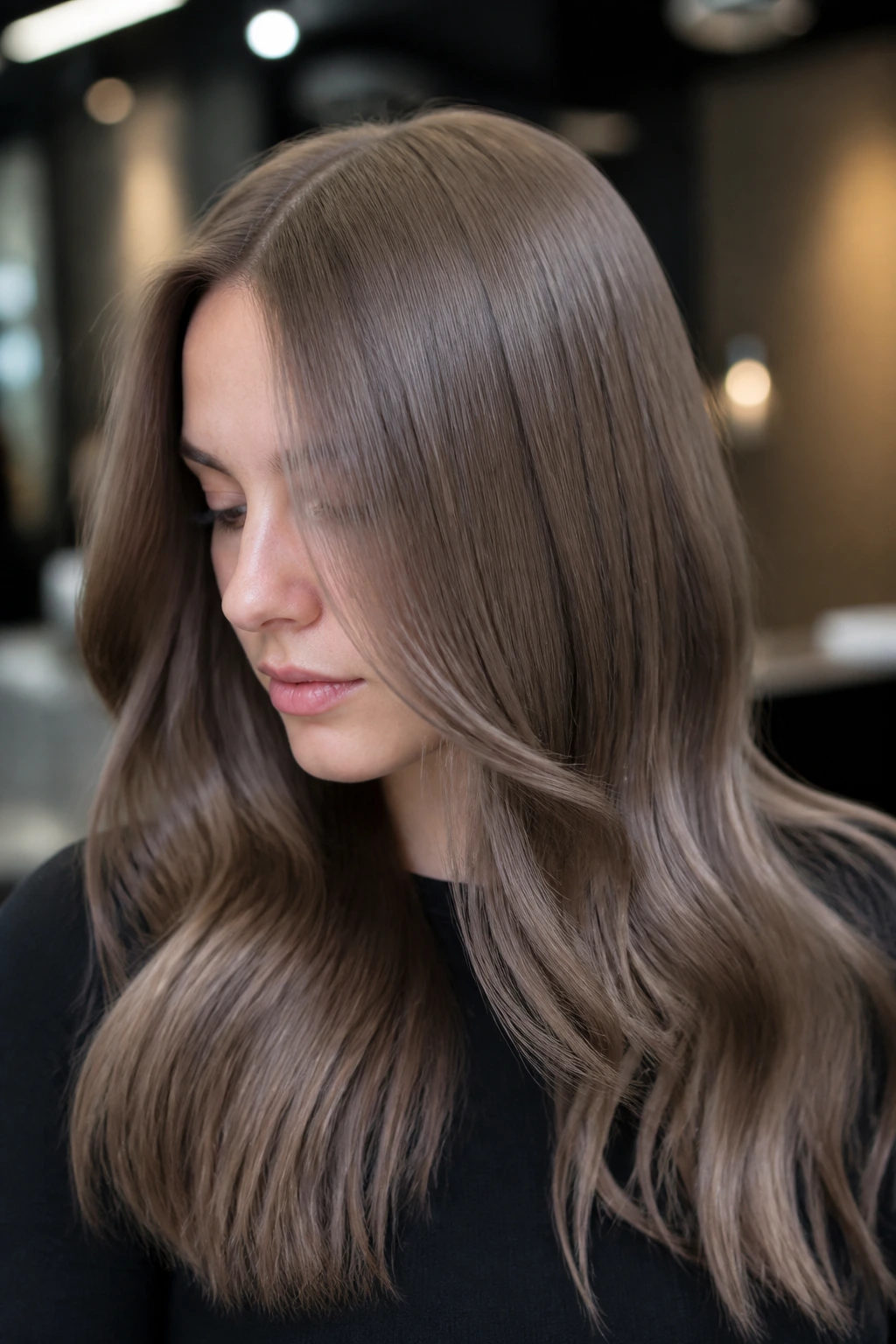
Pearl brown is not about dramatic color change. It’s about finish. The shade sits in a translucent light brown range with a pearly, almost silver-beige cast that catches cool light beautifully. On cool skin, it can look clean and fresh rather than dark or muddy.
A gloss is the right tool here. You want a sheer deposit, not a heavy permanent lift. Pearl brown works best on pre-lightened hair or naturally dark blonde hair that already has some softness in the base. The color is subtle enough that the texture of the hair matters almost as much as the pigment.
If your hair is fine, this shade can make it look fuller because the reflective finish gives the strands more visible surface. Keep the cut blunt or softly textured. Too many layers can scatter the shine.
12. Light Brown with Platinum Ribbons
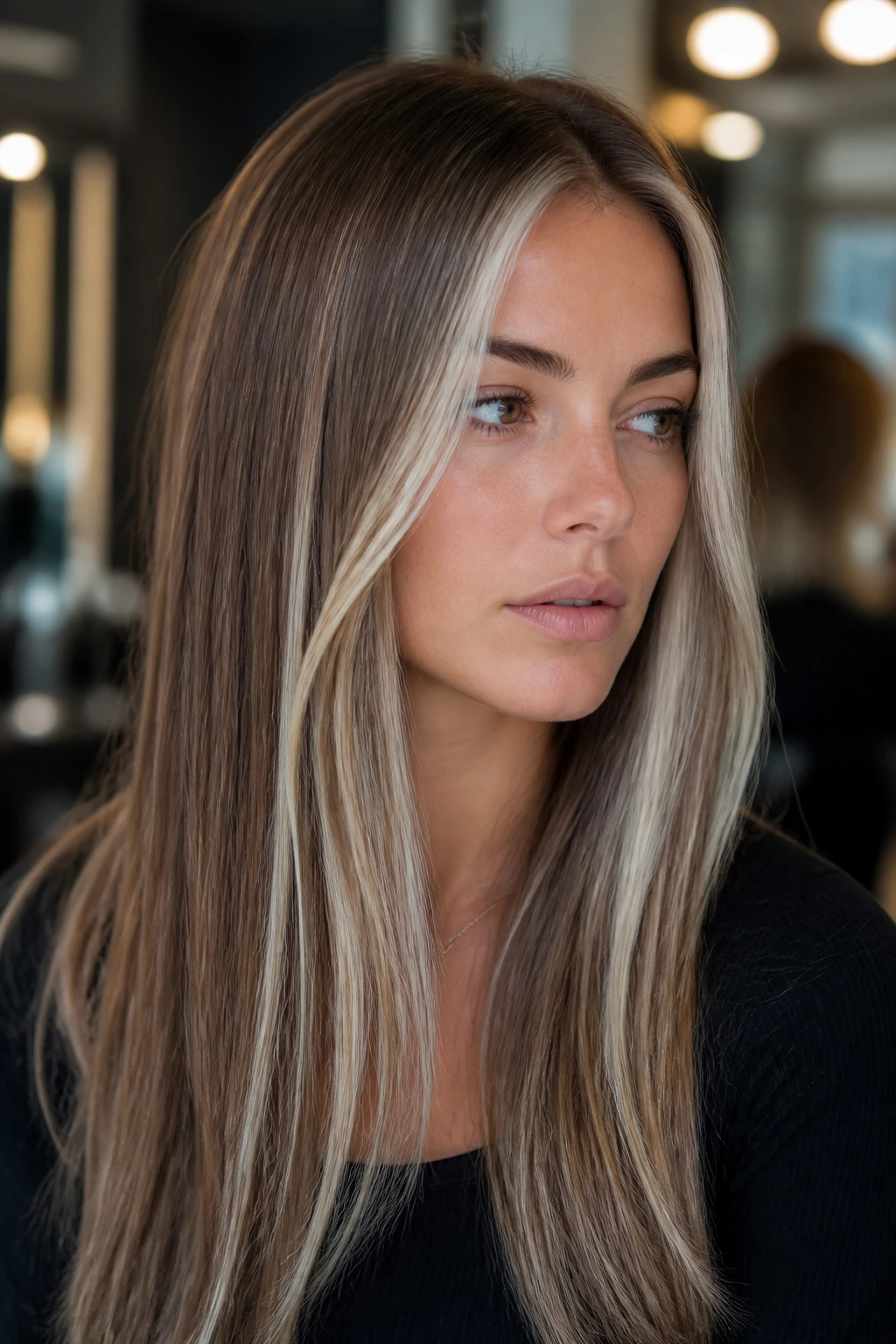
This one is for people who like contrast but still want the overall read to stay in the light brown family. Platinum ribbons woven through a cool brown base can look sharp against porcelain or pink-toned skin, especially when the ribbons are thin and intentionally placed around the front.
It’s a stronger look than the softer shades above. Not loud. Just more obvious. If you want the face to pop in photos and under bright light, this does it. The key is placement: keep the platinum pieces narrow and separated, and don’t let them creep yellow. Platinum that turns buttery will fight the cool undertone instead of flattering it.
This shade works best when the rest of the hair is understated. Big curls can make the ribbons look busy. Sleek waves or a smooth blowout give them room to breathe.
13. Latte Brown with Smoky Ends
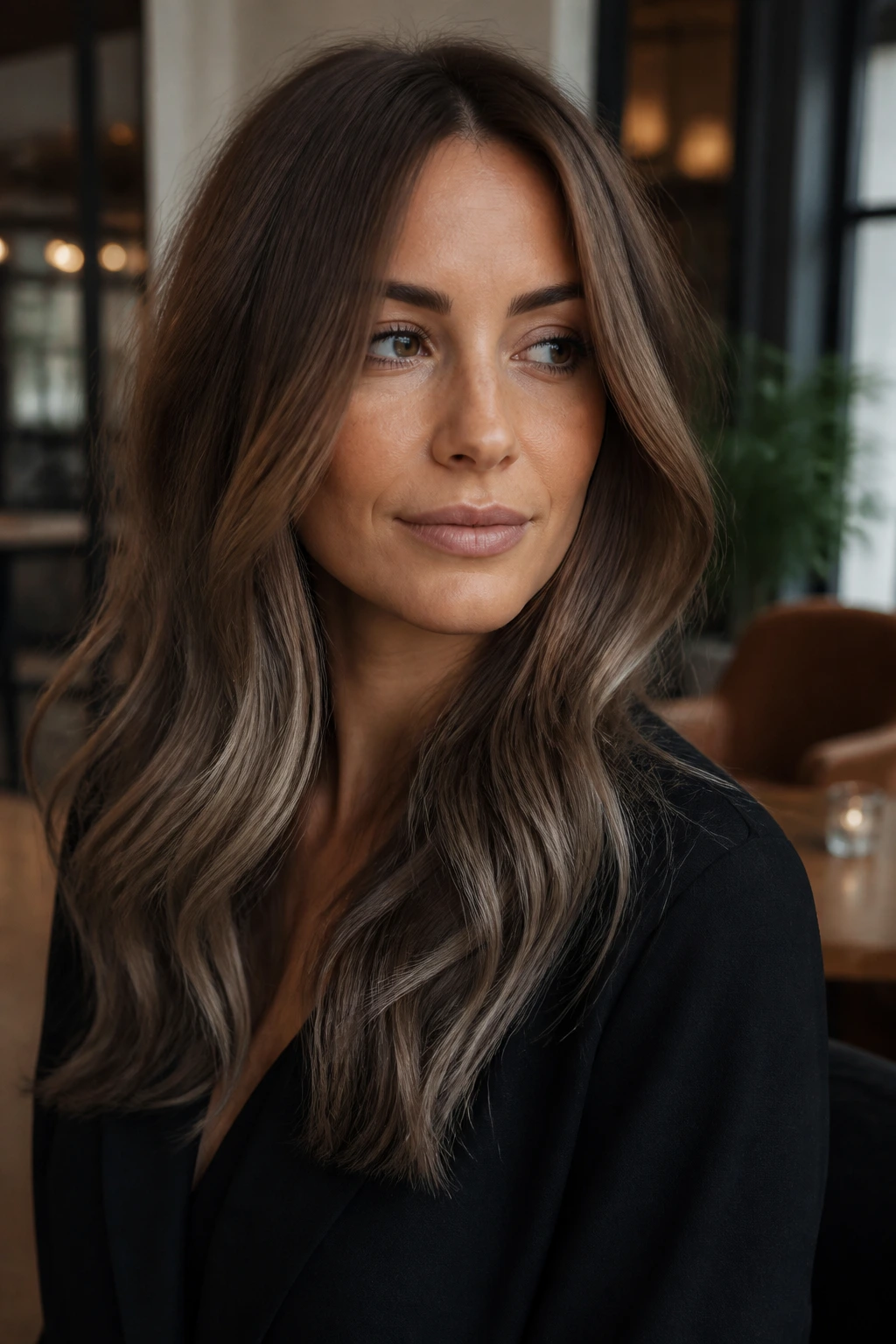
Latte brown usually sounds warmer than it needs to be, which is why the smoky-end version is the better choice for cool skin. Keep the top section a soft beige-brown, then let the mids and ends drift a little deeper and ashier. The result feels like light brown hair with a shadow line, not a single flat tone.
A Smart Placement Trick
If the hair is long, keep the lightest pieces near the face and around the top layer. The smoky ends help length look healthy, while the brighter top catches the eye where you want it. This is a good trick for people whose ends tend to look wispy or porous.
Latte brown with smoky ends also grows out in a forgiving way. The root can sit a little darker without looking harsh, and the cooler ends stop the whole thing from turning orange at the tips.
14. Ash-Toned Caramel Brown
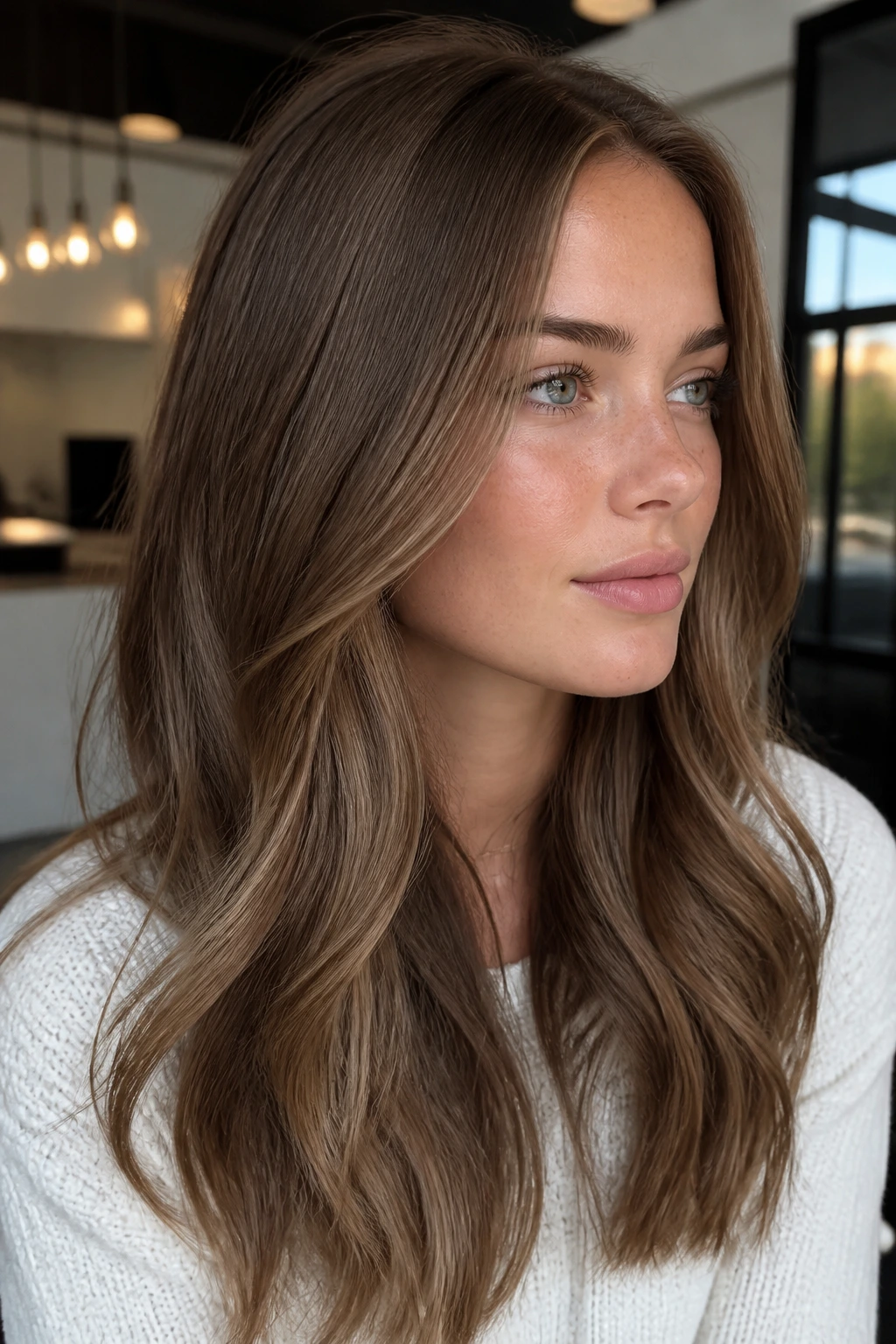
Caramel usually makes me suspicious on cool skin. It can be lovely, but it often wants to go too warm, too gold, too fast. The fix is an ash tone layered over the caramel, which gives you the soft glow without the orange cast.
This shade works when the caramel is used like a whisper, not a headline. Think soft ribbons, not heavy stripes. If your skin is cool olive, this can be a useful bridge color because it gives a little warmth back to the hair while keeping the overall finish balanced. The glaze matters here. A cool topcoat will save the color from tipping into brass after the first few shampoos.
Keep the makeup soft and rosy if you wear this shade. Too much warm blush can fight the hair.
15. Slate Brown Balayage
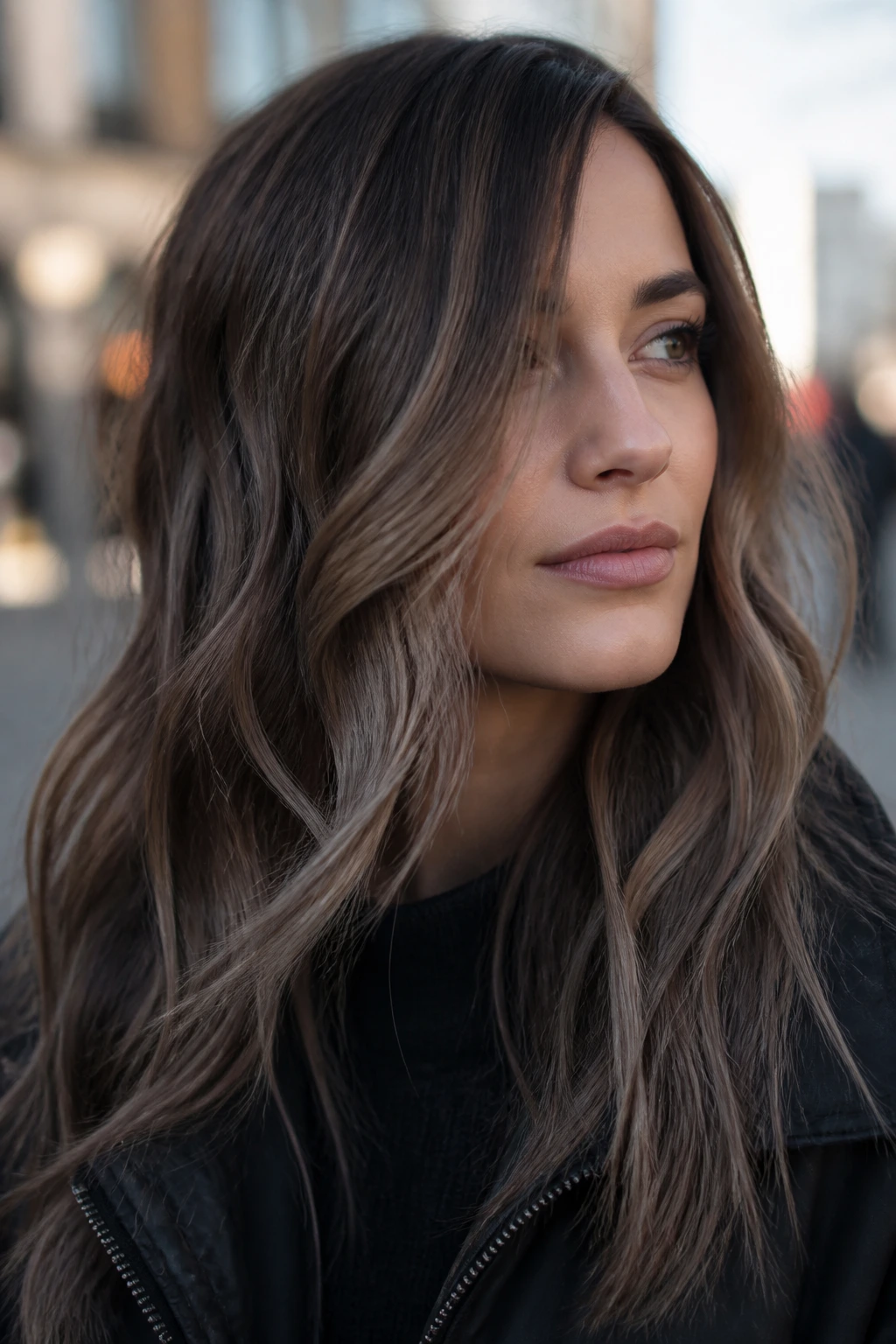
Slate brown is one of the cooler browns you can wear without looking like you forgot to warm the pigment up. It has a gray-brown, almost stone-like finish that reads modern on cool skin, especially if your features are sharp or your clothing leans black, navy, or charcoal.
This balayage version keeps the top deeper and lets the painted pieces move toward smoky brown rather than blonde. That matters. You want dimension, not a striped contrast. Slate brown is especially good when you’re tired of red tones showing through every time your hair catches sun. It’s a shade that tells brass to stay home.
If you wear your hair wavy, the tonal changes show up beautifully. If your hair is pin-straight, ask for a little more depth near the roots so the color doesn’t disappear against pale skin.
16. Chestnut Bob with Cool Toning
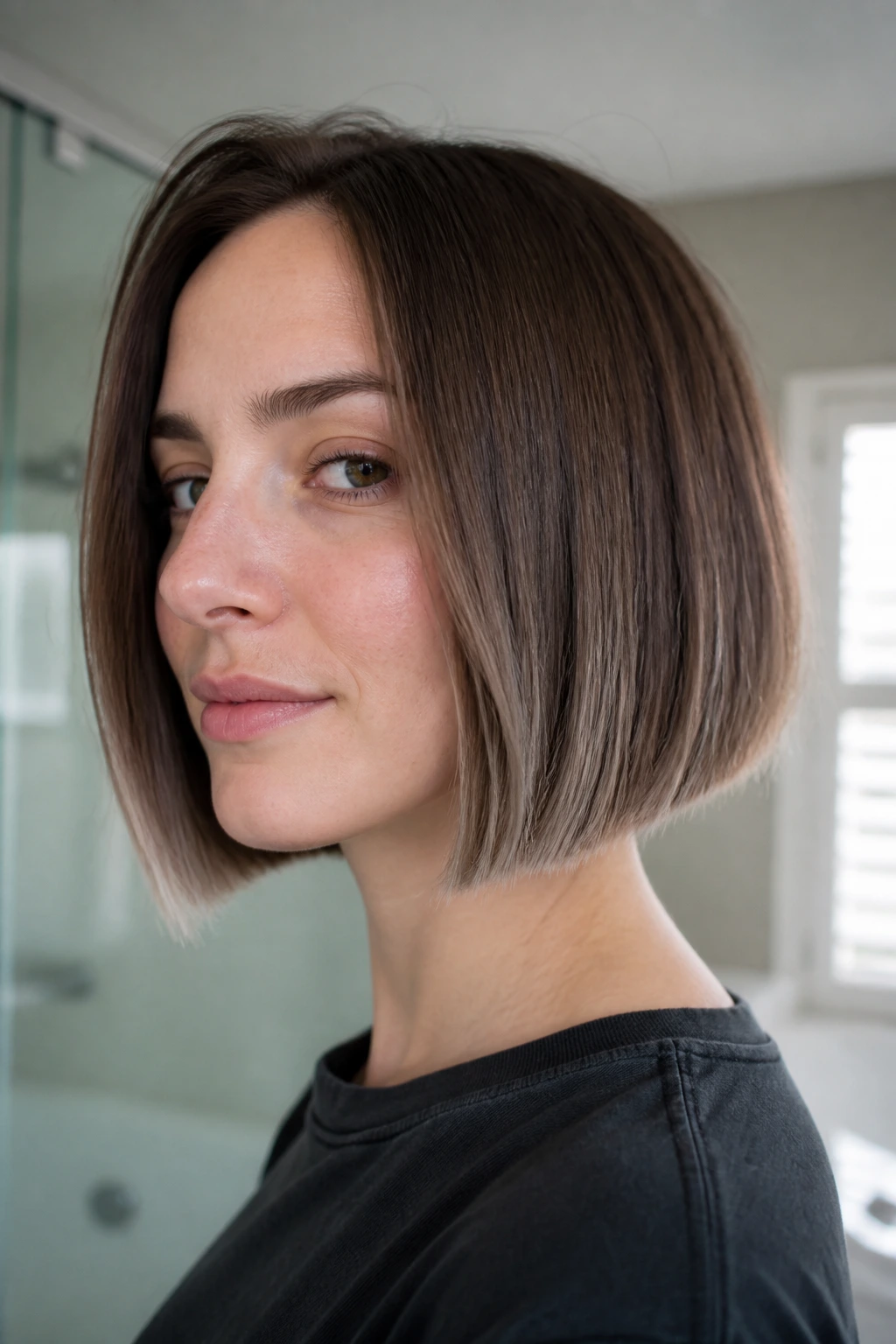
A bob changes the way brown reads. It makes the color look denser, sharper, and a little more deliberate. A chestnut bob with cool toning is a smart way to wear light brown on cool skin if you want shape first and color second. The cut gives the shade a clean edge.
The chestnut itself should be toned down, not vivid. Ask for a neutral chestnut base with a cool toner on the ends if your hair likes to go red. On a bob, that tonal control matters because there’s less length to dilute mistakes. A bad warm note on a short cut shows up fast.
This is a good choice if your hair is fine and you want it to look fuller at the ends. The blunt line creates body, and the cool tone keeps it from feeling flat or heavy.
17. Sandstone Brown
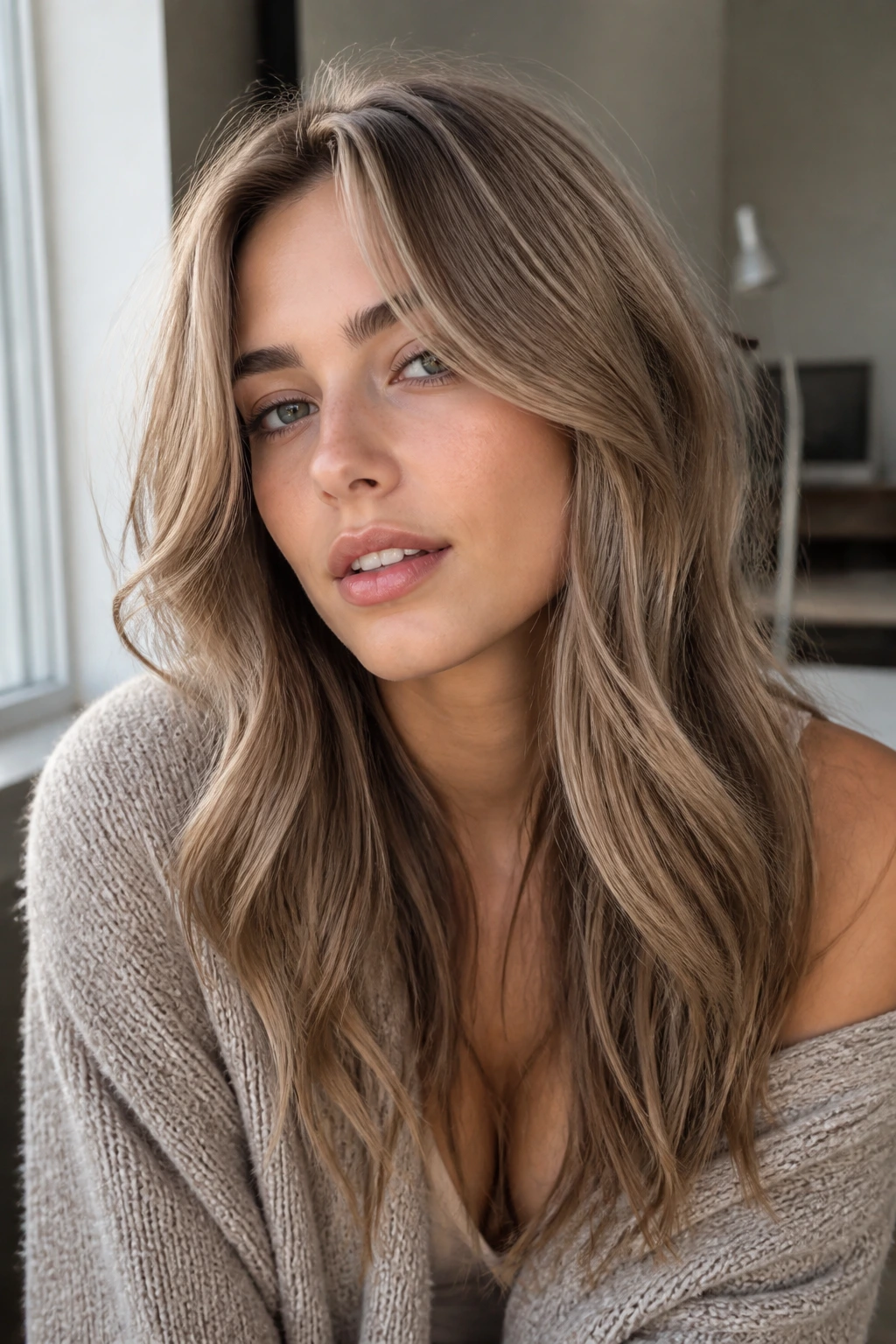
Sandstone brown sounds warm, but the right version has enough gray-beige in it to sit comfortably beside cool skin. It lands between blonde and brown, with a soft mineral tone that feels calm rather than sunny. If you want a brown that still reads light in winter light or office lighting, this is a solid one.
Why It’s a Nice Middle Ground
This shade works best when the formula includes beige and ash in equal measure. Too much gold and it turns sandy in the wrong way. Too much gray and it can look dusty. The sweet spot gives you a light brown that feels natural, not dyed.
Sandstone brown is good for people moving from dark blonde to brunette who don’t want a shock. It’s also easy to blend with existing highlights. The color grows out quietly, which is useful if you don’t want a high-maintenance schedule.
18. Smoky Bronde Lob
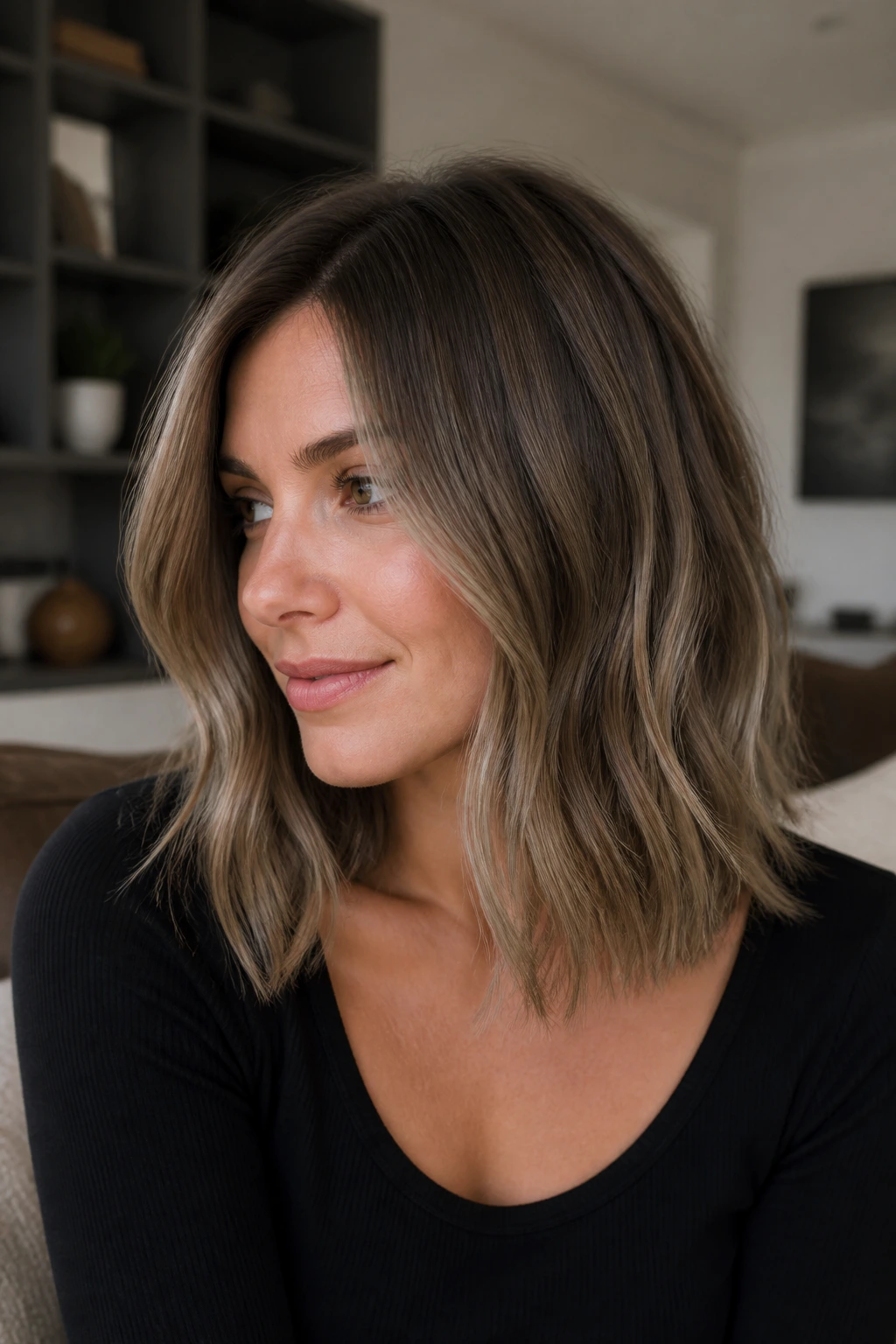
The lob is a good haircut for almost everything, but it makes smoky bronde especially easy to wear. The length sits right where color movement matters most: around the shoulders, near the collarbone, where the ends can flip and show the lighter ribbons. Cool skin gets the benefit of brightness without a full blonde commitment.
This version of bronde should stay muted. Beige, ash, and a touch of brown shadow at the root are enough. If the blonde pieces go too golden, the whole thing loses the smoky effect. A soft wave helps the color look expensive in the simple, visual sense—because the different shades stay visible instead of blending into one dull brown blur.
If you’re tired of maintaining bright highlights, this is a calmer route. Lower contrast. Less brass. Better grow-out.
19. Espresso Root Melt into Light Brown
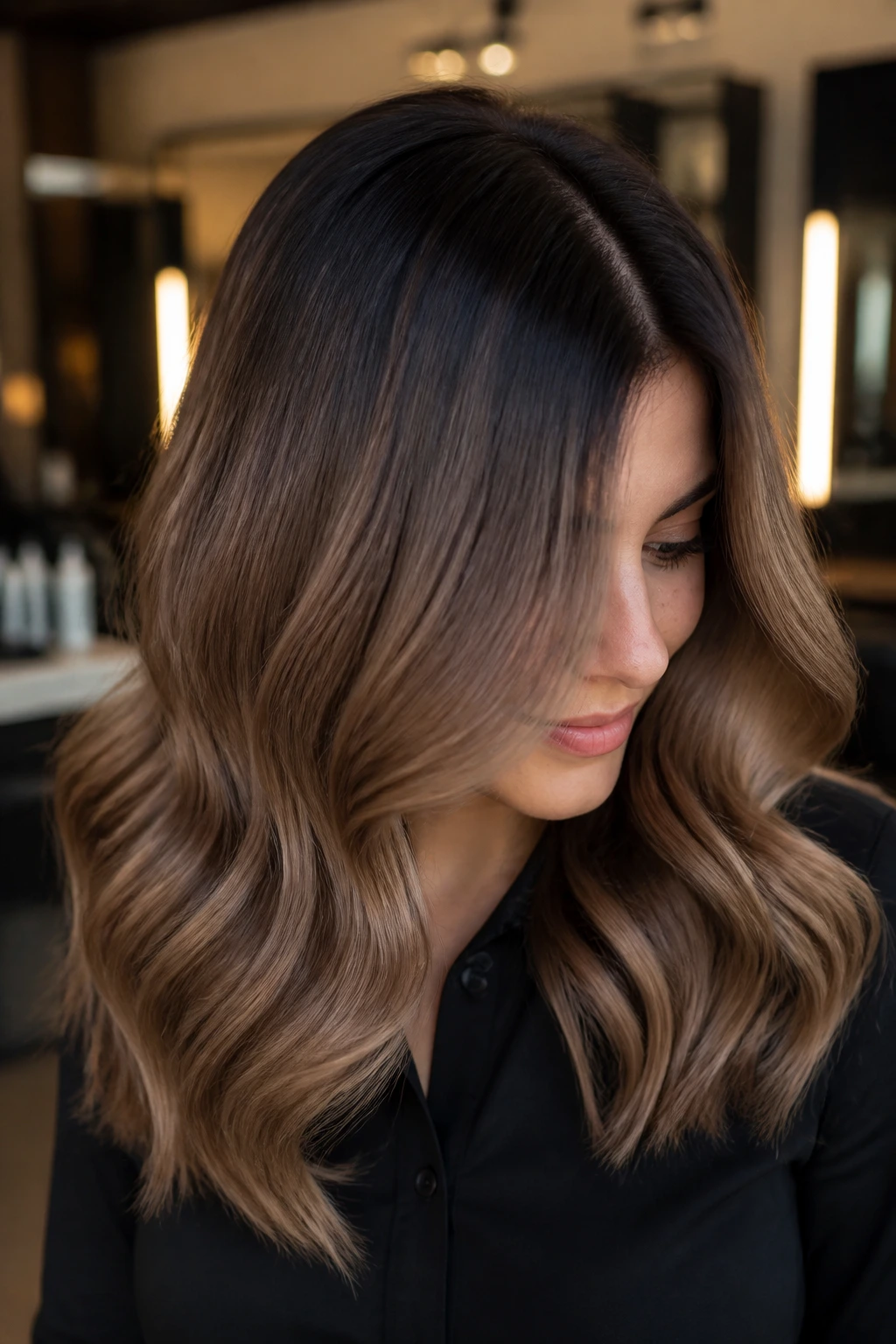
An espresso root melt is one of the smartest ways to wear light brown if you want less maintenance and a little more depth at the scalp. The root stays deeper, almost espresso-dark, and then melts into a lighter cool brown through the mids and ends. It keeps the look grounded while still reading brown rather than black.
The transition has to be soft. If the line is harsh, it starts to look like grown-out color instead of intentional depth. Ask for a melt, not a band. That one word matters. The lighter ends should stay cool, too, because the root shadow only works when the rest of the hair doesn’t go warm and loud.
This is especially useful if you have naturally darker hair and want the grow-out to feel easier. The root buys you time between appointments.
20. Cashmere Brown
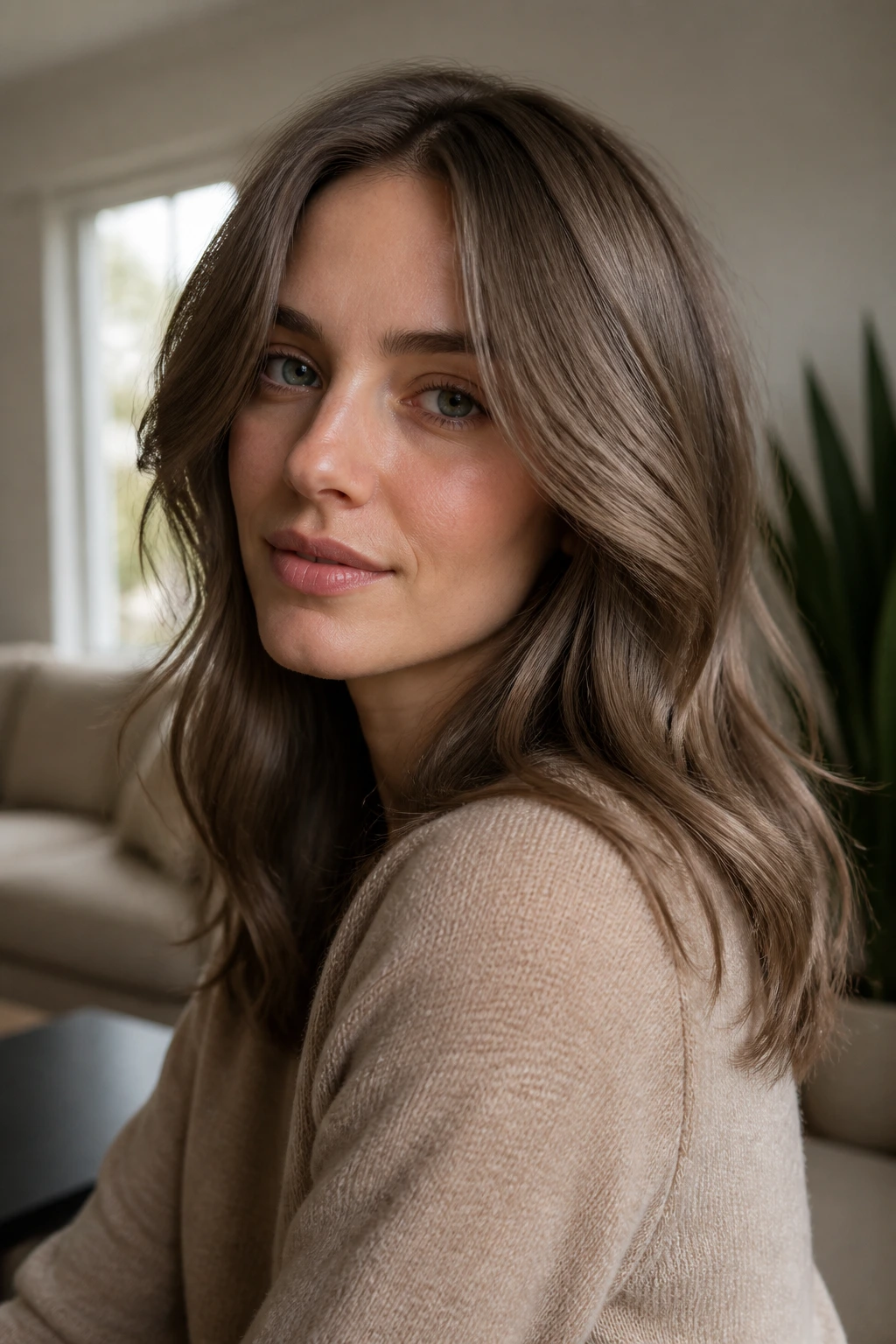
Cashmere brown is one of those shades that feels calm the minute you see it. It’s soft, muted, and a touch creamy without drifting into warmth. On cool skin, that balance matters because the color stays light enough to brighten the face, but not so pale that it steals attention.
I like cashmere brown for medium-length hair with movement. It’s subtle on a blunt cut and prettier on waves or layered curls, where the different tones can actually show up. Ask for a neutral-cool gloss with a beige base if your hair is already light brown. If you’re starting darker, you may need a gentle lift first so the shade doesn’t just disappear into the base.
This is the kind of brown that looks better when it’s healthy. Dry ends make the finish feel chalky. A smooth cuticle and a glossy topcoat make it sing.
21. Iced Mocha Brown
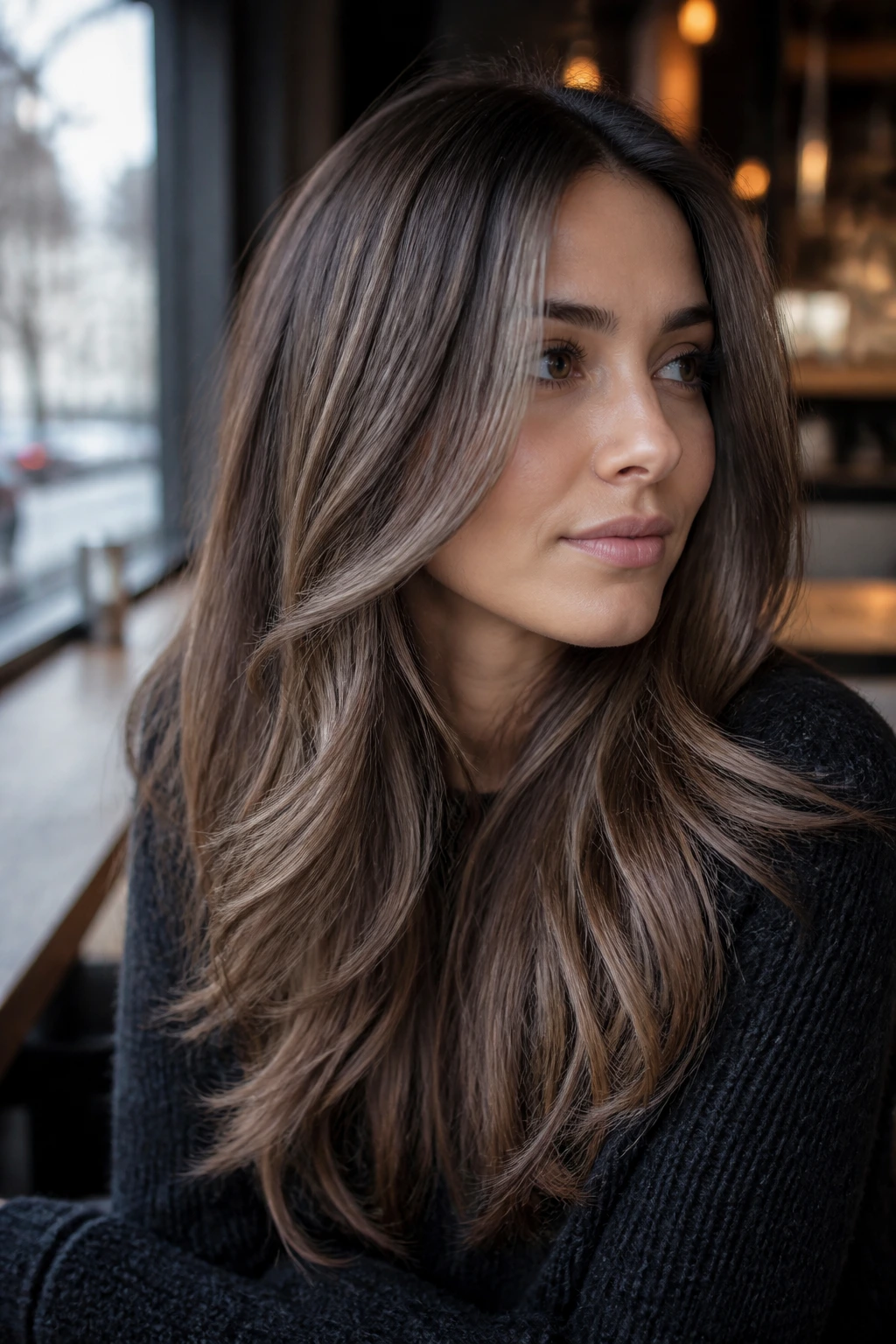
Iced mocha brown is darker than some of the softer shades in this list, but it still belongs here because the cool finish keeps it in the light-brown conversation. Think mocha with a cold spoon in it. Rich, but not warm. It works well on medium cool skin that needs a little more depth near the face.
Best on Hair That Holds Tone
If your hair tends to fade fast, iced mocha is a good pick because the cooler pigment gives you a little room before brass shows through. It looks especially good on thick hair and long layers, where the shade can move from shadow to shine across the surface.
The color can read flat if it’s cut into one dense block, so add texture somewhere—face-framing layers, soft ends, or a long fringe. That small movement helps the cool brown feel dimensional instead of heavy.
22. Cool Walnut Sombre
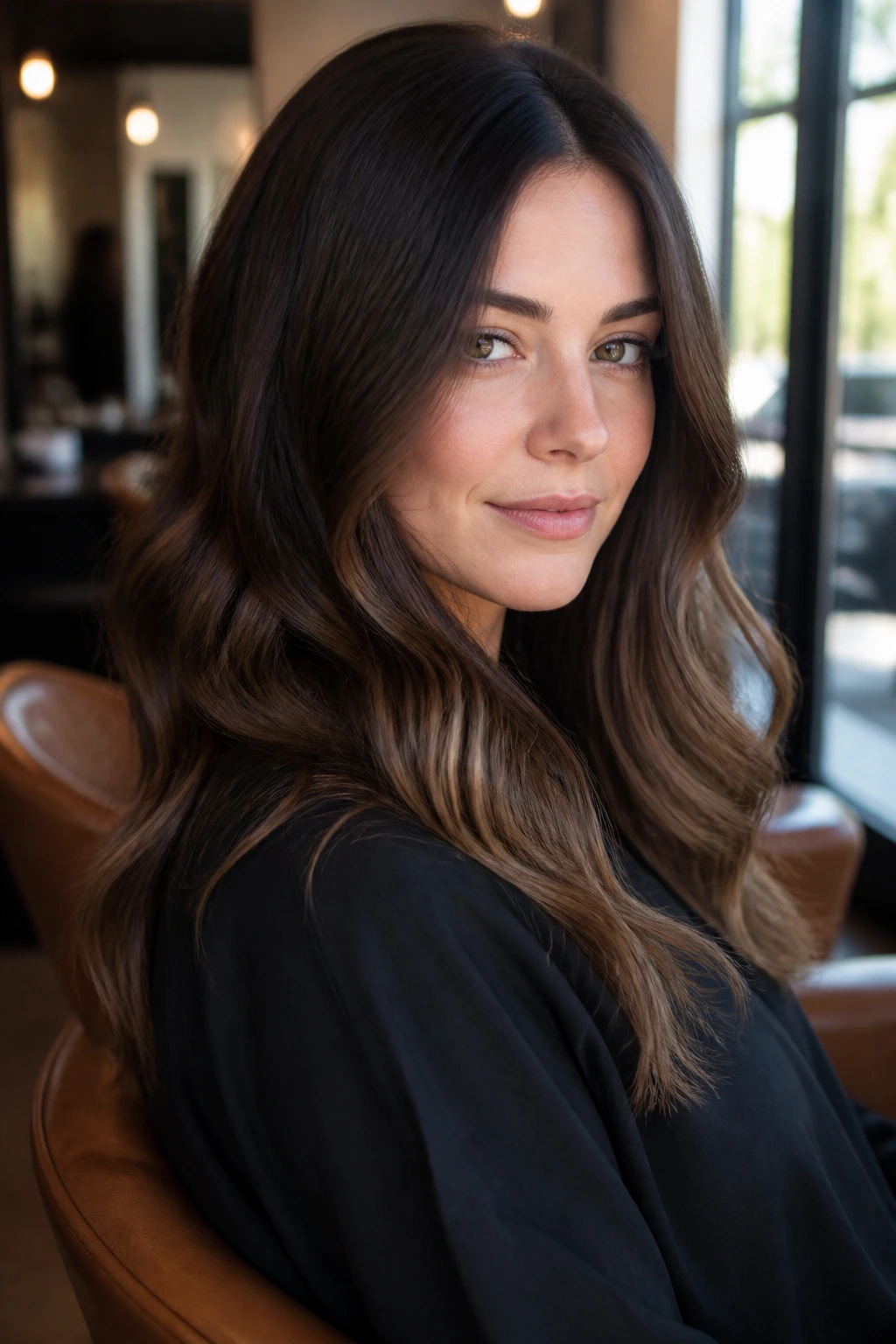
A sombre is just a soft ombré, and walnut is a strong choice for cool skin because it gives enough brown depth without going muddy. A cool walnut sombre keeps the root a touch deeper, lets the mid-lengths breathe, and ends in a soft cool brown that doesn’t shout for attention.
This is a useful look if you want low-contrast color that still has shape. It’s less obvious than balayage and easier to live with than full highlights. The transition should be smooth enough that you can’t point to a hard line. If you can, the blend is off.
The shape of the haircut matters here. Long layers or a soft U-shape help the sombre look intentional. A very blunt hemline can make the fade feel abrupt.
23. Powdery Brown with Violet Gloss
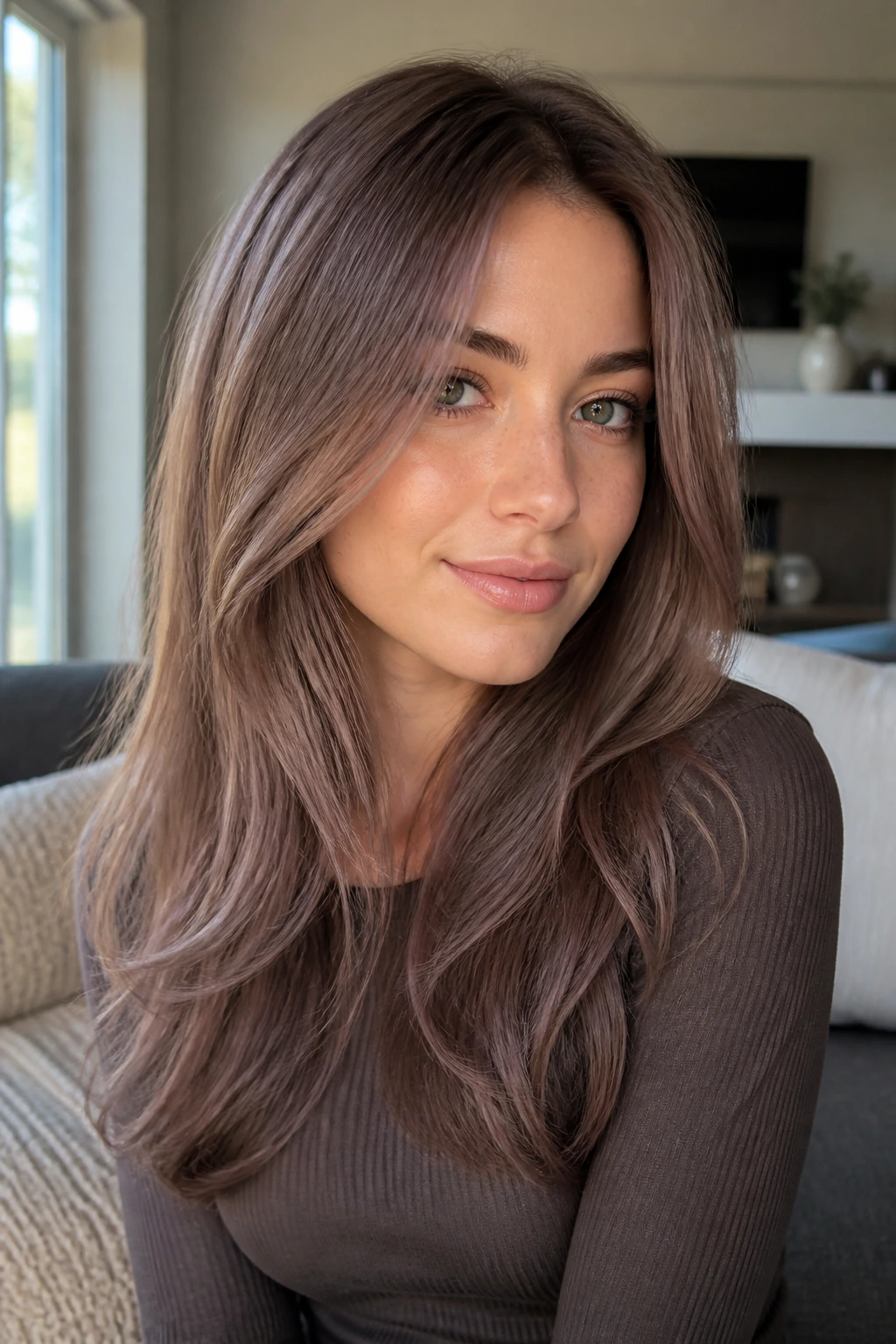
Powdery brown sounds delicate for a reason. It’s a light brown finish with a softened, almost misty tone, and the violet gloss is what keeps it cool. Violet-based gloss is especially useful on hair that likes to pull orange or copper after a few shampoos. It doesn’t turn the hair purple. It just quiets the warmth.
This shade is a nice option if you want light brown to look a little more refined than beige. It can be gorgeous on cool skin with a rosy cast because the powdery finish doesn’t compete with the face. It sits beside the complexion instead of trying to match it.
Use this one carefully on very porous hair. Porous strands grab tone fast, so a short processing time matters more than brute force. Too much gloss and the hair can go flat or slightly khaki.
24. Arctic Taupe Brown
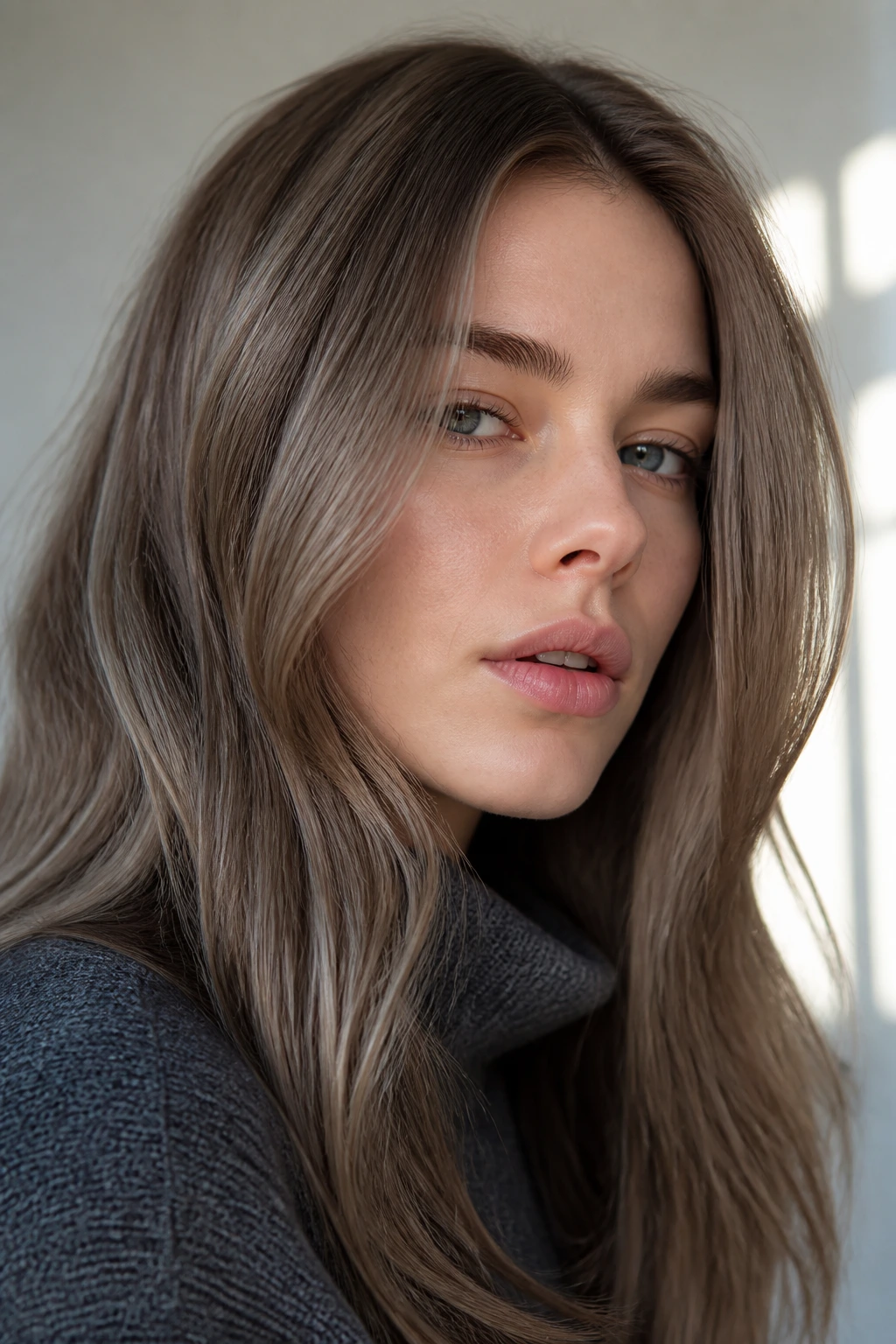
Arctic taupe brown is the coolest shade in the bunch, and it’s not for everyone. That’s the point. On cool skin tones, especially fair skin that burns pink in sunlight, it can look crisp and striking without going dark. The color is a taupe-brown blend with a stronger gray edge, so it reads almost like a smoky blonde from a distance.
This is the shade to choose if you like clean contrast and don’t want gold anywhere near your head. It works best when the surface shine is high, because the tone itself is muted. Flat hair makes it look dull. Glossy hair makes it look intentional. That’s a small difference, but it changes everything.
If your brows are very warm, balance them with makeup so they don’t fight the hair. A taupe shadow or cool brow pencil keeps the whole look together.
25. Soft Toffee Brown with Ash Glaze
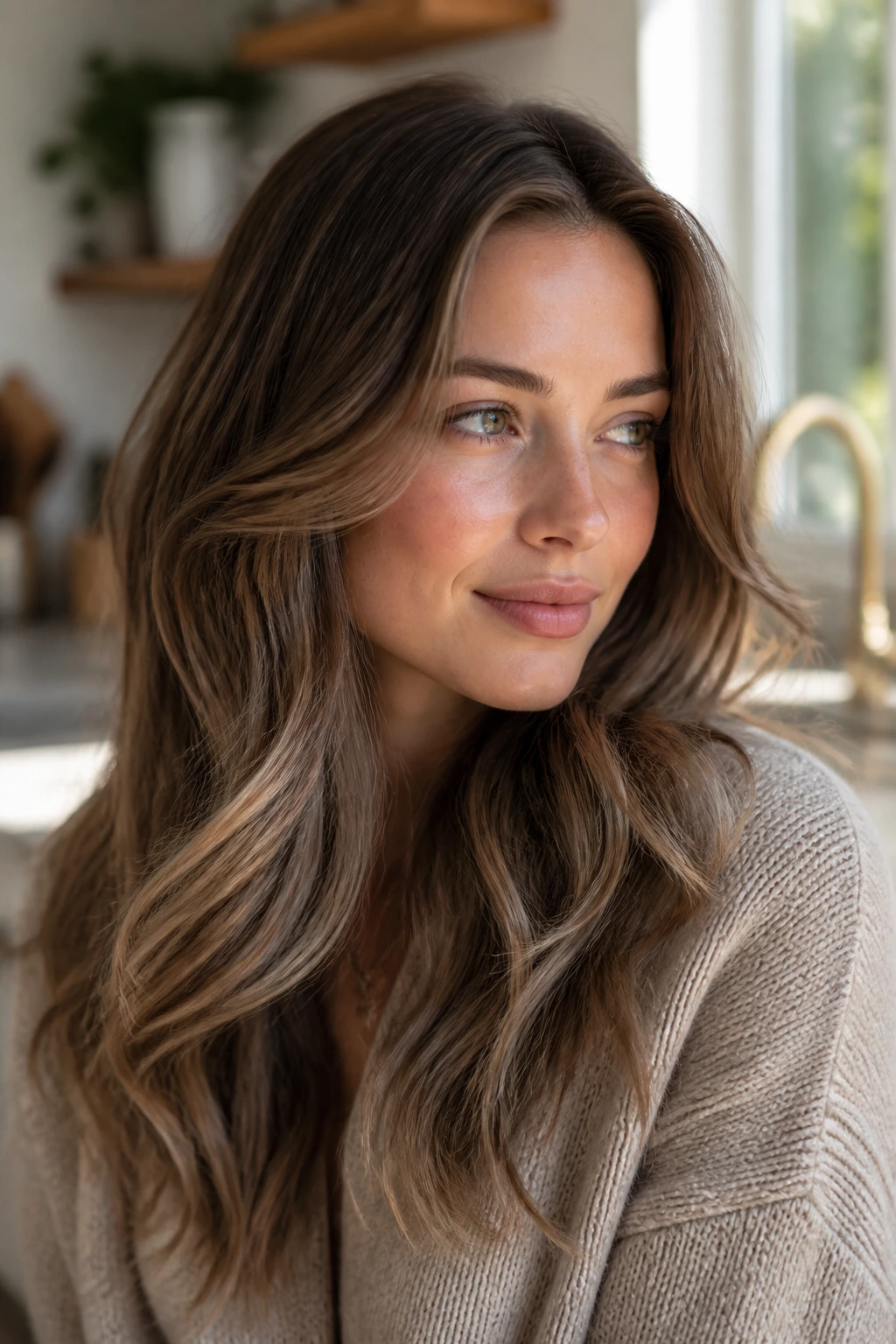
Toffee brown usually sits warm, but the ash glaze changes the story. You get the softness and brightness of a light brown toffee base, then the cool topcoat reins in the gold so the shade can sit properly on cool skin. It’s a useful compromise if you like a little warmth but hate looking orange.
A Good Choice If You’re Not Ready for Full Ash
This version works especially well when the hair has already been lightened a few levels and needs a tone correction more than a full recolor. The ash glaze should be light, not dark. Just enough to cool the surface and blur any brass at the ends.
If you wear warm colors in your wardrobe, this shade can bridge the gap without looking off. It gives you enough softness around the face while still respecting your undertone. That balance is harder to pull off than it sounds.
Why the Right Brown Depends on the Haircut
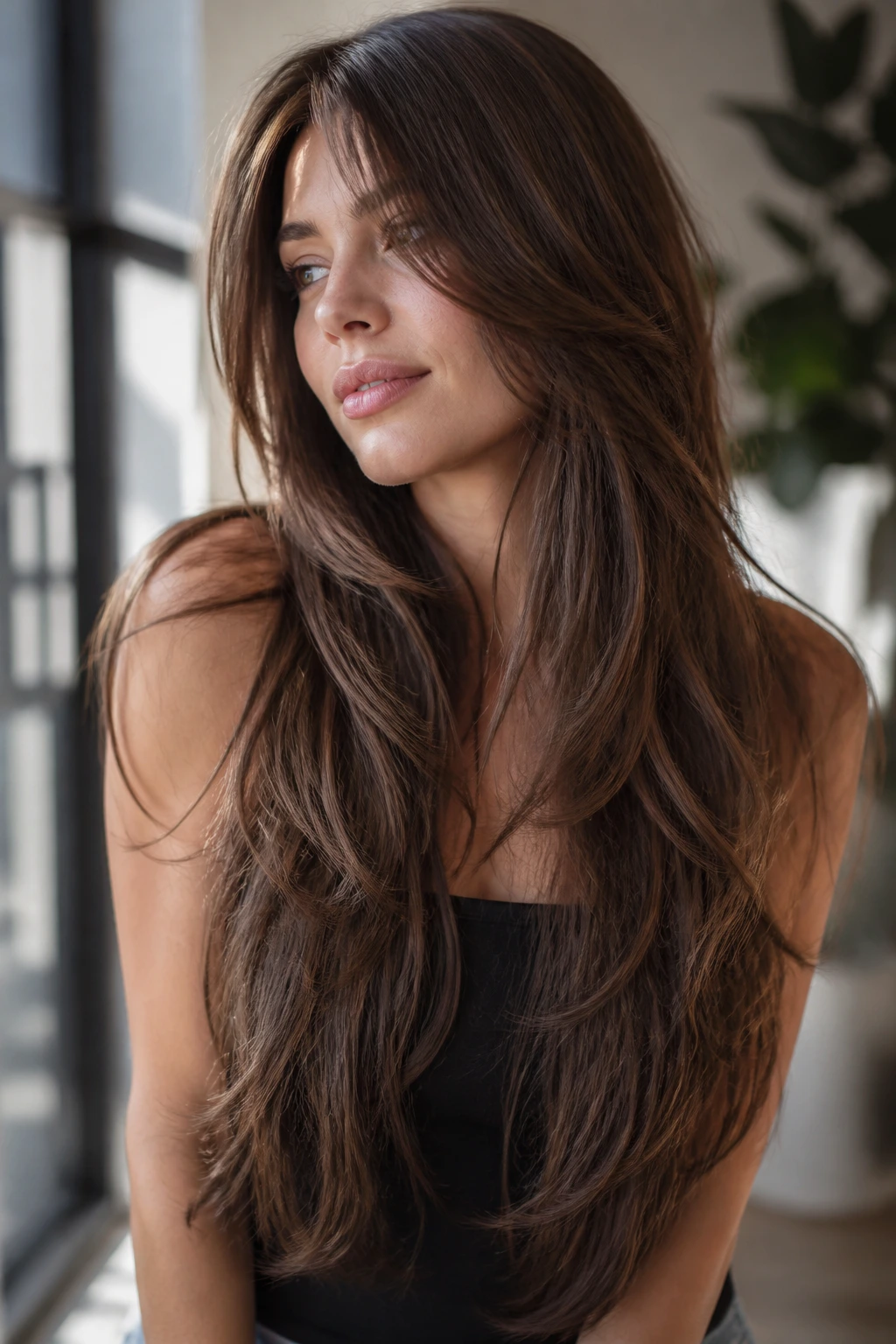
Color never lives alone. A smoky beige brown on waist-length layers reads differently than the same color on a blunt bob, and that’s not a small detail. Long hair shows melt and movement. Short hair shows line and shine. A cool brown that looks airy on waves can feel denser on a straight cut if the outline is too solid.
If you want your light brown shade to show up, ask yourself where the movement is going to come from. A collarbone lob will show lowlights differently than a pixie. Curtain bangs make face-framing pieces matter more. Thick ends need less contrast because the hair already holds shape; fine hair often benefits from a little brighter paneling near the front so the color doesn’t disappear.
My bias is clear here: the best cool browns are the ones that look deliberate when the hair is tucked behind one ear. That’s the real test.
The Salon Words That Matter More Than the Photo
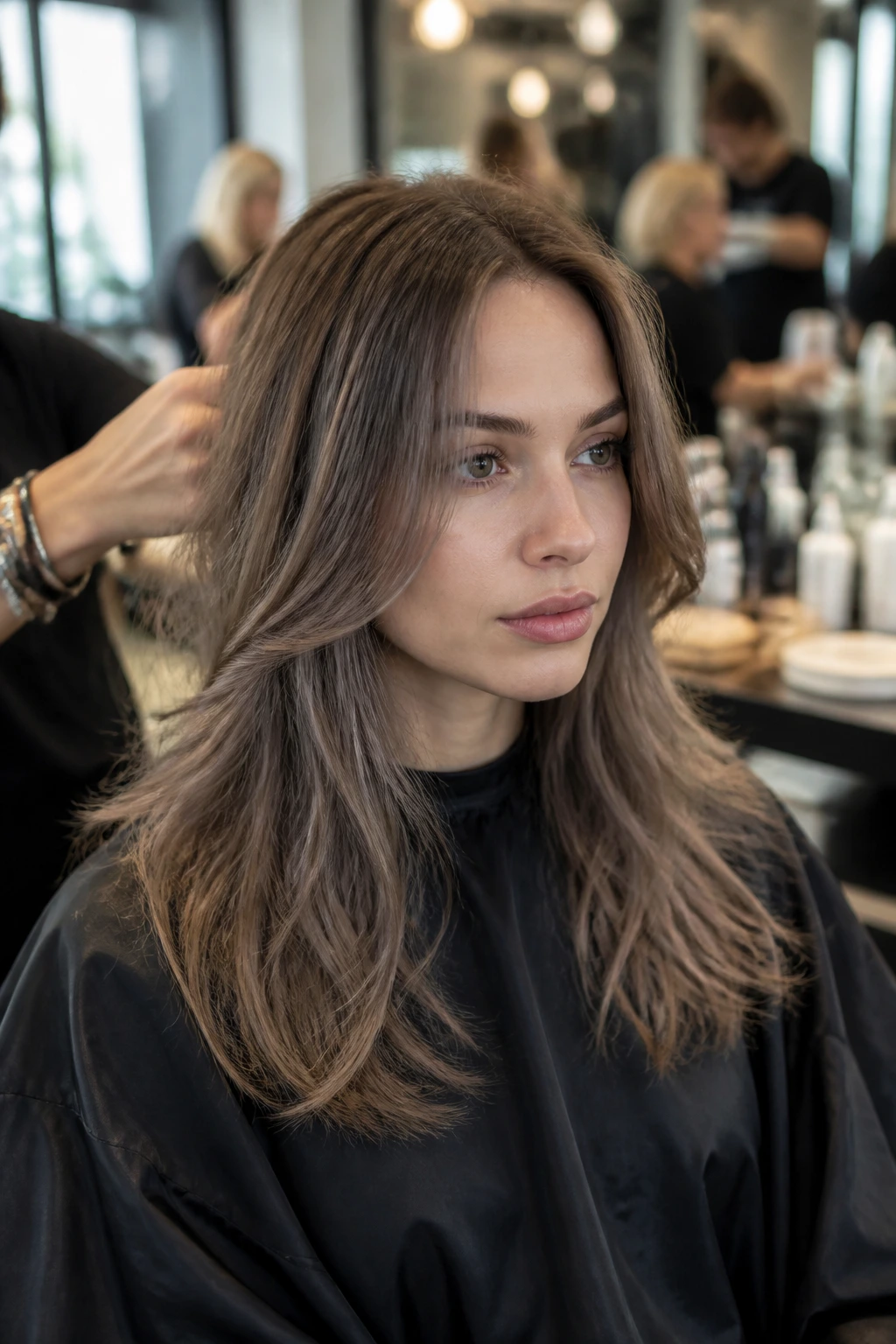
Bring pictures, sure. But also bring words. Colorists can work with words that carry weight, and the right ones will save you from guessing. Ask for ash, beige, mushroom, taupe, cendré, or smoky if you want cool light brown hair. If you want brightness, say soft face-framing pieces or diffused money piece. If you want less maintenance, say root melt or shadow root.
What to skip? Gold, honey, amber, copper, and warm caramel if your goal is cool. Those words are not evil. They just point the formula in the wrong direction for this brief. A colorist can always warm a cool brown later. Pulling warmth out after the fact takes more appointments, more toner, and more patience than most people expect.
A strand test helps if your hair has been colored before. Porous ends lie. They lie all the time.
The Best Products and Tools to Keep the Shade Clean
- Color-safe shampoo: Keeps the brown from fading too fast; sulfate-free formulas are kinder to glossed hair.
- Blue shampoo or blue mask: Best for brown hair that picks up orange at the mids and ends; use it sparingly, not every wash.
- Color-depositing gloss: Useful between salon visits when the cool tone starts to slip.
- Heat protectant spray: Brown hair shows heat damage as dullness fast, especially on smoother cuts.
- Microfiber towel: Cuts down friction when hair is wet, which helps the cuticle stay smoother.
- Wide-tooth comb: Better than yanking through tangled highlighted hair in the shower.
- Tint brush and bowl: Handy if you’re doing an at-home gloss or root refresh.
- Sectioning clips: Keep the application neat; sloppy placement makes cool browns look patchy.
- Shower filter: Helpful if your water runs mineral-heavy and tends to push blonde or light brown hair brassy.
- Glossing conditioner: Good for maintaining shine on porous ends between color services.
How to Shop for the Right Brown, Gloss, or Toner
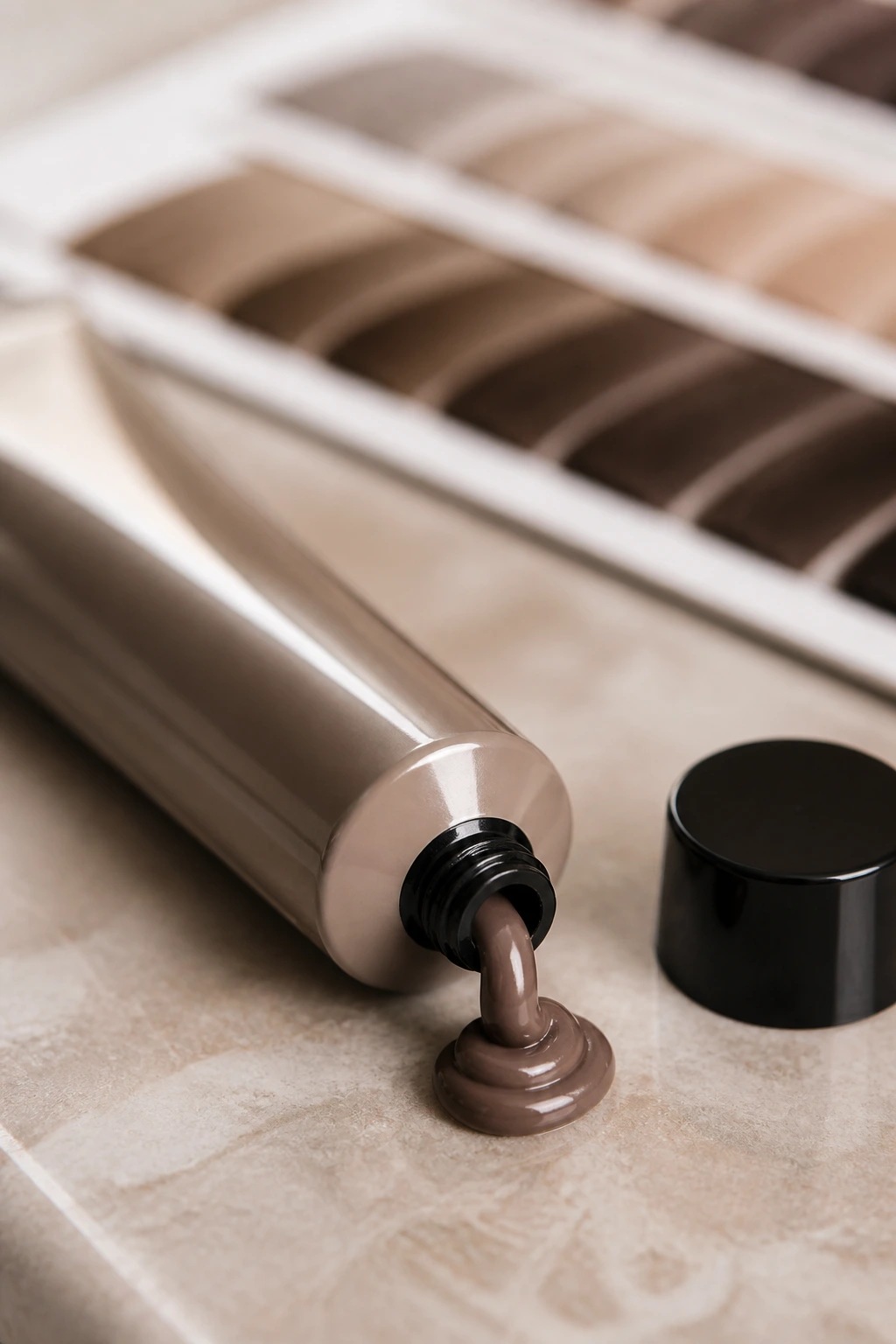
Walk past the names that sound sticky-sweet. That’s the first filter. On a box, on a gloss tube, on a salon swatch ring, the safer words for cool skin are ash, cool, smoky, beige, taupe, mushroom, pearl, and cendré. If the label leans golden or copper, the shade may still be pretty, but it’s not the same job.
If you’re lightening from brunette to light brown, the developer strength matters. A 10-volume developer is often used for deposit or gentle shift, while 20-volume shows up when some lift is needed. Higher than that can be fine in a salon setting, but at home it’s easy to overdo and create warmth you then have to chase with toner. Not fun. Also not cheap.
For glossing, demi-permanent color is usually kinder than permanent color if you want tone rather than a hard change in level. Hair history matters too. Previously highlighted hair grabs pigment faster and often needs less time than virgin hair. Porous ends can go muddy if you leave toner on too long, so strand tests are worth the trouble.
How to Wear the Shade So It Reads Right
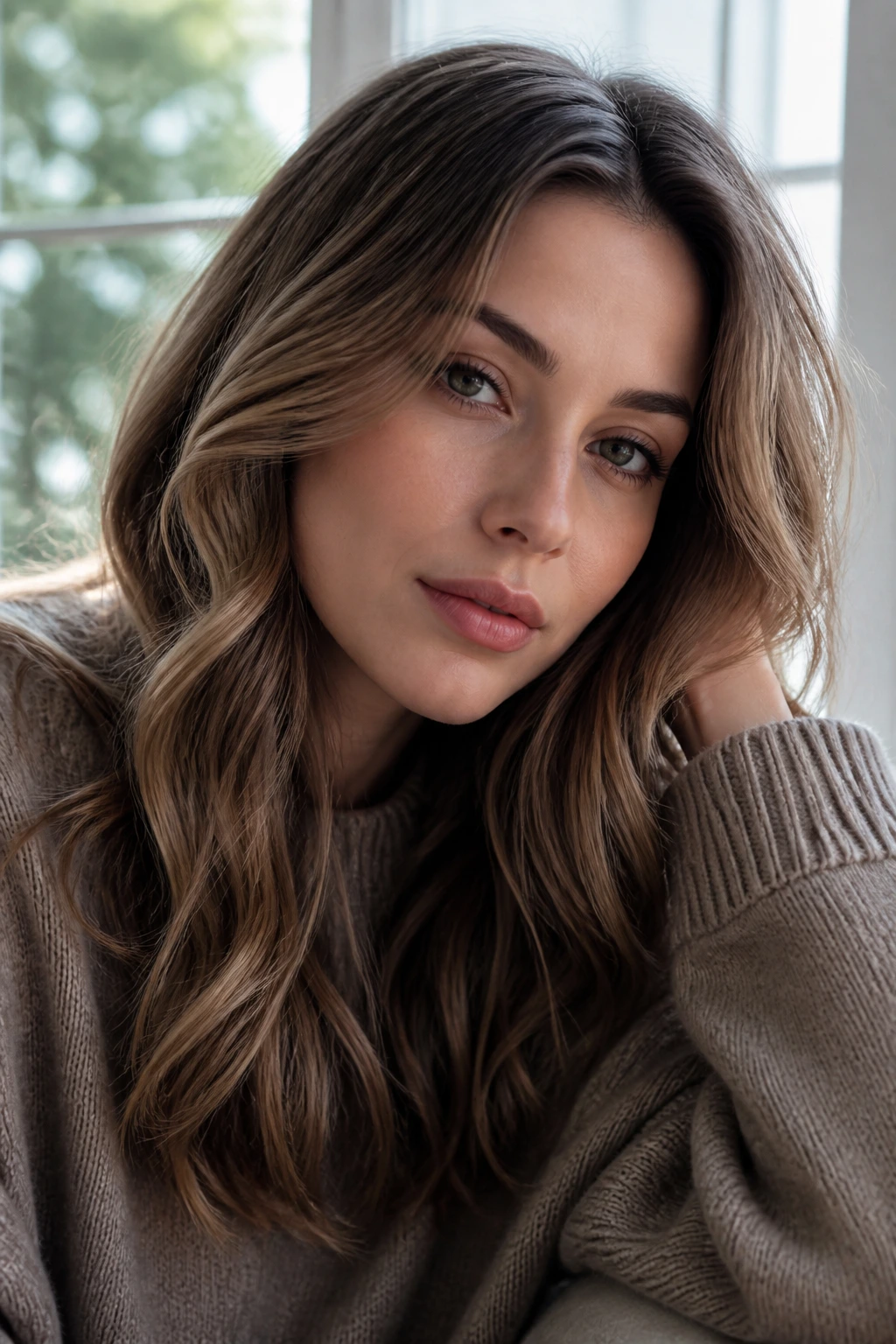
Presentation: Soft waves show off beige, mushroom, and taupe browns best because the bends catch the tonal shifts. A sleek blowout sharpens ash mocha and cool cocoa. If you’ve got a money piece or platinum ribbon, make sure it sits near the front where the eye lands first.
Makeup: Cool browns like a rose or berry lip, taupe shadow, soft brown liner, and blush with a pink base. Heavy orange blush can fight the hair. So can a bronzer that looks straight-up copper on the skin.
Wardrobe: Charcoal, navy, black, slate, soft white, dusty rose, and cool burgundy usually sit nicely beside these shades. Warm mustard and bright orange can work, but they often pull the wrong note unless the brown has some warmth left in it.
Lighting Check: Look at the color in daylight, bathroom light, and car light. Brown hair can look beige indoors and green-gray outside if the toner is too strong. That’s useful information, not a flaw.
Small Habits That Keep Brown Hair Cool
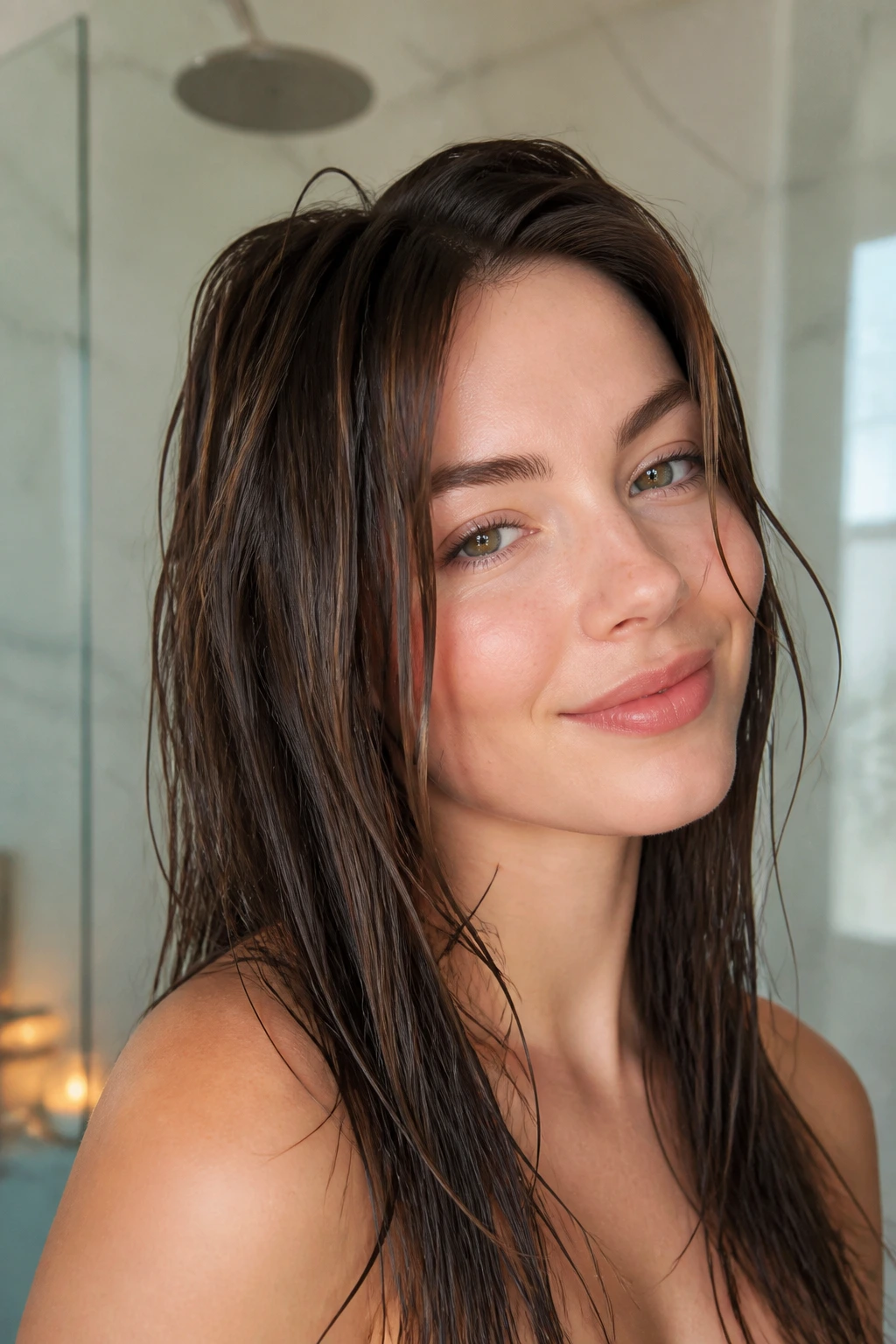
Cool brown hair fades in layers. The first thing to go is usually the smoky edge. The second thing is shine. Then the warmth starts showing up like it owns the place. A simple routine beats a desperate one. Use color-safe shampoo, skip scalding hot water, and treat your ends like they matter because they do.
Once a week is a good rhythm for a blue or violet treatment on brown hair that tends to turn orange. More than that can leave the hair dull or slightly overtoned. If your hair is already dry or porous, swap the pigmented wash for a deposit conditioner instead. It’s gentler and easier to control.
Glosses usually need refreshing every 4 to 8 weeks, depending on porosity, washing habits, and how much sun your hair sees. If you heat-style often, a protectant matters every single time. And if you swim, rinse the hair first, coat it with conditioner, and do not let chlorine sit there for fun.
Common Mistakes That Turn a Good Brown Brass
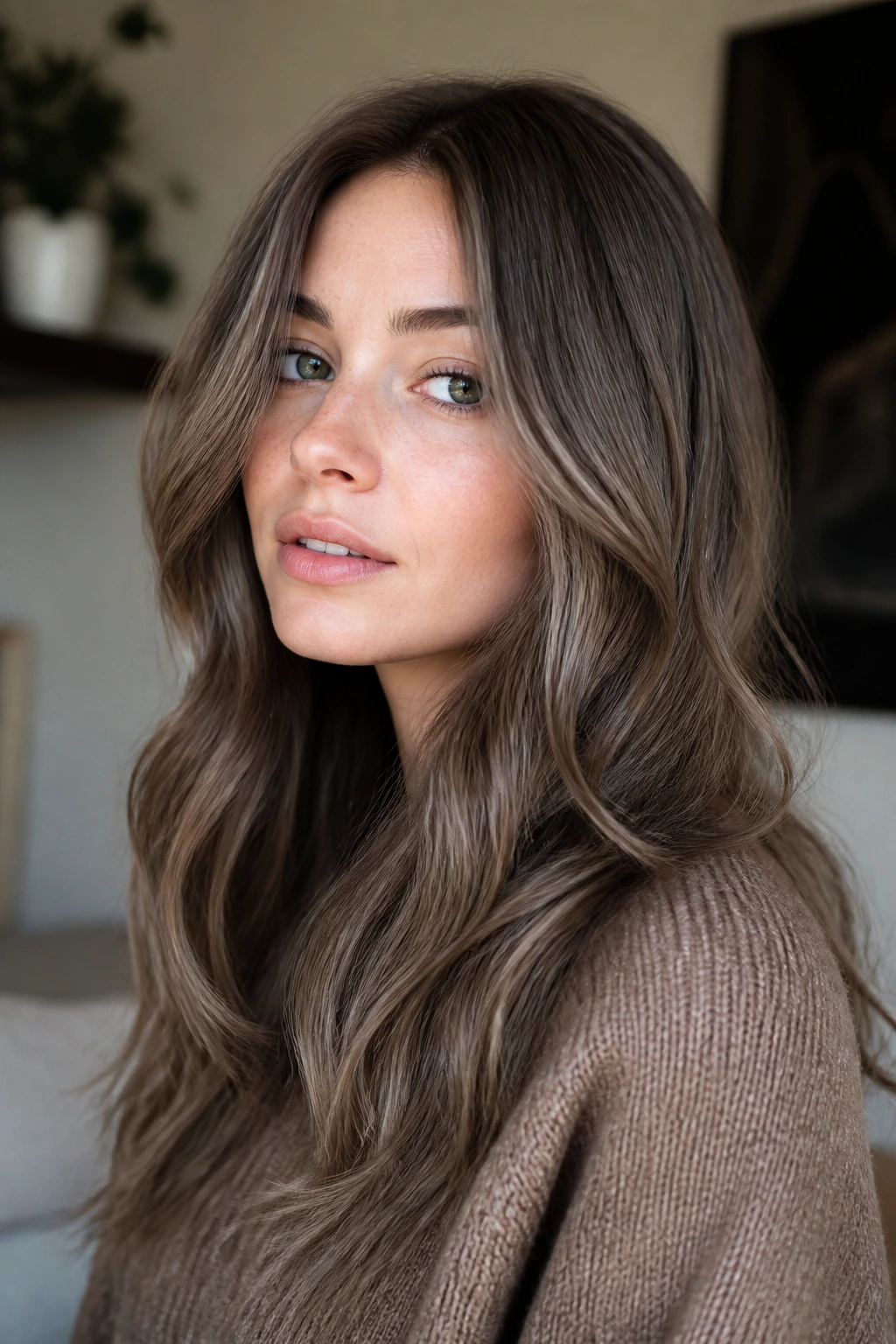
- Choosing a warm swatch because it looks “soft” in the photo: The symptom is orange light around the hairline after a week or two. The fix is to choose ash-beige, mushroom, or taupe instead and ask for a cool glaze.
- Going too dark at the root: On very fair cool skin, a heavy root can look harsh and make the face seem paler than it is. Keep the root soft, or melt it into the mids instead of drawing a hard line.
- Overusing blue or purple shampoo: If the hair starts looking flat, muddy, or slightly gray-green, you’ve gone too far. Cut back and switch to a moisturizing color-safe wash.
- Ignoring porosity: Porous ends grab pigment fast and can turn darker or duller than the rest of the head. Apply toner or gloss to mids and ends last, and watch the clock.
- Skipping a strand test on previously colored hair: Old dye changes everything. A strand test tells you whether the brown will stay smoky or swing warm after processing.
- Expecting one formula to work on every base: A level 7 dark blonde and a level 5 brunette do not need the same plan. They just don’t.
Variations and Alternatives for Different Hair Histories
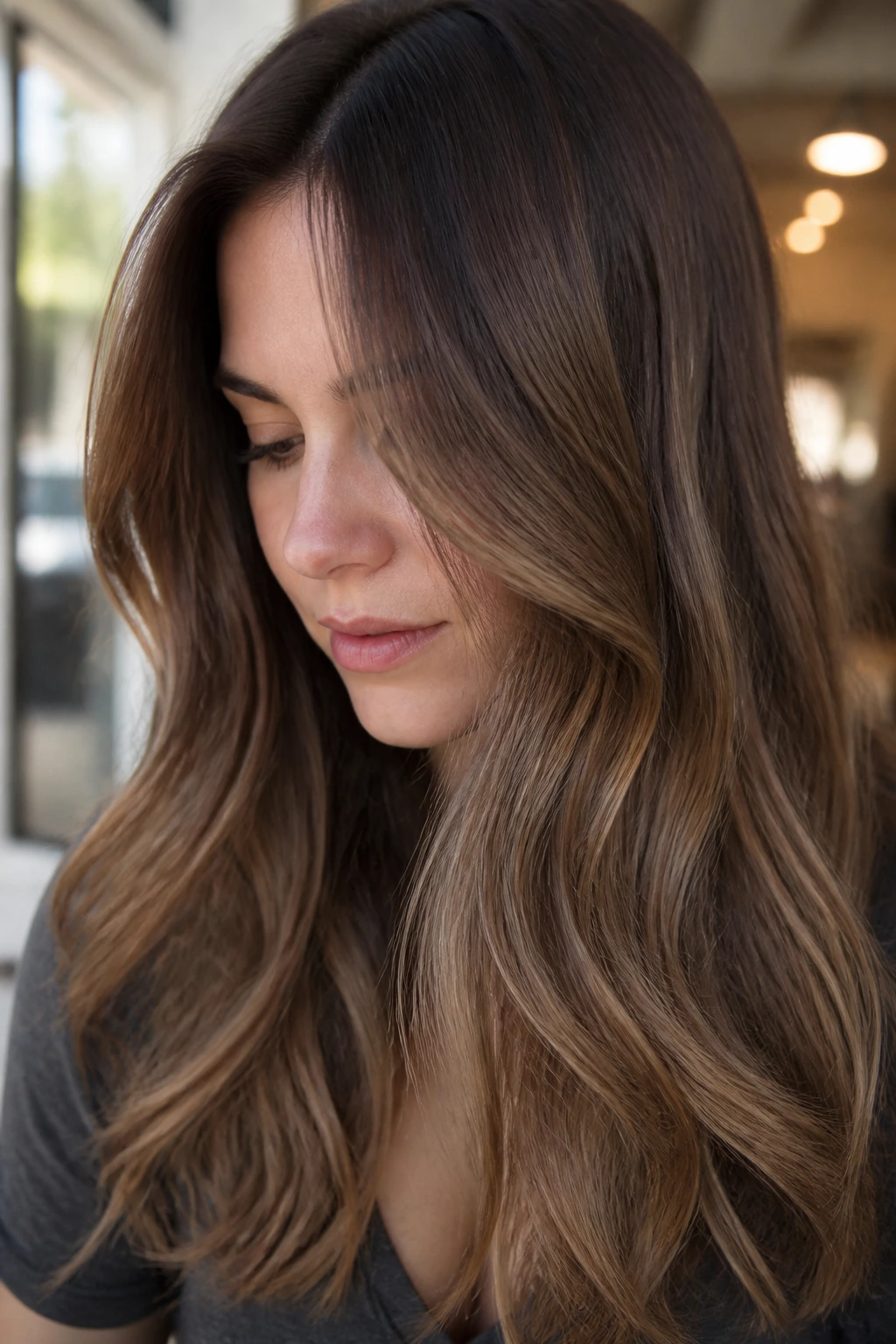
Rooted Glow Brown: If you want easier grow-out, keep the root a shade deeper and let the mid-lengths stay light brown. This works well on layered cuts and saves you from harsh regrowth lines.
Gray-Blend Brown: If you’re blending early grays, choose a cool beige or ash brown with enough neutral pigment to cover without looking flat. The key is softness, not full opacity.
Cool Brunette Ribboning: For people who want movement without changing the whole base, add thin ash or beige ribbons through the front and top layers. It’s a small change, but the dimension shows up fast in daylight.
Curly Mushroom Brown: Curls make mushroom brown look richer because the cool tones shift from ringlet to ringlet. Keep the placement soft and avoid chunky highlights, which can turn busy fast.
Soft Blonde-to-Brown Shift: If you’re nervous about going darker, ask for a gloss that moves the hair only one level down. The result lands in light brown territory without the shock of a deeper brunette formula.
Frequently Asked Questions
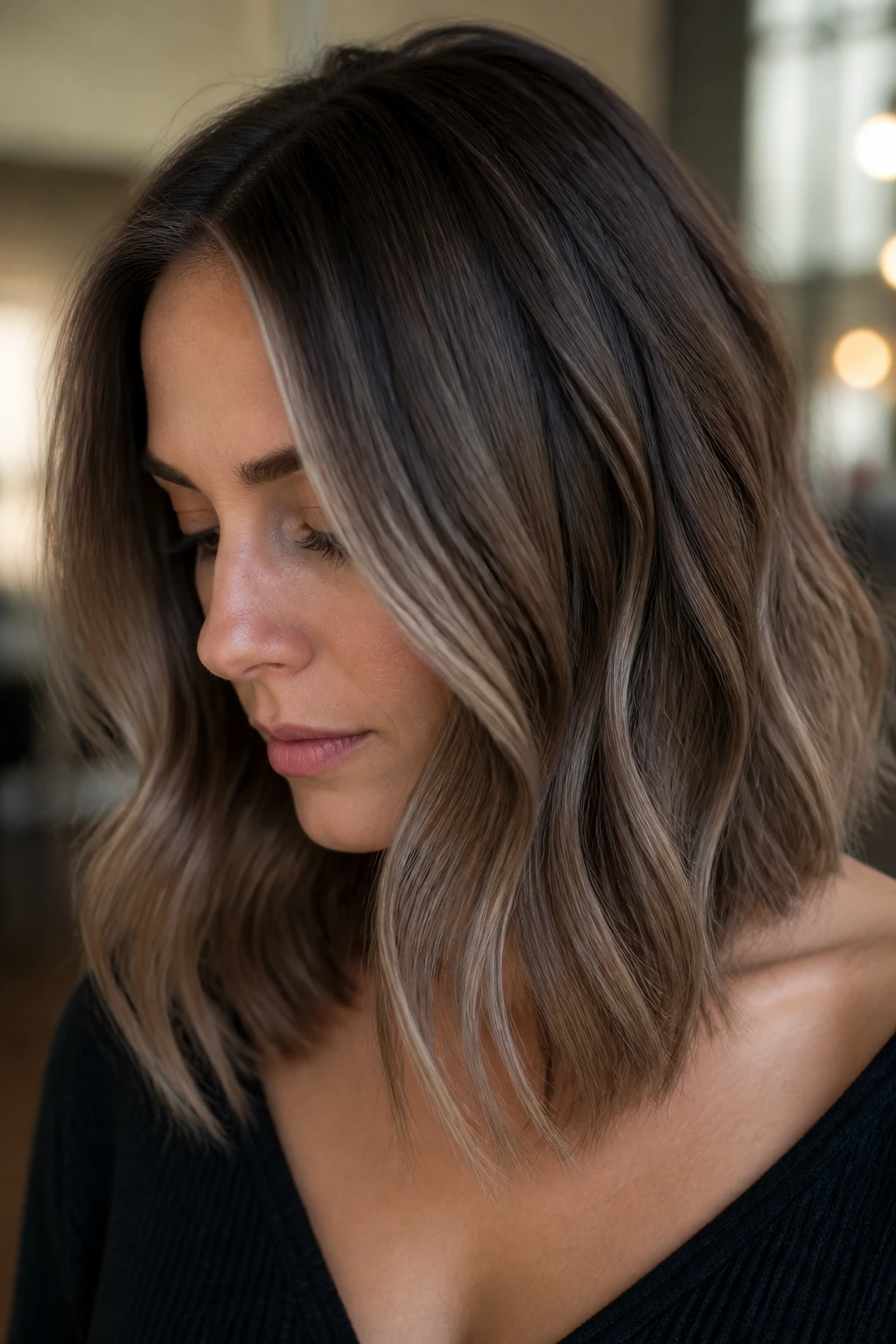
Which light brown shade looks best on very fair cool skin?
Smoky beige brown, cendré brunette, and pearl brown gloss are usually the safest starting points. They brighten the face without adding warmth that can make very fair skin look pinker than you want.
Can cool skin tones wear caramel brown?
Yes, but only when the caramel is toned down with ash or beige. Left warm, it can pull orange against cool skin and look louder than intended.
Is mushroom brown the same as ash brown?
Not exactly. Ash brown is usually a little more direct and smoky, while mushroom brown adds gray-beige and a softer, earthier feel. Mushroom tends to look more dimensional in daylight.
How do I stop light brown hair from turning orange?
Use a cool toner, not a warm one, and keep up with blue shampoo or a blue mask when brass starts showing. Heat protection and sunscreen for hair help too, because sun and heat both wake up warmth.
Do I need highlights, or can I do one all-over color?
You can absolutely do one all-over color if you want a softer, calmer look. Highlights, lowlights, and money pieces just add movement and can help the shade read lighter without pushing it blonde.
What if my hair is naturally dark brown?
You’ll usually need some lift before a light brown with cool tones shows clearly. Ask for a gentle lift plus a smoky gloss rather than trying to deposit light brown onto very dark hair and hoping for the best.
How often should a gloss be refreshed?
Every 4 to 8 weeks is a useful window for most people, with porous or highlighted hair usually needing the shorter end of that range. If the color starts looking warm before then, a quick toner or pigmented conditioner can buy time.
Can I do a cool light brown at home?
You can get close at home if your hair is already within the right level range, but box dye is a gamble on cool tones because it often leans warm. At-home glosses are safer than permanent color if your main goal is tone control.
Will these shades make gray hairs stand out more?
Sometimes. A very cool brown can make salt-and-pepper strands more visible, which can be lovely or annoying depending on what you want. If you need more blend, choose a neutral-beige brown instead of the coldest ash shade.
The Shade That Stays Clean
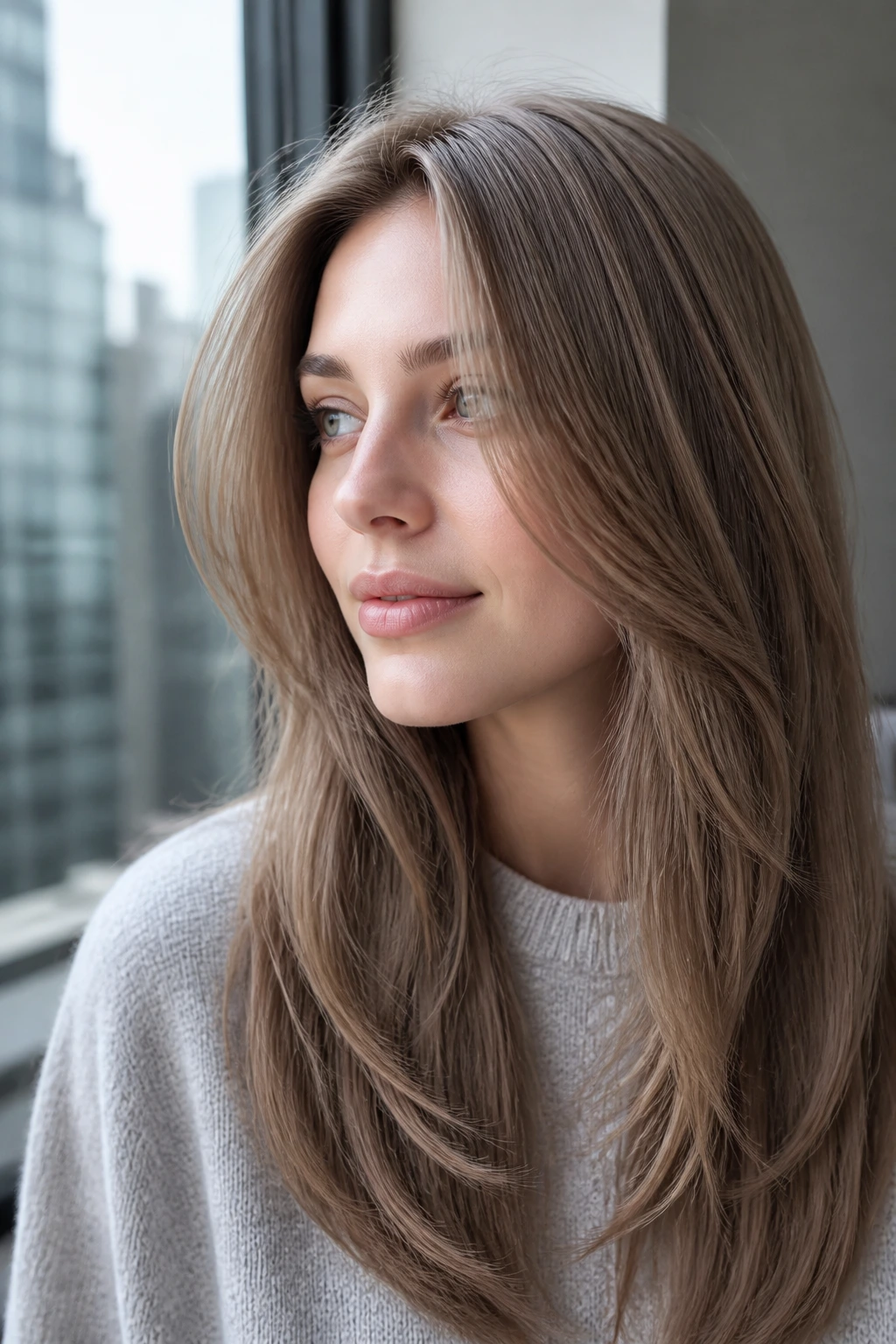
The best light brown hair on cool skin doesn’t shout. It sits right. That’s a different thing, and once you see it, you can’t unsee it. The right brown softens redness, keeps brass in check, and gives the hair enough movement that the color feels alive in daylight.
What I keep coming back to is this: cool skin usually wants a cool-leaning brown, but not a flat one. Beige, mushroom, taupe, ash, and soft pearl tones all do the job in slightly different ways. Pick the one that matches how much brightness, depth, and maintenance you want to live with.
Choose the shade that makes your skin look calm first. The rest tends to fall into place.