



Pink undertone skin changes the blonde conversation. A shade that looks creamy on one person can make rosy skin look flushed, tired, or a little too red around the cheeks.
On dark hair, blonde is never just blonde. Placement, lift level, and toner matter more than the name on the color chart, and that is why beige, pearl, champagne, mushroom, and soft ash tones keep showing up in the most wearable blonde looks. They give you light without that yellow-y glare that can fight with pink skin.
The best part is that blonde on dark hair does not have to be one flat sheet of color. A root melt can make it look expensive. A money piece can wake up the whole face. A shag, lob, bob, or butterfly cut can change the mood completely. Some of the looks below are whisper-soft. Some are bright enough to turn heads. All of them give pink undertone skin a better frame than a one-note gold blonde usually does.
Why These Blonding Ideas Earn Their Place
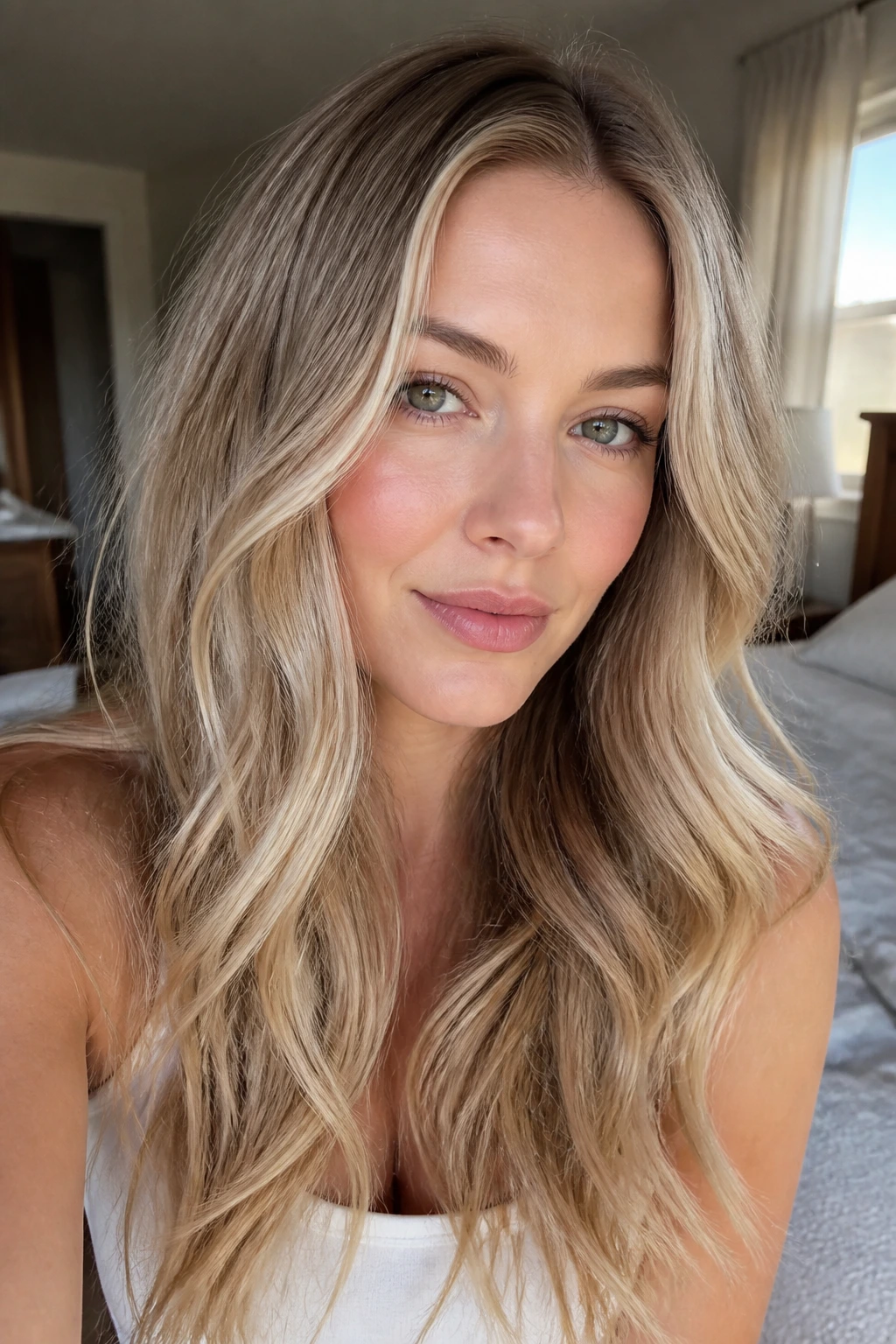
- Soft tones calm rosy skin: Beige, pearl, champagne, and mushroom blonde keep pink undertones from reading extra red, which is the whole game here.
- Dark hair needs a root plan: A shadow root or melt stops blonde from looking striped against a level 3 or level 4 base.
- Placement matters more than volume: A face frame or a few ribbons can brighten the skin faster than an all-over lift.
- Texture changes the read: Waves blur the contrast, straight styling sharpens it, and curls make the lighter pieces pop.
- Maintenance is part of the look: Some of these styles can grow out for 8 to 12 weeks; others need a gloss every 4 to 6 weeks to stay clean.
1. Beige Balayage Waves
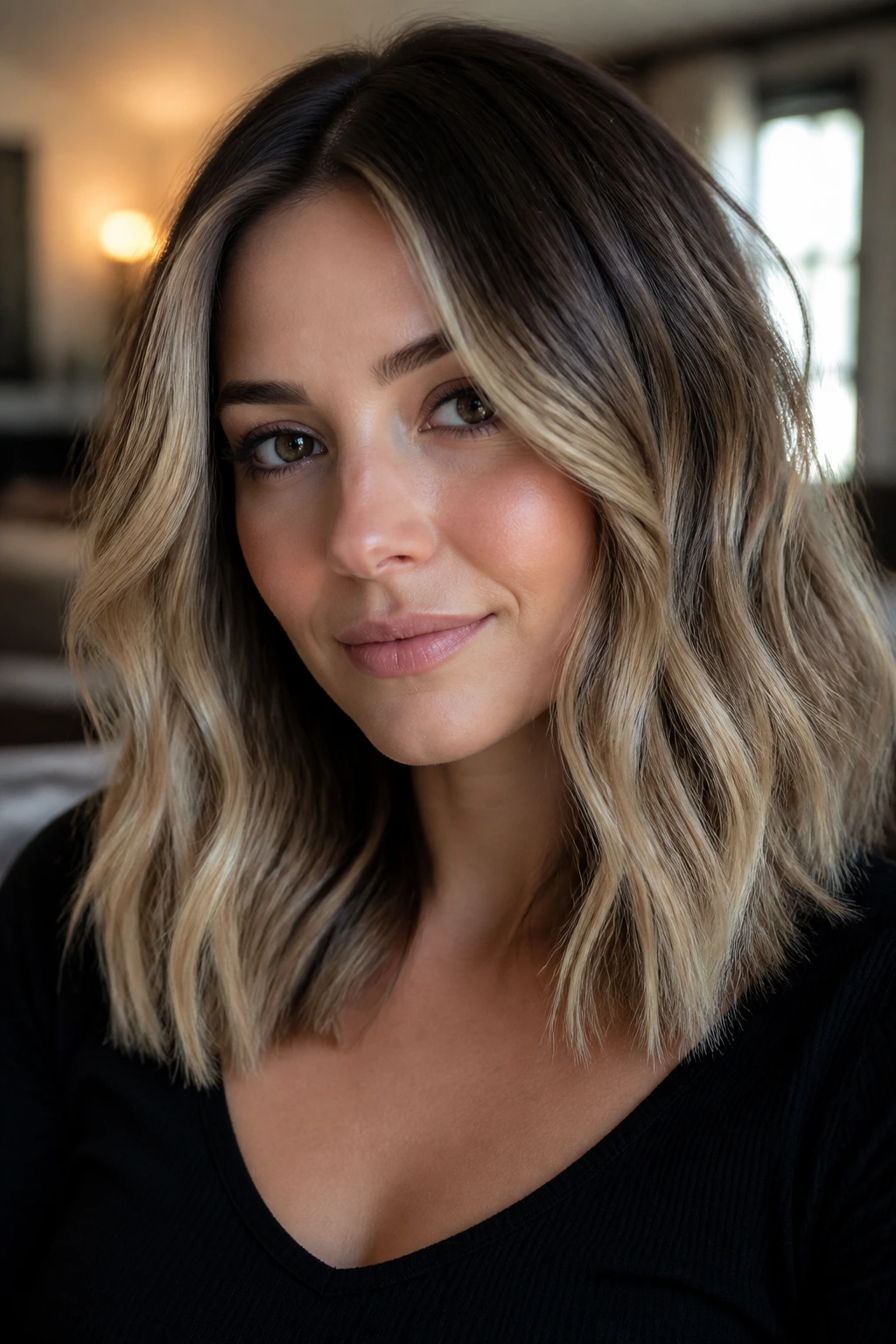
Beige balayage on dark brown hair is the kind of blonde that looks thought through, not sprayed on. The beige sits between sand and cream, so pink undertone skin stays calm instead of looking extra flushed, and loose waves make the ribbons move instead of sitting like hard stripes.
Why It Flatters Rosy Skin
Ask for hand-painted pieces around the face, then let the lightest blonde live through the mid-lengths and ends. A root that stays one or two levels deeper keeps the grow-out quiet, which matters when your natural color is dark enough to show every line.
A 1.25-inch curling iron, brushed out with your fingers, keeps this soft rather than pageant-bright. I like this look best on shoulder-length hair and longer, because the waves give the beige somewhere to breathe.
2. Champagne Money Piece Layers
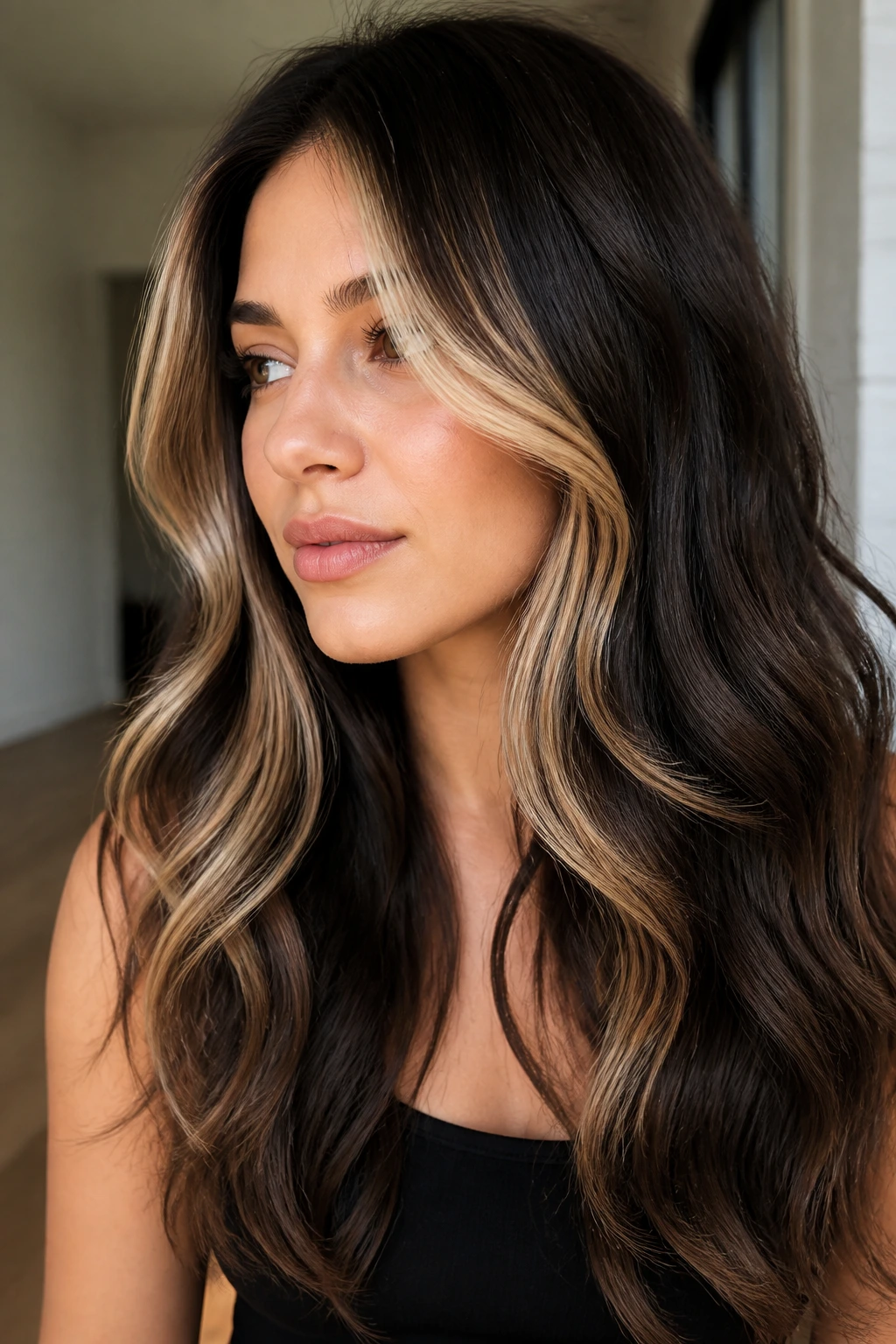
Champagne money pieces do a lot of work in a small space. That bright front section near the cheekbones catches light first, so pink undertone skin looks more awake without needing a full head of blonde.
Layers make the trick believable. On dark hair, a money piece can look too stark if the rest of the cut is flat, but feathered lengths behind it soften the contrast and keep the whole style from feeling blocky.
What Makes It Work
Champagne is a smart middle ground between gold and pearl. It has enough warmth to feel glossy, but not so much yellow that it starts fighting the skin. If you wear your hair with a middle part, this one reads clean and modern; with a side part, it feels softer and a little more dramatic.
3. Smoky Mushroom Blonde Lob
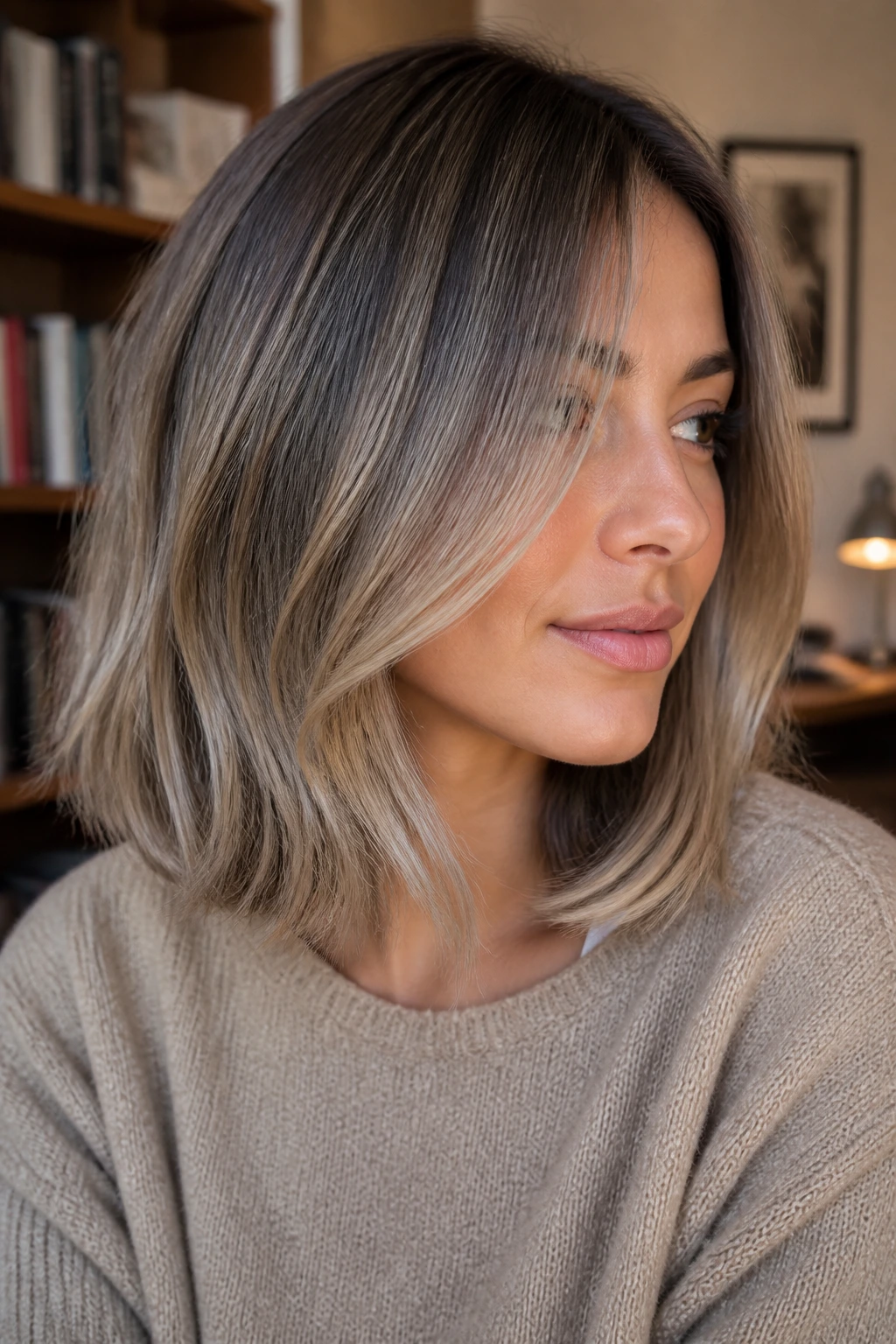
Smoky mushroom blonde is the answer for anyone who wants dark hair to go lighter without losing that cool, grounded feel. On a lob, the shade sits right where the haircut wants it: tidy at the ends, plush through the middle, and never too sweet against pink skin.
The mushroom tone is what keeps it from drifting brassy. It leans taupe, which means rosy skin looks smoother and less irritated. That sounds subtle, and it is, but subtle is the whole point with this one.
Best Way to Wear It
Wear it straight with the ends tucked under, or add a soft bend with a flat iron. The finish should feel smooth, almost woolly in the best way, not shiny-yellow. If your hair tends to pull orange, this is the blonde to keep in your back pocket.
4. Pearl-Blonde Curtain Bangs
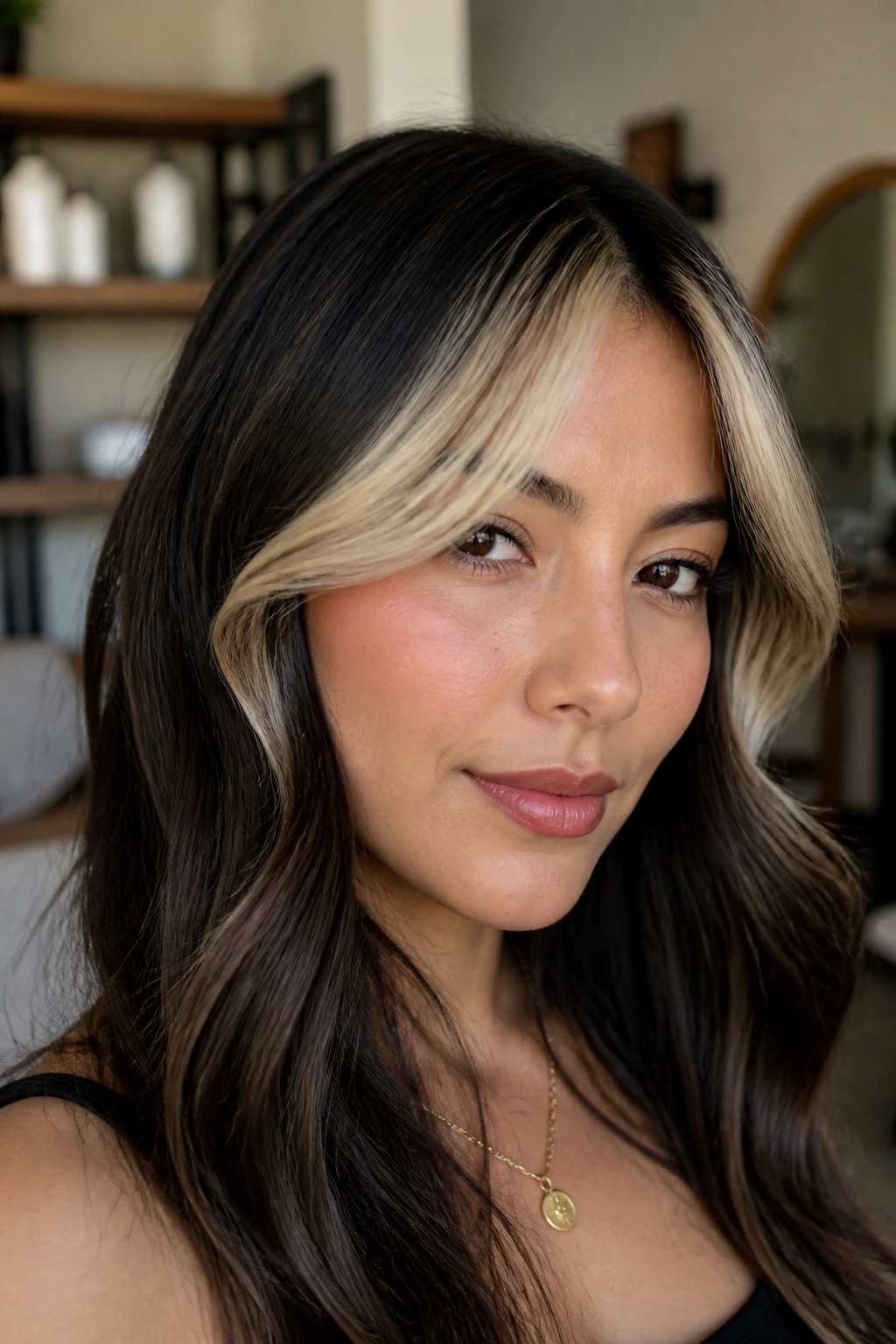
Pearl-blonde curtain bangs can change your whole face in about ten seconds. The lighter fringe opens the eyes and softens the center of the forehead, which is useful if your pink undertone skin tends to look flushed under harsh light.
The rest of the hair can stay darker. That contrast is part of the charm. Pearl is cooler than champagne and gentler than ice blonde, so it reads polished without making the face look wintry or washed out.
Tiny Detail, Big Payoff
Curtain bangs need movement. Blow them back from the face with a round brush, then let them fall into that soft split. If they sit too flat, the pearl tone can look a little hard; if they move, it looks airy and expensive.
5. Ash Blonde Butterfly Cut
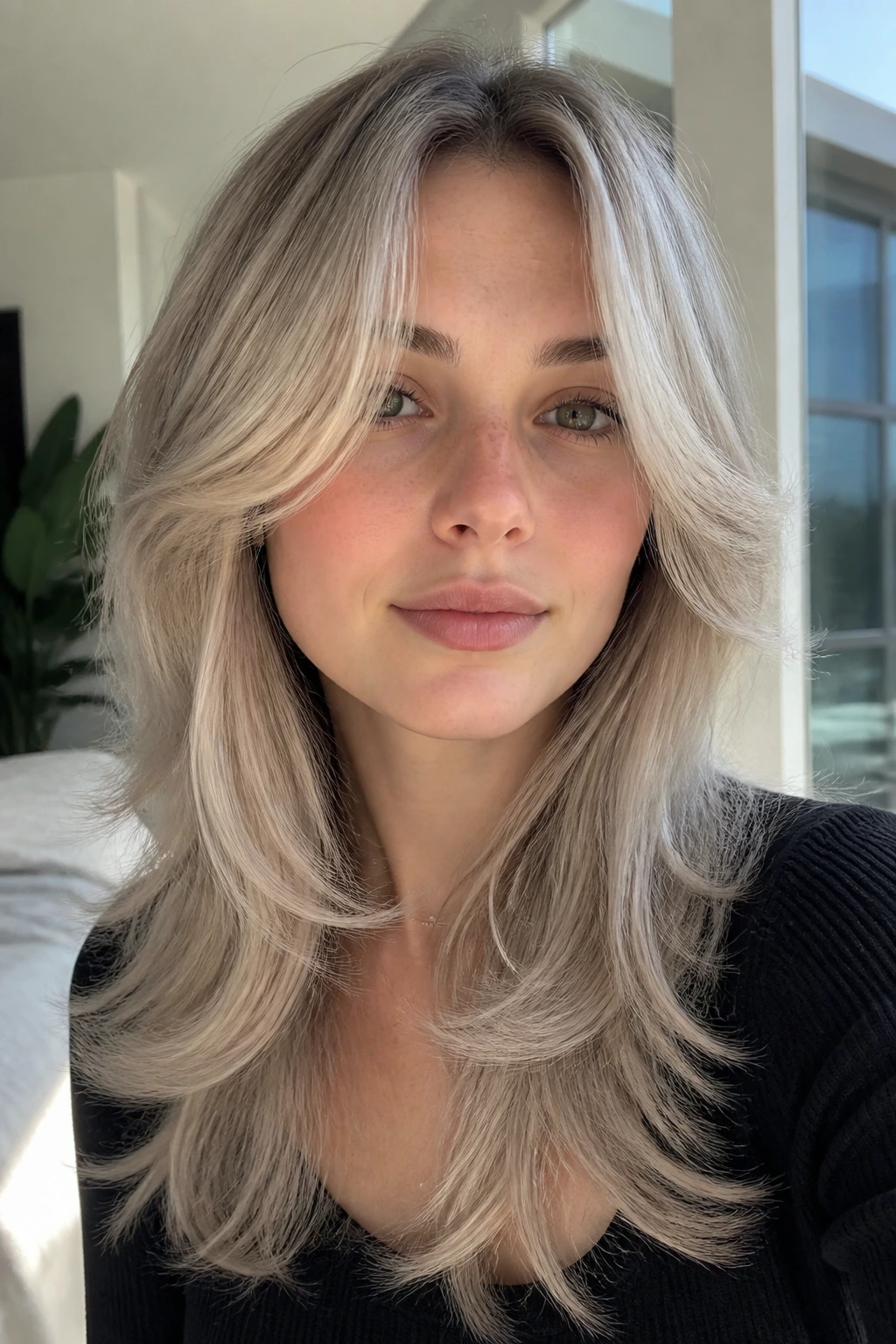
An ash blonde butterfly cut works because the layers and the tone do the same job: they both break up weight. Dark hair can feel heavy fast when it goes blonde, and this cut keeps the lighter pieces floating around the face instead of hanging like a single slab.
Ash tones are good here because they keep the blonde clean on pink skin. Too much gold can nudge the face into a ruddy look, while ash keeps the color cooler and more crisp.
Why I’d Choose It
If your hair is long and thick, this is one of the easiest ways to get movement without losing length. The layers show off the blonde at the top and around the cheekbones, then the longer bottom pieces keep the grow-out from looking choppy.
6. Creamy Babylights on Long Straight Hair
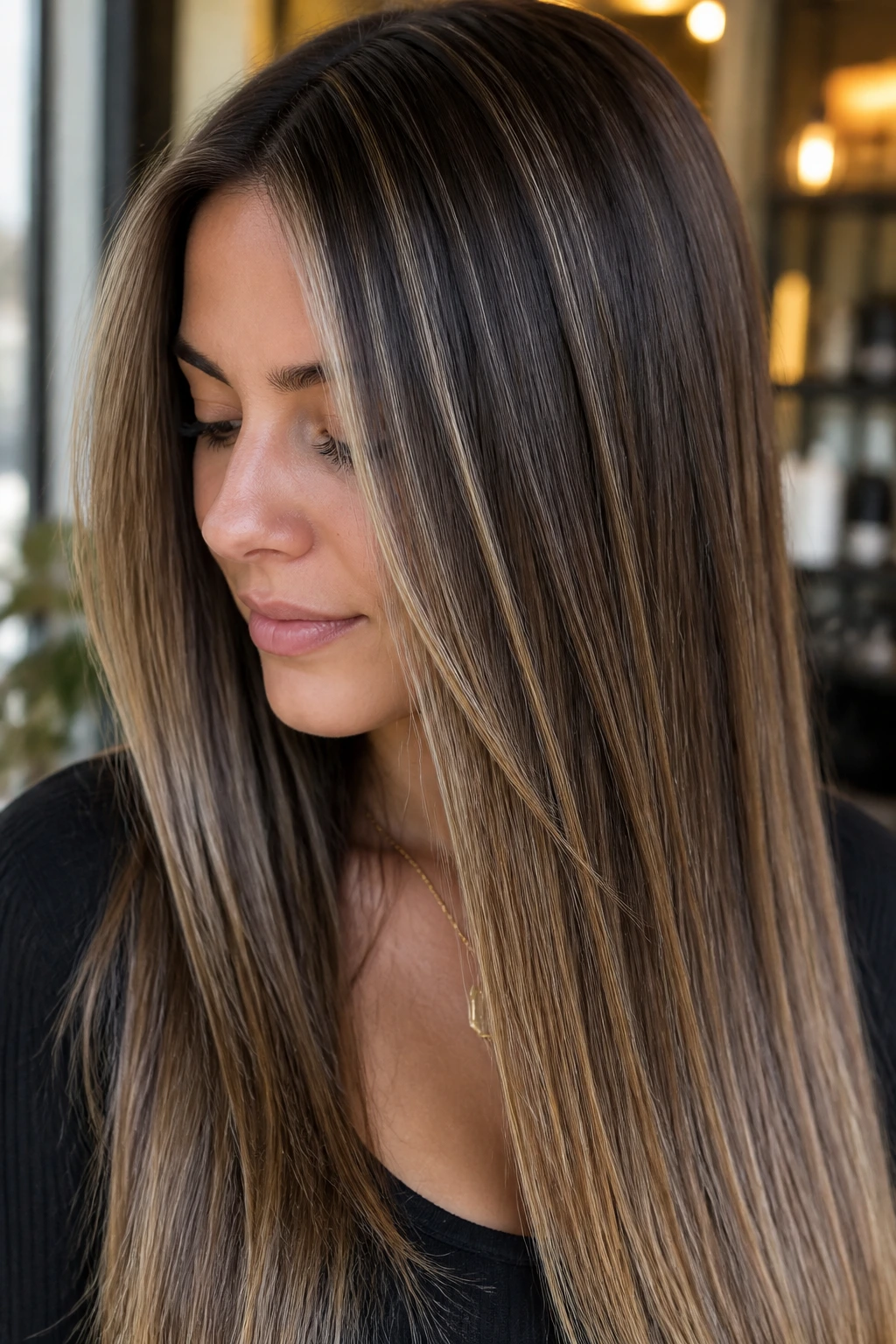
Creamy babylights are the quietest option in the group, and sometimes that is the smartest move. Tiny foils through dark hair create a shimmer rather than a stripe, which is excellent when pink undertone skin gets cranky around high-contrast color.
Long straight hair makes this look almost glow from within. The blonde sits in micro-ribbons, so the eye sees softness first and color second. That is a useful trick if you want to go lighter without changing the whole feel of your hair.
What to Ask For
Request fine, dense babylights through the top and face frame, then a creamy toner that stays beige rather than yellow. It is a low-drama way to move from brunette into blonde territory without losing the natural base that makes the result believable.
7. Bronde Face-Frame Lob
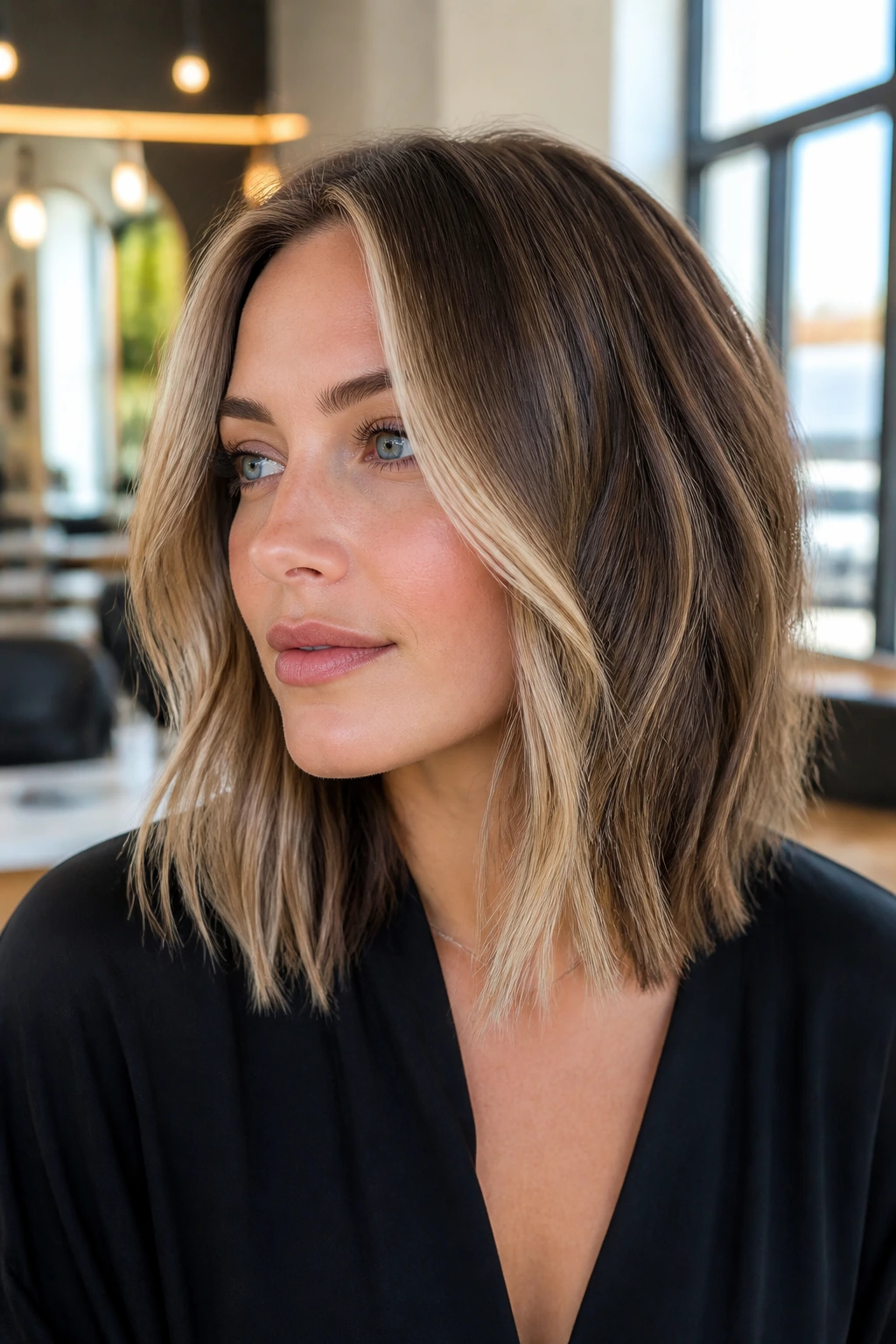
Bronde is the old reliable of this entire category. It sits between brown and blonde, which makes it a good fit for pink skin that looks best with a little softness instead of a hard jump into platinum territory.
A lob gives bronde a shape to land on. Keep the front pieces brighter, then let the back stay a touch deeper. The result looks lived-in, and the contrast around the face does more than a full-head lightening job would.
The One Thing That Matters
Keep the front pieces slightly cooler than the ends. If they go too gold, the whole look starts to read peachy. On a dark base, that can make the face look pinker than you want, and nobody needs that.
8. Icy Beige Pixie Crop
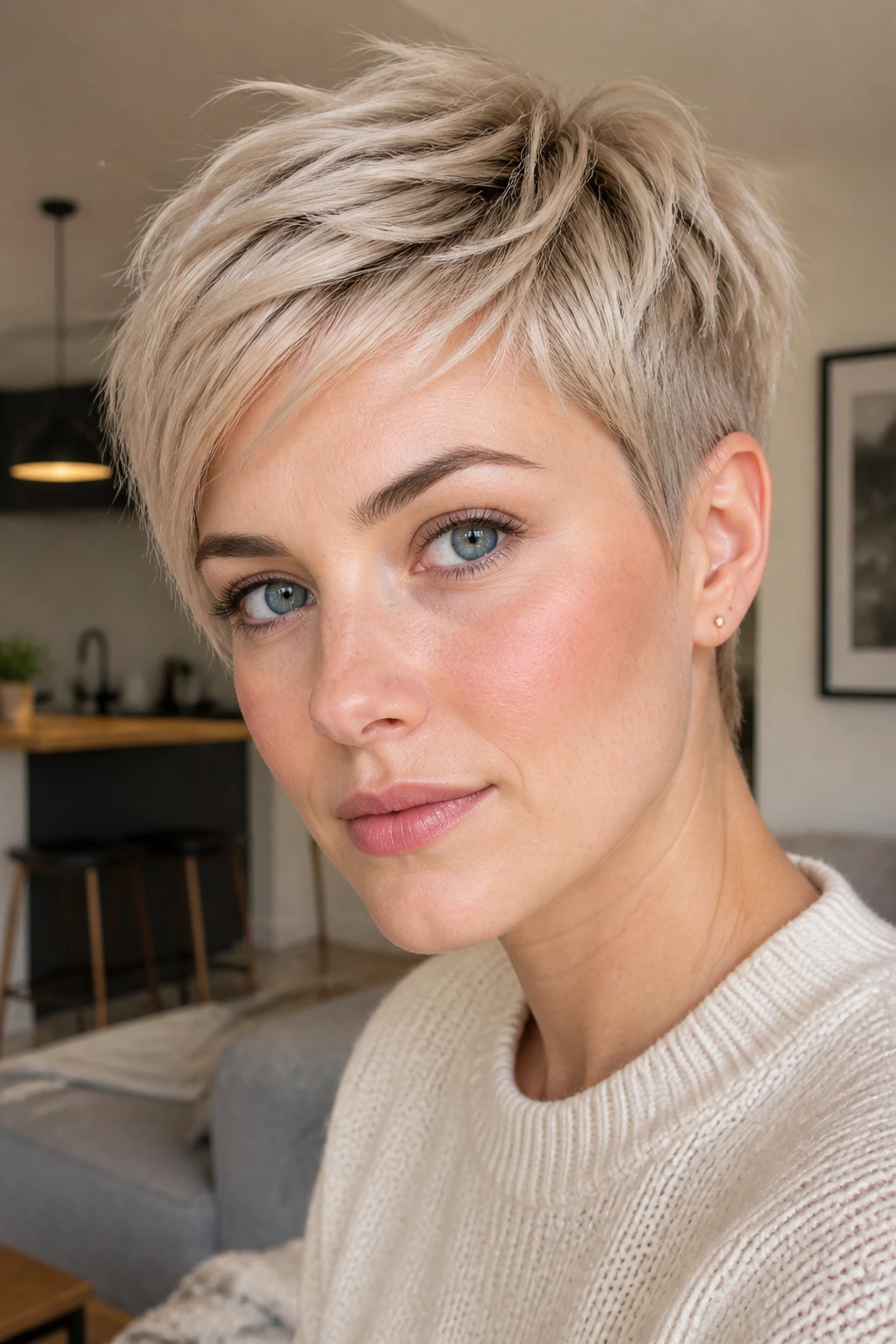
A pixie crop with icy beige tones is sharp in the best sense. It exposes the face, so the blonde shade matters even more than it does on longer hair, and beige keeps the look clean instead of bleached-out.
Pink undertone skin usually needs a little restraint around the hairline. This cut gives you that. The cropped length keeps the color from feeling bulky, while the beige finish softens the edges so the whole style still feels wearable.
When It Works Best
Choose this if you like structure and do not mind upkeep. Pixies show regrowth fast, especially on dark hair, so this one needs regular trims and toner to stay polished.
9. Smoky Honey Shag
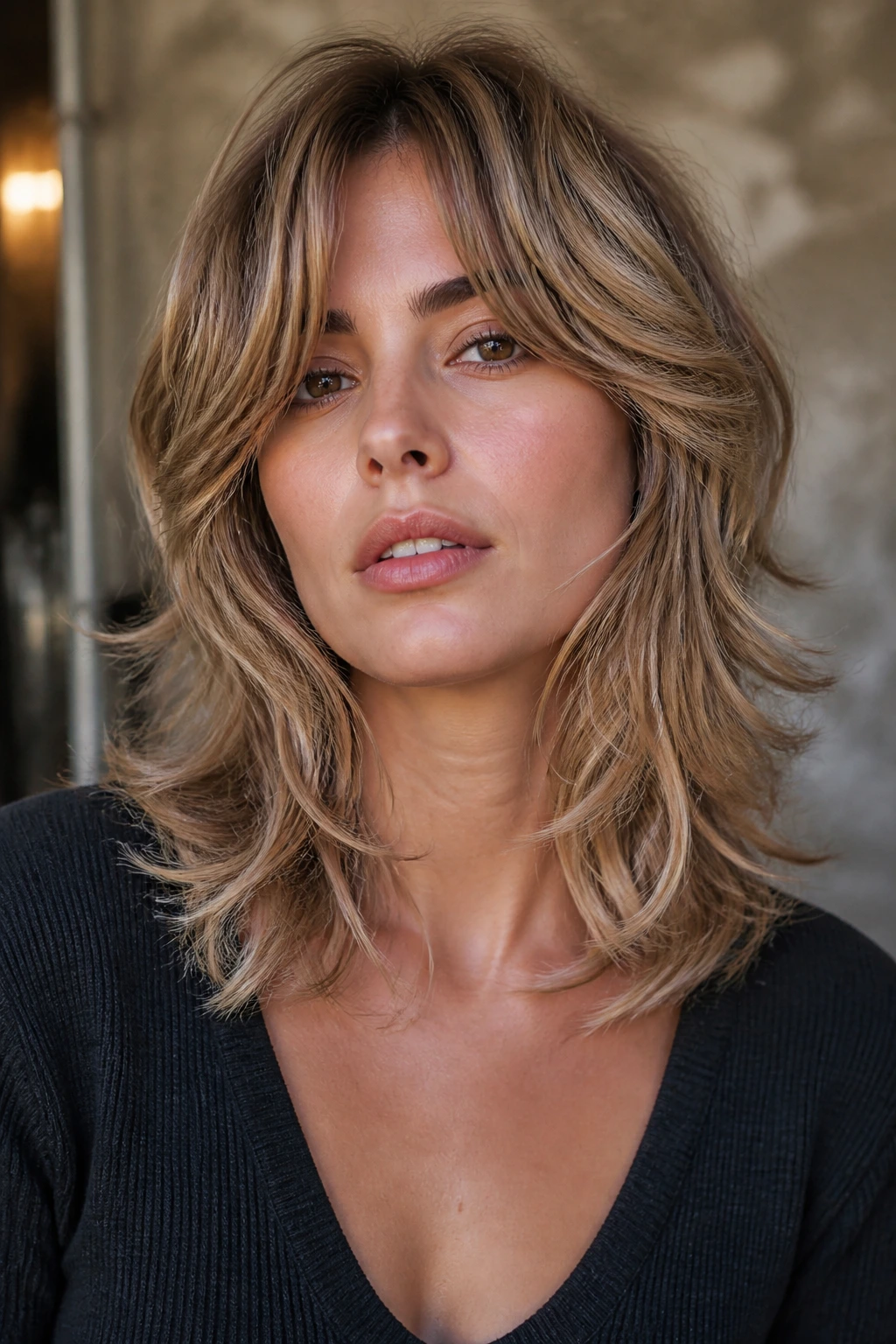
A smoky honey shag sounds warmer than it is, and that is why it works. The honey note keeps the blonde from getting flat, while the smoky finish keeps pink skin from tipping into ruddiness.
The shag cut gives the color room to move. Pieces around the face break up the warmth, and the layers stop the blonde from reading like a single golden sheet. If your natural texture is wavy or a little rough, this can be a really flattering lane.
Why It Feels Easier Than It Looks
The shag does half the styling work for you. Scrunch in a light mousse, rough-dry it, then add a few bends. You do not need a perfect blowout here. A little mess helps.
10. Platinum Ribbon Highlights on a Wolf Cut
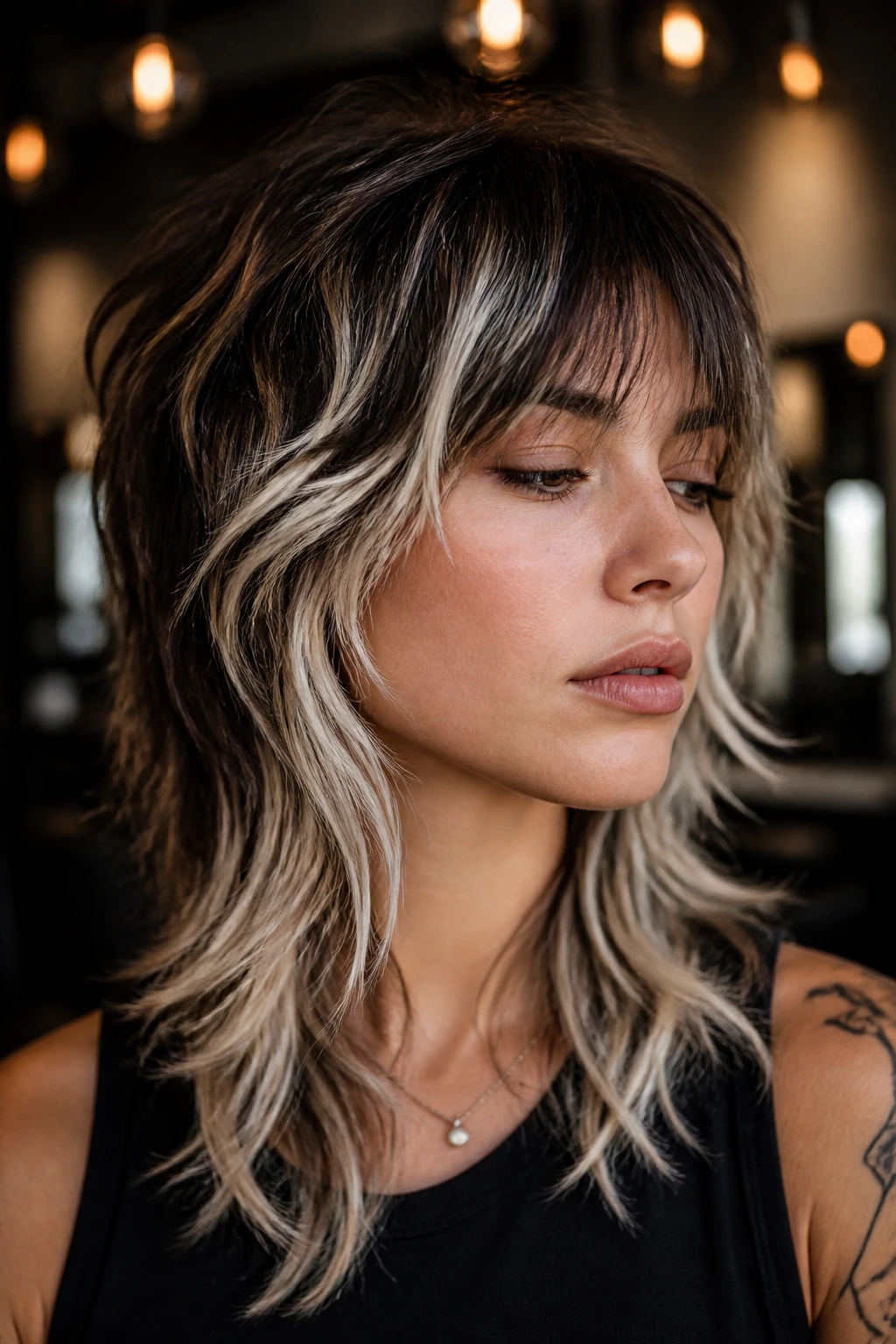
Platinum ribbons on a wolf cut are for someone who wants contrast and does not mind a little attitude. The cut is already shaggy and layered, so the bright blonde pieces can live in a looser, more broken-up pattern instead of looking like a strict highlight job.
Pink undertone skin can handle platinum if the blonde is clean. The key is to keep the ribbons bright but not yellow. On a dark base, that high contrast makes the whole look feel deliberate rather than accidental.
Keep This in Mind
This is not a low-maintenance choice. Platinum on dark hair asks for toner, bond care, and a stylist who knows where to stop. If the blonding goes too far and too warm, the whole point disappears.
11. Vanilla Blonde Blowout Layers
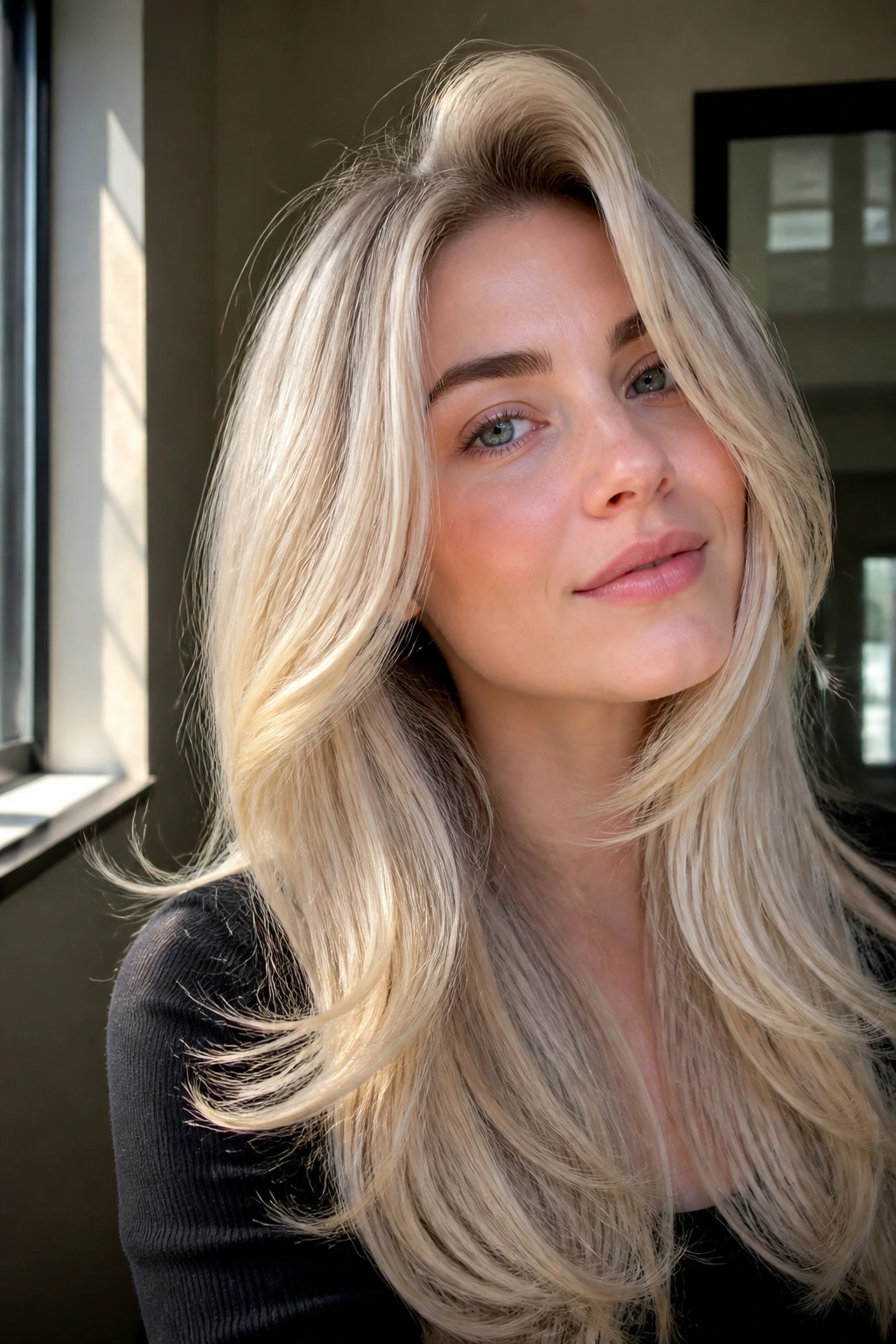
Vanilla blonde is one of those shades that sounds simple and behaves better than people expect. It is creamy, light, and smooth, which makes pink undertone skin look less flushed than a stronger gold would.
The blowout part matters. With layers blown away from the face, the vanilla tone gets movement and shine instead of sitting flat. On dark hair, that motion keeps the style from feeling heavy at the crown.
A Good Everyday Blonde
This is the blonde I’d hand to someone who wants polished hair without the brightness of platinum. It looks especially nice on medium to long layers because the curved ends catch the light and keep the color from feeling static.
12. Toffee-to-Beige Ombré
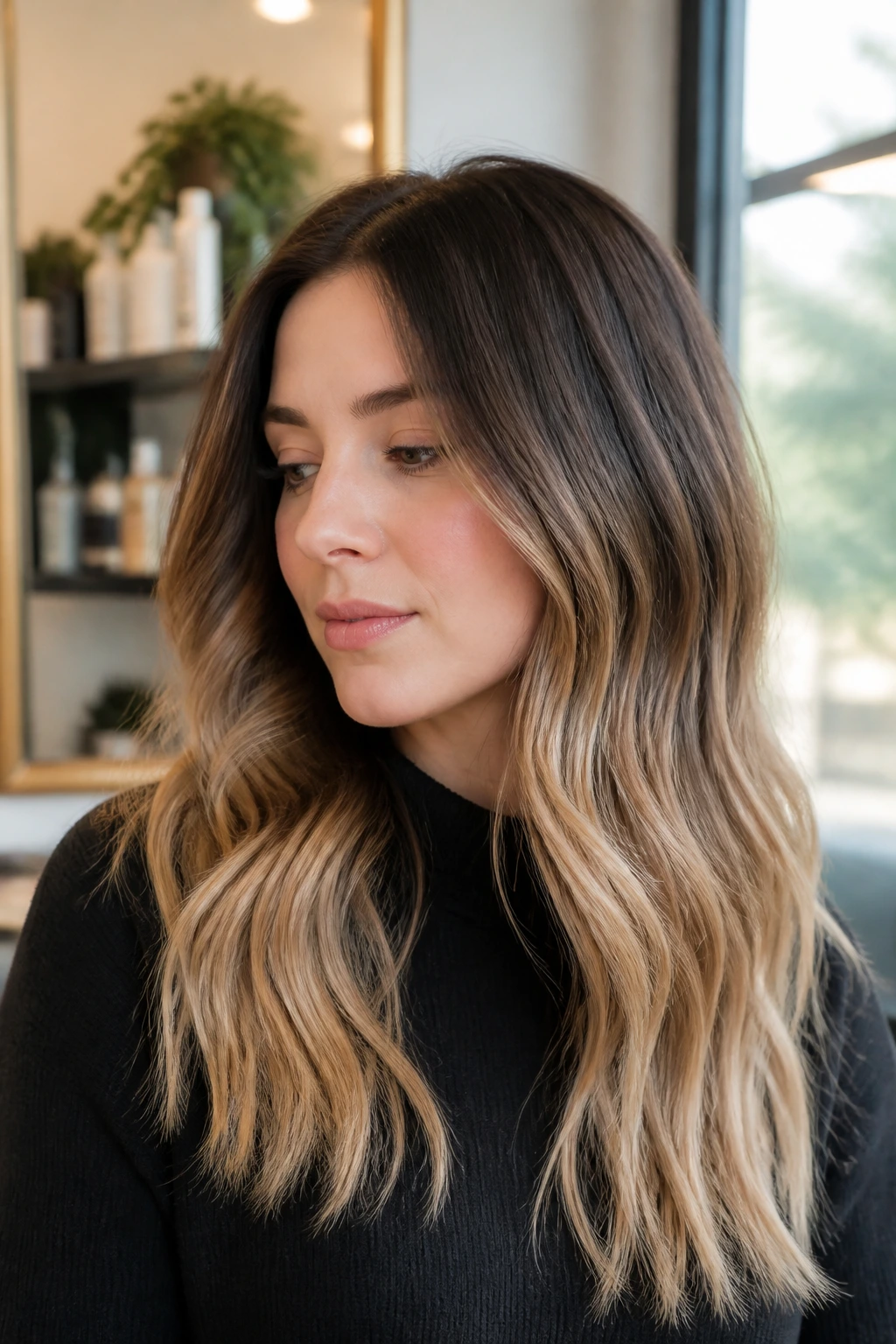
Toffee-to-beige ombré gives dark hair an easy path into blonde. The roots keep some depth, the mid-lengths carry that deeper toffee note, and the ends fade into beige so pink skin still reads soft.
That gradual shift is why this one is so forgiving. You are not asking dark hair to jump straight into lightness, which means the grow-out looks smoother and the maintenance stays calmer.
Why It’s Smart
If your hair lifts unevenly, ombré can hide the rough edges better than a full foil job. The darker top acts like a built-in shadow, and that shadow keeps the blonde from reading harsh around the face.
13. Sandy Collarbone Cut
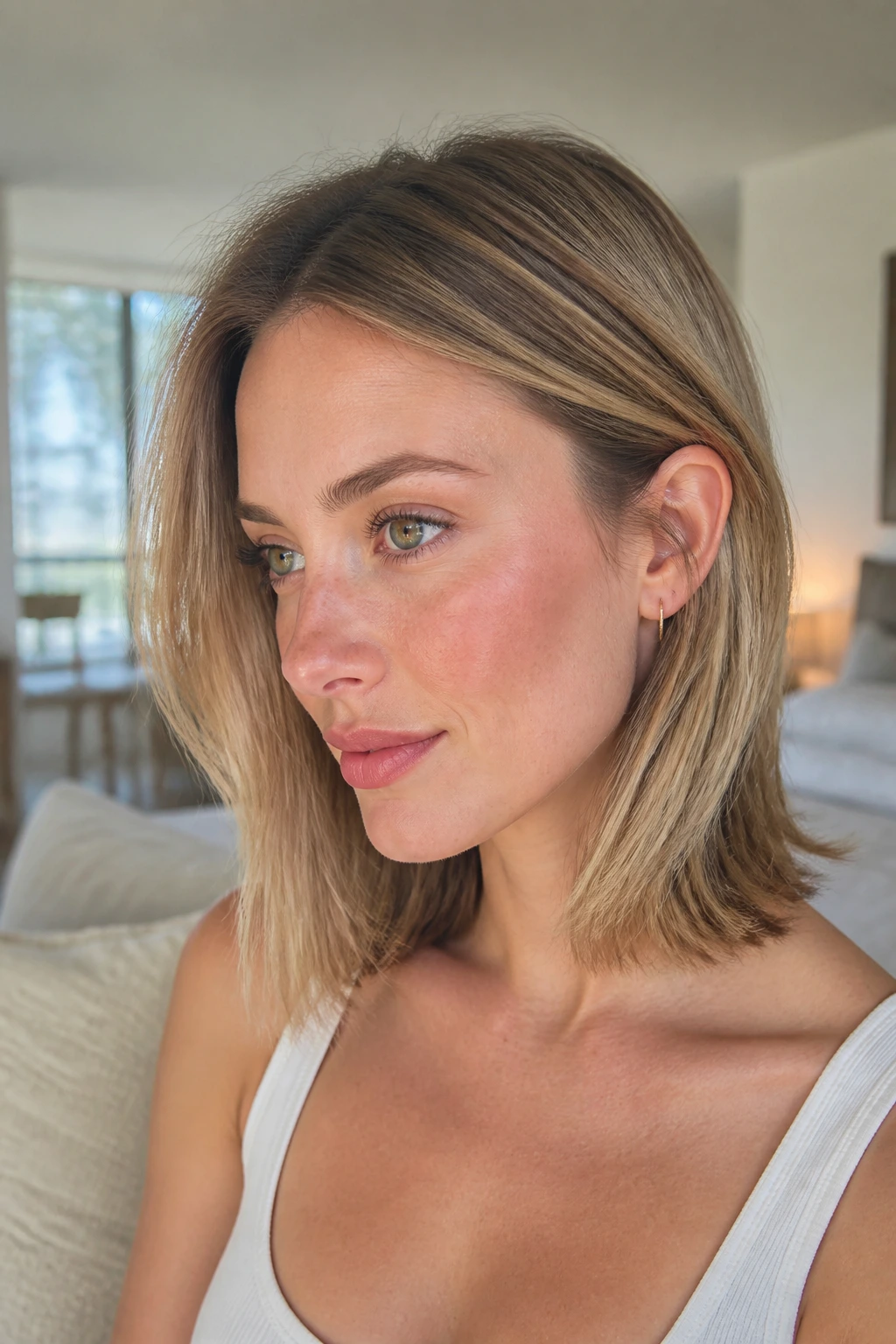
Sandy blonde on a collarbone cut is one of my favorite “I want lighter hair, but not too much” choices. The sandy tone lives between cool and warm, so it does not fight pink undertone skin the way a loud gold can.
The collarbone length keeps the ends light enough to move, but not so long that the blonde disappears. Tucked behind one ear, this cut shows the color shift at the jawline, which is a nice place for brightness to land.
What It Gives You
This is a practical blonde. It works for office days, messy weekends, and air-dried hair alike. If you want a shade that reads natural in daylight and polished under indoor light, sandy beige does the job.
14. Muted Golden Beige Curls
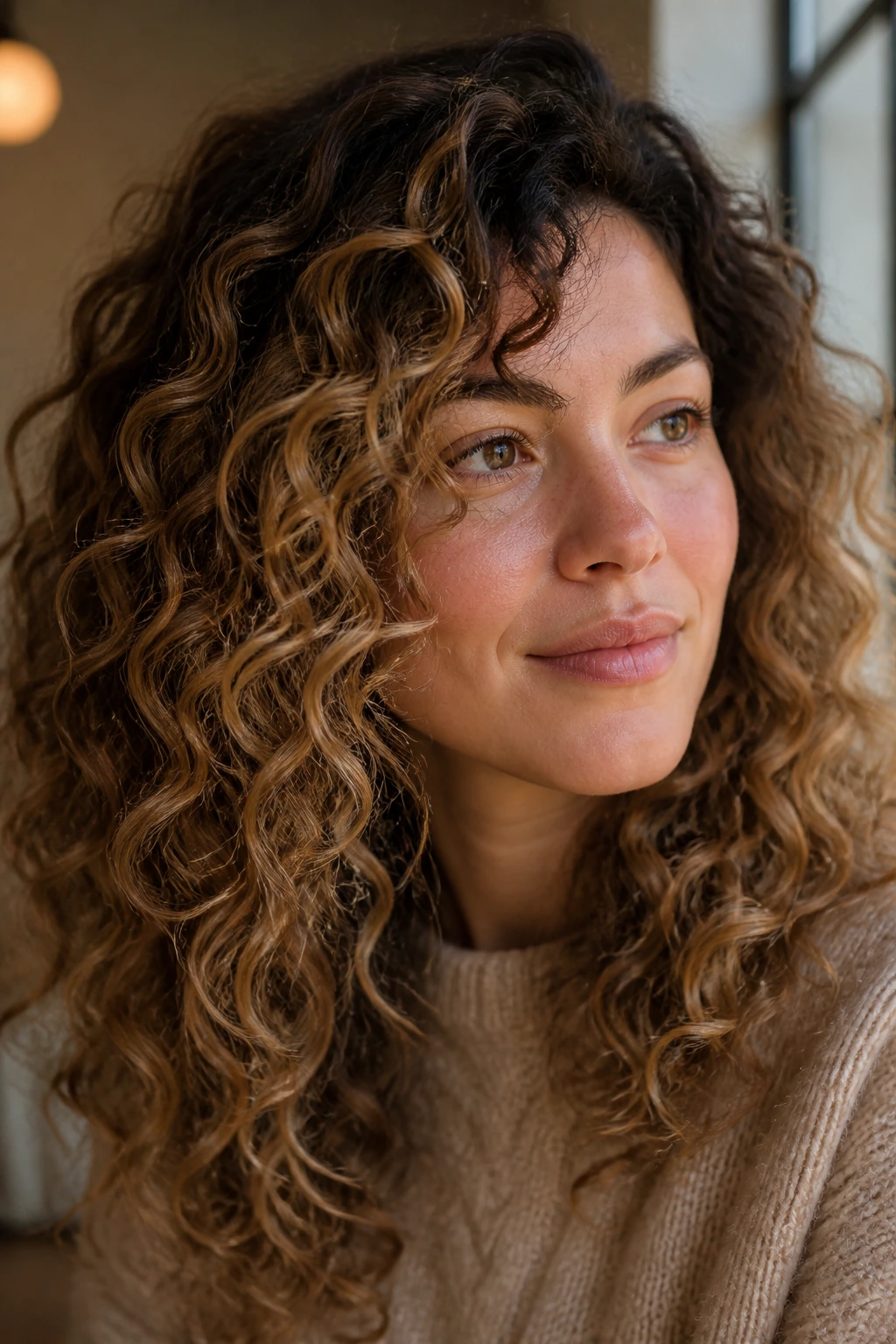
Muted golden beige curls prove that warm blonde can still work on pink skin if the warmth is softened. The curl pattern breaks up the color, so the golden note never gets a chance to look brassy or too flat.
On dark hair, this shade looks especially good when the curls are defined, not crunchy. The beige in the formula keeps the gold under control and gives the skin a little glow without pushing it into redness.
Best For
This one flatters medium to thick hair because the curls make the highlights show in layers. If your curls tend to shrink up, ask for the lightest pieces around the outer curve of the face and the top of the hair, where they’ll actually be seen.
15. Silver-Toned Bob with Root Smudge
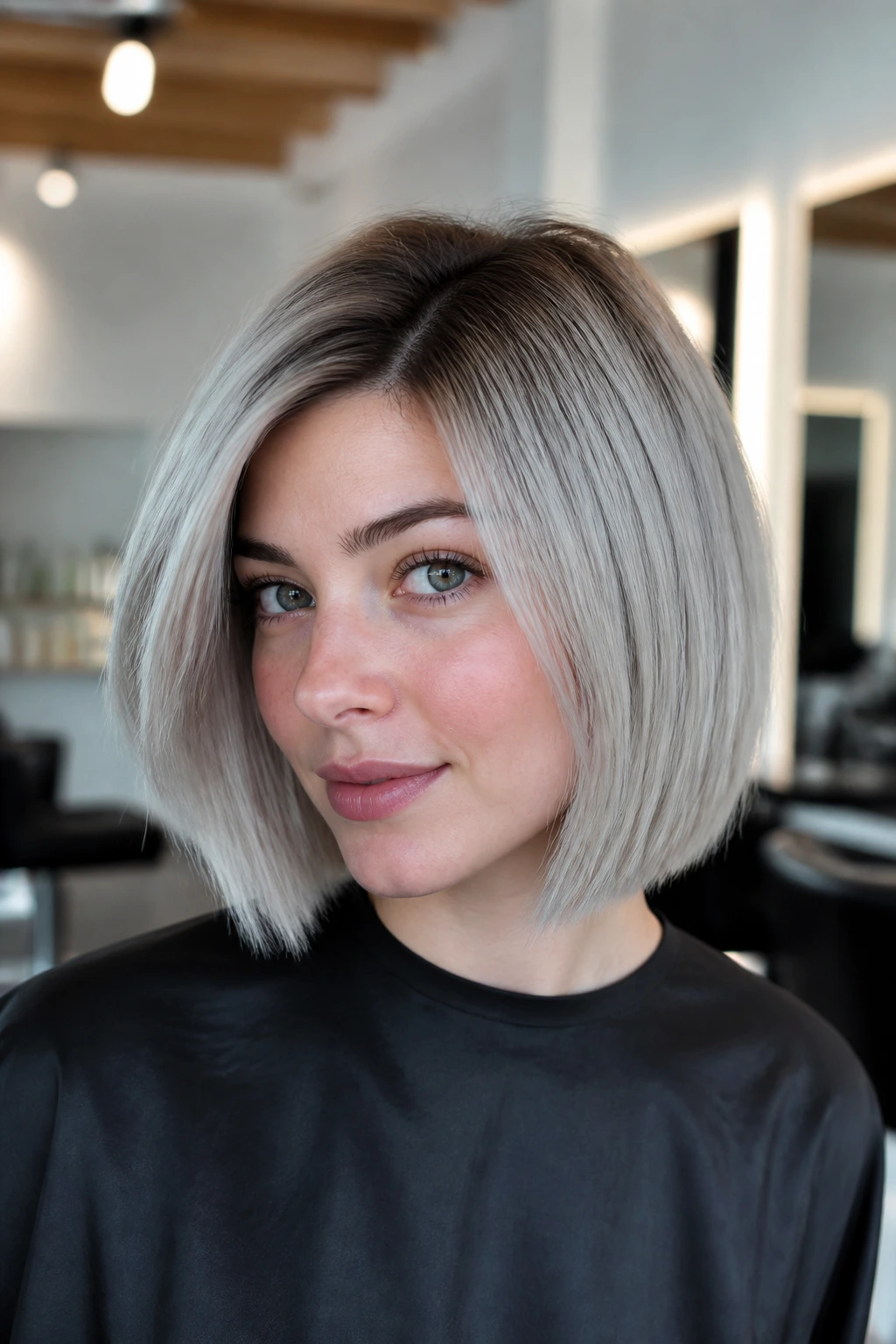
A silver-toned bob is clean, sharp, and a little bit architectural. The bob shape gives the pale blonde a strong outline, while the root smudge stops dark hair from looking like it was bleached and abandoned.
Pink undertone skin likes the cooler finish here because it keeps the complexion from getting extra red. Silver tones are unforgiving if they go yellow, though, so this is one of those looks that needs real toner discipline.
Tiny Warning
A bob will show every color mistake. If the blonde goes patchy, you see it immediately. That is why the root shadow is non-negotiable here; it makes the whole cut look intentional from every angle.
16. Almond Blonde Sleek Ponytail
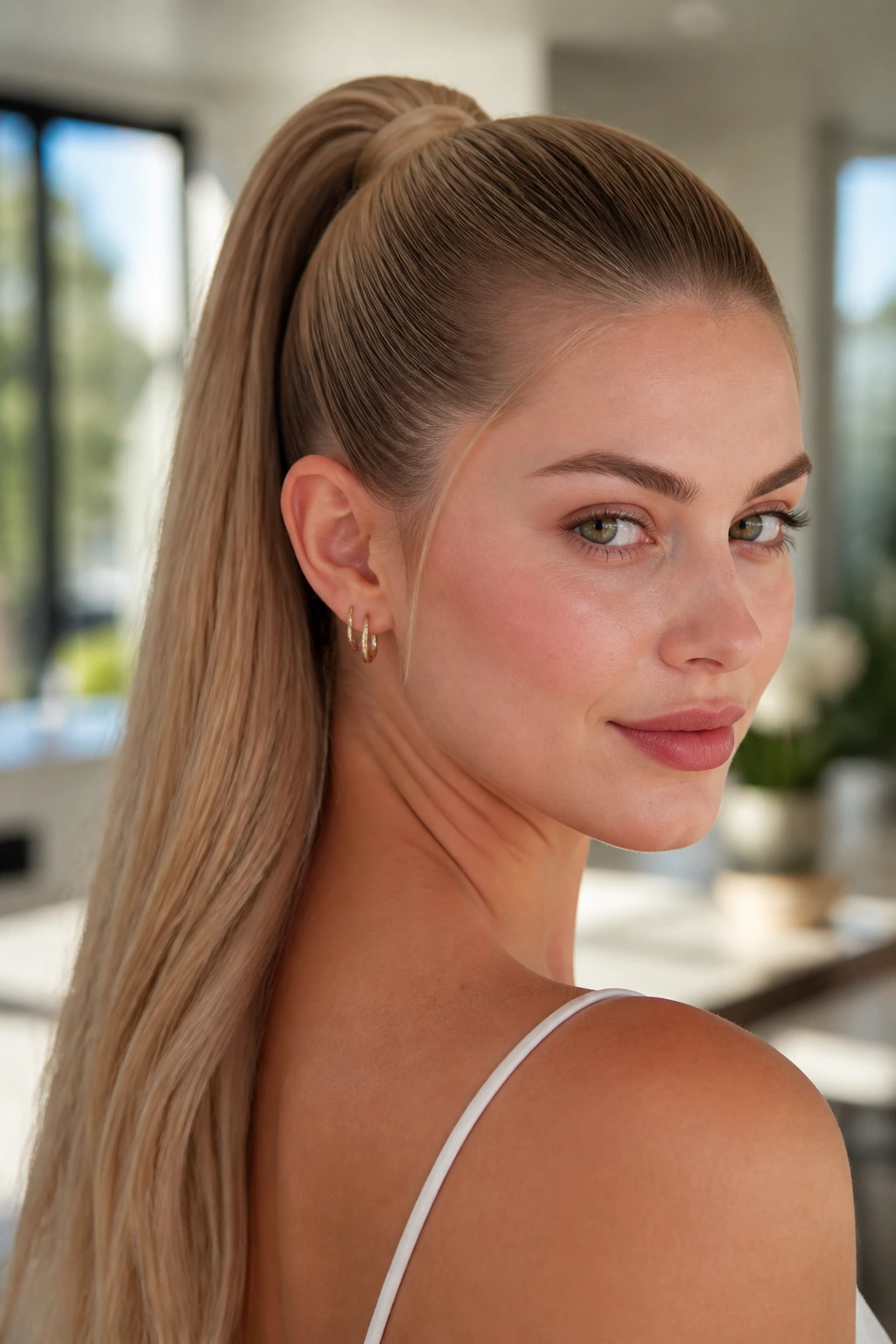
An almond blonde sleek ponytail sounds simple, but the impact comes from the contrast between the pulled-back shape and the lighter lengths. On dark hair, the ponytail line frames the face first, then the almond blonde pieces catch light as they move.
Pink undertone skin often likes this kind of restraint. The sleek crown keeps the head tidy, while the blonde in the ponytail adds brightness without taking over the whole face.
How to Wear It
If you use extensions, color-match the mid-length shade, not the very ends. That keeps the ponytail from looking flat or stripey. A little edge control at the hairline and a glossy wrap around the base finish the look cleanly.
17. Scandinavian Beige Waves
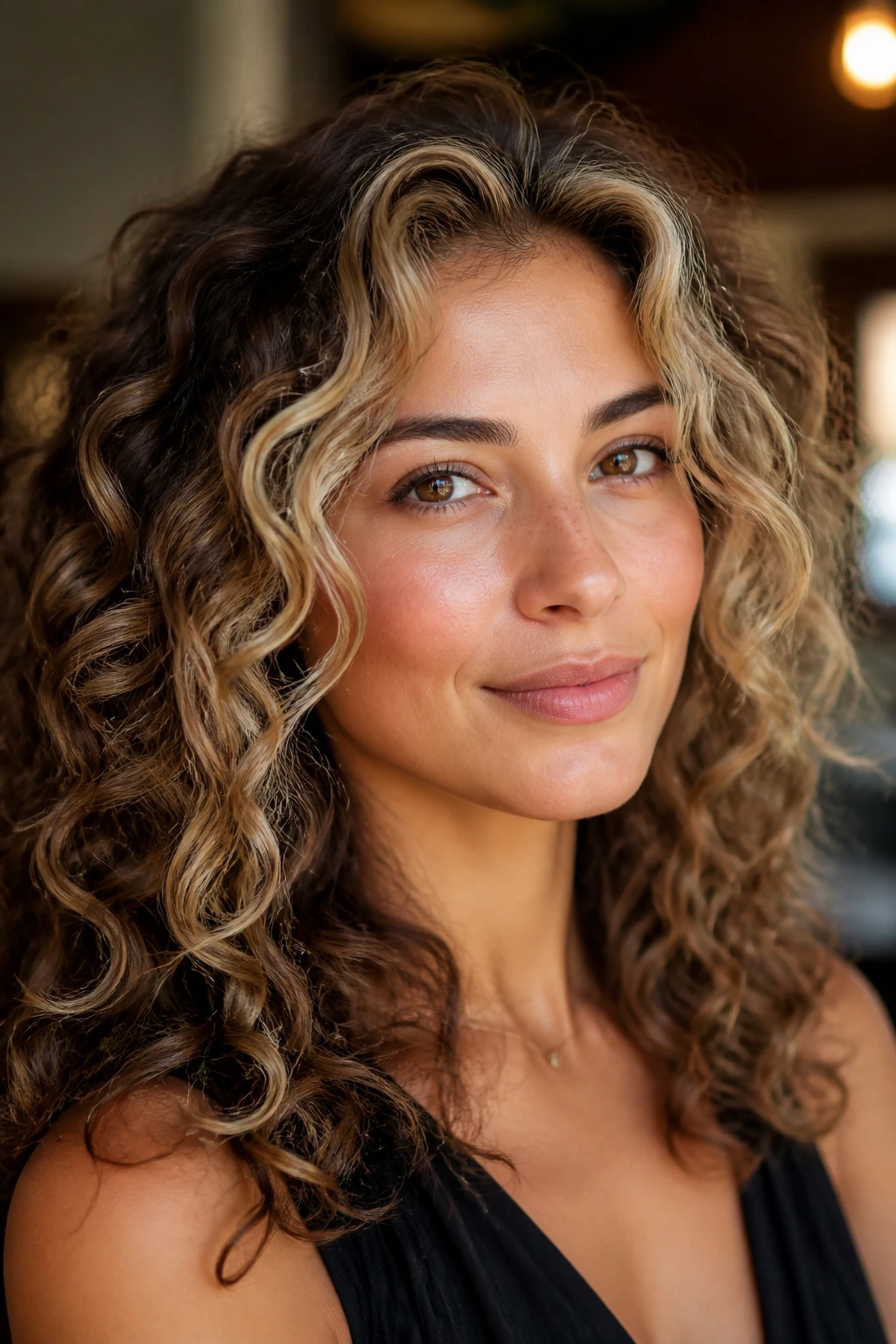
Scandinavian beige waves are pale, airy, and a little frosty without tipping into harsh ice. They work best on dark hair that has been lifted cleanly, because the shade depends on a pale, even canvas.
Pink undertone skin can wear this when the beige note stays present. If the blonde goes too white, the face can look sharper than you want. Beige keeps the skin from feeling stripped.
The Mood It Gives
This is the blonde for someone who likes hair that reads light before it reads styled. Loose waves help a lot. The texture makes the shade look softer and keeps the ends from feeling too severe.
18. Milk Tea Blonde Mid-Length Cut
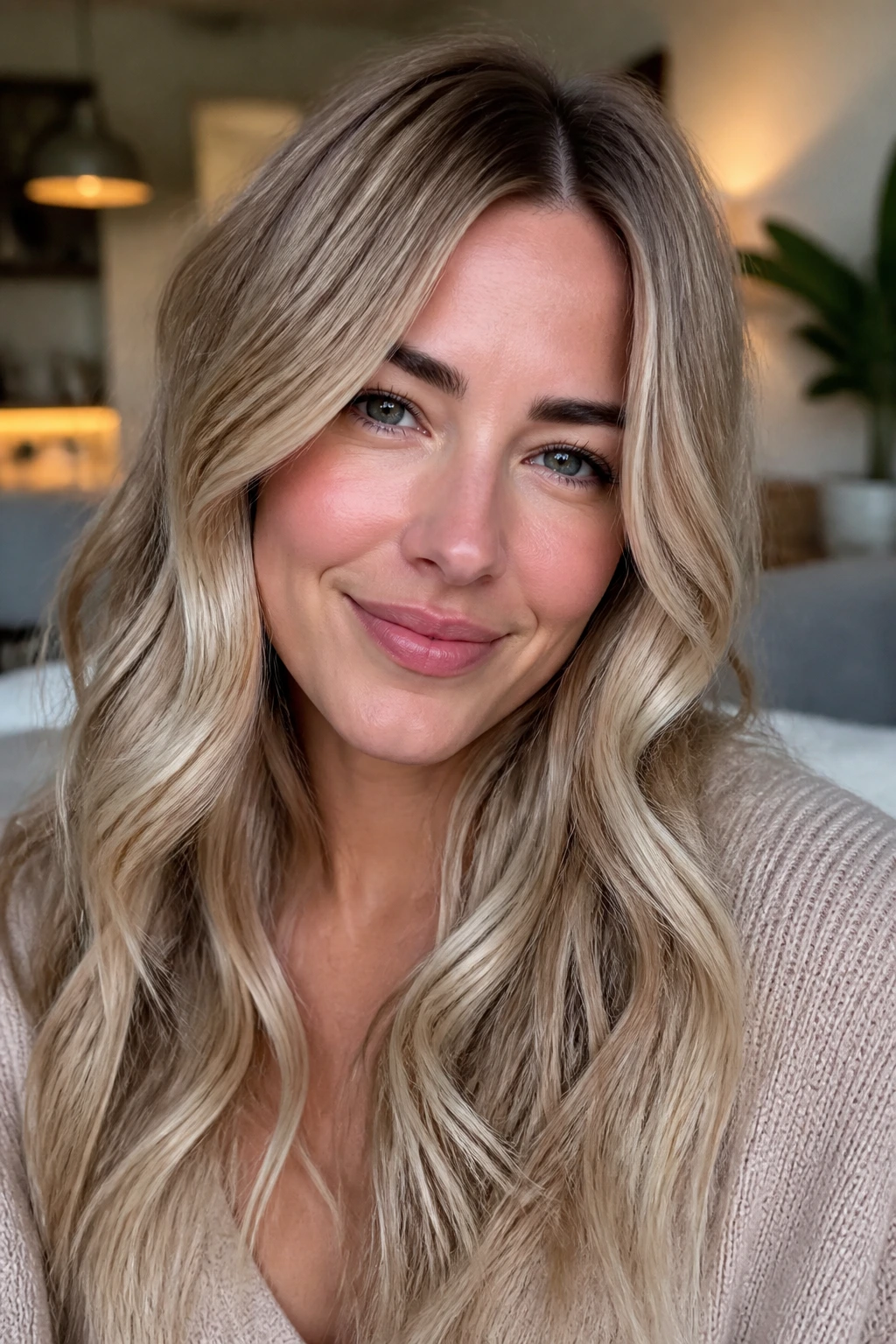
Milk tea blonde has a milky, muted finish that sits beautifully on pink skin. It is not flashy, and that is its strength. The color looks creamy in daylight and gentle under indoor bulbs, which saves you from that loud yellow shift some blondes get.
A mid-length cut gives the shade enough space to show off without turning maintenance into a full-time job. The darker root and the soft beige lift around the face make the color feel expensive in a quiet way.
Why It Sticks
This is one of the best choices if your natural hair is dark and you want a soft landing into blonde. The tone is forgiving, the cut is easy to style, and the grow-out tends to blur rather than shout.
19. Frosted Caramel Balayage
Frosted caramel balayage is a good compromise when you want warmth but need it to stay civilized. The caramel note brings dimension to dark hair, while the frosted toner cools it just enough to play nicely with pink undertone skin.
The trick here is contrast control. You do not want the caramel to go orange, and you do not want the frosting to turn gray. Sitting in the middle is what makes this look work.
Where It Sings
This one looks especially good with loose curls or a round-brush blowout. The movement shows off the different tones, and the deeper base keeps the blonde from floating on top of the haircut like a wig.
20. Champagne Layers with Soft Root Melt
Champagne layers are bright enough to wake up the face, but soft enough to avoid that hard yellow shine that can bother pink skin. The root melt matters because it lets dark hair keep its depth while the blonde sits through the layers.
Layers do what champagne needs most: they move. A one-length cut can make the shade look heavier than it is, while a layered shape lets the lighter pieces drift around the face and through the ends.
A Clean, Polished Choice
If you want blonde that looks fresh without looking icy, this sits in a nice middle zone. It reads dressy, but not fussy, and that balance is what makes it one of the strongest options in the whole list.
21. Cool Vanilla Highlights on Dark Brown Hair
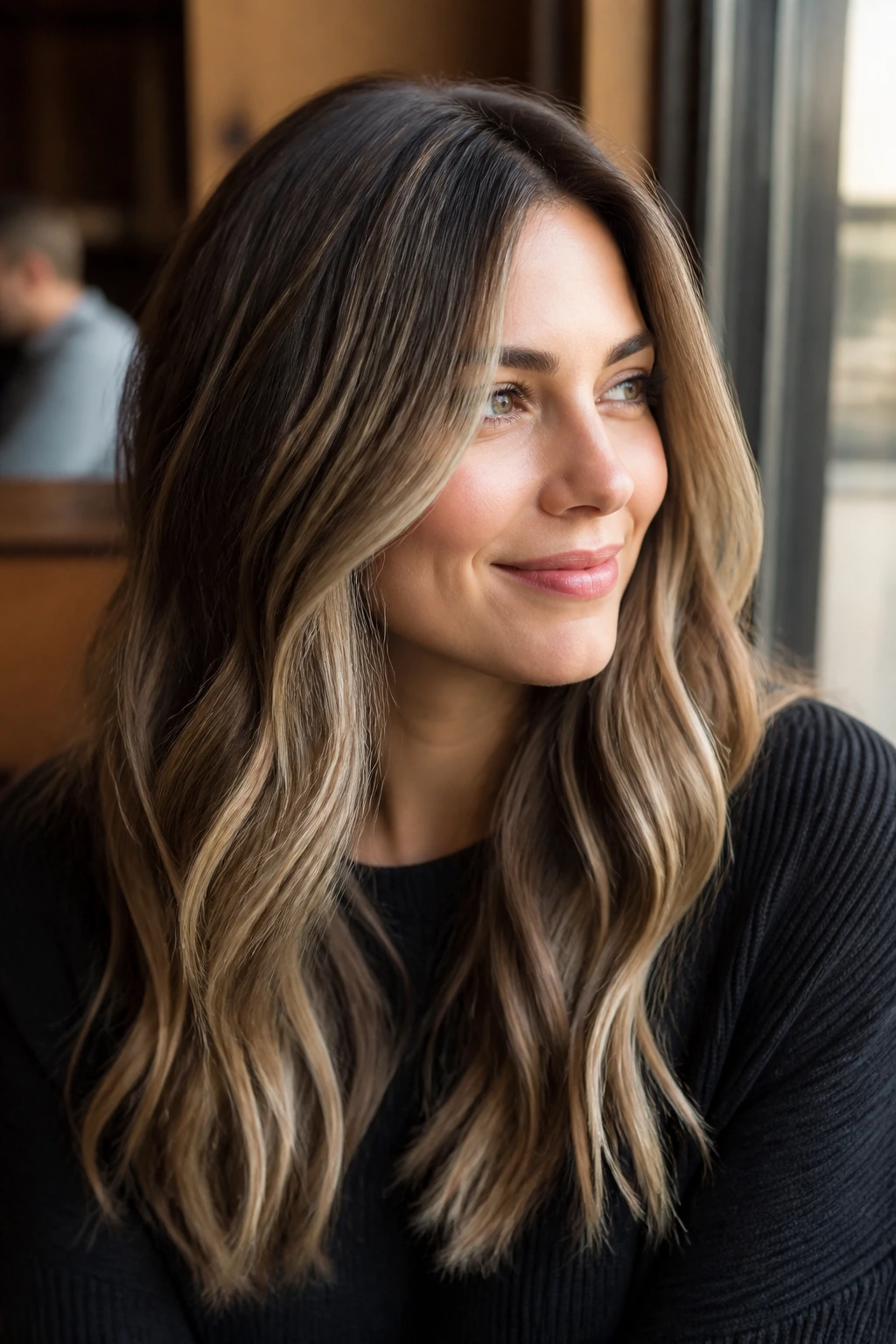
Cool vanilla highlights are crisp without being severe. On dark brown hair, they create a clear lift, but the vanilla tone keeps pink undertone skin from getting extra flushed the way a brighter gold might.
The placement can be as important as the color. Thin panels near the face and a few more through the top give the hair movement, while deeper sections underneath stop the blonde from swallowing the brunette base.
Why It Stands Out
This is one of the cleaner-looking blondes for straight hair. The highlights show right away, but the cool vanilla tone keeps them soft enough that the contrast feels balanced, not stripy.
22. Beige Ribbon Highlights on a Long Shag
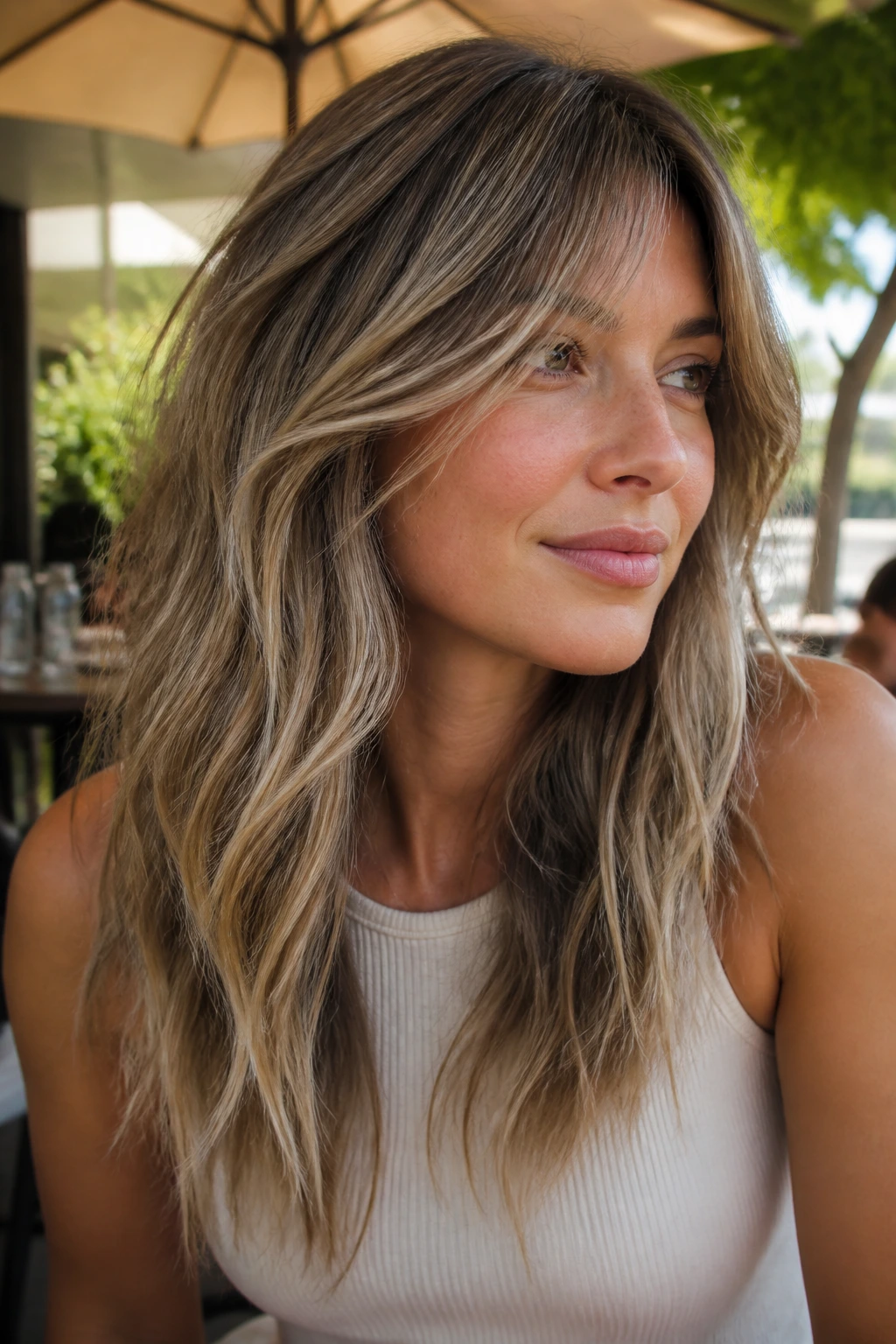
Ribbon highlights were made for long shaggy hair. The layers already break up the shape, so the beige pieces can follow the cut and move through it instead of sitting in straight lines.
Pink undertone skin likes this because the beige keeps the blonde honest. You get brightness, but not the kind that makes the face look red around the nose and cheeks.
The Best Part
The long shag makes styling easy. A rough wave, a little texturizing spray, and the beige ribbons show up without you having to fight for every bend. It is one of the least fussy ways to wear blonde on a dark base.
23. Mushroom Brown-to-Blonde Melt
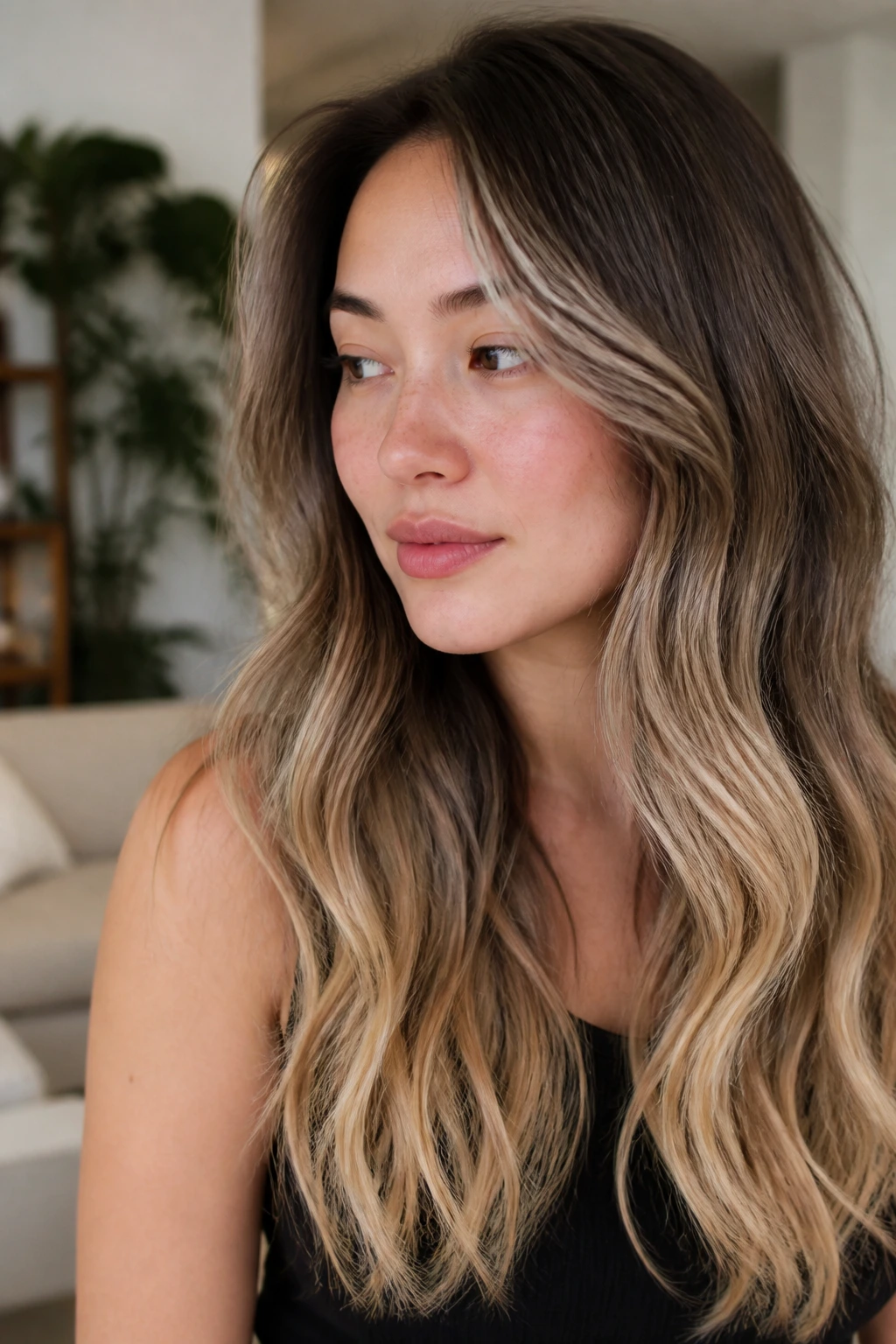
A mushroom brown-to-blonde melt is for someone who wants the most natural transition possible. The root stays cool and grounded, then the blonde lightens gradually through the ends, so the whole thing looks like a shade shift instead of a hard grow-out line.
Pink undertone skin usually loves this because the mushroom brown base takes the edge off any redness. The light ends still give you blonde, but the path there feels calm.
Why It Works on Dark Hair
Dark hair often needs several sessions to reach a pale blonde safely. A melt lets you respect that process instead of rushing it. You keep depth where you need it, and the blonde reads as intentional from the first appointment.
24. Opal Blonde Textured Bob
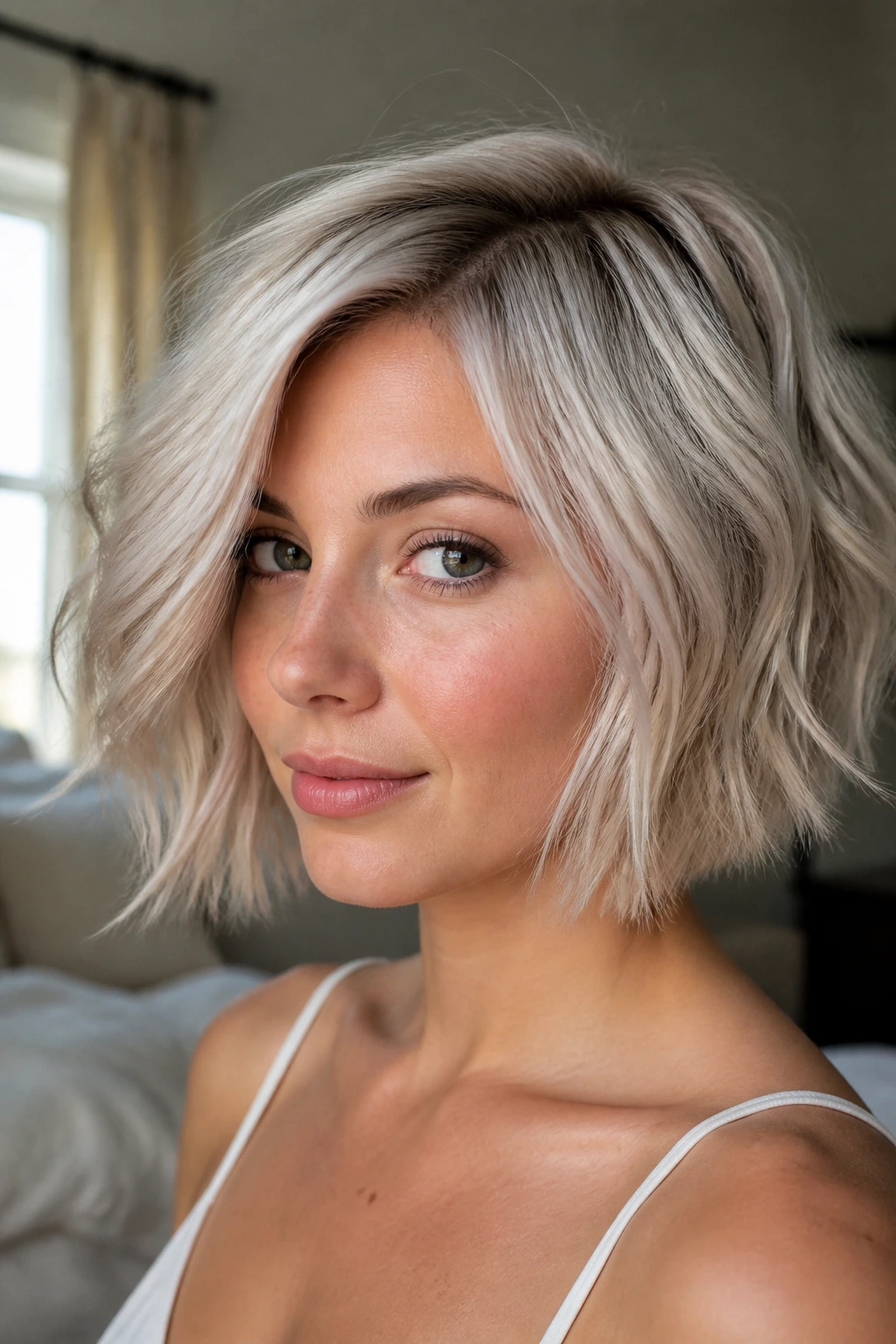
Opal blonde is a little pearly, a little smoky, and a little translucent-looking when the tone is right. On a textured bob, it turns into a playful but controlled blonde that flatters pink skin by staying cool at the edges.
The bob gives the color a strong shape. The choppy texture keeps the blonde from looking too smooth or flat, which is a real risk with pale shades on dark hair.
How It Feels
This is a good choice if you like modern cuts with a bit of edge. The texture gives the blonde lift, and the pale finish makes the whole style look cleaner than a warmer shade would.
25. Soft Honey Beige Face-Framing Layers
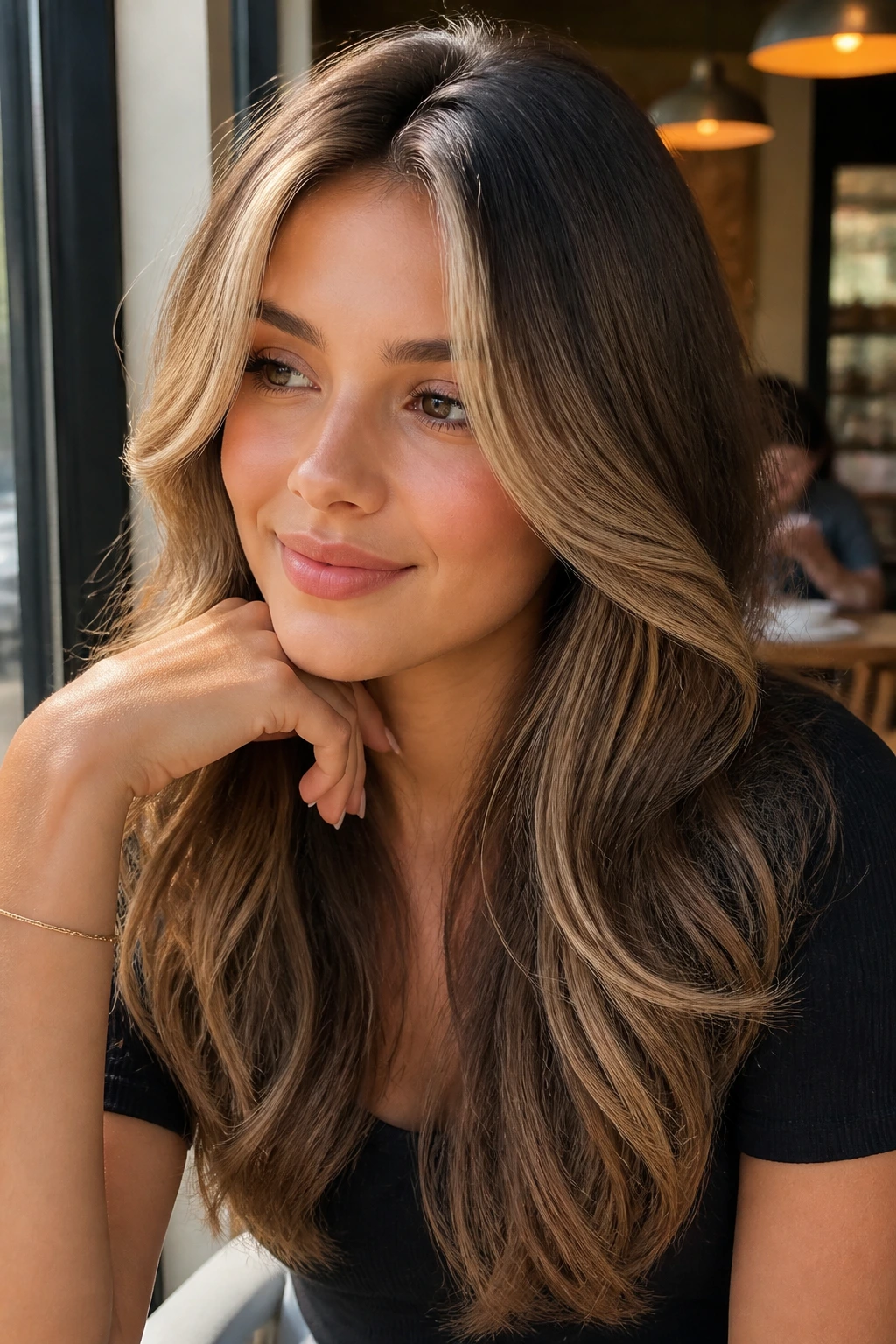
Soft honey beige can work on pink undertone skin when the honey stays muted and the beige stays present. The face-framing layers do most of the talking here, because they pull the lighter pieces toward the cheekbones and jawline.
I like this one when someone wants warmth but not brass. The beige dials the honey back, which keeps the skin from looking more flushed than it already is.
Small Adjustment, Big Difference
If your skin runs very pink, ask for the front pieces to be a touch more beige than the rest. That tiny shift makes the face frame smoother and stops the front from reading too gold in daylight.
26. Smoky Beige Teasylights
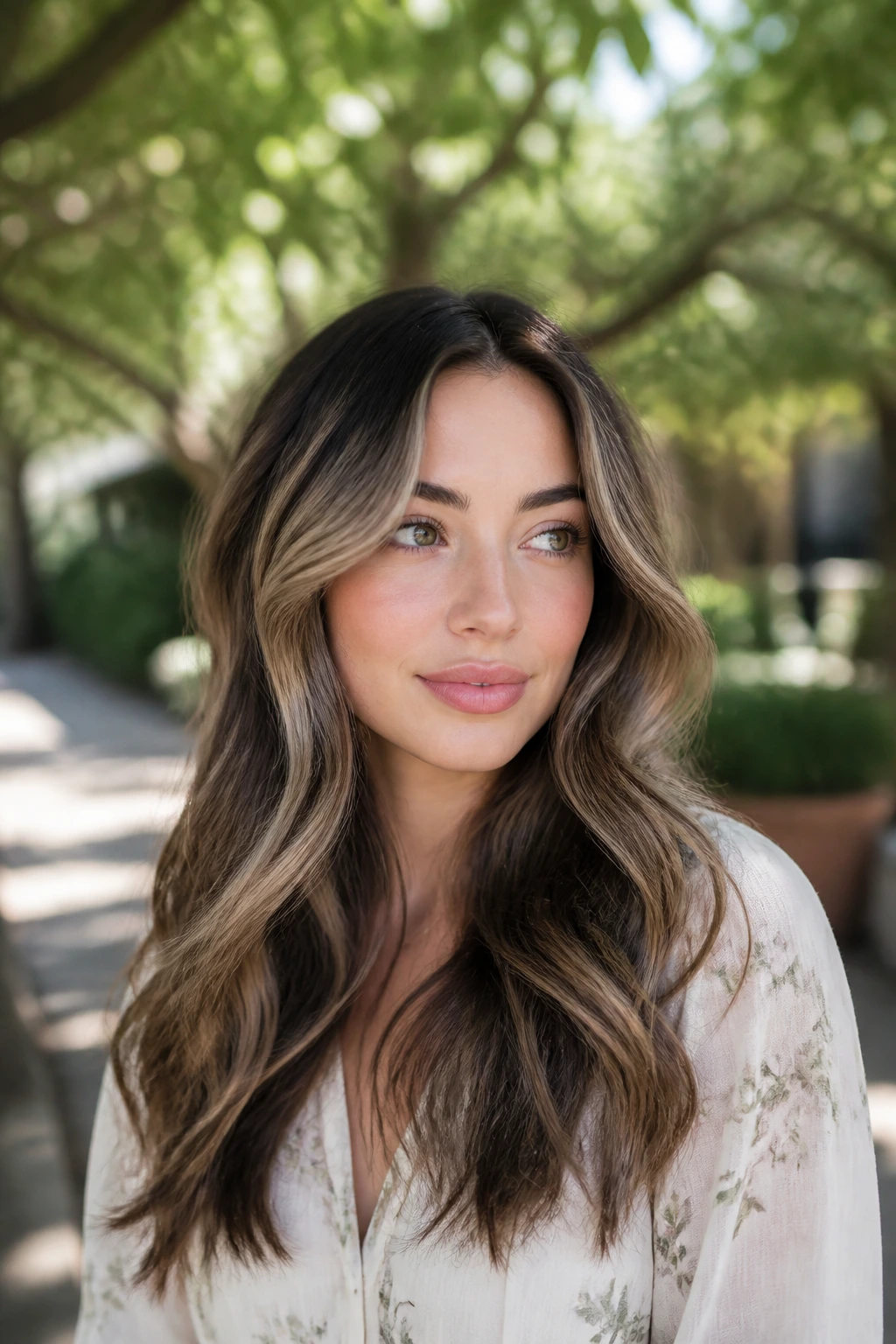
Teasylights are a nice answer when you want softer dimension than classic foils. By teasing the hair before the lightener goes in, you blur the line at the root and get a cloudier, more lived-in finish.
Smoky beige is the perfect tone for that placement. It does not shout, and on pink skin that is a blessing. The result looks natural even when the hair is clearly lighter.
Why I Like the Method
The teasing step matters because it breaks up the highlight pattern on dark hair. Instead of bright, obvious stripes, you get a diffused lift that looks softer around the face and less busy through the lengths.
27. Ashy Chunky Highlights, 90s Style
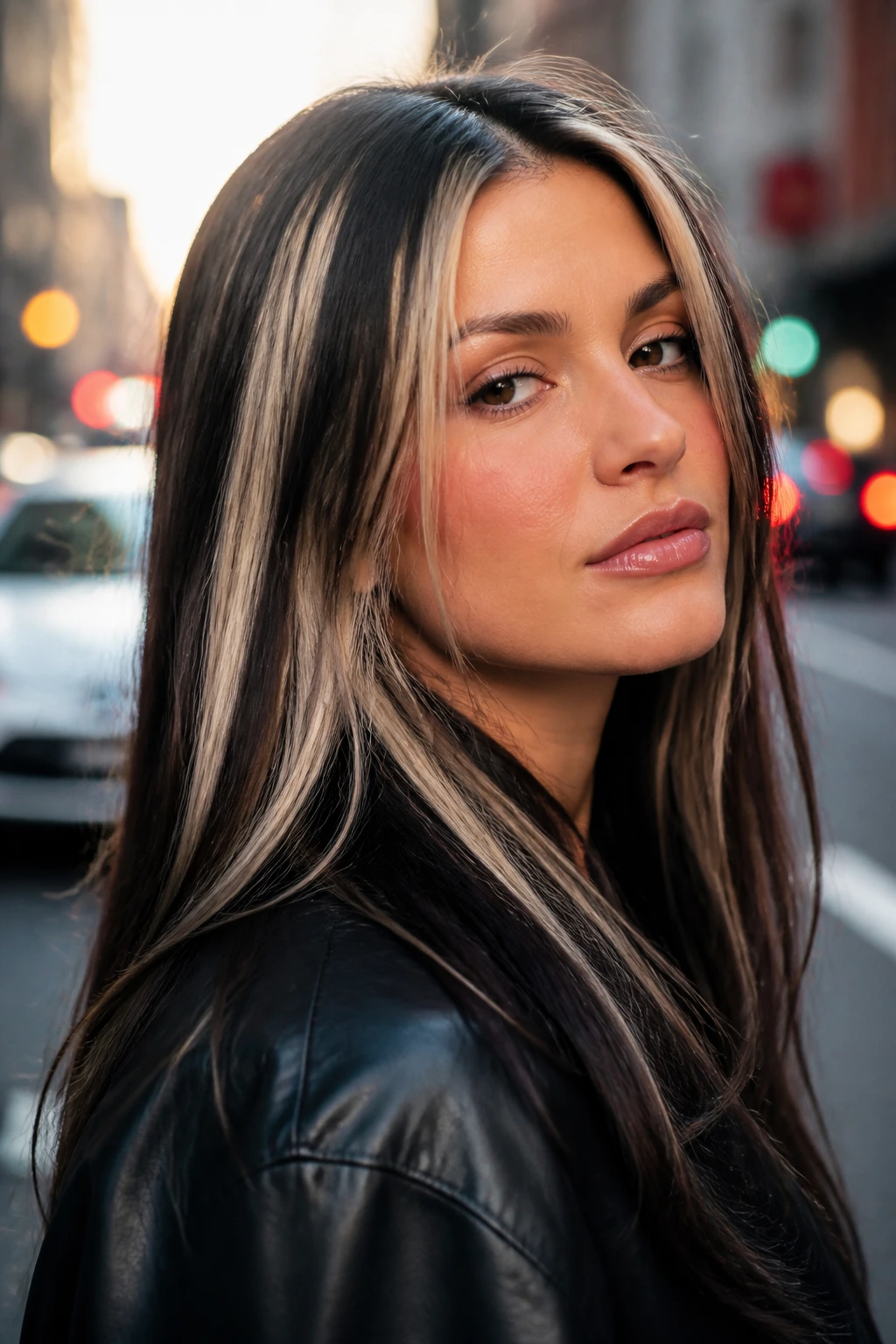
Chunky highlights are back because they have attitude, and the ashy tone keeps them from getting cheesy. On dark hair, the contrast is obvious, which is exactly the point if you want a stronger visual read.
Pink undertone skin can wear this when the ash is truly ash, not dull gray. The cooler base helps the skin stay clean, while the chunky placement gives the style that retro punch.
Best For
This works well on medium-length cuts with some movement. If the hair is too straight and too blunt, the highlights can look blocky. Add a little bend, and the whole thing suddenly feels intentional again.
28. Linen Blonde Curls
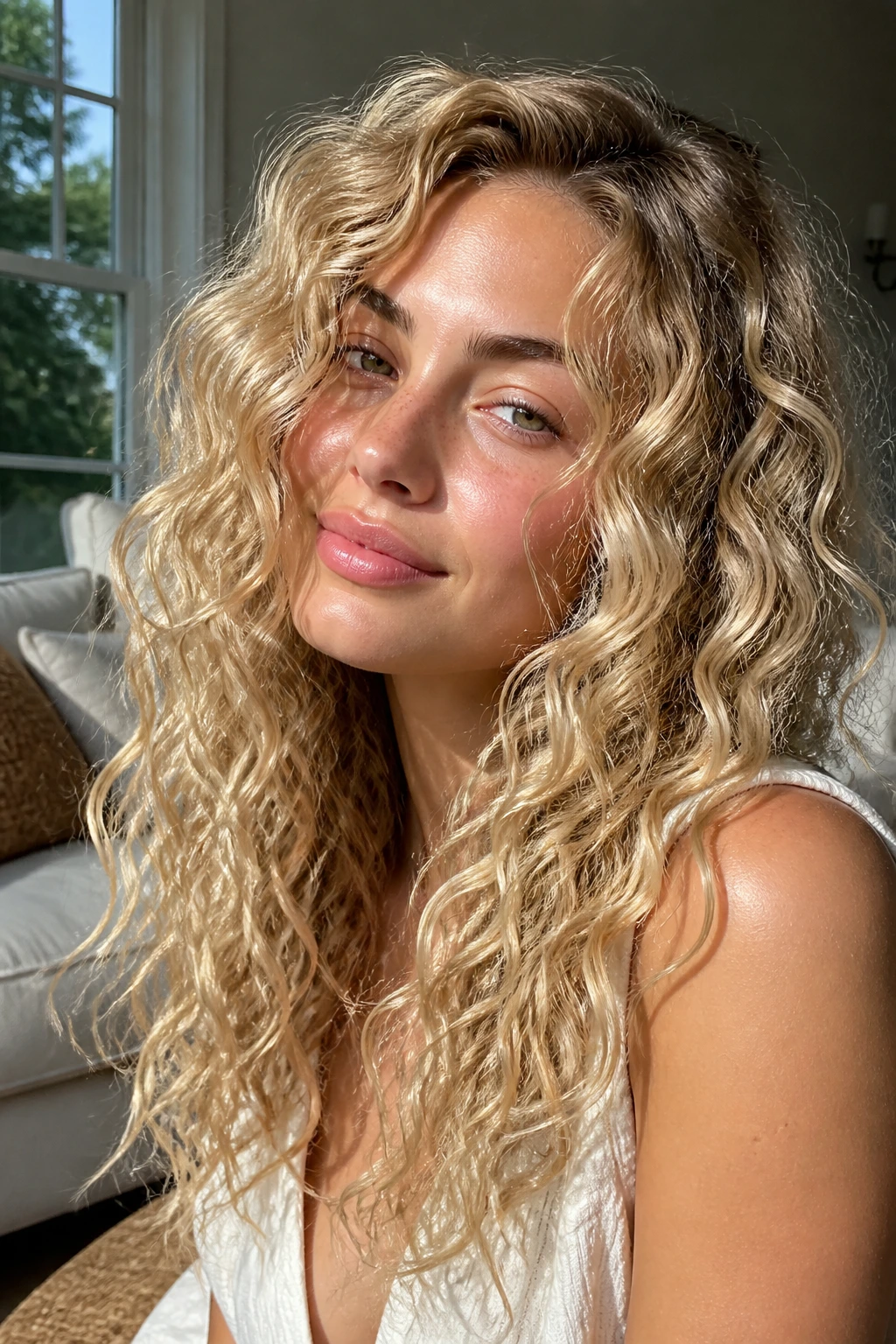
Linen blonde has a dry, airy quality that sits beautifully in curls. It is pale without feeling icy, and on pink undertone skin that balance matters because it keeps the face from looking too sharp.
Curls help the shade read in layers. Each bend picks up a little different light, so the blonde feels textured rather than flat. That is especially useful on dark hair, where the base can otherwise swallow lighter tones.
Texture Does the Heavy Lifting
If your curls are tight, ask for lighter pieces near the outer curve of the ringlets and around the crown. That placement keeps the blonde visible without making the whole head look over-processed.
29. Cool Bronde with Curtain Fringe
Cool bronde is the safe bridge between brunette and blonde, and the curtain fringe gives it personality. On pink undertone skin, the cooler finish helps the face stay calm, while the fringe opens the eyes and gives the color some shape.
The bronde base also makes dark hair easier to maintain. You keep enough depth at the root to avoid a hard grow-out, and the blonde lives where it can do the most work: around the face and through the top layers.
A Good Middle Path
If you are nervous about going too light, start here. It gives you the feeling of blonde without the upkeep of a full lightening job, and the fringe makes the whole cut look deliberate.
30. Pearl-Gloss Highlights on Long Layers
Pearl-gloss highlights are a good choice when you want shine more than brightness. The pearl finish reflects light in a softer way than a gold highlight, which makes pink skin look smoother and less flushed.
Long layers keep the highlights from turning static. The lighter pieces move through the hair, and the length gives the pearl tone a chance to show up in soft bends instead of only at the ends.
The Finish Matters
This look lives or dies on gloss. A clear or pearl-toned glaze keeps the color luminous, while too much toner can make it flat. You want reflection, not chalk.
31. Buttercream Blonde Butterfly Bob
Buttercream blonde is creamy, soft, and a touch sweet, but on a butterfly bob it gets a little edge from the internal layers. The cut keeps the blonde from feeling heavy, and the color keeps pink undertone skin from getting overpowered.
The bob length helps here because it keeps the look fresh and current without needing a huge amount of lightening. The layered interior gives the buttercream shade movement, which is what stops it from reading plain.
When It Looks Best
A slight flip at the ends brings out the shape. If you wear it too flat, the buttercream can look heavy. A little air around the layers changes everything.
32. Shadow-Root Blonde Waves
Shadow-root blonde waves are the low-maintenance answer for dark hair that wants to go lighter. The darker root gives you breathing room between appointments, and the blonde through the lengths keeps the skin bright.
Pink undertone skin tends to do well with the softened transition. There is no harsh line at the scalp, so the contrast stays kind to the face and less obvious as the hair grows.
Why It’s So Wearable
This is one of the few blonde looks that can look better after a few weeks. The root softens naturally, the waves break up the tone, and the whole style gets a little more lived-in with time.
33. Beige Blonde Pixie with Tapered Sides
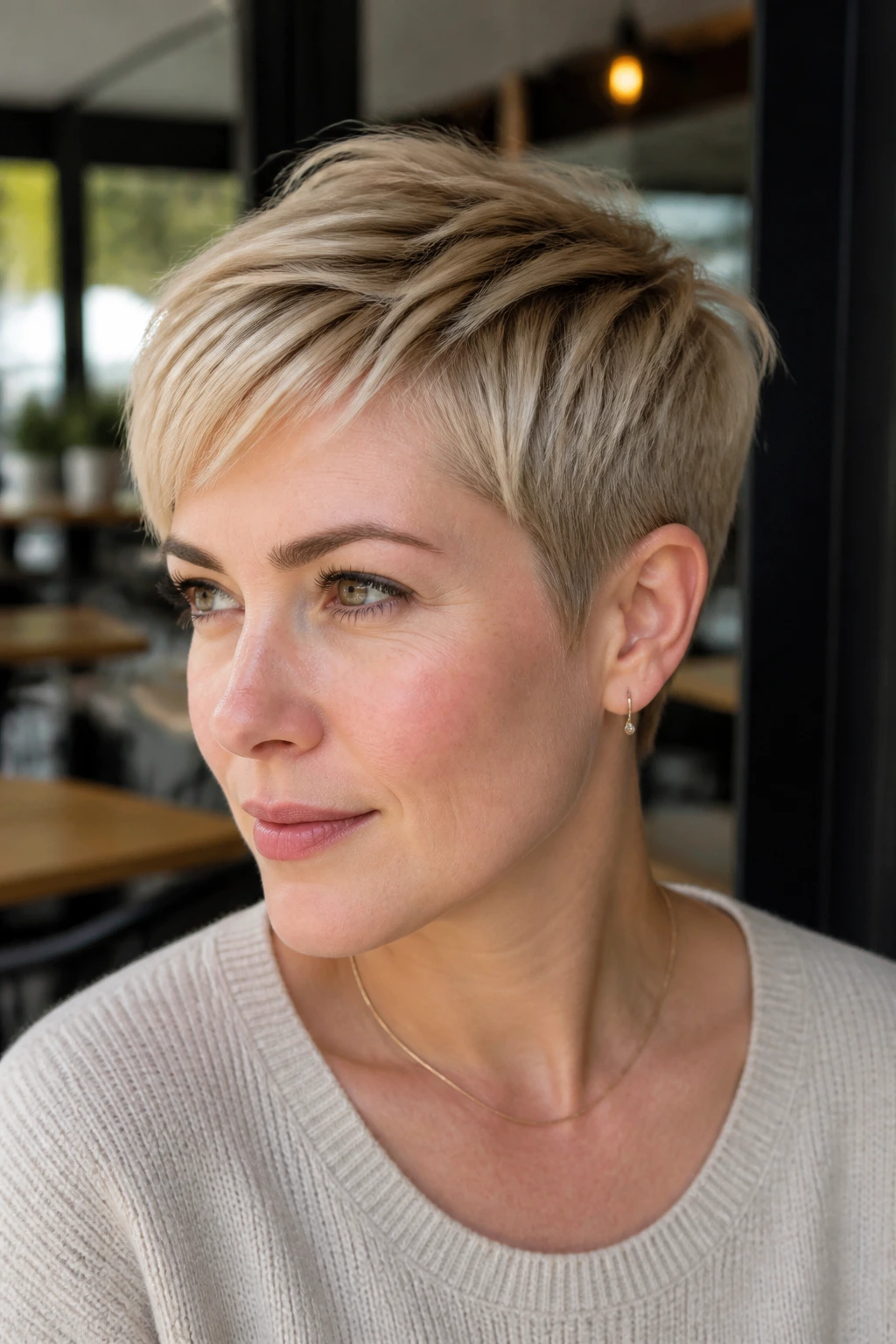
A beige blonde pixie with tapered sides is neat, clean, and a little fearless. The tapered sides keep the shape tight, while the beige blonde softens the top so pink skin does not get hit with too much brightness at once.
This cut is especially good on dark hair because the short length shows the color immediately. You do not need inches of length to make the blonde count; you just need the right placement and tone.
Maintenance Reality
Pixies need trims. That is the deal. If you want the shape to stay sharp and the blonde to keep its creamy finish, book the next cut before the first one grows out too far.
34. Frosted Money Piece and Long Curls
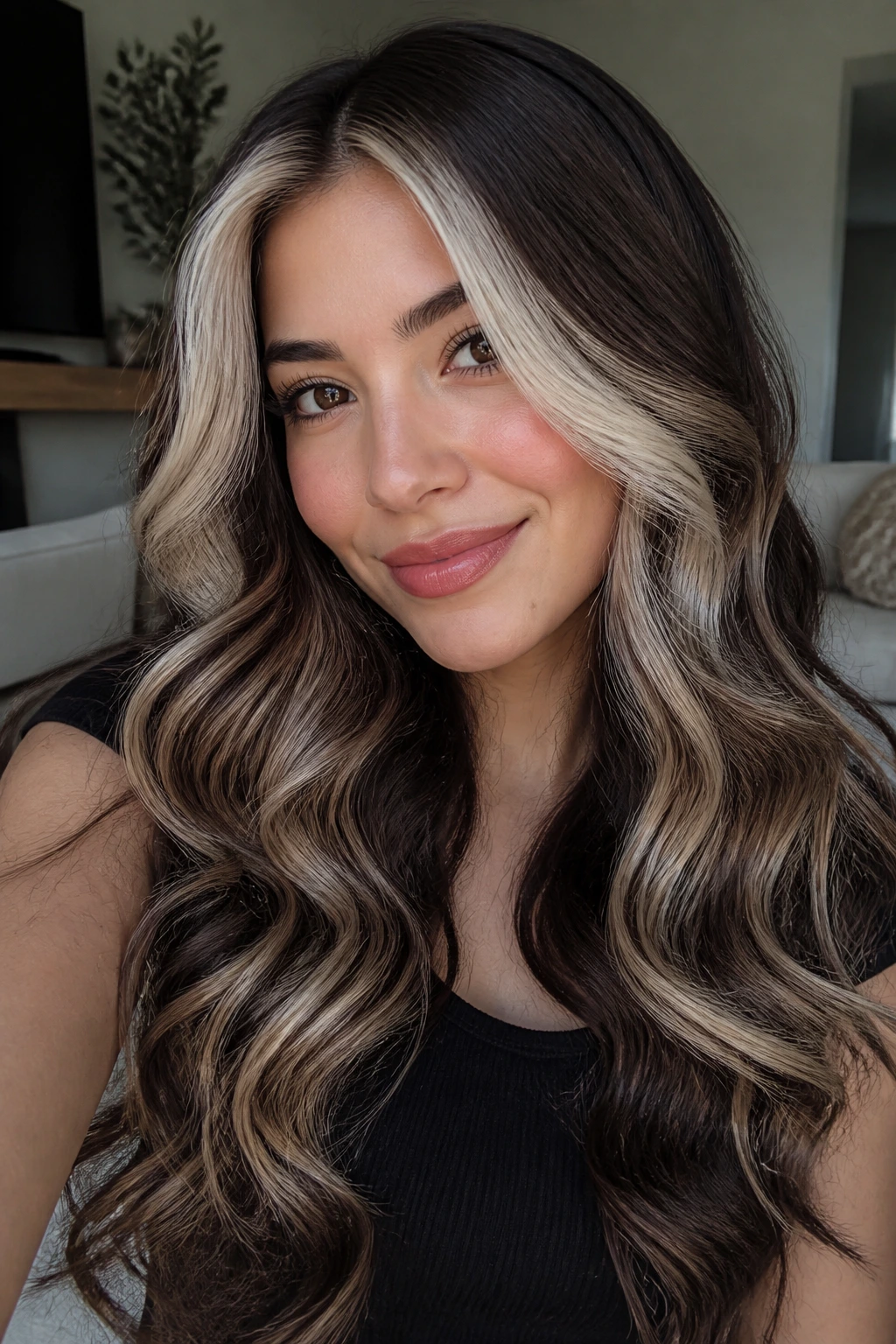
A frosted money piece gives you face-brightening blonde without committing the whole head. On long curls, the front pieces create a strong frame while the curls behind them keep the darker base visible and dimensional.
Pink undertone skin tends to like this because the frosting stays cool. The brightest pieces sit where they can wake up the face, and the rest of the color can remain quieter and easier to manage.
Tiny Styling Note
Curl the money piece away from the face so it opens the cheekbones instead of folding inward. That little direction change makes a big difference in how the blonde sits against your skin.
35. Soft Champagne Lob with Flipped Ends
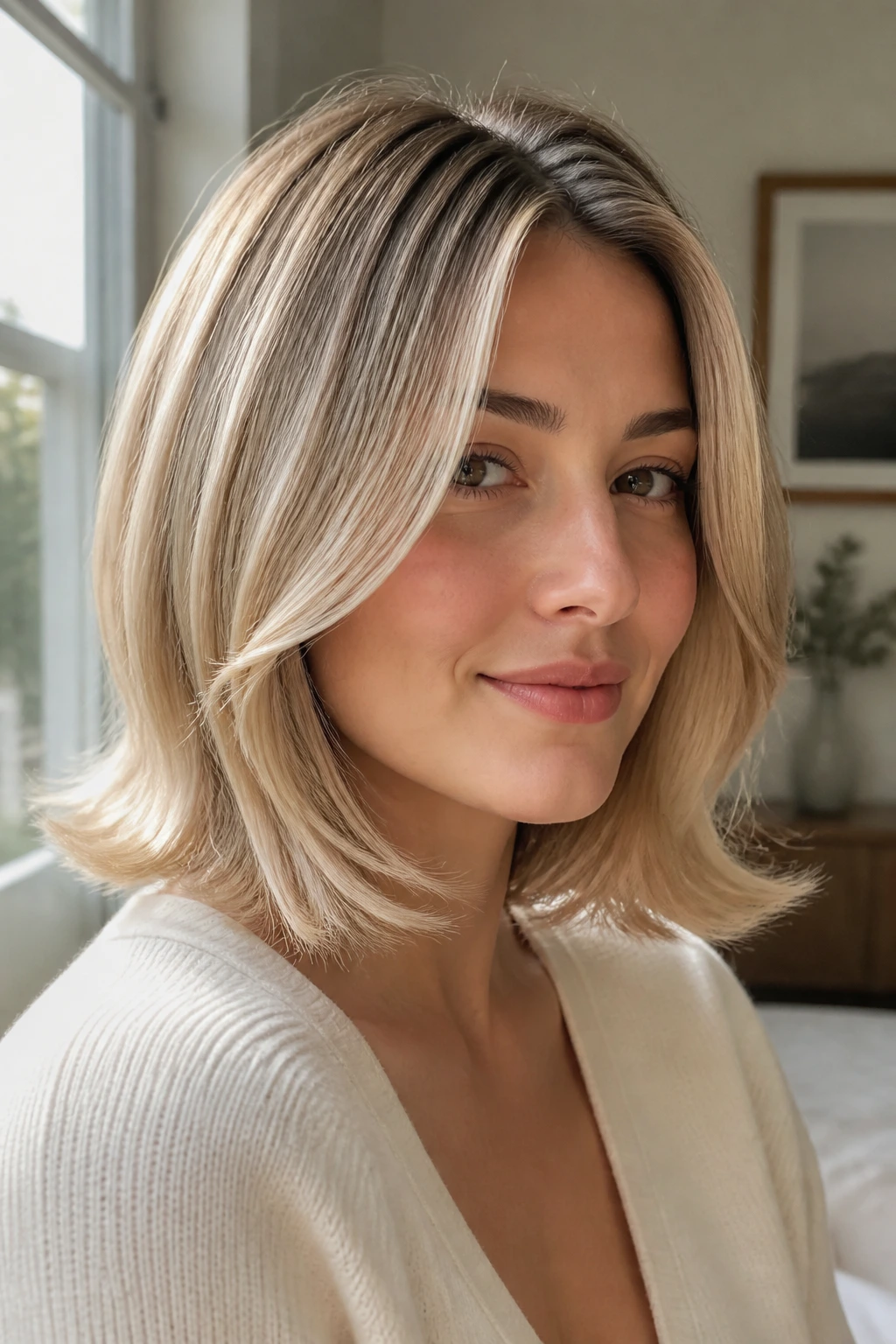
A soft champagne lob is one of the cleanest ways to wear blonde on dark hair. The shade has enough glow to brighten pink undertone skin, but it stays soft enough that the face does not go red under it.
Flipped ends give the lob some lift. They keep the outline from feeling heavy and help the champagne pieces catch light in a way that a straight, tucked-under finish would miss.
Why It Closes the List Well
This is the one I’d hand to someone who wants blonde that feels polished, easy to style, and not too precious. It sits in a sweet spot: lighter than bronde, softer than platinum, and far kinder to rosy skin than a flat golden blonde.
Why Beige, Pearl, and Champagne Sit Better on Pink Skin
Pink undertone skin already has a little redness built into the surface tone, so the wrong blonde can turn that up instead of softening it. That is why beige, pearl, champagne, mushroom, and smoky ash keep showing up in the best blonde formulas for dark hair. They cool the reflection without making the hair look dead.
A heavy gold blonde is the one I would be careful with. It can work, but it has to be muted or blended with something cooler at the root and around the face. Otherwise the skin can start to look flushed, and the blonde starts to look more yellow than light.
The sweet spot is usually a shade that feels creamy rather than bright. It should look like light, not like dye. That difference matters more than people think.
How Dark Hair Lifts Without Going Orange
Dark hair almost never jumps straight to a clean blonde. It passes through red, copper, and orange stages first, and that is not a mistake. It is the road.
If you are starting around a level 3 or level 4 brunette base, expect the lift to need either foils, balayage, or both. The stylist’s job is to get the underlying pigment pale enough that the toner can do its work. If the blonde is too dark or too orange under the toner, it will fade brass quickly.
This is where patience saves the hair. A root shadow, a bond-building treatment, and a toner that matches the goal shade all matter. Skip one, and the whole result can look rough around the edges.
Essential Tools for Coloring and Styling These Looks
- Tail comb: Useful for clean sectioning, face-frame placement, and keeping highlights even.
- Sectioning clips: They keep dark hair out of the way while you dry, curl, or color.
- Foils or balayage board: Non-negotiable if you are doing any serious lightening at home.
- Purple or blue-violet shampoo: Best for beige, pearl, mushroom, and ash blondes when used sparingly.
- Color-safe conditioner or mask: Bleached ends need moisture or they start looking fuzzy and dry.
- Heat protectant spray: A must before curling, flat ironing, or blow-drying lifted hair.
- 1-inch or 1.25-inch curling iron: Gives waves and bends that show off ribbon highlights.
- Round brush and blow dryer nozzle: Helpful for blowout layers, curtain bangs, and flipped ends.
- Wide-tooth comb: Easier on fragile blonded hair than a fine brush.
- Light oil or serum: Use it only on mids and ends; the root should stay airy.
Choosing the Right Blonde Shade From the Swatch Book
The name on the swatch book matters less than the undertone inside the formula. A beige blonde with a tiny bit of warmth can flatter pink skin better than a stark ash that turns chalky on top of a dark base.
Think in levels, not just names. If your hair is naturally dark, you usually need enough lift to reach a pale yellow before the tone lands where you want it. Beige, pearl, champagne, sand, and milk tea all live in that useful middle zone where blonde feels believable but not brassy.
If you are nervous, start with money pieces, babylights, or a shadow root. Those choices let you test how your skin reads against the lighter pieces before you commit to a full head. That is a lot smarter than trying to fix a bad all-over blonde later.
How to Wear These Looks Day to Day
Placement: Keep the brightest pieces near the eyes, cheekbones, and top layer if you want the blonde to wake up your face. If you want a more understated read, let the light live through the mids and ends instead of the front.
Texture: Loose waves show off balayage, ribbons, and teasylights. Straight styling sharpens money pieces, bronde, and silver-toned bobs. Curls are the friend of caramel, linen, and muted honey because they let the tones stack in layers.
Finish: A light gloss spray or a drop of serum on the ends can make beige and champagne blondes look smoother. Put too much on the root and the hair goes flat fast. That is not the look.
Best match: If your makeup leans soft pink or neutral rose, pearl and beige blondes are easy to wear. If you prefer a more defined look, cooler platinum ribbons or an ashy bob can give you that edge without turning the face red.
Extra Tips for Shine, Tone, and Movement
Glossing: A clear, beige, or pearl gloss every 4 to 6 weeks keeps the blonde from drifting dull. If the hair starts to look dusty, the answer is usually gloss, not more bleach.
Dimension: Leave a few deeper strands underneath if your hair is fine. Dark pieces give the blonde something to sit against, and the whole head looks fuller. One-tone blonde on fine, dark hair can go flat fast.
Breakage Control: Bleached ends do better when you skip daily hot tools. Pick two or three styles you can repeat with a blow-dry brush, a loose wave, or an air-dry cream. Hair that stays healthy holds tone longer, which saves you work.
Make-It-Yours: If pink undertone skin is very rosy, stay closer to pearl, beige, and smoky mushroom. If your skin is pink but neutral, you can move a little warmer with champagne or muted honey without the blonde fighting your face.
Keeping Blonde Fresh Between Appointments
Blonde on dark hair has a clear maintenance pattern. The root shows first, the tone fades next, and the ends lose their shine after that. Plan for all three, because each one needs a different fix.
A color-depositing shampoo can help, but do not overdo it. Once a week is enough for most beige, pearl, and champagne blondes. More than that and the blonde can start to look matte or oddly gray, especially if the hair is porous from lightening.
Glossing appointments usually matter more than full bleach touch-ups. A root refresh every 8 to 12 weeks works for many of these looks, while short crops and bright money pieces can need a tighter schedule. If your hair is fragile, wait and gloss first; it is easier to revive tone than repair breakage.
Variations and Adaptations to Try
Curly-Hair Halo Blonde: Put the lightest pieces on the outer layer of your curls and around the face. This keeps the color visible as the curls shrink and spring back, which is the part too many people forget.
Fine-Hair Whisper Lights: Use babylights, teasylights, or a soft bronde melt instead of chunky foils. Fine hair can get swallowed by too much contrast, while whisper-thin lightening keeps it looking airy.
Short-Cut Frost: A pixie, micro bob, or tapered crop can handle a brighter beige or pearl blonde than longer hair sometimes can. The short length makes the color feel sharper and more intentional.
Low-Maintenance Root Melt: Keep the root one to two levels deeper than the mids, then let the blonde fade softly through the ends. This is the best lane if you want a longer gap between salon visits.
Warm-Soft Blend: If icy tones make your skin look tired, ask for champagne with a touch of beige. You still get light, but the tone is easier to live with against pink undertones.
Common Mistakes That Make Blonde Look Brassy or Flat
- Picking a gold blonde that is too yellow: On pink undertone skin, yellow-heavy blonde can make the cheeks look redder. Fix it by shifting toward beige, champagne, or pearl and keeping the front pieces a touch cooler.
- Lifting dark hair too fast: When the color skips the middle stage, the hair can end up orange or weak. The fix is slower lifting, smaller sections, and a toner that matches the target shade instead of fighting the base.
- Skipping the root shadow: A harsh blonde starting at the scalp looks stripy on dark hair. A soft root melt gives the eye a place to rest and makes the whole color read smoother.
- Using purple shampoo like it’s daily soap: Too much can dull champagne and beige blondes into a gray cast. Use it only when the tone starts to yellow, not out of habit.
- Ignoring the haircut: Blonde on a blunt, heavy shape can look flat and blocky. Layers, a bob, a shag, or a fringe give the color motion and stop it from sitting in one hard line.
Questions People Ask Before Going Lighter
What blonde shade flatters pink undertone skin best?
Beige, pearl, champagne, and smoky mushroom blonde are the easiest places to start. They soften rosiness instead of turning the face more red, and they tend to look more natural on dark hair than a bright yellow blonde.
Can dark hair go blonde without turning orange?
It can, but the process has to move through the orange stage before toner fixes it. A good lift schedule, patient sectioning, and the right toner make the difference between soft blonde and brassy orange.
Is ash blonde flattering or too flat on pink skin?
Ash blonde can look excellent on pink undertones if it stays clean and not muddy. If the ash goes too gray, the face can look tired, so it works best when paired with shine and a little dimension.
Should I choose highlights or all-over blonde?
Highlights are safer if your hair is dark and your skin leans pink. They let you place brightness around the face without losing all the depth that makes the blonde look believable.
How often do I need toner?
Many blonde looks on dark hair need a gloss or toner refresh every 4 to 6 weeks. If the hair starts pulling yellow sooner, use a color-safe purple shampoo once a week and cut back on hot tools.
What if my blonde looks too yellow after coloring?
That usually means the toner is too warm or faded too fast. A violet or beige glaze can pull it back into line, but if the base is still too dark, it may need another round of careful lifting first.
Can I wear warm blonde if my skin is pink?
Yes, but it helps if the warmth is muted. Think champagne, beige honey, or frosted caramel rather than bright gold or copper.
Which of these looks needs the least upkeep?
Shadow-root waves, toffee-to-beige ombré, and bronde face-frame styles are easier to grow out than platinum ribbons or a short icy crop. Depth at the root buys you time.
The Blonde That Lets Pink Undertones Breathe
The nicest blonde for pink undertone skin is usually the one that does not argue with the face. Beige, pearl, champagne, and smoky blends have a way of quieting redness while still giving dark hair enough lift to feel fresh.
I like the looks that keep some brunette depth in the picture. They age better between appointments, they look less flat in bad light, and they give the face room to keep its own color. That is the real trick here.
Pick the version that fits your maintenance level, your texture, and how bright you actually want to be. The best blonde is not the loudest one in the room; it is the one that makes your skin look like itself, only steadier.