



A blunt bob can look sharp in the salon mirror and oddly flat once you get home and wash it yourself. Add a few face-framing layers, though, and the whole cut starts behaving differently: the front bends toward the cheekbone, the jawline softens, and the haircut stops feeling like a block with a polite side part.
That matters more than people usually admit once hair changes texture a little. Some strands get finer, some get puffier at the crown, some start flipping out at the ends for no good reason, and a cut that used to fall into place can suddenly need a blow-dryer, a brush, and a minor pep talk. Bob face-framing layers solve that with a surprisingly small amount of hair removed in the right places.
And no, this is not about trying to look younger. It’s about getting a bob or lob that works with glasses, earrings, side parts, gray strands, and the amount of time you actually want to spend in front of a mirror. Some of the best versions are crisp. Some are soft and breezy. All of them give the front of the haircut a job to do.
Why These Bob Face-Framing Layers Stand Out
-
They soften the front without collapsing the shape: The best versions keep the back clean and let just the front pieces curve around the face, which keeps the bob from looking heavy.
-
They work with changing texture: If your hair has become a little finer, a little drier, or a little wavier over time, these layers add movement where hair naturally wants to lie flat.
-
They play nicely with glasses and earrings: A good face frame stops at the right point, so your frames don’t get buried and your earrings don’t disappear.
-
They can be styled fast: A small round brush, a bend at the ends, and a touch of product at the crown are often enough.
-
They keep length where you want it: You can have cheekbone softness in front without giving up the neck length, shoulder length, or polished perimeter you like.
-
They grow out better than a severe cut: The front pieces can drift longer without ruining the whole shape, which is a mercy when you don’t want to live in the salon.
1. Cheekbone-Skimming Chin Bob
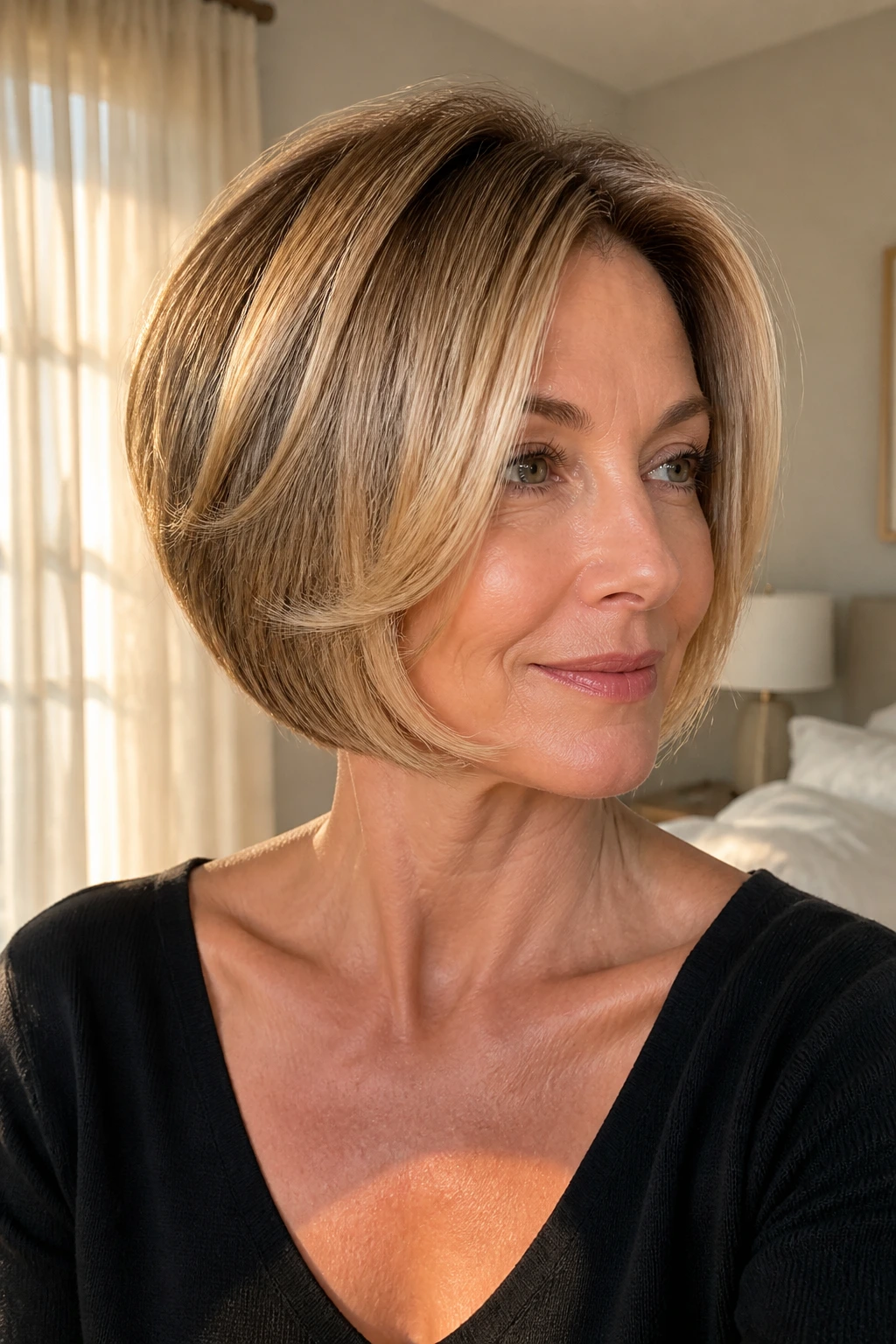
This is the one I reach for when a bob needs shape, not drama. The front pieces stop right around the cheekbone, then taper down toward the jaw so the cut feels light around the face while the back keeps a clean, tidy line.
It works especially well if your hair has enough body to hold a bend but not so much weight that it drops immediately. Ask for a side or soft off-center part, because that tiny shift keeps the layers from sitting like a frame you forgot to hang straight.
2. Collarbone Lob with Curtain Layers
Why does a lob so often look softer than a shorter bob? Because the extra length below the jaw gives those face-framing pieces somewhere to fall without crowding the chin. The result is less blunt, less boxy, and a lot friendlier to hair that wants to flick at the ends.
Why It Flatters
The curtain-style front pieces open around the face instead of cutting it off. That matters if you wear your hair mostly straight, since straight hair shows every line in the cut. Blow-dry the front with a 1.5-inch round brush, roll the ends under for a second or two, then let them cool before you touch them. The shape stays cleaner that way.
3. French Bob with Soft Fringe
A French bob can look too severe if it’s cut like a helmet. With soft fringe and a few cheek-skimming pieces, it stops reading strict and starts reading lived-in.
This version sits closer to the mouth or just below the cheekbones, which means the front layers don’t need to do a huge amount of work. A light spray of texture mist through the ends keeps the fringe from sticking flat to the forehead, and that little bit of separation keeps the whole thing from feeling precious.
4. Stacked Bob with Long Front Pieces
A stacked bob can turn puffy if the back is overbuilt, so I prefer the version that keeps the back lifted and the front longer. That contrast gives the haircut shape at the nape and room at the face, which is exactly what many women want when they like a neat silhouette but hate a helmet effect.
The long front pieces also give you a bit of forgiveness if one side grows faster or your jawline is more angular on one side than the other. It’s tidy, but not stiff. That’s the sweet spot.
5. Side-Parted Bob with Jawline Sweep
Unlike a blunt bob that stops dead at the jaw, this one uses the part itself as part of the design. The front layer sweeps across the face and lands somewhere between the mouth and the chin, which breaks up a square line and gives the cheekbones more room to show.
It’s a good choice if your hair collapses at the center part or if one side of your face always looks a touch more open than the other. The side part adds lift near the crown, and that bit of height can be more flattering than another ounce of product ever will.
6. Rounded Bob with Feathered Face Frame
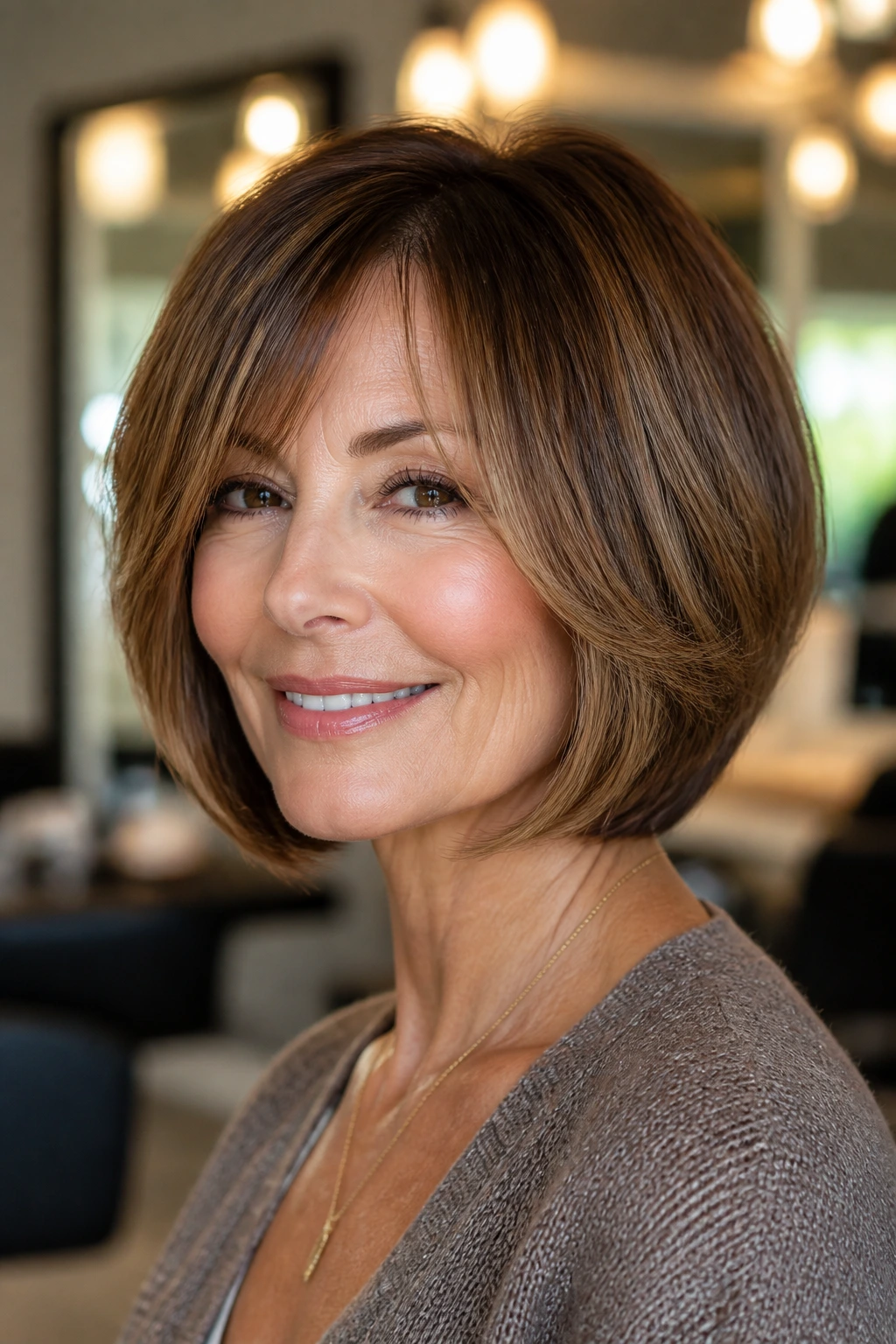
You can see the softness in this cut before you even style it. The outline curves gently under, and the front layers are feathered enough to blur the edge without making the haircut look wispy or over-thinned.
Best For
-
Hair that has a little natural bend but needs direction.
-
Faces that look better with a curved line than a straight drop.
-
People who like round-brush blowouts and do not mind spending five extra minutes on them.
The trick is to keep the feathering at the front, not all through the body of the bob. Too much feathering and the ends can go fuzzy. Keep the base solid and let the face frame carry the softness.
7. Wavy Bob with Piecey Ends
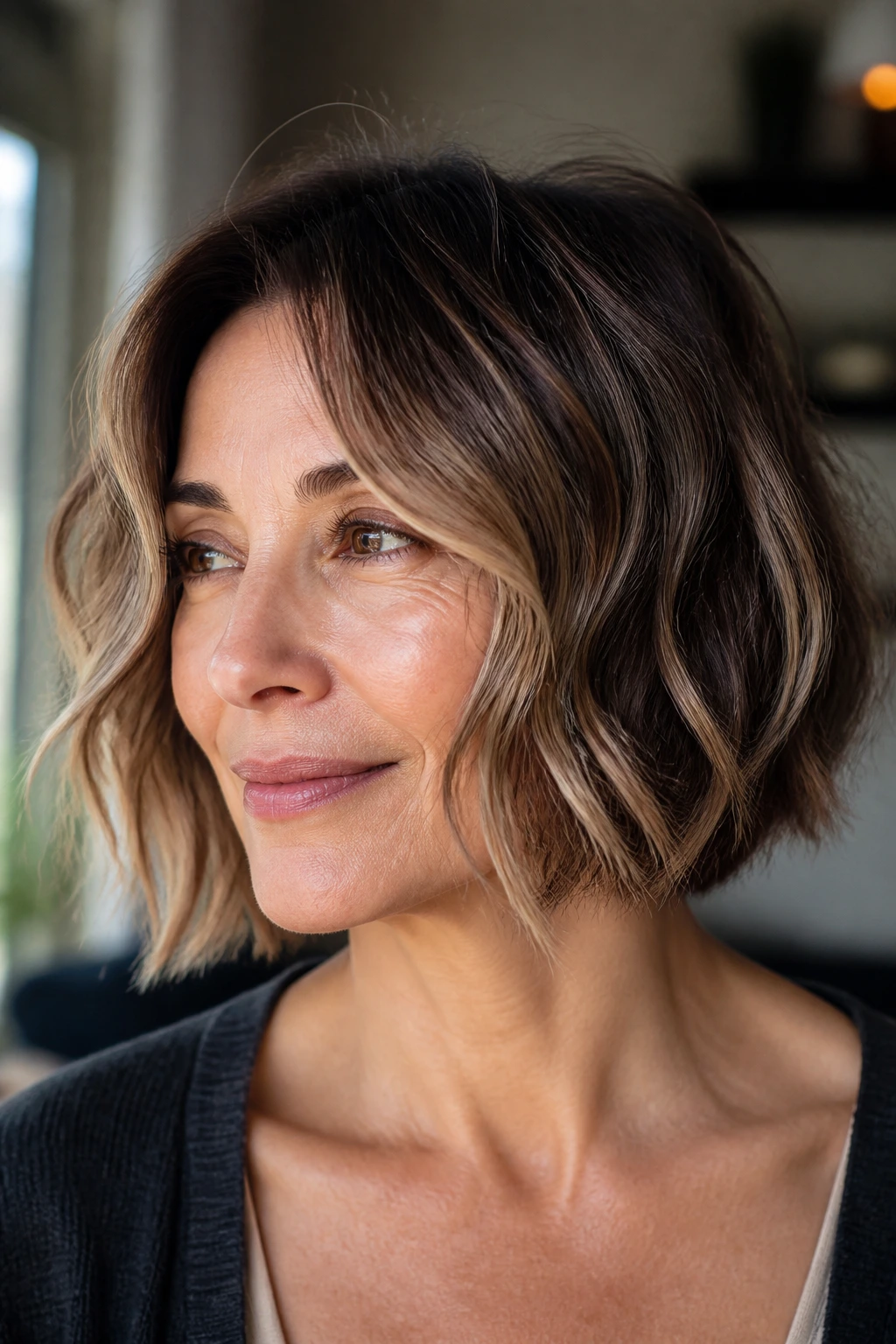
Wavy hair loves a bob that doesn’t fight it. This cut keeps the perimeter loose enough to move, then uses face-framing layers to shape the wave around the cheek and jaw instead of letting it puff out at the sides.
Air-dry it with a curl cream or a light mousse, then pinch a few front pieces while they’re drying so they land in separate, piecey bends. If you brush it out too much, the wave can spread and the face frame loses all its shape. A little restraint goes a long way here.
8. Blunt Bob with Hidden Interior Layers
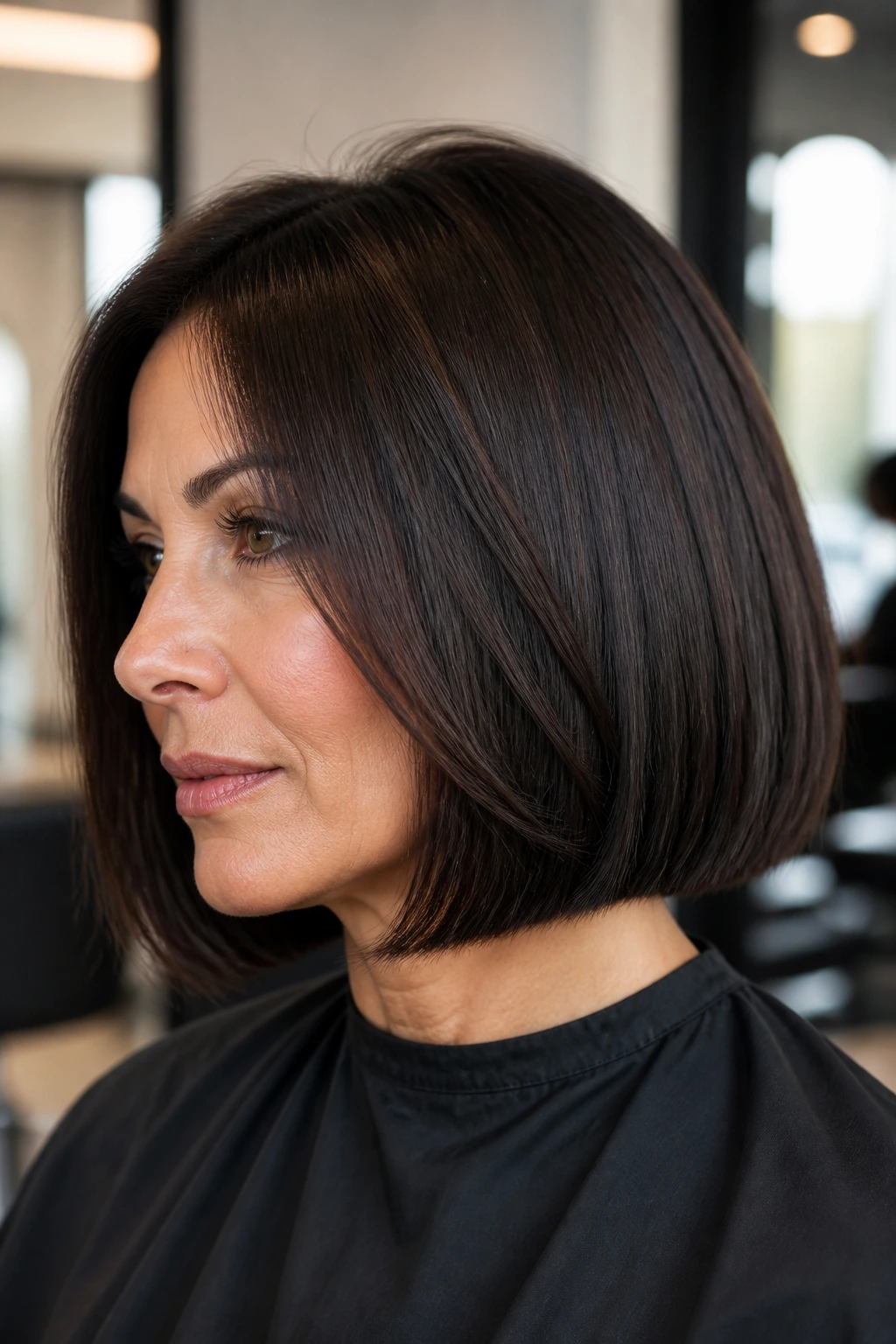
The blunt bob is not the enemy. It just needs a little interior help when the front line feels too hard.
Hidden layers inside the haircut remove weight without destroying the perimeter, so the bob still looks dense and polished while the front gets a softer edge. This is one of my favorite options for hair that’s fine on the ends but heavy enough to need a little movement. The outside stays sharp; the inside does the quiet work.
9. Curly Bob with Halo Framing
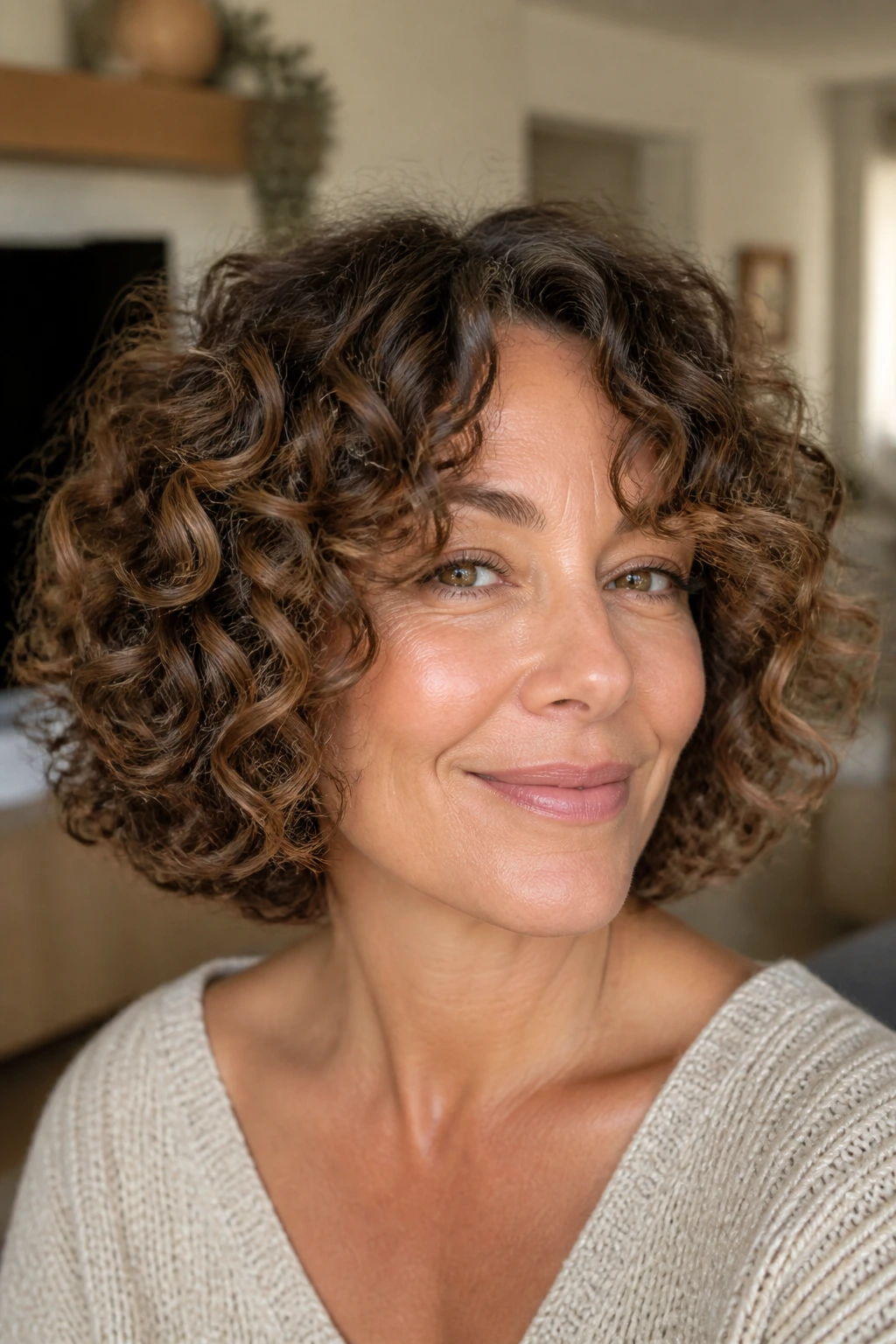
Curly hair needs room, not force. This bob keeps the shape rounded and lets the front curls fall in a halo around the face, which means the haircut looks intentional even when the curls do their own thing.
What To Tell Your Stylist
Ask for the face frame to be cut with the curl pattern in mind, not against it. If the shortest piece is cut too high while wet, it can spring up far shorter than you wanted once it dries. A dry or mostly dry curl check is worth the extra few minutes.
The result is soft around the eyes and cheekbones, not bulky at the temples. That’s the difference between flattering curly layers and a triangular mess.
10. Asymmetrical Bob with One Longer Side
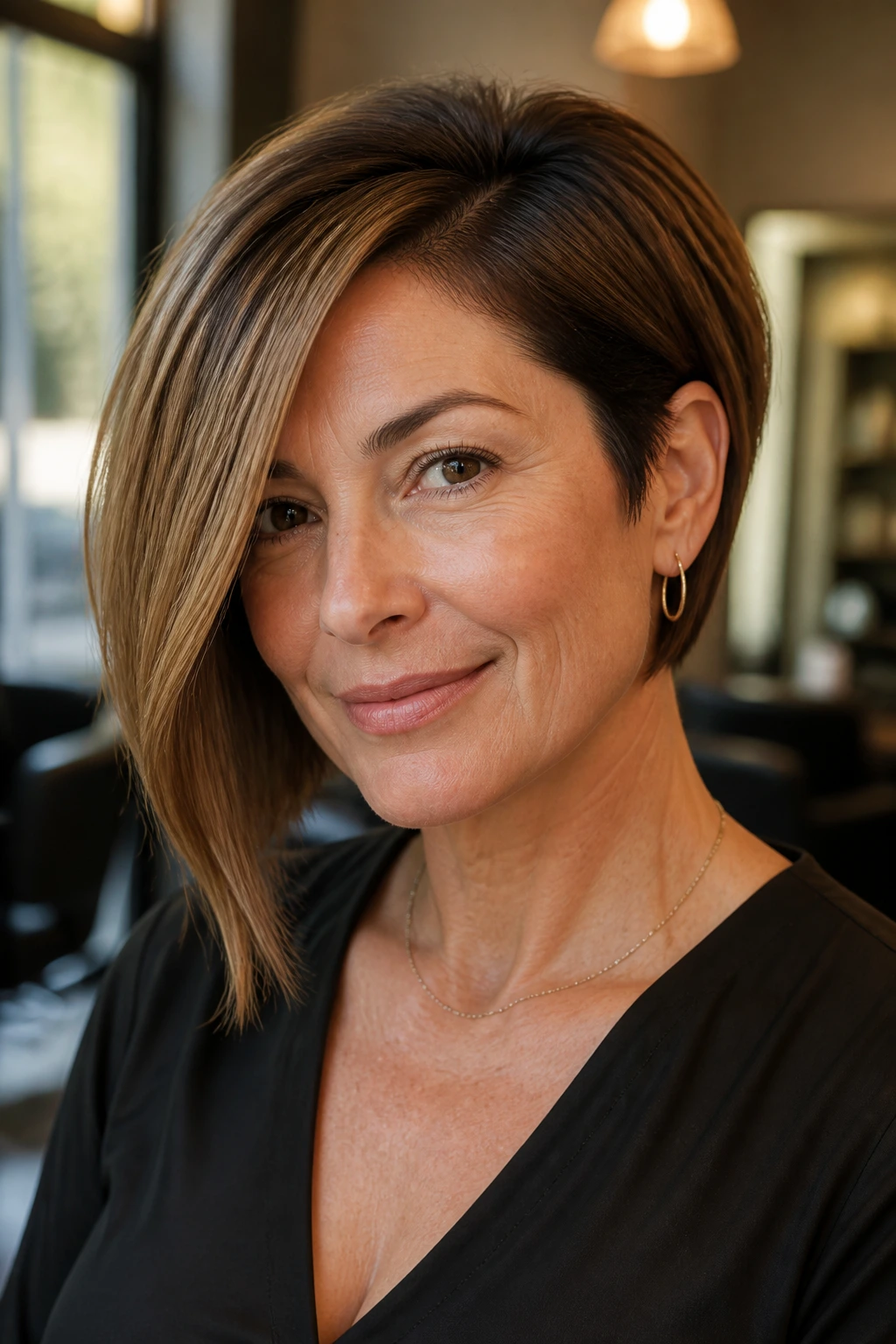
A little asymmetry changes the whole mood. One side lands just a touch longer, which stretches the face visually and keeps the bob from feeling too symmetrical or too neat.
I like this cut when the face frame needs energy. The longer side can skim the collarbone while the shorter side hits the jaw, and that uneven line gives the haircut movement even when you air-dry it. It’s a smart option if you want style without a lot of daily fuss.
11. Graduated Bob with Soft Taper
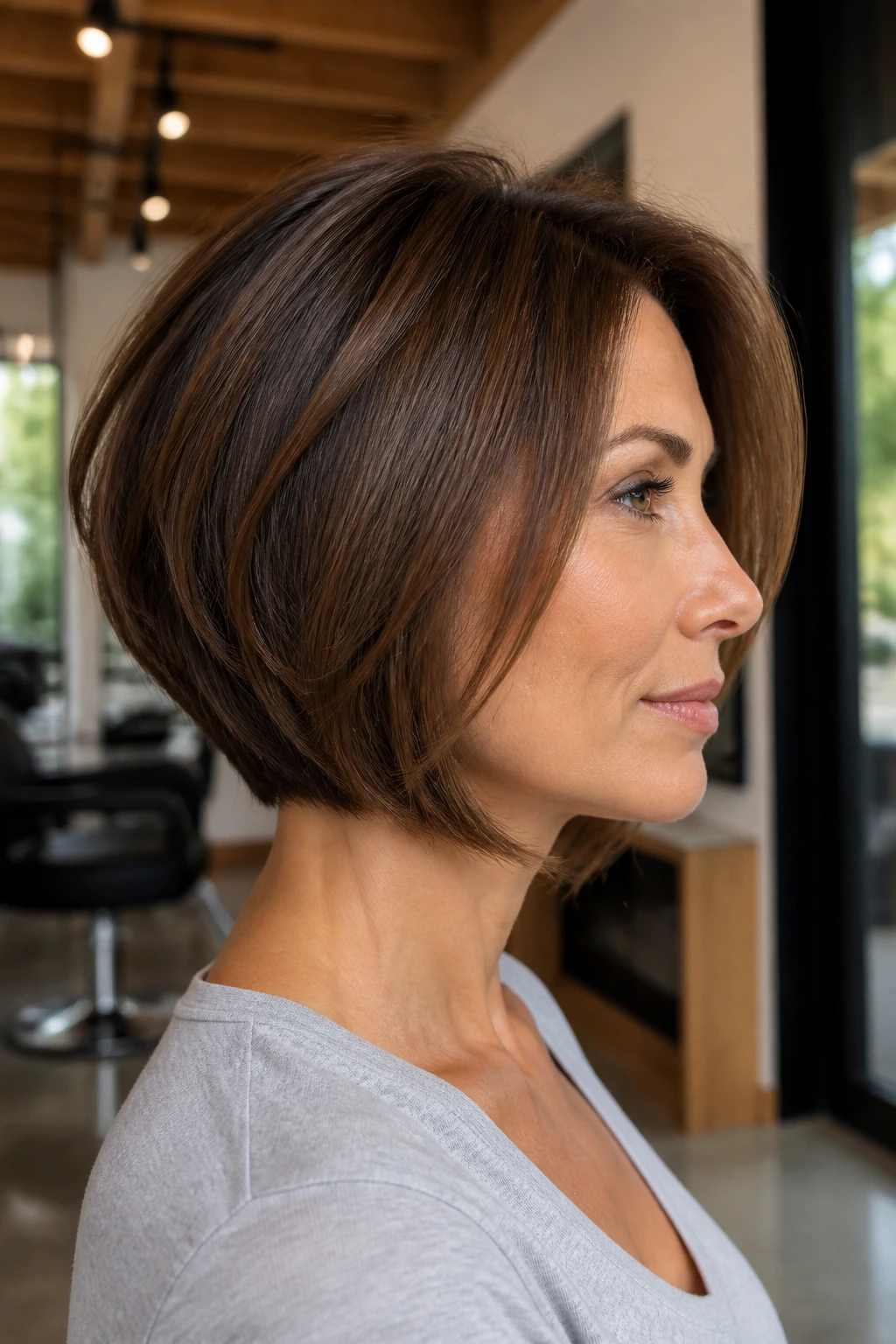
This is the polished sister of the stacked bob. The back is shorter and softly tapered, but the front layers are kept gentle so the haircut doesn’t march into “classic salon wedge” territory.
The soft taper works well for thick hair that wants to sit heavy at the nape. You get lift where the head needs it and softness where the face needs it. If your neck is one of the areas you like to show off, this cut clears it cleanly without looking severe.
12. Shaggy Bob with Broken Ends

What happens when a bob gets a little attitude? You get broken-up ends, airy texture, and face-framing pieces that look almost undone in the best way.
Styling Note
This cut is happiest with a rough-dry and a dab of styling cream. Don’t try to make every strand obey. That ruins the point.
Use your fingers to separate the front layers after drying, then mist the ends lightly with texture spray. The haircut should feel lived-in, not frizzy. That line is thin, but it matters.
13. Bob with Bottleneck Bangs
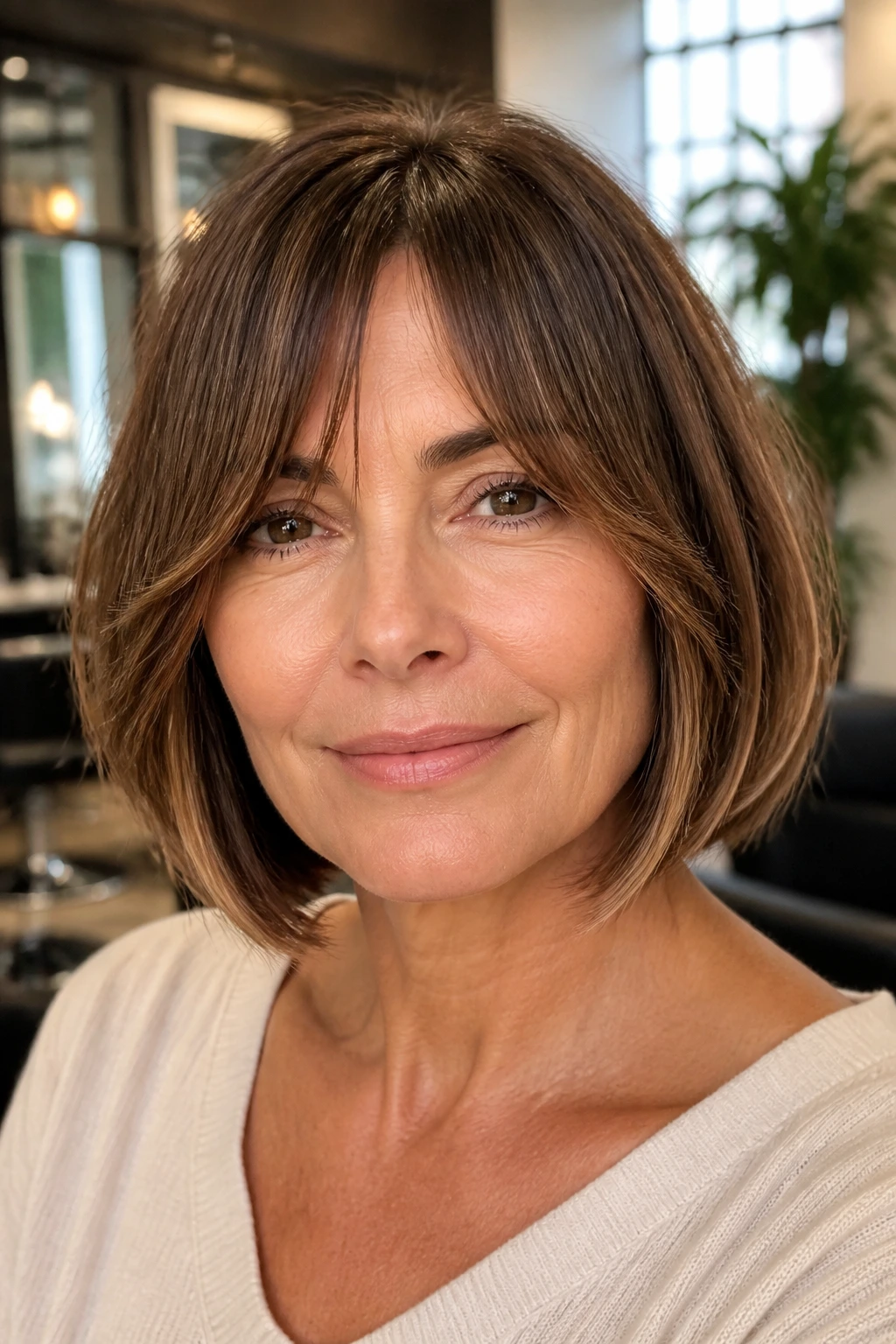
Bottleneck bangs are one of those details that quietly change everything. They open at the center, get a little wider around the brows, and melt into the face-framing pieces instead of sitting like a separate piece of hair pasted onto the forehead.
That makes them useful for women who want softness around the face but do not want a heavy fringe. The bob underneath can stay simple and the bangs do the framing. Keep the ends of the bangs a little longer than you think, because overly short bottleneck bangs can get jumpy fast.
14. Bob with Side-Swept Fringe
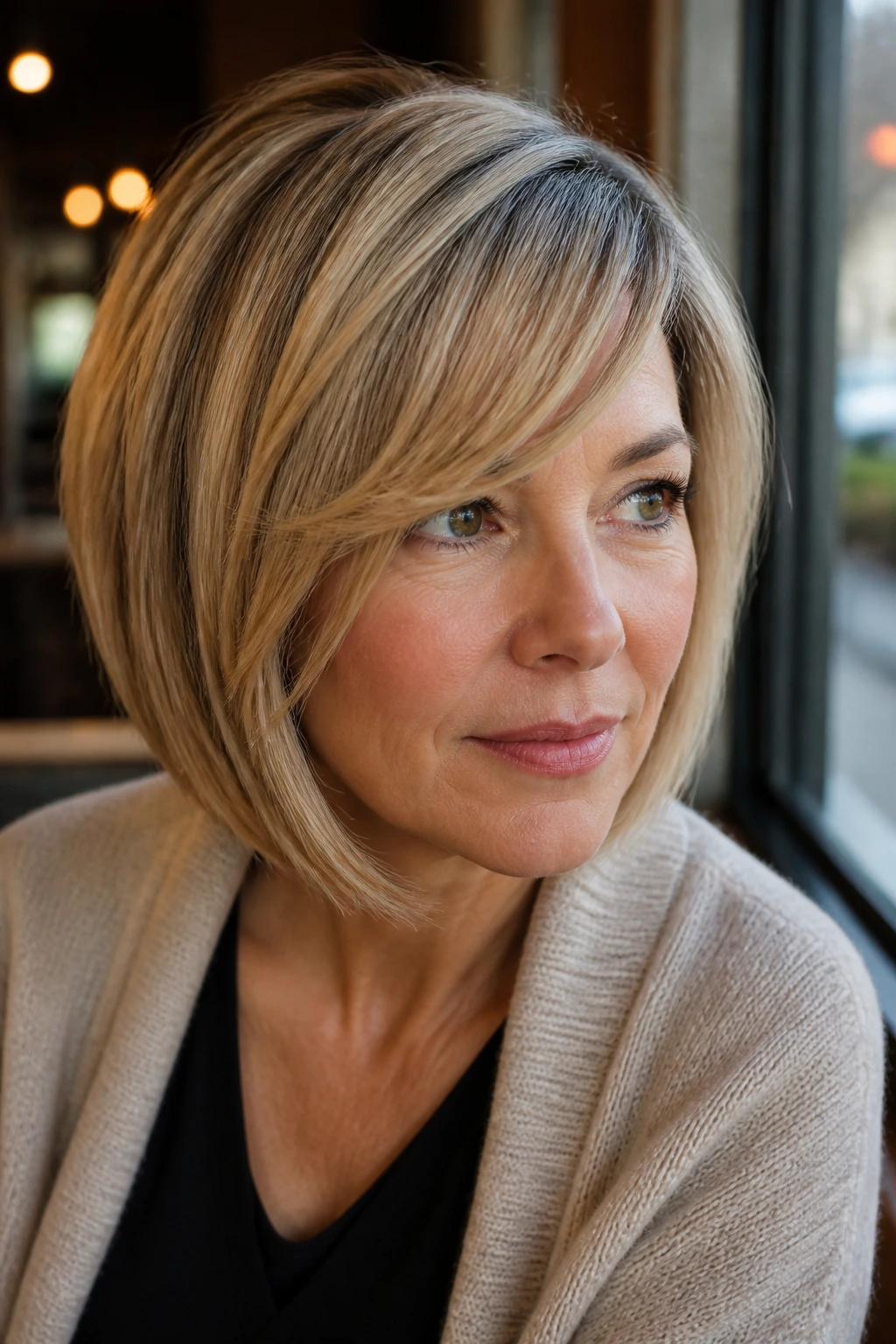
A side-swept fringe is a clean answer when you want the face-framing effect without cutting a full curtain. The diagonal line draws the eye down and across, which softens the forehead and gives the bob a little sweep at the front.
It’s especially good if your hair flips in one direction naturally. Work with that pattern instead of trying to flatten it. A quick blast from the dryer at the root, then a brush pull across the face, usually does the job.
15. Sleek Lob with Understated Layers
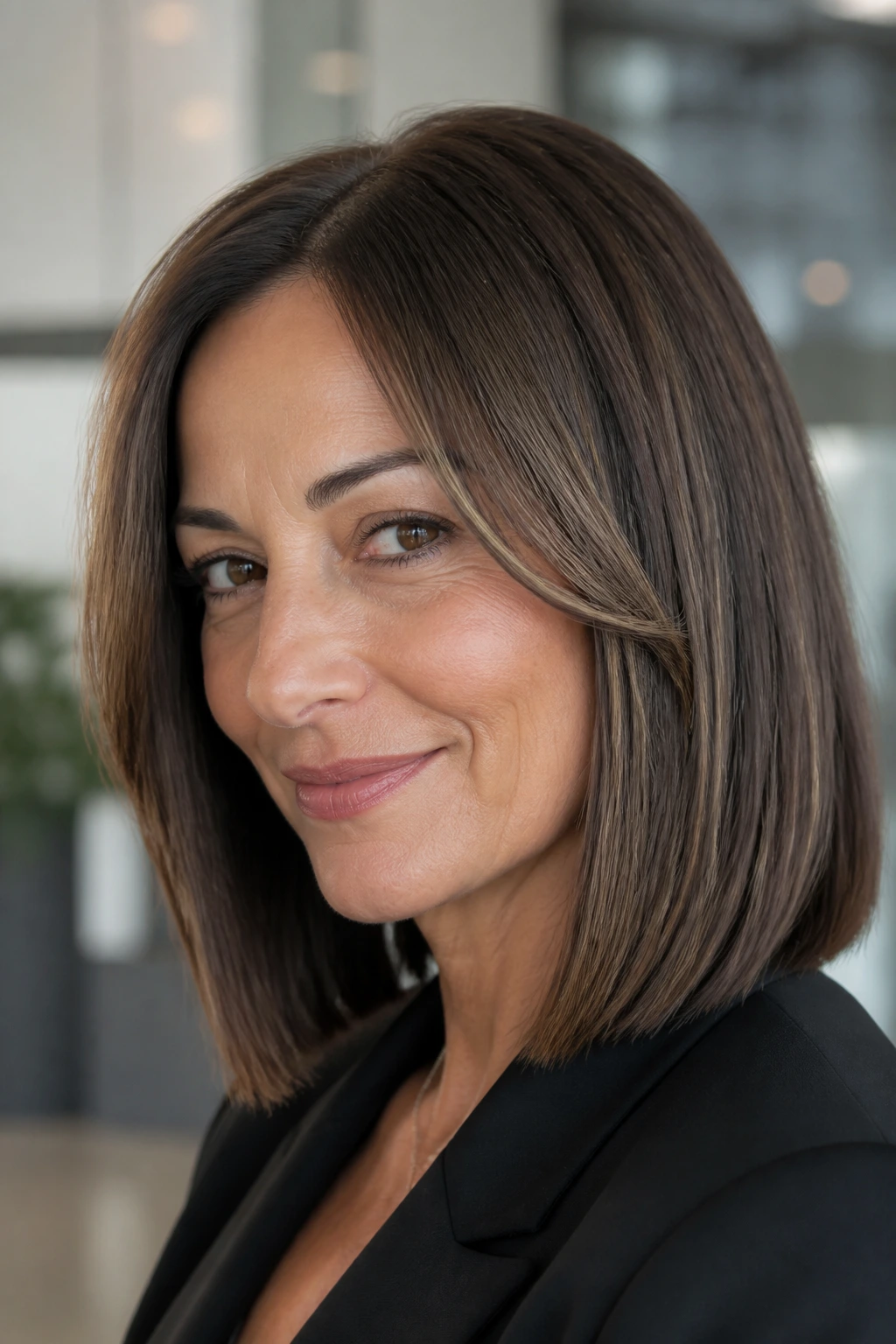
This is for the person who wants polish, not fluff. The shape stays sleek and nearly straight, but the front layers are just long enough to keep the cut from looking like a ruler.
A subtle layer around the cheekbone can be more useful than a bunch of choppy pieces. It makes the lob easier to tuck behind the ear, easier to wear with a blazer collar, and easier to keep looking tidy after a long day. Not every haircut needs to announce itself.
16. Choppy Bob for Fine Hair

Fine hair can get eaten alive by too much layering, so this version keeps the chops light and strategic. The ends are broken up just enough to keep the haircut moving, but the perimeter stays dense so the hair still looks full.
I like this one with a small root lift at the crown and a soft bend at the front. Too much product and the hair collapses. Too little and the layers disappear. The middle ground is where this cut lives.
17. Thick-Hair Bob with Debulking Layers
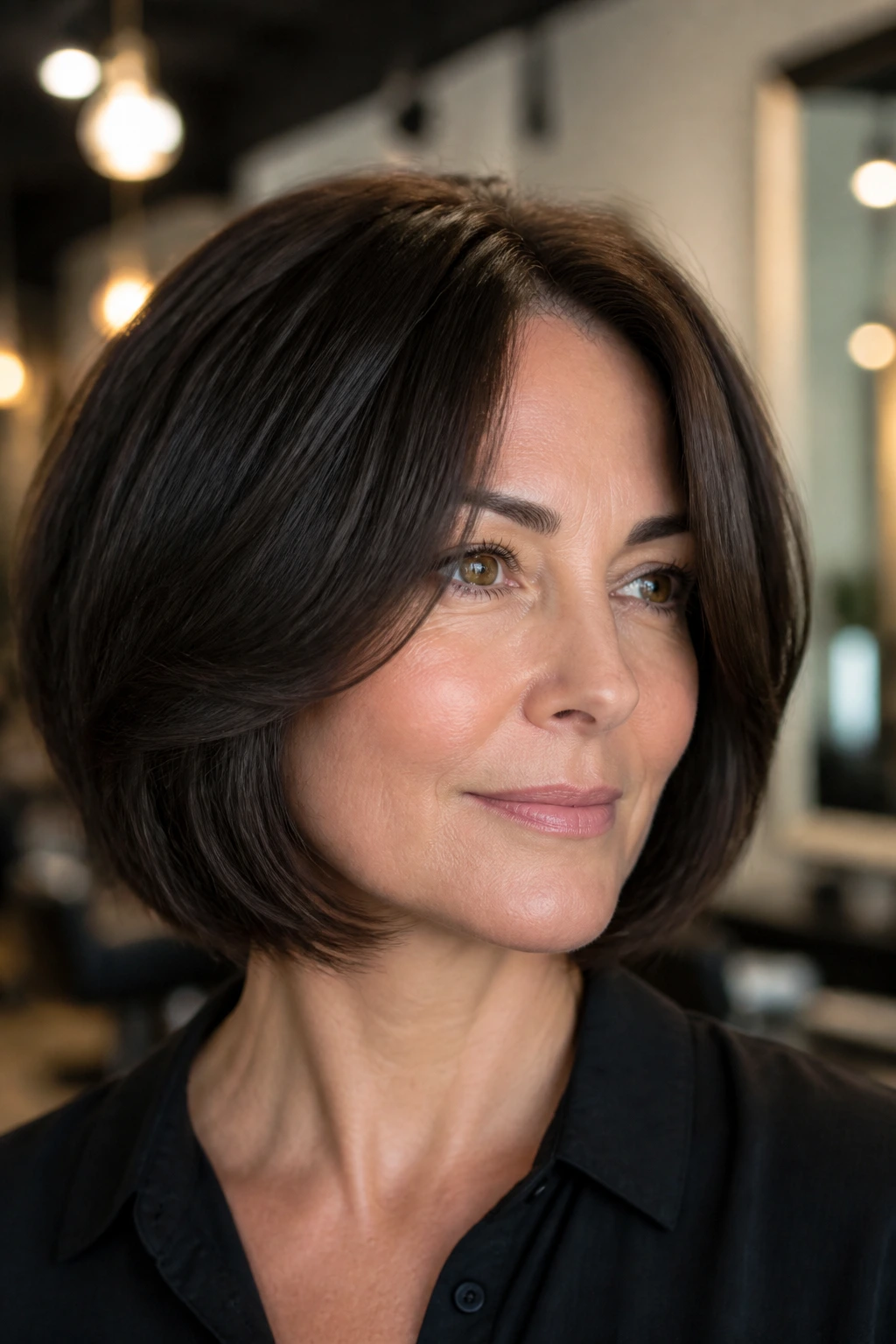
Thick hair needs weight removed in the right places, not hacked off in random places. Debulking layers inside the bob keep the front frame sleek while taking the heaviness out of the middle and back.
That means the haircut moves instead of blooming out into a triangle by lunchtime. Ask for the thinning to happen under the surface, not at the perimeter, because the edge is what gives the bob its clean finish. A thick bob that keeps its outline is a very different thing from one that just got thinned into surrender.
18. Silver Bob with Bright Front Pieces
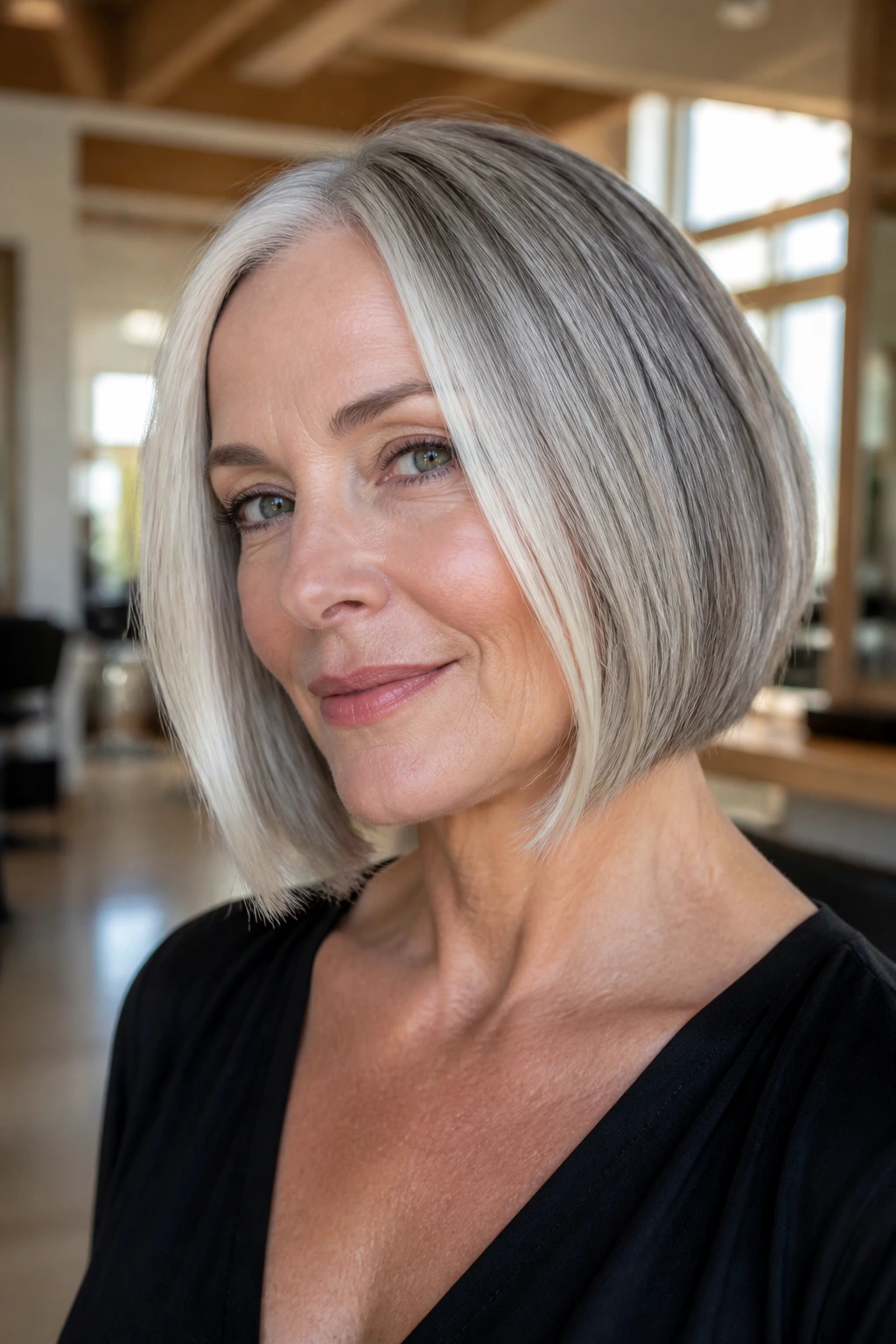
Silver hair has a way of showing every cut line, which is exactly why face-framing layers can look so good on it. The bright front pieces catch the eye first, so the bob reads crisp and fresh instead of heavy or dull.
Color and Cut Work Together
If you color your hair at all, a few lighter or brighter threads around the face make the layers stand out even more. If you keep your silver natural, a shine serum on the front pieces only can do a similar job. Don’t smear it through the whole head. That just flattens the shine.
The best silver bobs look deliberate, not over-styled. Clean edges, soft front movement, and a bit of reflective shine near the cheekbone. That’s enough.
19. Inverted Bob with Cheekbone Lift
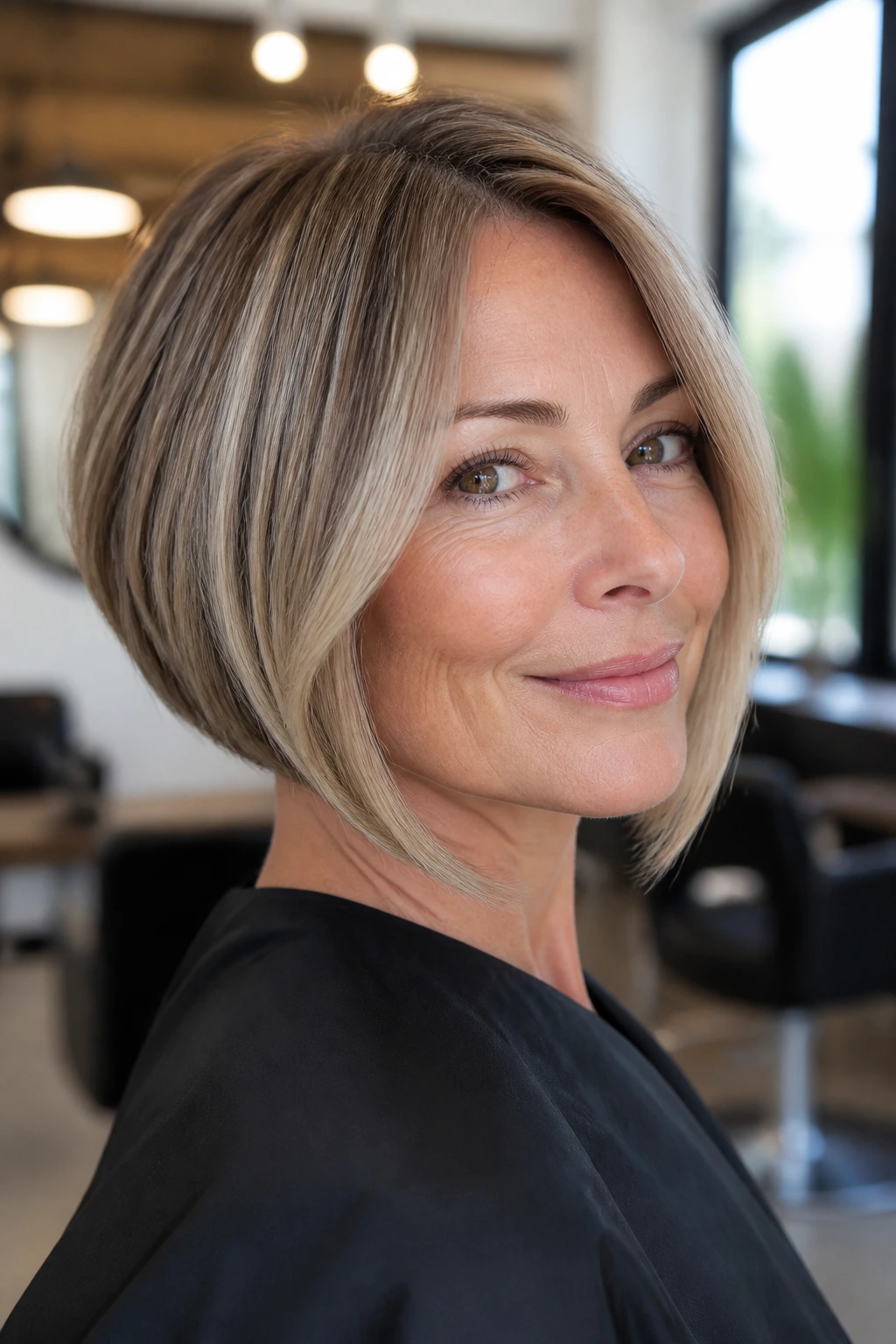
This cut has one job: give the face a little lift without making the back bulky. The front is longer, the back is shorter, and the whole shape angles forward in a way that makes the cheekbones look more prominent.
It’s a strong shape, so I prefer it when the rest of the styling stays simple. A smooth blowout or a soft bend at the ends is enough. If you try to make it too textured, the angle can get messy fast. Let the haircut be the statement.
20. Air-Dried Bob with Soft S-Curve

If your mornings are crowded and your hair has even a hint of natural bend, this is the cut worth considering. The front pieces are shaped to fall into a soft S-curve as they dry, which means the haircut can look finished without a hot tool.
A little cream through the mids and ends, a quick shake of the head, and you’re mostly done. The important part is not overcombing it while it dries. Leave the wave alone and the face frame will keep its shape better than you’d expect.
21. Razor-Cut Bob with Tapered Ends
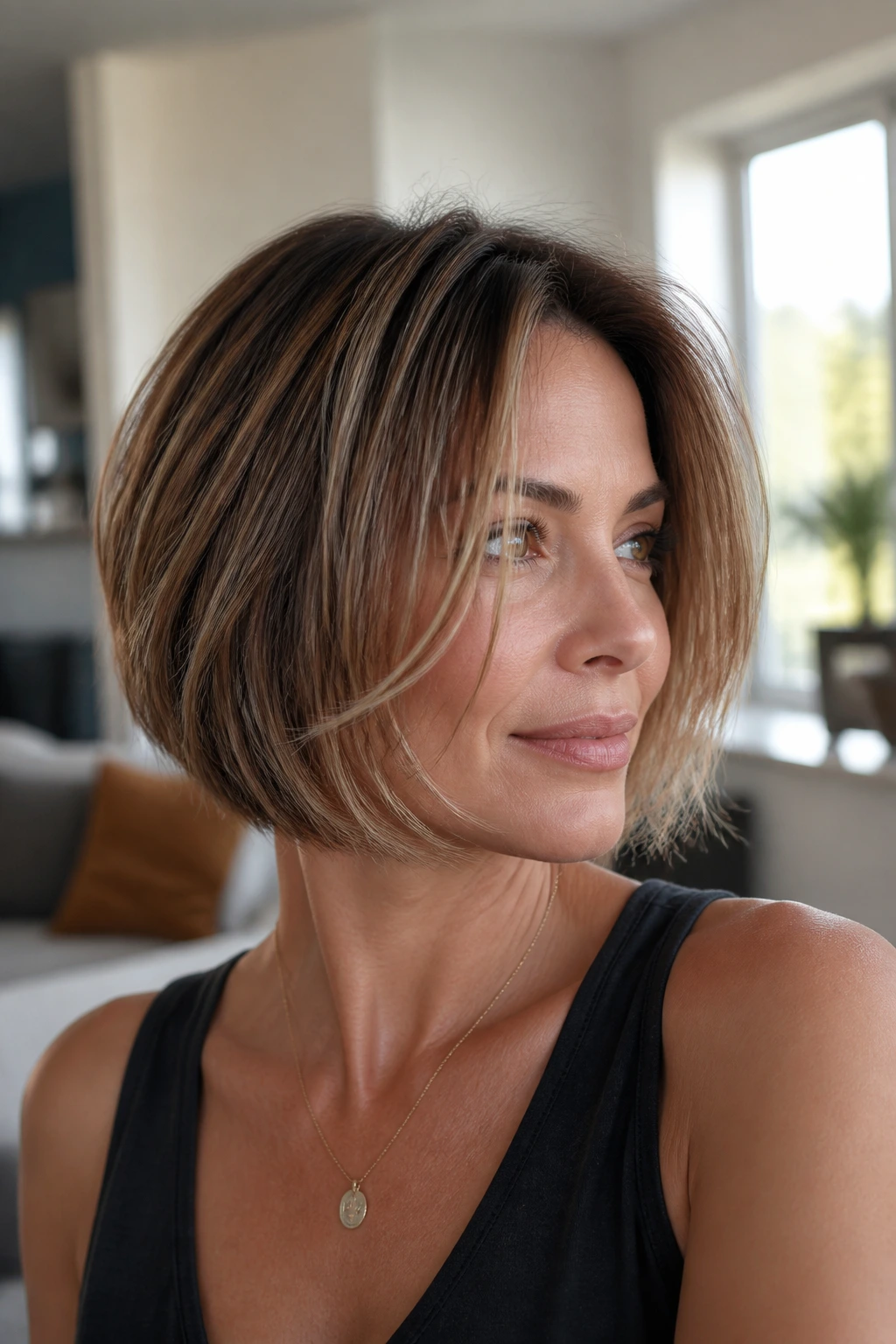
A razor can make a bob look soft fast, but it is not the right tool for every head of hair. On healthy, medium-density hair, though, a razor-cut front can give tapered ends that move around the face instead of sitting in one hard line.
The look is airy and a little bit edgy, but not in a loud way. It works best when the stylist keeps the razor work focused on the front and lower layers. If the whole head gets too much razor action, the ends can fray. Nobody wants that.
22. One-Length Bob with Face-Hugging Layers
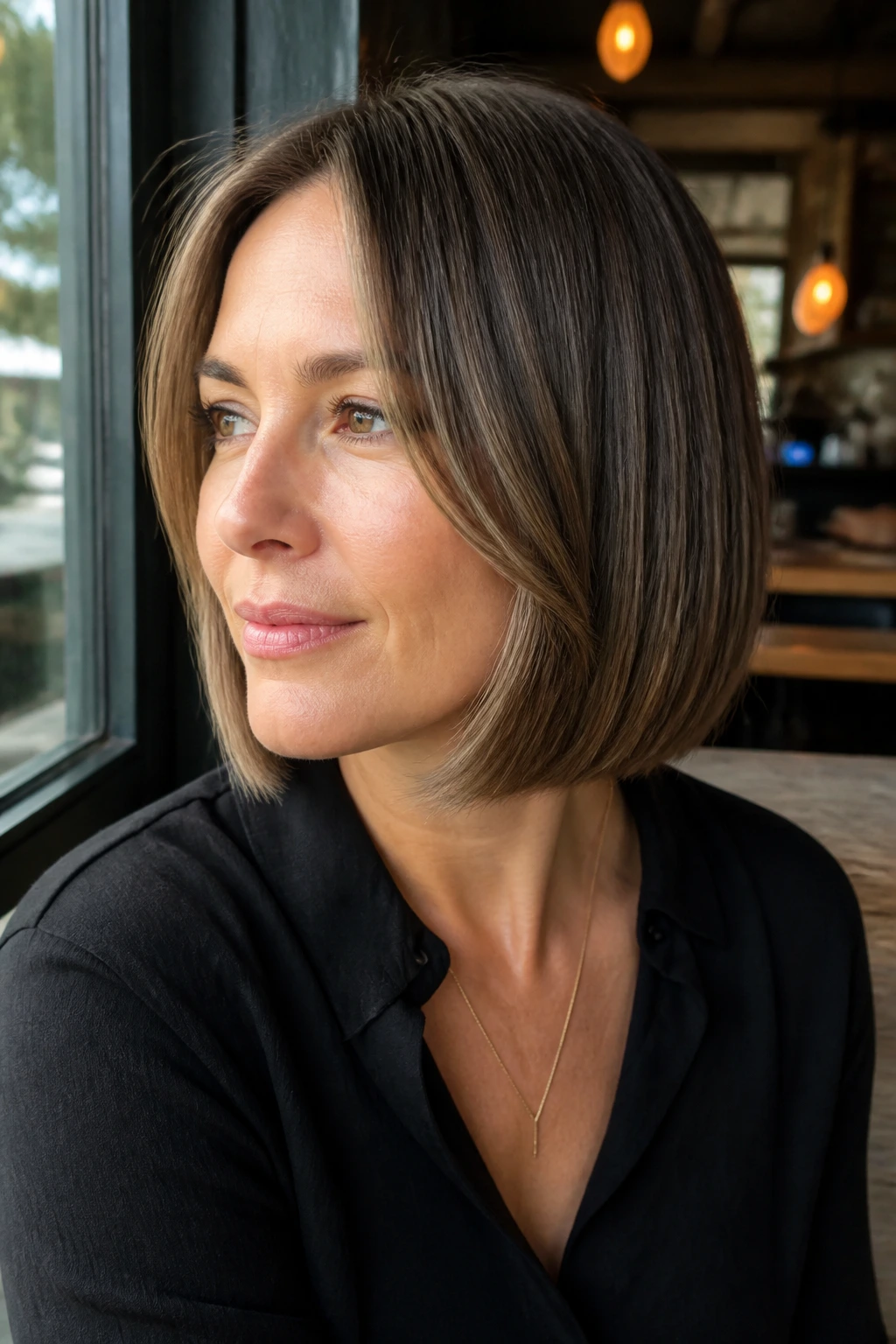
This is for the person who likes the honesty of a blunt bob but wants the front to behave more softly. The perimeter stays mostly one length, and the face-framing pieces are cut just long enough to hug the cheek and jaw.
That tiny adjustment makes the haircut feel more expensive, frankly. It keeps the density that makes a blunt bob look full, but it breaks up the edge near the face so the style doesn’t come off severe. You get shape without losing the line.
23. Tucked-Behind-Ear Bob with Strong Cheek Line
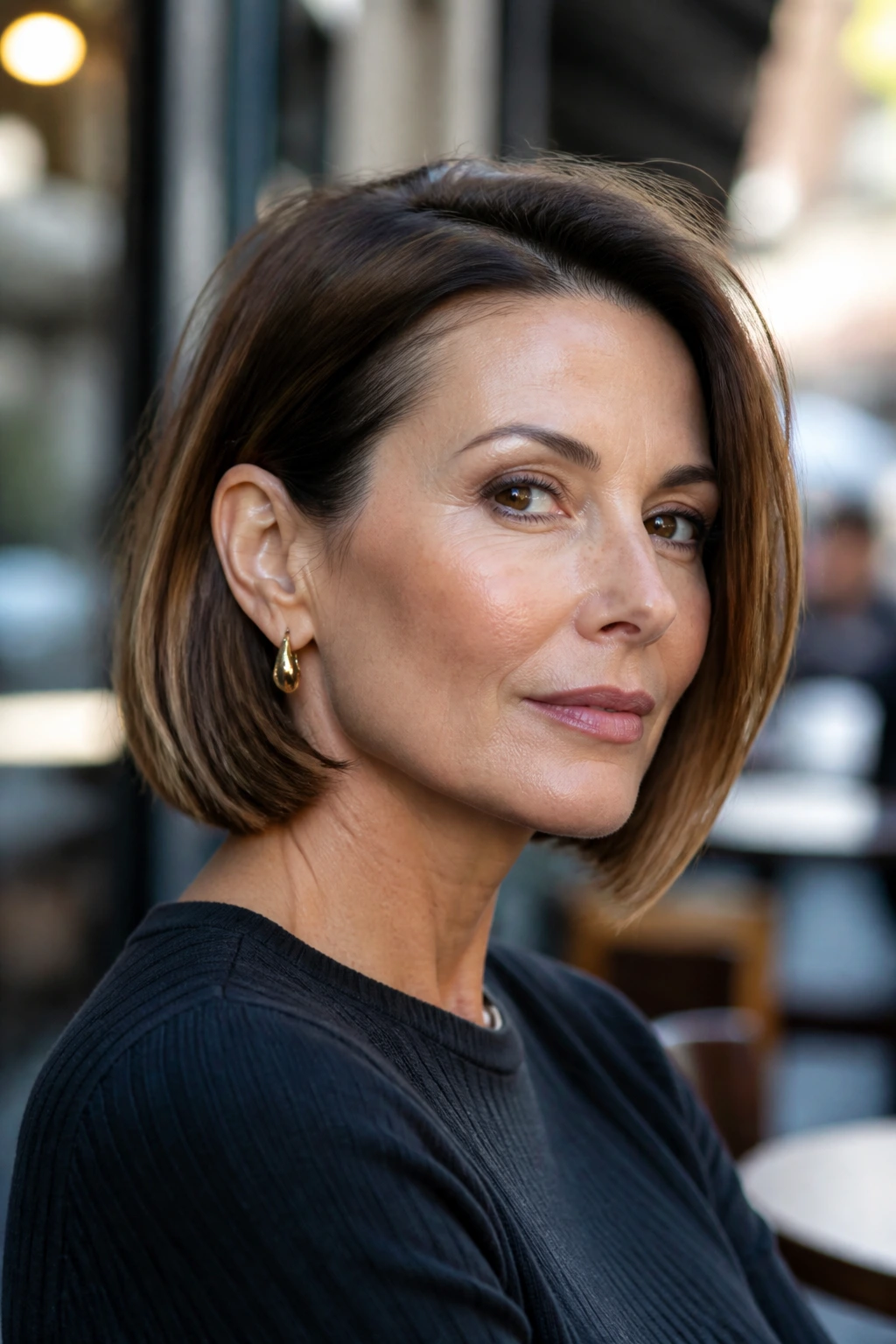
Some cuts come alive only when you tuck one side back. This bob is one of them. The face-framing layer lands near the cheekbone, so when you tuck the hair behind the ear, the front line opens up and the cheek gets all the attention.
It’s a smart move if you wear statement earrings or want your glasses to sit cleanly against the hair. The front stays soft, but the tuck gives the haircut a sharper outline. A little ear tuck can change the whole mood of a bob.
24. Glasses-Friendly Bob with Shorter Crown

Glasses change the whole conversation. A bob that lands too close to the frame can feel crowded, so this version keeps the crown a touch shorter for lift and lets the front pieces stop where they won’t fight the glasses.
Best For
-
Rectangular or round frames that need a bit of breathing room.
-
Hair that lies flat at the root and needs a crown boost.
-
Anyone tired of hair getting trapped under the arms of their glasses.
A soft bend away from the face keeps the temples open. You should be able to wear your glasses without feeling like the hair is swallowing them.
25. Deep Side-Part Bob for Volume
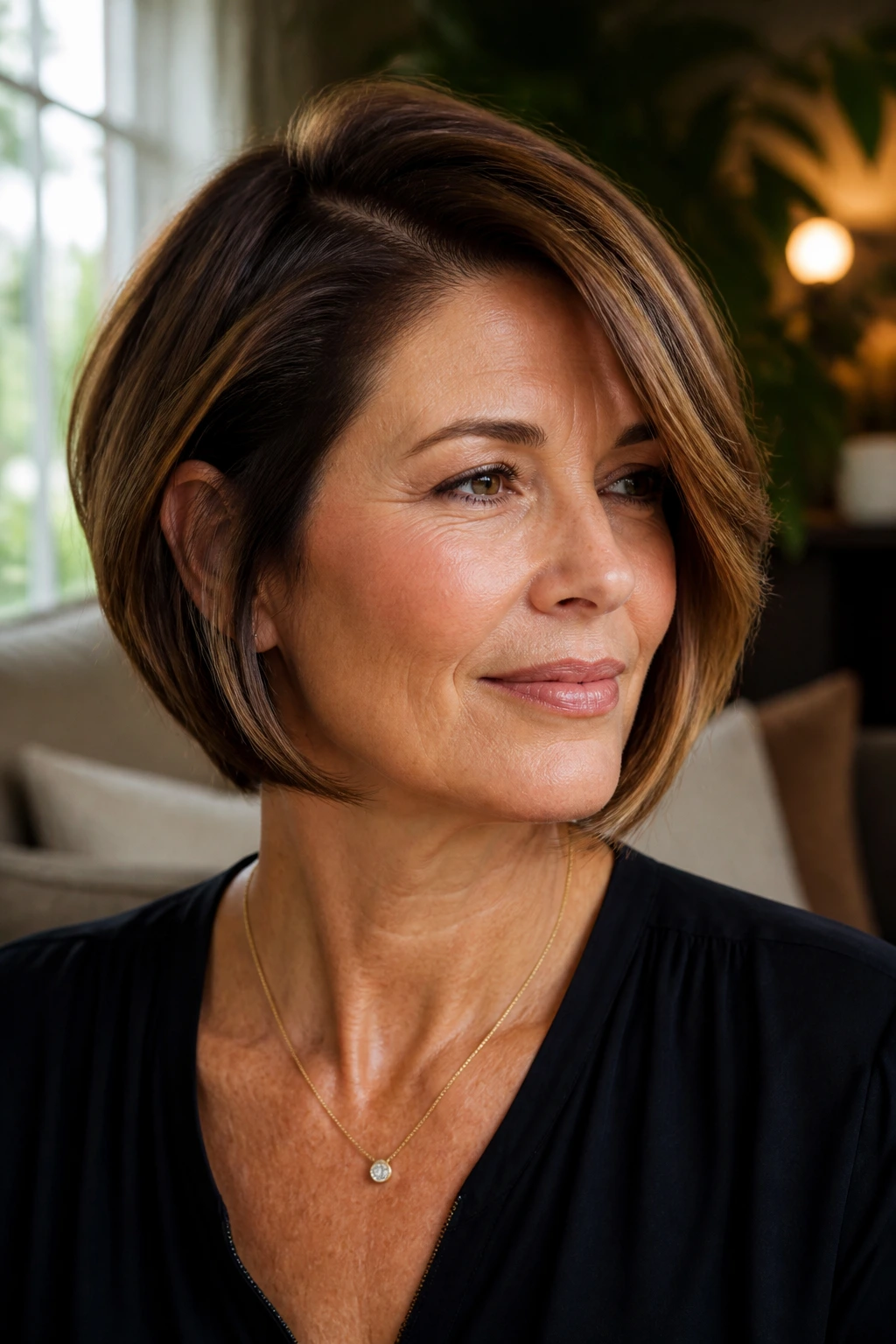
A deep side part can create more lift than a full bottle of volumizing spray. The hair falls across the face, the root pops up at the heavier side, and the bob suddenly has a little drama without any actual drama.
This works especially well if one side of your hair is flatter than the other. The side part gives you a way to cheat a little volume into the cut. Pair it with front layers that land around the mouth or chin, and the whole shape starts moving in the right direction.
26. Parisian Lob with Grazing Pieces

This one sits in that sweet middle ground between polished and relaxed. The length grazes the collarbone, the front pieces skim the face, and the overall effect is soft rather than strict.
It’s a good answer if you want a bob family cut but you are not committed to short hair. The grazing pieces make it easy to tuck, twist, or air-dry, and the longer length means the shape stays friendly during grow-out. There’s a reason this silhouette keeps hanging around.
27. Neck-Length Bob with Hidden Layers

Why It Stays Balanced
A neck-length bob can look heavy if the inside is left completely flat. Hidden layers solve that by taking a little bulk out from under the surface while keeping the outside line calm and tidy.
That means the haircut falls neatly at the neck, but the face frame still has enough movement to soften the front. It’s a nice compromise if you want short hair that doesn’t shout for attention. Good haircuts don’t have to shout.
28. Polished Bob with Long, Soft Money Pieces
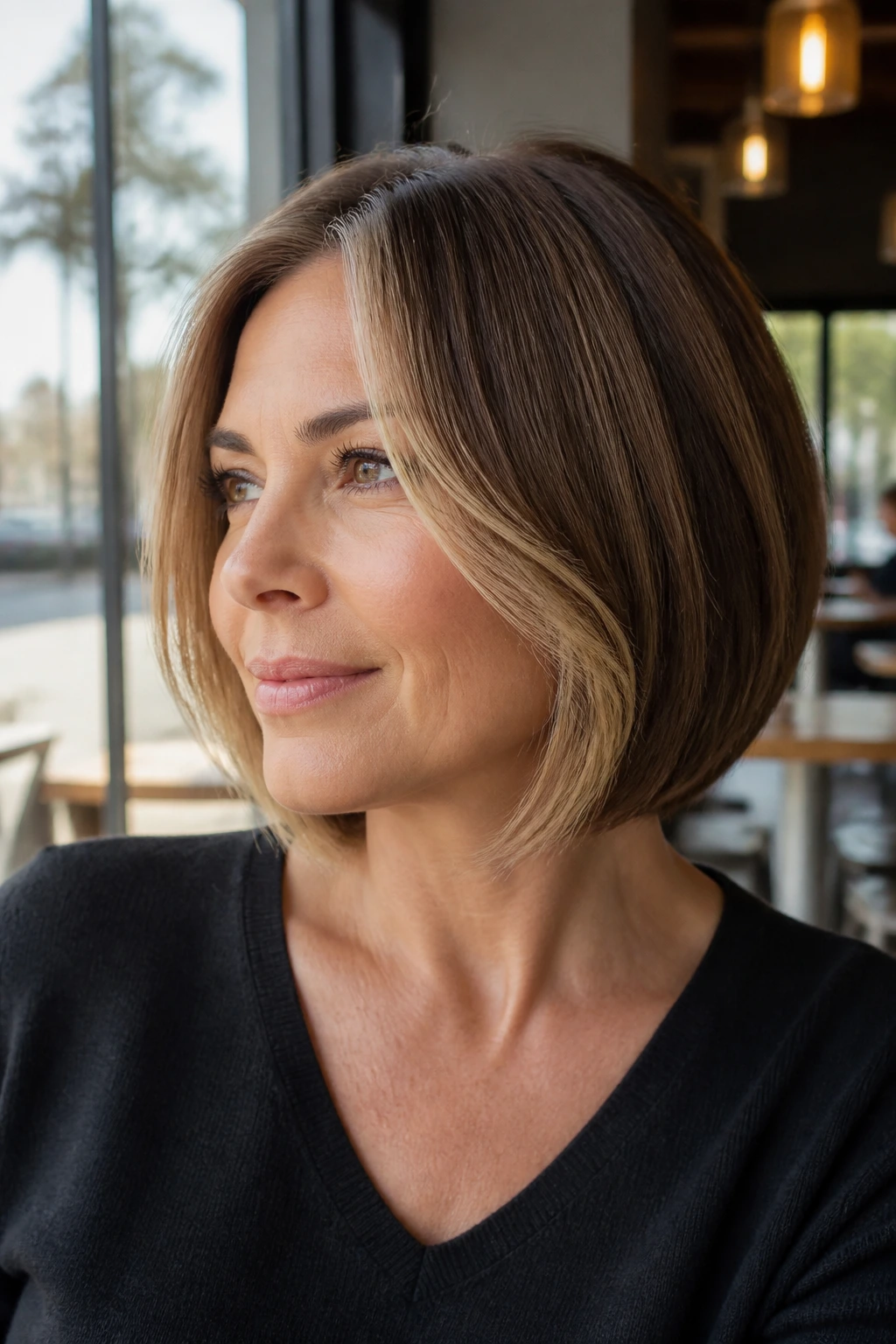
This is the sleekest version in the group, and I mean that in a good way. The bob stays smooth and controlled, while the money pieces around the face are kept long and soft so the haircut doesn’t look severe.
It’s a strong choice if you like shine, control, and a finish that survives a workday without falling apart. The long front pieces make the face look a little more open, and they also give you somewhere to tuck the hair when you want a cleaner line. Simple. Sharp. Done.
Why Bob Face-Framing Layers Work Better Than a Blunt Line

A blunt bob has one visual note. It can be lovely, but it can also be unforgiving when the hair is fine, the jawline is strong, or the face just needs a little breathing room. Face-framing layers change where the eye lands first.
That matters because the front of the haircut does most of the emotional work. The back can be neat, even boring, and the whole style still looks good if the front pieces land in the right spot. Cheekbone level gives a lifted feel. Jaw level softens square edges. Collarbone level makes grow-out easier and gives you more styling room.
Where the Layer Should Start
The sweet spot is usually somewhere between the lip and the cheekbone for softness, or closer to the jaw if you want a gentler outline. Start them too high and the hair can puff near the temples. Start them too low and they disappear into the rest of the cut.
Why Length Matters More Than People Think
Short front layers need more styling. Long front layers are easier, but they can lose impact if the rest of the bob is too heavy. That is why the best layered bobs feel balanced, not busy. The hair falls where it should, and you’re not fighting the cut every morning.
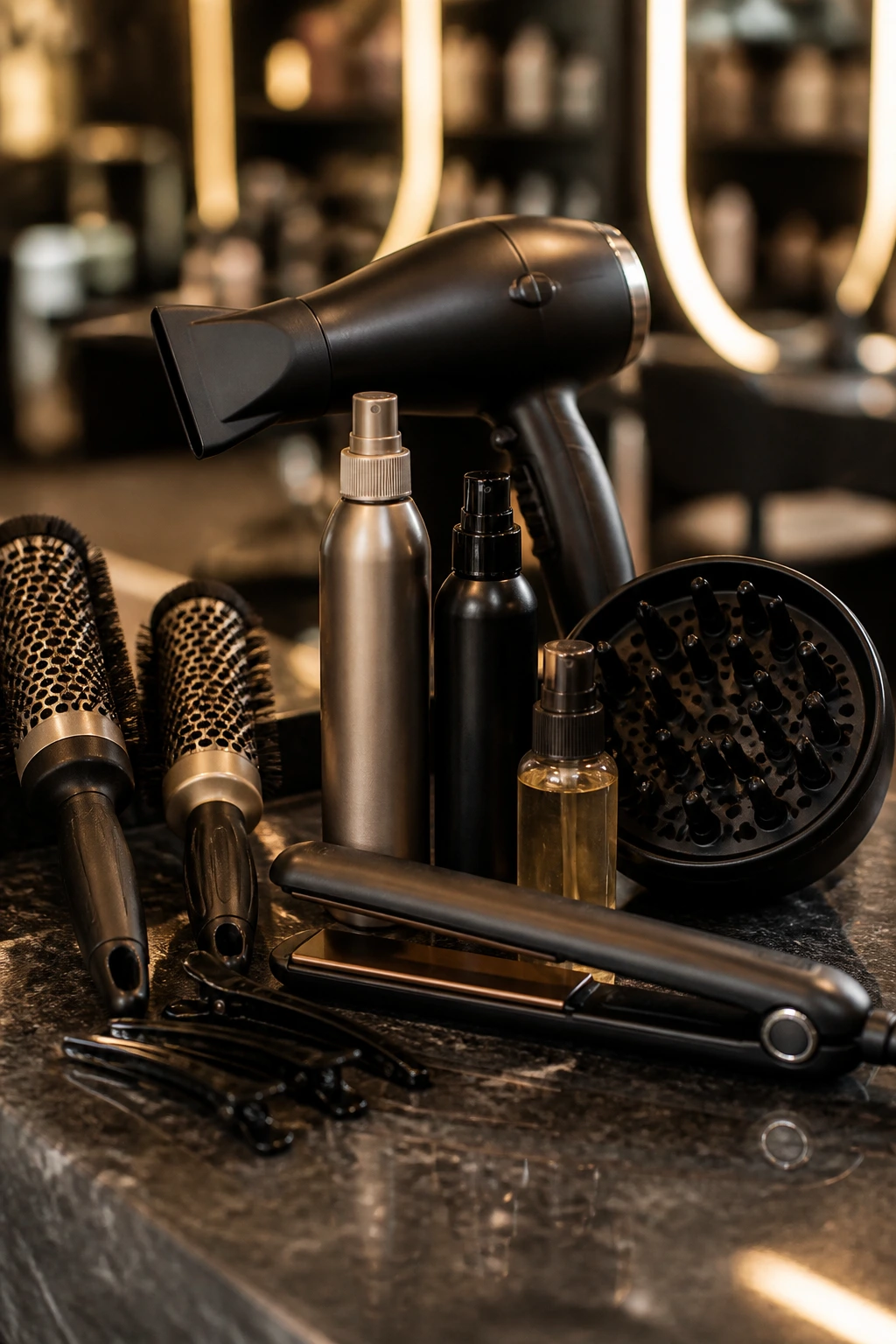
The Tools That Make These Cuts Behave
-
Blow dryer with a concentrator nozzle: The nozzle gives you control, which matters when you’re shaping just the front pieces instead of rough-drying the whole head.
-
1-inch round brush: Best for shorter bobs and chin-length cuts; it creates lift and a small bend at the ends.
-
1.5- to 2-inch round brush: Better for lobs and longer front layers, because it smooths without over-curling the ends.
-
Heat protectant spray or cream: Use it before any hot tool. Fine hair needs a lighter spray; thicker hair can take a creamier version.
-
Sectioning clips: They keep the top layers out of the way while you shape the face frame. Small clips are enough.
-
Lightweight mousse: Good at the roots if you want volume, especially on fine hair that goes flat by noon.
-
Texture spray: Useful for wavy and shaggy versions, but use it lightly. Too much and the ends feel dry.
-
Flat iron with rounded edges: Helpful for creating a soft bend in the front or turning out a stubborn piece that refuses to cooperate.
-
Finishing serum: A drop on the ends smooths the perimeter without weighing down the crown.
-
Optional diffuser: Worth having if your bob leans curly or wavy and you want to keep the front layers from stretching out.
How to Choose the Right Bob Face-Framing Layers for Your Hair
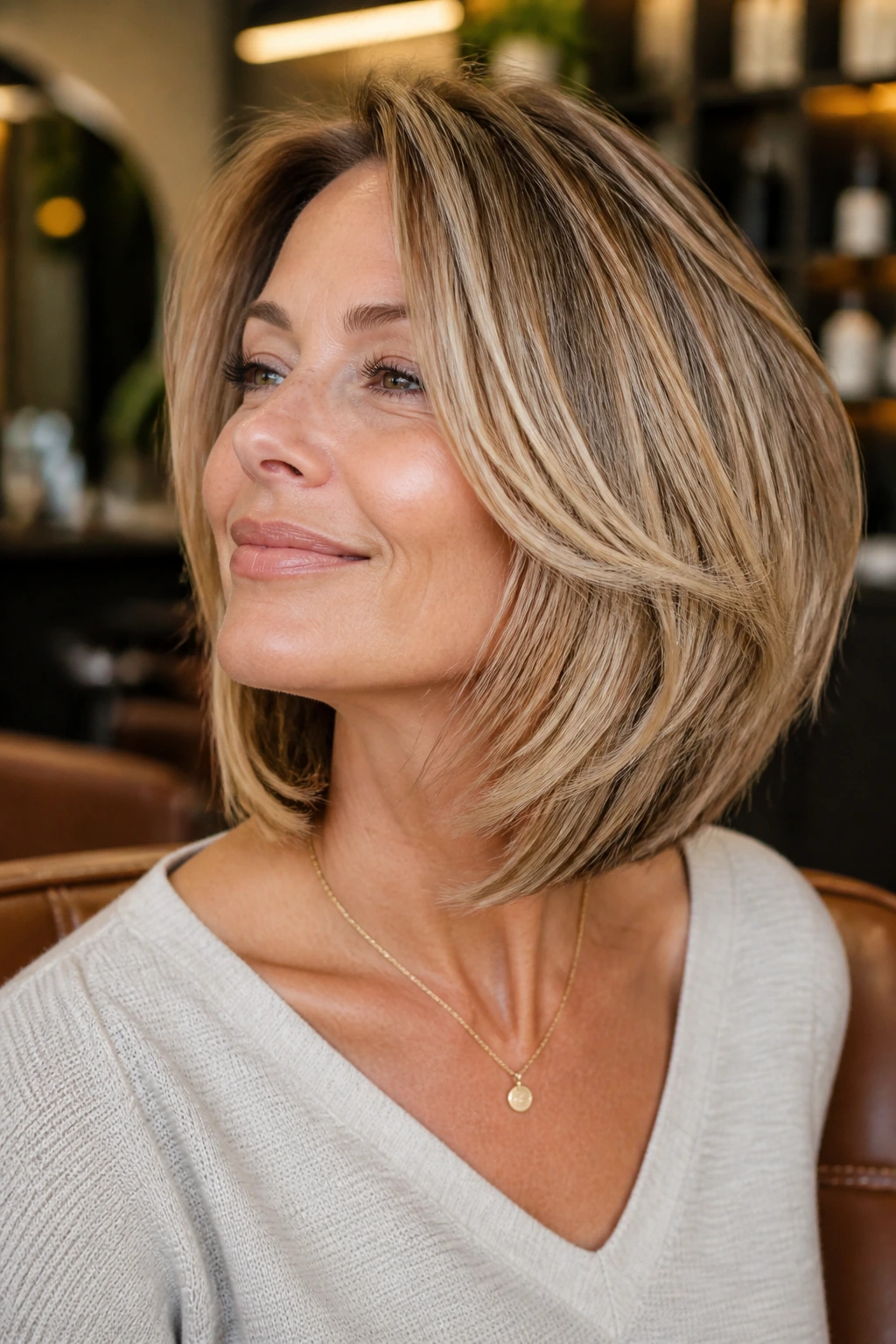
The right cut has less to do with trends and more to do with what your hair actually does when you wash it. Fine hair usually needs a blunt perimeter with long, subtle front layers so the ends stay dense. Thick hair usually needs internal weight removal so the front doesn’t turn into a shelf.
Fine Hair
Ask for long face-framing layers that start low, usually around the mouth or chin. If the layers begin too high, the ends can look thin. A compact shape with a clean edge keeps the hair looking fuller.
Thick Hair
Tell your stylist you want movement without bulk. That usually means debulking inside the haircut, not carving the front to pieces. The perimeter should still look solid when the hair air-dries.
Wavy and Curly Hair
Dry cutting or curl-aware shaping matters here. The front pieces can spring up more than you expect, so the shortest layer should be chosen with the curl pattern in mind, not wet hair alone.
Face Shape and Glasses
If you wear glasses, bring them to the appointment. Seriously. The hair should not crowd the frames. For round faces, longer front layers can stretch the silhouette; for square faces, a cheekbone piece softens the jaw. Oval faces can wear almost any version, which is unfair but true.
How to Wear These Cuts in Real Life

Silhouette: Pick the line first. A chin-length bob reads crisp and direct; a collarbone lob feels softer and gives you more styling range. If the front frame is the whole point, make sure it lands where your face actually needs it—cheekbone, jaw, or collarbone.
Parting: A center part gives symmetry and works well with curtain layers. A deep side part adds height and can rescue flat roots. If your hair has a stubborn cowlick, let that decide more than your mood does.
Styling: Dry the face-framing sections first if you’re blowing your hair out. They set the tone for the whole cut. Use the round brush to bend the ends just under or just away from the face depending on the shape you want.
Accessories: Earrings, glasses, clips, and even a simple tucked side all change how these cuts read. A bob with soft layers looks different under hoops than it does under a sharp collar. I like cuts that keep their shape even after you add the practical stuff.
Extra Shine, Lift, and Movement
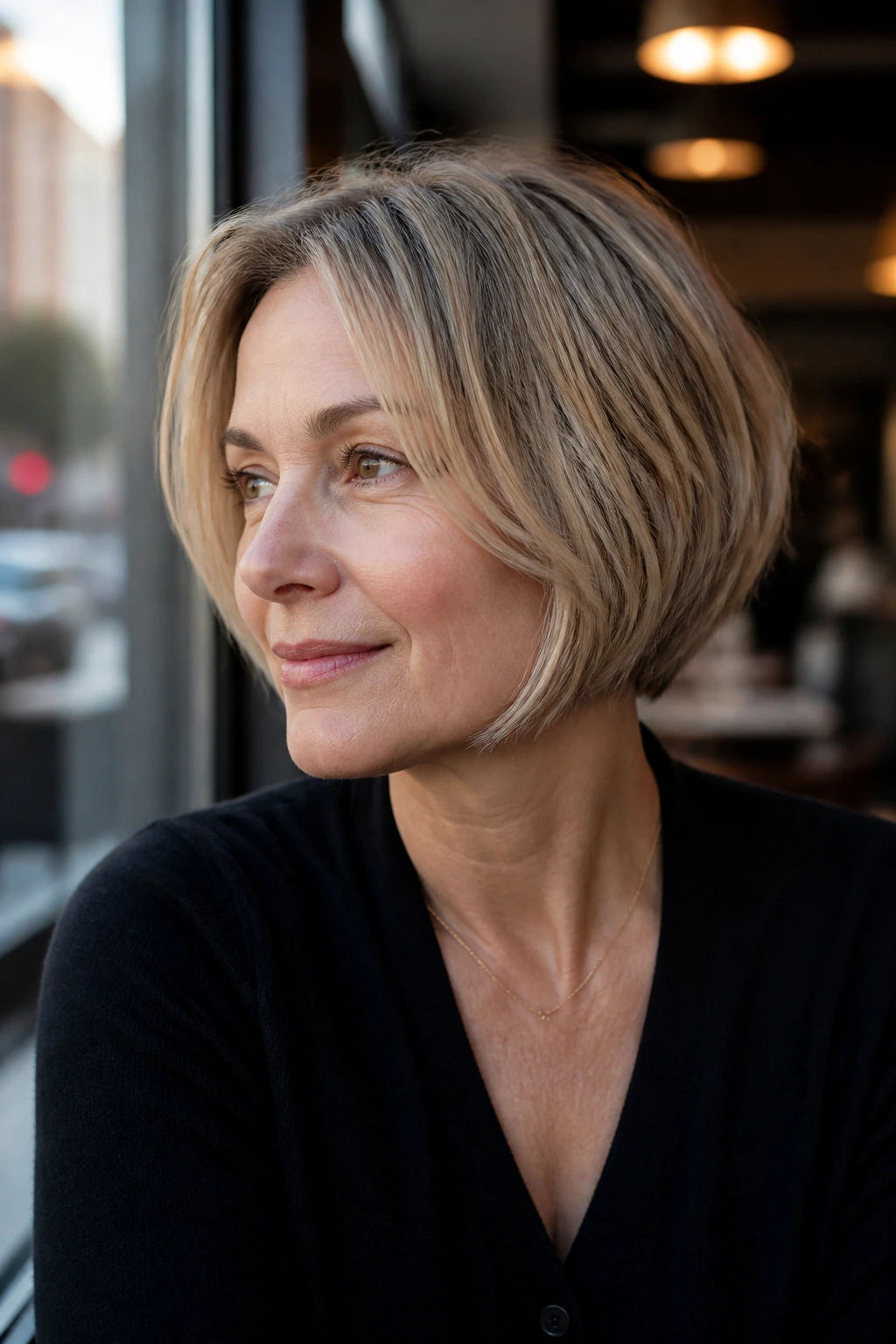
Lift at the crown: A dab of mousse at the roots before drying gives the bob a cleaner shape from the top down. Keep it off the ends or they’ll look sticky and flat.
Color placement: If you color your hair, a few lighter pieces around the face can make the layers pop without a full highlight job. On gray or silver hair, a gloss can do the same thing by making the front reflect light more cleanly.
Texture control: Use a flat iron or round brush to shape only the front pieces if the rest of the cut already behaves. That saves time and keeps the bob from looking overworked.
Make it yours: One side tucked, one side loose. A small clip at the temple. A soft bend at the ends instead of a curl. Tiny choices matter here more than big dramatic changes.
Common Mistakes That Flatten a Layered Bob

-
Starting the layers too high: If the shortest pieces live near the temples, the cut can puff out and look choppy. Ask for the frame to begin lower unless your hair is very thick and can handle it.
-
Over-thinning fine hair: Once the ends go see-through, the bob loses its shape. A blunt perimeter with subtle front layers is usually safer than aggressive layering.
-
Ignoring your natural part: If your hair always pushes left, cutting it as though it’s neutral will make the front fight you. The fix is simple: cut and style from the part it actually wants.
-
Using too much serum or oil: Heavy product on the face frame makes the layers collapse. A drop on the ends is enough. More is not better here.
-
Skipping trims for too long: A bob depends on its line. After too many weeks, the front pieces stop framing and start just hanging there. That’s not the same thing.
-
Blowing out the back and forgetting the front: The front layers need their own shaping. If you dry only the perimeter and ignore the face, the cut can look nice from behind and flat from the front.
Variations and Adaptations to Try

The Air-Dry Bob: Best for hair with a natural wave. Ask for long front pieces and a softer perimeter so the cut falls into place with cream and a few scrunched twists.
The Glasses-Friendly Bob: Keep the shortest front layer above the arm of the frame by a little margin, not right on top of it. That prevents the haircut from crowding your glasses and makes the whole face look cleaner.
The Gray-Glow Lob: This version leans on shine and movement rather than heavy shape. It works well on silver hair or salt-and-pepper blends when you want the front pieces to brighten the face.
The Fine-Hair Lift: Use a blunt outline, short crown support, and very long face-framing layers. It gives body without stripping away the density that fine hair needs.
The Curl-Hugging Bob: Built for curls that need room at the sides. Ask for the front to be cut with the curl pattern in mind and keep the layers soft enough to avoid frizzing out.
The Grow-Out Lob: If you hate salon schedules, start with a collarbone length and long front layers. It grows out into a neat, wearable shape instead of turning into an awkward in-between stage.
Keeping the Shape Sharp Between Salon Visits
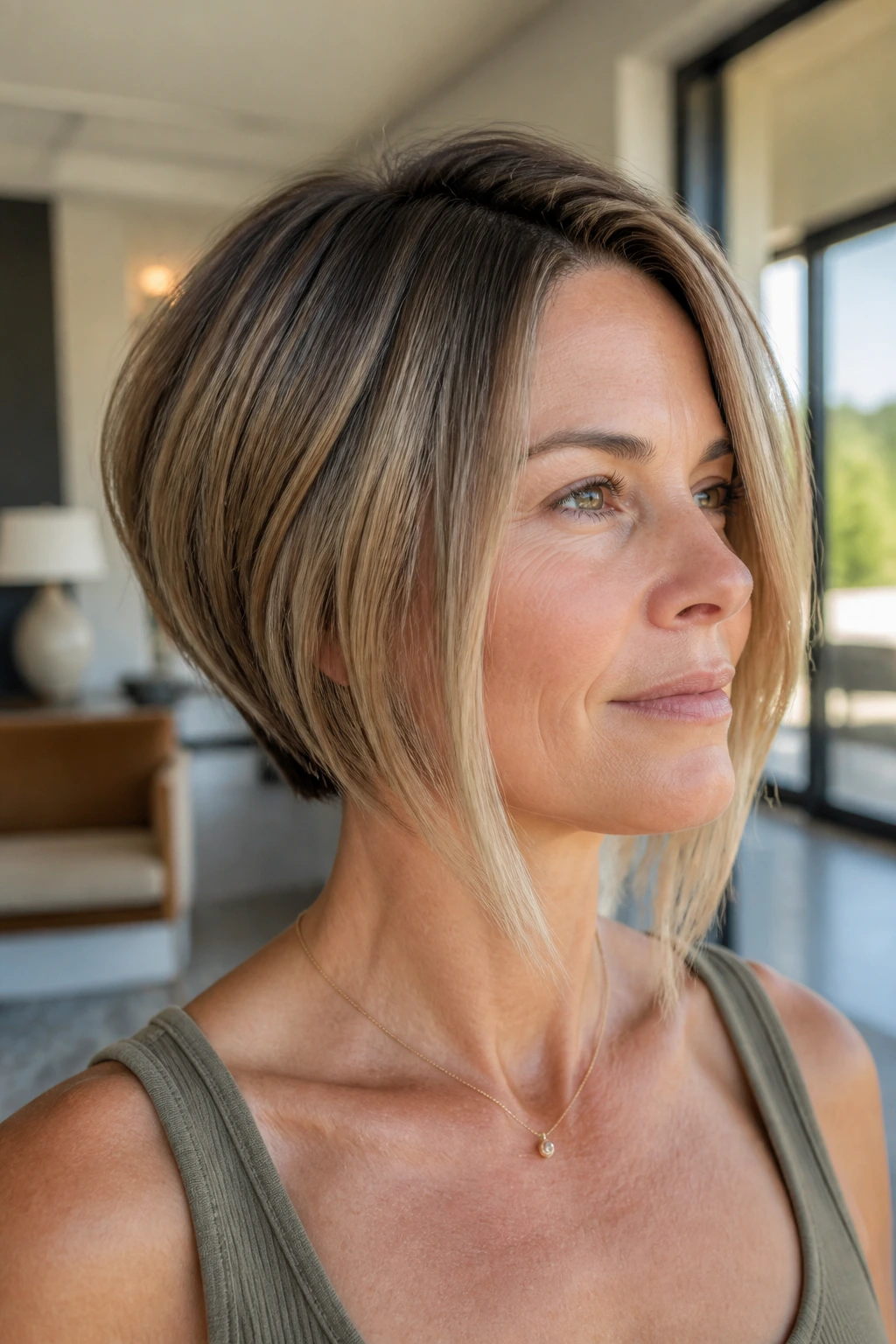
A bob lives or dies by its trim schedule. Shorter chin-length versions usually need a cleanup every six to eight weeks, while lobs can often stretch closer to eight or ten. Wait much longer, and the front frame stops looking intentional.
Night care matters too. A silk pillowcase helps, but the bigger win is avoiding a rough sleep shape. If the front turns into a kink, mist it lightly with water in the morning and re-bend the ends with a brush or flat iron for a minute or two. You do not need a full wash to fix every bad angle.
Dry shampoo helps at the crown, not on the ends. Keep it away from the face frame or the layers start looking dusty. If your cut depends on a side part, reset the roots before they fully dry in the wrong direction. That one habit saves more time than people expect.
Bob Face-Framing Layers: Questions People Actually Ask

Do face-framing layers make a bob look thinner?
They can, if the layers start too high or get too short. The safer approach is a blunt perimeter with long front pieces, which keeps density while softening the outline.
Are these cuts good for fine hair?
Yes, but the layers should stay subtle. Fine hair usually looks better with a solid edge and a little movement in front, not a heavily chopped shape.
What if my hair is curly?
Then the cut has to respect shrinkage. Ask for the front pieces to be shaped with the curl pattern in mind, and avoid cutting them too short while wet.
Can I keep length and still get face-framing layers?
Absolutely. A collarbone lob with long front pieces is one of the easiest ways to get softness without going short. You keep the length and still get shape around the face.
How do I stop the ends from flipping out?
Use a round brush or flat iron to turn just the last inch under or into a soft bend. If the flip is stubborn, the cut may need a gentler bevel from the start.
Do I need bangs with this kind of bob?
No. Fringe changes the mood, but face-framing layers can do the softening all by themselves. If you do want bangs, bottleneck or side-swept fringe usually blends best.
Will a center part work?
Often, yes. The front layers just need to be long enough to frame the face without sticking straight out on either side. If the center part makes the roots go flat, a side part may give more lift.
How often should I trim it?
For a short bob, every six to eight weeks keeps the line clean. For a lob, you can sometimes go a little longer, but the front still needs regular cleanup if you want the frame to stay visible.
A Softer Line, Less Fuss
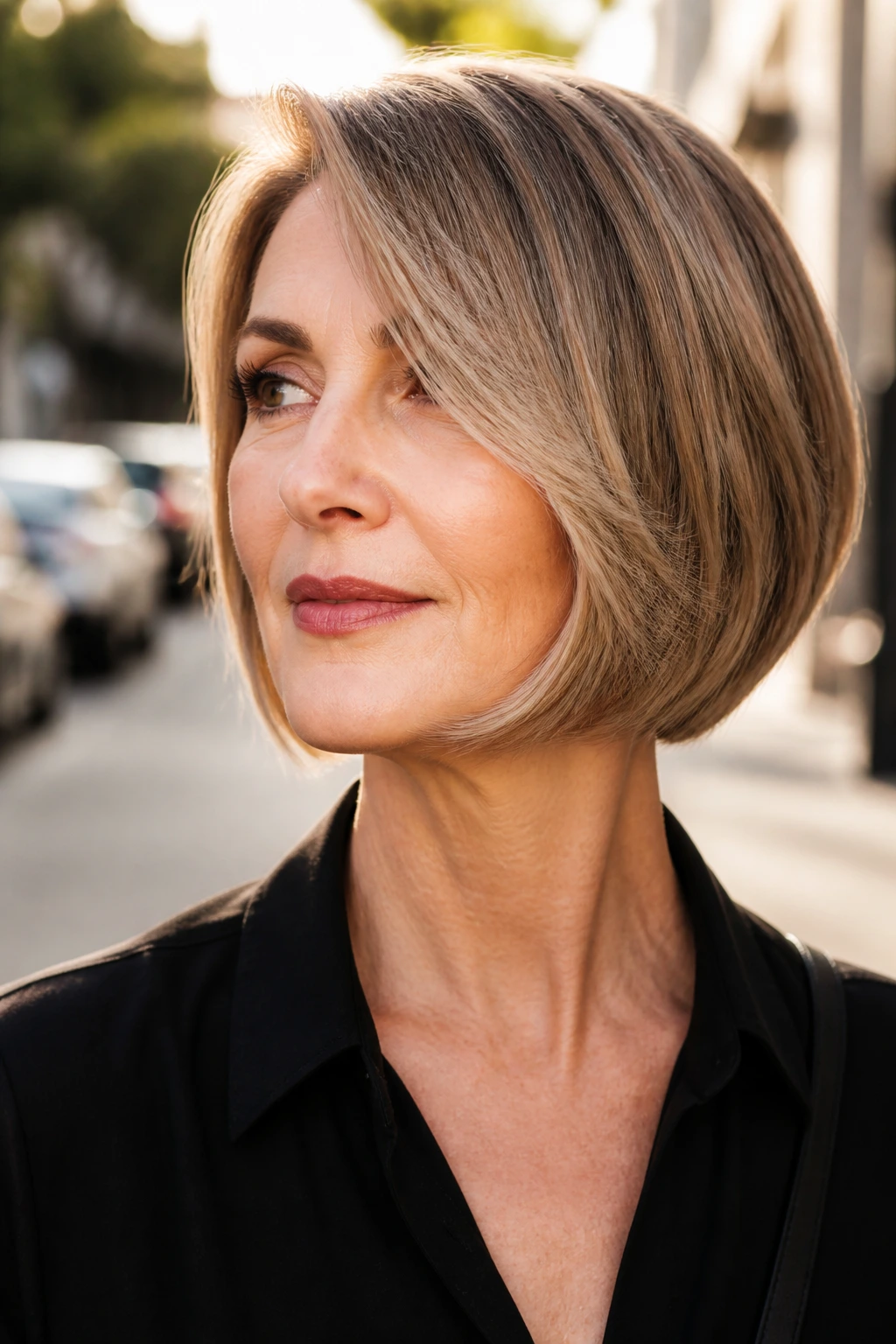
The best bob face-framing layers don’t fight the hair you already have. They make the front of the cut useful. That’s the whole trick. The line gets softer, the face gets a little lift, and the haircut starts doing quiet work every time you wash, dry, or tuck it behind your ear.
If you’re choosing between a blunt shape and a layered one, look at where your hair tends to collapse. That’s the place the cut should solve, not just the place it should decorate. A good bob gives you a shape you can wear on a rushed morning and still like in the mirror at night.
When the front pieces are cut where they belong, the rest of the haircut gets easier to live with.