



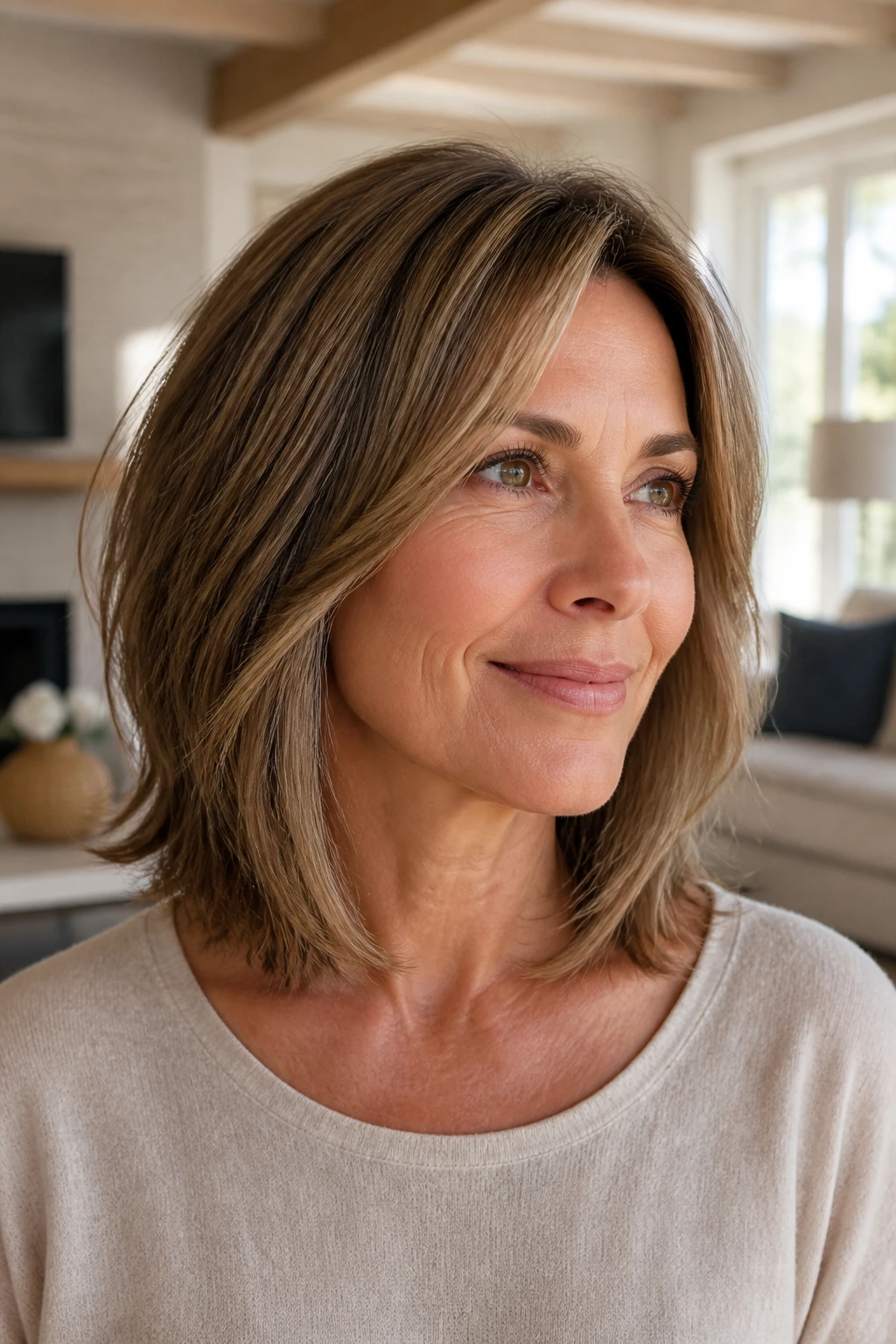
A bob can go wrong fast. Cut it too blunt, and it sits there like a shelf. Over-layer it, and the ends start to look ragged, like they’ve been worn down by the weather instead of shaped on purpose. The sweet spot for subtle bobs with layers for women over 50 is quieter than that: a cut with movement, a little lift, and enough weight left in the shape that it still behaves when you skip a full blowout.
That balance matters because hair changes. Some people notice finer strands at the temples, a coarser bend in the gray hairs, or a little more puff at the nape. Others just want a cut that doesn’t demand a ten-step morning routine. The right layered bob works with all of that instead of fighting it.
And this is the part I like best: a good bob doesn’t have to shout. A chin-length curve, a soft angle, a feathered neck, a side part that gives the crown a little rise — these are small moves, but they change everything. The cuts below stay in that softer lane, which is exactly why they look polished without feeling stiff.
Why These Layered Bobs Stay Soft Instead of Stiff
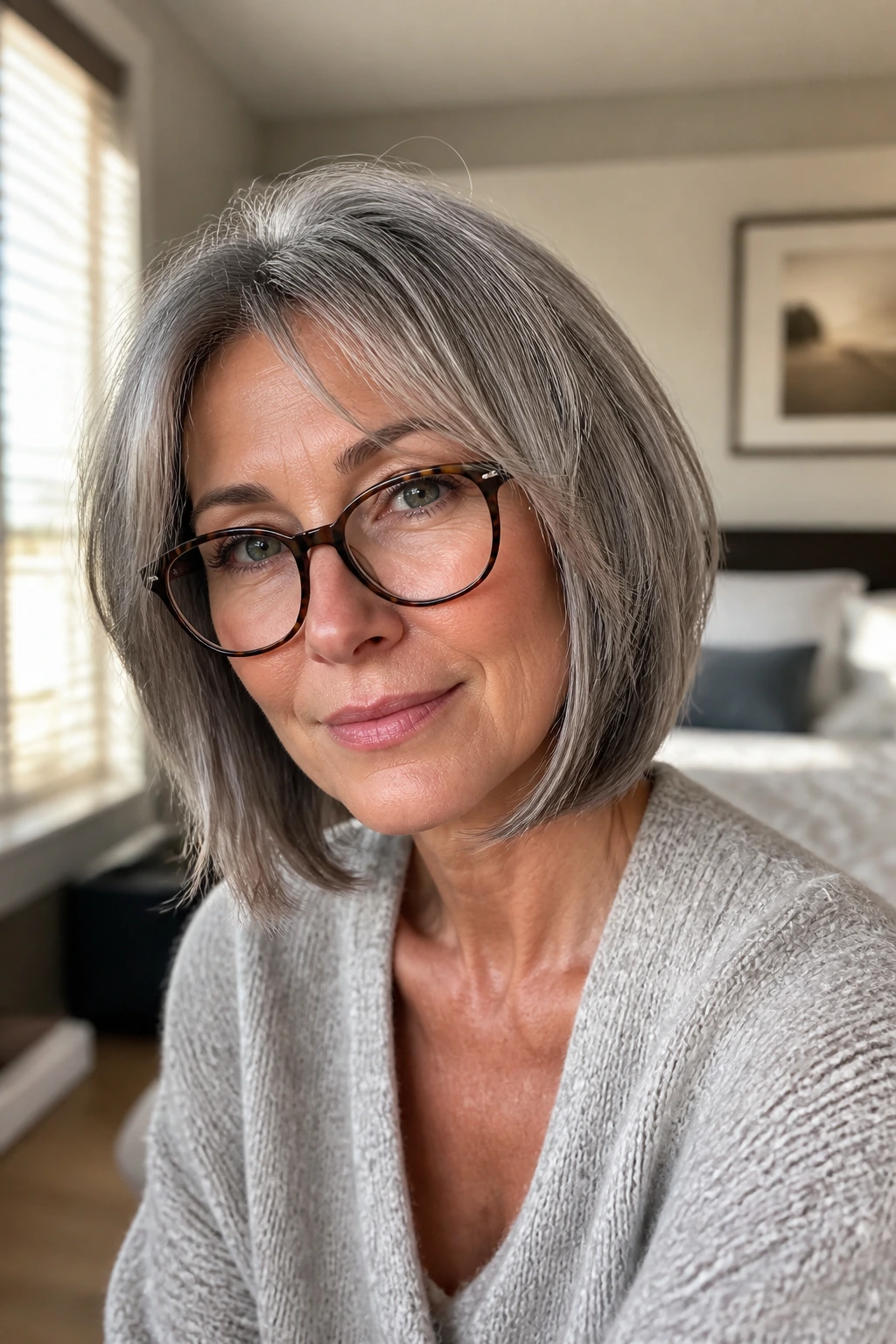
- They keep weight where it helps: The best subtle bobs leave enough fullness at the perimeter so the cut does not collapse into wispy ends by week two.
- They lift the crown without teasing: A few well-placed internal layers can make the top look fuller, especially when hair starts to lie flatter at the roots.
- They play nicely with gray hair: Movement breaks up a flat sheet of silver or salt-and-pepper color, so the cut looks intentional rather than heavy.
- They work with glasses and jewelry: A bob that skims the cheekbone or jaw leaves room for frames, earrings, and a little neck space.
- They age well as they grow out: Soft layers grow into each other more gracefully than a sharp, over-textured cut that needs constant correction.
- They fit real mornings: Most of these shapes can be refreshed with a round brush, a vent brush, or even a dab of lightweight cream and a quick finger-dry.
How to Choose the Right Bob for Your Hair Texture and Part
Fine hair, thick hair, waves, curls — the same bob shape does not behave the same way on each one. That’s why the layer pattern matters more than the name of the haircut. A blunt-looking bob with hidden internal layers can feel full and neat on dense hair. The same cut on finer hair might need a little more bevel at the ends so it doesn’t go flat by lunch.
If Your Hair Is Fine
Ask for soft internal layers, not a lot of chopping through the ends. Fine hair usually looks better when the perimeter stays clean and the layers hide inside the shape. A side part can give you a little root lift, but keep the crown layers light or the haircut starts to look thin.
If Your Hair Is Thick
Weight removal belongs inside the haircut, not hacked off the bottom edge. Thick hair needs room to move, especially around the nape and behind the ears, but too much thinning at the ends can make the bob puff out like a helmet. A slight angle or a graduated back usually helps here.
If Your Hair Is Wavy or Curly
Think about where the wave or curl actually lands when your hair dries. A bob cut too short in the wrong spot will spring up above the jaw and feel broader than you wanted. Longer layers, cut with the natural bend in mind, make a huge difference.
If Your Hair Is Straight
Straight hair shows every line. That can be a gift or a headache. The shape has to be deliberate, because one uneven layer or one blunt corner can show up instantly. Soft bevels, curved ends, and a touch of movement at the front keep it from looking severe.
1. Chin-Length Soft Layered Bob
This one sits right around the chin, where the line can soften a jaw without hiding it. I like it for hair that has started to lose a little density, because the perimeter stays solid while the inner layers keep the shape from turning boxy. It has a calm, tidy look that still moves when you turn your head.
Why It Works
A chin-length bob gives the eye a clean stop point, which is useful if your face feels longer than it used to or if your neck is one of the first places you’d rather not draw attention to. The layers stay subtle — think soft bevel, not shag — so the cut holds its fullness.
A side part helps the crown lift without much effort. Blow-dry with a medium round brush, pulling the front forward and then slightly under. If the ends bend a little inward and the top has a small rise, you’ve done it right.
This is also one of the easiest cuts to keep looking current in gray hair. The line is clear, the movement keeps it from reading severe, and there’s enough length to tuck one side behind the ear when you want a quieter shape.
2. Feathered Neck-Grazing Bob
A neck-grazing bob is one of those cuts that looks simple until you realize how much work the shape is doing. The feathered ends skim the nape instead of sitting heavy on it, which is a relief if your hair tends to swell at the back.
What Makes It Different
Feathering at the neckline takes out the dense, blunt feel that can make short hair look dated. You still get a proper bob outline, but the ends move. That matters a lot if your hair has a coarse gray texture or if the back of your head tends to bulge when it dries.
This cut is especially good if you hate a flat nape. Use a vent brush or a small round brush and direct the hair downward first, then slightly under. A light mousse at the roots is enough; heavy cream will only weigh down the feathering and make it collapse.
If your hair is thick, ask for the feathering to happen in the interior rather than at the very outer edge. That keeps the line clean. The whole point is softness, not fray.
3. Slightly Angled Layered Bob
A tiny angle can change the whole mood of a bob. Shorter at the back, a touch longer at the front — not dramatic, just enough to make the eye travel forward — this cut gives the face a little length and the neck a little breathing room.
The angle should be quiet. If it screams “A-line,” it loses the subtlety that makes this category so useful. The front pieces can hit just below the jaw or brush the top of the neck, depending on how much length you want to keep.
Best For
This shape flatters rounder faces because it creates a forward line without needing extra styling tricks. It also suits women who wear glasses, since the longer front pieces don’t crowd the frames.
Blow-dry with the brush angled slightly forward at the front and slightly under at the back. You want the line to look deliberate, not flipped. A touch of smoothing cream on the ends helps the angle hold its shape.
4. Collarbone Bob with Long Layers
This is the bob for someone who is bob-curious but not ready to go short-short. The length brushes the collarbone, which gives you room to clip it back, tuck it, or wear it loose without feeling trapped by the haircut.
Long layers keep the body from looking like one heavy sheet. They also make this cut very forgiving during grow-out, which is why I like it for anyone testing a shorter shape for the first time.
A Quiet Advantage
Longer layers work well when your hair changes from root to root — flatter on top, fuller at the sides, maybe a bit dry at the ends. Because the length is there, you can still get movement without giving up versatility.
If you air-dry, this is one of the safer choices. A little leave-in cream through the mid-lengths and a scrunch with your hands can be enough. If you blow-dry, keep the ends soft rather than over-curled. A collarbone bob should skim, not bounce like a pageant style.
5. Side-Parted Tapered Bob
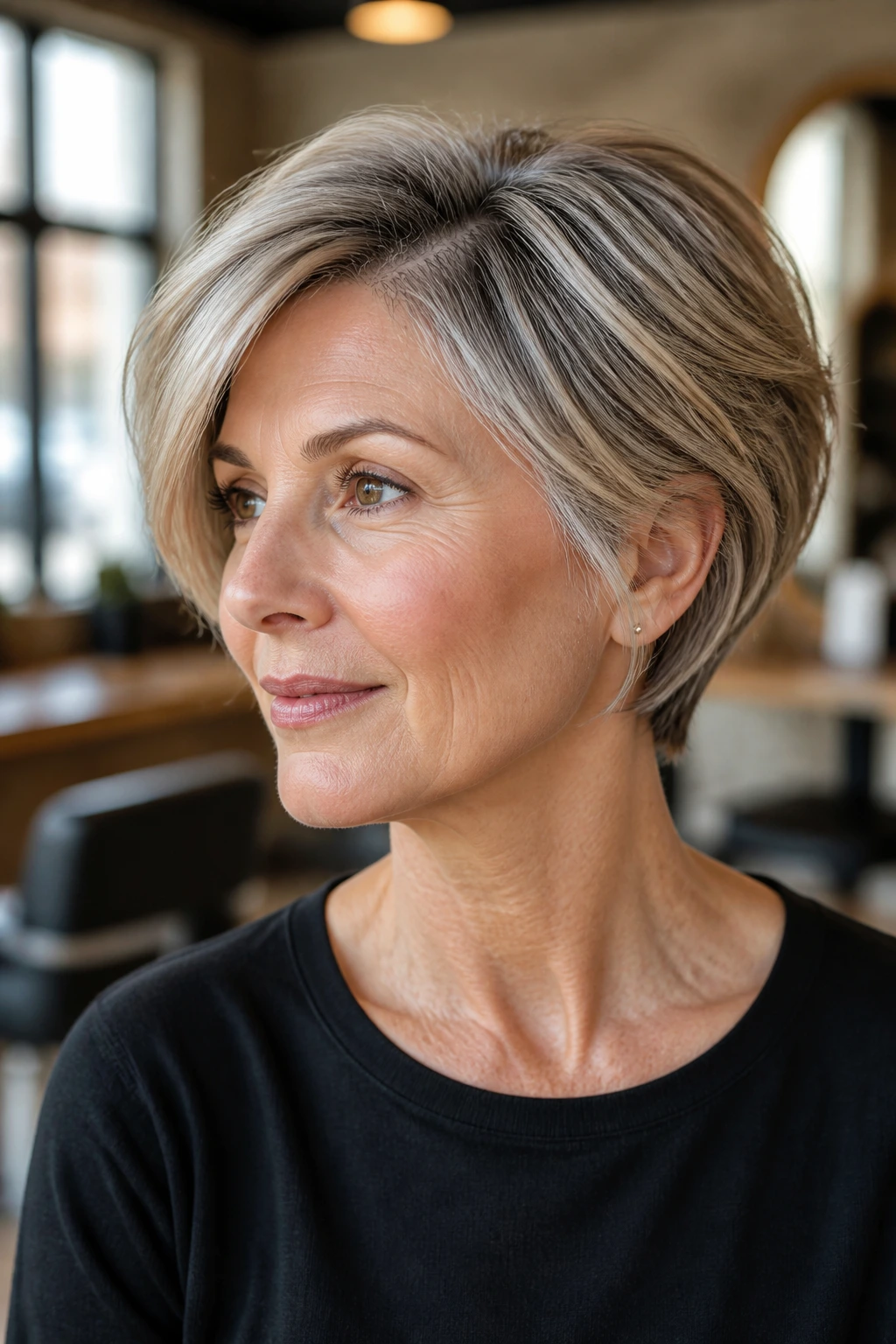
A deep side part is one of the cheapest tricks in hair, and I mean that in the best way. It gives instant lift where a center part can flatten, and when paired with a tapered bob, the effect is clean and grown-up without looking severe.
The taper shows up most around the ears and nape. That’s where the cut narrows a bit, so the silhouette feels lighter. The top stays fuller, which is helpful if the crown has started to settle in a way you don’t love.
What to Tell Your Stylist
Ask for a side part that matches the way your hair already falls. Fighting the natural direction is how you end up styling the same section every morning. If your hair wants to part left, let it.
Use a root-lifting mousse at the crown and dry the part first, before working the sides. That little sequence makes the lift last longer. If you want a little extra polish, tuck the heavier side behind one ear and leave the other side soft.
6. Curved-In Rounded Bob
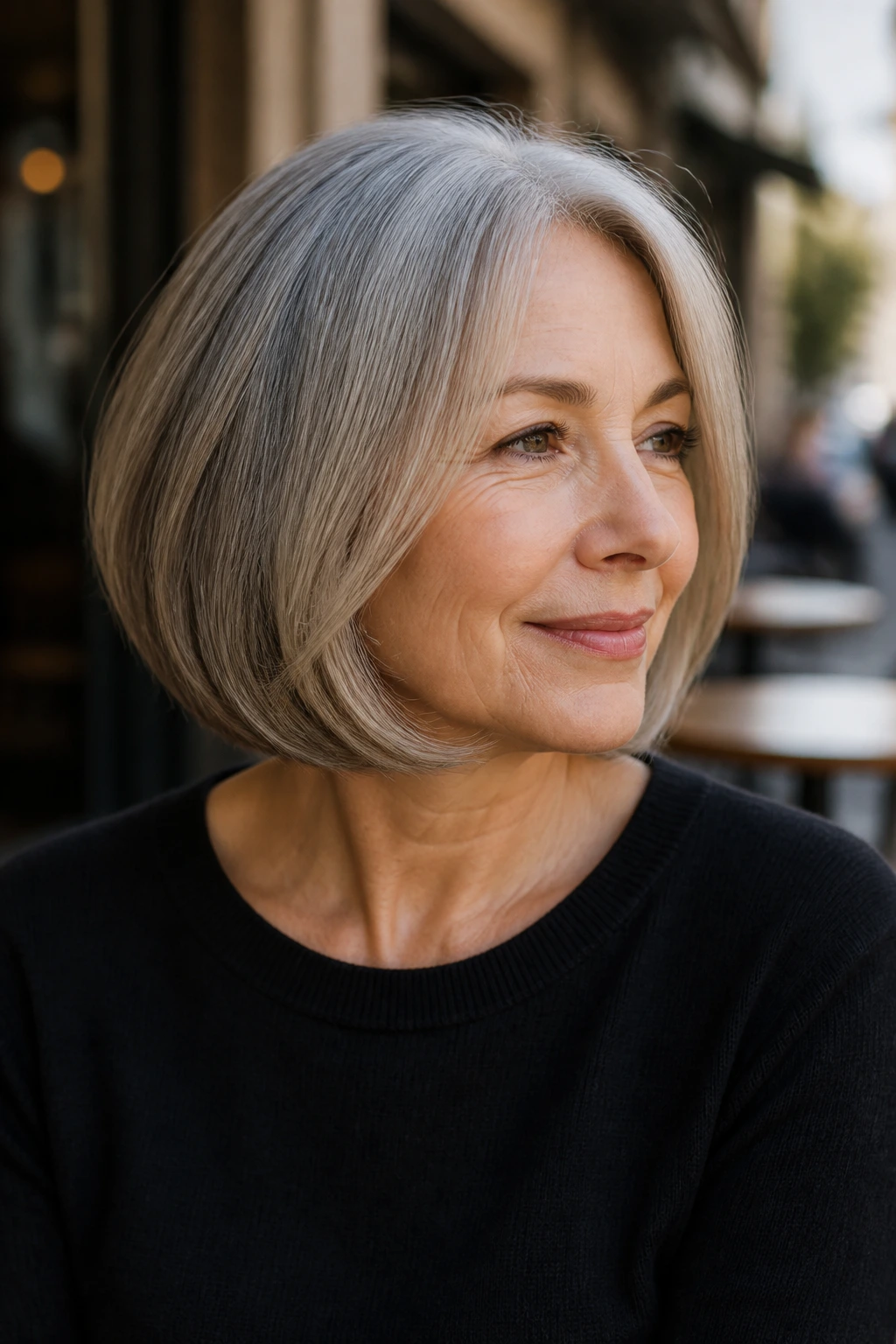
Some bobs look best when they curve in toward the neck, and this is one of them. The rounded shape gives a neat, soft edge that feels polished without becoming hard or old-fashioned.
The trick is in the blow-dry. You want the brush to guide the hair under at the ends, especially around the front corners where hair often kicks out. A 1.25-inch round brush is usually enough. Bigger brushes give too much sweep; smaller ones can make the shape too tight.
This cut is especially kind to straight hair. It creates the feeling of body even when the hair itself isn’t naturally full. If your strands are fine, keep the layers sparse and let the rounded perimeter do the work.
One warning: if you hate spending ten minutes with a brush, this is not your easiest option. It’s not high maintenance, but it does reward a little effort.
7. Piecey Layered Bob with Side Bangs
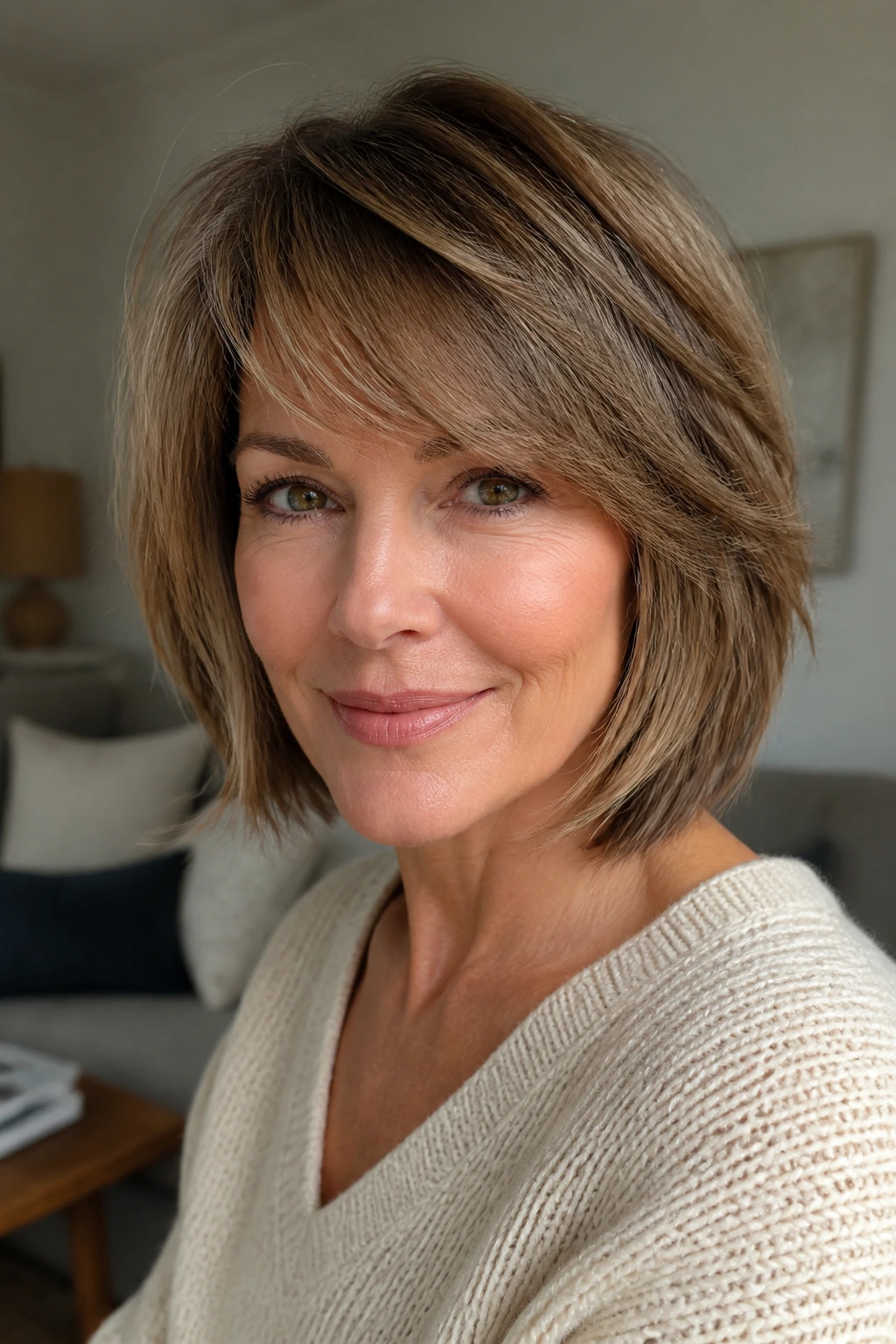
There’s a big difference between side bangs that are soft and side bangs that act like a curtain. The soft version is the one I’d choose here. It grazes the forehead, opens around the eyes, and moves into the rest of the bob instead of sitting on top of it.
Piecey layers keep the whole cut from feeling too neat. A little texture around the cheekbones and temple area is enough to make the haircut feel lighter, especially if your hair used to be very full and no longer is.
Why It Flatters
Side bangs are useful when the forehead feels a little more prominent, or when you want to soften a strong brow without hiding your face. They also work well with frames, because they don’t fight for the same space as glasses.
A tiny amount of texturizing spray on dry hair helps separate the pieces. Don’t pile on wax. That’s how the fringe starts looking greasy before noon. The best version of this cut looks touched, not styled within an inch of its life.
8. Airy French Bob
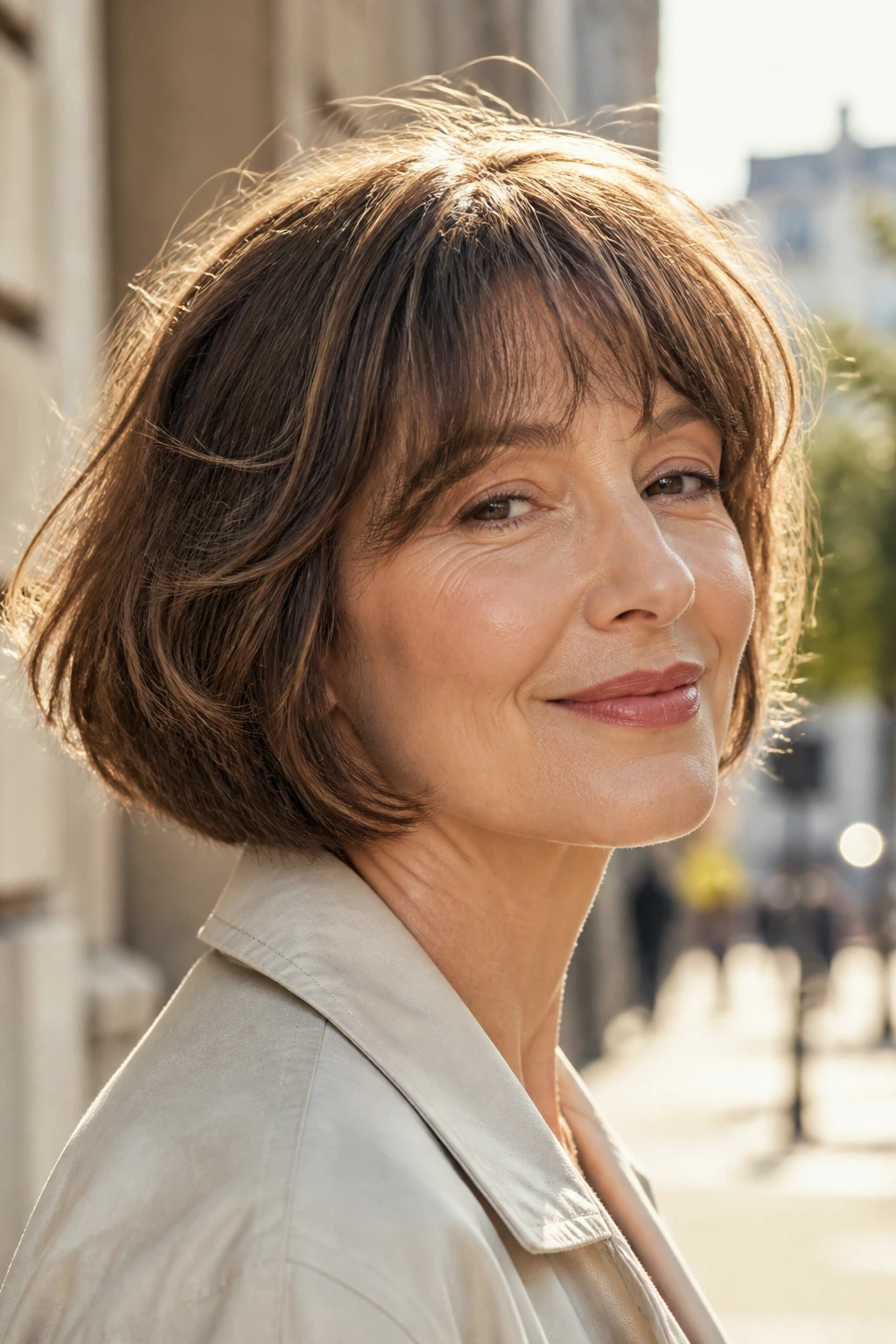
A French bob can look severe if it’s cut too blunt. The airy version keeps the jaw-length charm but softens the line with subtle layers and a little natural movement. It feels chic, yes, but also wearably imperfect.
What makes this one special is the balance between structure and looseness. The bob still sits high enough to show the neck, yet the layers keep it from forming a hard shelf around the face. If your hair has a slight wave, this shape can be a gift.
Skip over-smoothing. Let a few bends stay in the hair. If you wear it with a soft fringe or a loose side sweep, the whole style reads gentler and less fussy. That matters when you want the haircut to work on an ordinary Tuesday, not just under salon lights.
9. Graduated Bob with Hidden Layers
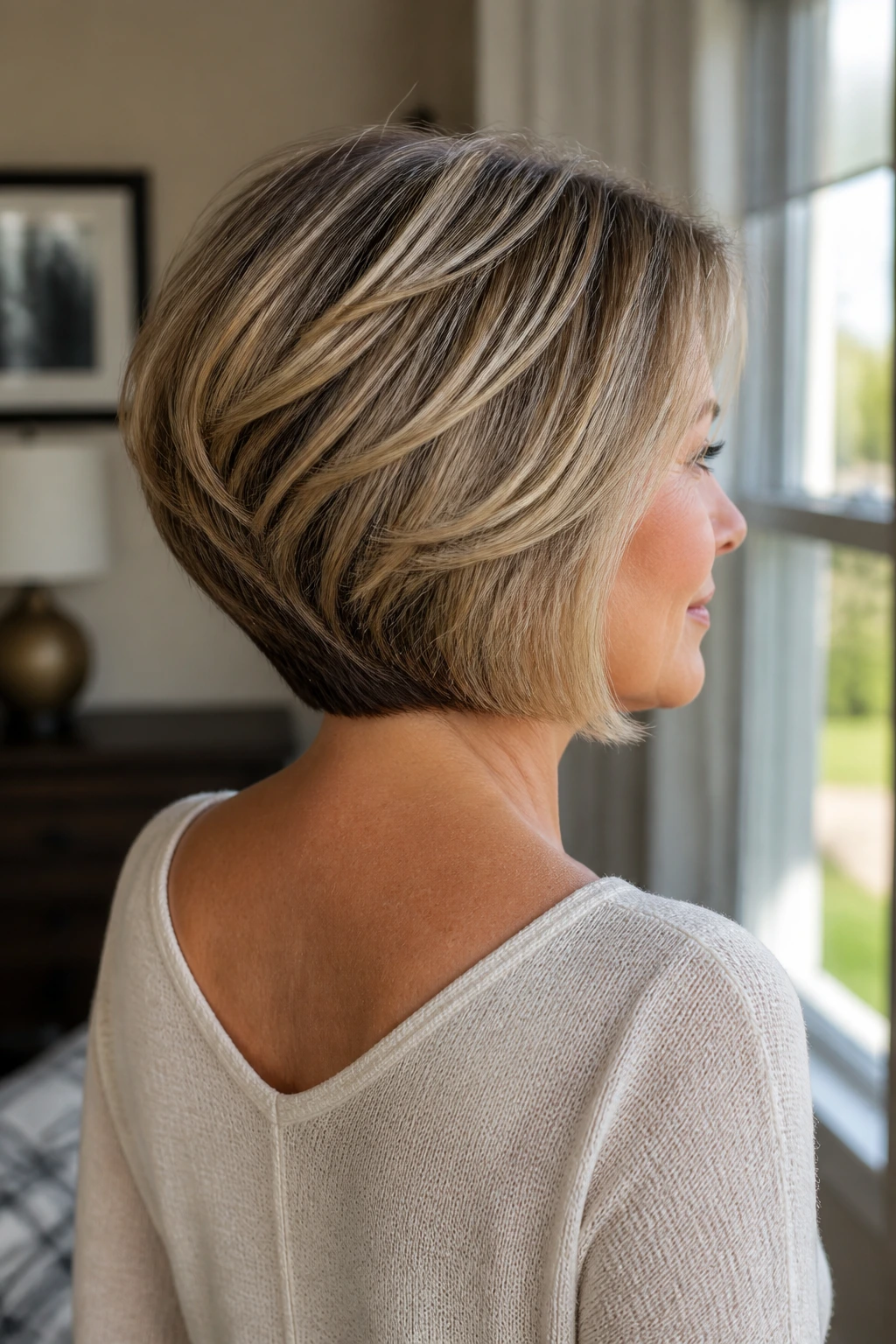
A graduated bob brings lift at the back, but the version I like best hides the layering inside the shape. That keeps the nape neat while giving the haircut enough body to avoid a flat, tired look.
This is a smart choice for thicker hair that needs weight removed in a controlled way. The back can be subtly stacked, but the front should still feel soft and connected. If the graduation is too steep, you get a wedge. If it’s too flat, you lose the lift.
The hidden layers matter because they let the ends move without creating choppy edges. Ask your stylist to keep the exterior line smooth and do the bulk reduction inside. That phrasing helps avoid over-thinning, which is a common problem with this shape.
10. Wavy Shaggy Bob
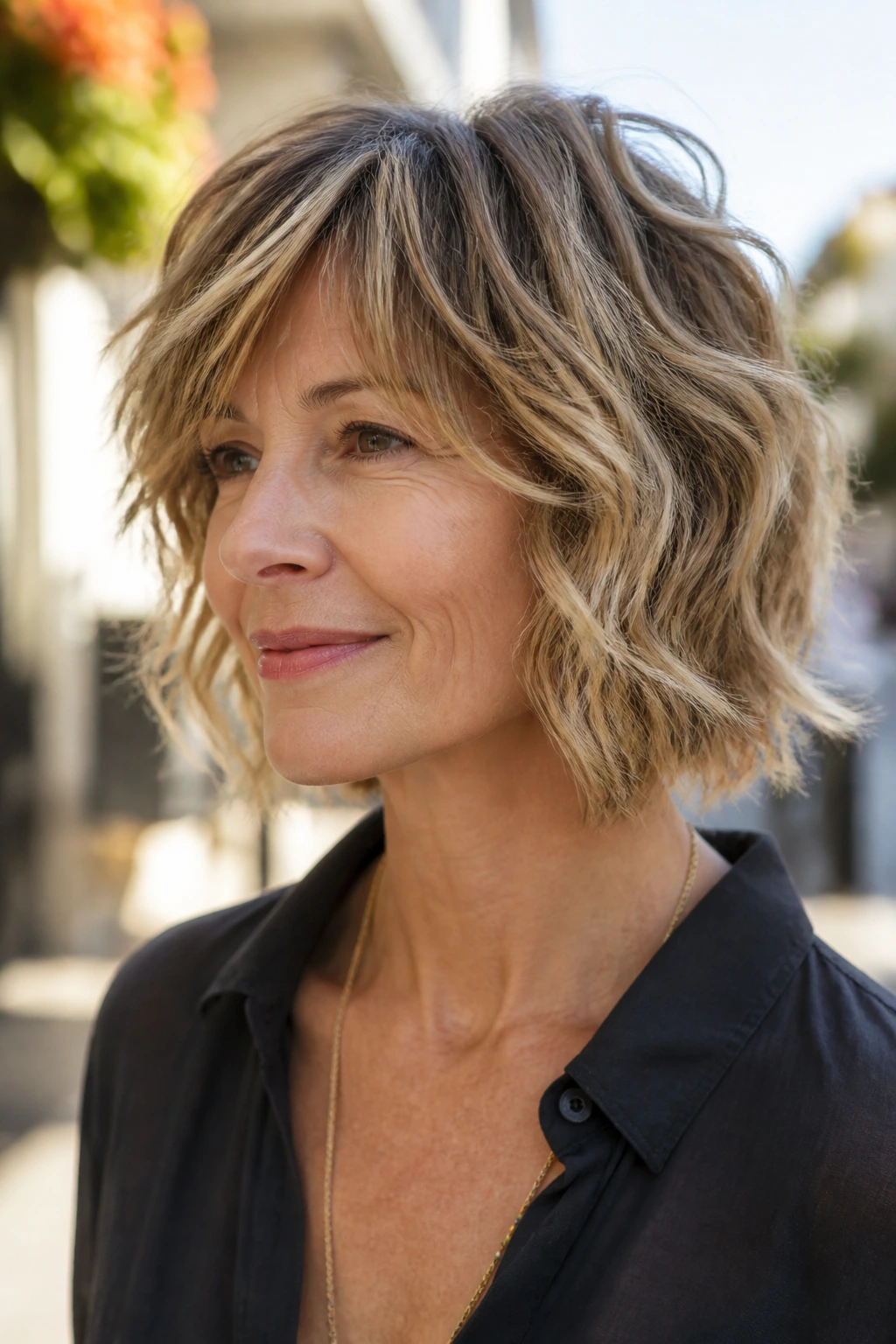
If your hair already bends and frizzes a little, stop fighting that. A wavy shaggy bob lets the texture live inside a bob outline instead of pretending the hair is poker straight.
The layers here should be soft and loose, not aggressive. You want enough space for the wave to land, but not so much that the cut turns into a triangle around the sides. A little cream, a little scrunching, and a diffuser can do the heavy lifting.
How to Wear It
This is one of the better cuts for low-heat styling. Air-dry it halfway, then finish with a diffuser on low heat if needed. The goal is bend, not volume for volume’s sake.
I like this shape for anyone whose hair gets a bit puffy around the ears. The layers remove that bulk, and the wave disguises the fact that you didn’t spend twenty minutes forcing it into place.
11. Blunt Bob with Soft Interior Layers
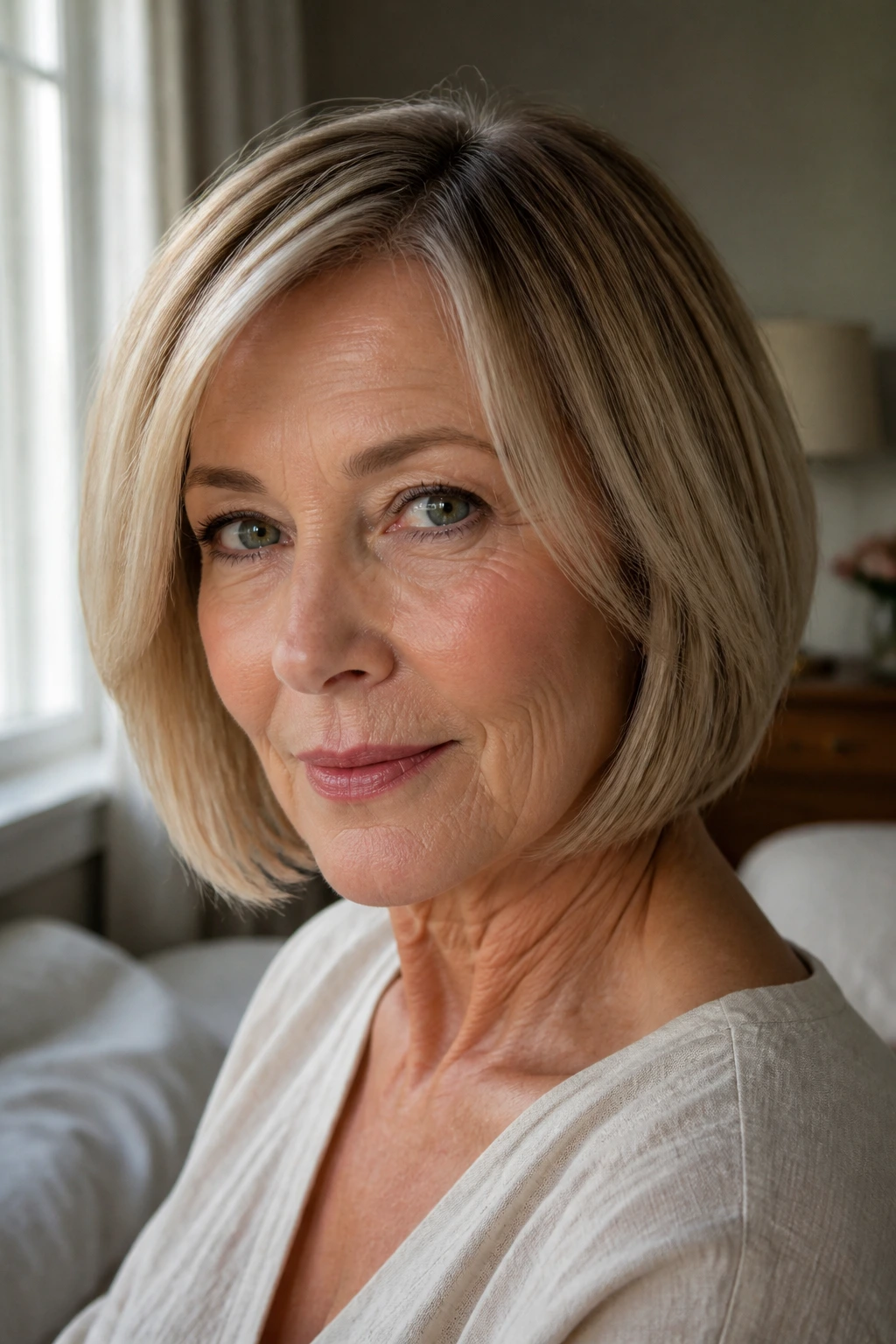
A blunt outer line can be beautiful on mature hair, especially when it’s paired with layers that stay tucked inside the shape. You get the strength of a clean edge and the movement of a lighter cut, which is a better deal than most people expect.
This works well if your hair is thick, straight, or has a solid natural bend. The perimeter looks full. The inside stays less heavy. That’s the whole trick.
If your hair is gray or silver, this version can look especially crisp because the blunt edge gives the color a clear frame. Just don’t overdo shine serum. A small amount on the ends is enough; too much and the shape turns slick in an unflattering way.
12. Silver-Enhancing Layered Bob
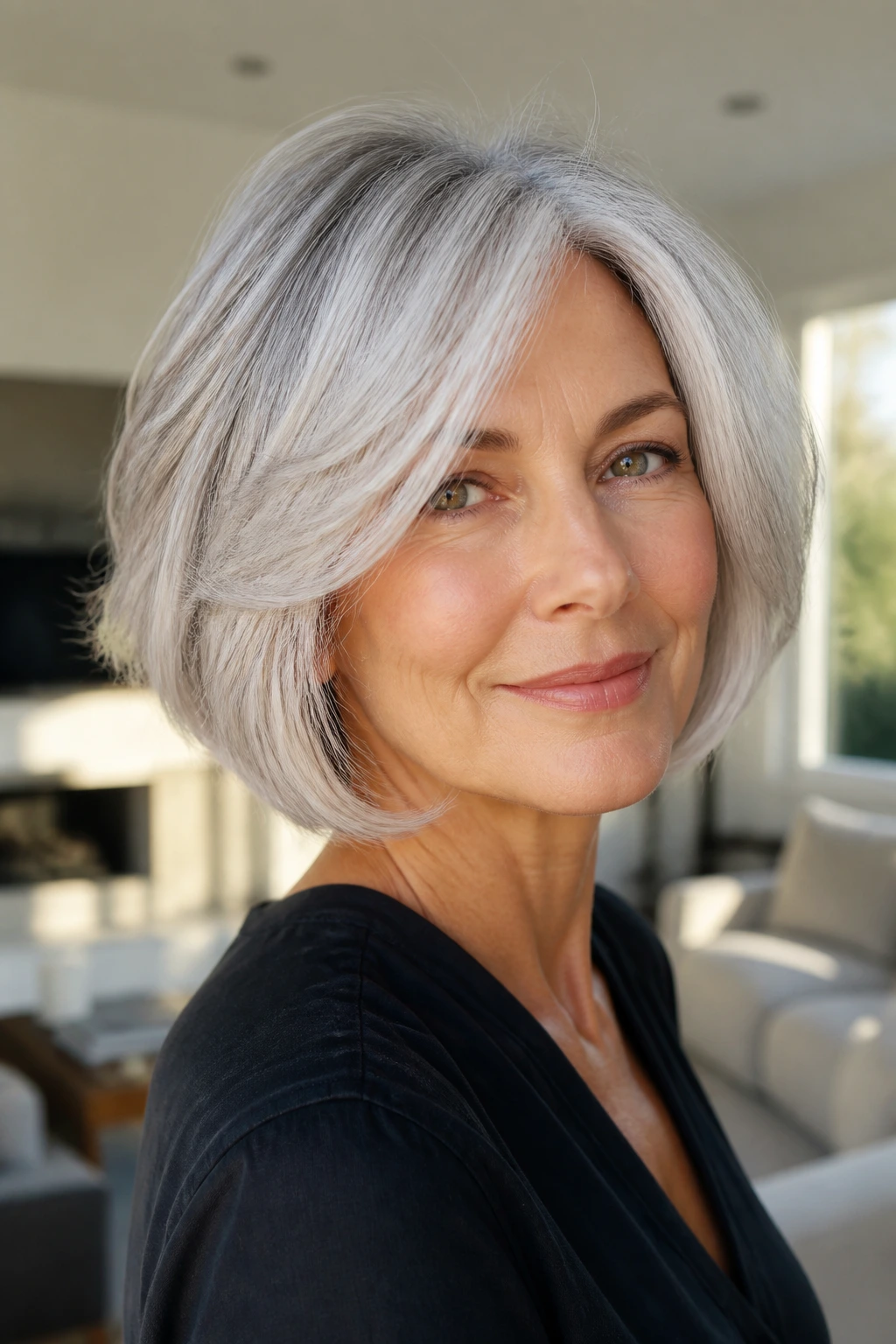
Gray hair has its own light. It reflects more, shows texture more, and reveals a bad cut faster than dyed hair usually does. A silver-enhancing bob uses soft layers to make that reflective quality look deliberate instead of flat.
The cut should move around the face without breaking into too many short bits. Around gray hair, too much slicing can make the ends frizzy and the outline fuzzy. A better approach is a clean line with a little lift through the crown and cheek area.
If you color at all, subtle lowlights can make the silver read richer, not duller. But even without color, this shape does a nice job of catching the contrast between white, steel, and darker strands. It looks best when the hair has a healthy shine and a bit of swing.
13. Jaw-Skimming Bob with Wispy Fringe

A jaw-skimming bob does what the name says: it lands right around the jaw and makes that area feel softer. Add a wispy fringe, and the whole haircut loses the sharpness that can make short styles feel a little stern.
The fringe should be airy, not heavy. You want a little forehead coverage, maybe a bit of sweep at the temples, but not a dense bang that needs constant trimming. Wispy fringe is easier to live with, especially if your hair line changes or you wear glasses.
This is one of those cuts that can make cheekbones look higher without actually doing much. Keep the sides slightly textured, and do not overload the fringe with product. A touch of styling cream between the fingers is enough to keep it in place without locking it down.
14. Asymmetric Layered Bob

A tiny asymmetry can make a bob feel fresh without making it loud. One side sits a touch longer, the other side a touch shorter. That’s it. The difference should be subtle enough that people feel it before they notice it.
This works especially well if your hair naturally falls more heavily on one side. Instead of fighting that drift, the cut leans into it. The result is easier to style and often more flattering than a perfectly even bob that needs daily correction.
Best Used When
You want a little edge but not an obvious fashion haircut. You also want something that distracts from a strong part line or a side that tends to flatten. The asymmetry gives the eye somewhere to go.
Keep the layers light so the shape doesn’t become lopsided in a messy way. This is a controlled unevenness, not a mistake.
15. Curly Layered Bob
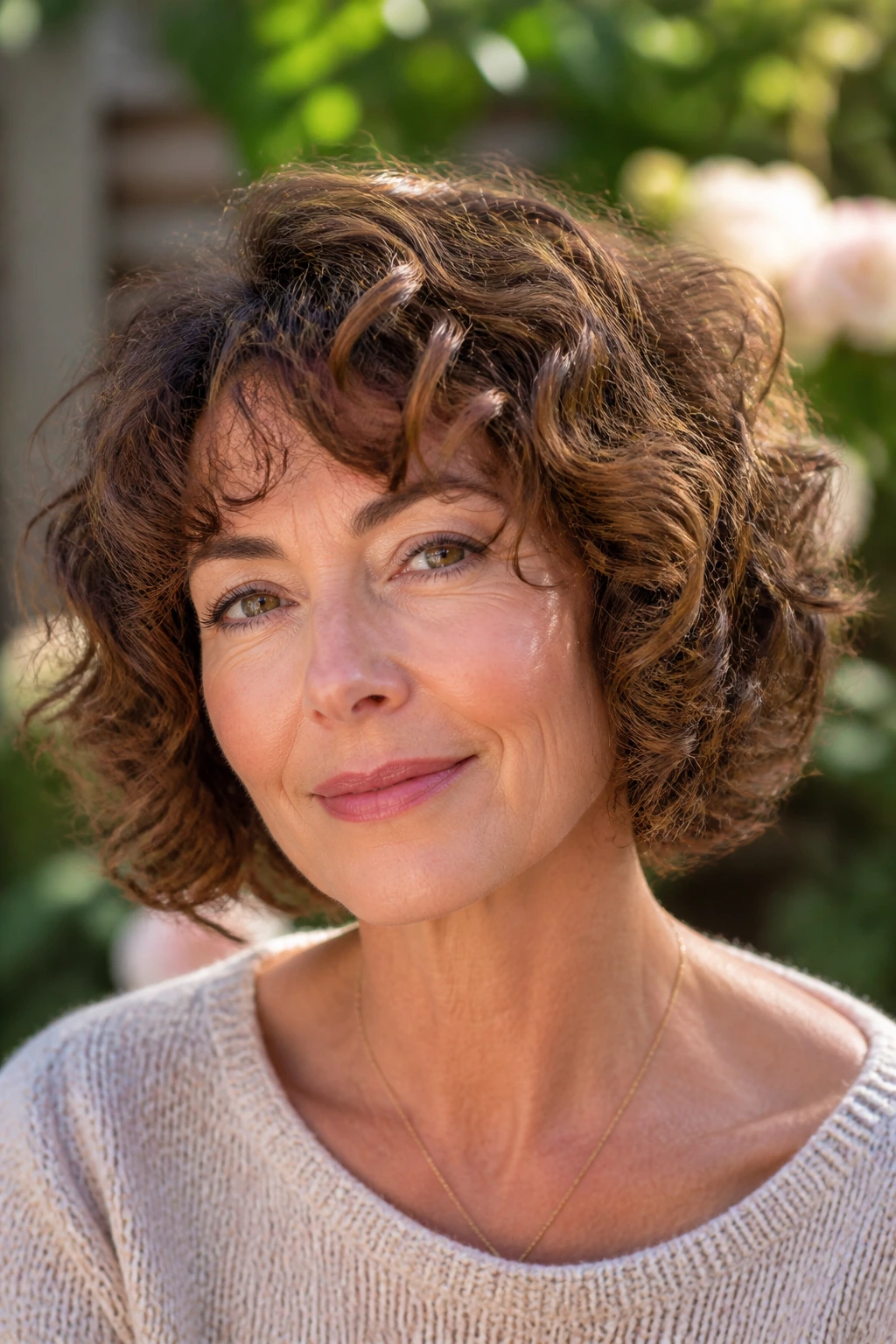
Curly hair in a bob needs room to spring. Too little length, and it bunches up. Too many layers, and it puffs out like a cloud with opinions. The sweet spot is a bob that follows the curl pattern and leaves enough weight to keep the outline calm.
A dry cut or a curl-by-curl approach usually helps here. Curls do not sit the same way wet and dry, and cutting them flat on the head can make the shape unpredictable. The layers should be placed to reduce bulk where the curls stack, especially around the sides.
Use a cream or gel designed for curls, then leave it alone. Finger-combing a curly bob over and over breaks the curl clumps apart and makes the style look rough. The best version of this cut has shape, spring, and a little frizz tolerance.
16. Choppy Bob for Fine Hair
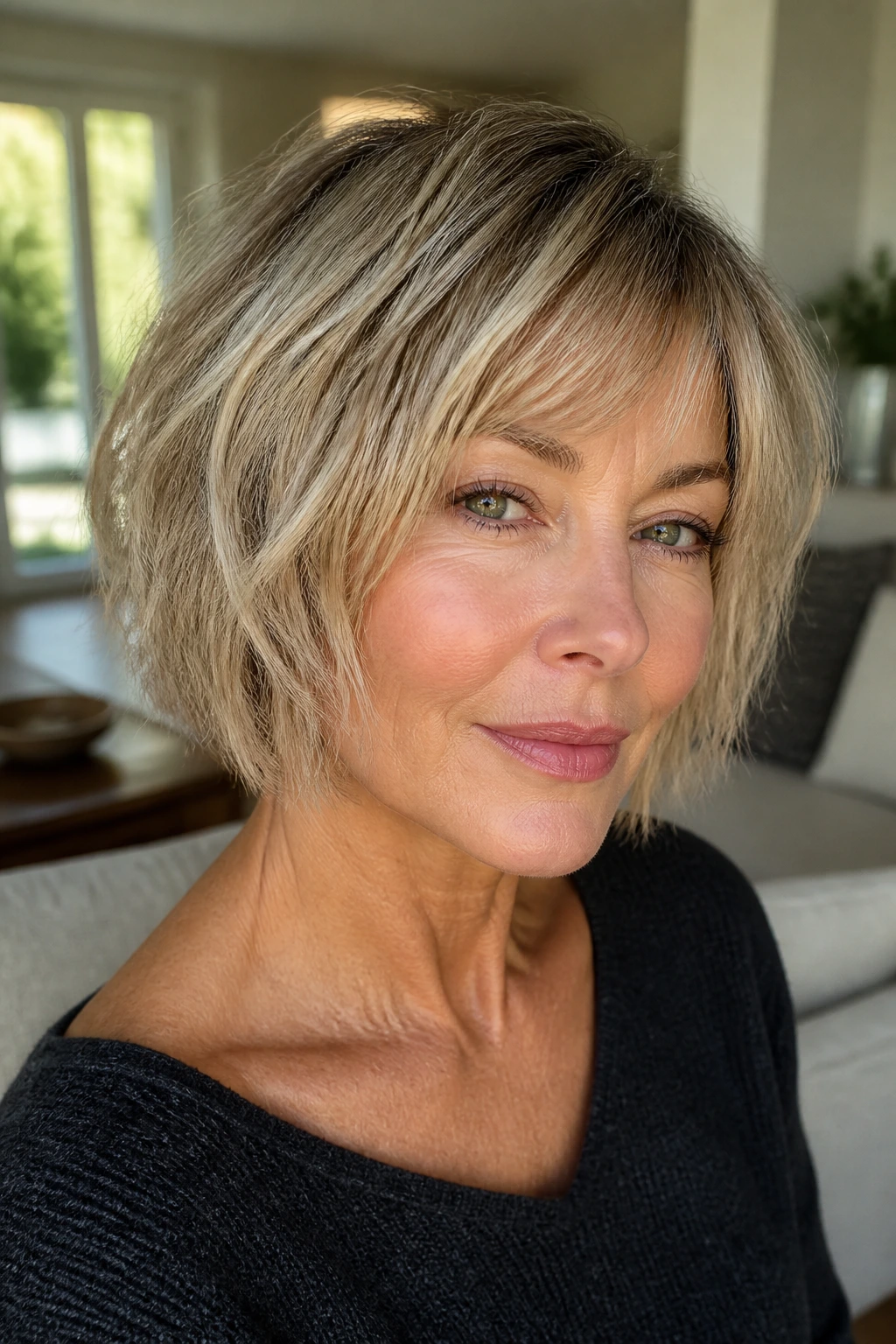
Fine hair often needs a little attitude to look alive. A choppy bob does that with gentle, broken-up layers that create movement without making the ends feel see-through.
The key is restraint. Too much choppiness and the ends get stringy; too little and the style lies flat. I like this cut best when the perimeter still looks clean and the choppy pieces show up mostly in the interior and around the face.
A texturizing spray at the roots can help, but do not drown the hair in dry shampoo just to fake body. Fine hair looks better when it moves. One or two light products are usually enough. This cut is especially useful if your hair is straight and tends to fall in one flat sheet.
17. Deep Side-Part Bob
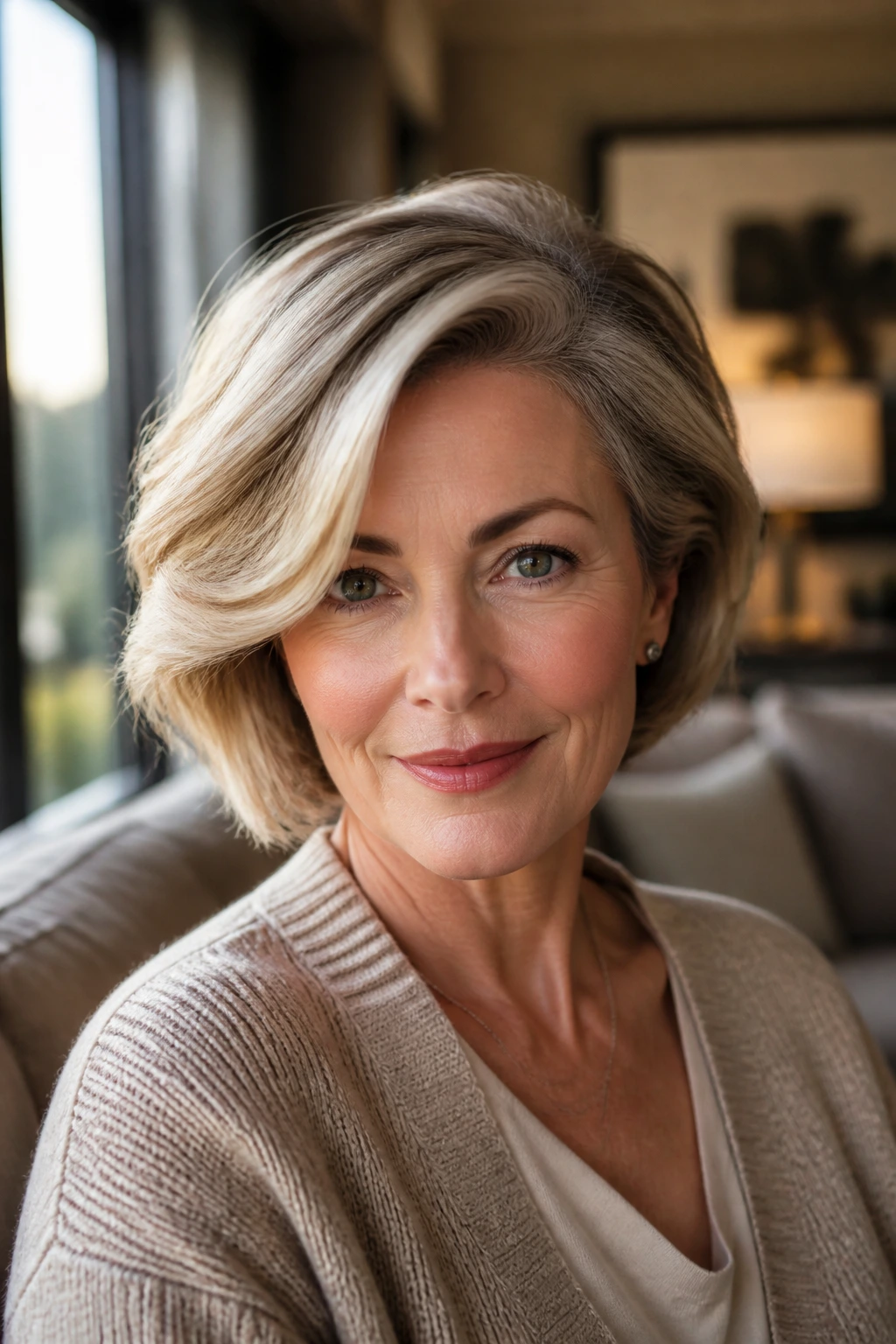
Sometimes the biggest change is not the cut but the part. A deep side-part bob lifts the crown, shifts weight away from the middle, and gives the haircut a bit of old-school glamour without making it fussy.
The bob itself can be simple. The part does the heavy lifting. That’s why this is one of the easiest styles to try if you want more volume but do not want a dramatic new shape.
Use a clip at the roots while the hair is cooling after blow-drying. It helps train the lift. If your hair has a stubborn cowlick, a side part can tame it better than a center part ever will. And if one side falls flatter than the other, the deep part usually balances the whole thing out.
18. Wash-and-Wear Layered Bob
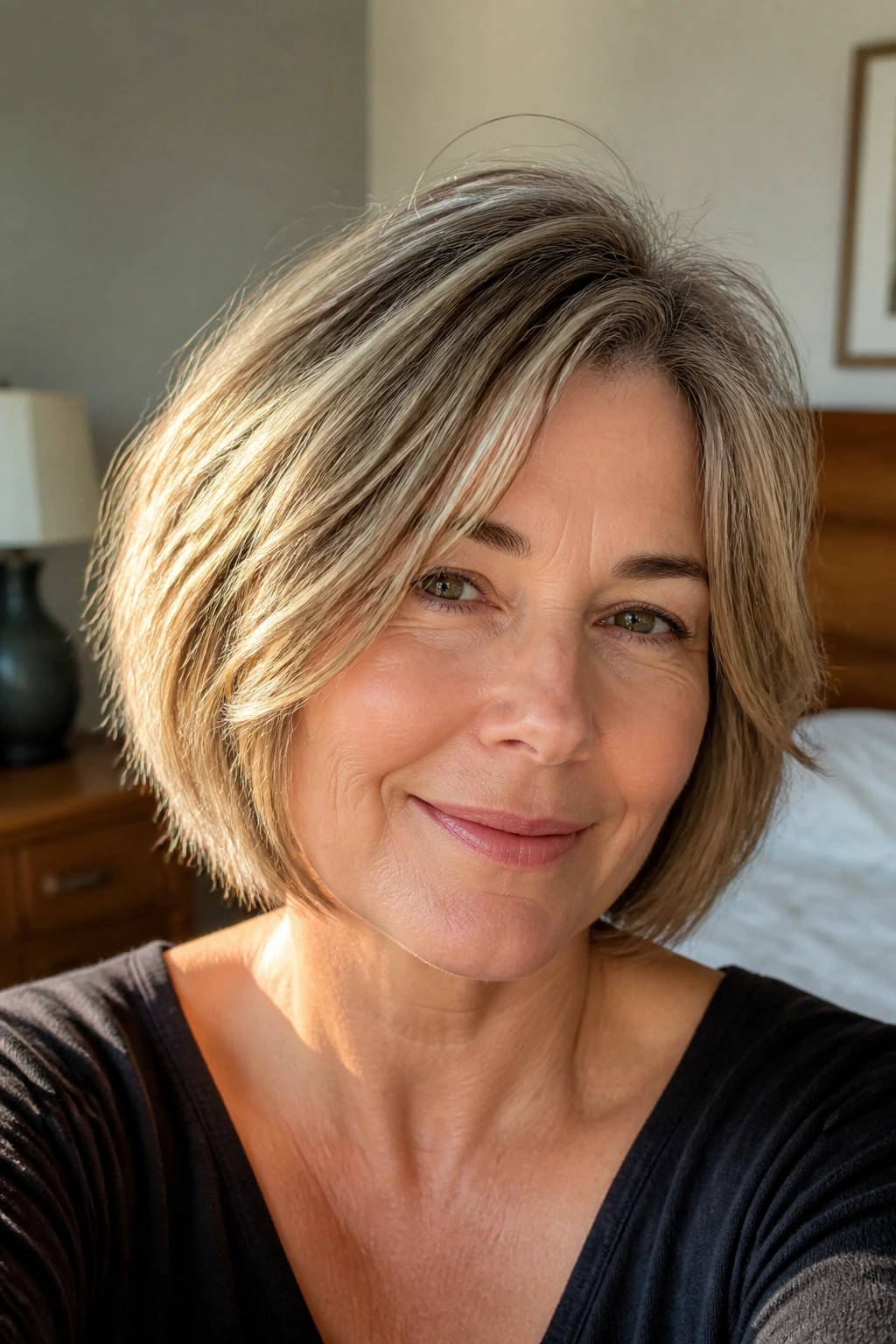
This is the haircut for people who want to wash, air-dry, and move on. The layers are placed so the shape falls into itself without much coaxing, which means the cut has to be planned with the way your hair dries in real life.
It works best when the ends are not over-thinned. If the bob gets too airy, it starts to separate in odd places when air-dried. A little leave-in cream, a quick rake with your fingers, and patience is usually enough.
The secret here is not perfection. It’s a good shape at rest. If your hair has mild wave, this is one of the more forgiving cuts in the whole list. If it’s pin-straight, it still works, but you may want to tuck one side behind the ear or use a small clip for a bit of direction.
19. Shoulder-Grazing Transition Bob
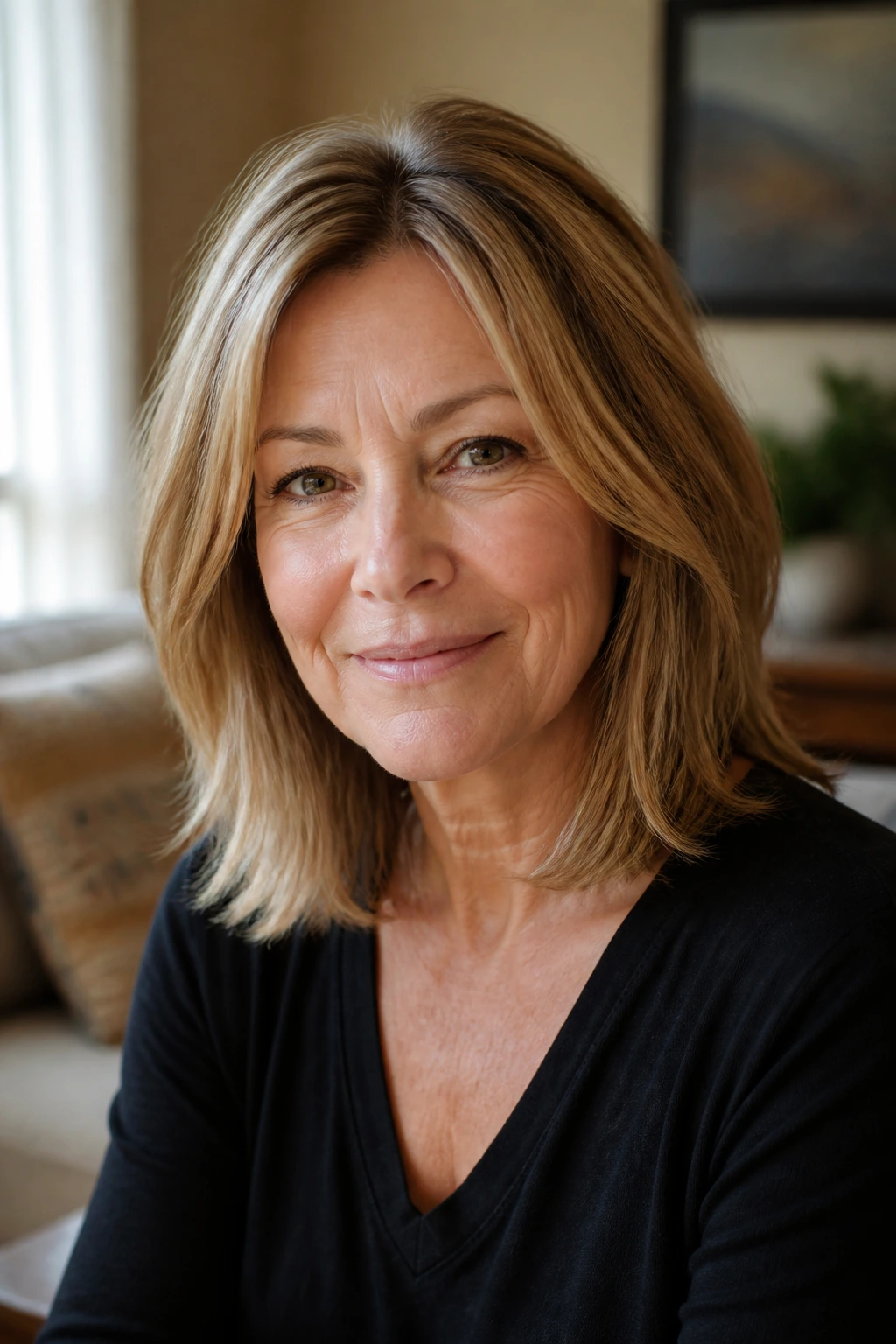
A shoulder-grazing bob is the peace treaty between short hair and long hair. It gives you the bob shape, the layers, and the movement, but you still have enough length to clip it back or twist it up when the day gets annoying.
This is a smart cut if you are growing out a shorter style or if you do not want to commit to chin length yet. Long layers around the face keep it from feeling heavy. The ends can brush the shoulders, which softens the whole silhouette.
Why It’s So Easy to Live With
The grow-out is forgiving. That alone makes it useful. When the hair gets a little longer, it still reads as intentional instead of simply neglected.
It’s also a nice place to pause if you’re unsure how much short hair you actually want. You can live with it for a while, watch how it behaves, then decide whether to go shorter next time or keep the length.
20. Sleek Tucked-Under Bob
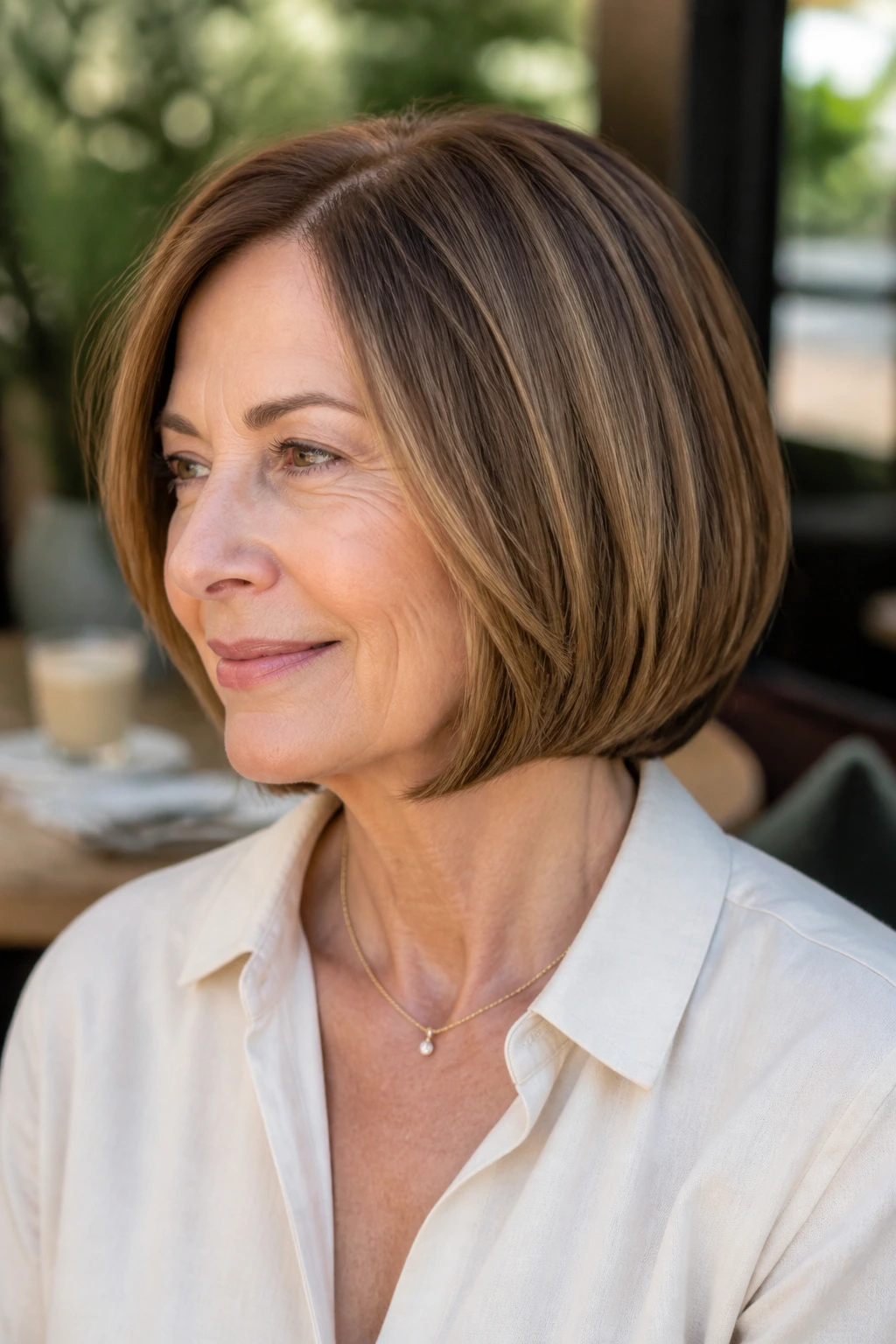
This one is for the days when you want the haircut to look clean and finished with very little drama. The ends are styled under, the sides sit close enough to the face to frame it, and the whole shape has a tidy, polished line.
A paddle brush and a medium round brush both work here. The important part is the direction of the dry: down first, then slightly under at the ends. If your hair flips out, it usually means the cut wants a bit more weight or your brush angle is off.
This style is especially nice with earrings or a collared shirt because it keeps the neckline clear. It also looks smart with glasses. The cut doesn’t compete; it sits there and behaves.
21. Soft Box Bob
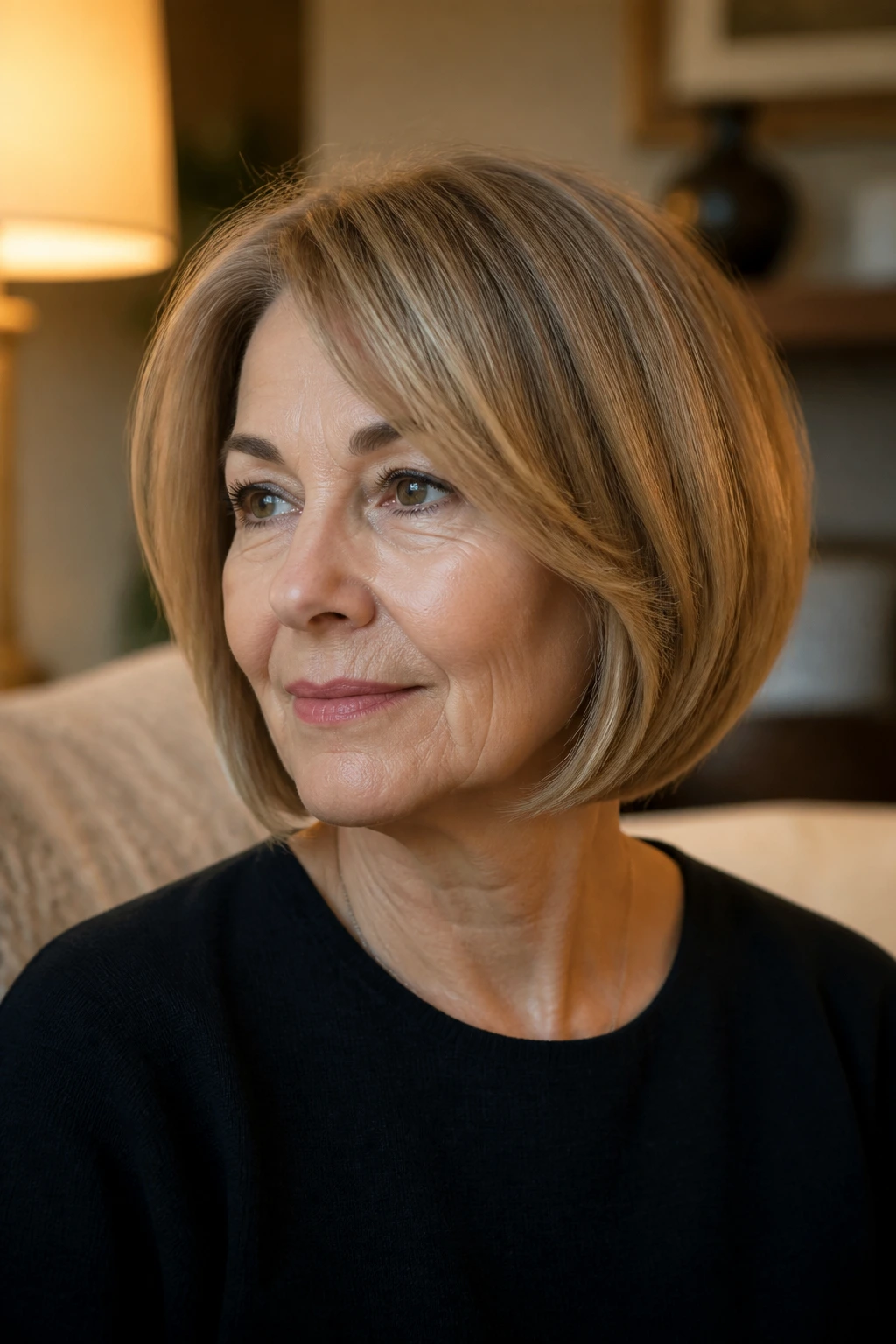
A box bob can look too square if the corners are sharp. The soft version keeps the fuller outline but rounds the edges enough that it feels wearable, not severe.
This cut can be a quiet win for thick hair. The perimeter has enough structure to hold the shape, while the softness at the corners stops the sides from sticking out in odd places. It gives a clean frame to the face without trying to fake softness through too many layers.
If your hair is fine, ask for a lighter box shape with careful internal layering. The goal is fullness, not bulk. You want the outline to stay present while the movement lives inside it.
22. Salt-and-Pepper Dimensional Bob
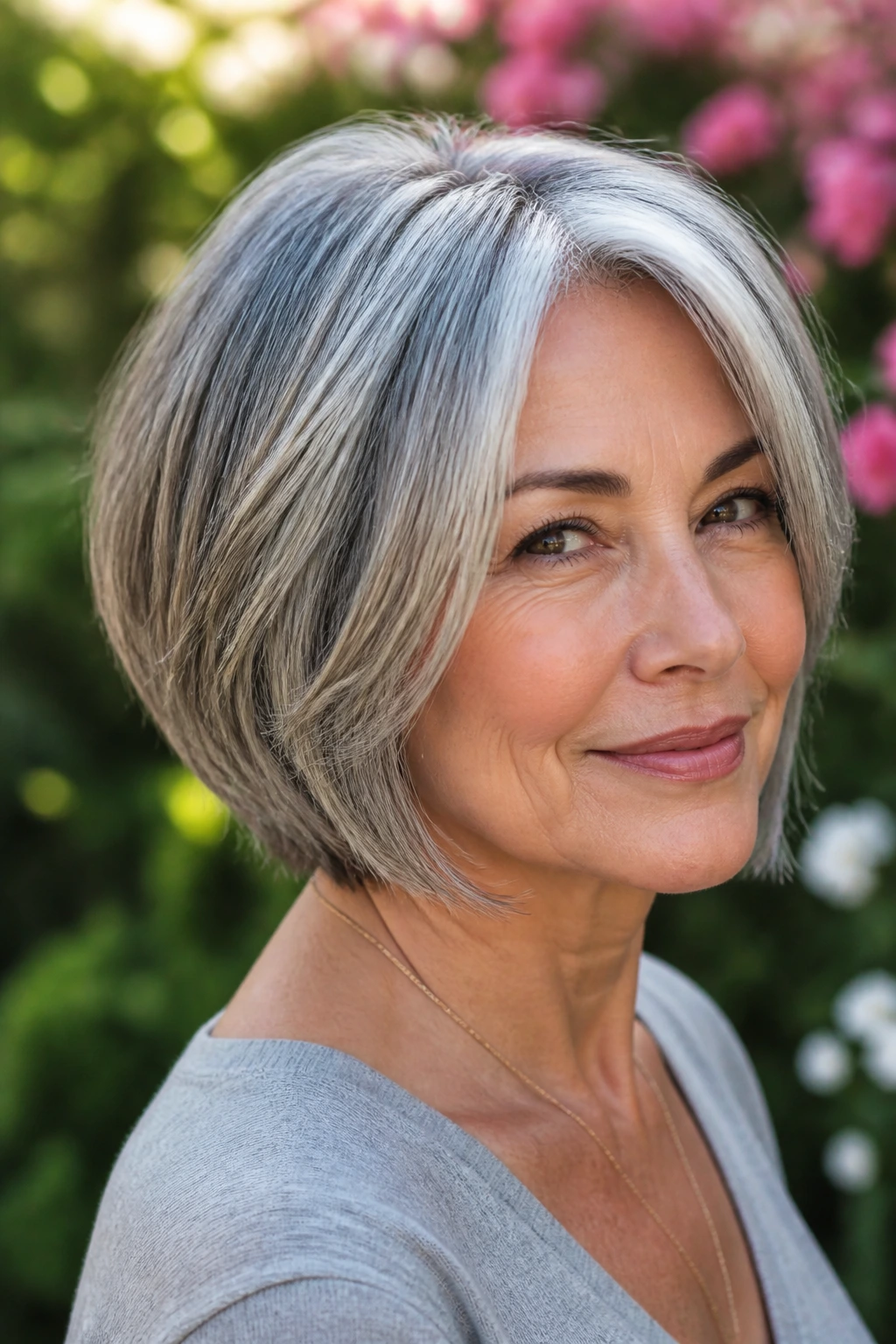
Salt-and-pepper hair looks best when the cut gives the color somewhere to move. A dimensional bob does that with layers placed to catch light at different angles, which keeps the gray from reading flat or streaky.
If you color, a soft gloss or a few lowlights near the roots can deepen the contrast. If you don’t color, the cut alone can still do the job. The trick is to avoid a dead-straight, one-length finish that turns the hair into a single sheet.
This shape looks especially good when it’s a little tousled. Not messy. Just relaxed enough that the silver and darker strands can separate and show their own tones.
23. Air-Dried Layered Bob
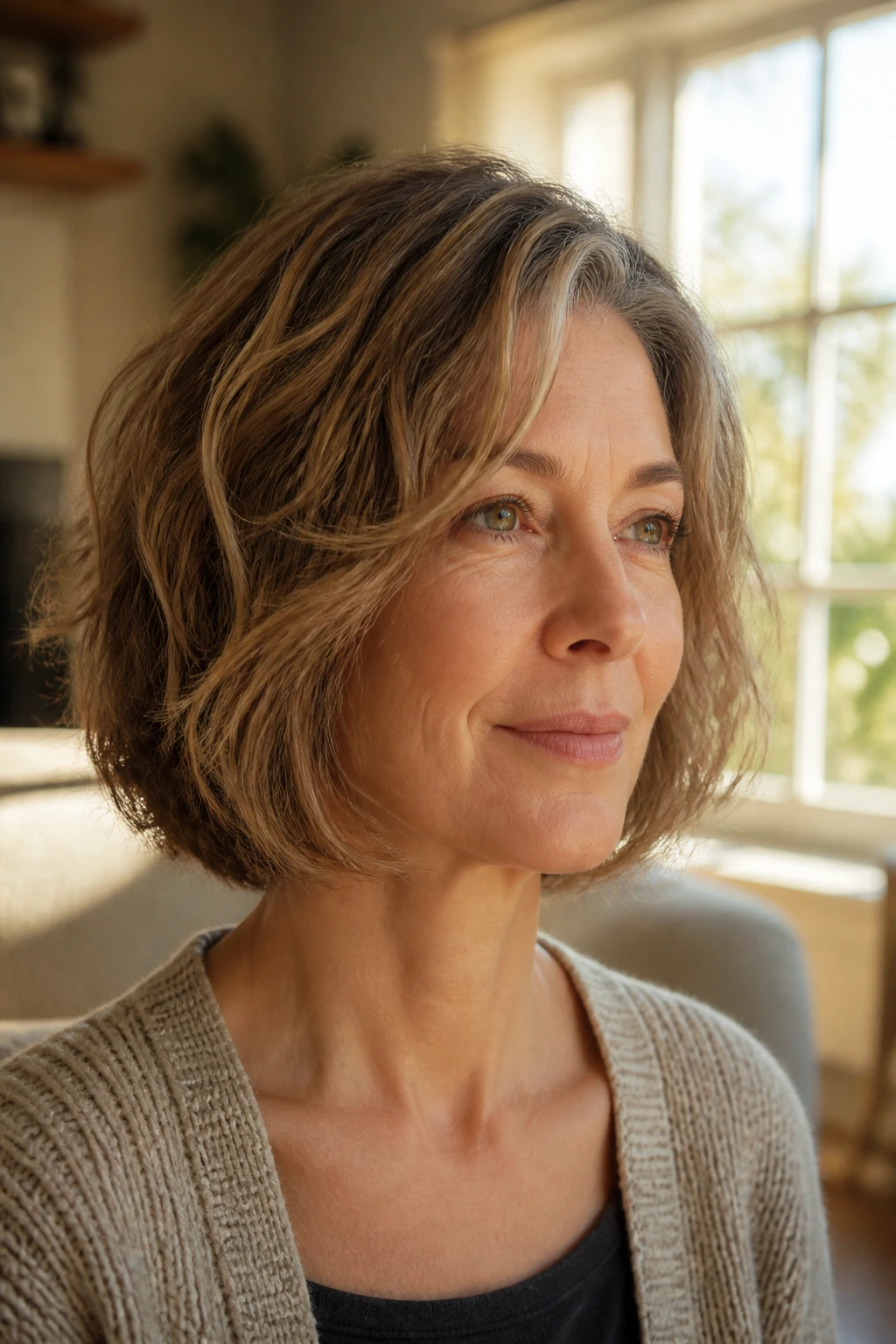
An air-dried bob needs to be cut for the way hair falls when it’s left alone. That means the layers should encourage movement without relying on heat to create it. If the haircut only looks good after a blowout, it’s not really an air-dry cut.
A light cream or foam through damp hair is usually enough. Scrunch the ends, leave the crown a little alone, and let the natural bend settle. If your hair is straight, you may still need a few clips at the front while it dries so the sides don’t fall awkwardly.
This is one of the best choices for people who want a less fussy routine but still like a bob shape with personality. The style won’t look identical every day, and that’s fine. It should look like hair, not a helmet.
24. Layered Bob with Wispy Bangs

Wispy bangs soften a bob in a way heavy fringe never does. They give a bit of forehead coverage, break up the line around the eyes, and keep the haircut from feeling too open on top.
The layers should flow into the bangs, not stop and start like separate parts. If the fringe is too thick, the whole cut can feel boxed in. Thin, feathery bangs are easier to wear and easier to grow out when you get tired of them.
I like this version for anyone who wants their face framed but not hidden. It’s especially good if you have a strong brow or you wear glasses, because the fringe can sit above the frames without crowding them.
25. Polished Occasion Bob
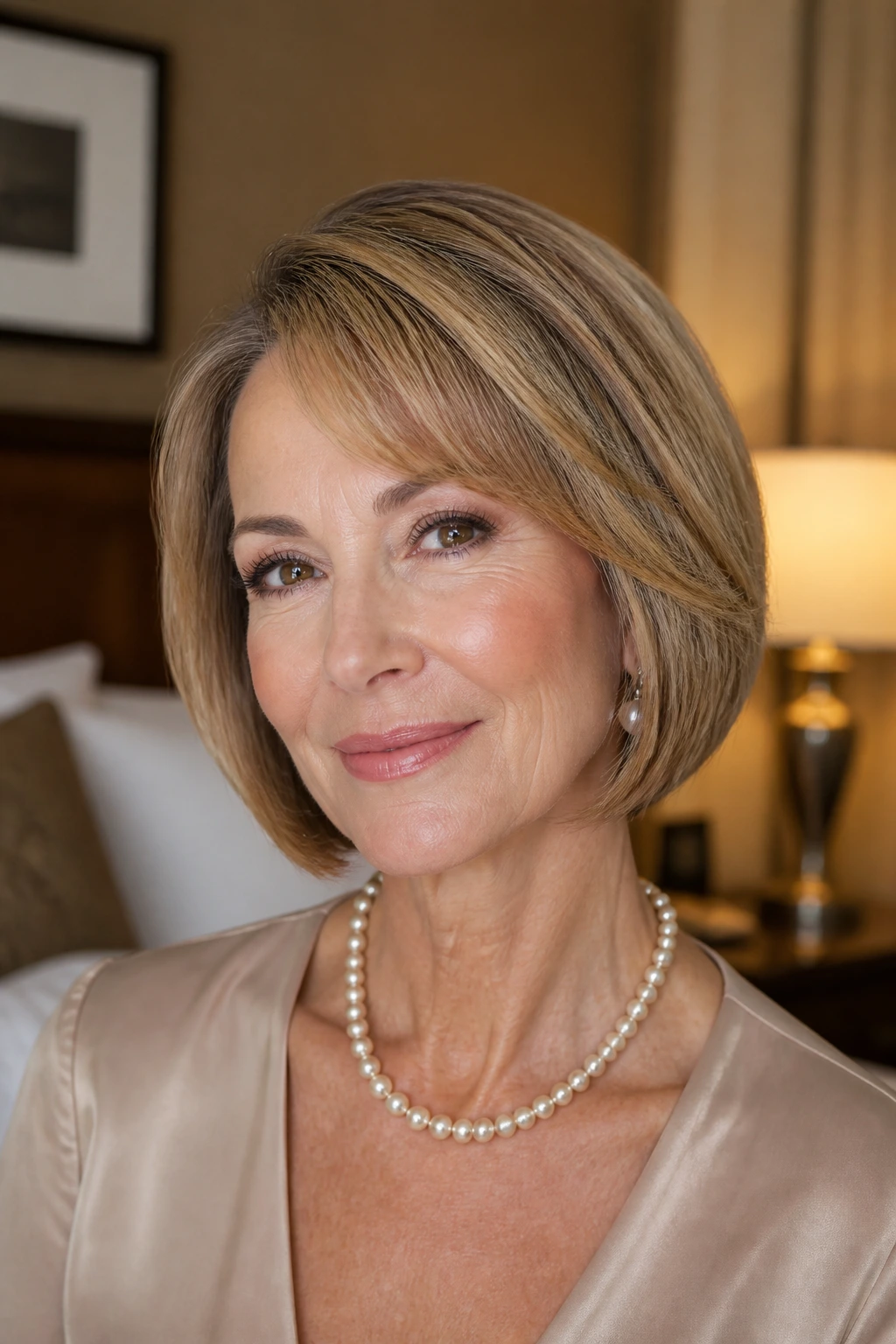
This is the bob you reach for when you want a cleaner finish without giving up softness. The layers are subtle, the line is neat, and the whole cut can be dressed up with a smooth blowout or worn slightly looser on ordinary days.
It’s a useful shape because it does not demand a special event to make sense. A polished bob can still be practical. The difference is that it holds up nicely when you want to tuck it behind the ears, pin one side, or wear it with lipstick and earrings.
If you like a haircut that can move between casual and dressed-up without a full restyle, this is the one to keep in mind. It’s understated in the best way. No theatrics. Just a clean shape that behaves.
The Salon Conversation That Keeps the Cut Honest
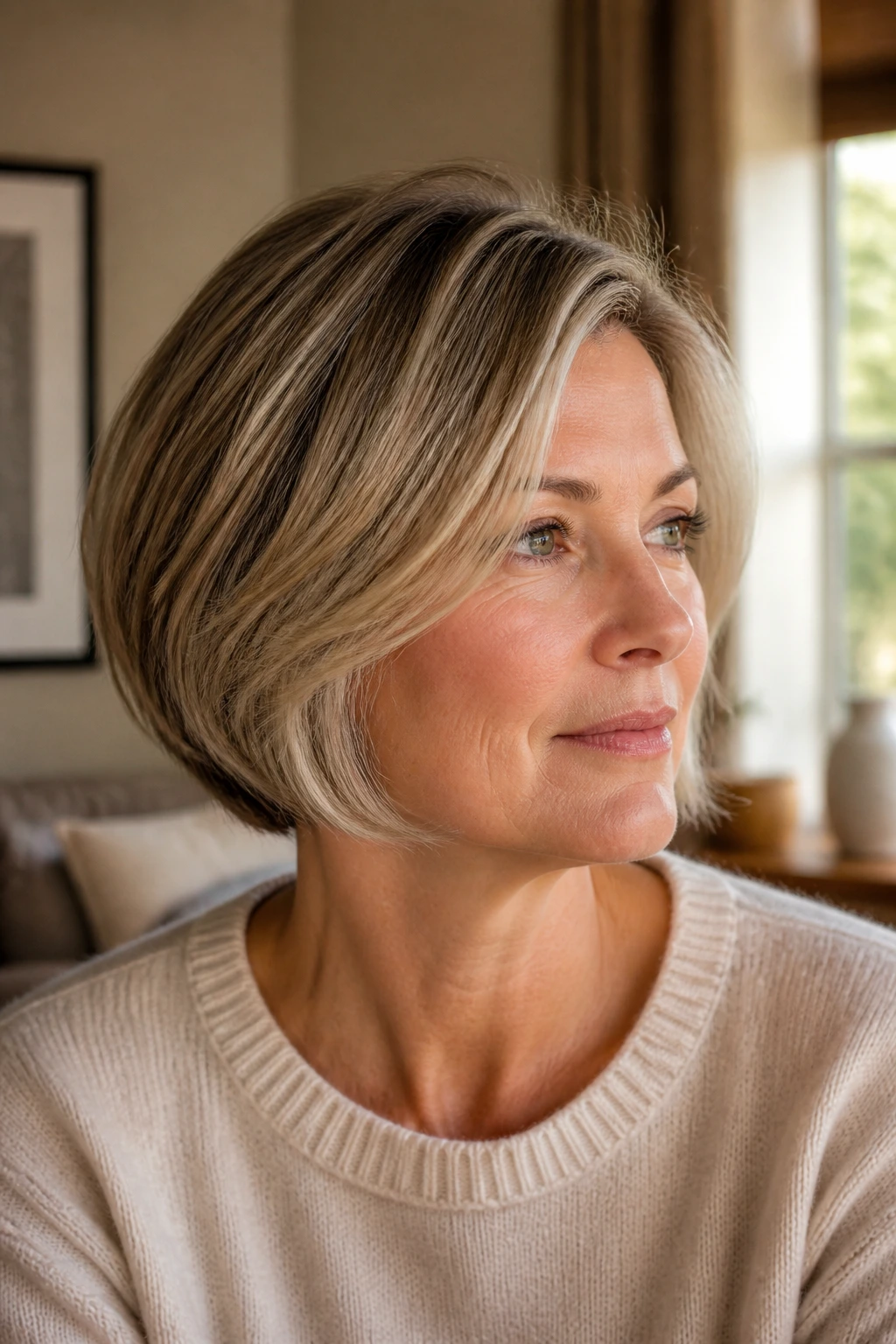
Bring photos, but bring the right kind of photos. One picture of length, one picture of texture, and one picture of a front view can save you from a lot of guessing. Don’t just show a cut you like; show one with similar hair density and similar curl or wave. Otherwise you’re asking for a vibe, not a haircut.
Say how you actually wear your hair. If you air-dry four days a week, say that. If you live in a round brush and a dryer, say that too. A bob built for a blowout can look almost too neat when it dries naturally, and a wash-and-wear shape can feel too loose if you like polished ends.
Ask for the layer pattern, not just the style name. Phrases like “soft internal layers,” “light bevel at the ends,” or “a little lift at the crown without thinning the perimeter” are useful because they describe the job the haircut should do. If your gray hair is wiry, mention that. If one side flattens more than the other, mention that too. That information is gold.
And tell your stylist where your hair fights back. Cowlick at the crown? Nape that kicks out? Temples that go sparse? Those details decide whether the cut looks good on day one or only after a half hour of fussing.
Common Bob Mistakes That Add Weight Instead of Movement
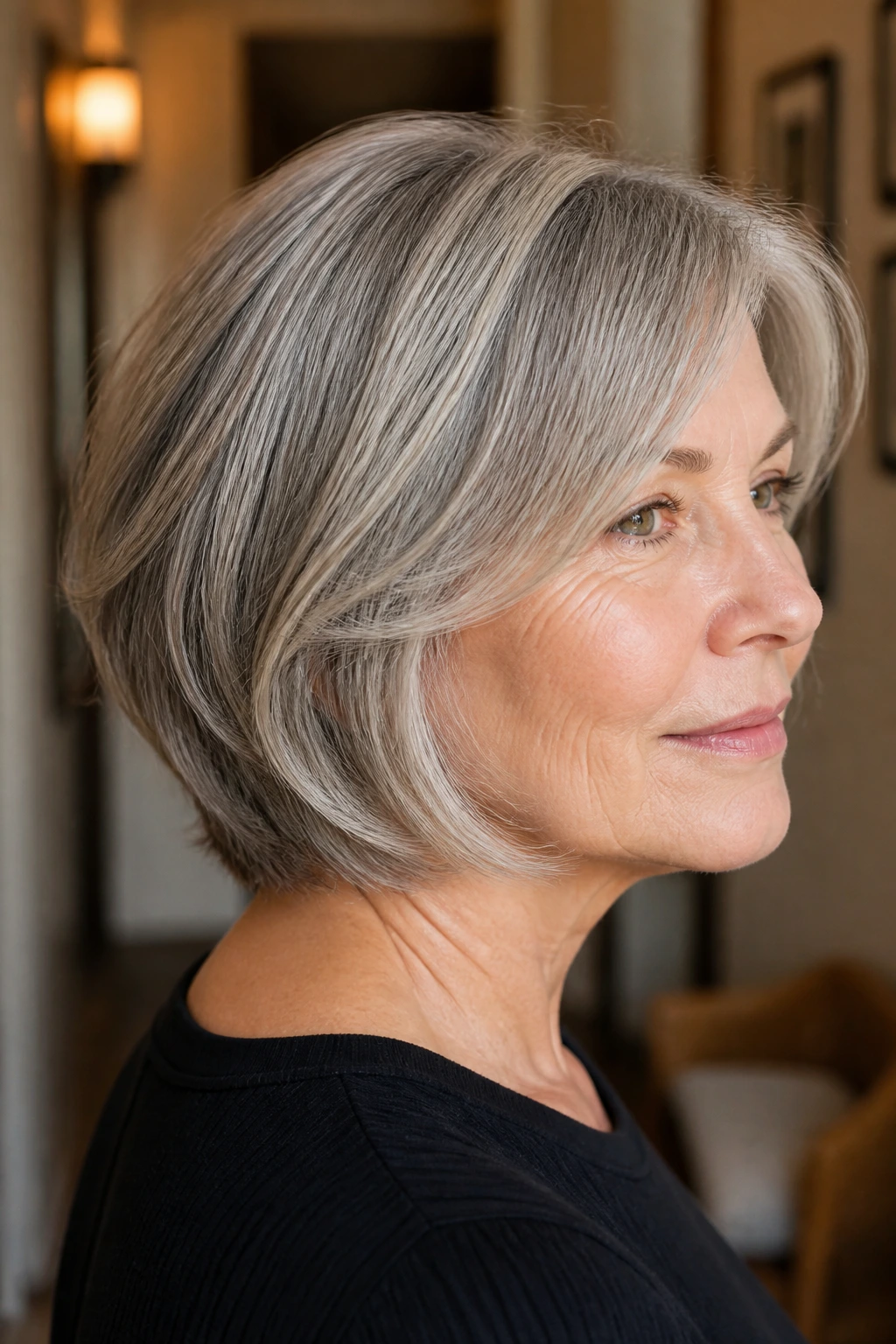
- Over-thinning the ends: The haircut starts to look scrappy and see-through, especially in daylight. The fix is to keep weight at the perimeter and move the softness inside the cut.
- Cutting the nape too short: A very short back can create a wedge shape that feels old-fashioned fast. Ask for a controlled taper instead of a hard stack unless you truly want that look.
- Using heavy serum at the roots: Fine or gray hair can go limp in a hurry if the product is too rich. Keep shine products on the mid-lengths and ends only.
- Ignoring the natural part: If your hair always falls to one side and you keep forcing it center, the top usually loses lift. Work with the part your hair already wants.
- Letting the bob grow past its shape: Once the ends start flipping out more than about half an inch, the cut loses its line. That’s the haircut asking for a trim, not a crisis.
- Treating every bob like a shag: Texture has its place, but too many choppy layers can make mature hair look frayed rather than soft. The best subtle bob still has a real outline.
Variations and Alternatives Worth Trying
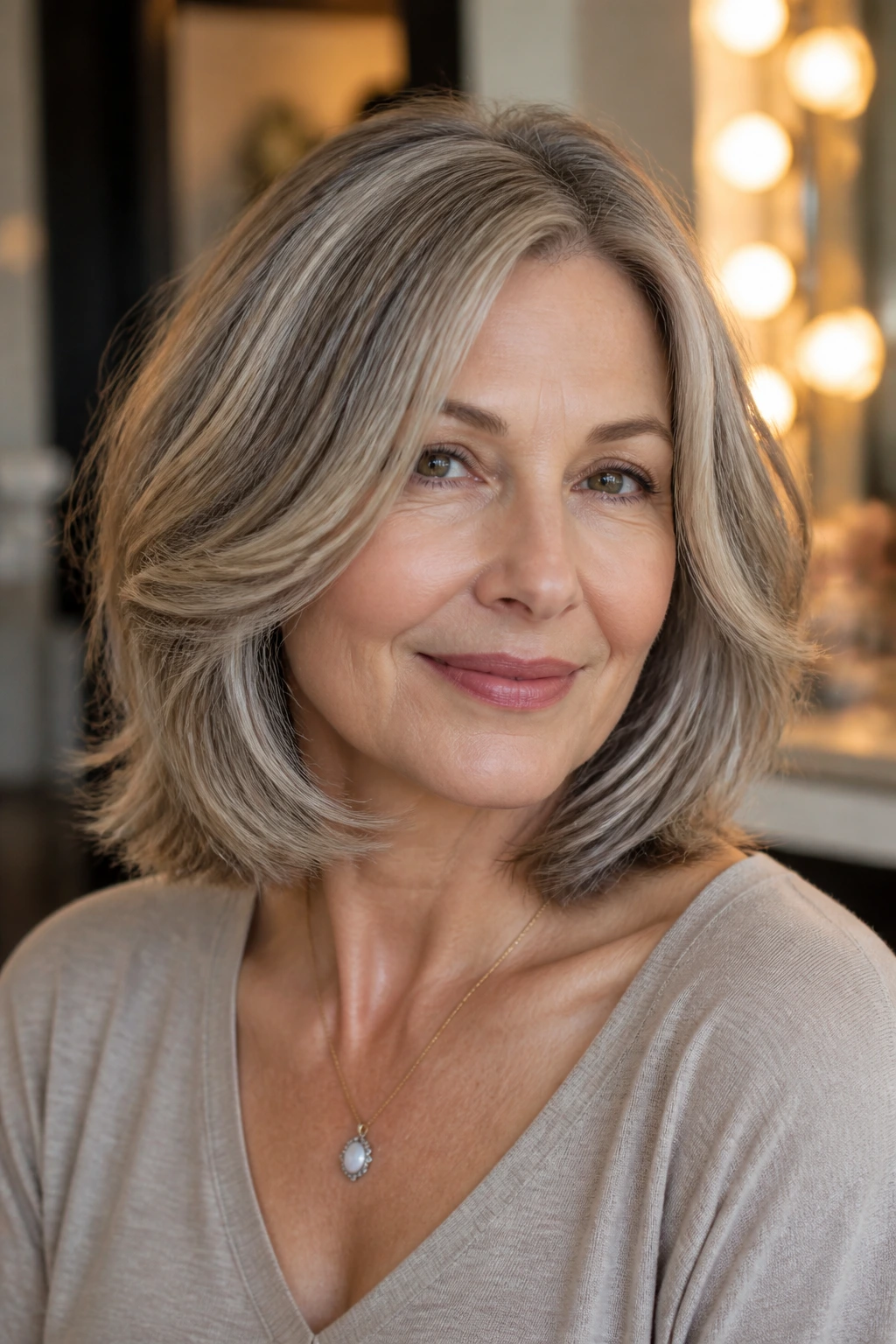
The Air-Dry Bob: Ask for a soft, slightly longer bob with minimal perimeter thinning and layers that sit inside the shape. This version works best if you want the cut to settle on its own with only a little cream and scrunching.
The Glassy Blowout Bob: Keep the layers subtle and the ends rounded under. This is the one for people who like a smooth, polished finish and don’t mind a brush and dryer making the haircut behave.
The Curly Clip-Set Bob: Perfect for waves and curls that need direction while drying. Add layers with enough length to preserve curl spring, then set the front pieces with clips so they don’t collapse toward the face.
The Grow-Out Bob: A shoulder-grazing shape with long face-framing layers. It’s the safest choice if you want to move toward shorter hair without feeling trapped if you change your mind.
The Silver Frame Bob: Designed to make natural gray, silver, and white strands look dimensional. Keep the line clean and the layers soft so the color shifts can show through instead of getting buried.
Tools That Make Styling and Maintenance Easier
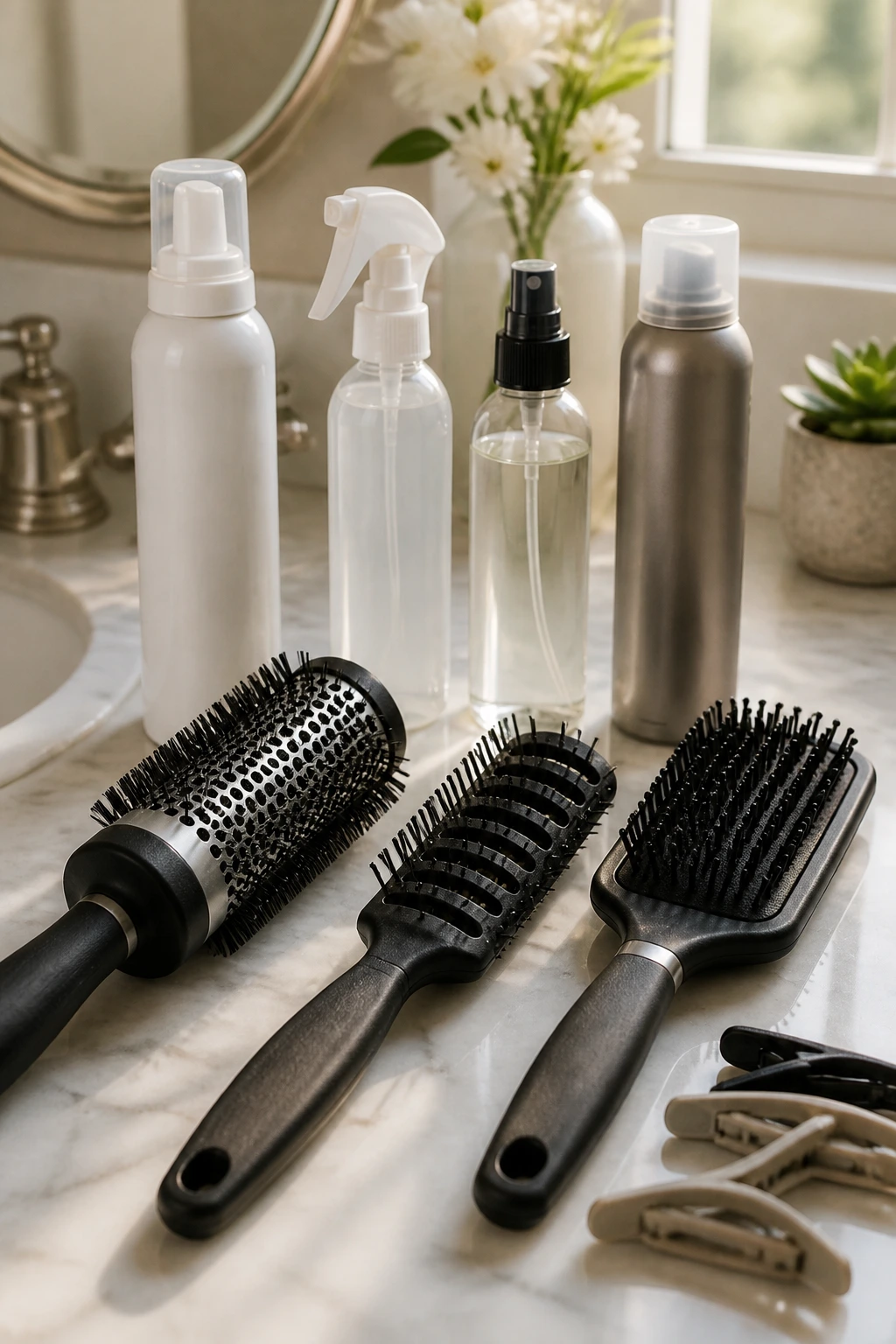
- 1.25-inch round brush: The best all-around size for bending the ends under without creating a tight curl.
- Vent brush: Handy for faster drying and a little root lift, especially if your hair is fine.
- Paddle brush: Good for sleeker bobs that need smoothness more than bounce.
- Lightweight mousse: Adds support at the roots without making the cut feel sticky.
- Heat protectant spray: Non-negotiable if you use a dryer, hot brush, or flat iron.
- Texturizing spray: Useful for piecey layers, wispy bangs, and a little separation at the ends.
- Dry shampoo: Helps keep the crown from falling flat between washes.
- Hair clips: Great for setting the part while the hair cools.
- Silk pillowcase or bonnet: Cuts down on frizz and keeps the bob from bending oddly overnight.
Keeping the Shape Between Salon Visits
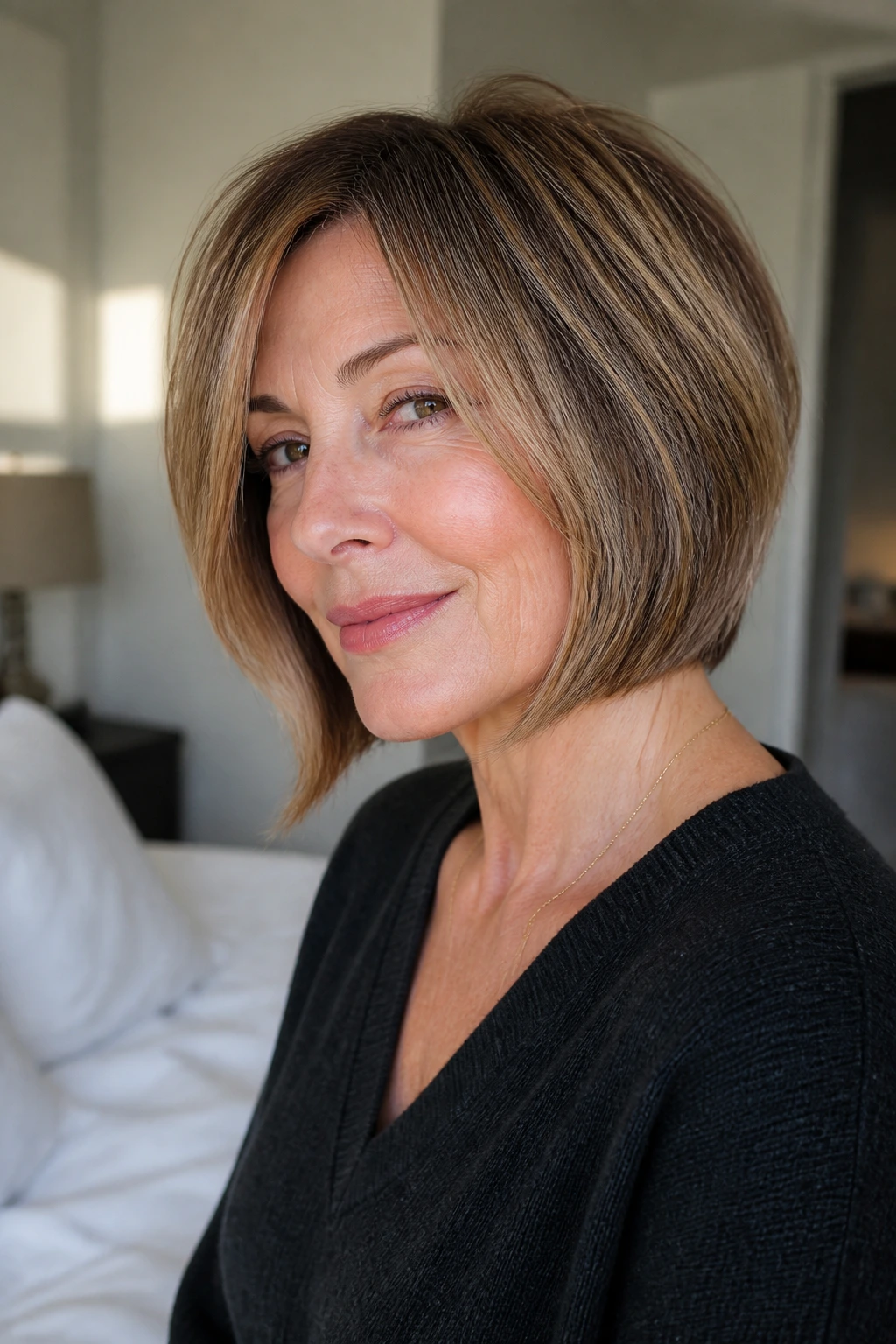
A subtle bob only looks subtle when the shape is maintained. Once the nape grows out too far, the back starts to push the rest of the haircut out of balance. For chin-length and shorter cuts, a trim every 6 to 8 weeks usually keeps the line tidy. For collarbone-length bobs, 8 to 10 weeks can work if the layers are soft and the ends still look clean.
Wash frequency depends on your scalp, not the haircut, but product buildup can make a bob go flat fast. If you use mousse, dry shampoo, or texture spray, a clarifying wash about once every couple of weeks can keep the roots from feeling coated. Gray or silver hair often benefits from a weekly moisturizing mask, because the texture can feel wirier and drier than the rest.
Sleep matters more than people think. A loose clip, a silk pillowcase, or even just tucking the hair behind the ears before bed can save you from a weird bend at the side. If the ends start flipping out every morning, mist them lightly with water, rebrush the direction, and dry just the bottom inch. It takes less time than starting over.
Frequently Asked Questions About Layered Bobs
Will layers make fine hair look thinner?
Not if they’re placed carefully. Fine hair usually suffers from too many layers at the ends, not from a bob shape itself, so ask for internal movement and a solid perimeter.
Can I wear a layered bob if my hair is curly?
Yes, but the cut has to respect the curl pattern. A dry cut or curl-aware shaping helps the bob fall where it should instead of springing up too short around the jaw.
How often should I trim a bob like this?
Shorter bobs usually need shaping every 6 to 8 weeks. Longer bob lengths can stretch a bit further, but once the ends start flipping or the back loses its line, it’s time.
Do bangs work with this kind of haircut?
They do, as long as they’re matched to your forehead, part, and styling habit. Wispy or side-swept bangs are easier to live with than heavy fringe, especially if you want the cut to stay soft.
What if my hair is very thick and puffy at the sides?
Keep the thinning inside the haircut and avoid a blunt, heavy triangle. A tapered nape, hidden layers, or a gentle angle usually controls the width better than chopping the ends short.
Can I air-dry this style and still look put together?
Yes, if the cut is designed for it. Use a lightweight cream or mousse, then let the hair settle before deciding whether to fuss with it; some of the best air-dried bobs look better after they’ve cooled completely.
Will a bob make my face look wider?
The wrong bob can, especially if it lands at the widest part of the cheeks and has too much outward fluff. A chin-length or slightly angled shape with soft layers usually avoids that problem.
What should I do if my bob flips out at the ends?
A small flip is often a sign that the cut has grown past its clean line, or that the brush is turning the hair the wrong way. Re-drying the ends under can help for a day, but a trim is the real fix if the flip keeps coming back.
A Shape Worth Keeping
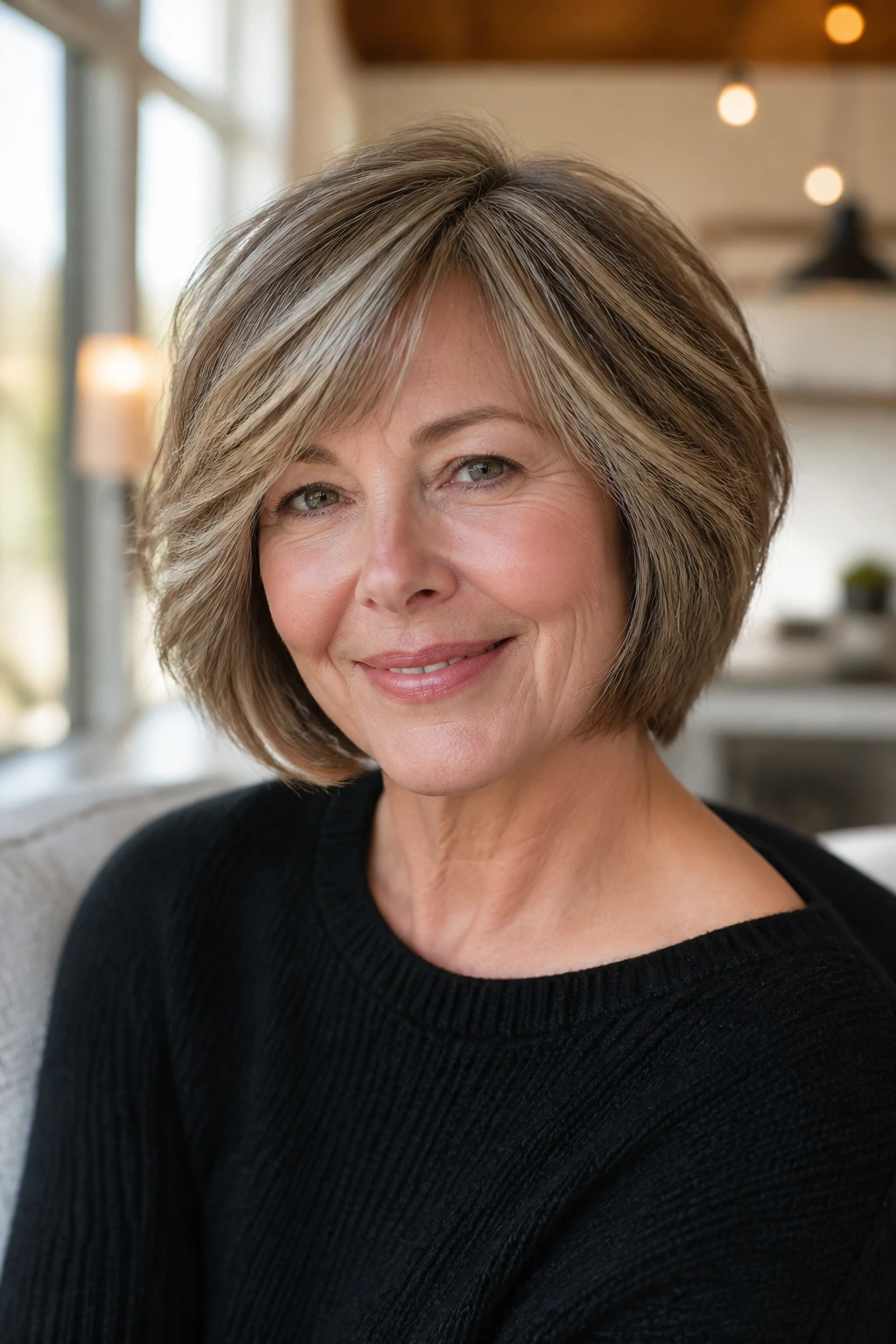
The best thing about a subtle layered bob is that it doesn’t force your hair into a costume. It gives shape, movement, and a little lift without pretending every strand needs to be sleek or identical. That’s why these cuts age so well: they leave room for texture, glasses, gray hair, and normal mornings.
If you’re looking at your own hair and thinking it needs to feel lighter, neater, or less fussy, a softer bob is a sensible place to start. Not dramatic. Not overworked. Just a clean shape with enough life in it to look intentional when you step away from the mirror.