



Fine hair gets picked on by gravity. By the time you’ve had one coffee, the crown can lie flatter than it did in the mirror, the ends can start looking see-through, and anything too heavily layered can turn into a puff at the top with no real body underneath.
That is exactly why fine haircuts for women over 40 with face-framing layers keep earning their place in salon chairs. The right cut doesn’t try to fake density everywhere. It gives the front of the hair something useful to do — skim the cheekbones, soften the jawline, open around the eyes, and keep the perimeter strong enough that the whole shape still reads as full.
I prefer cuts that respect the texture instead of bullying it. Fine hair usually looks best when the ends stay blunt enough to hold a line, but the front gets just enough movement to keep the style from looking stiff or helmet-like. Some of the best versions are short and neat. Others have a little shoulder-length swing. A few are longer and sleeker, which is useful if you want movement without giving up the feeling of having hair on your head. The 25 cuts below cover that range without repeating the same trick over and over.
Why These Cuts Earn Their Keep
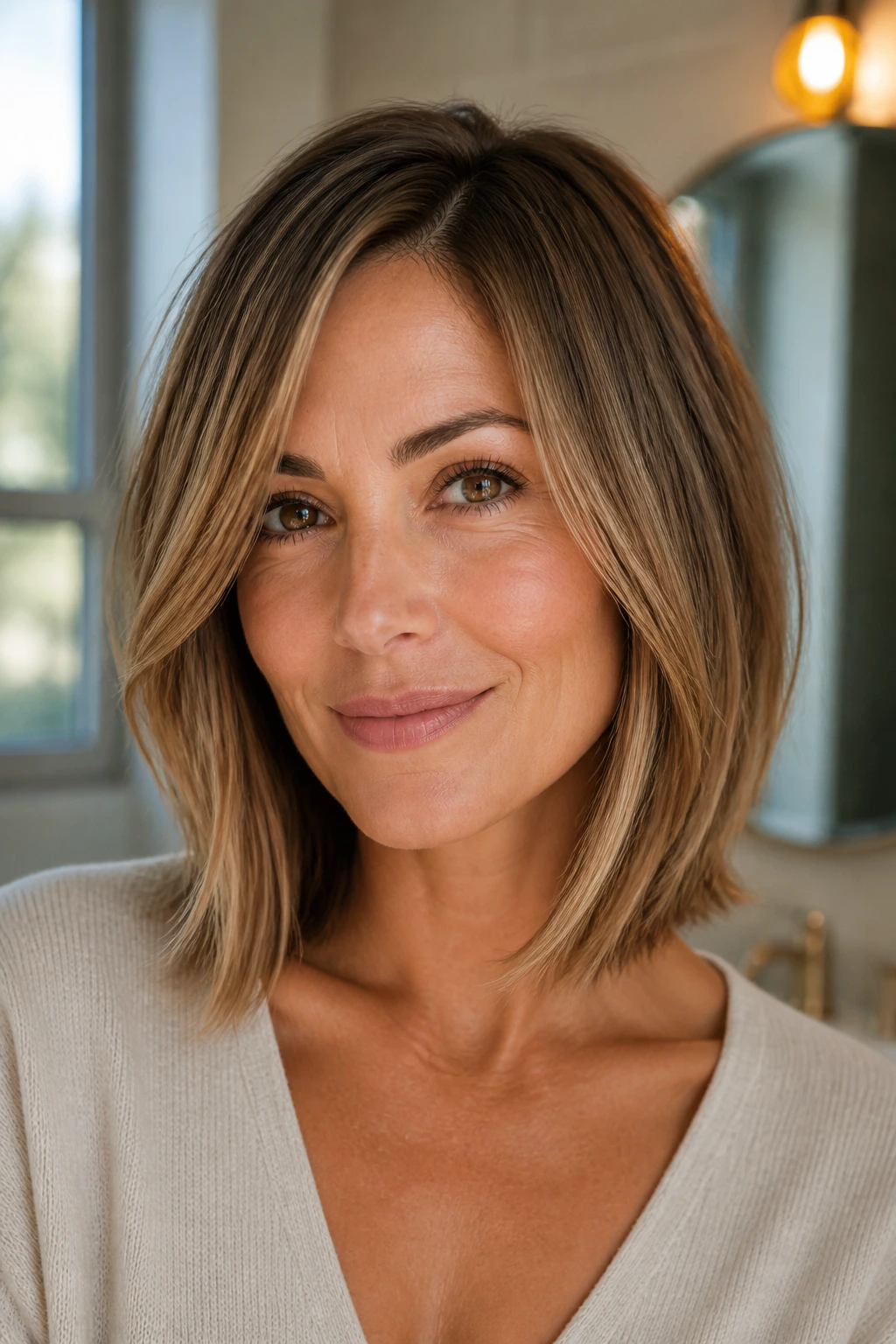
- They keep the outline strong: A blunt or softly beveled perimeter makes fine hair look thicker than wispy, over-layered ends ever will.
- They place movement where the eye looks first: Cheekbone and jawline pieces make the front of the cut feel intentional instead of limp.
- They grow out more cleanly: Face-framing layers can soften as they grow, which buys you a few weeks before the shape starts to feel tired.
- They work with real-life styling time: Most of these cuts can be pushed into shape with a round brush, a flat iron bend, or a quick air-dry routine.
- They don’t depend on volume everywhere: That matters when the crown is fine but the sides or ends have enough body to carry a shape.
- They suit glasses, earrings, and changing features: A good front frame can bring the focus upward without swallowing your face.
Why Face-Framing Layers Make Fine Hair Look Fuller
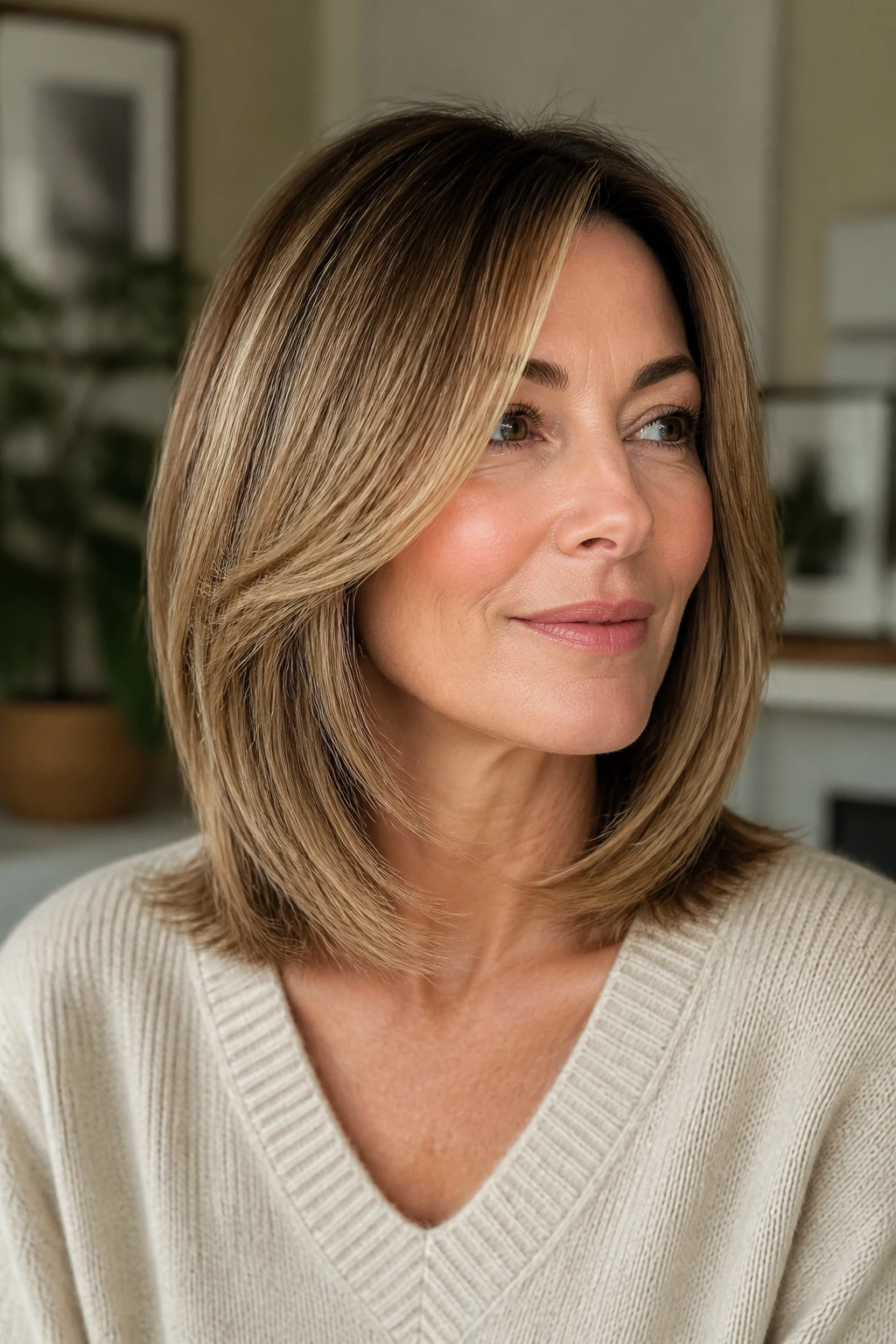
Blunt ends do a lot of the heavy lifting here. Fine hair loses visual weight fast when the ends are thinned out too much, so a clean edge gives the eye something solid to land on. That’s the part many layered cuts get wrong: they remove so much from the perimeter that the hair starts to look airy in a bad way.
Face-framing layers help because they move the softness to the front instead of scattering it everywhere. A piece that starts near the cheekbone and falls toward the jaw can make the whole cut look more deliberate. It also breaks up the straight vertical line that fine hair often creates when it hangs close to the head.
There’s a trick inside the trick, too. The shorter front pieces can create lift by contrast, even if the rest of the hair stays relatively smooth and controlled. That means you can have movement without sacrificing the feeling of density. Not a bad deal.
1. Collarbone Blunt Lob with Cheekbone Layers
This is the haircut I’d hand to someone who wants body without losing polish. The collarbone length gives fine hair enough weight to hang well, and the blunt ends make the whole cut look denser than it really is. The cheekbone layers are short enough to show shape, but not so short that they chew up the perimeter.
It works especially well if your hair is straight to slightly wavy and you like a round-brush finish. Keep the front pieces soft and angled, not chopped. That little diagonal line helps the eye move upward, which is a neat trick when the crown needs help.
A 1.25-inch round brush and a quick bend at the ends are usually enough. If your hair flips under too sharply, leave the ends looser and let the front do the lifting.
2. Chin-Length French Bob with a Soft Side Part
A chin-length French bob has a little attitude, but the soft side part keeps it from feeling severe. On fine hair, that chin-level line can create a clean, dense-looking edge right where the jaw begins. The side part adds a small puff of lift at the root without asking for much styling.
What the side part changes
It changes the whole mood of the cut. A center part can make a fine bob look flat if the hair is very straight, while a side part shifts volume to one side and gives the front a looser fall.
I like this version for hair that behaves well with a quick blow-dry and a touch of pomade on the ends. If your hair grows in with a cowlick, this cut often cooperates better than a blunt center-part bob.
Best for: straight hair, soft waves, and anyone who wants a sharp shape with less fuss.
Avoid if: your hair sticks out at the nape and you do not plan to dry it smooth.
3. Rounded Bob with Understated Face Framing
Why does this shape make fine hair look fuller? Because the curve builds the illusion of density. A rounded bob keeps the hair closer to the head at the crown and slightly fuller through the sides and ends, which is exactly where fine hair can look thin if it’s cut too flat.
The face-framing pieces should be subtle here. Think cheekbone nudge, not dramatic curtain bangs. The cut works because the outline is soft and oval, not boxy.
This is one of the best choices if you like a neat silhouette that still feels gentle around the face. It is also forgiving on days when you don’t want a full styling routine. A small round brush pass at the roots and a quick tuck behind the ears can be enough.
4. Shoulder-Length Airy Shag with Light Fringe
A shag can work on fine hair — if it’s cut with restraint. Too many short layers will make the ends disappear. A shoulder-length version with a light fringe keeps the shape loose while leaving enough length for the hair to keep its body.
The front layers should start low and blend softly into the rest of the cut. That gives movement around the face without exposing the scalp or creating a choppy outline. If you wear your hair wavy, this cut has more life than it does on pin-straight hair.
Use a mousse at the roots and twist a few pieces around your fingers while drying. The goal is movement, not frizz. One of those cuts that looks better when it’s not overworked.
5. Sleek Mid-Length Cut with Invisible Layers
This one is for the person who likes the hair to look expensive without looking busy. The shape sits around the collarbone to upper chest, but the layers stay hidden inside the cut instead of stepping all over the surface. Fine hair often looks better this way because the outline stays clean.
The face frame is quiet here. A few longer pieces around the cheek and jaw are enough. You get softness near the face, but the overall effect stays smooth and controlled.
If you heat-style, use a flat iron to make a subtle bend through the front rather than a hard curl. That bend keeps the cut from falling flat, and it doesn’t eat up thickness the way over-styling can.
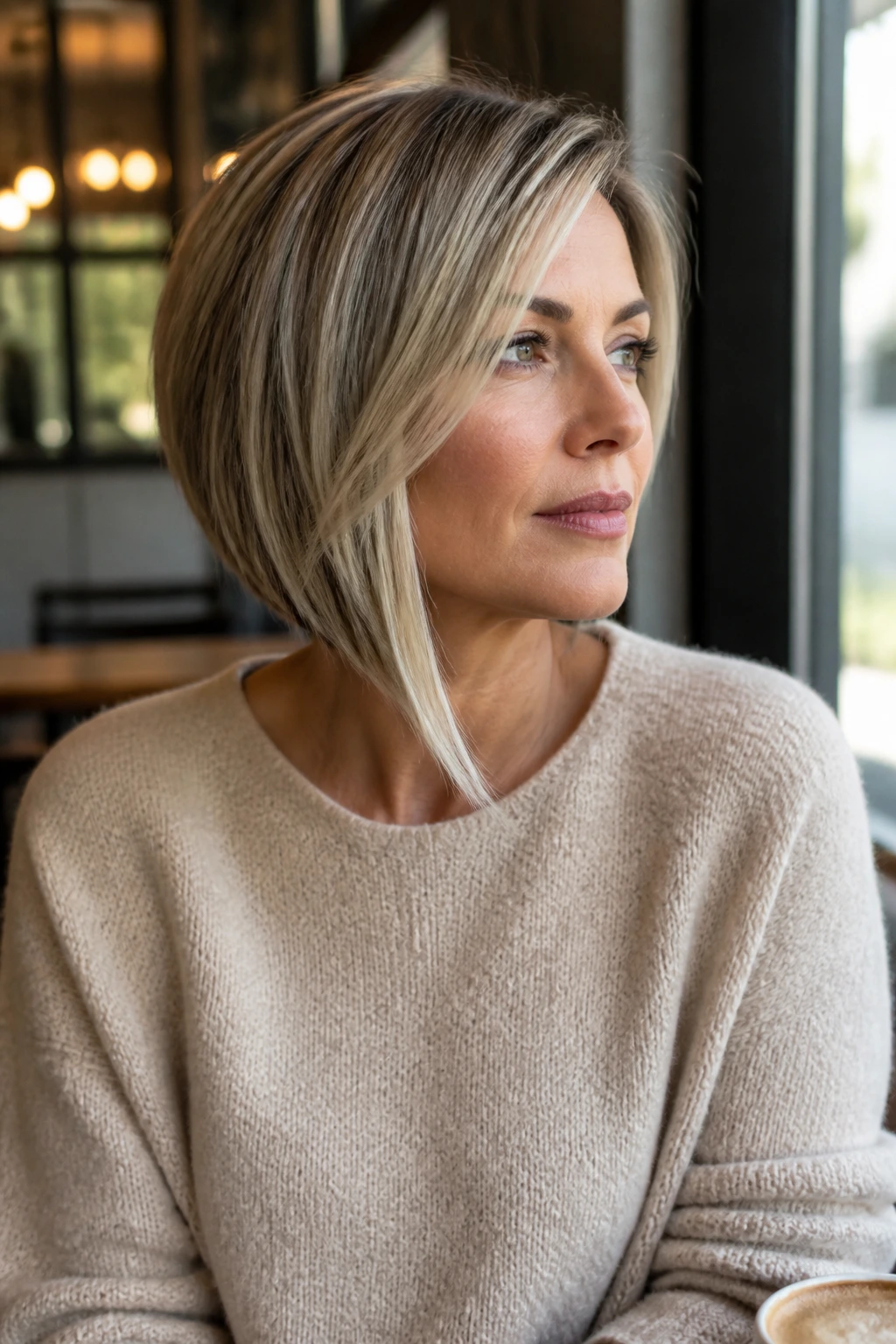
6. Asymmetrical Lob with a Longer Front Corner
This cut gives fine hair a little visual drama without loading it with layers. One front corner sits longer than the other, which pulls the eye diagonally and makes the face look a touch more lifted. That diagonal line can be flattering if your features feel soft or if you want the cut to do a bit of shaping for you.
The asymmetry should be gentle, not severe. A dramatic angle can look thin on fine hair if the ends are too sparse. Keep the back tidy and the front long enough to swing when you turn your head.
It’s a strong option if you want something modern that still grows out politely. At six weeks, it usually still has shape. At eight, it can slide into a more relaxed lob without looking messy.
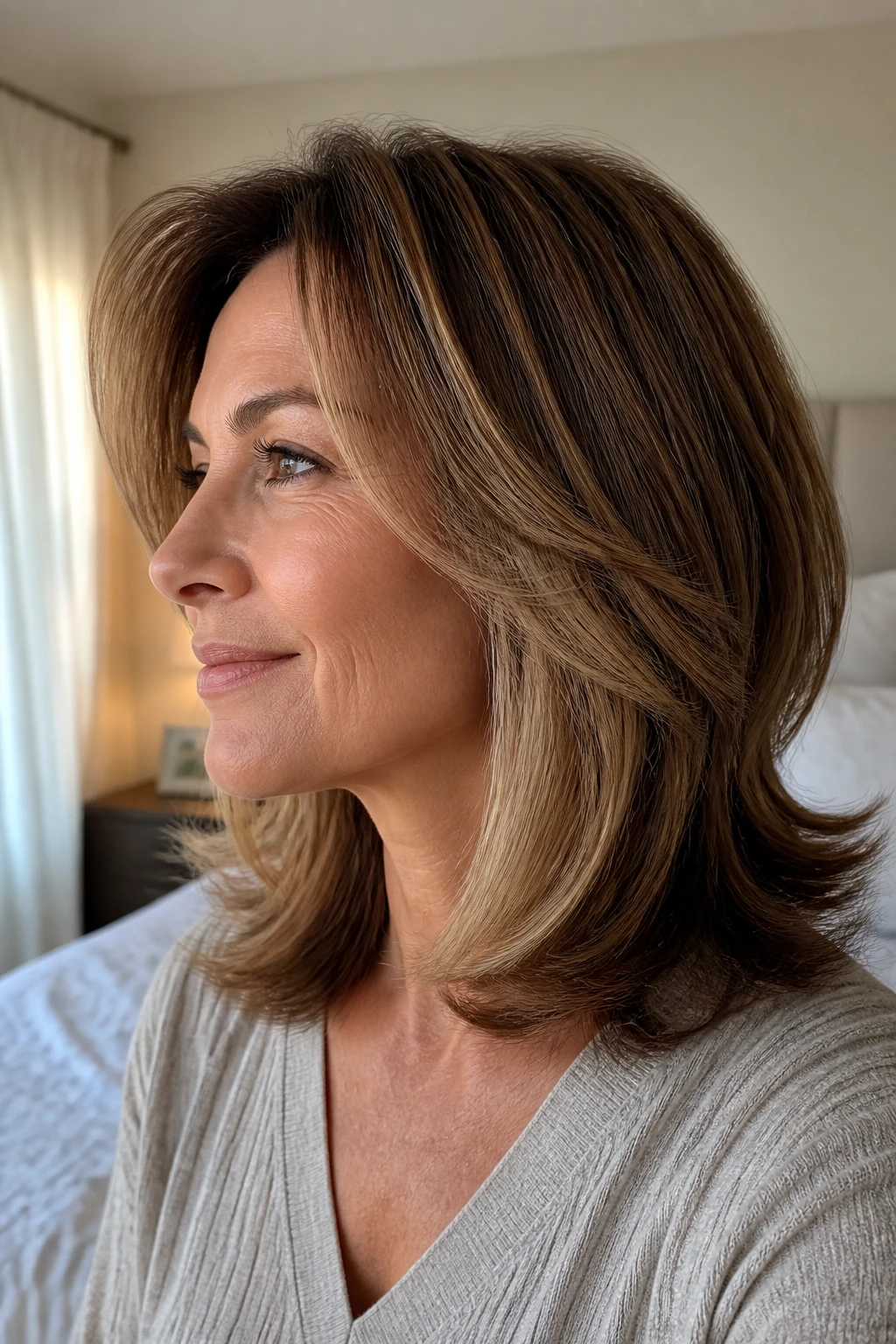
7. Feathered Shoulder Cut with Flipped Ends
Picture a shoulder-length cut with soft feathering around the face and ends that flick away instead of hanging dead-straight. That little flip matters. It keeps fine hair from looking attached to the head in one flat sheet.
The feathering should be light around the cheeks and longer through the lower half of the cut. Too much feathering near the crown will rob the style of body. Keep the movement where it helps the silhouette, not where it eats density.
This is one of my favorites for someone who still likes a blowout. A medium round brush, some root lift, and a twist at the ends can make the cut look freshly done with less effort than you’d expect.
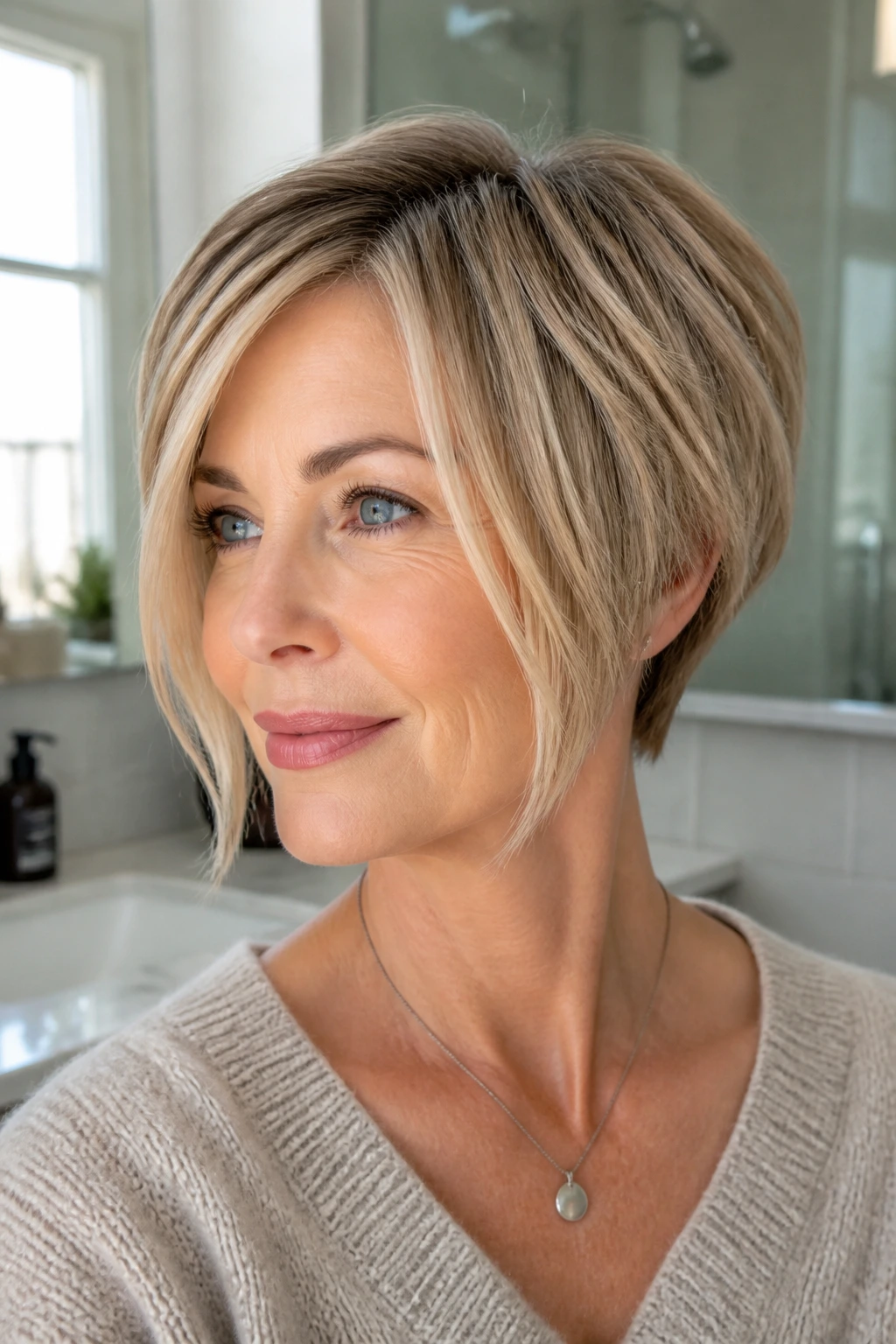
8. Pixie Bob with Longer Front Panels
Short hair can be a smart move when fine hair has lost some of its heft. A pixie bob keeps the nape shorter and the sides controlled, but the front panels stay long enough to frame the face instead of exposing it too much. That balance keeps the cut feminine without turning fussy.
The front length is the key. It should skim the cheek or just below it, depending on your face shape and how much forehead you like to show. The longer front creates movement where fine hair usually needs it most.
This cut is especially good if you want less blow-dry time. A little styling cream and a quick side part are often enough. It does ask for regular trims, though. Short shapes show growth fast.
9. Bixie with a Tucked Nape
A bixie sits between a bob and a pixie, and on fine hair that in-between zone can be gold. The nape stays tucked and neat, while the top and front stay soft enough to bend around the face. You get lift without the hard edges of a true pixie.
Why it works on thinner strands
The cut leaves a little length where you need it and removes bulk where you don’t. That means the crown can be lifted with product, while the sides don’t droop or collapse.
I like this when someone wants a shorter style but isn’t ready to commit to a very cropped shape. It also plays nicely with earrings and glasses, which matter more than people admit.
10. U-Shaped Long Cut with Subtle Face Frame
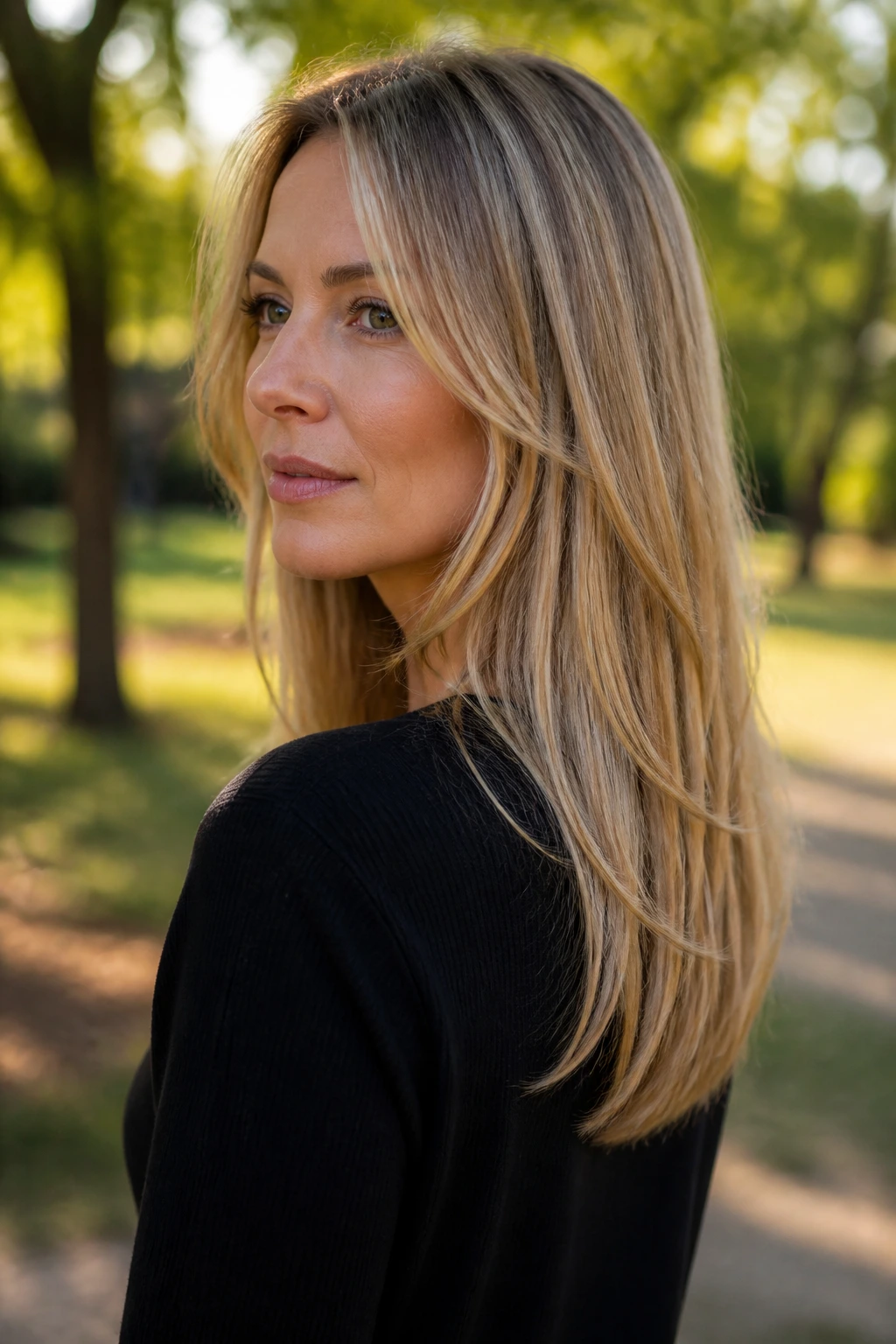
Long hair on fine strands can look gorgeous when the shape is controlled. A U-shaped cut keeps the ends slightly longer at the center back, which helps the hair appear fuller from behind. The subtle front frame keeps the long length from hanging like a curtain.
The important part is restraint. Long, face-framing layers should start low enough to keep the perimeter dense. If the shortest layer starts around the chin, the whole cut can start to feel stringy.
This cut suits anyone who wants length but hates the dead, heavy look that straight, one-length long hair can get on fine strands. A smooth blow-dry or a loose wave shows it off best.
11. Butterfly Cut with Long, Fine-Hair-Friendly Layers
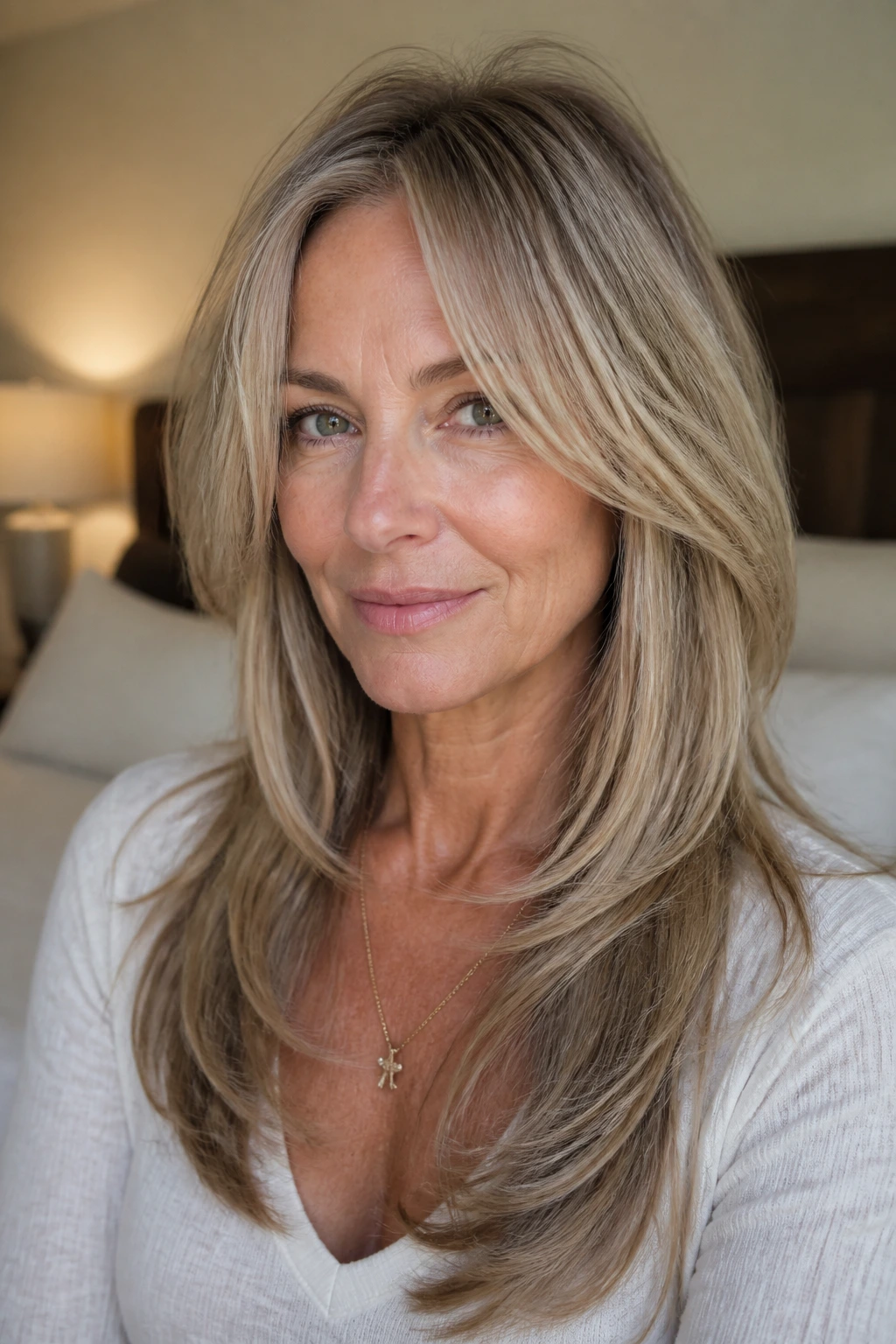
The butterfly cut can work on fine hair if the layers are long and the contrast stays soft. I do not love the overdone version with a massive drop between the top layer and the bottom layer. That can make the hair look separated instead of full.
Done well, this cut creates lift around the face while leaving the lower length intact. The front layers skim the cheekbones and blend into the longer pieces, which gives movement without taking away too much density.
It’s best when you want the feeling of a layered blowout, not a shag. Keep the top pieces long enough to tuck behind the ears or curl away from the face. Shorter is not always better here.
12. Curved Pageboy Bob
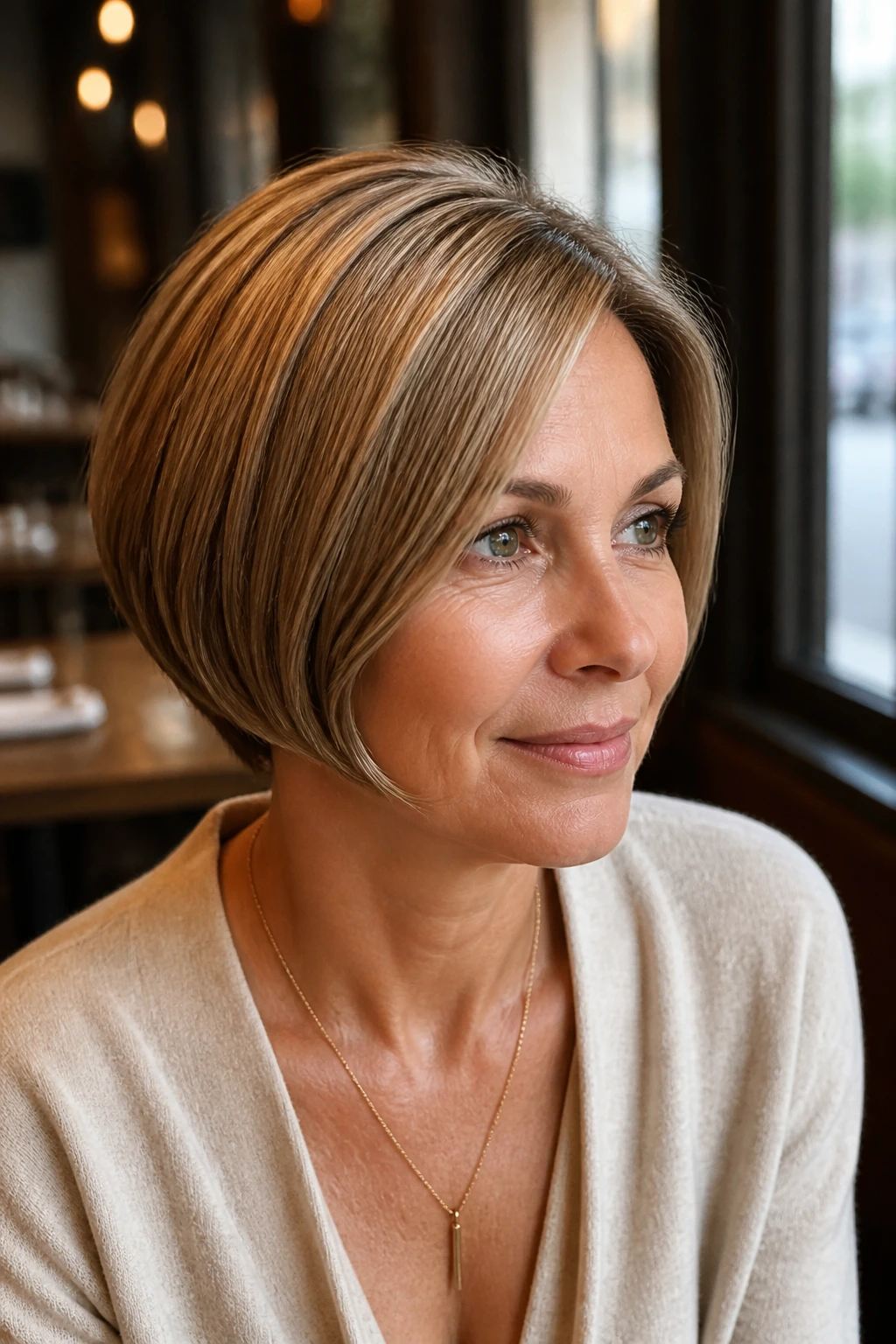
A curved pageboy bob has a clean, almost graphic shape, but the curve keeps it from looking severe. Fine hair often benefits from that kind of controlled outline because it looks intentional even when it isn’t heavily styled.
The face frame comes from the bend more than from obvious layering. The hair curves inward along the jawline, which gives the face a neater edge and helps the cut feel thicker at the sides.
This is a smart choice if you like structure. It does ask for a brush and a little time, but the result is crisp. Straight hair tends to behave best with this one.
13. Bottleneck Bang Lob

A bottleneck bang lob gives you a face frame without committing to full bangs. The center is shorter, then the pieces widen and soften toward the temples and cheekbones. On fine hair, that shape can make the front look fuller because it adds controlled movement around the eyes.
The lob length keeps the ends solid, which matters. If the bob were shorter and the bangs heavier, the cut could turn top-heavy. Here, the balance stays cleaner.
It’s a nice option if you want a little style detail that doesn’t demand a full fringe maintenance routine. The bangs grow out softly, and the rest of the cut still works when the front pieces are between lengths.
14. Tapered Crop with a Side-Swept Fringe
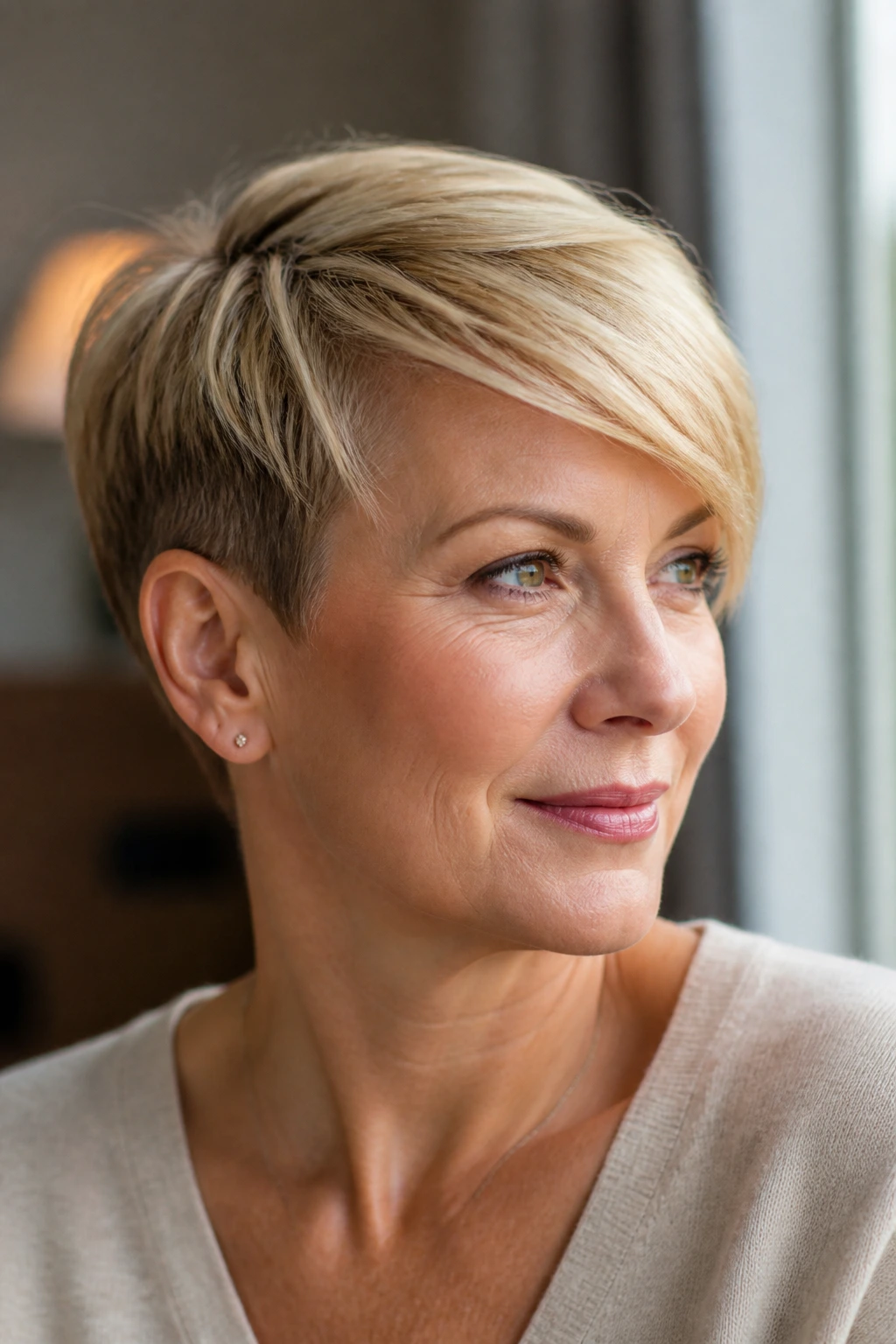
Short hair with fine strands can look fantastic when the top is shaped well. This tapered crop keeps the sides and nape close while leaving enough length on top to sweep forward or sideways. The side fringe gives the face some softness and takes attention away from a narrow crown.
The top should not be too shredded. Fine hair needs a bit of surface to catch light and look plush, and over-texturizing can make the top go see-through fast.
I like this cut for people who want a sharp silhouette and very little daily drama. A dab of styling paste at the roots, then a quick finger-comb, and you’re done.
15. Collarbone Cut with Internal Layers
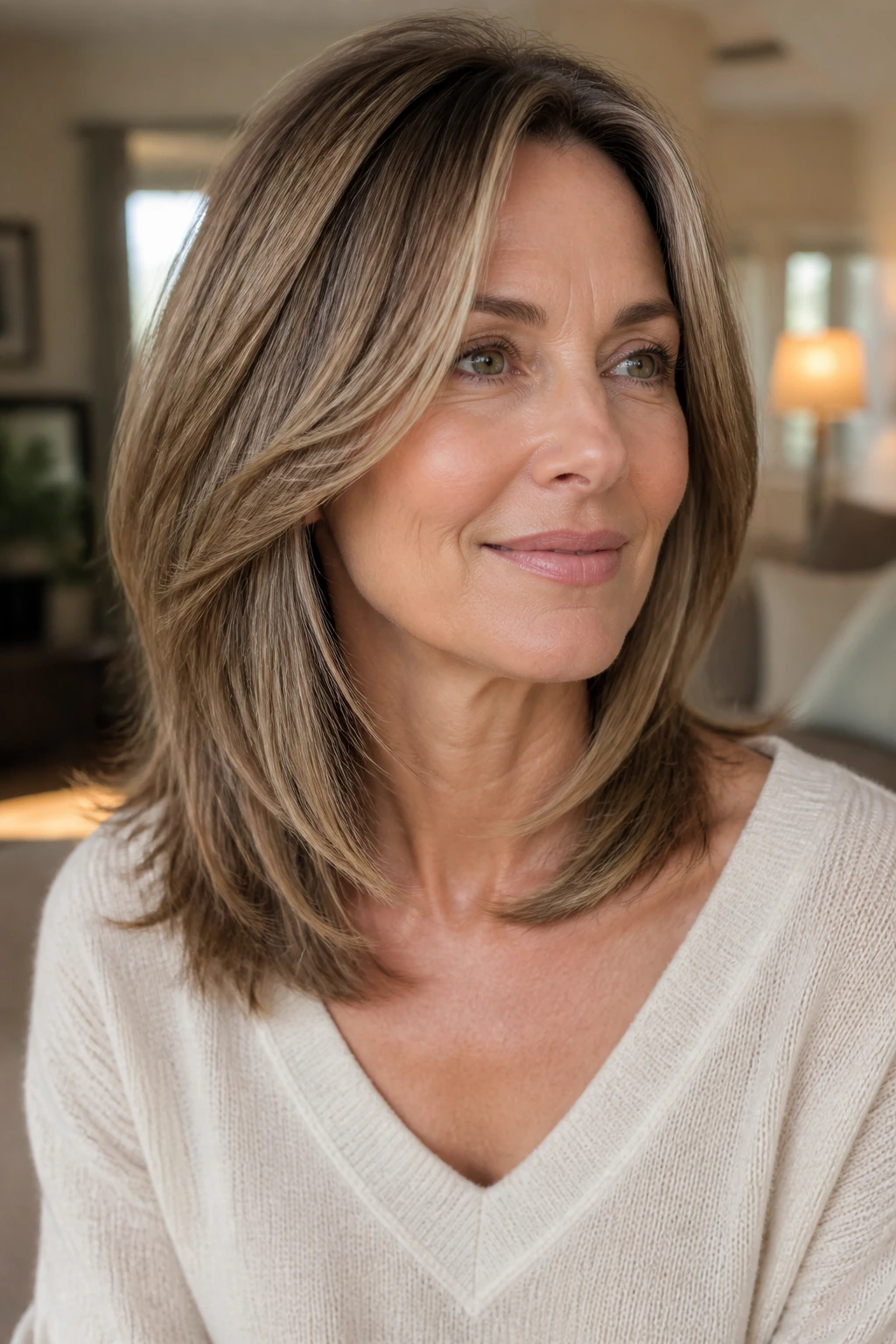
This is not the same as a blunt lob, and the difference matters. The outer line stays clean, while the internal layers remove weight from inside the shape. Fine hair gets movement without losing the dense edge that makes the cut look healthier.
The face frame is soft and tucked into the front third of the cut. It should seem like the hair falls that way naturally, not like it was sliced into strips. That’s the whole point.
This is a favorite when someone wants polish but can’t be bothered with a lot of styling. It sits nicely in a ponytail, waves well, and doesn’t shout for attention. Quiet cuts often age the best, anyway.
16. Choppy Lob with Airy Ends

A little choppiness can help fine hair, but only if it stays at the right amount. The ends should look broken up, not frayed. A choppy lob with airy ends gives movement without making the perimeter vanish.
The face-framing pieces can be a touch shorter here, especially if you want a more casual feel. Just keep them soft enough that the cut still looks complete when the hair is tucked behind one ear.
Best use case: hair that gets flat by midday and needs a bit of bend.
Watch out for: over-thinning. If the ends are too skinny, this style turns stringy fast.
17. Jawline Bob with Hidden Graduation
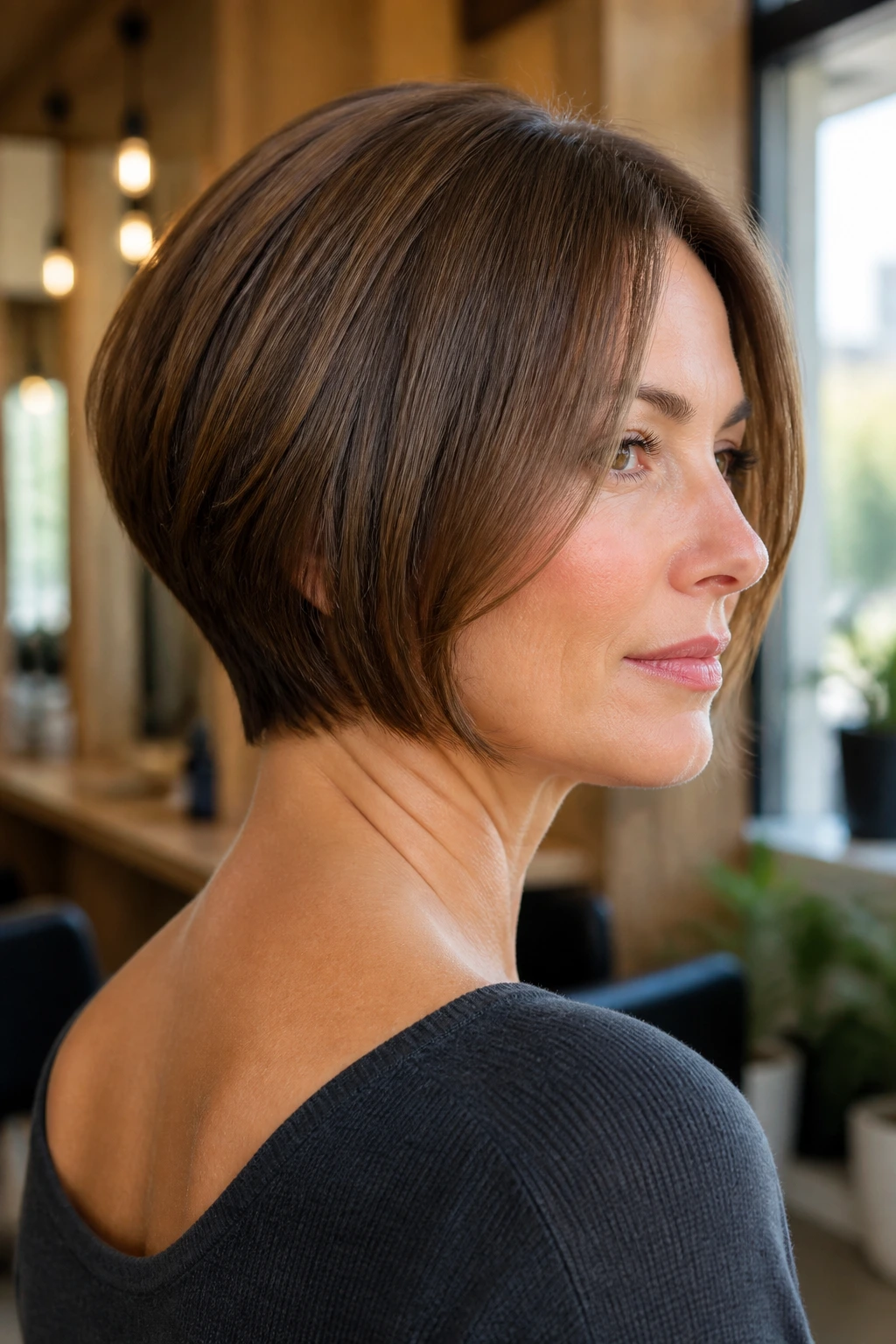
A jawline bob can look crisp and full, which is useful when fine hair needs the visual weight of a shorter shape. The hidden graduation at the back gives the bob a slight lift without making it stacky. That keeps the line clean around the jaw and stops the cut from collapsing inward.
The face frame should hit near the mouth and jaw, not too high. If it starts too far up the cheek, the cut can feel short and busy. The best version feels sharp but calm.
This is the kind of bob that looks good with one bend from a flat iron or a quick under-curve from a round brush. Not every short cut needs to be piecey. Some need edges.
18. Long Layered Cut with Soft Money Pieces
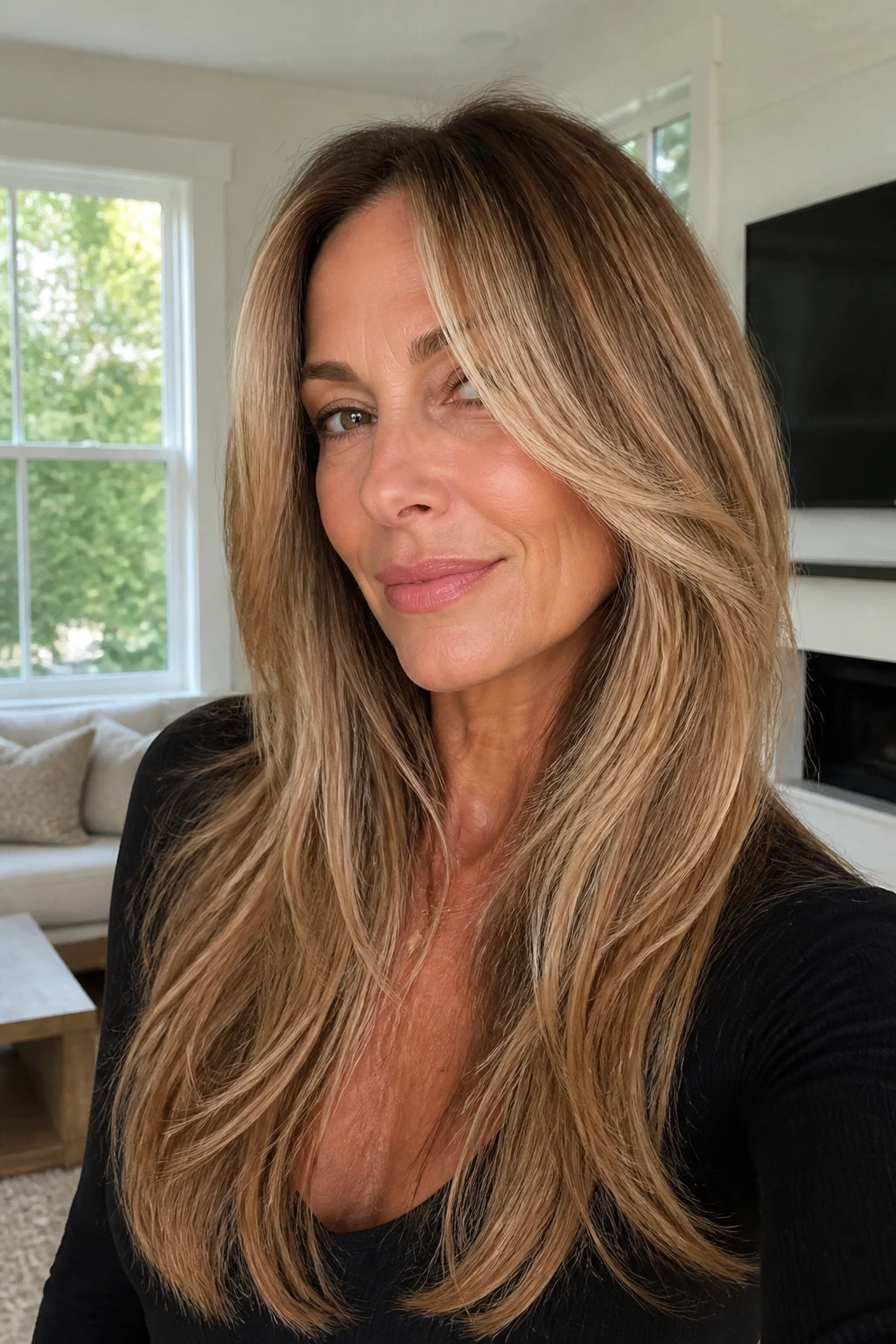
Long layers can work on fine hair when they’re strategic and not overdone. The money pieces in front brighten the face and create a little contrast, which makes the cut feel livelier without asking the whole head to carry heavy texture.
The layers should start low, usually below the chin, so the ends keep enough thickness. If the front pieces are too short, the hair can look busy at the sides and skimpy at the bottom.
This cut suits someone who wants to keep length but still get a visible frame around the face. A large curling iron or a wide brush can bring the front pieces forward in a soft arc, which helps the shape show up.
19. Grown-Out Shag with Polished Ends
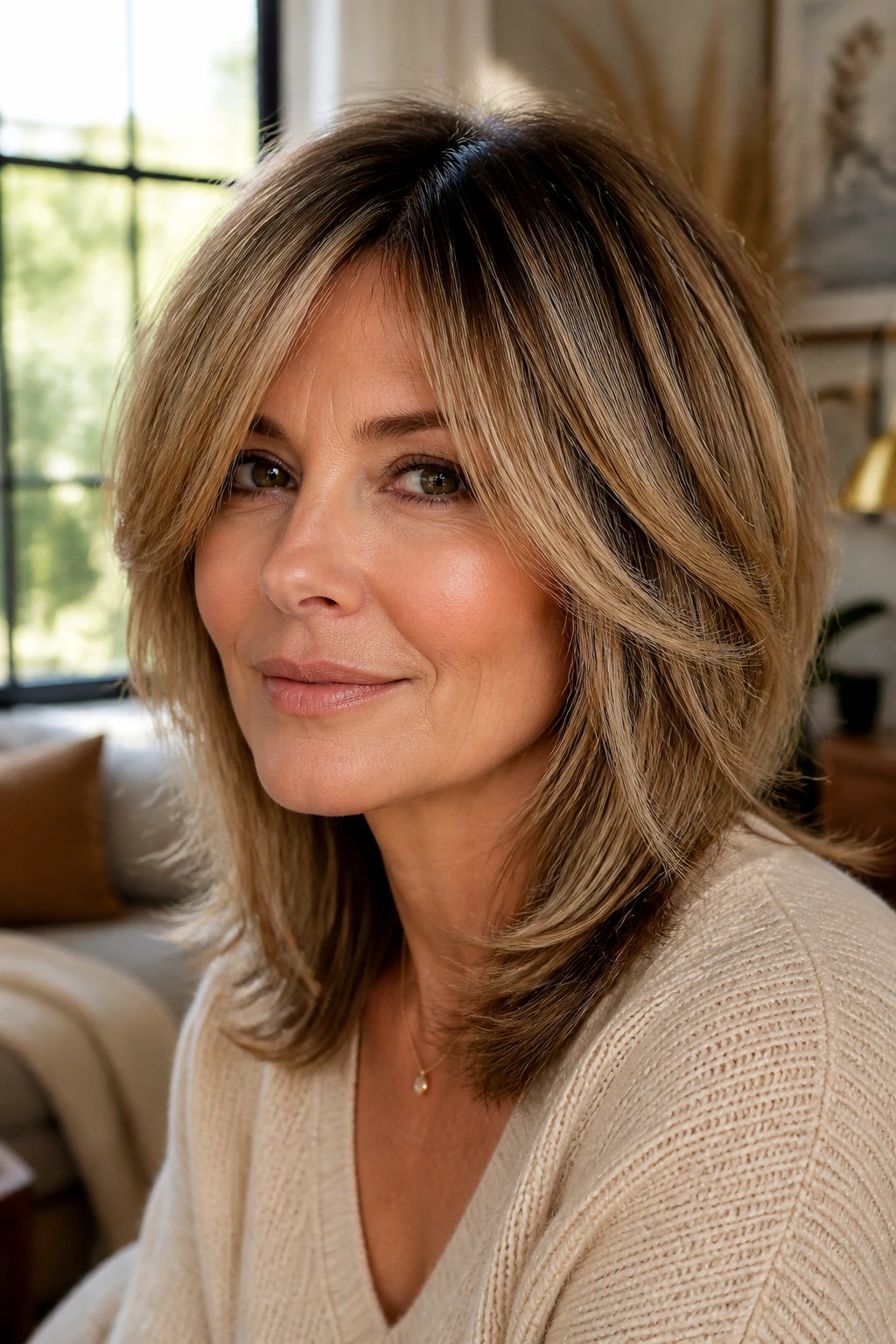
If you like movement but don’t love a messy finish, this is the shag to choose. The layers are softer and less aggressive than a classic shag, and the ends stay polished enough that fine hair doesn’t disappear into fuzz.
The face frame should sit around the cheekbones and jaw, then taper quietly into the rest of the cut. That gives the hair motion where it counts without turning the whole head into a cloud.
This works well when you want texture that reads modern but not trendy. It also handles natural wave better than a sleek blunt cut does, especially if you air-dry partway and finish the front with a brush.
20. Swoopy Side-Part Cut with Temple Layers
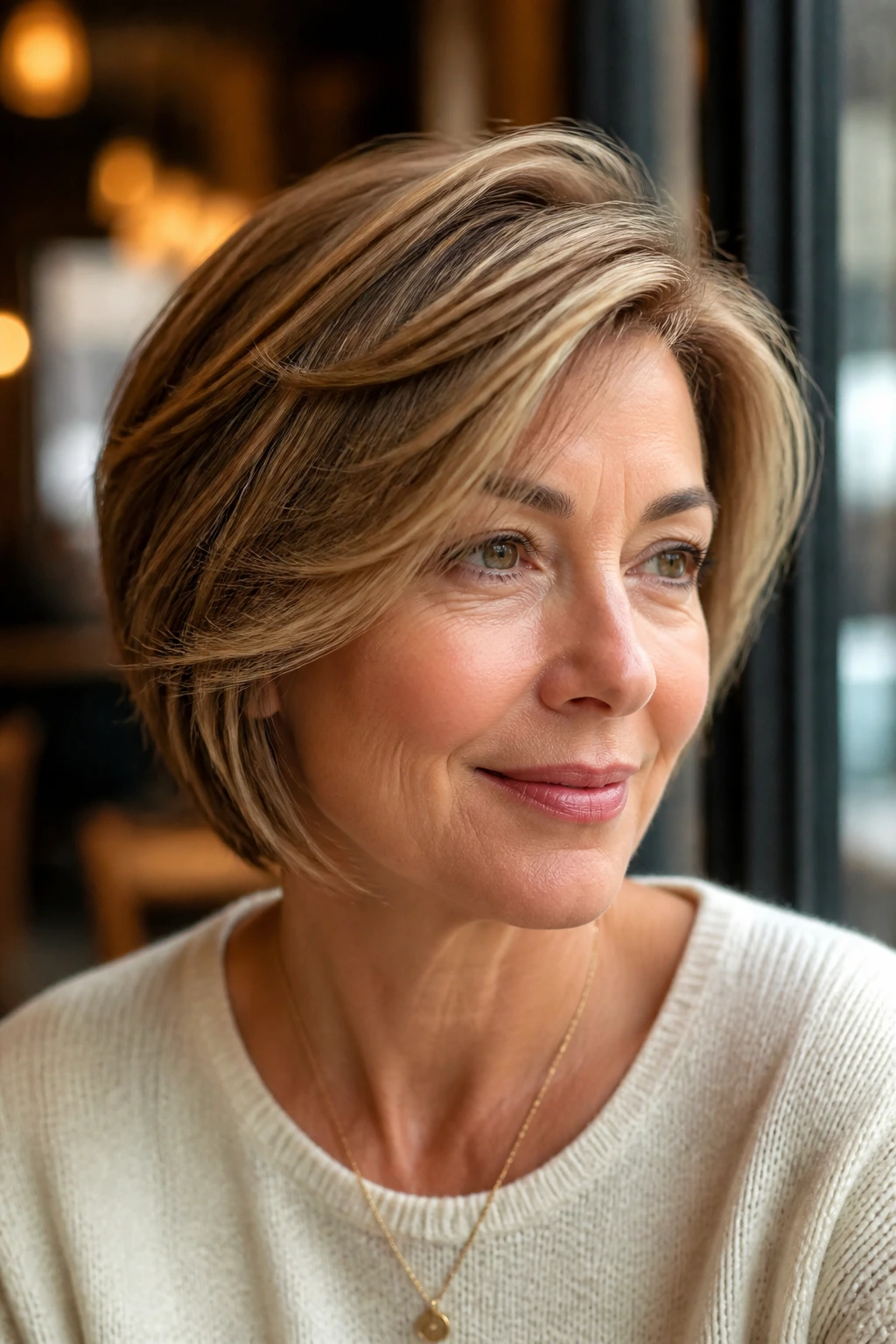
A deep side part can do more for fine hair than a whole tray of products. Shift the part, and the roots instantly have more lift on one side. Add temple layers, and the face gets a soft sweep that doesn’t drag the eye downward.
The cut itself can be mid-length or shoulder-length. What matters is the placement of the front layers. They should bend away from the face and land somewhere between the cheekbone and the jaw, depending on how much softness you want.
This is a very good choice if one side of your hair naturally lies flatter than the other. Instead of fighting it, shape the cut around it. That usually looks better anyway.
21. Blunt Midi with a Soft Bend at the Ends
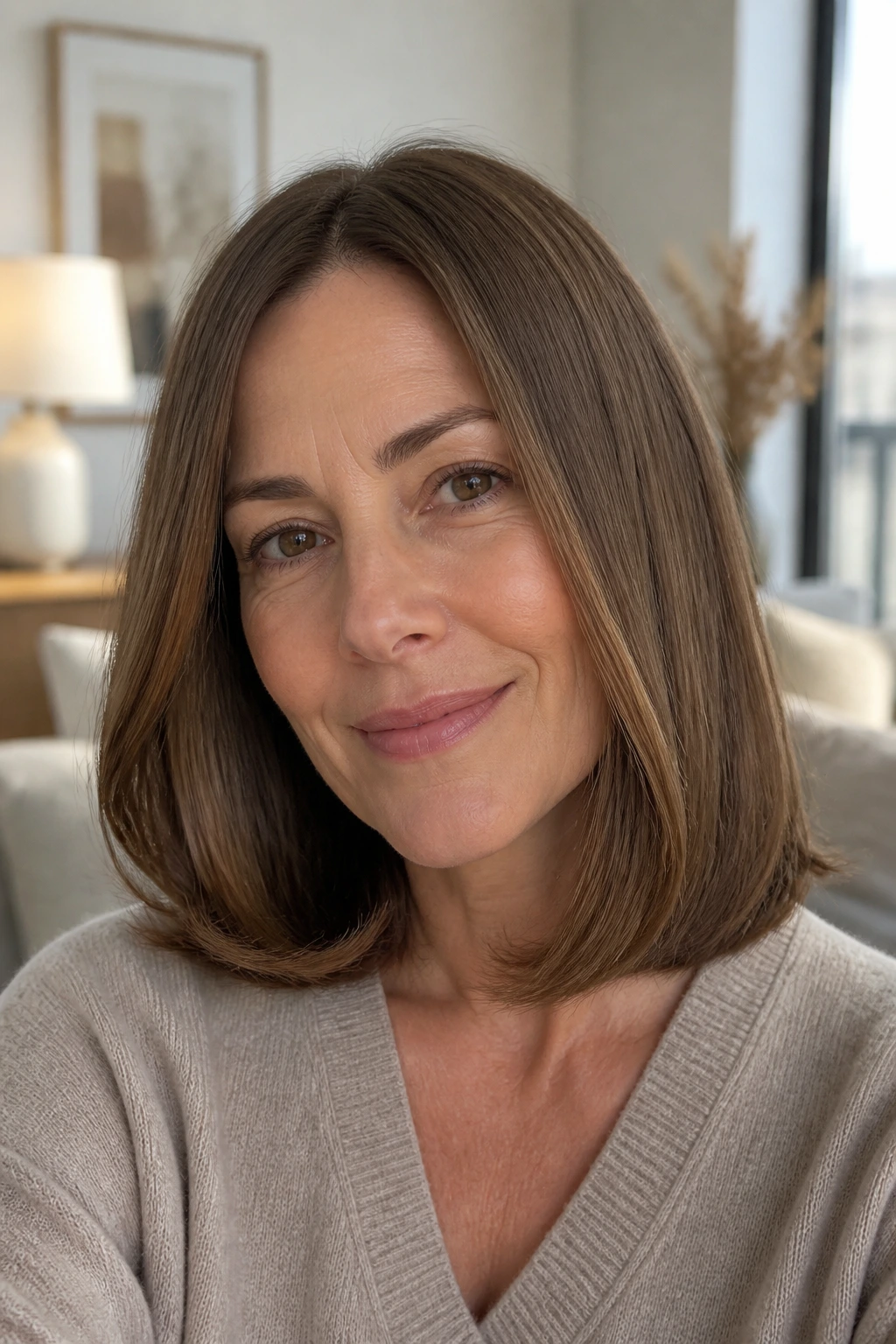
This is a sleek shape with a small trick at the bottom. The blunt midi gives fine hair density, while the soft bend at the ends keeps the line from looking too rigid. That bend matters more than people think; it stops the hair from hanging like a board.
The front frame is minimal but useful. Just enough to skim the face and break up the straight line. I’d keep it longer rather than shorter if the hair is especially fine.
If you like clean clothes, neat earrings, and a haircut that behaves under a coat collar, this one is worth a look. It has a grown-up feel without being stiff.
22. Short Layered Crop with a Long Top and Tapered Nape
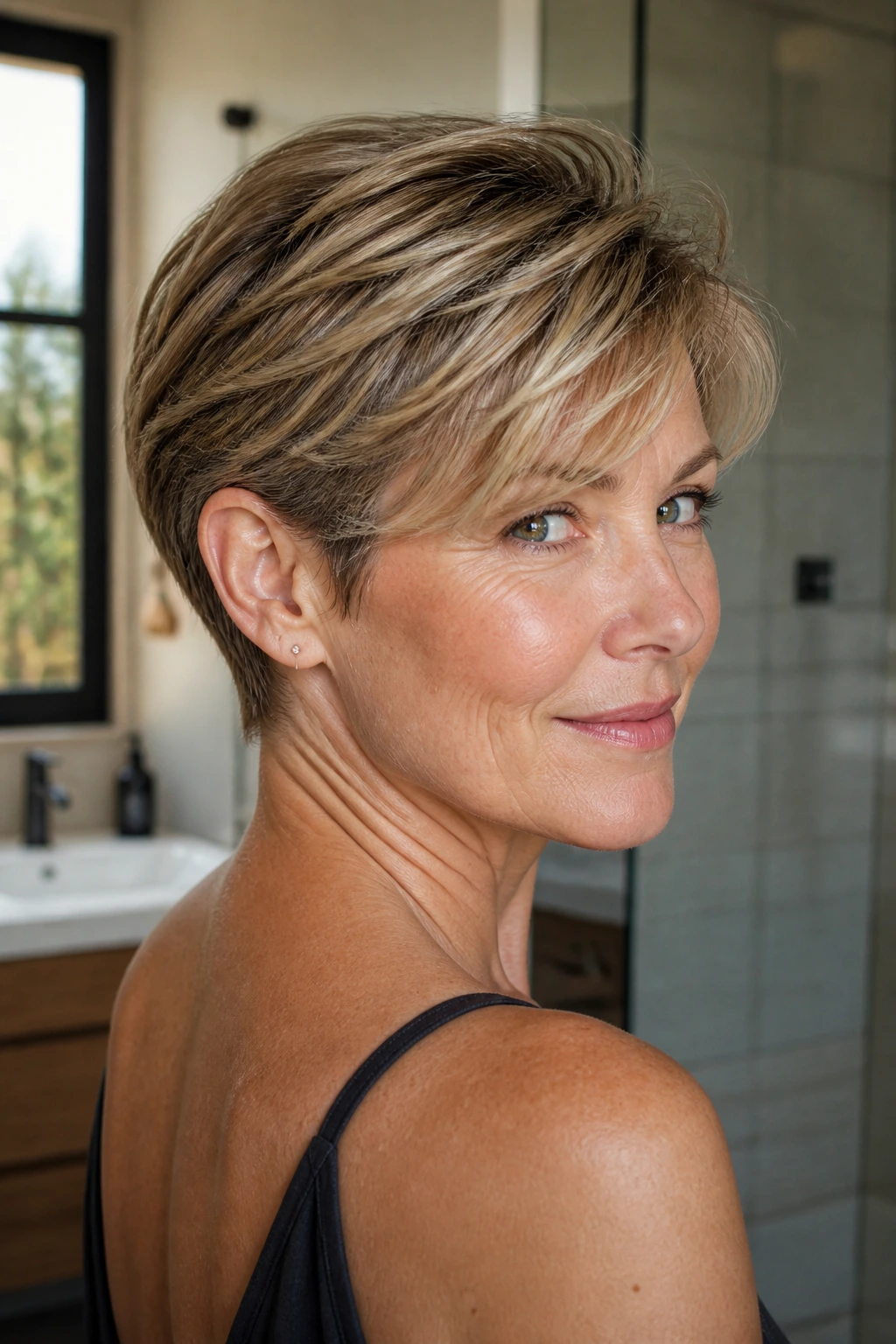
A short crop can still look soft if the top is left long enough to move. The tapered nape keeps the neck clean, while the longer top and front sections create the face-framing shape. That combo adds lift without making the cut too airy.
It’s a strong pick when the sides feel bulky but the crown needs height. Fine hair benefits from the contrast between short back and longer top, especially if you want the silhouette to read slimmer through the jaw.
You’ll want a styling cream or light paste for this one, not a heavy wax. Too much product flattens the top in a hurry.
23. Face-Framing Lob with an Outward Flip
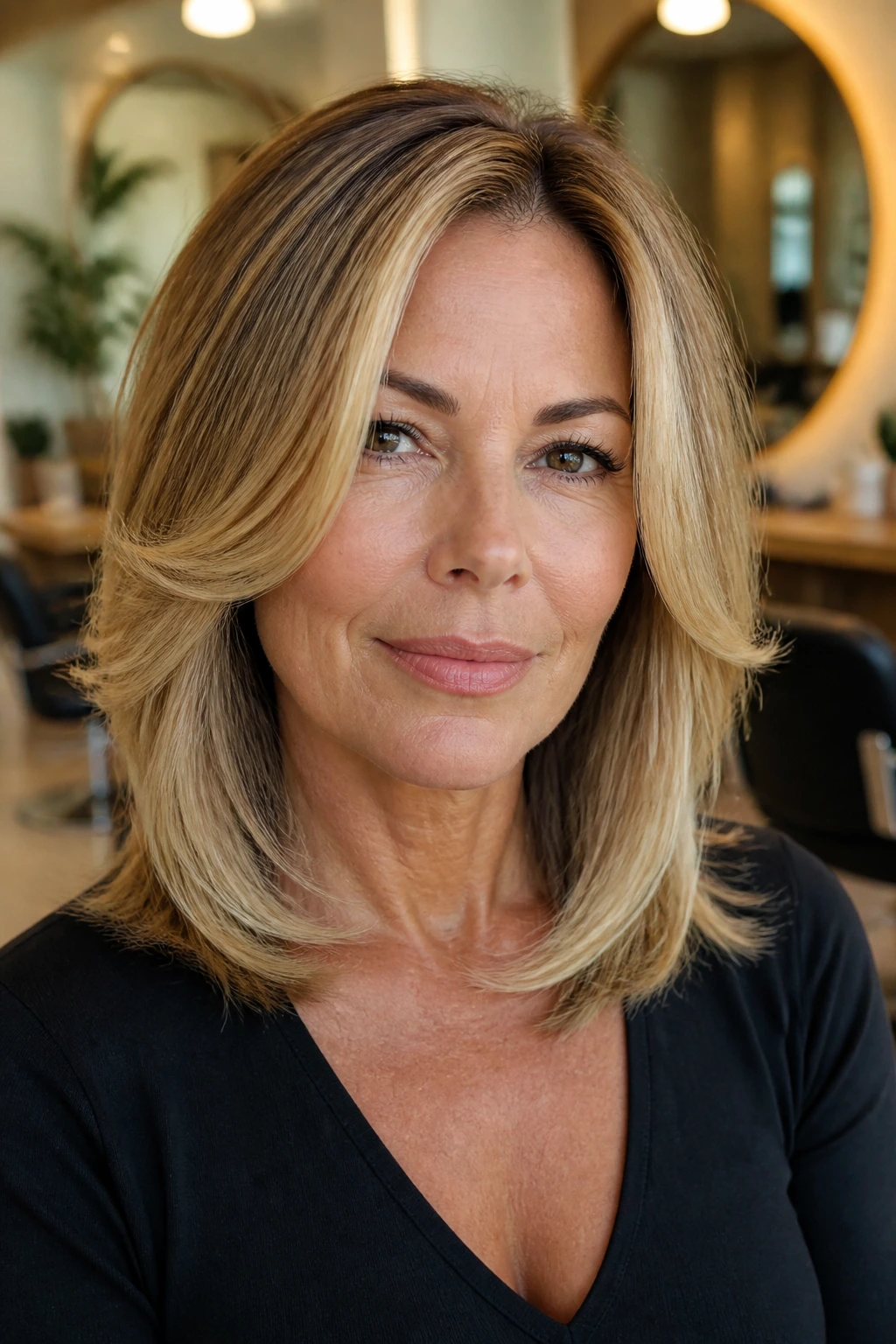
This cut gets a lot of mileage from the way the front pieces turn outward. That outward flip opens the face and keeps the lob from feeling too tidy. Fine hair often needs exactly that little bit of movement to look awake.
The shape itself should sit between the collarbone and the top of the chest. Long enough to feel feminine, short enough to keep the ends looking thick. The face frame can start near the cheekbone and soften toward the shoulder.
A round brush or a quick pass with a flat iron can create the flip. Leave the rest of the hair smooth. The contrast is what makes it work.
24. Soft Wolf Cut for Fine Hair
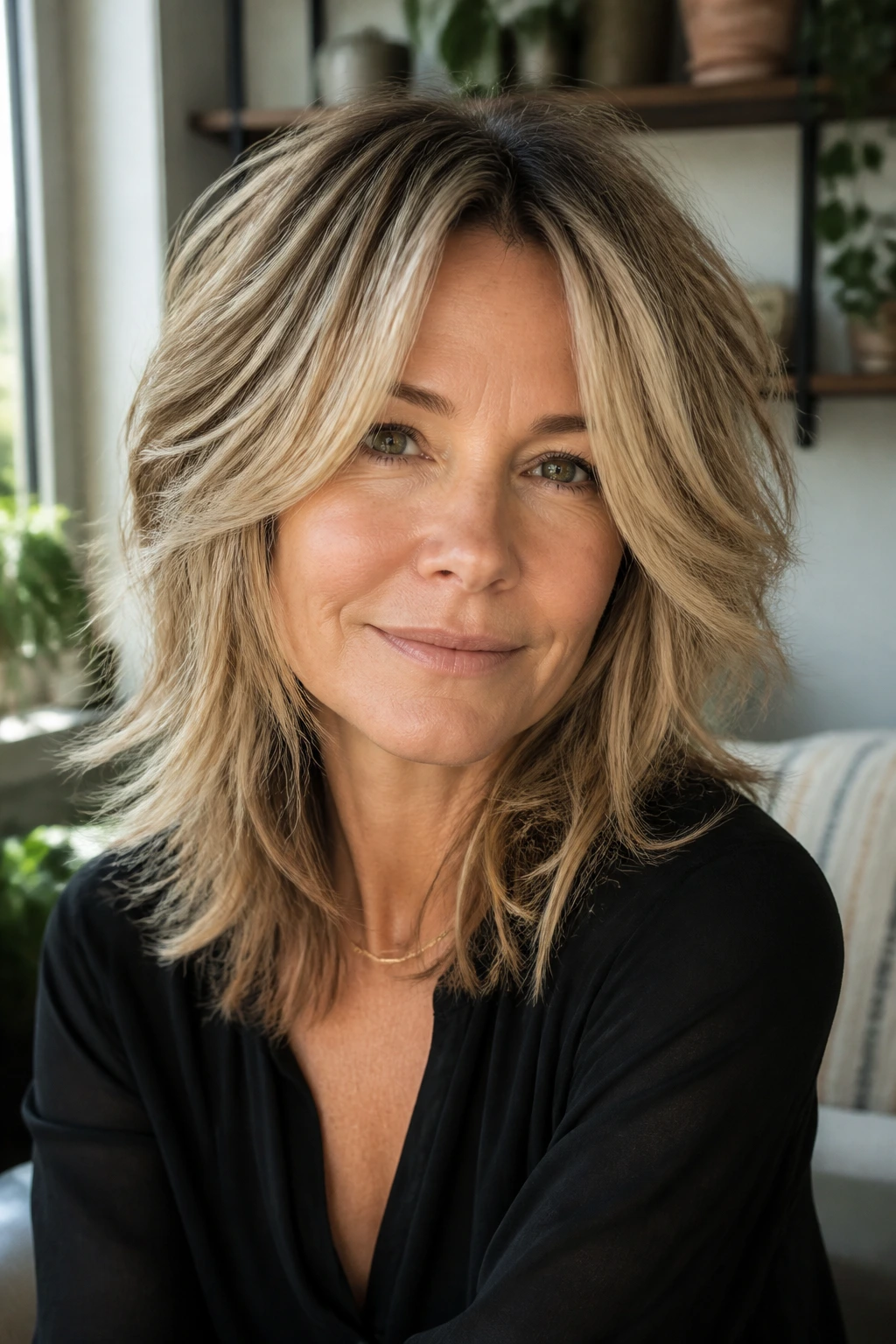
A wolf cut can be risky on fine hair, but a soft version is a different animal. The key is keeping the layers long and the perimeter intact. That way you get movement near the front without ending up with a mullet that looks too thin at the ends.
The face frame should be the star here. It needs enough length to soften the cheek and jaw, not enough to look broken apart. This cut is best for hair with at least a little natural bend or wave.
If you want personality in the shape, this is the boldest option on the list. Just do not let anyone hack it too short around the crown. That’s where the trouble starts.
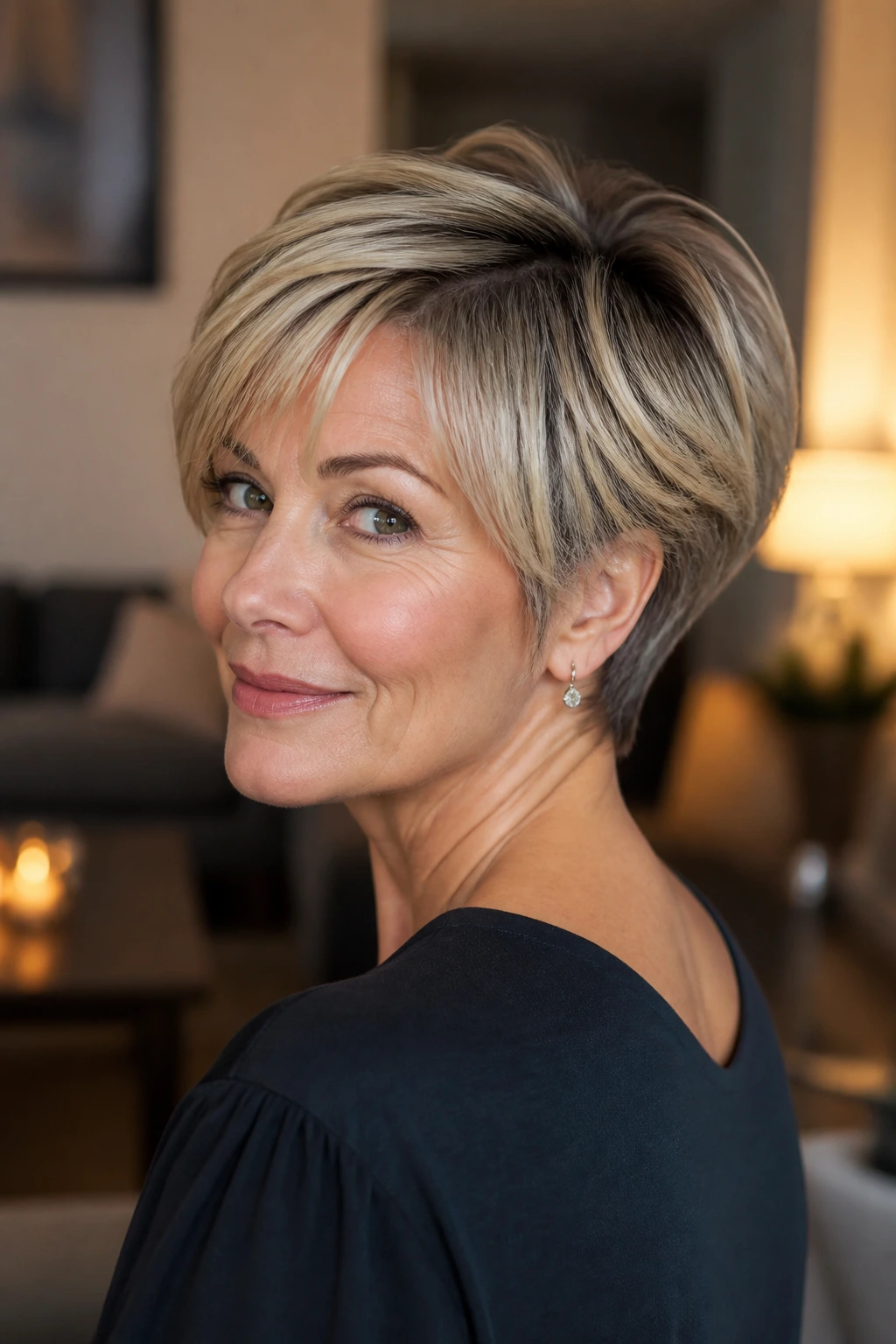
25. Sleek Pixie with a Side Fringe
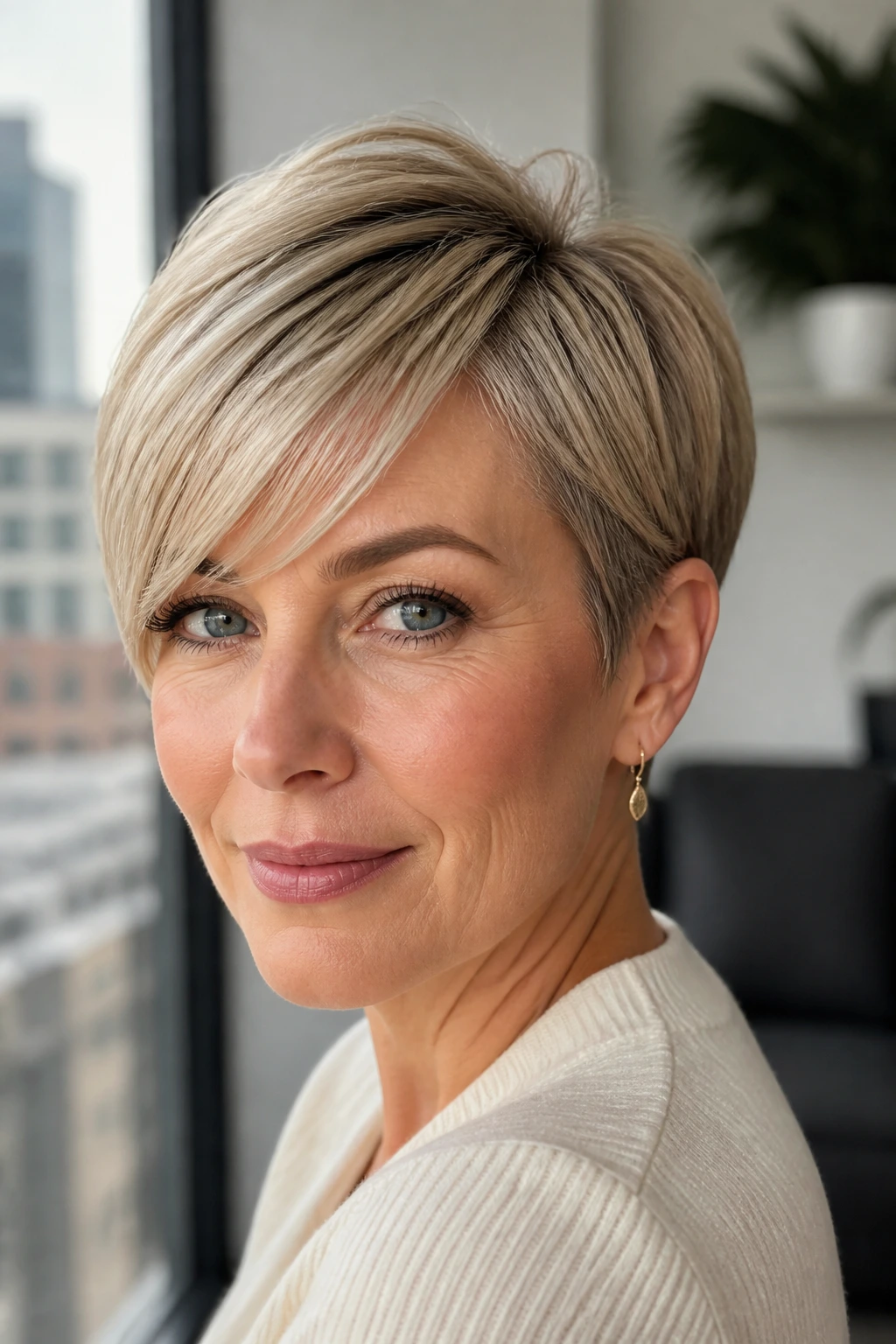
The sleek pixie is for someone who wants the most effortless-looking outline, not the most hair on the floor. A side fringe gives the front some softness and keeps the cut from feeling too abrupt. On fine hair, the cropped shape can actually look fuller because there’s less length to drag everything down.
The nape should stay neat and close. The top needs enough length to create a little bend, not so much that it flops. That balance makes all the difference.
This is one of the easiest cuts to keep polished with a quick blow-dry and a small brush. And yes, it still counts as a face-framing cut. The frame just happens in a tighter space.
How to Brief Your Stylist Without Guesswork
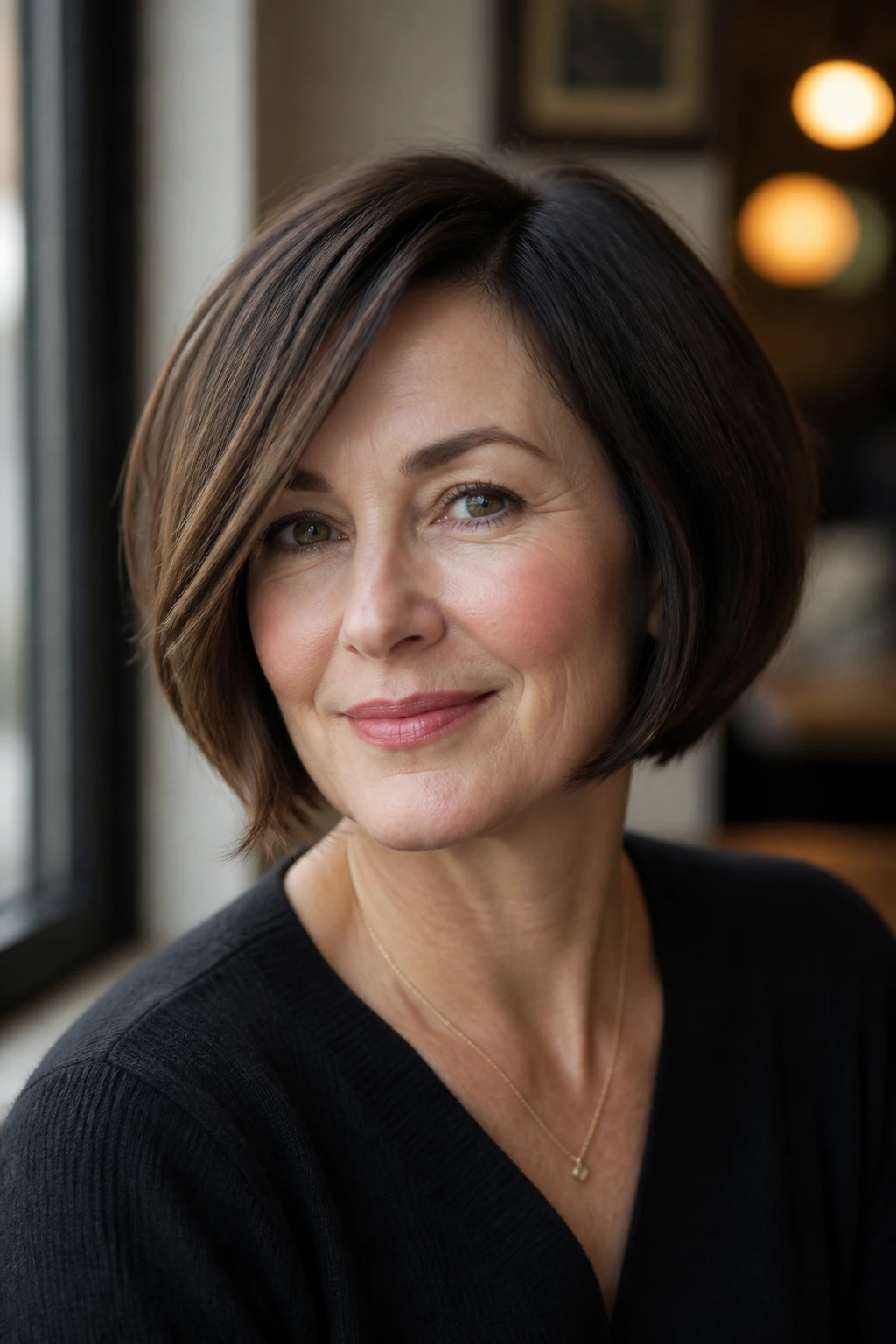
Bring two or three photos, not ten. One should show the length you want, one should show the front shape, and one should show what you do not want. That saves time and keeps the conversation honest.
Use words that describe structure: blunt, beveled, soft face frame, internal layers, long fringe, side part. Those phrases tell a stylist where the weight should stay and where it should move. Saying “more volume” is too vague. Saying “keep the perimeter full and start the front layers around the cheekbone” is useful.
If your hair is very fine, ask whether the cut can be styled without heavy texturizing at the ends. That question matters. Razor-thinned ends look lively for about ten minutes and then start looking sparse.
How to Wear These Cuts So They Don’t Collapse by Lunch
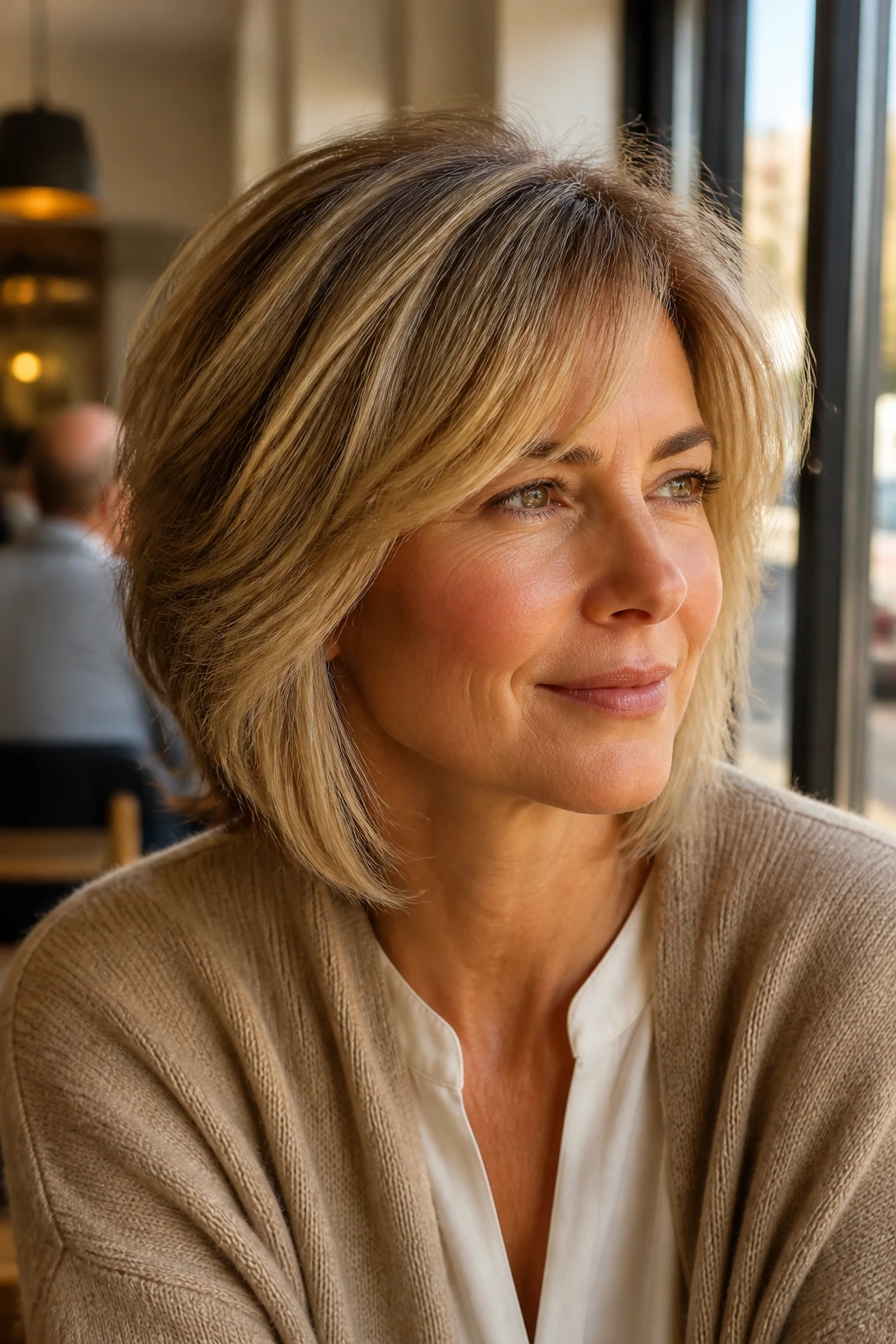
Blow-Dry: Start with a root-lifting mousse at the crown, then dry the hair in sections with a nozzle and a medium round brush. Lift at the root for the first pass, then bend the ends under or away from the face depending on the cut. That one move gives the hair shape that lasts longer than rough-drying.
Air-Dry: Fine hair can air-dry well if the cut has enough structure. Scrunch a light cream through the mid-lengths, twist the front pieces once or twice, and leave the crown alone so it doesn’t separate. If the hair dries too flat at the top, use a few clips at the roots while it’s damp.
Quick Refresh: The next day, mist the front lightly with water, re-bend the face frame with a brush or a flat iron, and work a pea-sized amount of cream through the ends. Dry shampoo helps, but too much makes fine hair look chalky and rough.
Polished Finish: For the blunt bob, midi, or lob, a shine spray on the mid-lengths is usually enough. Keep it away from the roots. Fine hair loses volume fast when the scalp is coated.
Small Adjustments That Make a Big Difference
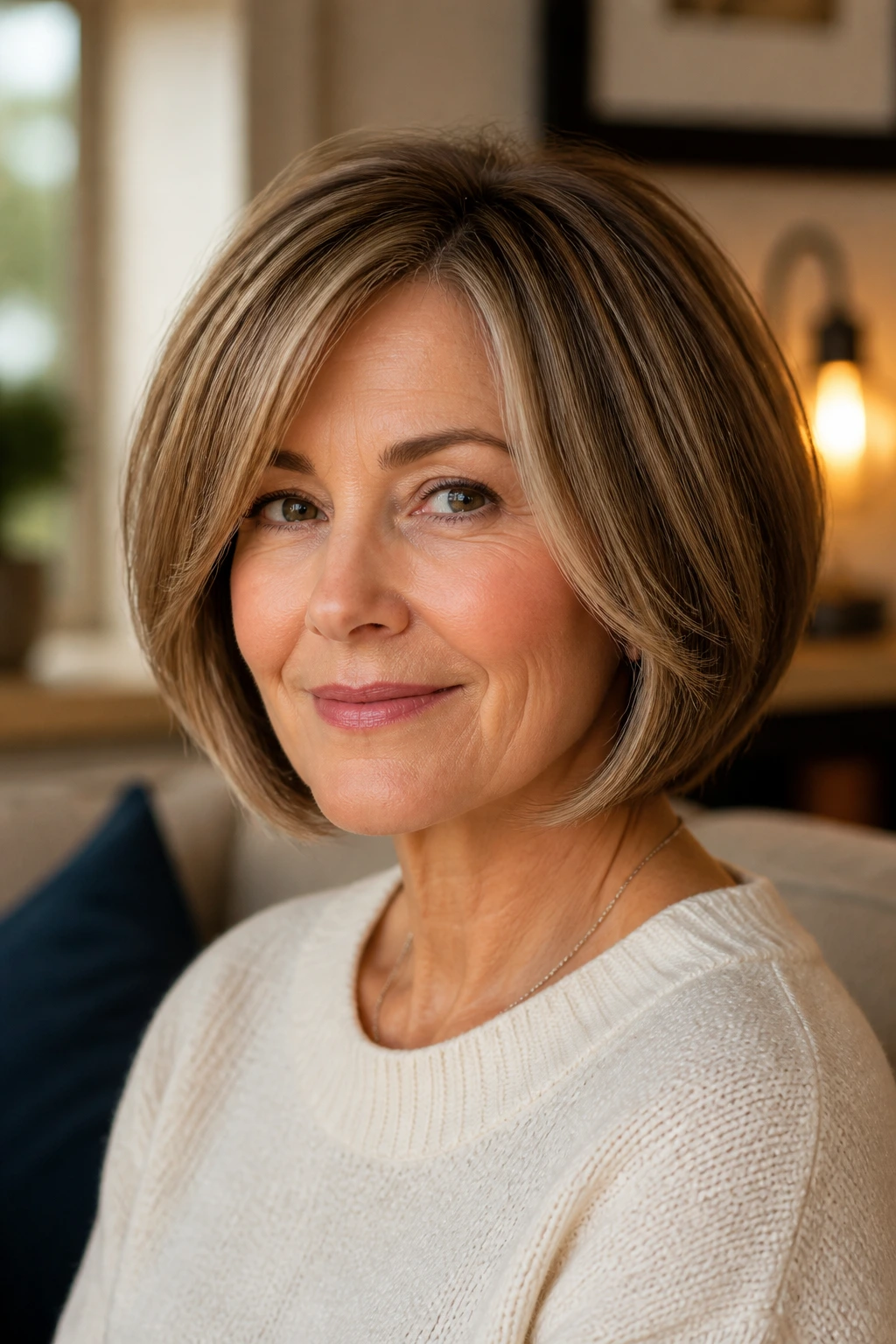
Root Lift: A golf-ball-sized puff of mousse at the roots can matter more than a fancy cut when the crown is flat. Put it on damp hair, not dripping hair, or it slides straight off.
Part Placement: Move the part half an inch off-center and you often get instant lift. It sounds almost too simple. It isn’t.
Face-Frame Placement: Ask for the first front layer to hit cheekbone, not somewhere vague near the chin. That one detail controls whether the cut opens the face or just sits there.
End Finish: Fine hair usually looks fuller when the ends are beveled or blunt, not aggressively razored. If you want texture, ask for it inside the shape, not all over the edge.
Gray or Highlight Blending: A few brighter pieces around the face can make a layered cut look livelier without needing more length or more volume.
The Mistakes That Make Fine Hair Look Thinner

Too Many Short Layers: The hair may look airy in the chair and flat at home. If the crown is over-layered, the ends lose the weight they need to look full. The fix is a cleaner perimeter with longer face pieces.
Face Frame Starting Too High: When the shortest layer begins above the cheekbone, the front can look busy and sparse at the same time. Ask for the first piece to land lower so the shape feels connected.
Over-Texturizing the Ends: This is the fastest way to turn fine hair wispy. You’ll see see-through ends and a fuzzy outline. A better move is internal removal of weight, not shredding the edge.
Using Heavy Creams at the Roots: The hair lies down before lunch. Keep richer products below the ears and use mousse or spray at the crown.
Skipping Regular Trims: Fine hair shows split ends fast. The outline breaks first, and once the line breaks, the whole cut looks thinner. Short shapes need trims more often than long ones.
Variations and Adaptations to Try
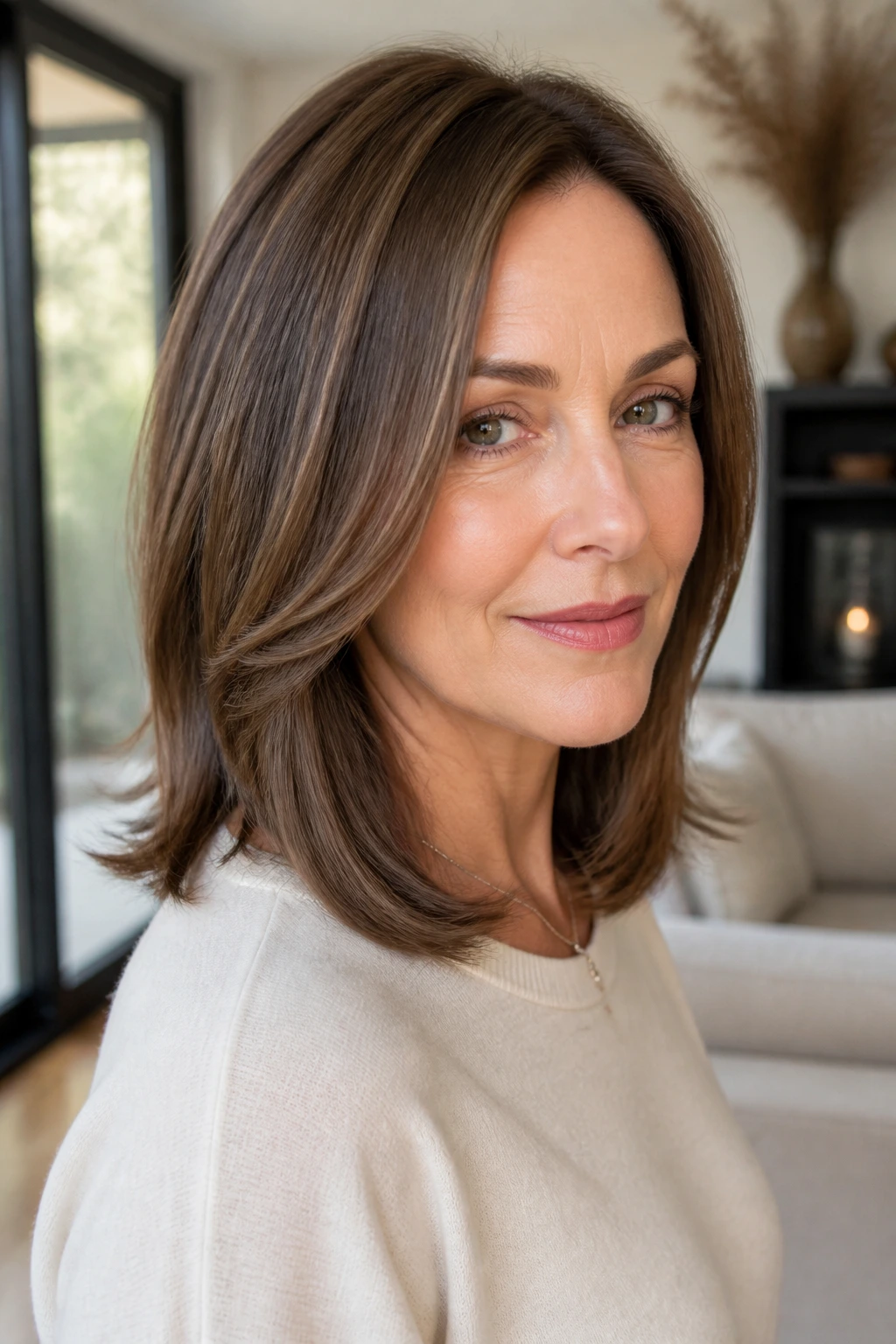
Glasses-Friendly Frame: Ask for cheekbone pieces that stop just above the frame or tuck cleanly behind it. This keeps the haircut from fighting your glasses every time you turn your head.
Wavy-Hair Version: Keep the face frame longer and the layers softer so the waves can stack without puffing up. A little air-dry cream goes farther than a strong mousse here.
Sleeker Office Version: Choose blunt ends, minimal layering, and a deeper side part. You’ll get a cleaner silhouette that still has softness in front.
Gray-Blend Version: Add a soft face frame and a glossy finish around the front so silver strands look intentional rather than frayed. This works especially well on bobs and lobs.
Low-Maintenance Version: Keep the layers long, the fringe optional, and the shape close to one length. That buys you a longer grow-out window and fewer bad hair mornings.
Styling Tools That Actually Earn Counter Space
- A 1- to 1.5-inch round brush: Small enough to lift roots, large enough to smooth a bob or lob without making the ends curl into themselves.
- A blow dryer with a nozzle: The nozzle matters. It directs the air so the cuticle lies flatter and the hair doesn’t puff out like static.
- Root-lifting mousse: Use it on damp roots before drying; it gives fine hair grip without the crunch you get from old-school gels.
- Lightweight volumizing spray: Good for the crown and front pieces when the hair starts to droop by midday.
- Dry shampoo: Best used at the roots on day two, not dusted through the whole head like flour.
- A flat iron with rounded edges: Helpful for a soft bend at the ends or a polished face frame; keep the heat moderate.
- Sectioning clips: Not glamorous, but they make a blow-dry far easier when the front pieces need separate attention.
- A wide-tooth comb: Useful for distributing product without stretching fine strands too hard.
Keeping the Shape Between Salon Visits
Short cuts usually need the most maintenance. A pixie, bixie, or cropped bob tends to look best with a trim every 4 to 6 weeks because the neck and sideburn area show growth fast. Mid-length lobs and shoulder cuts can usually go 6 to 8 weeks before the front loses its shape. Longer layered cuts are the most forgiving and often hold for 8 to 10 weeks if the ends stay healthy.
Between appointments, your goal is to protect the outline. That means not overloading the roots with product, not sleeping with soaking-wet hair, and not flattening the front with tight clips all day. A silk or satin pillowcase helps keep the face frame smoother, especially if the hair is straight or lightly waved.
If you use dry shampoo, wash it out every couple of days rather than letting it build up for a week. Fine hair gets dull and sticky fast when powders stack up. A clarifying wash once every 2 to 4 weeks keeps the roots light again, which matters more than most people think.
Questions People Ask Before They Cut
Will face-framing layers make fine hair look thinner?
Not if they’re placed well. The problem is usually too many short layers near the crown or an over-thinned perimeter, not the front frame itself. Keep the layers long and let the edge stay solid.
Are bangs a bad idea for fine hair?
No, but heavy bangs can eat up density fast. Bottleneck, side-swept, or soft fringe shapes are easier to live with because they leave more hair elsewhere to carry the cut.
What is the best length for fine hair if I want fullness?
Collarbone to just above the shoulders is a sweet spot for many people. It gives enough weight for the hair to hang well while still allowing movement around the face.
Can I wear these cuts if my hair is wavy?
Yes, and some of them look better with a little wave. The key is keeping the front soft and the layers long enough that the wave doesn’t explode into puffiness.
How often should I trim face-framing layers?
Usually every 6 to 8 weeks if you want the shape to stay sharp. If you’re growing the hair out, you can stretch longer, but the front will start to lose its intention first.
Should I ask for texturizing shears?
Only in very small amounts, if at all. Fine hair can go stringy fast when the ends are over-thinned. Ask for internal movement instead of heavy texturizing.
What if my hair flips out in weird places?
That often means the layers are too short or the end bevel is fighting your natural growth pattern. A stylist can usually soften the angle or change the drying direction so the flip works with the cut.
Can I air-dry these styles?
Some, yes. The softer shags, lobs, and longer layered cuts can air-dry well if you keep the layers long and use a light cream. Very blunt bobs and pixies usually need at least a quick root dry to hold their shape.
Final Shape
The best fine-hair haircut is the one that gives your hair a job. A blunt edge can make it look denser, a soft front frame can brighten the face, and a clean silhouette can stop everything from collapsing into fuzz by noon. That is the real win here: shape before volume, structure before fuss.
If you’re booking a cut, don’t ask for “more layers” and hope for the best. Ask where the weight should stay, where the front should start, and how much styling you’re willing to do on a Tuesday morning. That small conversation usually separates a good haircut from one you keep fighting with.
Pick the shape that matches your routine, your texture, and how much length you actually want to keep. The right cut should feel lighter on your head and smarter in the mirror.