



Square faces can be stubborn about where they want attention. Put curls in the wrong place and the jaw looks boxier, the cheeks look broader, and the whole shape can feel more rigid than it really is. Put the same texture in the right place, though, and the face opens up fast — a side part, a little height at the crown, a few softer pieces around the temples, and suddenly the geometry changes.
Natural hair makes this even more interesting, because shrinkage, density, and curl pattern all change where the weight lands. A blunt end at chin level can draw a hard horizontal line. A curved layer that drops below the cheekbone does the opposite. That’s the real game here: not hiding your face, not fighting your texture, just steering the eye where you want it to go.
The styles below do that in different ways. Some are polished and photo-ready. Some are low-maintenance and forgiving on day three. A few are protective and a few are short, because square faces do not need one single trick — they need placement, shape, and a little judgment about where width belongs and where it doesn’t.
Why These Curls Work on Square Faces
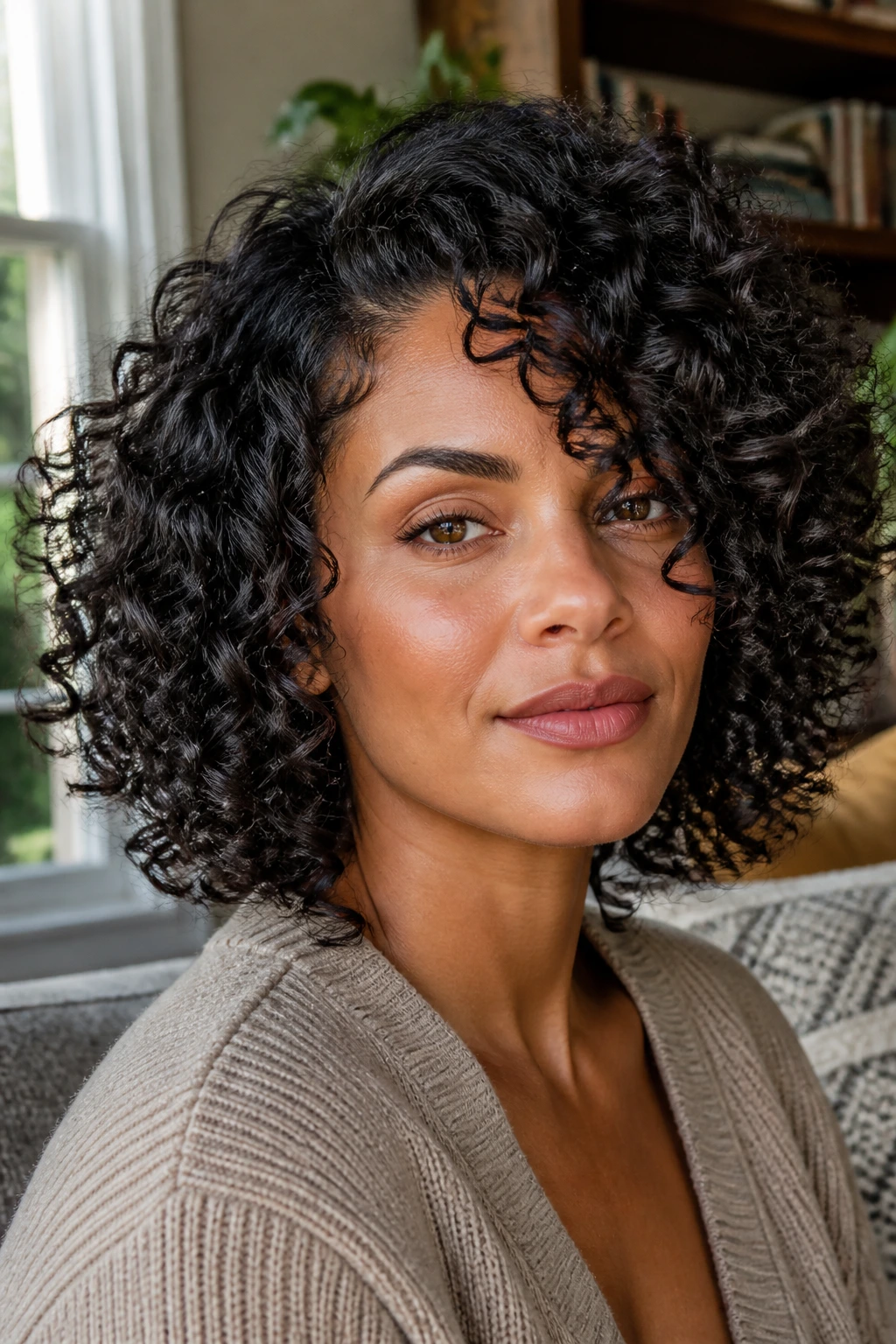
- Side parts change the geometry: A part that sits 2 to 3 inches off center cuts across the face on a diagonal, which softens the straight lines at the forehead and jaw.
- Crown height pulls the eye upward: Volume at the top creates length, and that vertical line matters more than people think on a square face.
- Layers below the cheekbone keep the sides from looking heavy: When curls start stacking at jaw level, the face can look wider than it is.
- Temple softness matters: A few loose pieces near the temples or cheekbones blur the corners that make square faces look angular.
- Shrinkage is part of the plan: Natural hair often rises higher than the cut looks when it’s wet, so the finished shape needs to be built with that in mind.
- Not every style has to be long: Short curls can work too, as long as the outline is rounded, tapered, or asymmetrical instead of blunt.
1. Side-Part Wash-and-Go with Root Lift
A good wash-and-go can do a lot of work for a square face, but only if the part is placed with some care. A deep or medium side part breaks the face’s symmetry before the curls even finish drying, and that alone softens the jawline. The trick is to clip the roots at the crown while the hair is damp so the top dries with height instead of collapsing flat.
Why It Flatters Square Faces
The diagonal line of the part gives the eye a place to travel, and the lifted crown adds a little length where square faces need it most. Keep the volume up top and let the sides stay closer to the head. That’s the balance.
Use a curl gel with enough hold to set a cast, then diffuse on low heat until the surface feels dry and slightly crisp. Once it cools, break the cast with a small amount of oil on your hands. The curls stay defined, but the shape feels softer around the temples and cheekbones.
2. Collarbone-Length Spiral Layers
If you want your natural hair to look polished without sitting heavy around the jaw, collarbone length is a safe and useful place to live. It gives the curls room to fall below the widest part of the face, and that matters more than chasing dramatic length. The layers should start under the cheekbone, not at the chin.
What Makes It Work
The outline stays clean, but the curls don’t stack into a shelf. That’s the difference between a flattering shape and one that makes the face look wider. A stylist who knows curly cuts will usually leave the front a touch longer than the back so the curls can swing rather than box out.
This one looks best when the layers are not over-thinned. You want movement, not gaps. A lightweight cream and a soft gel are enough; too much butter or oil can make the curls sit in clumps that drag the ends inward.
3. Tapered Curly Bob with Soft Temple Pieces
A bob can go wrong on a square face fast. Blunt at the jaw? Hard pass. Tapered through the back with a slightly longer front? Much better. The taper keeps the shape from widening at the corners, and the temple pieces break the outline just enough to feel soft.
Where to Watch the Line
The front should hover below the cheekbone or skim the top of the collarbone when stretched. That little bit of extra length keeps the bob from landing right on the jaw, which is where square faces can start to look boxy.
I like this cut when the curls are dense and springy. It gives the hair a shape without asking it to sit flat. A side part makes it even better, but if you prefer the center, keep the front pieces longer so the middle line doesn’t feel too severe.
4. Deep Side-Swept Halo Curls
This is the style I reach for when a square face needs a little drama without losing softness. Sweep most of the hair to one side, pin the opposite side close to the scalp, and let the curls spill across the forehead and cheekbone like a loose halo. It’s elegant in the old-fashioned sense: controlled, but not stiff.
A deep side sweep interrupts the face’s symmetry in a way a center part never will. It also creates a little shadow near one temple, which makes the jaw read less square. Add a touch of shine serum on the outer layer only. Don’t weigh the roots down.
5. Shoulder-Grazing Coils with Curved Layers
Shoulder-grazing coils are one of those shapes that look simple until you see how much work the layer placement is doing. The shortest layers should curve around the cheekbone area, not stop at the jaw. That keeps the hair from building a hard line across the sides of the face.
Why the Curve Matters
Round layers give the eye a soft path down and around the face. Straight, even layers don’t do that. They can create width right where you don’t want it.
This cut is especially good for tighter coils that shrink a lot, because it still reads as deliberate when the hair dries shorter. Fluff the roots with a pick, but leave the ends alone. If you pick the ends too, the whole shape can balloon outward in a way that fights the face shape instead of working with it.
6. Half-Up Puff with Cascading Ends
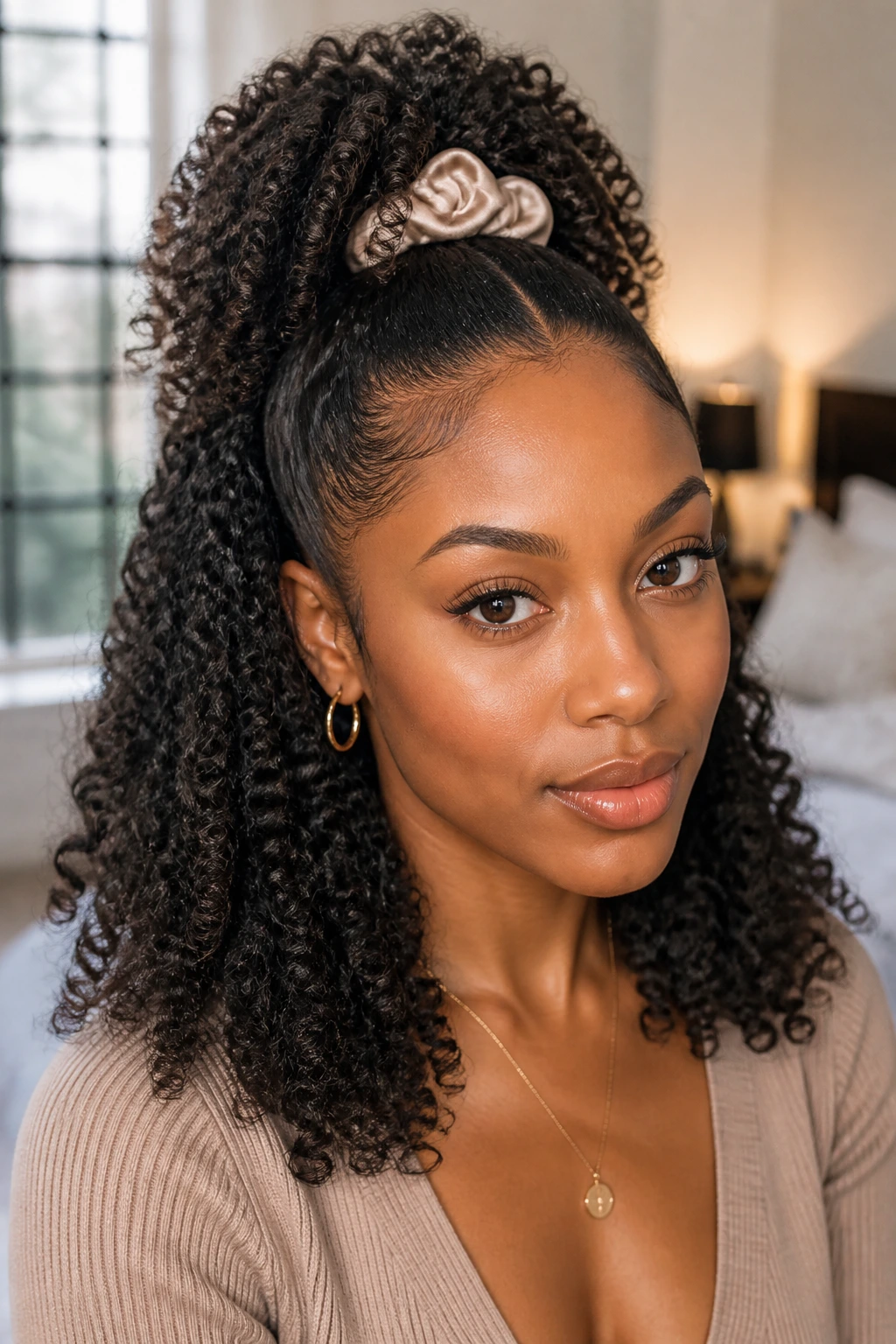
A half-up puff is one of the easiest ways to give square faces more vertical line without losing the romance of loose hair. Pull the top section up high enough that it sits above the widest part of the face, then leave the rest of the curls or stretched ends down. That split in the shape matters.
The puff creates height, while the length below the shoulders keeps the jaw from feeling boxed in. I like a satin scrunchie here because it holds without scraping the curl pattern. If the sides feel too full, smooth them back with a little gel before you gather the puff. Tiny move, big payoff.
7. Flexi-Rod Lob with Side-Bang Sweep
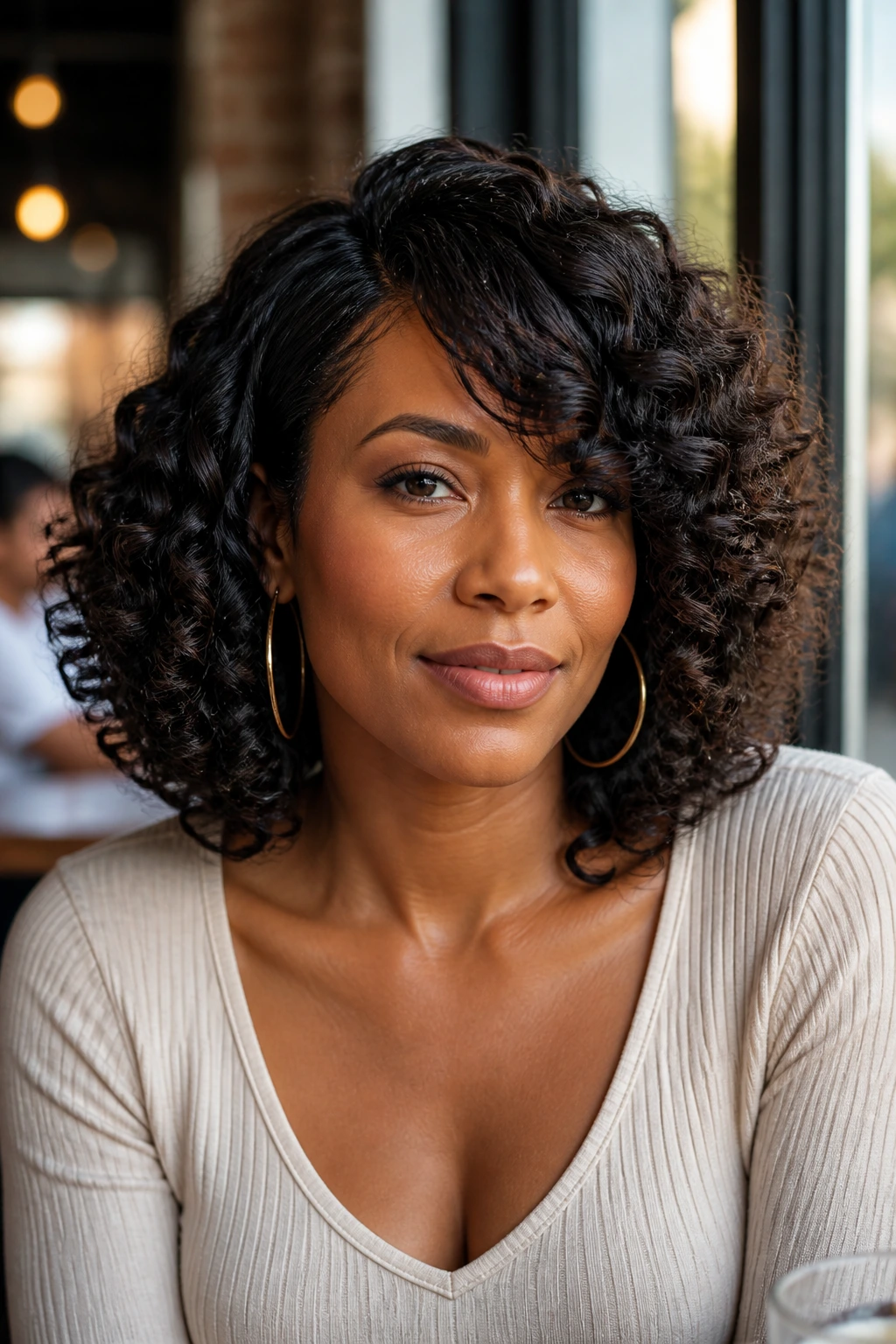
A flexi-rod set gives you polished curl definition with a cleaner edge than a loose twist-out. On a square face, a lob that lands at or just below the collarbone keeps the shape long enough to soften the jaw. The side-bang sweep is what really changes the look — it cuts across the forehead and keeps the face from reading too straight.
Dry it fully. Seriously. Half-dry rod sets frizz at the root, and frizz at the root puffs out the sides in exactly the wrong way. Once the rods come out, separate only once or twice with oiled fingertips. Too much separating makes the style widen.
8. Twist-Out with Rounded Crown Volume
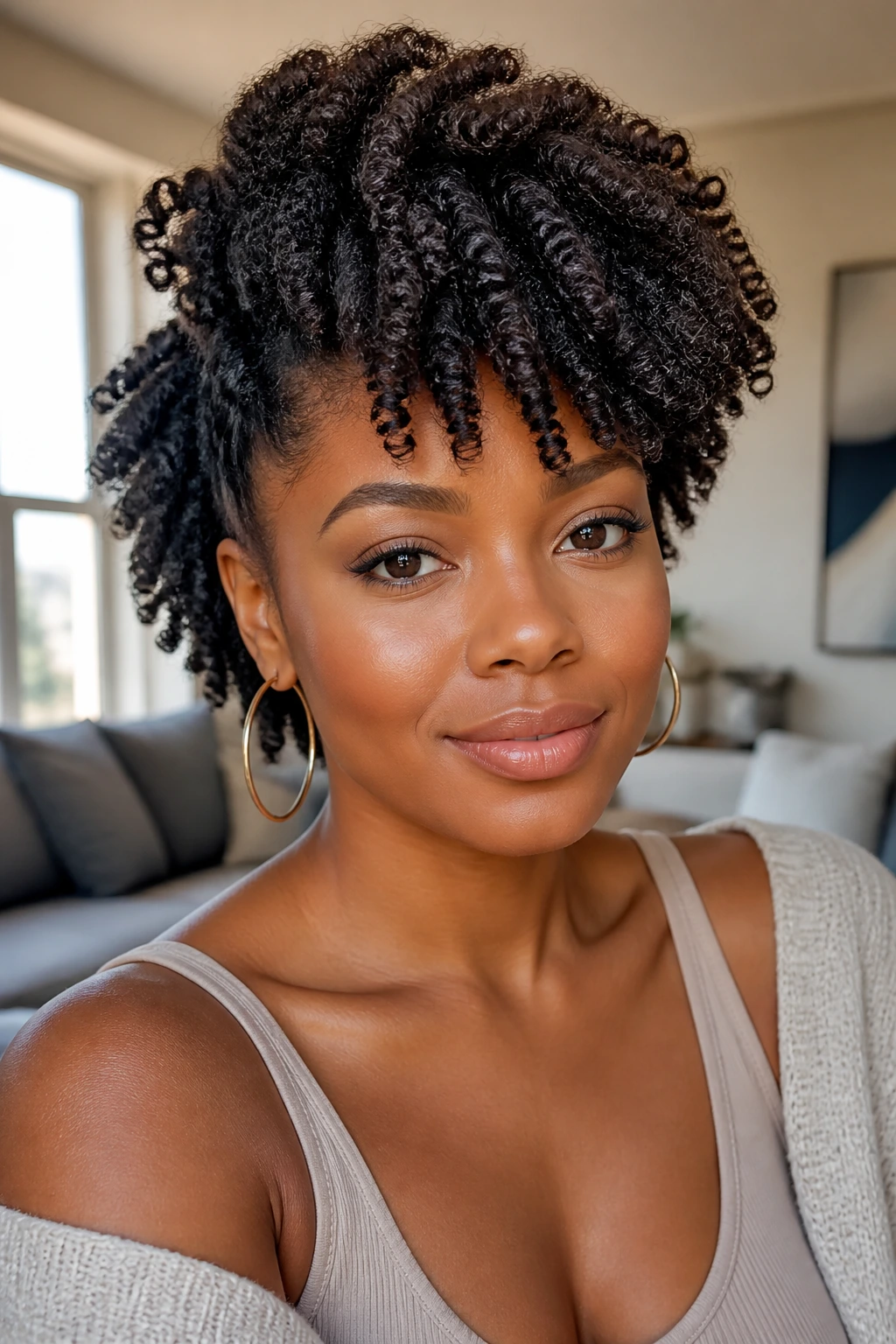
A twist-out can be a square face’s best friend when the crown stays full and the sides stay controlled. The mistake people make is stretching the twists too wide at the cheeks. Keep the parts a little taller through the top and let the perimeter curve inward softly.
The style works best when the twists are fully dry before unravelling. If you pull them apart while they’re still cool or damp, the shape falls flat and frizzy at once. I prefer medium sections for this look. Tiny twists can make the top too tight, and huge twists can leave the shape uneven.
9. Defined Finger Coils with Tucked Sides
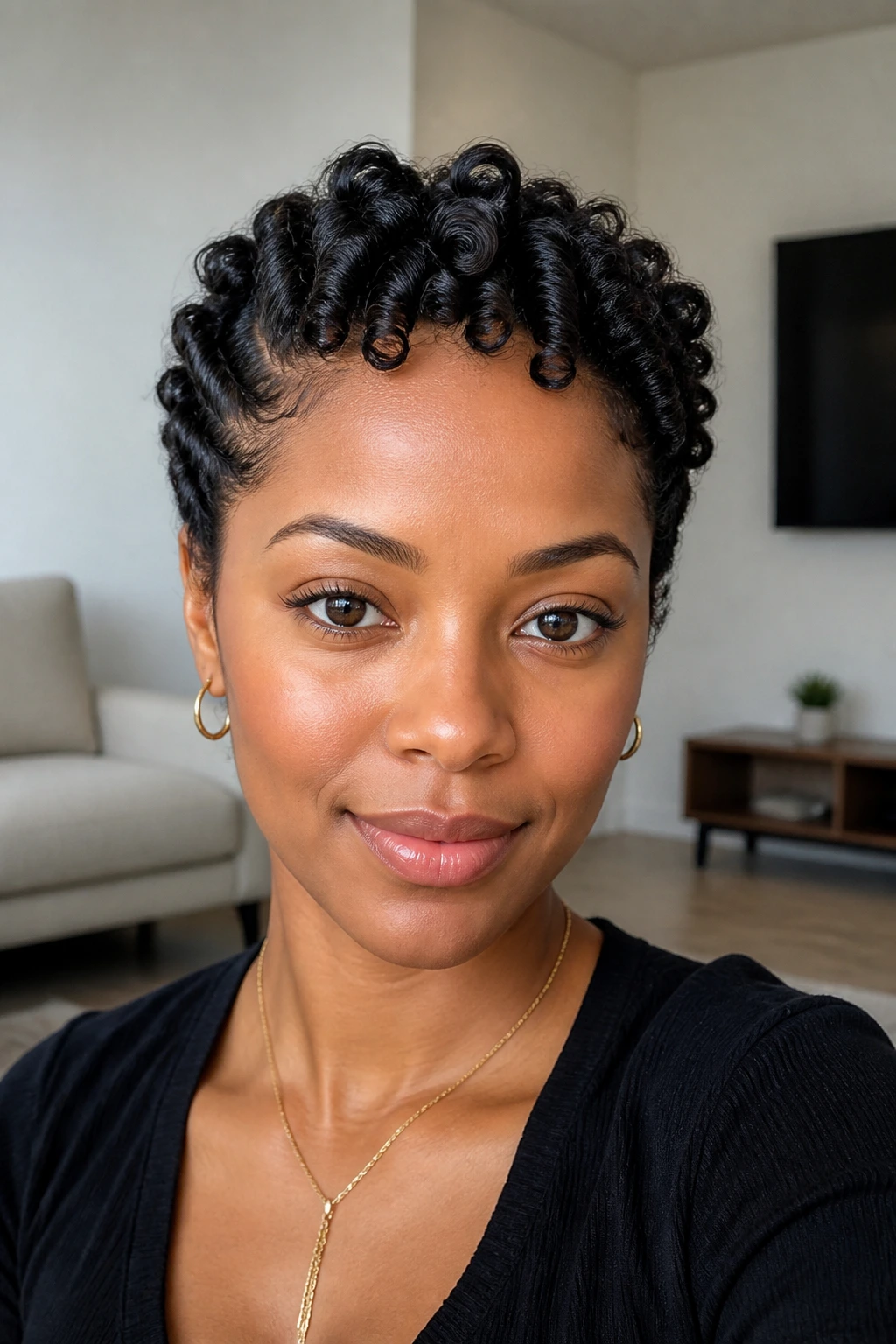
Finger coils give you tidy definition, which is useful if your natural hair tends to go big on the sides. Keep the curls close and intentional near the temples, then tuck a few side pieces behind the ears so the face stays open. That tiny bit of negative space changes everything.
How to Keep Them from Looking Boxy
Use a light styling cream under a stronger gel, then coil in the same direction all over so the finish looks clean. If your coils start to spread at the roots, clip them at the crown while they dry.
This is a good short-to-medium style when you want control without losing texture. It’s neat without looking sharp, which is rare for square faces and worth keeping in rotation.
10. Curly Shag with Cheekbone Layers
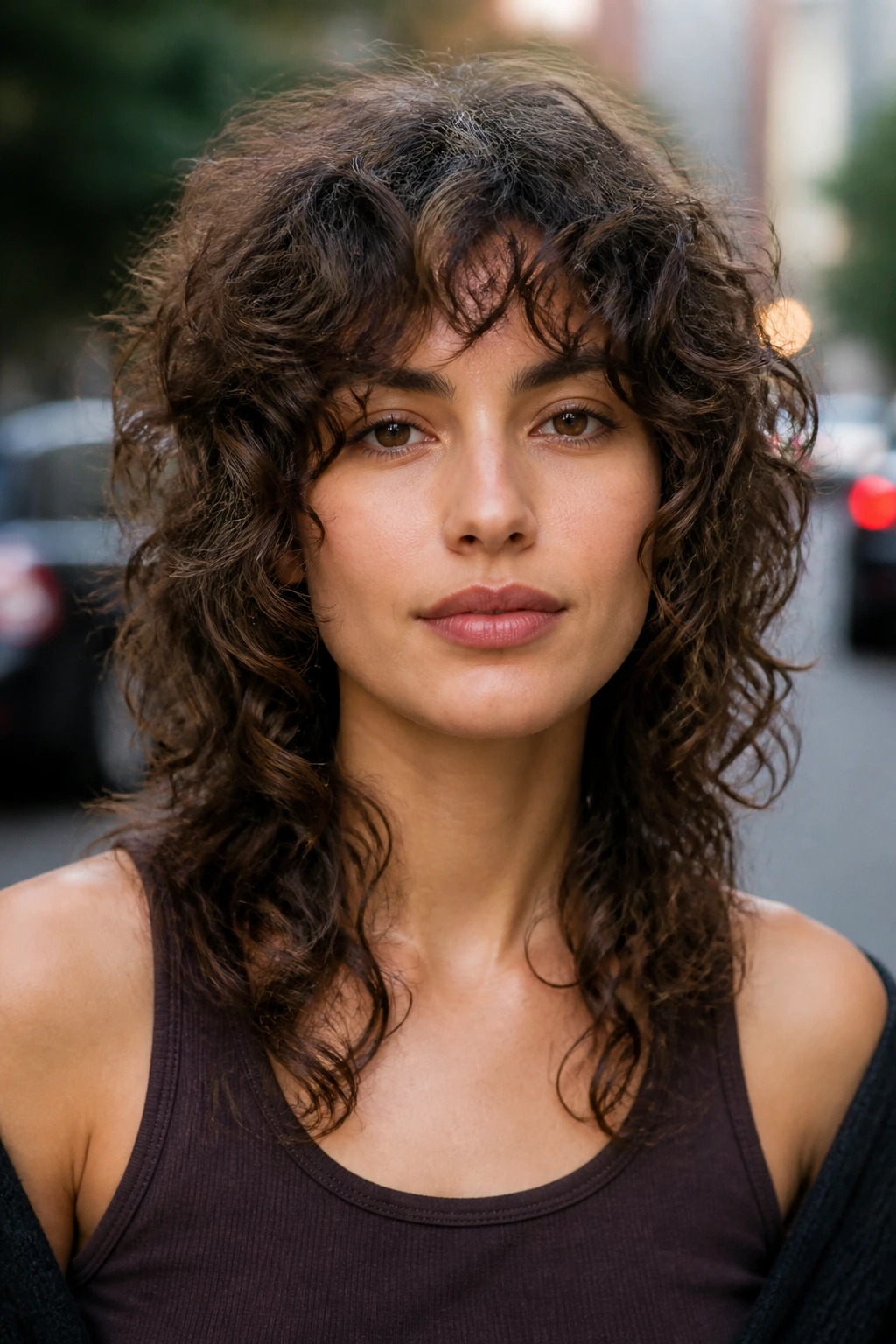
The curly shag sounds edgy, but the reason it flatters square faces is simple: it breaks up the outline. Instead of sitting in one solid block, the layers land at different heights, with the shortest pieces around the cheekbone and the longer curls below.
That unevenness softens the face in a way a blunt style never will. Keep the front pieces a touch longer than you think you need. Curls shrink, and a shag that looks airy when wet can turn dense fast once it dries. The shape should feel alive, not chopped up.
11. Pineapple Ponytail with Front Tendrils
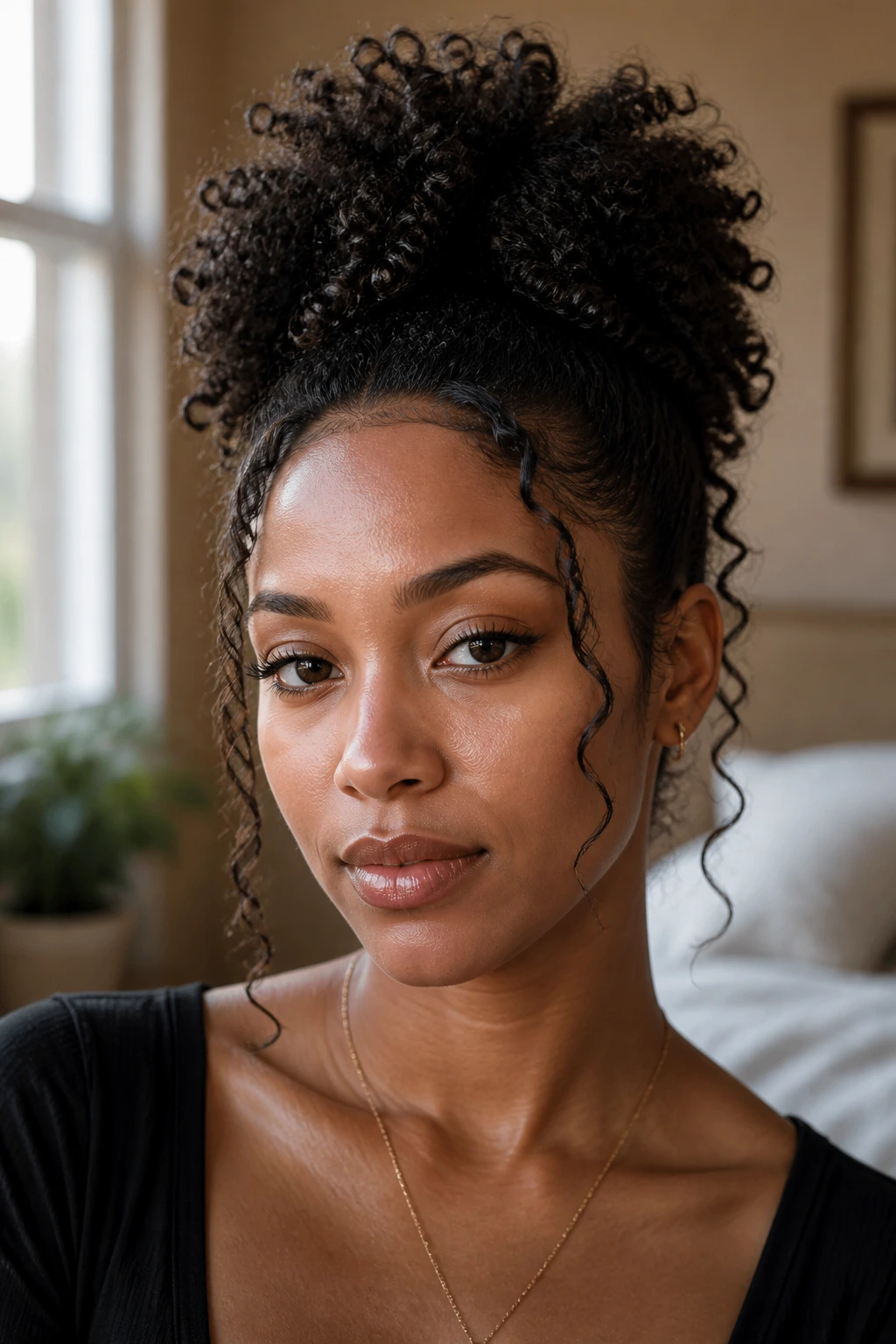
This is the fast answer when day-two curls need to look deliberate. Gather the hair high on the crown, let the ends sit loose and airy, and pull out a couple of front tendrils near the temples. The height lifts the face, and the loose pieces stop the forehead from feeling too open.
Use a satin scrunchie or a soft coil-free tie so the ponytail doesn’t leave a hard dent. If the puff gets too tight, it pulls the sides back and exposes the jaw. Leave it loose enough that the shape stays round at the top and narrow at the sides.
12. Stretch Blowout with Bouncy Ends
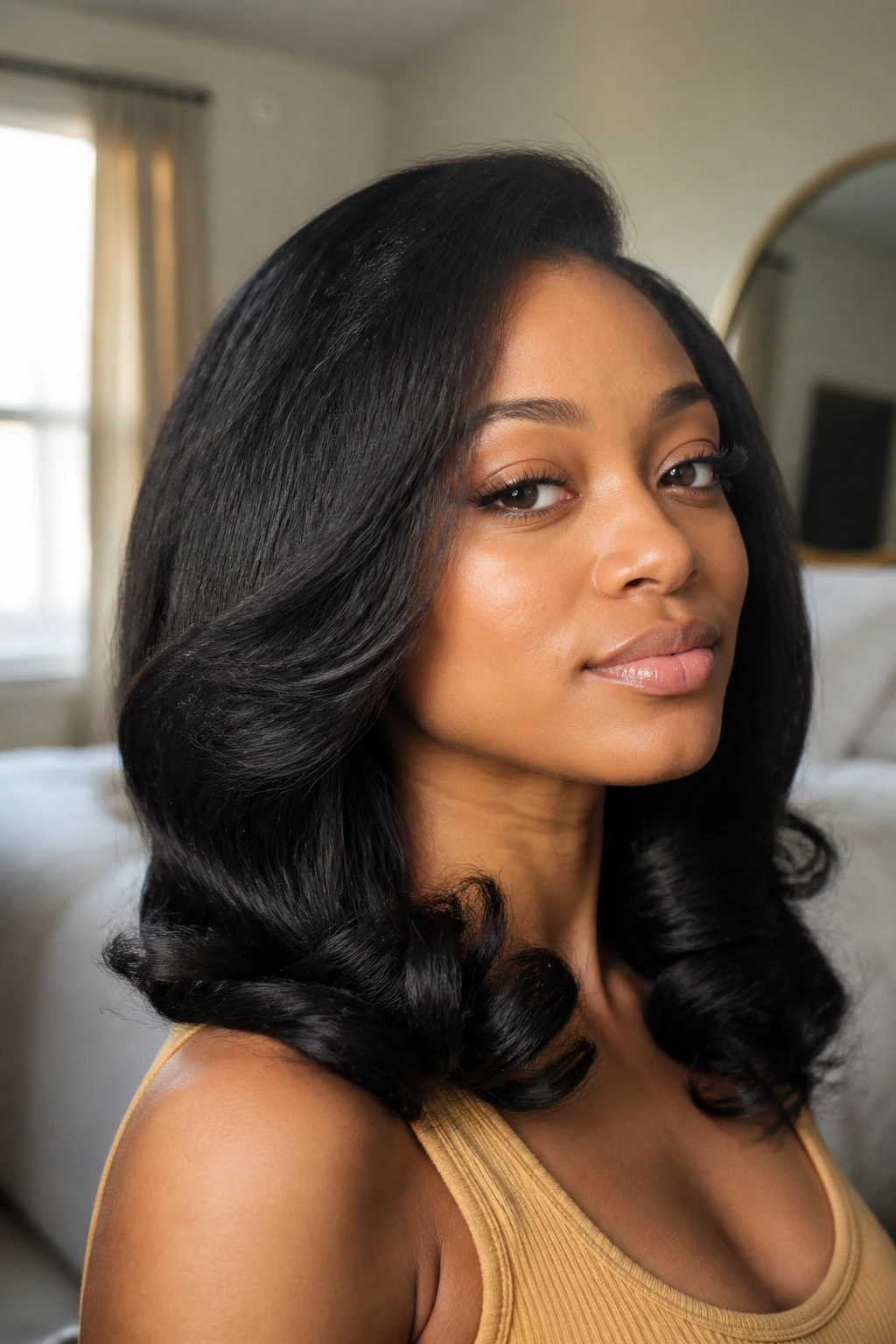
Not every square face needs maximum shrinkage. Sometimes stretching the roots and mid-lengths gives the hair a cleaner, longer line that helps the jaw read softer. The trick is to keep the ends bouncy so the style still looks curly, not flat.
A heat protectant is non-negotiable here. Use tension drying or a round brush at low to medium heat, then stop before the hair is poker-straight. You want bend, not a flat silk press unless that’s the actual goal. The curve at the ends keeps the style from feeling severe.
13. Flat-Twisted Crown with Curly Length
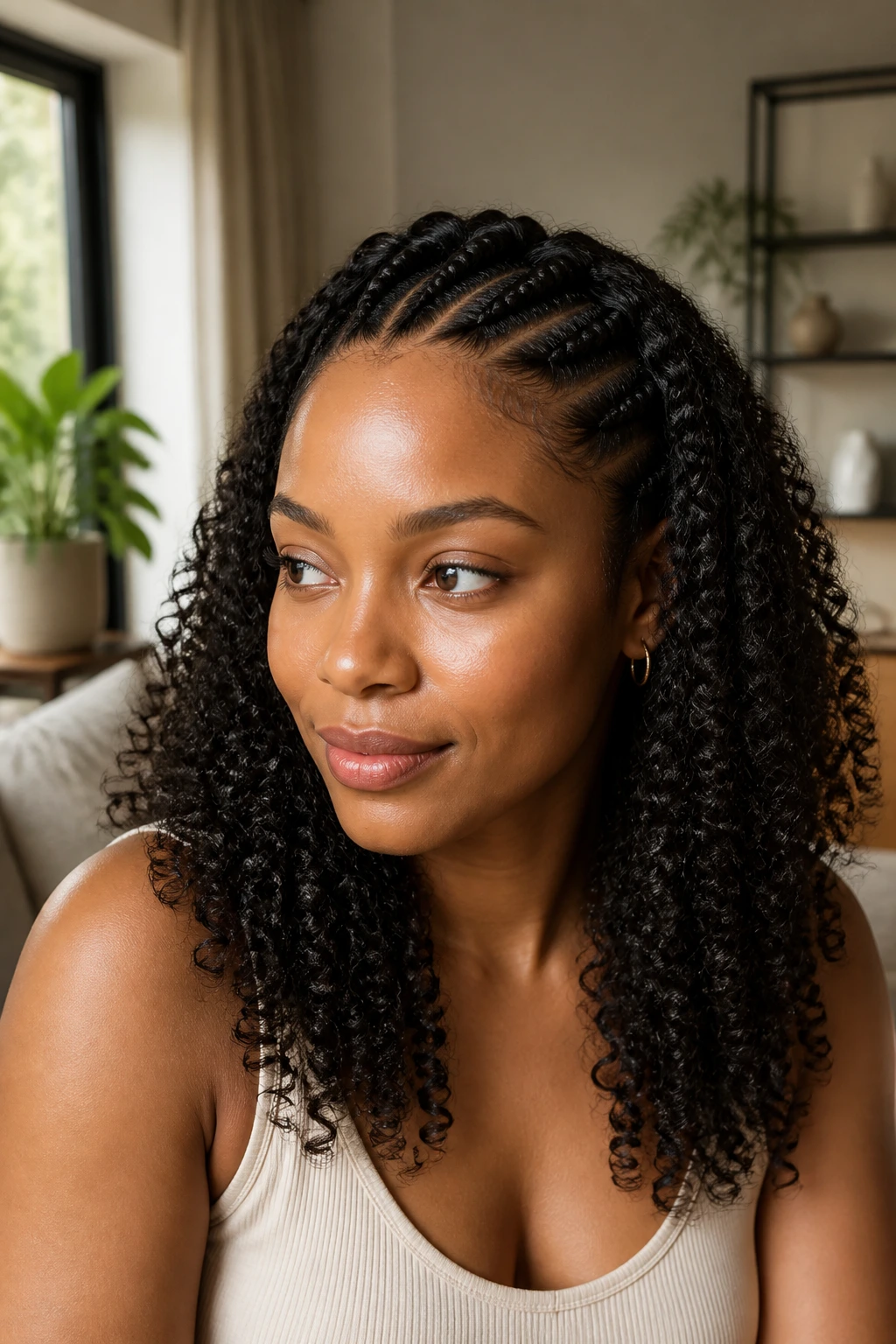
Flat twists across the hairline control the front and give the face a neat frame, while the rest of the hair stays loose and soft. That contrast works beautifully on a square face because the front looks tidy and the length below it keeps the jaw from feeling boxed.
A style like this does not need much else. Maybe a touch of edge control, maybe a few curls pinned loosely at the back if you want more shape. The important part is that the crown stays close while the lower half moves.
14. Side-Swept Afro with Soft Edges
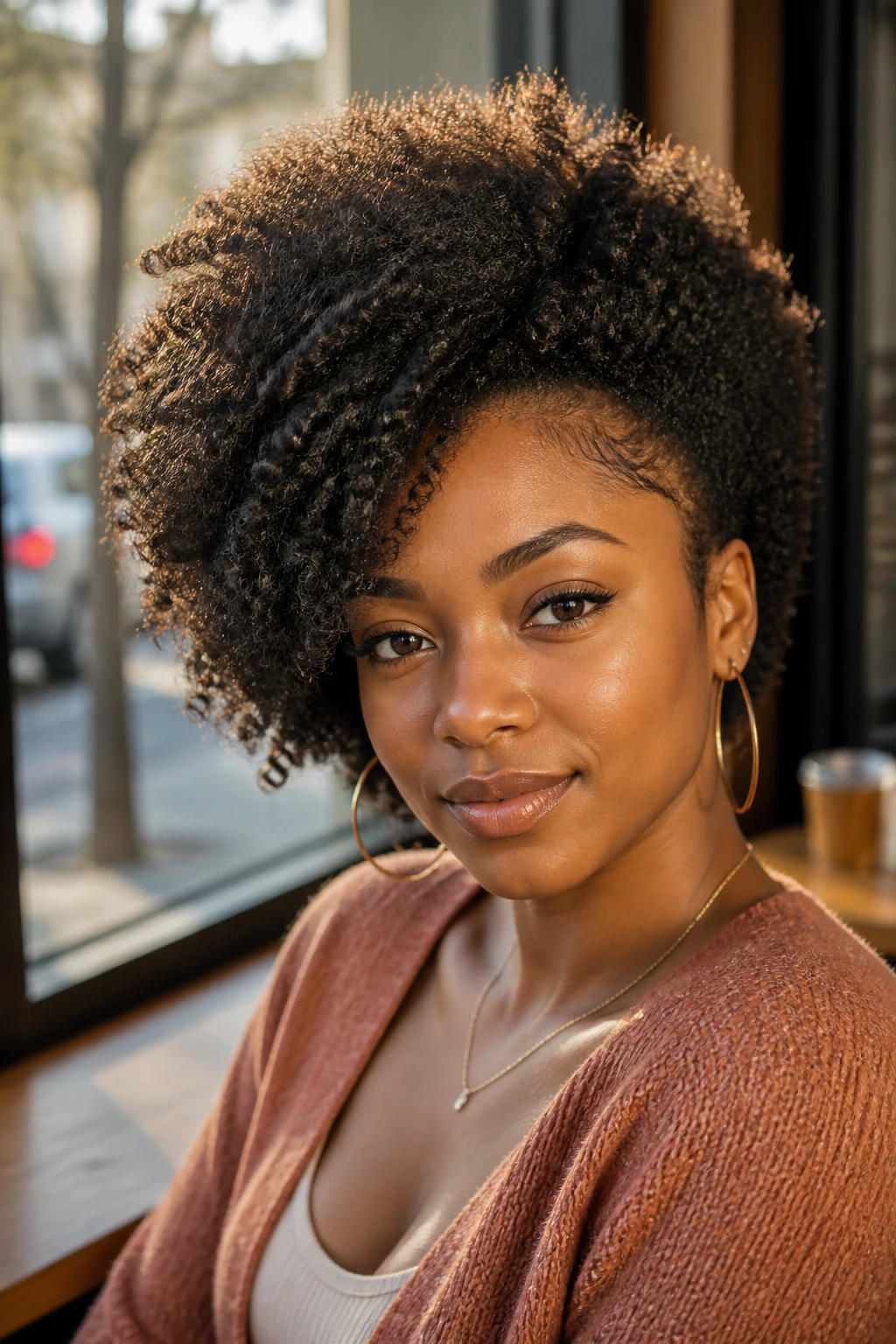
A side-swept afro can be stunning on a square face because it keeps the volume high but refuses to sit as a perfect square. Pick the roots, not the ends, and guide the top in one direction so the outline has motion. A little asymmetry goes a long way.
What to Ask for if You’re Cutting It
Ask for soft edges around the temples and a rounded perimeter. That means the hair won’t sit in a flat shelf across the jawline. If your stylist knows their way around curls, they’ll usually keep the shape slightly fuller at the top and lighter at the sides.
15. Medium Box Braids with Curled Ends
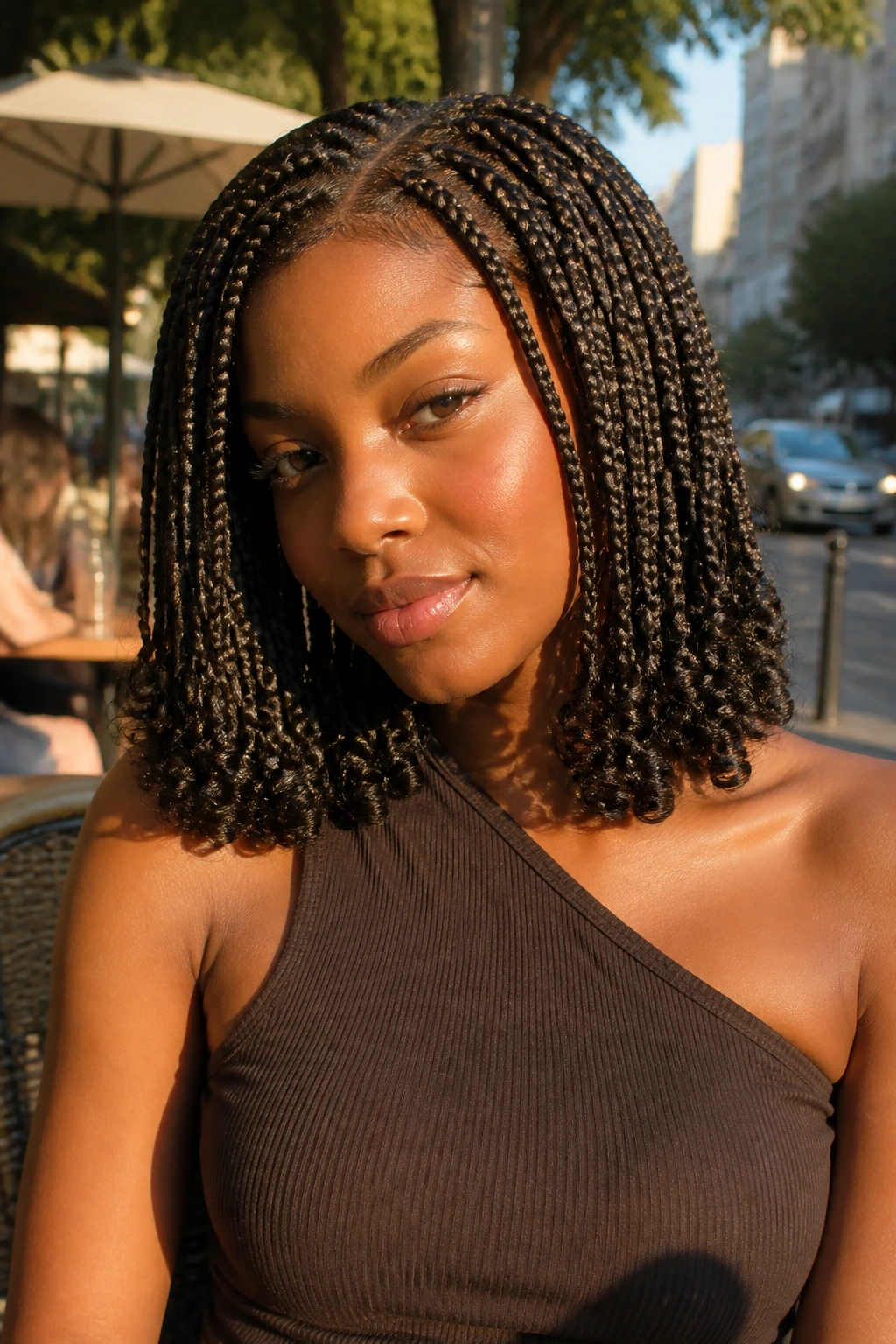
Braids can work for square faces if the size, parting, and finish are chosen with care. Medium box braids keep enough weight to fall in a smooth line, and curled ends soften the bottom edge so the whole style doesn’t look too straight.
The part should not sit dead center unless you really like symmetry. A slightly off-center part gives the face a more relaxed line. Curled ends are the part that makes this feel elegant rather than severe, so don’t skip them. They land near the collarbone and interrupt the jawline in a useful way.
16. Braid-Out with Wide Side Part
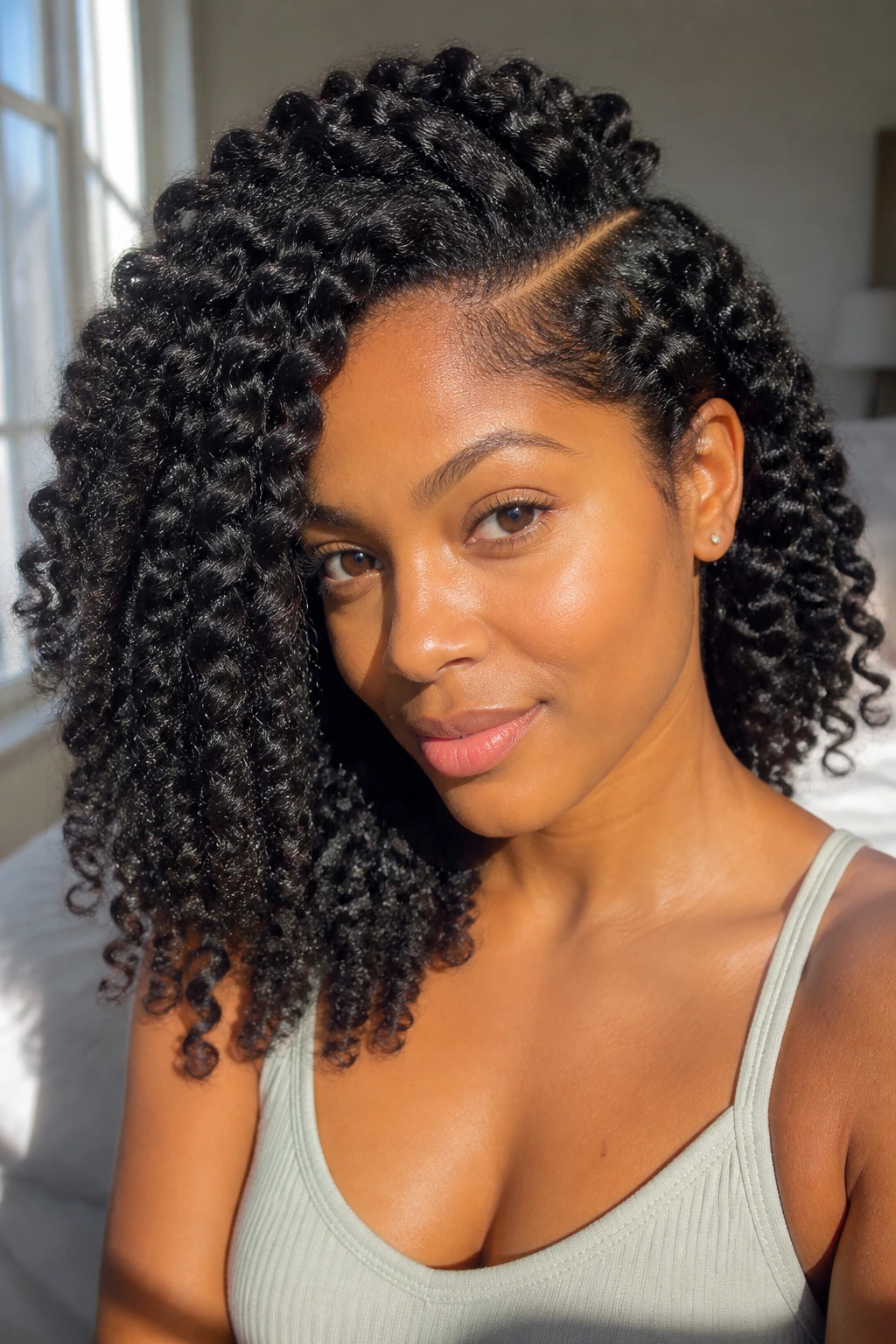
A braid-out gives you stretch without heat, which is useful when your hair holds shape but wants to flare out at the sides. The wide side part creates a diagonal line across the forehead, and the stretched wave pattern keeps the curls from bunching right at the jaw.
Dry the braids completely before taking them down. If you rush it, the shape turns fuzzy and widens out. I like to separate the hair only once and then stop. Over-separating is what makes braid-outs go from soft to puffed up.
17. Faux Hawk with Curved Sides
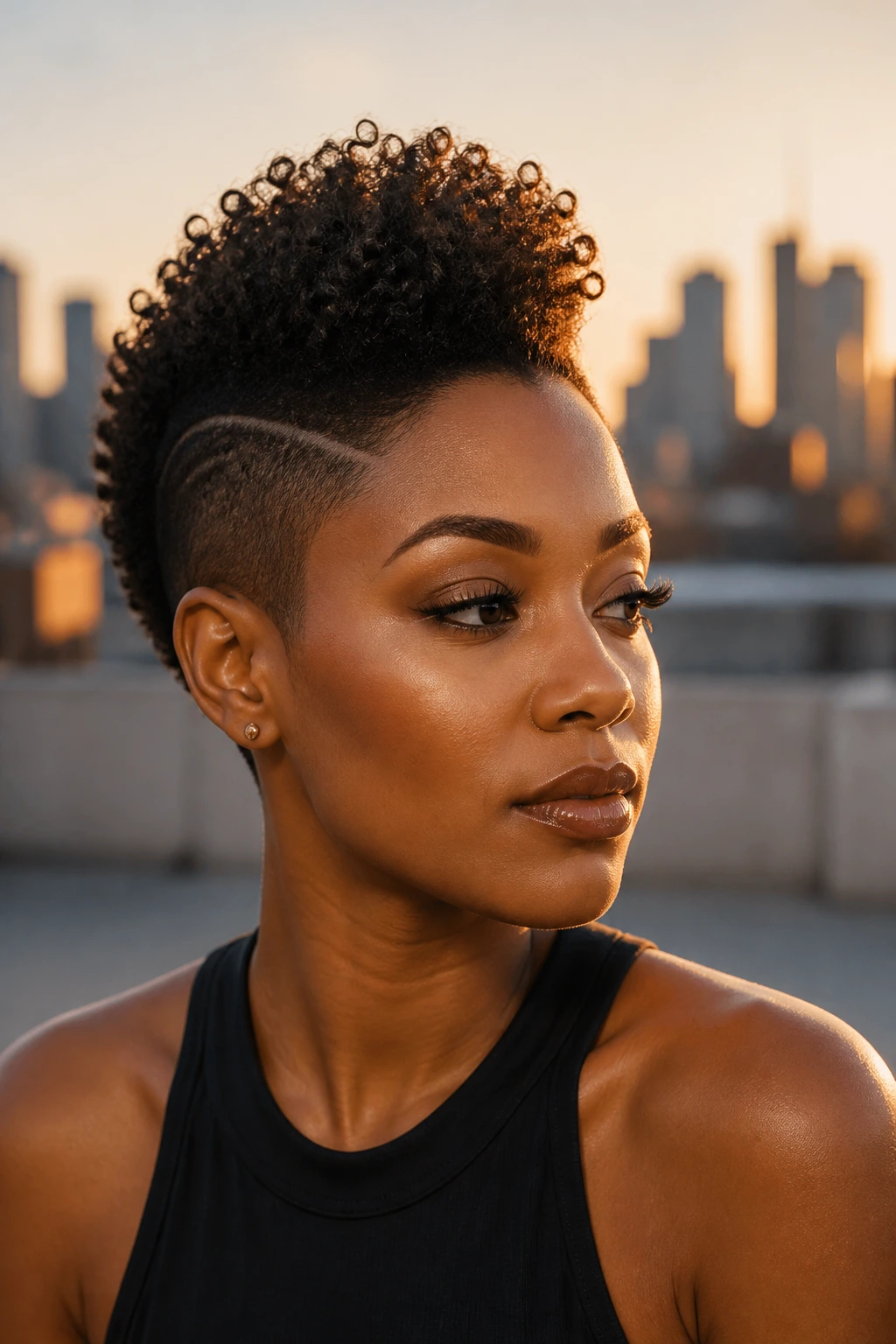
A faux hawk is bold, yes, but it also happens to be one of the easiest ways to make a square face look longer. The center ridge adds height, and the sides either stay pinned back or braided close to the head. That leaves the middle to do the talking.
Use this when you want the face to feel more vertical and less broad. Curved sides matter here. If the side sections are slicked too flat in a straight line, the style can feel harsh. Give the center texture and let the sides taper gently.
18. Curly High Puff with Shaped Perimeter
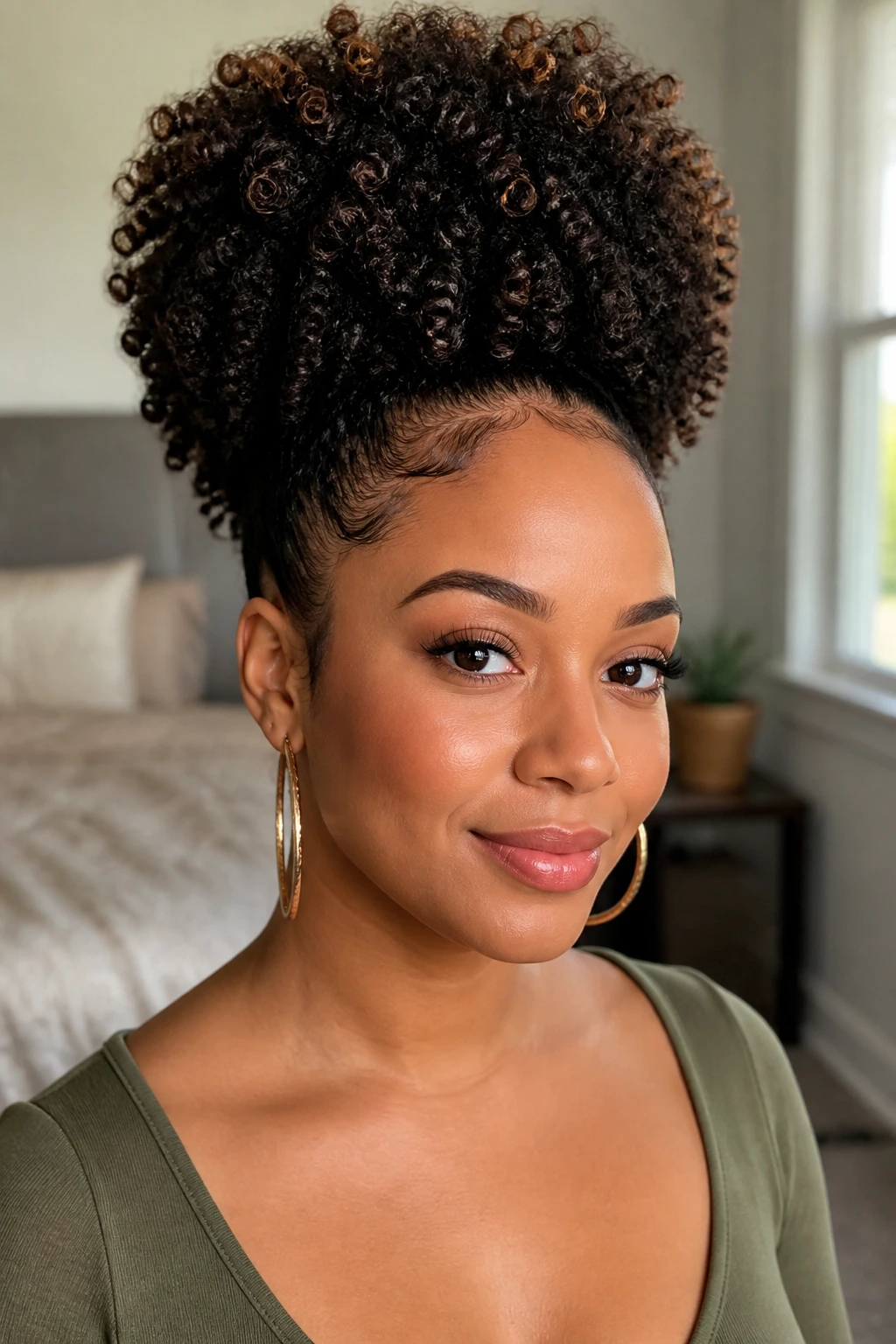
The high puff works because it lifts the volume above the jaw and cheekbones, where square faces need a little relief. Shape the perimeter so the puff looks rounded instead of wide. A clean edge around the hairline helps a lot.
This is one of the fastest styles in the group, and it’s also one of the easiest to sleep in if you keep the puff loose. Don’t yank it tight. Tight puffs flatten the temples and make the lower face feel even stronger.
19. Wet Look Defined Curls with a Middle Part
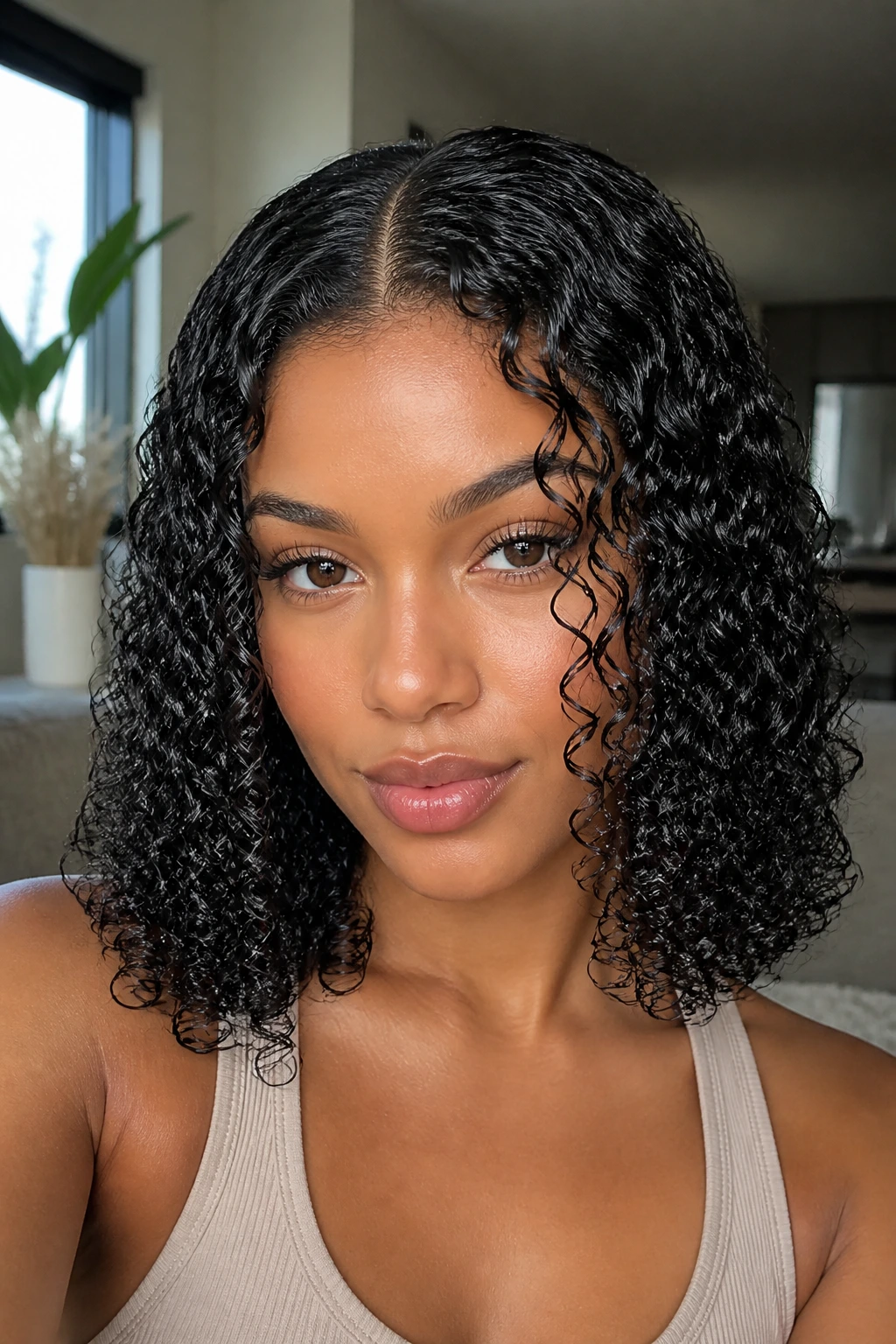
A middle part can work on a square face, but it needs help. Wet-look definition and longer length below the chin keep the style from turning severe. The gel cast gives the curls a glossy finish, and the middle part stays neat instead of puffy.
The mistake is making the roots too flat or stopping the length too soon. If the curls end at the jaw, the center part can underline every angle on the face. If the length falls below the collarbone, the part reads cleaner and the jaw line softens.
20. Curly Lob with Invisible Layers
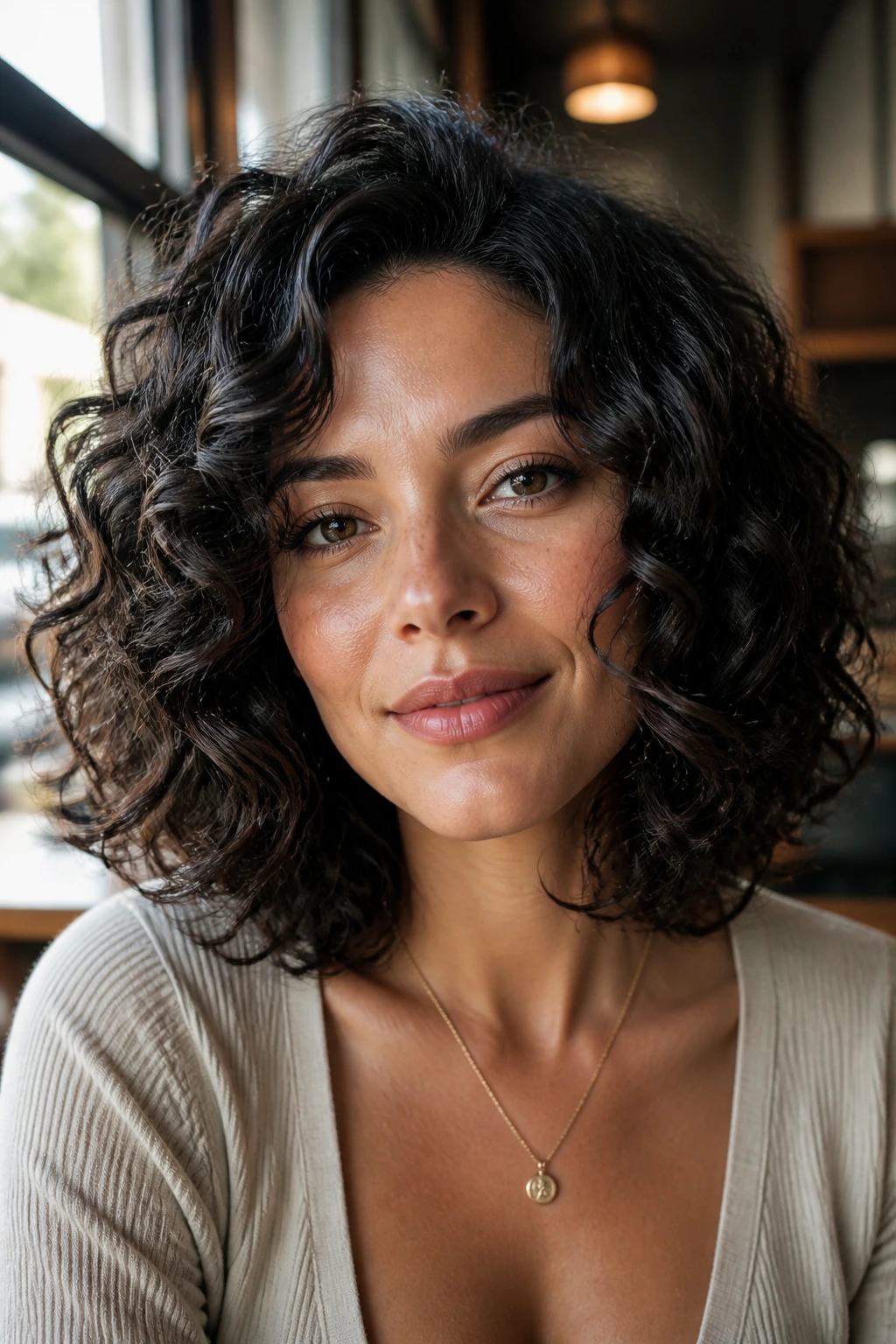
A curly lob is one of the easiest shapes to wear because it sits in that narrow space between short and long. Invisible layers remove bulk from the inside of the shape, so the curls can move without building a hard outline around the sides of the face.
It’s a smart choice if your hair is dense or expands in humidity. The outline stays neat, but the texture doesn’t look chopped. Keep the front just a touch longer than the back, and the whole style will frame the face instead of squaring it off.
21. Two-Strand Twist Set with Flipped Ends
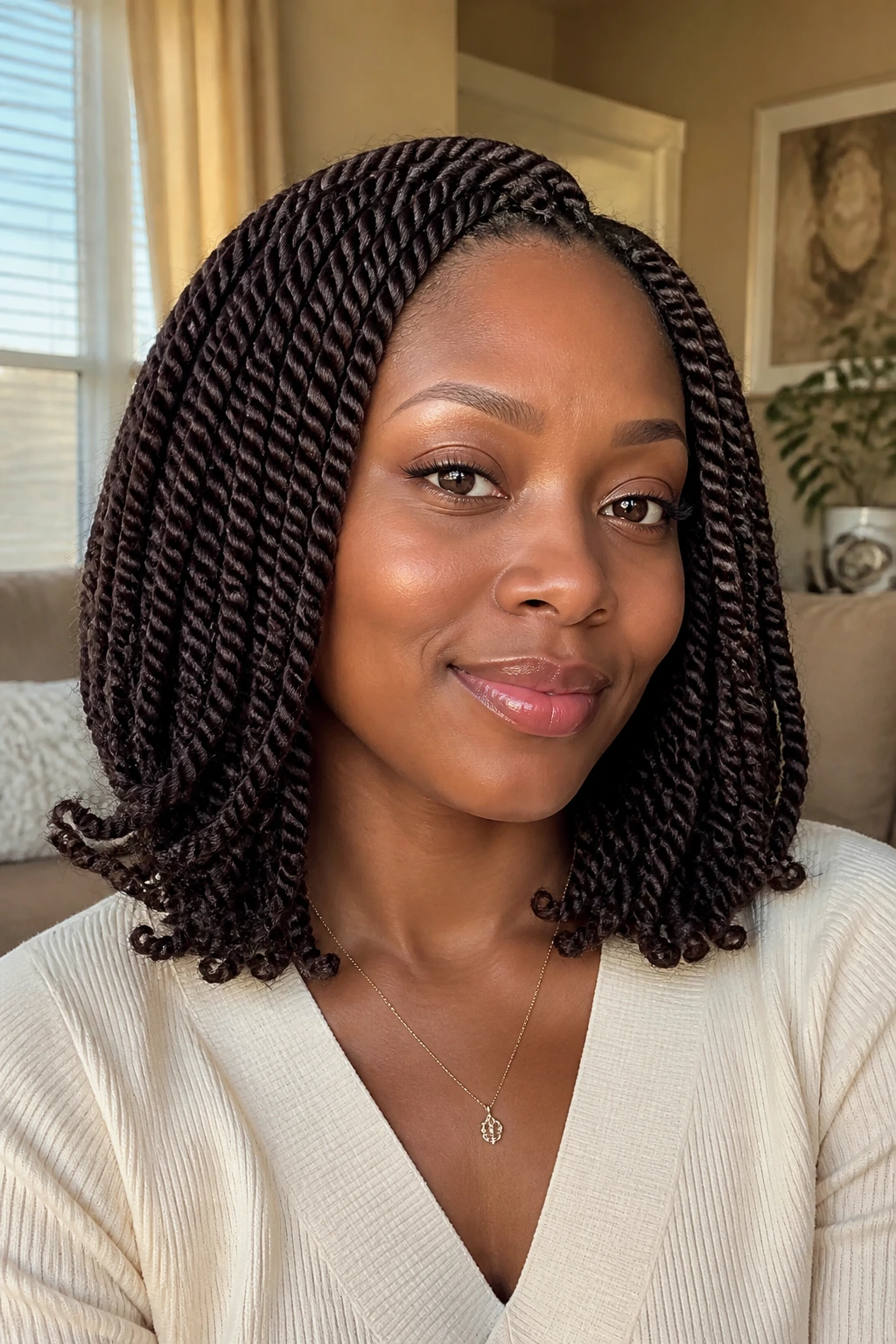
A two-strand twist set gives you controlled shape and a gentle curve that works well on square faces. The twists create vertical lines while they set, and the ends can be left to flip slightly outward for a softer finish.
How to Wear It
Wear it full and fluffy if you want more movement, or separate the twists less if you want a cleaner silhouette. The style lasts longer when the sections are medium-sized, not tiny. Tiny twists often create too much width at the sides once they’re fully taken down.
This is a good overnight set for hair that needs a little stretch. It keeps the shape from sitting too close to the jaw and gives you a nice, soft edge at the bottom.
22. Asymmetrical Curly Cut with One Longer Side
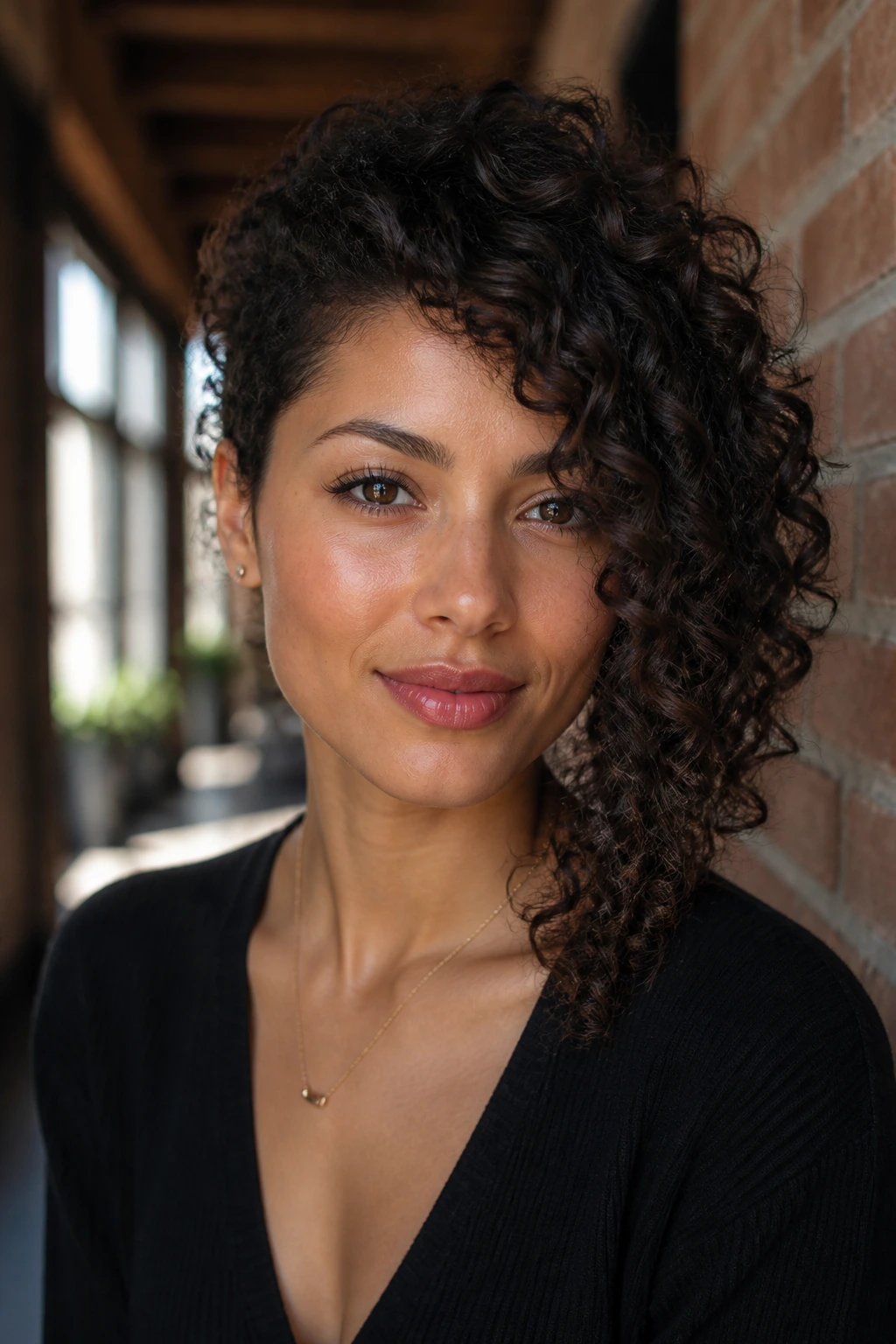
If a square face feels too structured, asymmetry is a blunt but useful fix. One side longer than the other changes the line of the cut and keeps the eye moving. That alone can make the jaw feel less dominant.
This kind of cut needs a careful hand. The shorter side should not land exactly at the jaw, because that can make the shape look boxy. The longer side can graze the collarbone or fall past it slightly. The unevenness is the point, so don’t smooth it out until it becomes symmetrical again.
23. Mini Twist Halo with Face-Framing Fringe
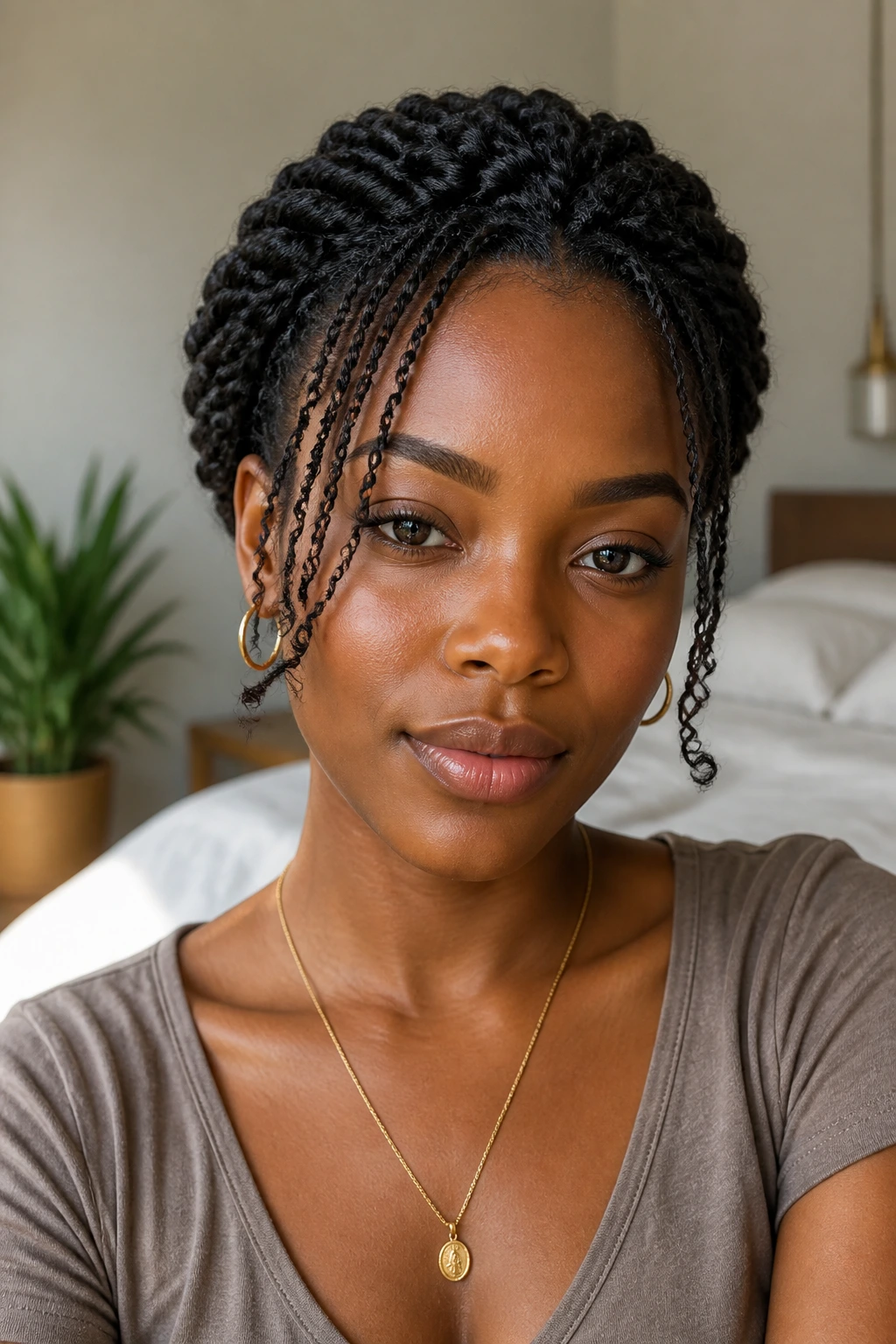
Mini twists sit close to the head, which helps if you want a neat outline with less side bulk. Add a small face-framing fringe at the temples or just in front of the ears, and the look softens immediately. That fringe keeps the face from feeling too open.
This is one of the most practical low-manipulation options in the group. It can last a long time when you protect it at night, and it doesn’t puff out the way looser styles do. Keep the fringe light. Too much hair at the front turns the halo into a helmet.
24. TWA with Sculpted Curl Clumps
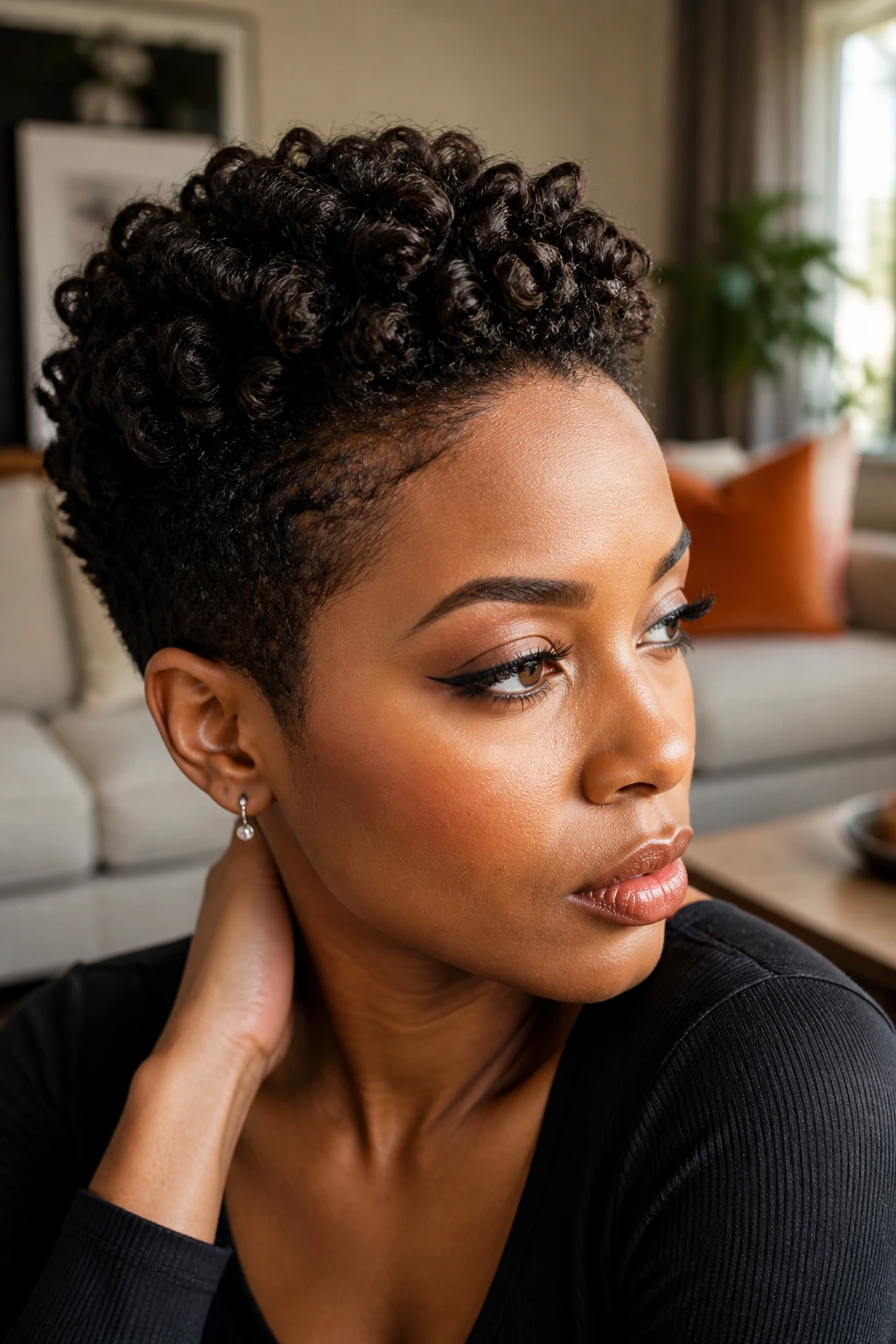
A TWA can be elegant when it’s shaped with intention. The goal is not random fluff. It’s rounded curl clumps at the top, slightly cleaner sides, and a perimeter that follows the head instead of squaring it off.
Use a fingertip or a small sponge to guide the curls in the same direction. A touch of cream and gel helps the clumps stay separate. This style has a lot of personality when the top is a little fuller than the sides. That’s what keeps it from looking hard.
25. Curtain-Bang Coils with Length Past the Chin
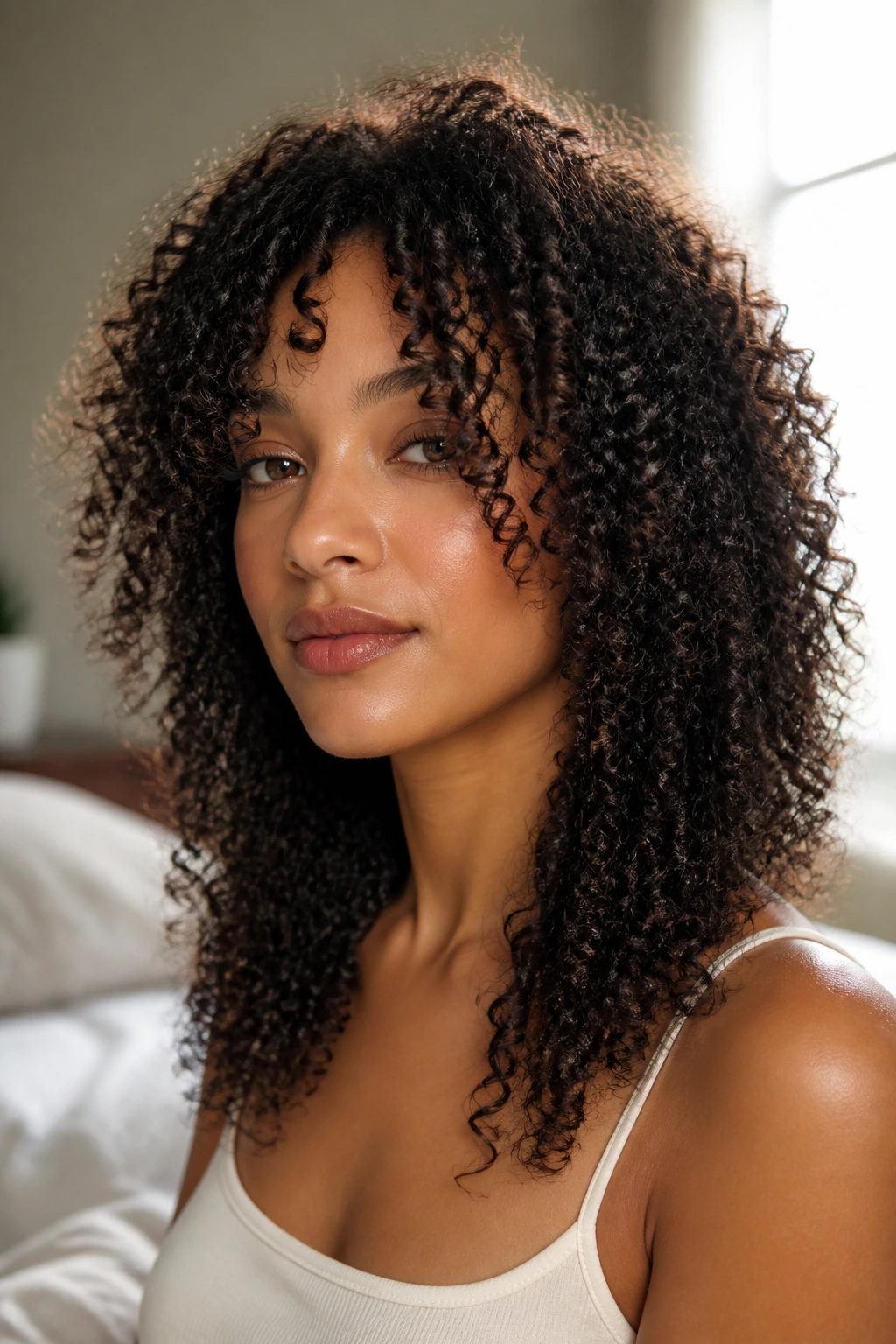
Curtain bangs are one of the few fringe shapes that work with square faces without making them look more angular. Split the front so the curls fall softly on either side of the forehead, then keep the main length below the chin so the jaw stays visually open.
This shape works because the bangs break up the forehead while the longer length keeps the lower half of the face from feeling boxed in. If you cut the bangs too short, shrinkage will make them sit higher than you planned. Leave a little extra length and let the curl pattern do the rest.
Why the Curl Shape Changes the Whole Face
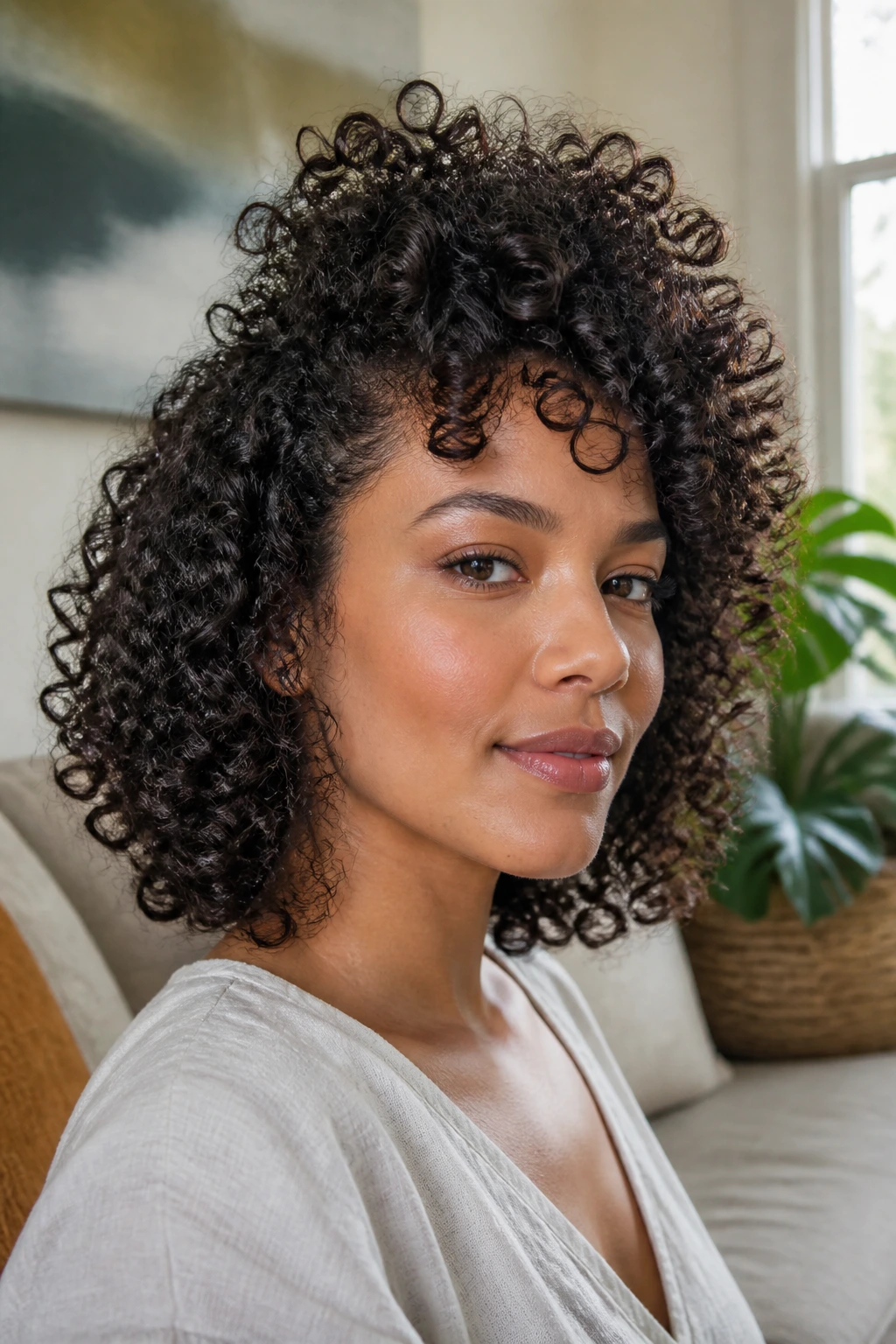
A square face has strong lines by default. Broad forehead, roughly equal cheek and jaw width, and a chin that doesn’t taper as sharply as a heart-shaped face. That structure is clean and striking, but curls can either lean into it or soften it.
The difference usually comes down to where the widest part of the hair sits. If the fullest point lands right at the jaw, the face can read wider. If the volume lives higher at the crown, or lower below the collarbone, or only on one side, the shape feels less rigid. Diagonals help too. So do curved layers and a little space near the temples.
Shrinkage matters here more than people expect. A cut that looks safely below the jaw when wet may rise to chin level once it dries. That’s why curly cuts for square faces need a longer planning margin than straight-hair cuts. If you love shape, plan for it. If you love length, plan for shrinkage.
And no, this does not mean every style has to hide the jaw. That’s the wrong goal. A square face looks strongest when the curls frame it instead of sitting on top of it.
Essential Tools for These Looks
- Rat-tail comb: Useful for clean side parts and precise sectioning before twist-outs or rod sets.
- Wide-tooth comb: Best for detangling damp hair with leave-in so you do not tear at the curl clumps.
- Duckbill clips or sectioning clips: Hold the crown up while roots dry, which helps build height.
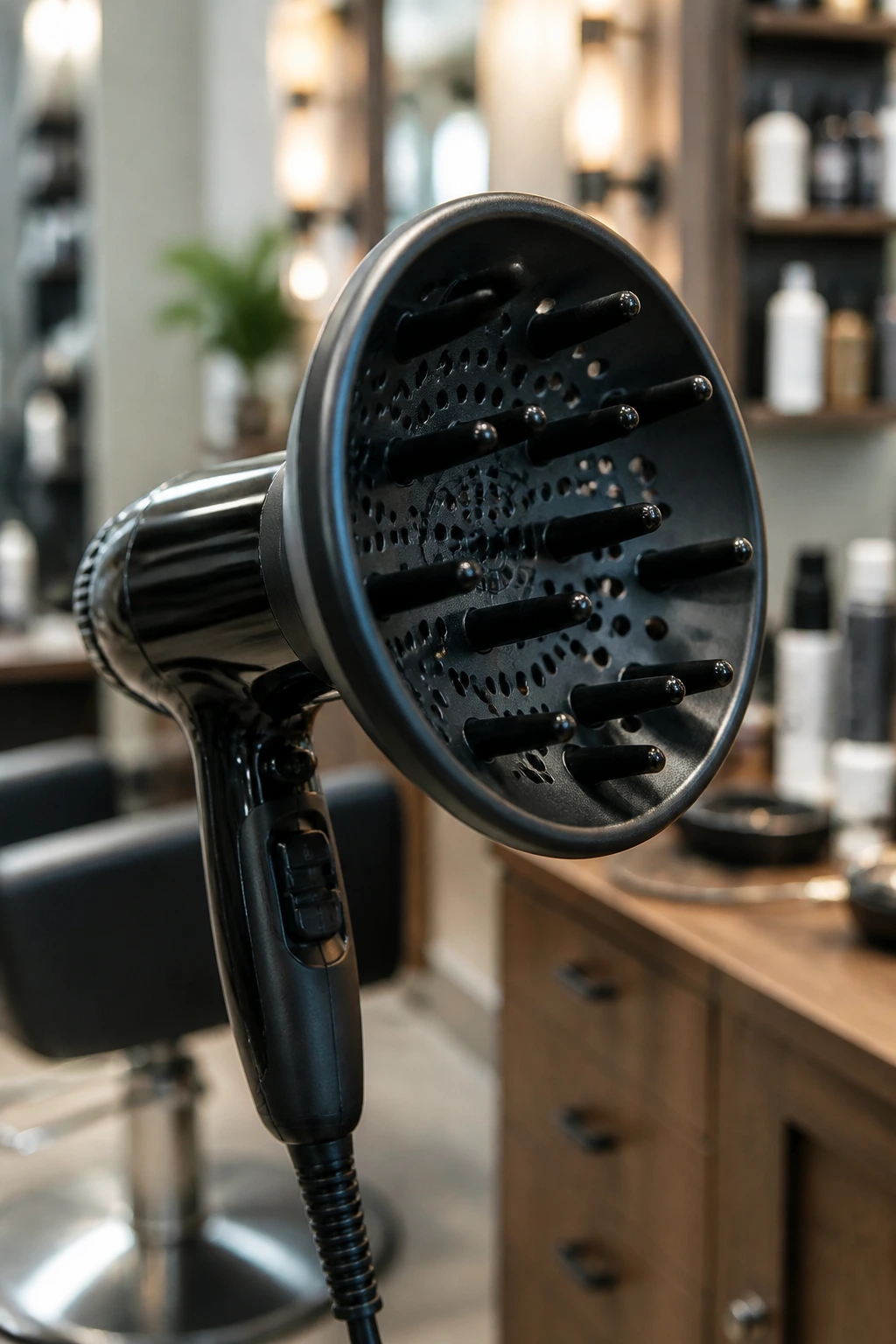
- Diffuser attachment: Keeps definition in wash-and-gos, shingled styles, and rod sets without blasting the curl pattern apart.
- Hooded dryer or bonnet dryer: Handy for twist-outs, braid-outs, and sets that need to dry all the way through.
- Flexi-rods or perm rods: Good for polished curls, especially when you want a softer edge around the face.
- Satin scrunchies and scarves: Protect the shape overnight without leaving hard dents at the hairline.
- Spray bottle: A light mist is enough to reactivate a day-two curl. Soaking the hair is usually too much.
- Edge brush: Helps smooth the perimeter for puffs, faux hawks, and flat-twist styles.
- Microfiber towel or cotton T-shirt: Cuts down on friction after washing and keeps the curl clumps intact.
Choosing the Right Curl Cream, Gel, and Mousse
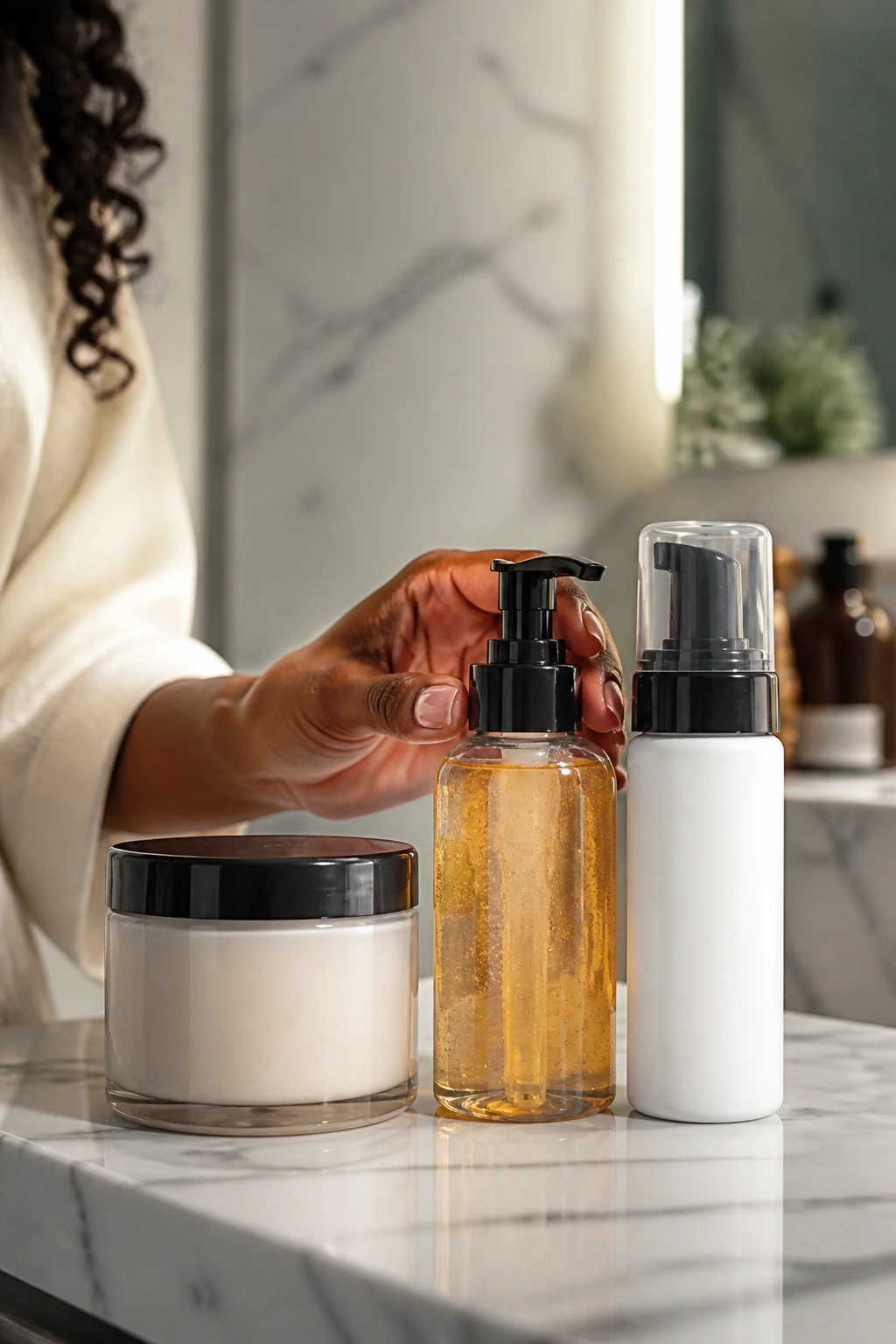
Product choice matters because square faces need shape, not just moisture. A cream that’s too heavy can swell the sides of the hair and widen the face. A gel that’s too weak can leave the roots fuzzy, which makes the outline puff out in the wrong places.
For Fine or Medium-Density Curls
Light leave-in, foam mousse, and a medium-hold gel usually do the job. You want definition without too much weight. If your hair collapses under butter-heavy products, skip them. The curl may feel soft, but the silhouette will spread.
For Coarse or Dense Coils
Richer creams can work here, but pair them with a firm gel or setting lotion so the style holds its shape. Dense hair needs control at the roots and flexibility at the ends. That combination keeps the sides from ballooning while the top stays lifted.
For Humidity-Prone Hair
Look for strong hold and a finish that dries hard before you scrunch it out. Humectant-heavy products can be tricky in damp weather, especially when they sit near the temples. If the style frizzes within an hour, the hold is too soft or the hair wasn’t dried fully.
How to Wear These Curls in Real Life
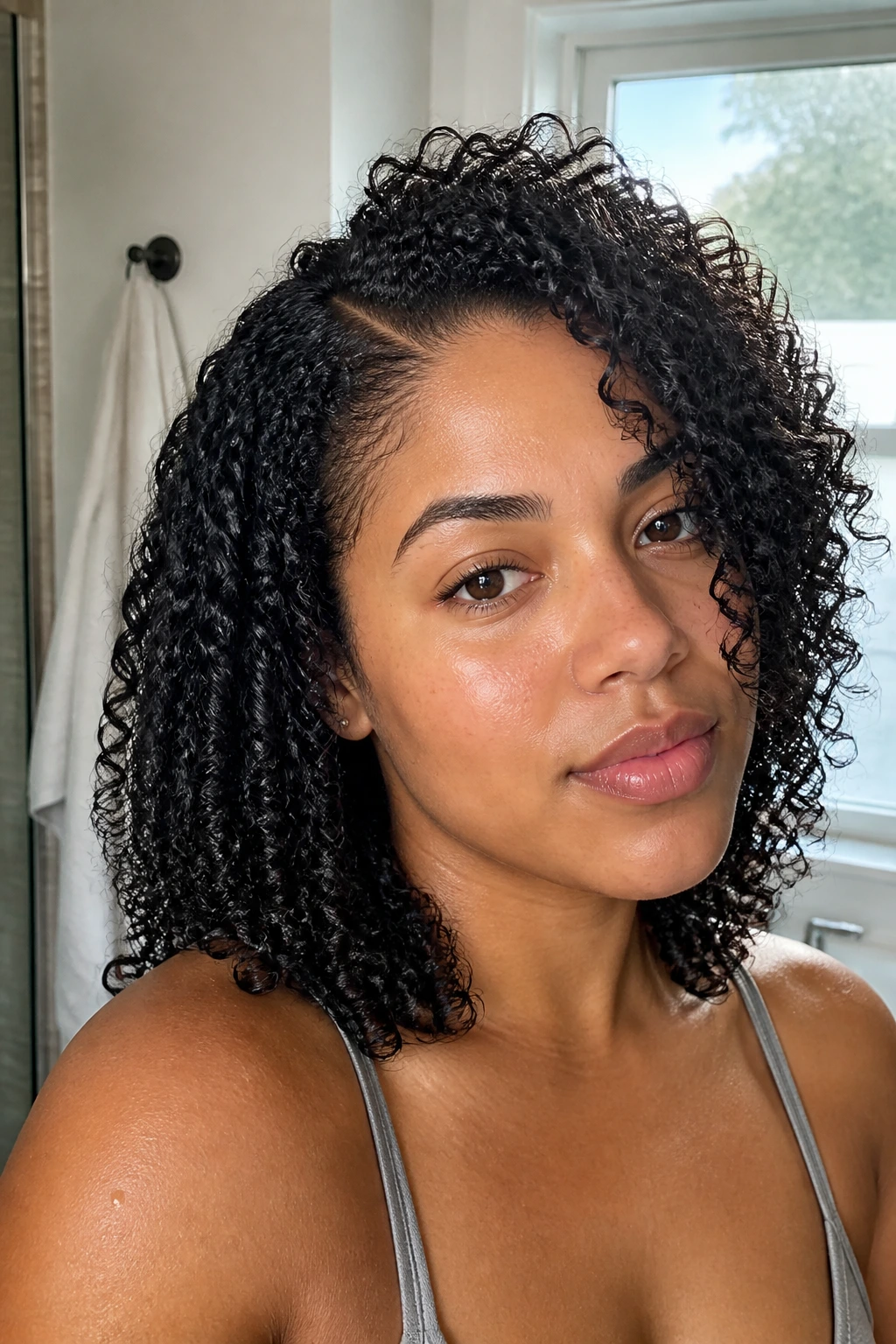
For work: Side parts, collarbone lengths, and curly lobs tend to behave best because they keep the face open without looking overly styled. A single clip at one temple can calm the shape if the hair starts to spread out.
For events: Deep side sweeps, halo curls, faux hawks, and polished rod sets hold their own under stronger makeup, earrings, or a sharper neckline. These styles also photograph well from the side because the face doesn’t read as one flat block.
For glasses: Keep temple pieces light. Too much hair at the sides competes with the frames and makes the face feel crowded. A tucked curl or a curved fringe is usually cleaner than a thick wall of hair at the temples.
For big earrings or high collars: Pull the hair up or away from the neckline so the whole look doesn’t bunch in one area. The goal is space. Square faces do better when the styling has room to breathe.
Extra Polish Without the Crunch
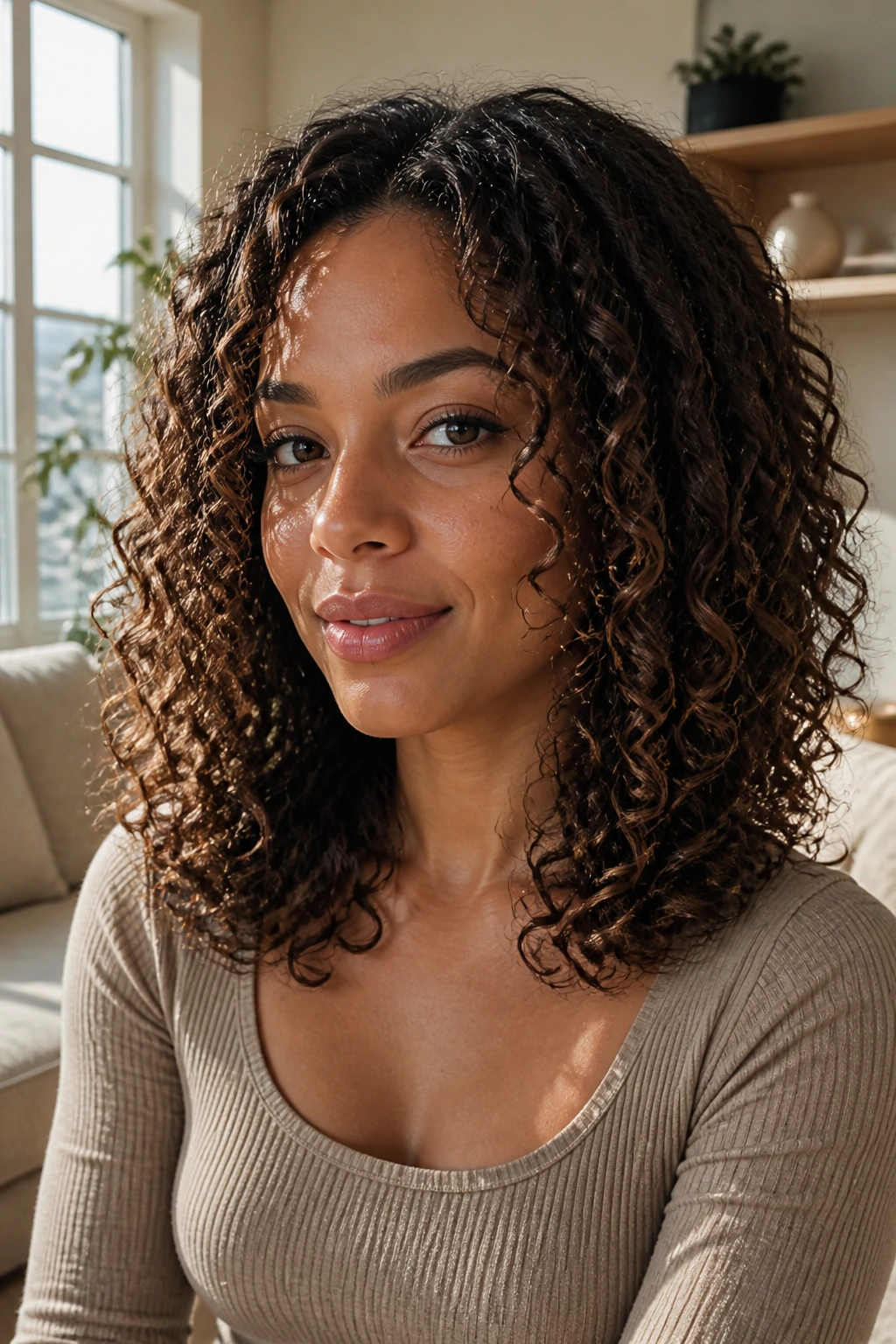
Definition Boost: Apply gel in sections and smooth the outer layer with praying hands before scrunching. That gives you cleaner curls without making the hair feel sticky.
Volume Boost: Once the hair is dry, lift at the roots with a pick and stop there. Do not drag the pick through the ends unless you want the style to widen.
Softness Tweak: If the face still feels too sharp, move the part a little farther to one side or pull a few temple curls loose. One inch makes a bigger difference than people expect.
Accessory Move: A slim barrette, a side comb, or a single decorative pin on the heavier side of the style can break up the face shape without making the whole look fussy.
Low-Manipulation Shortcut: On busy mornings, refresh only the front third of the hair. That’s where people look first. The back can stay slightly sleepy and still look intentional.
The Mistakes That Make a Square Face Look Wider
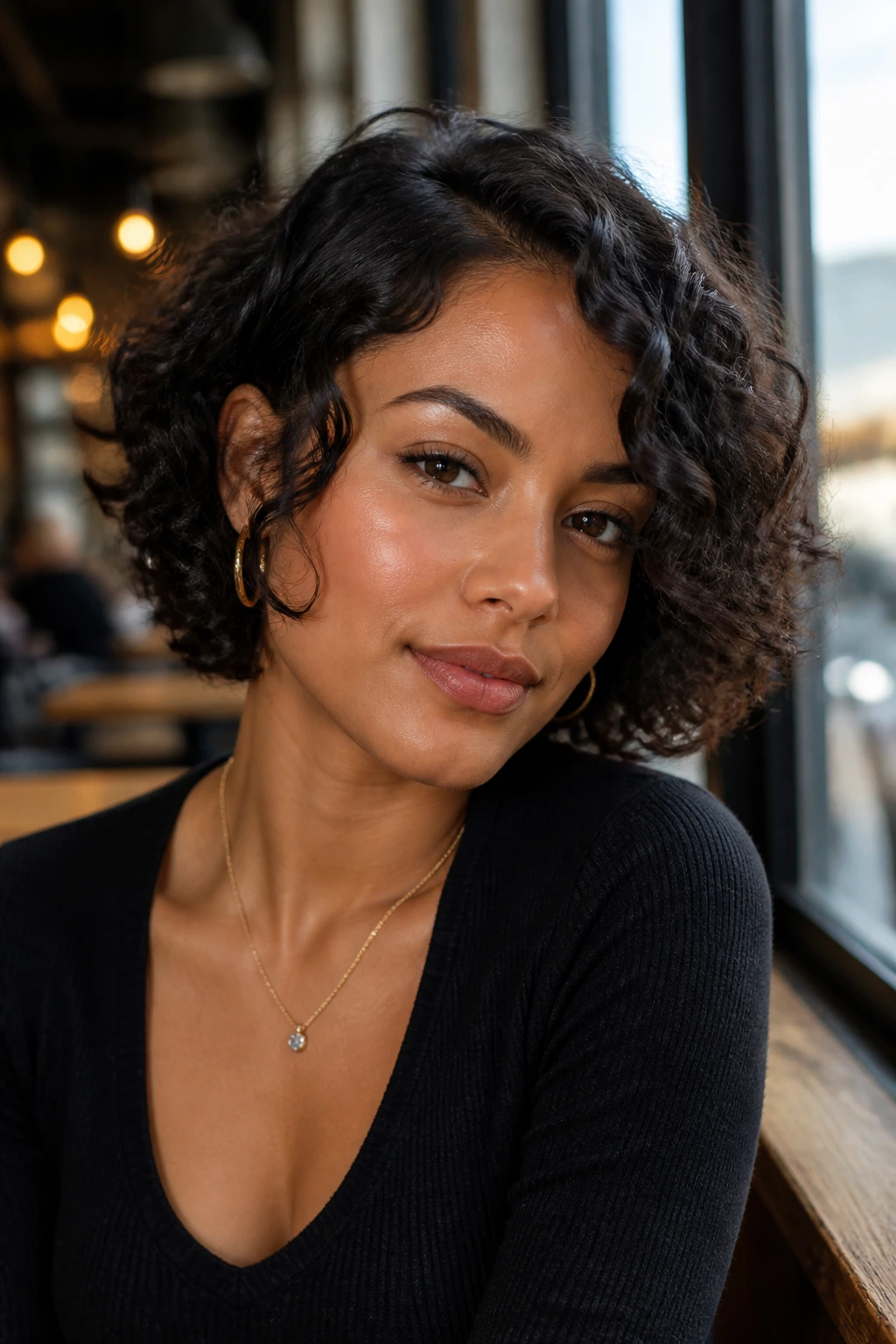
Blunt cuts at the jaw: This is the most common one. If the ends stop right on the jawline, they underline the width of the face. Move the cut lower, add layers, or choose a curved perimeter instead.
Too much width at the sides: Big sides can be beautiful, but if every curl flares outward at cheek level, the face starts to look broader. Clip the roots at the crown, not the sides, and use product sparingly near the temples.
Center parts with no lift: A flat middle part can be severe on a square face if the hair stays close to the head. If you love a middle part, add height at the crown or keep the front pieces long and soft.
Stopping the drying too early: Half-dry curls puff and frizz. That puff often lands at the widest part of the face. Finish the set, even if it takes a little longer.
Tight edges and slicked sides: A pulled-back hairline can make the jaw look stronger because it removes the soft frame around the face. Smooth, yes. Yanked back, no.
Cutting layers too high near the cheeks: Short layers around the wrong part of the face can widen the shape instead of softening it. Ask for curved layers that begin lower, around the cheekbone or below.
Variations and Adaptations to Try
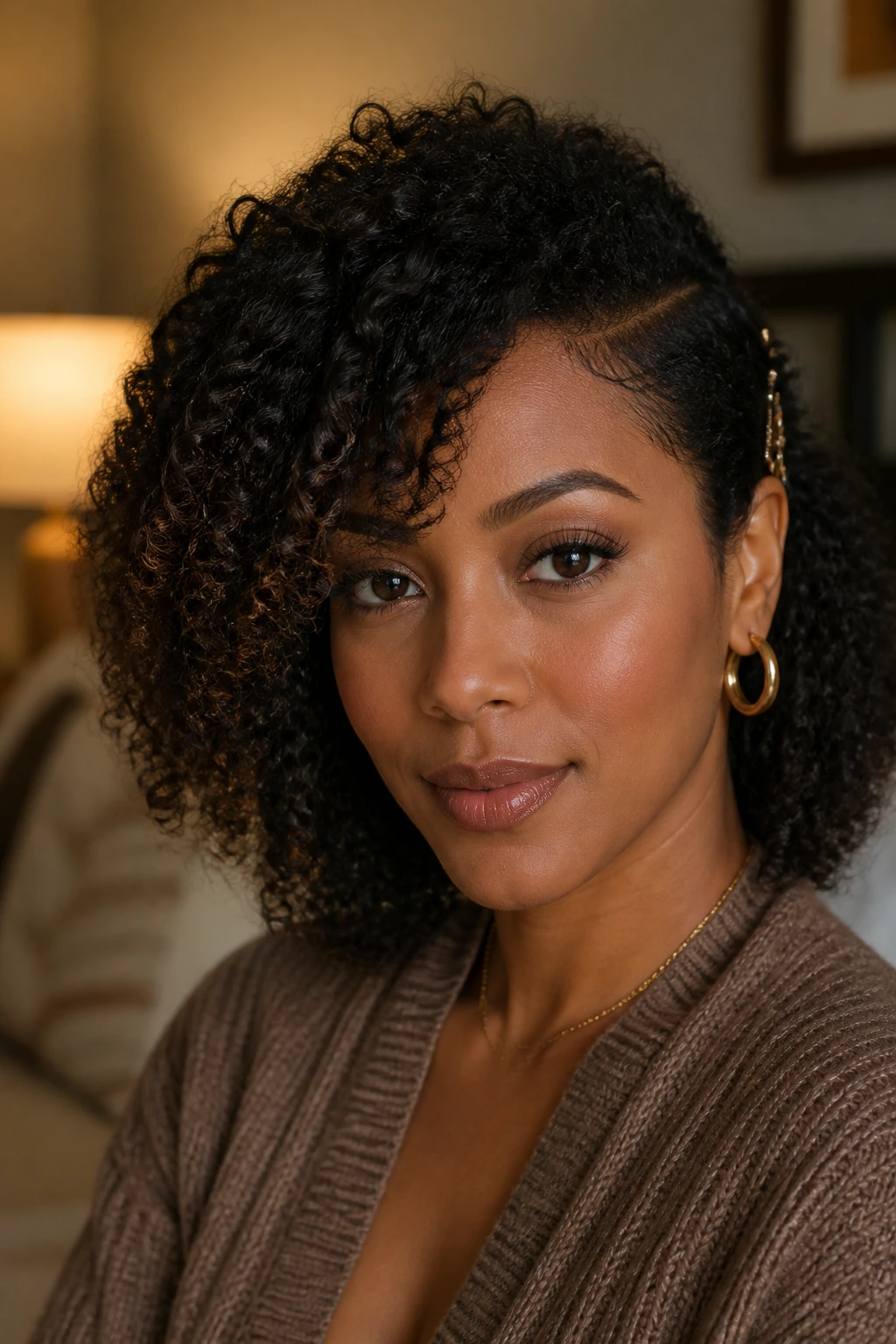
Soft Side-Sweep Reset: If a center part feels too severe, move the part a little off center and pin one side behind the ear. It keeps the same cut but changes the whole mood.
Heatless Cloud Set: Large twists, flexi-rods, or banding can give you soft bends without heat. This works well if your curls need a little stretch but you do not want a blowout.
Low-Puff Crown Line: If you like hair up but not high, build a low puff with controlled sides and a little lift at the top. It keeps the shape relaxed while still opening the face.
Protective-Style Switch-Up: Braids, twists, or loc styles can all be cut or finished with curled ends, side parts, and face-framing pieces. The outline matters more than the method.
Short-Hair Shape Play: If your hair is cropped, keep the top rounded and the sides softer. A TWA or tapered cut can flatter a square face as long as the outline is not boxy.
Night Wraps, Refreshes, and How Long Each Style Lasts
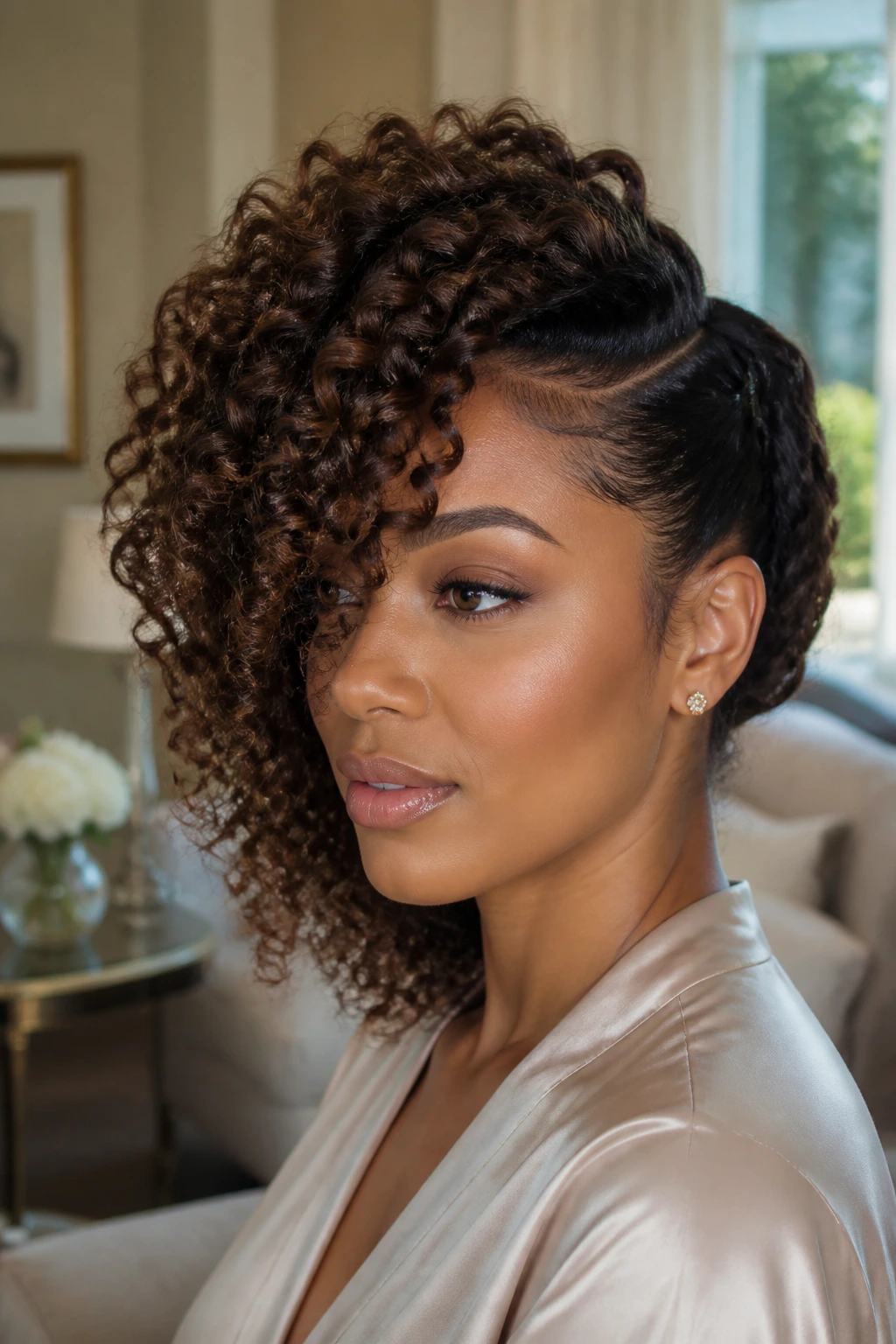
Wash-and-go curls usually look best for 3 to 5 days before the shape starts to lose its clean edge. Twist-outs and braid-outs often hold for 4 to 7 days, depending on how much humidity they meet and how well they were dried. Rod sets can stay crisp for 4 to 6 days if you preserve them properly. Protective styles such as braids or twists may last 3 to 6 weeks, but the hairline and scalp need attention well before that.
Sleep in a satin bonnet, silk scarf, or on a satin pillowcase every night. If the style is a puff or pineapple, keep it loose enough that the sides are not flattened. For twist-outs and braid-outs, a few loose sections or a single large pineapple can help preserve the curl clumps without stretching the whole style out of shape.
Refreshing should be light. Mist the front with water and a small amount of leave-in, then smooth with your hands. If a style needs more than that, it probably needs a re-set. For rods, add a little foam only where the curl has gone flat. For puffs, smooth the perimeter and leave the interior alone. That’s usually enough.
Once the products start building up and the curl pattern feels coated, wash or clarify. For heavier stylers, that can be every 2 to 4 weeks. For lighter routines, you may go a little longer. Clean hair holds shape better, and square faces benefit from shape that stays crisp at the edges.
Questions People Ask Before Choosing a Curl Style
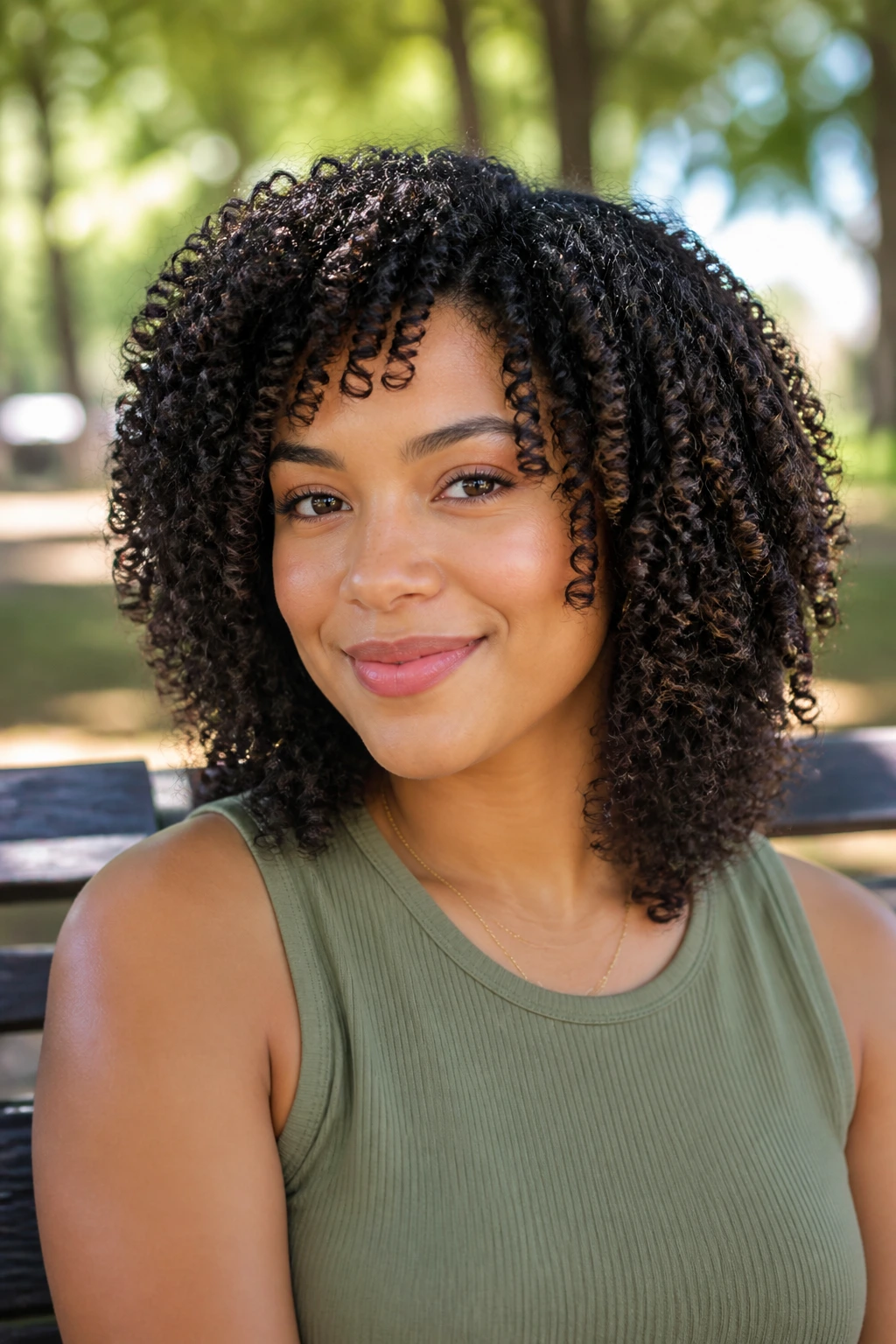
Which curl style flatters a square face most?
The safest answer is a style that creates a diagonal or vertical line: side parts, crown height, or length below the jaw. A side-part wash-and-go or a curly lob usually works well because it softens the corners without hiding the texture.
Do square faces have to avoid center parts?
No. A center part can work if the style has enough length, lift, or softness around the temples. A blunt, flat center part with chin-length ends is the part that tends to look harsh.
Are short curls risky on a square face?
Only if the outline is blunt. A tapered bob, curly shag, TWA, or asymmetrical cut can look sharp in a good way because the shape is rounded or broken up instead of boxy.
How do I keep volume without making my face look wider?
Build volume at the crown and keep the sides closer to the head. Pick the roots upward, not outward, and avoid letting the widest part of the style sit right at the jaw.
Can I wear bangs with a square face?
Yes, but blunt bangs are the easiest way to add heaviness. Curtain bangs, side-swept fringe, or long coil bangs tend to soften the forehead without making the face look squarer.
What if my curls shrink past the length I planned?
Plan the cut or set longer than the final shape you want. Stretch with banding, twist-outs, rod sets, or controlled diffusing, and trim with shrinkage in mind.
Is a high puff too much for a square face?
Not if the puff sits above the widest part of the face and the perimeter stays rounded. A tight, low puff can exaggerate the jaw; a lifted one usually opens the shape instead.
How often should I trim curly styles built for square faces?
Cuts that depend on shape usually need a trim every 8 to 12 weeks so the outline does not drift into a triangle or a box. If the ends start sitting exactly at the jaw, that is your cue to adjust the shape.
The Shape That Softens the Jaw
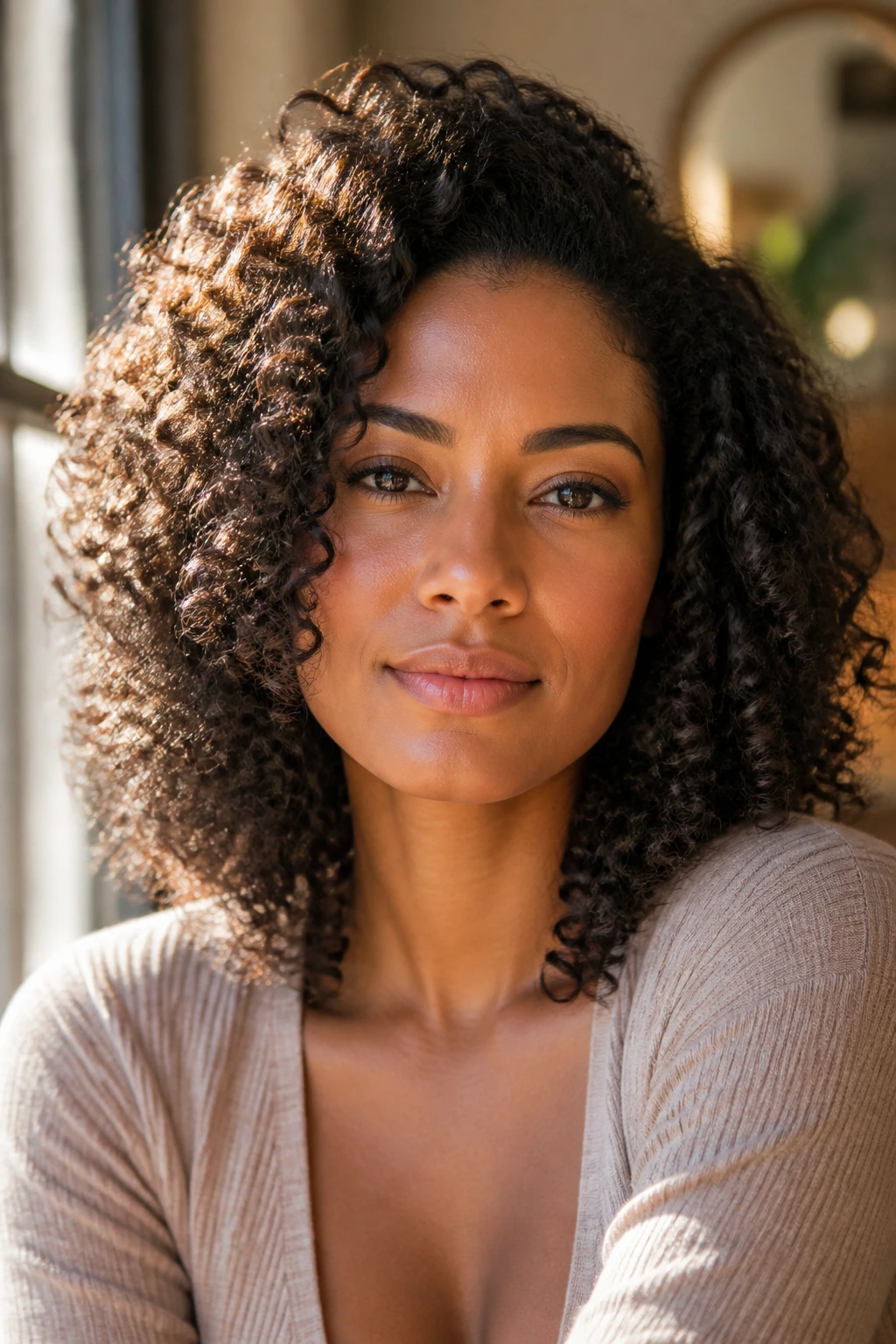
Square faces do not need to be disguised. They need curls that know where to land. That means a little lift at the crown, a little softness at the temples, and enough length or curve to keep the jaw from being the loudest thing in the room.
Pick one style and wear it long enough to learn how your shrinkage behaves. Natural hair tells the truth once it dries, and the best-looking curls are usually the ones that were planned with that truth in mind.