



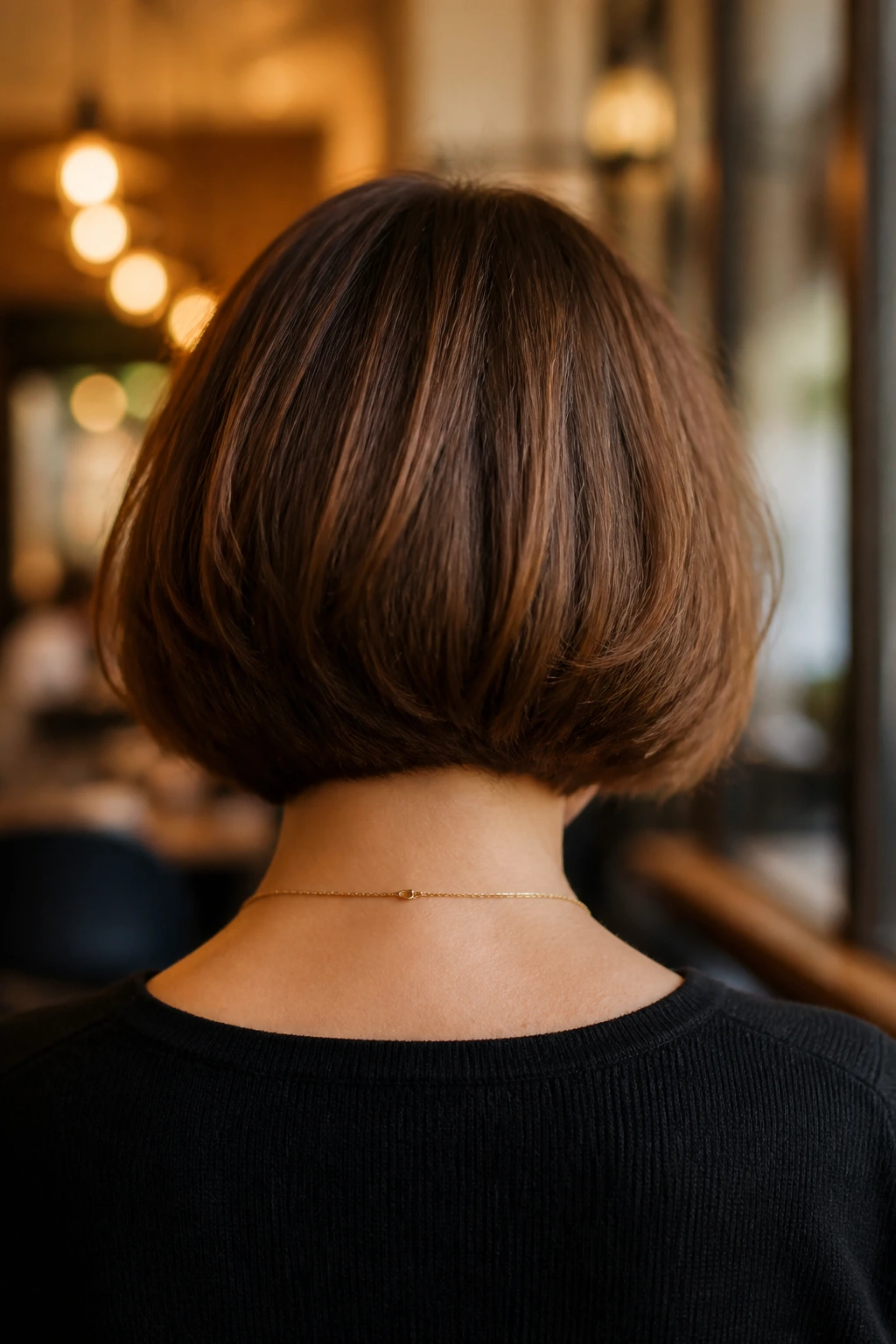
Back view bobs for fine hair and oval faces have a very specific job: they need to look denser from behind than the strand count really deserves. That is the whole trick. When the nape is cut cleanly, the crown sits with a little lift, and the perimeter stays blunt enough to hold its line, the haircut reads as fuller than it is.
Oval faces are forgiving in a useful way, but they’re not magic. A shape that’s too long in the back can drag the whole look down, and a bob that’s over-layered can turn into see-through fluff by the second day. Fine hair asks for structure. Not bulk. Structure.
The best versions of this cut do something clever: they make the back view look sharp, tidy, and intentional while keeping the front soft enough to flatter the face. That’s why some bobs feel flat from the salon chair and then look perfect from across the room, and why others do the opposite. The back tells the truth. The rest is polish.
Why These Bob Shapes Stand Out on Fine Hair
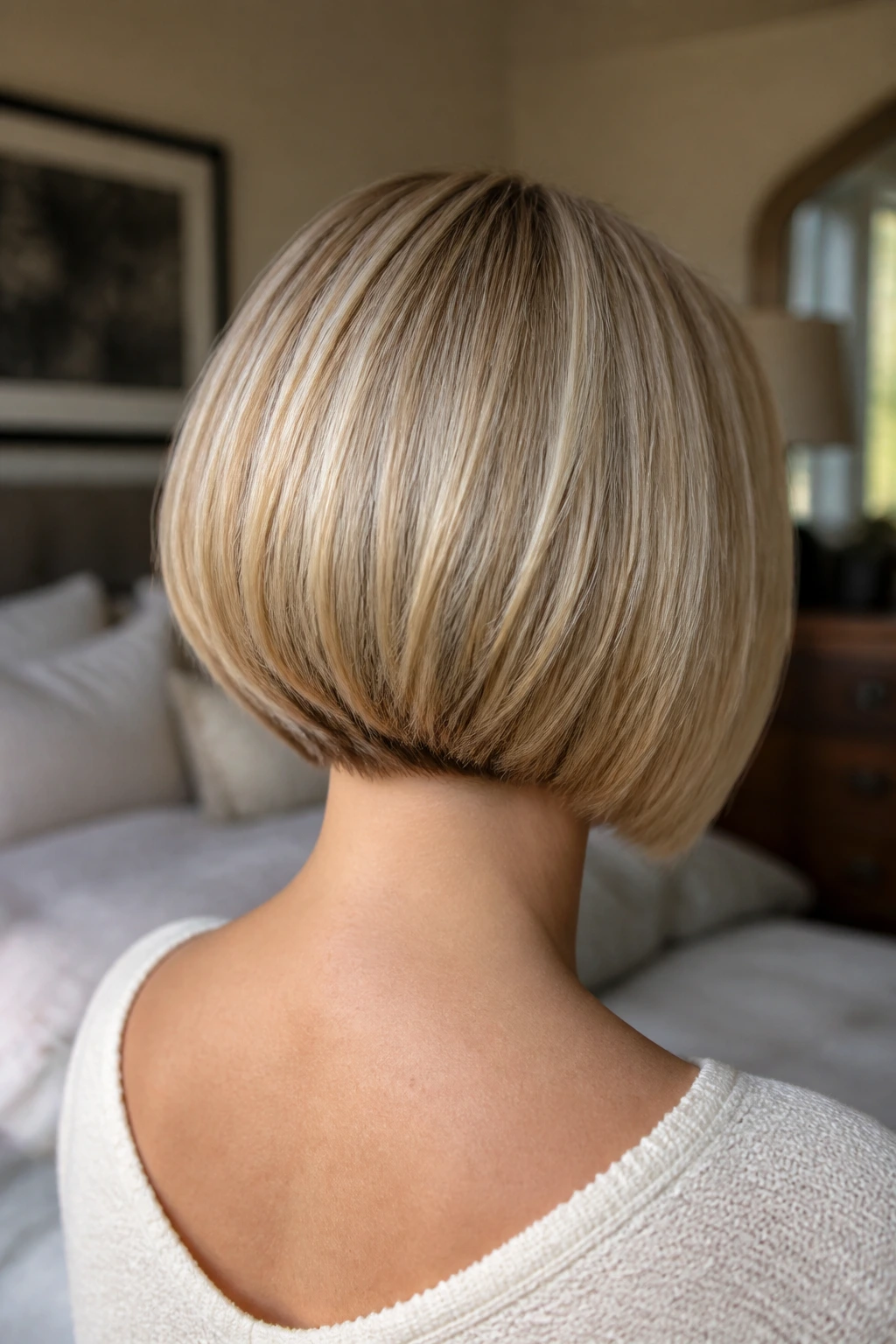
- Nape lift: A shorter, cleaner nape makes fine hair look thicker because the eye sees a solid shape instead of a wispy tail.
- Oval-face balance: Oval faces can carry strong lines, so these cuts can sit at the jaw, cheekbone, or collarbone without looking too heavy.
- Blunt ends: A blunt perimeter gives the ends more visual weight, which matters a lot when each strand is doing double duty.
- Smart stacking: A little graduation at the back can create lift without turning the haircut into a helmet.
- Easy grow-out: The best shapes still look decent when they’ve grown half an inch, which matters more than people admit.
1. Blunt Micro Bob with a Clean Nape Line
A blunt micro bob is the haircut that makes fine hair look like it had more hair than it actually does. From the back, the line lands just at the jaw or slightly above it, and that short distance does the heavy lifting. There’s no ragged tail at the neck, no floppy ends hanging on for dear life. Just a crisp edge.
This is especially good on an oval face because the shape doesn’t need much rescue. You already have room to play with length, so the haircut can go short without looking severe. Keep the ends blunt, not thinned out, or the whole back view starts to look patchy in bright light.
I like this cut best when it’s worn almost straight, with a side part or a slight off-center part. The back reads as tidy and expensive-looking, which is a funny phrase for a haircut, but it fits. It’s the sort of bob that looks best when it looks like someone made a decision.
2. Soft Stacked Bob with a Lifted Crown
If your crown goes flat the second you leave the house, a soft stacked bob is a smart fix. The back is cut with gentle graduation, so the shorter layers at the nape support the longer pieces above them. That little shelf of shape makes the top half of the head look taller, which is exactly what fine hair needs.
The key word is soft. Too much stack and you get a hard ridge at the back, which is a look, but not always a good one. The nicer version keeps the profile rounded and the weight tucked close to the head. From behind, it looks airy but not thin.
An oval face wears this easily because the lift at the crown balances the length of the face without crowding the jaw. A side part helps if you want a little asymmetry. A center part works too, but only if the stack isn’t so aggressive that it starts shouting.
3. Chin-Length French Bob with a Rounded Back
Why does the French bob keep showing up in good haircut conversations? Because the rounded back makes fine hair look deliberate instead of accidental. The hemline sits around the chin, and the shape curves in at the nape rather than hanging straight down. That curve gives the haircut a little body when the ends are very fine.
What Makes the Rounded Back Work
The rounded back keeps the eye moving. It doesn’t let the haircut drop into a skinny line that disappears against the neck. For fine hair, that matters more than adding layers everywhere. The bob still feels light, but it doesn’t feel sparse.
This version looks especially good on an oval face with a bit of softness in the cheek area, because the chin length keeps the balance tidy. Add short fringe if you want that classic Paris feel, or skip bangs and let the face stay open. Either way, the back view should look like a smooth bowl of shape, not a flat curtain.
4. A-Line Bob with a Longer Front Sweep
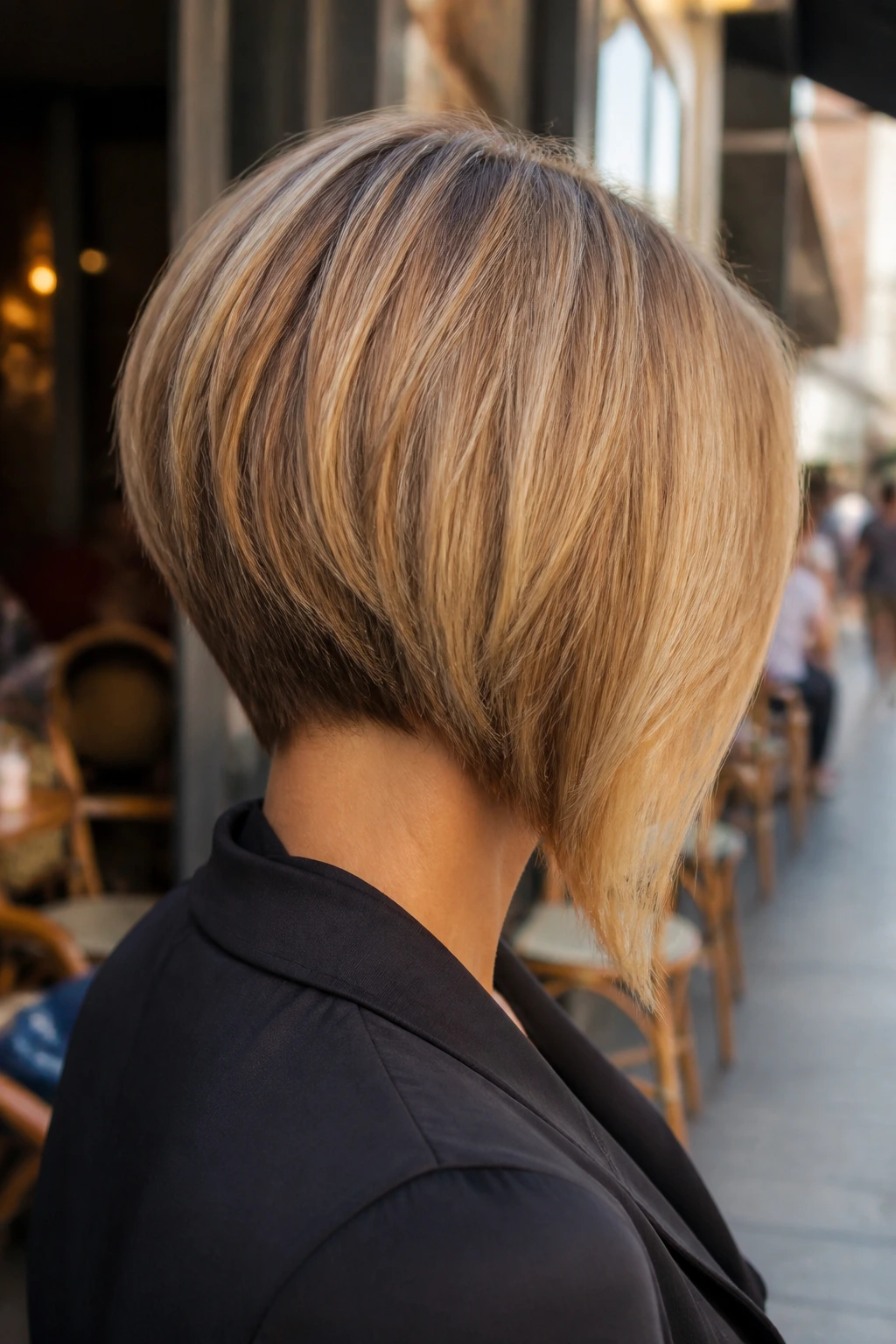
An A-line bob is one of those cuts that earns its keep from the side and the back at the same time. The nape is shorter, the front length drops forward, and that angle creates the illusion of density right where fine hair usually gives up. From behind, the shorter back looks thicker because it isn’t stretched out.
The front sweep helps an oval face because it adds movement without adding width. That’s the sweet spot. You get a little elongation in the front and a compact, fuller-looking back, which is a better deal than a long blunt bob that slowly thins out below the shoulders.
This cut looks best when the angle is obvious enough to notice but not so steep that it turns into a triangle. That’s a common mistake. You want a neat tilt, not a cartoon shape. A gentle bend at the ends keeps it modern and stops the back from looking chopped.
5. Graduated Bob with a Visible Nape Lift
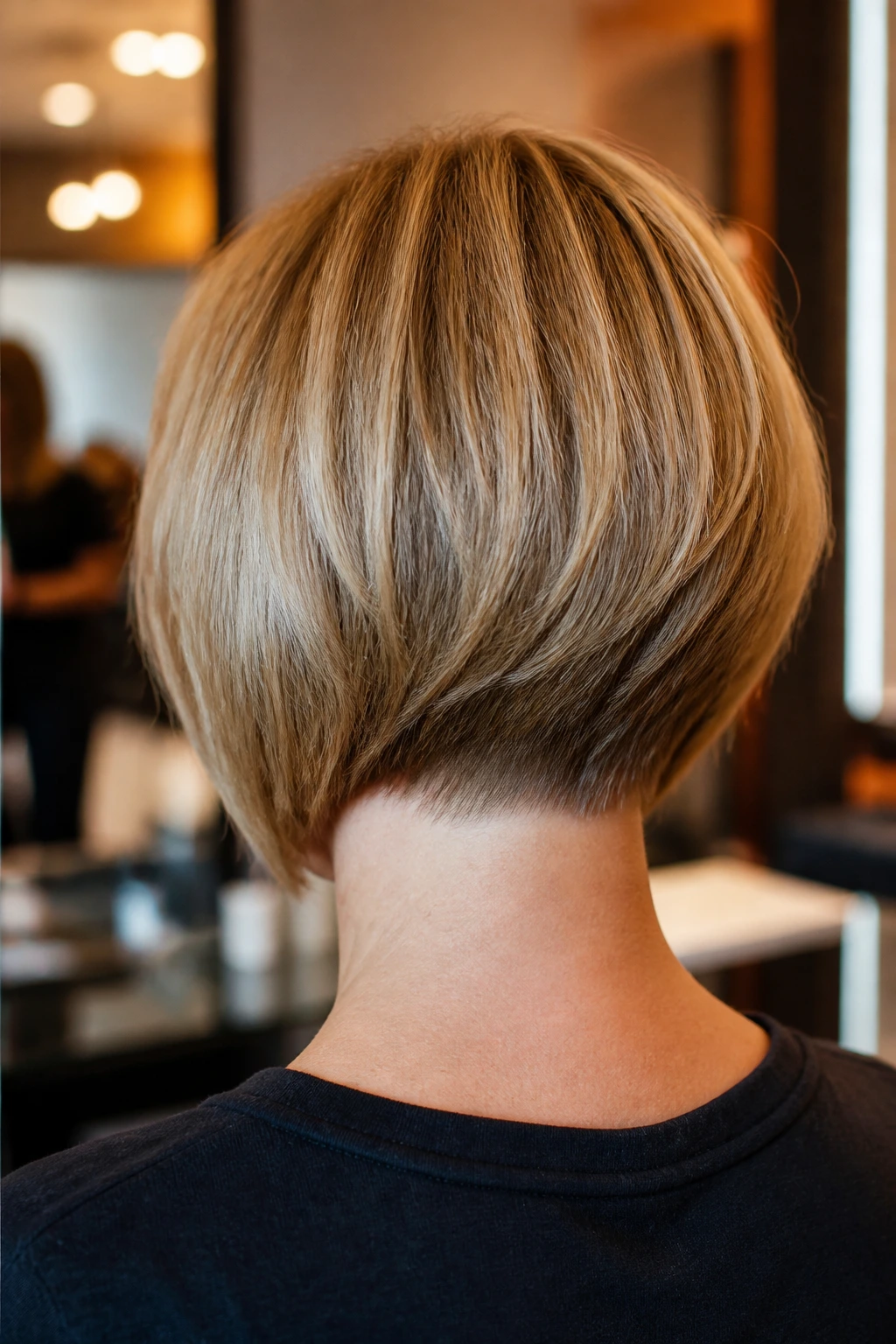
Graduation sounds technical, but on fine hair it’s mostly about one thing: getting the back to sit up instead of collapsing. A graduated bob uses stacked layers through the nape so the haircut builds itself from the bottom up. The shortest pieces support the longer ones, and the whole head gets a little push.
This is a good choice if your hair lies close to the scalp and refuses to hold a fluffy blowout. The structure is built into the cut, which means you don’t have to fake volume every morning. From the back, the neckline looks clean, and the lift sits where people actually see it.
Oval faces can wear this without trouble, though I’d keep the front a touch longer if you like softness around the jaw. The shape should feel tailored, not stiff. Too much stacking and the back starts to look like a staircase. Nobody wants that.
6. Collarbone Lob with a Hidden Undercut
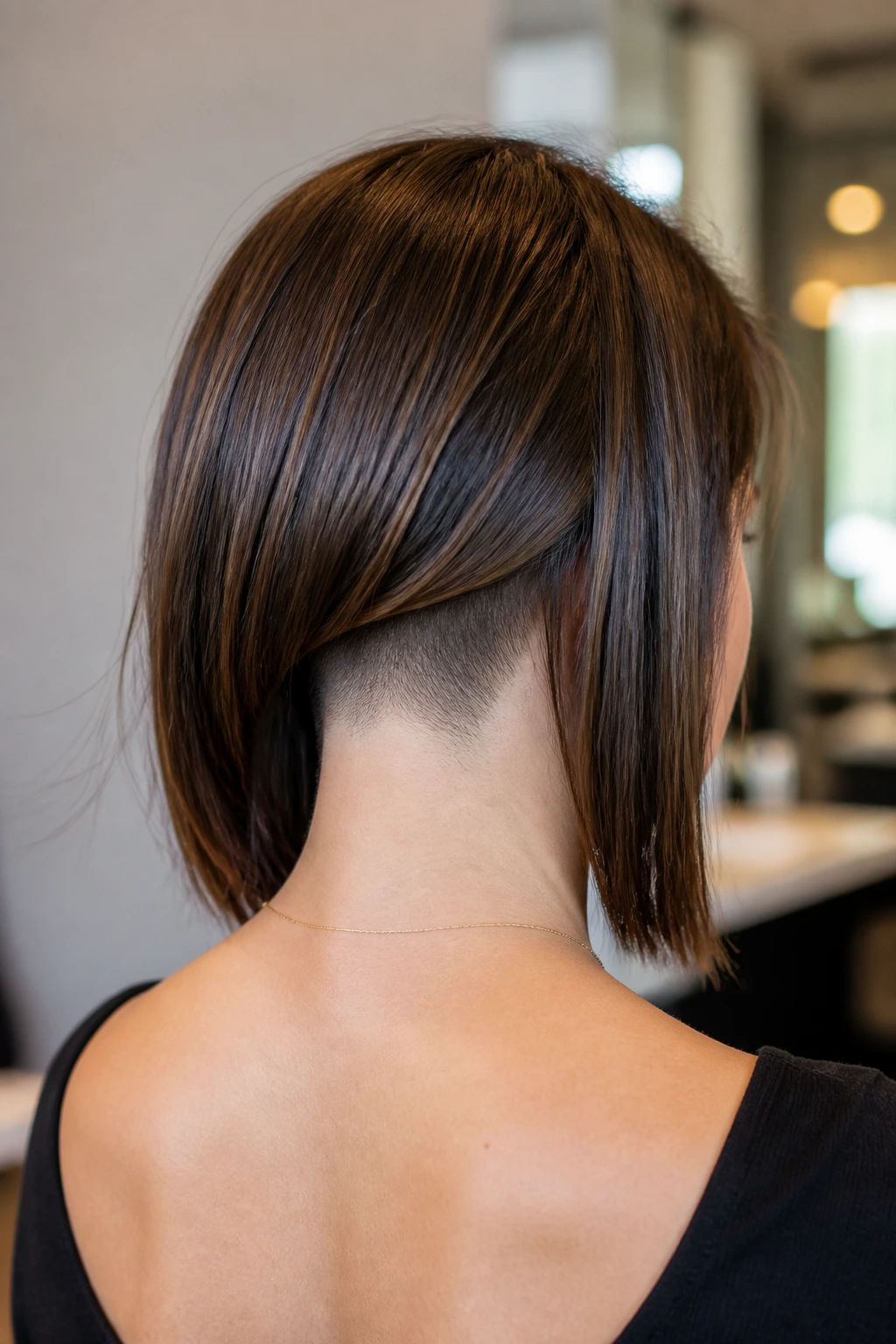
A collarbone lob with a hidden undercut is for the person who likes length but hates the saggy back that fine hair develops when it gets too long. The outer layer keeps the look polished from the front, while the hidden undercut removes bulk underneath so the nape doesn’t puff out weirdly or hang limp.
This one is sneaky. From the mirror, it looks like a simple lob. From behind, the neckline stays cleaner than a regular shoulder-length cut, and that matters when the hair is thin enough to show every weak spot. The undercut should stay subtle. You want weight removed, not a strip that announces itself.
An oval face benefits from the length because it keeps the overall silhouette balanced. I like this cut for people who need hair tied back sometimes but still want it to fall into a decent shape when it’s down. It’s one of the more practical options in the whole bunch.
7. Glassy Straight Bob with Invisible Layers
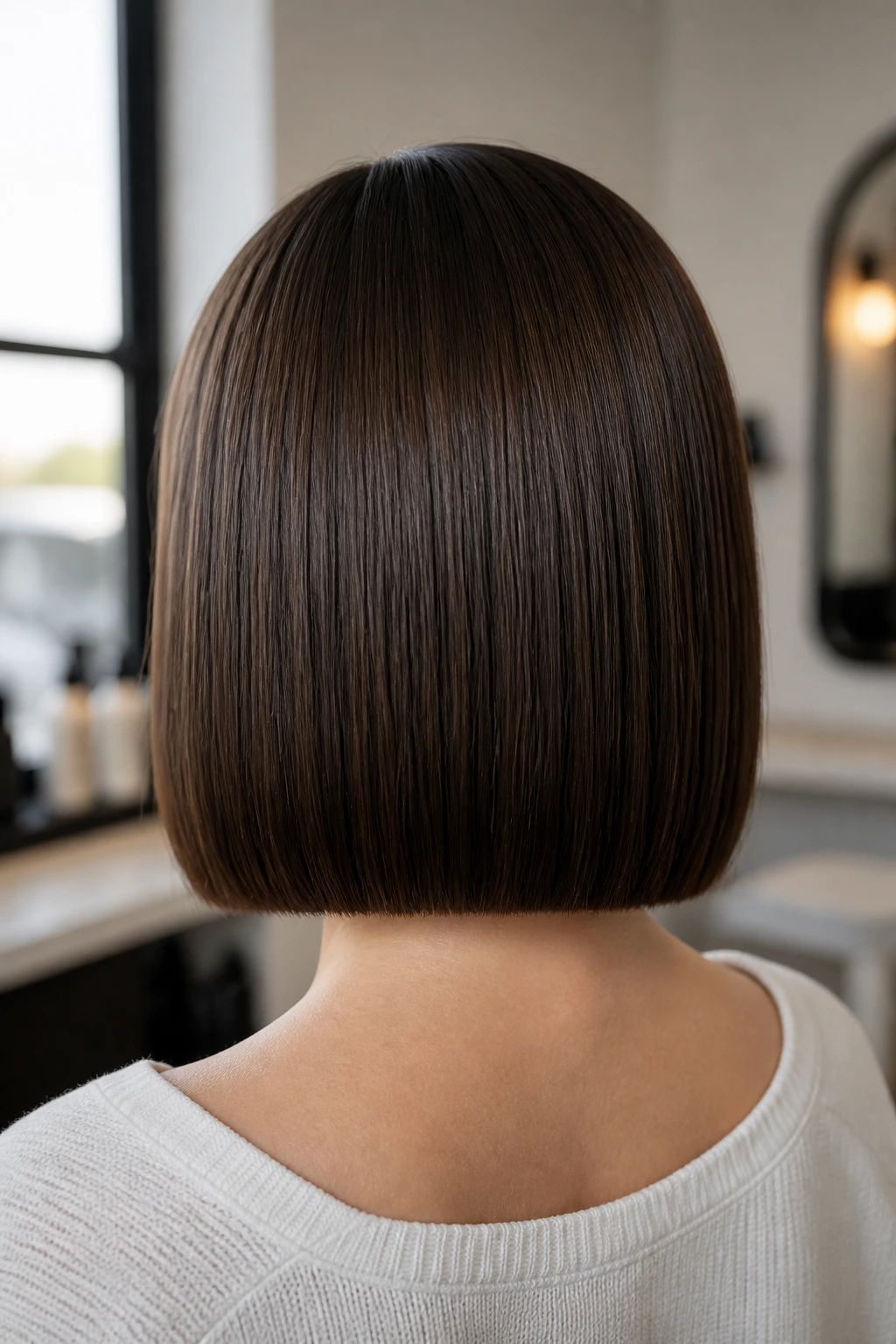
A glassy straight bob is all about the surface. The back falls in one smooth sheet, and the layers, if they exist at all, stay hidden inside the shape. That’s a smart move for fine hair because visible layering can make the ends look wispy fast. A strong perimeter does more for density than a dozen little slices ever will.
This is one of the cleanest looks for an oval face. The symmetry is flattering, and the center or slightly off-center part keeps the whole thing calm. If the hair is naturally straight, this style is easy to live with. If it isn’t, you’ll need a brush and a bit of patience.
The trick is keeping the ends polished but not greasy. A tiny amount of smoothing cream goes a long way. Too much and the haircut loses the movement that makes it look modern instead of stiff.
8. Curved-In Bob with Polished Ends
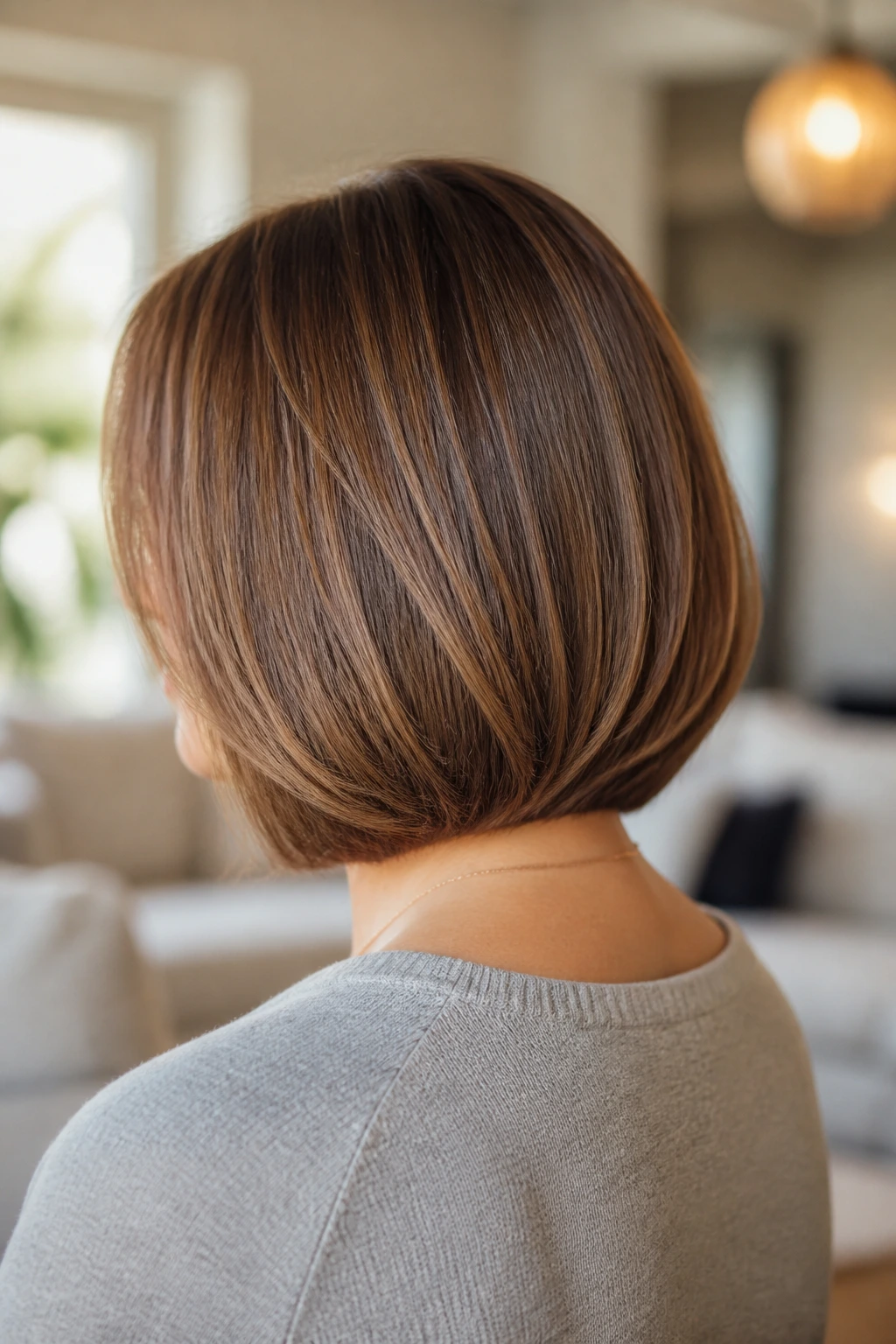
A curved-in bob gives fine hair a shape it can actually hold onto. The ends tuck softly toward the neck, which makes the back view look fuller because the line doesn’t flick out or feather away. It’s a small detail, but it changes the whole reading of the haircut.
This shape flatters an oval face because it follows the jaw without sitting on top of it. The curve keeps the look soft, especially if your features are already balanced and you don’t need extra sharpness. It’s polished, not fussy. That’s part of the appeal.
I prefer this cut with a round brush blow-dry or a quick pass with a flat iron that bends the last half-inch inward. Don’t overdo the bend. A tiny curve at the edge looks better than a big, pageant-style flip, which can make fine hair seem thinner by comparison.
9. Wedge Bob with a Short, Tucked Back
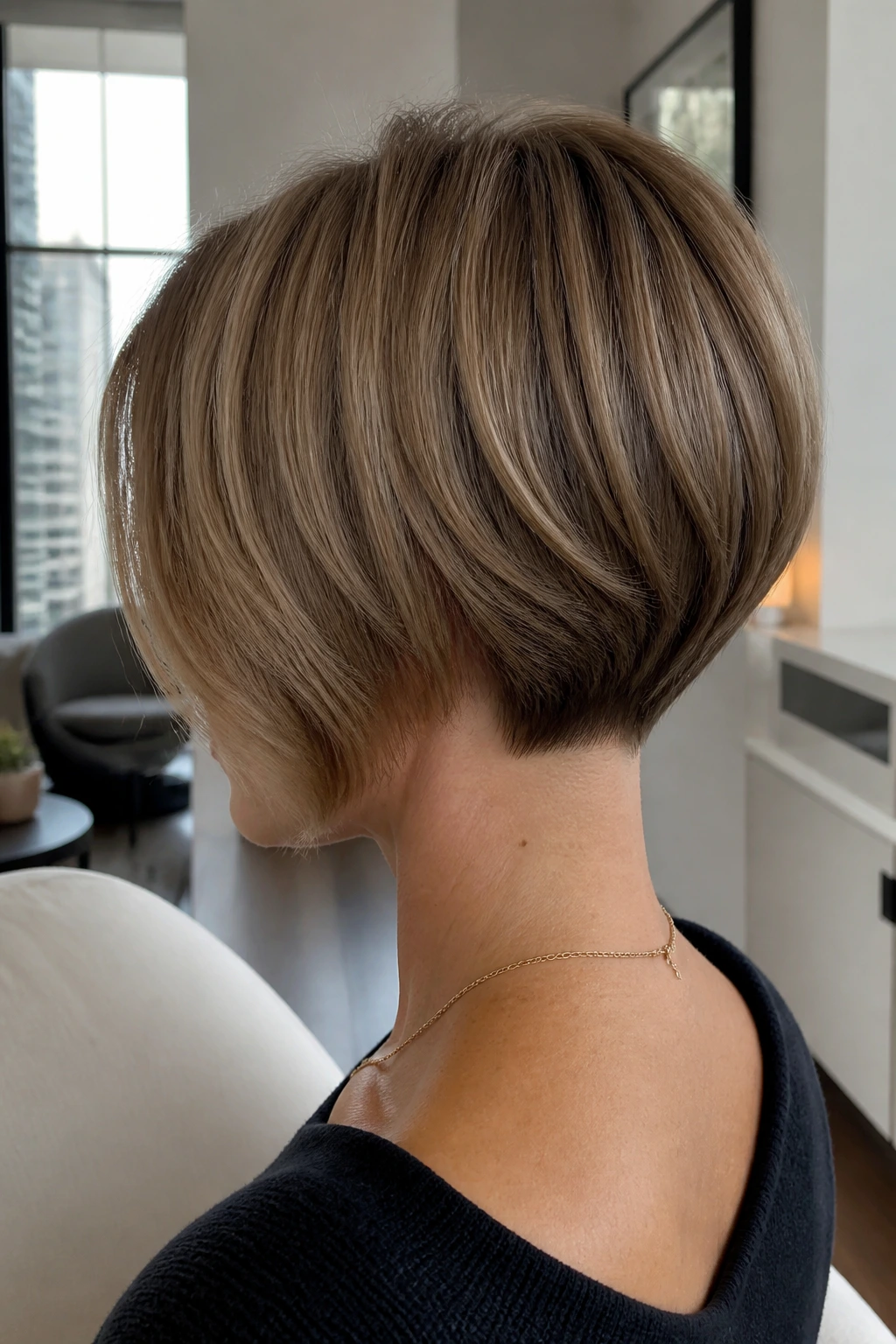
The wedge bob is blunt about what it wants to do: build shape at the back and keep it there. The nape is short, the crown sits higher, and the line opens up just enough to give the haircut a strong profile. Fine hair loves this because the shape feels engineered, not improvised.
From behind, it can look almost architectural. That’s a plus if you like a haircut with a little edge. On an oval face, the strong back and controlled front balance each other well, especially if the sides stay soft around the cheek area.
This is not the best choice if you want something airy and relaxed. It’s more defined than that. But if you like a bob that looks sharp even when the weather is doing its best to ruin your plans, the wedge has real staying power.
10. Textured Bob with Piecey Crown Lift
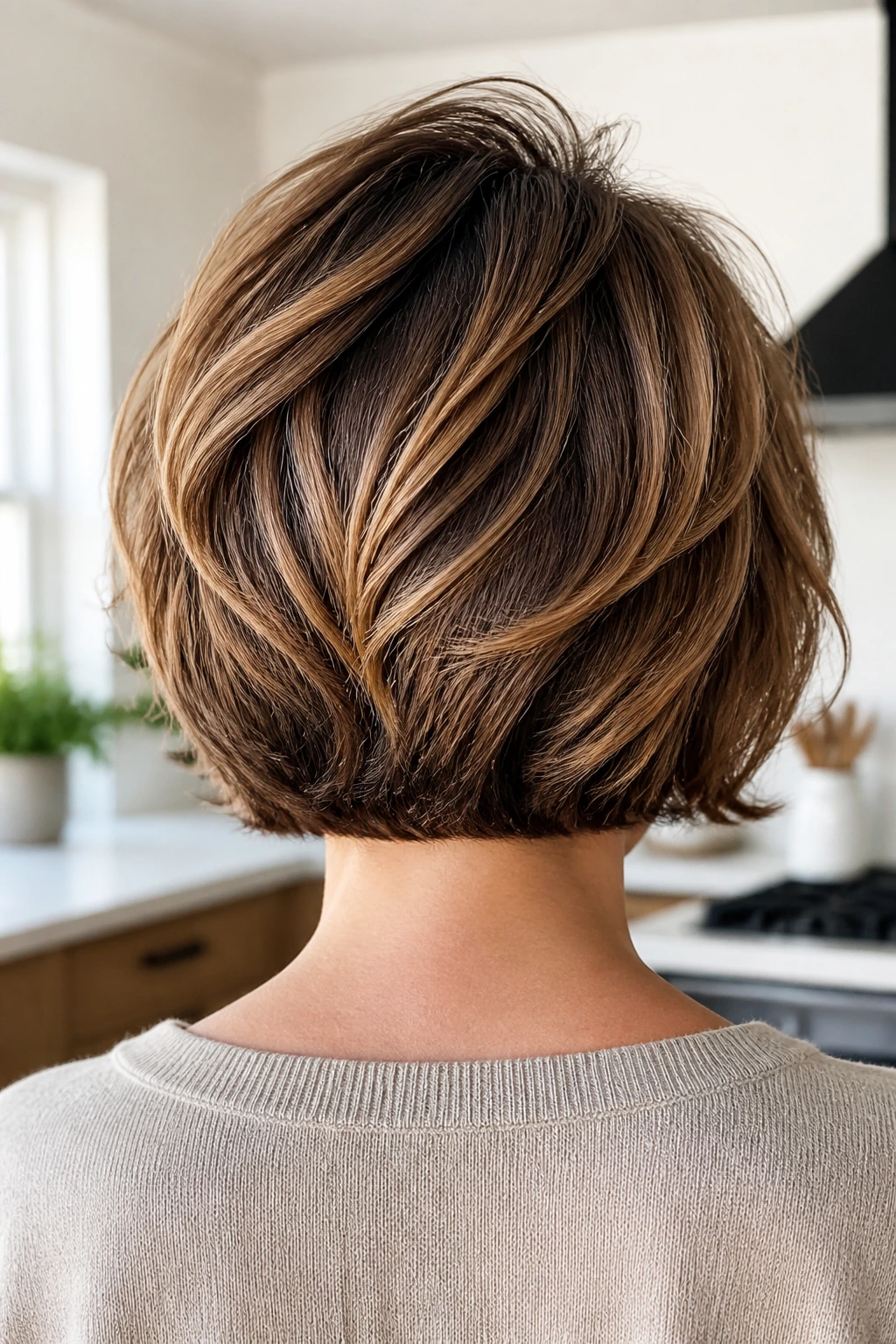
Textured bobs can be a mess on fine hair if they’re cut with a heavy hand. Done right, though, they add movement without erasing the shape. The back view should still read as a bob, just with a little separation at the crown and ends.
The thing to watch is the balance between piecey and thin. Those are not the same thing. A good textured bob keeps enough perimeter to show density, then uses light texture through the top to stop the style from sitting flat. Oval faces wear this well because the looseness softens the outline.
A sea-salt spray or a light mousse can help here, but only at the roots and mids. If you spray the ends too much, they start looking translucent. That’s the fine-hair trap, and it’s a sneaky one.
11. Side-Part Bob with Weight Shifted Back
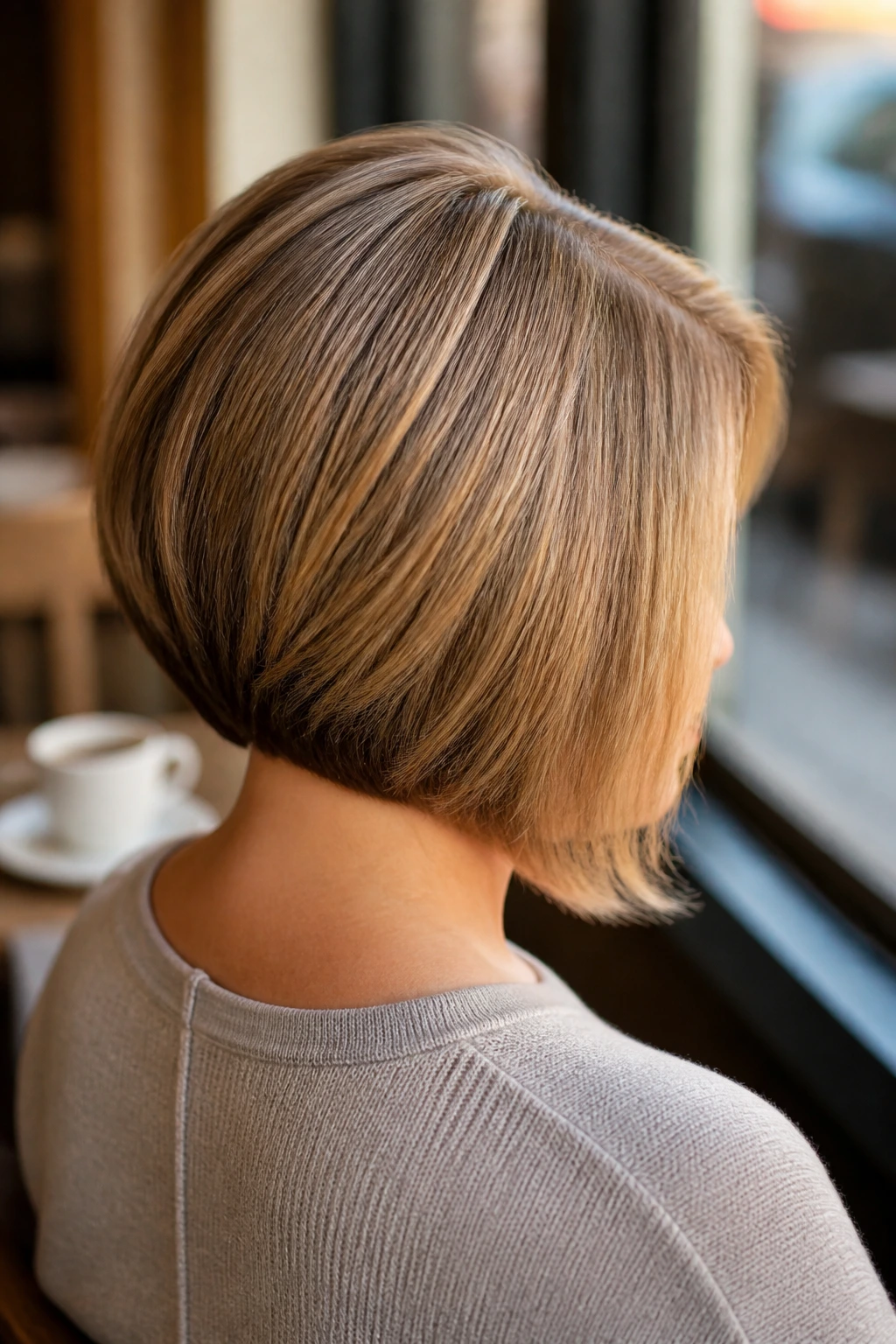
A side part does more for some fine hair than three styling products ever will. It sends a little lift to one side of the crown and changes the way the back falls, which can make the whole haircut feel fuller. The result is a bob that doesn’t sit in one flat line across the skull.
This shape works well on an oval face because the side part creates asymmetry without making the face look crowded. The back should stay neat and compact, while the front side sweeps slightly longer. It’s subtle, but the eye notices.
I’d choose this version if you want an easy way to break up symmetry without committing to a dramatic cut. It’s also useful if one side of your hair behaves better than the other. Most heads do have a favorite side, even if we pretend they don’t.
12. Airy Layered Bob with Feather-Light Ends
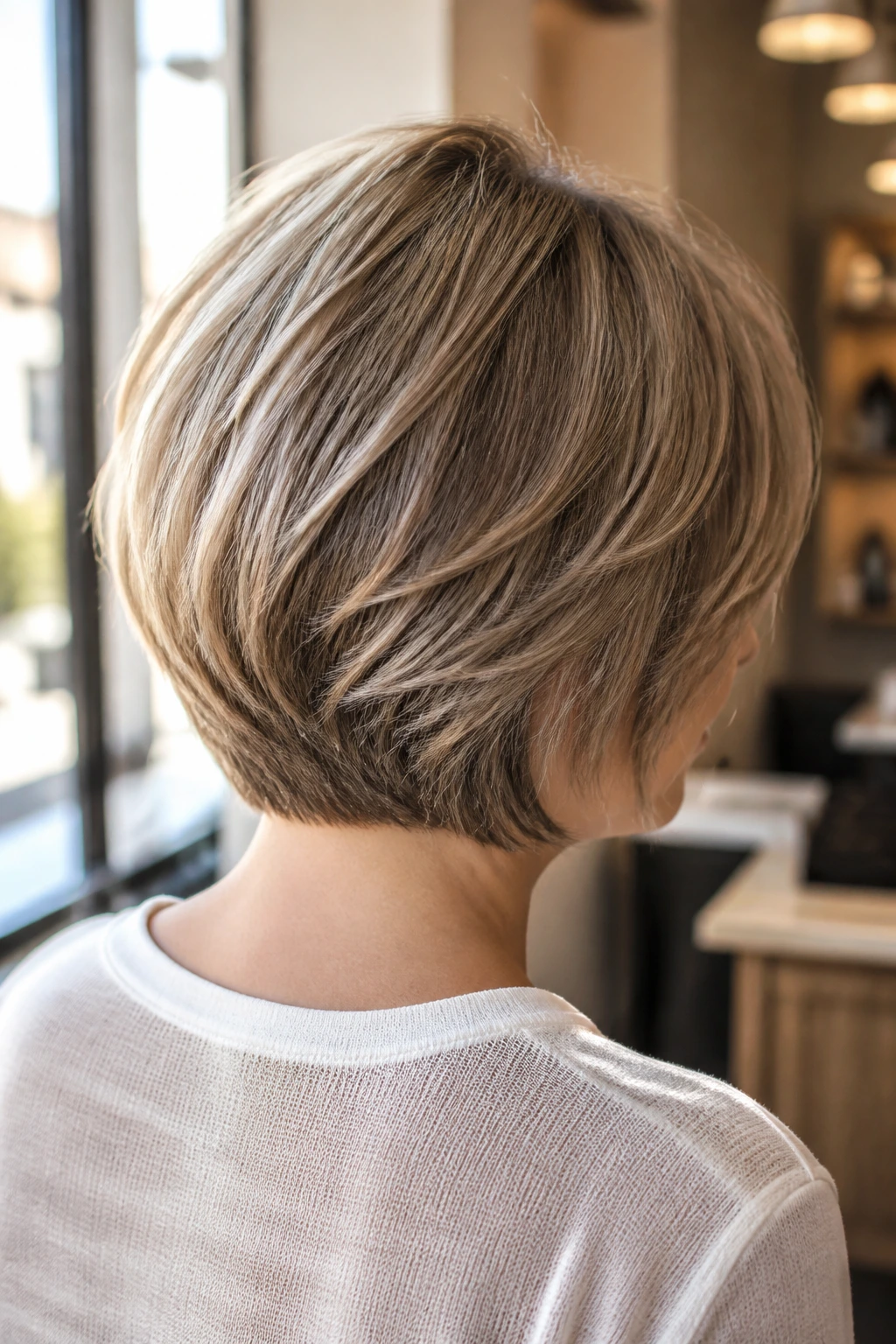
This is the bob for someone who hates heaviness but still wants the back to look full. The layers are soft and careful, just enough to let the hair move without opening holes through the perimeter. Fine hair needs restraint here. A little feathering goes a long way.
Why It Looks Better Than It Sounds
Hair that’s too heavily layered starts to separate in the wrong places. That’s especially obvious from behind, where you can see the gaps. A better approach is to keep the outline solid and let the internal layers do the quiet work.
On an oval face, the airy finish keeps the shape from feeling boxy. It’s nice if you wear your hair tucked behind the ears a lot, because the ends still have a little swing. This is one of those cuts that looks casual but depends on careful cutting. The best airy bob is not random. It’s controlled.
13. Jaw-Length Bob with a Soft Bend
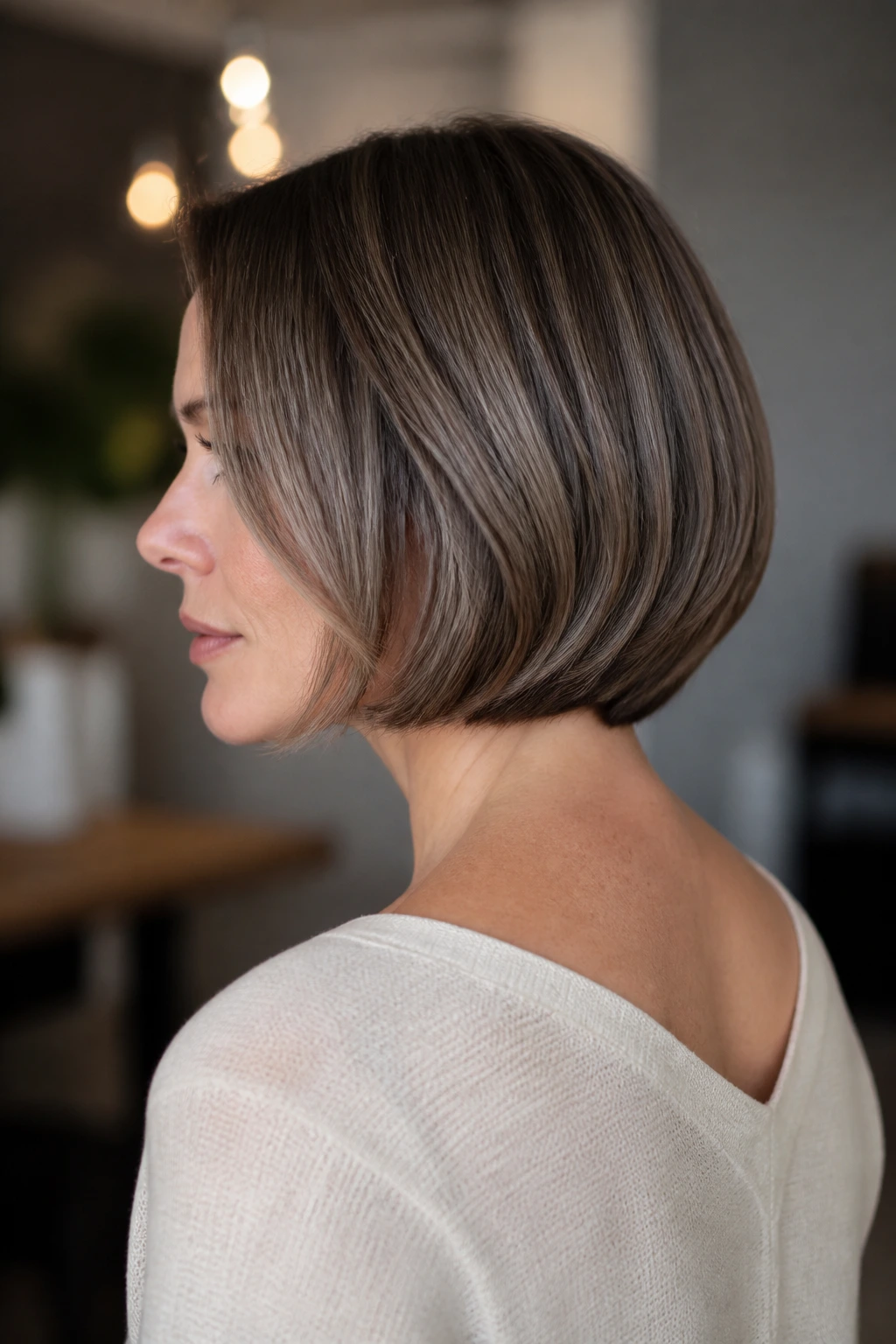
A jaw-length bob hits the sweet spot for a lot of fine-haired people because it’s short enough to look dense but long enough to feel feminine if that’s your thing. The back view matters here because the line should sit just above the neck curve, where the hair can still look thick without dragging down.
The soft bend keeps the ends from going stick-straight and limp. A little movement near the jaw creates shape without clutter. Oval faces are excellent candidates for this length because the jawline itself becomes part of the haircut.
If you want a clean, easy shape that doesn’t need much daily drama, this is a strong pick. It’s neat. It’s honest. And if the cut is good, it looks like the hair has more body than it did ten minutes earlier.
14. Inverted Bob with a Strong Angle
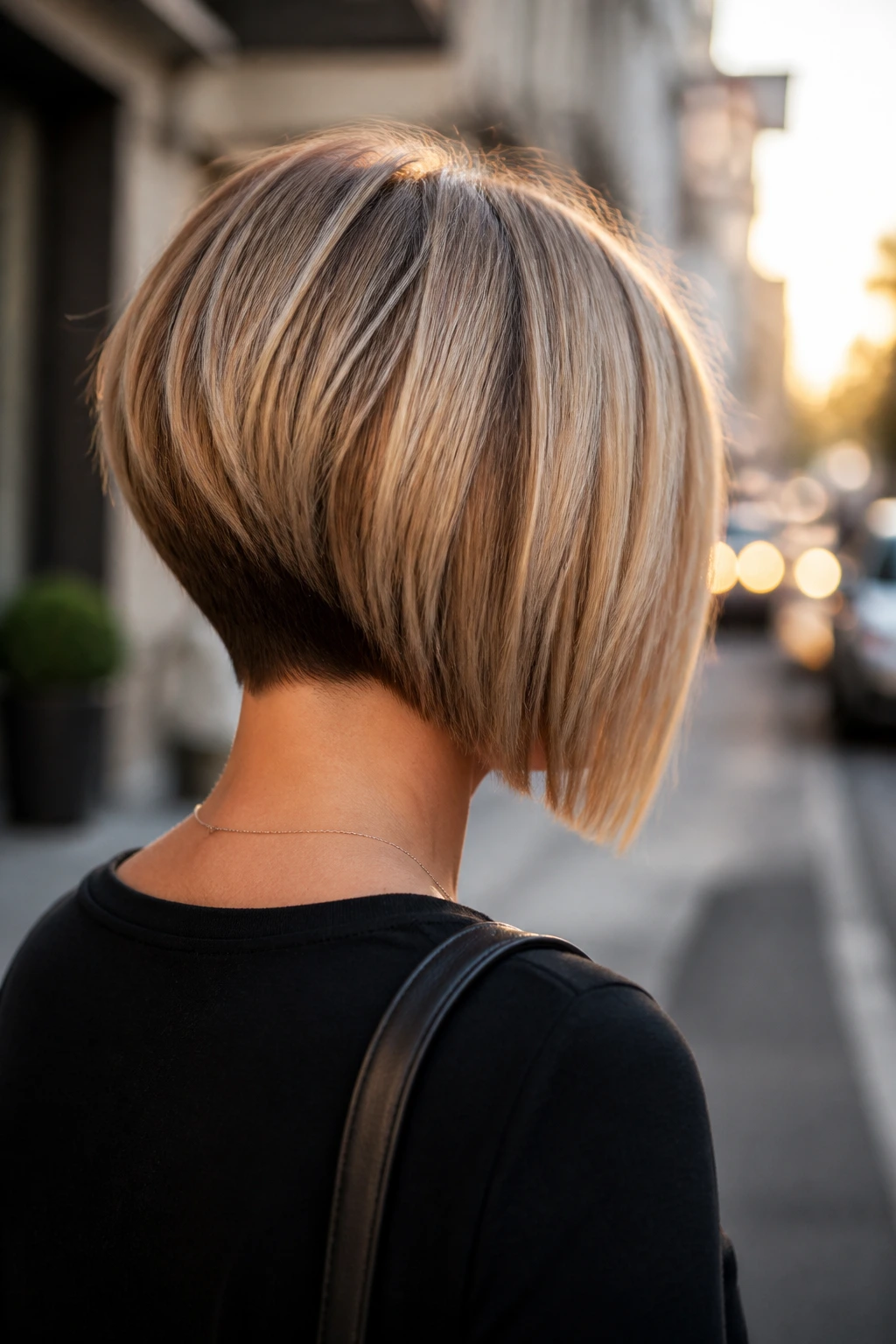
An inverted bob is the louder cousin in the bob family. The front is longer, the back is shorter, and the angle makes the nape look tighter and thicker than a straight cut would. For fine hair, that short back is gold. It removes the extra length that tends to expose every weak strand.
Oval faces can wear the stronger angle without looking overwhelmed, especially if the front pieces are kept smooth instead of overly choppy. The shape should feel confident, not spiky. A clean angle from behind makes the whole haircut look deliberate.
This is a good choice if you like a sharper silhouette. Not soft. Not sweet. Sharp. The angle gives you that neat swing in the front while the back stays compact and polished.
15. Bob with Curtain Bangs and a Snug Back

Curtain bangs can soften an oval face without hiding it, which is why they pair nicely with a snug back. The bangs open down the center and fall away from the cheekbones, while the nape stays tight and tidy. That contrast keeps fine hair from looking too flat or too broad.
The back should stay compact enough to support the fringe. If the back gets too long, the whole style starts to drag. A good curtain-bang bob feels balanced from every angle, but the back view is what saves it when the hair gets a little tired.
This one is especially useful if your forehead is a bit broader or you like having something around the face without committing to full bangs. It’s a softer haircut, but the outline still needs discipline. Otherwise, it turns mushy fast.
16. Center-Part Bob with a Blunt Perimeter
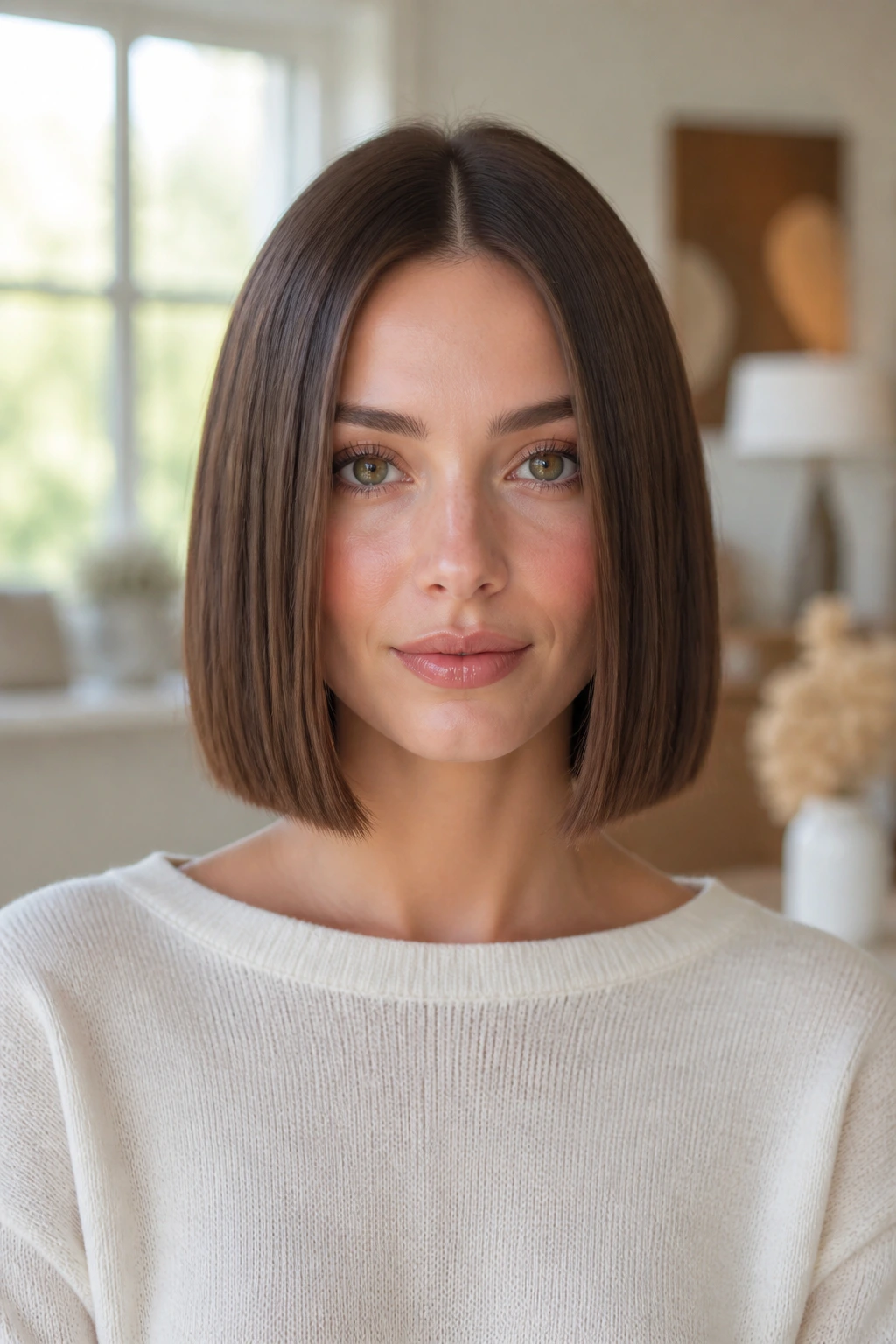
A center part can be a little unforgiving, which is exactly why a blunt perimeter helps. Fine hair looks denser when the ends form one clear line, and an oval face is balanced enough to carry the symmetry. The back stays clean because the haircut doesn’t rely on fluff to look finished.
This is a neat, minimal shape. If your hair is naturally straight or close to it, the look is especially strong. The center part draws the eye down the middle, so the nape line has to be crisp. Any unevenness shows up fast.
I’d pick this bob when you want something modern without adding texture for the sake of it. It’s not trying to be messy. It’s trying to be exact. That’s the charm.
17. Choppy Bob with Razor-Lite Texture
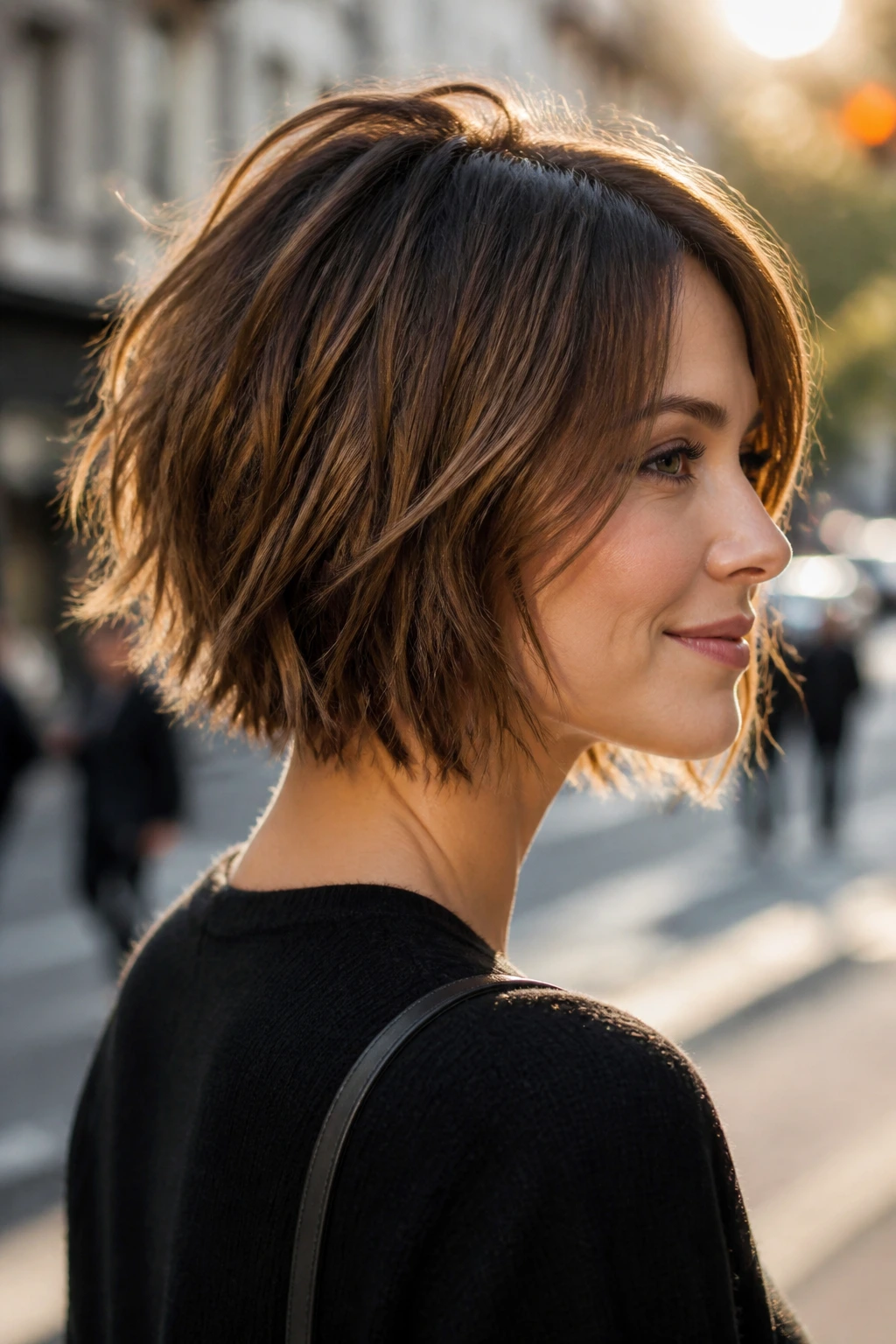
Choppy bobs can go wrong on fine hair when the cut is too shredded. The safer version uses razor-light texture only at the very ends, enough to loosen the outline without erasing it. From behind, you still want to see a bob, not a pile of wisps.
The face shape works here because an oval face can handle a little irregularity around the perimeter. Still, the back should stay controlled. I’d keep the nape neat and let the texture live mostly through the top half and front. That way the haircut keeps its thickness where you need it most.
This cut is best for people who prefer a slightly lived-in finish. It needs less perfection than the glassy styles, but it also needs a good stylist. Rough razor work on fine hair can turn the ends into lint. Not the goal.
18. Rounded Bob with Vintage Volume
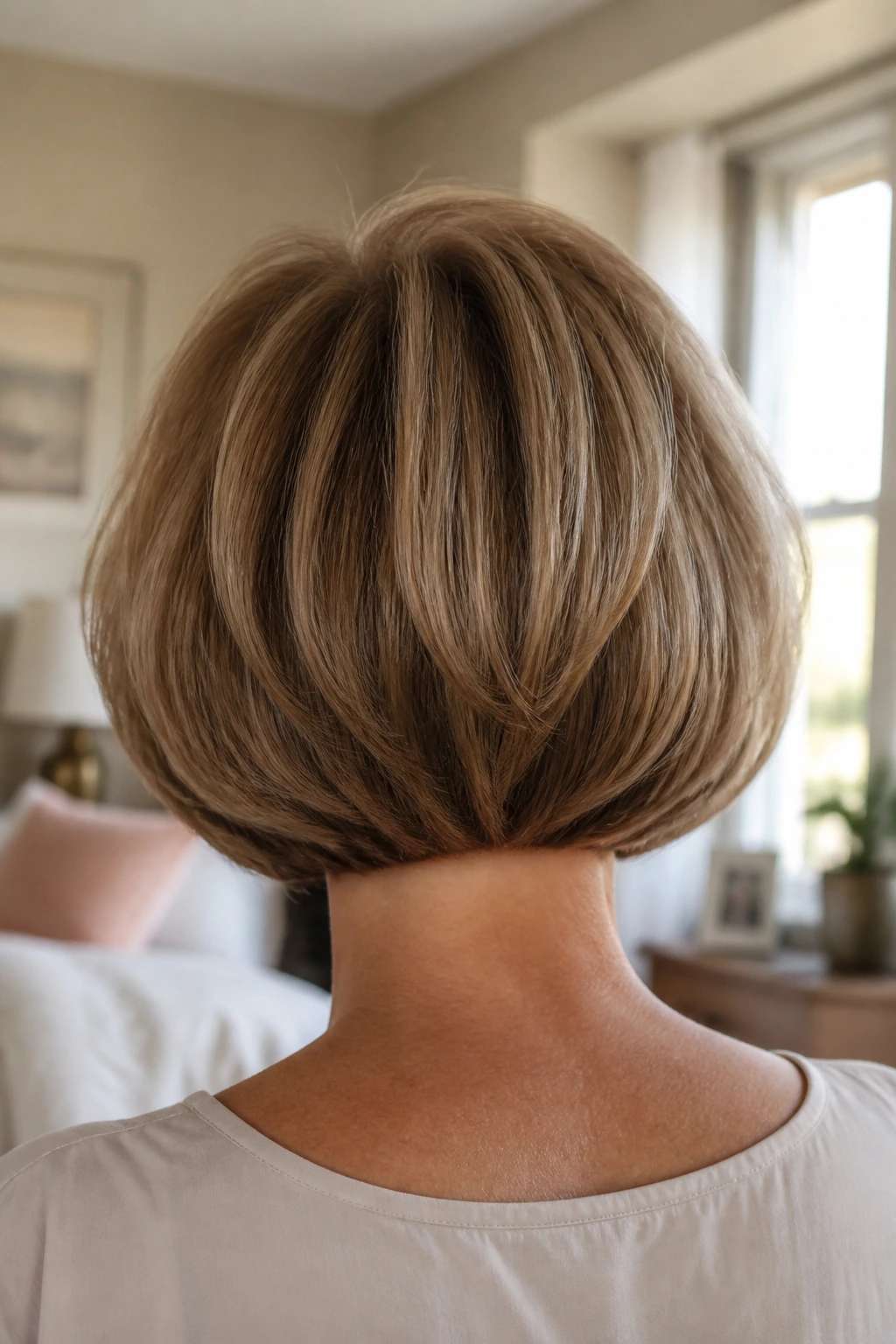
A rounded bob has a touch of old-school charm, and I mean that in the best way. The back curves softly around the head, which gives fine hair the look of extra substance. It doesn’t rely on heavy layers. It relies on shape.
That roundness is especially flattering on an oval face because it fills in space without changing the face’s balance. The crown can sit a bit fuller, and the ends can tuck neatly under the neckline. It’s one of the easiest bob shapes to make look finished in a hurry.
I like this cut with a big round brush and a little setting spray at the roots. It doesn’t need stiff styling. It just needs direction. A few minutes of heat shaping does more here than a shelf full of products.
19. Asymmetrical Bob with One Longer Side
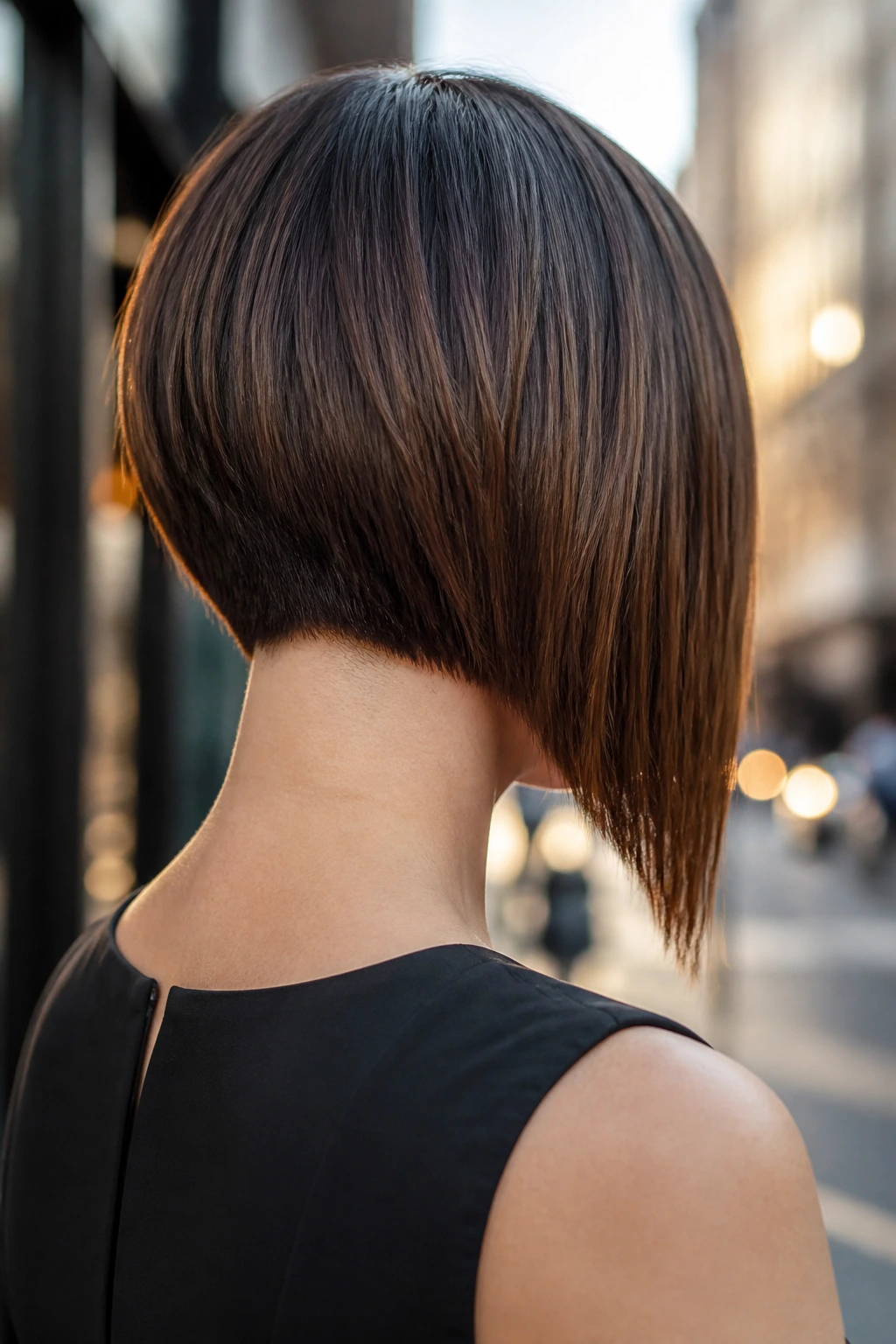
An asymmetrical bob brings energy to fine hair without asking for a lot of density. One side sits longer, which gives the haircut a diagonal line that can distract the eye from any thin spots at the back. From behind, the shape still needs to be neat, though. Messy asymmetry reads as a mistake, not a style choice.
Oval faces can wear this well because the shape doesn’t need face-width correction. The longer side creates motion, and the shorter side keeps the nape tidy. That combination feels modern without turning harsh.
This is the cut I’d suggest if you like a little edge but don’t want a drastic undercut or a super-short crop. It has personality. It also needs a stylist who can check both sides in a mirror without rushing the last inch.
20. Soft Internal-Layer Bob
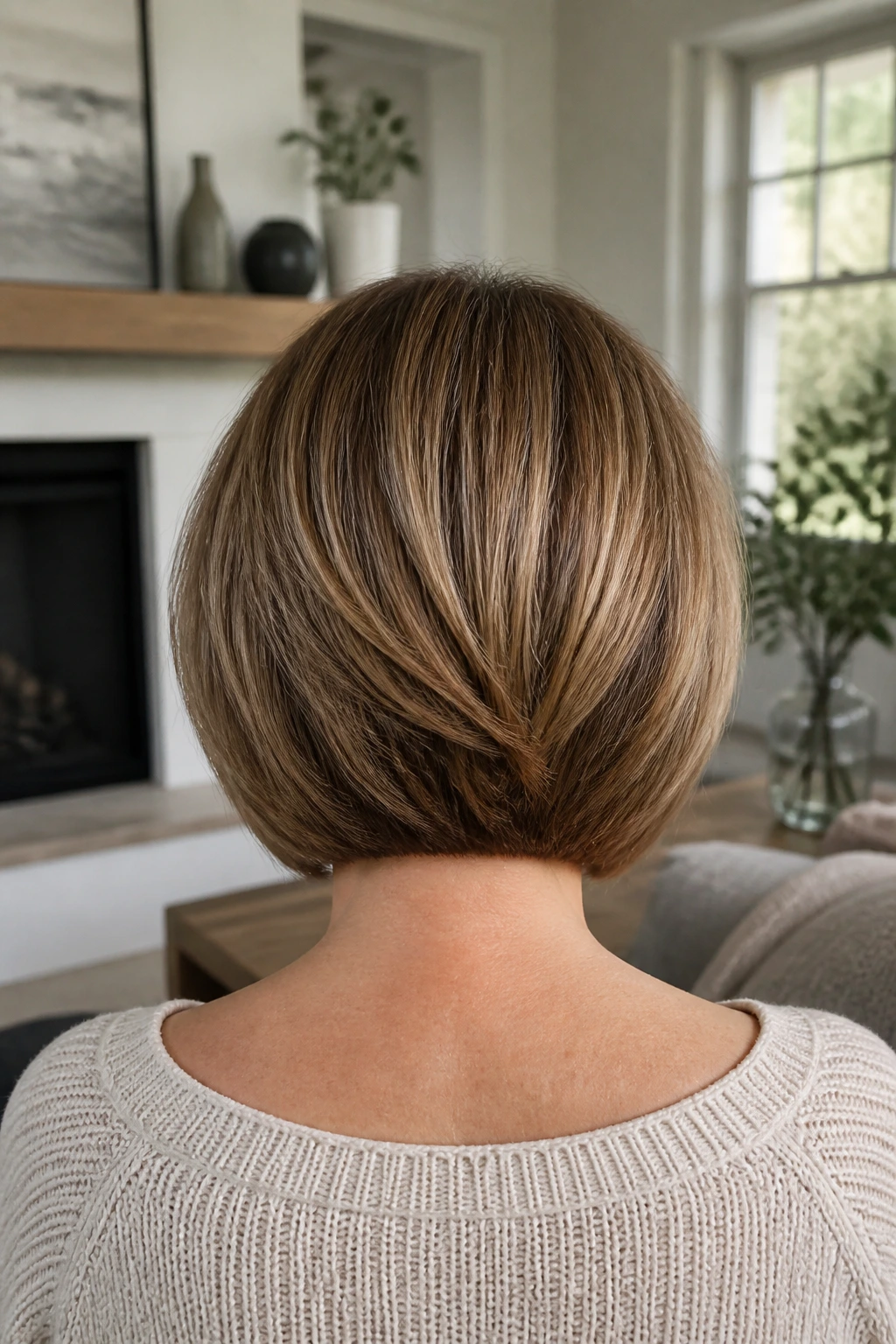
This is one of the smartest choices for very fine hair. The outer line stays solid, while the internal layers remove just enough bulk to let the haircut move. From the back, that means you get lift without visible gaps, which is a win.
An oval face gives you room to wear this at chin length or a bit longer. The important part is keeping the perimeter thick enough to look intentional. Soft internal layers are not the same as a heavily layered shag. They’re quieter. Better, in my opinion, for hair that already behaves like it wants to disappear.
This is a good everyday bob. It doesn’t need a dramatic finish to work. It just needs a decent blow-dry and a cut that respects the fact that fine hair is easy to ruin with too much enthusiasm.
21. Ear-Grazing Bob with a Sharp Edge
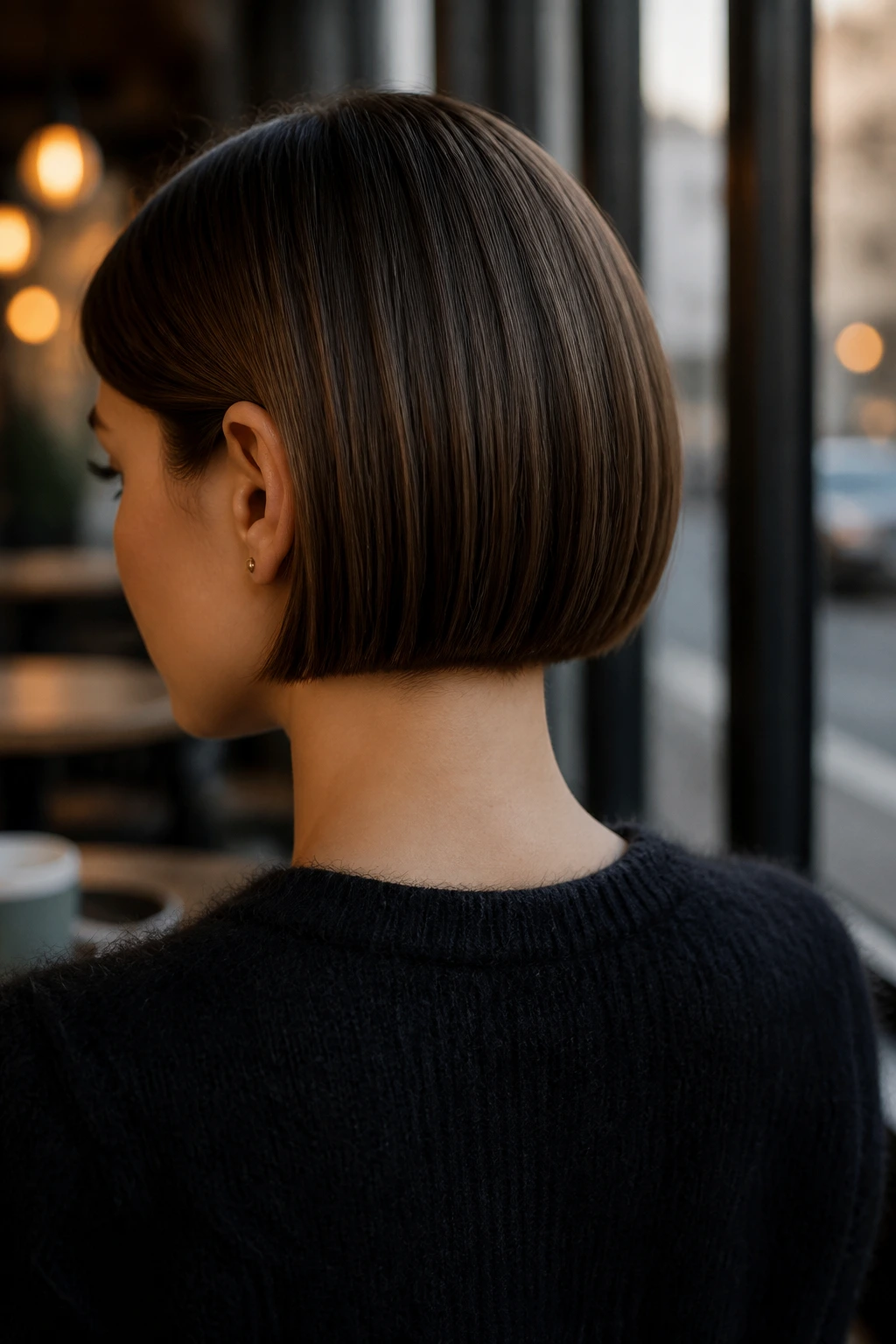
Ear-grazing length is bold, but it’s one of the fastest ways to make fine hair look thicker. Short hair has less chance to string out, and a sharp edge around the ears gives the back a neat, compact look. From behind, the cut reads as clean and crisp.
Oval faces can take this length beautifully because the proportions stay balanced. You’re not fighting the face shape; you’re letting it show. Add a deep side part if you want a little softness, or keep it symmetrical if you like the sharpness.
This is not a lazy haircut. It needs regular trims to keep the line from getting fuzzy. But if you like hair that looks strong from every angle, the payoff is worth it.
22. Shoulder-Grazing Lob with a Tapered Nape

A lob can absolutely belong in a bob roundup when the back is tapered well. The shoulder-grazing length gives you movement, but the nape taper keeps fine hair from hanging in one weak sheet. That taper is the whole reason this works.
The back view needs to stay lighter and cleaner than a blunt shoulder cut. Otherwise the ends can spread out and look sparse. An oval face wears this with ease because the longer length keeps the shape gentle around the jaw and neck.
This is a sensible pick if you want to keep some length for ponytails or clips. It’s less dramatic than the shorter bobs, but the right taper keeps it from looking dull. And dull is the enemy here.
23. Curly-Friendly Bob with Diffused Back Lift
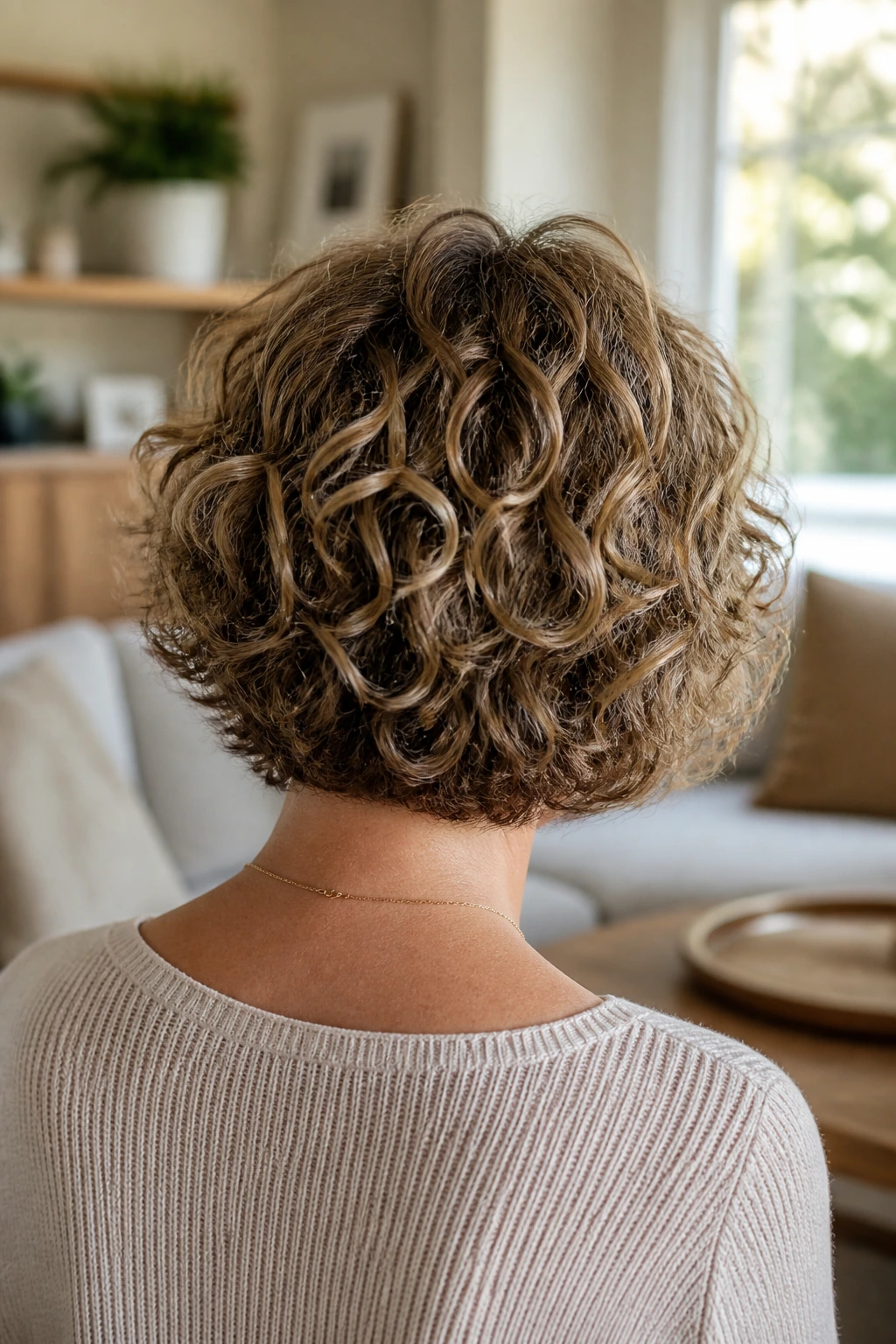
Fine hair can be wavy or curly, and that changes the game a little. A curly-friendly bob needs the back cut with enough lift that the curls don’t collapse into a triangle. The shape should rise a little at the nape, then widen softly through the sides.
That’s good news for an oval face, because the curls can frame the face without stealing all the attention. The cut should be shaped dry, or at least checked dry, because curl length lies. A bob that looks perfect wet can sit too short or too flat once the curls spring up.
I’d use a diffuser and a light foam here, not a heavy cream. Fine curls can get weighed down fast. The back should look full, springy, and clean around the neckline, not puffy in the wrong spots.
24. Stacked-Crown Bob with a Tapered Neckline
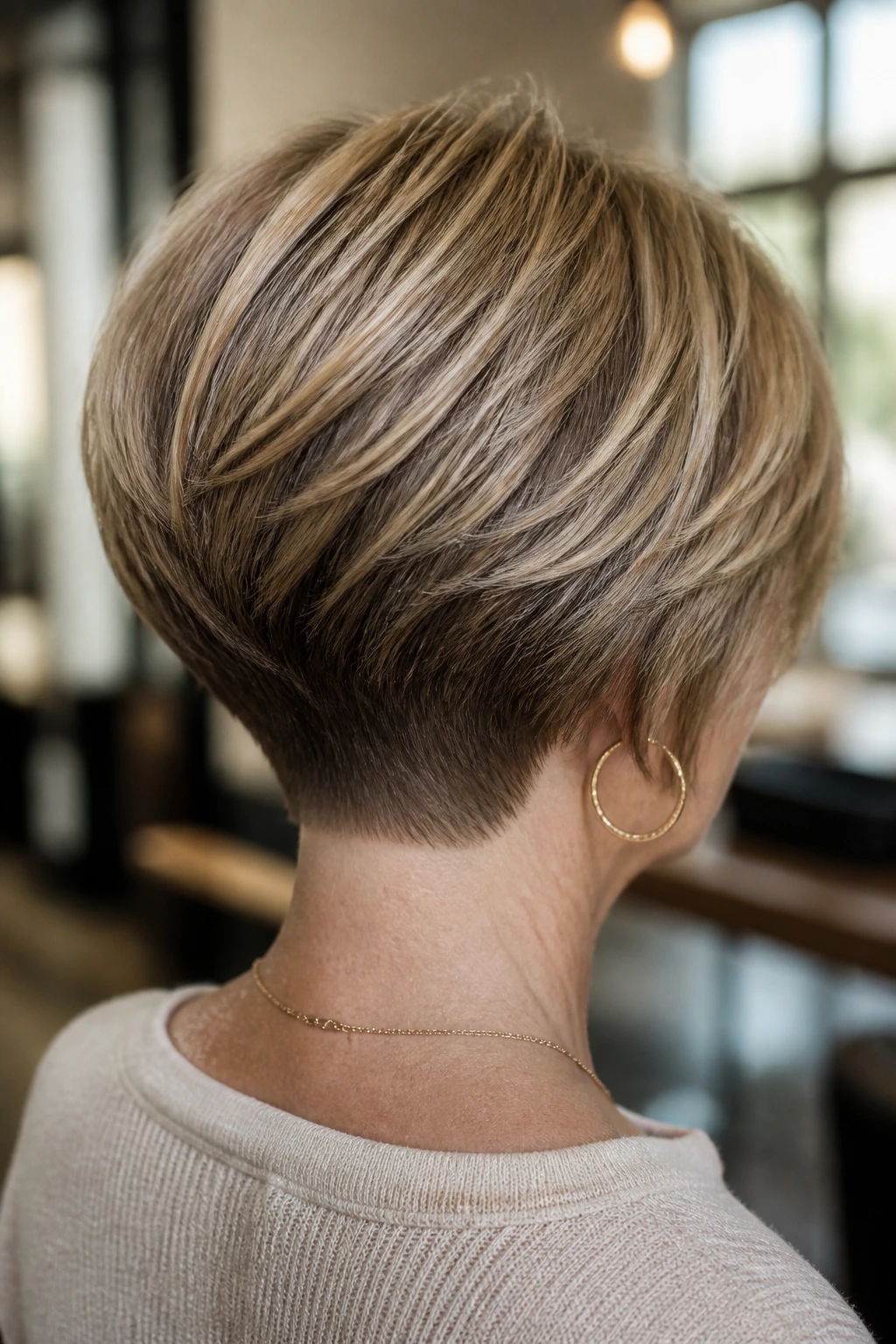
This one is for people who want the back of the head to look lifted even on a tired day. The stacked crown adds height where fine hair usually goes limp, and the tapered neckline keeps the lower edge neat. From behind, it’s one of the strongest silhouettes in the whole group.
An oval face can handle the structure because the shape sits close to the head without widening the cheeks. The stacking gives you built-in volume, so the style doesn’t depend as much on round-brush heroics every morning. That’s useful if your hair tends to fall flat by lunch.
The only caution: don’t let the stack get too chunky. A clean taper is better than a bulky shelf. You want lift, not a cap.
25. Minimalist Sleek Bob with a Tight Finish
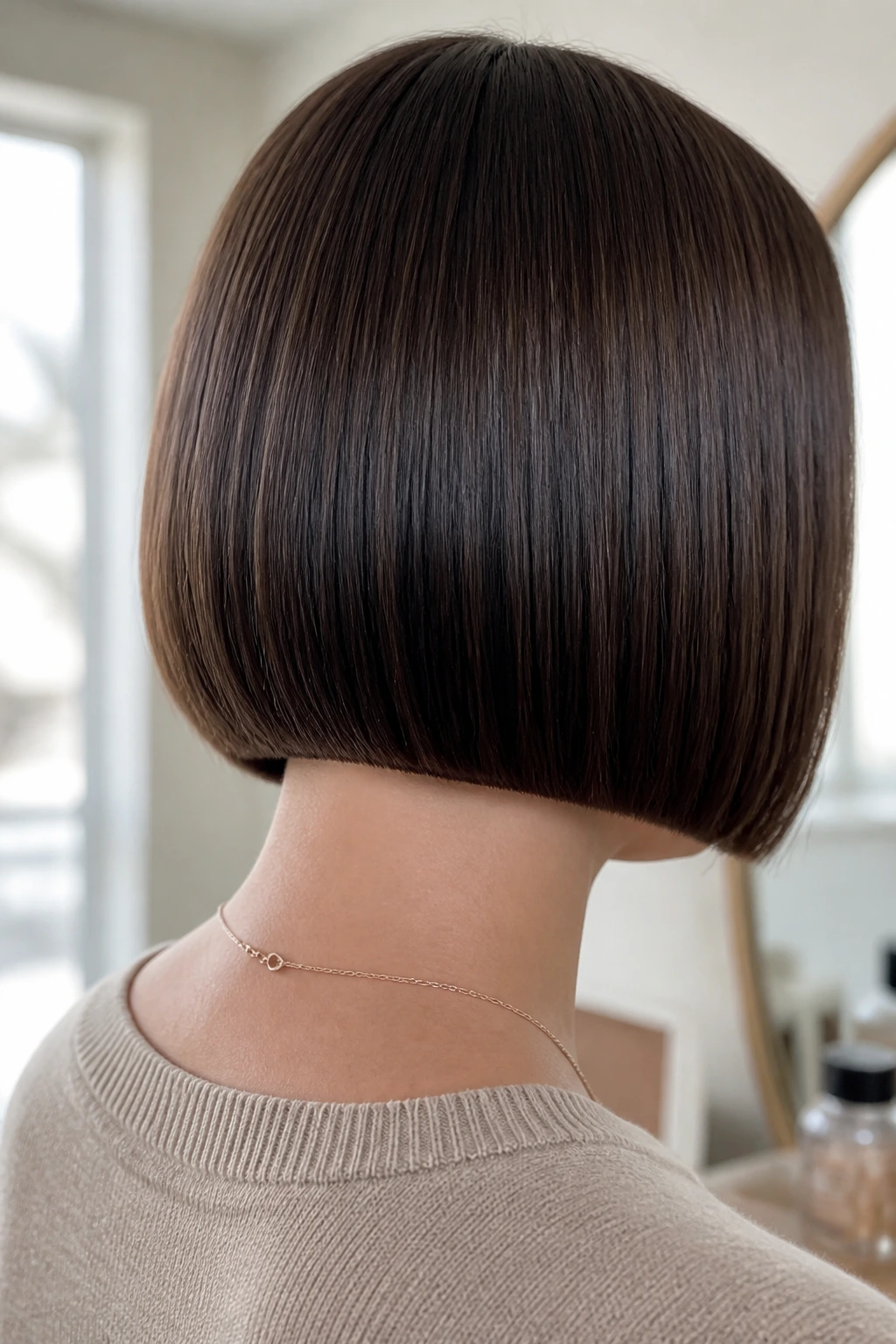
A minimalist sleek bob is the haircut that says less and means it. The perimeter is blunt, the nape is tidy, and the finish is smooth enough that the back reads like one clean shape. Fine hair benefits because every strand is pulled into the same line.
Oval faces can wear this with almost annoying ease. The symmetry is flattering, and the tight finish makes the haircut look intentional even when you haven’t styled it much. If your hair is naturally straight, this is one of the easiest shapes to keep looking good.
I’d keep the product light. A tiny bit of shine cream at the ends is enough. Any more and the clean edge gets slippery, which is the last thing a precise bob needs.
Why the Back View Decides the Whole Haircut
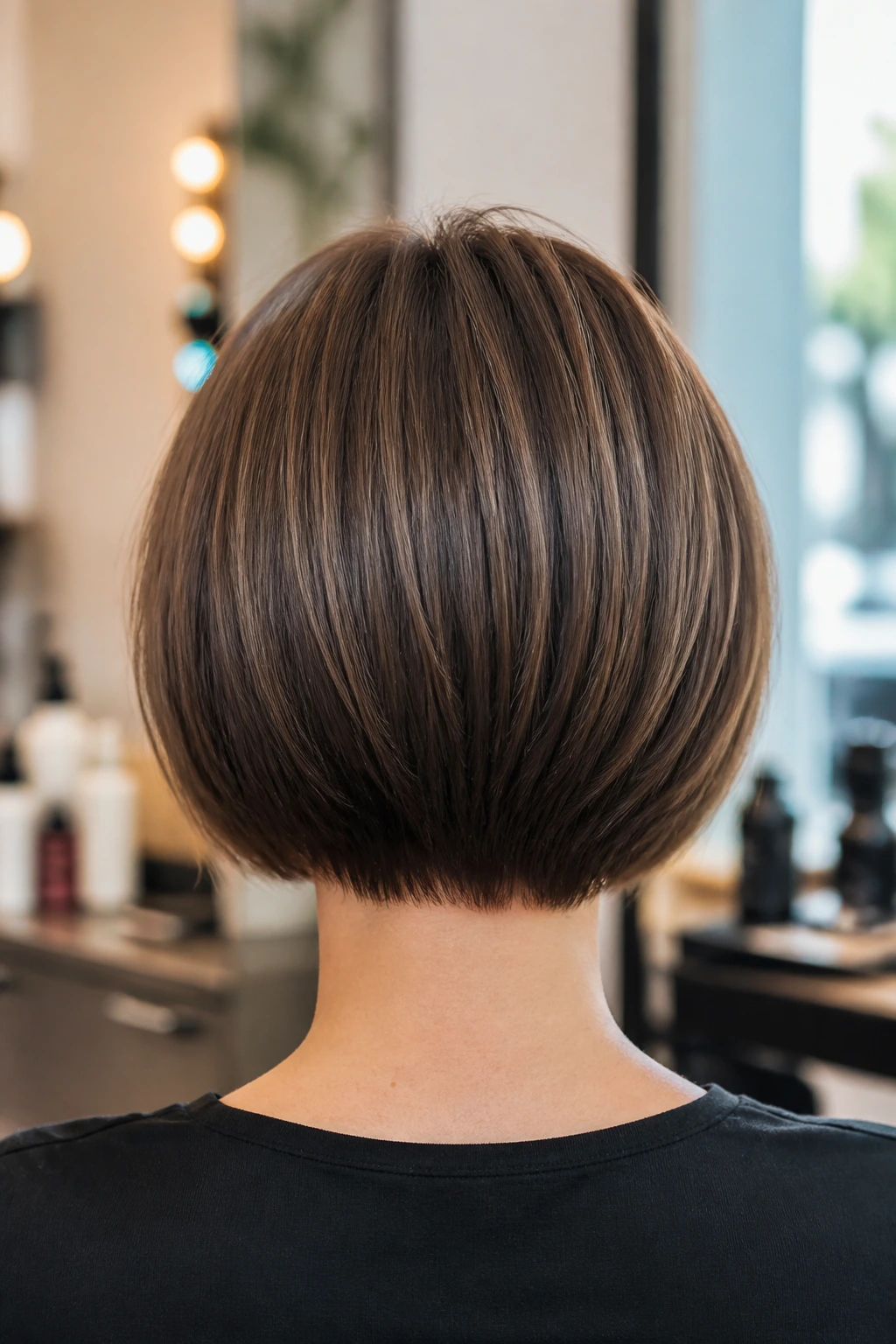
The front of a bob gets the compliments, but the back is what keeps the haircut honest. Fine hair usually starts looking thin where the weight drops away at the nape, so the smartest bobs keep that area compact, crisp, and a little shorter than the rest. That simple choice changes the way the whole head reads.
A bob with a solid back view doesn’t have to be big to look full. That’s the part people miss. Density is not the same as puffiness. A clean line, a controlled crown, and a perimeter that isn’t over-feathered can make fine strands look twice as substantial in a mirror.
Oval faces get extra freedom here because the proportions are already balanced. You can go blunt, stacked, angled, or softly rounded without throwing the face off. The haircut just needs to respect the neck line and stop pretending thin ends are a style choice. They aren’t.
How to Ask for the Cut at the Salon
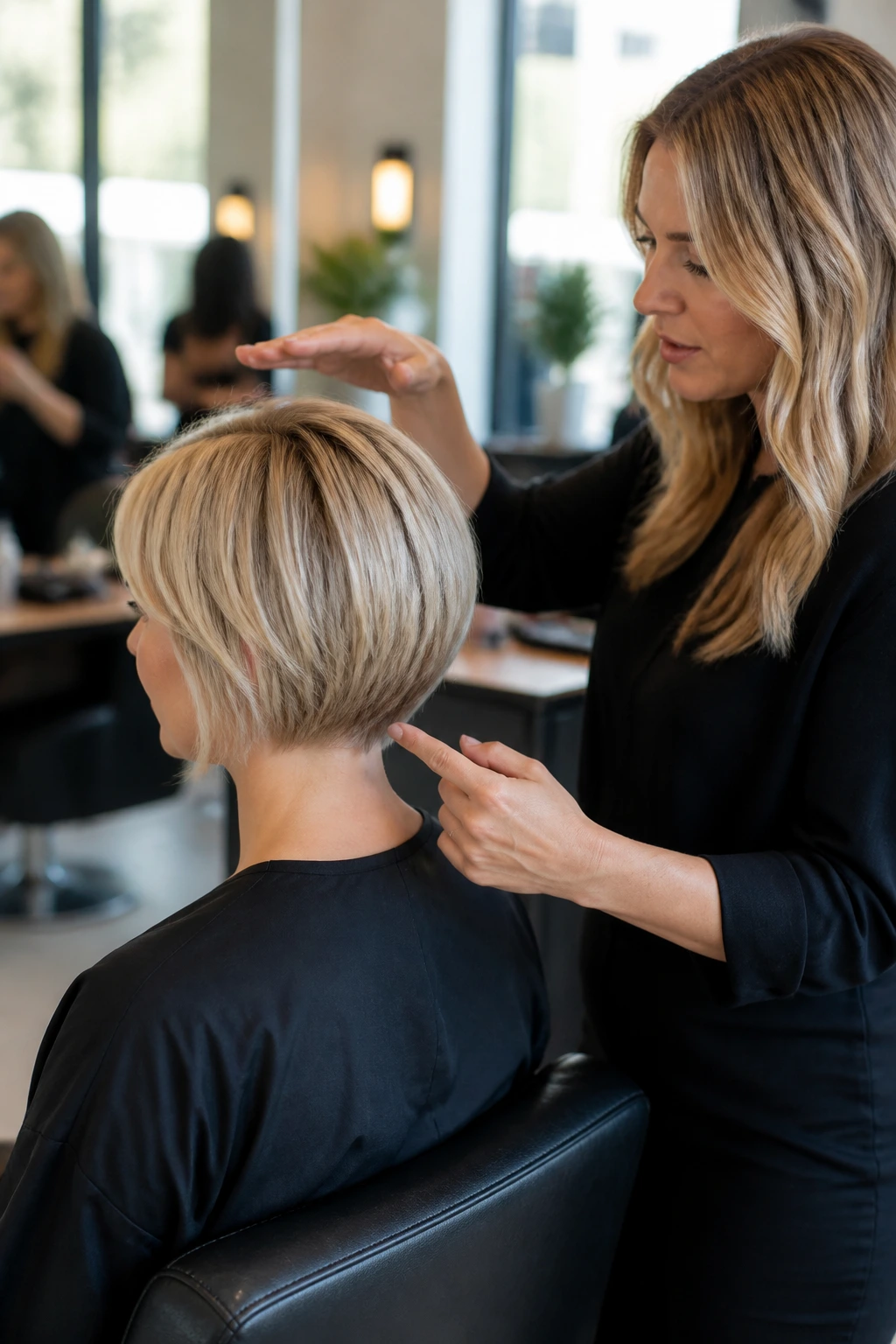
Bring a photo, but don’t stop there. Photos are good for shape and terrible for detail. The words matter: tell the stylist where you want the shortest point, how much lift you want at the crown, and whether you want the ends blunt or softly curved. A good bob is mostly in those three decisions.
If your hair is very fine, ask to keep the perimeter thick. That phrase helps. So does asking for minimal thinning at the ends. Thinning shears can wreck the look from behind faster than almost anything else, especially if your hair already separates into see-through pieces when it’s dry.
Say something like: “I want the back to look full without stacking it too high, and I don’t want the ends shredded.” Clear. Specific. Hard to misread. If you have a cowlick at the nape, mention it before the scissors come out, not after the first blow-dry. That little spiral can flip a nice bob into a strange one if nobody plans for it.
Essential Tools for Cutting and Styling These Bobs
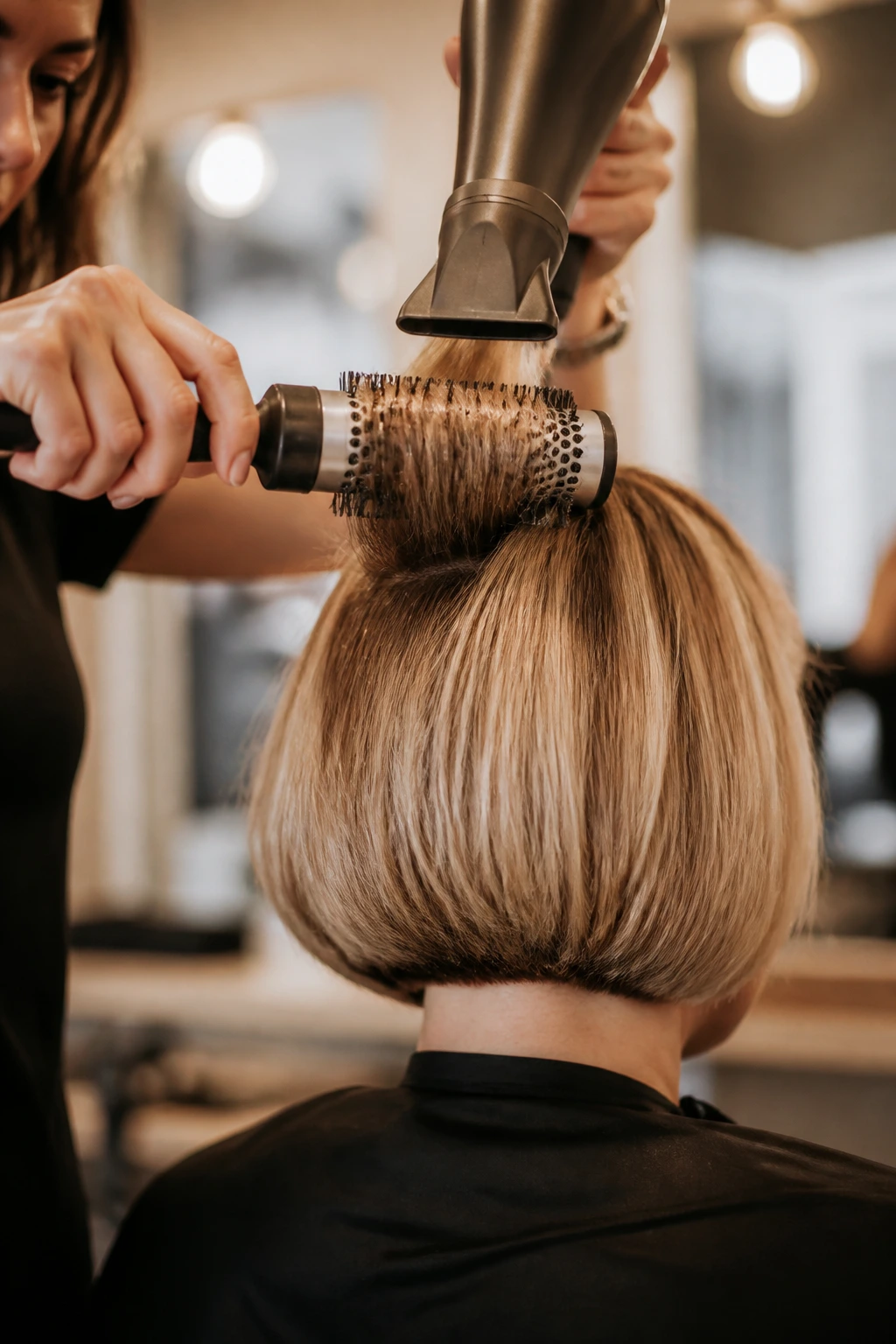
- Blow dryer with a concentrator nozzle: Directs airflow where you want lift instead of blasting the cut apart.
- 1-inch or 1.25-inch round brush: Small enough to shape the nape and ends without making the bob too fluffy.
- Tail comb: Useful for clean parts, sectioning, and checking whether the back line sits evenly.
- Sectioning clips: Keep the top out of the way while you work on the back in small, controlled pieces.
- Flat iron with adjustable heat: Handy for bending the ends inward or smoothing a sleek bob.
- Light mousse or root-lift spray: Gives fine hair a base without coating it in heaviness.
- Texturizing spray: Best used sparingly at the mids, not the ends.
- Hand mirror: The only honest way to check the back without guessing.
- Heat protectant: Non-negotiable if you use a dryer or iron more than once a week.
- Silk or satin pillowcase: Helps the nape stay smoother overnight and keeps the shape from getting crushed.
Styling Moves That Keep the Back Lifted
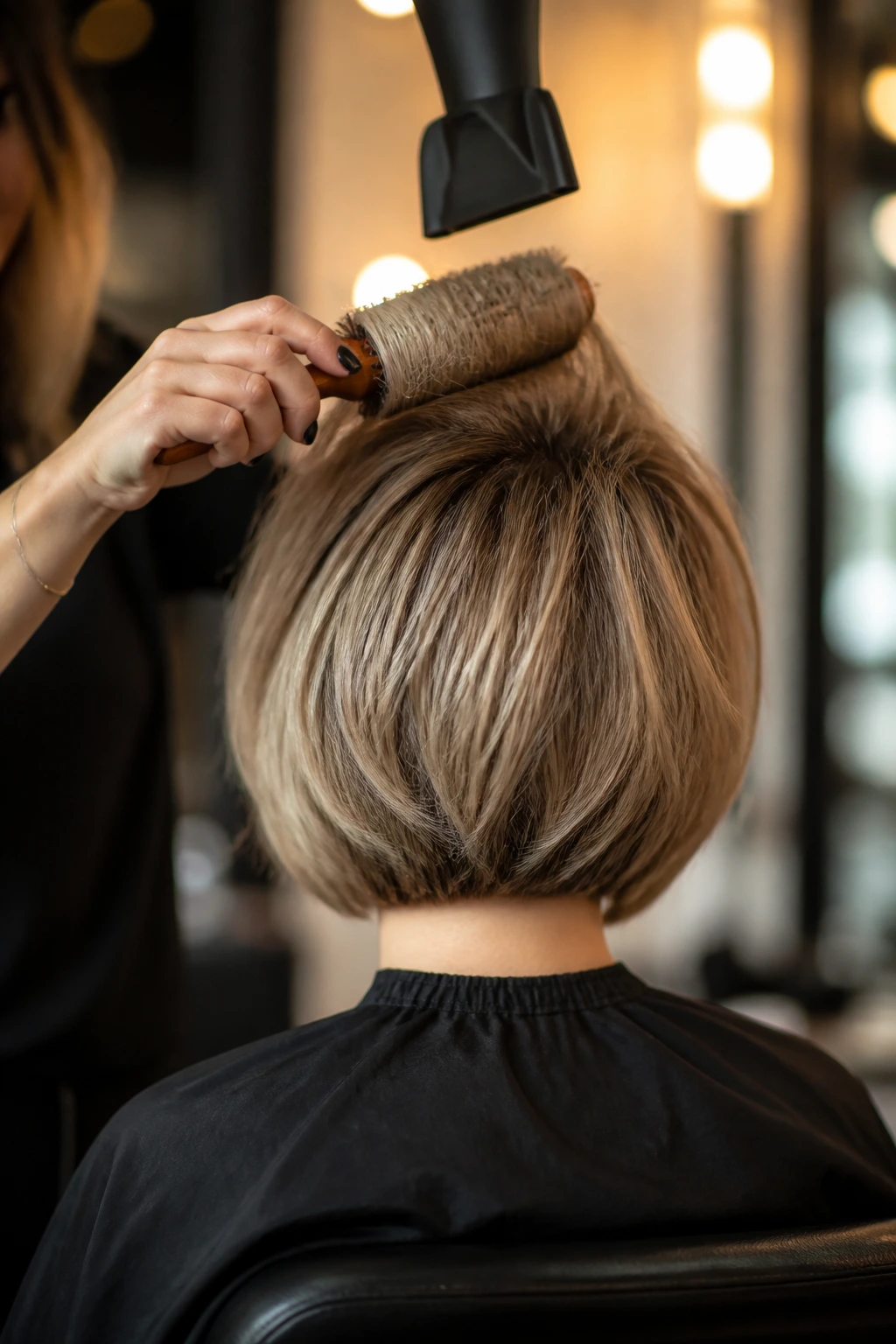
Fine hair usually needs direction more than product. Start with a small amount of mousse at the roots, then rough-dry the hair until it’s about 70 percent dry. After that, work the back in narrow sections with a round brush, pulling the roots up and the ends slightly under. That little bend at the end helps the back view stay compact.
A cool shot matters more than people think. Letting each section cool around the brush or under a blast of cool air sets the shape before gravity wins. If you’re in a hurry, clip the crown up for ten minutes while it cools. It’s an old trick because it works.
For day two, don’t drown the haircut in oil. Use a tiny bit of dry shampoo at the roots and a light pass of the brush around the nape. If the ends flip out, tap them with the flat iron for half a second. Half a second. Not five. Fine hair burns and breaks easily, and it shows fast.
Common Mistakes That Make the Shape Collapse
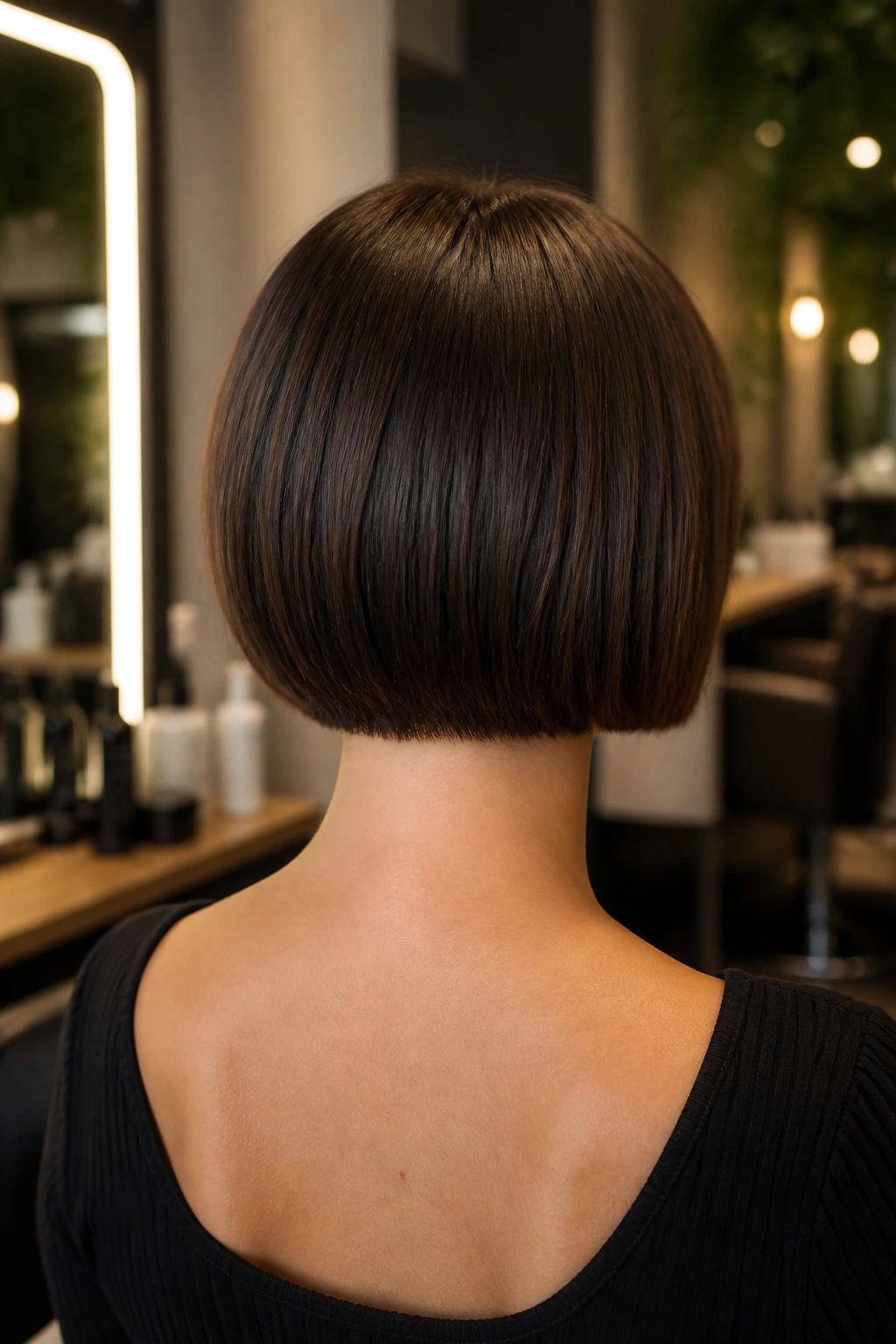
The biggest mistake is over-layering. Fine hair does not need a lot of chopping to look “alive.” It needs enough structure to hold a line. If the ends get thinned too much, the back starts to look ragged in bright light, which is the opposite of what you want.
Another common problem is letting the length creep too far down the neck. Once fine hair drops past its strongest point, it stops reading as a bob and starts reading as a long, tired shape. A trim every six to eight weeks keeps the line honest.
Heavy product is a sneaky one. A thick cream, too much oil, or a big dose of serum can make the back sit flat against the head. You end up with shine, sure, but no body. And then there’s the nape cowlick. Ignore it, and the back will kick out in one stubborn spot until the next cut. Plan for it. Cut around it. Don’t fight it at the sink and hope for the best.
Variations and Alternatives to Try Next
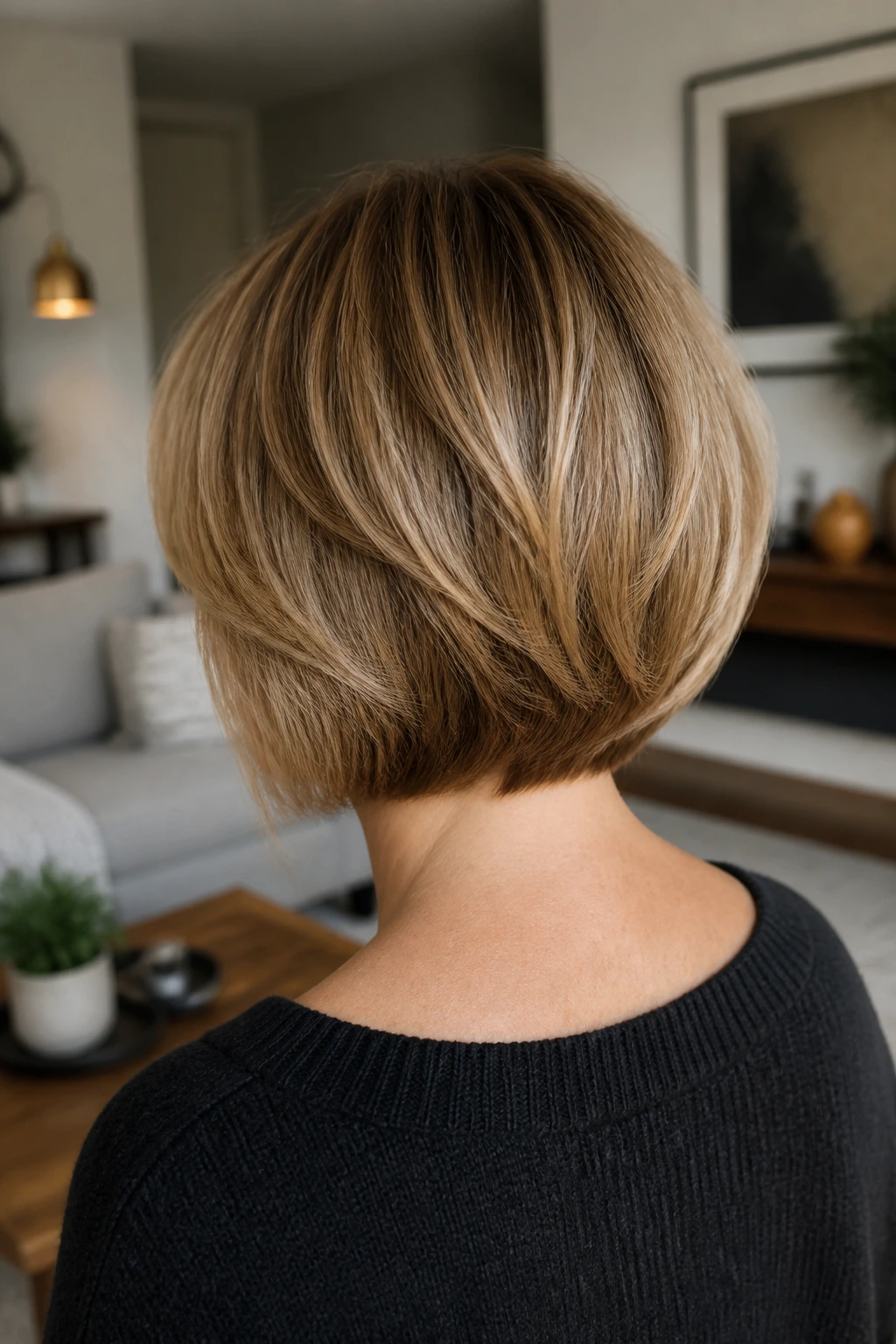
Soft Air-Dry Bob: Keep the layers light, use a pea-sized amount of mousse, and let the hair dry with minimal touching. It’s good if you want movement without a polished blowout.
Sleek Glass Bob: Go blunt, center-parted, and smooth. This is the cleanest option for straight fine hair that likes to lie flat in a controlled way.
French Fringe Bob: Add short bangs or curtain bangs to a chin-length cut. It shifts attention upward and gives the back more room to stay neat.
Curly Diffuse Bob: Shape the cut so the curls spring up around the nape, then diffuse at low heat. A good curl bob should look lifted, not triangular.
Longer Lob With Nape Taper: If you’re not ready to go short, keep the length around the collarbone but taper the back so it doesn’t drag. It’s the gentlest transition option.
Maintenance Between Cuts and Day-to-Day Care
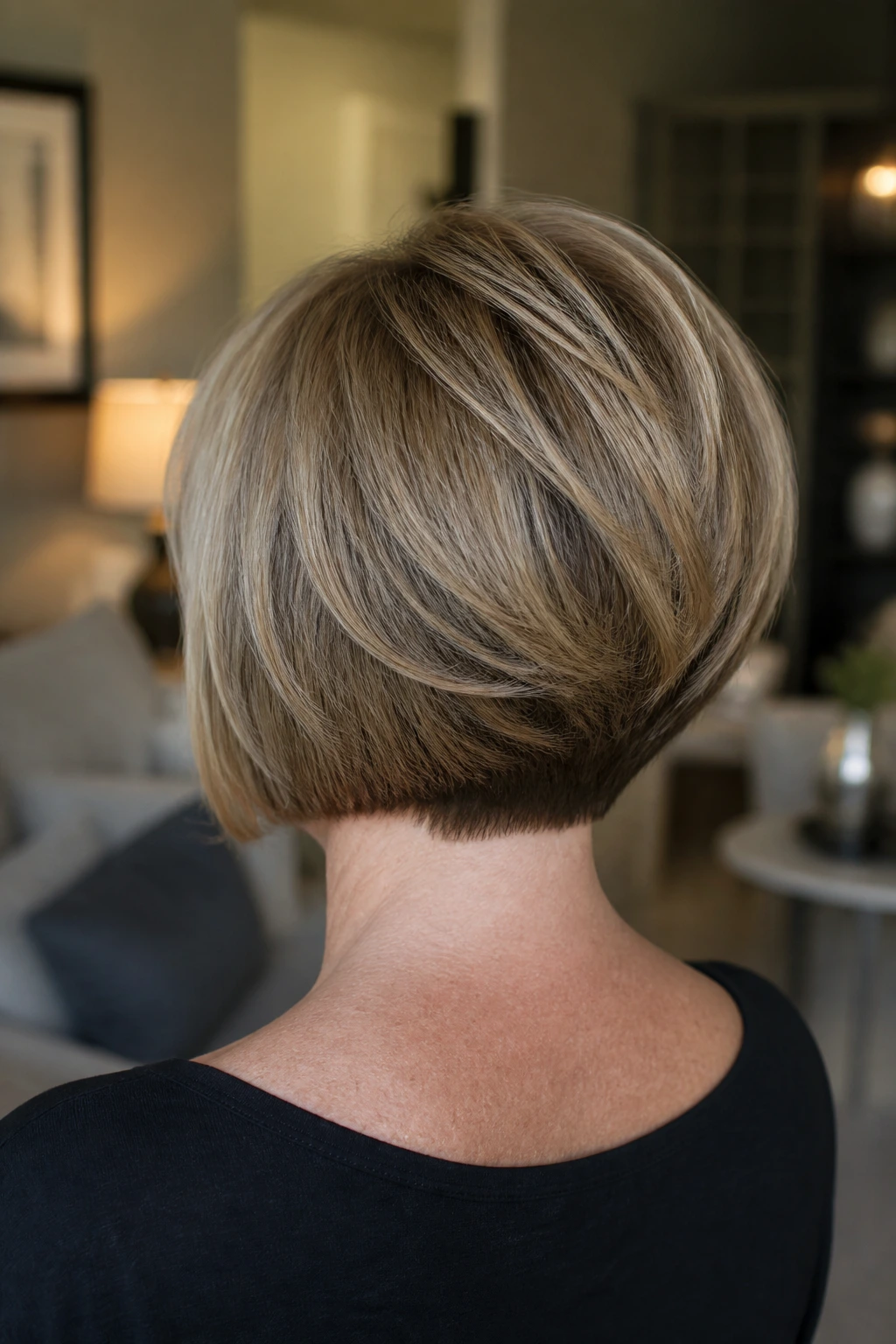
Shorter bobs usually need a trim every six to eight weeks. Lobs can stretch a little longer, but once the nape starts losing its line, the whole shape looks tired. That’s the weak spot. Pay attention there first.
Wash days matter too. Fine hair tends to show product buildup quickly, so a light shampoo and a conditioner kept off the roots help the back stay buoyant. Heavy masks belong mostly on the mid-lengths and ends, and not every wash needs one. A small amount goes a long way.
At night, a loose clip or a silk pillowcase can save the back shape from getting crushed. In the morning, a quick blast of cool air at the roots and a brush through the nape usually resets the look. If the haircut is good, you should not have to rebuild it from zero every day.
Frequently Asked Questions
Which bob length is best for fine hair and oval faces?
Jaw length and chin length tend to work best because they keep the perimeter strong while still flattering the face. If the hair is extremely fine, shorter usually looks thicker than longer.
Should fine hair get layers in a bob?
Yes, but only light internal layers or soft graduation. Too many layers make the ends see-through, especially from the back, where the damage shows first.
Does a center part work with an oval face?
It usually does, and it can look excellent with a blunt bob. The catch is that the cut has to stay crisp, because a center part exposes unevenness fast.
How do I keep the back of my bob from flipping out?
Use a round brush or a quick inward bend with a flat iron at the last half-inch of the ends. Also make sure the cut isn’t too long at the nape, because extra length often causes the flip.
Can I wear bangs with these bobs?
Absolutely. Curtain bangs, soft fringe, and even short micro bangs can work. The back just has to stay neat so the overall shape doesn’t get too busy.
What if my hair is wavy instead of straight?
Choose a bob with enough structure at the nape and ask for the shape to be checked dry. Wavy fine hair can spring up more than expected, and the back line needs room to behave.
How often should I style the bob with heat?
As little as you can get away with. Two or three heat-styled days a week is manageable for many people, but fine hair gets brittle fast, so heat protectant and lower settings matter.
Is a bob with an undercut too aggressive for fine hair?
Not if the undercut is hidden and used only to remove bulk. A subtle version can help the haircut sit better without changing the look from behind.
The Shape That Keeps Its Line
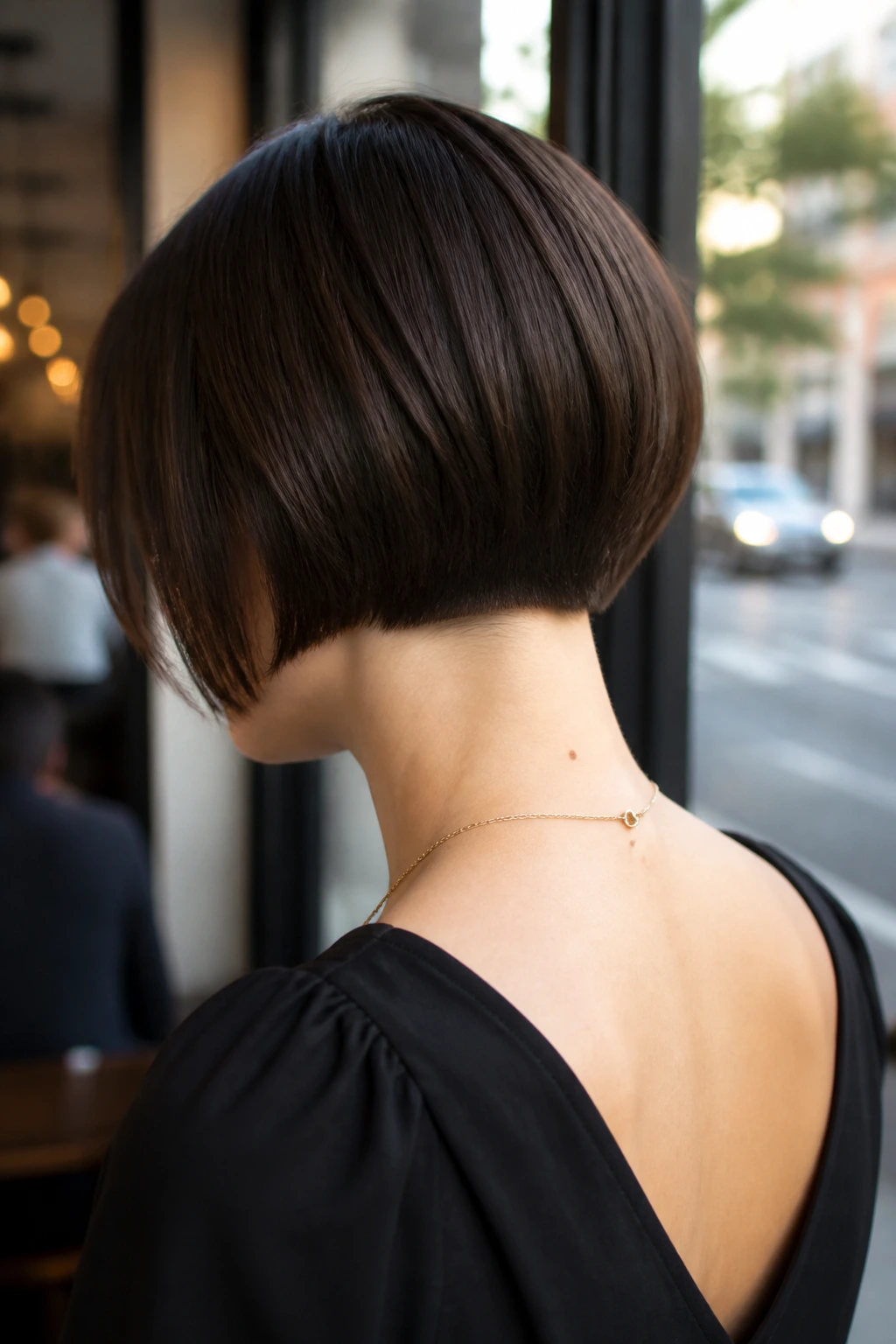
A good bob on fine hair does not rely on luck. It relies on a back view that stays clean, a perimeter that holds weight, and a length that respects the face instead of wandering past it. Oval faces make room for that kind of precision, which is why so many of these shapes work so well.
If you’re choosing between two versions, I’d usually side with the one that keeps the nape shorter and the ends blunter. Fine hair forgives very little. Give it a line it can wear proudly, and it stops looking delicate and starts looking intentional.