



Square faces do not need to be hidden. They need to be softened in the right places, and wispy layers for straight hair and square faces do that with far more finesse than a blunt chop ever will. Straight hair shows every line you cut into it. If the layers are too chunky, the jaw starts looking even more boxy; if they’re too sparse, the whole shape can fall flat and heavy, like a curtain hung on one rail and never adjusted again.
What works instead is movement that skims. A cheekbone-length front piece, a feathered collarbone edge, a little air around the crown, a soft bend at the ends. That’s the sweet spot. I’m partial to cuts that move when you turn your head, not cuts that only behave in a salon mirror under perfect lighting.
The nice thing about this family of cuts is that they don’t all read the same way. Some are nearly invisible until the hair sways. Some are all about curtain bangs and face-framing. Some keep the perimeter blunt and sneak the softness into the interior. That range matters, because square faces and straight hair don’t need one rigid answer. They need options with a little intelligence behind them.
Why These Wispy Layers Work So Well on Straight Hair and Square Faces
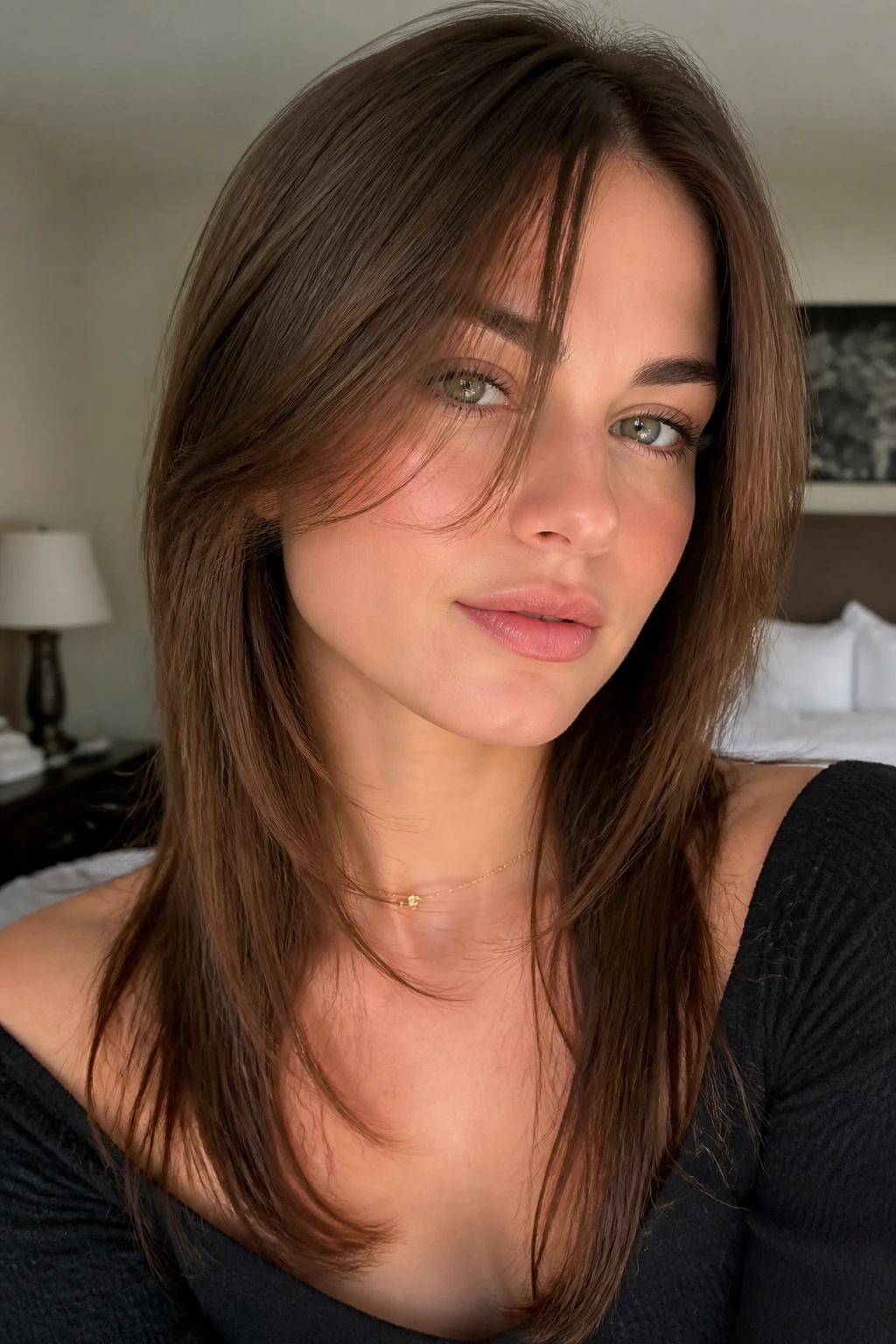
Soft edges beat hard edges. Square faces already have strong corners at the jaw and a solid horizontal line through the forehead or cheekbones. Wispy layers interrupt those lines without adding fluff where you don’t want it.
Straight hair makes the shape visible. On wavy hair, a bad layer can hide under the texture. On straight hair, every snip shows. That’s useful here, because a light feathered cut reads crisp instead of messy.
The eye moves up and down instead of side to side. When face-framing pieces start around the cheekbone, mouth, or collarbone, they create vertical movement. That keeps the sides from feeling too wide.
You can keep the length. A lot of people think softening a square face means losing inches. It doesn’t. The better trick is removing weight in the right zones and leaving the outline clean.
Styling stays manageable. These cuts usually need a quick bend with a round brush, a flat iron, or even a blow-dry with a nozzle. They don’t demand curls, teasing, or that overworked, sprayed-to-death finish that looks stiff by noon.
They grow out decently. Wispy layers are kinder than blunt fringe or a high shag when you miss a trim by a few weeks. The shape loosens instead of collapsing.
1. Collarbone Wisps With a Clean Center Part
A collarbone-length cut with soft layers at the front is one of my favorite answers for a square face, because it gives you movement without letting the sides puff outward. The center part draws a clean vertical line down the face, and the layers land low enough to avoid sitting right on the jaw, which is where a lot of straight-hair cuts start to feel boxy.
Why it works on square faces
The collarbone is a useful landing zone. It’s low enough to keep the face looking longer, but not so long that the cut disappears into the torso. On straight hair, the ends skim neatly instead of flipping in random directions.
How to style it
- Blow-dry the front pieces forward first, then sweep them back with a round brush so they curve softly away from the cheeks.
- Keep the crown smooth, not flat. A little lift up top does more for balance than extra width at the sides.
- Use a pea-sized amount of serum only on the last 2 to 3 inches.
Pro tip: Ask for the face frame to start below the widest point of your jaw if your jaw is especially angular. That small change makes the whole cut read softer.
2. Cheekbone-Skimming Curtain Layers
Curtain layers are the obvious choice for a reason, but the version that flatters a square face best is the one that starts higher than the mouth and falls open at the cheekbones. That little sweep breaks up the straight line from forehead to jaw and keeps straight hair from looking too severe.
You want the shortest point of the curtain piece to sit around the cheekbone or just under it. Too short, and the layers can make the upper face feel wider. Too long, and the softness gets lost.
The styling move is simple. Blow the front away from the face, then let it settle back with a bend. Don’t force a dramatic flip. The best curtain layers look like they fell into place after a sensible amount of work.
3. Soft Butterfly Layers on Long Straight Hair
Butterfly layers can go wrong fast if they’re chopped too aggressively. On straight hair, though, a softer version is lovely: short internal pieces around the collarbone, longer ends below, and a face frame that opens like a fan rather than a wedge.
What to ask for
- Shorter layers that live around the collarbone, not the chin.
- Long bottom length kept intact.
- Feathered face-framing pieces that blend, not stop.
The payoff is movement at the top with weight left at the bottom. That matters on square faces, because the eye gets pulled upward without widening the jawline. The hair also looks fuller in motion, which is a nice bonus if your strands fall heavy and stick to the head.
Best for: long straight hair that feels too flat in photographs and too heavy in a ponytail. A polished blowout makes this cut look expensive without being fussy.
4. Chin-Grazing Face Frame for Shorter Lengths
Can a chin-length front piece work on a square face? Yes, if it’s soft, narrow, and not cut like a shelf. The key is making the ends wispy enough that they skim the face instead of drawing a hard line across it.
This look works best on lobs and shoulder-length cuts. The front pieces should curve inward or sit at a slight angle, not hang straight down like two planks. On straight hair, that angle matters more than people think.
If your jaw is very strong, keep the shortest front point just a touch below the chin. That keeps the line from landing right on the widest part of the face. Tiny shift. Big difference.
5. Invisible Layers That Keep the Outline Blunt
Not every square face needs obvious face framing. Sometimes the smartest move is a blunt outline with invisible interior layers that remove bulk from underneath. Straight hair loves this because the surface stays sleek while the inside gets a little air.
I like this option for people who want clean lines at work and something softer than a one-length block. The haircut looks calm from the front, then moves when you turn your head. That’s the part I always care about. A good cut should do its job in motion, not only when you’re standing still.
Ask for internal layers, not choppy ones. The difference is real. Internal layers take weight out of the middle of the haircut without chewing up the perimeter.
6. U-Shaped Length With Feathered Ends
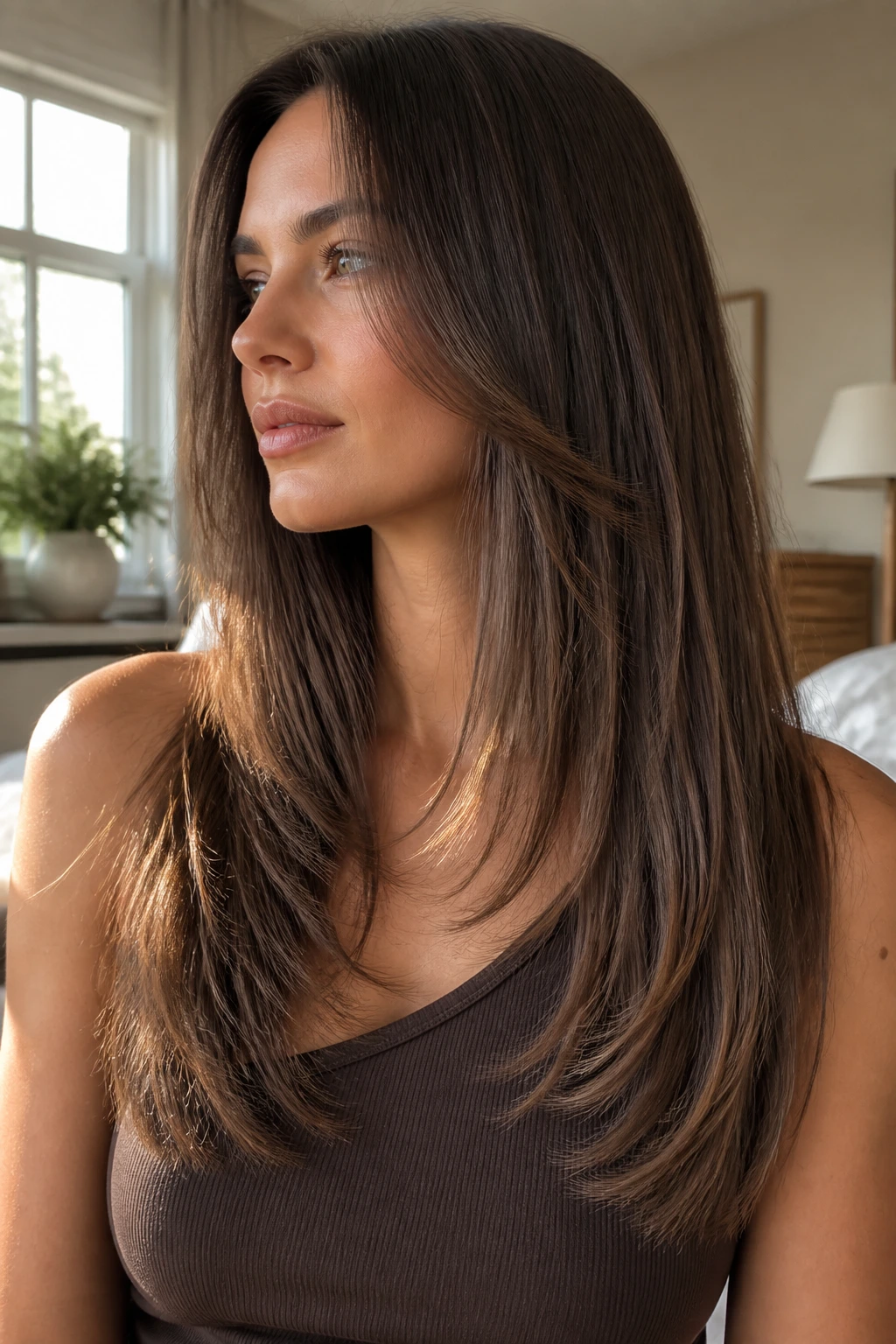
A U-shape gives long straight hair a gentler outline than a straight-across hem. It narrows the outer edges a little, lengthens the center, and keeps the eye moving vertically instead of stopping at a blunt line.
That matters on square faces because a straight, heavy bottom edge can echo the jaw. A soft U does the opposite. It rounds the shape just enough to keep the whole look from reading square-on-square.
The best version of this cut
- Keep the sides a little shorter than the center.
- Feather the ends rather than slicing them blunt.
- Let the front fall past the jaw if you want the face to look longer.
This is a good choice if you like long hair but hate the way it can turn into a brick when it all hangs in one plane.
7. Bottleneck Bangs With Airy Side Pieces
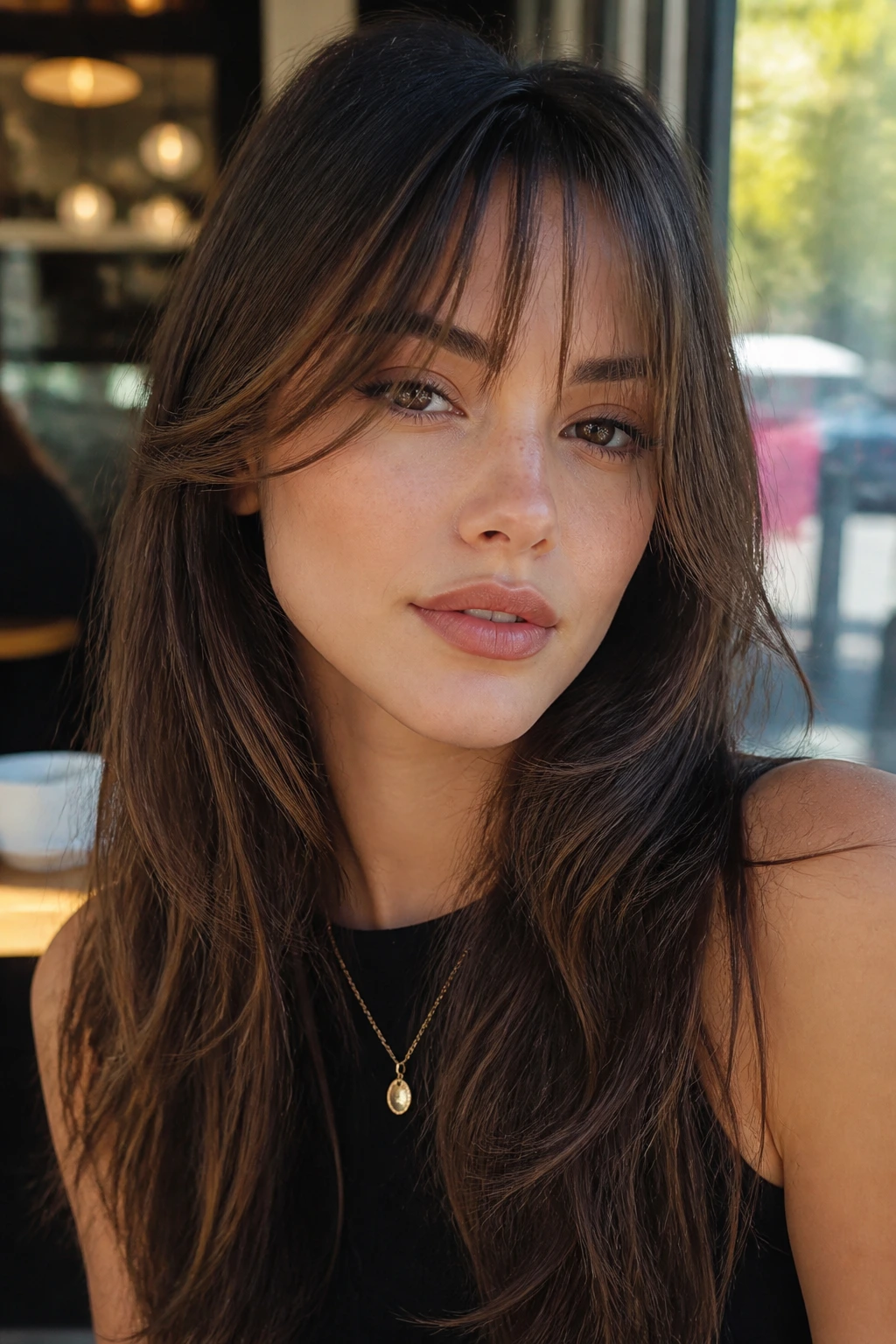
Bottleneck bangs are the friendlier cousin of heavy fringe. They’re shorter in the middle, longer at the sides, and they break the forehead line without boxing in the face. On a square face, that asymmetry helps a lot.
The side pieces should not be thick. Thick side pieces can widen the face if they sit at cheek level with too much weight. The softer they taper, the better they blend into straight hair.
I’d choose this if you want bangs but don’t want the committed, high-maintenance feel of a full fringe. They grow out decently, and they look good with a middle part or a slight offset. That flexibility is half the appeal.
8. Grown-Out Shag Layers, Kept Polished
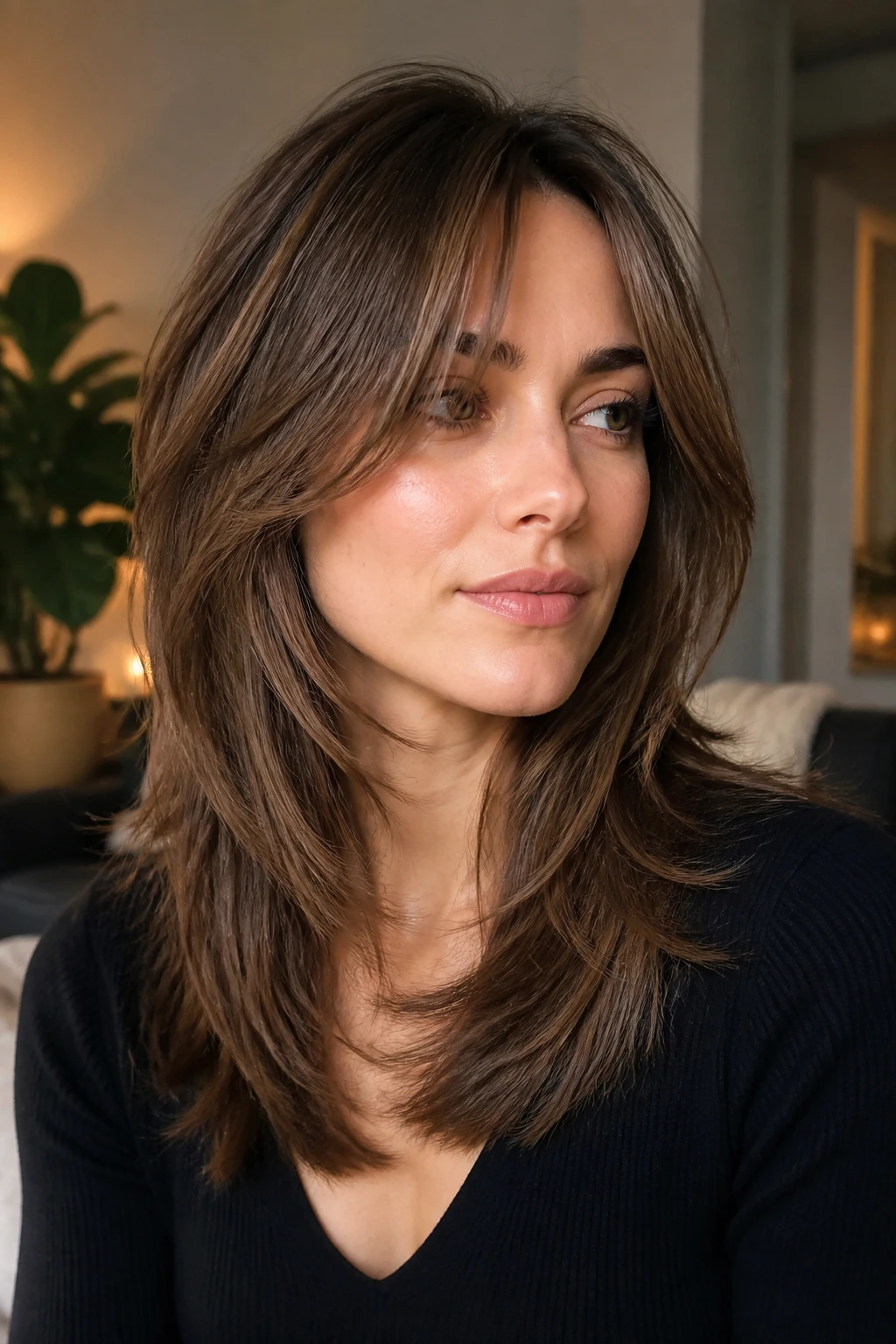
A shag can get wild fast on straight hair, and on a square face it can go from cool to boxy if the layers are cut too bluntly. The polished version keeps the shag idea but softens the ends and keeps the perimeter controlled.
Think long, separated pieces rather than rough chunks. The top should have lift, the sides should taper, and the whole thing should still feel deliberate. It’s the difference between “textured” and “I got distracted at the chair.”
This cut is strongest when styled with a round brush or a quick bend from a flat iron. The movement should feel airy, not stiff. If the ends start poking out in different directions, the layer lines are too harsh.
9. Long Ghost Layers for Barely-There Movement
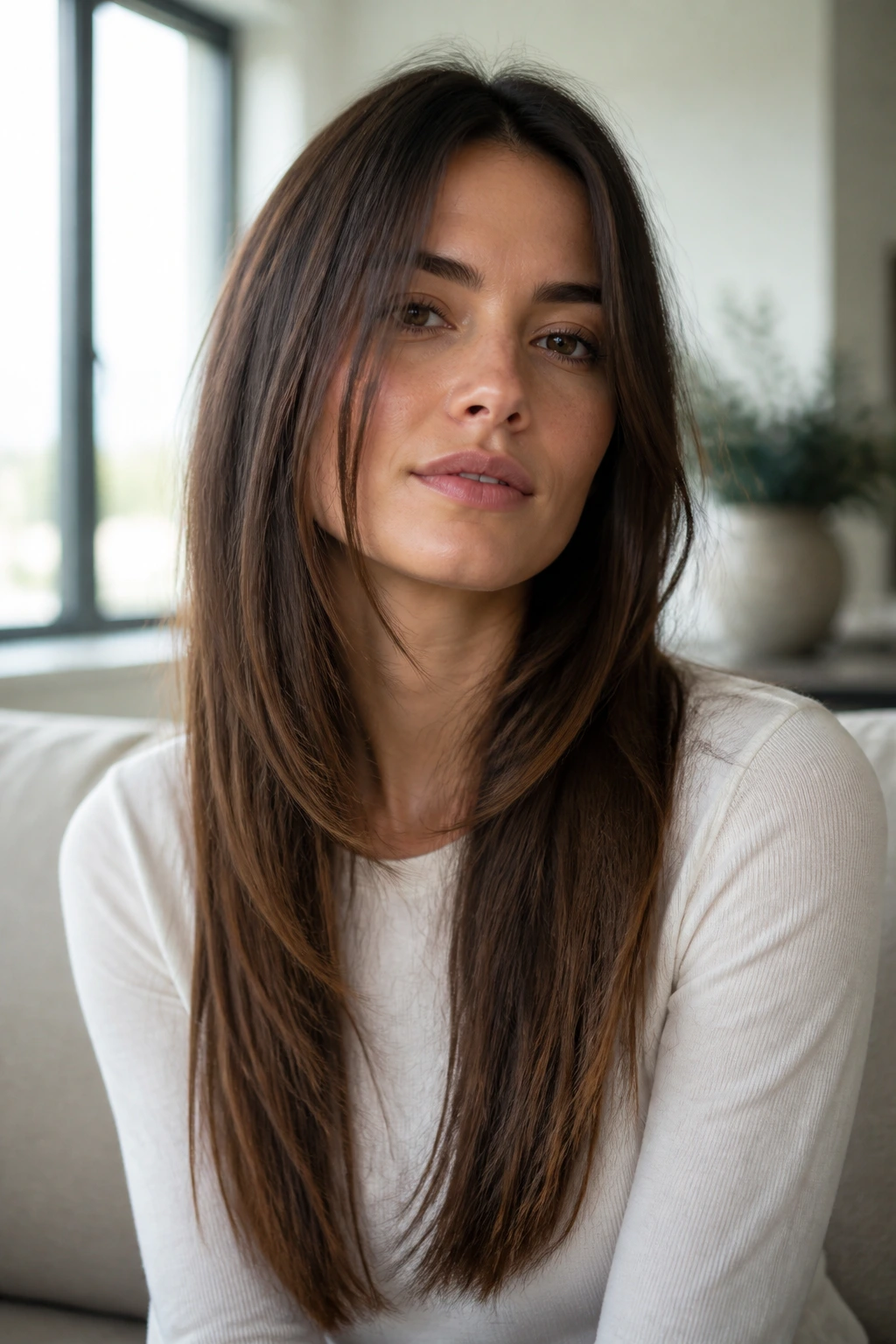
Ghost layers are for people who want the hint of movement, not the obvious chop. They’re so subtle that you may not notice them until the hair swings forward and the pieces separate a little. Straight hair is the best canvas for that.
Why it flatters square faces
The shape stays mostly long and vertical, which is useful when the jaw already has strong angles. The softness comes from the internal movement, not from a lot of visible length loss. That keeps the face from feeling widened.
How to use the cut
- Keep the surface smooth.
- Use a light mousse at the roots if the hair collapses.
- Bend only the front pieces, not the whole head.
Best for: people who want a low-drama cut that still looks like it was thought through.
10. Side-Swept Fringe With Soft Tapered Sides

A deep side part changes the geometry fast. On a square face, that asymmetry is useful because it interrupts the straight-on symmetry that can make the jaw feel even more angular.
The fringe itself should be light enough to move. If it sits too thick or too blunt, it just becomes a diagonal wall. The sides should taper into the rest of the hair so the front doesn’t feel disconnected from the length.
This is one of the easiest cuts to dress up on straight hair. A little root lift at the part, a soft bend through the fringe, and the whole thing looks done. Not overdone. Done.
11. Layered Lob With Bent Ends
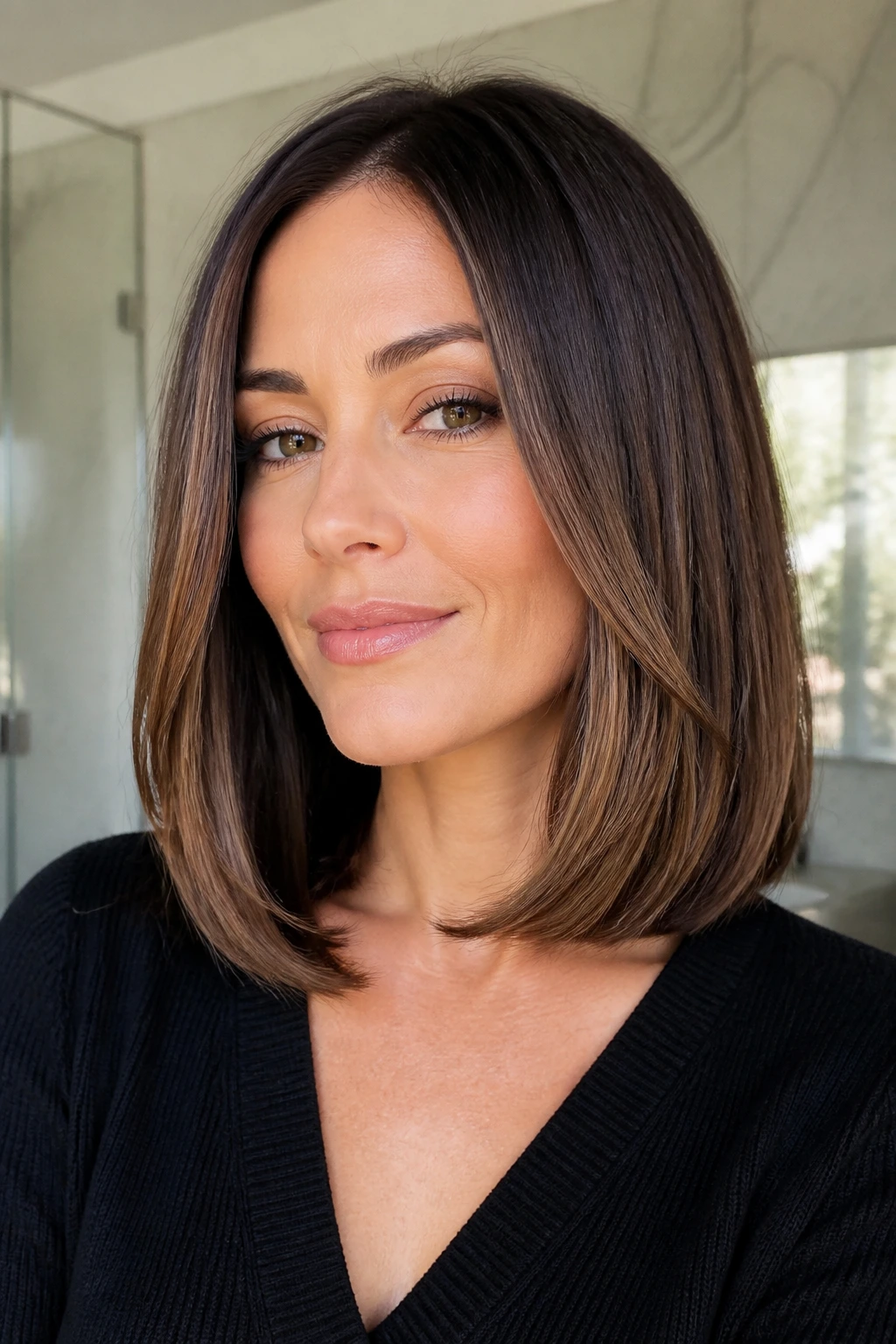
The layered lob has staying power because it doesn’t ask straight hair to become something else. It stays neat, lands around the collarbone or just above, and uses tiny changes in length to keep the edge from reading harsh.
On a square face, the bent ends matter. If the hair lies dead straight across the bottom, the cut can emphasize width. If the ends curve under even a little, the line becomes softer and more flattering.
How I’d style it
- Blow-dry with the nozzle pointed downward.
- Bend the front sections under with a round brush or a flat iron.
- Leave the back smooth so the cut doesn’t puff outward.
That little contrast between smooth length and soft front bend is what keeps the lob from feeling severe.
12. Razored Face Frame Starting at the Mouth
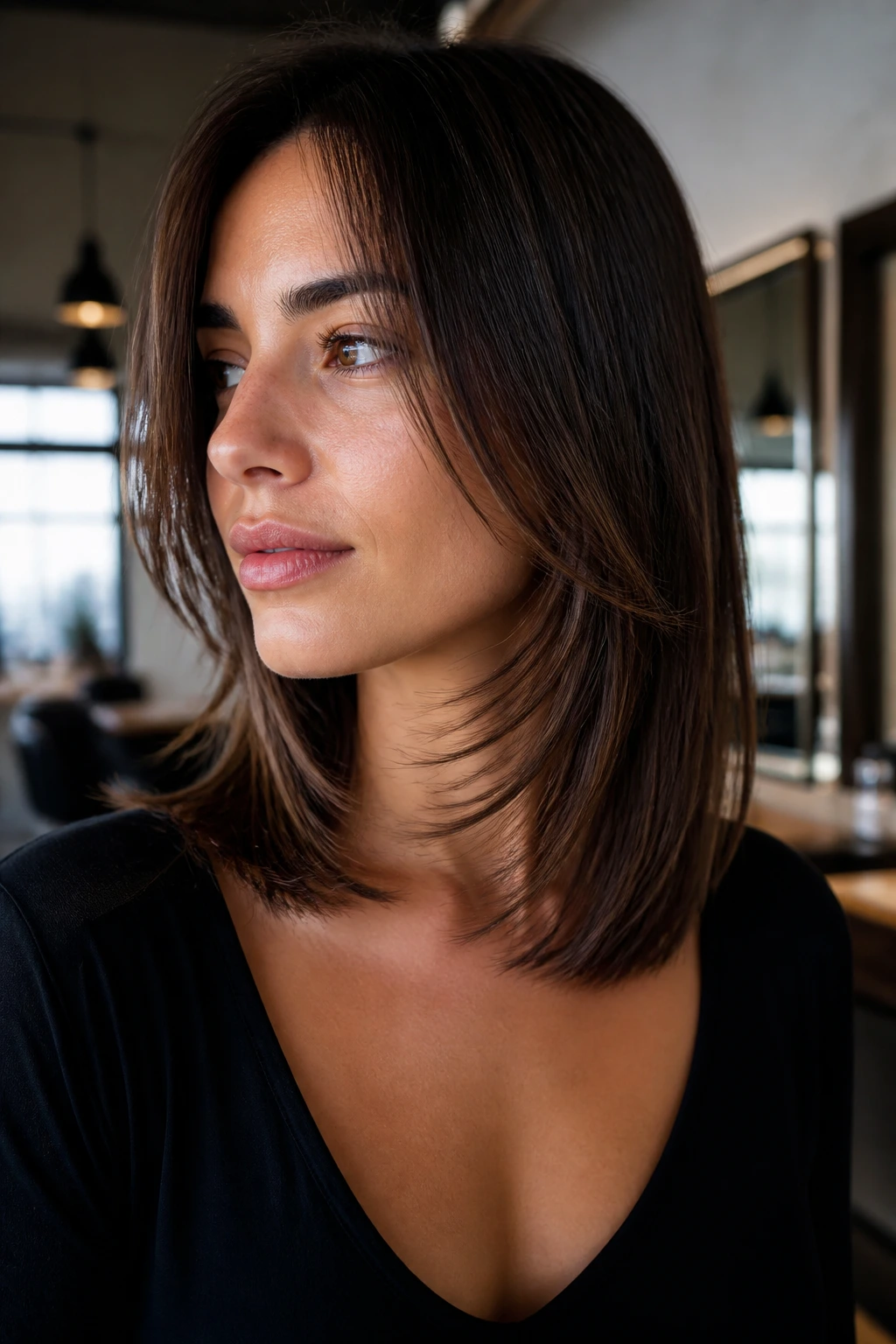
A razor cut is not for every straight-haired square face, but when the hair is dense and the stylist knows how to control the blade, it creates a beautiful, feathered frame. Starting the face-framing pieces around the mouth or upper lip keeps the line away from the jaw and lets the layers move naturally.
The danger is too much texture on fine hair. Fine strands can fray fast if they’re over-razored. Thick hair, though, can handle it well because the razor removes bulk and gives the front a lighter swing.
I’d use this look when the hair feels heavy around the face and you want something that separates a little more when you move.
13. Mid-Back Layers With a Soft V Shape
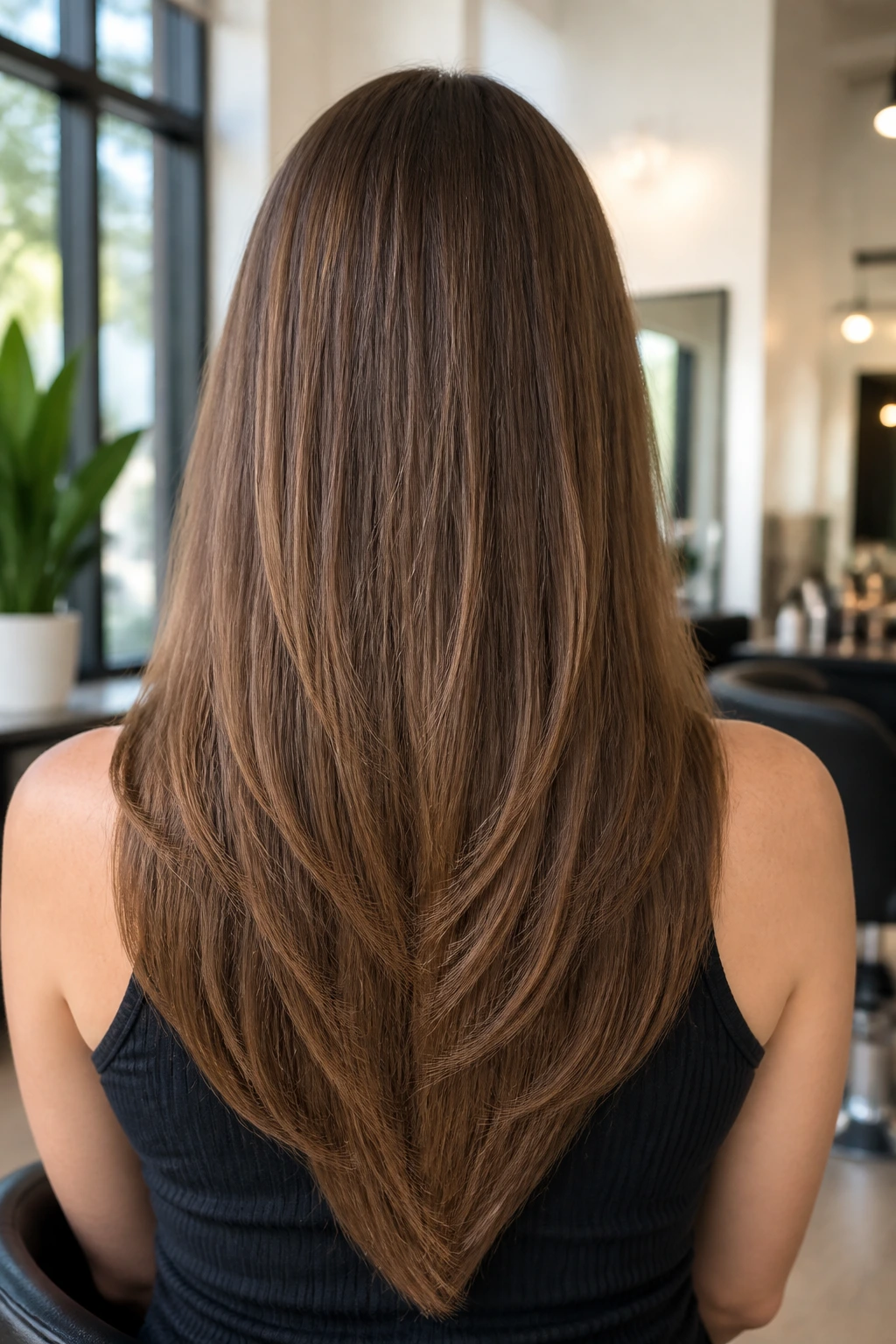
Long hair can swallow a square face if the cut is one heavy curtain from crown to hem. A soft V shape helps by narrowing the sides a touch and keeping the center line longer. The eye reads down, not sideways.
Good signs this cut is working
- The side pieces hit below the jaw.
- The center back is the longest point.
- The ends are feathered, not sliced blunt.
This shape is especially helpful if you wear your hair straight most days. It keeps the length elegant instead of bulky, and it gives the front a little opening without taking away the drama of long hair.
14. Textured Bob With Light Perimeter Fraying
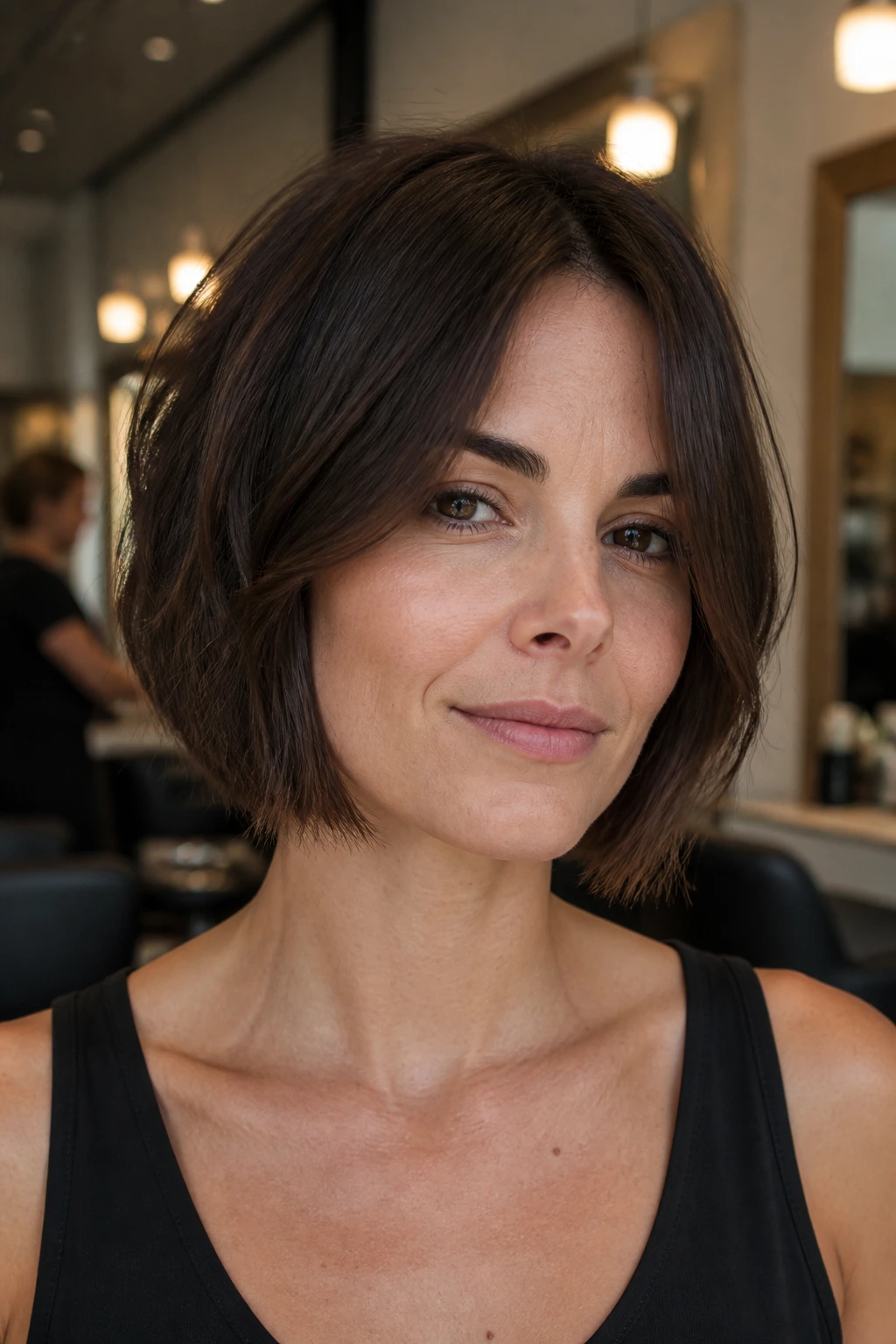
A bob on a square face needs soft edges. Period. If the cut is too tidy and stops right at the jaw with no fray at all, it can look almost architectural in a bad way. A little perimeter softness changes everything.
The best version sits just below the jaw or somewhere between the chin and neck, with the ends lightly chipped so they don’t form a hard shelf. Straight hair keeps the shape clean, and the frayed edge stops it from feeling helmet-like.
This is a sharp look, but not a harsh one. Those are different things. A good textured bob has movement at the ends and restraint everywhere else.
15. Beveled Layers That Curl Under Slightly
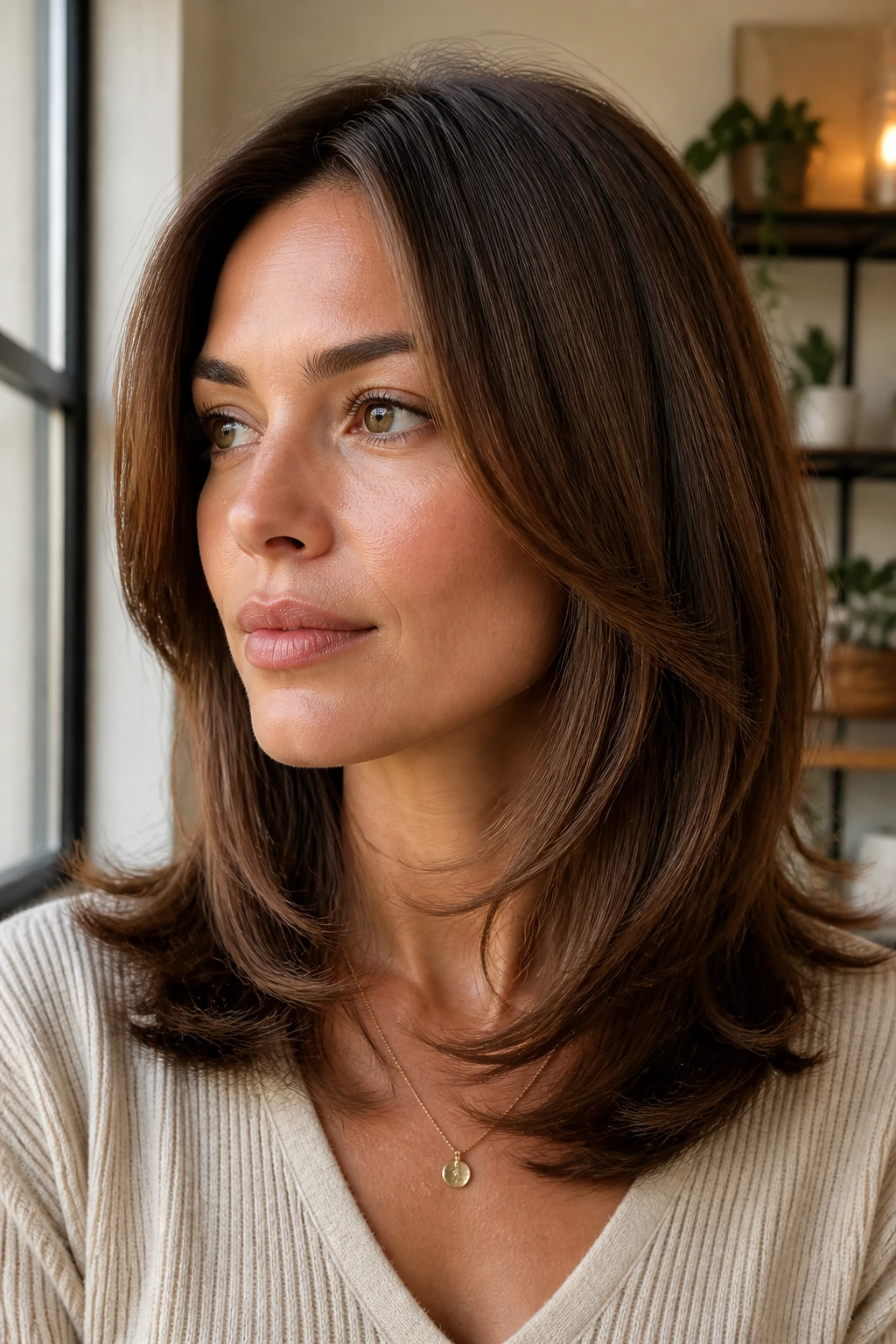
A beveled layer is one of those small tricks that does more work than people expect. The ends turn under just enough to round the silhouette, which is useful when the face already has straight lines that need a little disruption.
Straight hair takes to this look nicely because the bevel can be built into the blow-dry. You do not need a full curl. You need a soft inward curve that bends the viewer’s eye away from the jaw.
Best styling note
Use a medium round brush or a flat iron with rounded plates, and turn the wrist only at the last inch or two. If you start curling too high, the shape can look dated fast.
16. Swoopy Layers for a Deep Side Part
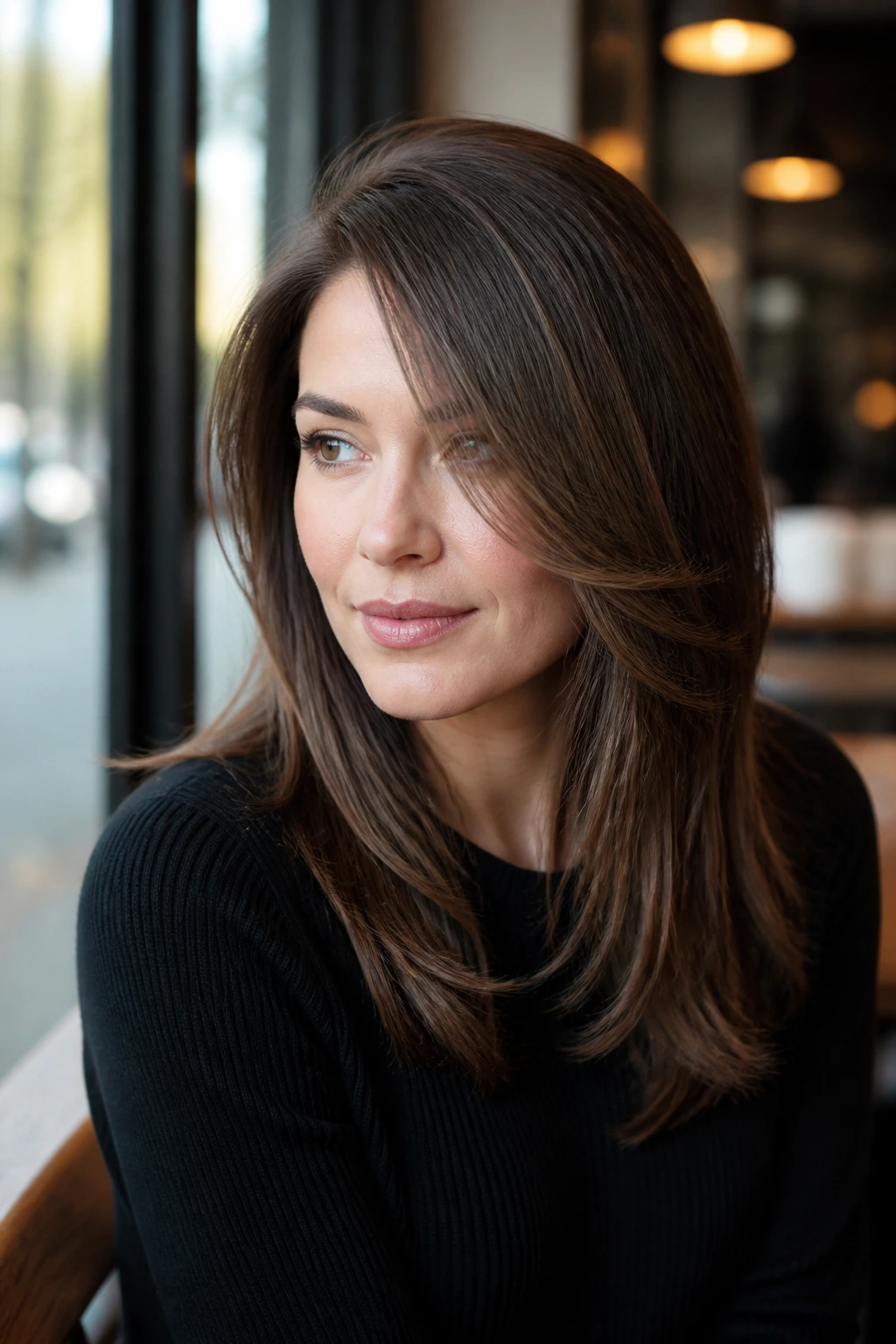
A deep side part is one of the quickest ways to make square features feel less rigid. The hair falls across the forehead at an angle, the front gets more movement, and the jaw stops being the only thing you notice.
The layers should follow that swoop. Think of them as a path the hair can travel on, not a set of stairs. If the front is chopped too sharply, the part can look forced.
This is one of the better choices for people who wear glasses or like a polished, grown-up finish. The shape looks intentional without looking precious.
17. Feathered Crown Layers With Straight Ends
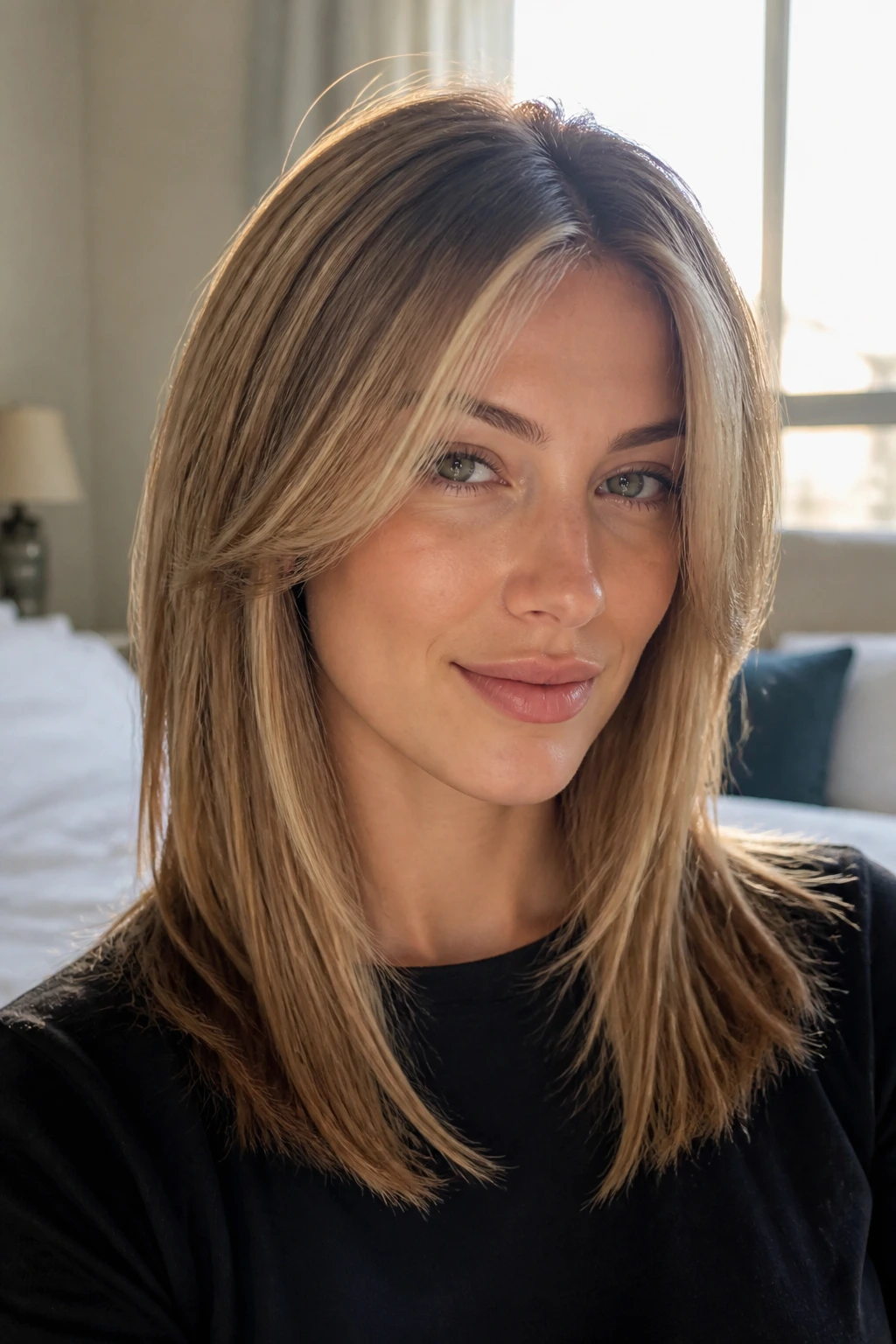
If your hair goes limp at the roots, crown layers can bring back some lift without making the whole haircut airy in the wrong way. The trick is to keep the length straight and reserve the feathering for the top and upper sides.
On a square face, that little bit of crown volume helps because it creates height. Height softens width. It’s basic geometry, and it matters more than most salon chatter does.
This cut is good for someone who wants body near the scalp but still wants the bottom line to stay neat. It’s not a shag. It’s a smarter version of movement.
18. Airy Layers Paired With Wispy Curtain Bangs
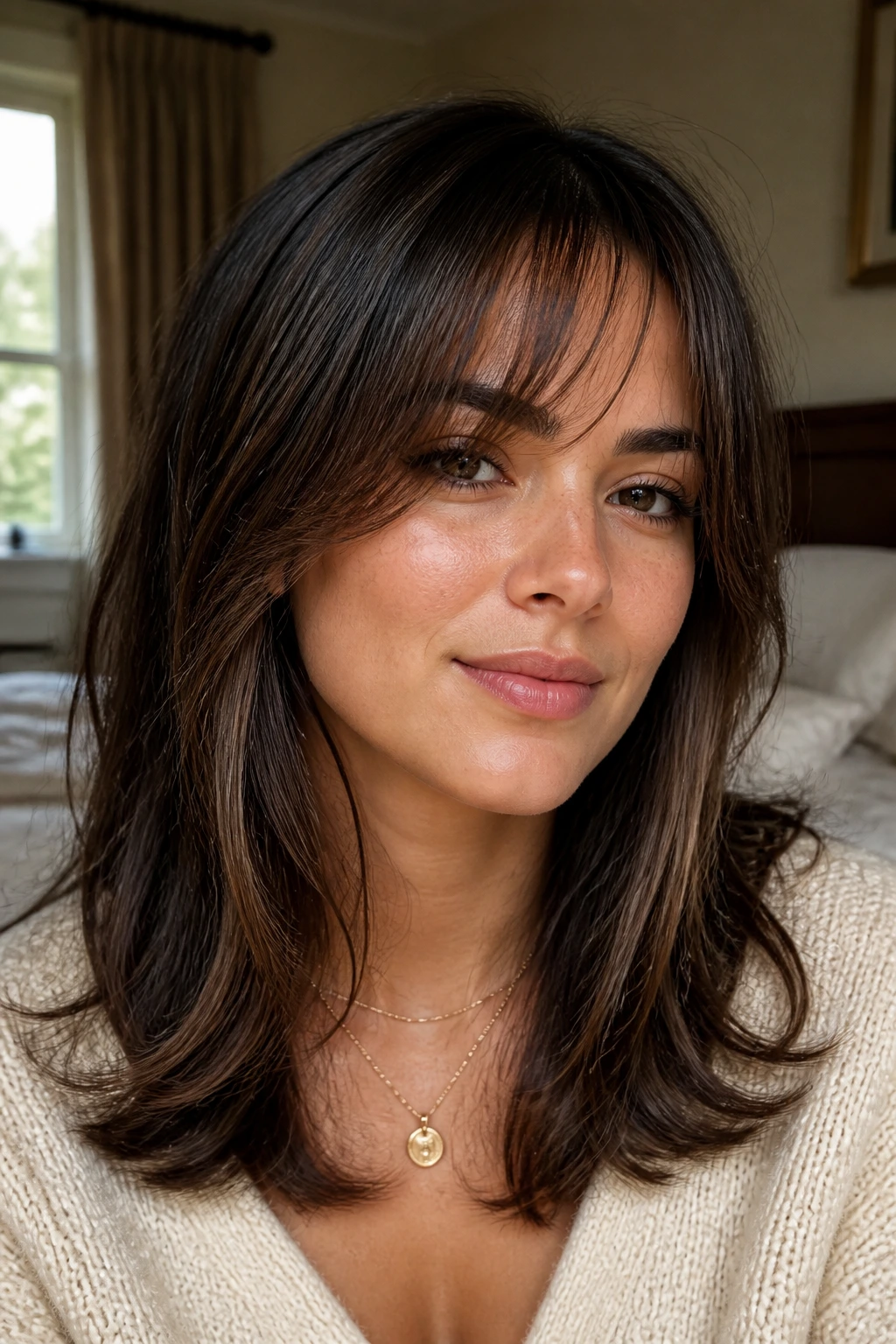
This look sits somewhere between romantic and practical, which is rare enough to be useful. The curtain bangs soften the upper half of the face, while the airy layers stop the length from hanging heavy around the sides.
The important part is balance. If the bangs are too thick, they can make the forehead feel boxed in. If the layers are too thin, the whole cut can lose shape and disappear. The middle ground is where it lives.
Who it suits best
- Straight hair that holds a bend but not a curl.
- Square faces that want softness near the cheeks.
- People who like the idea of bangs without a full fringe commitment.
A blow-dry with a round brush and a very light cream is enough.
19. Soft S-Curve Layers for Very Long Hair
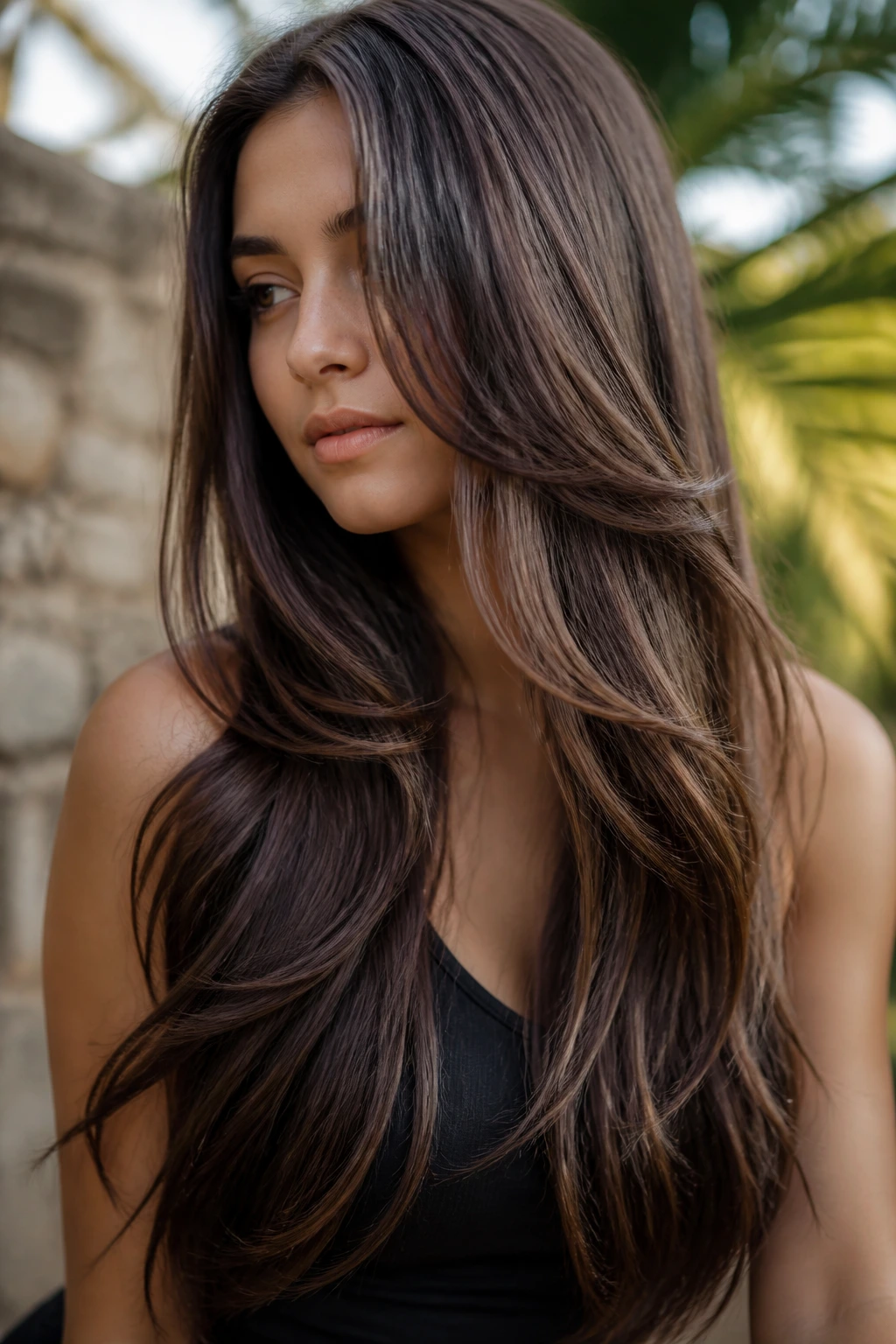
Long straight hair can look almost severe when it hangs in one endless line. Soft S-curve layers break that up by creating gentle directional shifts through the length. The result is less board-straight, more fluid.
On a square face, the curve matters because it pulls attention away from the jaw and into the motion of the hair itself. The cut should be visible when you walk, not only when you’re posed.
This is one of the looks I’d choose for hair that’s thick, long, and a little resistant to styling. The S shape gives it life without asking for major heat styling every morning.
20. Blended Layers Around the Jaw, Not Above It
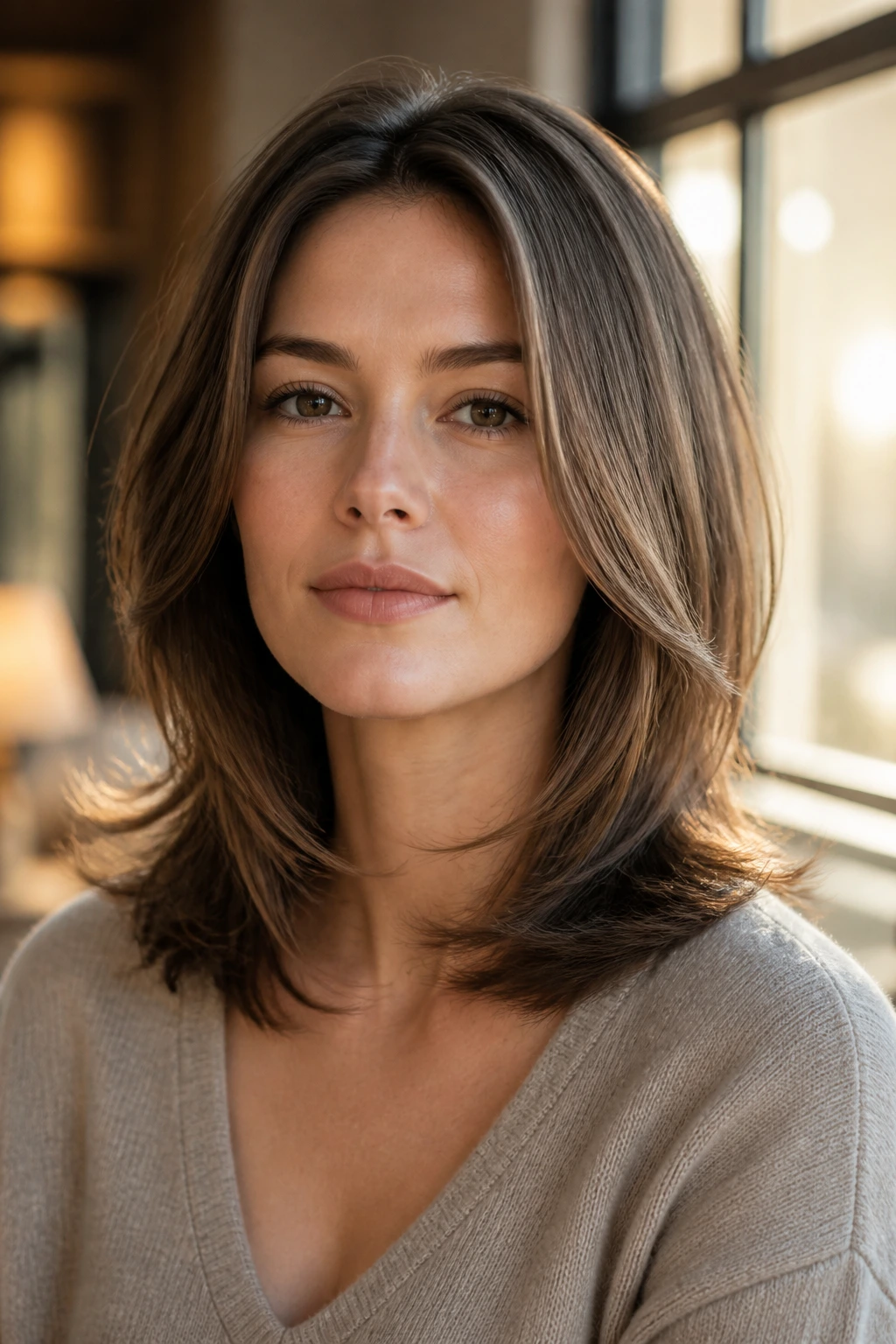
This is the cut for people who are nervous about layers making the face look wide. The blunt answer: don’t start the strongest pieces right at the jaw. Let the softest movement begin below it, and keep the frame blended so the face isn’t boxed in.
The shape stays airy around the neck and shoulders instead of pushing out at the cheeks. That makes a bigger difference than most people expect. The eye follows the blend, not the corners.
It’s also a good option if your straight hair falls flat against the sides of the head. A little distance below the jaw creates room, and room is what this face shape usually needs.
21. Micro-Layered Ends for Extra Swing
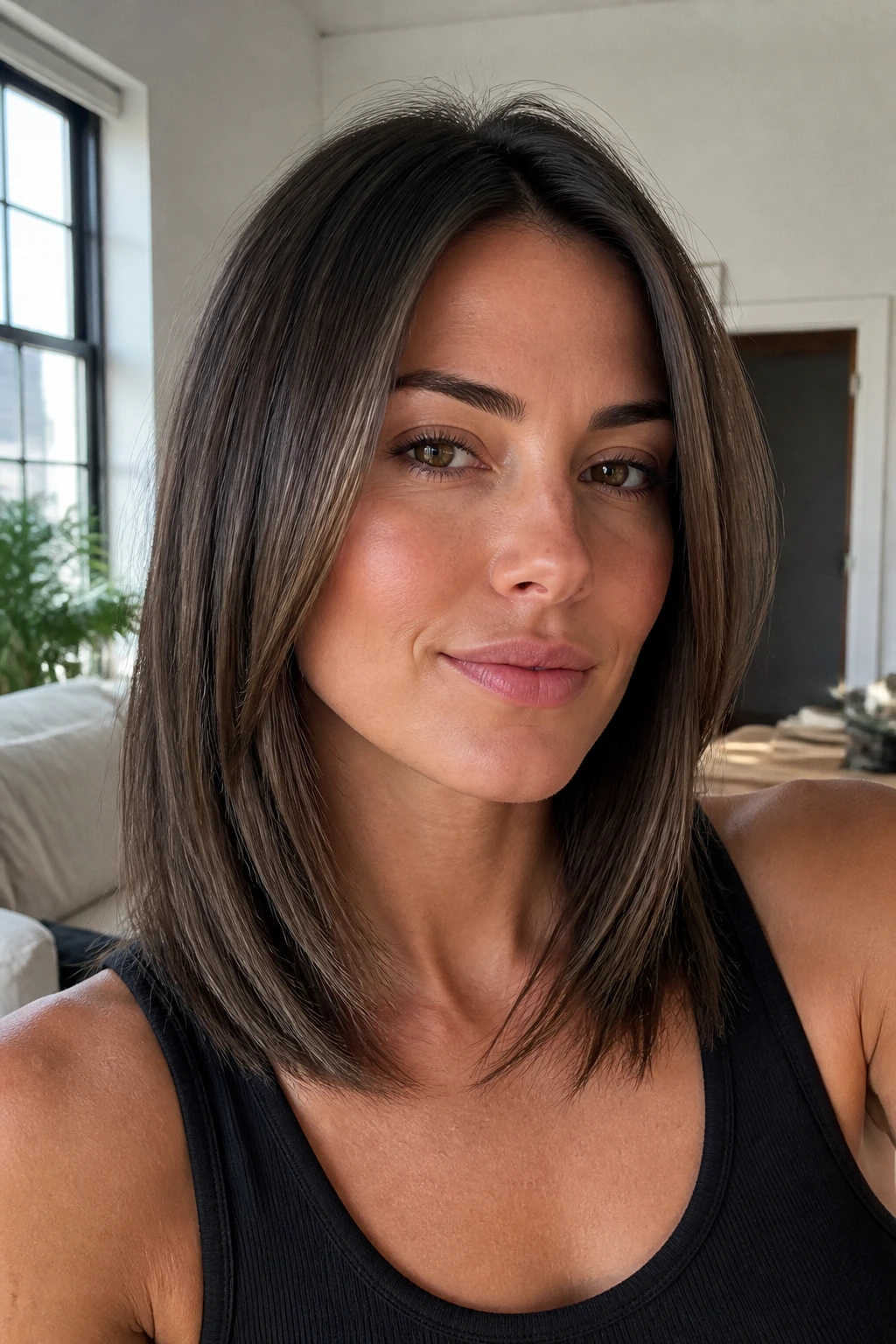
Micro-layers are tiny. That’s the point. They barely change the outline, but they keep the ends from looking heavy or static, which is useful if you love a mostly one-length cut and just want it to move.
Why they help
- Straight hair gets a touch of swing at the bottom.
- Square faces keep the strong outline without extra width.
- Grow-out stays tidy because the layers are subtle.
I like this look on people who wear their hair behind one ear a lot. The tiny layers keep the ends from turning into a flat curtain. It’s a small detail, but small details are where a haircut earns its keep.
22. Polished Straight Cut With a Tucked-In Front
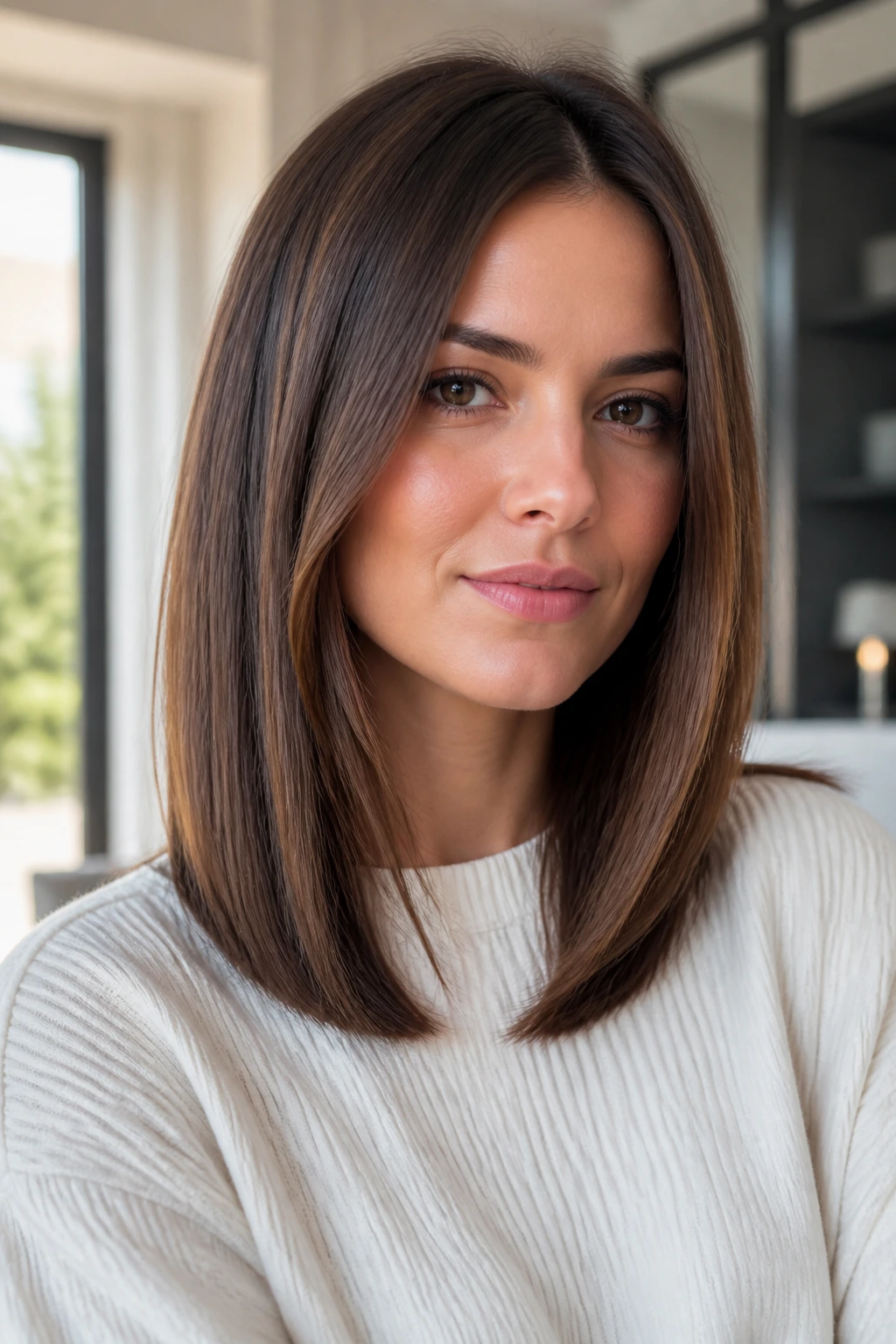
Not every flattering look needs obvious layers. A polished straight cut with just a softly tucked front can be a smart finish for square faces, especially if you want to keep the length and the clean line. The front pieces curve in a little, the ends stay neat, and the face gets a frame without a lot of visible chopping.
This works because it respects the strength of straight hair. It doesn’t try to force texture where there isn’t any. It simply gives the front enough bend to soften the outline and enough structure to keep the cut from feeling plain.
If your styling routine is low-effort, this may be the most realistic option in the whole group. Good haircuts should fit the life you actually live.
Why Straight Hair Needs a Softer Hand With Layers
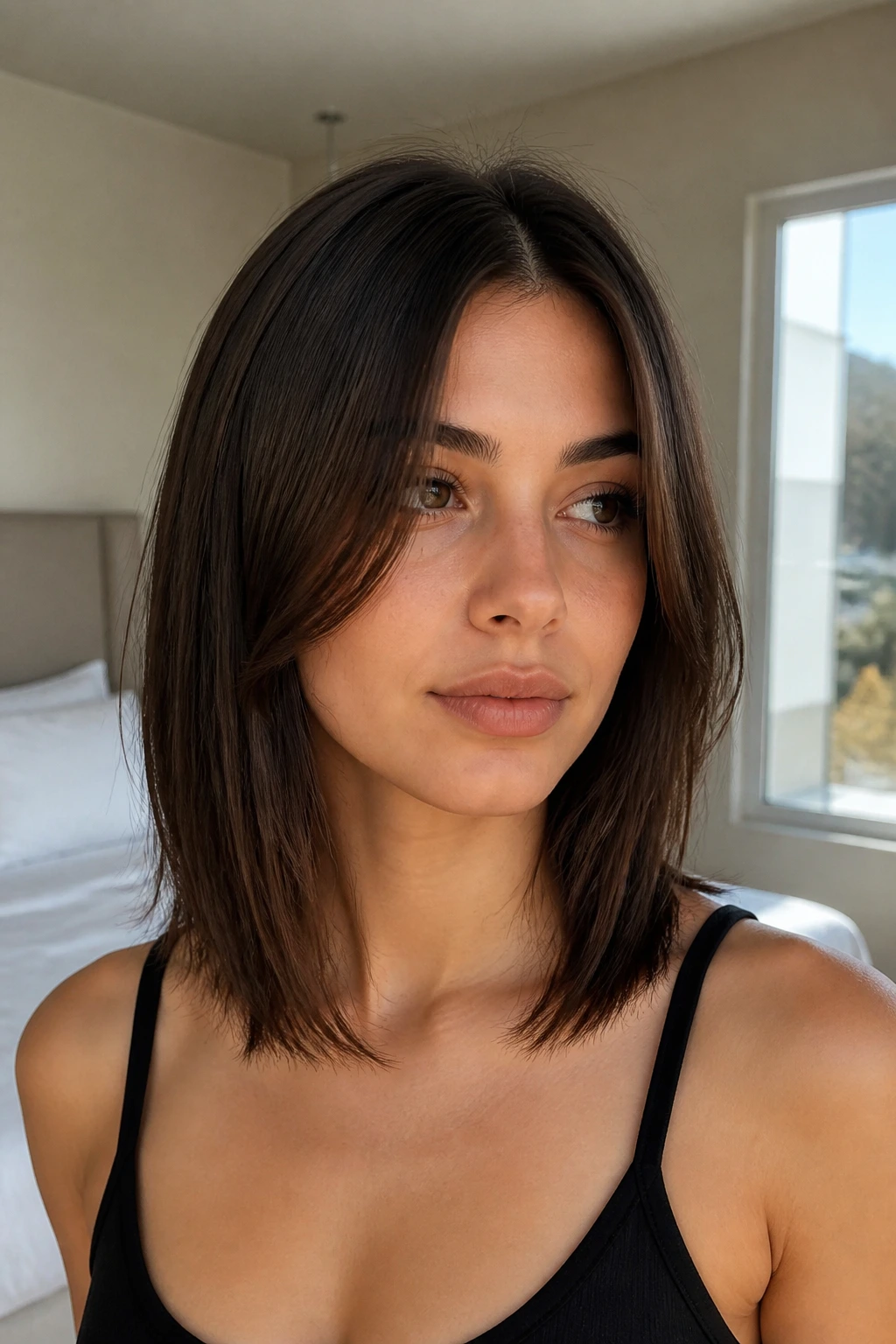
Straight hair is unforgiving in the best and worst sense. It shows the exact angle of every layer, every blunt edge, every place where the cut starts too high and falls like a shelf. That’s why wispy work matters here. The softness has to be built into the shape, not added later with a curling iron and wishful thinking.
Square faces add another layer of geometry. They already have a strong jaw and a clear structure through the forehead and cheeks. If the haircut repeats that structure with a blunt bottom line or broad side volume, the face can start to look wider than it is.
The useful trick is diagonal movement. Face-framing pieces that angle away from the jaw, layers that land at the collarbone, and ends that feather instead of block out all help redirect the eye. You don’t need softness everywhere. You need it in the places the face is already making a statement.
And one more thing: straight hair often looks best when the cut is slightly underplayed. Too much texture can start to feel fussy. A lighter hand usually wins.
What to Ask Your Stylist for at the Chair
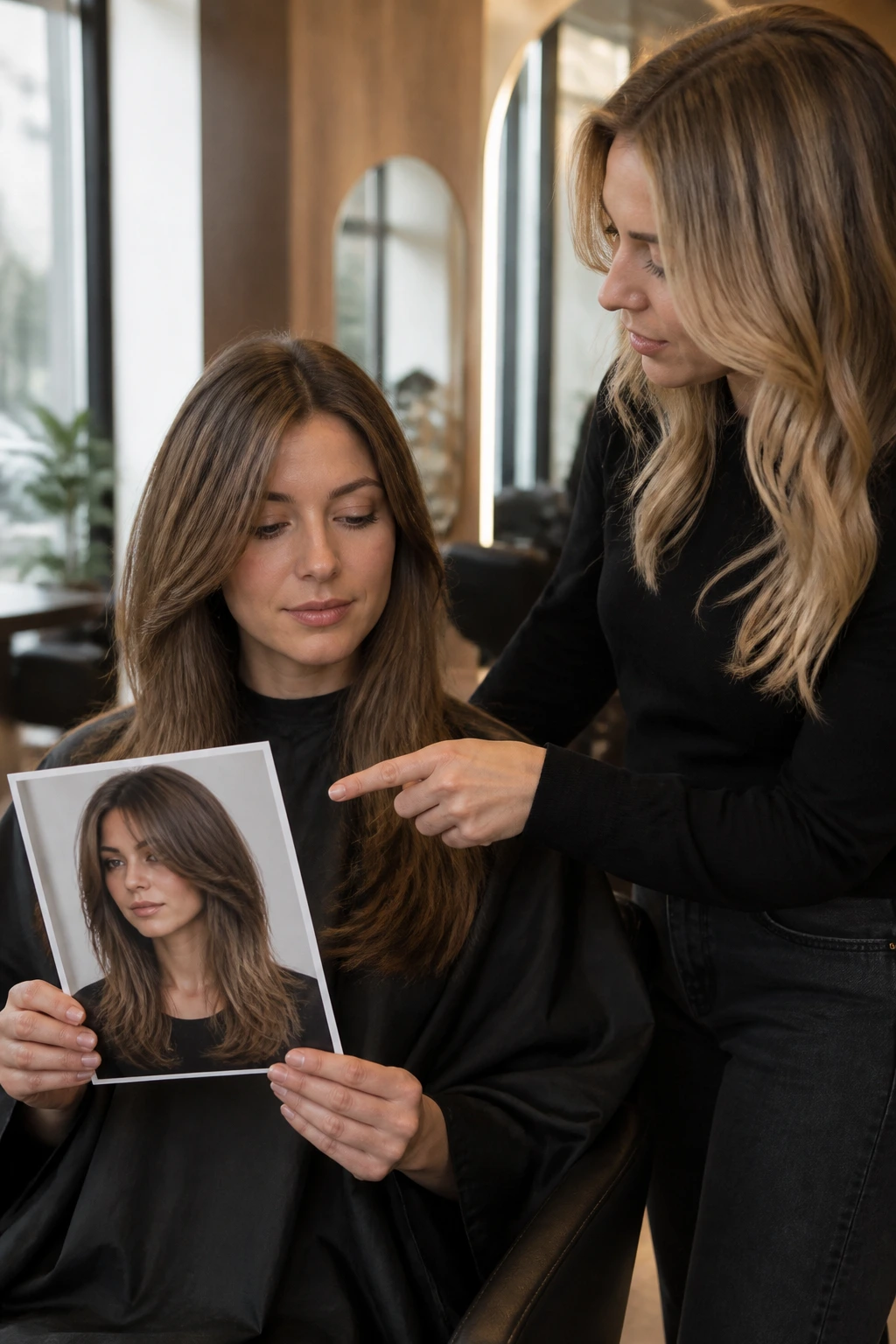
Bring a photo, yes, but bring a useful photo. Show one image from the front and, if you can, one from the side. Square faces change a lot by angle, and a cut that looks soft head-on can sit too high at the jaw in profile.
Use plain language. Say you want layers that soften the face without adding width at the sides. Say where you want the shortest front piece to land: cheekbone, mouth, collarbone. That location matters more than vague words like “flattering” or “face-framing.”
If you wear your hair straight most days, say that out loud. A lot of cuts are designed around texture that the client does not actually have. If you flat iron, blow-dry smooth, or air-dry with a bend, the stylist should know. The cut should match your routine, not the other way around.
Ask whether the layers will be point-cut, slide-cut, or razored. Point-cut ends are softer; razored ends are lighter but can fray on fine hair. That one sentence can save you from a haircut that looks charming for a week and annoying for three months.
Small Styling Moves That Change the Whole Cut

The trick with wispy layers is not making them bigger. It’s making them settle. A little root lift at the crown goes farther than side volume, especially on a square face where extra width is the enemy. If you use a round brush, aim the hair slightly back from the cheeks instead of letting it puff outward.
Root Lift: A bit of mousse or spray at the roots gives the layers something to sit on. Without it, straight hair can drag the whole shape down by lunch.
End Shape: Bend only the last inch or two. That tiny curve is enough to soften the line without making the haircut look curled.
Product Choice: Light cream or serum on the ends; nothing heavy at the roots. If the front pieces separate too fast, the product is too rich.
Morning Refresh: A quick pass with a flat iron on the face frame is often enough. No need to redo the whole head. That’s where people waste time.
The Mistakes That Make Square Faces Look Boxier
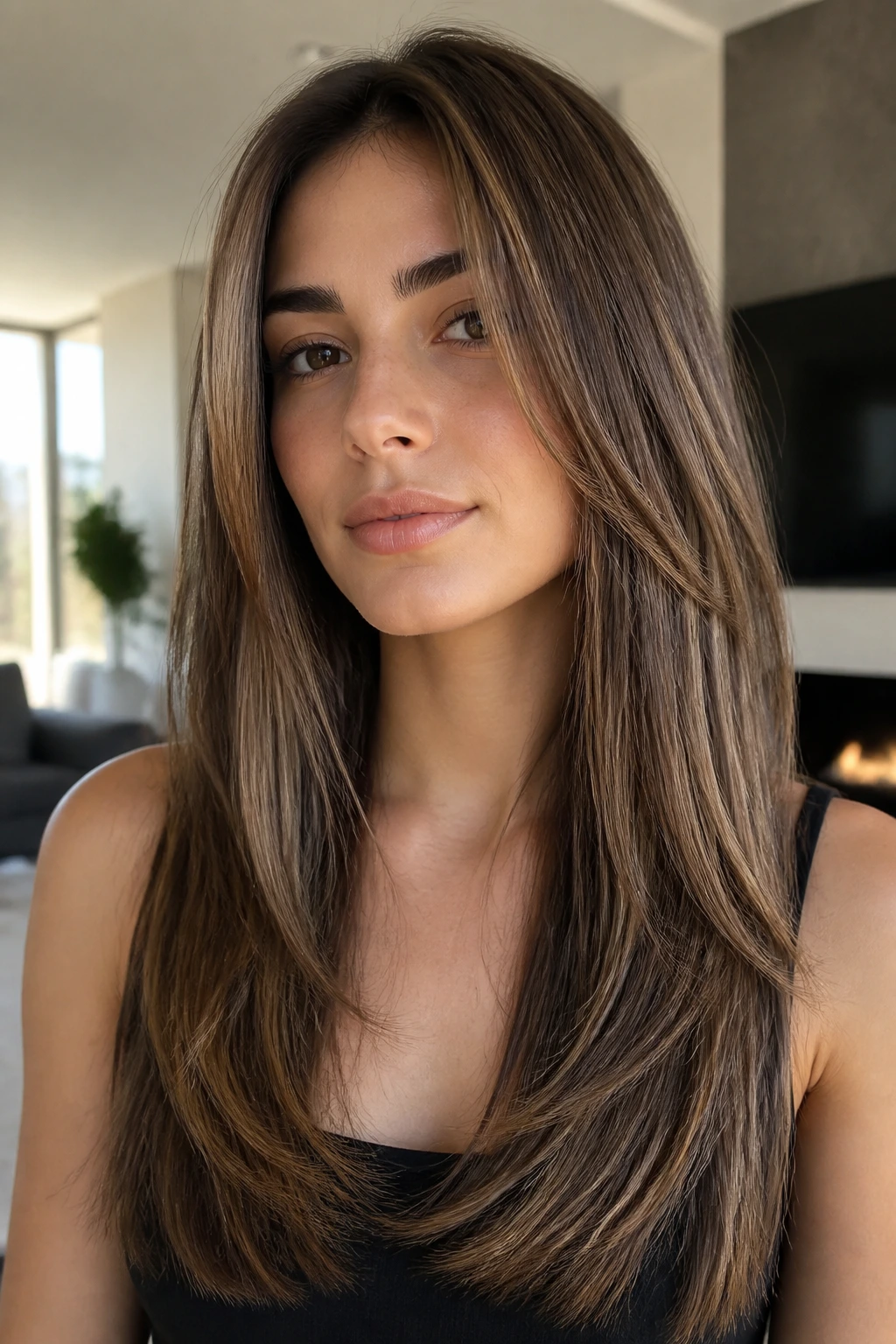
The biggest mistake is starting the shortest layer right at the jaw. It seems logical in the chair and awkward at home. The line lands exactly where the face is widest, and the haircut ends up highlighting the angle you meant to soften.
Heavy, blunt bangs can do the same thing on top. If the fringe is thick and cuts straight across, it can make the forehead feel wider and the whole face more squared off. A lighter curtain shape or side sweep usually does the job with less drama.
Over-texturizing fine straight hair is another one. When the ends are shredded too much, the hair can look see-through instead of airy. The fix is not more texture. It’s a gentler cut and a little styling support.
And then there’s the flat, unstyled front piece that just hangs. Straight hair needs direction. Even a small bend near the cheeks changes how the shape sits.
Ways to Adapt the Shape for Fine, Thick, and Ultra-Straight Hair
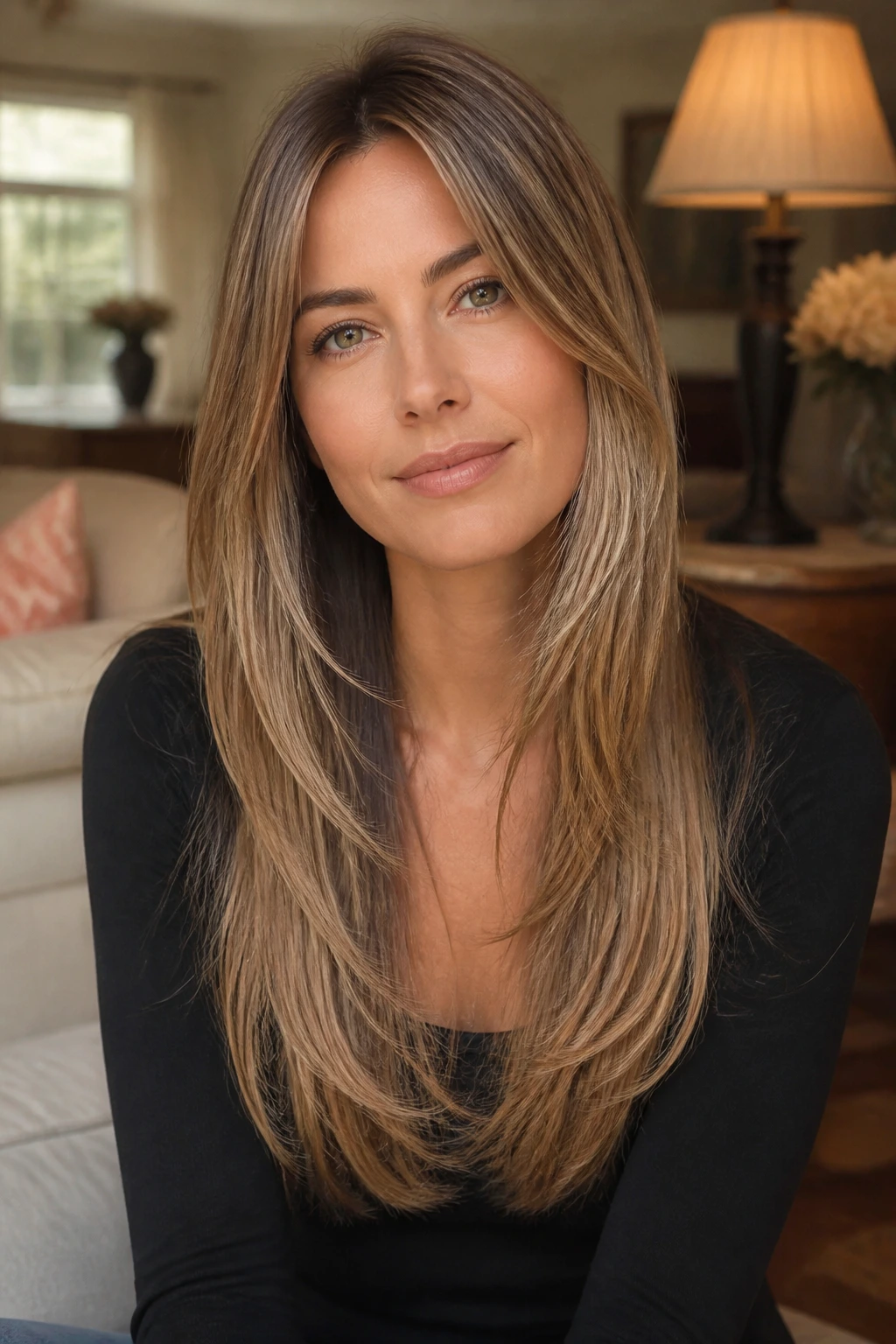
The Fine-Hair Feather: Keep the layers long and the spacing wide. You want movement, not a lot of removal. Ask for a soft face frame and leave the perimeter mostly intact so the ends still look full.
The Thick-Hair Air Release: Remove weight underneath the cheek and collarbone area, then leave the top smoother. Thick straight hair can get bulky fast, so the softening should happen in the interior, not just at the tips.
The Low-Maintenance Grow-Out: Choose collarbone or longer face-framing layers that will still look intentional after a few months. This version grows into shape instead of growing out awkwardly.
The No-Bangs Softener: Skip fringe entirely and ask for longer side pieces that start around the mouth or collarbone. This is a good fit if you dislike anything touching your forehead.
The Heat-Minimal Finish: Have the stylist cut the shape so it works with air-dried bend, not a full blowout. That means softer ends, less obvious layering, and front pieces that fall into place with a little cream.
Tools That Make These Looks Easier to Live With
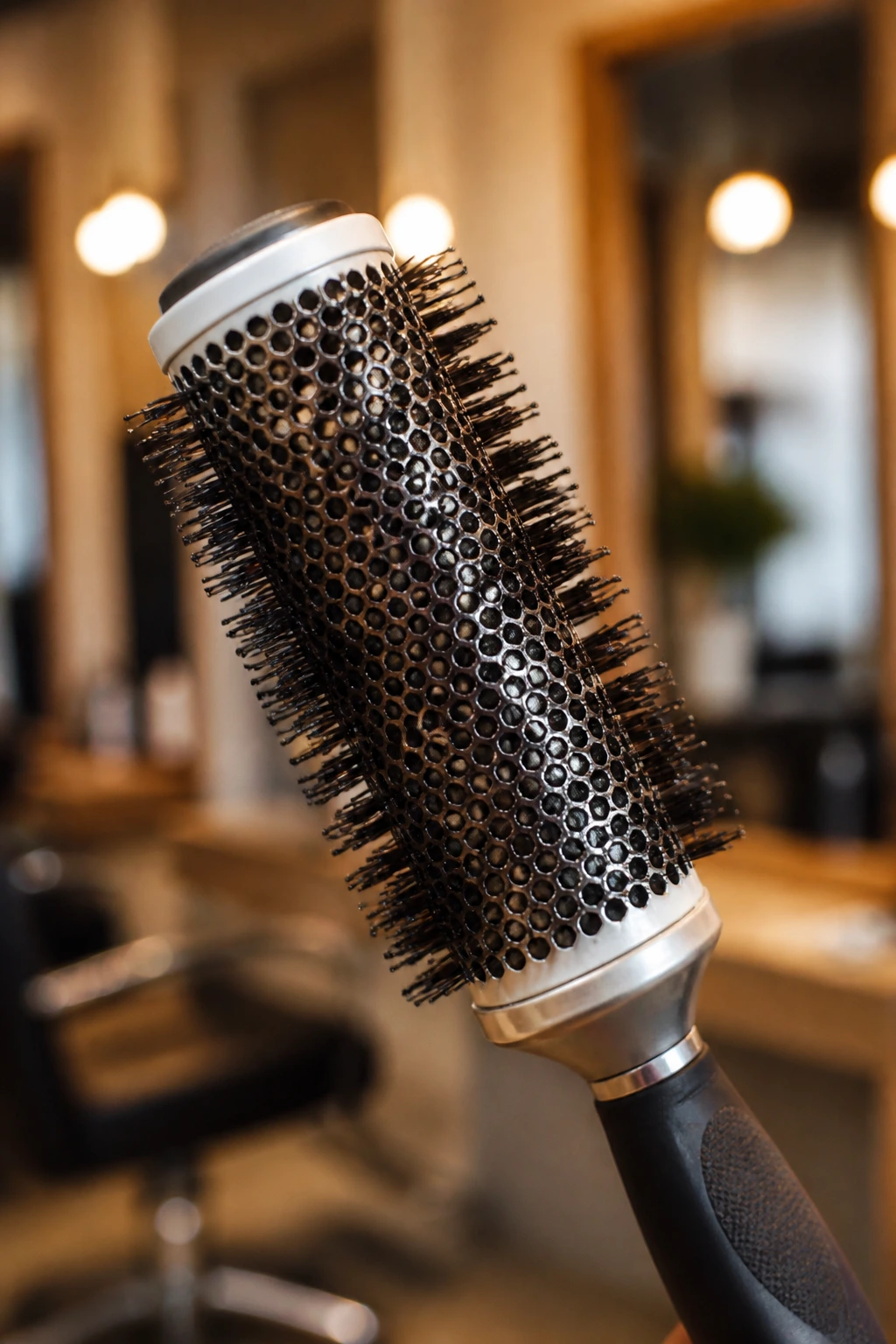
- Blow dryer with a nozzle: Directs the hair smooth and keeps the front pieces from puffing out.
- Round brush, 1 to 1.5 inches: Best for bending the front pieces under or away from the face.
- Flat iron with rounded edges: Useful for a soft curve on the ends without a hard crease.
- Tail comb: Helps create a clean center or side part, which matters more than people admit.
- Heat protectant spray: Straight hair shows heat damage fast, so this is worth using every single time.
- Light mousse or root lift spray: Gives the crown a bit of body without making the sides bulky.
- Hair clips: Keep the top sections out of the way while you smooth the lower layers.
- Silk or satin pillowcase: Reduces the morning bend and kink that can make face-framing pieces act weird.
Keeping Wispy Layers in Shape Between Trims
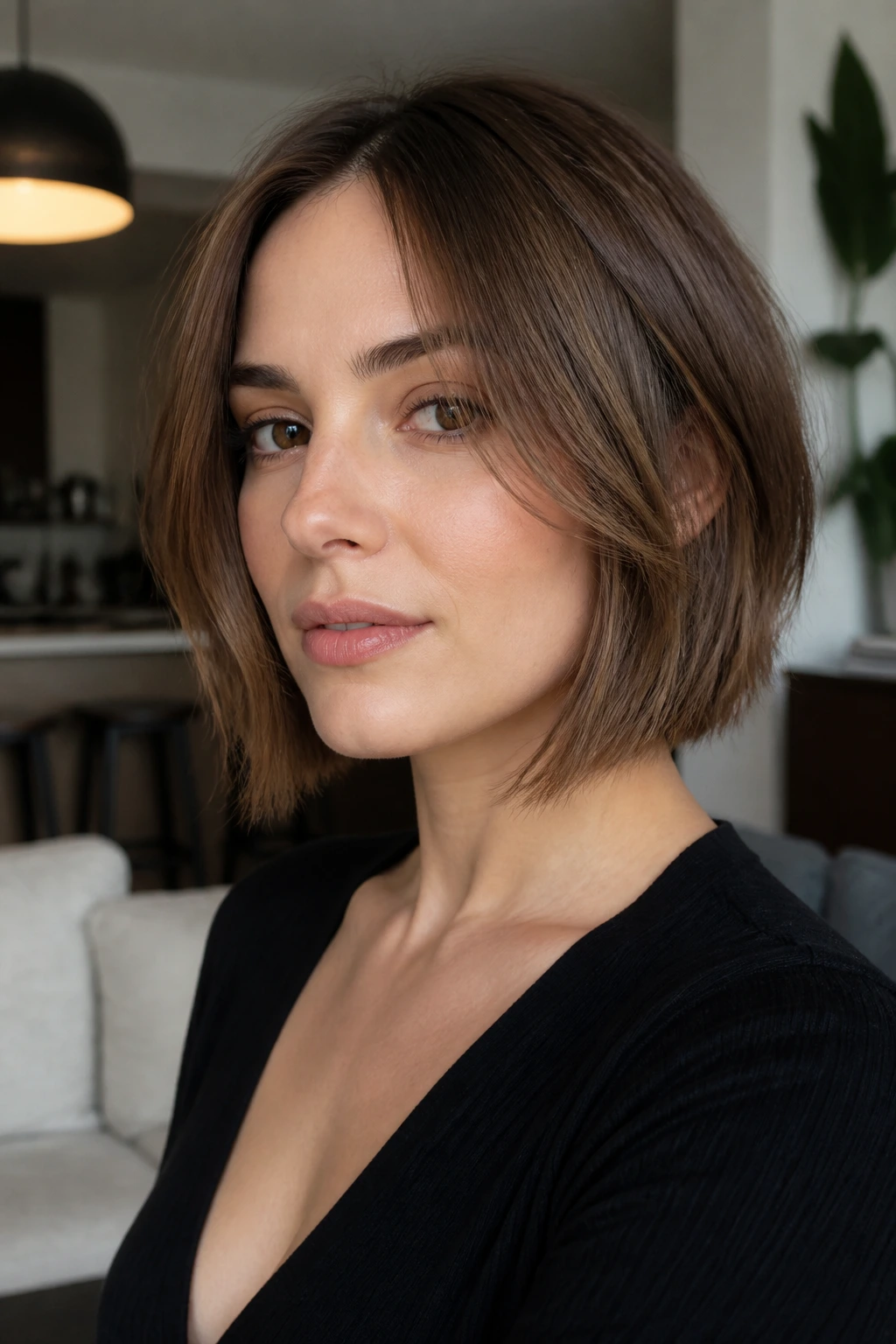
Wispy layers need maintenance, but not the exhausting kind. For longer cuts, a trim every 8 to 10 weeks usually keeps the shape honest. Shorter lobs and bobs tend to need cleanup closer to 6 to 8 weeks, especially if the ends start flipping out unevenly or the face frame gets too long to do its job.
Bangs, if you have them, are their own little project. Curtain bangs can usually go 3 to 5 weeks before they start dropping into your eyes or losing their opening. Don’t wait until they’re covering your lashes and you’re angrily pushing them aside. Trim the shape before it gets irritating.
On wash days, conditioner belongs from the ears down. Let the roots stay light. Straight hair loses lift fast, and heavy conditioner at the scalp can make the layers sag against the head. A little dry shampoo at the roots can bring the front back to life on day two or day three without making the ends gritty.
Sleeping matters more than people think. A loose tie at the nape or a silk pillowcase keeps the front from kinking into odd angles. If the pieces around your face flip out in the wrong direction every morning, it usually means they’re grown out and need a dusting, not a pile of styling cream.
Common Questions About Wispy Layers on Square Faces
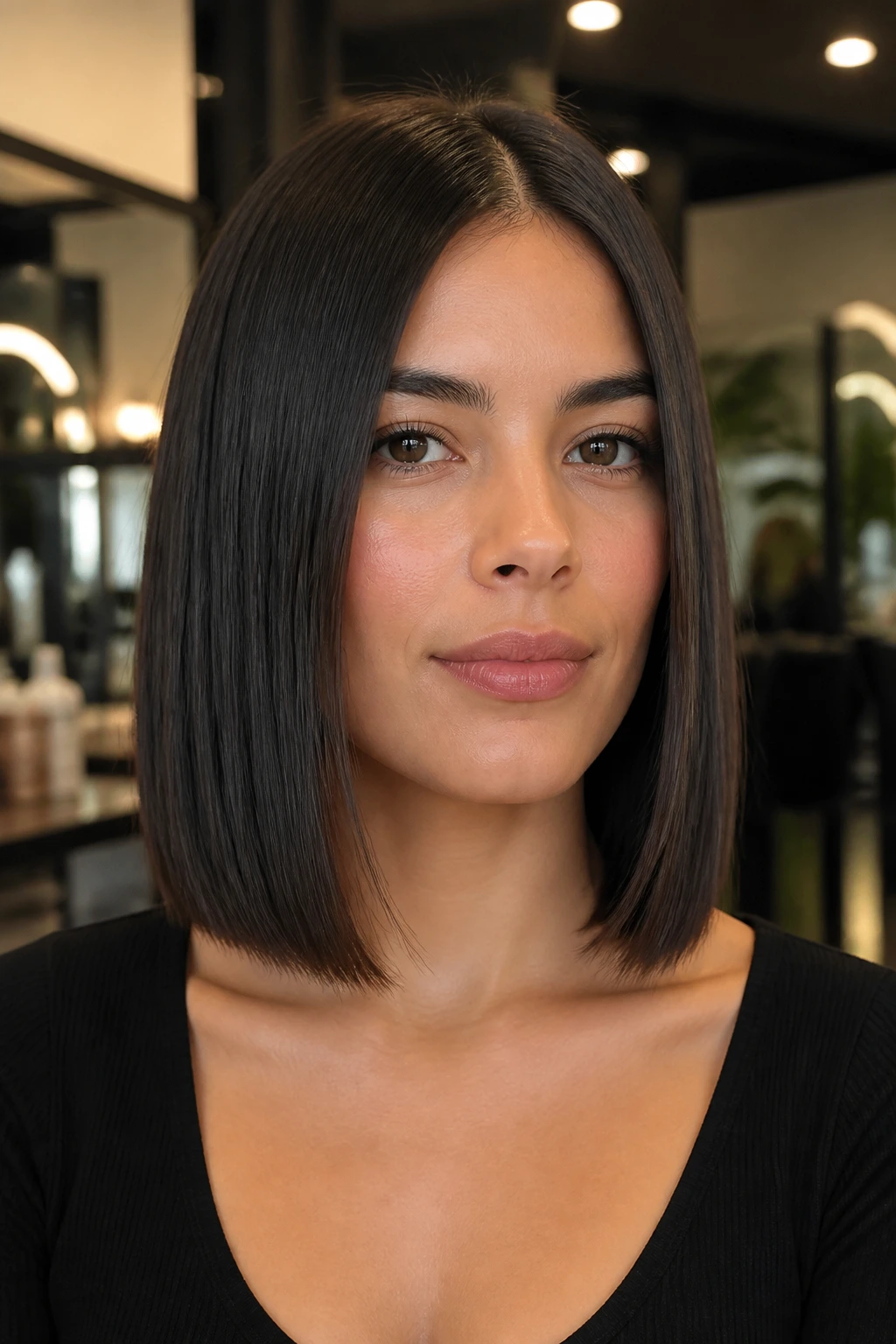
Will wispy layers make a square face look wider?
Not if the cut is placed well. Layers that start at the cheekbone, mouth, or below the jaw tend to soften the face; layers that hit right at the jaw are the ones that can emphasize width.
Do curtain bangs suit square faces with straight hair?
Yes, especially when they’re light and blended. The best version opens at the center and falls toward the cheekbones instead of forming a thick curtain across the forehead.
Are wispy layers bad for fine straight hair?
They can be if the cut is too aggressive. Fine hair usually does better with longer, subtle layers and soft face framing rather than heavy texturizing or razor work that eats away at the ends.
What if my hair is thick and straight?
That’s actually a strong match. Thick straight hair often needs internal weight removal so it stops sitting like a block, and wispy layers can do that without wrecking the outline.
Can I keep my hair long and still soften a square face?
Absolutely. Long lengths with soft front pieces, a U-shape, or ghost layers can change the face shape without sacrificing inches.
How often should I trim the layers?
Every 6 to 10 weeks, depending on the length and how precise you want the shape to stay. The shorter the front pieces, the sooner they need cleaning up.
What if the layers flip out too much?
That usually means the ends are too blunt or too short for your styling habits. A lighter blow-dry, a softer cut, or a small amount of cream on the ends can calm them down.
Can I air-dry these cuts?
Yes, if the layers are long and softly blended. You may still need a quick touch with a brush or flat iron on the front pieces, because straight hair often needs a little direction to show the shape.
A Shape That Softens Instead of Fighting the Face

The best thing about wispy layers is that they work with a square face instead of trying to redraw it into something else. That’s a better approach anyway. Strong bone structure doesn’t need to be disguised; it needs a haircut that gives it a little room to breathe.
Straight hair makes the details visible, which is why these cuts reward a careful hand. A layer that lands one inch too high can change the whole mood. A front piece that grazes the cheekbone instead of the jaw can make the face look calmer in a mirror and less hard in daylight.
If you’re choosing between a blunt edge and something softer, look at where the hair falls when it’s doing nothing. That’s the test. The right cut should still look good when you’re not fussing with it, which is a very underrated quality in a haircut.
And if the shape feels a little too neat on day one, give it a week. Wispy cuts tend to settle in, not fight back. That’s half the reason I keep coming back to them.