



Dark strawberry blonde sits in a sweet little middle ground that a lot of hair colors miss. It has the warmth of copper, the softness of blonde, and the depth that keeps it from looking washed out the second you step away from a window. In daylight, it can read like warm amber with a red-gold edge. Under indoor light, it settles into something closer to toasted chestnut with a blush of peach.
That range is the reason people keep circling back to it. You get color that feels richer than plain blonde, but you do not have to live in full red territory, where every fade seems to announce itself in the mirror. Dark strawberry blonde hair color also plays nicely with waves, bends, and layered cuts, because the different tones catch on movement instead of lying flat. Flat color is where warmth goes to die.
The tricky part is that “strawberry blonde” can mean almost anything if you do not pin it down. One person imagines soft rose-gold ribbons on a dark blonde base. Another wants a deep copper-brown glaze with just enough gold to keep it bright. Both can be right. The fun here is choosing the version that suits your base, your maintenance habits, and how loud you want the color to be on a Tuesday morning.
Why These Dark Strawberry Blonde Shades Keep Working
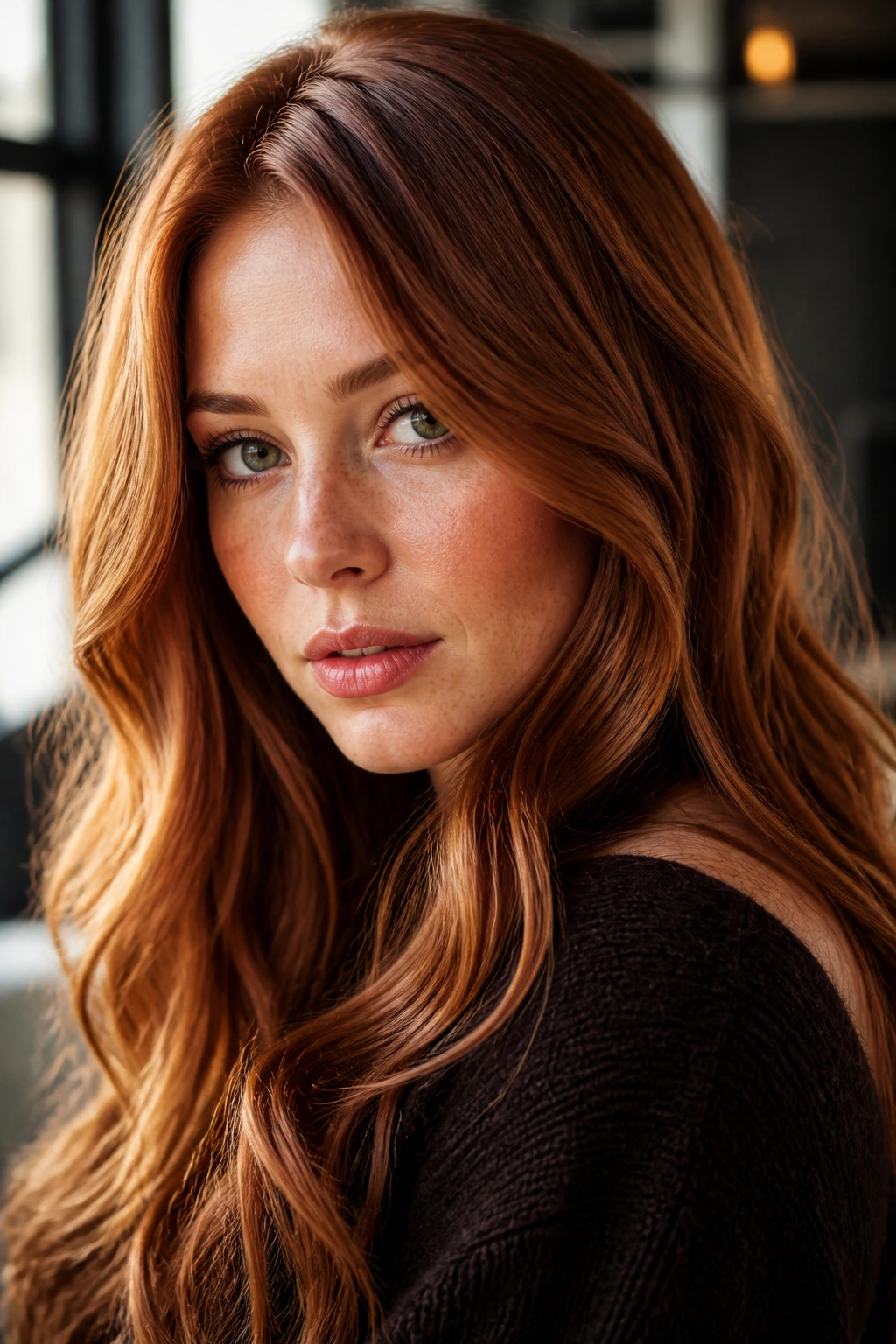
- They stay warm without screaming red: A level 5 to 7 base lets the color feel glowing instead of neon, which matters once the gloss starts to fade.
- They grow out with less drama: Root shadow and lowlights soften the line between new growth and colored lengths, so you are not fighting a hard stripe every few weeks.
- They move well on layered cuts: The copper and rose tones look better when hair bends around the shoulders, because the light catches the different panels.
- They can go softer or stronger: You can push the look toward peach, cinnamon, bronze, or auburn without leaving the same color family.
- They work on a lot of skin tones: The trick is matching the warmth level, not chasing one exact shade name from a box or a photo.
- They photograph differently in every light: That is a good thing here. The shade has enough depth to look rich indoors and enough reflect to stay visible outside.
The Base Level That Changes the Whole Look
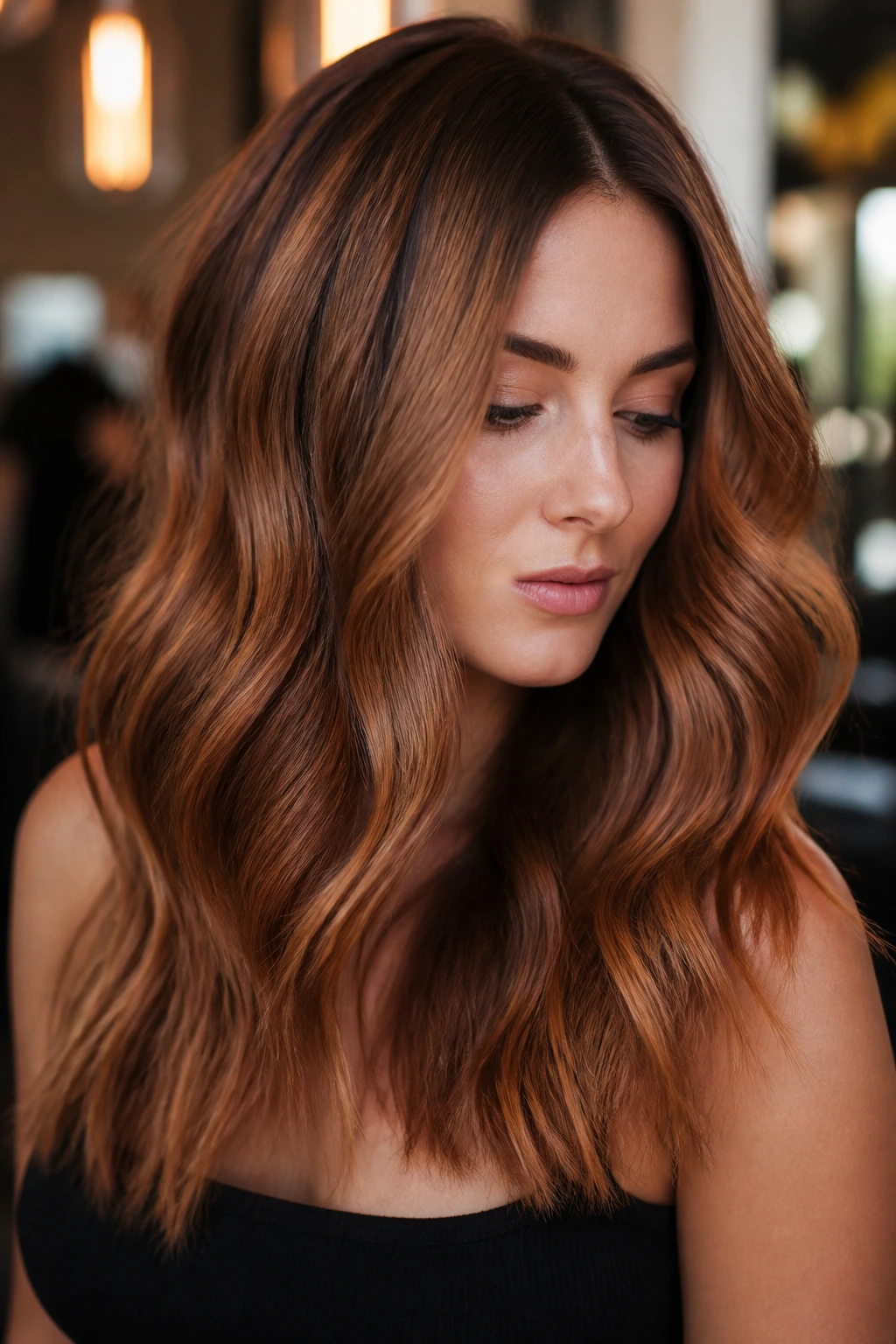
The phrase “dark strawberry blonde” sounds simple, but the base level underneath does most of the heavy lifting. On a level 6 or 7 base, the strawberry note can sit right on top as a gloss, glaze, or soft tone-on-tone highlight. Drop down to a level 4 or 5 brunette base, and you usually need dimension — balayage, face-framing pieces, or a root melt — or the red-gold can disappear into the brown.
Undertone matters just as much. If your natural hair already pulls copper, apricot, or golden brown, the shade usually takes fast and looks lived-in. If your hair leans ash or muted neutral, the same formula can read dull unless a colorist adds a little extra warmth in the mids. That is why one person’s “strawberry” looks peachy and another’s looks like toasted copper. Same family. Different bones.
The cleanest versions usually live in a level 5 to 7 range with a gloss that keeps the warmth soft, not brassy. If you want a bigger contrast, ask for a root shadow one or two levels deeper than the colored lengths. If you want the color to whisper instead of shout, keep the ends only half a level lighter than the base and let the red-gold show through in movement.
1. Cinnamon Root Melt
A cinnamon root melt gives you that warm, spiced look that sits close to brunette but never feels flat. The root stays deep and soft, then the mids shift into cinnamon, copper, and a touch of gold, so the whole head looks like it has been lit from inside. It is one of the easiest ways to wear dark strawberry blonde hair color without making the front of your hair look too bright.
Ask for a level 5 or 6 root shadow that fades into hand-painted ribbons two shades lighter through the mids and ends. The blend matters more than the exact formula. If the transition is too sharp, the color starts looking striped, and no one wants that.
2. Copper Balayage on Brown Hair
This one works because it respects the brown. The base stays brunette, often around level 5, while copper balayage pieces sweep through the lengths like thin brushstrokes. You see warmth when the hair moves, not a solid red sheet. That restraint is what makes it wearable.
It is especially good if your hair is thick or layered, because the ribbons can land on the top layer and peek through underneath. Ask your colorist to keep the pieces fine near the crown and a little wider around the face. That gives the face some lift without turning the whole style into a copper helmet.
3. Toasted Rose Gold Waves
If cinnamon feels too earthy, rose gold adds a softer, prettier edge. On dark blonde or light brown hair, a toasted rose gold gloss turns waves into something that looks almost powdered with warm light. It is not candy-bright. It is more muted, with a blush tone sitting under the gold.
This shade looks best when the finish is glossy and the waves are loose, not tight. Tight curls can make the rose tone read denser than it is, while loose bends let the gold catch first. If your hair tends to go orange, keep the rose note light and ask for a beige-copper gloss rather than a heavy red formula.
4. Mahogany Strawberry Brunette
Mahogany strawberry brunette is for someone who wants the red to stay classy and deep. The color leans brown first, with berry warmth folded in underneath. In low light, it looks almost like a rich brunette. Then a shaft of daylight hits it and the red comes out quietly.
I like this shade on straight hair and smooth blowouts, where the depth shows cleanly. It is also a good choice if your workplace is conservative and you want color that reads polished instead of playful. The maintenance is kinder than brighter copper, because the depth helps the fade look intentional rather than patchy.
5. Apricot Brown Gloss
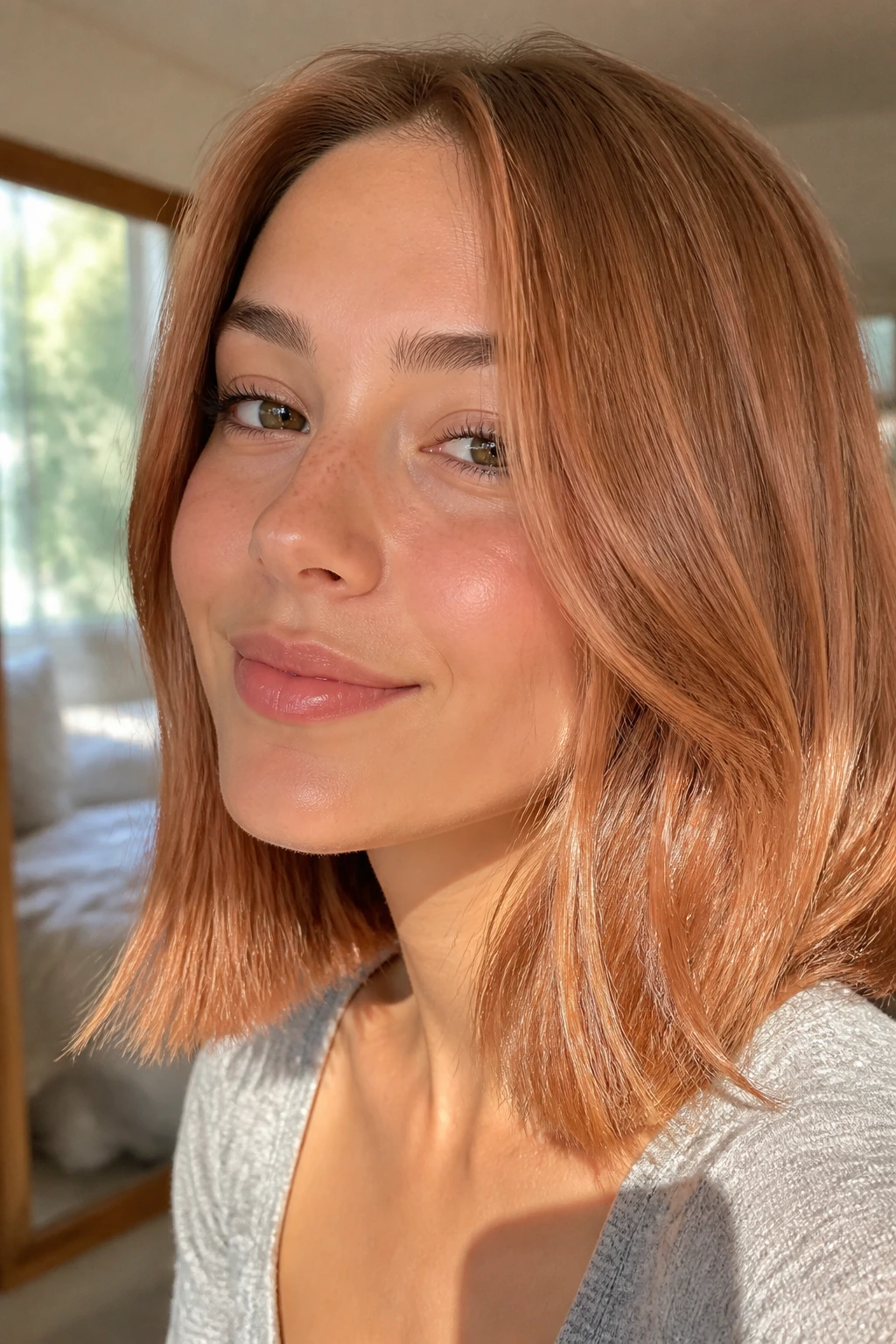
Apricot brown gloss is the low-commitment version of the whole idea. Instead of light ribbons or strong dimension, you use a warm glaze over a brown base and let the apricot tone do the talking. It is subtle, but it changes the way the hair reflects light. Brown stops looking flat. Simple as that.
This works especially well on shoulder-length cuts and blunt bobs, where there is not a lot of layered movement to carry a more complex color. A gloss also suits hair that has been colored before and needs a softer reset. Ask for something that stays in the peach-gold zone, not full copper, or it can tip too warm after a few washes.
6. Peachy Face-Framing Ribbons
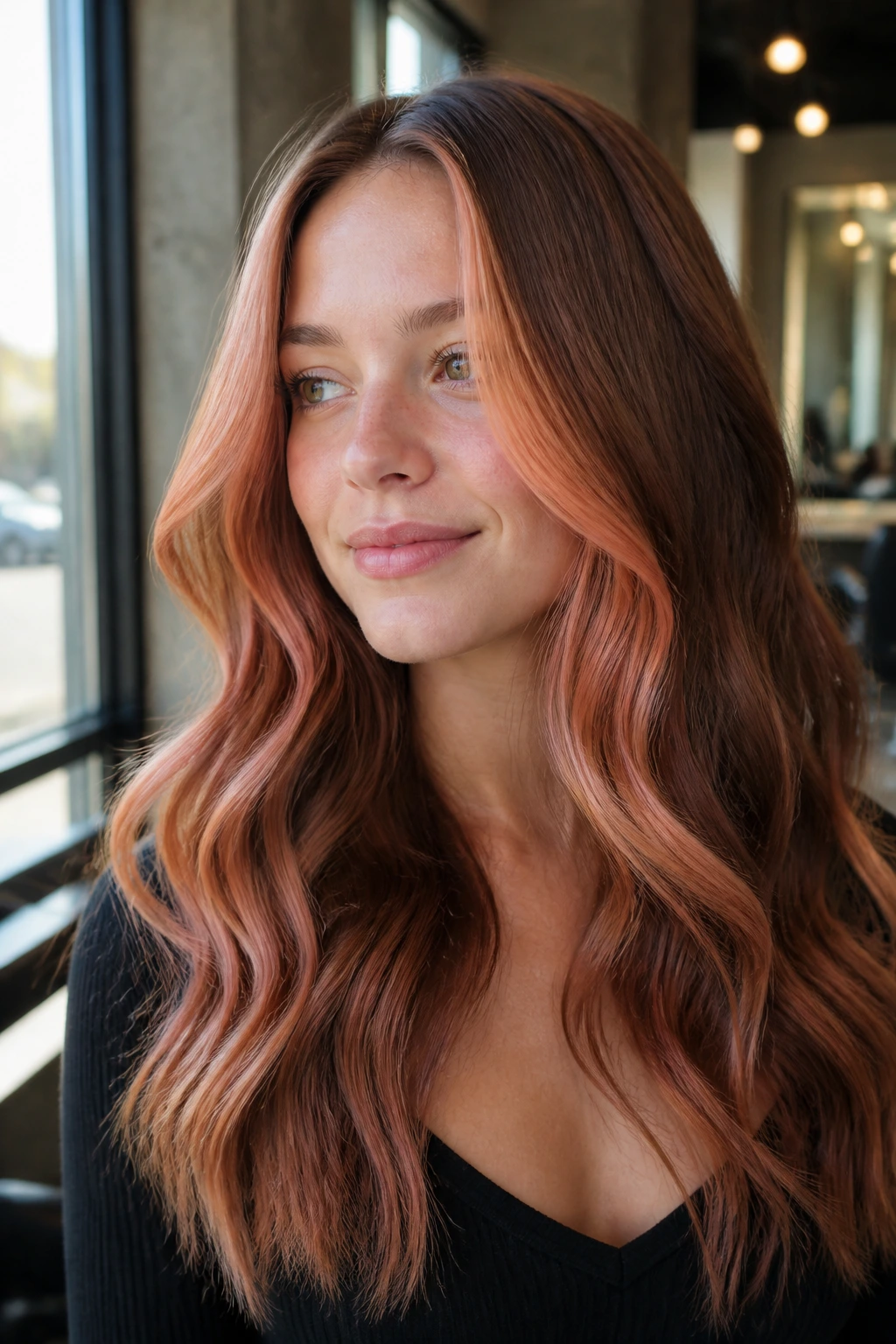
A few peachy ribbons around the face can do more than a full-head color job if your haircut already has shape. These pieces should sit just inside the front layers, no wider than about a finger or two, so they brighten the face without taking over the whole look. They are great when you want the color to feel fresh but not loud.
The nice part is that the rest of the hair can stay dark strawberry blonde or even a warm brunette. The contrast gives you movement when the hair is tucked behind the ear or pulled into a loose half-up style. If you wear glasses, this placement is especially good; the warm strips sit near the frames and keep the face from disappearing.
7. Amber Money Piece
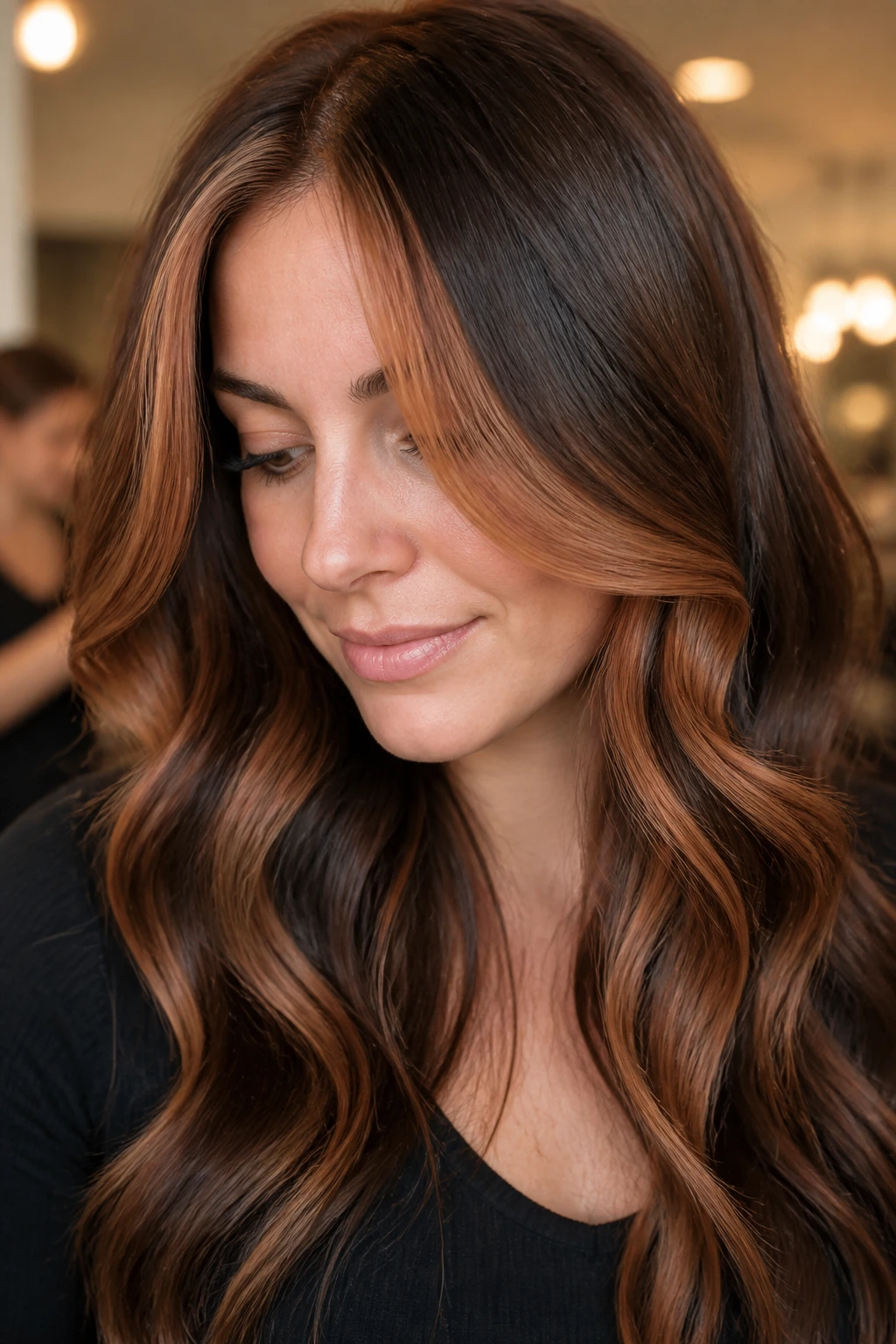
This is the bold one in the group. An amber money piece gives the front sections more glow than the rest of the hair, which means the color shows up instantly in photos and in mirror selfies, even when the back stays darker. The trick is to keep the amber rich and golden, not yellow.
It works best when the rest of the hair has a deeper brown or cinnamon base to anchor it. Without that contrast, the front can look disconnected. Ask for a clean money piece with soft edges and a root smudge that starts only a quarter-inch away from the scalp. That keeps regrowth from looking harsh.
8. Russet Lob with Soft Ends
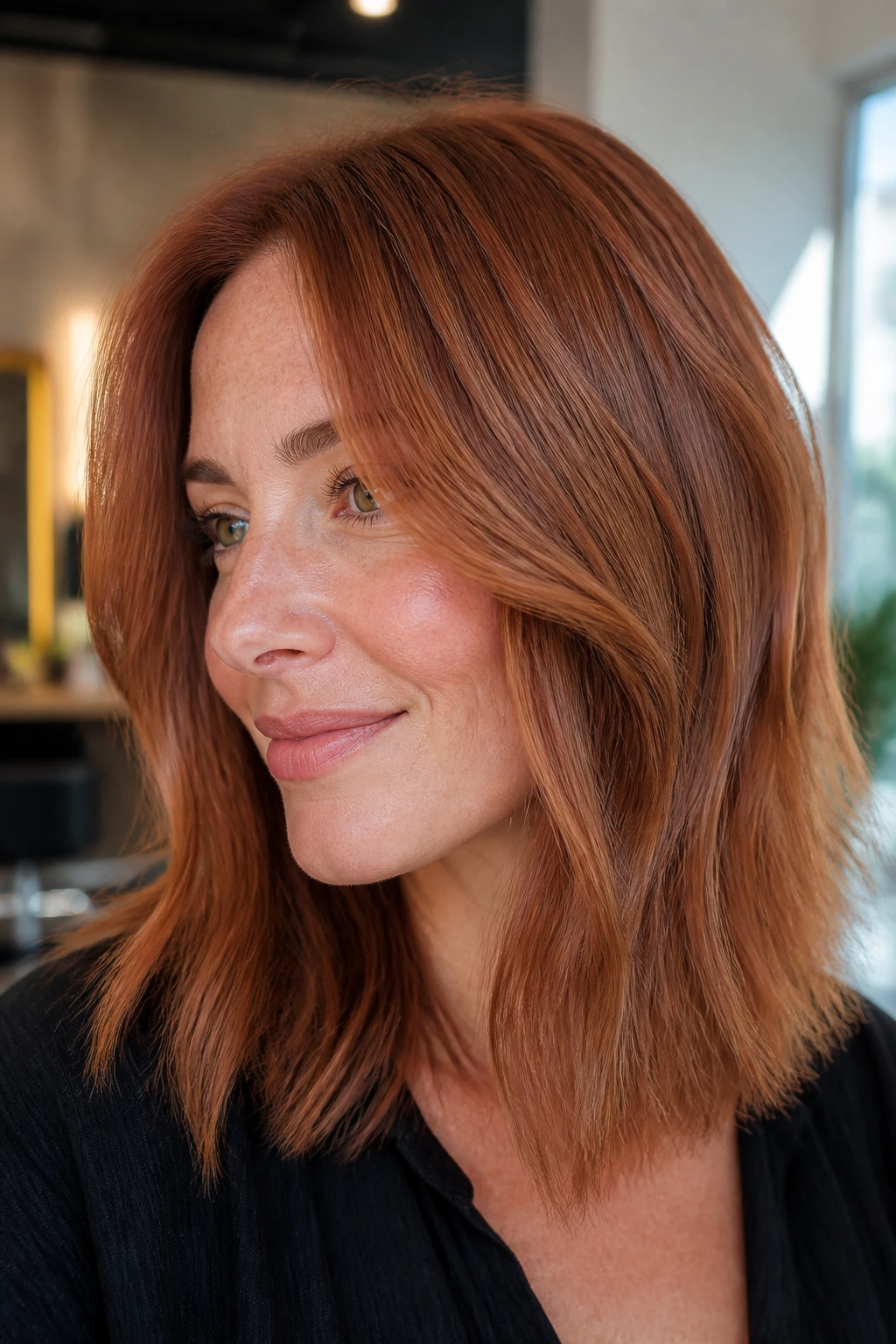
A russet lob is one of those cuts that quietly improves the color. The blunt line of a long bob makes the warm tones look denser, and the russet note gives the ends a burnished look instead of a dry, pale finish. Soft ends matter here. Too much texturing and the shade loses its shape.
This is a good pick if your hair is medium thickness and you like wearing it straight or with a slight bend under the chin. Ask for the warmest color to live in the mid-lengths, then taper the ends a touch deeper so the cut has weight. The result feels polished without looking stiff.
9. Sunkissed Auburn Strawberry
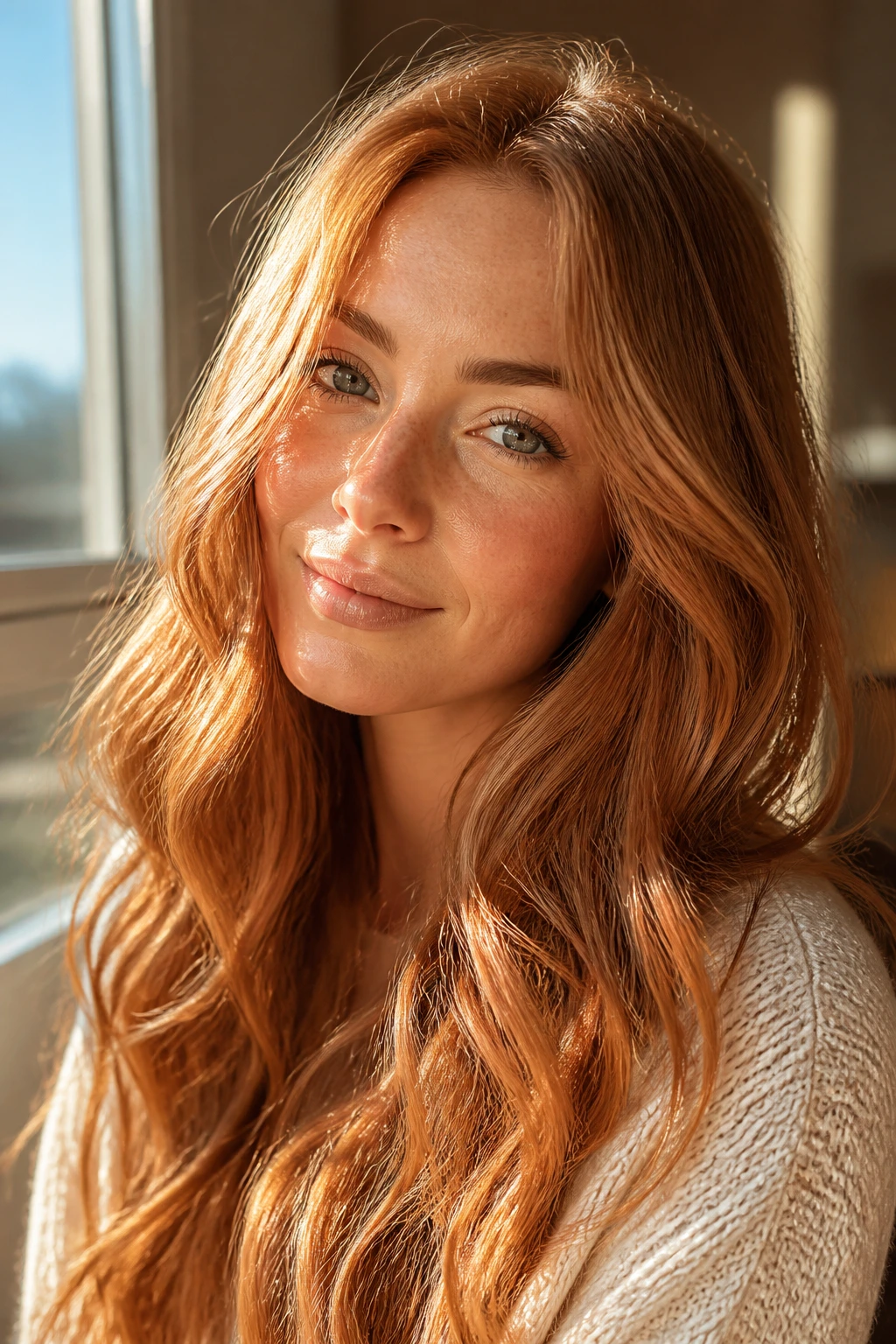
This version has more lift than the brown-heavy looks, but it still stays inside the dark strawberry blonde family. Think auburn softened by gold, with tiny flashes of strawberry at the crown and around the temples. It gives the hair that late-afternoon warmth that people chase with filters.
The shade suits wavy hair especially well, because each bend picks up a different part of the tone. If the hair is pin-straight, the color can look a little flatter, so a round-brush blowout helps. Keep the formula slightly more gold than red if your skin already flushes easily.
10. Copper Kisses on Chocolate Base
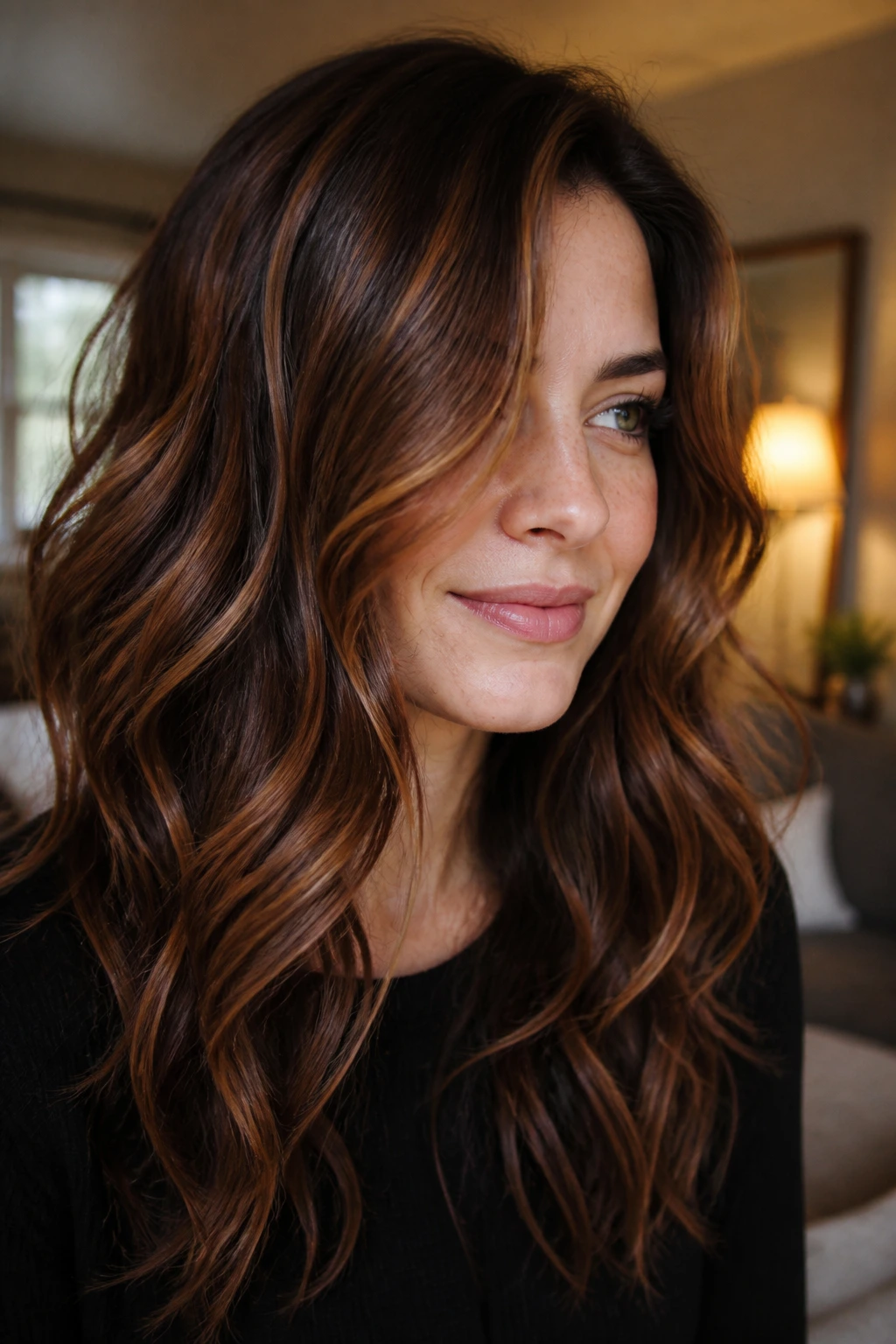
This one is about contrast, and it works because the chocolate base stays in charge. Thin copper ribbons are woven through the lengths, just enough to catch the light when the hair moves. It is a smart option for darker brunettes who want to flirt with strawberry blonde without lifting every strand.
Ask your colorist to keep the ribbons irregular, not evenly spaced. Uneven placement looks more natural and keeps the color from reading like stripes. A soft wave or a loose braid will show the copper best, since the warmer pieces sit against the darker base and flash in and out.
11. Brushed Walnut Strawberry
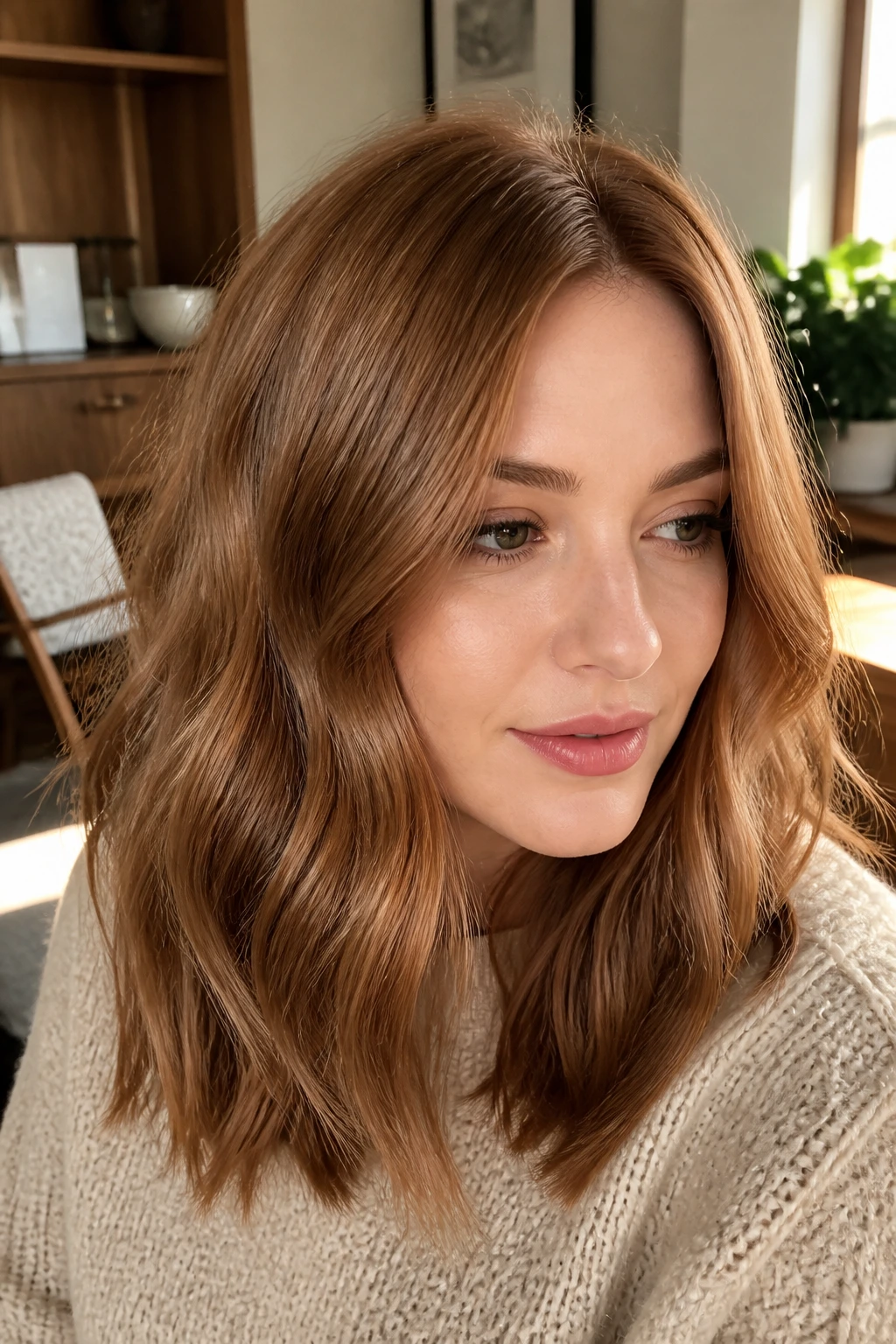
Brushed walnut strawberry is muted in the best way. The brown side leans nutty and deep, while the strawberry note stays quiet, almost like a veil. If you are nervous about going too orange, this is the shade to show your colorist. It is more about softness than sparkle.
I like it for fine hair because the color creates the sense of depth that fine strands sometimes lack. A single-tone brown can look thin on the ends; this one gives the hair a fuller feel. Ask for low-contrast ribbons and a glaze that keeps the warmth earthy, not bright.
12. Auburn Peekaboo Layers
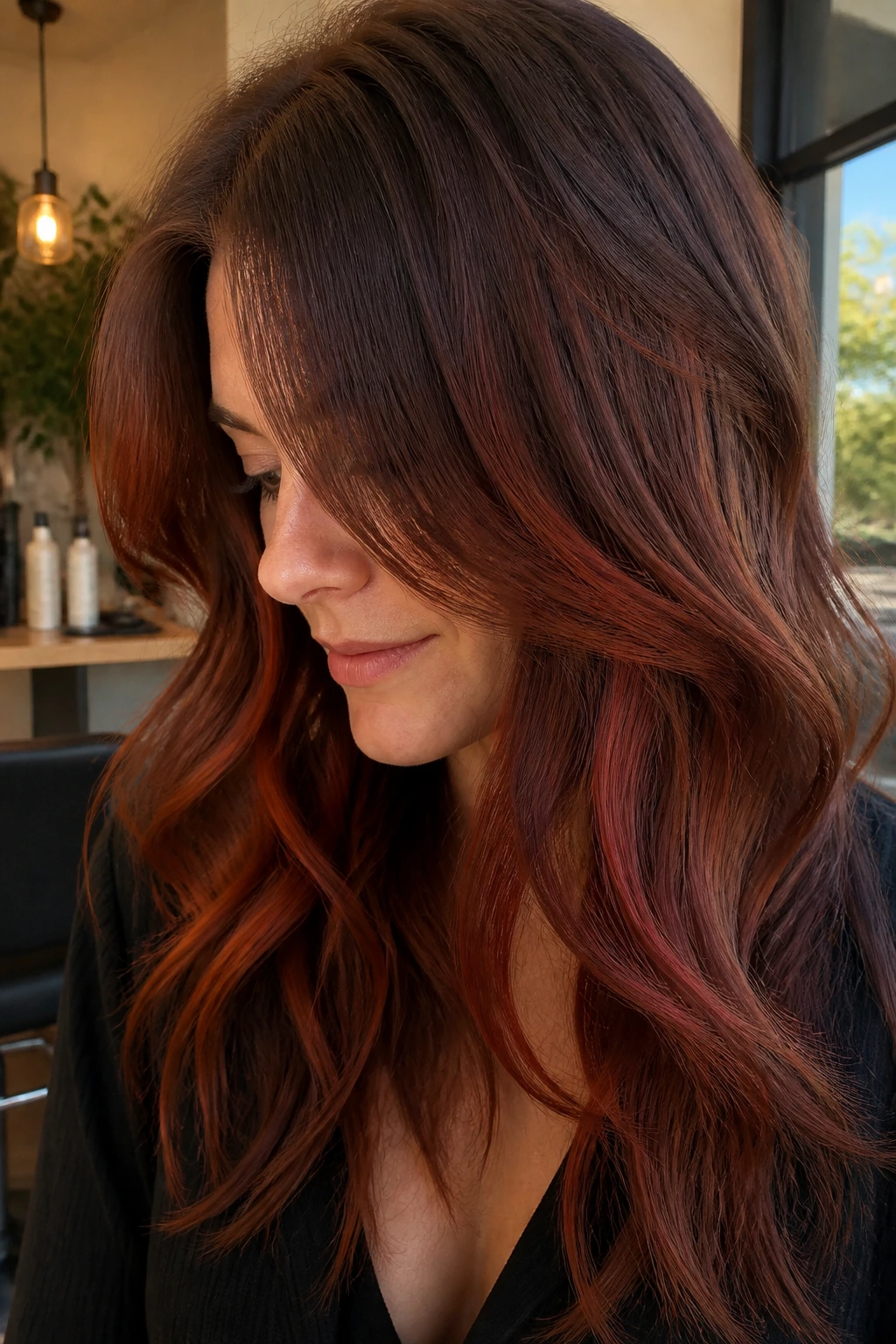
Peekaboo color is fun because it hides until the hair moves. Auburn pieces placed under the top layers give you flashes of red-gold when you tuck hair behind the ear, clip it up, or wear it in a half-up knot. The top stays darker and calmer, which keeps the look wearable.
This is a good route if you work in a place where you need a conservative outer layer but still want personality. It also grows out with less pressure, since the brighter pieces are tucked away. Ask for the color on the interior layers first, then decide if you want a few front pieces repeated for balance.
13. Burnt Sugar Caramel Blend
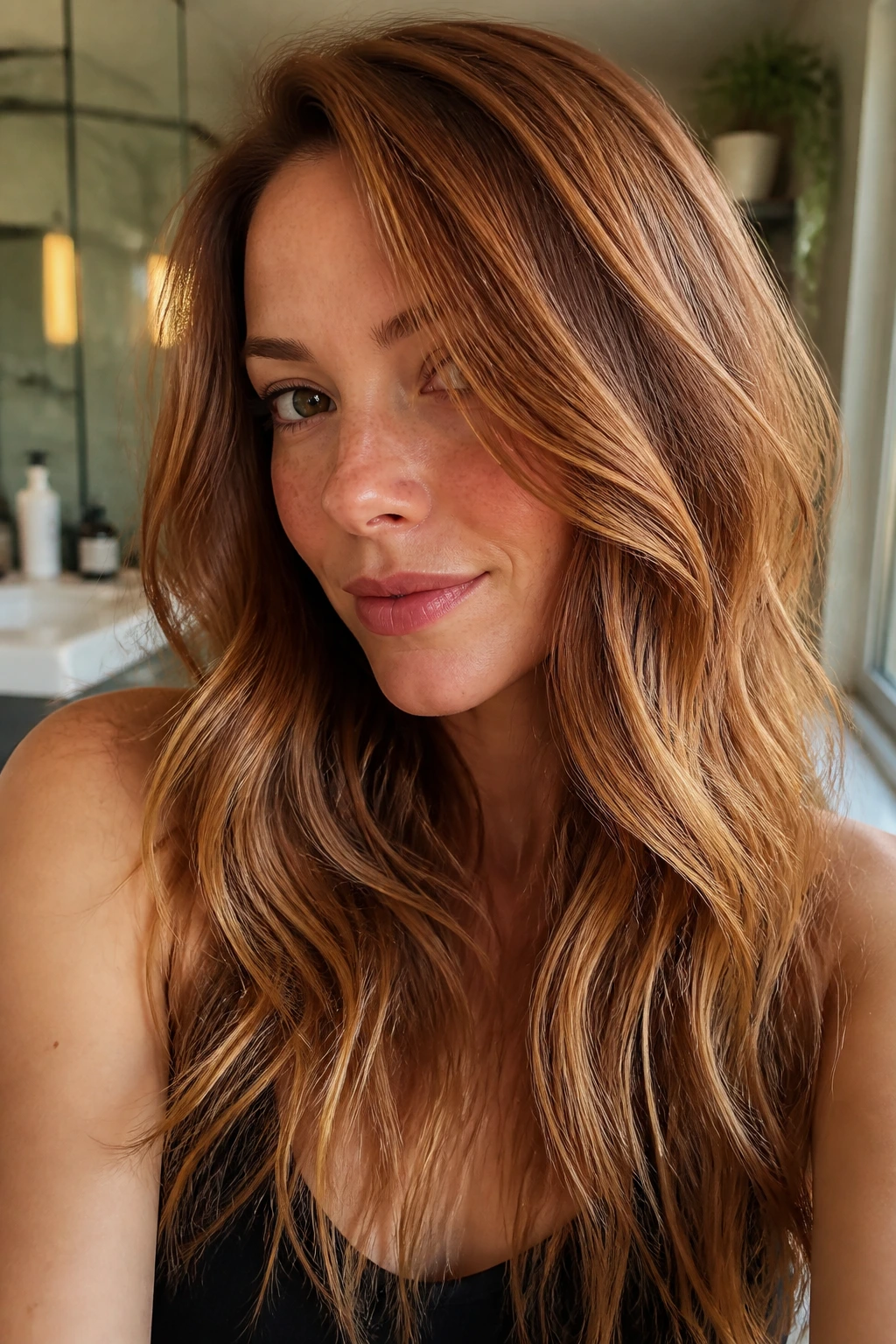
Burnt sugar caramel blend is warmer and softer than it sounds. The base usually sits in deep blonde or light brown territory, then caramel and copper blend together until the hair looks glazed rather than streaked. It is especially nice on layered cuts, where the color can break up across different lengths.
This shade is a good middle ground if you do not want a red result but still want more warmth than classic brunette. It pairs well with a smooth blowout and face-framing pieces that stop just below the cheekbone. Keep the ends a touch lighter than the roots, or the whole look can sink too dark.
14. Strawberry Bronze Bob
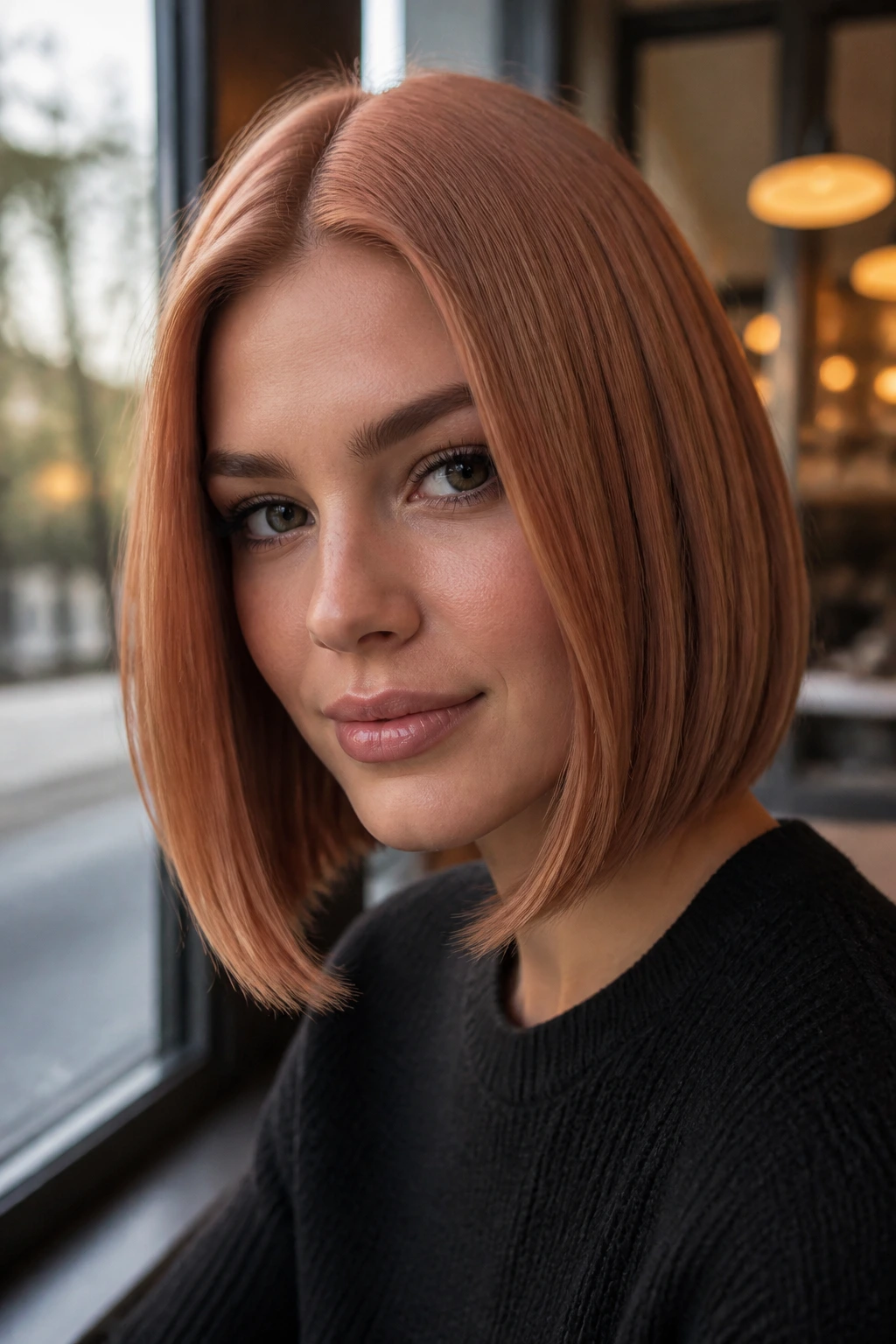
A bob makes strawberry bronze look sharper. The bronze keeps the color grounded, while the strawberry tone gives it a warm blush that catches on blunt ends. It is neat, modern, and a little reflective in a way that makes short cuts feel expensive without trying too hard. Yes, that word is overused. The finish still matters.
This shade loves sleek styling. A straight bob with a center part shows the color bands cleanly, while a side part lets the bronze and red-gold overlap. If your hair is very porous, ask for a demi-permanent glaze instead of a permanent copper formula, because bronze can go muddy if it grabs too hard.
15. Ginger-Spice Curtain Bangs
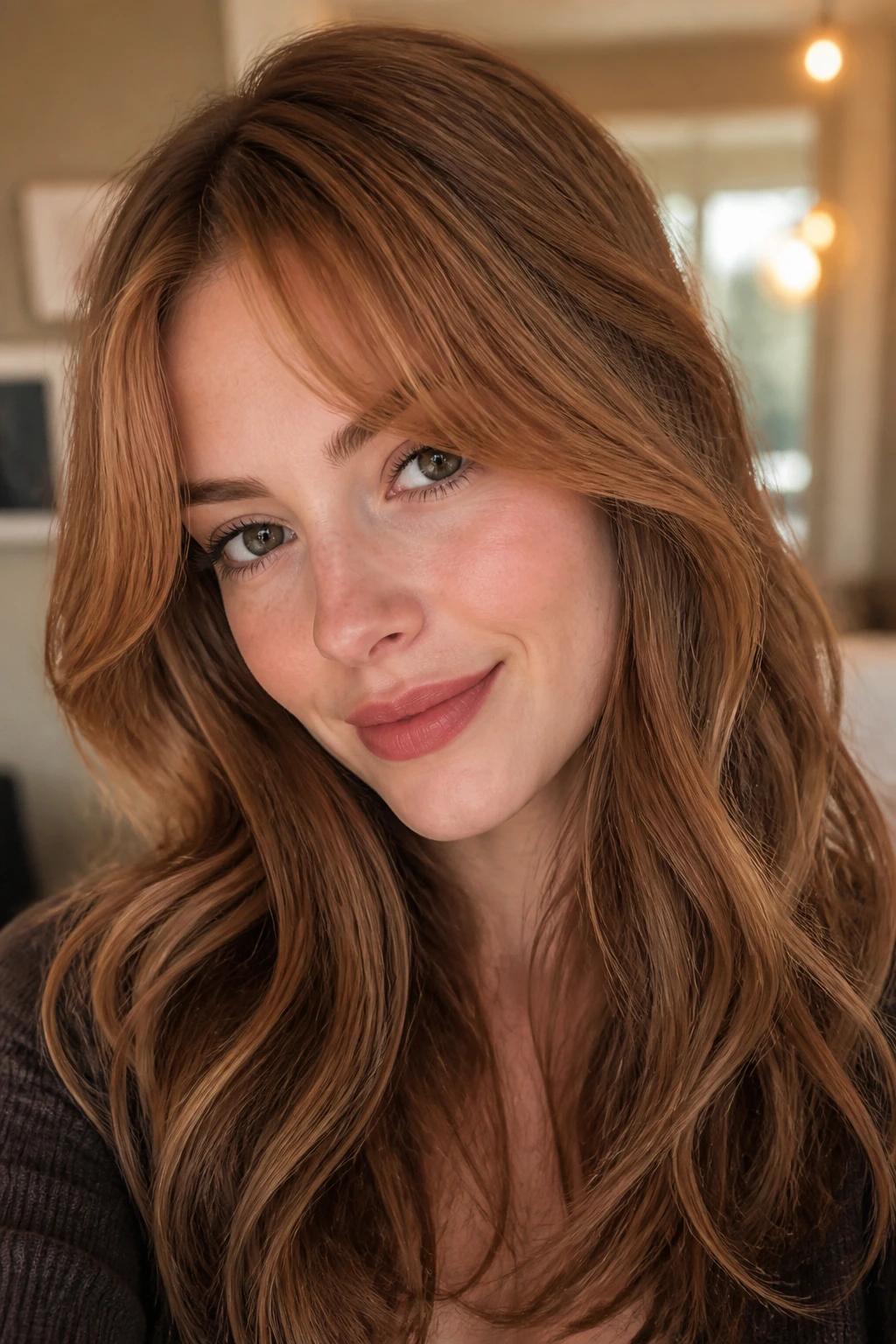
Curtain bangs are made for warm color. A ginger-spice tint across the bangs and crown turns the front of the haircut into the main event, while the rest of the hair stays deeper and softer. It is a smart way to test the strawberry side of strawberry blonde without committing to a full color overhaul.
The key is placement. The bangs should be one shade brighter than the rest, not three. If the front jumps too far ahead, the contrast looks disconnected when the hair is pulled back. Keep the rest of the hair in a muted brunette or dark blonde base so the bangs have something to sit against.
16. Rusted Honey Dimension
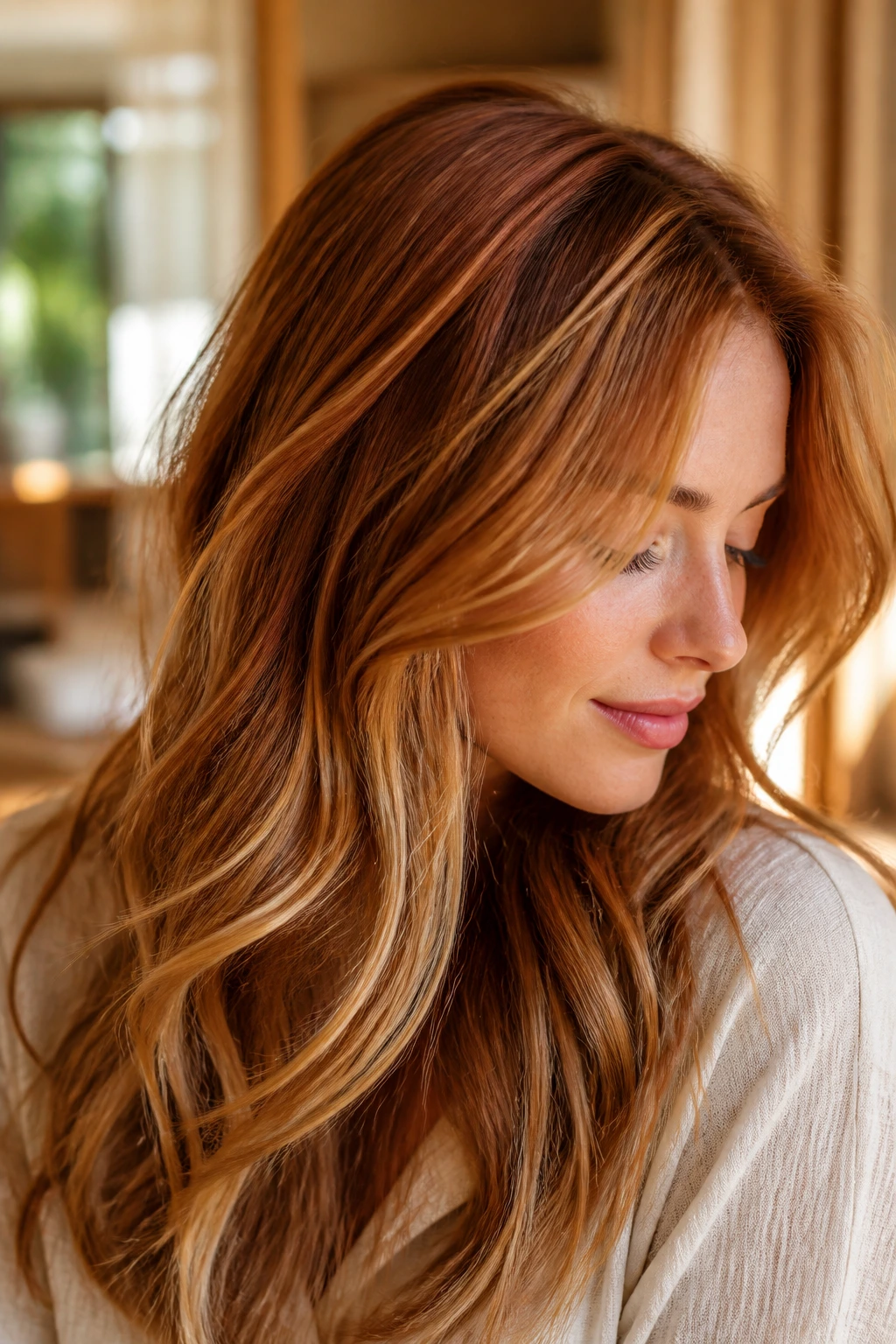
Rusted honey is a little more complex than honey blonde, and that is why it works here. The honey keeps things luminous, while the rust tone adds a dry, coppery edge that prevents the shade from looking bland. The result is warm, dimensional hair that still reads soft from a few feet away.
This color is good on fine to medium hair because the contrast creates movement without needing heavy highlights. Ask for thin ribbons around the crown and a few warmer pieces in the lower half. That keeps the top from going flat under overhead light.
17. Red Velvet Bronde
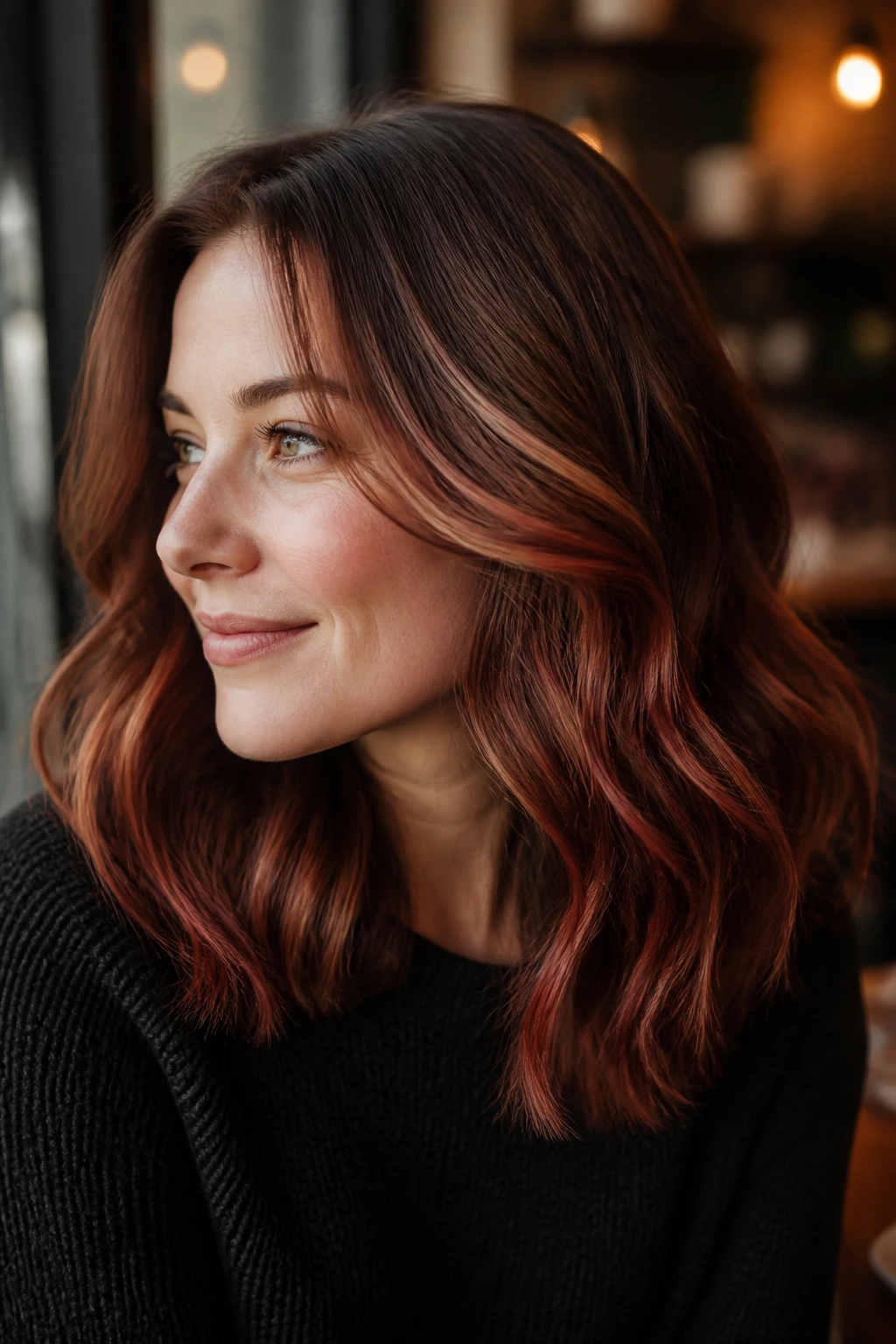
Bronde with a red velvet edge gives you a darker, richer result than a standard strawberry blonde. The brown anchor stays obvious, but there is a plush red-gold tone layered into it, almost like a velvet ribbon running through the mids. It is a good fit if you want warmth and depth at the same time.
This one works especially well in cooler months, when deeper color feels right against heavier clothes and softer makeup. Keep the finish glossy. Matte strands make the red look dusty, and nobody needs that. A clear glaze every few weeks helps the velvet tone stay smooth and reflective.
18. Rose-Copper Curls
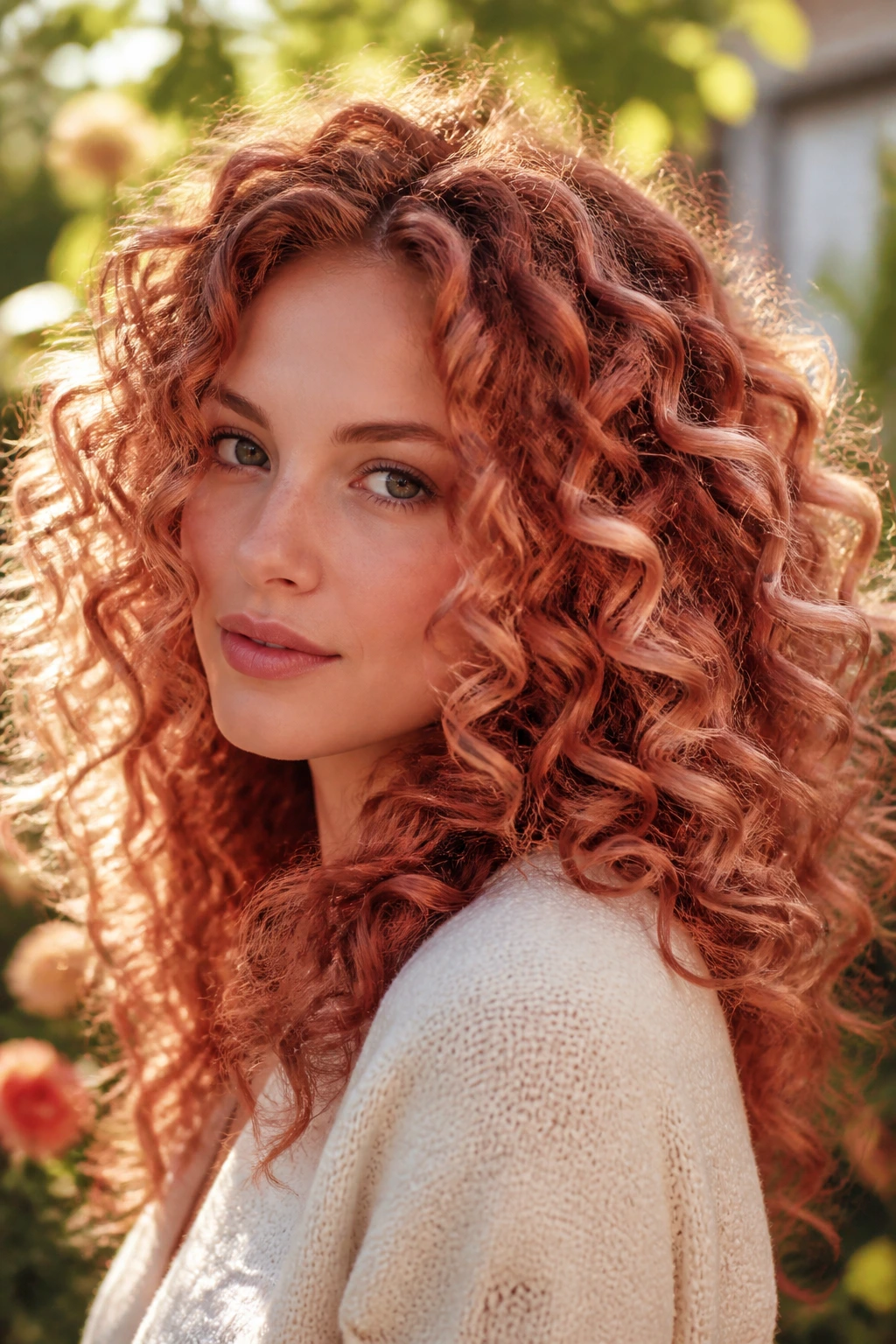
Curly hair can handle more variation than people think, and rose-copper proves it. On curls, the rose tone appears on the raised parts of the curl pattern while the copper settles deeper inside the spiral. That gives the color movement all by itself, even before you style it.
Ask for color that is placed with curl pattern in mind, not just on straightened sections. A hand-painted approach usually works better than foils here, because the colorist can place warmth where each curl will reveal it. Keep the moisture game strong. Dry curls make warm color look rough.
19. Dark Copper Pixie
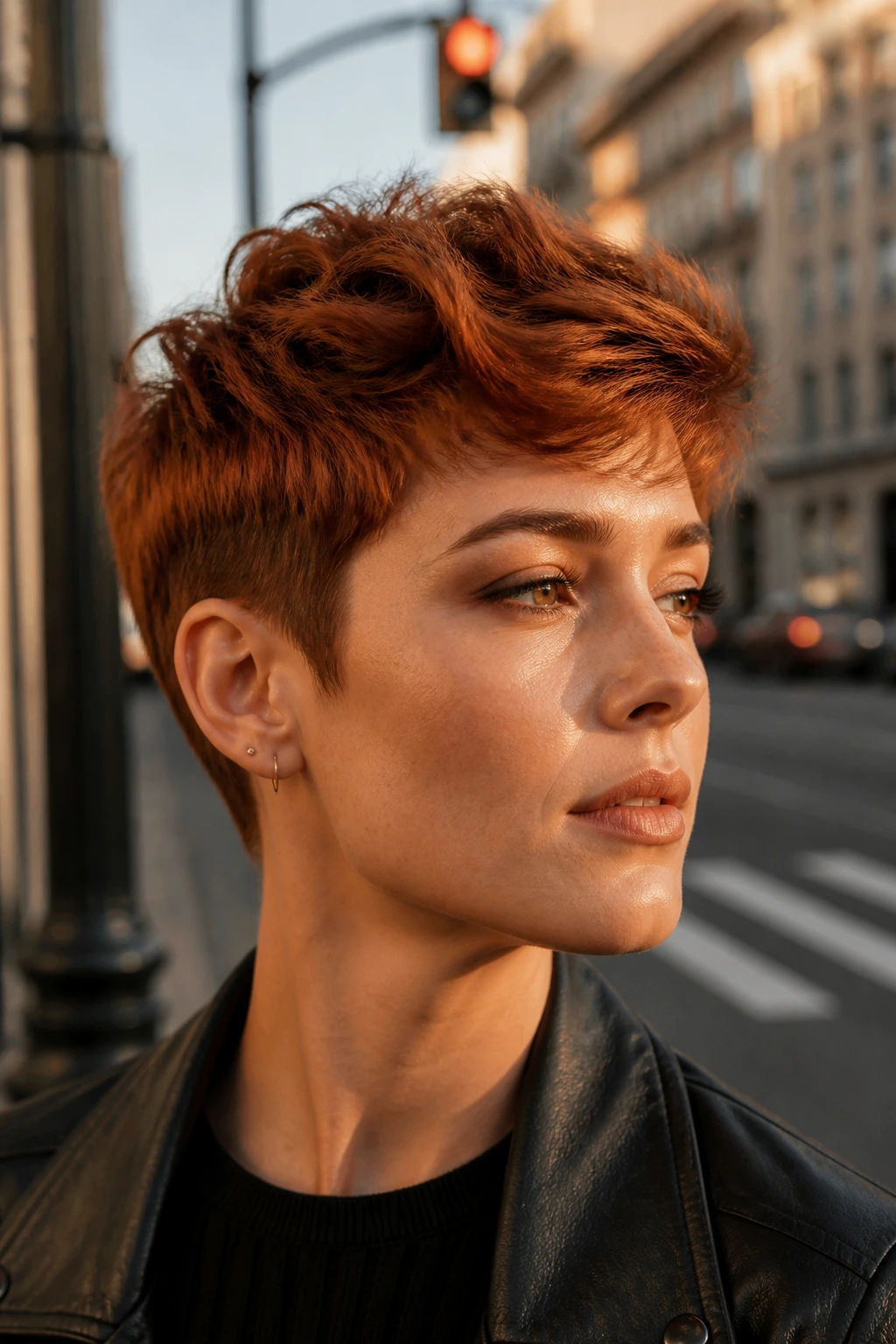
A pixie cut changes the whole conversation. With less length to carry dimension, dark copper has to be controlled, and that is what makes it good. The color sits close to the scalp, then shows its red-gold edge on the longer fringe or textured top. It is sharp, neat, and a little bold.
If you wear a pixie, ask for depth at the sides and warmth concentrated through the top layers. Too much copper all over can make the cut look one-dimensional. A tiny bit of shadow at the roots keeps the color grounded and makes the shape read cleaner.
20. Mulled Wine Highlights
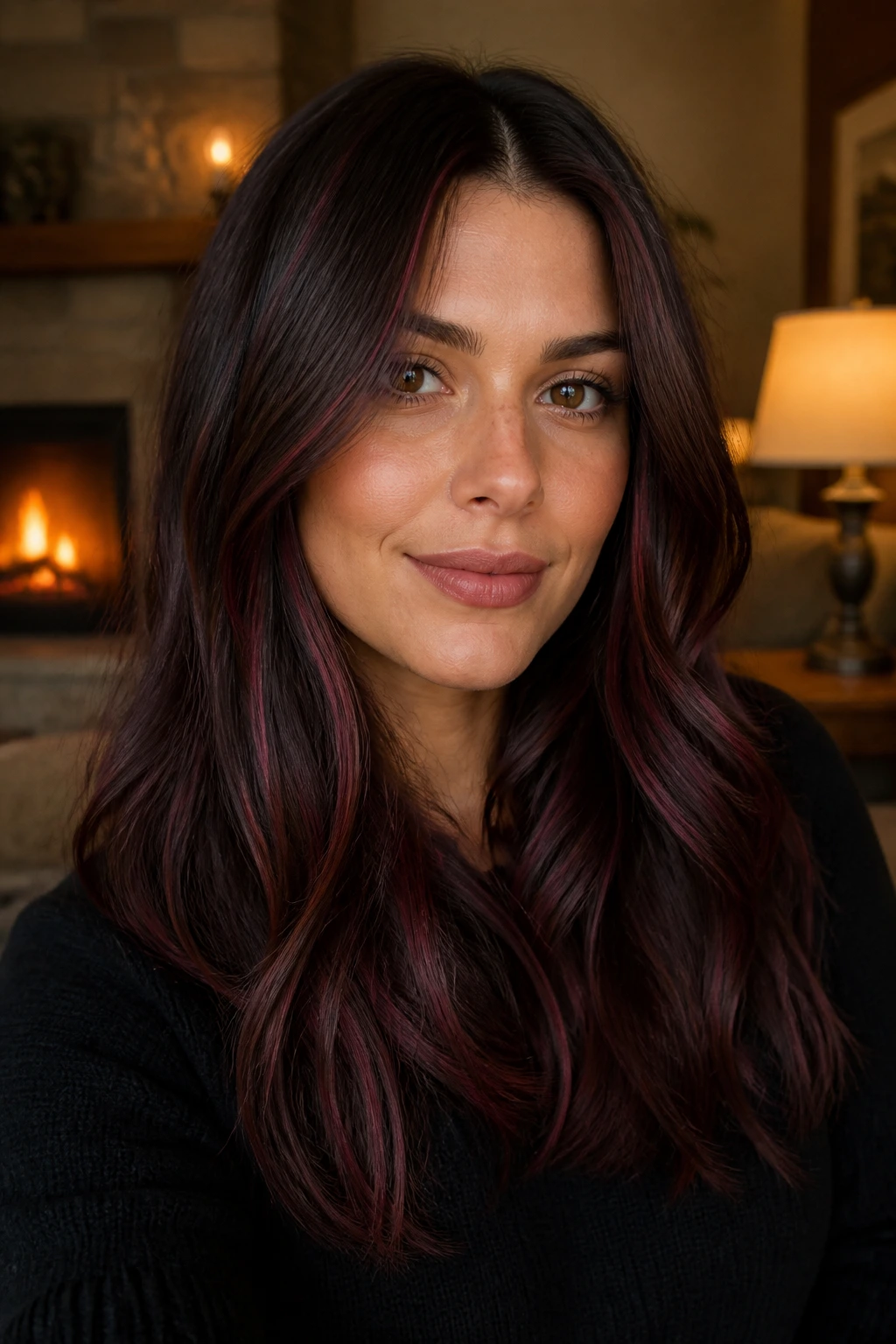
Mulled wine highlights are for people who want the red note to feel deeper and more moody. The highlights should be narrow and placed sparingly through darker brown hair so the wine tone appears as a flash rather than a block of color. It is a nice change if plain copper feels too bright.
This shade is strongest on hair with some natural wave, because the moving pieces reveal the wine tone as you turn your head. Keep the base dark and soft. If the highlight formula gets too vivid, it slides out of dark strawberry blonde and into full red territory fast.
21. Cocoa and Copper Ribboning
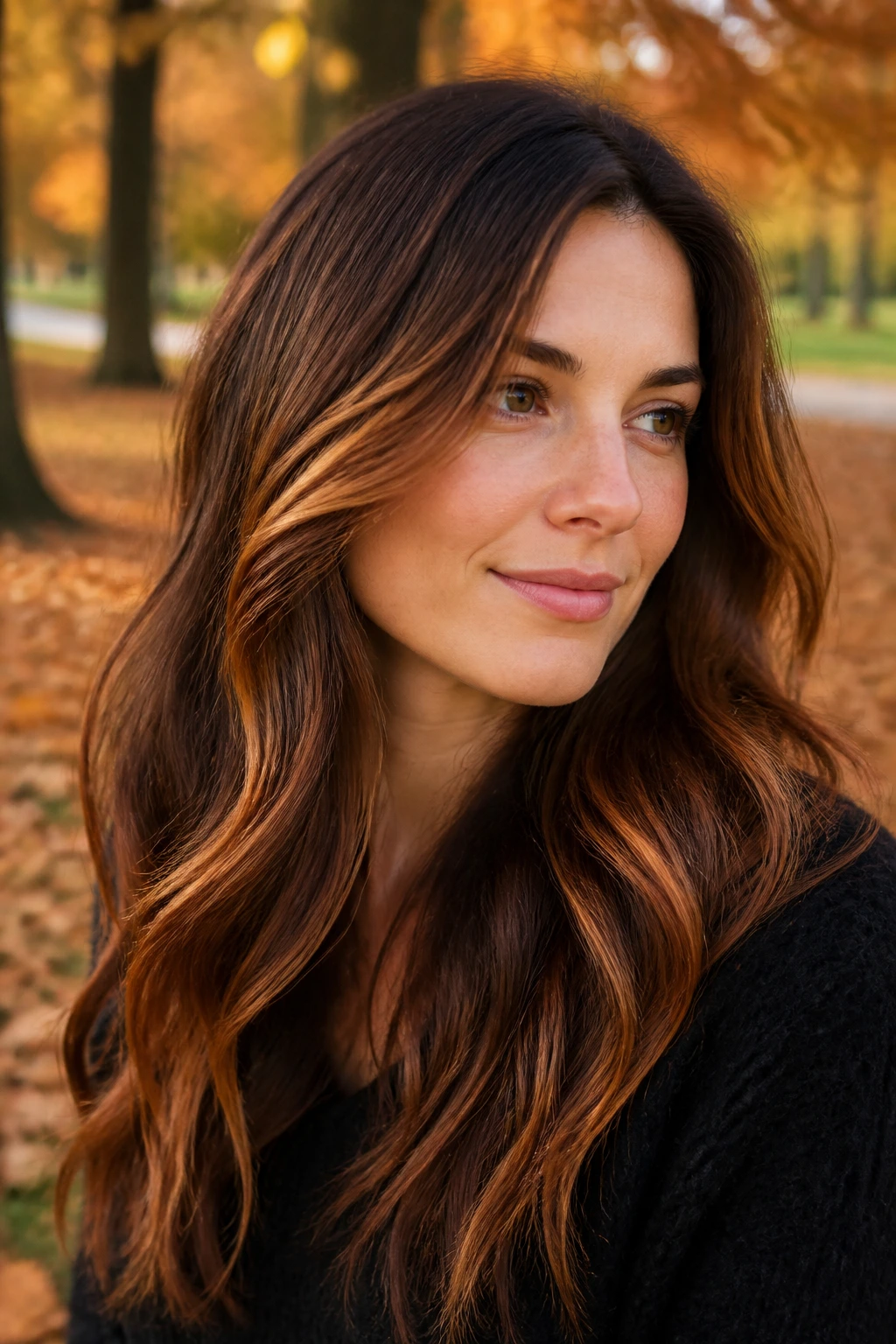
Cocoa and copper ribboning is one of the easiest versions to wear for a long stretch. Cocoa gives the hair a deep brown canvas, then copper ribbons weave through the top and sides in irregular lines. The color feels rich and layered without demanding that every strand match.
It is especially good for long hair, because the length gives the ribbons room to move. Ask for wider placement around the cheekbones and slimmer pieces through the back. That keeps the front lively while the rest of the hair stays calm. It also makes regrowth less obvious.
22. Peach-Tea Balayage
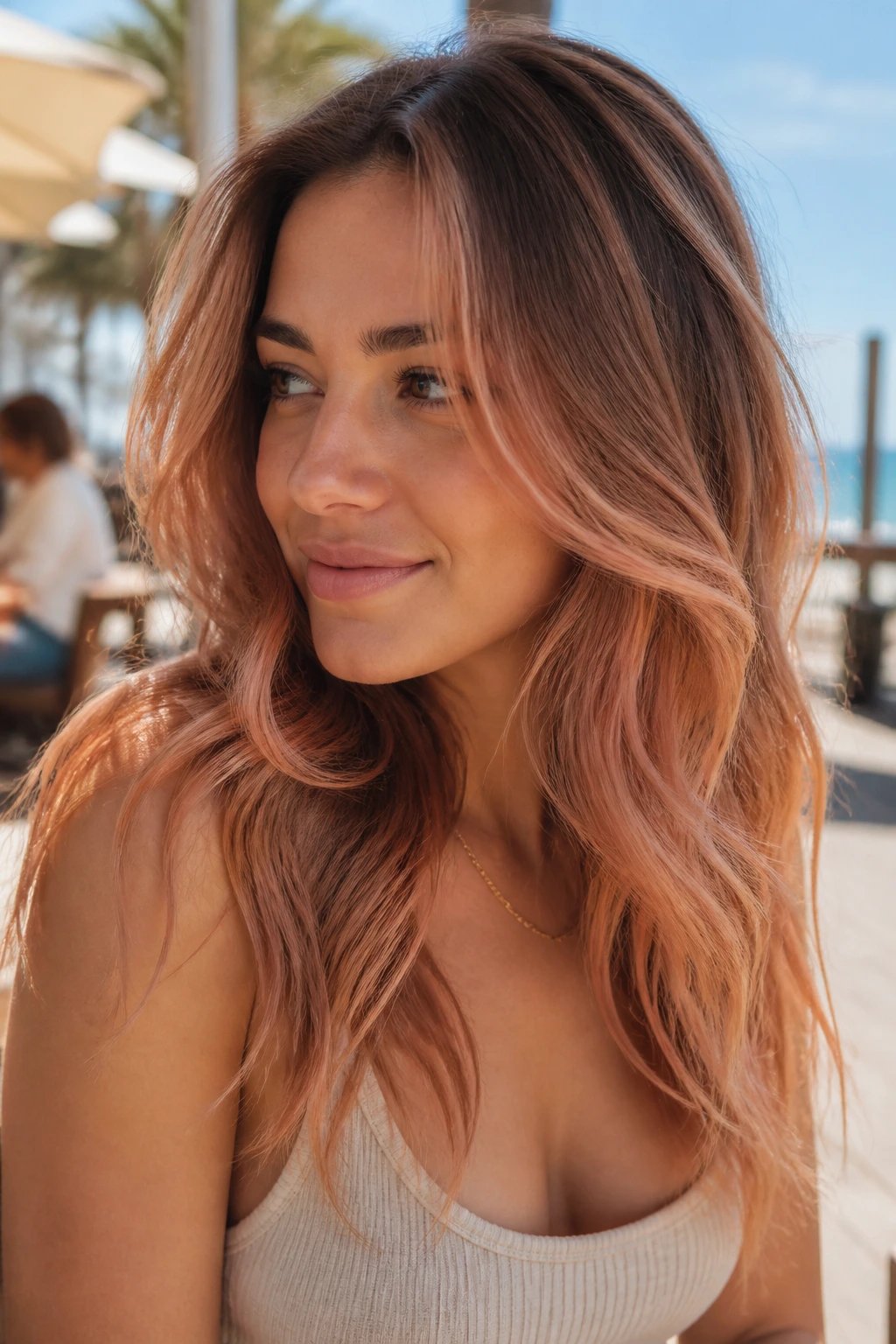
Peach-tea balayage has a quieter finish than a pure copper look. The base stays tea-brown or dark blonde, while the peach note sits over the top like a soft wash of color. It is airy, flattering, and easy to soften later if you decide you want less warmth.
This shade tends to fade gracefully because peach loses intensity before it goes harsh. That is useful. If your hair pulls orange quickly, peach-tea gives you a gentler fade path than a stronger red formula. Loose waves, a light serum, and a bit of shine spray are enough to keep it readable.
23. Chestnut Strawberry Melt
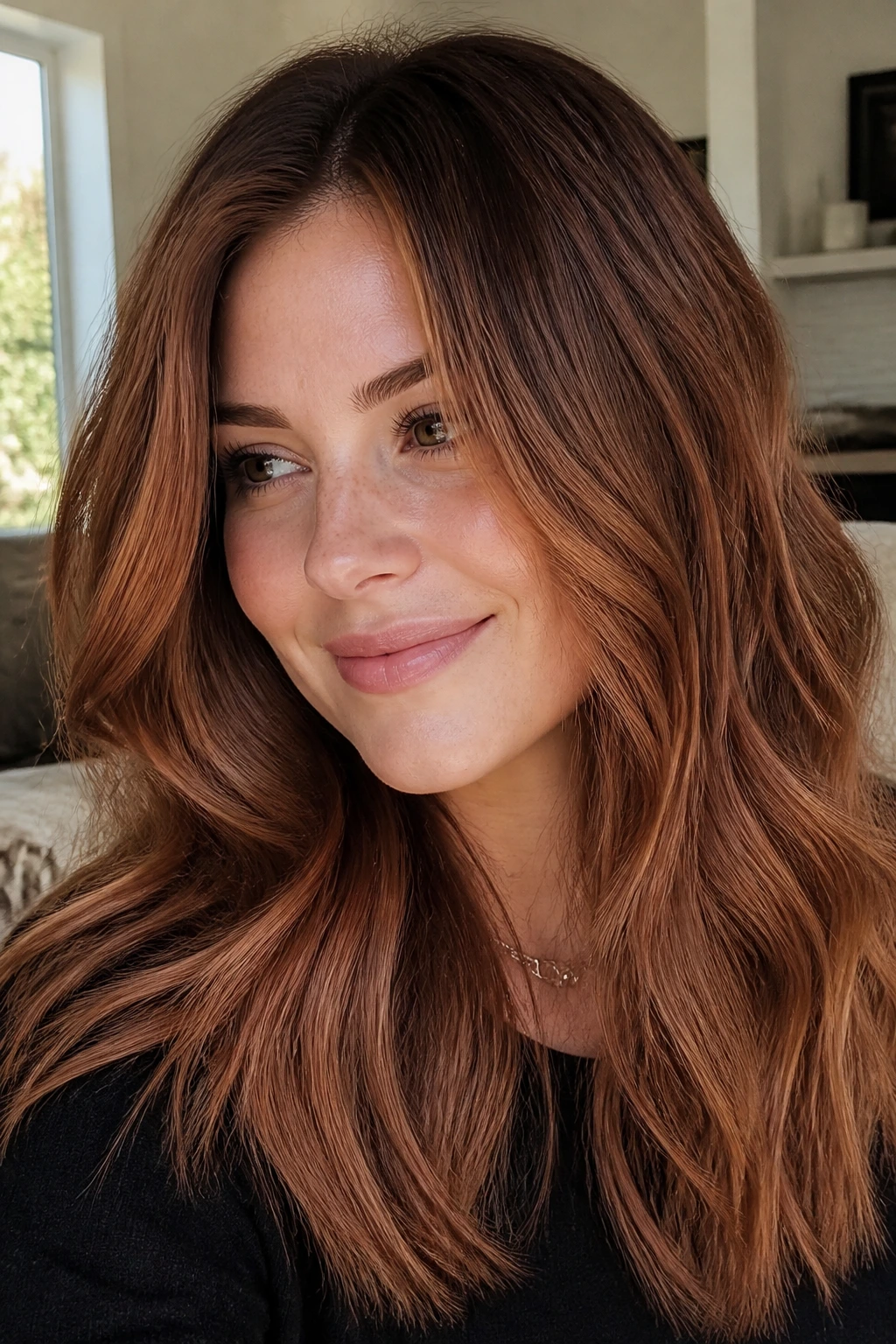
Chestnut strawberry melt works because chestnut gives the color weight. The roots stay deep and nutty, then the strawberry tone slides through the mids and ends in a smooth melt, not a sharp change. It looks especially natural as it grows out, which is a big reason people stick with it.
This is one of the best choices if you want warmth but do not want obvious highlights. The whole head can be colored as a soft glaze, or you can keep a few lighter pieces near the face. A root melt makes the regrowth line disappear into the shade instead of sitting on top of it.
24. Smoked Apricot Shag
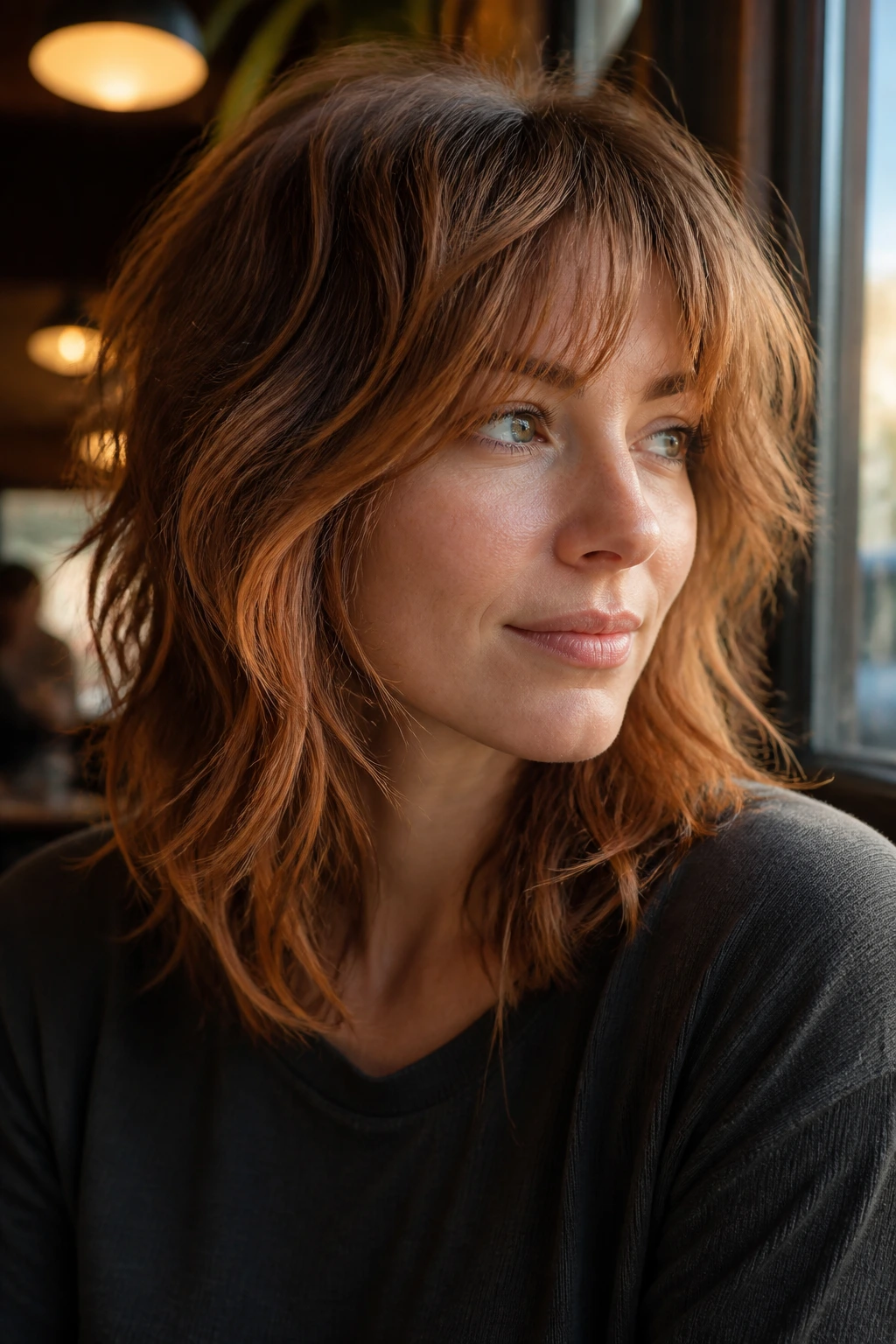
A shag haircut wants movement, and smoked apricot gives it exactly that. The apricot warmth lives under a smoky brown veil, so the color shows up in the choppy layers instead of all at once. That makes the cut look fuller and the tone feel more textured.
It is also forgiving. Shags are rarely worn perfectly smooth, which means the color can be a little irregular and still look right. Ask for soft, broken-up placement through the top layers and around the cheek area. If the color is too uniform, the haircut loses its edge.
25. Soft Terracotta Lob
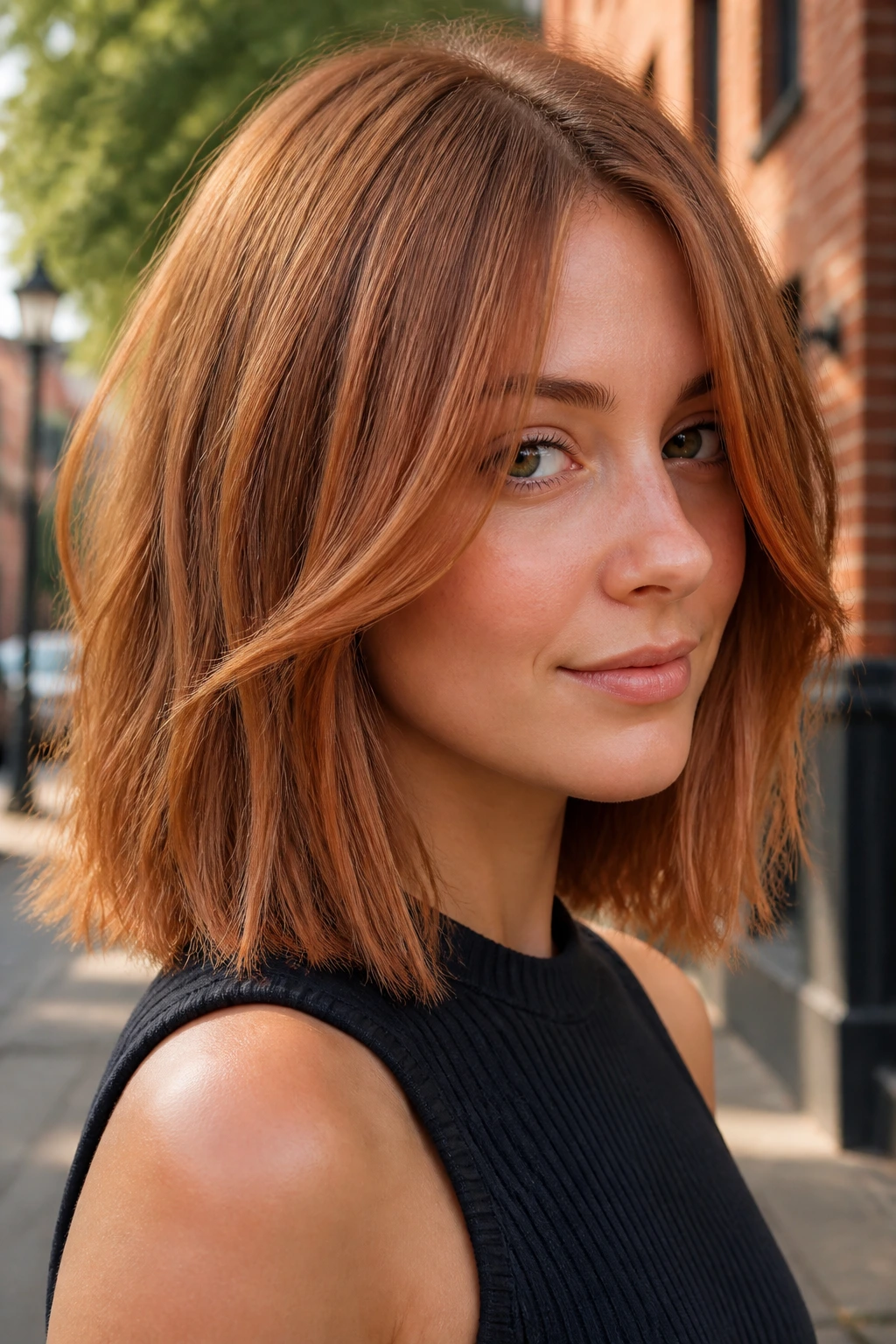
Terracotta is earthier than copper and redder than caramel, which makes it a nice fit for a lob. The length gives the color a clean surface, and the earthy tone keeps it from looking too shiny or too sweet. It is one of those shades that feels calm from a distance and rich up close.
This works best when the haircut has blunt edges or slightly beveled ends. Terracotta can get lost in too much texture. Keep the finish polished and ask for the warmer pieces to sit under the top layer so the hair still has depth when it swings.
26. Copper-Umber Face Frame
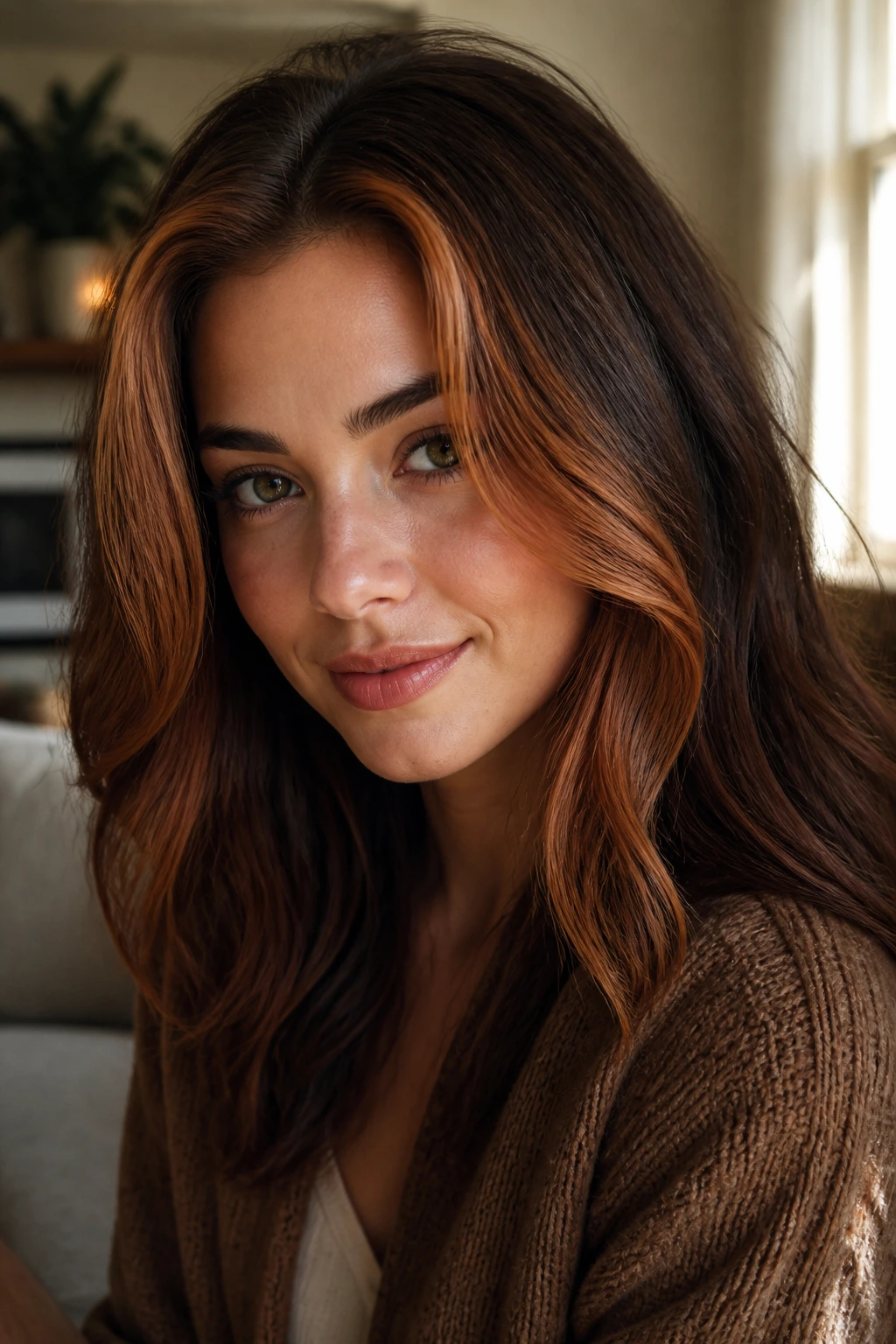
A copper-umber face frame is a good compromise if you want color near the front but not all over. The umber base keeps the shade grounded, and the copper around the face brings light toward the skin. It is the kind of placement that makes a simple blowout look finished in a way people notice.
The front pieces should be placed carefully — not too close together, not too wide. A narrow face frame can look elegant; a chunky one can make the whole style feel heavy. Keep the rest of the hair deeper so the front stands out without taking over the haircut.
27. Warm Coral Ends
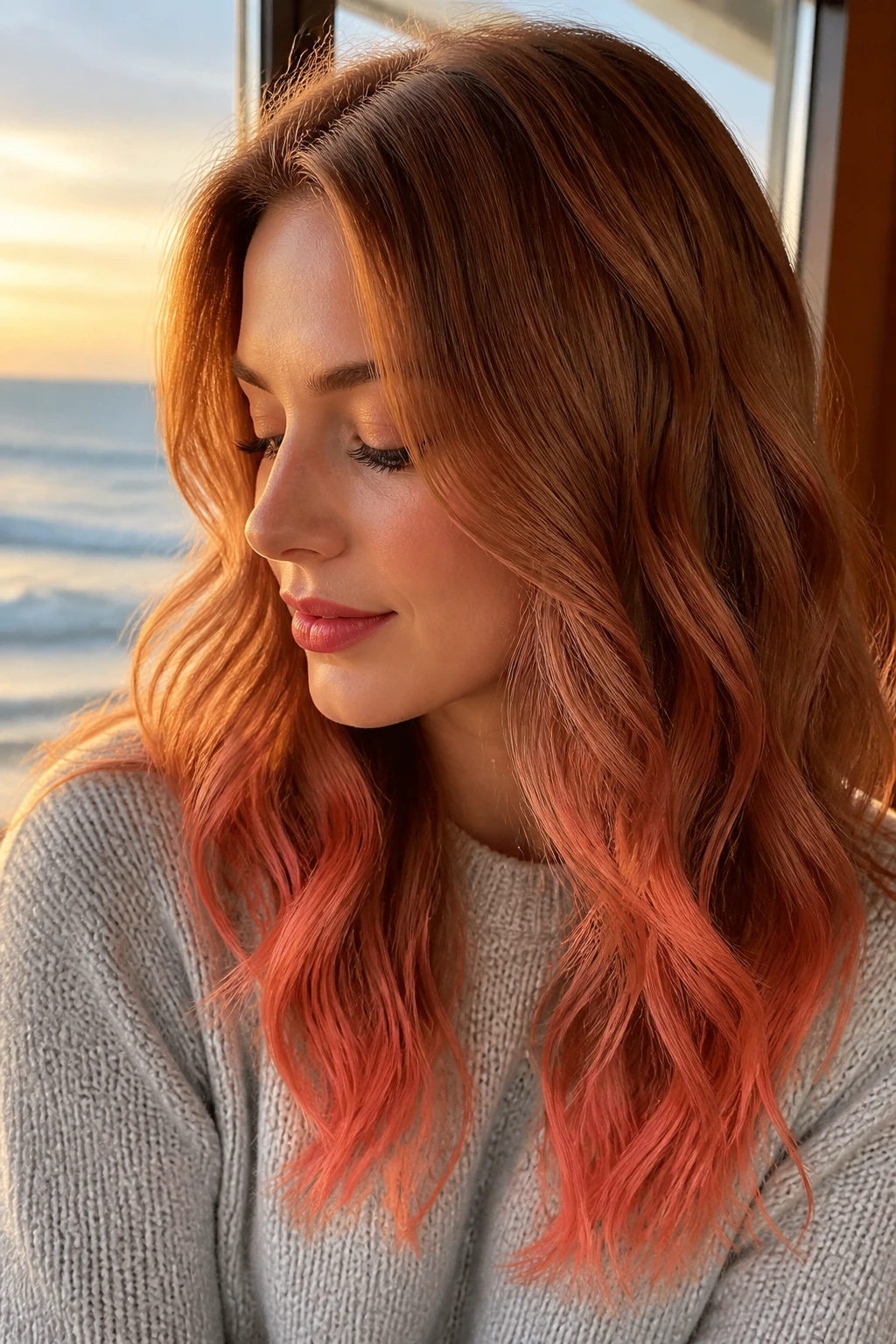
Warm coral ends are playful, but they still belong in the dark strawberry blonde family when the roots stay soft and the coral is muted. The ends carry the brighter note, which works well on medium-length hair or layered cuts where the color can fade into the interior sections. It is a nice option if you want a touch of brightness without committing to a full bright-red palette.
This shade does need care. Coral fades faster than copper, especially on porous ends, so a tinted conditioner or gloss can help keep the warmth from going pale. If your hair is already damaged, keep the coral subtle. Stronger color on fried ends tends to look dry fast.
28. Burgundy Strawberry Noir
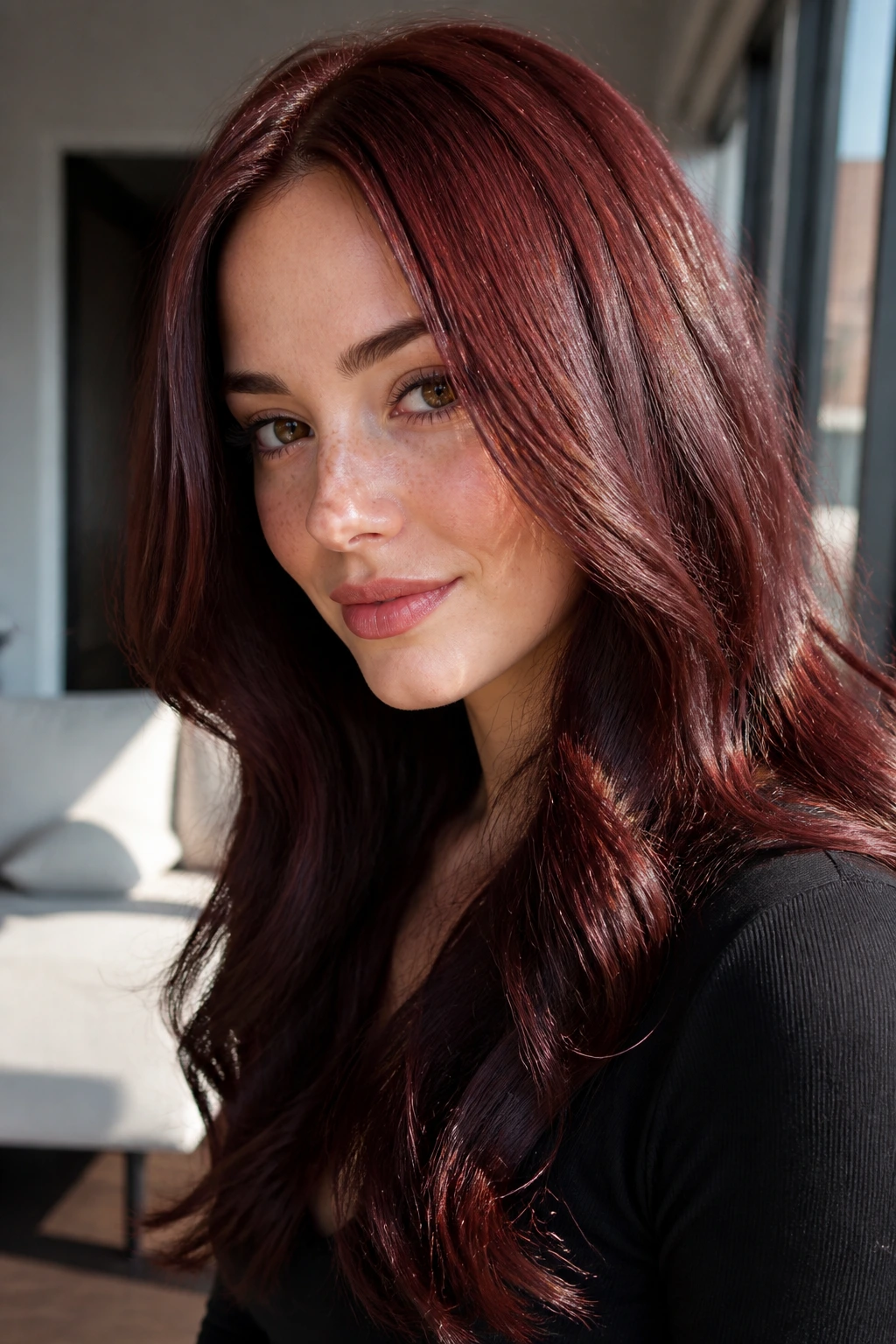
This is the darkest interpretation in the group. Burgundy strawberry noir keeps the base deep and glossy, then lets a red-strawberry note show only when the light hits just right. It is moody without being flat, and it suits anyone who wants a warmer brunette result with a richer edge.
It looks especially good on straight hair, sleek waves, or blunt cuts, because the clean shape lets the sheen show. Ask for a deep red-brown glaze rather than a bright burgundy block. That keeps it inside the strawberry blonde family instead of turning it into a full red shade.
How to Choose the Version That Won’t Fight Your Base
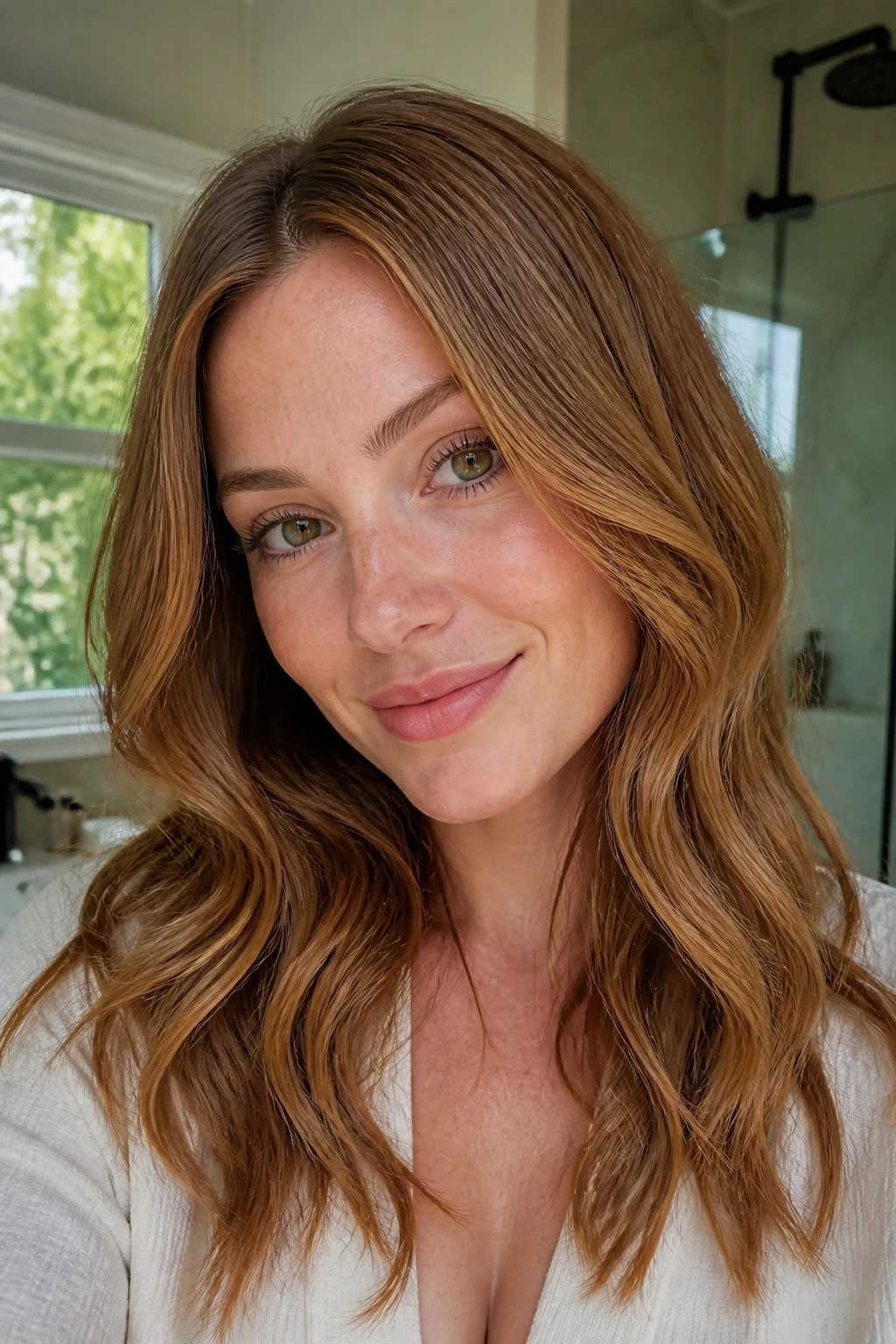
The easiest way to pick a dark strawberry blonde shade is to look at your natural depth first, not the mood board. If your hair sits around level 5 or 6, most of these ideas can work with a gloss, lowlights, or fine balayage. If you are starting from level 4 or darker, you usually need some lightening somewhere — even if it is only through the face frame or upper layers — or the strawberry tone will disappear into the brown.
Undertone is the second filter. Warm skin can carry peach, amber, and copper more easily. Cooler skin can still wear the shade, but the best versions often lean rose-gold, cinnamon, or bronze instead of bright orange-copper. And if your skin has a lot of natural redness, keep the warmth in the hair softer so the two do not compete.
Bring more than one photo. Bring one that matches the cut, one that matches the color depth, and one that shows the finish you want in natural light. That saves a lot of guesswork. A good colorist can build from those clues faster than from one heavily filtered picture that has been edited into a lie.
What to Bring to the Color Chair
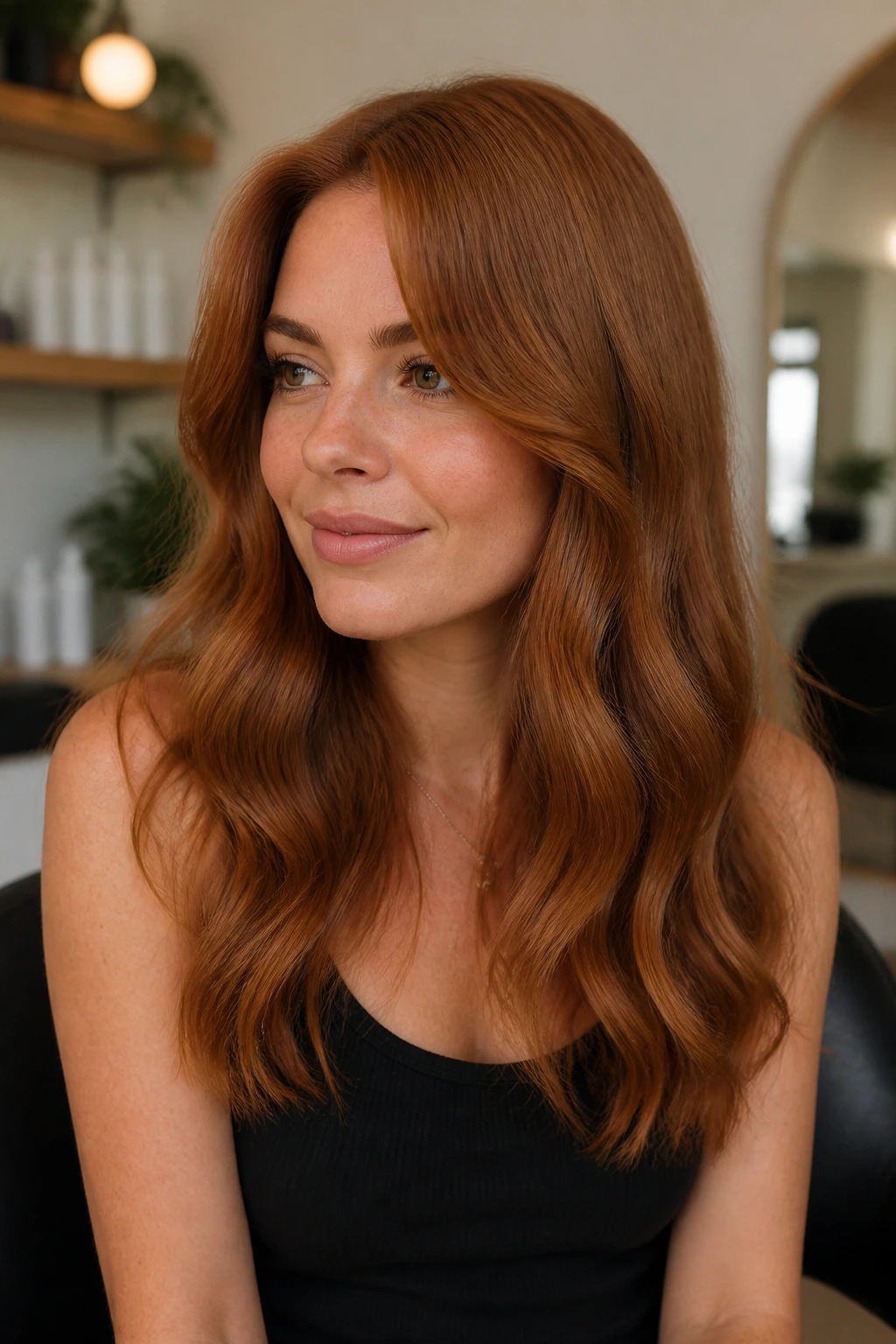
- 3 reference photos in natural light: One for depth, one for tone, and one for placement keeps the consultation grounded.
- A note on your current color history: Last bleach, last gloss, box dye, henna, and any toner matter more than people think.
- A picture of your hair when it’s clean and dry: Wet hair lies. It hides porosity, pattern, and the way warmth actually sits on the strand.
- Your styling habits: If you air-dry, wear it straight, or heat-style twice a week, the color placement should match that routine.
- A realistic maintenance plan: If you hate salon visits, say so. A rooty melt and gloss will behave better than high-contrast ribbons.
- If you’re DIYing: Bowl, brush, clips, gloves, and a timer are the minimum; a scale helps if your formula needs precision.
Smart Ways to Keep the Color Soft Instead of Brass
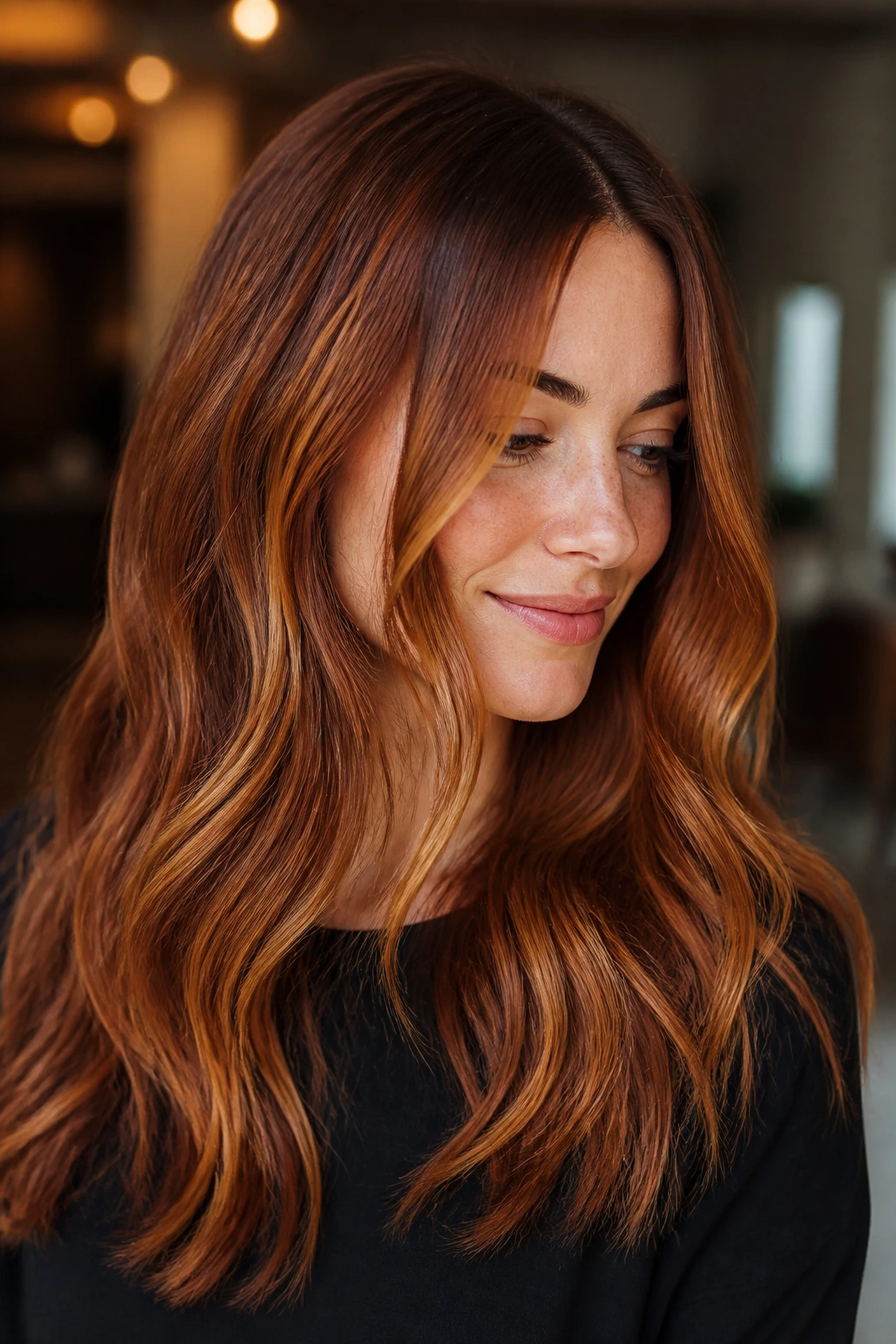
Dark strawberry blonde can tilt brassy if the warmth is pushed too hard or if the fade is left alone too long. The fix is not to fight warmth with icy toner all the time. That usually backfires and leaves the hair muddy. A better move is to keep the color in the gold-copper-rose family and refresh the gloss before the shade goes dull.
Washing matters more than people want to hear. Use lukewarm water, not hot water that opens the cuticle and strips the red-gold faster. A sulfate-free shampoo helps, but the real trick is spacing out wash days so the mid-lengths keep their tone. Dry shampoo buys you time. So does a silk pillowcase, oddly enough, because less friction means less fade at the ends.
If the shade starts leaning orange, do not reach for a heavy ash toner right away. Ask for a softer beige or neutral gloss first. If it starts looking flat, a clear glaze can bring back shine without changing the tone much. That small distinction saves a lot of hair from ending up chalky or too smoky.
Styling Moves That Let the Warmth Show Up
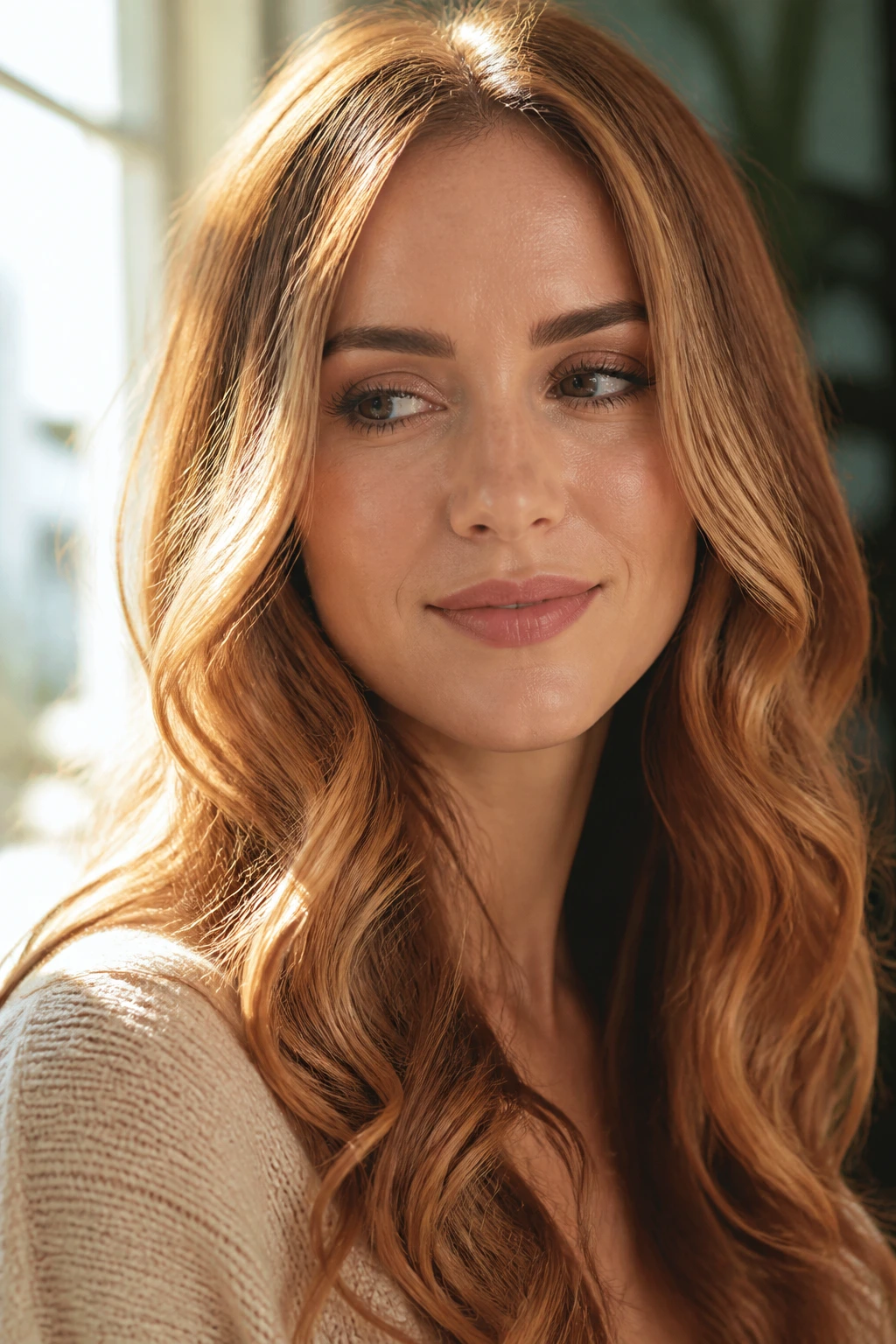
Loose bends beat pin-straight hair when the whole point is to show off dark strawberry blonde. A one-inch curling iron, used on alternating directions, gives the ribbons enough movement to catch light without turning the style into pageant curls. If you prefer straight hair, a smooth blowout with a round brush still helps the color reflect better than a flat iron pressed to death.
Product choice matters too. Heavy oils can sink the lighter pieces and make the color look darker than it is. A light serum on the ends is usually enough. A shine spray misted from mid-lengths down can bring the copper or rose note back into view, especially after the hair has been washed a few times.
Parting changes the look more than people expect. A center part can make the face-framing pieces feel crisp and modern. A soft side part lets the warmer ribbons sweep across the forehead and cheekbones. If your color feels too subtle, try changing the part before you book another appointment.
Common Mistakes That Turn the Shade Muddy
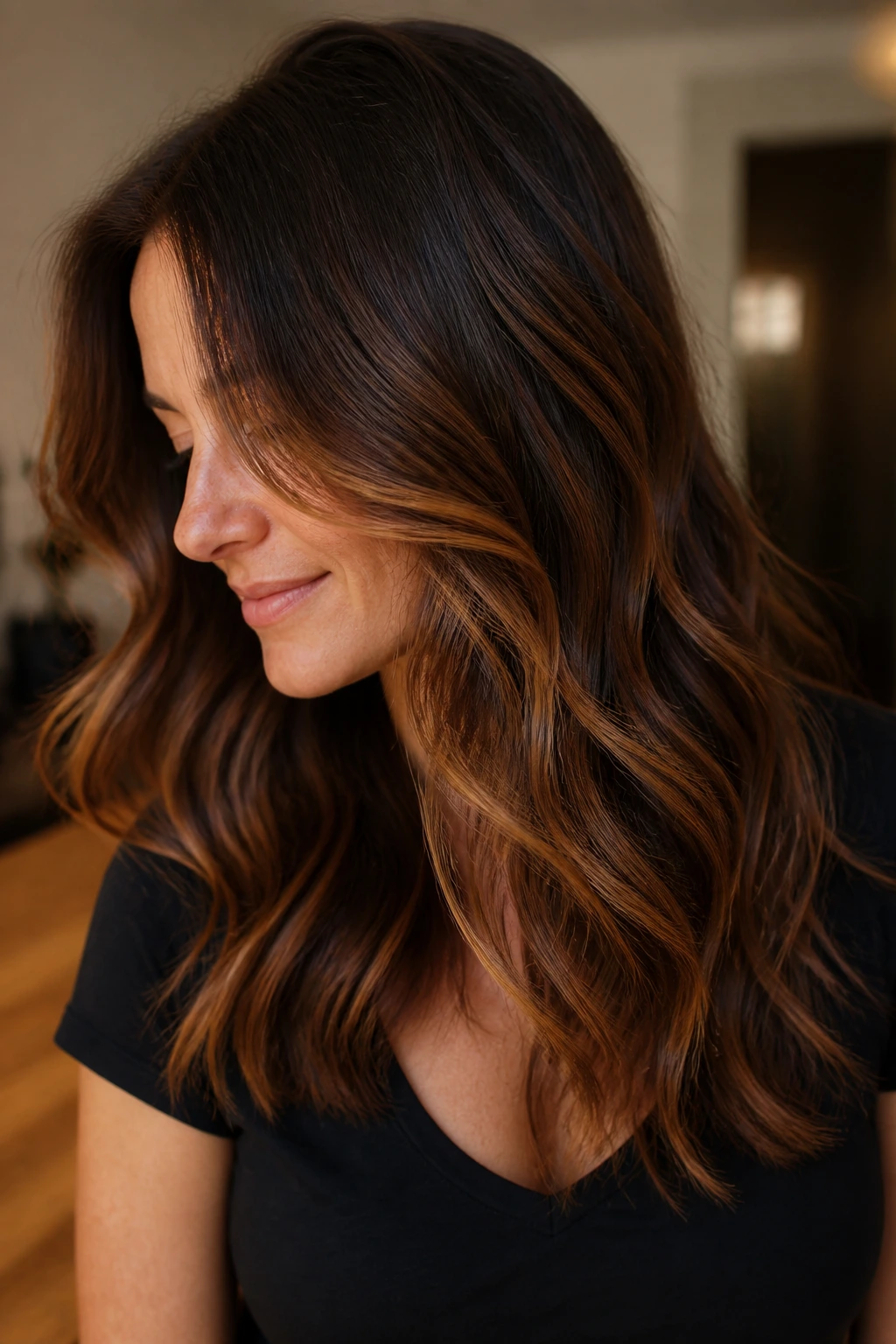
The biggest mistake is asking for “strawberry blonde” without showing what you mean by it. That phrase can land in peach, copper, rose, apricot, bronze, or something that looks almost red-brown. If the tone is not pinned down with photos and a base level, you may leave with color that is technically in the family but not remotely the one you wanted.
Another common miss is lifting too little. On a dark brunette base, the warm note needs room to breathe. If the hair stays too dark, the result reads brown with a hint of copper only in the sun, which can feel disappointing if you were after visible strawberry tones. The opposite mistake is going too orange. That happens when the warmth is pushed without enough depth to hold it.
Skipping maintenance is the quiet problem. Warm shades fade unevenly, especially on porous ends and around the face. If the front gets washed more often than the back, the color can drift fast. A gloss every 6 to 8 weeks keeps the tone in the sweet spot, and a trim at the same time keeps the ends from making the color look tired.
Variations and Alternatives to Try
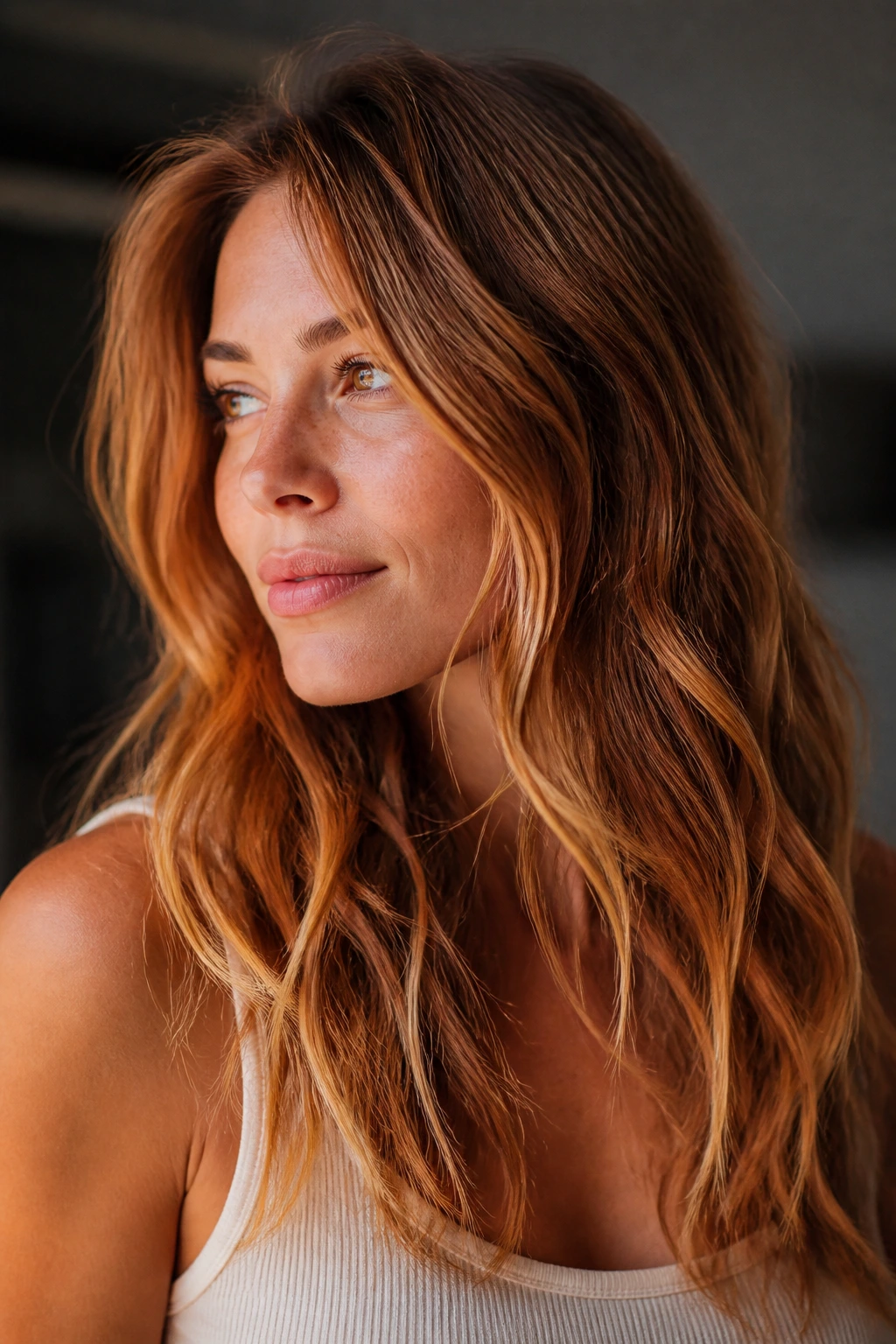
Gloss-Only Glow: If you already have light brown or dark blonde hair, ask for a sheer strawberry gloss over the whole head. It keeps the change soft and gives you a warm cast without obvious highlights.
Rooty Balayage Blend: This version uses a deeper root shadow with hand-painted warm pieces through the mids. It grows out well and works if you want something lower maintenance than all-over color.
Money-Piece Focus: Brighten just the front panels and leave the rest darker. This is the easiest way to make the shade show up without turning the whole head copper.
Hidden Layer Warmth: Place the strawberry tones under the top layers so they appear when the hair moves or gets pinned up. It’s a good pick for work settings that prefer a calmer surface color.
Coral-Copper Shift: If the strawberry side of the shade feels too soft, nudge it toward coral in the mids and ends. That makes the color read brighter without going all the way to red.
Frequently Asked Questions
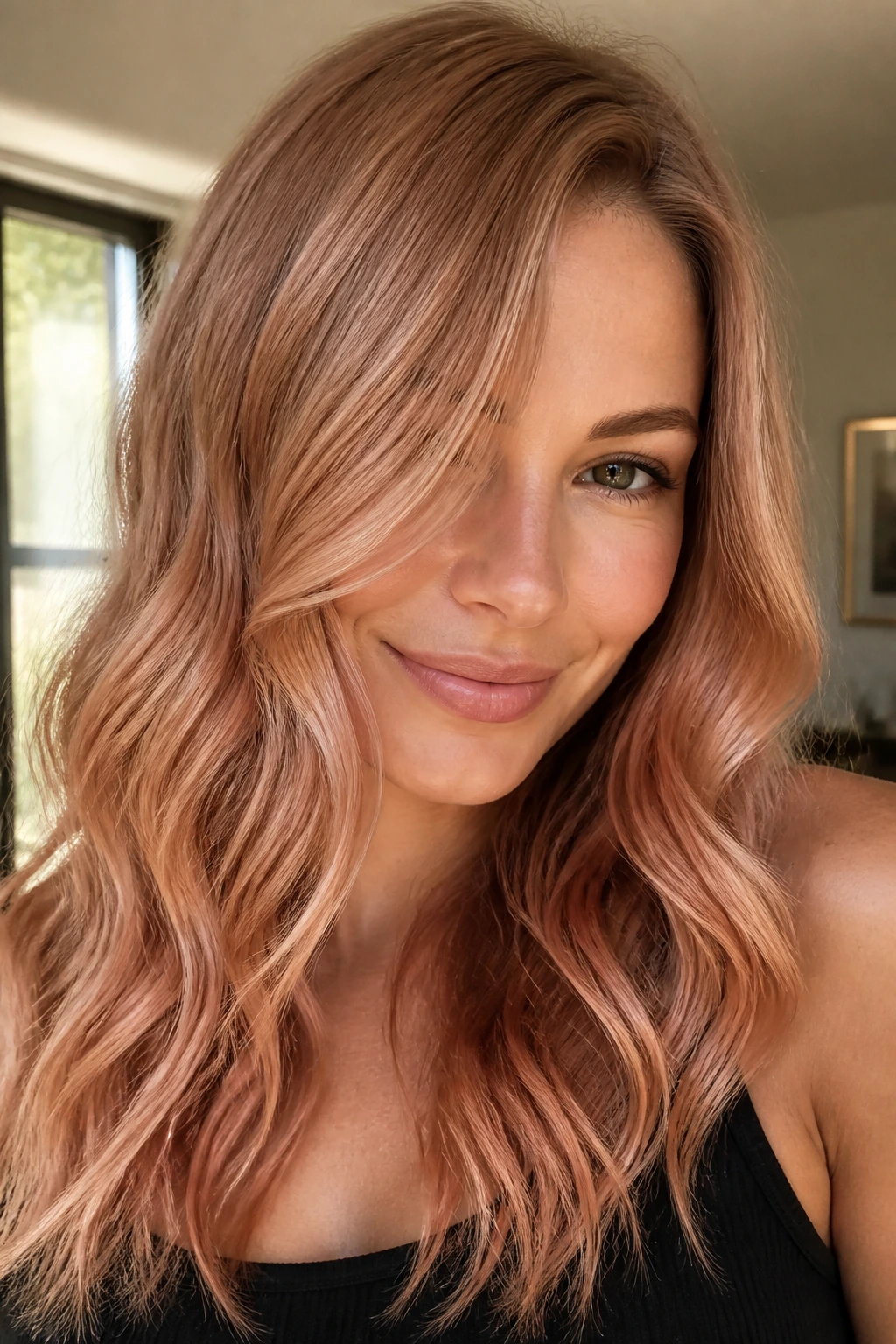
Can dark strawberry blonde work on dark brown hair?
Yes, but it usually needs placement, not just a single gloss. If your hair is very dark, ask for a root shadow plus balayage, face-framing pieces, or a partial lightening service so the warm tone has somewhere to show.
Will this shade suit cool skin tones?
It can, if the warmth leans rose, bronze, or cinnamon instead of orange. Cooler skin usually looks best when the red-gold is softened with depth and shine, not pushed into bright copper.
How long does dark strawberry blonde last?
The tone usually stays strongest for the first few weeks, then softens as you wash and heat-style. A gloss refresh every 6 to 8 weeks keeps it from drifting into dull brown or brassy orange.
Can I get this look without bleach?
If your starting hair is already light brown or dark blonde, sometimes yes. On deeper brunette bases, though, the strawberry note often needs some lightening or it will barely show.
What should I ask my colorist for?
Give them your base level, your maintenance limit, and two or three reference photos. Then ask for the tone family you want — peach, cinnamon, copper, rose, bronze, or auburn — and let them decide whether that means balayage, gloss, lowlights, or a root melt.
Does it work on curly hair?
Very well, as long as the color is placed with the curl pattern in mind. Curls reveal tone in layers, so the warm ribbons often look more dimensional than they do on straight hair.
Why did my color turn orange after a few washes?
That usually means the formula was too warm for your base or the hair was porous enough to release the cooler balance too fast. A beige gloss or a gentler warm toner can bring it back into range without flattening the shine.
Should I use purple shampoo on it?
Only if the shade is drifting too yellow, and even then, sparingly. Purple shampoo can mute the strawberry warmth if you use it too often. Blue shampoo is a better fit if the hair slides orange.
What to Keep in Mind Between Visits
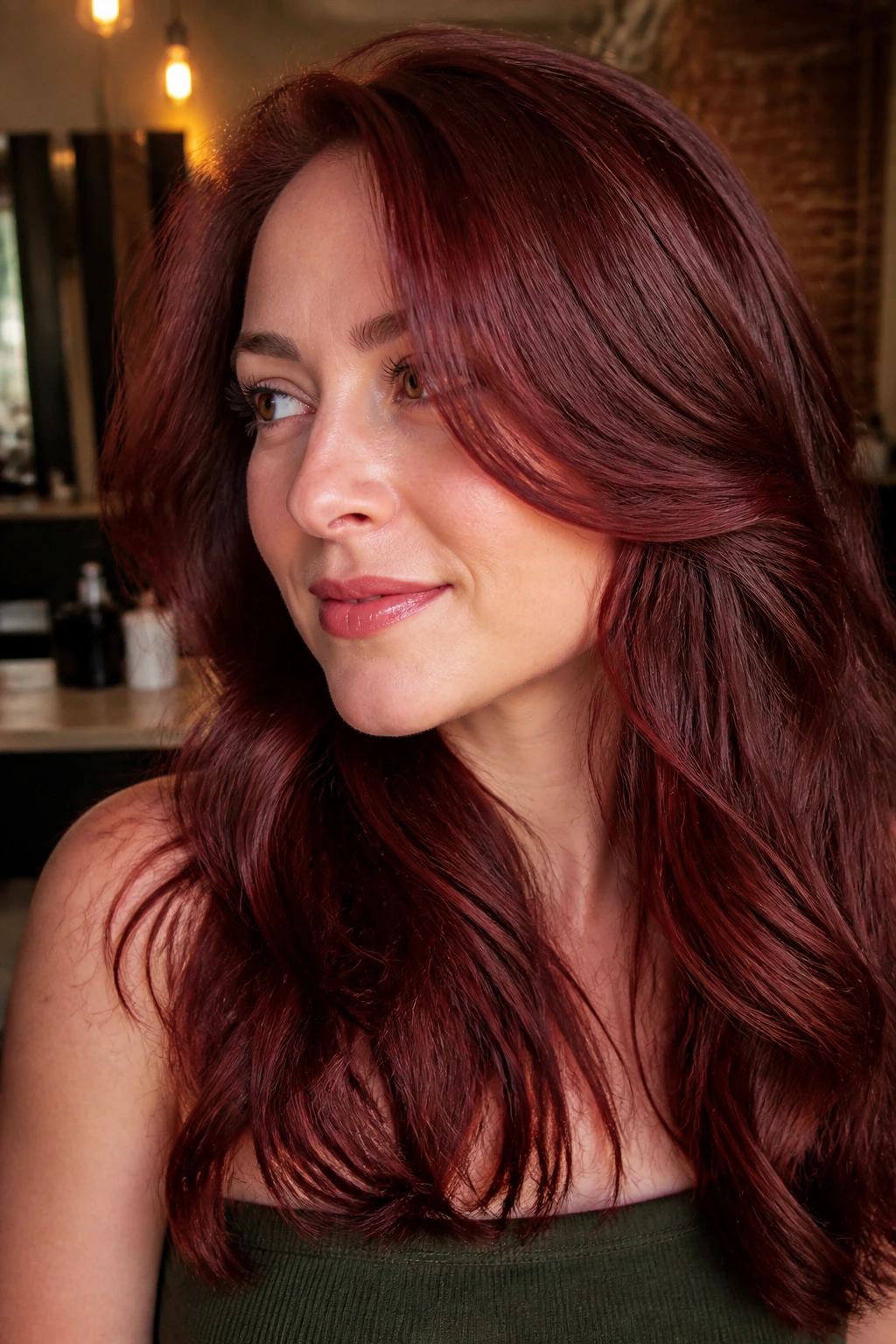
Dark strawberry blonde hair color holds up best when you treat the warmth like a stain you want to keep, not a surface you can scrub clean every few days. That means fewer hot washes, more gloss-friendly products, and a plan for the root line before it turns into a hard band. The shade looks expensive when it stays soft. It looks tired when the ends turn dry and the roots lose shape.
The nicest version is usually the one with depth under the shine. A little shadow at the root, a little glow through the mids, and just enough brightness around the face. That balance gives the color room to breathe, and it keeps you from chasing the same tone over and over every few weeks. Good warm hair should feel like it belongs on you, not like it was dropped on top of you.
A Shade Worth Returning To
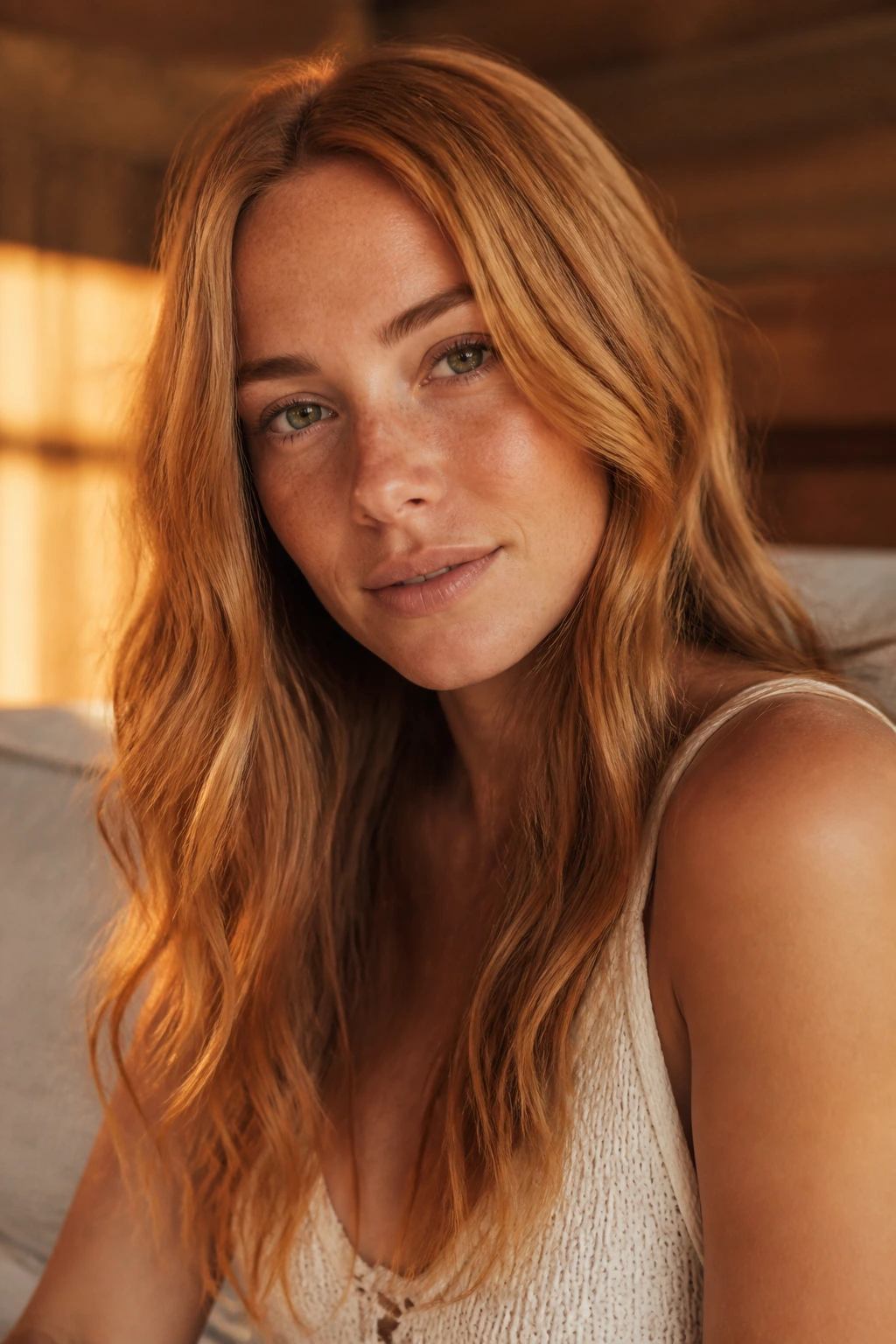
What makes these dark strawberry blonde hair color ideas work is not one perfect formula. It is the mix of depth, warmth, and restraint. You can push the shade toward copper, rose, bronze, apricot, or chestnut and still stay in the same family, which is part of the appeal. There is room here.
The best version is the one that plays well with your base, your haircut, and your patience level. If that means a tiny gloss over brown hair, great. If it means bold amber pieces near the face, also great. Pick the lane that makes the color look like it grew there, and it will keep paying you back every time the light changes.