



Cool skin tones can look razor-sharp with the right hair color. They can also look a little washed out if the shade leans too gold, too copper, or too orange. That’s the whole game here: cool hair color transformations for cool skin tones should echo the undertone already in your face, not argue with it.
Ash, pearl, violet, blue, graphite, smoky brown — those are the notes that keep the finish clean. When a blonde turns yellow, or a brunette throws too much red in the sunlight, cool skin can start to look flatter than it should. Get the tone right, though, and the whole face looks more rested. Cheeks read fresher. Eyes look brighter. Even plain black hair gets a little more expensive-looking when the blue undertone is deliberate.
I’ve always liked cool tones because they have range. They’re not just “icy blonde” and a shrug. You can go soft and wearable with mushroom brown, lean moody with blue-black, or walk straight into fantasy territory with silver lilac or denim panels. The trick is choosing a shade that suits your base level, your upkeep tolerance, and how much contrast you want next to your skin.
Why These Cool-Tone Color Shifts Keep Working
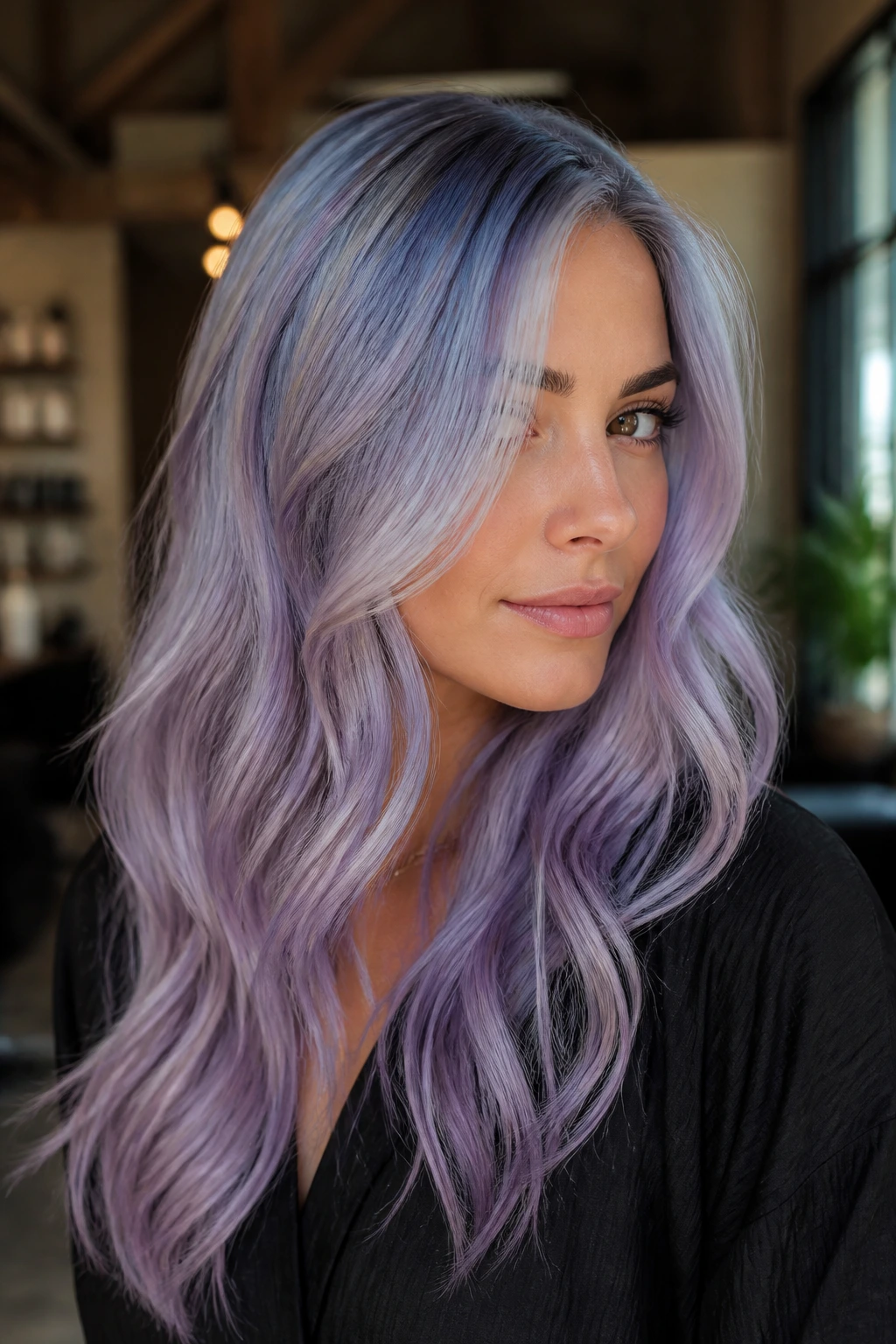
- They cut brass at the source: Blue and violet-based formulas keep yellow and orange from taking over the finish, which matters a lot once hair has been lightened past level 7.
- They sharpen pink or blue undertones: Ash, smoke, and pearl shades make cool skin look cleaner instead of sallow, especially around the jaw and under the eyes.
- They work at every commitment level: You can change the whole head, add a money piece, or tuck color into underlights and still stay in the cool family.
- They grow out with less drama: Shadow roots, reverse balayage, and smoked ends soften the line between your natural color and the dyed sections.
- They suit both soft and bold styling: The same icy brunette can look polished in a blunt bob or gritty in loose waves and a center part.
- They give you room to play: A cool base can handle silver, lilac, navy, or graphite without tipping into mud.
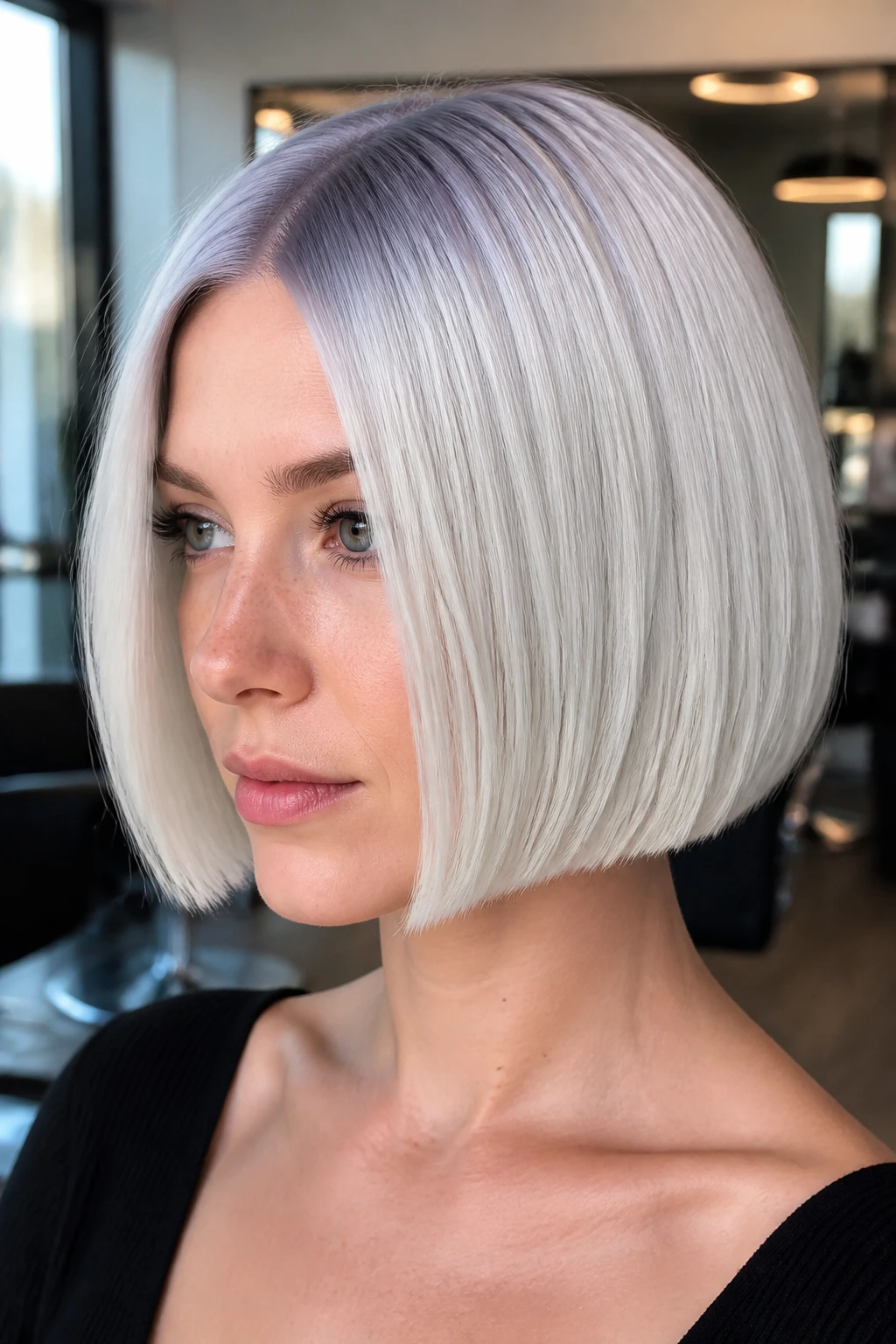
1. Arctic Platinum Bob
This is the sharpest cut in the whole group. Arctic platinum sits at level 10 or close to it, which means the hair has to be lifted to a pale yellow before toner goes on. On cool skin, that white-ice finish can look clean instead of chalky, especially if the cut is blunt and the ends are tidy.
The part I like most is the contrast. Fair cool skin can hold a platinum bob without the hair wearing the face. If your brows have some depth, even better. Ask for a toner with violet and a touch of blue so the blonde lands in pearl territory, not banana territory.
What to watch for
- Maintenance: roots show fast, usually in 4 to 5 weeks.
- Best base: light blonde or pre-lightened hair.
- Styling note: smooth blowouts and tucked-behind-the-ear shapes keep this from reading too severe.
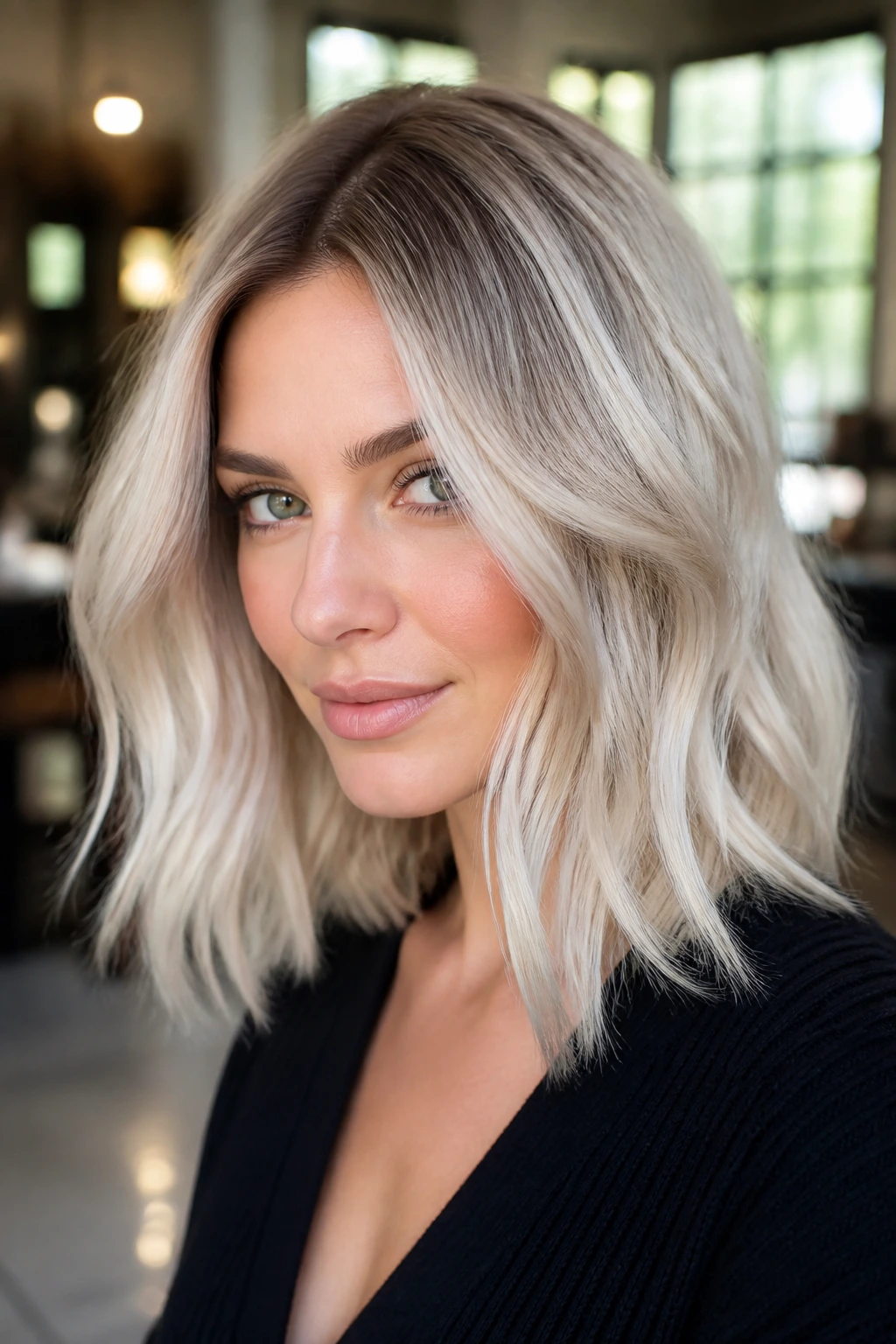
2. Pearl Blonde with a Soft Root Shadow
Pearl blonde is the softer cousin of platinum. It has that pale, shell-like finish that looks expensive without looking brittle. The root shadow matters here — a level 7 or 8 cool beige root keeps the blonde from floating too hard against the scalp.
This shade flatters cool skin because it keeps brightness near the face but avoids that flat, paper-white effect that can happen with overprocessed platinum. It’s a nice pick if you want blonde that feels polished rather than frosty. The grow-out is kinder, too.
A pearl blonde with a root shadow works especially well on shoulder-length cuts, where the shadow root gives a little depth at the crown and the lighter mids do the talking.
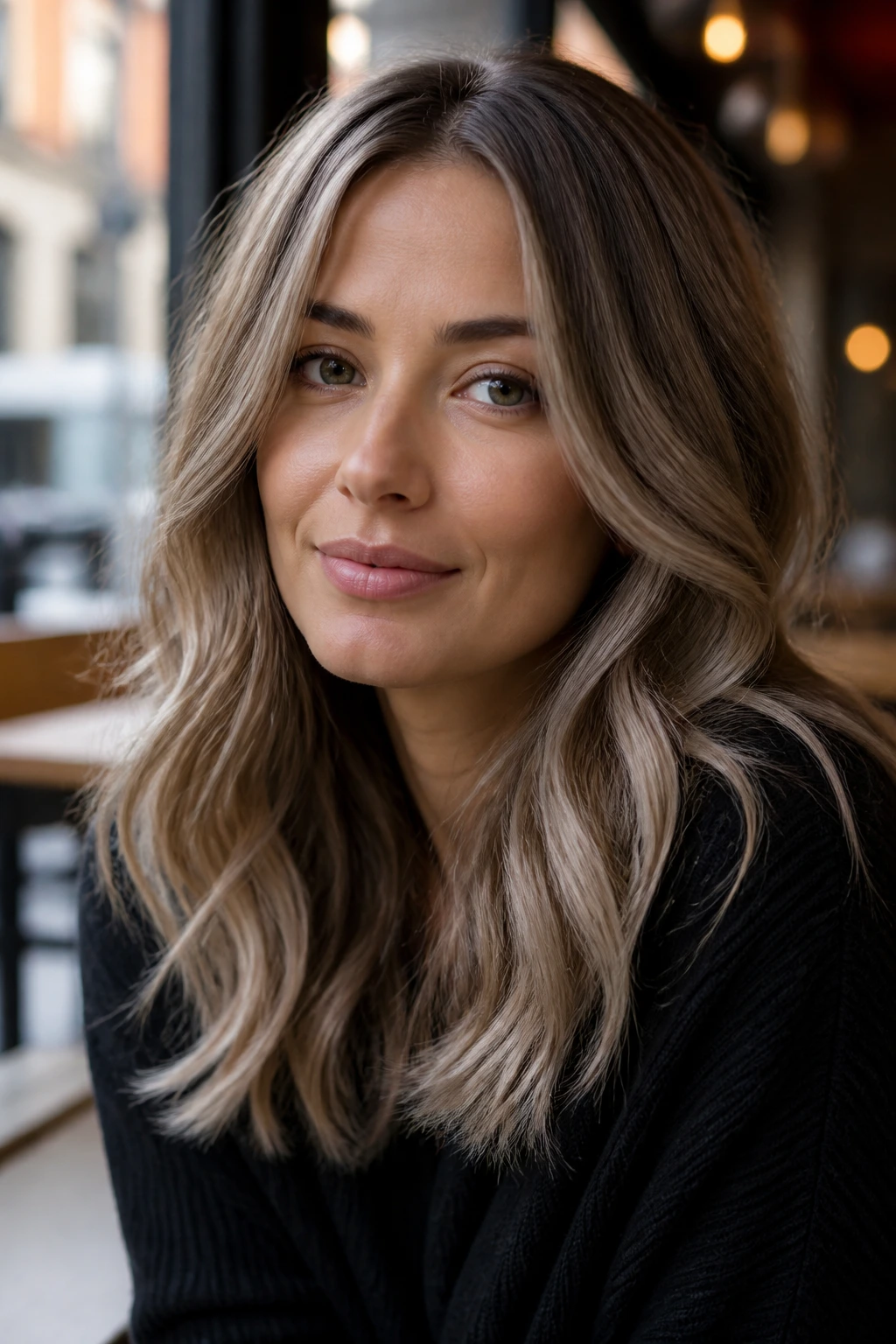
3. Smoky Beige Bronde
Brondes can go warm fast, which is why this one needs a careful hand. Smoky beige bronde stays in the ash-beige lane, with brown roots and soft beige ribbons that never tip gold. On cool skin, that muted mix can read very balanced — neither too blonde nor too dark.
It’s the shade I’d point to if someone says, “I want change, but I can’t live at the salon.” You still get brightness around the face, but the cool beige keeps the whole thing grounded. A few soft foils through the top layers are usually enough.
Best for:
- Natural brunettes who want lighter pieces without a full bleach-out
- Medium to fair cool skin tones
- Wavy or textured hair, where the mix of light and dark shows best
4. Mushroom Brown Lob
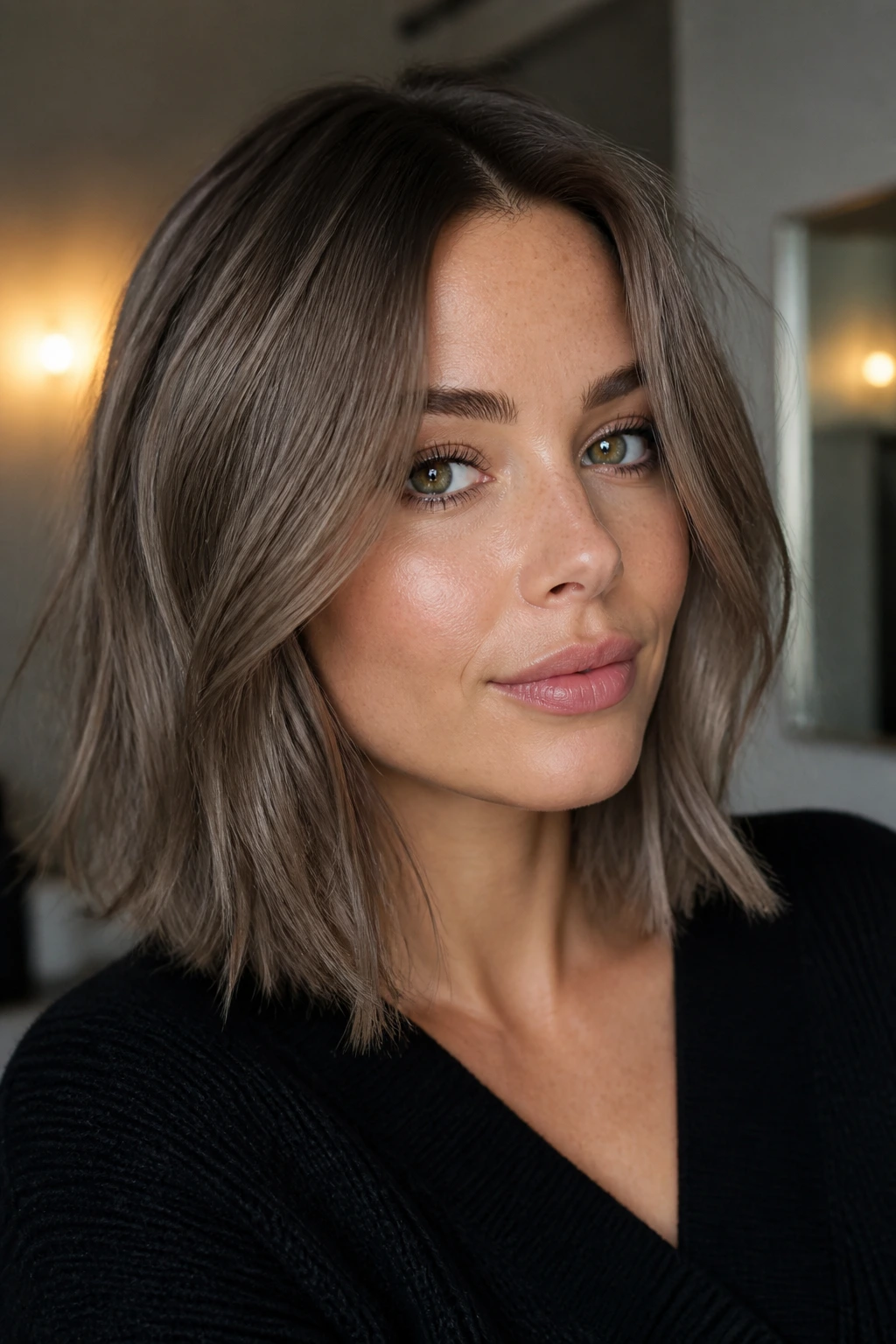
Mushroom brown has become a staple for a reason. It sits right between taupe, ash brown, and soft gray-brown, which means it avoids the red cast that can make brunette color look too hot next to cool skin. On a lob, the shade feels especially neat because the shape shows off the tonal shifts.
I like this color on medium cool skin and deeper cool complexions alike. It doesn’t scream for attention, but it doesn’t disappear either. If your natural hair pulls orange when lightened, this is the kind of brunette that quietly fixes the problem.
A slightly lived-in mushroom brown also grows out well, which is handy because the darker root and smoky mids blur together in a way that hides regrowth instead of shouting it.
5. Ash Espresso Shag
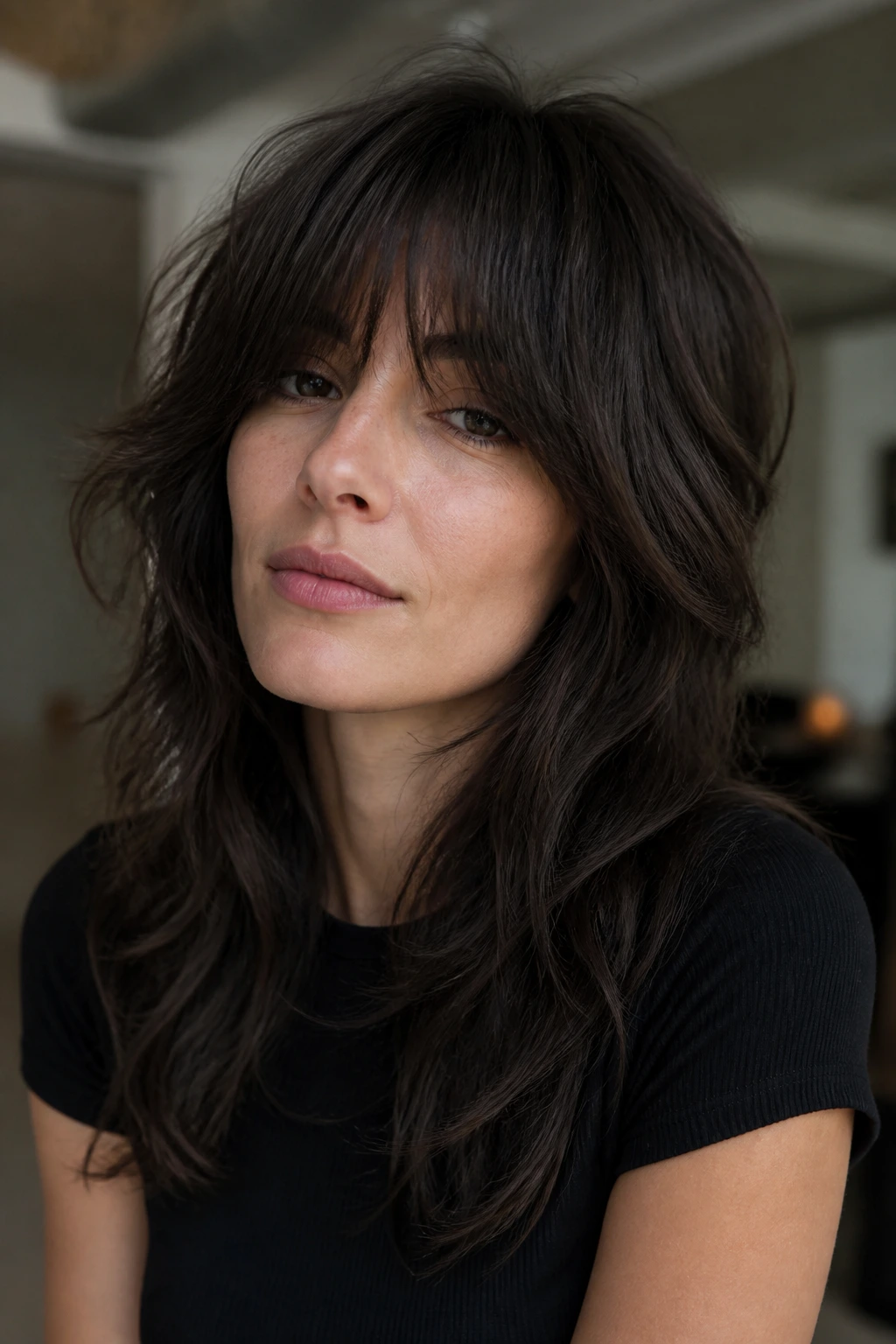
Ash espresso is for people who want dark hair with no warmth at all. The espresso base gives depth, while the ash toner keeps the red and mahogany notes locked down. On a shag, all those layers catch light differently, so the color doesn’t look flat.
Cool skin tones like this because the shade frames the face without adding red around the cheeks. If your skin has a pink cast, ash espresso can make it look more even. It’s also one of the easiest ways to go darker without landing in harsh black territory.
Why the shag helps
- The broken layers stop the color from reading as one solid block.
- Texture makes the ash undertone show in movement.
- Air-dried waves look especially good here.
6. Blue-Black Shine
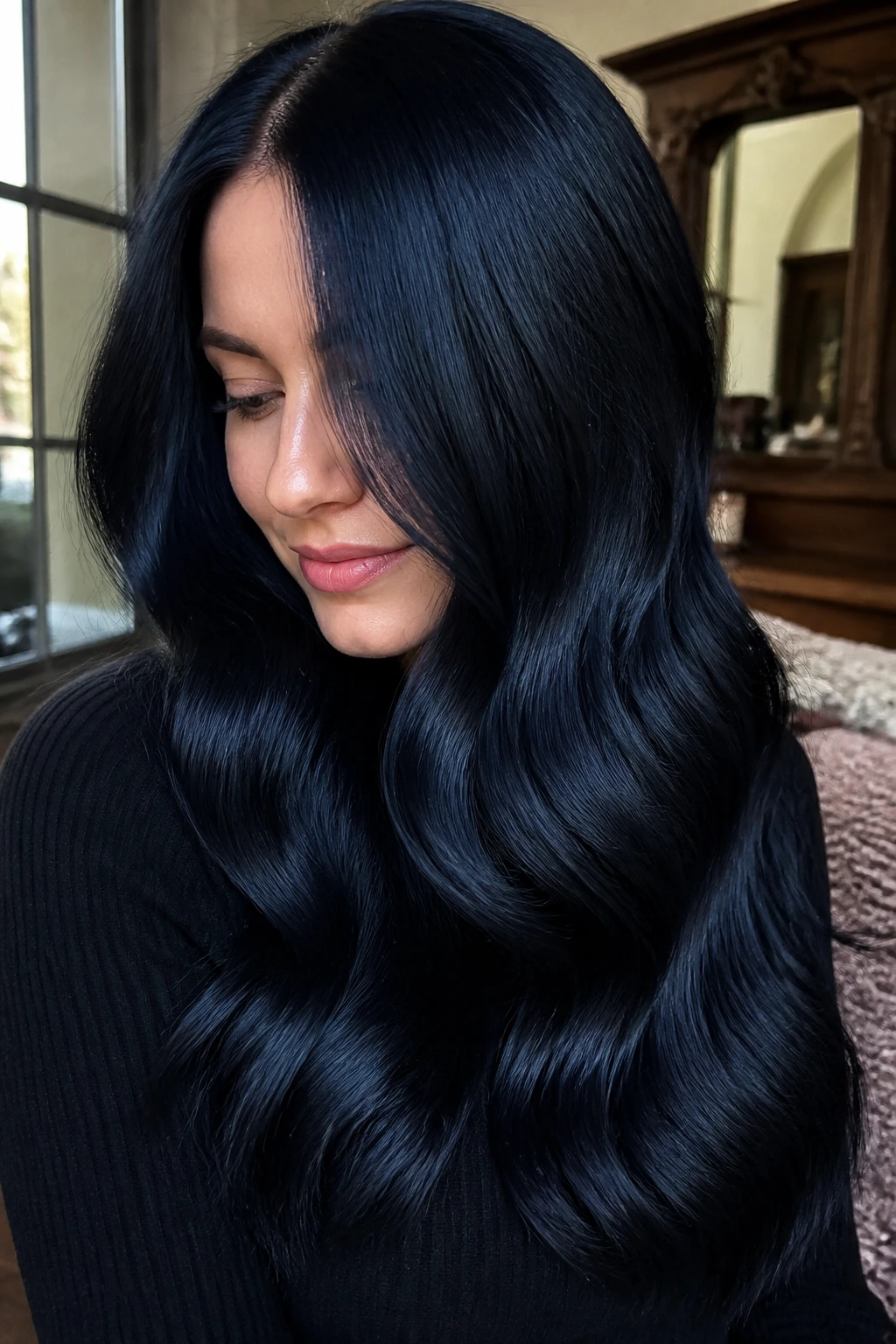
Blue-black is one of my favorite dark shades because it has a little attitude. In indoor light, it can look nearly black. Outside, the blue reflection comes through and gives the hair a glassy edge that looks sharp against cool skin.
This is a strong choice if you want drama without bleach. It works on dark bases, and it doesn’t need to be blindingly shiny to read well. The trick is to keep the finish smooth and conditioned, because blue-black on dry hair turns dull fast.
A gloss every few weeks keeps the blue reflection visible. Without that refresh, the color can lose the whole point and just become flat black. That’s a waste.
7. Silver Fox Streaks
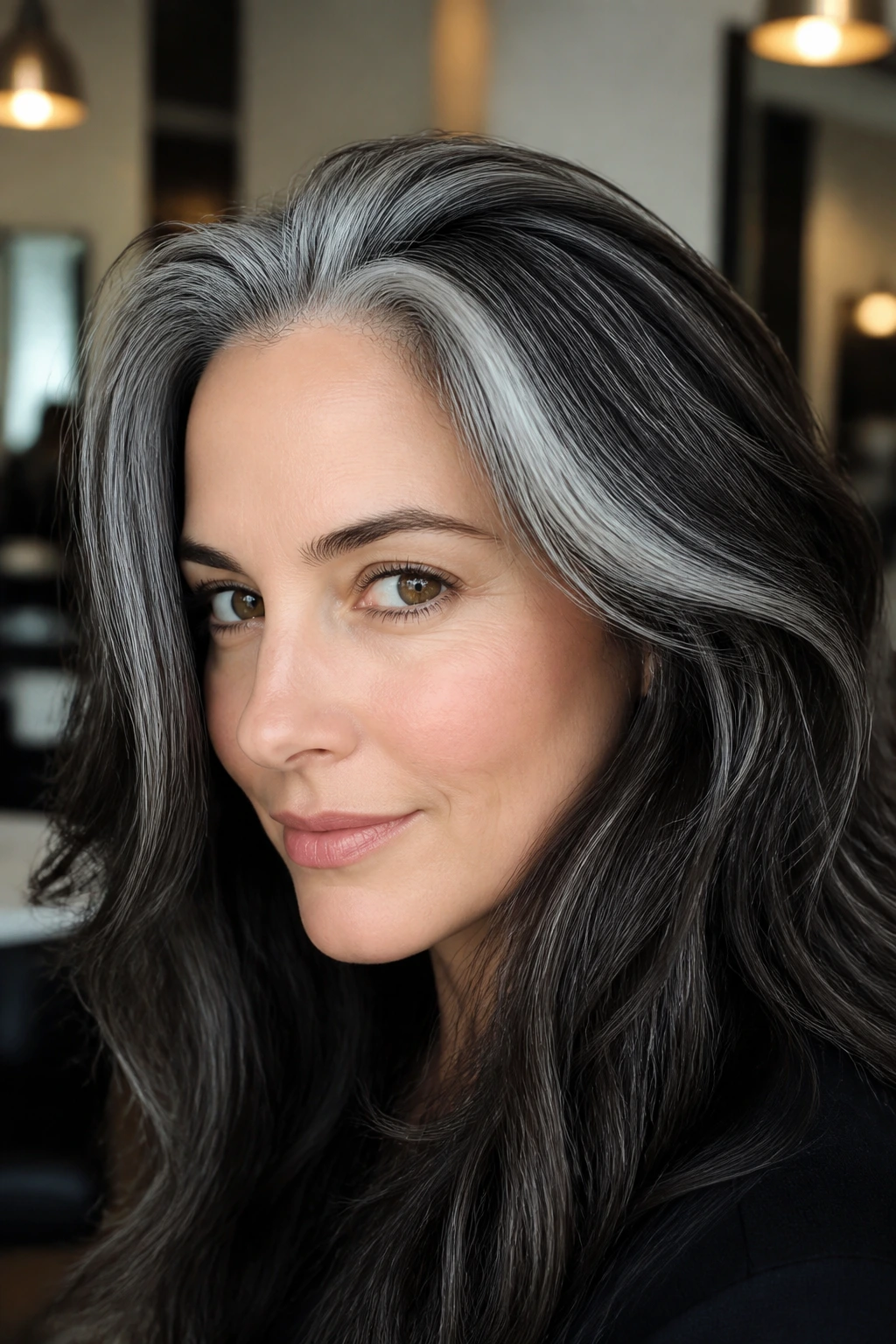
Silver streaks can look accidental in the best way, or intentional in the smartest way. I prefer intentional. A few cool silver ribbons at the temple, around the part, or through the crown can turn gray blending into an actual style choice.
This works beautifully on cool skin because silver sits on the same side of the color wheel as pink and blue undertones. It reflects light instead of swallowing it. If you’re growing in gray, these streaks can bridge the gap between natural regrowth and salon color without making the hair look striped.
Keep the tone bright with a violet shampoo once a week, but don’t overdo it. Too much purple and the silver starts to look dusty.
8. Icy Lavender Melt
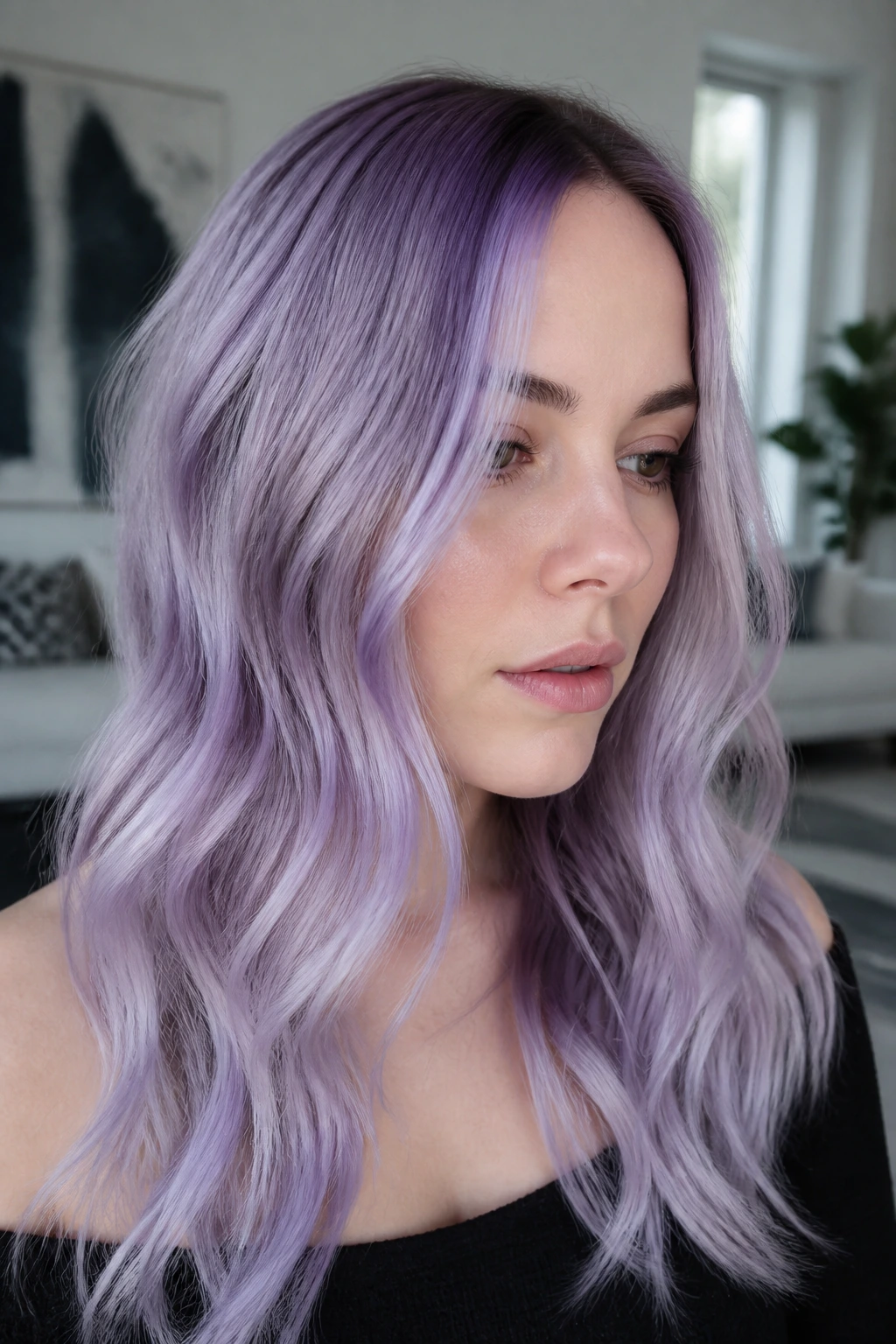
Icy lavender is a little more playful than straight platinum, but it still stays in cool territory. The base needs to be very light — think pale yellow or cleaner — or the lavender will go muddy and gray in a hurry. Once the base is right, the color has that soft frostbite look that cool skin can carry well.
A melt works better than a block color here. Let the roots stay a little deeper, then let the lavender haze into the mids and ends. The softness keeps the color from reading costume-y.
A quick reality check
If your hair is already porous from previous dye jobs, lavender can grab too dark. Use a strand test. Seriously. This shade rewards patience and punishes guesswork.
9. Violet Smoke Balayage
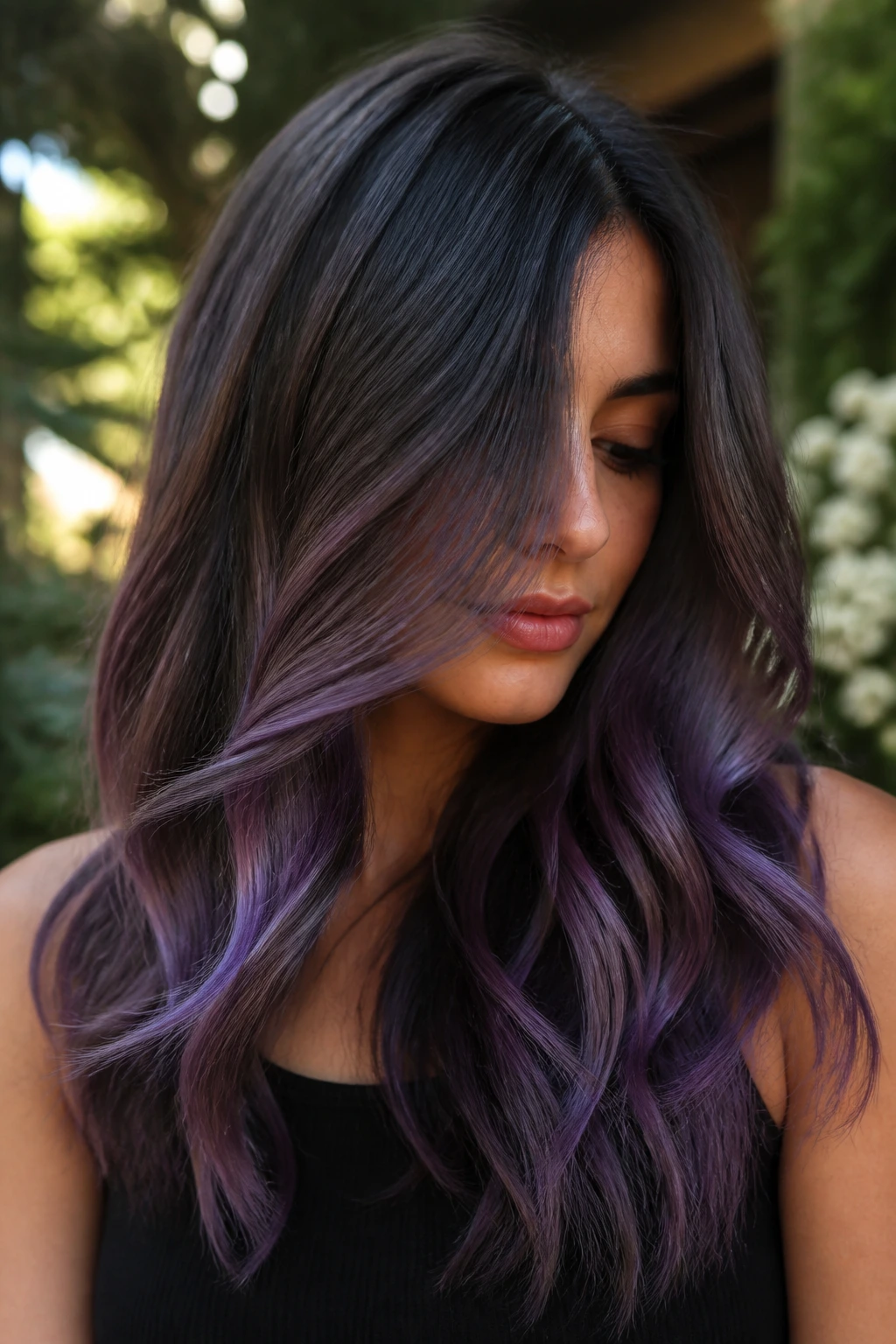
Violet smoke is one of those shades that looks expensive because it’s not obvious. On brunettes, it shows up as smoky plum in the sun and a soft cool cast indoors. Balayage placement makes the color feel layered instead of painted on.
This is a strong pick for cool skin tones that want color without the full fantasy effect. The violet notes help neutralize brass, and the smoky finish keeps the whole thing from turning bright pink. On curly hair, the movement is especially good; each bend catches a different part of the tone.
If you’ve got a level 5 or 6 brunette base, this is one of the easiest ways to add cool color without bleaching everything to pieces.
10. Denim Blue Peekaboo
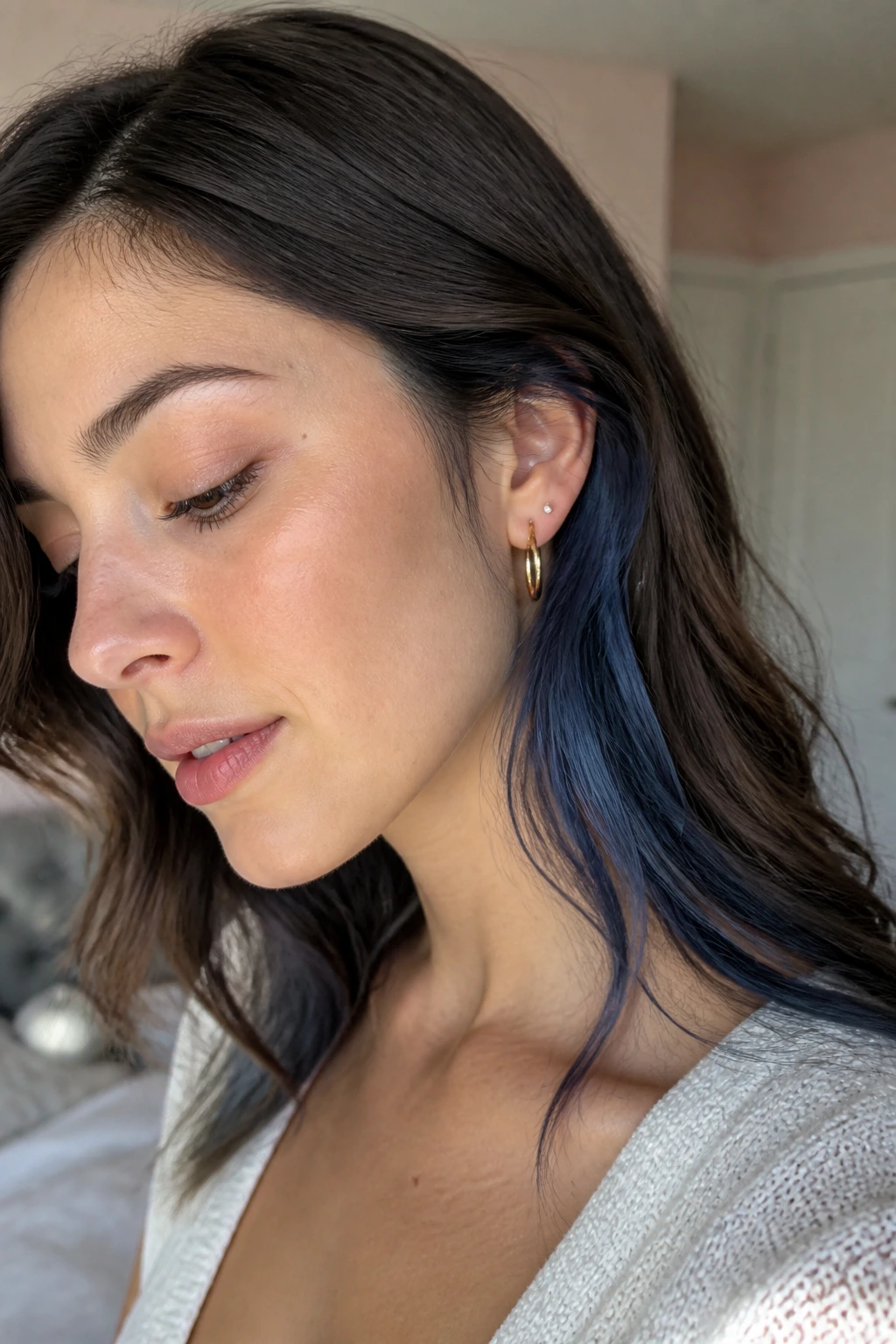
Denim blue is fun because it doesn’t have to be front and center. Hidden underlayers let you wear the color when you move, tuck hair behind your ear, or throw it in a half-up style. That makes it a good choice if you want impact without a constant headline.
Cool skin handles denim blue well because the shade has a muted, steely cast rather than a neon one. The key is keeping the blue slightly smoky, not candy-bright. On darker hair, the contrast is cleaner; on lighter hair, it gets bolder fast.
A peekaboo placement also means less maintenance at the top. The grow-out stays hidden under the rest of the hair. Nice little mercy.
11. Cool Rose Quartz Bob
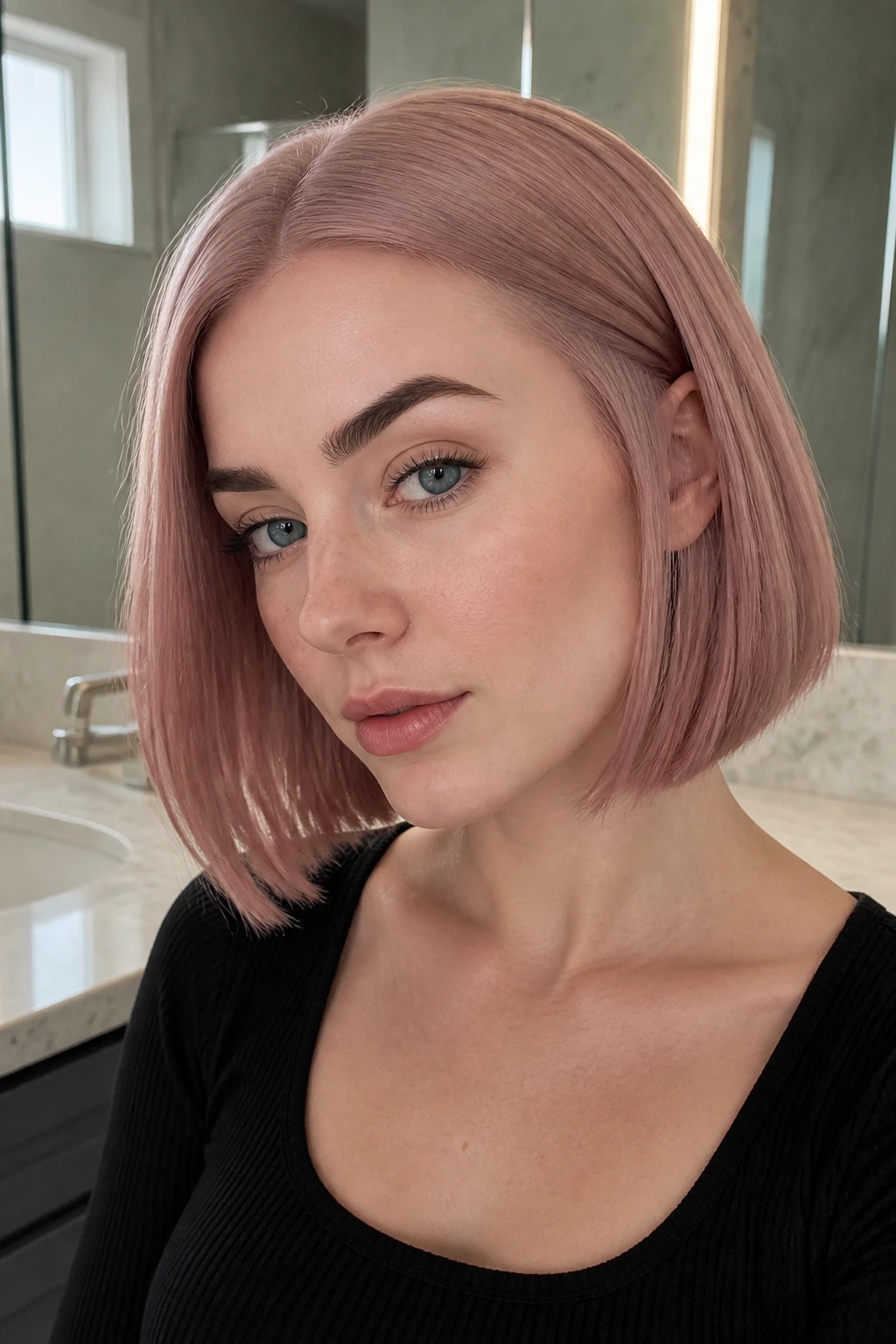
Rose quartz sounds warm, but the cool version leans dusty and blue-based, not peachy. That distinction matters. On a bob, the color feels fresh and crisp, especially if the ends are blunt and the shine is high.
This is best for people whose skin has pink or neutral-cool undertones and who want something softer than lilac or silver. The color sits between blush and mauve, which keeps it from getting sugary. It’s pretty, but not sweet.
A cool rose quartz bob looks best when the brows have some structure. A strong brow and a soft pink hair color is one of those combinations that just makes sense.
12. Mauve Mushroom Layers
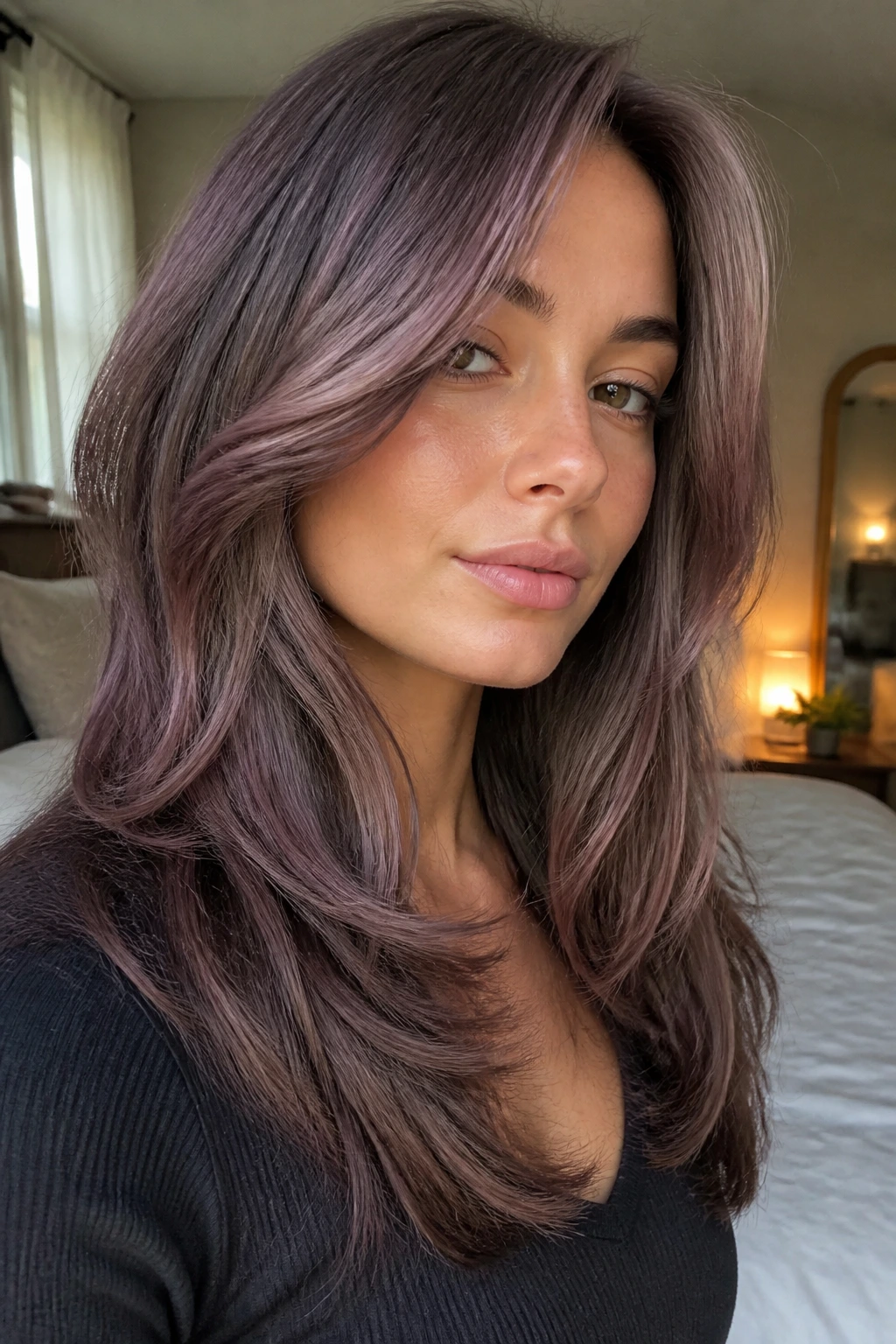
Mauve mushroom is the quiet hit of the group. It takes the ash-brown base of mushroom hair and warms it with a mauve veil, not a warm one. The result is muted, dusky, and a little smoky, which cool skin can wear easily.
I especially like this on layered cuts. The mauve catches on the top layers while the ash brown lives underneath, so the color shifts as the hair moves. It never looks flat. It never looks loud either.
If you’re nervous about fantasy shades, this is a smart halfway point. You get personality without the maintenance spiral of a bright pastel.
13. Cherry Cola Gloss
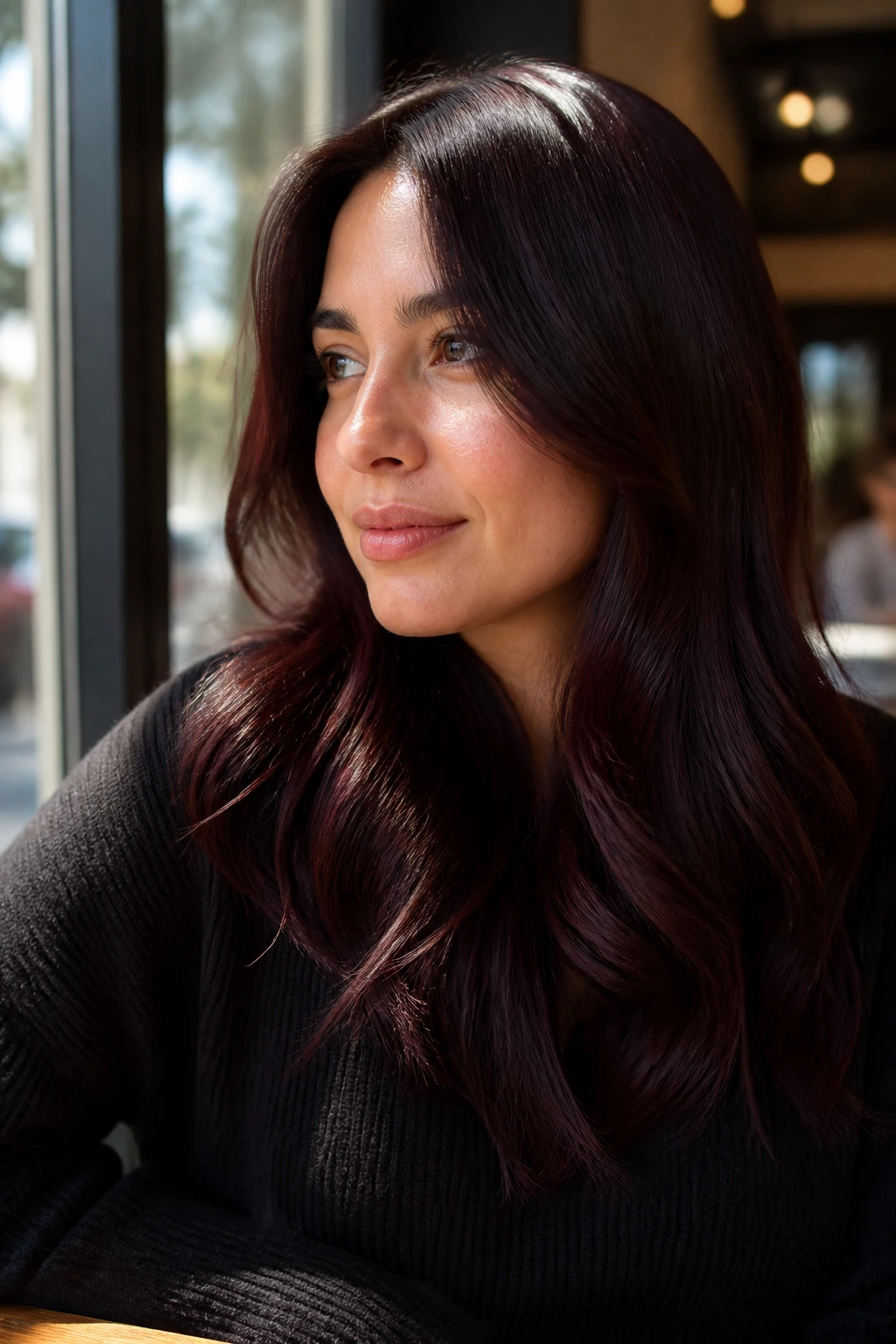
Cherry cola works because the red is buried in brown and blue-violet, not floating on top like a fire engine. That keeps the shade cool enough for pink or blue undertones. In daylight, it gives you a deep berry sheen; indoors, it reads like glossy brunette with a secret.
This is a strong choice for cool skin if you want warmth-adjacent color without actual warmth. The cool base keeps the red from going orange. It also looks especially good on medium-length hair where the shine can travel from root to tip.
A gloss finish matters here. Matte cherry cola is a different animal, and not nearly as good.
14. Black Cherry Curls
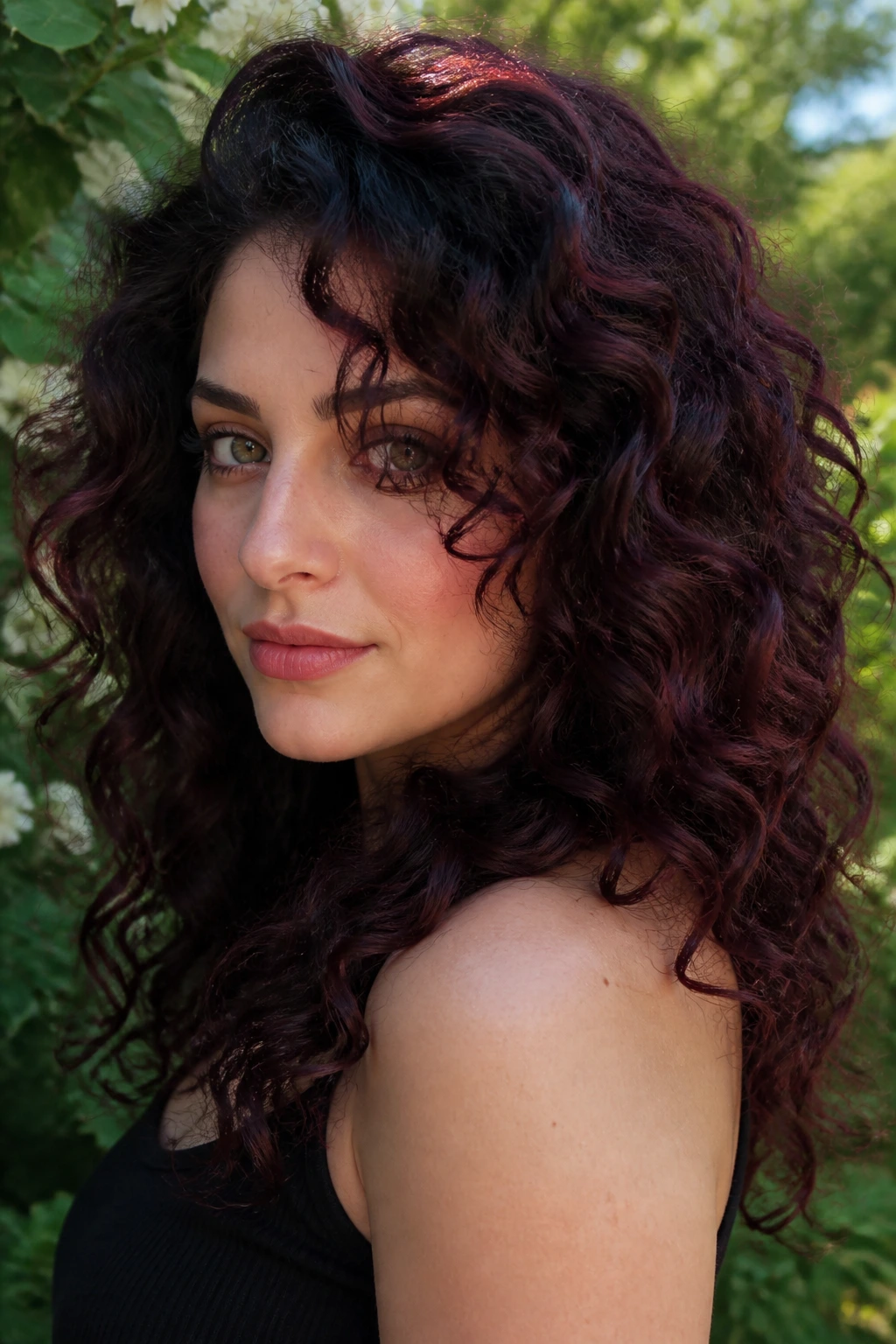
Black cherry has more red depth than cherry cola, but the best versions still stay in the cool lane. Think dark berry, not maraschino. On curls, the color can look almost black at the roots and then flash deep ruby in the bends.
That movement is why it works. Cool skin often handles darker reds better when the color is layered into texture instead of laid flat across straight hair. Curly hair gives the berry notes room to breathe.
If your hair tends to look flat under dense color, ask for dimension at the mids and ends. One single shade can turn heavy fast. A little variation fixes that.
15. Merlot Velvet Waves
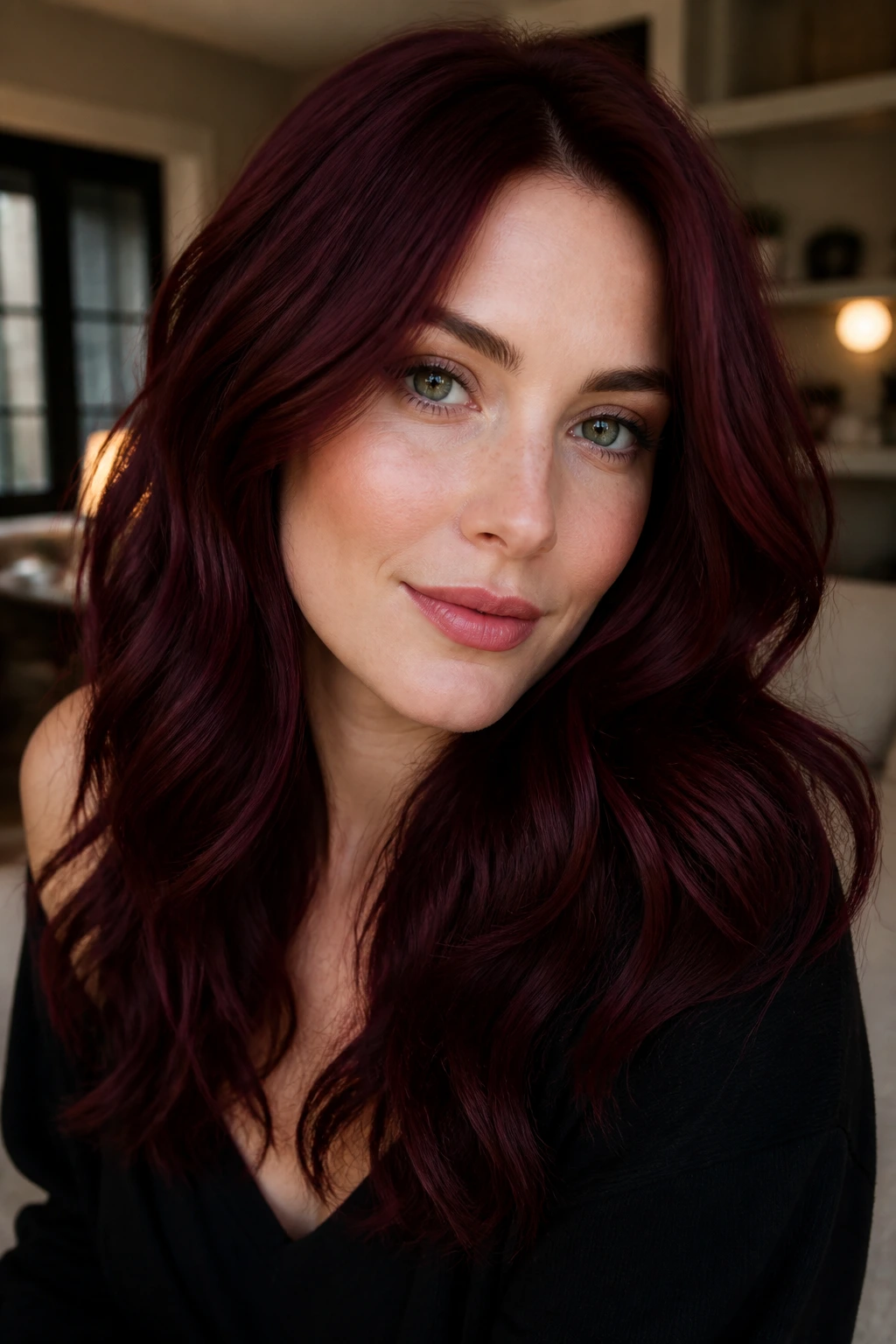
Merlot is richer and deeper than black cherry, with more wine and less berry. On cool skin, it can look elegant because the undertone stays purple-red instead of orange-red. The velvet part is real — this shade looks best when the finish is soft and reflective, not crunchy.
Loose waves help the color show its layers. Straight hair can make merlot look denser than it is. Waves break up the surface and let the wine tone catch light in bands.
A deeper merlot is especially good if your complexion can handle strong contrast. It gives the face a strong frame without the starkness of jet black.
16. Deep Plum Ends
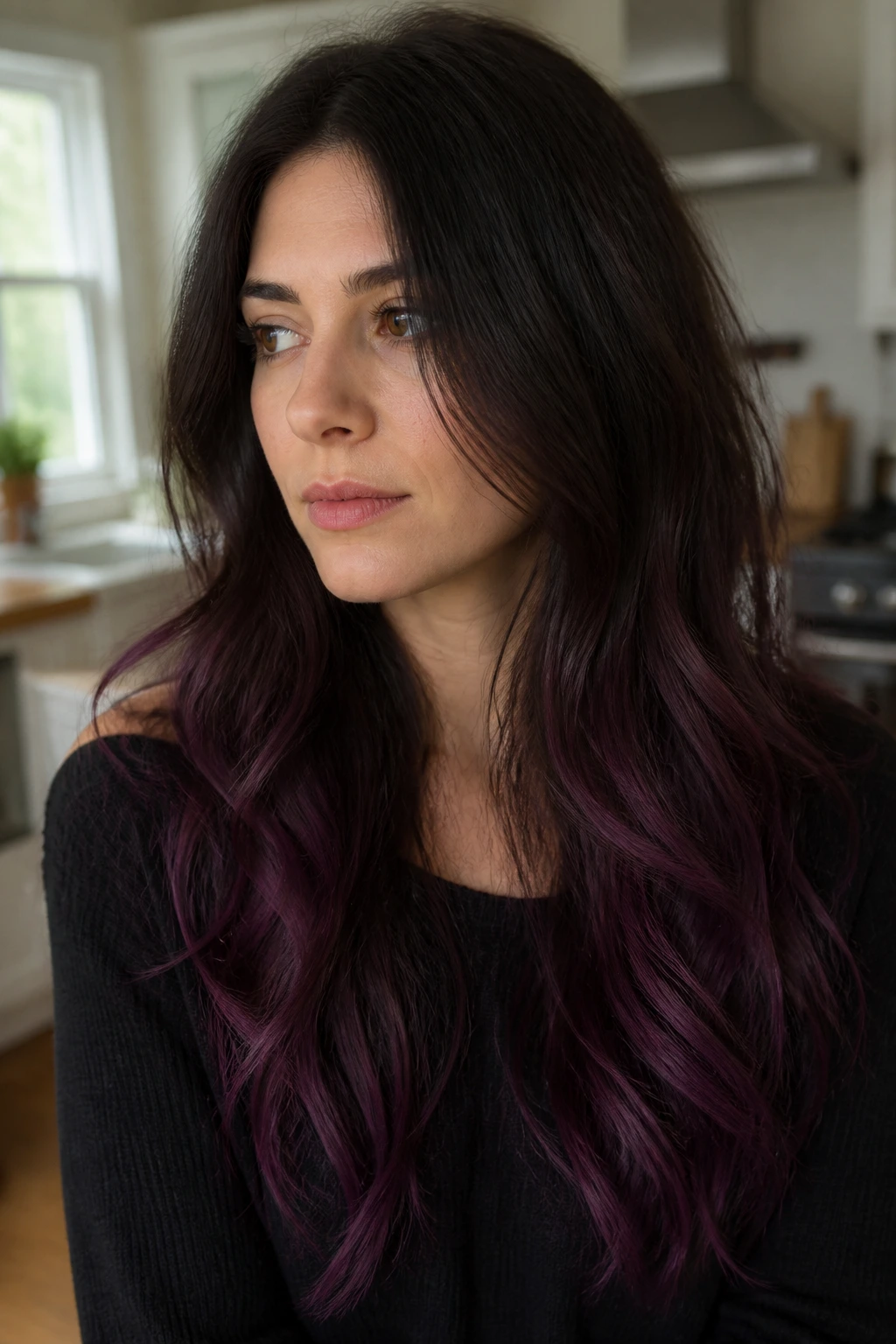
Deep plum at the ends is one of the smarter ways to wear fashion color on cool skin. Keep the roots natural or smoky brown, then let the plum pool through the last few inches. That ombré effect keeps upkeep sane and makes the finish look intentional.
The shade works because plum sits between purple and red, with enough depth to avoid neon territory. On layered or curly hair, the ends can look almost inked, which is a nice effect if you want mood without full commitment.
It’s also a good choice if you’re growing out past bleach. Plum covers a lot of unevenness at the tips.
17. Graphite Grey Crop
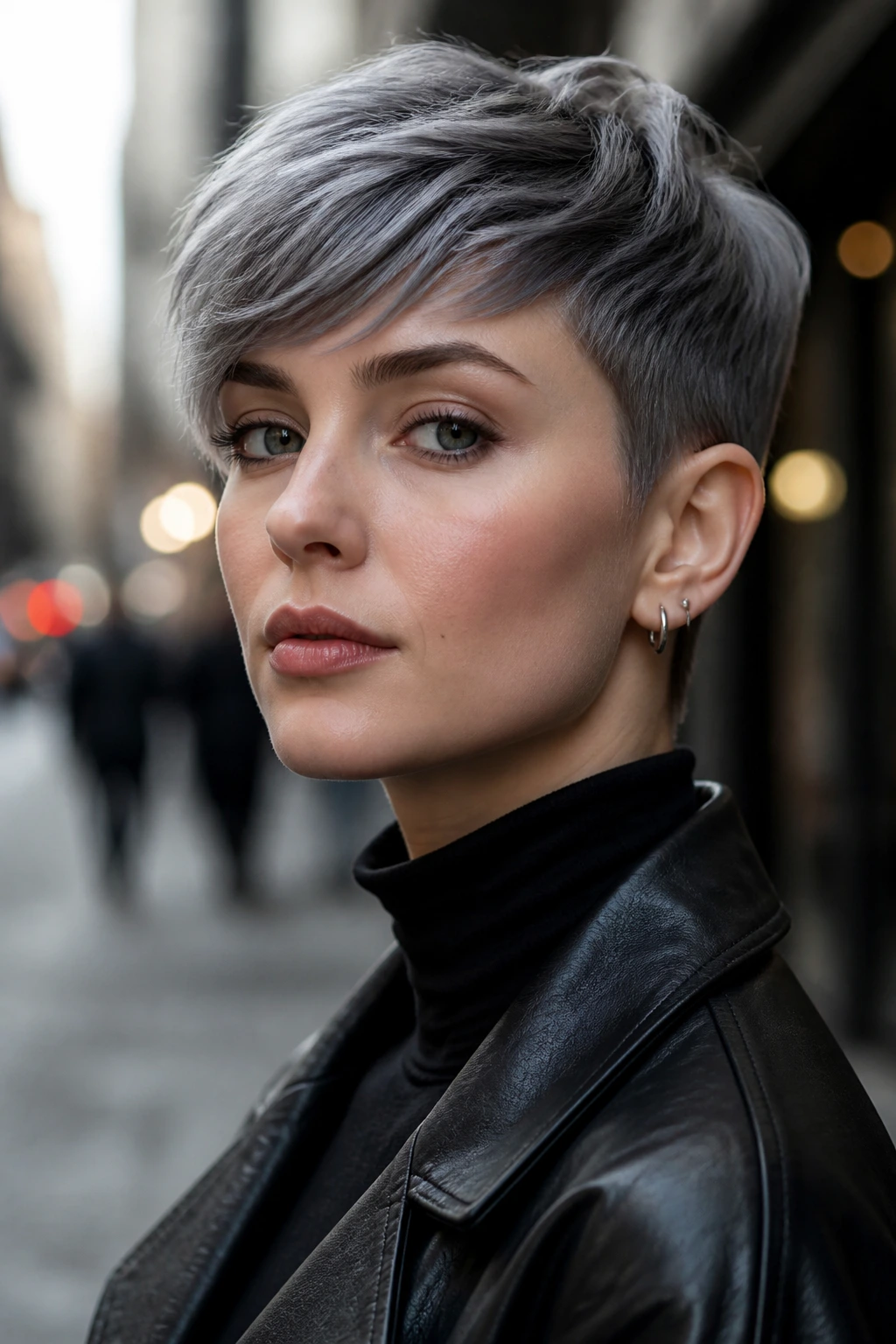
Graphite grey is what happens when silver gets a little darker and sharper. It’s a cleaner fit for very cool skin than warm gray or brown-gray, which can read dull. On a crop, the shade looks architectural. Short hair gives the color a shape to sit in.
This is a solid option if you want something cool and polished without blonde maintenance. Graphite has enough depth to frame the face, and enough sheen to avoid looking flat. A little texture paste or pomade makes the tone pop.
If your hair is already salt-and-pepper, graphite can blend those strands into the style instead of fighting them. That’s a nice win.
18. Pewter Pixie
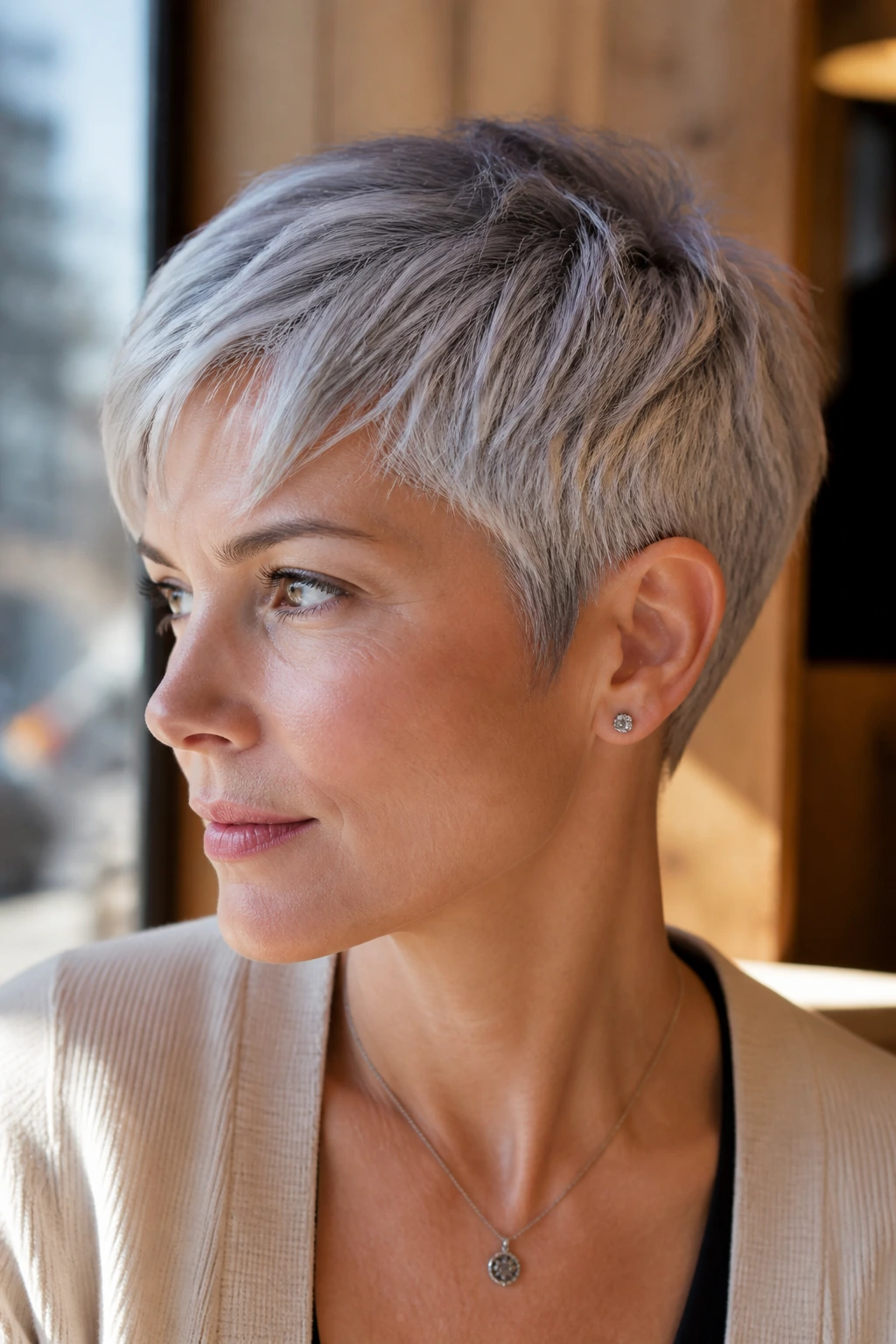
Pewter is lighter than graphite and a touch softer than steel. On a pixie, it gives you that metallic, brushed-silver finish that reads modern without looking icy to the point of alarm. Cool skin can carry it well because the color stays neutral-cool instead of yellow-gray.
A pixie makes pewter easier to wear. There’s less surface area, so the color doesn’t overwhelm the face. If your hair is fine, the metallic tone can even make it look denser because light bounces across the short layers.
Keep the edges neat. A fuzzy pixie can make pewter look accidental, and that’s not the point.
19. Frosted Money Piece
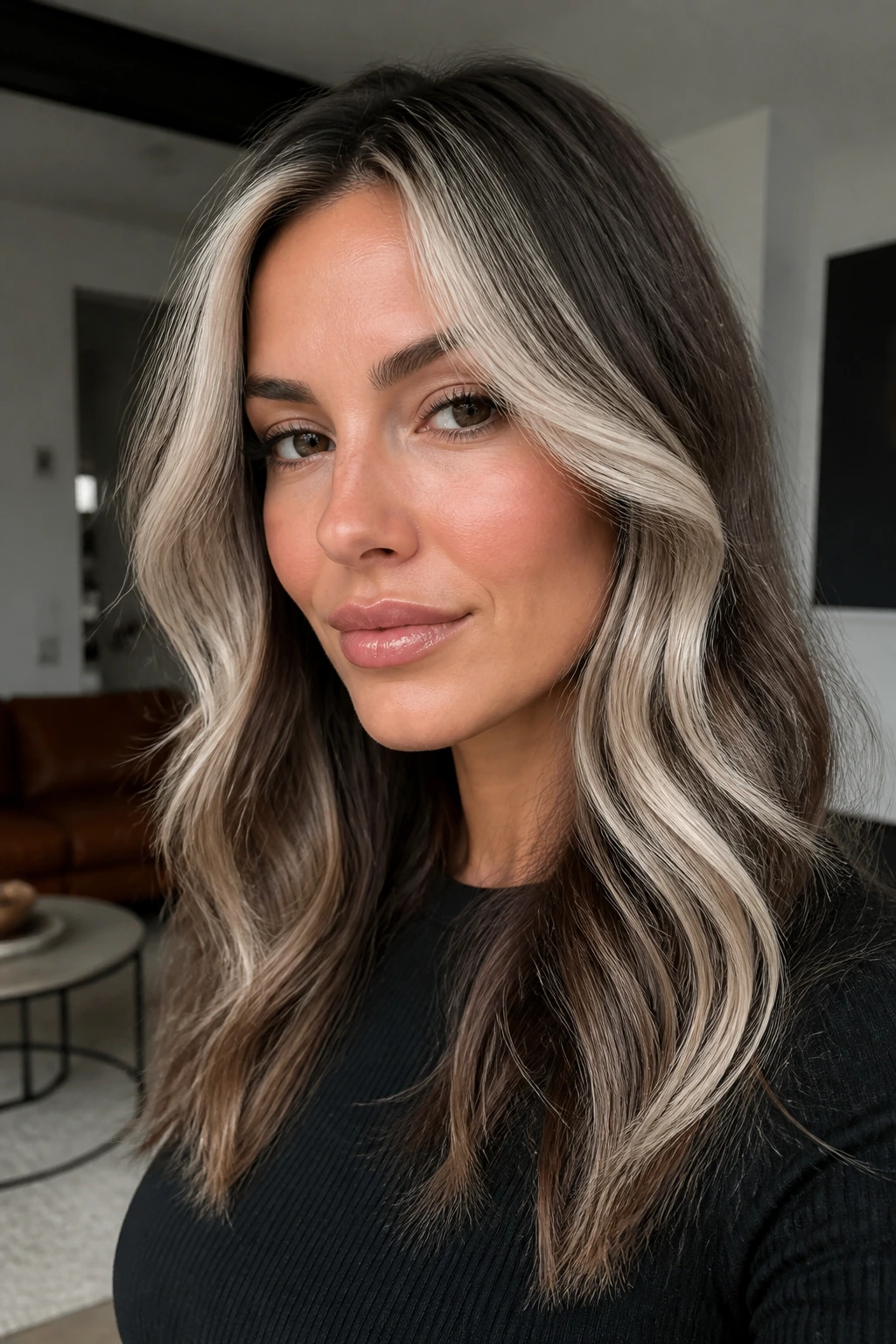
A frosted money piece is the quick-hit option in the whole lineup. Lighten just the front ribbons to a pale ash blonde or pearl tone, then leave the rest of the hair deeper. It brightens the face without demanding a full-head transformation.
Cool skin likes this because the contrast sits right where it matters — around the eyes and cheekbones. The color frame is enough to change the mood of the whole cut. It’s the kind of move that looks more expensive than it is.
This also plays well with curls, waves, and ponytails. The front pieces stay visible even when the rest of the hair is pulled back.
20. Reverse Balayage in Ash Brown
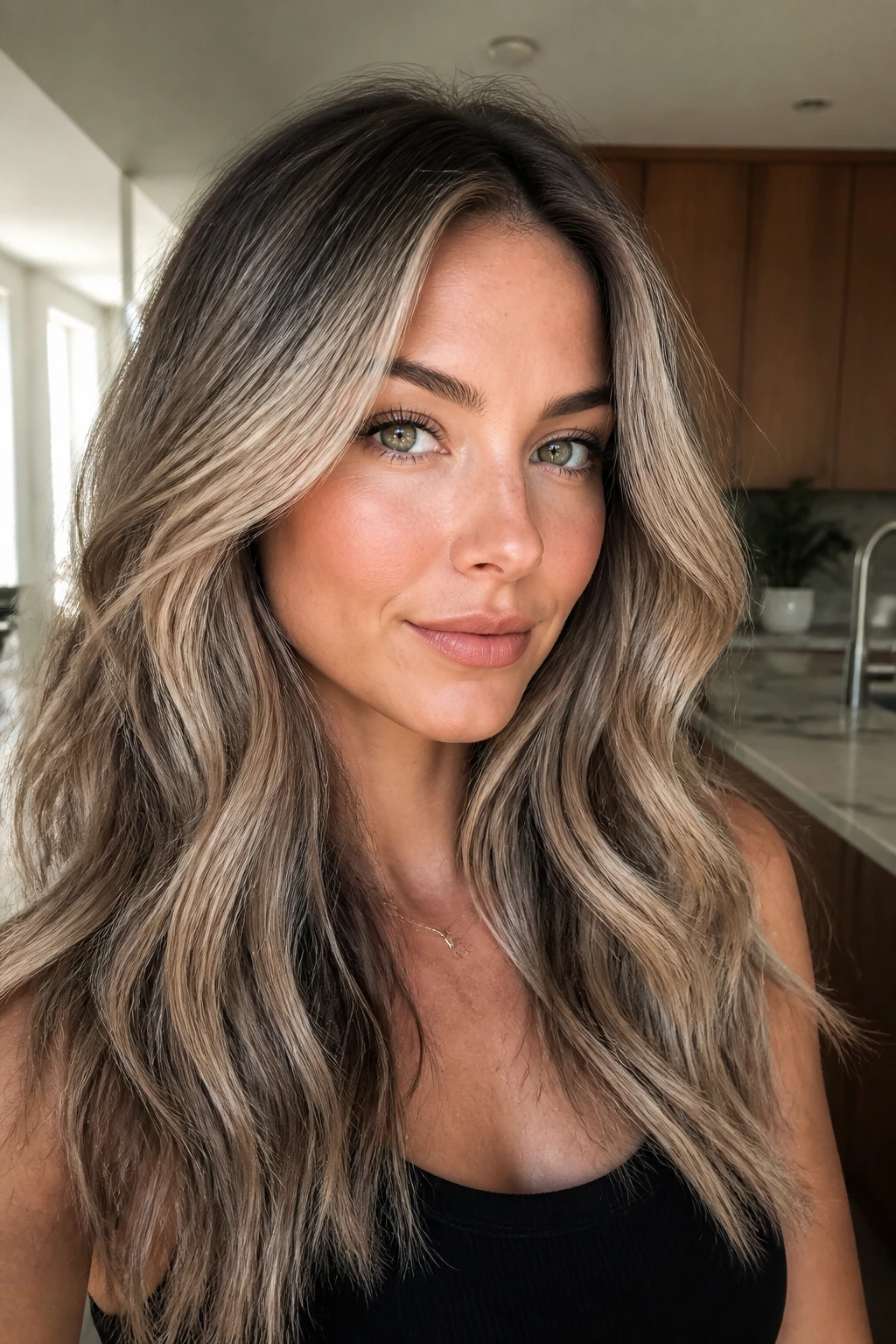
Reverse balayage is underrated. Instead of lightening, you add deeper ash-brown pieces into overly blonde hair so the color gets dimension back. On cool skin, this is a gift if the current blonde is too bright, too gold, or just too flat.
The ash brown lowlights make the whole head look more expensive and less stripped-down. They also create a better frame for the face, especially if your eyes are light. A lot of blondes need this reset more than they need more lightness.
If your hair has gone too pale and a little weak-looking, reverse balayage can save it. That’s not drama. That’s repair.
21. Smoked-Out Ombré
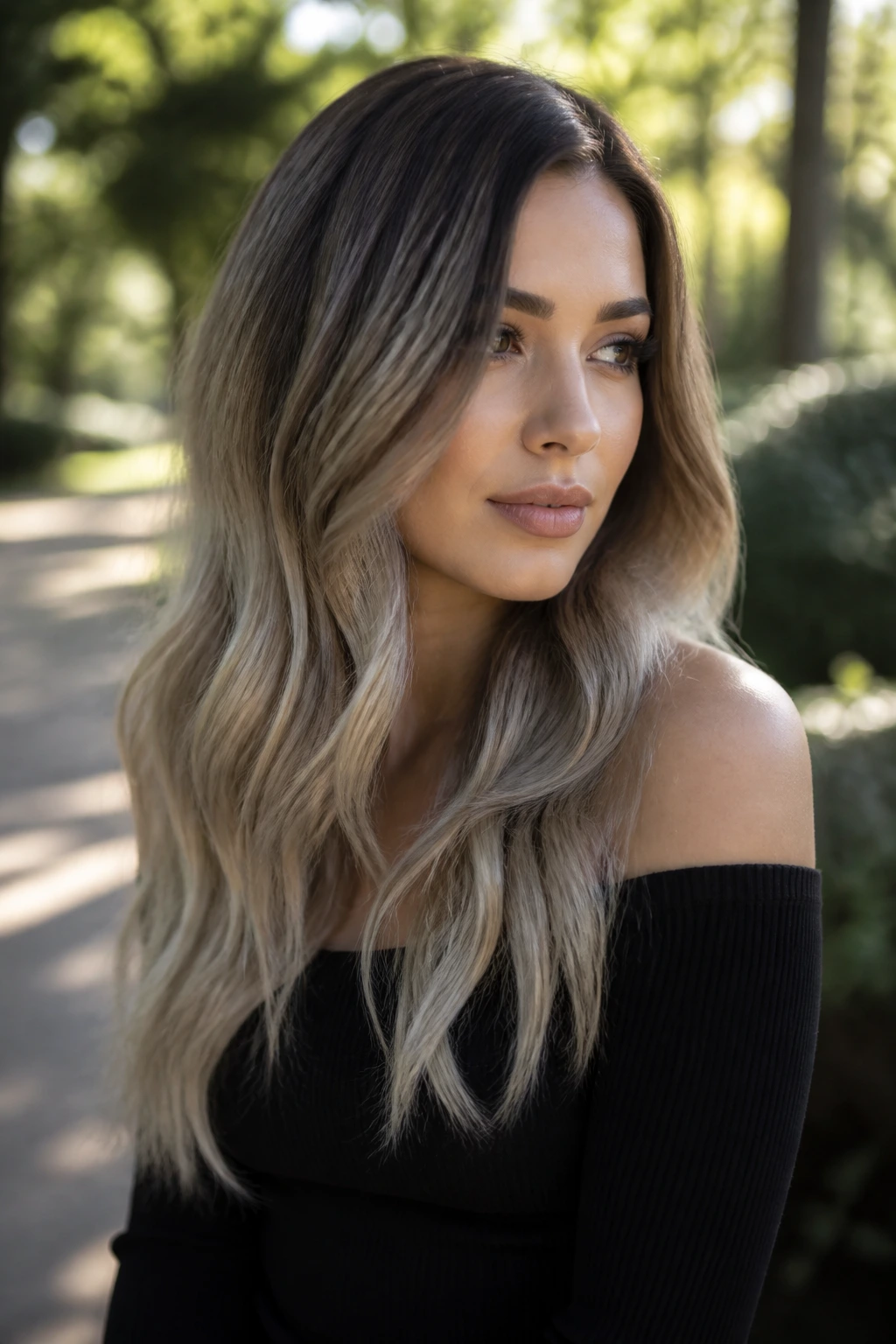
Smoked-out ombré starts deep and cool at the roots, then fades into ash blonde or smoky beige through the ends. It’s a softer version of high-contrast lightening, which makes it easier to live with if you don’t want a hard line every month.
This style flatters cool skin because the root area stays grounded and the lighter ends still avoid yellow. It’s especially good on longer hair, where the fade has room to stretch. On short hair, the effect can disappear before it gets a chance to work.
The best smoked ombrés do not look painted in stripes. They look like the color settled there on purpose.
22. Midnight Navy Black
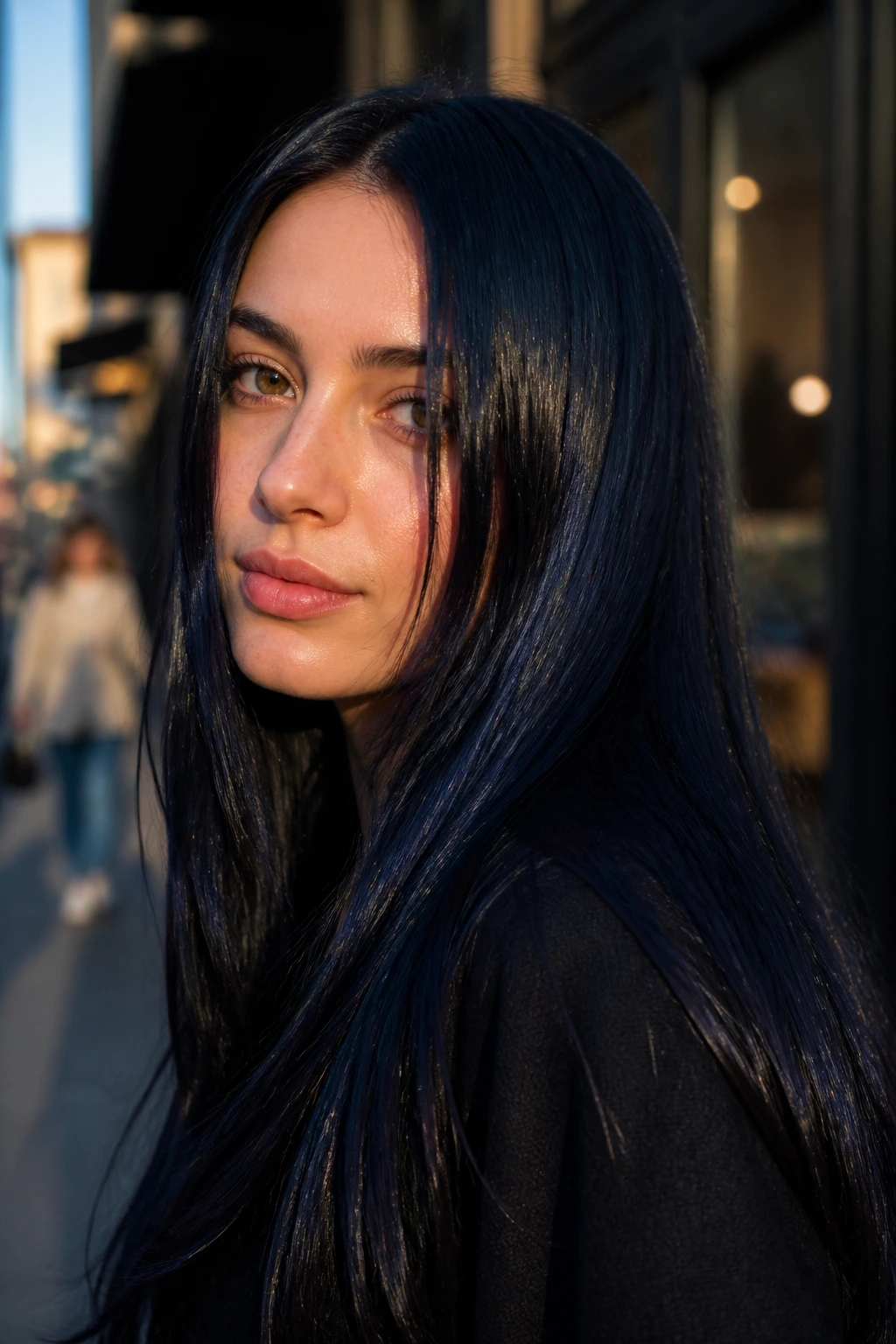
Midnight navy is darker than blue-black and a little moodier. At first glance it reads as black, but under sunlight you get that deep inky blue reflection that gives the hair life. Cool skin can take this shade because it has the same crisp edge as black without the flatness.
This is a strong choice for straight hair, where shine runs clean from root to tip. It also looks sharp on long layers, especially if the ends are healthy and blunt.
One caution: if the hair is damaged, navy black can expose every rough spot. It loves smooth cuticles and hates frizz.
23. Cool Beige Highlights on Brunette Hair
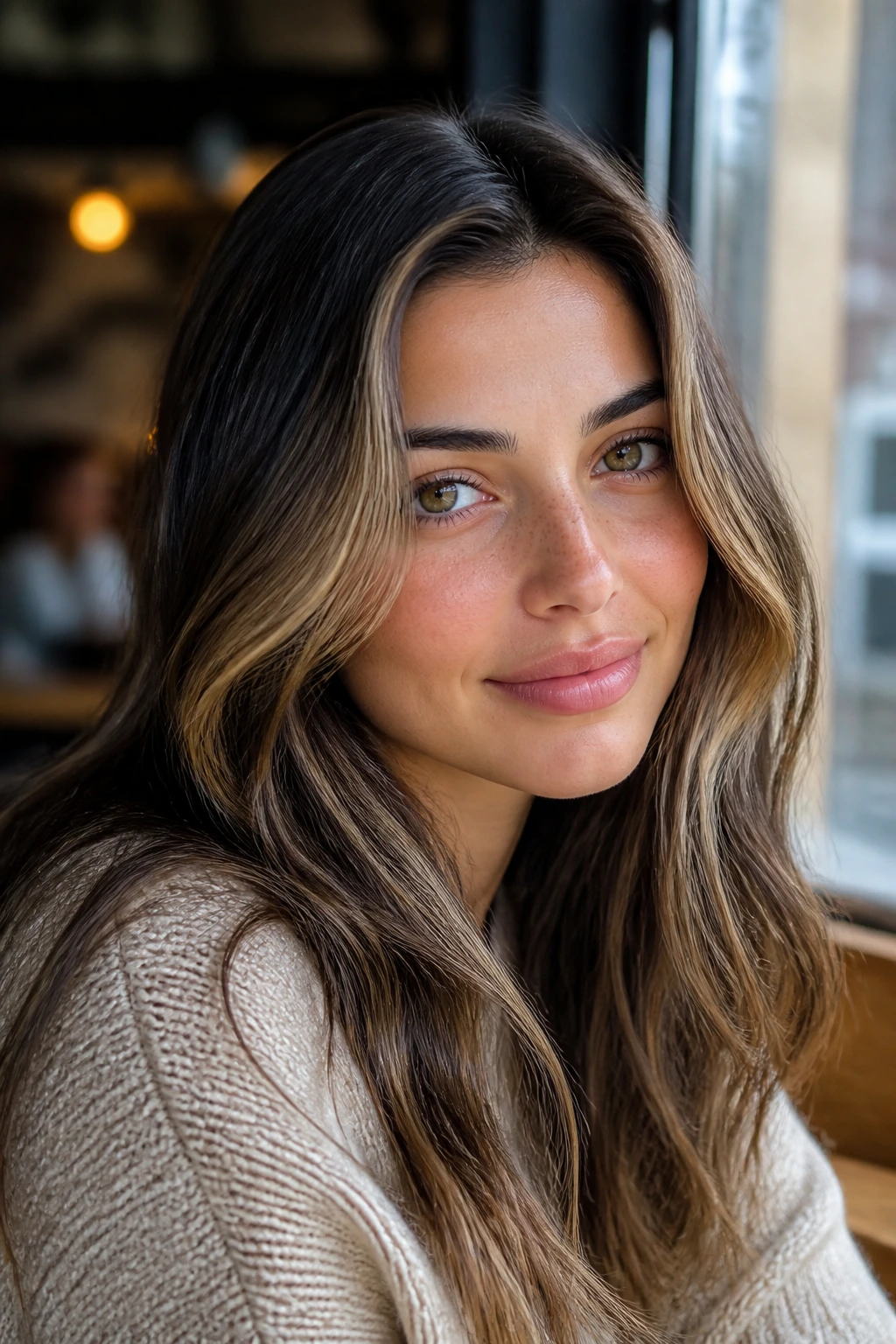
Cool beige is not the warm beige people picture from beachy balayage boards. This version is muted, ash-leaning, and soft around the edges. On brunette hair, a few cool beige highlights can brighten cool skin without pushing the hair into yellow.
I like this on people who want lightness but not a big blonde jump. The beige pieces are gentle enough to blend, but still give movement around the face. If the highlights are too chunky, the effect can turn streaky fast. Keep the placement fine and layered.
This shade also behaves well on straight and wavy hair alike, which is rare enough to be worth mentioning.
24. Ashy Sand Bronde
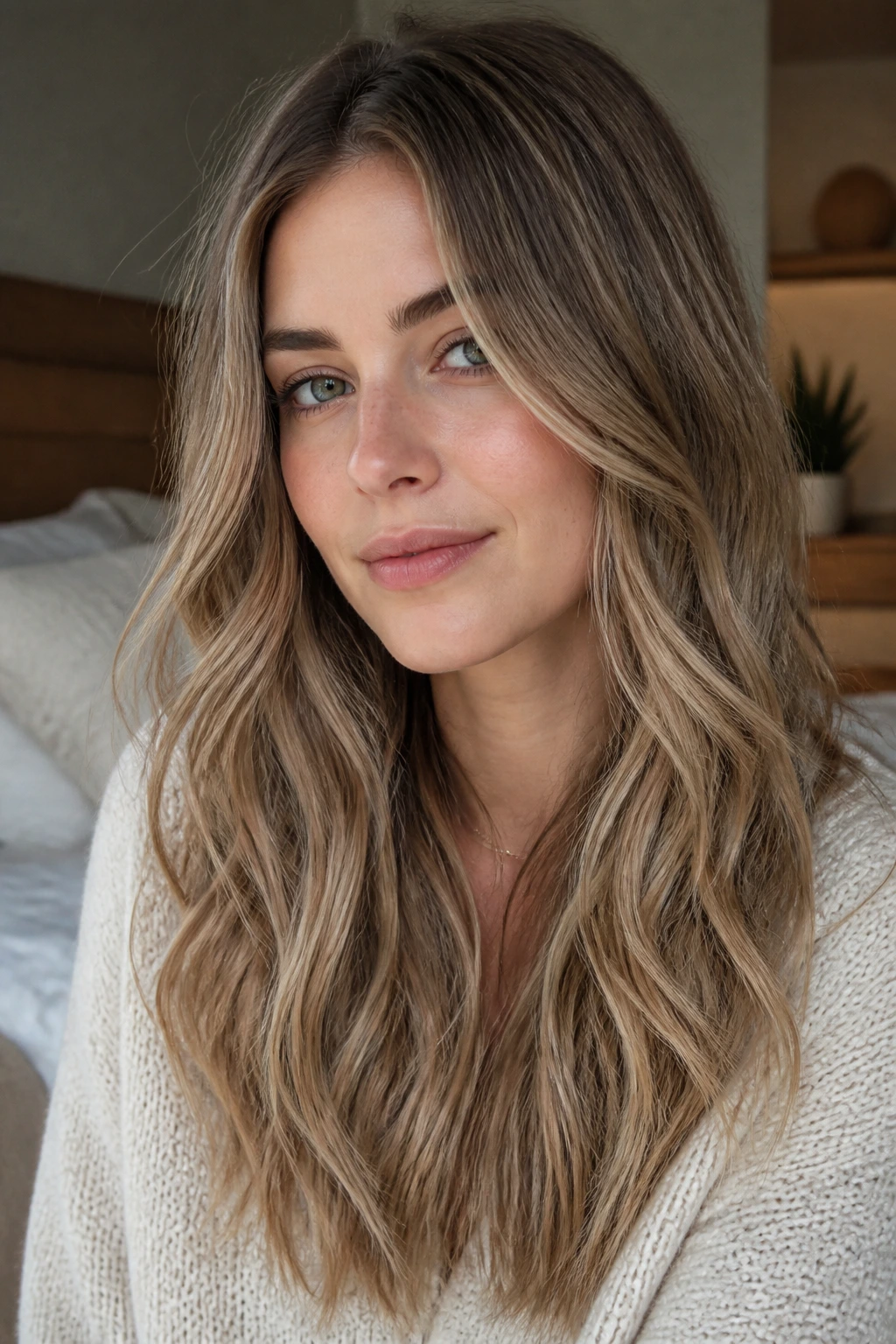
Ashy sand bronde sits between brunette and blonde, but the important word here is ashy. Without that cool base, sand starts to read warm. With it, the shade becomes a smoky neutral that works especially well on cool skin with a little natural contrast.
This color is smart for someone who wants brightness but still wants their natural depth to show. It’s more understated than platinum and less brown than mushroom. That middle ground is the appeal.
A good ashy sand bronde should look like light was threaded through the hair, not dumped on top of it. If it looks striped, the placement is off.
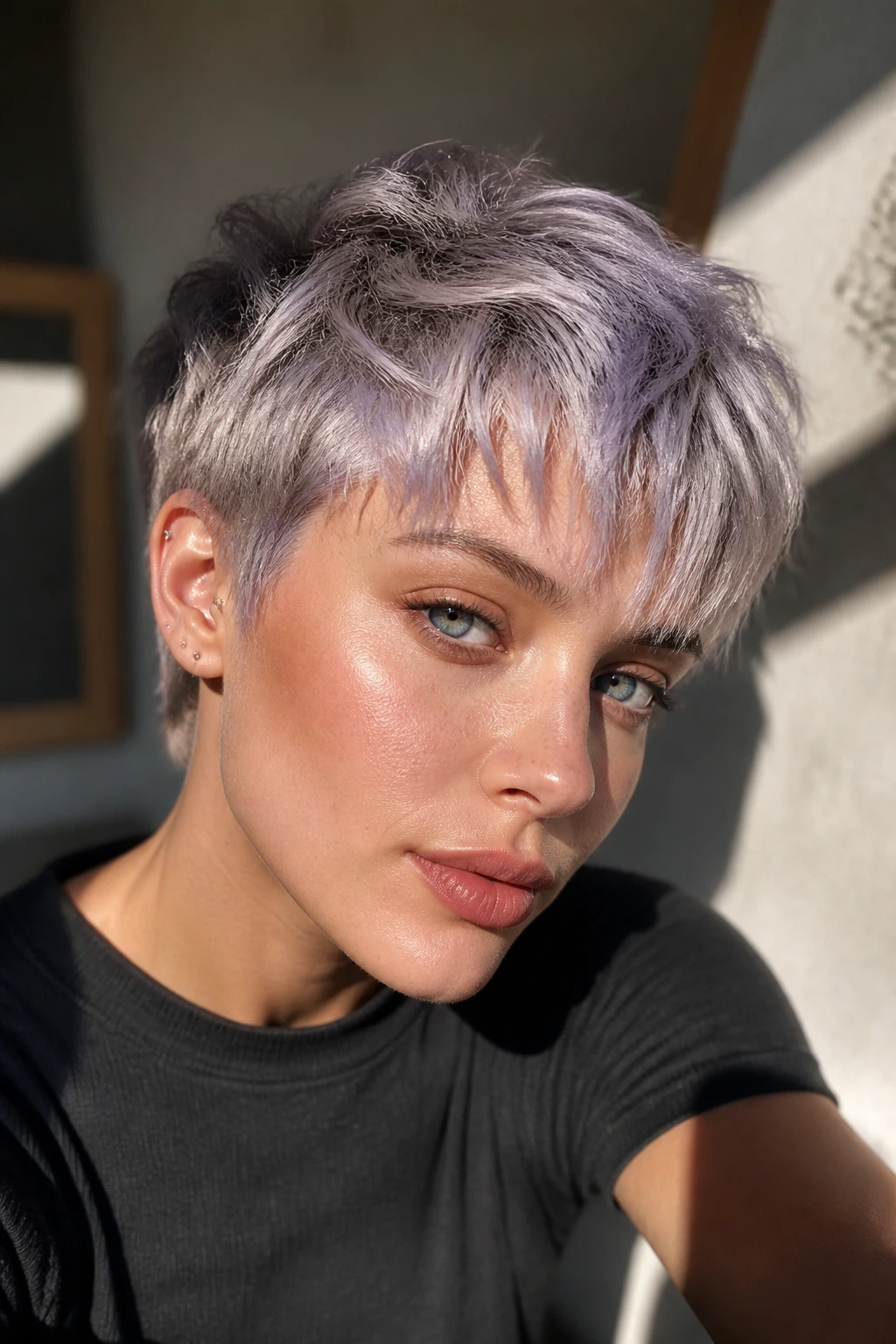
25. Lilac Silver Pixie
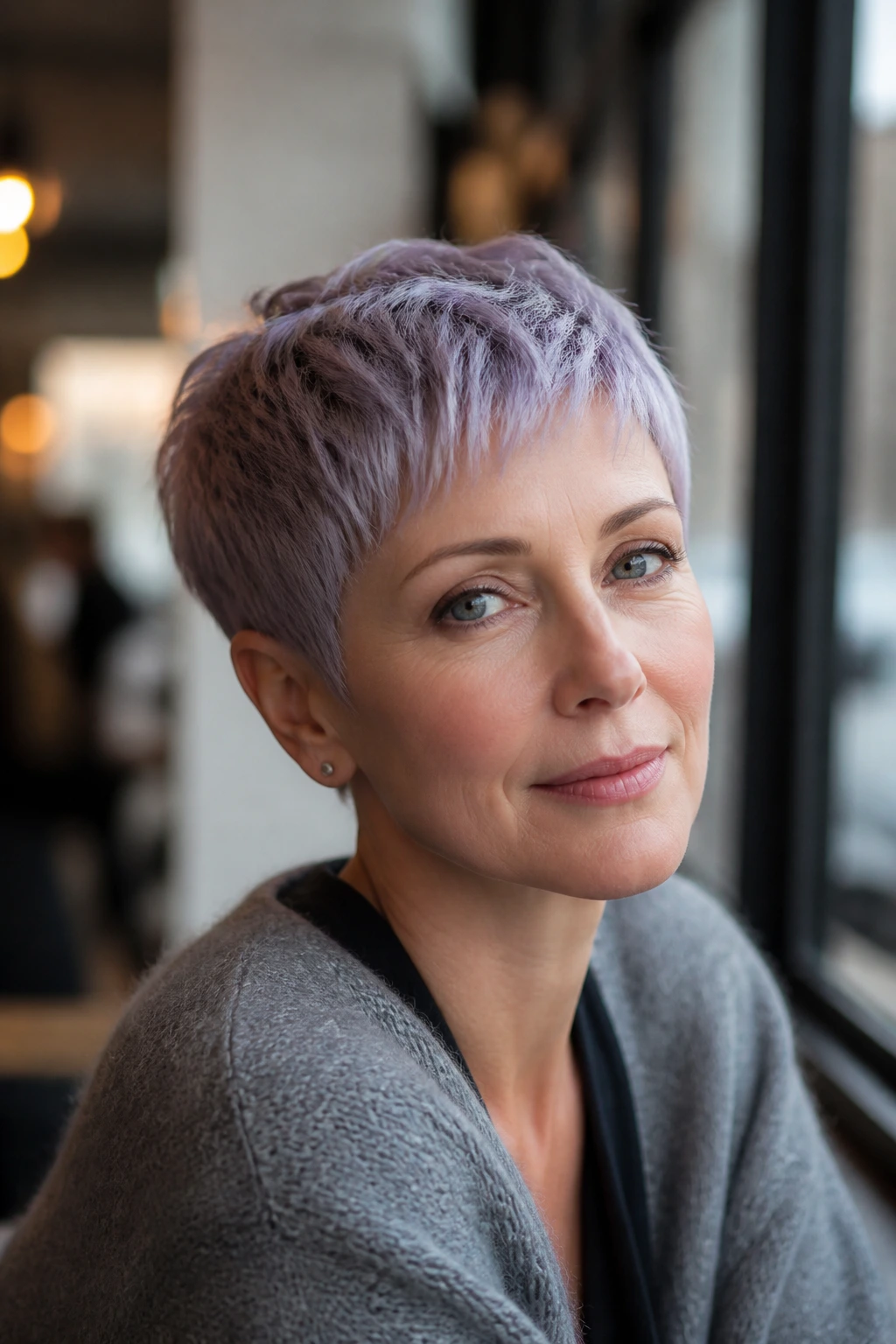
Lilac silver is one of the most striking cool-tone transformations on short hair. The pixie cut keeps the color from feeling too sugary, and the silver base stops the lilac from drifting into pastel candy territory. It ends up looking sharp and a little futuristic.
Cool skin can carry this shade because the undertone is all blue-violet. That means the face stays bright instead of getting swallowed by the color. Short hair also makes maintenance easier; you’re refreshing a smaller surface area, which helps when the shade is delicate.
A tiny bit of texture wax keeps the piecey layers visible. Without texture, the color can blur together and lose its shape.
26. Ink Blue Underlights
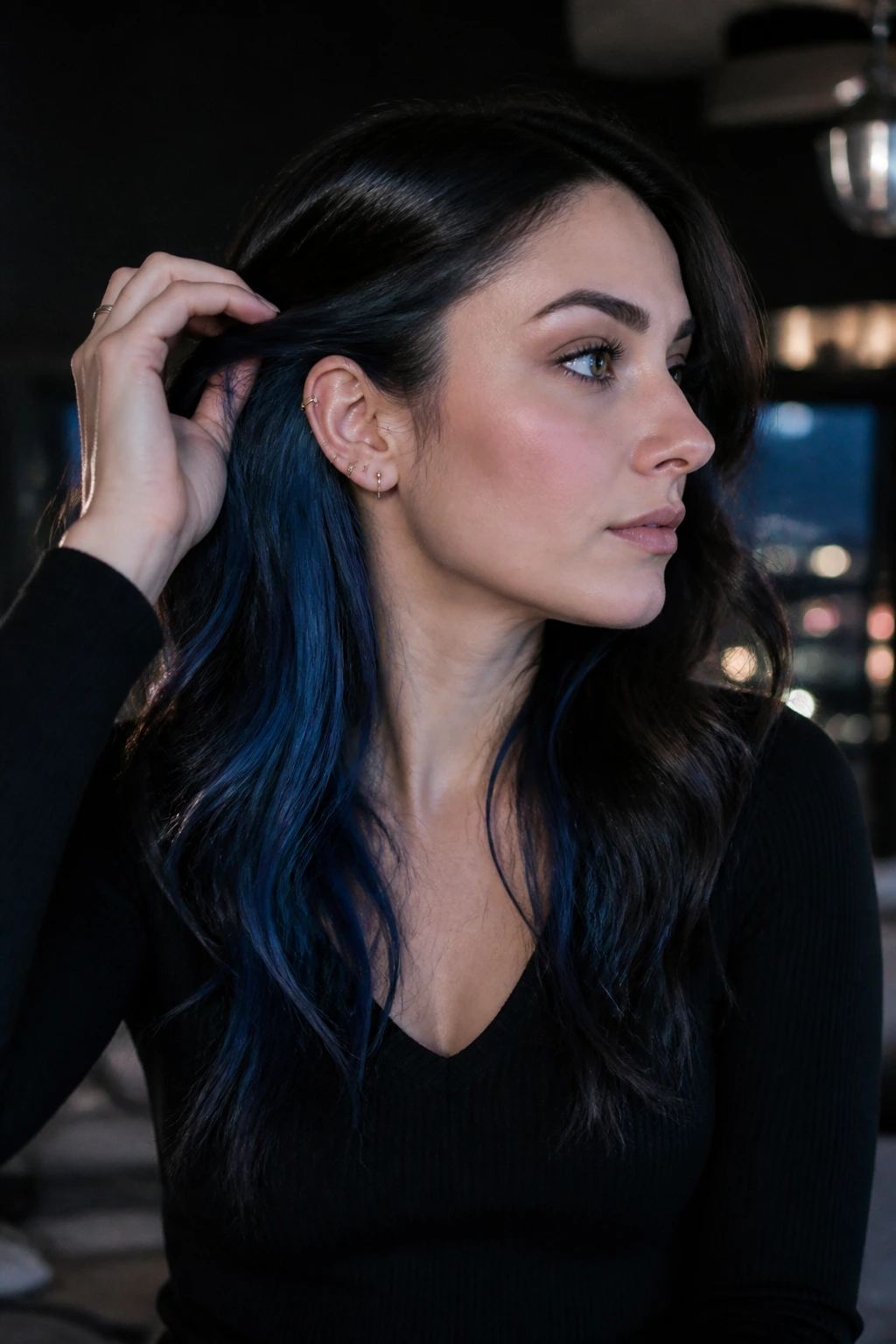
Ink blue underlights are for people who want a secret. Dark top layers hide the brighter blue underneath, so the color only flashes when the hair moves, swings, or gets pinned up. It’s low-key, but not boring.
This works especially well on cool skin because the blue is deep and saturated, not neon. It reads clean against black, dark brown, or ash brunette. If you wear your hair down most of the time, the color stays subtle; if you like braids, buns, or half-ups, it suddenly shows its hand.
Underlights also let you keep your natural depth on top. That makes the whole transformation more forgiving.
27. Cocoa Ash with Face-Framing Ribbons
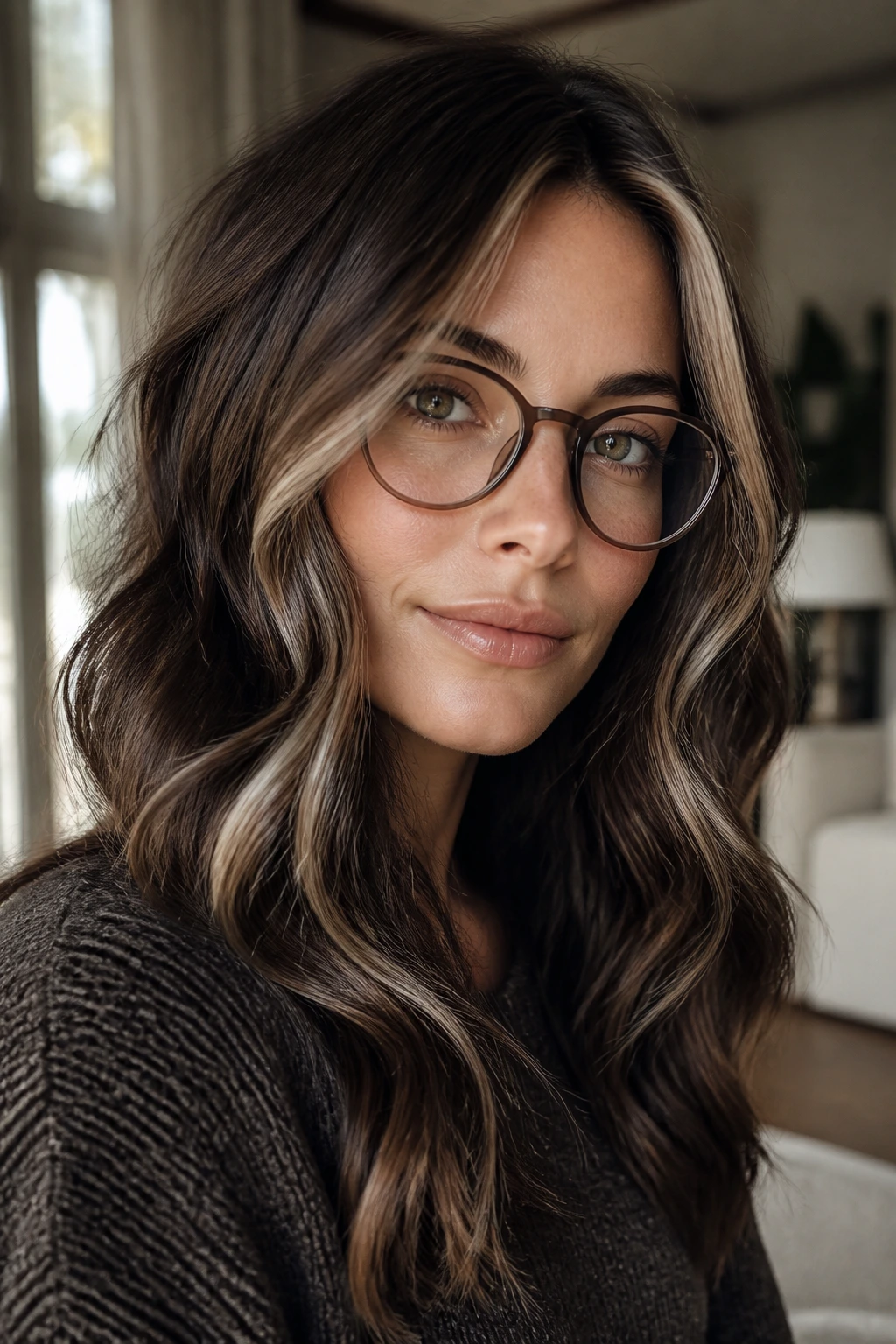
Cocoa ash is the brunette version of “cool but not flat.” It keeps the softness of chocolate hair while removing the red shine that can fight cool skin. Add a few face-framing ribbons in a lighter ash-brown or smoky beige, and the whole cut wakes up.
This is one of the most wearable transformations here. It still looks like real hair, just better organized. The ribbons near the face do the brightening work, while the cocoa base keeps the rest grounded.
If you wear glasses, this shade is especially good because the lighter front pieces stop the hair from disappearing behind the frames.
28. Platinum-to-Smoke Color Melt
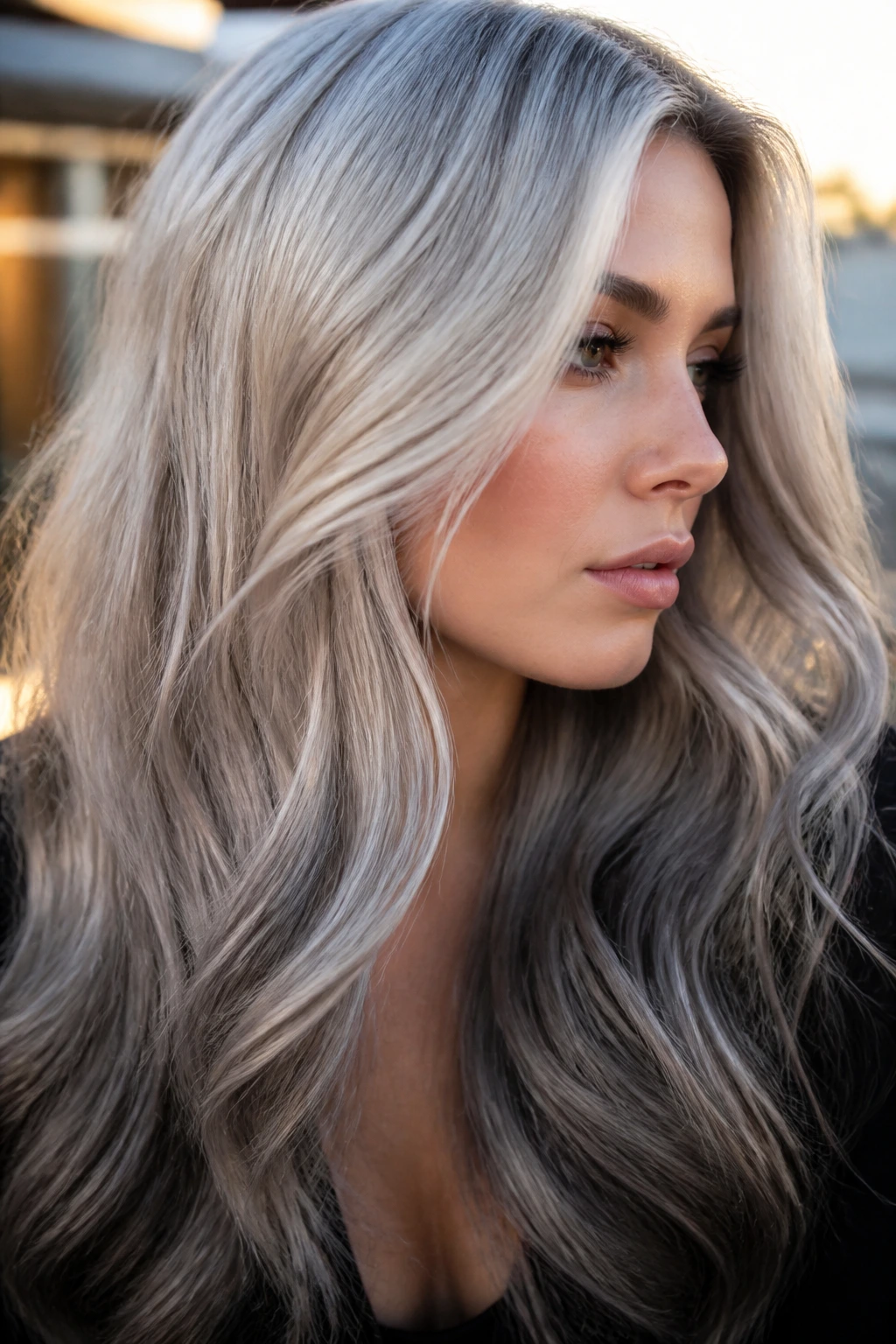
A platinum-to-smoke melt is the most dramatic finish in the group. The roots start icy, then the color drifts through pearl and ash until it lands in a smoky gray at the ends. Done well, it looks like the hair was cooled by stages.
Cool skin can pull this off because each stage stays on the same undertone path. That matters. If the melt wanders into gold or beige in the middle, the whole thing loses its crispness. Ask for a soft transition with no hard line between tones.
This is the shade I’d save for someone who likes the maintenance and the attention. It’s not quiet. It’s clean, though, and there’s a difference.
Why Cool Undertones Make the Color Look Cleaner
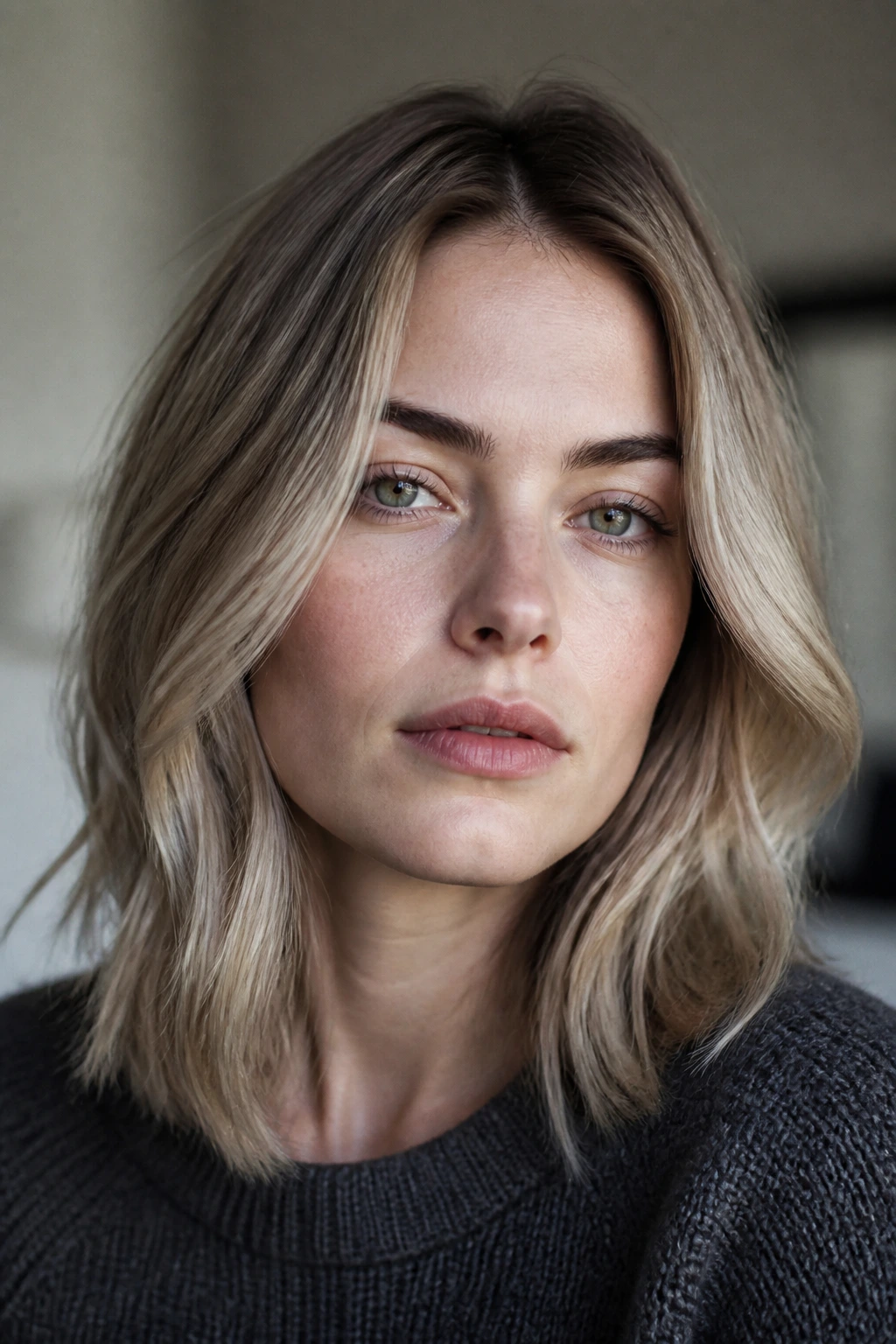
The reason these shades work is simple: cool skin already carries pink, blue, or rosy undertones, so hair color with the same temperature reads as harmony instead of clash. A blue-black gloss doesn’t fight a cool complexion the way a copper brunette can. An ash blonde doesn’t throw yellow back into the face the way a honey blonde sometimes does.
That doesn’t mean warm shades are forbidden. It means they need more control. When a warm pigment sits next to cool skin, the face can start to look flushed in the wrong way or a little tired around the mouth and jaw. Cool pigments pull the eye upward and keep the skin looking clear.
The other big piece is light level. Too-light hair with too much yellow is the fastest way to make cool skin look off. That’s why pearl, silver, violet, and smoky beige show up so often here. They correct the hair first, then decorate it.
Essential Tools for a Safe Color Change
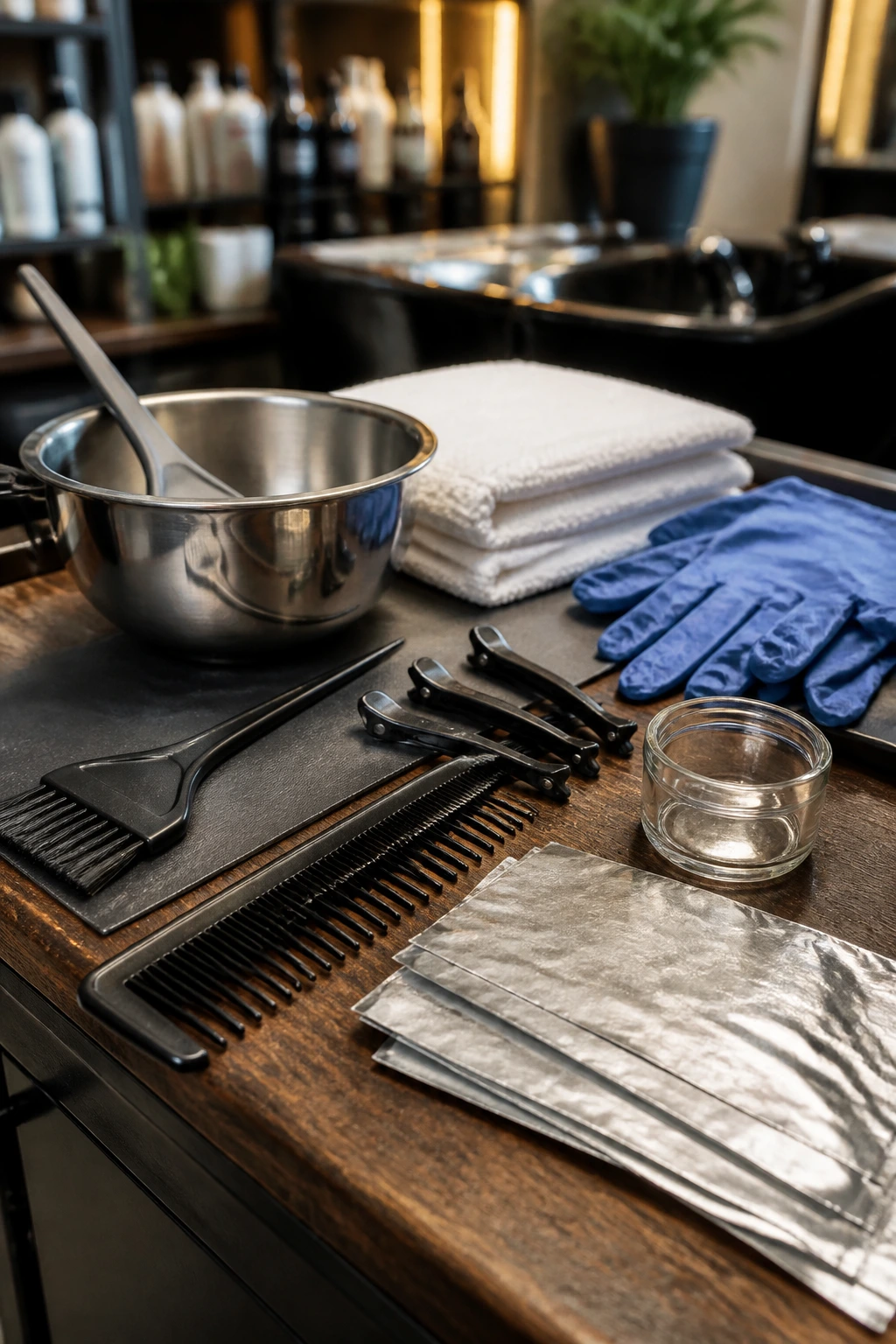
- Tint bowl and color brush: Lets you place toner or gloss evenly instead of guessing with your fingers.
- Sectioning clips: Clean parting makes a huge difference when you’re doing money pieces, balayage, or underlights.
- Gloves: Non-negotiable. Blue, violet, and red-based dyes stain everything they touch.
- Wide-tooth comb: Useful for distributing color through curls and waves without tearing the pattern apart.
- Foils or balayage boards: Helpful for highlights, ribbons, and any shade that needs controlled lift.
- Timer: Tone can flip fast, especially on porous blondes. Keep one nearby and actually use it.
- Clarifying shampoo: Best for removing buildup before toning, not for daily washing.
- Purple or blue shampoo: Purple for blondes and silver; blue for brunettes that drift orange.
- Bond-building treatment: Handy after any lift, because cool shades look worse on fried ends.
- Color-safe mask: Keeps porous hair from drinking up pigment unevenly.
- Old towel or cape: These shades stain, and it’s silly to sacrifice a good white towel.
Smart Shade Selection, Lift Levels, and Toner Notes
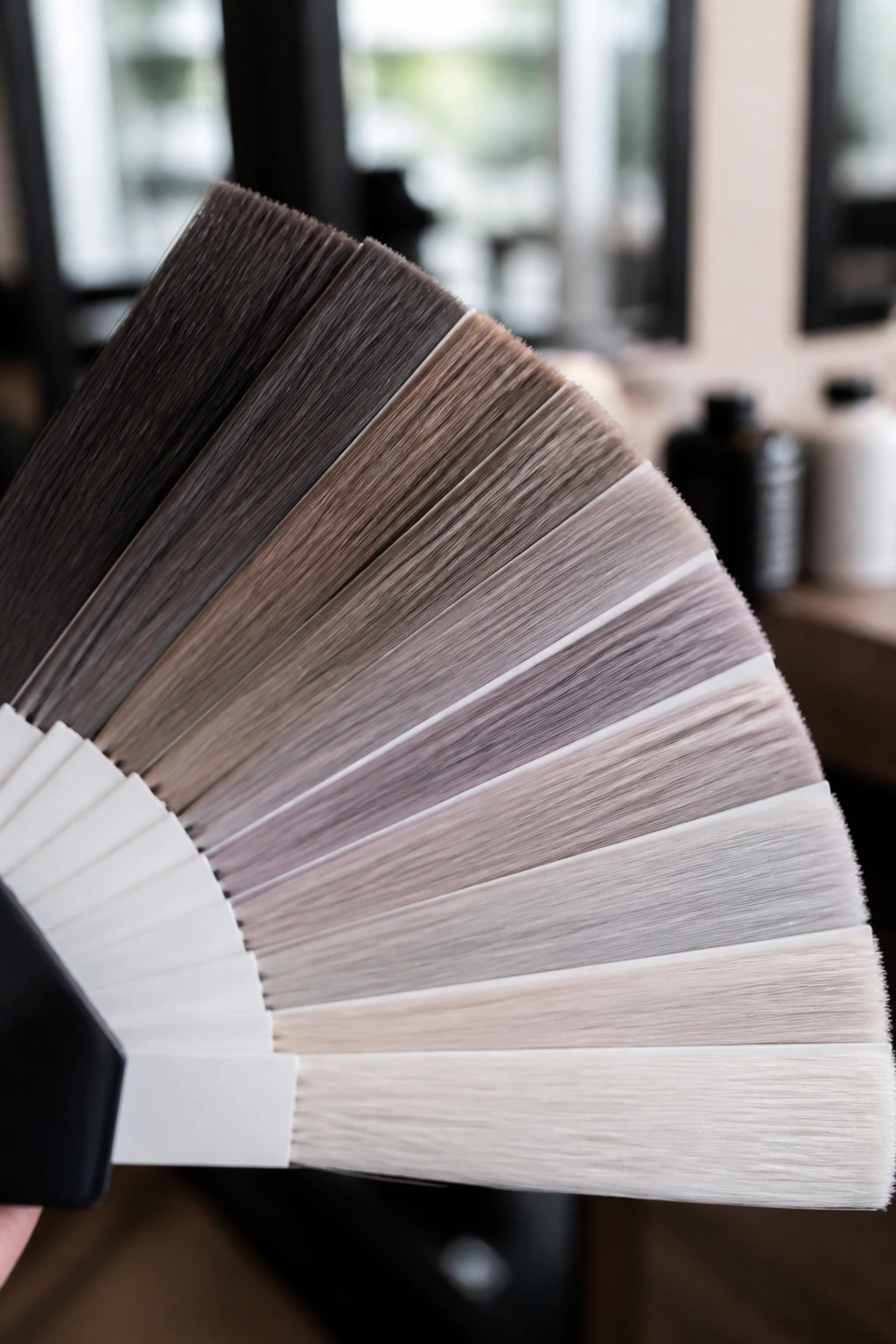
A color that looks icy in a photo can look muddy in a bathroom with bad lighting. That’s why lift level matters so much. Platinum, pearl, lavender, silver, and lilac tones usually need a pale yellow base — around level 9 or 10 — before the color lands correctly. If the base is too dark or too brassy, the finish will go beige, greenish, or flat.
For brunette-friendly shades like mushroom brown, ash espresso, blue-black, merlot, and cocoa ash, you usually don’t need full bleaching. You need control. Ask for ash, blue-violet, or neutral cool tones that cancel warmth without turning the hair muddy. A good colorist will talk about porosity, because porous ends grab toner faster than roots and can look darker than the rest of the hair in one shampoo.
If your natural color is deep brown or black and you want a cool fantasy shade, do not skip the consultation. The difference between a smoky denim blue and a patchy navy mess is often one lift level. Also, strand test. A small test piece tells you how your hair behaves under bleach, toner, and direct dye. That tiny test can save a full head of regret.
How to Wear These Shades with Makeup, Wardrobe, and Texture
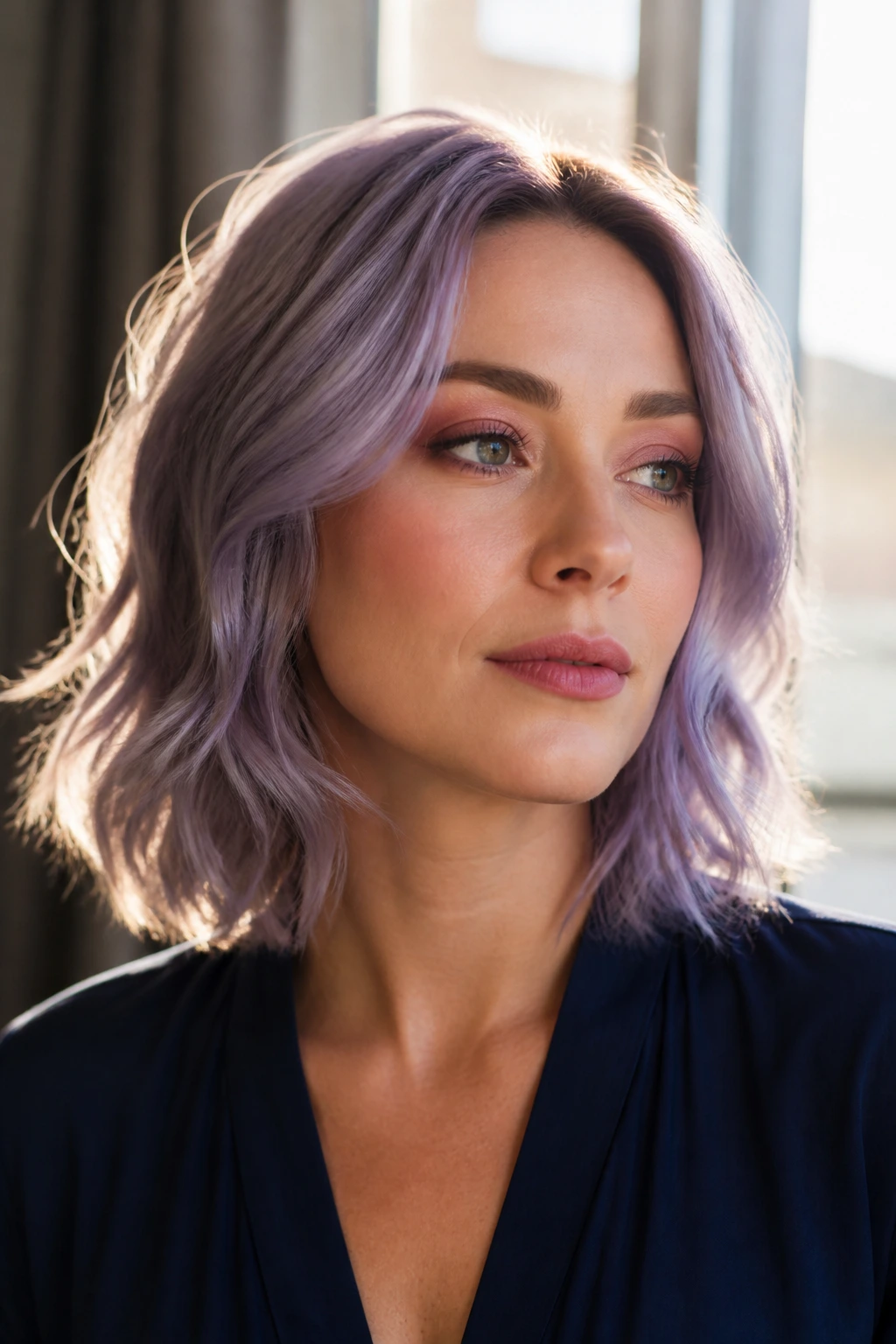
Placement: If you want a softer change, keep the lightest or brightest color near the face — money pieces, part-line ribbons, or underlayers that peek through movement. If you want the color to read louder, go for a full-head transformation or a strong ombré.
Makeup: Cool hair loves cool makeup. Pink-rose blush, berry lipstick, taupe shadow, and a cool nude lip tend to work better than peach or orange tones. Brows usually look best a half-step ashier than the hair, not warmer.
Wardrobe: Navy, charcoal, black, slate, crisp white, and deep burgundy tend to make cool hair read even cleaner. If you wear a lot of cream, camel, or mustard, some of these shades can lose a little of their edge. Not all of it. Just enough to notice.
Texture: Sleek bob, shaggy layers, loose waves, and defined curls all change how the color shows. Platinum and graphite look sharper with smooth styling. Lavender, merlot, and denim gain more depth when the texture breaks the light into pieces.
Additional Tips and Finishers That Lift the Result
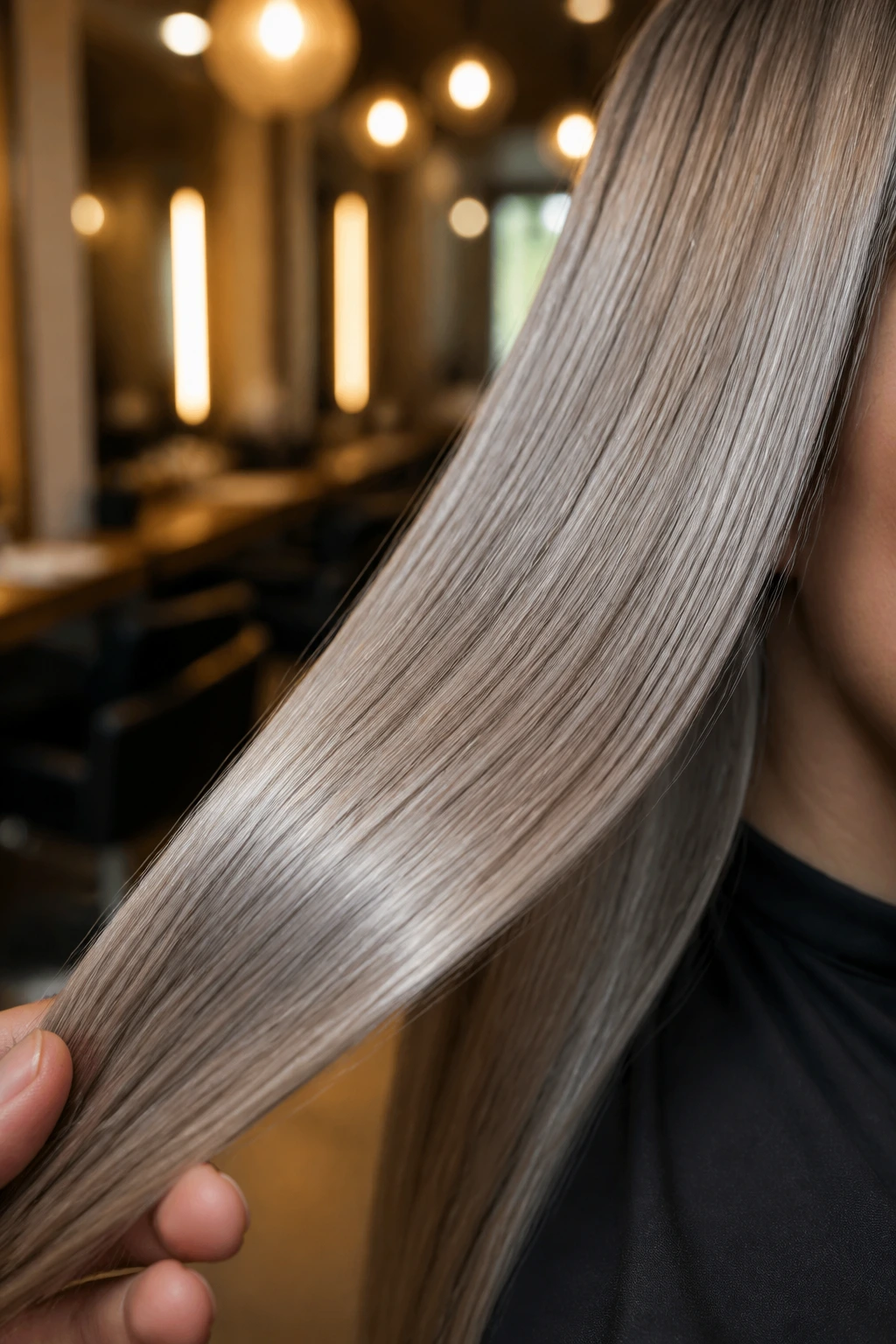
Tone Control: If the shade is too yellow, reach for violet. If brunette hair is drifting orange, blue shampoo helps more than purple. That’s not a small detail; it’s the difference between smoky and muddy.
Gloss First: A clear or tinted gloss makes cool shades look richer and less dry. Even a quick salon gloss can make blue-black, mushroom brown, or merlot feel freshly done again.
Dimension Matters: Cool color still needs movement. A flat, one-note ash brunette can look lifeless, while the same shade with ribbon highlights or a shadow root looks intentional and expensive.
Make-It-Yours: If you like low drama, stay in mushroom, cocoa ash, graphite, or smoky beige. If you want a louder hit, lean into lilac, denim, silver, or navy. You do not need to dress every cool tone the same way.
Make-Ahead, Upkeep, and Refresh Schedule
Hair color doesn’t store in the fridge, but it does have a shelf life on your head. Fantasy shades like lilac, denim, silver, and rose quartz usually need a refresh every 3 to 6 weeks, depending on how often you wash and how porous the hair is. Dark cool shades like blue-black, ash espresso, graphite, or cocoa ash can stretch longer, often 6 to 8 weeks before they need a gloss or root touch-up.
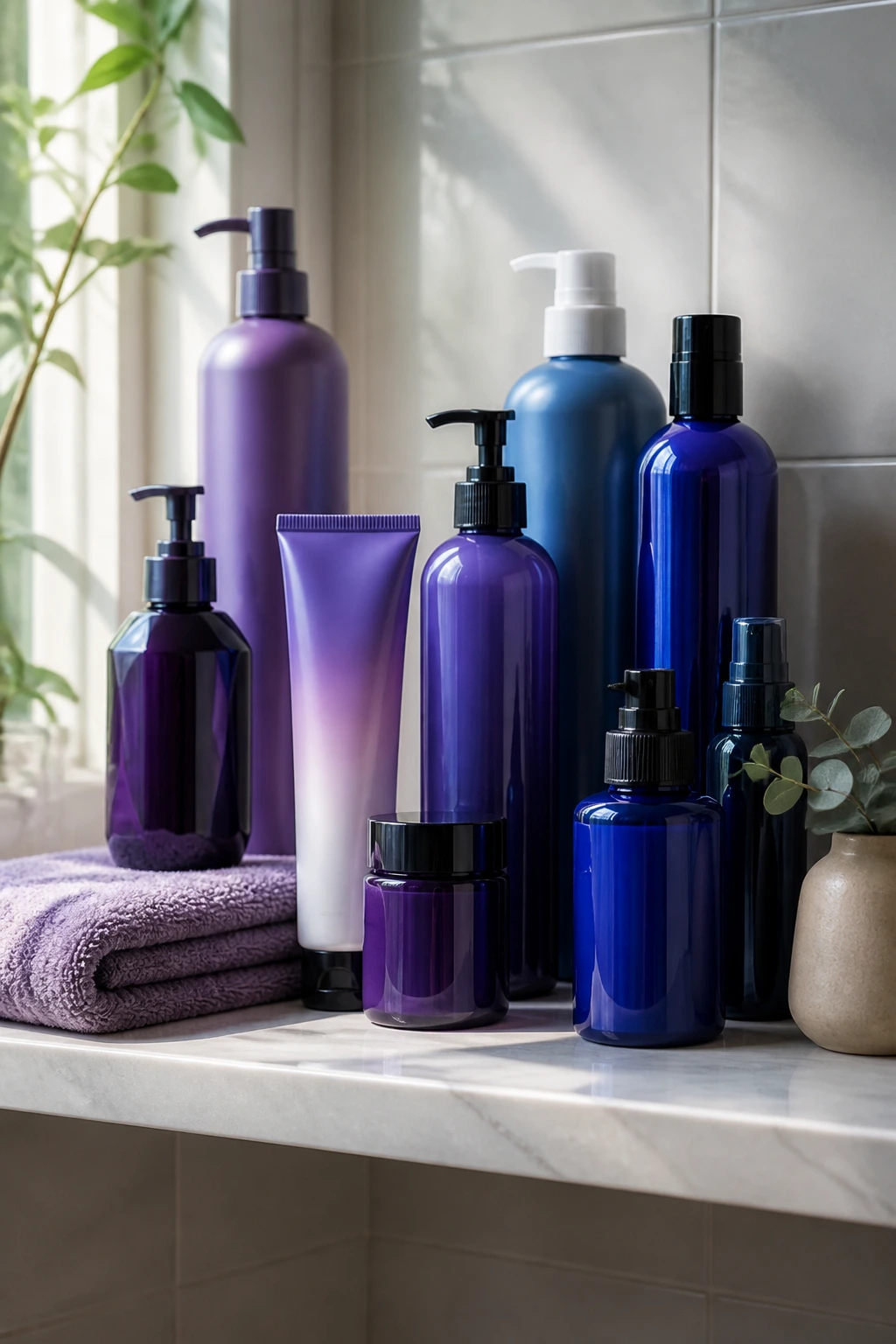
Purple shampoo is useful, but it’s not a magic fix. Use it once a week on blondes and silver shades, and leave it on only long enough to neutralize brass — usually 1 to 3 minutes if the formula is strong. Blue shampoo on brunettes can help keep orange out of the mids, but if you use it every wash, the hair can go flat and dull.
If your shade relies on toner, plan for a gloss refresh before the color looks tired. That’s easier than waiting until the blonde turns yellow or the red turns coppery. A weekly mask, a sulfate-free shampoo, and cool or lukewarm water help the color hang on longer, especially at the ends where the cuticle opens faster.
Variations and Adaptations to Try
Low-Bleach Brunette Route: Stay in mushroom brown, ash espresso, cocoa ash, or blue-black if you want the cool-tone effect without bleaching the whole head. These shades work with depth, not just lightness.
Face-Frame First: Start with a frosted money piece or cool beige ribbons around the front. That gives you brightness where it counts and leaves the rest of the hair untouched.
Full Fantasy Frost: If you want lilac, silver, denim, or lavender, commit to the lift. These shades only look clean on a very pale base, and the payoff is much better when the starting canvas is right.
Grey-Blending Plan: If you’re growing in silver strands, lean into pewter, graphite, or silver fox streaks. The goal is not to cover every gray strand. It’s to make the transition look planned.
Curly-Hair Dimension: On curls, choose smoky balayage, plum ends, or blue-black gloss instead of hard blocks of color. Curl pattern breaks up the pigment and keeps the finish from looking helmet-like.
Short-Cut Statement: Pixies and bobs can handle higher contrast than longer hair. That’s why lilac silver, pewter, arctic platinum, and graphite look especially clean on shorter shapes.
Common Mistakes to Avoid
Choosing warm beige by accident: Beige is tricky. If the toner leans gold, the whole shade can pull warm and make cool skin look a bit flushed or tired. Ask for ash-beige, pearl-beige, or smoky beige instead.
Skipping the lift test: Pale silver and lavender need a clean base. If the hair stops at orange-yellow, the color will turn muddy. Lift a test strand first and check the tone in daylight, not under a yellow bathroom bulb.
Overusing purple shampoo: More is not better. Too much purple shampoo can leave blonde hair dull, and on porous ends it can even leave a gray-lilac cast. Use it sparingly and watch the tone after each wash.
Going jet black when you meant blue-black: Jet black can look flat against cool skin if there’s no reflect in it. A blue-black or midnight navy has more life and usually looks better in sunlight.
Ignoring porosity: Porous hair grabs pigment fast. That’s great when you want a vivid shade, and awful when you don’t. The fix is a strand test, a gentler processing plan, and sometimes a filler or prep treatment before coloring.
Frequently Asked Questions
Which cool hair color is easiest to maintain?
Blue-black, ash espresso, mushroom brown, and cocoa ash are usually the easiest because they work with your natural depth instead of fighting it. You can stretch the grow-out longer, and a quick gloss often brings them back.
Can cool skin tones wear blonde?
Yes, but the blonde needs the right temperature. Pearl, platinum, icy beige, and silver-blonde work far better than honey, golden, or butter blonde on cool undertones.
Do I need bleach for silver, lavender, or denim blue?
Usually, yes. Those shades need a very light base to stay clean. If your hair starts dark, you may need more than one lifting session to get there safely.
What if my blonde turns yellow after a few washes?
That’s normal when toner fades. Use a violet shampoo once a week, and book a toner or gloss refresh before the yellow gets loud. Waiting too long makes the fix harder.
Can I get a cool shade without looking washed out?
Yes, if the depth is right. Mushroom brown, blue-black, merlot, graphite, and cocoa ash keep enough contrast to frame the face while still staying cool.
Why does my ash color sometimes look green?
Usually the base was too yellow, or the ash formula was too strong for your hair’s porosity. A little warmth or a better pre-tone step usually fixes it.
What is the best shade for cool skin if I want low commitment?
Frosted money pieces, smoky beige bronde, reverse balayage, and ash ribbons around the face are smart low-commitment options. They change the look without demanding a full color overhaul.
How often should cool reds or berries be refreshed?
Cherry cola, black cherry, merlot, and plum shades tend to fade faster than brunette-based colors. Plan on a gloss or pigment refresh every 4 to 6 weeks if you want the tone to stay rich.
Shades That Stay Sharp
The best cool-tone hair colors don’t just sit next to cool skin. They echo it. That’s why the strongest shades here — pearl, graphite, mushroom, navy, silver, lilac, ash espresso — all have one thing in common: they keep brass out of the picture and let the undertone stay clean.
Start with the shade family that fits your maintenance tolerance, not the one that looks wild on a mood board. A good color choice on cool skin should make your features look a little clearer the second it’s dry. If it needs twelve filters to work, it’s probably the wrong choice.
Pick the version you can actually live with, then keep the tone fresh with the right shampoo, gloss, and timing. That’s how these colors hold their edge.