



Bright Spring blonde on pale skin can look razor-clean and luminous when the tone stays warm, clear, and deliberate. Let it drift too beige and the face goes flat. Push it too ash and the whole look starts to feel tired, even if the haircut is excellent.
That’s the weird little truth about this palette: the blonde matters, but the shape matters almost as much. A blunt bob with champagne ribbons does something very different from a long layered wave with honey streaks near the cheekbones. One can sharpen the face. The other can soften it. Both can work, and both can go wrong if the color placement is lazy.
Bright Spring is the sweet spot for people who need blonde to bring life back into pale skin instead of draining it. Think champagne, butter, honey, apricot-gold, vanilla glaze, and those clean golden tones that reflect light instead of swallowing it. The styles below keep that brightness where it belongs — near the face, through the crown, and in the places where pale skin looks best when it has a little contrast to stand next to.
Why These Bright Spring Looks Work on Pale Skin
- Warmth without muddiness: Gold, honey, and champagne tones keep pale skin from reading gray, which can happen fast with smoky beige blonde.
- Clear edges, not dusty edges: Bright Spring color is clean rather than muted, so the hair looks alive instead of chalky under indoor light.
- Face-framing matters more than drama: A few brighter ribbons near the cheeks often do more than a full-head lightening job, especially if your skin is very fair.
- The right contrast keeps features awake: A little root depth or a deeper lowlight makes pale skin look fresher because the face has something to stand beside.
- These styles work at many lengths: Pixies, bobs, lob cuts, and long waves all carry Bright Spring blonde well as long as the tone stays warm and glossy.
- You can tune the intensity: The same palette can feel soft, polished, or high-shine depending on how much brightness you leave around the part and hairline.
1. Champagne Lob with Soft Face-Framing Pieces
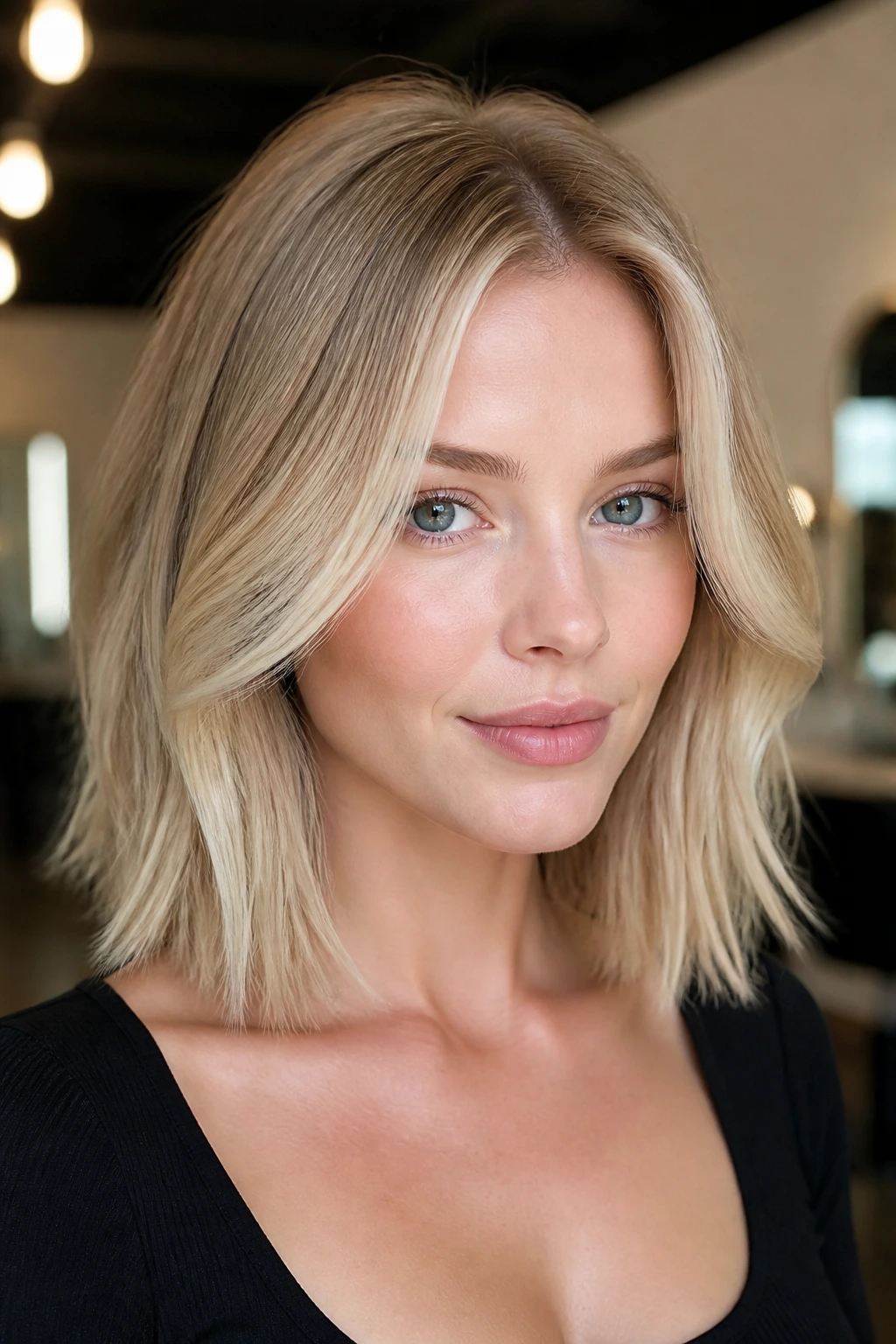
A champagne lob is one of those cuts that looks calm on the outside and quietly expensive in the mirror. The length sits right around the collarbone, which gives pale skin a clean frame without swallowing the face, and the champagne tone adds a pearly warmth that stops the complexion from going flat. It’s especially good if your skin leans very fair and you want blonde that feels polished, not beachy in a tired way.
Why It Works
The lob gives you enough length for movement, but not so much that the blonde disappears into a curtain. The face-framing pieces should be a half-shade brighter than the rest, especially around the cheekbone and jaw. That tiny shift keeps the look awake.
If your hair is naturally fine, ask for a blunt-ish edge with a few soft internal layers. The shape keeps the ends from looking wispy, and champagne blonde tends to shine harder on smooth, dense lines.
Quick Styling Note
A 1-inch round brush or a flat iron bend at the ends is enough. Keep the root area a little deeper than the mids so pale skin has contrast. Too much lightness from scalp to ends can wash everything out.
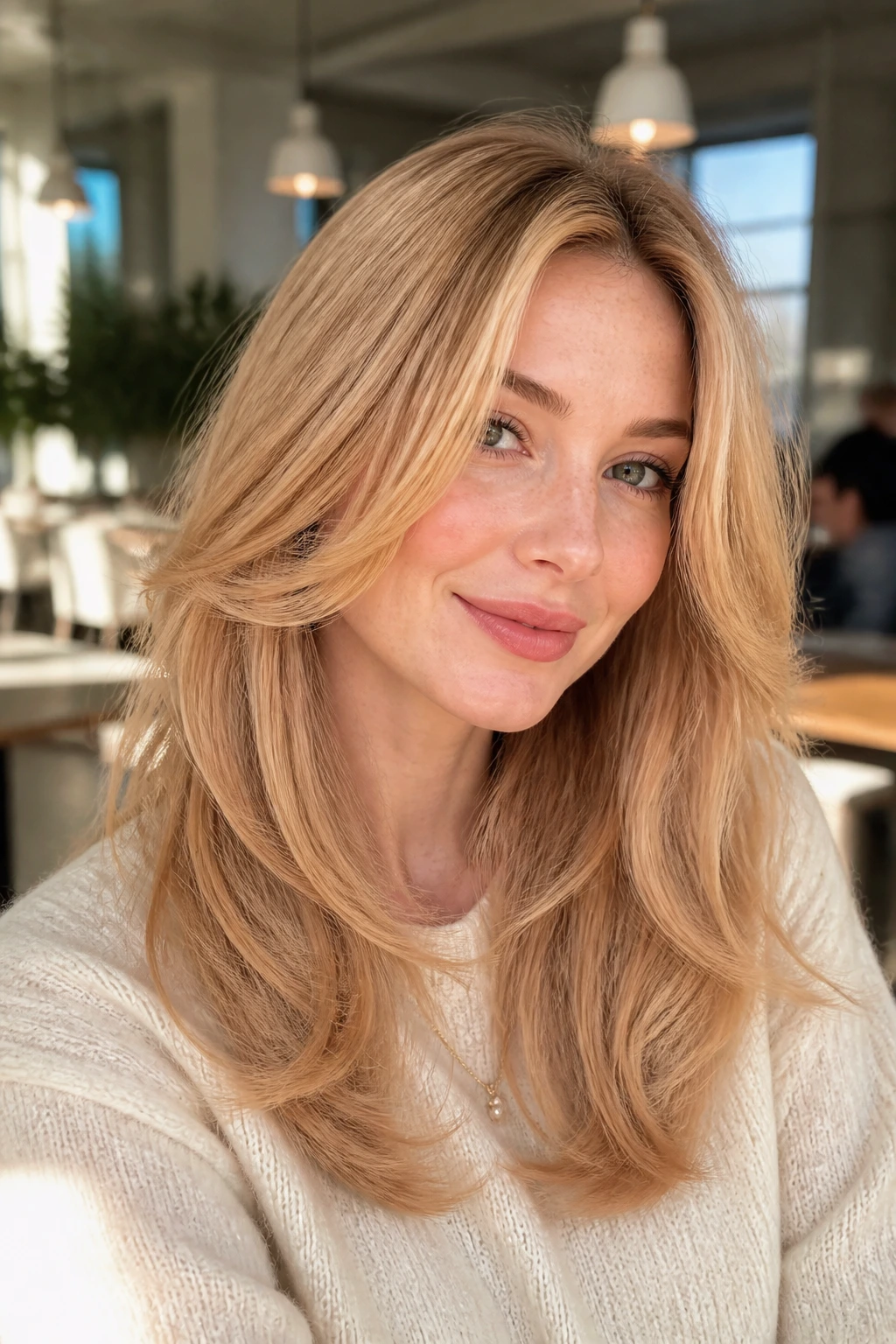
2. Butter-Blonde Curtain Bangs with Long Layers
Butter blonde curtain bangs can be a lifesaver when pale skin needs a little warmth around the eyes. The bangs break up the forehead area, and the soft sweep at the cheekbone makes the face look less stark without hiding it. Add long layers underneath, and the whole cut gets that Bright Spring clarity that feels clean instead of muddy.
What makes this one so good: the bangs carry the brightness right where people notice first. That matters more on pale skin than on deeper tones, because the wrong fringe can turn flat fast.
- Ask for a butter blonde gloss rather than a beige toner.
- Keep the bangs a touch lighter than the crown.
- Blow-dry them away from the face with a small round brush so they don’t sit heavy on the forehead.
- Pair it with a soft root shadow if your natural color is darker than a level 7.
The shape is easy to live with, too. You can wear it straight, brushed out, or bent just slightly at the ends, and it still looks intentional.
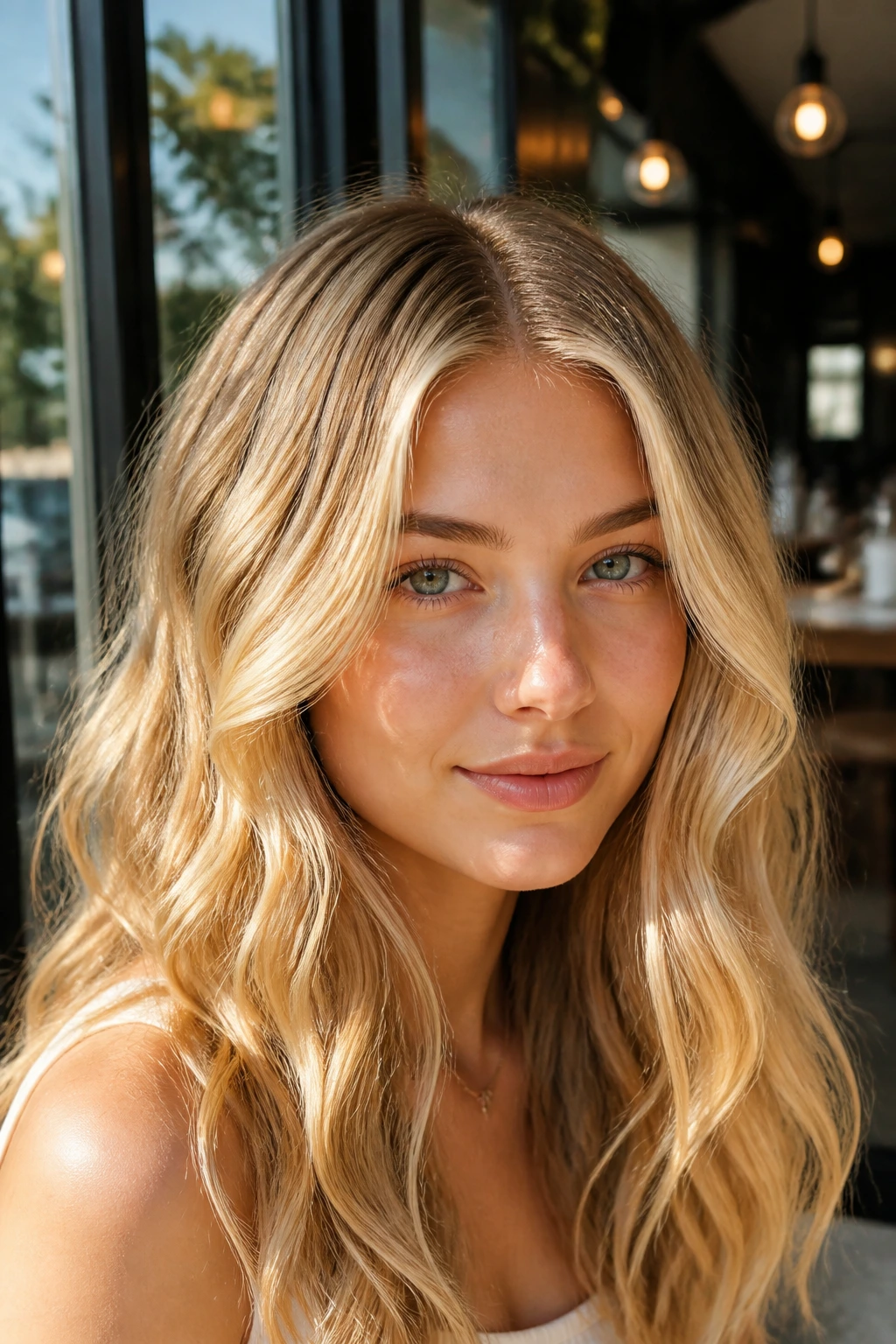
3. Honey Sunbeam Waves with Center Part
Why does this one work so well? Because honey blonde needs movement, and loose waves give it exactly that. The center part keeps the style modern and lets the brightness fall in balanced curtains on each side of the face. On pale skin, that symmetry keeps the color from looking too cute or too washed.
The trick is in the dimension. Ask for honey ribbons that sit on top of a slightly deeper beige-gold base, not flat yellow. A one-note blonde can look stiff. A layered blonde breathes.
How to Wear It
Use a 1¼-inch curling iron and alternate directions on every other section. Don’t curl the last inch of the ends; leave them straight so the wave looks soft rather than pageant-y. A drop of lightweight oil on the ends helps the honey tones catch light without getting greasy.
This is the hairstyle I’d pick for anyone who wants warmth without screaming “salon day.”
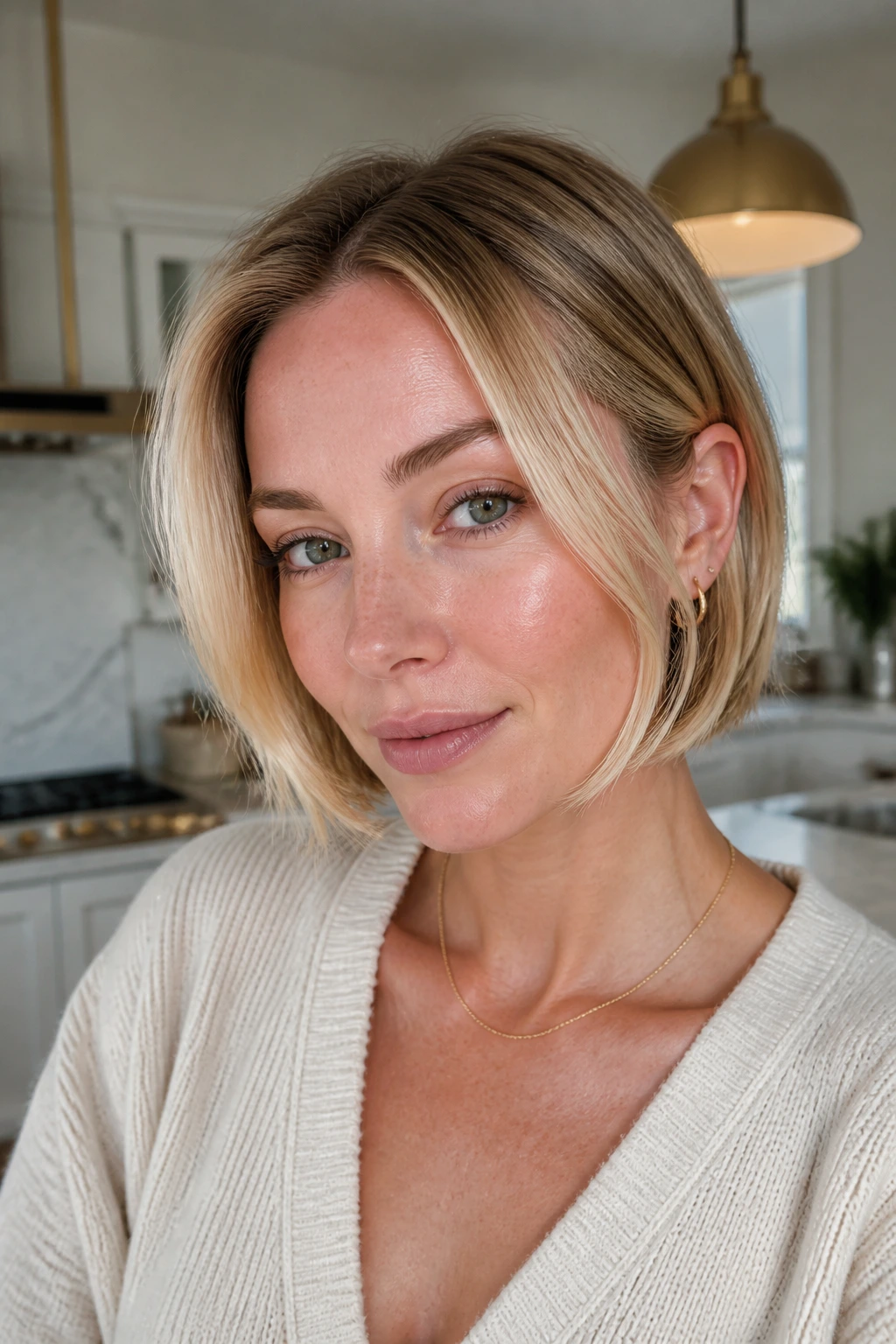
4. Golden Money Piece Bob
A short bob with a golden money piece is blunt in the best way. The cut gives structure, and the lighter front pieces frame pale skin with enough brightness to wake up the face. If your natural hair color is a darker blonde or light brown, this is one of the cleanest ways to go Bright Spring without lightening every strand.
The money piece should not be white. That’s the trap. You want golden blonde, maybe a touch of apricot warmth, so the front reads fresh instead of icy. A chin-length or just-below-chin bob works especially well because the bright pieces land right near the jaw.
- Keep the back slightly deeper or rooted.
- Ask for a gloss that reflects warm light, not cool silver.
- Tuck one side behind the ear for a little asymmetry.
- Flat iron only the top layer if you want a sleek finish.
On pale skin, this haircut has a useful kind of attitude. It gives the face outline without stealing the whole show.
5. Apricot Beige Blowout Layers
The apricot-beige blowout is for anyone who likes warmth but doesn’t want to cross into orange. The color sits between soft gold and pale peach, which gives pale skin a lifted look that plain beige blonde can’t match. When the hair is blown out with a big round brush, the finish feels airy and light, not heavy or overdone.
This cut depends on movement. Long layers, especially around the collarbone and cheek area, let the apricot tone flicker in and out instead of sitting in a single flat sheet. That shimmer is the point.
Best move: ask for the brightest pieces to stay around the front and crown, then keep the lower lengths a little more muted. It creates a nice ladder of light without losing the Bright Spring feel.
A blowout like this looks expensive even when the clothing is simple. White tee. Gold hoops. Done.
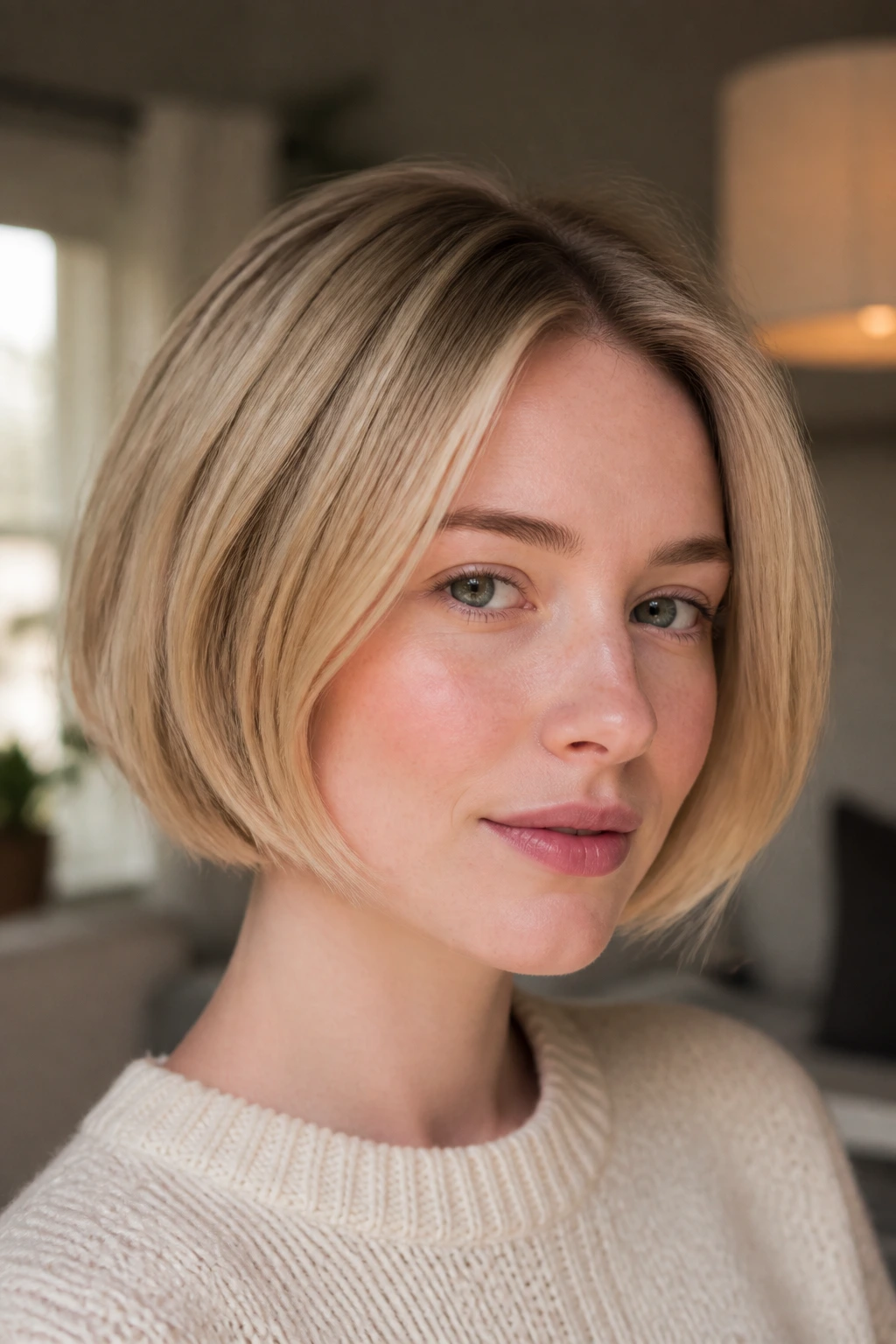
6. Creamy Wheat French Bob
A French bob in creamy wheat blonde has a chic little bite to it. The shape is short, the line is neat, and the blonde is soft enough that pale skin doesn’t disappear behind it. The wheat tone is warmer than beige but less syrupy than honey, which makes it a smart choice if your complexion leans pink.
The bob should hit around the jaw or just above it. That width keeps the face from getting overwhelmed. Add a slight bend at the ends, not a full curl, and the whole thing stays crisp.
What to Ask For
Ask for a creamy wheat base with a subtle golden gloss and a soft shadow at the roots. Not ash. Not silver. Those tones can make the cut look a little severe on very fair skin. You want gentle contrast, not a washed-out whisper.
This is the style for someone who likes clean lines and doesn’t want to spend half the morning styling.
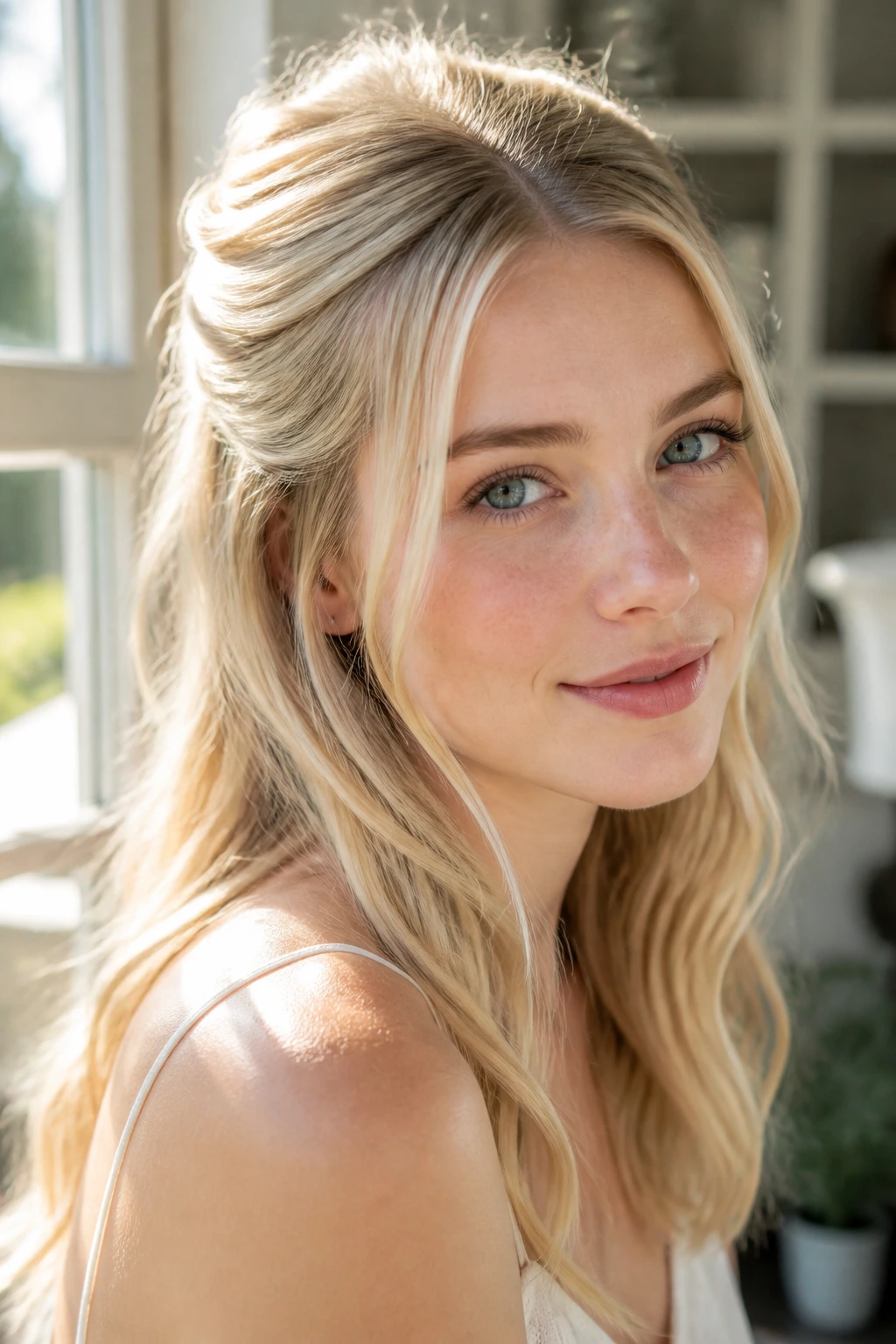
7. Sunlit Vanilla Half-Up Style
A half-up style in sunlit vanilla blonde is one of the easiest ways to keep pale skin from looking drained when the rest of the hair is long. Pulling the top section back lifts the face, and vanilla blonde keeps the visible length light enough to read bright instead of heavy. It’s a nice option when your hair is long, fine, or a little flat at the crown.
The half-up section should be loose, not pulled tight. If you drag it too taut, the style can look severe. Leave a few face-framing strands out and curl them once with a large iron.
A small claw clip, ribbon, or barrette can change the mood fast. The blonde itself does a lot of the work here — vanilla tones photograph softly against fair skin because they keep the light on the face without going chalky.
This is the kind of style that looks like you tried, even if the styling took eight minutes.
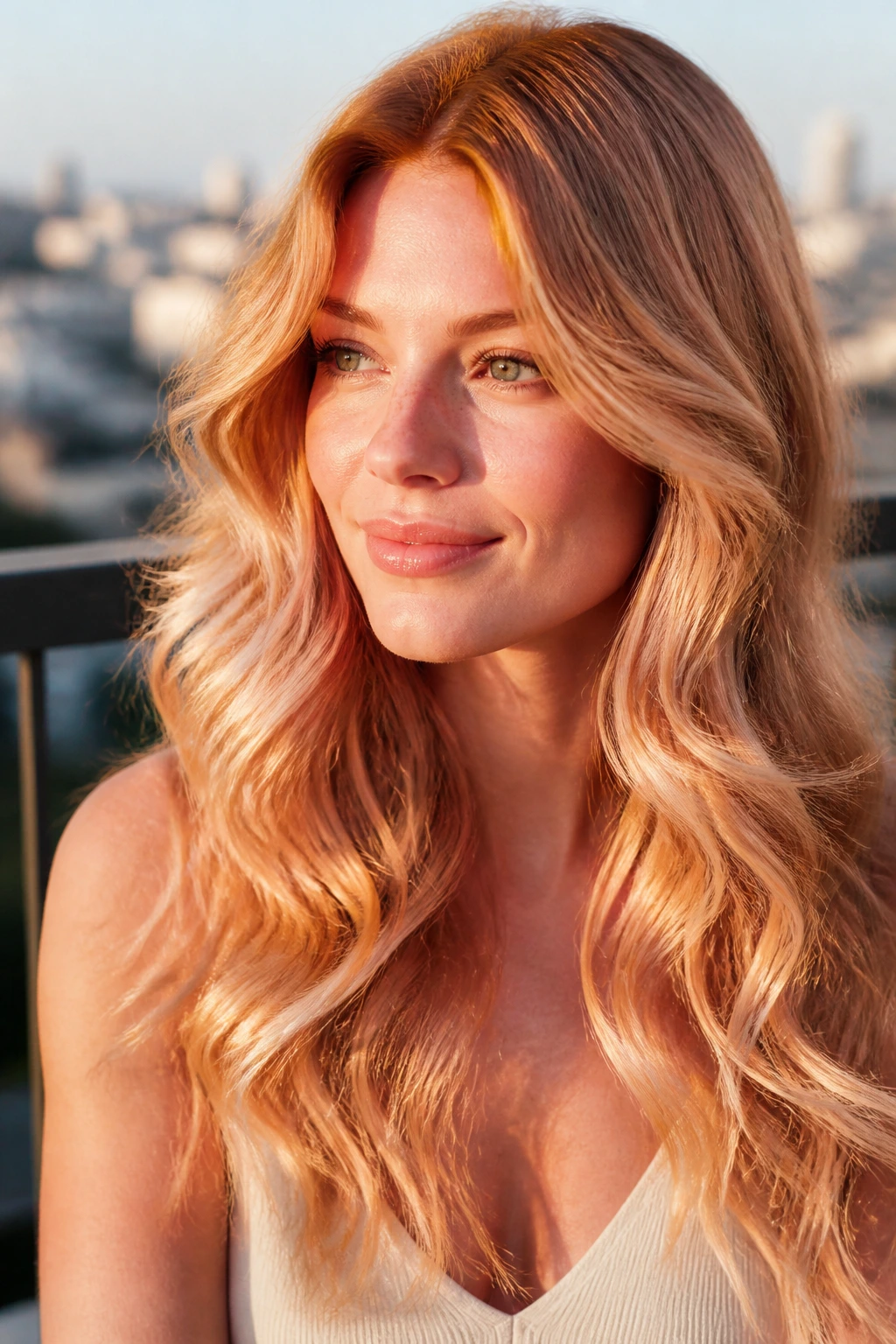
8. Peach-Gold Mermaid Waves
Mermaid waves only work if the color has enough variation to keep the hair from looking like one giant sheet. Peach-gold blonde does that beautifully on pale skin because the peach warms the complexion and the gold keeps the lengths bright. Long hair can swallow a fair face if the tone is too flat; this fixes that.
The wave pattern should be loose and S-shaped, not tight. That lets the peach-gold pieces catch the light at different points as the hair moves. It’s a small detail, but it matters.
- Use balayage instead of chunky highlights.
- Keep the lightest ribbons near the cheekbones and outer layers.
- Finish with a shine spray, not a heavy serum.
- Avoid cool beige toner that dulls the peach note.
If you like long hair but fear it can look too heavy on pale skin, this is the version that keeps the length without the drag.
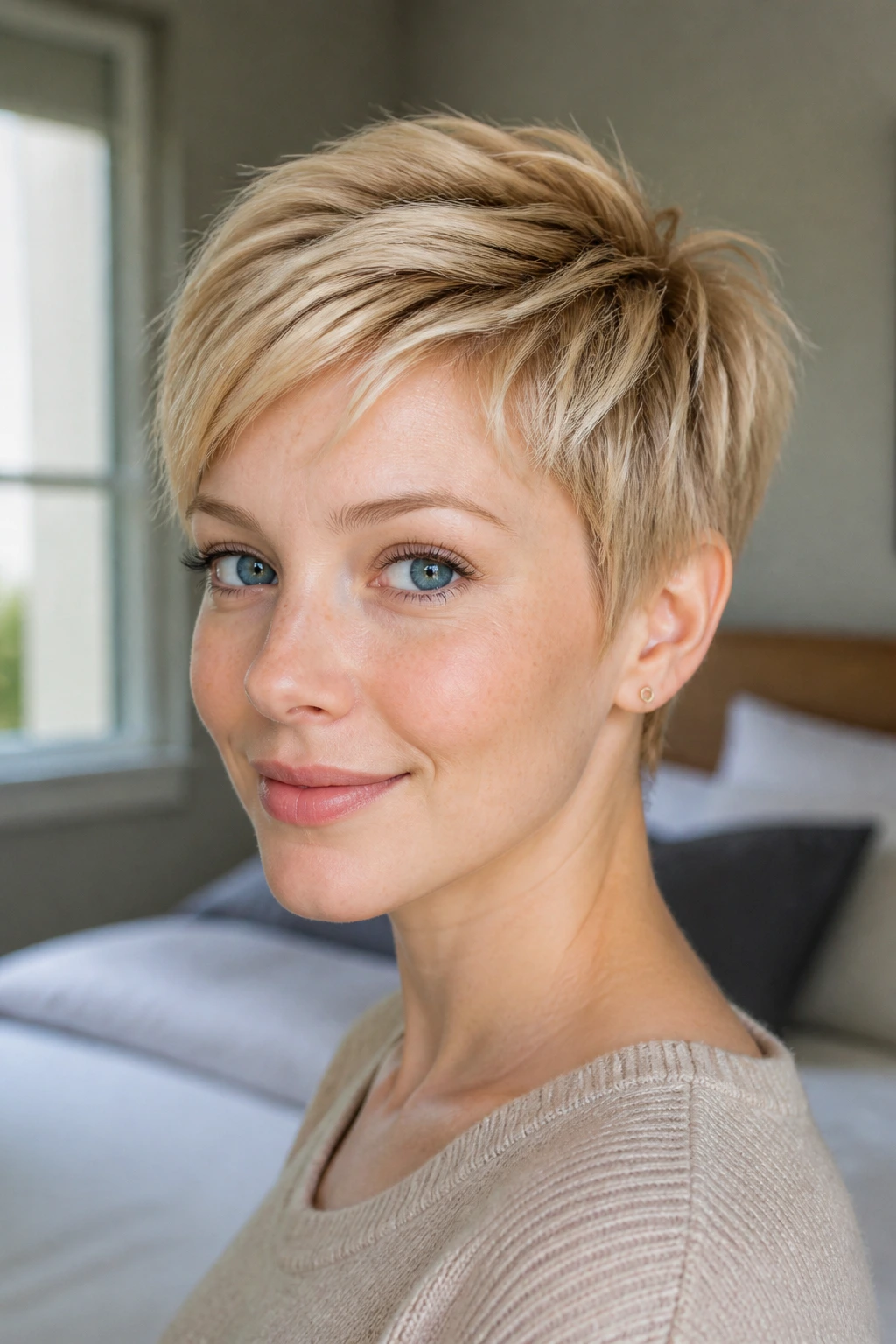
9. Warm Vanilla Pixie
A pixie cut in warm vanilla blonde can look sharper than people expect. Short hair leaves nowhere to hide, which is exactly why the color needs to be right. Warm vanilla keeps the face from getting ghostly, and the short shape gives pale skin a crisp outline that feels modern rather than fussy.
A pixie like this works best with a little texture at the crown and a softer edge near the ears. That keeps the cut from feeling helmet-like. If the blonde is too icy, the effect turns hard. If it’s too yellow, it goes old-fashioned fast. Warm vanilla sits in the middle and handles light well.
The Practical Part
Ask your stylist to leave subtle depth underneath. The contrast against the pale skin makes the top layers look brighter without bleaching everything into a single tone. It also grows out better, which is a mercy with short cuts.
This is a good choice if you like a clean neckline and don’t want to fuss with length.
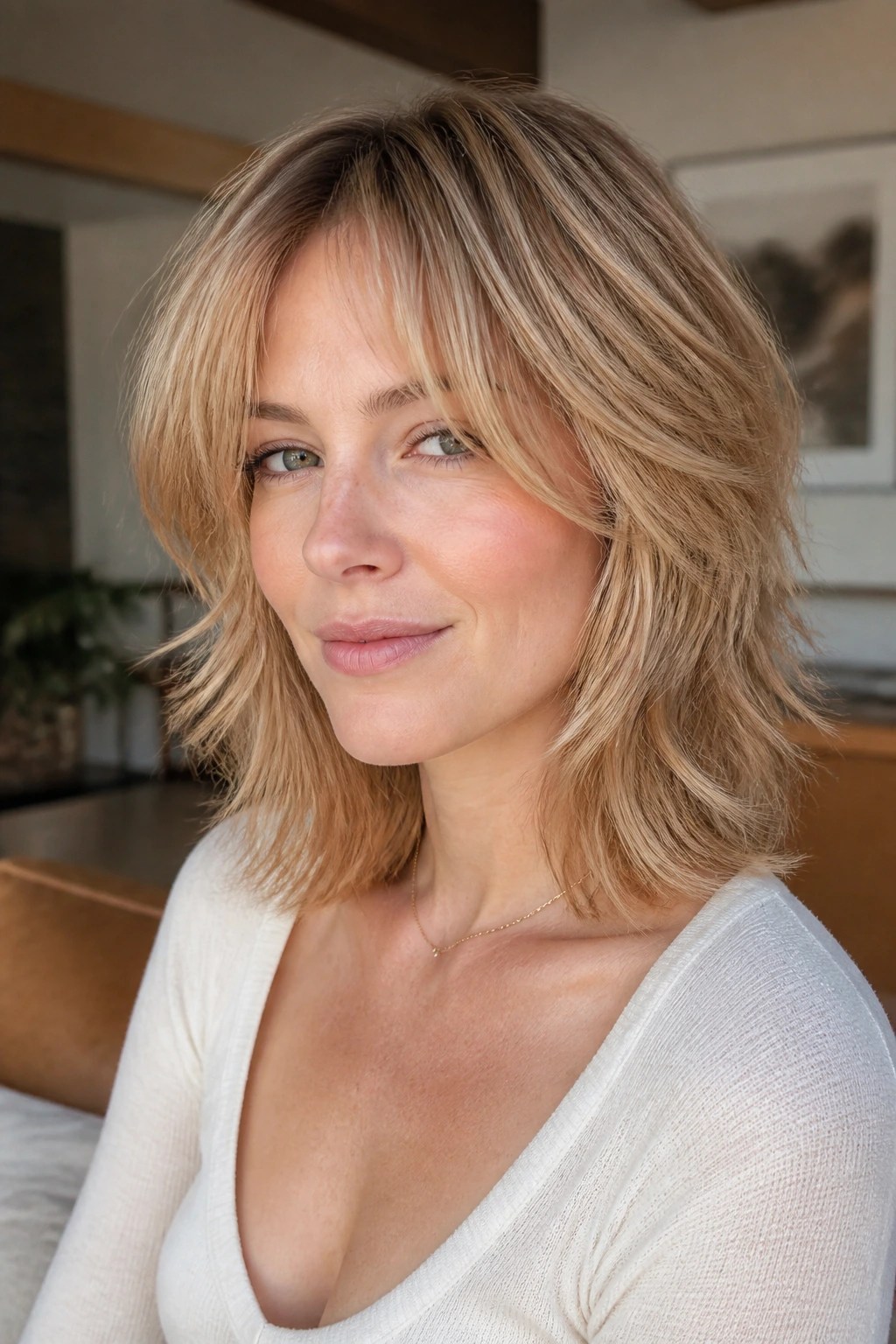
10. Caramel-Champagne Shag
The shag is where Bright Spring blonde gets a little attitude. Caramel-champagne highlights over a warm base add enough movement that pale skin doesn’t get flattened by the texture. The feathered layers are doing a lot here, and the color placement keeps the shape from looking too heavy at the ends.
A shag should feel broken-up, not perfect. That’s the whole charm. The top can be a touch darker, the mid-lengths brighter, and the ends softly diffused. That spread makes the hair look fuller, especially if it’s fine or medium in density.
- Ask for wispy layers around the cheekbone.
- Keep the bangs piecey, not thick.
- Add a gloss every few weeks so the caramel reads clean.
- Use a texturizing spray at the roots, not just the ends.
On pale skin, this style has a bit of edge without losing warmth. It’s one of my favorites for people who hate anything too sweet.
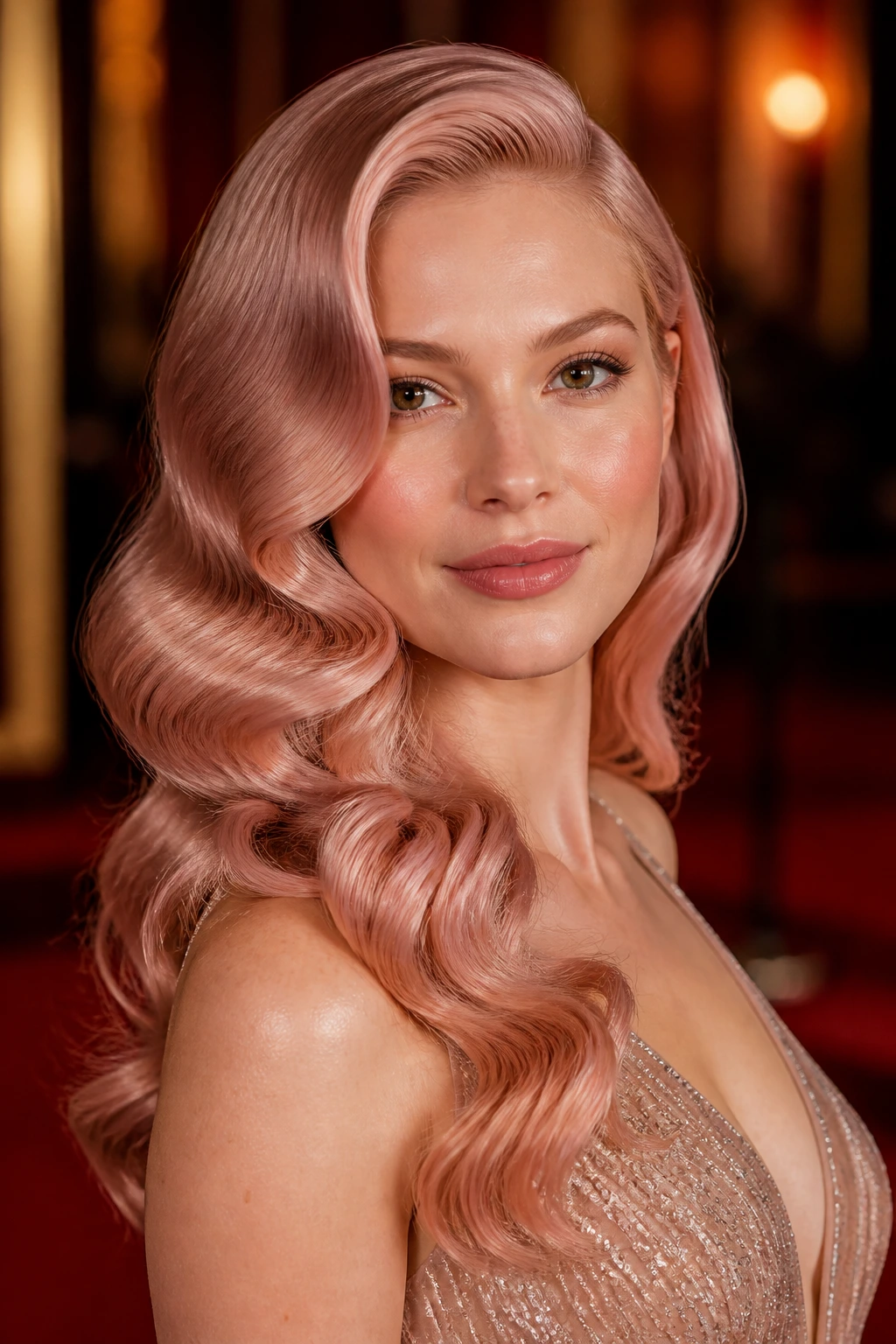
11. Rose-Gold Hollywood Waves
Rose-gold blonde is one of the few warmer blondes that can still feel dressy on pale skin without looking sugary. In old-school Hollywood waves, the color looks almost liquid. The slight rosy cast gives the face warmth, while the gold keeps the finish from becoming dusty.
This style loves a deep side part. The part adds drama, and the wave pattern gives the blonde a chance to reflect light in bands instead of a flat sheet. If your skin is very fair, the contrast is your friend.
A Small Caution
Rose-gold can slide into copper if the toner is too strong. You want blush warmth, not orange. Ask for a soft rose glaze over a gold base, and keep the roots slightly deeper so the color has a frame.
This is the look I’d choose for evening wear, portrait photos, or any time you want blonde to feel a little luxurious without going cool.
12. Braided Crown with Halo Blonde
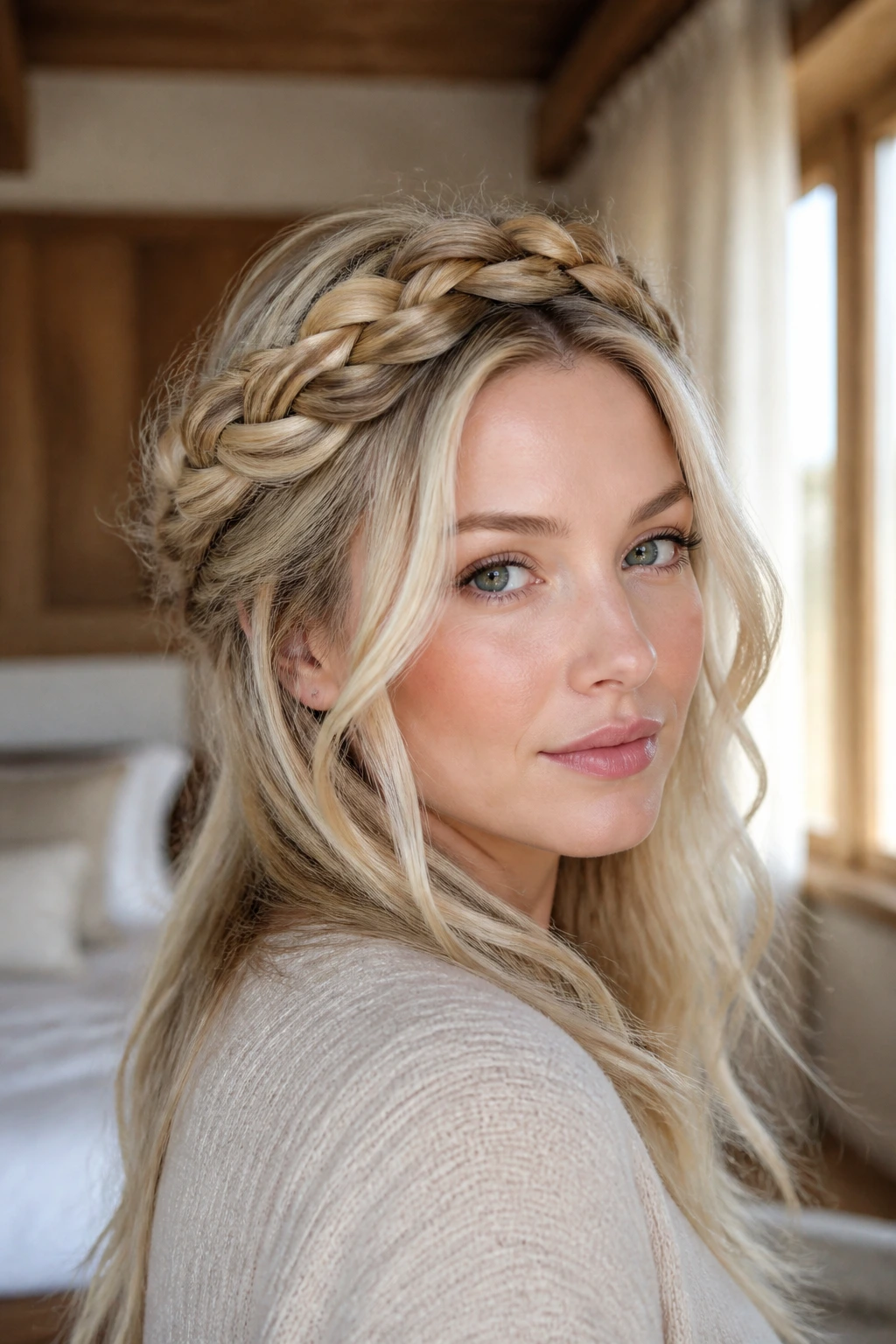
A braided crown is old-fashioned in the best way, and halo blonde makes it feel soft instead of severe. The braid lifts the hair away from the face, which is useful on pale skin because it lets the color act like a frame instead of a curtain. Halo blonde — that clean, light golden tone around the braid — gives the whole style a bright edge.
This works especially well if your hair has long layers. Shorter pieces can be pinned in, but the crown itself needs enough length to wrap and tuck. Keep the braid a little loose. Tight braids can look too formal and too flat against fine pale features.
I like this style because it turns blonde into shape, not just color. The braid line, the little bits of texture, the soft flyaways near the hairline — all of it matters.
13. High Ponytail with Face-Framing Strands
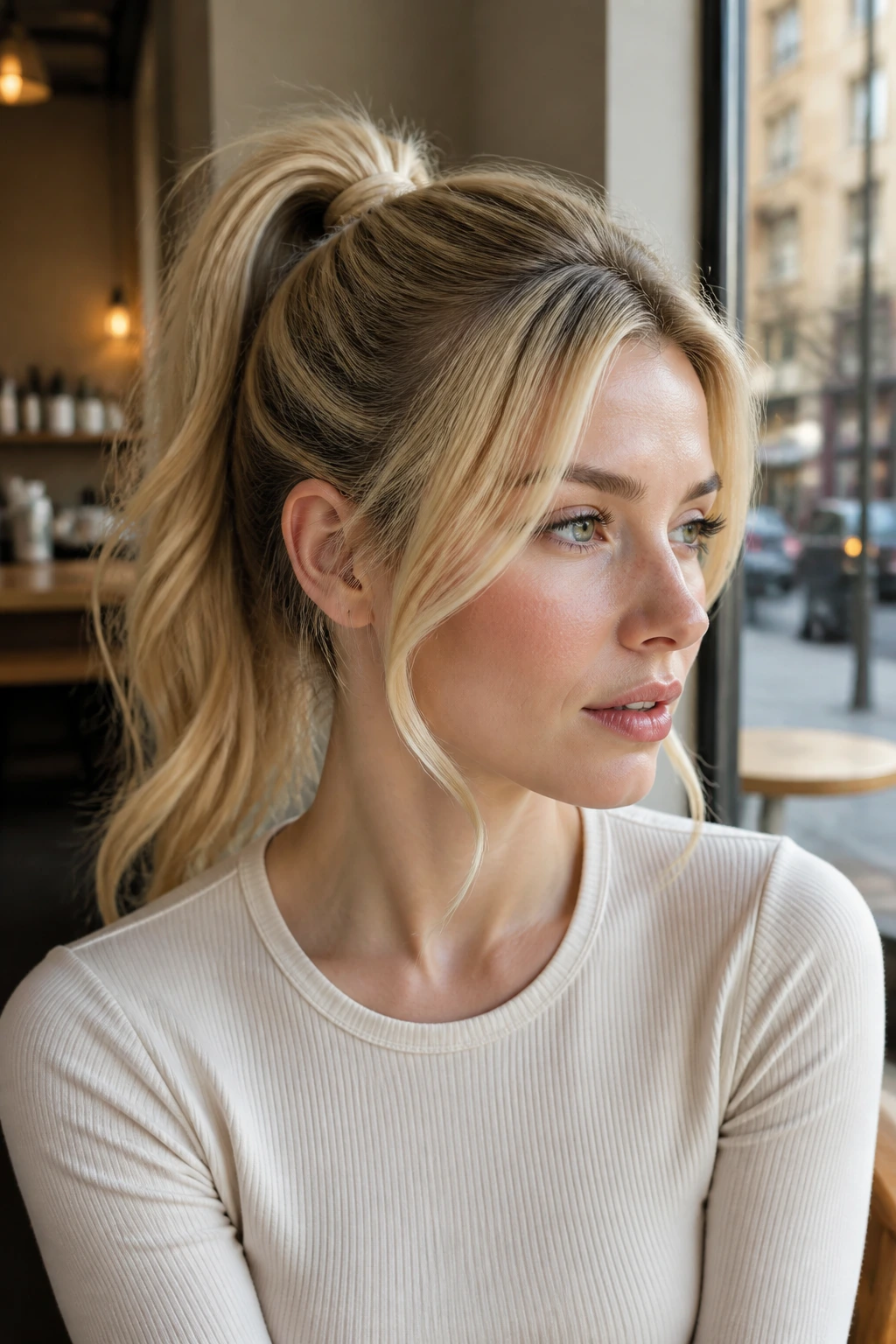
A high ponytail can be severe on pale skin if the blonde is flat. Bright Spring fixes that with face-framing strands in a lighter honey or champagne tone. The lift at the crown opens the face, and the bright front pieces keep the whole style from looking sporty in a harsh way.
The pony itself should sit high enough to create a clean line from cheek to crown. Wrap a small piece of hair around the elastic if you want the finish to look deliberate. Then curl the face-framing pieces away from the face so they skim the jaw, not stick to it.
- Keep the crown smooth but not plastered.
- Use a little root powder if the hair slips.
- Brighten the two front pieces by half a level more than the rest.
- Finish with flexible-hold spray so the pony still moves.
For pale skin, the contrast between sleek and bright is what makes this style work.
14. Pearl Blonde Low Chignon
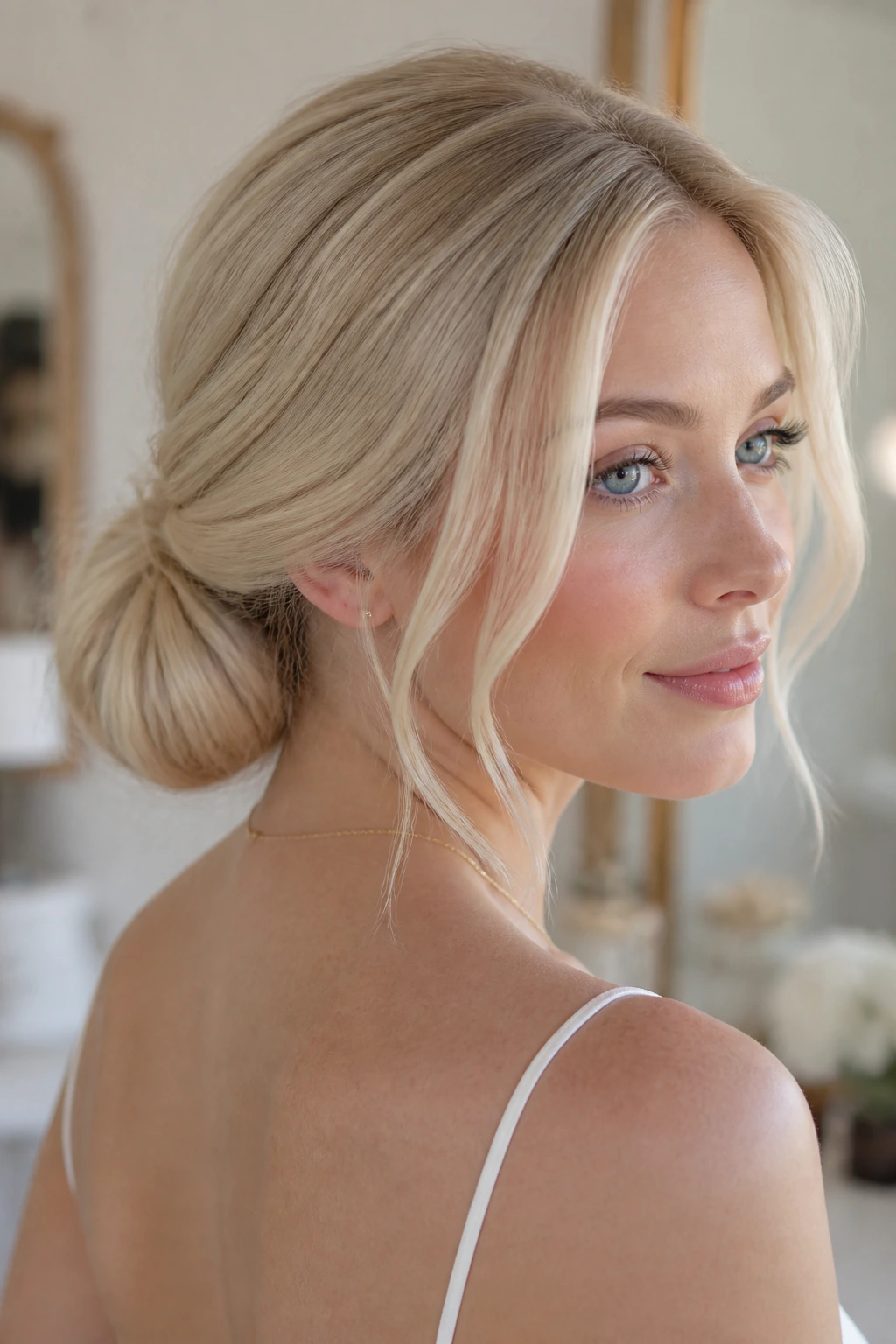
A low chignon in pearl blonde is softer than it sounds. The bun sits close to the nape, and the pearl tone gives pale skin a luminous, almost shell-like finish that reads clean in daylight. This is the kind of style that can look too cool if the tone drifts icy, so keep the warmth in the glaze.
The best version isn’t perfectly tight. Leave a touch of volume at the crown and a few fine strands around the face. That little looseness stops the style from looking stiff. On pale skin, a severe bun can flatten features fast; a softer chignon keeps the face alive.
A pearl blonde chignon is good for formal events, yes, but also for the odd day when you want your hair off your shoulders and still want the color to matter.
15. Pale Butter Bubble Ponytail
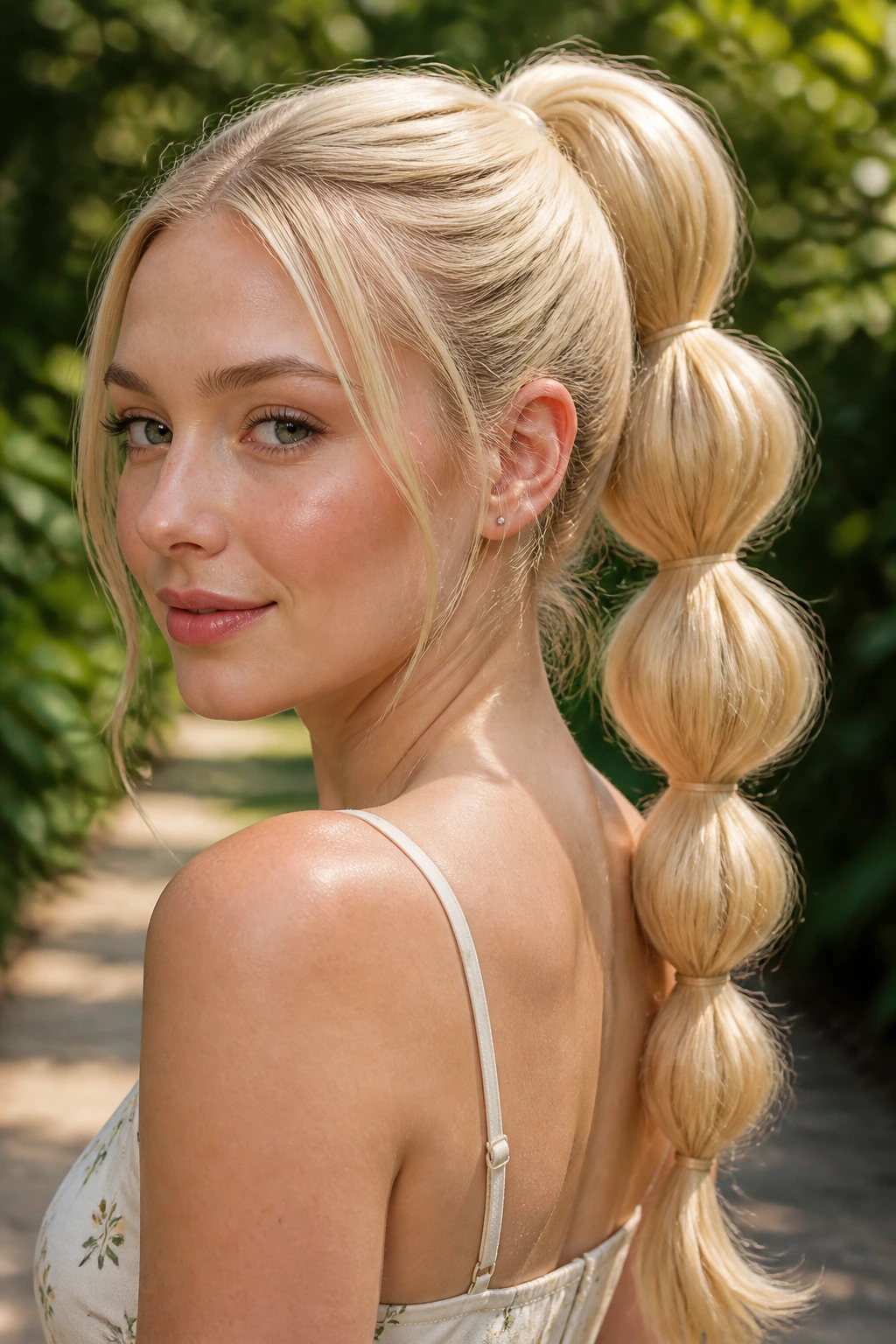
A bubble ponytail sounds playful because it is, but pale butter blonde gives it enough polish to keep it from feeling childish. The alternating puffs create little pockets of shadow and shine, which is useful on pale skin because it gives the hair shape without needing heavy styling. Butter blonde keeps the visual temperature warm and fresh.
You’ll want smooth sections between the elastics and a little tease at the crown for lift. If the hair is too flat, the bubbles collapse. If the blonde is too beige, the whole thing goes dull. The butter tone prevents both problems.
How to Style It
Use clear elastics, then wrap tiny strands around each one if you want a cleaner finish. A soft side part can make the style less symmetrical and more flattering for a narrow face. The bubbles don’t need to be huge; even small ones create enough movement.
This is a fun one when you want pale skin to look bright and the hairstyle to have some personality.
16. Toasted Wheat Low Bun
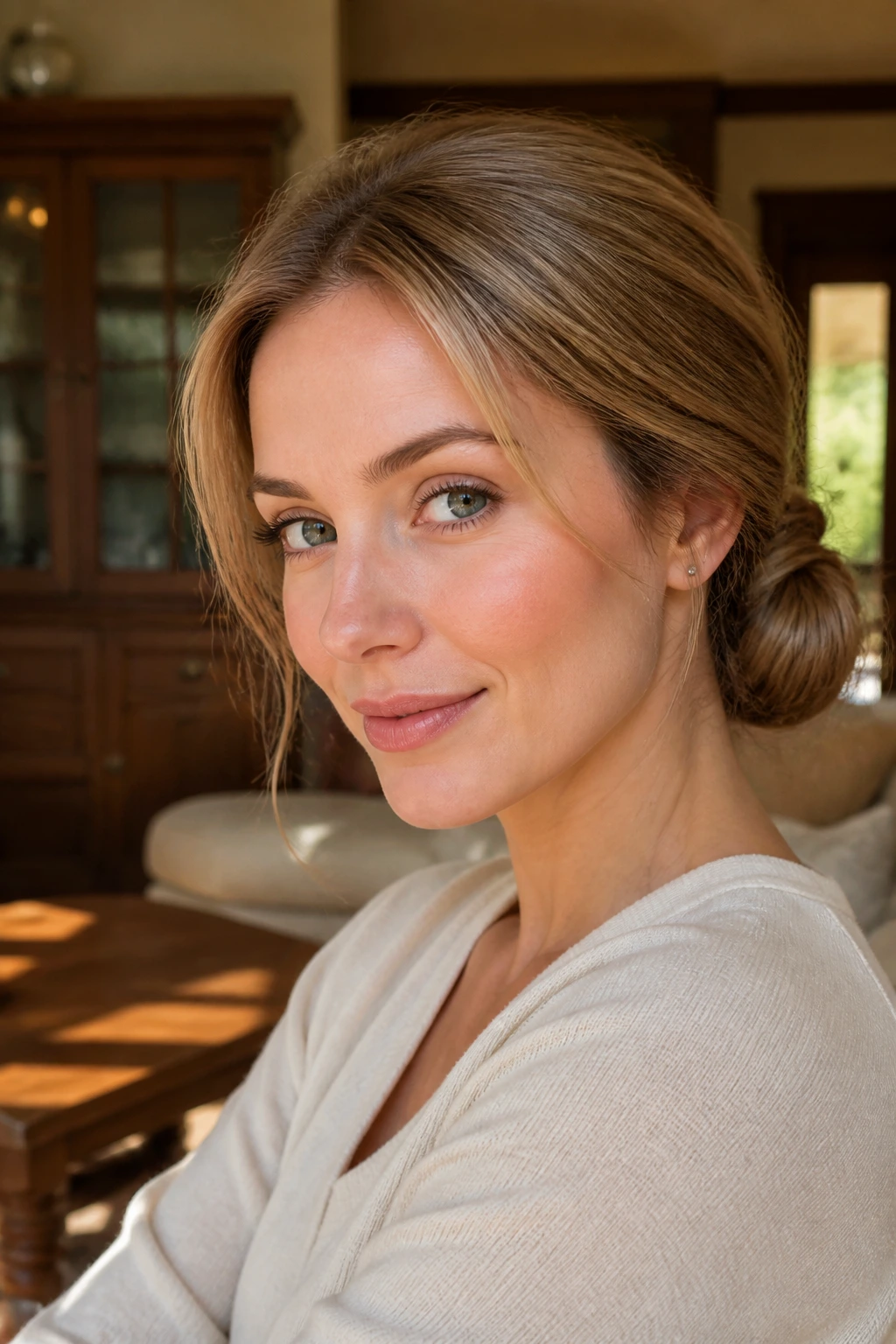
The toasted wheat low bun is one of those styles that depends on subtle color more than obvious styling. A low bun can vanish against the head if the blonde is too one-note, but toasted wheat has enough depth to keep the shape visible. On pale skin, that matters. The bun has to frame the face, not disappear into it.
Pull the top section back loosely, then tuck the bun low and slightly off-center if you want a softer line. The wheat tone should show around the crown and the nape where the hair curves. That’s the bit that keeps the style from going flat.
- Keep a few wispy pieces near the temples.
- Use a matte pin if the hair slips.
- Add a soft gloss, not a high-oil finish.
- Let the bun stay slightly imperfect.
It’s a quiet style, but not a boring one.
17. Bright Money Piece with Straight Lengths
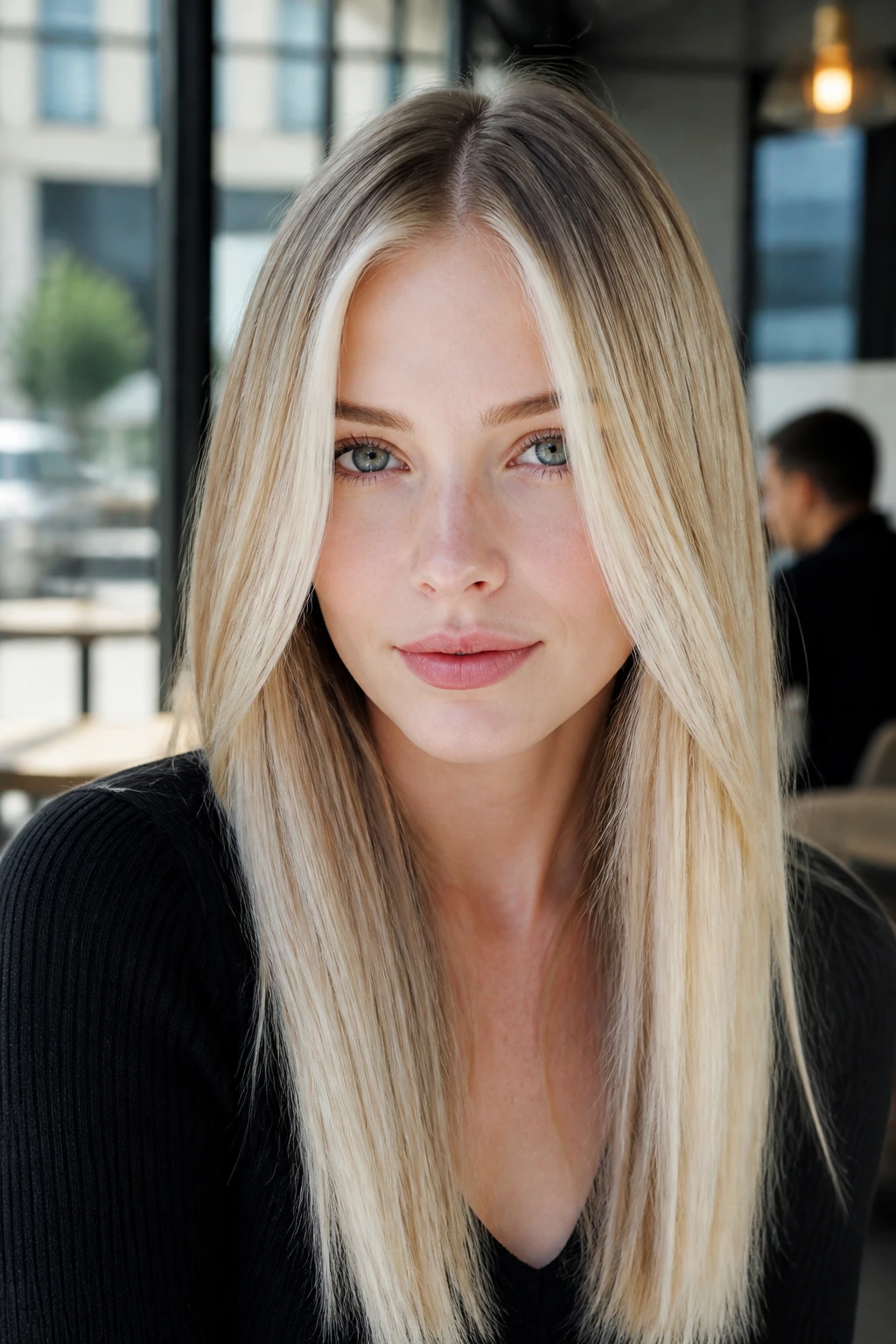
Straight hair can look almost too honest, which is why a bright money piece is such a good move. The clean lengths let the face-framing blonde do the work, and on pale skin the contrast keeps the whole look from washing out. This is especially nice if your natural hair is medium blonde or light brown and you want a Bright Spring result without overdoing the rest.
The money piece should be the brightest part, with the rest of the hair staying a shade deeper. That makes the face glow without making the crown look stripped. A center part keeps the symmetry crisp, but a slight off-center part can soften a longer face.
I’d wear this on days when you want the blonde to look expensive in a blunt, graphic way. No fluff. No extra texture needed.
18. Buttery Beige S-Curve Bob
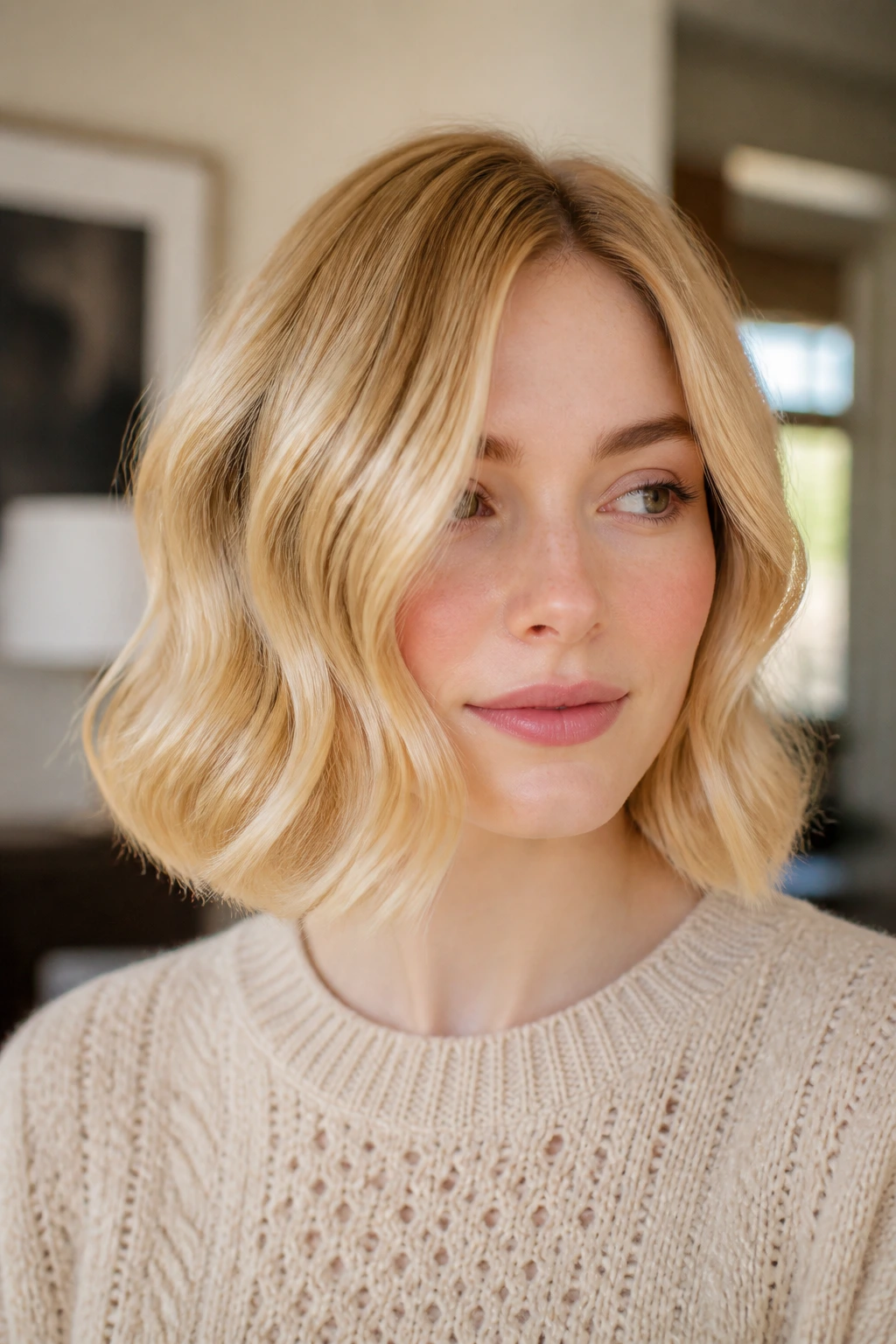
An S-curve bob sits somewhere between straight and waved, which makes it ideal for buttery beige blonde. The bend in the hair adds movement, and the buttery tone keeps pale skin looking warm, not yellow. Beige alone can feel limp. Buttery beige, with a touch of gold, has more life.
The bob should skim the jaw or lip line, depending on your face shape. Keep the curve loose through the mid-lengths and only slightly bent at the ends. If the bend is too tight, the style gets old-fashioned fast. Too flat, and the color has nothing to play against.
This is one of those styles that looks particularly good under indoor lighting, which is where pale skin often needs the most help. The blonde reflects without glare.
19. Warm Opal Wolf Cut
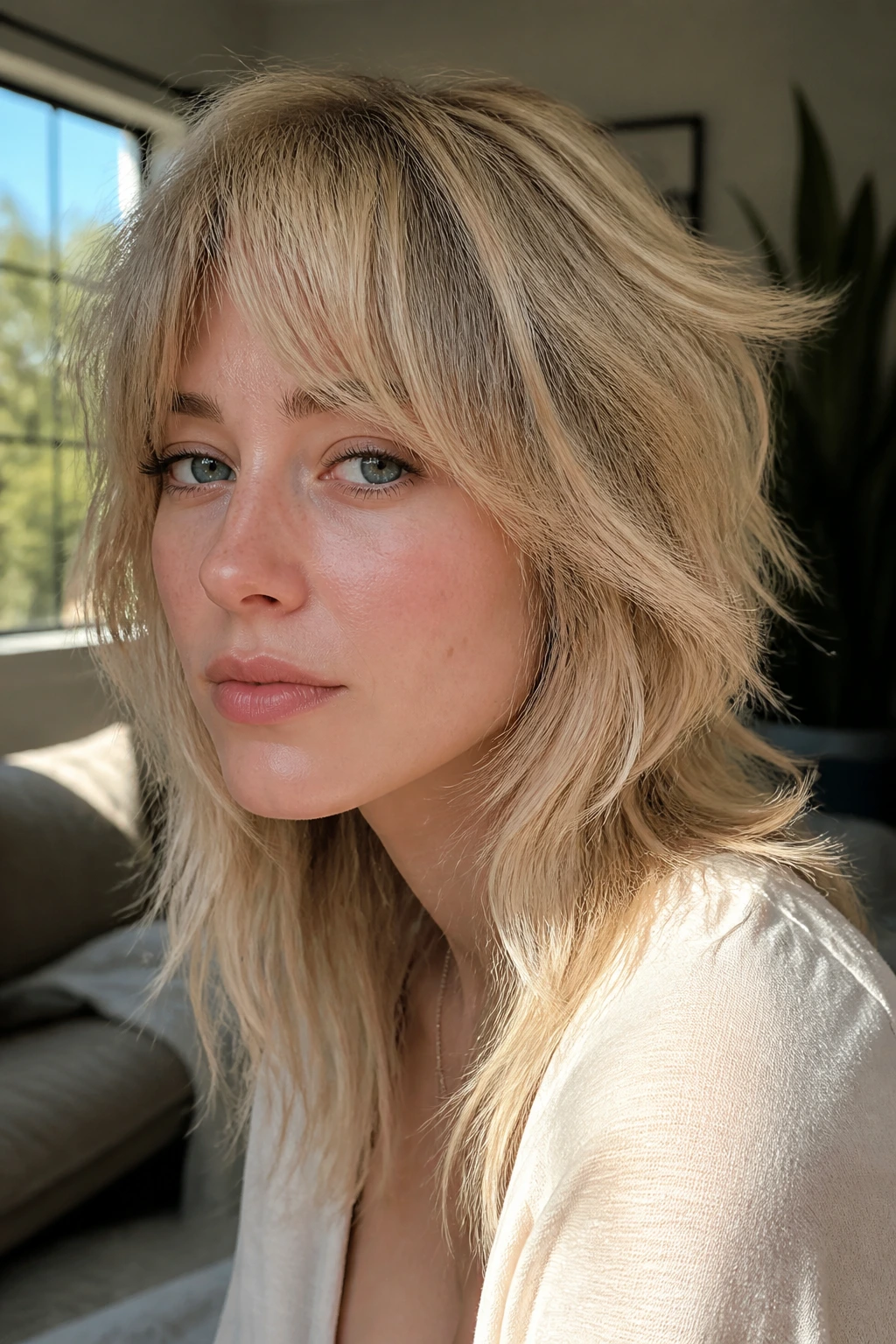
The wolf cut needs a blonde with enough clarity to keep all the layers from blurring together. Warm opal blonde does that. It’s still soft, but it has a little brightness at the surface and a little warmth underneath, which gives pale skin a nice lift. If you like messy texture, this cut can look excellent without turning into a dry puffball.
The layers should be choppy at the crown and longer through the bottom. That contrast keeps the shape intentional. Ask for brighter ribbons around the face and through the top layer, then leave the underlayers a touch deeper so the style has depth.
A wolf cut can go very wrong when the blonde is ash-heavy. Warm opal keeps it from looking flat. That’s the whole point.
20. Cream Soda Half-Up Twist
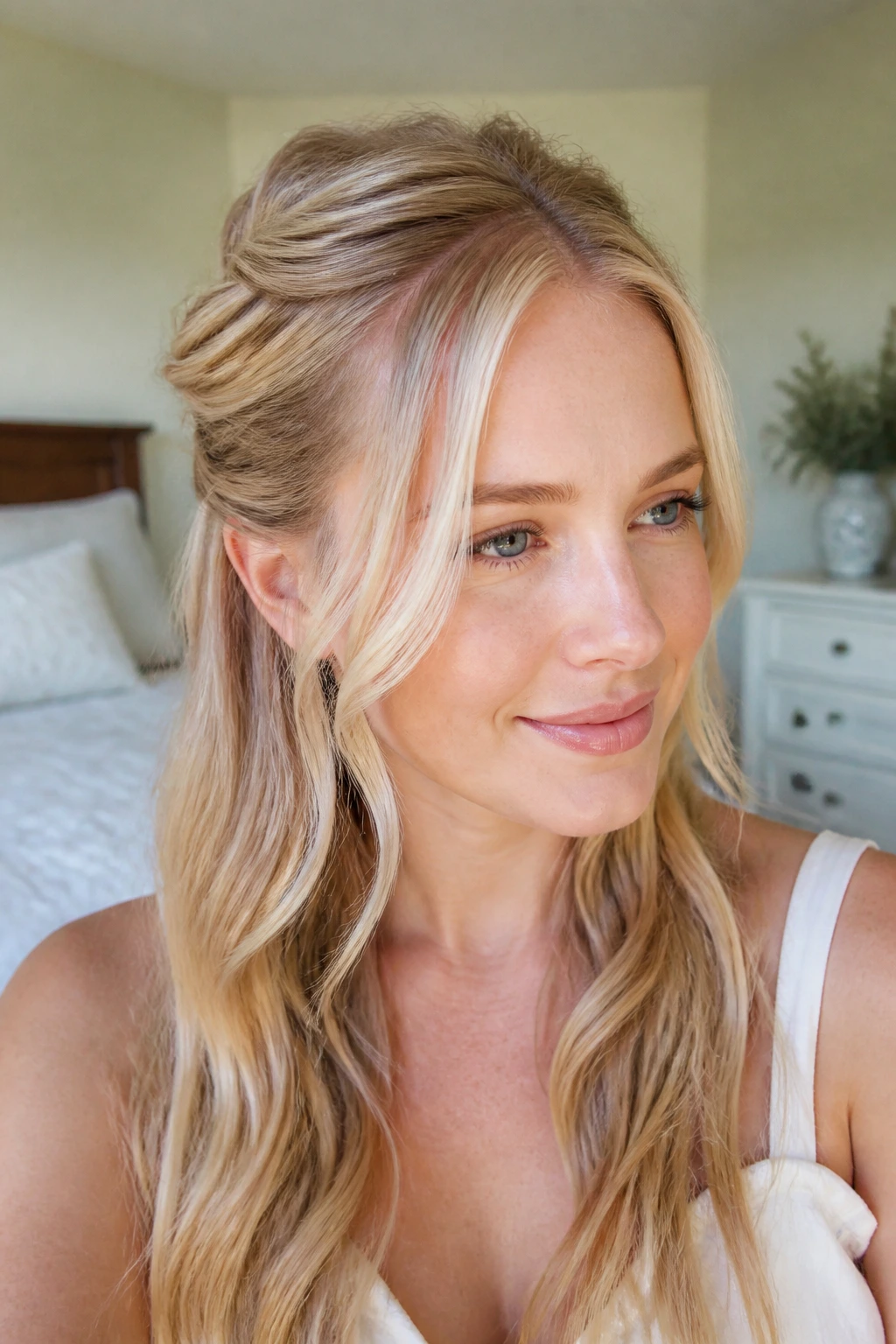
A cream soda blonde half-up twist has an easy, soft charm that works well with pale skin because the tone is warm but still light. The twist at the back pulls attention upward, and the creamy blonde keeps the visible hair from feeling too dense. If your hair is long and fine, this is a smart way to create shape fast.
The twist should be loose. Tight twists look school-dance formal in a hurry. Keep the front pieces slightly brighter and let a few wisps fall out around the ears. The color should be creamy enough to feel fresh, not frosted.
A Note on Finish
A little texture spray at the roots gives the twist grip. That matters if your hair is silky. Without it, the twist slides and the shape disappears by lunch. Pale skin looks especially good with this style because the softness of the color echoes the softness of the updo.
21. Warm Platinum Blowout
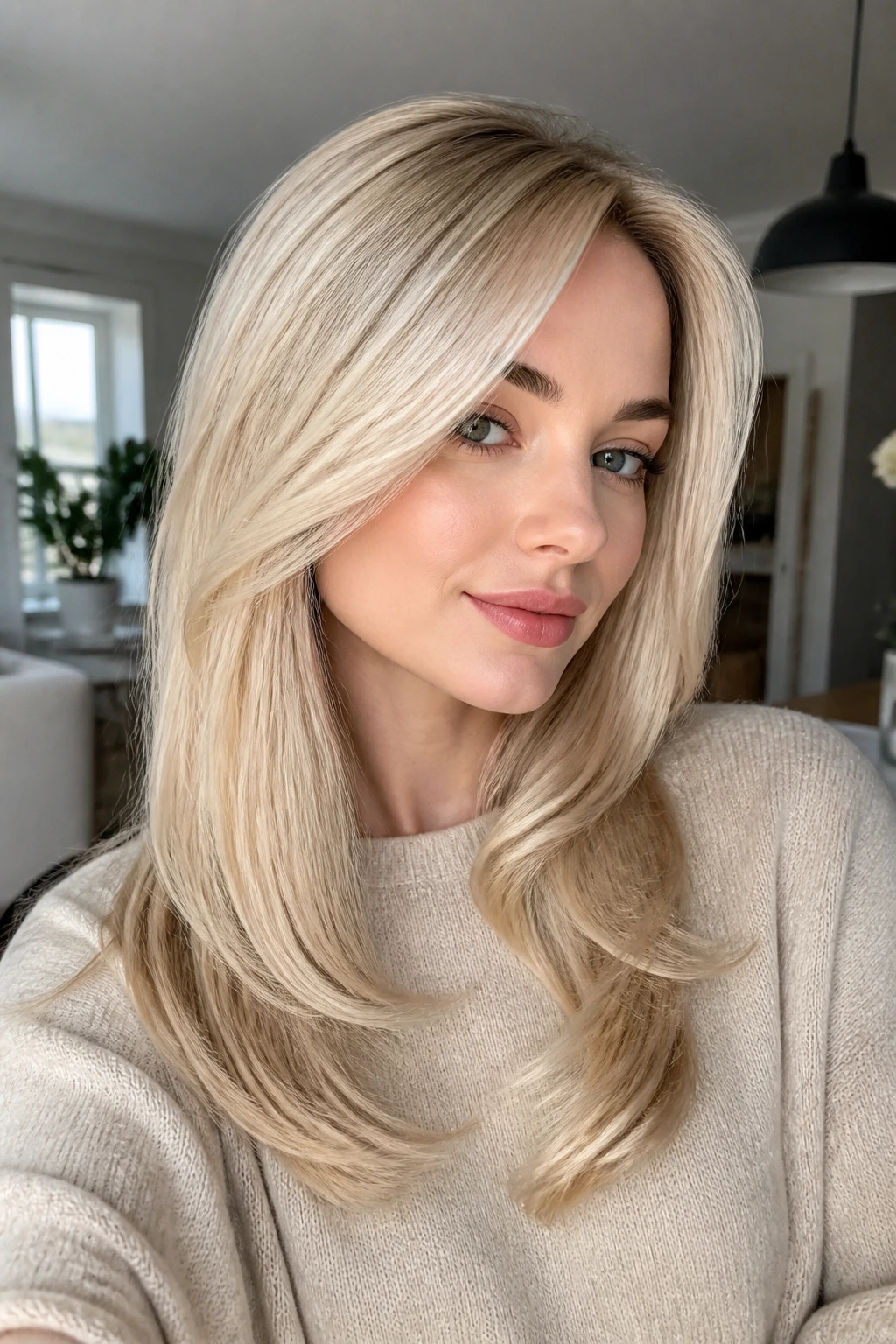
Warm platinum is not the cold, white-blonde people often think of when they hear platinum. The warmth keeps it wearable on pale skin, especially if the complexion is pink or porcelain. A blowout gives the color movement, and movement keeps the hair from reading flat or dry.
The key is shine. Warm platinum looks expensive when the cuticle is smooth and the ends are blunt enough to catch light. Ask for a slight root shadow so the scalp doesn’t disappear into the color. Without that small anchor, very fair skin can look paler than it needs to.
This is the kind of blonde that benefits from a good round brush finish and a gloss more than from lots of product. Too much oil can make platinum look limp. A little shine. Enough.
22. Golden Wheat Micro Fringe
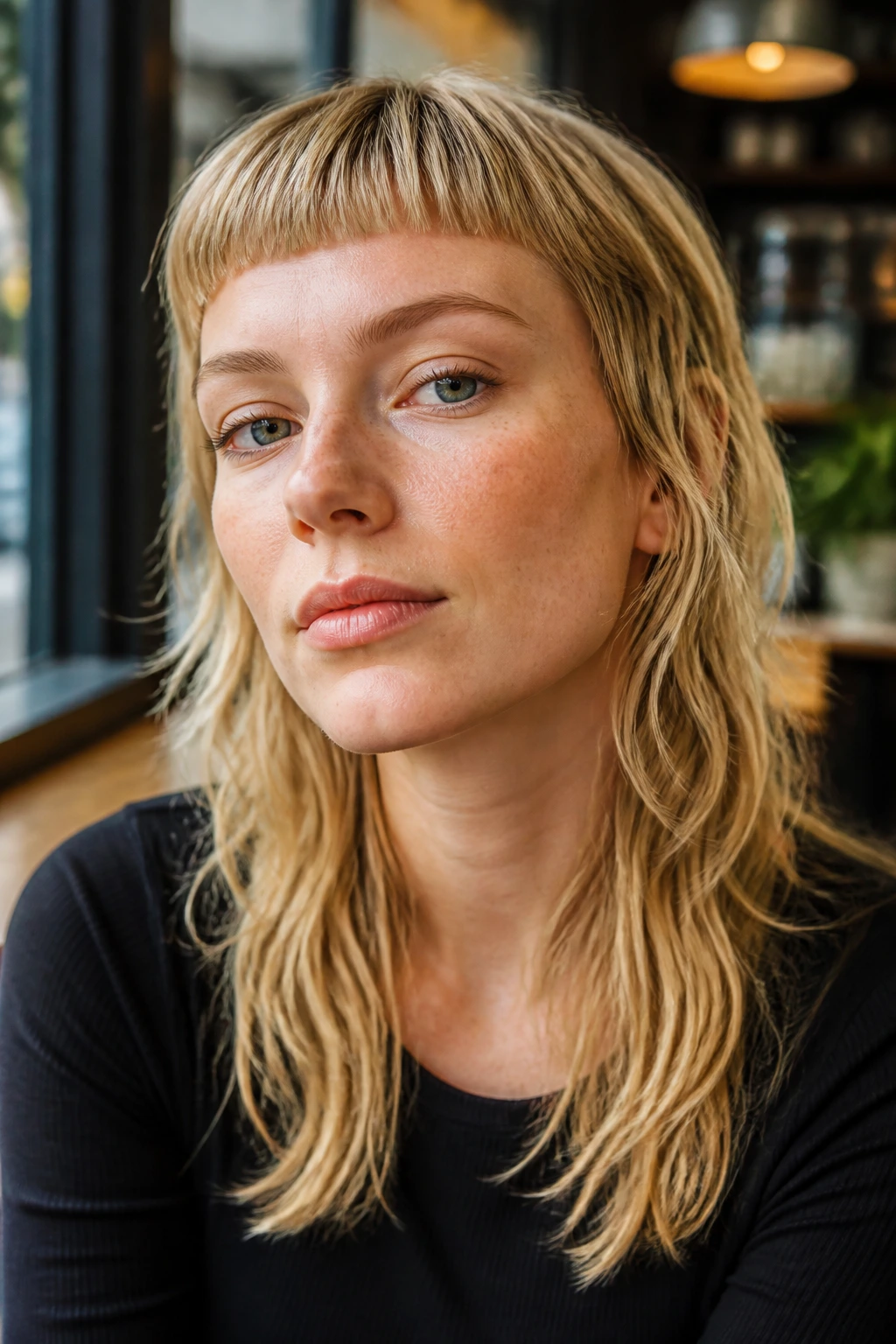
A micro fringe is bold, and that’s exactly why it’s interesting on pale skin. Golden wheat blonde stops it from looking severe. The fringe creates a hard line; the warm color softens it. If the hair is one shade too cool, the whole thing goes architectural in a bad way.
The rest of the hair should stay longer and a little textured so the fringe has room to breathe. Keep the front bright but not bleached-white. A micro fringe with wheat blonde looks best when the eyebrows are visible and softly shaped, because the face needs balance.
- Best for people who like short bangs and clean edges.
- Works well with a textured bob or collarbone cut.
- Needs trims more often than other fringe styles.
- Looks strongest when the blonde stays warm from root to tip.
This one has personality. Plenty of it.
23. Sun-Kissed Claw-Clip Twist
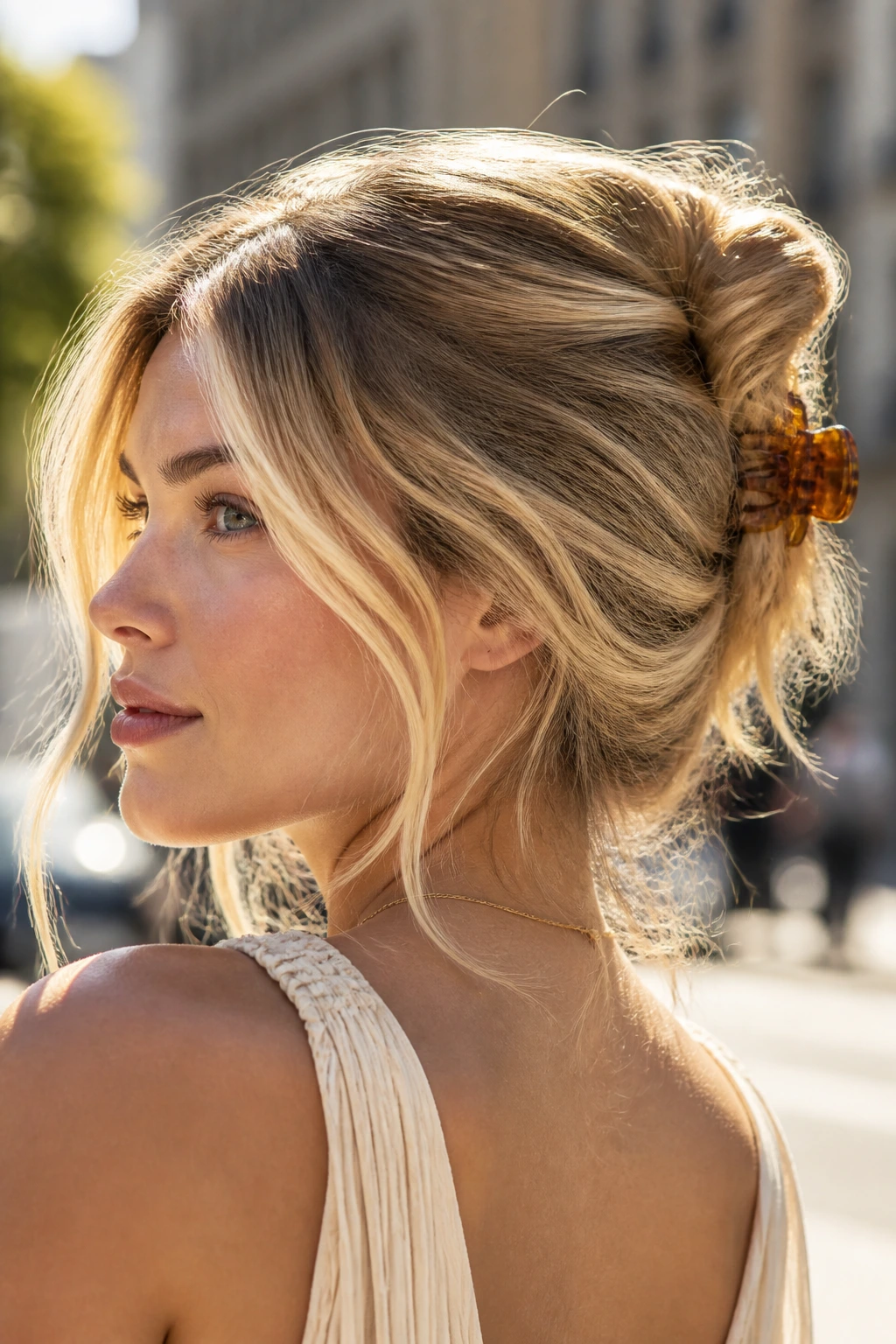
The claw-clip twist is the kind of style people write off until they see it on the right blonde. Sun-kissed ribbons around the face and a soft twist at the back keep pale skin from going blank, while the clip itself gives the shape a bit of lift. It’s quick, but it doesn’t look rushed when the color is right.
Leave the top loose and twist only the mid-lengths and ends into the clip. Let some brighter pieces spill at the temples and around the ears. That movement is the whole point. A flat, tight claw-clip style can look accidental. A sun-kissed one looks designed.
This is a good fit if you want something that can go from errands to dinner without a hair change.
24. Nectar Blonde Beach Waves
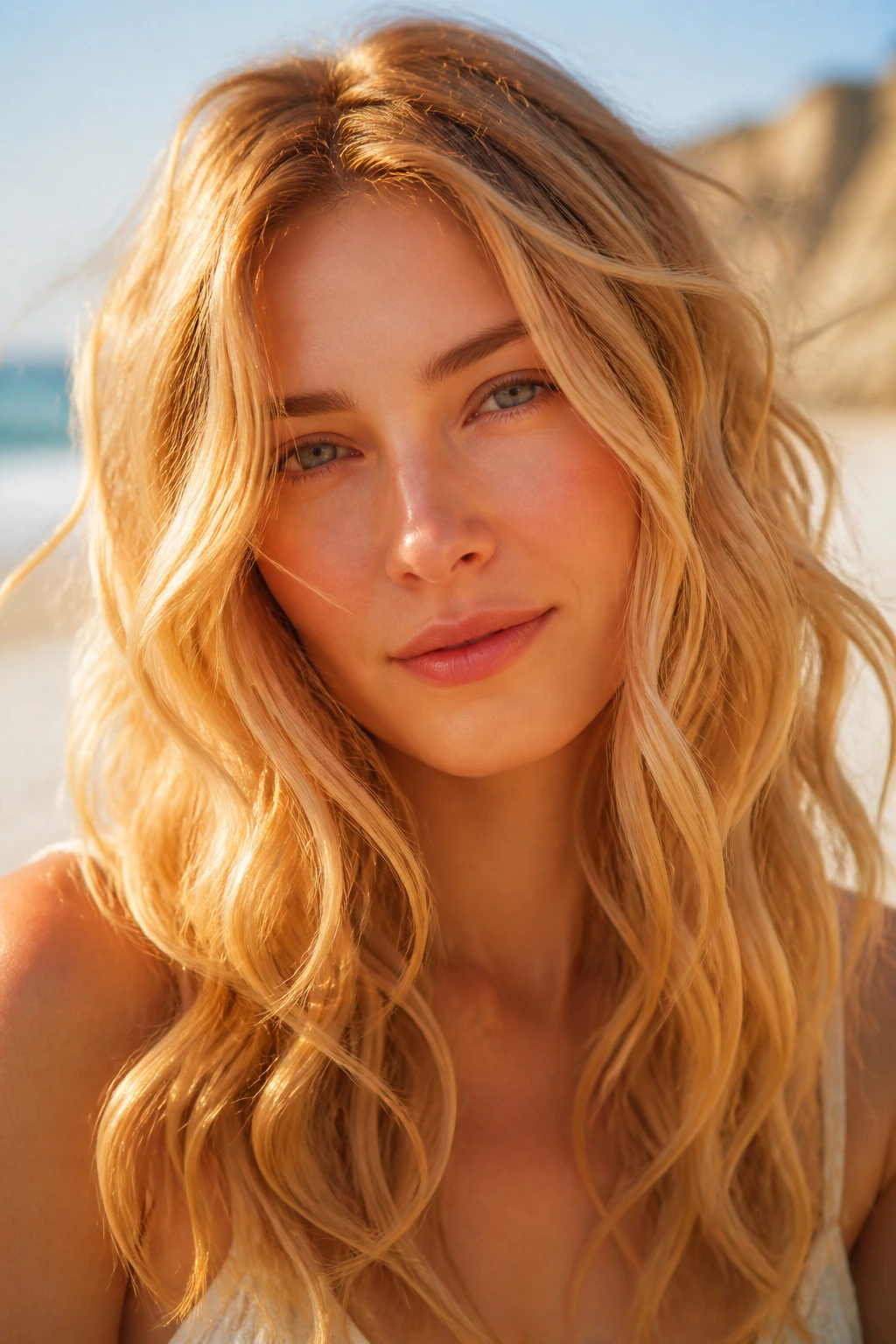
Nectar blonde sits in that warm, golden-peach zone that makes pale skin look less stark without getting orange. On beach waves, the color becomes soft and layered, because every curve catches light a little differently. That makes this style a safe choice if you like relaxed hair but still want the blonde to do something noticeable.
The waves should be irregular. Not all the same size. That unevenness makes the color look natural, even when the tone is clearly planned. A flat wave pattern can make warm blonde look too tidy and fake.
Who It Suits
Nectar blonde is good for pale skin that feels easily drained by cool tones. It also helps if your hair has a natural bend. The texture gives the blonde a place to sit, and the warmth keeps the whole look from going beige in indoor light.
25. Buttercream Tucked Lob
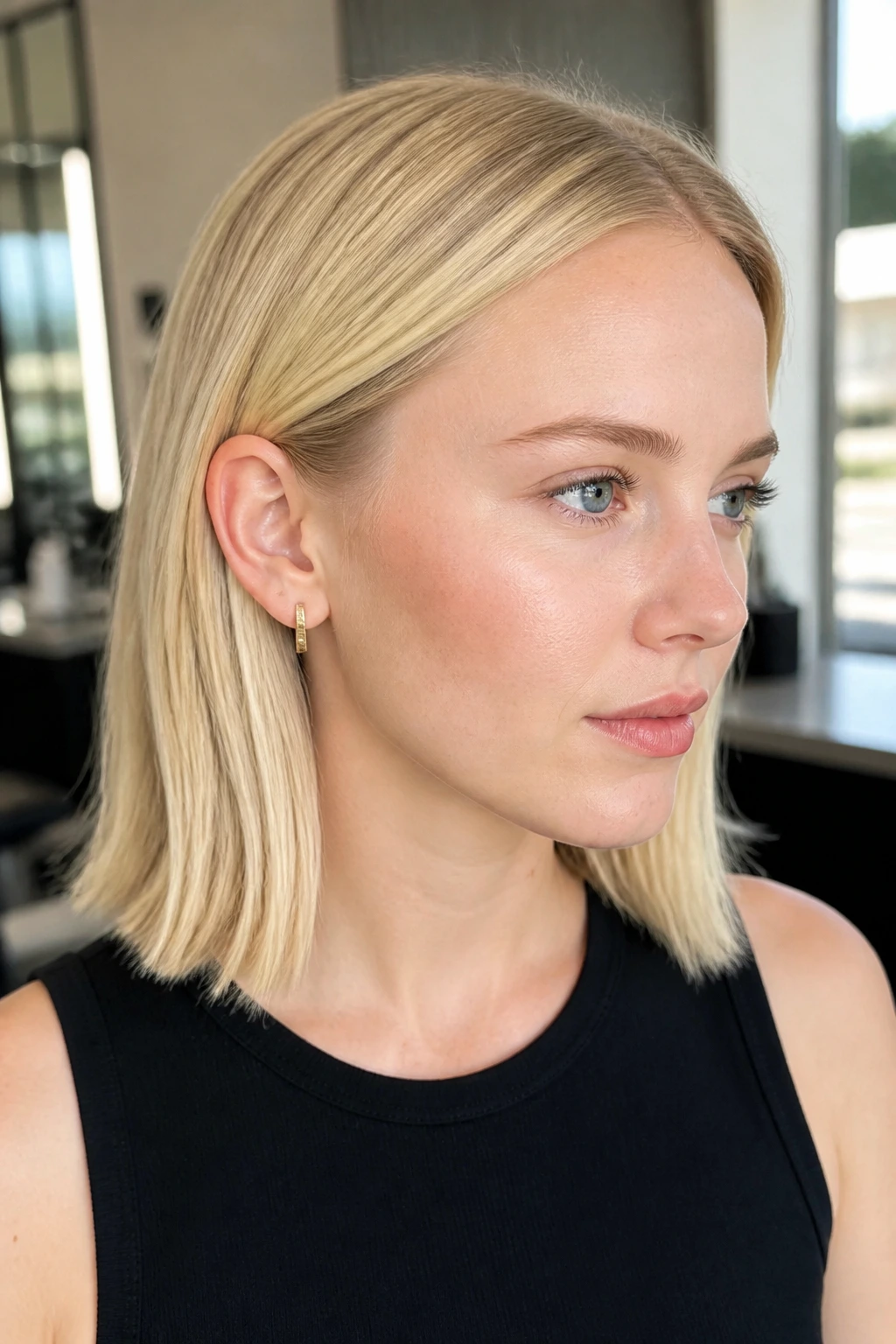
A buttercream lob tucked behind the ears is one of the cleanest ways to wear Bright Spring blonde on pale skin. The cut keeps the line sharp, the tuck shows the jaw and cheekbones, and the buttery tone brings warmth without weight. It’s polished without being stiff, which is harder to pull off than people think.
The tucked style relies on blunt ends and a smooth crown. If the hair is too layered, the tuck falls apart. If it’s too icy, the face loses warmth. Buttercream blonde sits right in the middle — bright enough to feel fresh, soft enough to flatter fair skin.
I like this one because it doesn’t hide behind styling tricks. It just gives the face a clear outline and lets the color do the talking.
Why Bright Spring Blonde Flatters Pale Skin
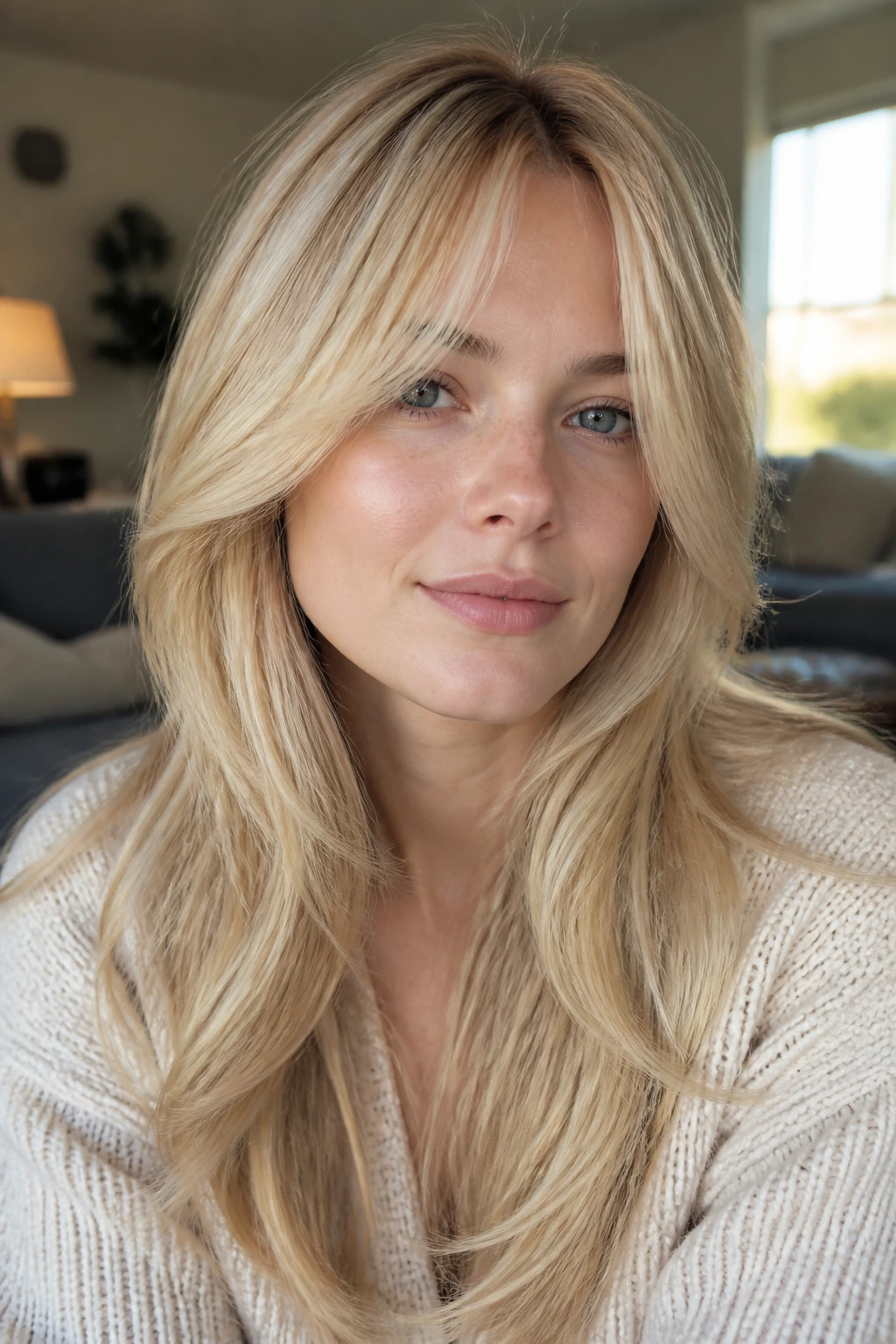
Pale skin needs contrast more than it needs darkness. That’s the part people miss when they chase a blonde that looks good on a swatch but deadens the face in daylight. Bright Spring blonde works because it brings warm, clear light back to the skin instead of pushing the complexion into a gray or smoky zone.
The best tones for this palette live in the gold family: champagne, butter, honey, cream soda, apricot beige, wheat, nectar, and warm platinum with a soft gloss. Those shades have enough warmth to keep the face looking awake, but enough clarity that they don’t turn muddy. That clarity matters. A muted blonde can be pretty on paper and dull in real life.
Face shape plays a bigger role than people expect, too. If your skin is very fair, a bright money piece, a blunt bob, or a lifted crown can keep the blonde from “floating” away from your features. You want the hair to frame the face, not erase it. That’s why a deeper root shadow, a slightly brighter front ribbon, or a clean part can make such a visible difference.
How to Ask for the Right Bright Spring Blonde
Walk into the salon with three words in your head: warm, clear, dimensional. Those are the things to say out loud, too. They tell your colorist you want brightness without ash, gold without brass, and lightness that still has shape around the face.
If your starting color is darker than a light blonde, ask for a gradual lift rather than a full strip-and-tone approach. Pale skin often looks best when the color has a little depth at the root and clean brightness around the face. A one-tone blonde from scalp to ends can look harsh. A rooted blonde with champagne or butter ribbons tends to sit better.
Ask for a toner that stays on the warm side. That doesn’t mean orange. It means no smoky beige, no icy silver, no heavy violet correction that mutes the shine. If your stylist uses gloss, that gloss should leave the hair reflective, not chalky.
Essential Tools and Products for These Looks
- Color-safe sulfate-free shampoo: Keeps blonde from fading fast and helps the tone stay clean between glosses.
- Lightweight conditioner: Adds slip without flattening the crown or making fine hair collapse.
- Heat protectant spray: Necessary if you’re blow-drying, curling, or flat ironing any of these styles.
- Purple or beige-toning shampoo: Use sparingly; a warm blonde on pale skin can go dull if you overdo toning shampoo.
- Gloss or shine spray: Helps champagne, butter, and honey tones reflect light instead of looking dry.
- 1-inch curling iron or wand: Useful for waves, bends, and face-framing pieces.
- Round brush: The best tool for blowouts, curtain bangs, and polished bobs.
- Tail comb: Handy for clean parts and for lifting the crown a little at the roots.
- Duckbill clips or sectioning clips: Make it easier to set waves and manage face-framing pieces while styling.
- Satin pillowcase: Reduces friction so bright blonde ends don’t rough up overnight.
How to Style These Looks So They Don’t Wash Out Your Face
Makeup Pairing: Pale skin with Bright Spring blonde usually looks best with peach blush, warm rose, soft coral, or a sheer terracotta lip. Harsh gray-brown makeup can drag the face down. A little warmth in the cheeks and lips keeps the blonde from taking over.
Wardrobe Contrast: Clean white, warm navy, aqua, coral, apricot, and clear red all sit well beside these shades. Very muddy taupes can make the blonde look less fresh. If you wear black, add warmth back with gold jewelry or a softer lip color.
Parting and Shape: Center parts sharpen many of these looks, but a soft side part can help if your face is narrow or your features need a little roundness. The key is not the part itself. It’s whether the blonde has enough brightness near the face to frame you.
Brows and Lashes: Keep brows visible. If the hair gets too light and the brows stay too faint, the whole face can disappear. A softly defined brow and clean lash line do more than people think.
Additional Tips and Color Boosters
Color Booster: Ask for a clear or champagne gloss every few weeks if the blonde starts looking dry. It adds shine without turning the tone smoky.
Texture Booster: Use loose waves, a round-brush bend, or a soft root lift when the hair feels too flat. Bright Spring blonde looks better with movement because the color catches light in sections, not all at once.
Face-Framing Trick: Keep the brightest pieces around the hairline and cheekbone. Even a one-shade difference can change how pale skin reads in daylight.
Make-It-Yours: Fine hair likes lighter ribboning and a blunt shape. Thick hair handles bigger waves and deeper root shadow. Curly hair does best with a halo of warm highlights that follow the curl pattern instead of fighting it.
My opinion: skip the heavy purple shampoo unless brass is actually showing. Over-toning is one of the fastest ways to make a warm blonde look dusty.
Common Mistakes to Avoid
Choosing ash because it sounds “clean”: On pale skin, ash can go flat fast. The face starts looking tired instead of fresh. Fix it by asking for champagne, butter, honey, or wheat with a warm gloss.
Going too light at the roots: A scalp-to-ends platinum blonde can erase facial structure on very fair skin. Add a soft root shadow or keep the crown slightly deeper so the face has contrast.
Letting brass take over: Warm blonde is not the same as orange brass. If the ends start going yellow or coppery, use a toner or gloss before the whole head drifts off-tone.
Overusing toning shampoo: Purple shampoo every wash can mute Bright Spring warmth. Use it only when you need to control yellow, and follow it with a hydrating conditioner.
Ignoring the haircut: Blonde needs shape. If the cut is too heavy, even a gorgeous tone can look dull. Ask for layers, a blunt edge, or face-framing movement so the color has something to sit on.
Variations and Adaptations to Try
Rooted Bright Spring Blonde: Keep the roots one or two levels deeper than the mids and ends. This is the easiest way to keep pale skin from disappearing behind the blonde, and it grows out with less drama.
Champagne-First Blonde: If your skin is very fair or pink, lean into champagne and pearl instead of heavy gold. The warmth is still there, but the tone stays clean rather than orange.
Fine-Hair Lifted Blonde: Use narrower highlight ribbons and a blunt bob, lob, or soft shag. Fine hair usually looks better when the blonde is controlled and the cut adds the volume.
Curly Halo Blonde: Follow the curl pattern with warm highlights and leave depth underneath. That keeps the curls defined and stops the hair from turning into one bright blob.
Low-Maintenance Soft Grow-Out: Ask for balayage, a subtle money piece, and a gloss that fades gracefully. The style still reads Bright Spring, but the regrowth line stays softer.
How to Keep Bright Spring Blonde Fresh Between Appointments
Blonde like this lives or dies by routine. If you wash it too often, the shine goes first. If you ignore it, the warmth shifts and the ends start to look rough. The sweet spot for most people is washing two to three times a week, using a color-safe shampoo, and conditioning the mid-lengths and ends every time.
A gloss or toner refresh every 4 to 8 weeks keeps the blonde clear. If your hair is porous, you may need the closer end of that range because porous hair drinks up toner and loses its shine faster. Purple shampoo can help if yellow creeps in, but it should be used like a tool, not a religion. Once every second or third wash is plenty for many warm blondes.
Heat protection matters more than people think. A Bright Spring blonde looks best when the cuticle is smooth, which means you want heat protectant every time you blow-dry, curl, or flatten the hair. Add a deep mask once a week if the ends feel rough, and trim every 8 to 12 weeks so the blonde doesn’t fray into straw at the bottom.
Sun and chlorine deserve respect, too. If you spend time outside or in pools, protect the hair or rinse it well afterward. Warm blonde can turn dull fast when it’s left to take the hit.
Bright Spring Blonde FAQs for Pale Skin
Is Bright Spring blonde too warm for very fair skin?
Not if the tone stays clear. Pale skin usually handles champagne, butter, honey, and wheat better than smoky beige or icy ash because those warmer tones keep the face from going gray.
Which is better on pale skin: champagne blonde or butter blonde?
Champagne is a little more polished and pearly; butter is a little softer and richer. If your skin leans pink, champagne often feels cleaner. If your skin is neutral or slightly golden, butter can add more warmth.
Can I keep dark brows with Bright Spring blonde?
Yes, and in many cases you should. Darker brows give pale skin structure and keep the face from vanishing next to very light hair. Just soften the shape so the contrast feels intentional.
How often do I need toner or gloss?
Most Bright Spring blondes look best with a refresh every 4 to 8 weeks. Porous hair may need more frequent glossing because it loses shine faster and can start looking flat at the ends.
What if blonde makes me look washed out?
Usually the issue is either too little contrast or the wrong tone. Add a deeper root, brighten the pieces around the face, and shift away from ash or beige that mutes the complexion.
Does this palette work on curly hair?
Yes, and it can look excellent. The trick is to place highlights where the curls naturally separate, so the warmth moves through the shape instead of sitting on top of it.
Which style is easiest to maintain?
A rooted lob, a soft shag, or a buttercream tucked bob tends to be easier than full platinum or heavily highlighted long waves. These styles grow out with less panic and still keep the Bright Spring feel.
Can I wear Bright Spring blonde if my skin is pale and cool-toned?
You can, but choose champagne or pearl-blonde versions instead of strong gold. The goal is warmth with clarity, not a copper-heavy result that fights your undertone.
The Blonde That Keeps the Face Awake
The best Bright Spring blonde on pale skin does one job first: it keeps the face awake. That sounds simple, but it’s the whole game. If the blonde is too cool, too beige, or too heavy from root to tip, the skin loses shape. If the tone stays warm and clean, the hair does the flattering for you.
What I like most about this palette is that it doesn’t demand one single haircut or one single length. A pixie can do it. A lob can do it. Long waves can do it. The real secret is the same in every case: keep a little depth where the face needs it, keep the brightness where the light hits, and don’t let the tone drift into muddy territory.
Start with one piece if you need to. A champagne money piece. A butter gloss. A soft rooted lob. Once the color sits right against pale skin, the rest of the styling gets easier.